







Abstract
Food delivery service has become more preferred by restaurant customers in recent years, which has caused restaurants to turn to the employment of food delivery motorcycle riders (FDMRs). However, they have difficult working circumstances and a large workforce turnover rate, which calls for a better understanding of their job satisfaction and psychological well-being. The research’s aim is to examine the effects of person-job fit on job satisfaction and psychological well-being through the Person-Job Fit Theory; and to determine the effects of job satisfaction of FDMRs on their psychological well-being levels through the Spillover theory. Using the convenience sampling method, data was collected through a questionnaire from 158 FDMRs in Izmir, Türkiye between July 30, 2023, and October 30, 2023. The scales' validity and reliability were assessed using exploratory factor analysis and Cronbach alpha values, respectively, and the hypotheses were tested using regression analyses. Findings indicate that FDMRs' person-job fit increases their job satisfaction and psychological well-being. They also demonstrate that their job satisfaction positively affects their psychological well-being. Additionally, it is concluded that the psychological well-being of FDMRs who work independently differs significantly from those working dependently. This is the first study in the literature to examine the person-job fit of FDMRs, who are becoming more common in the food and beverage business in the post-COVID-19 era, and to explain their fit, job satisfaction, and psychological well-being.
Keywords
Introduction
The way food and beverage businesses provide services was transformed during the COVID-19 pandemic. Limitations, bans and concerns due to the pandemic caused customers to prefer food delivery service instead of going to restaurants. Food delivery motorcycle riders (FDMRs) are the indispensable service element of the food delivery service. For this reason, there has been a significant increase in the employment of FDMRs in restaurants. In addition, the economic problems caused by the pandemic forced many sectors to shrink and many businesses to partially suspend or completely cease their operations A proportion of the ranks of the unemployed created by these conditions turned to working as FDMRs in restaurants or for companies such as Just Eat in the UK or Yemeksepeti in Türkiye to fulfil their life responsibilities (Kaya et al., 2022) and it is observed that they continue to work as FDMRs and for companies such as Yemeksepeti despite the pandemic having ended a couple of years ago.
The existence of both restaurants that use their own FDMRs and the businesses that use them to pick up deliveries from numerous restaurants makes the food delivery market appear multifaceted. Businesses such as UberEats, have gained enormous popularity in several countries and they create millions of career opportunities (Liu and Li, 2023). Poor working conditions are prevalent in the market (Mbare, 2023; Nguyen-Phuoc et al., 2022), regardless of whether they are employed by such businesses or just one restaurant. This triggers us to question their job satisfaction and their well-being. Also, the nature of the market is exploitative and unstable (Wu et al., 2022). The high turnover rate (Lin et al., 2023) is caused by unfavourable working conditions. The market is therefore challenging for the riders to operate in, necessitating future academic research on their work-life balance and employment satisfaction as recommended by Wu et al. (2022). It is thought that research on both groups would be beneficial for their potential practical implications.
For employees to experience professional satisfaction and social happiness, the needs of the profession and the characteristics of people who will practice it must coexist harmoniously. (Cifre et al., 2013). This harmony as a theory (person-job fit) has been studied by a reasonable number of studies in the literature (Chen et al., 2014; Goetz and Wald, 2022; Li et al., 2024; Wang et al., 2022). However, when it comes to gig economy workers such as food delivery riders (specifically motorcycle riders), there is a dearth of research available on gig economy workers, specifically FDMRs. Popan (2021), for example, examines how competing understandings of “smartness” emerge in response to algorithmic management in the workplace. Lord et al. (2023) concentrates on the sustainability of the gig economy food delivery system. Krier et al. (2022) investigate delivery riders’ mobility practices in Paris and conclude that the city shared bicycle scheme allows them to access an electric bicycle at a cheap price. Jing et al. (2023) addresses the causes of work injuries of riders in the gig economy in their study. They conclude that a rider’s degree of income dependence is positively related to work injury. Wu et al. (2022) shed light on the elements influencing the mental health of Chinese platform gig workers and concluded that the food delivery platform labour compares favourably to traditional low-skill professions in terms of overall earnings, wage payment immediacy, and temporal flexibility, despite its precariousness and exploitativeness. Unlike the above-mentioned studies which focus on either gig economy workers or person-job fit, there is not any research in the literature to ascertain the relationship between the requirements of their profession and the person-job fit of FDMRs, who are so commonly seen in almost every cafe and restaurant. Therefore, this is the first study in the literature to examine the person-job fit of FDMRs, whose numbers are increasing in the food and beverage industry in the post COVID-19 period, and to explain their person-job fit, job satisfaction, and psychological well-being. There is a dearth of theory-based quantitative research in the study area (Wu et al., 2022). Therefore, this research will examine the job fit of FDMRs through the Person-Job Fit Theory and aims to fill the gap in the literature by determining its effects on job satisfaction and psychological well-being. It also aims to analyse the relationship between job satisfaction and psychological well-being of FDMRs through the Spillover Theory. In this way, the presumptions of the Person-Job Fit Theory and the Spillover Theory are tested in the sample of FDMRs, and recommendations are listed for the food and beverage industry. To the best of our knowledge, no prior study has examined how FDMRs' person-job fit affects their level of job satisfaction, which would broaden the theoretical understanding and give practitioners insightful information.
The following section presents the literature review and hypothesis development wherein the relationships between job satisfaction, physiological well-being, and person-job fit theory are discussed. The methodology is followed by the presentation of quantitative results, and the discussion section offers both theoretical and practical implications.
Literature review and hypotheses development
Theoretical background
The study was underpinned by two theories: Person-job fit theory and the Spillover theory. Person-job fit is defined as the overlap between an individual’s abilities and the job demands, or the individual’s needs and the job’s offering, and it is claimed that this fit has a direct impact on employees’ emotional, cognitive, and behavioural outcomes (Carless, 2005). According to the person-job fit theory, employees who have a good person-job fit and are able to use their skills and competencies in the workplace are more likely to contribute to the business, according to person-job fit theory. Person-job fit improves job satisfaction and motivation by enhancing employees’ dedication to their employment (Afsar et al., 2015). Shah and Ayub (2021) state that the individual with strength job fit may be the key to optimising advantages for both workers and the businesses. Its literature reveals that it affects it was researched with similar dimensions as job satisfaction such as to similar studies such as organisational citizenship behaviours (Kaur and Kang, 2021), job stress (Deniz et al., 2015), innovative work behaviours and job performance (Afsar et al., 2015) and job satisfaction (Aslan, 2019; Chhabra, 2015; Lan et al., 2021). The impact of FDMRs' person-job fit on their job satisfaction, however, has not been studied in the literature. The second underlying theory is the Spillover theory, which argues that workplace emotions have an impact on people’s life outside of work. People who are satisfied at work report higher levels of well-being in their personal lives (Akgündüz, 2021). This theory has been applied in a variety of sectors to explain the relationship between neighbouring or sub/super-domain satisfaction (Macias et al., 2023). There are studies in the literature (Lin et al., 2024) based on the theory that collect data from food industry customers; however, none of them collect data from FDMRs. In accordance with the theory, FDMRs' job satisfaction should have an impact on their personal lives, which is tested in this study.
Person-job fit and job satisfaction
Job satisfaction, which describes employees' positive feelings about their jobs, arises from the person’s evaluation of the features of the job. It has become a critical component of the work environment that must be ensured. (Dodanwala and Shrestha, 2021). Employees with high job satisfaction have positive feelings about their jobs. On the other hand, those with low job satisfaction have negative emotions (Robbins et al., 2018). Meeting employees' expectations regarding wages, duties and responsibilities, relationships with managers and employees, and working conditions contribute to a high level of job satisfaction. Since job satisfaction affects employees' organisational commitment (Zopiatis et al., 2014), employee advocacy (Yeh, 2014), job embeddedness (Darrat et al., 2017), and turnover intention (Wang et al., 2020), it has an influence on employee performance and is one of the main determinants of organisational performance. For this reason, managers need to try to increase employees' job satisfaction depending on the employee’s personality characteristics and person-job fit to ensure employee job satisfaction.
Person-job fit theory suggests that employees contribute more to the organisation when they have a high person-job fit and can effectively utilise their skills and abilities in the business environment. The literature also demonstrates that person-job fit affects employees' attitudes such as organisational citizenship behaviours (Kaur and Kang, 2021), job stress (Deniz et al., 2015), innovative work behaviours and job performance (Afsar et al., 2015). Job satisfaction is also among the attitudes positively affected by person-job fit according to a number of studies, which are differentiated from each other in terms of methodology and research limitations (Aslan, 2019; Chhabra, 2015; Lan et al., 2021; Nielsen et al., 2021; Peng and Mao, 2015; Shah and Ayub, 2021). For example, Aslan (2019) gathered data from bank employees; Lan et al. (2021) based their research on data collected from employees in two five-star hotels in Hong Kong; and Peng and Mao (2015) conducted their research within a large-scale enterprise in Hunan, China. Additionally, Chhabra (2015) had data from participants who were employed by certain organisations in Delhi and the National Capital Region.
Person-job fit has a significant positive effect on job satisfaction
Person-job fit and psychological well-being
Person-job fit refers to how well suited the employee’s skills are to the job role. The basic principle of person-job fit is that employees' personal efforts and experiences increase desirable attitudes towards the organisation, such as job satisfaction, and create desirable personal feelings, such as well-being. Its main reason is the high level of psychological well-being of employees who can use their own talents and meet their expectations in business environments. Empirical studies also confirm that person-job fit could predict psychological well-being (Wen et al., 2023) and person-job fit has positive effects on psychological well-being (Chiang et al., 2024; Cifre et al., 2013; Lin et al., 2014).
Psychological well-being includes positive or negative emotions that arise because of a general evaluation of life (Diener et al., 2010). For this reason, it regards work and family life as a whole and evaluates these two areas as interrelated, which requires the positive feelings of an employee with person-job fit in the organisation to affect his overall evaluation. The Spillover Theory supports this expectation and suggests that people who are satisfied at work also experience high levels of well-being in their personal lives (Akgündüz, 2021). Since employees with harmony between their abilities and job demands perform their jobs effectively, the harmony between employees' abilities and job demands has an impact on employees' attitudes towards work (Tinsley, 2000), it increases employees' job success (Hamid and Yahya, 2011), which positively contributes to their well-being. In addition, various empirical studies have proven in the literature that person-job fit affects the psychological well-being of employees (Akanni et al., 2020; Choi et al., 2017; Maneengam and Chunin, 2022). Choi et al. (2017) analysed the effects of inclusive leadership on employee well-being and innovative behaviour based on data from employees in telecommunication companies in Vietnam and Akanni et al. (2020) focused on academic staff at universities. Researchers from both studies encourage future researchers to collect data from different sources and sectors such as tourism.
Person-job fit has a significant positive effect on psychological well-being.
Job satisfaction and psychological well-being
According to studies in the field of tourism, the premises of job satisfaction are organisational, individual, social, family, and psychological factors (Kong et al., 2018). In their research, taking different sectors into account, the factors that have the biggest impact on job satisfaction were determined to be working conditions, problems related to managerial issues, and the sector in which they work (Cantekin et al., 2016). Kaya et al. (2022) conducted research using qualitative method to assess the employment and industry relationships and issues experienced by FDMRs and they found in the research that job satisfaction of FDMRs is affected by many factors including traffic density, weather, attitude of drivers towards FDMRs, customer behaviour, order density, tip amount, manager’s attitude, total income, conditions during the expected time to deliver the order, demographic characteristics, job security, working hours, the condition of the roads, the clarity of the address, the value of the job, and conditions of safety equipment. If job satisfaction is high, the employees have affirmative attitudes towards the job and the company they work for. It is observed in the studies that when job satisfaction is high, loyalty (Dhir et al., 2019), commitment and job involvement (Culibrk et al., 2018), organisational citizenship behaviours (Foote et al., 2008), and job performance (Lin and Huang, 2021) increase, while on the other hand, the turnover intention (Hu et al., 2022), work accidents (Khoshakhlagh et al., 2021), and stress decrease (Fairbrother and Warn, 2002; Mullen et al., 2021).
People’s lives consist of two main areas: work and family. According to the Spillover Theory, an emotional change of state in one of these affects the other. The theory emphasises the continuity of the emotional state of employees and suggests that what is experienced in one area continues its effect in the other area (Akgündüz, 2021). In other words, depending on the Spillover Theory, there is a linear relationship between job satisfaction and psychological well-being. This relationship refers either to a high level of the psychological well-being of employees with high job satisfaction or to a low level of that of employees with low job satisfaction. Therefore, job satisfaction is considered a determinant of employees' well-being, which is proven by help of field research conducted in many different disciplines such as education, tourism and health (Anh and Dung, 2022; Bansal et al., 2021; İşgör and Haspolat, 2016). Based on the research in the literature and the Spillover theory, it is expected that the job satisfaction of FDMRs will positively affect their psychological well-being. The hypotheses of the research are shown in Figure 1. Conceptual model.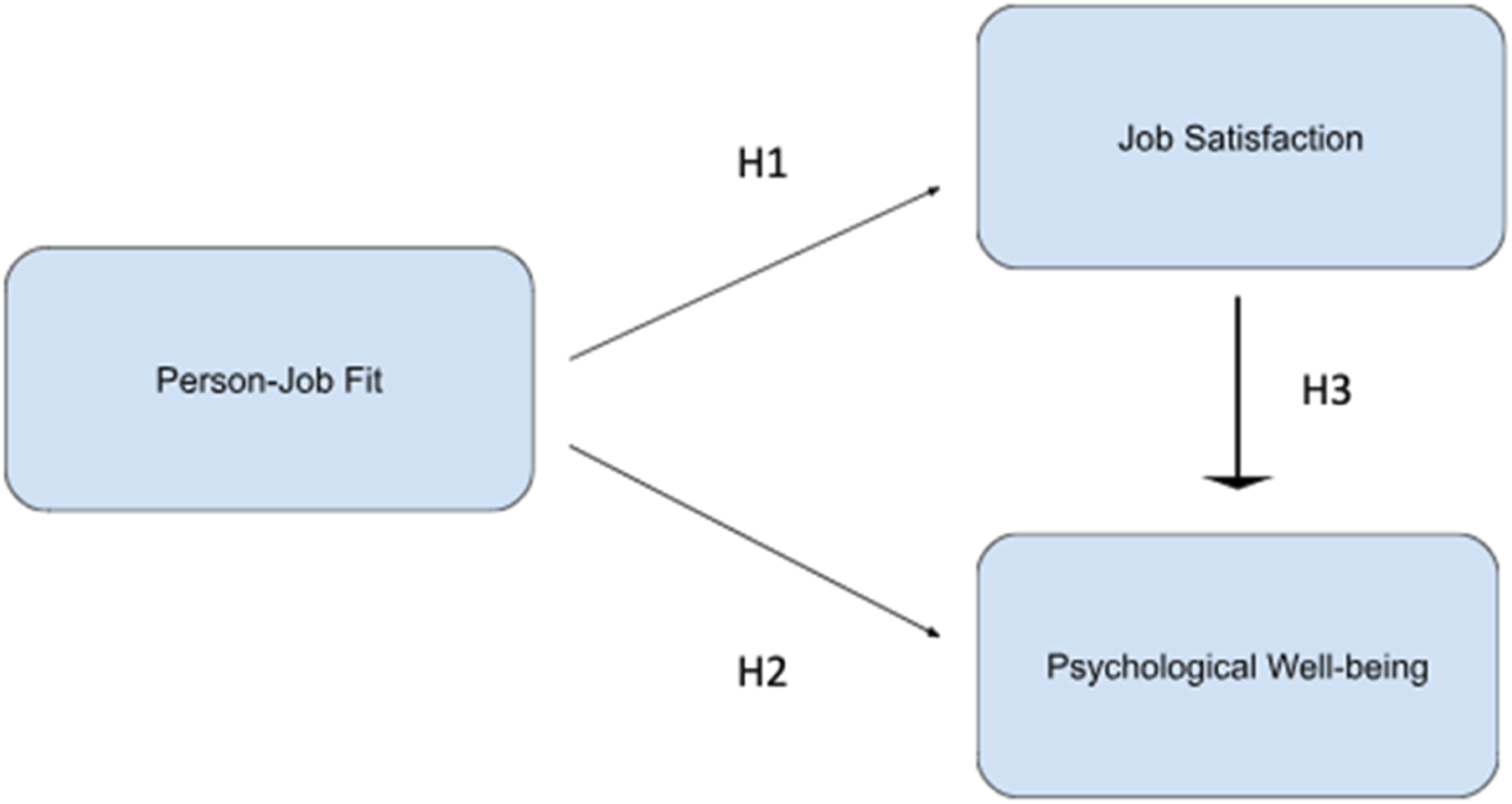
Job satisfaction has a significant positive effect on psychological well-being.
Methodology
Sample and procedure
The population of this research consists of FDMRs working in the restaurant industry. Just as it is not possible to provide an accurate number regarding the size of the population, it is also not possible to measure an average number of FDMRs per restaurant. However, observations estimate that their number is likely to be more than 10,000.
Power analysis was used to establish the appropriate sampling size. The power analysis yielded the following results: effect size of f2 = 0.15, err prob of = 0.05, power (1-β err prob) of 0.80, and 20 predictors as the number of predictors. In the end, it was found that the minimum sampling size should be 157.
Considering time and economic costs, a questionnaire was applied to FDMRs working for restaurants in Izmir, Türkiye. First, restaurant managers were informed about the purpose and scope of the research. Afterwards, the questionnaire was applied to the FDMRs working for the restaurants who agreed to participate in the research. Data was collected from FDMRs anonymously. The reliability of the surveys is positively impacted by informing participants about the research and conducting the questionnaires in an anonymous manner (Lelkes et al., 2012). Starting on July 30, 2023, the data collection process continued until October 30, 2023, during which all reachable FDMRs were included in the sample. At the conclusion of the data collection, 158 valid questionnaires were gathered, which seems to be capable of representing the population.
Measures
The research data was collected via a questionnaire form that was constituted using scales whose validity and reliability have been proven in the literature. The scales were designed in the form of a five-point Likert (1-Strongly Disagree…5-Strongly Agree). Additionally, the questionnaire form includes six questions to identify the profiles of FDMRs.
Person-job fit: The scale with nine items developed by Brkich et al. (2002) was used to determine person-job fit. The scale was adapted to Turkish by Kerse (2018). The sample item is shown as follows: “I feel that my goals and needs are met in this job”. Person-job fit scale consists of two sub-dimensions: negative and positive. The alpha value of the negative dimension was determined as 0.636, the alpha value of the positive dimension was determined as 0.623 and the overall reliability of the scale was determined as 0.603.
Job Satisfaction: The single-dimension scale with three items developed by Brayfield and Rothe (1951) was utilised to determine the job satisfaction of FDMRs. The Turkish adaptation of the scale was received from Bilgin’s (1995) study. The sample item is shown as follows: “I am satisfied with the type of work I do.” (α = 0.716).
Psychological Well-being: Developed by Diener et al. (2010), the single-dimension scale with eight items named ‘psychological well-being scale’ was utilised. It was adapted to Turkish by Telef (2013). The sample item is shown as follows: “I lead a purposeful and meaningful life”. Psychological well-being scale consists of two sub-dimensions: high level and low level. The alpha value of the high-level dimension was determined as 0.576, the alpha value of the low level dimension was determined as 0.509 and the overall reliability of the scale was determined as 0.607.
A Cronbach Alpha value of 0.70 or above denotes a better level of scale reliability (Karakoç and Dönmez, 2014). Nonetheless, the present study found that the Person-Job Fit and Psychological Well-Beings scales had Cronbach Alpha Values ranging from 0.50 to 0.60, which is regarded as an acceptable but weak range in terms of reliability. Based on these values, scales can be accepted as reliable (George and Mallery, 2003; Taber, 2018). A scale’s acceptability as a reliability level suggests that a second measurement taken for the same reason will yield the same findings. Unreliable scales are useless and could produce inaccurate findings (Kahveci and Şentürk, 2023). Testing hypotheses was performed as it was found that the Person-Job Fit and Psychological Well-Being scales used in this study are valid and reliable.
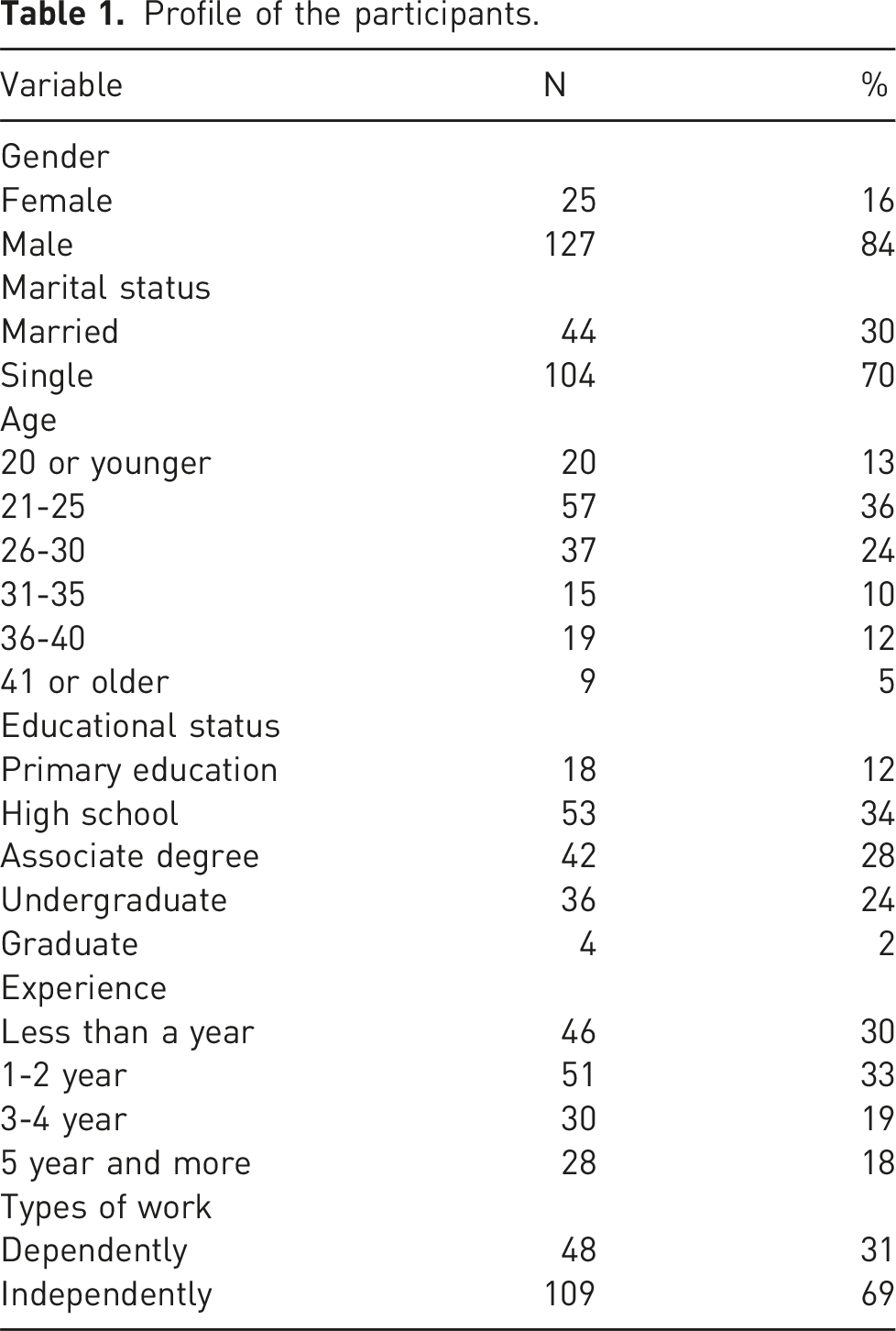
Demographic variables: Categorical questions were added to the questionnaire form to identify the descriptive characteristics of FDMRs, such as gender, marital status, educational status, age, FDMR experience, and type of work.
Data analysis
Before being entered into the SPSS 23.0 statistical programme, questionnaire forms were reviewed. Eight questionnaires with five or more unanswered questions were removed from analysis. Subsequently, the variables' extreme values were examined, and any missing data were filled in. Multiple normality tests were carried out to determine whether the data was distributed normally or not, which is a requirement for parametric tests. Then, the six questionnaires that didn’t fit the normal distribution were removed from the data set. In this way, the data set was prepared for parametric tests. The validity of the scales was ensured through exploratory factor analysis, and their reliability was ensured based on their Cronbach’s alpha values. While the relationship between variables was presented through correlation analysis, hypotheses were tested through regression analysis. T-tests were used to determine whether there was a difference between the dependent variables regarding marital status, gender, and working style.
Findings
Profile of the participants.
Results of validity and reliability analysis.
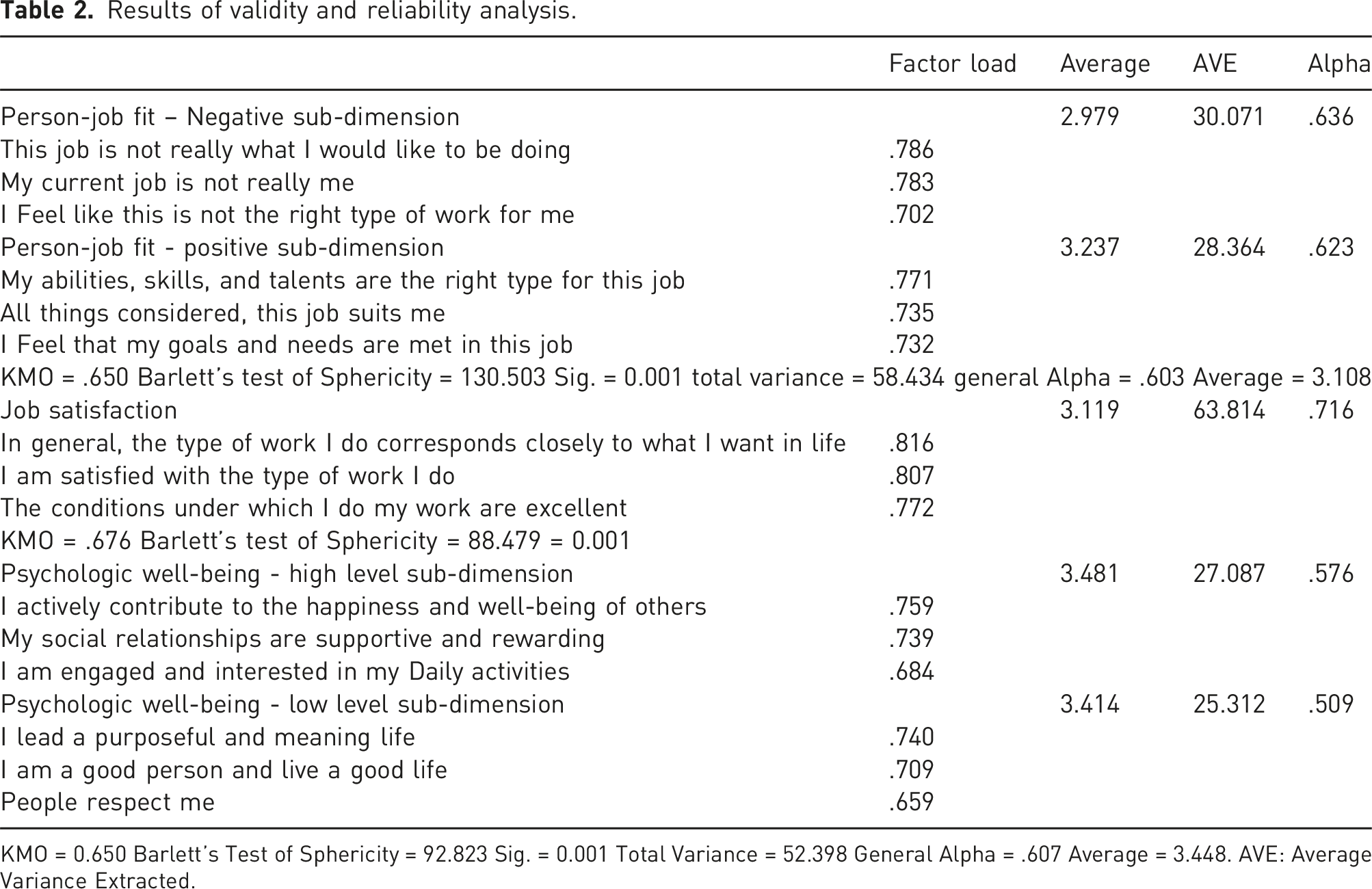
KMO = 0.650 Barlett’s Test of Sphericity = 92.823 Sig. = 0.001 Total Variance = 52.398 General Alpha = .607 Average = 3.448. AVE: Average Variance Extracted.
The first factor analysis was applied to the Person-Job Fit Scale. Three items in the scale were removed from the analysis because they did not meet the analysis presumptions. In the repeated EFA, it was observed that the items indicating person-job fit were grouped under a different factor from the one under which the three items indicating person-job infit were grouped. The overall average of the scale was 3.108, and the total explained variance was 58%.
The second factor analysis was applied to the Job Satisfaction Scale. In this analysis, three items were grouped under a single factor and explained approximately 64% of the variance. The average of the scale was 3.119.
The final factor analysis was applied to the Psychological Well-Being Scale. In this scale, two items were removed from the analysis because they did not meet the analysis presumptions and the EFA was repeated. In the analysis, two factors related to well-being emerged. The general average of the scale was calculated as 3.448, and the total explained variance was 52%.
Their internal reliability was ensured by Cronbach alpha values. In general, reliability values above 0.70 are considered acceptable, 0.60-0.70 is considered doubtful/questionable, and 0.50-0.60 is considered weak but acceptable (George and Mallery, 2003). In this study, reliability values vary between 0.509 and 0.716. Depending on these values, it can be stated that acceptable internal reliability is achieved, albeit at a weak level.
Relationship between variables.

**Correlation is significant at the 0.01 level (2-tailed).
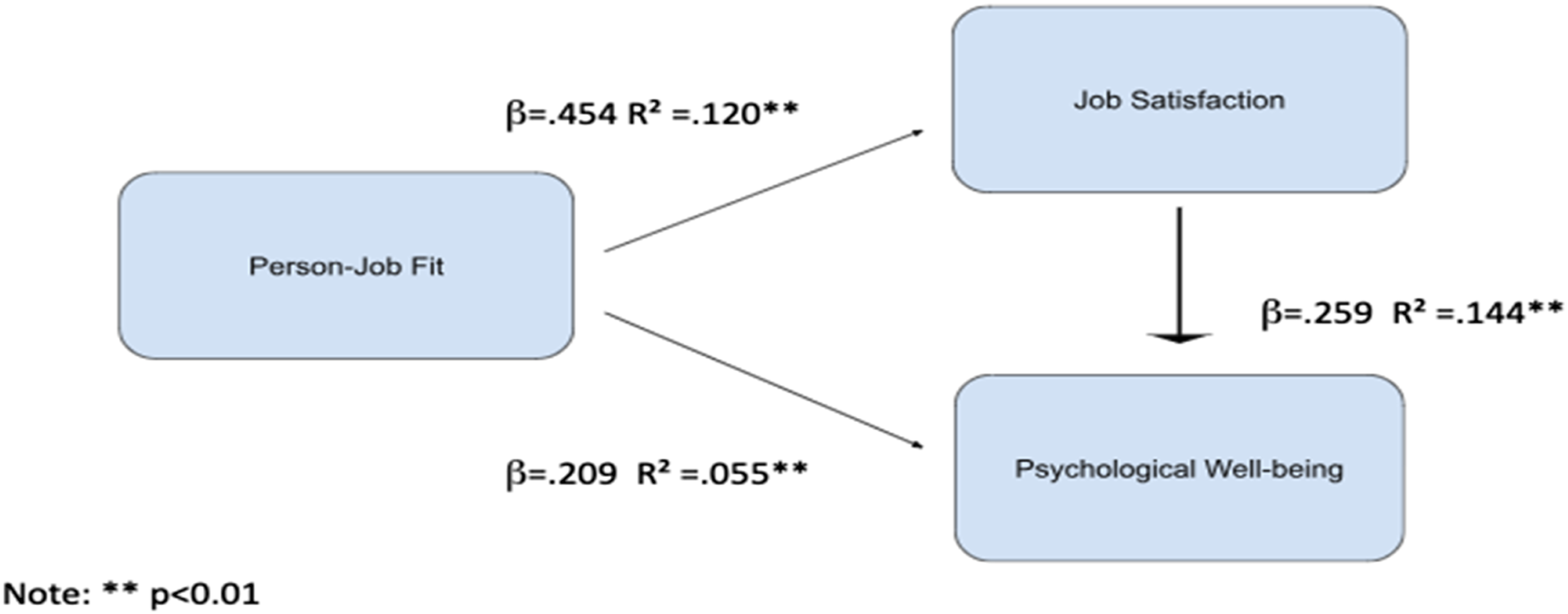
Results of hypothesis tests.
Hypothesis Tests
Regression estimates of equations.
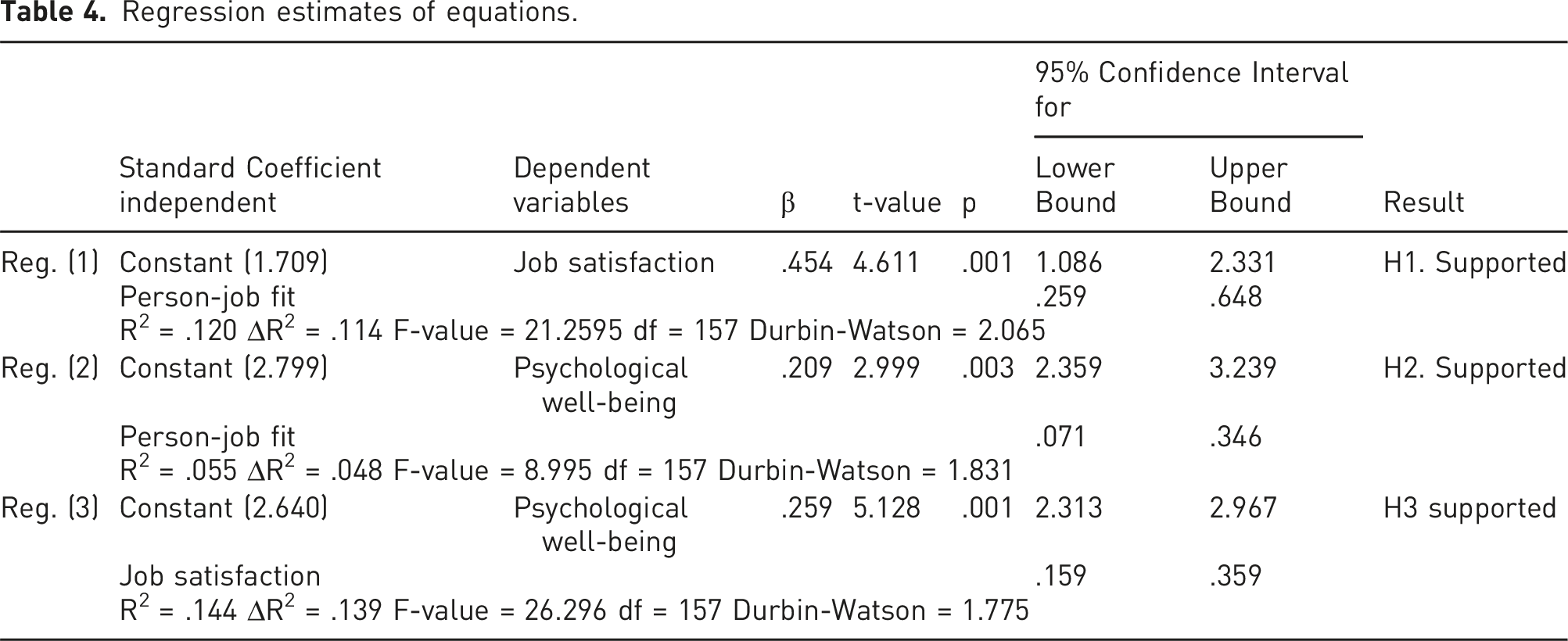
According to Table 4, person-job fit positively affects the job satisfaction of FDMRs (β = .454 p < .001); their psychological well-being (β = 0.209 p < .01). Additionally, job satisfaction positively affects the psychological well-being of FDMRs (β = 0.259 p < .001). As an independent variable, person-job fit explains 12% of job satisfaction in the first regression analysis, and it explains 5.5% of psychological well-being in the second regression analysis. In the last one, job satisfaction, which is the independent variable in the second one, explains 14.4% of the psychological well-being of FDMRs. Based on these results, H1, H2 and H3 were accepted.
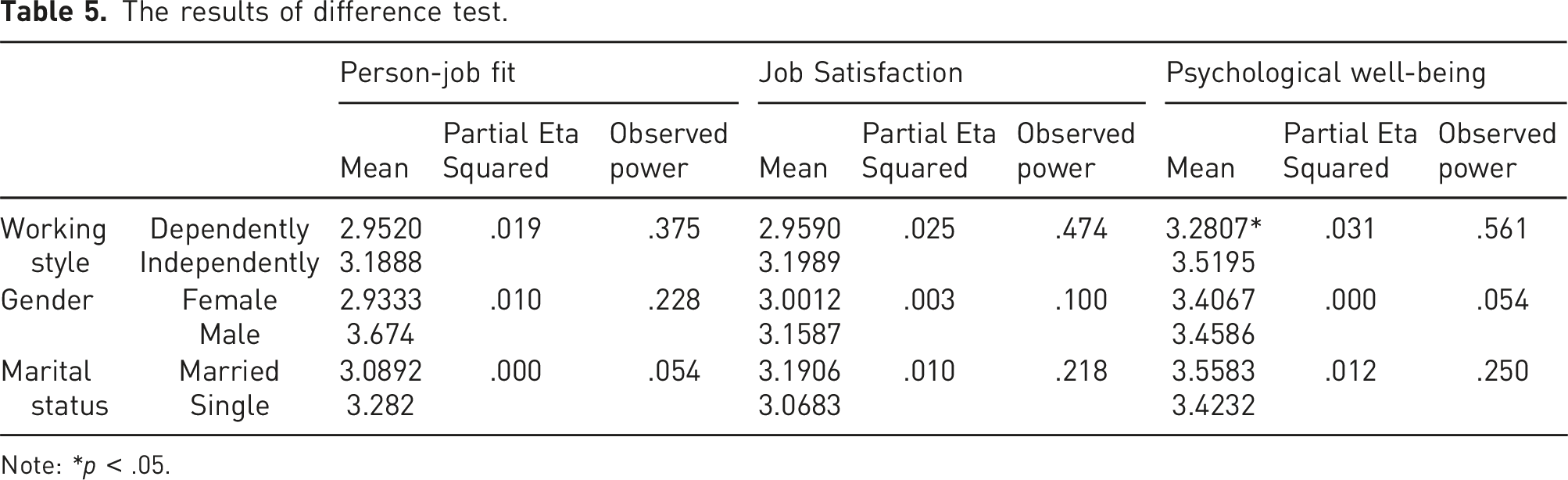
The results of difference test.
Note: *p < .05.
Discussion
This research aims to assess the effects of person-job fit on job satisfaction and psychological well-being through the Person-Job Fit Theory; and to examine the effect of job satisfaction of FDMRs on their psychological well-being levels through the Spillover Theory. One of the premises of job satisfaction is regarded psychological factors (Kong et al., 2018); therefore, there are many studies in the literature that focused on effects of job satisfaction on psychological well-being. However, there is a limited number of studies on FDMRs in the literature that are regarded as vital in the food delivery service.
The gig economy affects both self-employed individuals and other workers in the market (Asadullah, 2024). However, the findings demonstrate that the psychological well-being of self-employed FDMRs is higher than that of FDMRs working dependently as restaurant employees. It is suggested that the difference is caused by the fact that self-employed FDMRs have higher incomes than those working dependently since they can regulate their working hours and days, which accordingly affects their psychological well-being. Yertüm and Balcı (2023) find out that self-employed FDMRs in Istanbul work longer, may not make insurance payments on time, and have higher monthly incomes than those working on behalf of a business. In addition, Drahokoupil and Piasna (2019) conclude that the bulk of self-employed couriers face an uncertain scenario due to platforms' ability to end collaborations without warning. These situations, as in every profession, depend on which type of work can best meet the expectations achieved according to their priorities (Akgündüz, 2021). It is argued that having the chance to earn more in countries or periods in which economic income is more important than working hours and other working conditions will have a positive impact on the job satisfaction and well-being of FDMRs.
Implications for theory
The study’s results demonstrate that job satisfaction is a significant predictor of FDMRs' psychological health, which is in line with research conducted in the literature by İşgör and Haspolat (2016), and Anh and Dung (2022). The study revealed that FDMRs are satisfied with their jobs, which is consistent with the assumptions of the Spillover Theory, which postulates that feelings experienced at work also affect people outside of work. In other words, this study empirically demonstrates that high job satisfaction leads to high psychological well-being, while low job satisfaction leads to low psychological well-being. The more FDMRs are pleased at their occupations, the more likely they are to be happy when they are not working, supporting the Spillover Theory. In line with the spillover assumption (Heller et al., 2002), FDMRs' job experiences contribute to their life happiness and vice versa, showing a positive correlation between the two variables. There are three predictors of spillover effects: people’s characteristics, their employment, and external factors (Akgündüz, 2021). In this study, job satisfaction was found to positively affect psychological well-being. In other words, job satisfaction has a favourable impact on people’s overall well-being. Additionally, person-job fit was found to have a positive impact on job satisfaction. This finding is reinforced by Zong et al. (2024), who concluded from their in-depth interviews that FDMRs work long hours to maintain a stable income, leaving little time to care for their children, resulting in a lower person-job fit level.
The study’s findings reveal that person-job fit of FDMRs have a meaningful effect on their job satisfaction and psychological well-being. FDMRs with an ideal person-job fit are content with what they do and make greater contributions to their companies and careers. This study applies the person-job fit theory to a sample of FDMRs and finds that their person-job fit aligns with the theory’s assumptions.
Implications for practice
The profession of FDMRs, previously considered a short-term job, has now begun to be accepted as a professional job, which requires further analysis of the business relationships, expectations, problems, legal regulations, impact on customers, and contribution to business performance of FDMRs. There is a clear legal loophole pertaining to FDMRs in Turkey. As a result, there has to be legislation which will enhance the work conditions and well-being of FDMRs. One of the most important problems regarding human resource supply is to decide which employee candidate is most suitable for the enterprise and the job. It is possible to make a decision through a theoretical job analysis. However, most restaurant businesses are not managed from a professional perspective, which makes it difficult to carry out human resources functions in a healthy way. First of all, managers need to decide which features a FDMRs candidate needs to have for the job. Classically speaking, a licence and area knowledge are considered the basic requirements; however, it is necessary to select the most suitable employee candidate by taking into account different factors such as customer base (foreign language requirement to serve foreign customers) and business culture (for instance; competitive and collaborative). Thus, once person-to-job fit is achieved, job satisfaction and psychological well-being will increase accordingly.
In businesses that provide services, employees need to regard themselves as members of a team since every employee has an impact on customer satisfaction and the success of the organisation. Accepting delivery service as an important job in society and business will positively affect the job satisfaction of employees. For this reason, restaurant managers should create a holistic organisational culture that enables all employees to understand their own and their colleagues' contribution to the service delivery process. Managers are expected to be role models for employees to make them feel that they are important for the business.
Not every motorcycle rider can be a successful and happy FDMR because of possible problems related to business, customers, or environment. For this reason, managers should implement a more meticulous recruitment process to ensure that this work, which is often considered a temporary job for people who want to work for a short time or until they find a job, should be performed by those with the mentality of “This job is perfect for me” rather than “I have a motorcycle driver's licence, I can do it.”
Implications for policy
When it comes to FDMRs, there are no legal regulations, which makes it difficult for the profession of FDMRs to be accepted as a real profession by themselves and the society. Since there are no laws governing FDMRs, it is challenging for them to be seen as a legitimate one by both the public and FDMRs themselves. Because they work only in traffic, their line of work is extremely dangerous. It is a must to determine minimum working requirements, working conditions, employer and employee rights and obligations, and it is important to consider the structural features of the delivery industry. In particular, non-governmental organisations such as the Association of Motorcycle Couriers or the Association of Motorcycle Couriers Rights must work with legislators to try and pass legislation pertaining to FDMRs as professionals.
Limitations and future research directions
The research was conducted in Izmir on a limited sample, which is regarded as a limitation. That’s why the results cannot be generalised. In future studies, it is recommended to perform research on different samples through other scientific methods, which will increase the number of studies on FDMRs. This research is limited to those who work as FDMRs for restaurants. In order to eliminate the limitations caused by the sector in future research to be carried out, more generalizable findings can be obtained by collecting data from FDMRs in businesses such as markets, butchers, and greengrocers. In this quantitative research, it is possible to reduce the limitations caused by the scale items with the advantages of the interview method in future research.
Convenience sampling prompted the researchers to include in the sample any easily accessible unit in the population, which is another drawback of the study. It makes it difficult to identify population differences in the sample, including those related to gender, age, experience, education level, working location, and companies. Nonetheless, in order to generalise the research findings, it is critical to recognise the variations within the sample. For this reason, it is advised that stratified sampling, one of the probability sampling techniques, be used in future research.
