







Abstract
Indigenous alcoholic beverages remain underexplored in tourism research despite their cultural and economic potential, especially in developing economies where global brands dominate consumption. This exploratory study investigates how such beverages can be repositioned as experiential assets within gastronomic tourism, using Kerala’s toddy as a case study. A mixed-method approach was employed, combining machine learning–based clustering of Instagram images, focus group validation, and conjoint analysis with domestic tourists. Variables were first identified from experiential tourism and consumer behaviour literature and then refined through image clustering and focus group discussions to ensure grounding in both theory and real-world perceptions. The findings reveal that authentic village settings, cultural immersion, and local food pairings are the strongest drivers of tourist appeal, while sustainability considerations—though valued—play a supporting role. Based on these insights, a hierarchical framework for branding indigenous alcoholic beverages was developed, positioning place authenticity as the foundation. The study contributes by integrating digital visual analytics with consumer choice modelling, offering a replicable approach for future research in indigenous beverage tourism. It provides actionable insights for policymakers, entrepreneurs, and tourism operators aiming to revitalise local beverages while preserving cultural heritage and fostering community-based development.
Introduction
In many emerging economies, regional products are often overlooked because products from the Global North are perceived as more valuable and modern (Morris et al., 2023) In such contexts, consumers tend to imitate global trends, viewing foreign products as symbols of status and modernity, while their own traditional products are seen as outdated or inferior (Hoskisson et al., 2000). This issue is particularly pronounced in contexts affected by institutional voids, a condition where market-supporting mechanisms—such as formal distribution channels, quality certifications, and branding infrastructure—are weak or underdeveloped (Khanna and Palepu, 1997; Oyedele and Fırat, 2025). These institutional gaps restrict local producers from scaling their products or competing with well-organized global brands. Additionally, indigenous and organic products face green stigma—a negative bias in which consumers associate such products with informality, poor quality, or low hygiene standards, even when they are natural and sustainable (Sharma and Jayswal, 2025). This is not just about people doubting whether a product is really organic—it reflects a broader issue known as the organic conundrum, where organic products are valued only when they match what society perceives as modern and aspirational (Sukumaran and Majhi, 2024a). In the case of toddy, this stigma is further shaped by the highly regulated market structure in Kerala, where production and sale are overseen by state excise authorities and largely organised through licensed cooperatives. Although this regulatory system ensures product authenticity and prevents adulteration, it also restricts branding flexibility and consumer-facing communication, thereby reinforcing toddy’s marginalised market position.
A clear example of this challenge is toddy in Kerala, a mild alcoholic beverage made from fermented coconut sap with deep cultural and culinary roots. Despite being organic and traditional, toddy has seen a decline in consumption with the rise of multinational beverage brands. In contrast, wine consumption in India is steadily growing, symbolizing elegance and celebration (Kelkar et al., 2023; Sukumaran and Majhi, 2025), while toddy is often perceived as a drink consumed mainly by economically disadvantaged groups (Sood et al., 2019). This paper argues that the image of a local or traditional product like toddy can be improved when it is positioned within experiential consumption contexts. In Kerala, some toddy shops are being redesigned to offer local food in clean, aesthetically appealing environments, attracting families and food enthusiasts. This transformation mirrors global trends where regions such as Milan, Osaka, Paris, and Hong Kong have successfully leveraged food culture to build tourism appeal (Kuhn et al., 2024). Even in wine tourism, diversification—combining wine with local culture, nature, heritage, and gastronomy—has sustained tourist engagement (Faye, 2024). Similarly, by pairing toddy with authentic Kerala cuisine and cultural ambience, its acceptance and perceived value can be enhanced while also strengthening Kerala’s identity as a gastronomic tourism destination.
Despite the growing importance of gastronomy in tourism, academic research on the role of indigenous beverages within tourism branding remains sparse, especially in developing economies. Most studies emphasize behavioural outcomes like satisfaction and loyalty but overlook pre-behavioural factors such as cultural perceptions and product legitimacy (Molina-Collado et al., 2024). Moreover, much of the existing literature in this domain is concentrated in developed countries, especially in Western contexts where wine and craft beverage tourism are well established. Food and beverage choices are deeply shaped by culture, religion, social norms, and demographic influences (Koksal, 2019), suggesting that findings from Western wine-producing regions cannot be universally applied. In countries like France, Italy, and Spain, wine consumption is socially embedded and culturally legitimised, forming part of an aspirational lifestyle (Lockshin and Corsi, 2012). However, such socio-cultural conditions differ sharply in India, where the alcoholic beverage market is still evolving and formal wine culture is relatively nascent (Kelkar et al., 2023; Singh and Wagner, 2023). Consequently, Indigenous drinks like toddy have not been adequately examined within the framework of tourism development, despite their cultural significance. This gap highlights the need for context-specific research to understand how traditional beverages can be repositioned through culturally grounded tourism strategies in emerging markets like India.
To address these research gaps, this study adopts a mixed-method research design to develop an empirically grounded framework for positioning toddy within gastronomic tourism. Variables were first identified from experiential tourism and consumer behaviour literature and subsequently refined through image clustering of social media content and focus group discussions to ensure their grounding in both theory and real-world perceptions. In the first phase, user-generated Instagram posts were analysed using machine learning–based clustering techniques to uncover dominant visual narratives surrounding toddy. In the second phase, a conjoint analysis was conducted to examine tourist preferences for toddy-related experiences, using the refined attributes derived from the earlier stages. This sequential design ensured methodological coherence while allowing the study to move beyond descriptive analysis toward the development of a context-specific, data-driven framework for branding indigenous beverages through tourism.
Building on this methodological foundation, the study makes three key contributions. First, it advances theoretical understanding by examining pre-behavioural consumer perceptions—specifically how authenticity, cultural immersion, and social experience influence interest in indigenous alcoholic beverages. Second, it contributes methodologically by integrating machine learning–based image clustering with conjoint analysis, presenting a novel mixed-method approach that bridges digital ethnography and quantitative consumer research within tourism studies. Third, it provides empirical insights from an emerging economy, illustrating how gastronomic tourism can act as a strategic mechanism to reposition culturally embedded yet commercially constrained beverages like toddy. By addressing the institutional voids and “green stigma” that limit the legitimacy of such products, the study extends the scope of tourism research toward more inclusive, culture-driven development paradigms.
Literature review
The definition of tourism has changed in recent years. Instead of taking long vacations, many travellers now prefer short and frequent trips. Tourists are increasingly seeking to experience the culture, cuisine, and daily life of a place rather than simply visiting popular sightseeing spots or beaches (Martínez-Falcó et al., 2023). Various diversification strategies have been implemented to promote tourism from this perspective. One such strategy is gastronomic tourism led by wine and local beverages, where tourists not only sip the drink but also immerse themselves in the local culture, visit wineries, and, of course, enjoy the regional food and beverages & Camprubi and Goncalves (2024); Marzo-Navarro and Pedraja-Iglesias (2021); Noguer-Juncà and Crespi-Vallbona (2025). By mixing food, education, entertainment, and storytelling, wine tourism has become a strong example of how local food and drink can make a destination more attractive and improve its cultural identity.
Tourism diversification through experiential travel
Tourism diversification has emerged as a strategic response to changing tourist motivations and destination fatigue (Farmaki, 2012; Weidenfeld, 2018). Butler’s (1980) Tourism Area Life Cycle (TALC) model suggests that destinations must innovate to avoid stagnation, and diversification—the expansion of tourism offerings—has become a key survival strategy. Earlier studies emphasized diversification primarily for economic gains and competitiveness (Sharpley and Vass, 2006), but more recent work highlights its role in creating experiential value by combining culture, food, nature, and community (Benur and Bramwell, 2015; McKercher, 2016). This shift aligns with the rise of experiential tourism, where tourists seek meaningful, multisensory encounters rather than passive sightseeing (Meneses et al., 2023). Food and drink-based experiences, especially wine tourism, have become successful diversification models globally because they integrate storytelling, social interaction, and place attachment (Camprubi and Goncalves, 2024; Noguer-Juncà and Crespi-Vallbona, 2025). Applying this logic to indigenous beverages suggests that they too can transcend product consumption and become catalysts for cultural immersion.
However, diversification is context-dependent. Most research focuses on wine tourism in Europe, Australia, and North America, where strong branding, regulation, and heritage support product legitimacy. In contrast, emerging economy contexts lack such institutional support, making diversification efforts for local products more challenging (Khanna and Palepu, 1997). Brand recognition is central to success in the tourism industry (Cham et al., 2020), therefore, for toddy in Kerala, diversification must involve not only product promotion but experience design that integrates local cuisine, rural settings, and cultural narratives to build legitimacy and shift perceptions (Sukumaran and Majhi, 2024a).
Importance of local context and community involvement
Tourism diversification is most effective when it is rooted in the local cultural context and supported by community participation. As Kastenholz et al. (2023) argue, tourism experiences achieve authenticity and meaning only when local people actively shape and contribute to them. George and Achin (2020) similarly emphasize that local knowledge, traditions, and skills are essential resources for building tourism offerings that reflect regional identity rather than imitating external models. In the context of indigenous beverages like toddy, such grounding in local culture is particularly important because the product is strongly linked to rural life, agrarian traditions, and social rituals in Kerala. Promoting toddy without considering the cultural sensitivities surrounding it may reinforce stigma rather than improve acceptance. Therefore, the development of toddy-based tourism must adopt a community-oriented model where toddy tappers, local farmers, and small enterprises are integrated into the tourism value chain.
Furthermore, tourism collaboration networks strengthen diversification outcomes (Gu et al., 2021). Provan and Kenis (2008) highlight that partnership governance enhances coordination among tourism stakeholders, increasing the chances of long-term success. For toddy tourism, such collaboration could connect toddy shops with local food producers, cultural performers, and village communities, creating value for both residents and tourists. At the same time, positive local attitudes are essential—(Eustice et al., 2019) show that residents are more likely to support tourism when they perceive personal and community benefits. Thus, for toddy to be repositioned through tourism, community involvement is not optional but fundamental to its legitimacy, authenticity, and sustainability.
Understanding tourists and their satisfaction
Understanding tourist heterogeneity is essential for designing meaningful tourism experiences, and this is particularly relevant when positioning products that carry cultural complexity, such as toddy. Prior research in wine tourism has shown that tourists are not a homogenous group; instead, they differ in terms of motivations, involvement levels, and desired experiences (Brown and Getz, 2005; Charters and Ali-Knight, 2002). While some tourists are product-focused and motivated by tasting and learning about wine production, others are experience-driven and seek broader cultural engagement through local cuisine, landscapes, and social interactions. Similar distinctions are likely to exist in toddy tourism, where segments may range from curiosity-driven explorers to food enthusiasts seeking local authenticity and cultural travellers interested in Kerala’s rural heritage (Sukumaran and Majhi, 2024a).
Tourist satisfaction is a key outcome in tourism design and is shaped by how well experiences meet or exceed expectations (Faullant et al., 2011). Hybrid offerings that combine multiple elements—such as food, culture, storytelling, and scenery—tend to generate higher satisfaction and emotional engagement (Jin-Soo Lee and Choi, 2019). This insight is particularly important for toddy, as promoting it solely as an alcoholic drink may limit its appeal due to existing social stigma. Instead, positioning toddy within a broader experiential setting—for example, pairing it with traditional Kerala cuisine, rustic landscapes, or cultural ambience—can enhance perceived value and reshape consumer perceptions. From a methodological perspective, recognising diverse tourist preferences underscores the need for choice-based evaluation methods.
Choosing the right approach
As per Janowski et al. (2021) and Kolar (2019), there are mainly two ways to combine tourism activities. The first one is called an “associated” combination. Here, different activities—like visiting a toddy shop and later watching a local dance—happen in the same area but are not directly connected. The second is called an “integrated” combination, where everything is planned together as one complete experience. For example, a toddy shop that also serves local food and has live cultural shows. Both these methods can work well for toddy tourism. The associated model is easier to organise, especially in areas where tourism is still developing. But integrated experiences usually give tourists a more meaningful and memorable visit. For instance, the local hospitality industry prioritises cheaper products outside the Canary Islands over locally grown or produced wines. Alonso and Liu (2011) suggested that when combined and ‘married, canary food and wine could significantly enhance visitors’ overall experience in the archipelago.
Taken together, the literature highlights the importance of authenticity, cultural immersion, and experiential design in gastronomic tourism, while also revealing a gap in understanding how indigenous beverages in emerging economies can be repositioned under conditions of stigma and institutional constraints. Recent work frames local gastronomy as a symbolic and experiential resource for destination identity (Gündüz et al., 2024; Recuero-Virto and Valilla Arróspide, 2024), yet empirical models explaining how such products transition from local consumption to tourism assets remain limited. Addressing this gap, the present study examines toddy tourism in Kerala and develops an empirically grounded framework to guide indigenous beverage branding through experiential tourism.
Methodology and materials
Methodology
A mixed-method approach was adopted because existing literature on indigenous alcoholic beverages—particularly in developing economies—is limited, and insights from studies on wine or craft beverage tourism in Western contexts cannot be directly applied to toddy due to distinct socio-cultural and market dynamics. While these prior studies provided a conceptual foundation, this research sought to extend their scope by identifying additional context-specific attributes through image clustering and focus group discussions. These exploratory stages allowed for the discovery of new dimensions relevant to toddy’s cultural and experiential context, which were then systematically tested using conjoint analysis. This sequential design ensured that the attributes used in the quantitative phase were not only theoretically informed but also grounded in real-world perceptions derived from digital and social representations.
The first stage involved collecting social media content, specifically images from Instagram. Using the open-source tool Instaloader, the latest 327 publicly available images tagged with toddy-related keywords such as #toddy and #toddyshop were extracted. Instagram was chosen as the data source because it is widely used by both tourists and locals to share visual experiences. These images represent how toddy is currently perceived and shared in digital public spaces, offering valuable cues about aesthetics, setting, food pairing, and context. After collecting the images, a systematic preprocessing stage was undertaken to prepare them for analysis. Duplicate images were first removed to maintain dataset integrity, and all images were resized to a uniform dimension for consistency. Each image was then converted to the RGB (Red, Green, Blue) colour space, enabling numerical representation of pixel values for subsequent analysis. To reduce computational complexity and minimise minor colour variations, equalised colour quantisation was applied, reducing the colour depth from 256 levels per channel to 16 levels per channel, resulting in 4096 distinct colour bins. The steps from preprocessing through the creation of these colour bins followed the methodology outlined by Wang et al. (1997). These RGB values were then transformed into the perceptually uniform HVC colour space, where differences between colours correspond more closely to human visual perception. Using hierarchical clustering with Ward’s linkage and Euclidean distance, the 4096 colour bins were grouped into a smaller number of representative clusters (Wan and Kuo, 1998). A mapping table was created to link each original pixel to its corresponding cluster, enabling the reconstruction of segmented images. These procedures were implemented in Python using standard image processing libraries such as OpenCV, NumPy, and scikit-learn. Once the clusters were generated, they were visually inspected and interpreted through human judgement to identify the distinctive characteristics and symbolic meanings represented in each group. This interpretive step allowed for the integration of computational output with contextual understanding, ensuring that the clustering results reflected meaningful visual and cultural themes rather than purely technical groupings. The methodological workflow of the image clustering process is shown in Figure 1. This process not only reduced noise but also facilitated the identification of visually and culturally coherent patterns. Methodological workflow for image analysis.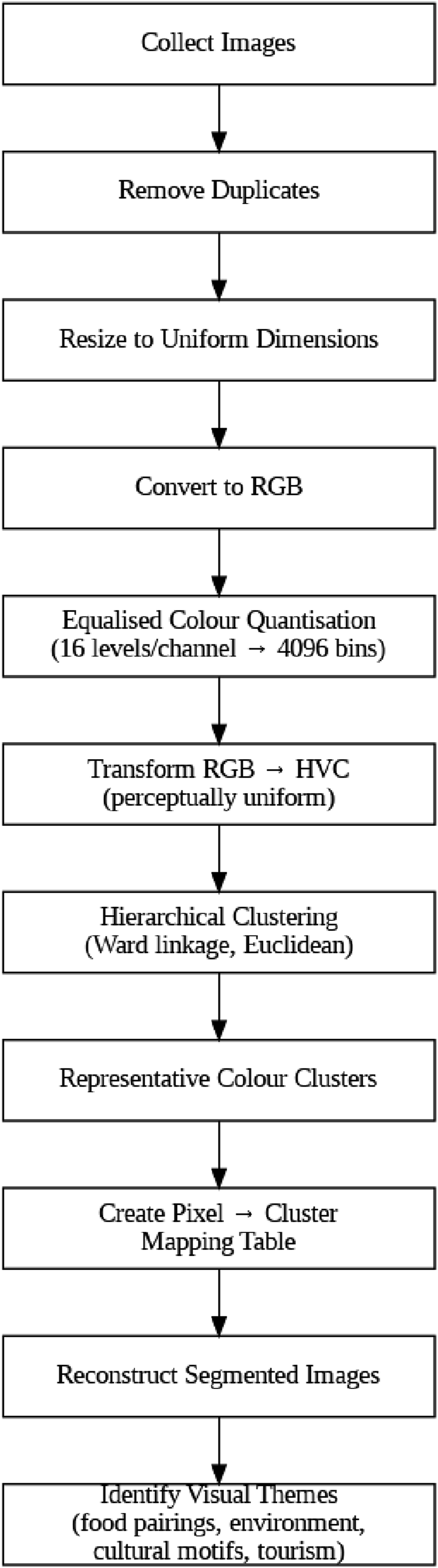
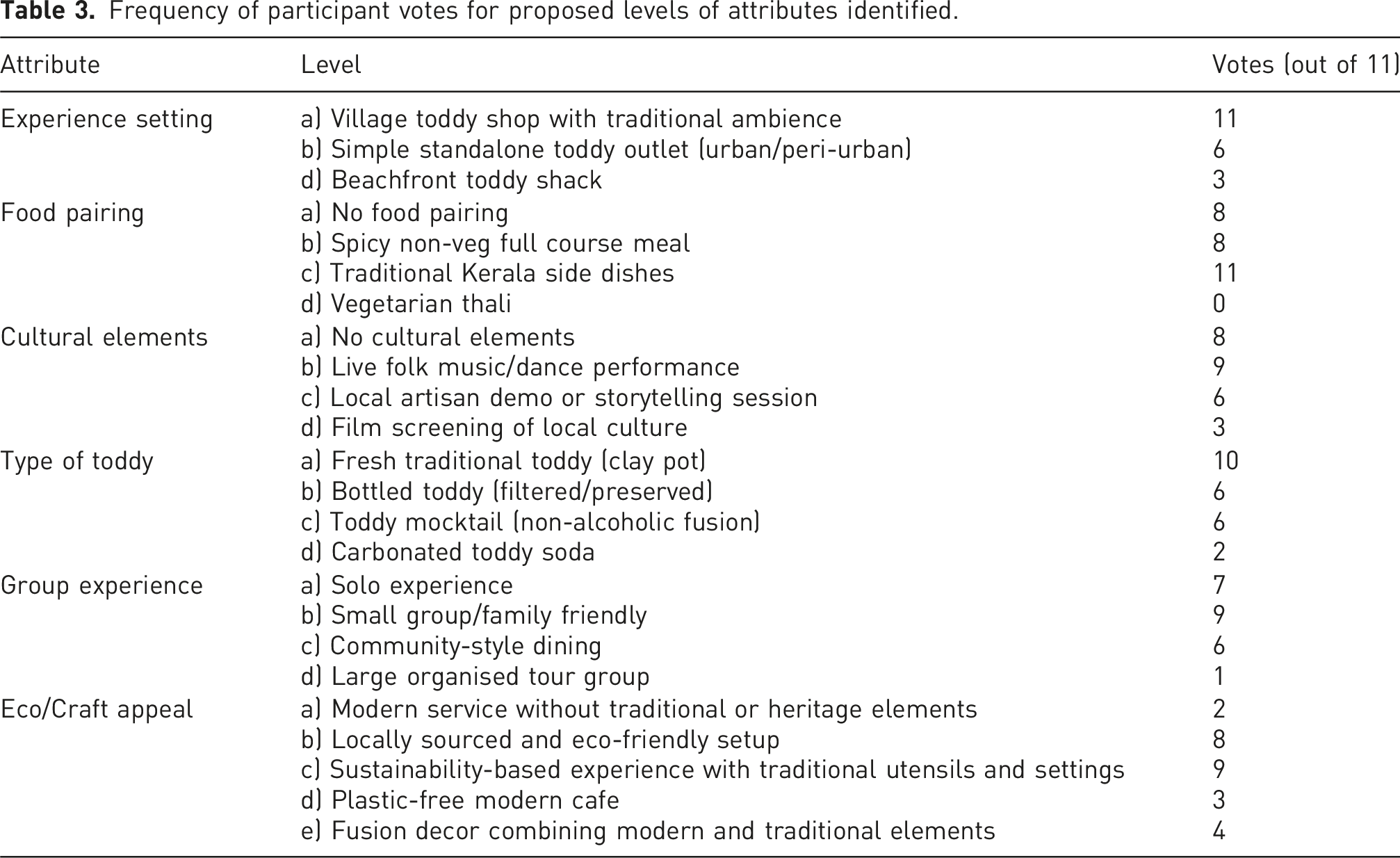
Based on the themes identified in the clustering stage, the second phase of the methodology focused on conducting a conjoint analysis, a statistical technique widely applied in consumer research to understand how people value different features of a product or service (Kelley et al., 2015; Mann et al., 2012; Mehta and Bhanja, 2018; Payini et al., 2022; Sukumaran and Majhi, 2024b; Tempesta et al., 2010). In this context, the method was used to evaluate which combinations of toddy-related tourism experiences are most appealing to domestic tourists. A modified nominal group technique (NGT) was applied to finalise the attributes and levels for the conjoint analysis (McMillan et al., 2016). Before initiating the focus group discussion, the researcher presented a detailed summary of the literature review and the findings from the image clustering stage, ensuring that participants were familiar with both theoretical constructs and visual insights. A written documentation of these materials was also shared for reference. The results from the Instagram image clustering were then used as visual prompts during the focus group session with 15 domestic tourists, who shared their perceptions and preferences in a guided discussion. Common themes emerging from the discussion were documented by the moderator and compiled into a preliminary list of potential attributes and levels. A frequency table was subsequently prepared to show the number of participants supporting each option. In a follow-up session, this table was shared with the group, and participants voted for their preferred options within each category. The final set of attributes and levels was determined based on the most frequently supported options, while retaining a few less popular ones to examine potential trade-offs in preferences. The sequence of this process is illustrated in Figure 2. Process flow from Instagram image clustering to final conjoint analysis design using a modified nominal group technique.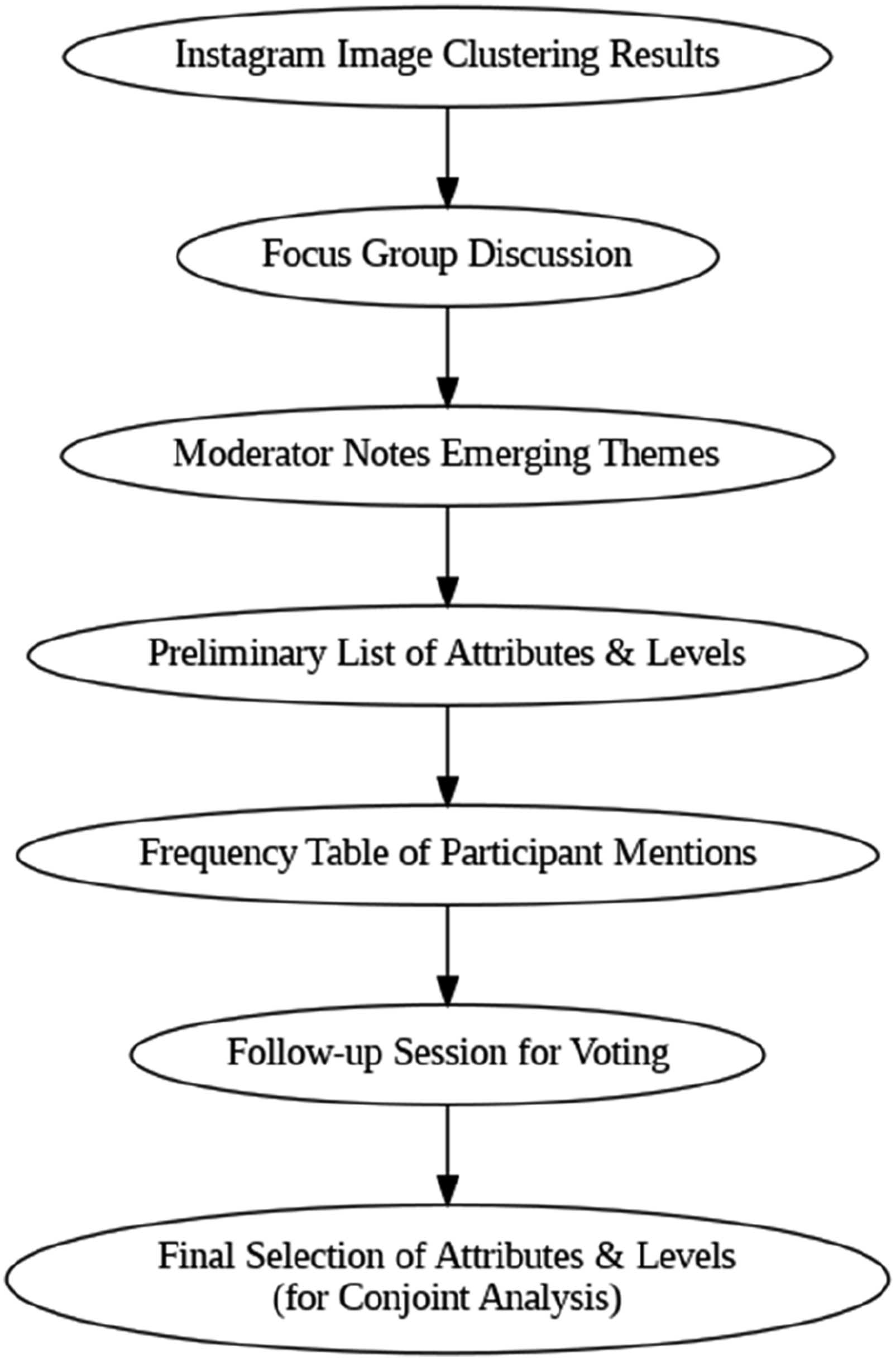
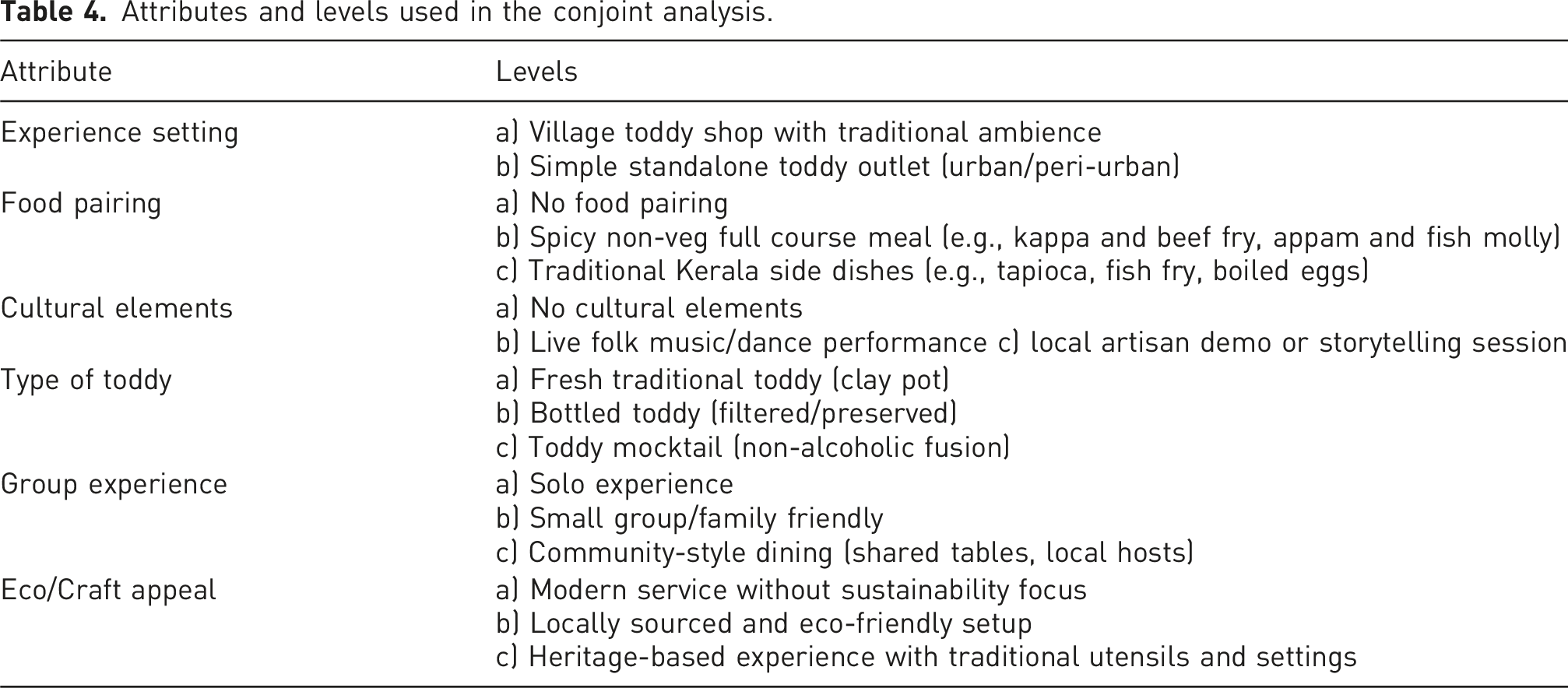
With attributes and levels identified, a hypothetical tourism package profiles was created. To mitigate potential decision fatigue—a known challenge in conjoint designs when participants are faced with too many combinations—careful attention was paid to managing the number of attribute combinations while maintaining the design’s orthogonality, ensuring an optimal balance between complexity and manageability (Hartanto and Triastianti, 2022). This was achieved through the use of an orthogonal design, which allowed the efficient estimation of part-worth utilities without overburdening respondents (Mehta and Bhanja, 2018). Participants in the survey were shown a set of imagined toddy tourism packages, each representing a unique mix of attribute levels designed to simulate real tourist experiences. They were then asked to choose their preferred option in each set, enabling the identification of the most influential attributes in shaping consumer preferences.
Materials
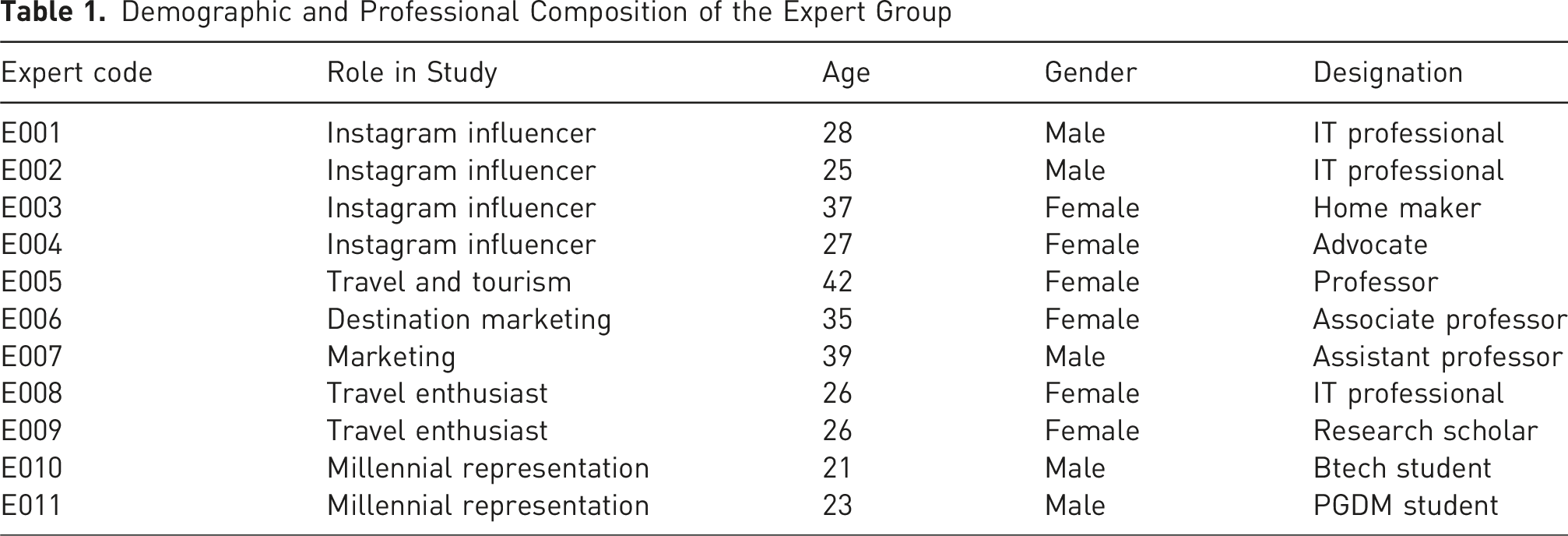
Demographic and Professional Composition of the Expert Group
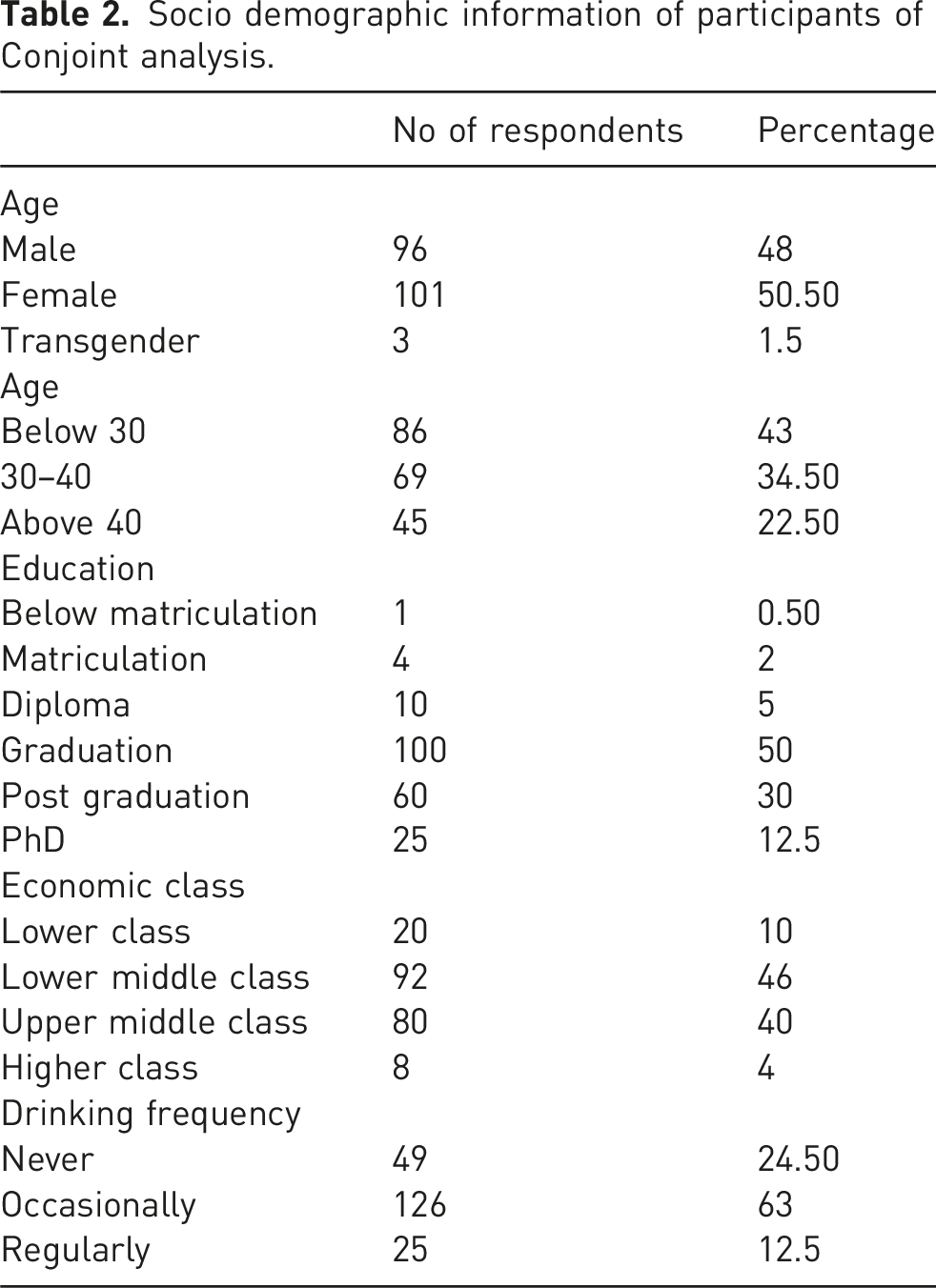
Socio demographic information of participants of Conjoint analysis.
Findings
Instagram image clustering
Based on the clustering analysis, three main types of image groups were identified: Toddy Shop Vibes, Toddy Pairing, and Toddy Moments. The dendrogram representing this hierarchical clustering is presented in Figure 3, while Figure 4 displays sample images corresponding to each of the three identified clusters. The first and largest cluster, comprising approximately 60% of the images, was labelled “Toddy Shop Vibes.” These images prominently featured the toddy shop environment, often capturing the full setting, including traditional architecture, natural rural surroundings, and local community life. Common elements included thatched-roof shops, wooden structures, paddy fields, coconut groves, and people in traditional Kerala attire. This cluster reflects toddy as part of a culturally immersive and place-based experience, deeply tied to the village lifestyle and rural identity of Kerala. The findings indicate that toddy, in this context, is not just a beverage but a symbol of authentic local living, making it well-suited for village tourism and rural heritage trails. Dendrogram illustrating the hierarchical clustering results of Instagram images (pruned to a maximum depth of five to improve interpretability and visual appeal). Representative sample images from the three identified clusters—Toddy Shop Vibes, Toddy Pairing, and Toddy Moments—derived from the hierarchical clustering of Instagram posts.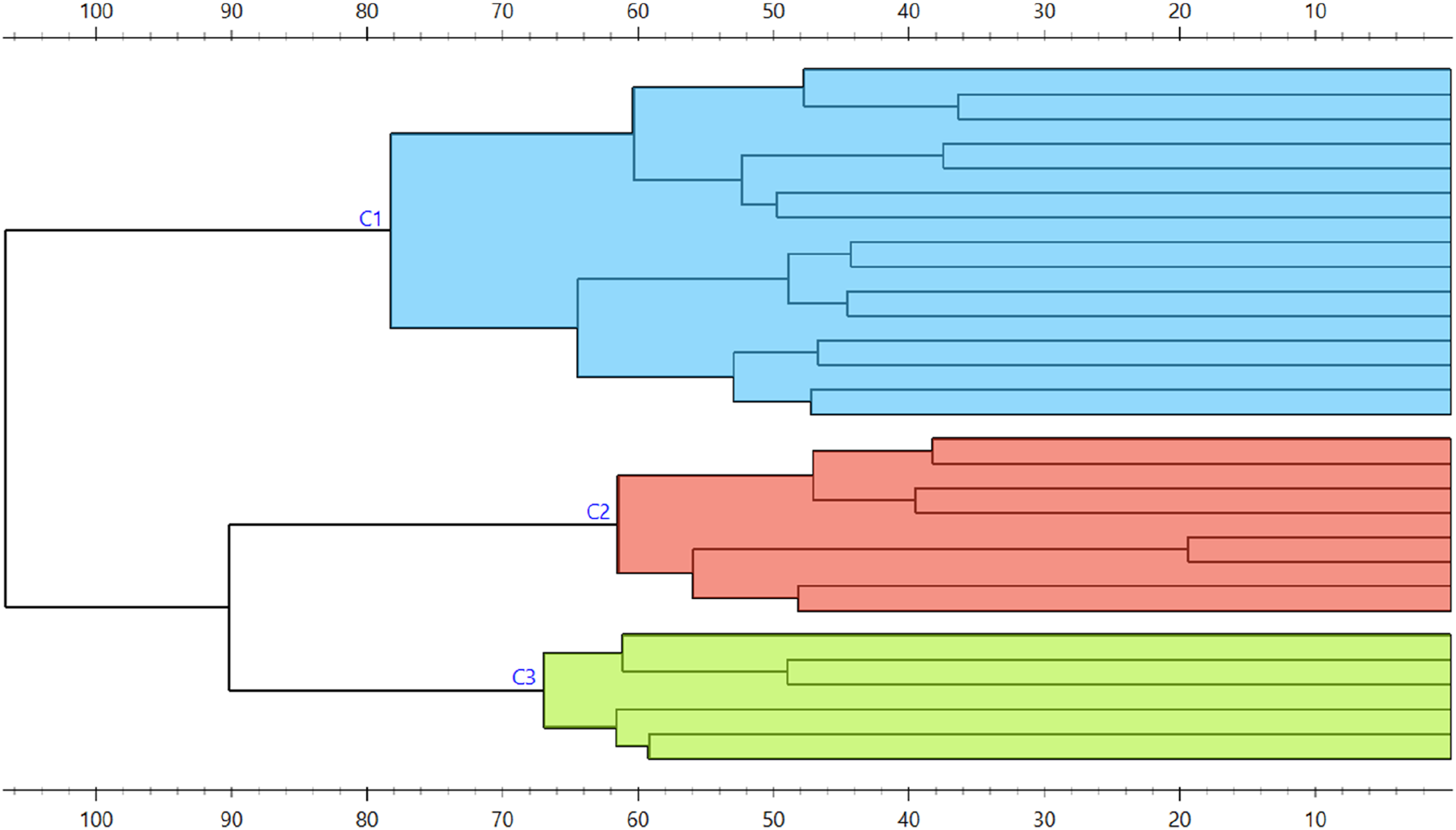
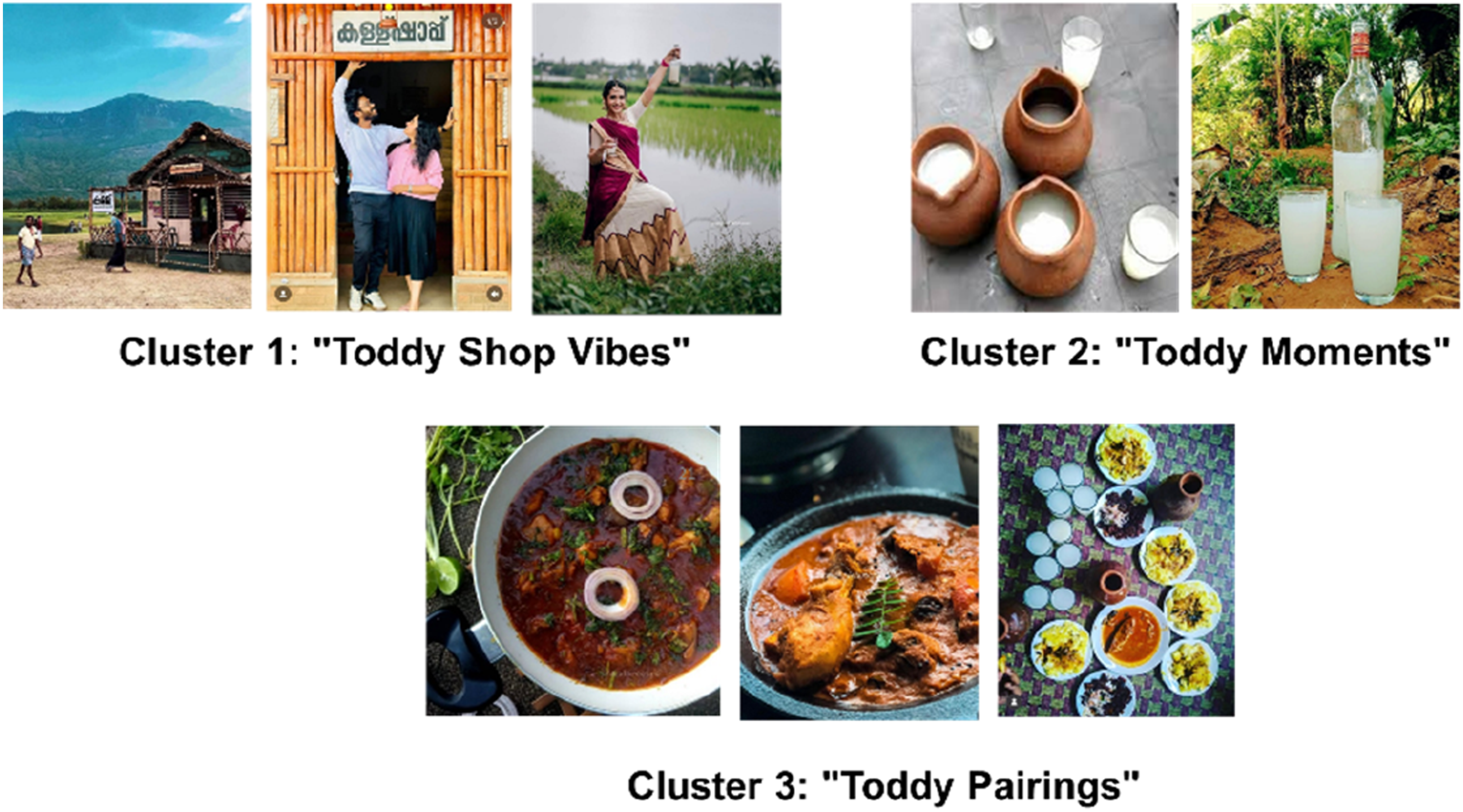
The second cluster, accounting for around 30% of the images, was identified as “Toddy Pairing.” This group focused on toddy being consumed along with traditional Kerala dishes, such as beef fry, fish curry, kappa (tapioca), and pork. The images highlighted the sensory richness of the toddy-drinking experience when combined with local cuisine. Unlike the first cluster, which emphasized place and culture, this cluster centered on gastronomic pleasure and culinary pairing. The visual representation suggests a strong opportunity to promote food-based tourism experiences, such as toddy-food trails or curated local dining experiences, aimed at domestic tourists who are keen to explore regional flavours and traditional food combinations. The third and smallest cluster, comprising approximately 10% of the images, was termed “Toddy Moments.” These images depicted toddy as a standalone subject—typically served in clay pots, glass tumblers, or bottles—without much focus on food or background. The emphasis was placed on the appearance of the drink itself, often presented in a simple or minimalistic style. While limited in quantity, this cluster presents toddy as a natural, traditional, and artisanal product. Such representation can be appealing to niche segments interested in heritage beverages, sustainable consumption, or locally crafted drinks.
Focus group findings
The insights from clustering formed a visual foundation for designing differentiated toddy-related tourism offerings. To refine these themes into concrete attributes and levels suitable for a conjoint analysis, a focused group discussion was conducted. The focus group discussion was conducted via Google Meet, and all responses were audio-recorded for later analysis. To ensure a smooth and engaging conversation, the moderator posed several open-ended questions based on insights from clustering, which are listed below: • When you think of visiting a place like the ones shown in the images, what kind of location or setting would you prefer? • Looking at the images, how important is food or snacks for you in such an experience? • Some images showed performances or traditional activities—would these make you more interested in visiting? • You saw toddy being served in different ways in the images—which way do you like more and why? • When you go out for leisure activities, does it make a difference if you go alone, with family, or with a larger group? • Did any of the arrangements or setups in the images look more special or authentic to you? What made them stand out? • If you could create your own toddy tourism experience, what things would you include to make it more enjoyable?
Frequency of participant votes for proposed levels of attributes identified.
Conjoint analysis results
Attributes and levels used in the conjoint analysis.
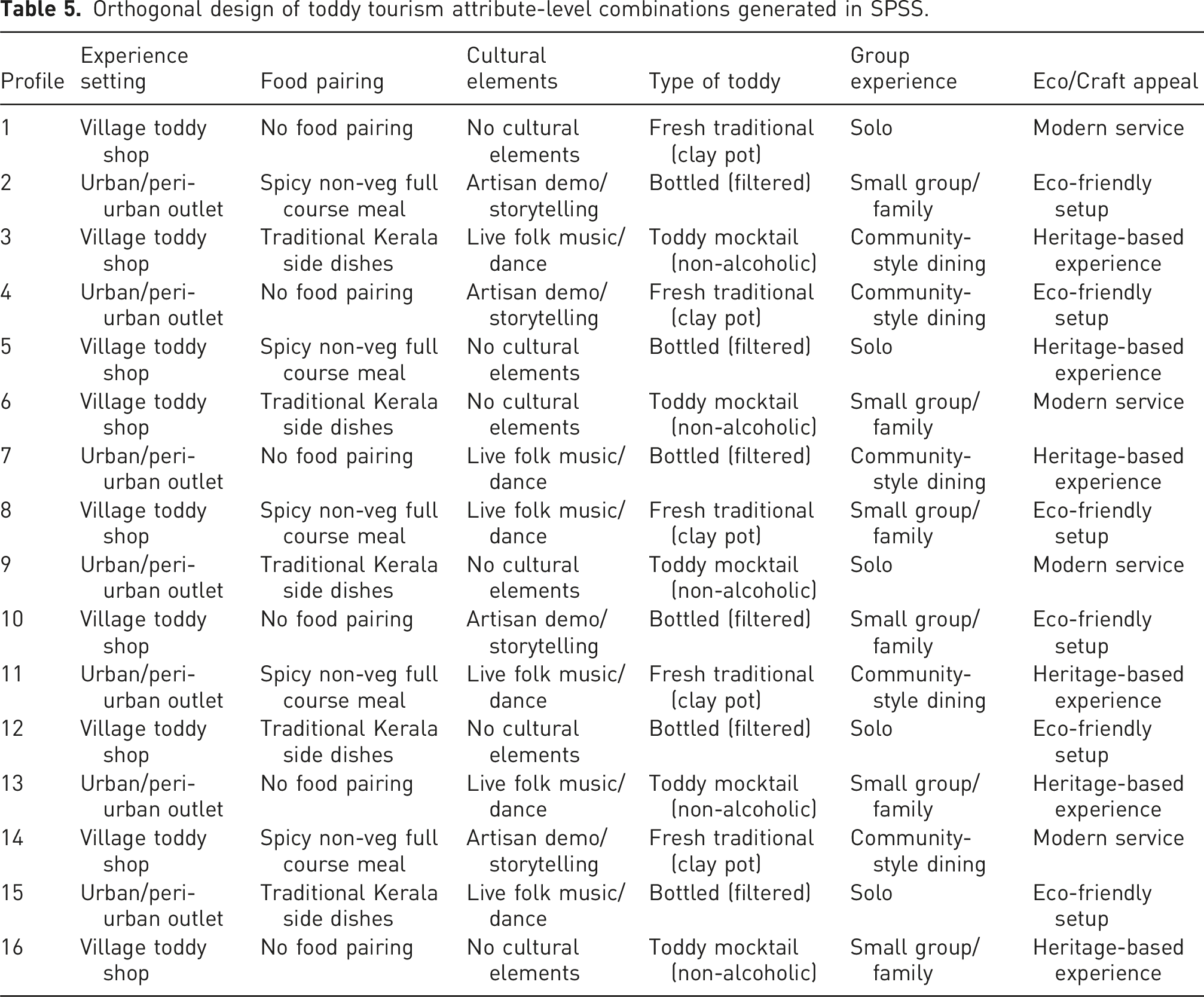
Orthogonal design of toddy tourism attribute-level combinations generated in SPSS.
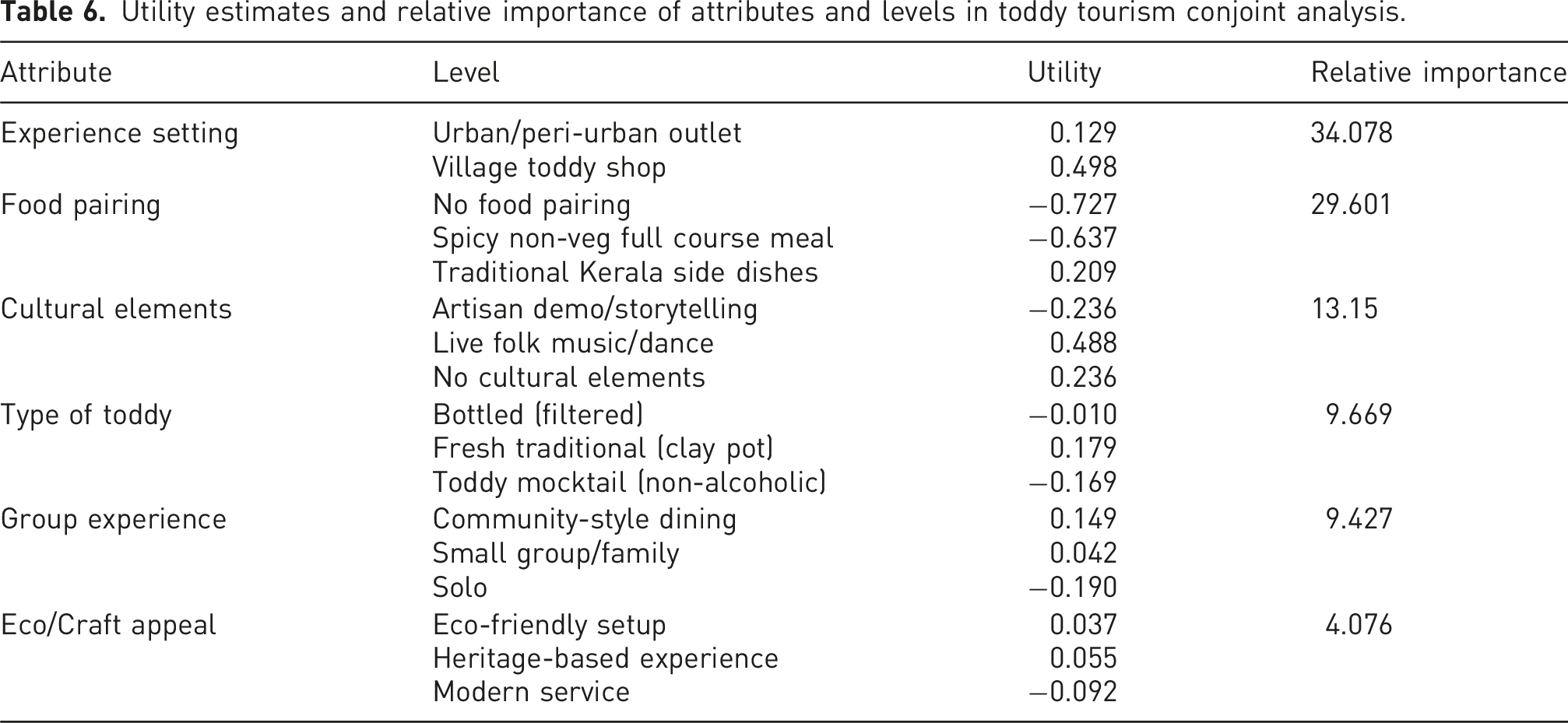
The conjoint analysis identified Experience Setting as the most important attribute influencing preferences for toddy tourism experiences, with a relative importance of 34.08%. Within this attribute, the highest utility was observed for a village toddy shop with traditional ambience (0.498), followed by an urban/peri-urban outlet (0.129). The second most important attribute was Food Pairing (29.60%). Among the levels, Traditional Kerala side dishes received the highest positive utility (0.209), while No food pairing (−0.727) and Spicy non-veg full course meal (−0.637) were less preferred. Cultural Elements accounted for 13.15% of the overall importance. Live folk music or dance performances had the highest utility (0.488), followed by No cultural elements (0.236). Artisan demonstrations or storytelling showed a negative utility (−0.236), suggesting lower appeal. Type of Toddy had a relative importance of 9.67%. Fresh traditional toddy served in a clay pot (0.179) was preferred over bottled toddy (−0.010) and toddy mocktails (−0.169). Group Experience contributed 9.43% to the overall importance. Community-style dining (0.149) was the most preferred, followed by small group/family-friendly settings (0.042), while solo experiences had a negative utility (−0.190).
Utility estimates and relative importance of attributes and levels in toddy tourism conjoint analysis.
Discussion
Based on the findings, a global hybrid framework for branding indigenous alcoholic beverages has been developed, using toddy tourism in Kerala as an illustrative case (Figure 5). The Authenticity–Heritage Branding Pyramid integrates conceptual insights from tourism and heritage branding literature with empirical evidence from the conjoint analysis, and reflects how effort and resources should be prioritised based on tourist choice preferences. At the foundation of the hierarchy lies Place Authenticity, which represents the tangible and spatial core of the experience. Tourists show a clear preference for traditional village toddy shops over urban outlets, underscoring the value of spaces deeply rooted in local culture and daily life. This finding aligns with global trends—such as French wine routes, Mexican tequila trails, and Japanese sake tourism—where the place and its narrative become central to product identity. Travelling to destinations that are different from one’s daily environment allows people to break free from their routines and experience something new (Neuhofer and Dulbecco, 2024; Soulard et al., 2020). Such life changes can take many forms—altering daily habits, recovering from difficult times, improving well-being, or starting a new life chapter (Jiménez-Barreto et al., 2025). When tourists visit a place, they should be able to feel a distinct sense of difference. Therefore, protecting and showcasing the authenticity of a place should be considered the foundation for branding indigenous alcoholic beverages. Authenticity–heritage branding pyramid: Hierarchical framework for branding indigenous alcoholic beverages.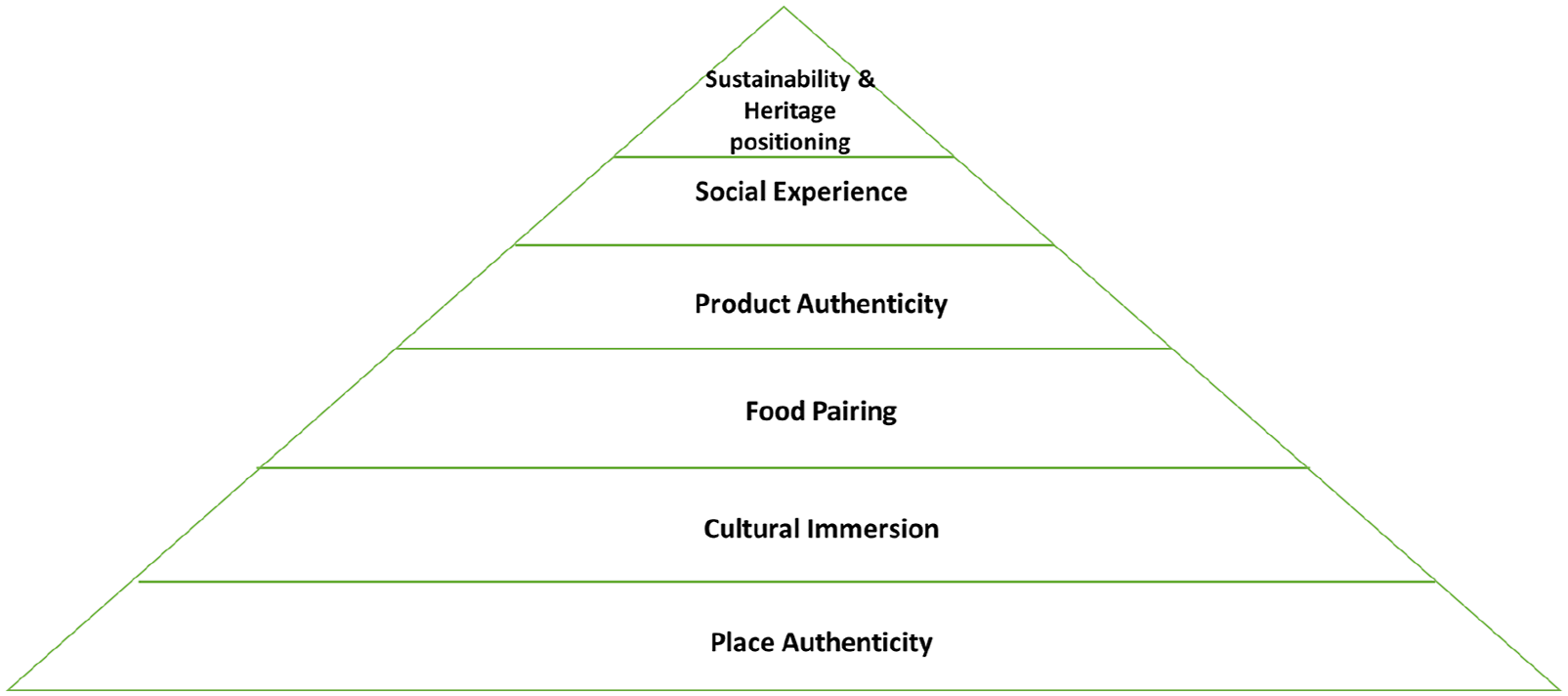
Building upon place authenticity, Cultural Immersion forms the second level of the framework. This pillar transforms cultural heritage into lived experience by enabling visitors to actively participate in local customs, art, and social life. The integration of culture and tourism strengthens the emotional connection between visitors and hosts (Dai et al., 2019; Jin et al., 2022; S. Lee and Bai, 2016). In the toddy context, folk music, dance performances, and storytelling sessions enrich visitor engagement, reflecting global alcohol tourism trends where participatory cultural expressions enhance destination appeal. While artisan demonstrations generated less enthusiasm, interactive and high-energy experiences—those that engage multiple senses—proved more effective in sustaining attention and emotional resonance. Providing comfortable, community-based accommodation can further deepen cultural immersion. Such settings encourage interaction with local residents, offering opportunities for shared experiences, storytelling, and participation in community traditions (Scherrer et al., 2009).
The third level, Food Pairing, connects the cultural with the sensory. Serving authentic local dishes alongside traditional beverages transforms ordinary consumption into a multi-sensory and aesthetic experience (K. S. Lee, 2022). In gastronomic tourism, food acts as both a cultural bridge and identity marker, linking visitors to the heritage of a place (Sukumaran and Majhi, 2024). In Kerala’s toddy shops, pairing toddy with regional cuisine enhances perceived authenticity and value. As Spence (2020) and Kim and Lecat (2017) note, perceptual harmony between food and drink shapes overall satisfaction. Thus, food pairing is not only about taste but also about crafting a coherent narrative of place and tradition through sensory alignment.
Above this, Product Authenticity serves as the fourth layer, reinforcing trust and craftsmanship. Fresh toddy served in earthen pots was preferred over bottled or modern variants, echoing global shifts toward natural, craft, and heritage-based products (Gil Arroyo et al., 2024). . Preserving heritage-based presentation strengthens perceptions of quality and craftsmanship. In the case of wine, several studies suggest that bottle design plays a minor role in consumer preference compared to factors like origin, price, and category. For example, Chamorro et al. (2021) found that bottle design had limited influence on Portuguese consumers, while (Tang et al., 2015) reported similar results in China. However, for local beverages like toddy, the indigenous identity is a strong selling point. Addressing the “green stigma” associated with indigenous beverages requires building trust through transparency rather than replacing tradition. In the toddy context, cultural immersion strategies—such as storytelling by local tappers and explaining the traditional tapping and fermentation process—help visitors understand the product’s authenticity. Although toddy production and sale in Kerala are strictly regulated by the state, with sourcing and quality monitored by excise authorities, these safeguards must be actively communicated through marketing, guided experiences, and on-site narratives to effectively reduce perceptions of poor quality or unhygienic production. The fifth level, Social Experience, captures the collective nature of consumption. The preference for community-style or small-group settings reveals that shared experiences amplify enjoyment, memory formation, and word-of-mouth promotion. This mirrors patterns seen in global alcohol tourism—from beer gardens to wine tastings—where social interaction transforms individual consumption into communal celebration.
At the apex of the hierarchy lies Sustainability and Heritage Positioning, representing the strategic outcome of the branding process. Although its empirical importance score was lower, its role is pivotal in achieving long-term differentiation and legitimacy. The finding reflects the well-known intention–behaviour gap: tourists appreciate sustainability and heritage values but often prioritise sensory and social experiences in actual behaviour (Sukumaran and Majhi, 2024a; 2024b). Embedding sustainability within the broader authenticity narrative—rather than treating it as a separate attraction—ensures both ecological responsibility and emotional resonance. Practically, this involves modernising toddy shops without erasing their traditional features, blending Kerala’s backwater landscapes with vernacular aesthetics. Attention to environmental harmony, design colour palettes, and resource management ensures that tourism growth does not compromise ecological balance (Cox and Veith, 2003; Yu and Egger, 2021).
From a tourism planning perspective, the Authenticity–Heritage Branding Pyramid reflects how effort and resources should be prioritised based on tourist choice preferences observed in the conjoint analysis. Attributes related to place authenticity, cultural immersion, and food pairing showed higher relative importance, suggesting that these elements should receive initial planning emphasis. Sustainability and heritage positioning, although essential for long-term legitimacy, require sustained investment and institutional support and therefore emerge as higher-order outcomes rather than immediate choice drivers.
Implications and conclusion
This study provides an exploratory foundation for understanding how indigenous alcoholic beverages can be positioned within gastronomic and experiential tourism. Using toddy tourism in Kerala as the illustrative case, it integrates social media analysis, focus group insights, and conjoint modelling to develop a hierarchical framework that traces the transformation of indigenous beverages from place authenticity to heritage positioning. Rather than testing established theory, the study offers an empirical baseline for future research in this underexplored area.
Practical and policy implications
The findings highlight how indigenous beverages can be leveraged to strengthen destination branding while supporting local community development. Although the toddy sector in Kerala is already subject to strict government regulation that ensures product quality and authenticity, these safeguards are often not visible or well understood by consumers. Therefore, the policy challenge lies less in further regulation and more in improving communication and positioning of these quality controls. Tourism policy can play a critical role by enabling community-based experiences and supporting cooperative-run establishments, which dominate the toddy sector, to engage more effectively with visitors. Revitalising toddy tourism through such policy support not only enhances destination appeal but also contributes to the economic and cultural revival of local communities dependent on this traditional livelihood. Successful implication of this model can provide a global framework on how indigenous alcoholic beverages can be promoted globally through community participation and cooperative structures, offering an alternative to branding approaches dominated by large multinational players.
Limitations and future scope
As empirical research on indigenous beverage tourism remains limited in major databases such as Scopus and Web of Science, particularly within the context of developing countries, this study serves as a conceptual and methodological baseline for future investigations. By integrating visual analytics with consumer choice modelling, it establishes a data-driven approach for understanding how indigenous beverages like toddy can be repositioned through tourism. However, several limitations should be acknowledged. The study focused primarily on domestic tourists, as toddy tourism in Kerala is still in its formative stage, and local acceptance, stigma reduction, and infrastructure development must precede international promotion. The Instagram dataset, though carefully curated, was constrained by availability and algorithmic factors. We acknowledge that reliance on Instagram may overrepresent visually active users and curated content, thereby limiting the representation of broader tourist perceptions; however, this limitation was partially addressed through triangulation with focus group discussions. Similarly, the framework does not address broader governance issues such as community ownership, profit-sharing mechanisms, or sustainable business models, which remain beyond its current scope. Additionally, the findings are embedded in Kerala’s unique cultural, social, and regulatory context, which may limit direct transferability to regions with different alcohol norms and governance structures.
Future studies should extend this hierarchical framework across diverse cultural and geographical contexts to examine how authenticity, heritage, and sustainability are perceived globally. Incorporating larger and more heterogeneous samples, including international tourists, alongside behavioural and longitudinal data, can further validate the framework’s dimensions and test causal relationships among experience attributes, sustainability attitudes, and destination development outcomes. Greater emphasis on community participation, equitable value distribution, and policy alignment will strengthen the socio-economic foundations of indigenous beverage tourism. In sum, the Authenticity–Heritage Branding Pyramid proposed in this study provides an initial pathway for transforming traditional beverages into meaningful tourism assets. While exploratory in nature, it demonstrates that aligning cultural identity, community engagement, and sustainable practices can elevate local drinks from the margins to the mainstream—enhancing destination competitiveness while preserving cultural heritage.
Footnotes

Consent to participate
All respondents provided informed consent prior to participation. No identifiable individuals or institutions have been mentioned.
Author contributions
All authors have made substantial contributions to the research design, analysis, interpretation, and writing of this manuscript. All authors have read and approved the final version of the manuscript, and the work represents the sole scholarly contribution of the authors.
Funding
The authors received no financial support for the research, authorship, and/or publication of this article.
Declaration of conflicting interests
The authors declared no potential conflicts of interest with respect to the research, authorship, and/or publication of this article.
Data Availability Statement
The datasets analyzed during the current study are available from the corresponding author on reasonable request. To ensure confidentiality, the data will be masked and anonymized before sharing.
Use of Artificial Intelligence
AI tools were used only to refine the language of the manuscript and not for analysis, interpretation, or any other part of the research process.