






Abstract
Tourists’ encounters with/in places, while powerfully represented and organized by visual imagery, are also experienced through material exchange, social interaction and physical movement. We offer a visual ethnography of the embodied, re/mediating inter/actions of tourists in a range of different sites. Our images are organized into five compositional themes or narratives: (1) self-locational rituals and spectacles; (2) tactile engagements with place; (3) digital remediation of embodied actions; (4) scaling the ‘Top of Europe’; (5) the fleeting inscription of permanence. It is through their ways of seeing the world that tourists become viewing subjects and through their bodies that they become doing subjects. In both cases, their viewing and their doing produce tourists as knowing subjects, with a sense of the world as attainable and conquerable.
On the Hermeneutic Cycle of Tourism
What is sought for in a holiday is a set of photography images, which have already been seen in tour company brochures or on TV programmes. While the tourist is away, this then moves on to a tracking down and capturing of these images for oneself. (Urry, 2002: 129)
On Embodiment in Tourist Photography
… the nature of tourist photography is a complex theatrical one of corporeal, expressive actors; scripts and choreographies; staged and enacted ‘imaginative geographies’ … Tourist photography is (thus) made less visual and more embodied, less concerned with spectatorship and ‘consuming places’ than with producing place myths, social relationships… (Larsen, 2005: 417)
On the Making of Tourist Spaces
… imagined possibilities directly influence what travelers encounter, creating a constant and animated dialogue between images in the mind and realities on the ground … Images in the mind are projected onto physical places, which in turn are shaped in ways that most successfully respond to, and further rekindle, the imaginary. (Kahn, 2003: 308)
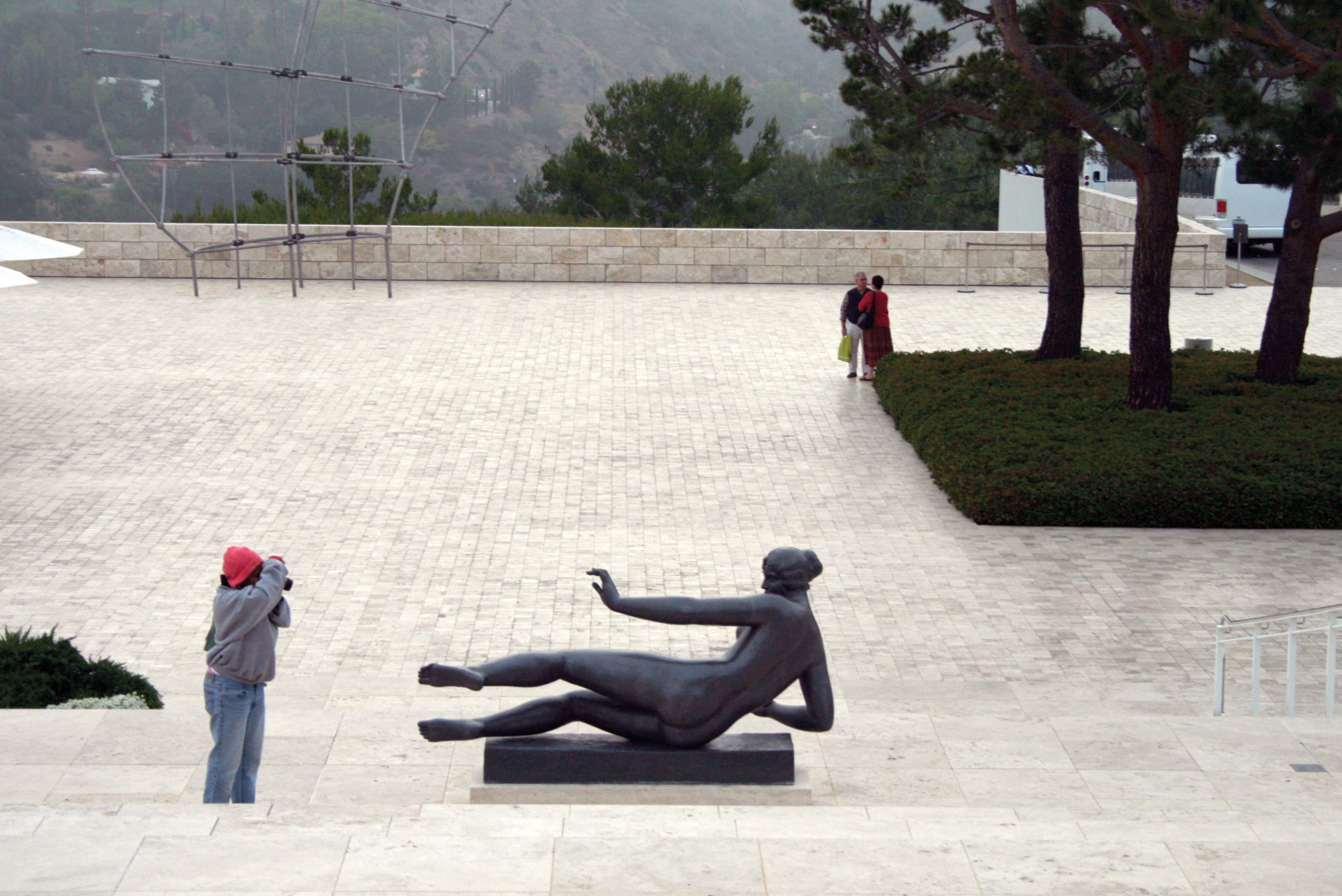

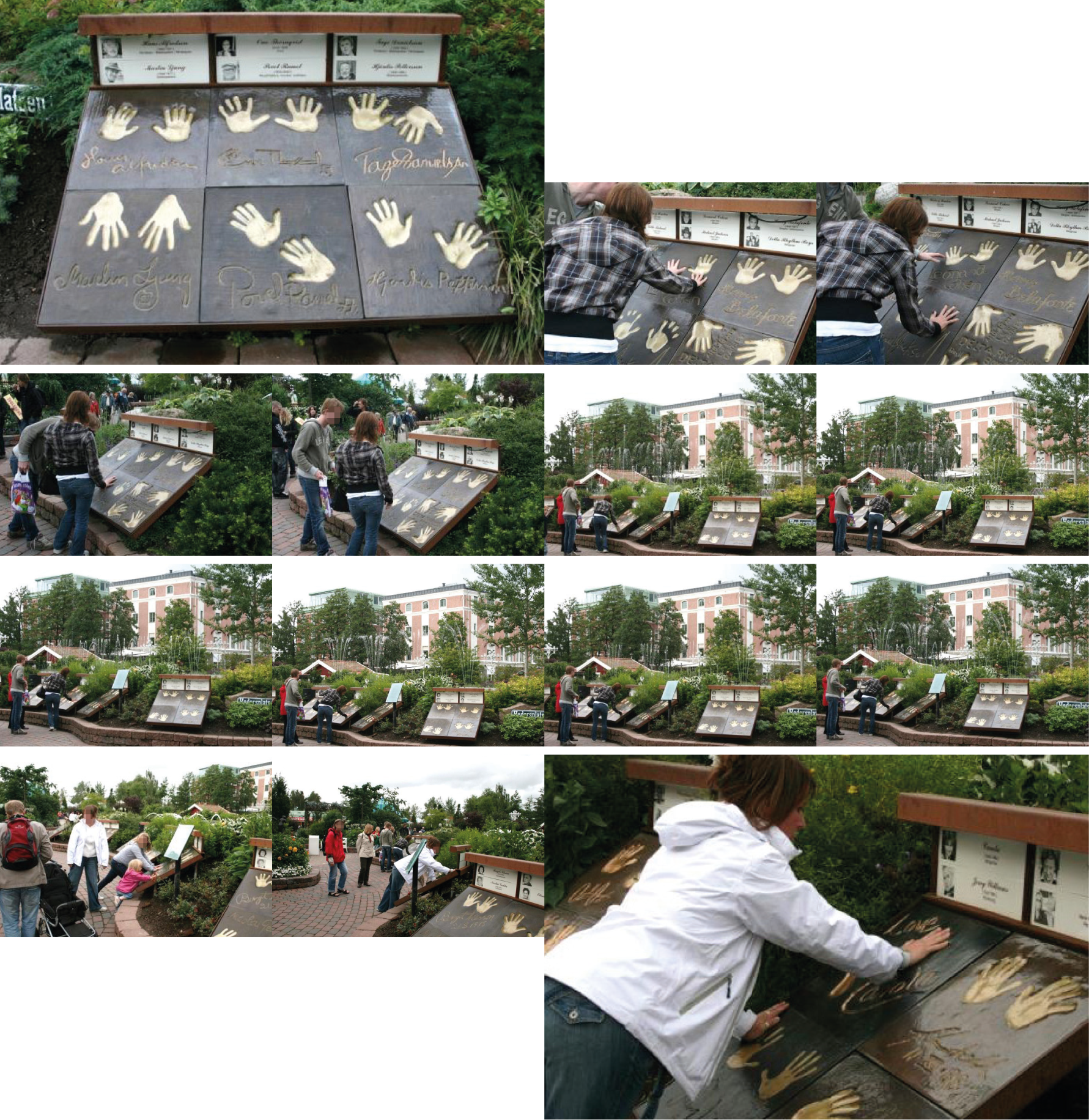
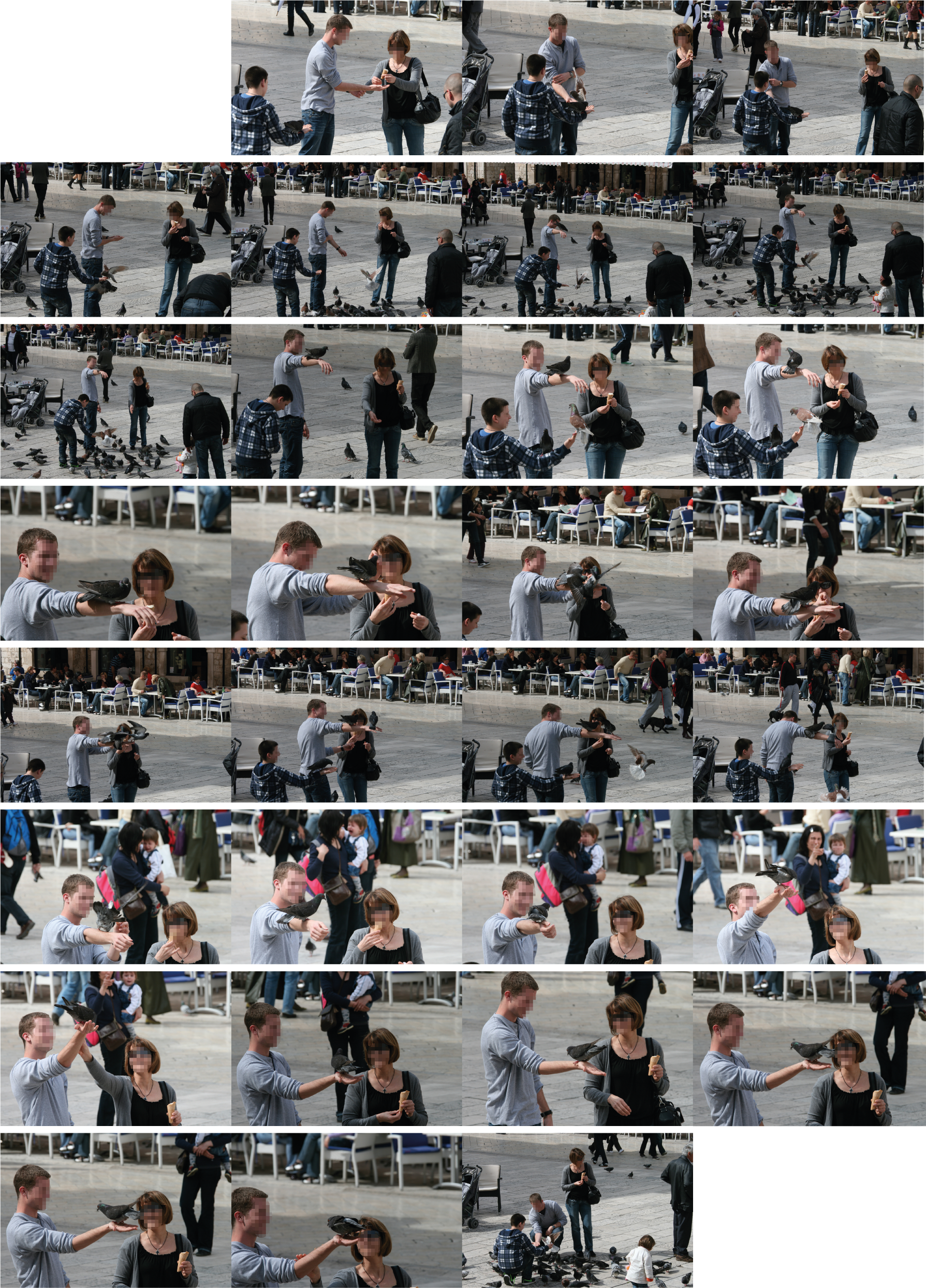
On (Re)Mediation and the Tourist Habitus
Different technologies for turning actions into texts affect the kinds of social actions and social identities that are made possible both at moments of entextualization and at future moments of recontextualization. (Jones, 2009: 283)
… the identities of tourists, the representations of tourist truths and the interactional organization of tourist sites work together – they mediate each other – in producing the habitus (Bourdieu, 1990) of tourism as an individual and collective disposition to gaze and (inter-)act in certain ways. (Jaworski and Thurlow, 2009: 255)
On Tourism as Banal Globalization
These discursive practices may well be trite (for example, forced perspective snapshots of the Leaning Tower of Pisa) but they are far from trivial… the mundane practices – embodied and mediated – of tourism turn out to be global in their reach and possibly also in their impact. (Thurlow and Jaworski 2011: 246)
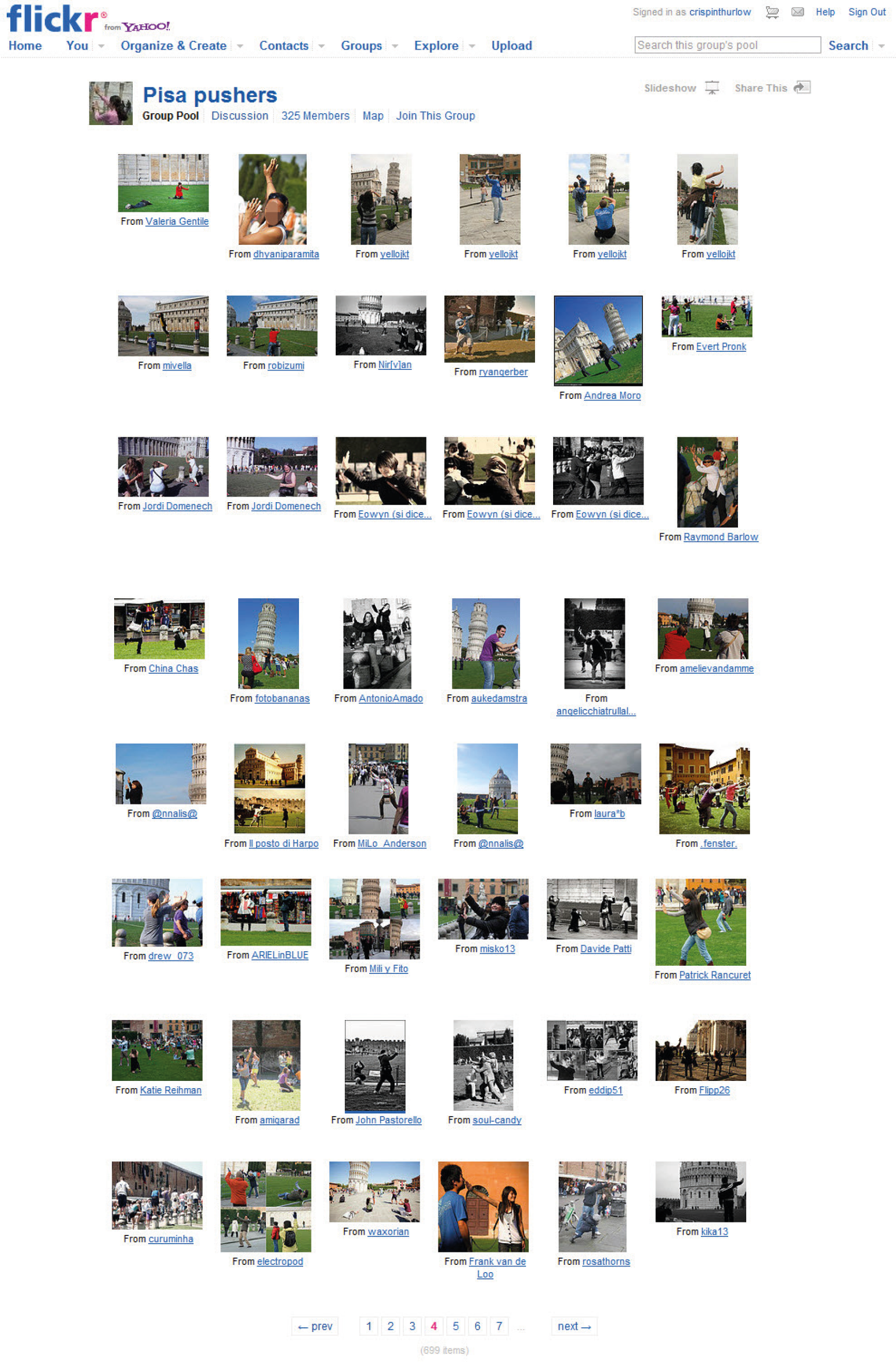
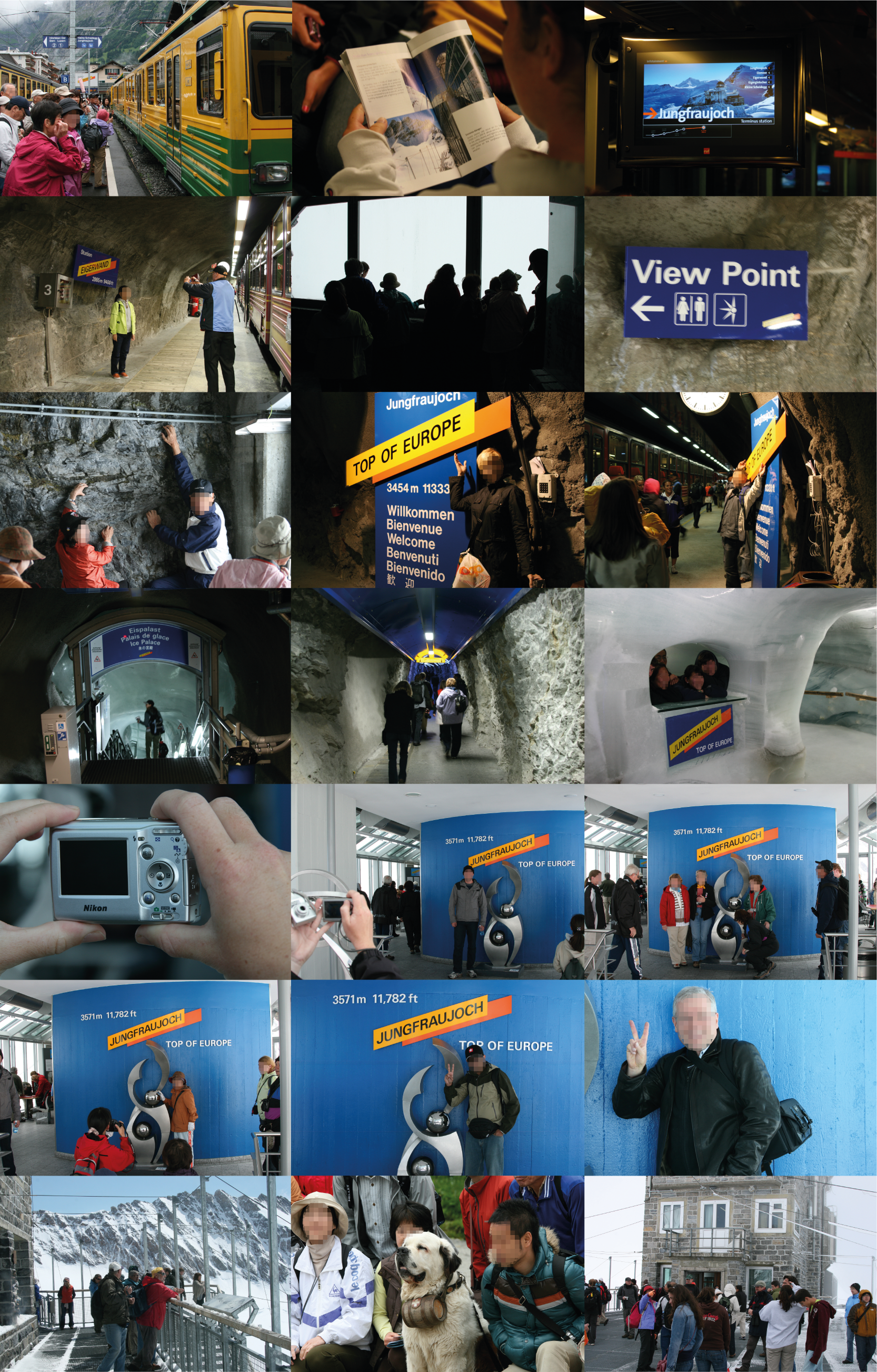
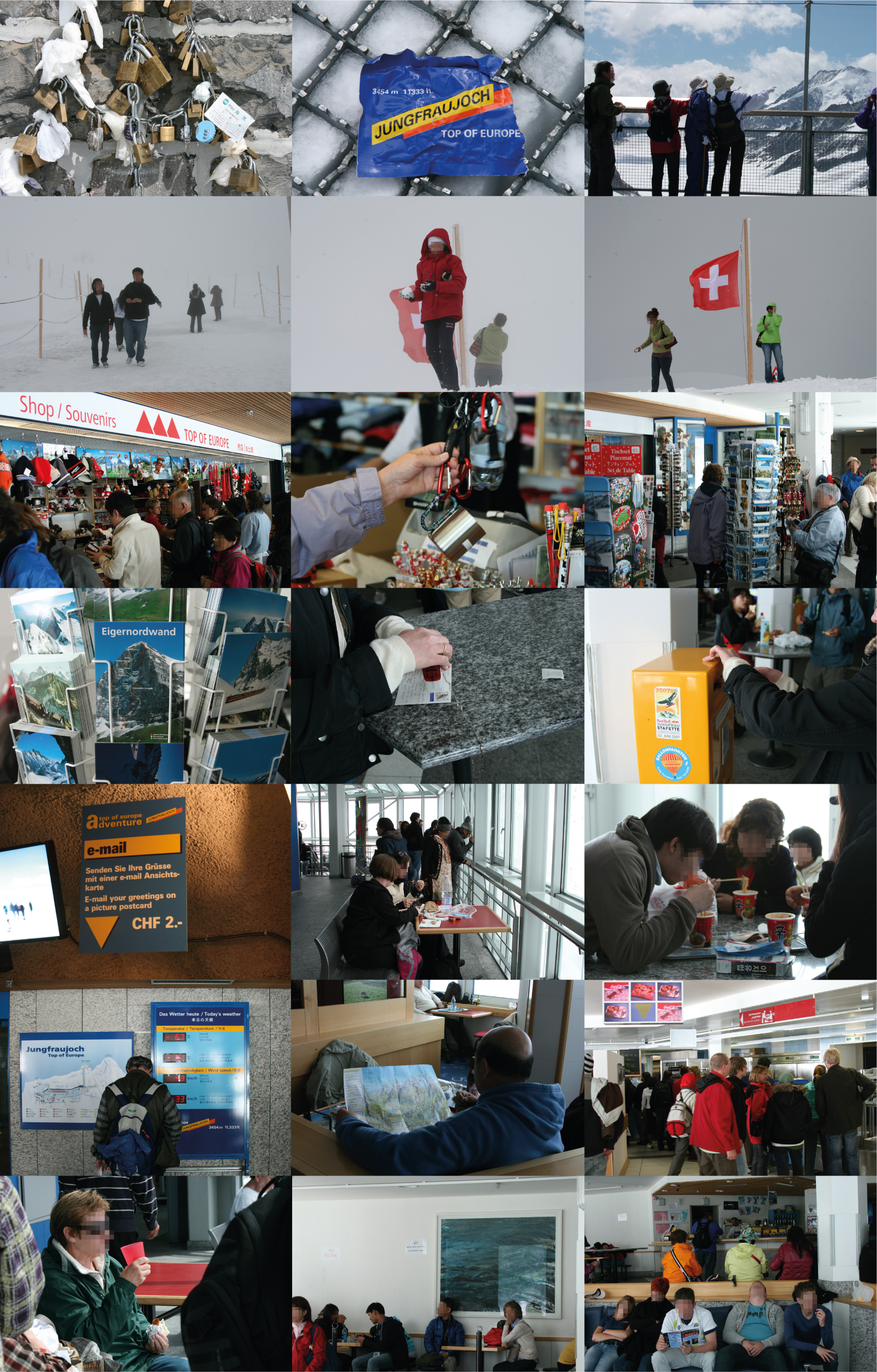
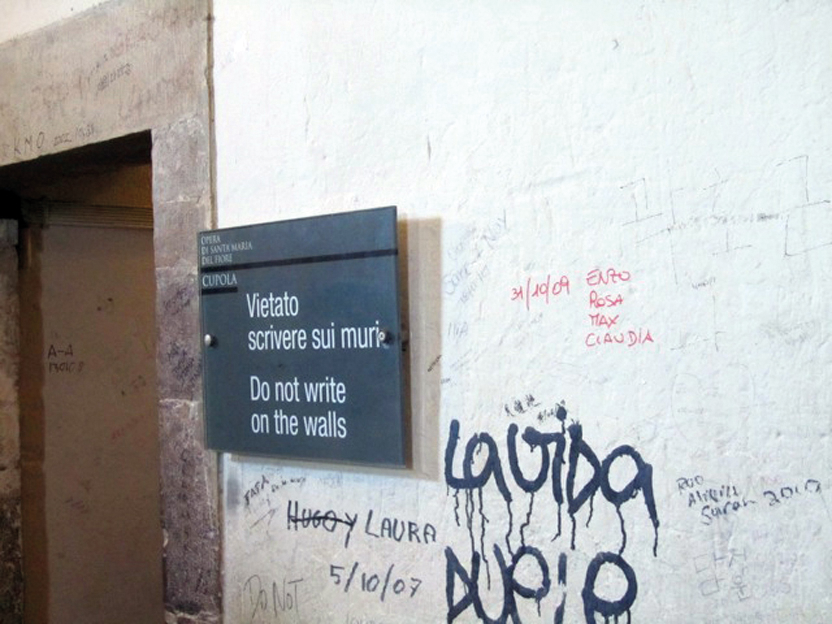
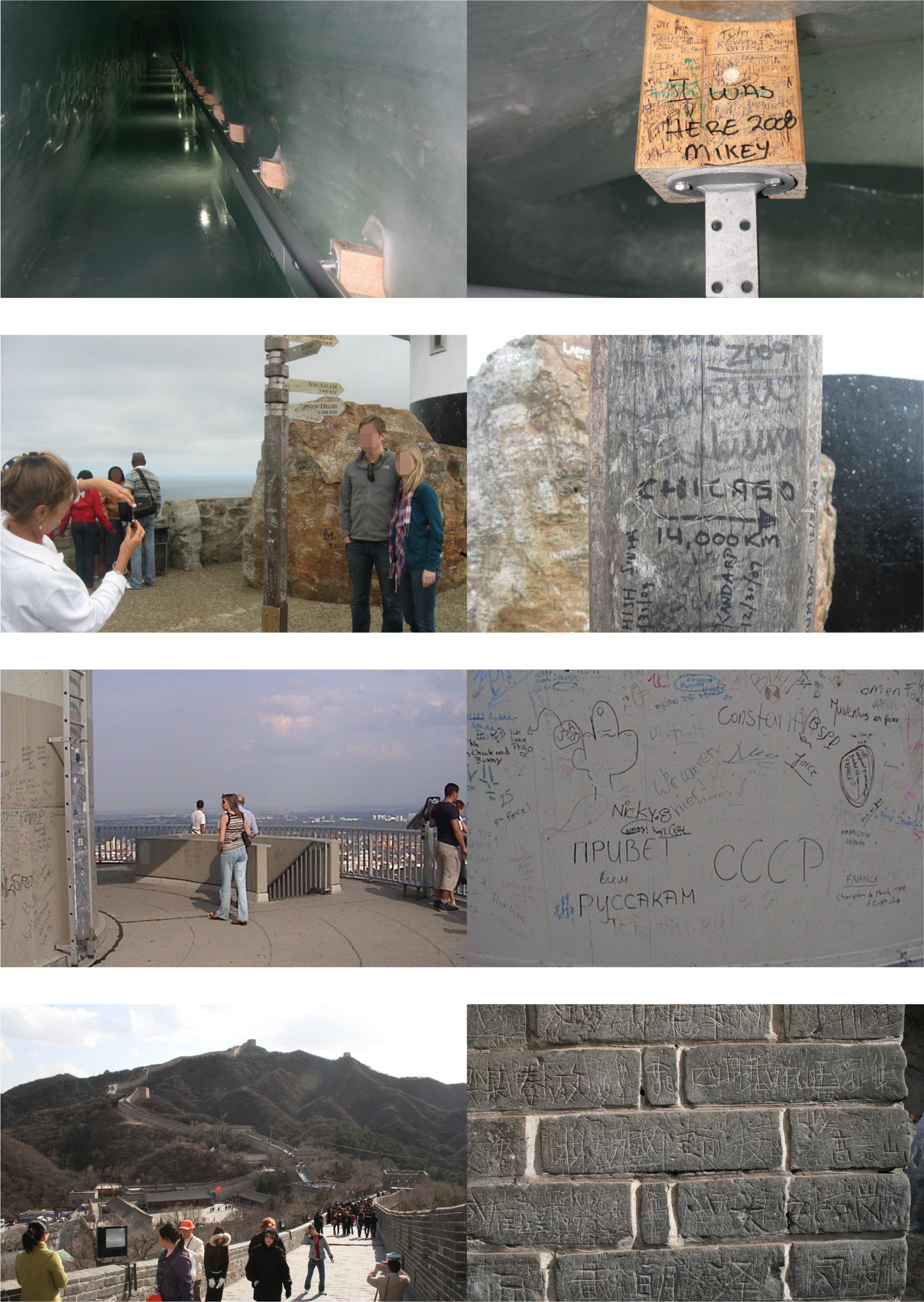

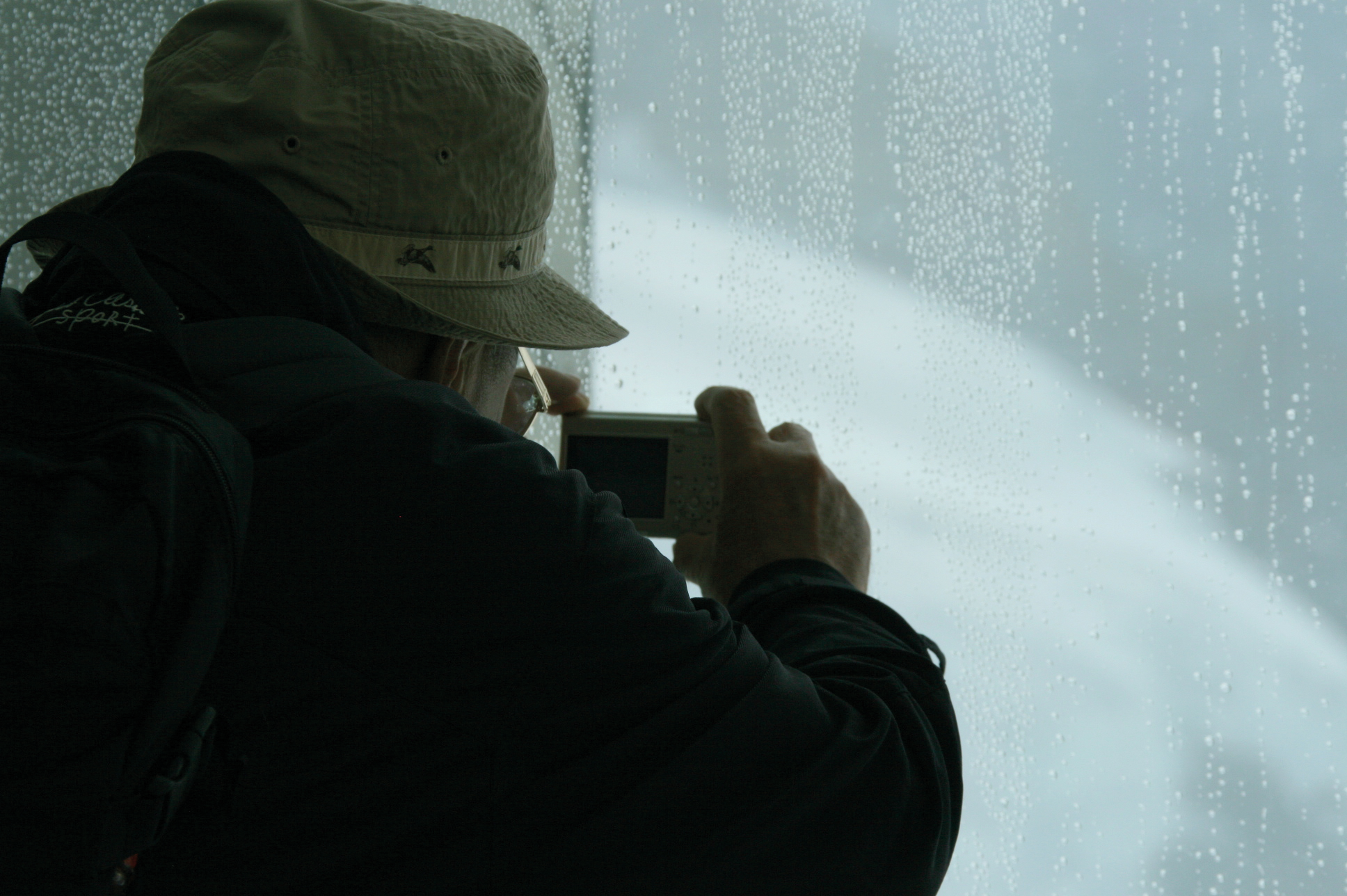
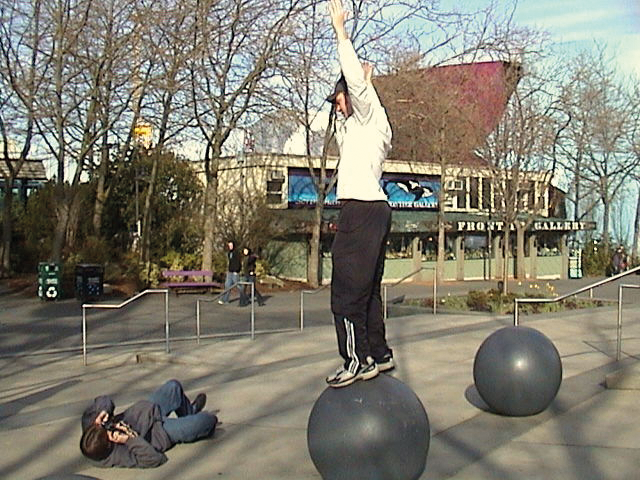
We expect that the scenes depicted in the visuals here are immediately recognizable, not just through the identification of some of the ‘iconic’ locations and artefacts. At every level, these multimodal discursive practices – linguistic, visual and material – reveal some of the complex representational, interactional and textual meanings that underpin what John Urry (2002: 129; see p. 350 above) calls the ‘hermeneutic circle’. Miriam Kahn (2003: 308; see p. 350 above) means much the same thing as Urry when she talks about tourists’ imaginations always journeying ahead of them. Nor is it only through the formal, professional practices of ‘tour company brochures’ and ‘television programmes’ that tourists are drawn into the hermeneutic circle; equally influential are the informal, amateur practices of tourists themselves. In Flickr, for example. After all, much of the significance, the cultural capital, of tourism lies in the tourist haze created as tourists return home – or prepare for home – with their stories, their souvenirs, their memories (see Thurlow and Jaworski, 2010, for more on this). In either case, the tourist imagination and tourist performance are always heavily (in)formed by prefigured, mediatized representations and actions. As a cultural industry, tourism is fundamentally – and, at times, solely – semiotic in nature, and it is necessarily reliant on linguistic/discursive exchanges between tourists and hosts, and between tourists and other tourists, and – as we demonstrate in the following pages – between tourists and place.
And then, there is tourist photography. As Mike Crang (1997: 361) notes, ‘a structure of expectation is created, where the pictures circulating around sights are more important than the sites themselves… The signs that mark out what is to be looked at become as, or more, important than the sites themselves.’ Certainly, by the time tourists–photographers find themselves in the target destination, most of them have a clear idea about what to expect and what to do. At every stage of our movement towards the place, our preparations to move in the space, our actions are being scripted. However, if people are travelling to see what they have already seen, then clearly tourism cannot only be about the looking. In this regard, Miriam Kahn (2003) adds another important dimension to the prefigured consumption of place when she notes how the tourist imagination not only represents but also produces the very places tourists come in search of. And it is precisely this enactment of place that is the focus of our essay: the capacity for tourists to make space while appearing merely to be creating images of space or to be moving through spaces.
Most social scientists nowadays recognize that space is as much a social construction as it is a physical phenomenon (see Jaworski and Thurlow, 2010; Thurlow and Jaworski, 2011). Spaces are culturally and communicatively constituted, and the meanings of spaces are established by the way they are represented (e.g. written and talked about) and by the nature of social inter/actions that take place within them. As such, space is always in the process of becoming, of being spatialized – through the ‘animated dialogue’ (Kahn, 2003) which unfolds between our ideas/images of space and the material properties/features of space. For Henri Lefebvre (1991<1974>), space can thus be thought of as being realized in three dimensions: conceived space which corresponds to mental or represented images of space; perceived space which corresponds to the material or physical space itself; and lived space which emerges through the intersection/interaction of both conceived and perceived space. It is just such lived spaces that tourists help create through their visits to their destinations.
Space, as something conceived, perceived and lived, is clearly realized in the ways we represent it: how we write about it, talk about it, photograph it, advertise it and design it. But spaces also emerge in the ways we move through them, interact in them – and interact with them. Without wanting to rehearse the already well-rehearsed literature, therefore, we too start from the premise that tourist spatializations, tourist performances in/of space, are never simply visual but primarily embodied. Besides, the visual itself is never the kind of passive, two-dimensional, reflectional phenomenon that it seems to be written off as; vision too is an embodied act, an act of the body. In his ethnographically-organized study of tourist photography, Jonas Larsen (2005: 417; see p. 350 above) echoes and amplifies Kahn’s observations.
Despite the performative orthodoxy dominating tourism studies and the growing acknowledgement that ‘tourism always involves corporeal movement and forms of pleasure’ (Urry, 2002: 152), relatively little is still known about the actual interplay between the physical environment of the tourist site and tourist behaviour as a form of embodied action. Ultimately, the practices of tourism – whether verbal or nonverbal – rein-scribe an ideology of conquest – the control and possession of space. Doreen Massey (2005: 85) expresses this best:
Space… is about contemporaneity (rather than temporal convening), it is about openness (rather than inevitability) and it is also about relations, fractures, discontinuities, practices of engagement. And this intrinsic relationality of the spatial is not just a matter of lines on a map; it is a cartography of power.
In the pursuit of space/place, tourists’ own bodies are ideal discursive resources. Our reflection on movement, posture, gesture and other material traces of tourists’ presence – graffiti, debris, pebbles rearranged on the beach – suggests a complex interplay of various modes such as written and spoken language, built environment, layout, mediatizing texts and social actors’ own ritualized, playful performances in creating a sense of place and of self.
Footnotes
Acknowledgements
We are grateful to our colleague Kris Mroczek for taking the photograph on page 360 and the various Flickr users for permission to reproduce versions of their posts. All other images are our own.