






Abstract
As the British government effectively privatizes higher education in the arts, humanities and social sciences, this article tours the monuments that remain (and some that do not) of the last great era in state-funded training in art and design in the UK: the time between the Second World War and the absorption of art schools into polytechnics and universities when institutions intended to provide artisanal training became the autonomously regulated spaces where much of British popular culture was produced and disseminated. As recently as 1984, Simon Frith and Howard Horne could still write that in Britain ‘every small town has its art school.’ This is no longer the case; while in 1959 there were 180 dedicated art and design institutions in the UK, now there are only a dozen left. The rest of the buildings have been quietly forgotten, renovated as luxury apartments and social housing, adapted as annexes of other, larger institutions, abandoned to the elements, or demolished. Combining image and text, this article explores the abandoned and reused sites of British art schools as the ruined markers of a lost future of unregulated creative practice.
Tucked away in the backstreets of Great Yarmouth, a once prosperous port and holiday destination on the east coast of England, is the recently opened Time and Tide Museum. Established in 2005 at a cost of £4.7m in a converted Victorian herring curing works, the museum combines artefacts, paintings and historical reconstructions of fishing boats and street scenes to depict the story of life in Great Yarmouth through the ages. Time and Tide is situated in the area of town designated by government administration as Nelson ward, one of the most deprived wards in the UK and troubled by chronic unemployment, poor housing and drug dependency. A short walk from the Time and Tide museum along Nelson Road Central leads to St George’s Park, which has recently benefited from a £2m redevelopment. The park has been re-landscaped and the Victorian perimeter railings removed; new lighting and security have improved safety and a number of ‘art features’ decorate the site, which received a Green Flag Award from the Civic Trust in 2008 (Great Yarmouth Borough Council: online).
Overlooking the park, at the junction of Nelson Road Central and Trafalgar Road, is Great Yarmouth College of Art and Design, first opened in 1913 as the Municipal School of Art. After a period of closure during the Second World War, when its reinforced foundations provided perfect bomb-proof protection for the town’s valuables, the school reopened in 1948 and by 1960 was teaching 1500 mainly part-time students. The college merged with Norwich School of Art in 1986 to form the Norfolk Institute of Art and Design, but the distance between the two sites did not secure the future of Yarmouth College of Art and Design, which finally closed in 1996 (Stevens, 1996). The Grade II listed Trafalgar Road building remained derelict for many years, its windows knocked out and the site protected by high fences and electronic security. After a spell when the basement served as a crack den, the art school is currently being refurbished as social housing.
The less than half a square mile that includes Time and Tide, St George’s Park, the College of Art and Design and extreme levels of social and economic deprivation is as concise an indication as can be found of the complex and contradictory recent history of the management of public space in the UK. The main plotlines of the narrative are all here: heritage as an engine of regeneration characterized by signature buildings levered into rundown neighborhoods; the rationalization of further and higher education and the hiving off of sites to developers; and the intensive surveillance and regulation of public places. The removal of trees and railings in St George’s Park not only makes it more inviting and accessible; there is now no hiding place for drug-users or potential muggers and there is a clear run from the street for police units in pursuit of suspects. The public benefits here are underwritten by disciplinary motives and, while it would be absurd to argue that Time and Tide is an act of aggression upon the community within which it sits (it is undeniably a remarkable achievement and a beautiful museum), it is nonetheless equally ridiculous not to note the irony of a public institution designed to tell the story of a lost Great Yarmouth of prosperity and confidence that is situated in an area almost entirely bereft of hope and aspiration. The museum offers mannequins posed in ways that suggest productive work while the unemployed wander past the decommissioned educational establishment to spend a quiet afternoon in the park (adult admission to Time and Tide is £4.50). The unintended bathos latent in the names of things – Nelson, Trafalgar, St George – only reinforces the sense that the town has failed to live up to its heroic past; even calling the museum Time and Tide seems to embrace the inevitability of decline. There are complicated reasons for the economic and social dilapidation of towns like Great Yarmouth, some particular to its location and history – the collapse of the herring industry, the demise of the British seaside holiday – and others broader and more pervasive, such as the effects of decades of underinvestment in infrastructure and industry and the cumulative impact of generations of unemployment and poverty. While the peculiarities of Nelson ward are its own, the general circumstances of the area are the common experience of towns and cities throughout the UK. In many of them stands a disused art school.
The Accident of Art School
As recently as 1984, Simon Frith and Howard Horne (1984: 14) could still write, approvingly, that in Britain ‘every small town has its art school.’ This is no longer the case and there are now only a handful of dedicated schools of art and design in the UK, the buildings of the rest renovated as luxury apartments or social housing, adapted as annexes of other, larger institutions, or abandoned to the elements. Like the mills, factories, cinemas and other defunct places of work and leisure ripe for asset-stripping during the long ‘boom’ from the mid-1990s to 2007, the purpose-built art school has long since disappeared from British town centres as a functioning proposition. This is not to say that art and design education disappeared along with the buildings, nor is it adequate to portray the end of provincial art schools as an unequivocal act of cultural and educational vandalism. Yet the passing of the art school has left visible traces in the towns and cities that once housed them and the idea of ‘art school’ continues to stimulate the British cultural imaginary in ways that a college of further education or university department rarely manages to achieve.
What Frith and Horne were interested in during the 1980s was not the complex reality of maintaining buildings, balancing budgets, retaining students, or developing distinctive research programmes. The most productive aspect of the local art school for Frith and Horne is not really educational at all but is instead environmental and affective. The persistence of the allure and mystique of ‘art school’ as a set of vaguely defined and under-scrutinized concepts, possibilities and practices is really what they value, a bundle of notions circulating in the ether, contained within the rooms and corridors of a designated site and spilling out into the streets, pubs, cafés, shops and bedsits of the surrounding environment. As such, the physical space of the art school is the condition of possibility under which a particular way of life is able to thrive. ‘The art school experience is about commitment to a working practice’, Frith and Horne (1987: 28) claim, ‘to a mode of learning which assumes the status of a lifestyle’. And it is because it is a lifestyle that art school has come to represent far more than what it is; art school, especially during the 1960s and 1970s, became shorthand in the UK for a set of values and practices – outward-looking, international, experimental – that stood as an alternative model of British social and cultural identity embedded within the fabric of an often more prosaic life of local everyday concerns. What was particularly striking about this cultural moment was that this alternative way of life was being lived in hundreds of towns across the country by thousands of often working-class school-leavers and paid for by local authorities. While at ground level the reality may have been quite ordinary, the idea of ‘art school’ and all that it promised was nevertheless available close at hand.
Most art schools in the UK were established as institutions of practical and technical training. The Butler Education Act of 1944 had expanded the provision of secondary education to all at a time of huge population growth and, given the paltry percentage of UK school-leavers entering university, art schools provided a viable training environment for those sections of the population, including women and the working class, who benefited from the Butler Act but were not eligible for or interested in a university place. The main art school qualification after 1946 was the National Diploma in Design (NDD), a four-year programme aimed at school leavers that was split into two years of general technical training followed by two more years of specialization in a major and minor subject drawn from a range of craft and design options. These may not sound like the conditions out of which might grow a working practice that assumes the status of a lifestyle, but what is distinctive about art schools is the way they combined training in vocational trades with exposure to developments in the contemporary fine arts. For many working-class students, art school became not just a skills provider but a portal through which the most advanced cultural debates and practices of the time could be encountered. It is this collision of tradecraft and high art experienced by an unprecedented socially diverse student body that produces the moment of the British art school as an engine of unforeseen cultural outcomes.
The impact of art school-driven fashion, design and music upon the emerging mass media of the 1960s and 1970s is well known and the history of those successes does not need to be rehearsed here (see, for example, Bracewell, 2007; Hebdige, 2002; Savage, 2005; Walker, 1988). What is significant is that the local art school provided an entry point for many of the designers, photographers, advertising executives, musicians, filmmakers and artists who would proceed to define an emerging British popular culture in subsequent decades, at the same time cementing the status of ‘art school’ as the site of creative possibility and social mobility. It is no small irony, then, that the conditions under which the idea of ‘art school’ as a way of life was produced were already in the process of being eliminated even at the moment of the myth’s most visible triumphs. By the time Frith and Horne were celebrating a history of provincial art school subcultures in the mid-1980s, the process of art school amalgamation and closure had been underway for over 20 years. Even as ‘art school’ in the 1960s was becoming shorthand for creative innovation and energy in the mainstream media, the place of the autonomous art school in provincial Britain was being dismantled as part of the drive to modernize higher education. The vibrancy of the post-punk years that Frith and Horne describe, then, is conceivably the last time it could be said that the creative life of British youth was sourced in small-town colleges of art and design.
Inside art schools in the 1950s, the centrally administered and examined NDD was less than popular with many students and staff. The emphasis on what were becoming, by the end of the decade, vocationally redundant crafts like bookbinding, pottery and tapestry also made the NDD increasingly anachronistic in the eyes of the Ministry of Education, which proposed in a 1957 report to replace the qualification with a non-centralized three-year programme more responsive to the needs of industry. An advisory council was set up in 1959, chaired by the Slade Professor of Painting Sir William Coldstream, to restructure art education in the UK (Tickner, 2008: 15–16). The recommendations of what is commonly referred to as The Coldstream Report (1960) shifted the emphasis of training away from traditional skills and closer to the requirements of a liberal arts undergraduate education. One of the ways that this was done was through the introduction of a compulsory academic element into the new Diploma in Art and Design (DipAD) and beefed up art history provision (Candlin, 2001: 302). Demanding a minimum of five GCE ‘O’ level passes as an entry requirement, the DipAD operated as a degree-level course for a reduced number of students working in a smaller number of institutions. Those art schools, unequipped or otherwise unable to offer the DipAD, could run vocational training courses of various kinds, including part-time and day release options.
The National Council for Diplomas in Art and Design (NCDAD) was set up in 1961, chaired by architectural historian Sir John Summerson, to implement the Coldstream recommendations. Out of just over 200 DipAD course proposals received from over 80 colleges, 61 courses from 29 colleges were eventually recognized by NCDAD in 1964. The effect, as Lisa Tickner (2008: 19) explains, ‘was traumatic for the majority of colleges, left without nationally recognized courses in any area and obliged to diversify with part-time and lower-level vocational work’. While the introduction of the DipAD served in part to effect a division between community-oriented training colleges and more specialized Diploma-awarding art schools, the move did not secure the autonomy of art education institutions for very long, many of which, despite resistance from Coldstream and Summerson, ended up being merged with new polytechnics during the 1960s. In 1974, the DipAD was scrapped in favor of the BA (Hons) in Art and Design, effectively integrating art education into the national system of higher qualifications. Writing in The Listener on the eve of the introduction of the new degree in 1973, Peter Lloyd Jones (1975: 63) reflected on what might have been, had the opportunity presented by the Coldstream Report not resulted in a ‘disappointing uniformity’ among Diploma-awarding schools. In allowing art schools to propose their own courses, the Coldstream Report invited the potential for schools to shape provision according to need. ‘One would have expected’, Jones writes, ‘wide differences: metropolitan or regional, academic or craft-biased, socially committed or market-orientated, depending on local circumstances.’ In practice, this diversity did not occur ‘in anything like the way it should have’ and an opportunity to integrate art education into local or regional economies and cultures was passed over.
The failure of art schools to create relevant and innovative programmes driven by local contingencies was caused, according to Jones, by a combination of the influence of what he calls the ‘commercial avant-garde’ and the woeful implementation of the Coldstream proposals. On one hand, the celebration of the market-driven overnight success of a handful of art and design superstars skewed the function and purpose of a national art education, while on the other the seemingly indiscriminate process of assessing proposed Diploma courses and summary rejection threw many institutions into disarray, leading to an uncoordinated post hoc scramble for validation that had little bearing on what was actually appropriate for the needs of individual schools. While a ‘confident art school system should have been able to challenge [the] febrile and destructive academicism’ of the star system, for Jones this confidence was undermined by the very system of reform intended to provide it (p. 63). While Jones reserves judgement on the introduction of the BA and the polytechnics, he concedes that many staff and students interpreted the changes in art education since Coldstream as ‘a gigantic scheme to slash the number of art students’ (p. 65). Read alongside the economic crisis of the 1970s and the radical budget cuts to education that followed during the 1980s, the rationalization of art education initiated at the beginning of the 1960s might be seen less as a decisive blow in the demise of an idea of ‘art school’ and more as part of a wide-ranging collapse of postwar British social fluidity and redistributive prosperity. Demanding five ‘O’ level passes is hardly an exclusionary practice, but the introduction of minimum academic requirements does begin a process of regulation that shrinks the aperture through which the not so well educated malingerers, lateral thinkers and institutionally maladjusted could pass into a kind of alternative social space where dysfunction and waywardness could be conceived of as criteria for admittance. While there is no small measure of romance in this conception, it is precisely this anomalous status that the provincial art school, for a few decades and despite the moves to rationalize provision, traded under and benefited from.
Speaking at Tate Britain in 2004 on the occasion of his retirement from teaching fine art for 45 years, Jon Thomson described the shift in art education policy he registered on his return to the UK in 1998 after six years in Maastricht. When he left England in the early 1990s, Thomson (2005: 218) explains, most fine art departments were still in polytechnics or independent art and design colleges. When he came back, however, he discovered that
most of them had been bundled unceremoniously into an extended and unified university system where they found themselves subject to the same kind of generalising academic and professional pressures that have always been applied in the governance of university subjects.
For Thomson, fine art ‘is not a subject of study’ nor is it a discipline; it has ‘no “root” or normative rules of procedure. Rather, it is a loose assemblage of first-order materially based activities taking place in a speculative existential territory that has no boundaries’ (p. 218). As such, as far as Thomson is concerned, fine art education cannot be translated using the vocabulary of scholarly research activity that universities use to determine standards. While Thomson is broadly sympathetic to the original aims of the Coldstream agenda, he identifies the amalgamation of art schools into polytechnics as the beginning of a process of dismantling that has done away with the open-ended explorations that previously defined fine art practice as of a different order to research-driven scholarship.
Although Thomson’s remarks should not be taken as definitive or as conclusive evidence that the kind of art education he describes is at an end, his refusal to see art as a ‘subject of study’ or ‘discipline’ and the claims made for fine art as a ‘speculative existential territory’ do recall Frith and Horne’s sense of the art school as a place where learning ‘assumes the status of a lifestyle’. Thomson’s articulation of art education reminds us of the utopian dimension to the conception of ‘art school’ as a space not bound by disciplinary rules of procedure, where any ‘first-order materially based activities’ can happen. Whether or not Thomson’s notion of fine art can exist within a university is of less interest here than the way in which he conceives of art practice as a speculative territory: doing art is a mode of emplaced being that cannot be bound by normative rules. The struggles over art education in the UK since the Second World War are in no small part struggles to locate and maintain this speculative territory. To paraphrase Marx, a spectre is haunting fine art education, the spectre of the art school. Thomson’s speculative territory is also spectral, since beyond the pedagogic and institutional arguments over the utopian prospect of an unfettered art education, the ghost of the art school continues to haunt the country’s high streets and town squares.
Nostalgia for Ruins
It would be a falsification of history to suggest that there was a golden age of art education in the UK that is now gone forever. Provincial art schools may have provided a space for many local young people unsuited or unable to attend university as well as the talented and ambitious but they were also incubators of the same sexism, prejudice and petty despotism that afflicted any other institution and workplace of the time. What is beyond question, though, is that the time when ‘every small town has its art school’ is over and that the possibilities of what that might mean, not just in terms of notional social and cultural mobility but also for the place of art within the public realm, have been lost. From West Bromwich and Walsall to Margate and Great Yarmouth, the signature gallery or museum now provides a version of culture that is close at hand, whether through touring shows or in permanent displays of local history. As temporary custodians of luxury goods, galleries offer access to the global art market within high-spec venues capable of simulating the metropolitan spectacle of elite culture, while museums provide reassurance that the local past has not entered the dustbin of history but is worthy of display in lottery-funded memorials to lost industry and community. Meanwhile, across the country the art school is in ruins.
Conventionally, a ruin is aesthetically compelling because the hard edges of history have been softened by time, yet the movements of capital and modern warfare have made it possible to produce ruins overnight. Ruin value is no longer predicated on age alone but is bound up with the financial and symbolic possibilities of reuse and display; as Andreas Huyssen (2006: 10) has suggested, since ‘the age of turbo capitalism’ has diminished the opportunity for things to age of their own accord, the ruin of the 21st century ‘is either detritus or restored age’. The growth of interest in the modern ruin in the UK and elsewhere is bound up with the decline of manufacturing in the developed world and the symbolic value of dereliction has risen as the productive capacity of industry has shrunk. Industrial archaeology emerged in the UK at a time when urban redevelopment was rapidly transforming the landscapes created by the industrial revolution and there was real concern that sites of historical importance would be unceremoniously swept away. Stressing what could be learned from industrial remains, Michael Rix warned in 1955 that the British ‘are so oblivious of our national heritage that apart from a few museum pieces, the majority of [industrial] landmarks are neglected or unwittingly destroyed’ (quoted in Palmer and Neaverson, 1998: 1). To some extent, Rix’s warning has been heeded, as the loft apartments, industrial theme parks and museums that now litter the country appear to confirm.
The preservation or restoration of a ruin, however, can function to conceal or ameliorate the circumstances that ruined it even as the preserved structure is made to stand for the triumph of respect for history over modernizing vandalism. That which has been ruined is, first and foremost, a sign of power’s movement across the terrain and the recuperation of abandonment does not cancel the original act of ruination. Tim Edensor (2005: 4) reminds us that ‘the production of spaces of ruination and dereliction are an inevitable result of capitalist development and the relentless search for profit.’ As less profitable aspects of the production process are periodically dropped, buildings are abandoned as the devalued remainder of a business enterprise that has absconded in pursuit of cheaper resources and new markets. In their abandonment, however, these spaces also offer, for Edensor, room for critical exploration where ‘the interpretation and practice of the city becomes liberated from the everyday constraints which determine what should be done and where, and which encode the city with meanings’ (p. 4). Such spaces, for Edensor, provide ‘opportunities for challenging and deconstructing the imprint of power on the city’ (p. 4). To think of the derelict site in this way positions contemplation of the modern ruin as an engagement not just with the past that has been lost but the present in which ruination continues to occur.
If the modern ruin no longer has to be old, the other aspect of the picturesque ruin that remains troublesome to Edensor’s politicized contemplation of dereliction is the way that ruins often trade in nostalgia. One of the most corrosive aspects of the heritage and property renovation businesses is the way a kind of false memory syndrome has enabled the reification of complex historical conditions as marketable goods and services. If ruins are to challenge and deconstruct the imprint of power, they must have the capacity to resist the commodifying embrace of the culture industry and the manipulation of affect through a sentimentalizing nostalgia. To do so, a critical nostalgia for ruins has to interrogate memory itself as part of the process of apprehension whereby the derelict structure does not merely represent a loss but calls forth a consideration of the very condition of loss and what that might mean.
In her discussion of post-Communist Europe, Svetlana Boym (2001: 78) makes the distinction between what she calls ‘intentional’ and ‘unintentional’ monuments. While the intentional monument, Boym argues, recuperates single moments in history ‘made exemplary for the purpose of the present’ and is less interested in the past than in ‘victory over time itself’, the unintentional monument is ‘inimical to the idea of commemoration’ and is instead ‘about physical and human frailty, aging and the unpredictability of change’ (p. 78). As intentional monuments to a reified sense of local history or the achieved totality of the global art market, the engineering of public culture by custom-fitted galleries and museums speaks less to the experience of those it purports to serve and more to the aggressive creative destruction that lays waste to collective enterprise in order to install monuments to its own capacity for appropriation and exploitation. In the face of this, the unintentional monument of the local art school, like Edensor’s industrial ruins, stands in critical relation to the obfuscating intentional monuments to power.
If we are to give space to a nostalgia for a time when every small town had its art school, it must be a nostalgia that refuses to dwell in a fabricated past untroubled by the complexities of history and instead locates in the sense of loss a critical perspective from which to apprehend the nature and consequences of what has been lost. Boym is instructive here, differentiating between what she calls modes of ‘restorative’ and ‘reflective’ nostalgia. Restorative nostalgia is about ‘patching up the memory gaps’ and rebuilding a lost home through the recreation of notionally lost traditions, values and institutions; reflective nostalgia, by contrast, is concerned with the ‘imperfect process of remembrance’ (p. 41). Reflective nostalgia, for Boym, is not about a retreat into the past but about ‘the irrevocability of the past’; it is a critical nostalgia that ‘cherishes shattered fragments of memory and temporalizes space’ (p. 49). Boym’s conception of reflective nostalgia suggests a mode of apprehension that is able to grasp the element of longing in nostalgia as a critical rather than a disabling dimension of the ruin’s affective significance. ‘Places’, Boym insists, ‘are contexts for remembrances and debates about the future, not symbols of memory or nostalgia. Thus places in the city are not merely architectural metaphors; they are also screen memories for urban dwellers, projections of contested remembrances’ (p. 77, emphases in original). Just as Edensor sees the ruin as an opportunity to challenge the imprint of power on the city, Boym conceives of the unintentional memorial as a space located by a reflective nostalgia that can engage in ‘historical improvisation’ and ‘unpredictable juxtaposition’ (p. 79) by pursuing ‘lived environments, everyday ways of inhabiting the city by following and deviating from the rules, tales of urban identity and stories of urban life’ (pp. 77–8). In this way, as Huyssen (2005: 7–8) puts it, nostalgia ‘can be a utopia in reverse’ whereby the object of loss can ‘still seem to hold a promise that has vanished from our own age: the promise of an alternative future’. Here the ruin works as a provocation to imagine futures that did not happen in the light of the future that did.
Connecting the ruined art school to the history of its abandonment through its affective presence as memory trace binds not only past, present and futures, both proleptic and imagined, but demands a recognition of the ways the art school is bound into the broader networks of personal and collective memory and in the sited relationships between institutions and their social, economic and environmental contexts. In this way, the potentially disabling sentimentality of nostalgic memories for an imagined space of art is countered by an historical awareness of both the dubious service to which that nostalgia can be put – the commodification of lost worlds of labour and community as heritage – and a present-tense recognition of the context within which ruination has been made acceptable: the dereliction by disinvestment in communities and their environments. From this perspective, the ruined art school in Great Yarmouth calls attention to itself as an unintentional monument to a future art education lost amidst institutional rationalization and a failure to embed art and design training in socially relevant contexts. At the same time, the abandoned art school stands as an ambivalent and critical counterpoint to the regeneration projects adjacent to it – the museum and park – that are themselves only made financially feasible by the junk status of the land values structural poverty has made possible.
An approach to the remains of the art school, then, must begin at the intersection of what Peter Fritzsche (2001: 1588) calls nostalgia’s ‘melancholy feeling of dispossession’ and the refusal to countenance the affirmations of abandonment rebranded as ‘redevelopment’. This critical intersection is a version, we think, of the ‘speculative existential territory’ that Thomson claims for art, where the art school, in its ruination, remains the site through which a ‘loose assemblage of first-order materially based activities’ can take place, albeit from the outside. Art schools are far from being the only modern ruins, and alongside the mainstreaming of industrial archaeology, the boom in renovated heritage sites and retrofitted luxury living, various forms of so-called urban exploration and situationist-inspired psychogeography have, in recent years, come to occupy a prominent place in contemporary negotiations of urban and ex-urban space (Bonnett, 2009; High and Lewis, 2007). Our attention to art schools belongs inside this broader interrogation of the ways in which public space has become privatized and spectacularized. The abandoned structures of unprofitable enterprise press hard upon the conduct of daily life and the affective power of modern ruins has become a nodal point through which struggles over the interpretation of history and the function of remembrance are played out.
Before Boym’s ruminations on St Petersburg, Moscow, and Berlin, Patrick Wright (1985, 1991) had already scrutinized the emergence during the Thatcher years of heritage Britain and its low-rent analogues in down-at-heel east London. Similar territory continues to be extensively critically excavated by Iain Sinclair (1997, 2005, 2011) and in Patrick Keiller’s melancholy films (1994, 1999, 2011) about the degraded British landscape and its atrophied public sphere. While Wright, Sinclair, and Keiller are old enough to remember life before neoliberalism and are driven by precisely the kind of countercultural avant-gardism that the art schools of the 1960s and 1970s came to represent, Owen Hatherley (2009, 2010) is part of a new generation of urban wanderers poking around the edgelands of post-Blair Britain, caught ‘in the grim paradox of nostalgia for a time yet to come’ (Hatherley, 2009: 8). The internet, meanwhile, is saturated with images of so-called ruin porn, produced by armies of trespassers with digital cameras from Hartlepool to Detroit clambering into derelict hospitals, factories, asylums, fallout shelters and subterranean vaults.
This fascination with the detritus of modernity has a long history that would require a more extensive discussion than we have space to include here (see Dillon, 2011; Hell and Shönle, 2010; Salerno, 2005; Trigg, 2006), but the increasingly visible attention being paid to contemporary dereliction in the UK and elsewhere registers, we think, the acute extent to which the collapsing infrastructure of British public space and its institutions is being felt. One of the dangers, though, with the way urban wandering has emerged as a cultural preoccupation is that it, like the modern ruins being explored, becomes codified and commodified as a recession-busting leisure pursuit, threatening to dissipate the performative critical interrogation of official vandalism such exploration provides. It is worth remembering that situationist psychogeography, the driver behind much contemporary urban exploration, emerged as a radical response to the transformation of Paris by urban planners in the 1950s (Sadler, 1999: 47–66). As Peter Wollen (1999: 33) suggests, the unstructured dérives that sought to affectively reconnect the segmented zones of capitalist space and thereby produce an integrated understanding of material conditions, like the maps and writings produced out of these wanderings, ‘commemorate the old Paris and issue a warning against future trends, sadly unheeded’. This ‘double context’ Wollen identifies as key to understanding the work of the Situationists – of a ‘pessimistic critique of contemporary society’ combined with ‘an optimistic utopian futurology’ (p. 35) – continues to inform critical responses to urban space that Alastair Bonnett (2009: 46) calls the ‘struggle over the politics of loss within the radical imagination’. For Bonnett, the conflict between ‘the use of the past to critique industrial modernity and the suppression of nostalgia’ (p. 46) is a consequence of modern radicalism’s disavowal of loss as retrogressive and conservative. A reconnection of radicalism with nostalgia – what Wollen identifies as the Situationist combination of defiance and elegy – positions the modern ruin not as an object of aesthetic contemplation but as evidence of something that has been destroyed.
Part of the function of the psychogeographer’s wandering and the urban explorer’s act of trespass is to move in directions and places beyond regulation, to discover things hidden or lost among the proprietary systems and managerial grids of contemporary spatial politics. Generally speaking, Britain’s old art schools are not intentionally hidden but their abandonment or reuse has rendered them only obliquely visible. A tour of the ruined art schools of Great Britain demands time and determination, a willingness to roam the blank spots of neoliberal asymmetrical development and carouse the remnants of post-war provincial bohemia. Among the pound shops and chain pubs of contemporary British towns and cities are the ‘brownfield developments’, ‘luxury apartments’, ‘assisted living accommodation’, ‘enterprise zones’ and ‘everyday low pricing’ supermarket promises that have colonized what were once the spaces of art education. As the British coalition government begins the process of privatizing higher education in the arts, humanities and social sciences, the remains of an almost forgotten world of small-town art schools stands as a monument to a future that did not happen and as a warning of what is about to be lost.
Our project is to locate and photographically document every art school building in the UK. This record functions, in Boym’s (2001: 77) words, as a ‘screen memory’ for the projection of ‘contested remembrances’ not only about the history of art education and its institutions, but about the place of art in the public sphere, about where art might have been or could be a working practice that assumes the status of a lifestyle. To the extent that the acts of seeking, finding, recording and collating evidence of these sites are also part of a ground-level traversal of urban space in all its contemporary configurations, the fieldwork of art school ruin travel is a reiteration of Boym’s point that the ruin ‘is not merely something that reminds us of the past; it is also a reminder of the future, when our present becomes history’ (p. 79). Elegy is retrospective; defiance must look ahead.
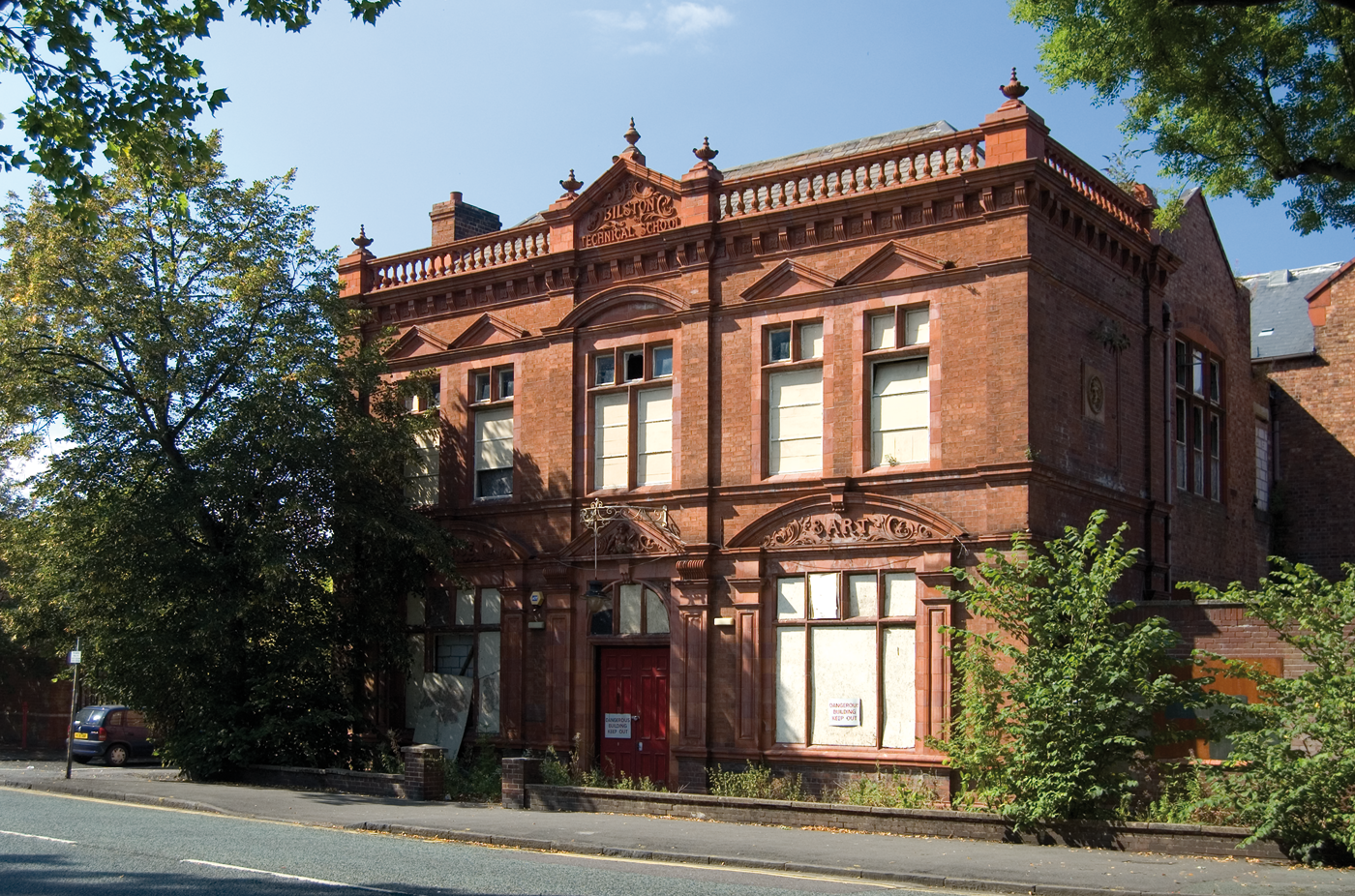
Bilston School of Art, Mount Pleasant, Bilston, West Midlands.

Moseley School of Art, Alcester Road, Balsall Heath, Birmingham, West Midlands.

Bromley College of Art, Tweedy Road, Bromley, London.
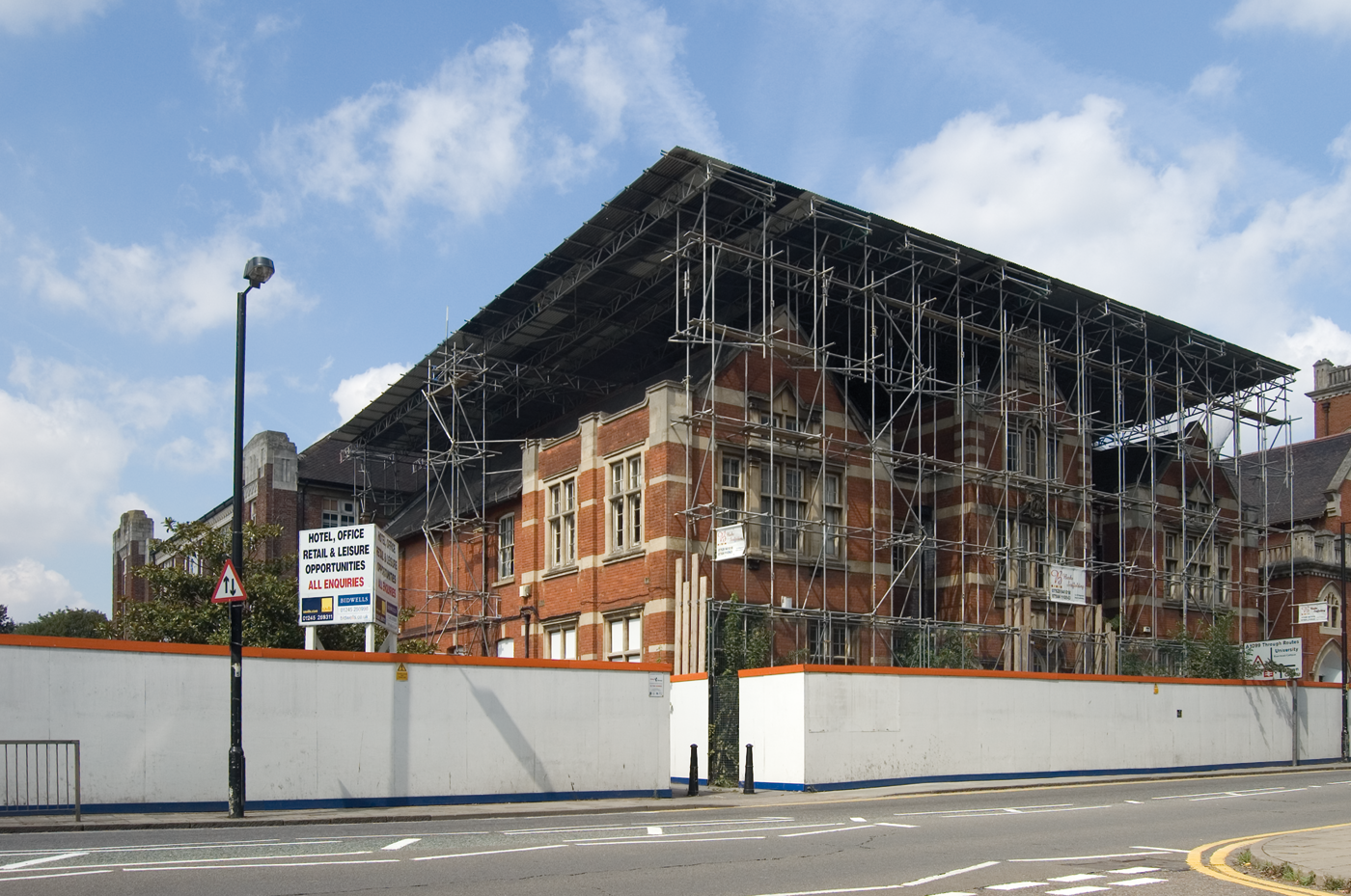
The Mid-Essex Technical College and School of Art, Victoria Road South (facing Market Street), Chelmsford, Essex.
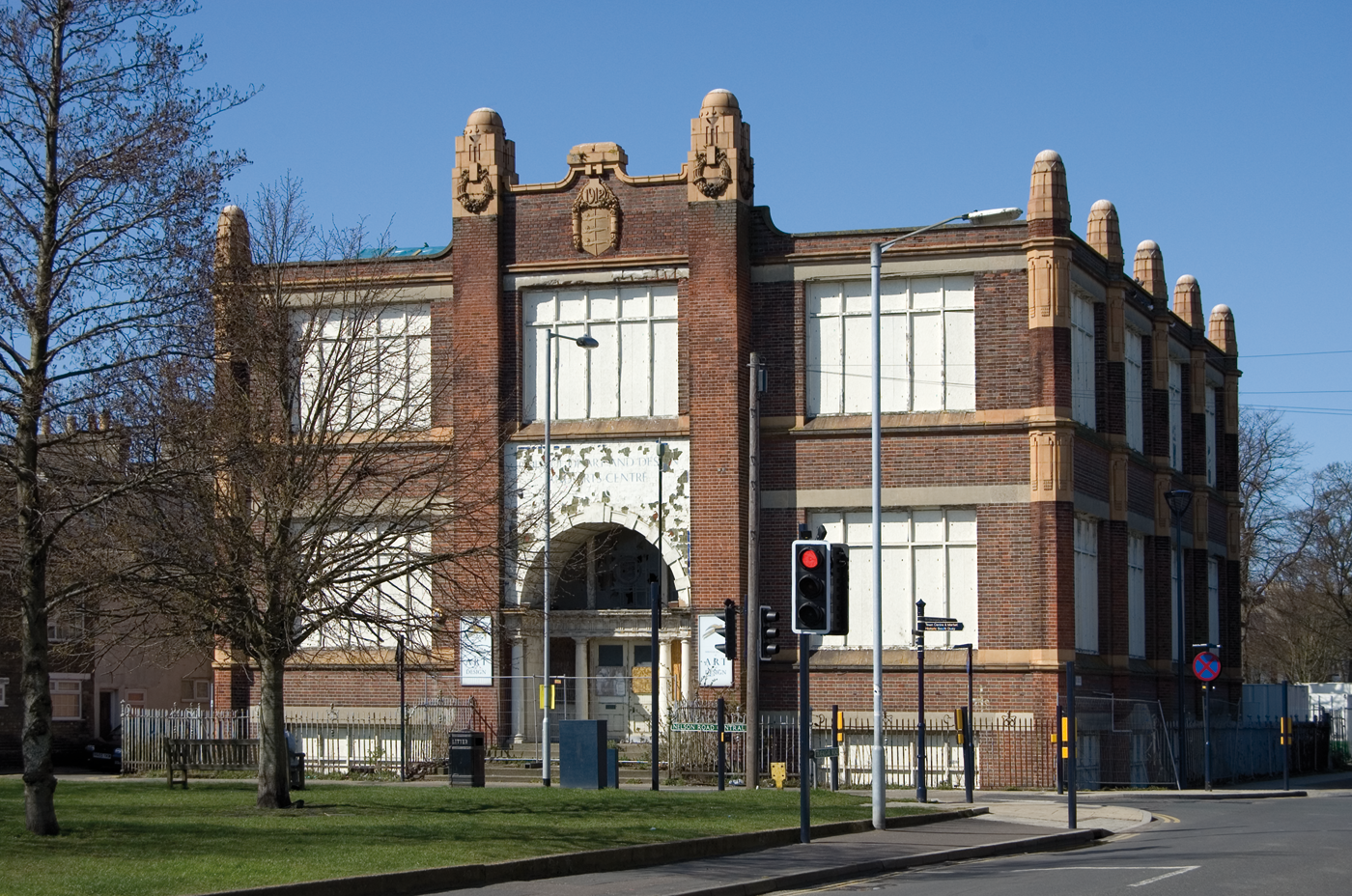
Great Yarmouth College of Art & Design, Trafalgar Road, Great Yarmouth, Norfolk.

Horsham School of Art, Oakfield, Hurst Road, Horsham, West Sussex.
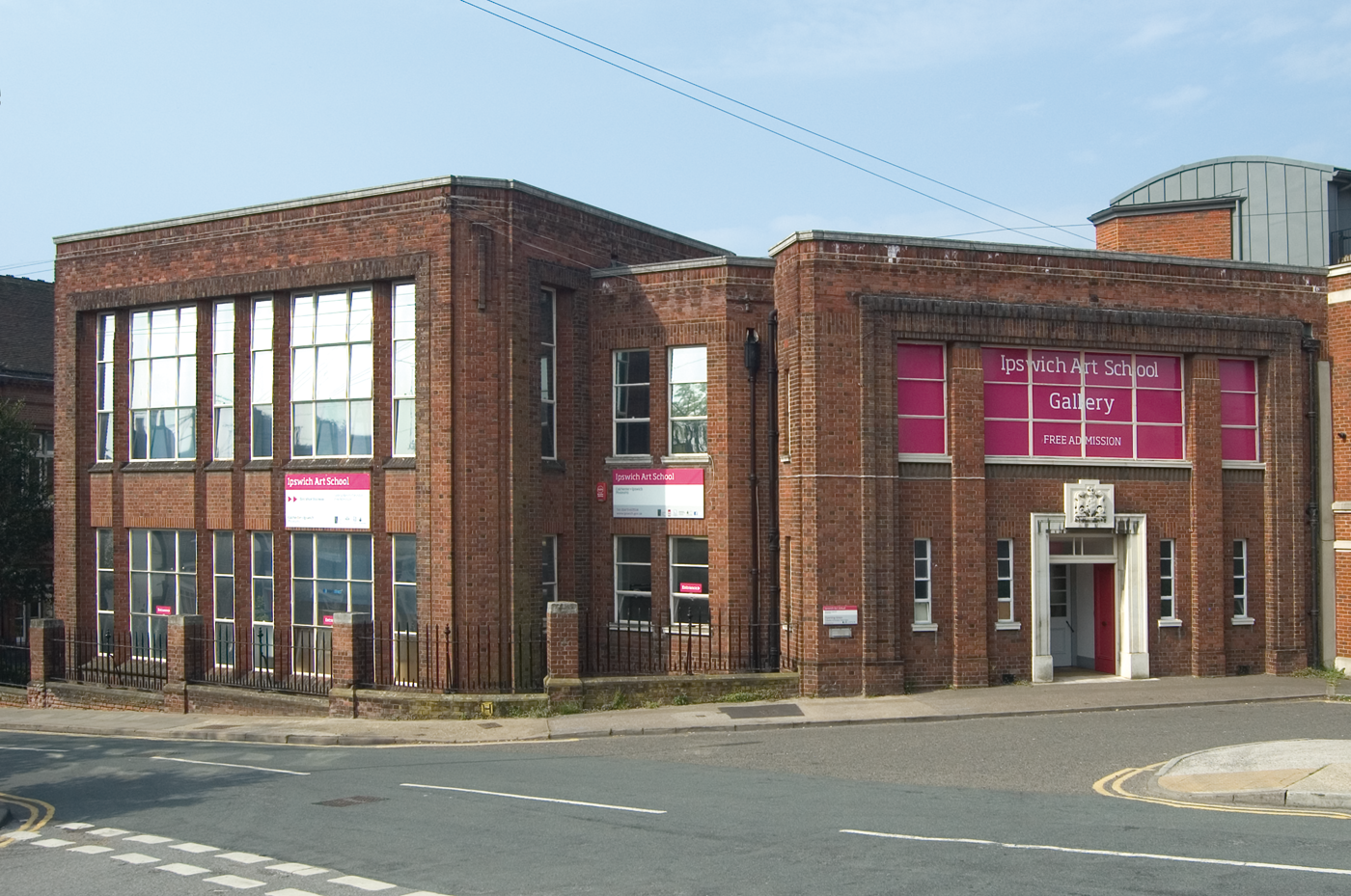
Ipswich Civic College (including the Ipswich School of Art), High Street, Ipswich, Suffolk.
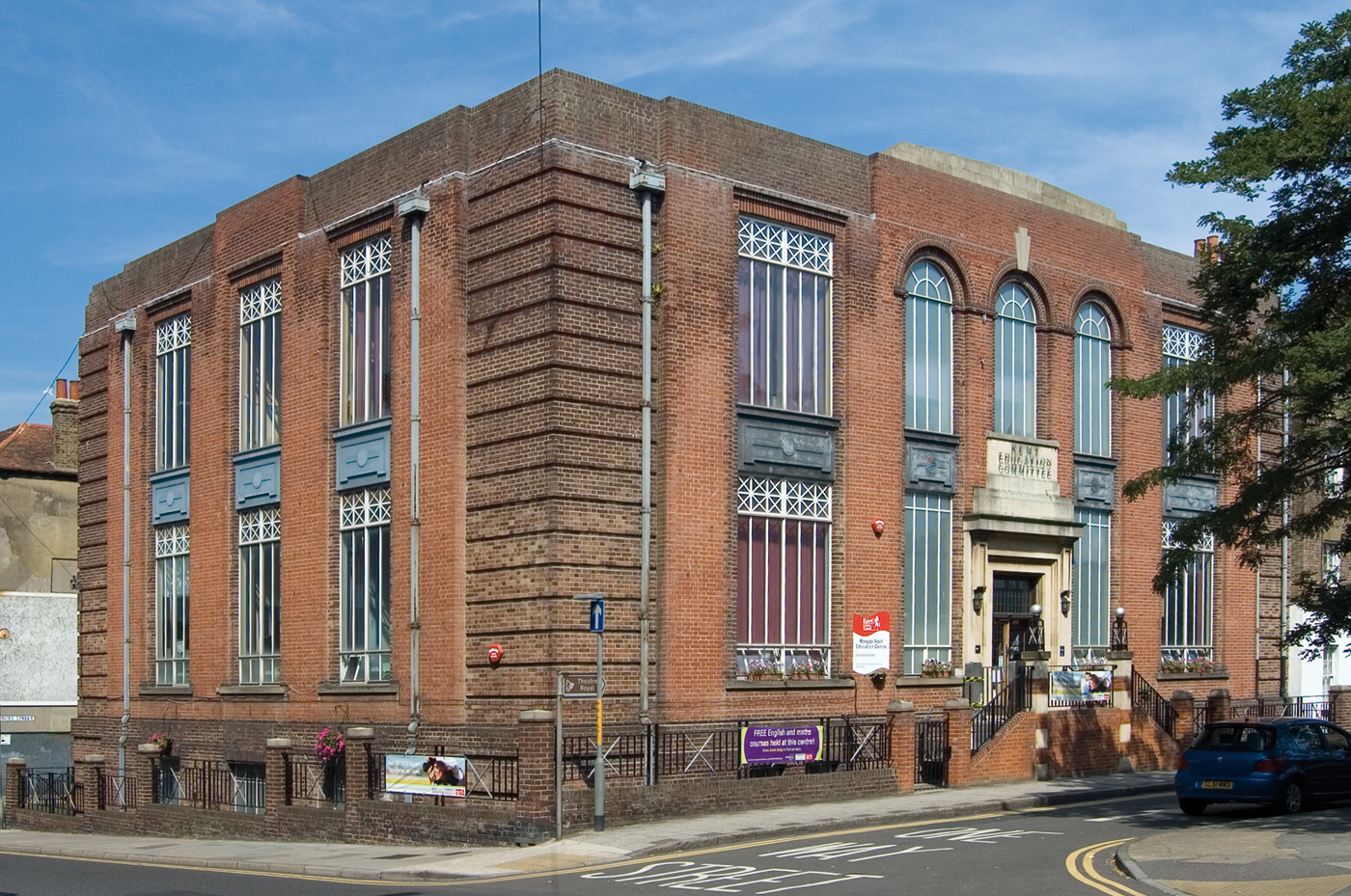
Thanet School of Art & Crafts, Hawley Square, Margate, Kent.

Sidcup School of Art, Grassington Road, Sidcup, London.
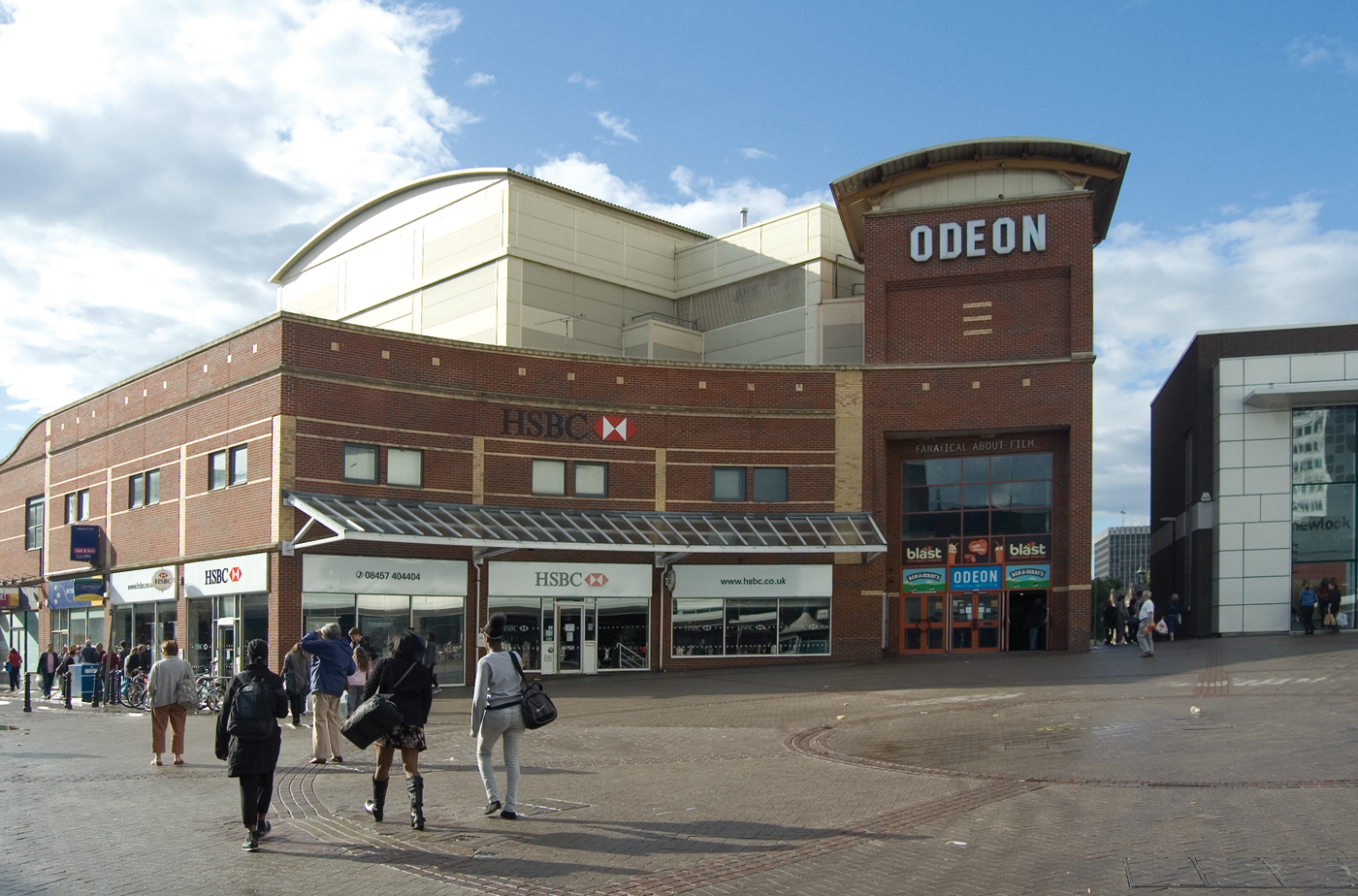
Municipal College and Art School, Victoria Circus, Southend-on-Sea, Essex.
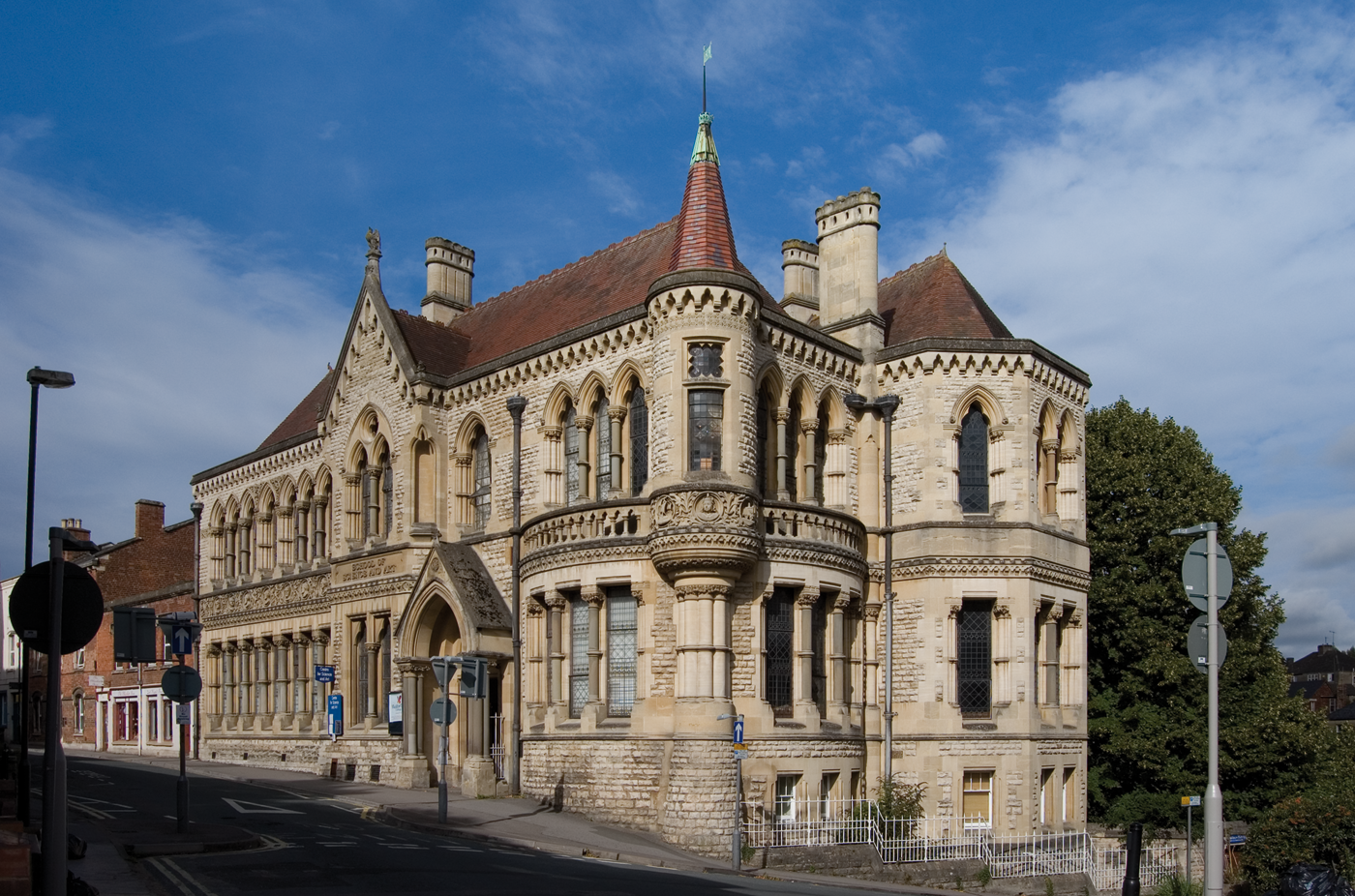
Stroud School of Art, Lansdown Road, Stroud, Gloucestershire.
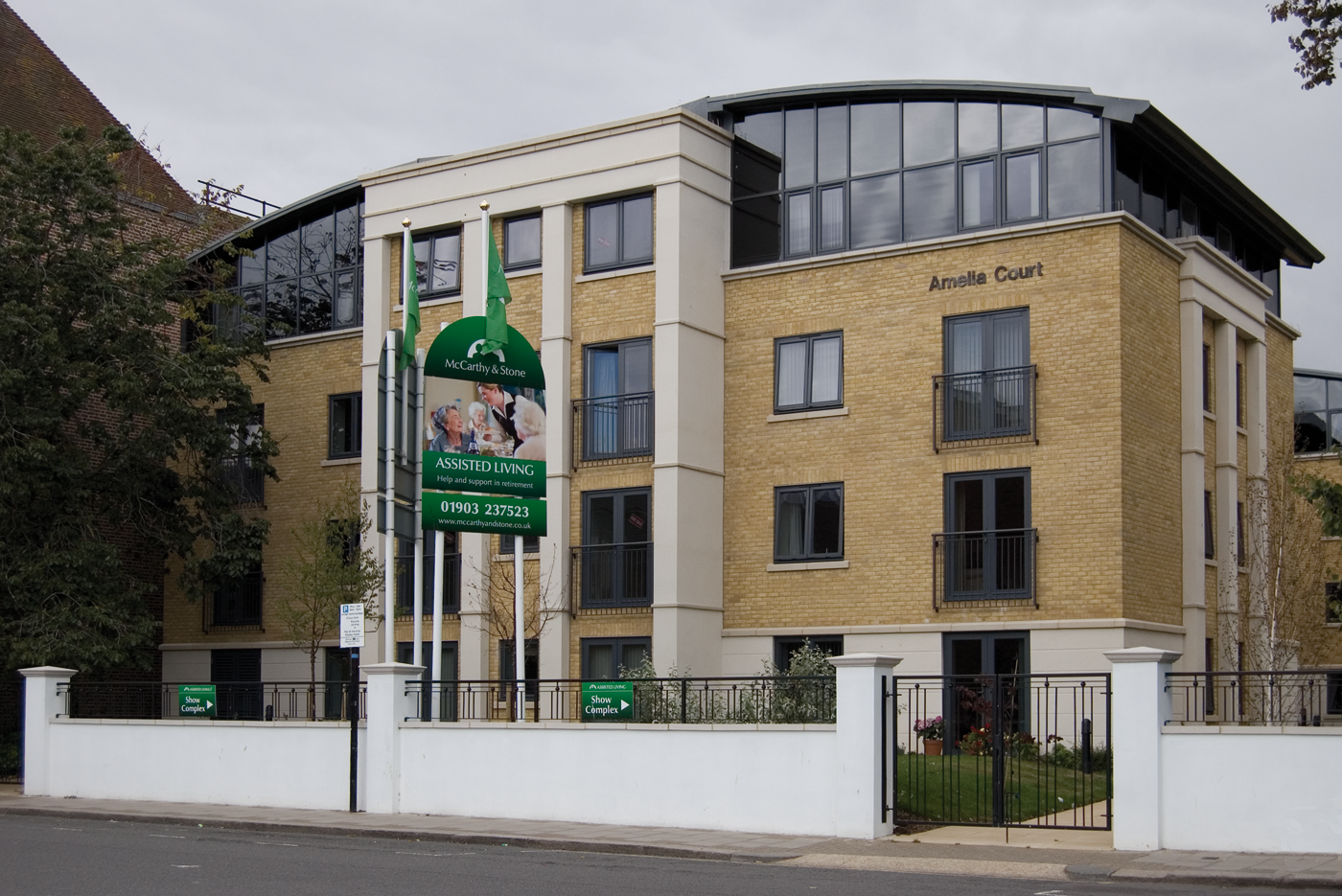
West Sussex School of Art & Craft, Union Place, Worthing, West Sussex.
Footnotes
The selection of images reproduced here is a small sample from a growing inventory of photographs of British art schools. This is an ongoing project and the current selection is not intended as nationally representative but as indicative of findings thus far. All photographs are by Matthew Cornford.