Abstract

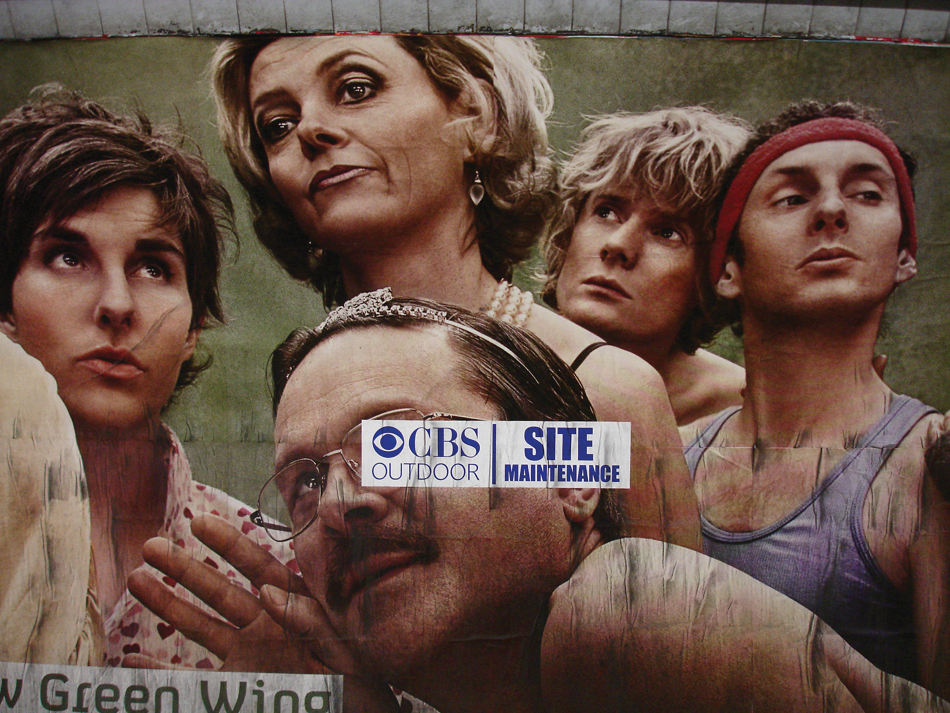
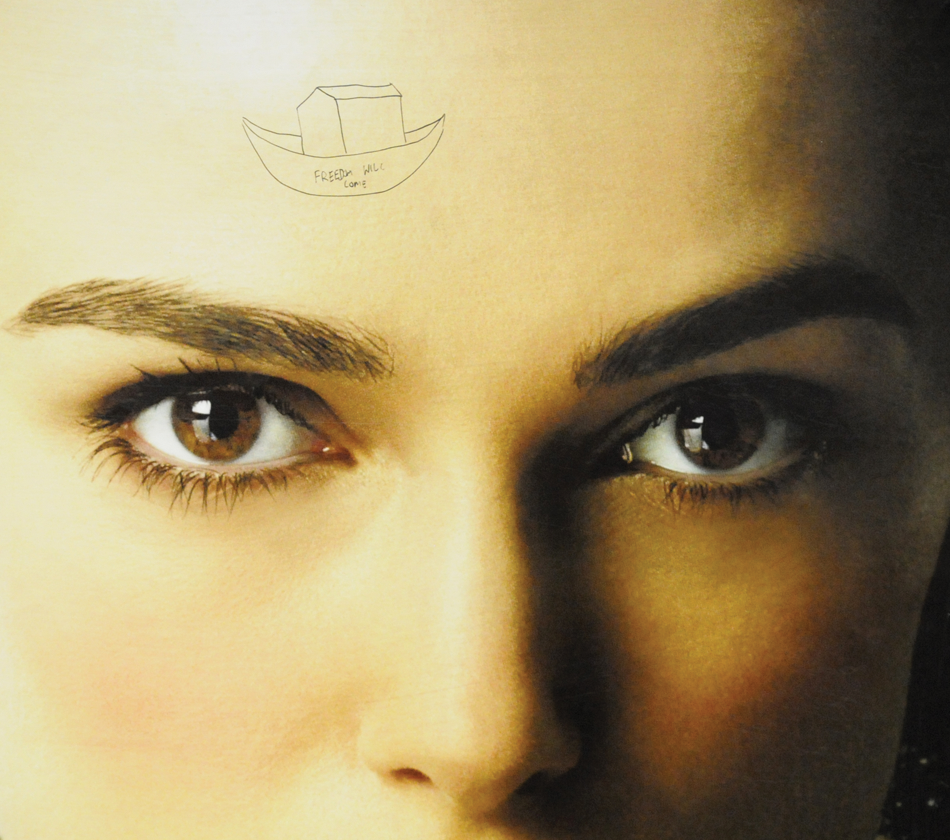
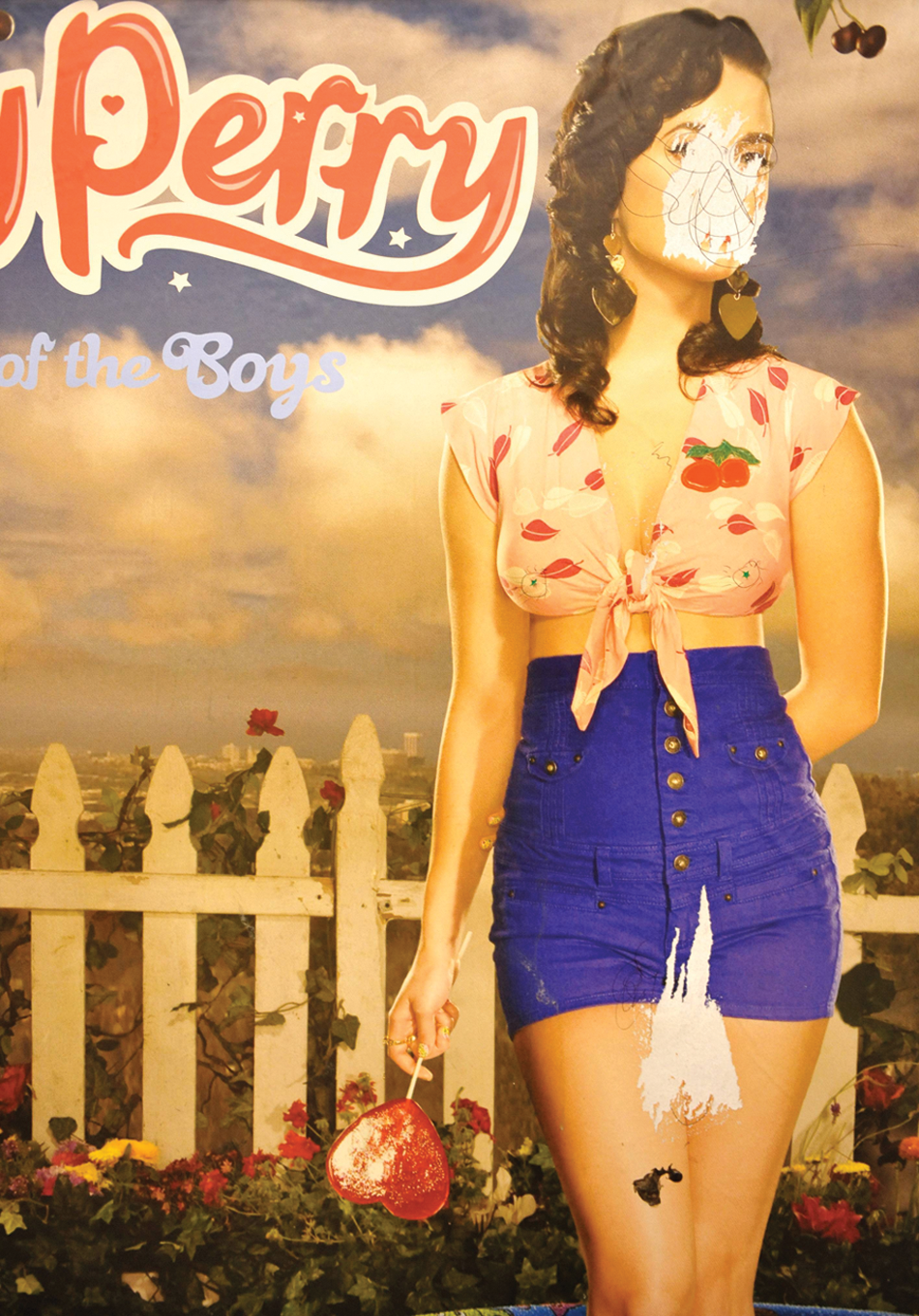
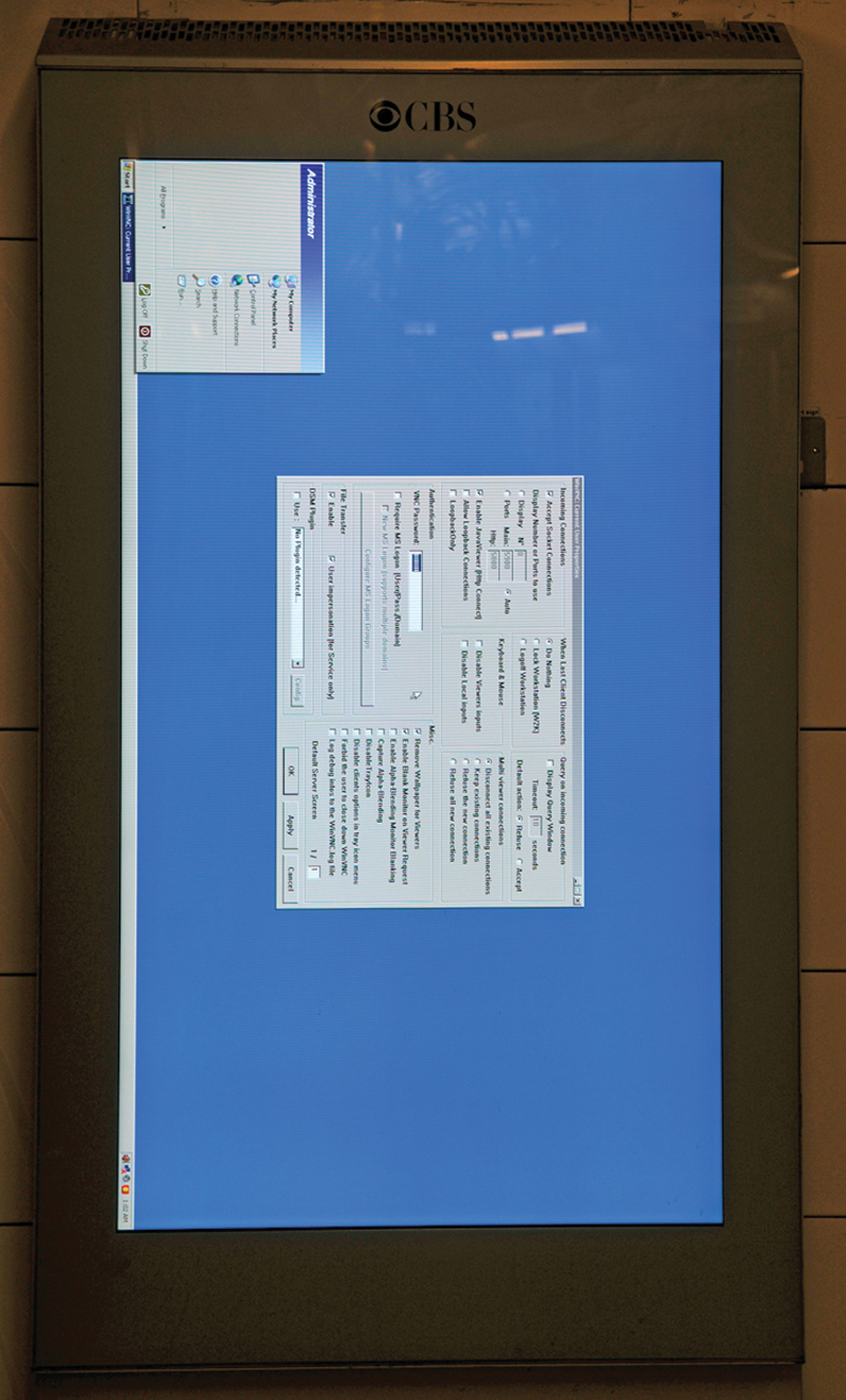
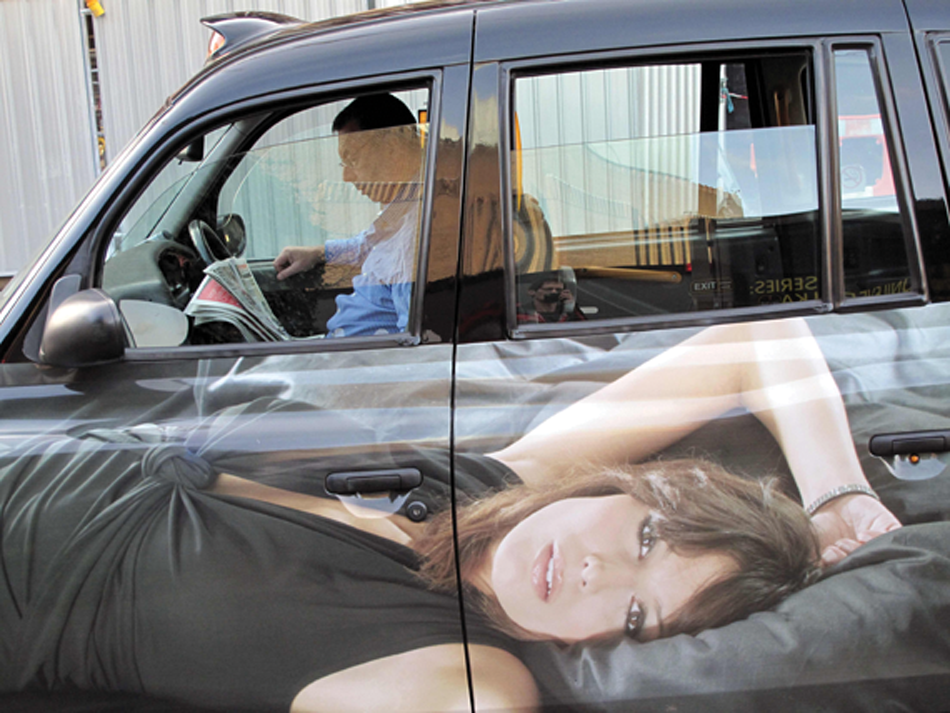
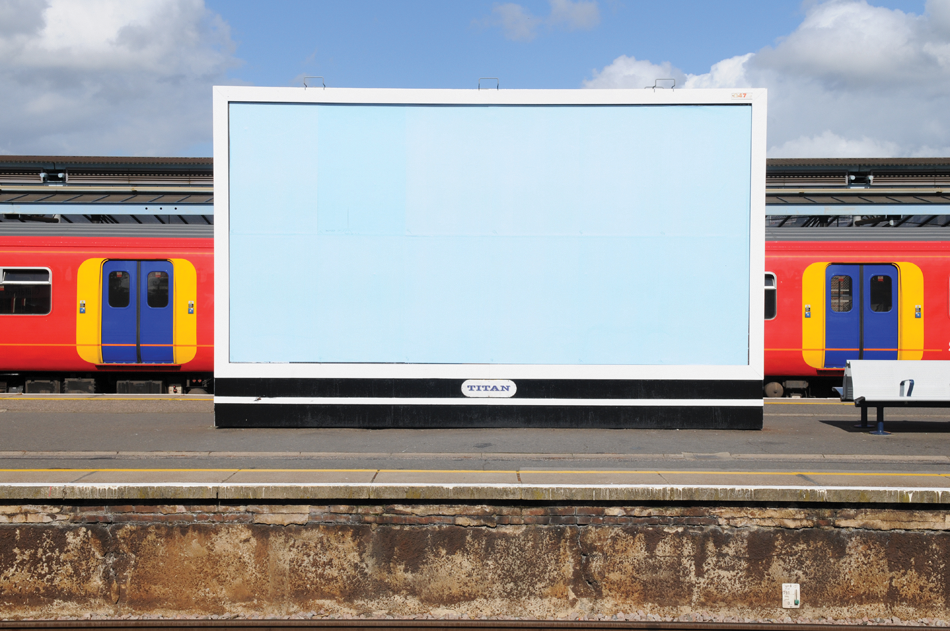
In the last episode of the TV series, Ways of Seeing, John Berger examined advertising, drawing out its remaking of traditional images of the good life and of the female body in the Western tradition of oil painting: adverts offer us the image of a richer life but ‘exclude us as we are now’. Yet there is one great difference between traditional painting and modern advertising, says Berger: while paintings for the rich were displayed in fine rooms and surrounded by gilded frames that boasted the wealth of their owners, adverts are surrounded by ‘us as we are’. There follows an extraordinary silent sequence of film clips and stills that show publicity images – mostly billboards – in the setting of the run-down city that British capitalism and state had created. Despite the passage of time, the scenes are familiar to us now. Some of the adverts are in bad repair but none have been attacked. The idea of subvertising lay in the future, and graffiti and advertising were in the beginnings of their upward-spiralling competition for ubiquity. Concluding the section on advertising, Berger says that ‘behind the paper are hidden our needs’. The following series of images, assembled in the spirit of Berger’s TV montage, shows how contingency – the inability of advertisers to control the environment into which their images are pitched, and which is itself the product of commerce – and people’s scepticism, irony and anger towards advertising undermine its utopia and reveal deeper needs.
All images courtesy of the author.