







Abstract
Creative dance choreography involves the exploration of movement as a form of artistic expression, often characterized by innovative and spontaneous elements. Interactive multimedia enhances the art form by integrating technology, enabling real-time audience engagement and dynamic visual effects. Traditional choreography often adheres to fixed patterns, which can limit improvisation and reduce audience participation. The objective of the study is to integrate the chaotic art algorithm within multimedia interactive dance choreography, enhancing both the creative process and audience engagement while producing novel movement patterns. Data were collected through motion capture technology and video recordings. The preprocessing phase included noise reduction and normalization of the movement data. Feature extraction using principal component analysis (PCA) techniques analyzed the captured data, identifying key attributes such as speed, trajectory, and synchronization. The study proposed a simulation-based intelligent chaotic optimized generative adversarial network (ICO-GAN) that enhances dance choreography by generating diverse, unpredictable movement patterns, optimizing performance through chaotic art algorithms, and fostering innovative, engaging interactions between dancers and multimedia elements. The result shows that the proposed ICO-GAN method enriched the choreography by generating diverse movement patterns that were seamlessly incorporated into performances based on precision (94%), recall (92%), accuracy (97%), and F1-score (93%). This innovative approach opens new avenues for exploration in dance and technology, offering expanded possibilities for artistic expression and interaction.
Keywords
Introduction
Multimedia interactive innovative dance choreography is a modern day approach that merges technology with dance to create immersive performances. It lets dancers interact with virtual factors like sound, visual, and mild, supplying a dynamic and progressive way to provide choreography. 1 The combination of arts and technology enables performances that respond to dancers’ actions, developing an actual time interactive experience that complements the target audience’s engagement.
Chaotic artwork algorithms introduce randomness and unpredictability into digital artwork, making them an exciting addition to dance choreography. 2 These algorithms can generate complex and evolving visuals, songs, or motion patterns that might be simulated by dancers’ actions or outside inputs. 3 By incorporating chaotic systems, the choreography turns much less predictable and more fluid, allowing for unique and non-repetitive performances in which no two shows are identical.
Dance movements are captured with the use of sensors or motion tracking technology, which might be then fed into a computer device running for chaotic art algorithms. 4 The machine processes this input to generate responsible visual results or track, creating an interactive loop between the dancer and the multimedia factors. 5 This integration allows for actual time interaction, wherein dancers not only follow the choreography but also have an effect on the inventive environment surrounding them. 6 Chaotic algorithms provide a platform for enhancing creativity in dance choreography by breaking traditional patterns. 7 Unlike linear, repetitive sequences, chaos introduces randomness, which may be creatively harnessed to encourage new movements and systems. 8
Choreographers can experiment with this unpredictability, and the usage of it to push the bounds of traditional dance format, making every overall performance precise and spontaneous. 9 This approach has applications in a variety of creative and performing spaces, including stage shows, virtual reality experiences, interactive installations in art galleries or museums in educational settings, teaching dancers the way to interact with digital media, or large-scale real-time public performance and sound responses to dance forms can be used there that attract and engage audiences. 10 Integrating multimedia and chaotic algorithms into dance offers several benefits. It allows for greater flexible and responsive performances, creates new forms of creative expression, and provides a richer experience for audiences. 11 It also enables collaboration among dancers, choreographers, and virtual artists, fostering interdisciplinary innovation within the performing arts.
Despite its capacity, this integration also offers demanding situations, especially in making sure that the technology works seamlessly with live performances. 12 Motion tracking desires to be precise, and the chaotic algorithms have to respond in actual time without lag. The setup also requires technical knowledge in both choreography and virtual structures, making it critical for choreographers and technical teams to work closely together. 13 The improvements in artificial intelligence, motion tracking, actual time processing, and chaotic algorithms turn into more state of the art and consider deeper ranges of interaction and creativity. 14 This modern fusion of dance and era will continue to adapt, offering exciting opportunities for the destiny of acting arts and multimedia expression. 15
The purpose of this paper is to propose an intelligent chaotic optimized generative adversarial network (ICO-GAN) to generate the dance movements to enhance the dance choreography. The main contributions of this work are: (1) The data was gathered from GitHub and the median filter was used for noise reduction. (2) Z-score normalization was used for normalization then PCA was used to extract the features from the preprocessed data. (3) ICO-GAN was proposed to generate creative dance movements.
Related work
The system’s primary internet-based teaching and teaching administration application was part of its functional framework. The data management module stored the information that was processed in the data file and responded to requests for retrieval from the publication modules for dance instruction content and for the remote placement of image resources from the multimedia administration module. The experimental findings demonstrated the robust data storage capacity of the suggested system, together with its excellent efficiency, superior reliability, and adaptability.
A virtual reality system for college physical education that consists of a cloud system, mobile customer, and the Internet of Things was suggested. 16 It acquired pertinent data from the Internet of Things and interacted with the augmented reality environment in real time, generating the environment through the use of the cloud and experiencing virtual reality through a mobile device. The created augmented reality system of institution physical education had excellent implementation and development effect, and it offered a scientific reference for furthering reform of institution physical education, according to an investigation of particular trial cases and user feedback data from a college.
An art form that can be assisted from a data processor standpoint into dancing was developed in 17. Dance has long been used as a means of expressing feelings and ideas through timing, music, and body movement coordination. The three main procedures that were essential to the execution of dance were the focus of the experiment: development, execution, and performance. For the purpose of choreographing dance and learning movement, a variety of methods and tools were presented. These approaches made use of cutting-edge technologies, such as wearables, virtual reality (VR), augmented reality (AR), and robots, along with physical and audible stimulation.
The method for autonomously creating continuous Korean pop (K-POP) innovative choreography in a virtual environment was proposed in 18. It used bidirectional long-short term memory (Bi-LSTM) to derive postures and gestures. Dance videos, including K-POP ones, were gathered ahead of time for input. A new choreography was implemented and executed with Bi-LSTM; consider a video of dancing for establishing the position of users who demand a choreography. By using the suggested approach, gathering datasets could need less work, and an extensive artificial intelligence research environment that created original choreography from a variety of already-existing web dance films could be made available.
An automatic generation method for folk dance motions was proposed in 19. To create a synchronized folk music dancing dataset, the suggested method first gathered paired folk music and dance videos. Music and dance features were extracted using an extraction of features tool and a multiple scales fusion excellent quality system, accordingly. A computerized folk dance choreography system that was both user-friendly and efficient was put into practice. The suggested approach succeeded well in automatically generating folk dances, according to experimental data, and the dances that were produced contained folk qualities and fit the provided music’s beat.
A unique autoregressive generative framework called DanceNet, which uses the tune, timing, and form of music as signals for control to generate highly realistic and diverse 3D dance movements, was presented in 20. To improve the efficiency of the suggested model, they created an exceptional music-dance pair database by capturing many synchronized dancers. Investigations have shown that the suggested approach was capable of producing cutting-edge outcomes.
To maximize the aberrant frames, a spatial-temporal refinements model-based music-driven dance creation technique was suggested in 21. Based on the capacity of the cross-modal alignment model to comprehend the connection between the two modalities of sound and dancing video, the pertinent dance portions were assigned to correlate with the provided musical sections. A peculiar frame improvement approach was suggested to optimize the dance sequence’s aberrant frames. The results of the experiment demonstrated that the suggested strategy can produce dancing video sequences that were natural and realistic.
A novel transitional generation method for choreography and the concept of key frame patching for music-driven dance generation were proposed in 22. In particular, it learned the expected distributions of dance movements based on an arrangement of music and a small set of key poses utilizing normalization flows, synthesizing visually diverse and believable dancing motions. Numerous tests demonstrated that, in terms of both quality and quantity, the model produced dancing movements that were more feasible. The experimental findings showed that key frame-based control was the best method for increasing the variety of dancing motions that were generated.
An approach that allowed for the improvement of the quality of movement in both the time and space domains, hence elevating the competence of amateur dancing motions, was provided in 23. They compared the proposed method with two standard transfer of movement techniques using detailed subjective visual feedback, measurements of quantity, and a perceptual analysis to show how effective it performed. Additionally, they offered chronological and geographical module analysis to investigate the workings and requirements of important parts of their framework.
A computer system for the vision that can replicate the innate human capacity was created in 24. Three modules constitute the suggested system. It was to develop a cross-modal position module that utilized dance video clips with pre-arranged music to examine the connection between dance movements and tunes. The module trained a system to assess the degree of reliability between the visual components of pose patterns and the audio elements of music. The suggested method could effectively create dance videos by importing music, as demonstrated by the outcomes of experiments and subjective assessments.
Methodology
In this section, a comprehensive explanation of the dataset, preprocessing, feature extraction, and proposed method are provided. Figure 1 represents the overall process of methodology. Overall process of methodology.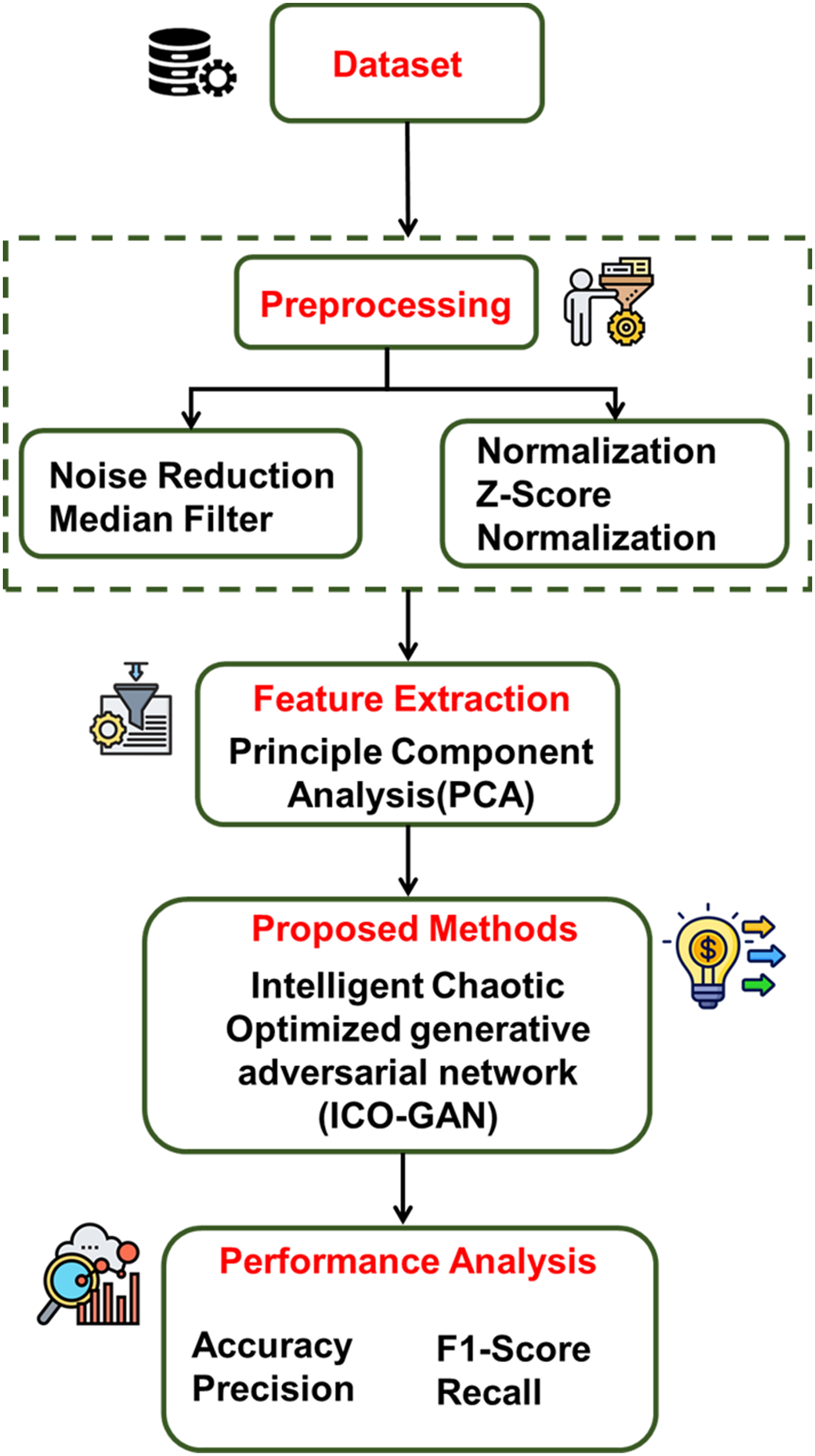
Dataset
The data was gathered from GitHub (https://google.github.io/aistplusplus_dataset/factsfigures.html). It provides 3D human key point annotations and camera settings for 10.1 M photos with 30 different subjects from nine different angles. These qualities make it the largest and richest dataset with 3D human key point annotation that is currently accessible. Furthermore, 1408 human dance motion sequences in three dimensions are shown as joint revolutions and root paths. Ten dance genres with hundreds of choreographies each have an equal distribution of dancing actions. Motion times range from 7.4 to 48.0 seconds. Every dancing move has an associated piece of music.
Preprocessing
The collected data was preprocessed by using a median filter to reduce noise and Z-score normalization to normalize the data.
Median filter
It refers to a nonlinear virtual filtering technique usually used to reduce noise in image data. It works by moving a sliding window throughout the statistics and changing each cost with the median value of the neighboring factors. This enables maintenance edges while correctly removing impulse noise, including spike noise, outliers, and small jitter. The median filter operates on the rectangular region Pxy. Depending on specific criteria, the median filter modifies the size of Pxy during the filtering procedure. At Level A and Level B, median filtering functions, respectively, are represented in equations (1)–(4).
First level:


In the event, K11> 0 AND K12< 0, go to level 2 if there is no intention to enlarge the opening.
Repeating level 1 if the dimension of the window = Smax. If not, output Zxy.
Second level:


Output Zxy if K21> 0 and K22< 0, output Zmed if not.
Where Zmin is the minimal gray level in Pxy and Zmax is the highest possible grayscale value in Pxy. The average of the gray levels in Pxy is Zmed. At (x, y), there is a gray level called Zxy.
The filter’s output is a single value that is used to replace the erroneous pixel value in the images at (x, y), the location where Pxy is currently centered.
Z-score normalization
The process of normalizing data involves scaling or mapping abnormal data to standard data. It used the Z-score approach, a numerical data type, in the recommended model and its normalized values in the dataset. A common statistical method for standardizing and normalizing numerical features in a dataset is the Z-score method. The normalization statistics can have a mean of 0 and a popular deviation of one, improving the model’s overall performance in the movement class. It mitigates the influence of outliers and ensures that different capabilities contribute similarly to the type system. Equation (5) for Z-score normalization is:

Feature extraction
Principal component analysis (PCA) was developed to create a modified linear structure for actual data that exhibits certain related qualities. As a result; the matrices were adjusted to incorporate a set of new data with several characteristics that better reflect the data itself. For data with several dimensions, it can be used for a dimensionality-reduction process.
Generate the observational matrix
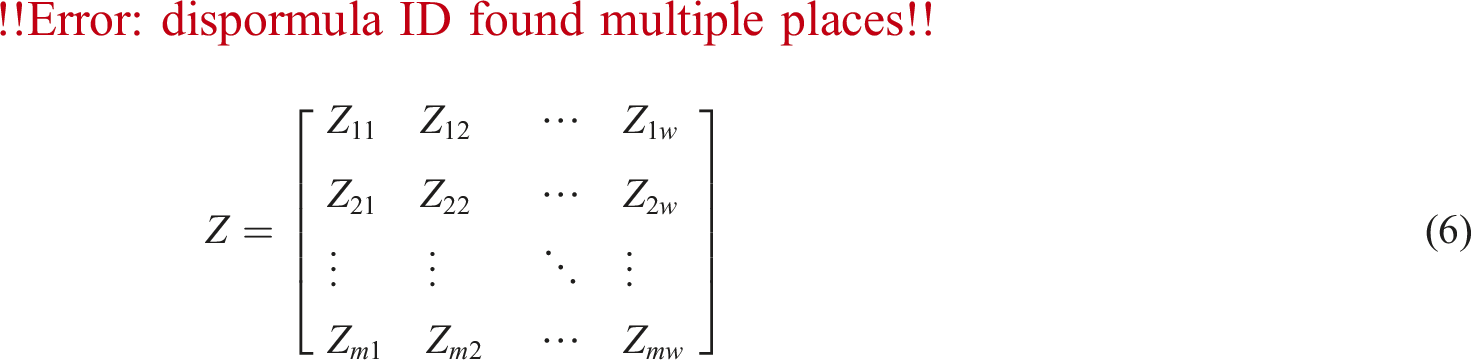
Matrix observation requires centralized analysis of data. The sample average should also be calculated by using equation (7).

Also, the standard deviation is calculated in equation (8):

Using the equation (9),

Construct the standard matrix

The eigenvalue and eigenvector of

Further, choosing the largest

Equation (13) is used to generate new major parameters

The matrix’s parameters altered from
Intelligent chaotic optimized generative adversarial network (ICO-GAN)
The hybridization of ICO-GAN combines chaotic optimization and generative adversarial network components, enabling the system to produce diverse and unpredictable motion patterns. The chaotic optimization enhances the random generation of movements by influencing the GAN to explore a broader solution space, thereby increasing the creativity of the choreography. This modern framework leverages the strengths of chaotic art algorithms, which mimic the complexity and unpredictability of natural actions, to optimize choreography. By integrating GANs, the algorithm can learn from current dance moves and creatively produce new sequences that preserve the essence of dance while introducing novel elements. The ICO component focuses on optimizing the generated movements by applying chaos theory principles, ensuring that they are not only longer than the originals but also performative and aesthetically pleasing. In practice, this involves iterating through various chaotic sequences to find optimal configurations that balance complexity and coherence, allowing for innovative choreographic expressions. This hybridization fosters modern interactions among dancers and multimedia elements, considering a dynamic performance surrounding that evolves in real time. Dancers can interact with visuals and soundscapes that adapt to their movements, developing an immersive revel in each performer and audience. The outcome is a rich variety of choreography that pushes the boundaries of conventional dance, encouraging exploration and experimentation. By merging this advanced technology, ICO-GAN empowers choreographers to interrupt traditional styles, paving the way for a new generation of creative expression in dance that emphasizes unpredictability and interaction.
Generative adversarial network (GAN)
The structure of GAN focuses on the producers that generate a new movement and the discriminator that gives the realism of the pattern. Iteratively from the process of training, the GAN can produce diversified impressive dance moves that can be applied to different dance movements and different speeds. It also assists the choreographer in developing new ideas and providing more creative movements. GANs are sophisticated machine learning models that are designed to learn the statistical distributions of real images and produce synthetic images. As learning agents, GANs use distributions of probability to generate realistic images. To obtain knowledge of GANs, the architecture, training, and objective function are elaborated as follows.
Architecture of GAN
The algorithm that discriminates and the generator are the two models that constitute GANs. The main responsibility of the generation is to produce synthetic data, such as texts, sounds, or images that closely resemble the transmission of real data. It generates synthetic imagined samples
Destination function
The gap between the probability distributions of the generated samples (

The real and data generated probabilities are represented by

Minimax is seen as a game in the sense of GANs. The minimax optimization issues, in general, seek to maximize the objective function while adhering to the constraints of
Training
The basic training method for GANs is called adversarial training, which entails training both the generator and the discriminator neural networks competitively so they can learn from one another through an adversarial process. The discriminators and generator weights of a GAN are initialized at random during training. The generator creates artificial visuals by using the noise generated by the vector
Intelligent chaotic optimized (ICO)
A chaotic algorithm can be defined as an optimization or search algorithm, which operates under principles adopted from the study of chaos theory, that is, a set of systems that are more sensitive to a small change in any initial condition. These algorithms exploit a large solution space in a nonlinear and stochastic manner, reducing the possibility of remaining trapped in local optima, and increasing divergence in solutions. The ICO algorithm improves dance choreography as it introduces various and unique movement sequences. Chaos can provide a large variety of feasible motions and allows exploiting it to find out specific combinations of steps by choreographers. This concept leads to the incidence of creative invention in dance, as the exchange performs to keep movement smooth. A well-known logarithmic equation (16):

If
Examine the Ulam-von Neumann equation using equation (17) below:

If
The constraint optimization can be expressed in the following generic form in equations (18)–(20):



The following describes the process for applying the enhanced chaotic optimization technique to solve the nonlinear restriction optimization problem: Step 1: Starting the algorithm: Since the restriction function has Step 2: The

Here Step 3: First, functions are evaluated by iterating through

The term derives from the expanded target operation, for which Step 4: Following step 3, the operation transformed the variables into the interval of [-1, one] in the following equation (23), using logistic navigation:

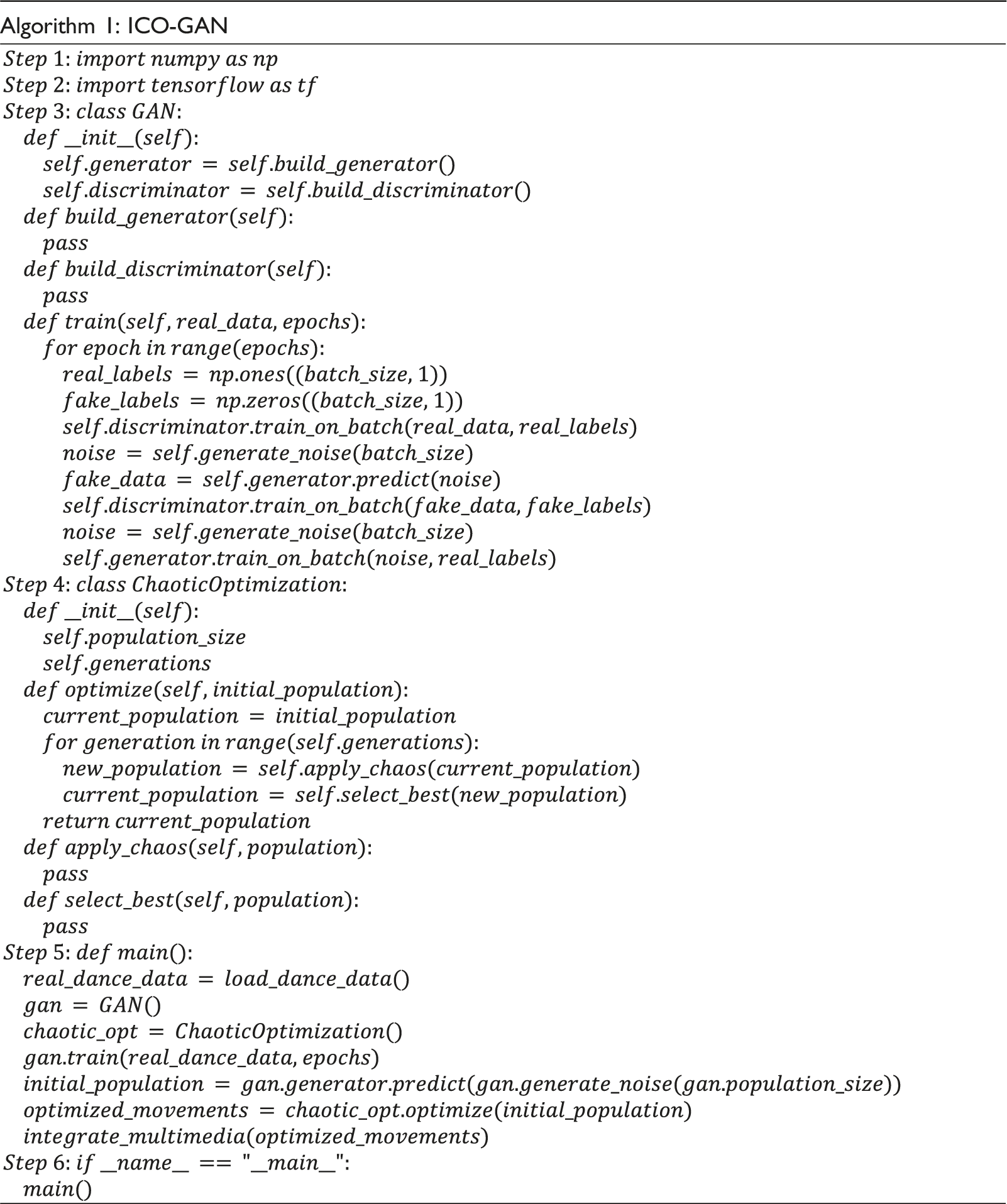
After which, the second patterning is represented in equation (24). Step 5: Optimal searching. Initially, following step 4, search using the equation (25): Step 6: If optimal values don’t change frequently, then purposely shortening the search interval will reduce calculation time. Step 7: Steps 4, 5, and 6 should be repeated. If the terminate rule is satisfied, the search is over and the best solution and values are printed at this time; if not, step 4 is resumed. Algorithm 1 represents the ICO-GAN algorithm.


Result and discussion
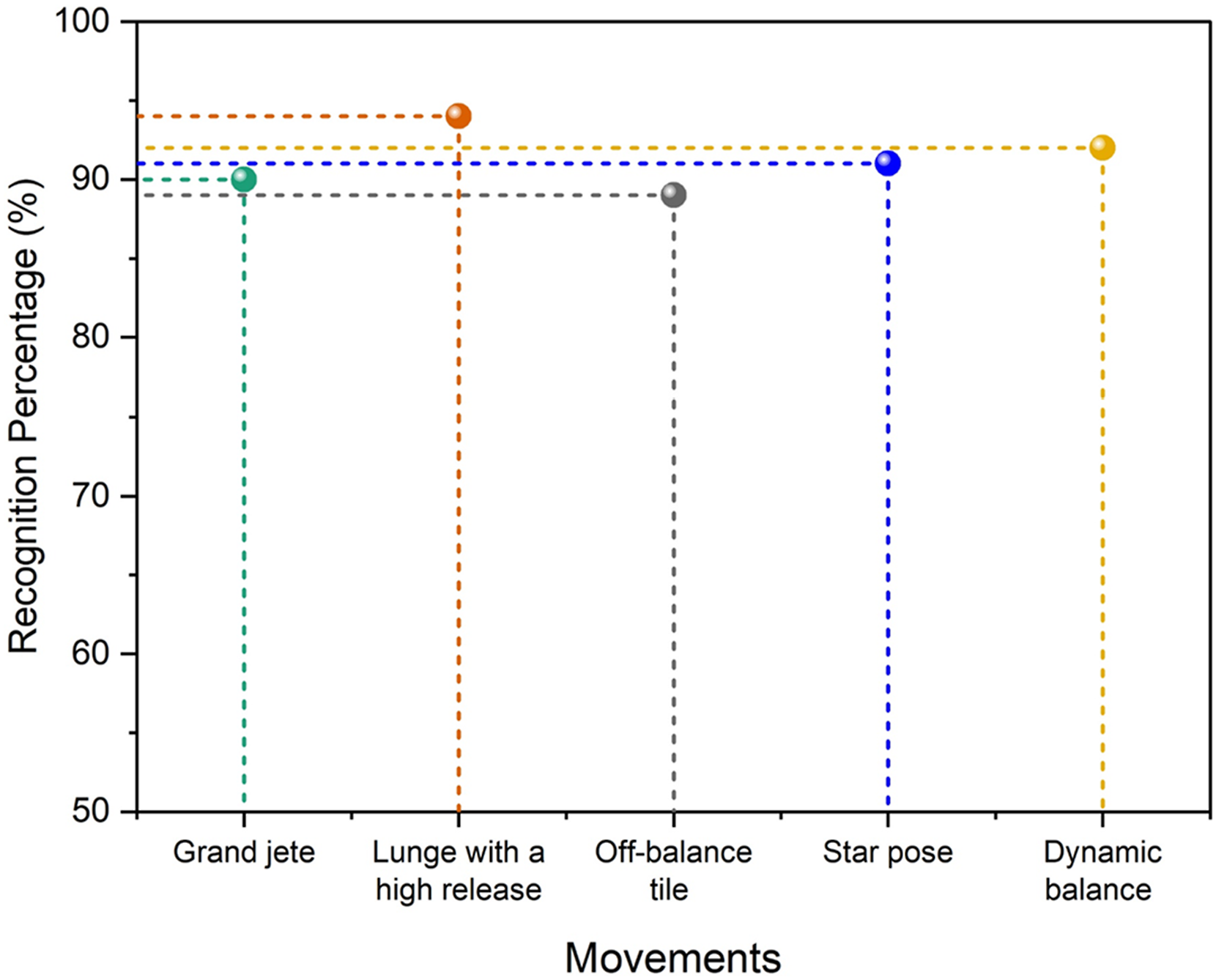
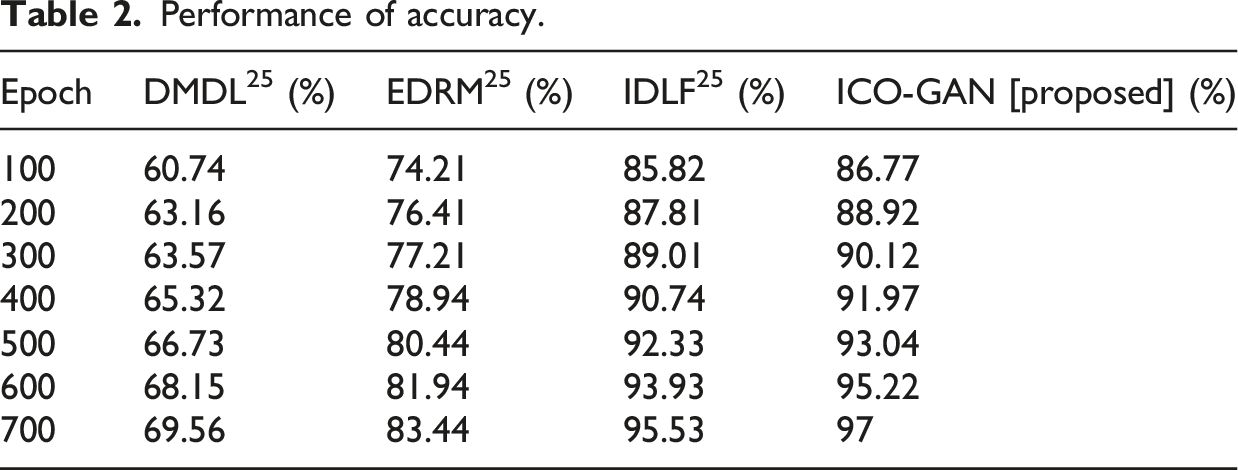
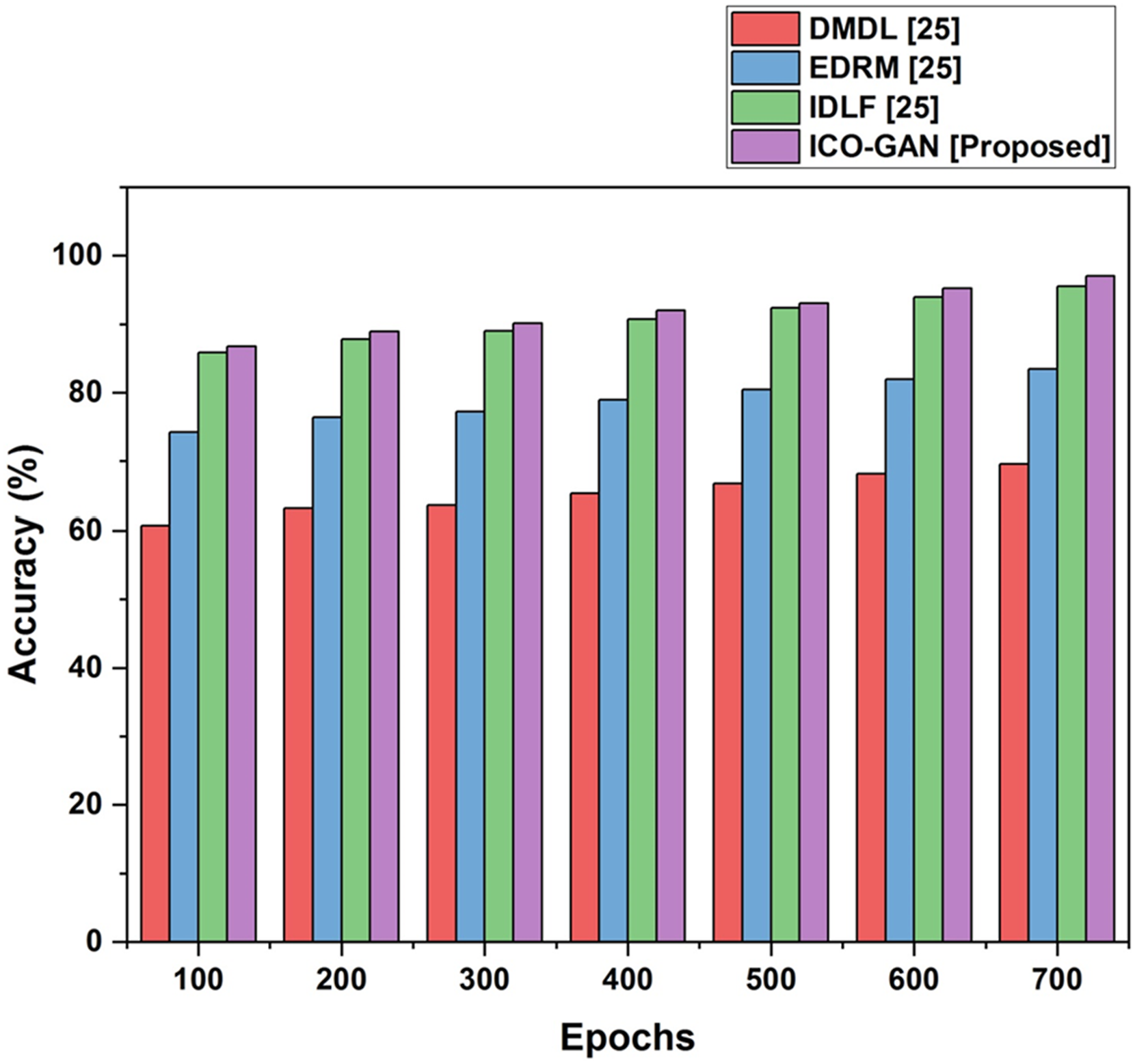
In this section, the performance of recognition of the five movements is evaluated and the proposed method’s performance is compared with existing methods, such as the dance movement based on deep learning (DMDL), edge distance random matrix (EDRM), and IoT deep learning framework (IDLF) 25 based on the metric (accuracy, precision, recall, and F1-score), to generate a creative dance choreography.
Recognition performance
Recognition performance of the five movements.
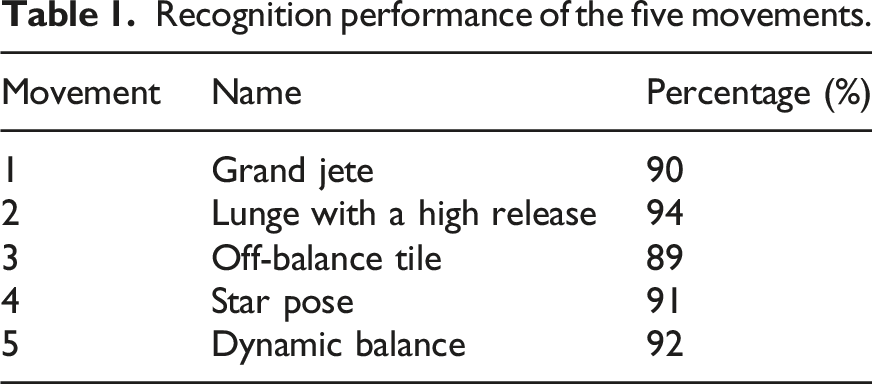
Recognition performance of the five movements.
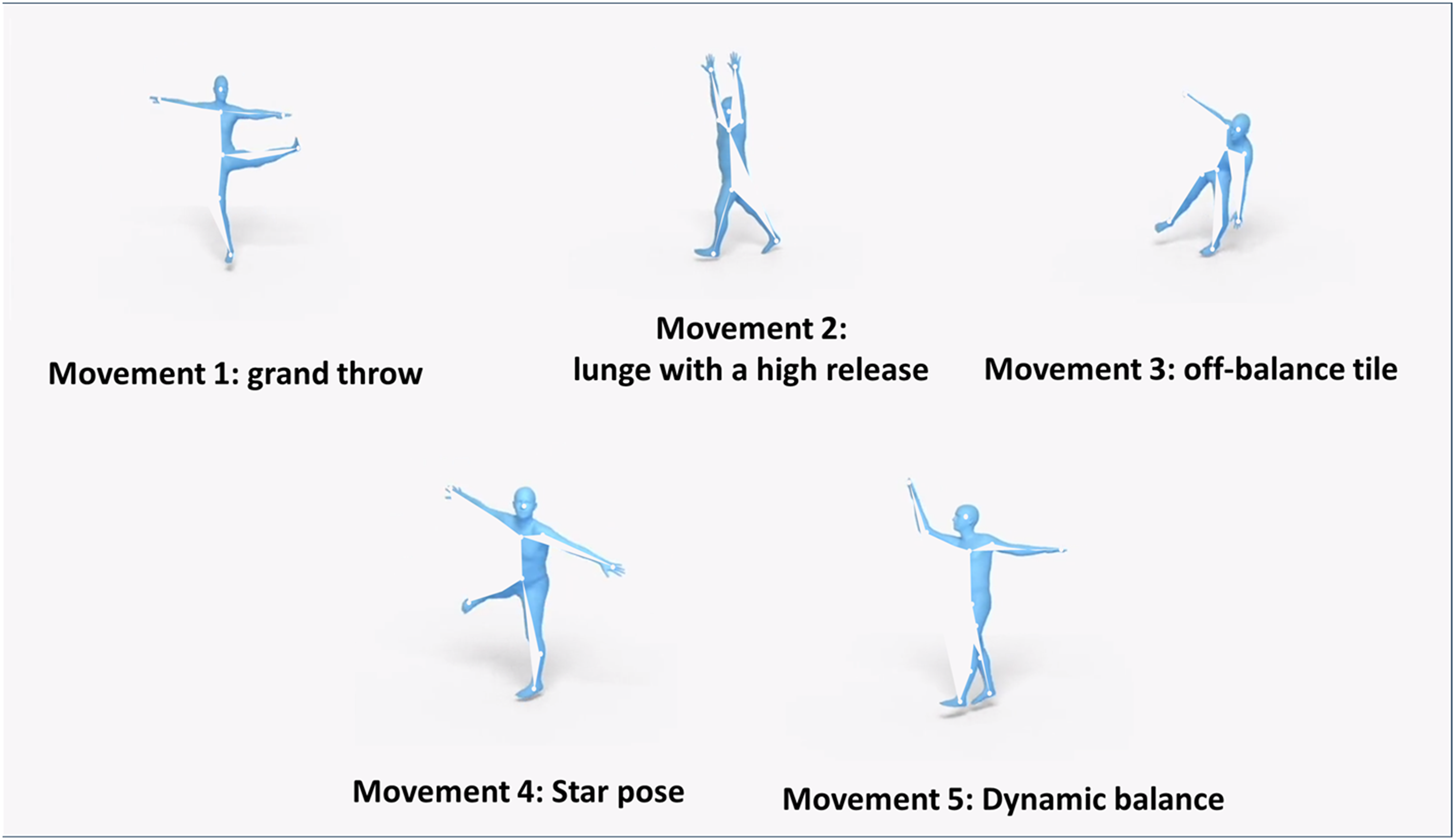
Recognition outcome of five movements.
Accuracy
Performance of accuracy.
Performance of accuracy.
Precision
Evaluation of precision.
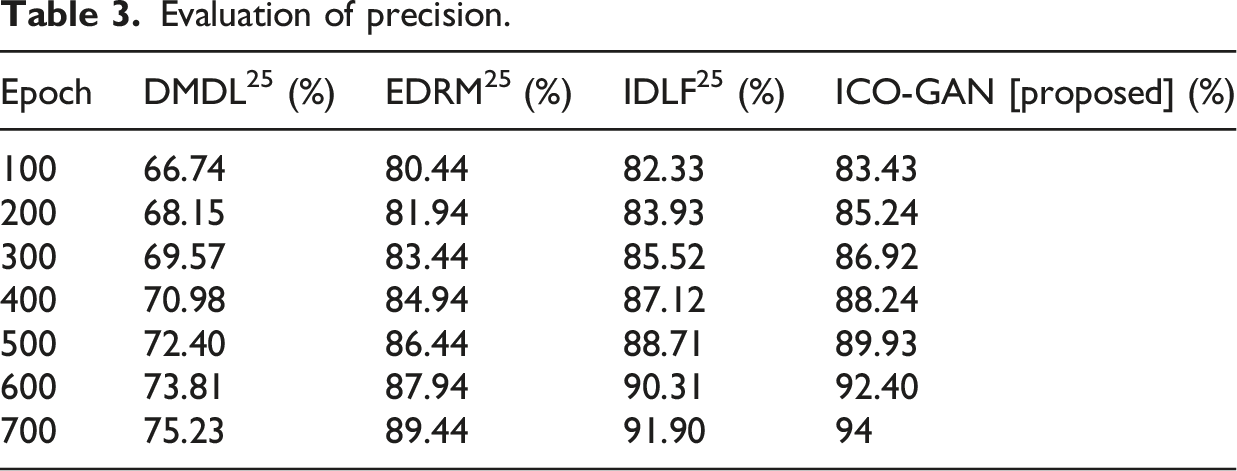
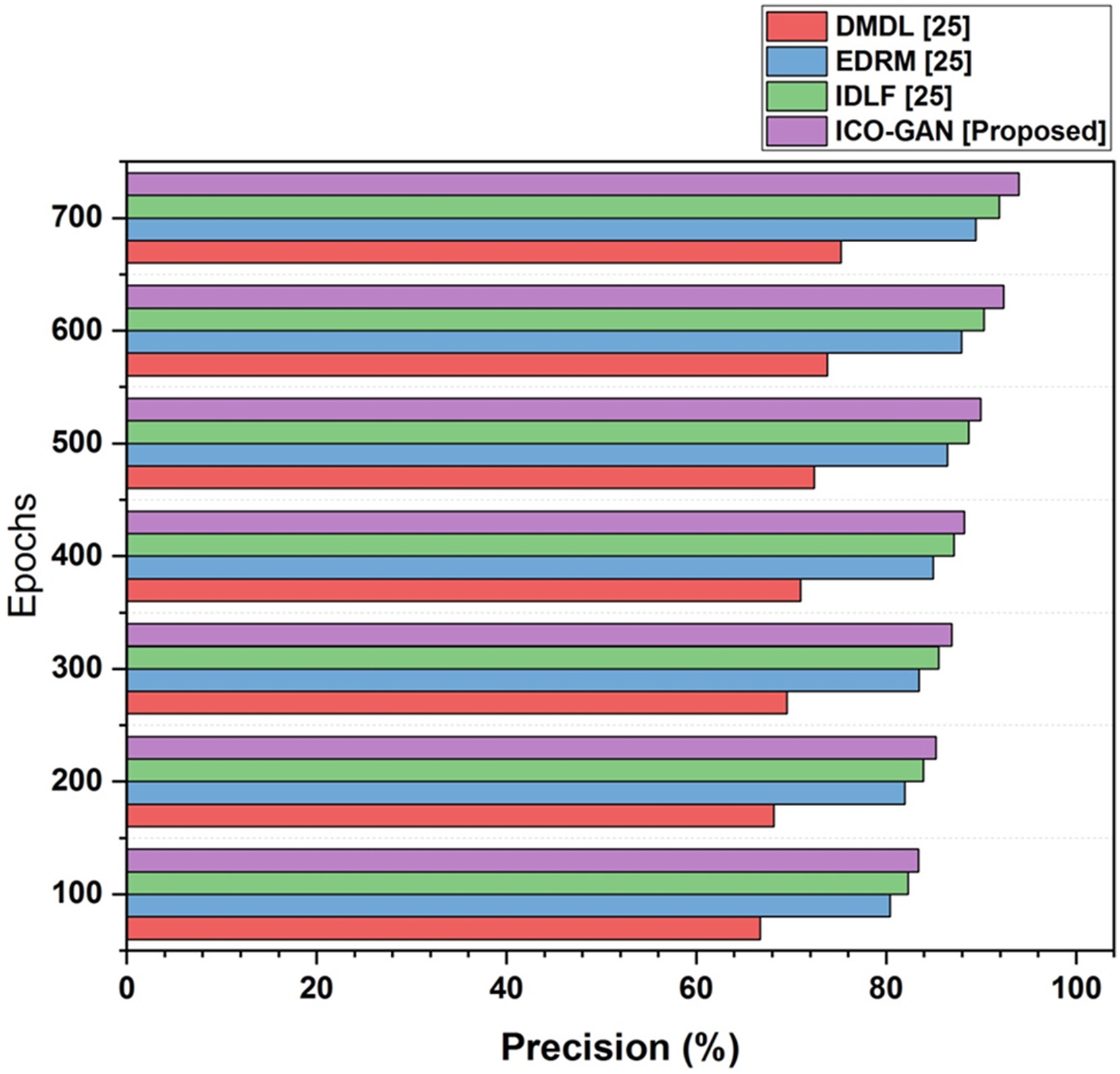
Evaluation of precision.
Recall
Performance of recall.
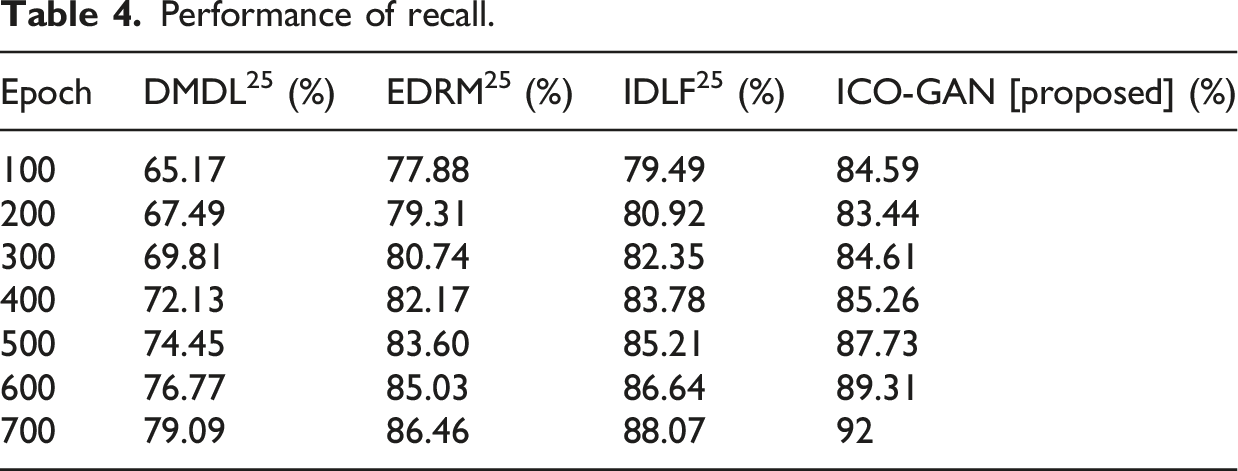
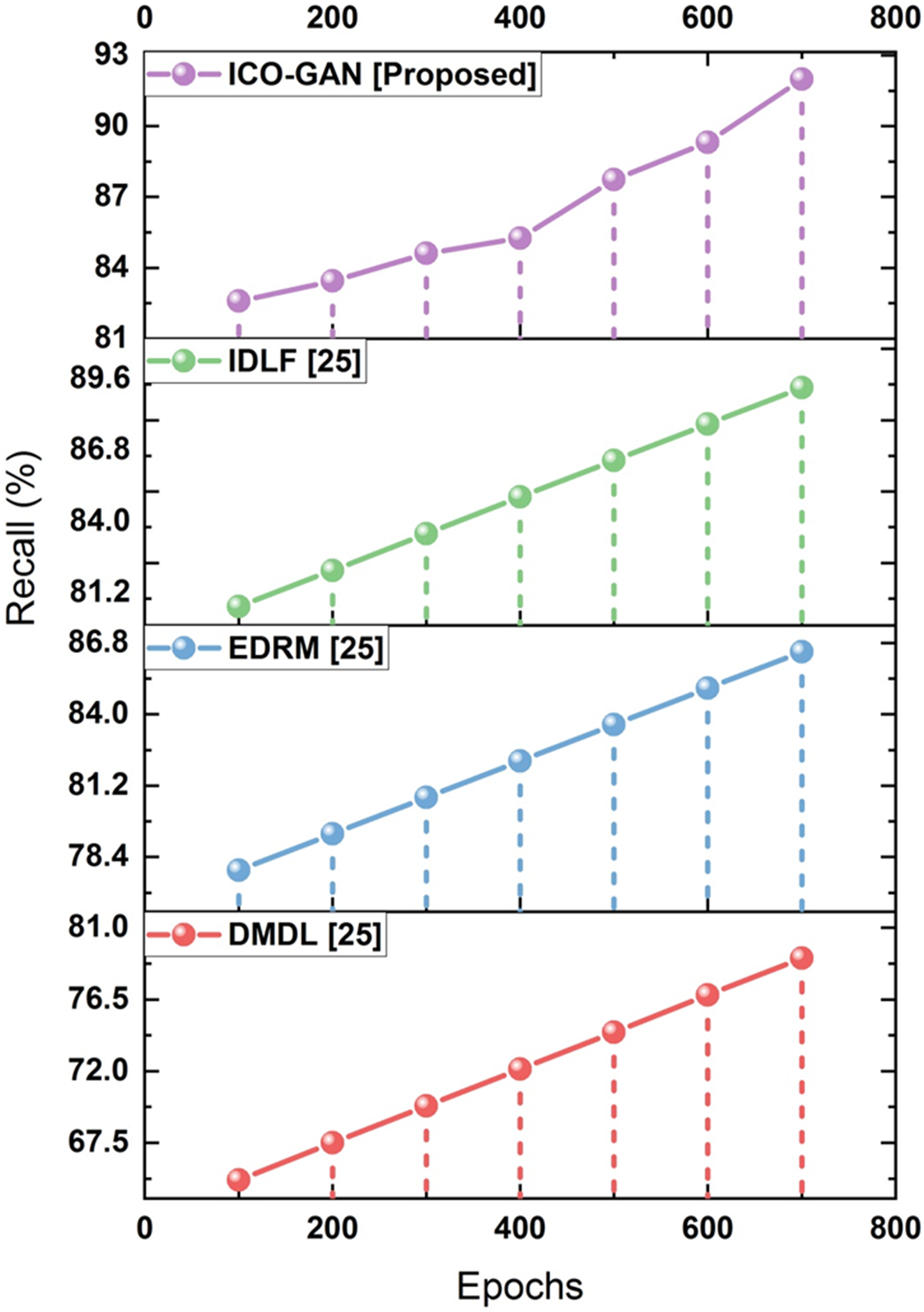
Performance of recall.
F1-score
Evaluation of F1-score.
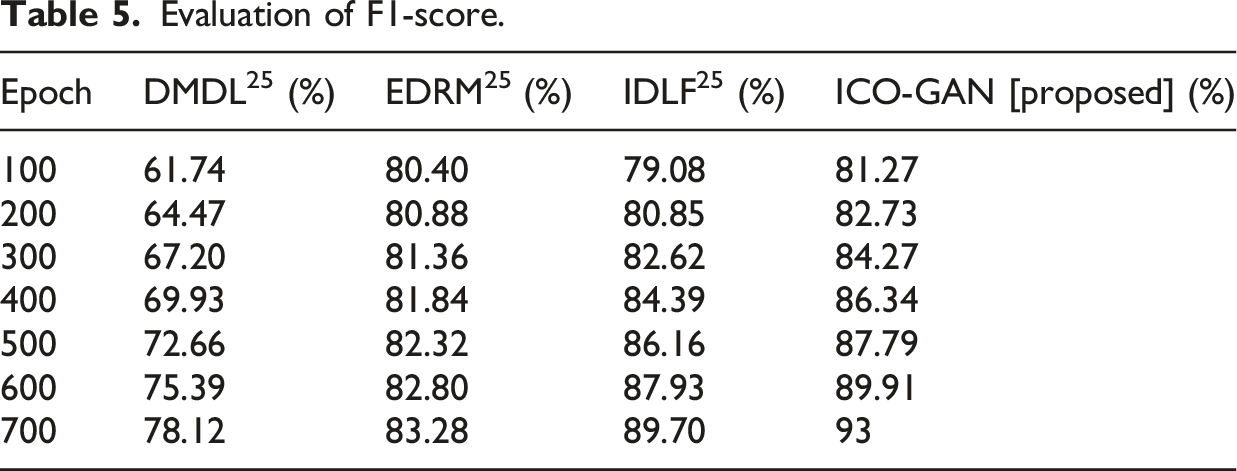
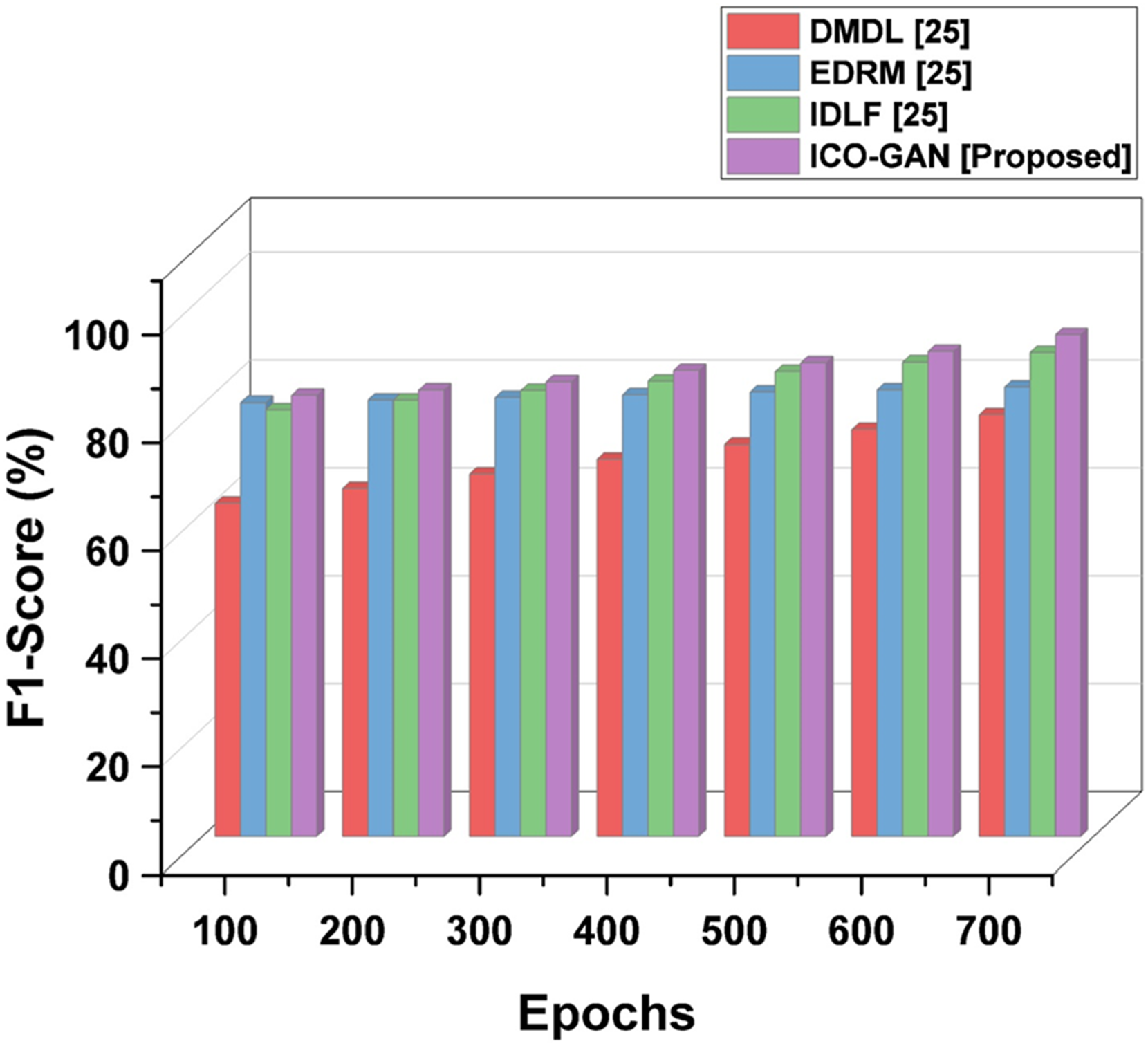
Evaluation of F1-score.
According to the overall performance, the proposed method (ICO-GAN) generates the better dance movements to enhance the dance choreography. Figure 8 represents the outcome of the proposed method. Outcome of proposed method.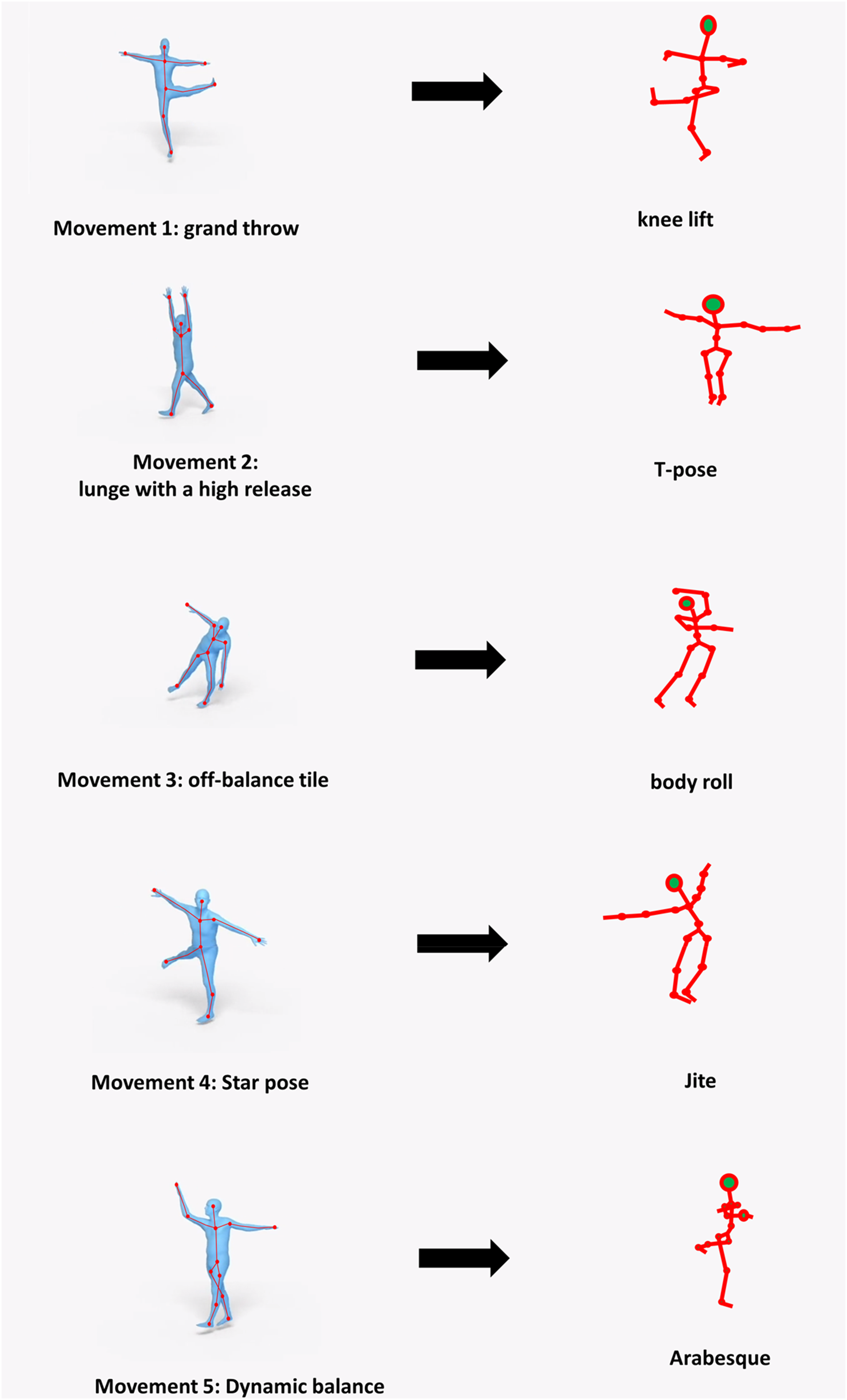
Discussion
The existing methods, including EDRM, DMDL, and IDLF and to generate innovative dance movements entail some drawbacks. The issue of stability and coherence in some dynamic moves is lacking when it comes to DMDL, which eventually produce a sequence of motions that are not fully coordinated. EDRM has been reported to be useful in sequence generation, but there is a downside to this approach due to the restricted agenda of the patterns in a sequence; this can reduce the creativity of the movements generated. Likewise, IDLF, although coherences with styles and creativity may not be very responsive to such freedom leading to less movements or freedom, leading to less movements in occurring with solutions. The proposed method ICO-GAN overcomes these drawbacks by employing chaotic optimization to improve the richness of movements generated by the GAN. ICO-GAN employs modern deep learning techniques that enable the generation of more or less coherent dance sequences, which, however, are filled with artistic expression. It ensures that the generated movements are assessed against a well-defined metric that necessitates appropriate quality improvements. Furthermore, the chaotic optimization approach provides for the exploration of a border solution space, enabling the model to generate highly original and unpredicted dance movements. The flexibility of the method is essential for developing creative transformations that are relevant to various spectators. ICO-GAN is a promising development in the field of dance movement generation, offering an improved method for creating engaging and successful dance motions for performance.
Conclusion
In this paper, an intelligent chaotic optimized generative adversarial network (ICO-GAN) was introduced for dance movement generation. The dance video recorded dataset was collected from GitHub. Z-score normalization was used to normalize the data and the median filter was employed for preprocessing to cut down on noise. PCA was used as a feature extraction to extract the uncorrelated features. As a result, the five movements were recognized and evaluated the performance of the movements. The dance movement generation performance of the proposed method ICO-GAN was compared with the existing methods based on the metrics, including precision (94%), F1-score (93%), accuracy (97%), and recall (92%). According to the findings, the proposed method has superior performance than others to enhance the dance movements to choreography. While the ICO-GAN method encounters challenges in real-time data processing and substantial computational resource requirements, these can be addressed through several strategies. For instance, optimizing the algorithms to reduce computational load during live performances, using edge computing to process data locally, and employing hardware accelerators such as GPUs or TPUs can enhance processing efficiency and scalability. Future research could focus on developing lightweight models that maintain performance while minimizing resource usage for practical deployment in live performances. The use of the technology may also be restricted to artists with limited cost because of its high technology usage. Future research could also quantify the results of ICO-GAN and explore its role in different forms of dancing and different cultures, increasing the cooperation between dancing, technology, and art. Furthermore, the approach could extend to entire virtual reality video dance, allowing people to participate in an immersive dance environment.
Statements and declarations
Footnotes
Conflicting interests
The authors declared no potential conflicts of interest with respect to the research, authorship, and/or publication of this article.
Funding
The authors received no financial support for the research, authorship, and/or publication of this article.
