







Abstract
The purpose of this study was to investigate participants’ long- and short-term memory performance under different light environments and time situations. Forty-two participants were recruited. The participants’ short- and long-term memory capacities were evaluated under the three lighting conditions (300 lx, 600 lx and 800 lx) and at two times (morning and afternoon). The results showed that different illuminance levels significantly affected participants’ short- and long-term memory capacities. In the 2-back test, participants performed better in the 800 lx environment. For the concept map test, results reported that better memory capacity was found in the 600 lx environment. Regarding the time factor, the time effect significantly affected long-term memory. Participants performed significantly better in the morning than in the afternoon across all tasks. The final results were obtained using the response surface method. The 800 lx illumination combination in the morning was optimal for both short-term and long-term memory performance. In conclusion, the main finding is that participants’ long-term and short-term memory capacity varied depending on the lighting conditions, with illuminance significantly affecting both short-term and long-term memory. The results might have implications for future lighting research as well as lighting design for memory capacity work needs.
1. Introduction
Light-emitting diode (LED) lighting has been investigated in recent years due to its wide applicability and economic benefits.1,2 Previous studies have investigated whether different light environments can affect psychological perceptions and human behaviour, along with memory, sleep quality, task capacities and attention.3–8 For instance, Park 9 reported that a light environment with low correlated colour temperature (CCT) can make people feel comfortable and lead to drowsiness. In recent years, Chao et al. 5 proposed visual perception patterns for psychological feeling (nine adjective pairs) under 19 light environments. Many studies found that different light environments can produce different psychological feelings,5,10–12 especially under varying combinations of illuminance and CCT environments.
For psychological feelings, a light environment can affect cognitive abilities, such as memory.11–14 Memory, divided into working memory (short-term memory) and long-term memory, 15 is a process in which people encode and process a large amount of information acquired in life through study, input and storage in the brain. The person then extracts the relevant stored information when necessary and applies it to practical activities. 16 Memory is an important issue because activities, such as work and learning behaviour, are closely related. 17
Attention resources are involved in the working memory operating process based on the human information process theory. 16 Previous studies indicated that attention has a certain correlation with the light environment,18–20 representing that working memory would also be affected. Many studies found that working memory’s cognitive capacity was better in a bright light environment than in a dark one.4,12,17 For instance, Zhu et al. 21 measured the recognition capacity of working memory using the N-back test (the N-back test was first proposed by Kirchner 22 and is one of the digital tasks often used to measure short-term memory). N-back associations require participants to compare the stimulus (letter or number) they saw with the previous N-th stimulus. Their results showed that illuminance was the main factor that affected the working memory recognition rate. Better memory capacity was obtained under a 1200 lx light environment. Similar results were found in Kretschmer et al. 17 and Huiberts et al. 4 Kretschmer et al. 17 reported that the working memory cognition task capacity was significantly better in a 3000 lx than in the 300 lx lighting condition. Huiberts et al. 4 measured working memory in 200 lx and 1000 lx light environments. Their results showed that the 1000 lx condition can improve working memory performance. Moreover, their study also found that the time factor affected task test results. In contrast, some studies have come to opposite conclusions regarding bright light and working memory. Smolders and de Kort 23 investigated the effect of light environment (200 lx and 1000 lx) on working memory. Their results showed that the cognitive task performance was higher in a relatively dim condition.
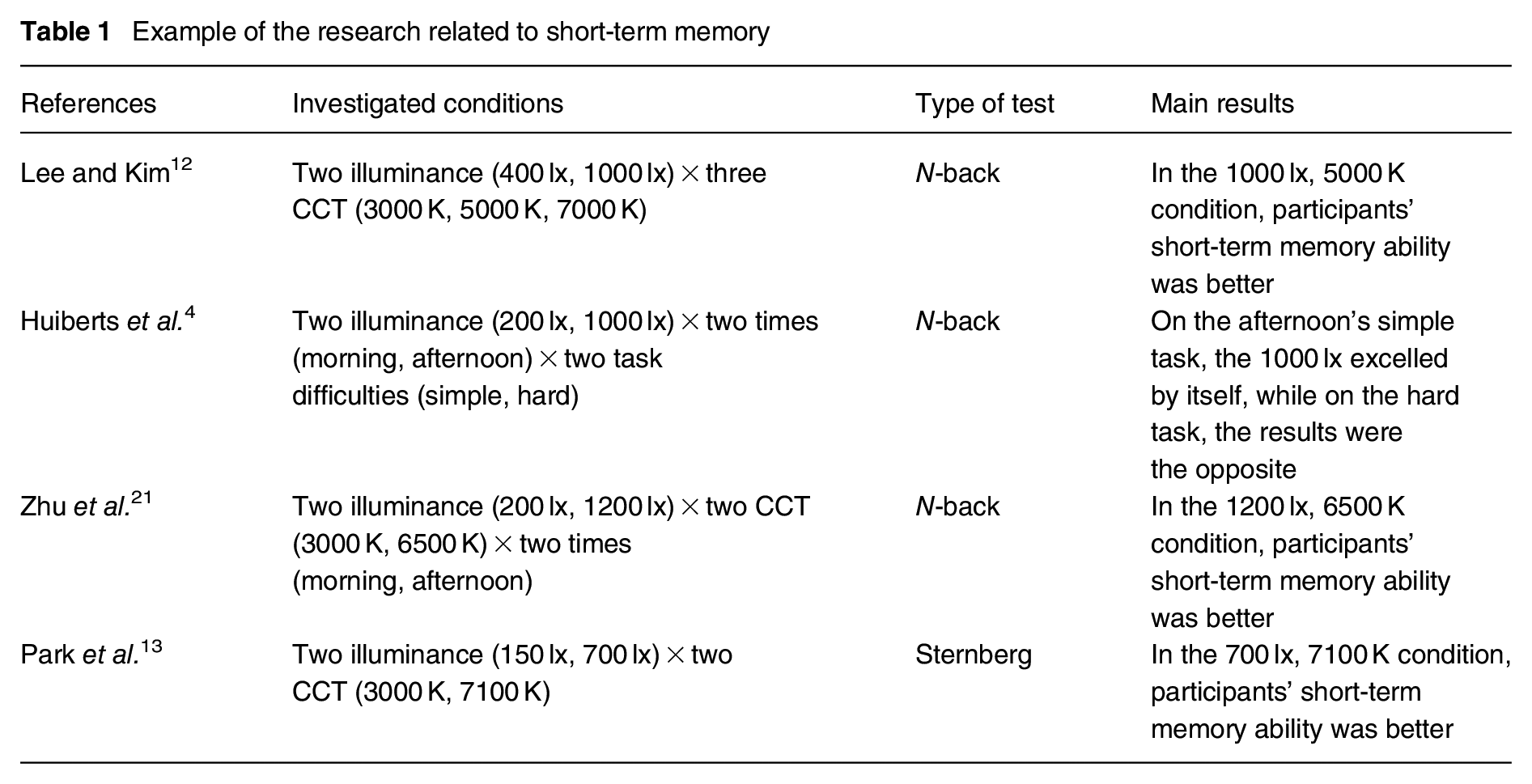
In addition, CCT could also affect the working memory cognitive capacity. The studies by Chellappa et al. 3 and Hawes et al. 24 reported that working memory cognitive capacity was better under a light environment with high CCT from 6000 K to 6500 K. Moreover, Lee and Kim 12 considered the CCT effect and the illuminance on working memory. They used the N-back test to evaluate working memory capacity, and they applied two levels of illuminance (400 lx and 1000 lx) with three levels of CCT (3000 K, 5000 K and 7000 K) to evaluate working memory. Their results showed that the N-back test capacity was significantly higher in the 1000 lx and 5000 K light environments than in other lighting conditions. From the working memory perspective, a light environment with high illuminance and high CCT could increase working memory cognitive capacity. Thus, it is not enough to say that working memory is limited by illuminance in the light environment. Working memory is a temporary memory based on energy, which can only be preserved for a short time and has limited capacity. Table 1 shows examples of studies related to short-term memory.
Example of the research related to short-term memory
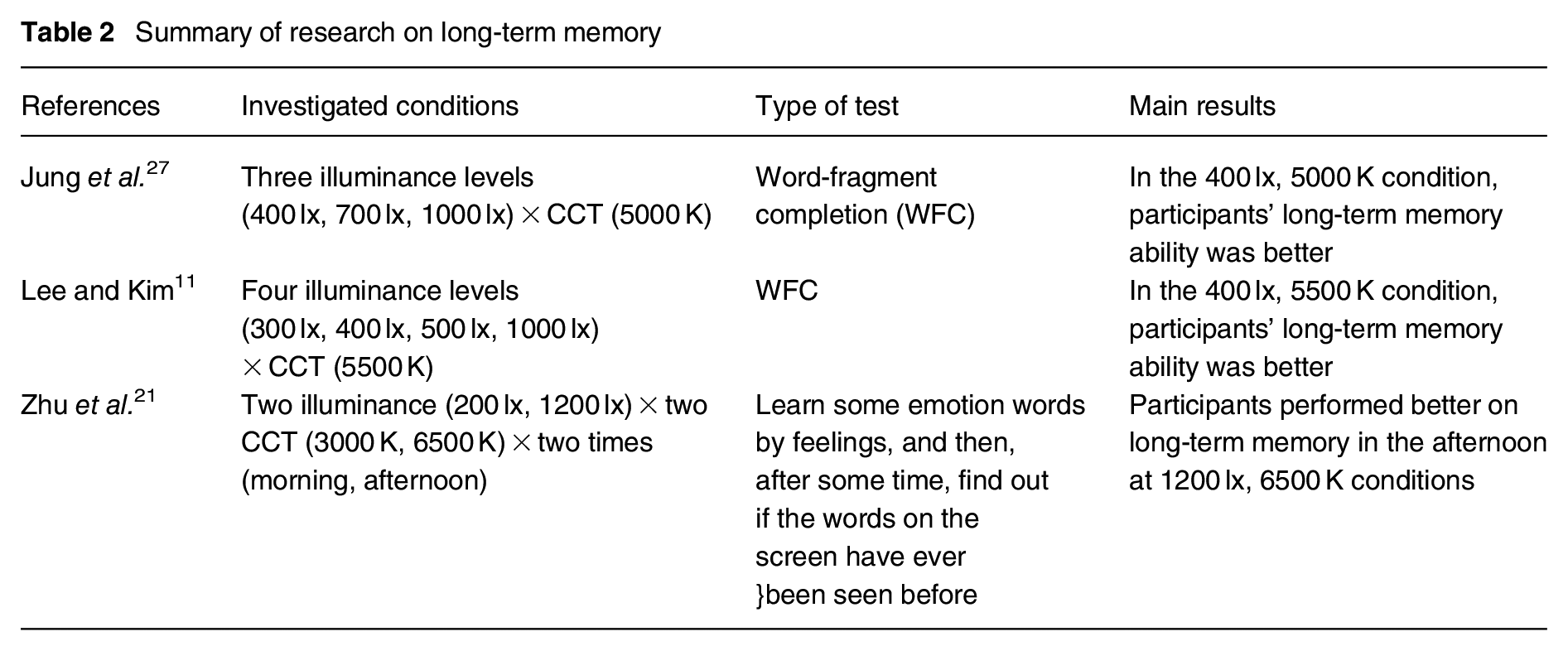
Long-term memory is a physical brain change characterised by long duration, unlimited capacity and the ability to structure information when storing memories. Semantic codes are the main encoding form for long-term memory.16,25,26 The light environment might influence working memory capacity. Light might also affect long-term memory because of the link between these two types of memory. Previous studies indicated that the lower the illumination, the better the long-term memory capacity. 27 Lee and Kim 11 investigated the effects of lighting on attention and long-term memory. Their experiment used 300 lx, 400 lx, 500 lx and 1000 lx illuminance levels as the lighting conditions. The results showed that the attention ability was increased at the 1000 lx condition. Long-term memory performed better under the 400 lx condition. Both studies were tested by varying the light amount while keeping the colour temperature constant. In previous studies, most researchers were concerned with the effect of illuminance on memory. Few researchers considered colour temperature and illuminance together. Zhu et al. 21 experimented with a mixed-group design, choosing two illuminance (200 lx, 1200 lx) and two CCT (3000 K, 6500 K) levels as experimental conditions. They carried out experiments under four conditions. The results showed that long-term memory performed better under high illumination and low CCT conditions (1200 lx, 3000 K). In summary, participants who took tests with high colour temperature and high illumination often outperformed those who took exams with low colour temperature and low illumination in terms of short-term memory. However, the results of long-term memory tests varied, which might be because different tests were employed in separate research to look at long-term memory function. It is worth mentioning that Zhu et al. 21 considered the timing issue (morning and afternoon). The results of their study found that timing had a significant effect on participants’ memory capacity. Table 2 shows examples of studies related to long-term memory.
Summary of research on long-term memory
For the effect of time of day, Schmidt et al. 28 found that individuals’ circadian rhythms and balance stress affect cognitive performance. Smolders and de Kort 23 showed that the beneficial effects of bright light exposure were more significant in the morning than in the afternoon. Furthermore, Zhu et al. 21 and Huiberts et al. 4 discovered that participant performance varied depending on the time of day. Thus, time of day was reported as one of the important factors in human performance.
Many research methods are available to test long-term and short-term memory. The N-back task for short-term memory is characterised by simple implementation and easy difficulty control. The N-back test was first proposed by Kirchner 22 and is one of the digital tasks that are often used to measure short-term memory. N-back associations require participants to compare the stimulus (letter or number) they saw with the previous N-th stimulus. Hence, the N-back task is widely used to determine short-term memory. The Posner task is a useful evaluation for long-term memory.29,30 It requires participants to determine whether two items appearing on the screen are identical within a certain period. The participant’s response and retrieval ability can be judged by recording their reaction time.31,32 In addition, the concept maps method has been commonly applied to test long-term memory. Concept maps, as an auxiliary tool for understanding, are good for memorisation and make complex knowledge simple and easy to understand. Concept maps are useful tools for assessing conceptual knowledge and can be used as learning and assessment tools. They are often used in education because of their characteristics such as plausibility, clarity and ability to deepen impressions.33,34 There have also been studies that have used concept maps to test participants’ comprehension as well as their memory. 35 In comparison, the Posner test focuses on the ability of subjects to recollect from long-term memory, whereas concept maps are more indicative of the strength of the participants’ recall ability.
Both short- and long-term memory are crucial for humans, who have different capacities under the same lighting conditions. For instance, students need to have double-memory skills when they are in class. Previous studies have tended to ignore both memory situations and focus on participants’ long-term or short-term memory. However, the light environment can have a significant impact on the effectiveness of an individual’s memory in both short-term and long-term memory. Considering both short-term and long-term memory in cognitive research on lighting effects offered a comprehensive understanding of cognitive functions and applied to environmental designs that enhance task-specific performance, learning and memory skills. Adequate light environments can improve the ability to perceive and absorb information and the effectiveness and quality of memory. Therefore, keeping learning and working environments well-lit is essential for enhancing memory function and improving productivity.
Based on the literature review above, the purpose of this study was to use the N-back test and concept map to evaluate the capacities of short- and long-term memory under different lighting conditions. Also, this study would like to find the appropriate lighting conditions suggested for cognitive tasks in both morning and afternoon.
2. Method
The purpose of this study was to find suitable light environments for short- and long-term human memory; two separate experiments were conducted to test the participants’ short- and long-term memory abilities.
2.1 Participants
The experiments involved 42 university student volunteers (11 male, 31 female), aged between 18 years and 27 years, with a median age of 23.5 years. The screening criteria were as follows: (1) Good health, adequate sleep; (2) No cognitive disabilities, normal memory function and (3) Before the experiment, participants were confirmed not to have consumed alcohol, nicotine or other stimulants in the previous 24 h that may affect the experiment results. This study was approved by the University of Shanghai for Science and Technology Ethics Committee. Additionally, the participants had normal vision and no colour blindness or colour deficiency.
2.2 Alertness questionnaire
The Karolinska Sleepiness Scale (KSS) was developed by the Karolinska School of Medicine in Sweden and the Swedish National Defense Research Institute. 36 The KSS scale is useful for assessing the subjective responses of humans to environmental factors, circadian rhythms and drugs. It has been widely used in domestic and international experimental studies.37,38 In this study, the KSS scale was applied to detect changes in the participant’s vigilance status before and after the experiment. The KSS divides a person’s alertness into nine levels. Participants were asked to select the best expression of their current level of alertness. The lower rating means the participant is more alert and less sleepy.
2.3 Task performance
In experiment 1, participants responded to the stimuli on the screen by pressing the keys on the keyboard. The experimenter evaluated the participant’s short-term memory using the number of correct key presses and the reaction time. The experiment used is a 10-minute 2-back task. The participants did not need to press a button when the first two stimuli appeared. Figure 1 shows an example of the 2-back experiment.
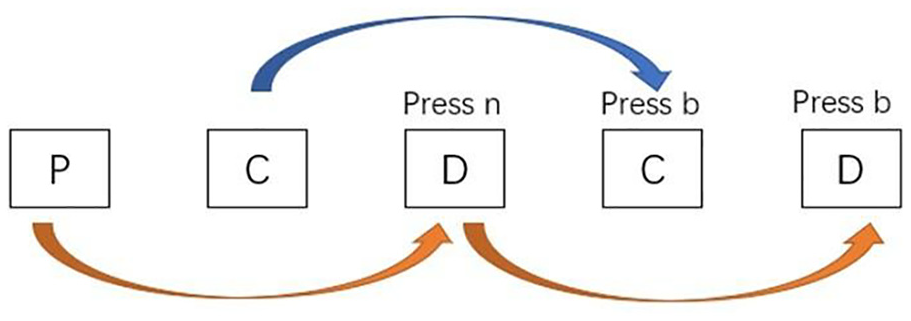
Example of the 2-back experiment
In experiment 2, concept maps were applied to estimate long-term memory. The concept map material used in this experiment was taken from a Chinese scientific book. The material was specifically about the Earth’s orbit and structure. The experimenter selected two chapters from the book and slightly modified the content for this study. Two materials were prepared for the experiment, and participants were randomly given one material to test. The participants were first provided with materials to read and draw concept maps during the experiment. Participants then returned to the learning environment sometime later to reproduce the concept maps. Concept maps were drawn by the participants for the first time, and through recall, they were rated using an overall rating method to test the participants’ long-term memory capacity. The overall scoring method means that the concept map is first scored as a whole, organised and corrected. 39 The experimenter invited three experts to rate the concept maps to avoid unreasonable scoring. All three experts were university professors with experience in concept mapping research. None of the three experts had been exposed to the experimental material. The final participant’s concept map score was averaged out of the three score values. Figure 2 shows an example of a concept map for one of the materials.
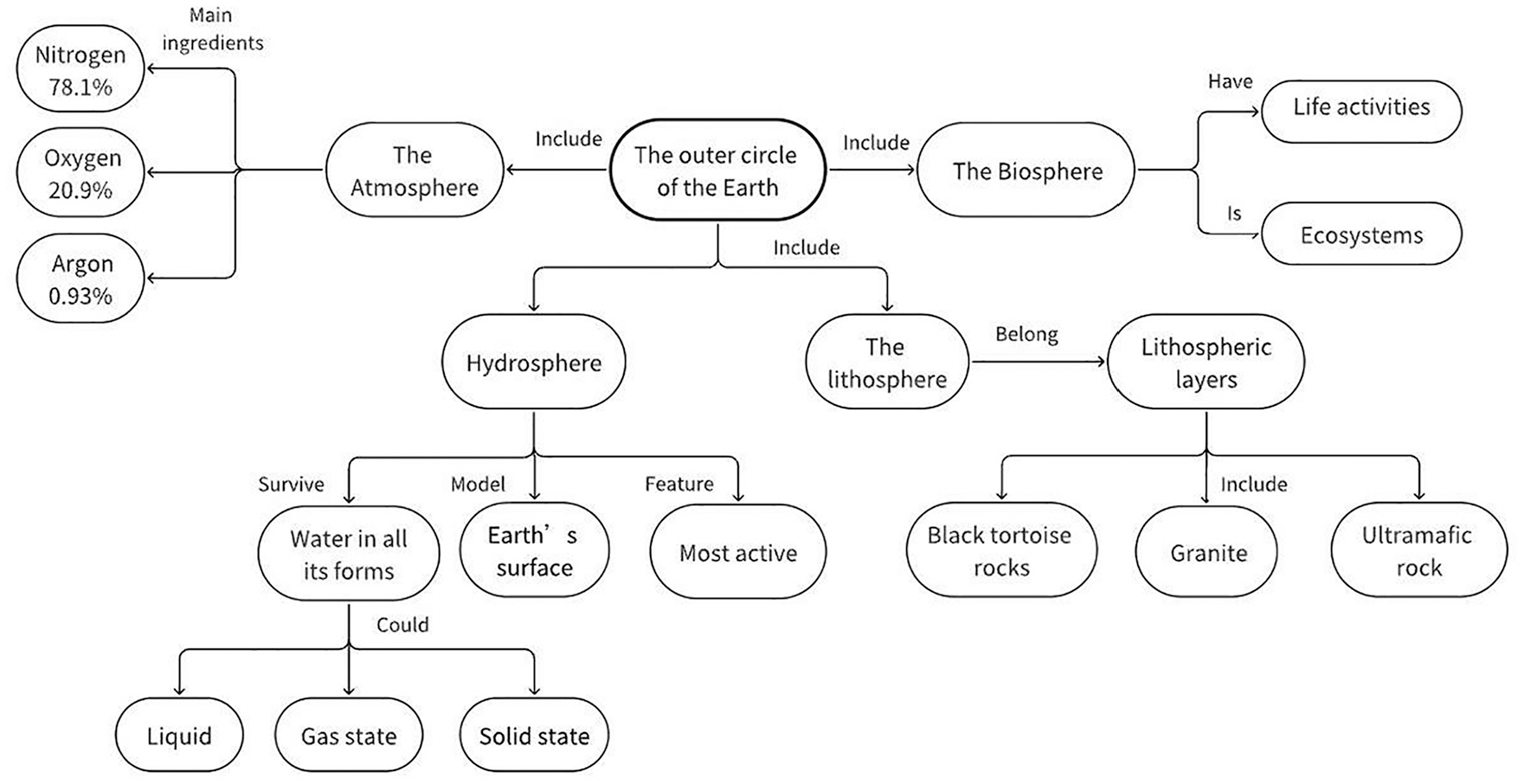
Example of concept map
2.4 Experimental environment and design
The experiment was conducted in the cognitive psychology laboratory at INFO Instruments, Shanghai. The room’s length, width and height were 4.8 m, 3.85 m and 3.0 m, respectively. The participant was seated on a standard office desk (1.5 × 0.5 × 0.75 m3) with a light brown tabletop in a room with one window (one-way see-through glass). Above the table, the adjustable LED luminaire system was placed, which was controlled by the experimenter. The system, manufactured and provided by BesTom Co., Ltd. in China, consisted of three 60 × 60 cm2 ceiling-mounted LED luminaires. Each luminaire was equipped with 200 light emitters for each colour – blue, green, yellow and red. The range of the CCT spanned from 8000 K to 3000 K, while the illuminance levels ranged from 850 lx to 100 lx. The laboratory environment is shown in Figure 3.
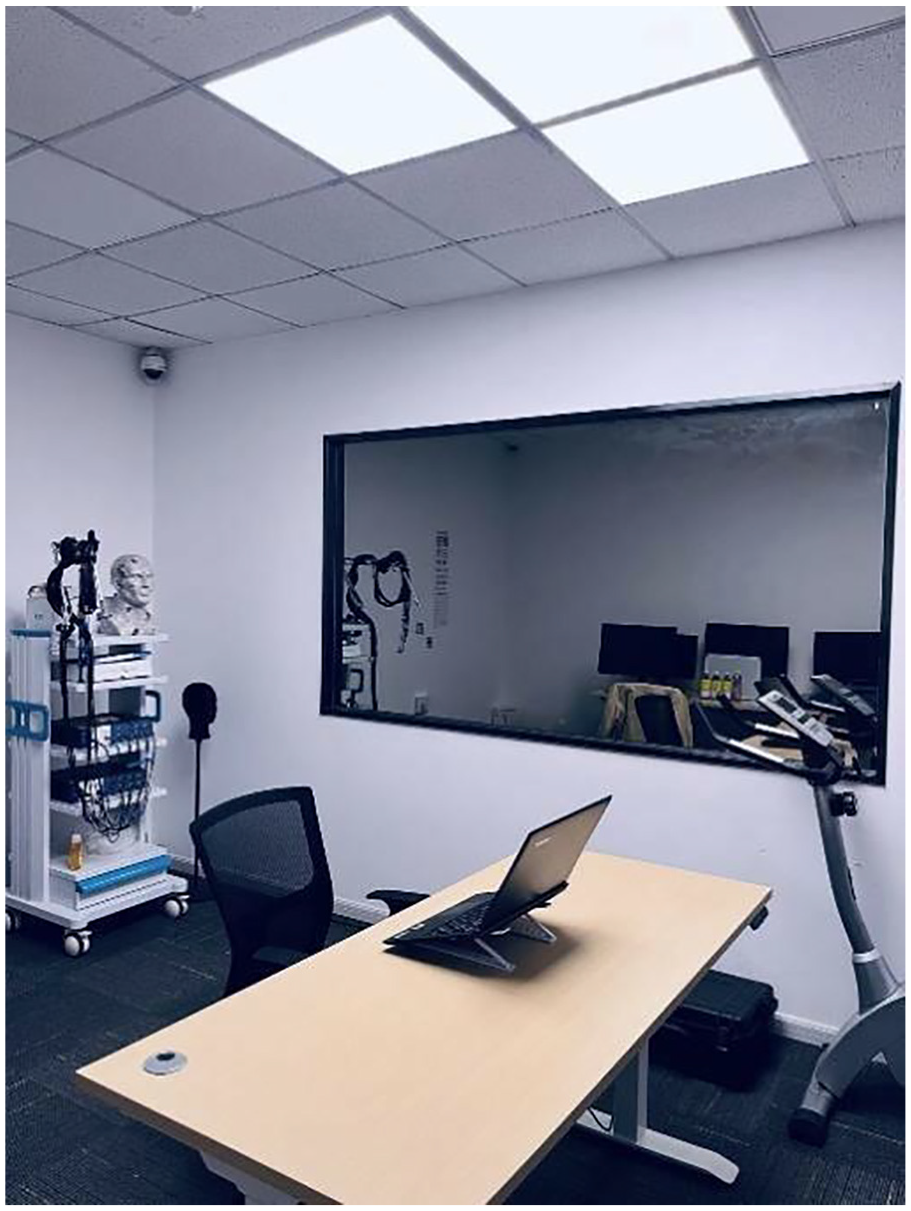
Experimental environment and settings
The People’s Republic of China Standard for Architectural Lighting Design (GB 50034-2013) indicated that the lowest illumination standard of indoor working environments is 300 lx, and the applicable CCT is 3300 K–5300 K. In addition, according to the study by Lee and Kim, 12 the short-term memory capacity of participants under 5000 K lighting conditions was better than that under 3000 K and 7000 K. However, due to the limitation of the lighting equipment, the maximum illuminance level can only be achieved at 800 lx in this experiment. Therefore, three illumination levels (300 lx, 600 lx and 800 lx) and one CCT level of 5000 K were utilised as the experimental conditions in this study. An Everfine SPIC-300AW spectrometer (Everfine Inc., Hangzhou, Zhejiang, China) was used to measure the illuminance and CCT of the lighting environments, and the spectral power distributions of these three lighting environments are shown in Figure 4.
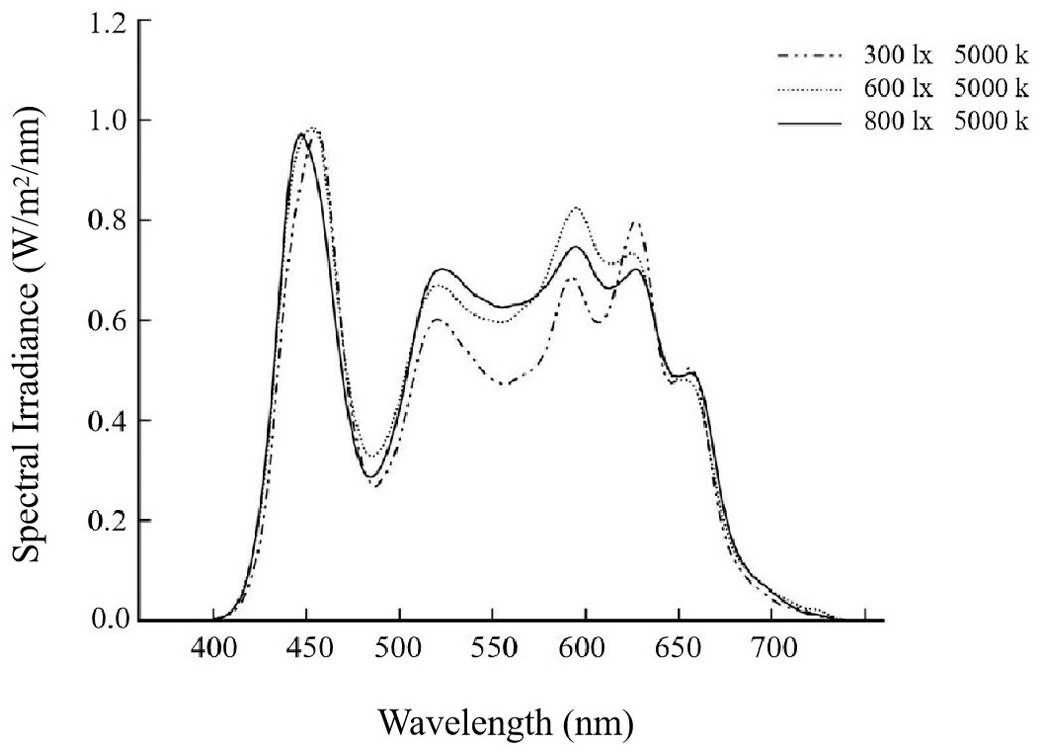
Spectral power distributions of lighting in this experiment
Moreover, the time of the session is also an important factor in the ability of human memory,4,21 so the participants were invited to attend the experiment during either the morning (9.30 to 12.00) or afternoon (14.00 to 16.30). Therefore, a three (illuminance) × two (time of day) between-subject experimental design was conducted. The temperature in the laboratory was maintained at 24°C, and the relative humidity was controlled to be between 40% and 60%. To avoid the order of lighting configurations affecting the experimental results, all participants were randomly allocated to all six conditions, and each participant took part in only one light environment test.
2.5 Procedure
Before the formal experiment, participants were asked to sit in the preparation room, where the experimenter introduced the procedure and the memory test rules to the participants. To prevent participants from being influenced by external light sources, the preparation room for this experiment was designed to block out environmental and artificial light as much as possible. Participants then entered the experimental room for rest. They were required to rest their eyes closed for at least 2 min. When the participant felt comfortable and calm, they opened their eyes for light adaptation. The lighting conditions required for light adaptation are contingent upon the specific experimental setup. After self-reporting the completion of the adaptation phase, participants were asked to answer the first KSS questionnaire (KSS 1), and all were required to participate in the remaining experimental sessions, except for the working and long-term memory tests. Consequently, participants were instructed to initiate the 2-back experiment using the computer. Once the 2-back experiment was completed, participants were asked to answer the KSS questionnaire again (KSS 2). After a 20-minute break in the preparation room, they re-entered the laboratory for light adaptation and filled out the KSS questionnaire for the third time (KSS 3). Participants had 15 min to study the given material, make a concept map for memorisation and fill out the KSS questionnaire (KSS 4) for the fourth time at the end of the concept mapping. After 24 h from the first experimental day, participants were required to redraw the concept map in 15 min (day 2). The experimental procedure is shown in Figure 5.
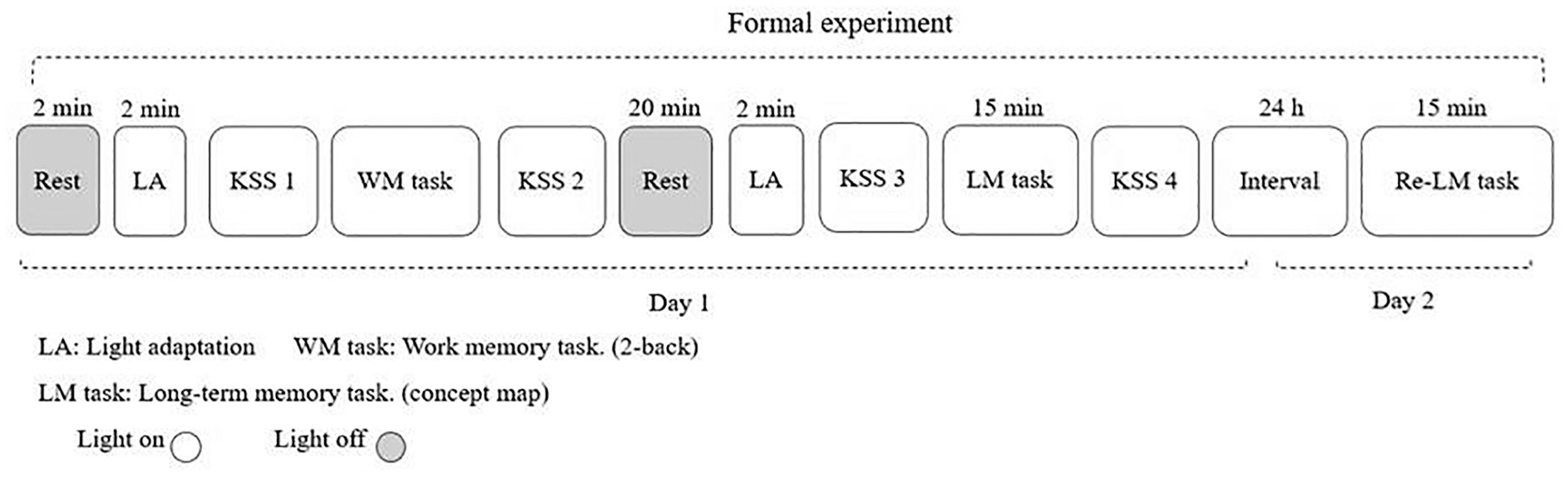
Experimental procedure used in the study
2.6 Statistical analysis
The Shapiro–Wilk test was used to determine whether the experimental data were normally distributed. The participants’ short-term memory test results were determined using a two-way ANOVA statistical analysis under three distinct lighting conditions and at various times. The participants’ final concept map test scores were averaged from the three judges’ results, which were first examined using Kendall’s coefficient of consistency in the long-term memory test. Each participant’s second concept map score was subtracted from the first to determine the final score difference. The score difference represents the participant’s capacity on the long-term memory test. The smaller the score difference, the better the capacity. Next, the participants’ long-term memory test results were statistically determined by a two-way ANOVA under different time and light conditions. Finally, the Response Surface Method (RSM) was used to determine the findings from the long- and short-term memory tests. Design Expert 8.0 (Stat-EaseInc., Minneapolis, MN) was used as the experimental data analysis software. Key outcome data included the participants’ short-term memory (2-back) exam accuracy and their concept map score performance on the long-term memory test. Moreover, the difference between the four KSS scores was calculated as a dependent variable. The sign direction represented the change in subject alertness. When the score difference is negative, the participant’s alertness increased as the experiment progressed. When the score difference is positive, the participant’s alertness decreased over time. A paired t-test was conducted to analyse the differences between each KSS questionnaire. The size effect was determined using Cohen’s d. The significance level was set at 0.05.
3. Results
3.1 Alertness
The paired t-test result for the KSS scores showed significant differences in participants’ alertness between short-term memory pre- and post-experiment (t = 6.49, p < 0.01, d = 1.00), as shown in Table 3. For the long-term memory pre- and post-experiment, participants continued to show significant changes in their alertness (t = 3.57, p < 0.01, d = 0.55). The results from both experiments showed that participants’ pre-experiment KSS questionnaire scores were significantly higher than pre-experiment scores. This indicated that participants’ alertness increased as the experiment progressed. Figure 6 summarises the short- and long-term memory evaluation statistical results.
The t-test results for the participants’ KSS scores
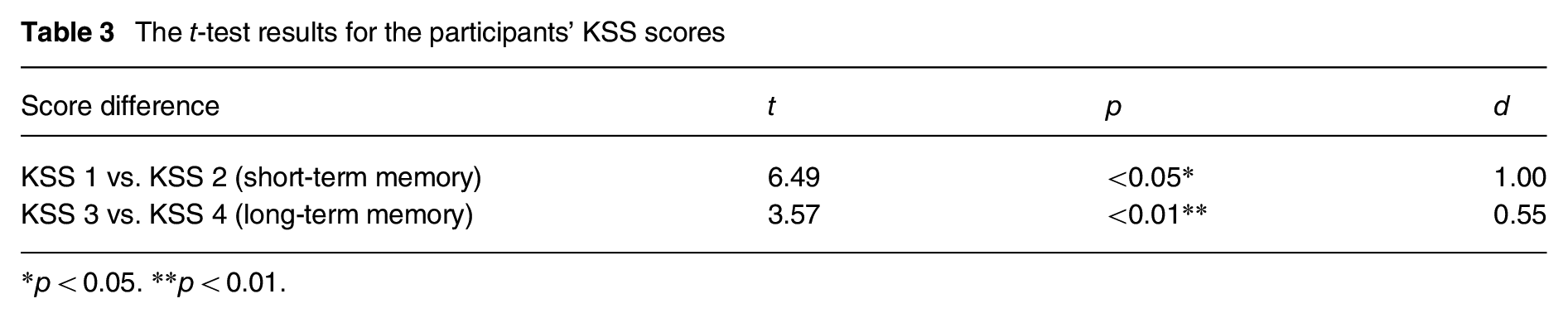
*p < 0.05. **p < 0.01.
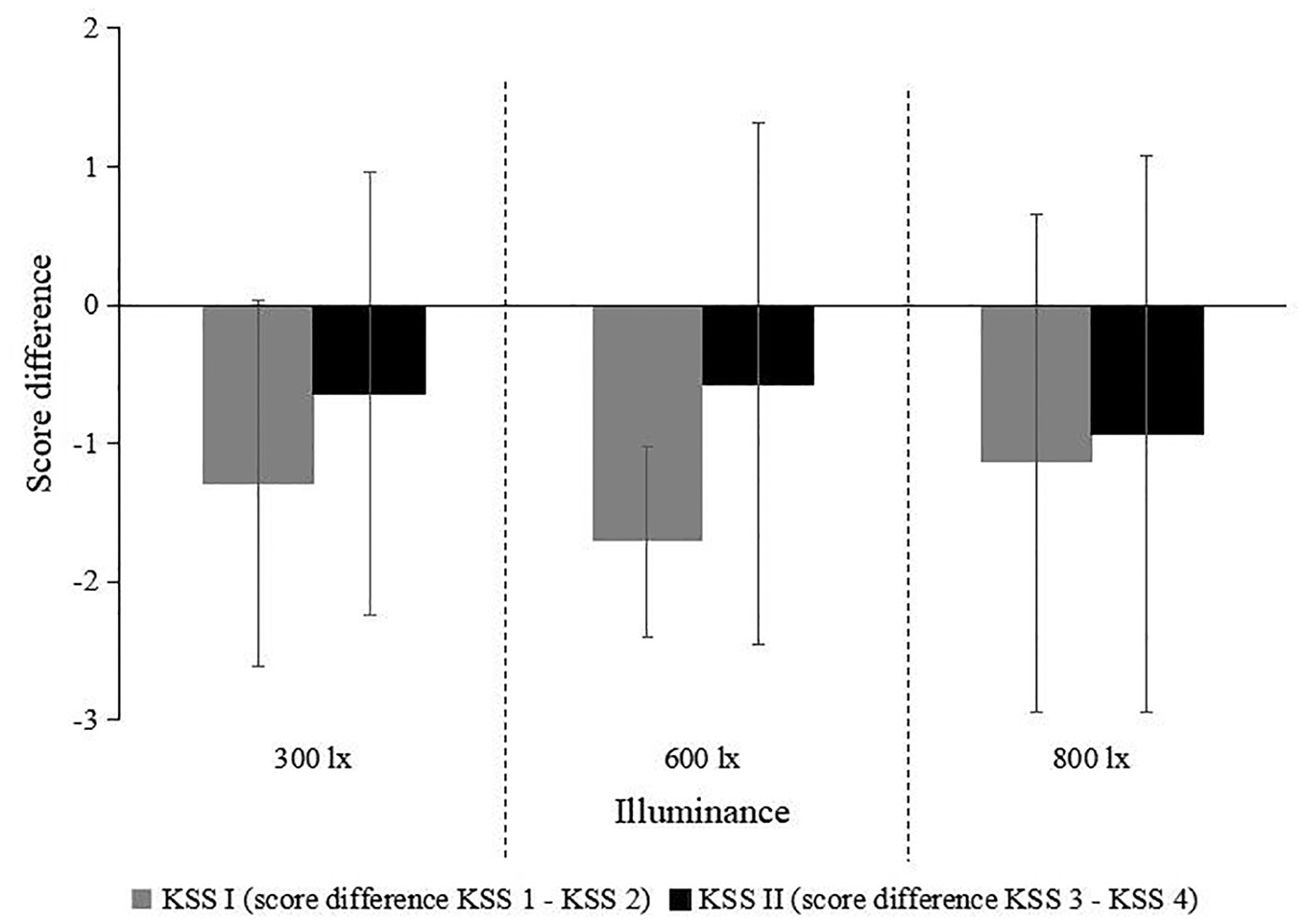
Mean differences in subjective alertness for three categories of illuminance level (KSS I: The difference in scores between KSS2 and KSS1; KSS2: The difference in scores between KSS4 and KSS3; The error bars represent the standard deviation of the scores)
3.2 Two-back task accuracy and reaction time
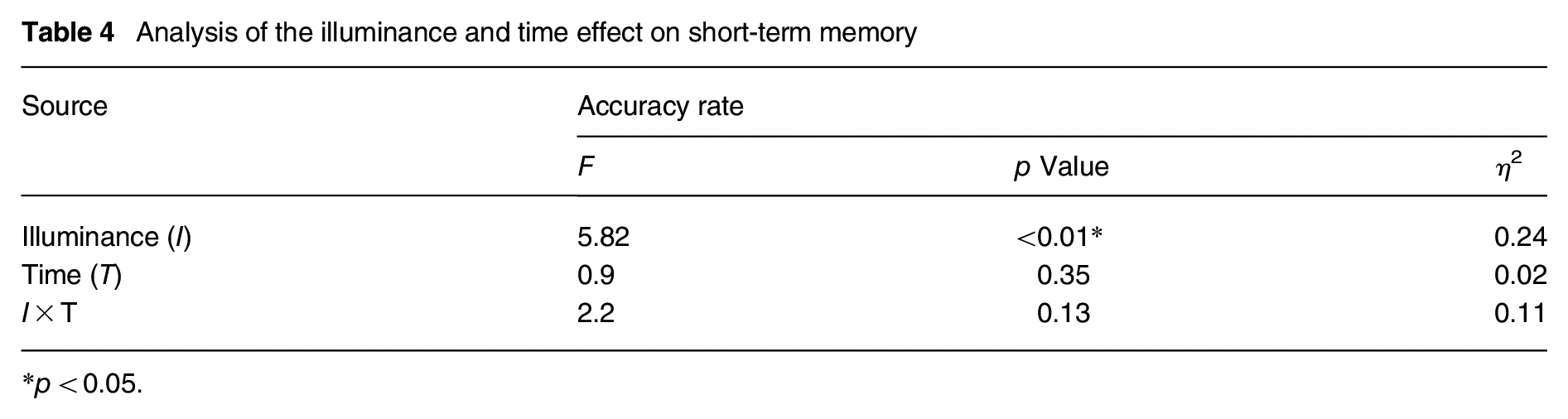
The Shapiro–Wilk test was used to test the normality of the data, and the results reported that the data on accuracy rate and reaction time followed a normal distribution. Thus, an ANOVA was utilised in the six combinations. Figure 7 shows an overview of light effects on 2-back task performance in the morning and afternoon. The significance levels and effect sizes η 2 for the experimental time and light environment effects on participant accuracy rate are shown in Table 4. The ANOVA results indicated that the light environment significantly affected the participants’ 2-back experiment accuracy rate (F = 5.82, p < 0.01, η 2 = 0.24). Still, the experimental time effect on the participants’ capacity was not significant (F = 0.89, p = 0.35, η 2 = 0.02). In addition, the illumination and time interaction terms showed significance (F = 2.2, p = 0.13, η 2 = 0.11). Figure 8 shows the effect of light on 2-back reaction time in the morning and afternoon. The results of the ANOVA showed that both light and time factors did not have a significant effect on reaction time. Figure 9 shows the post hoc analysis for the 2-back accuracy rate. Post hoc analysis showed that participants’ 2-back capacity profiles in the 800 lx light condition were significantly better than those in the 300 lx and 600 lx conditions. However, the participants’ capacities in the 300 lx and 600 lx conditions were not significant. The 2-back task accuracy rate was 94% under 800 lx irradiation in the morning, which indicated that the short-term memory capacity was better. On the other hand, at 300 lx in the morning, the accuracy rate was 80%, indicating worse short-term memory capacity.
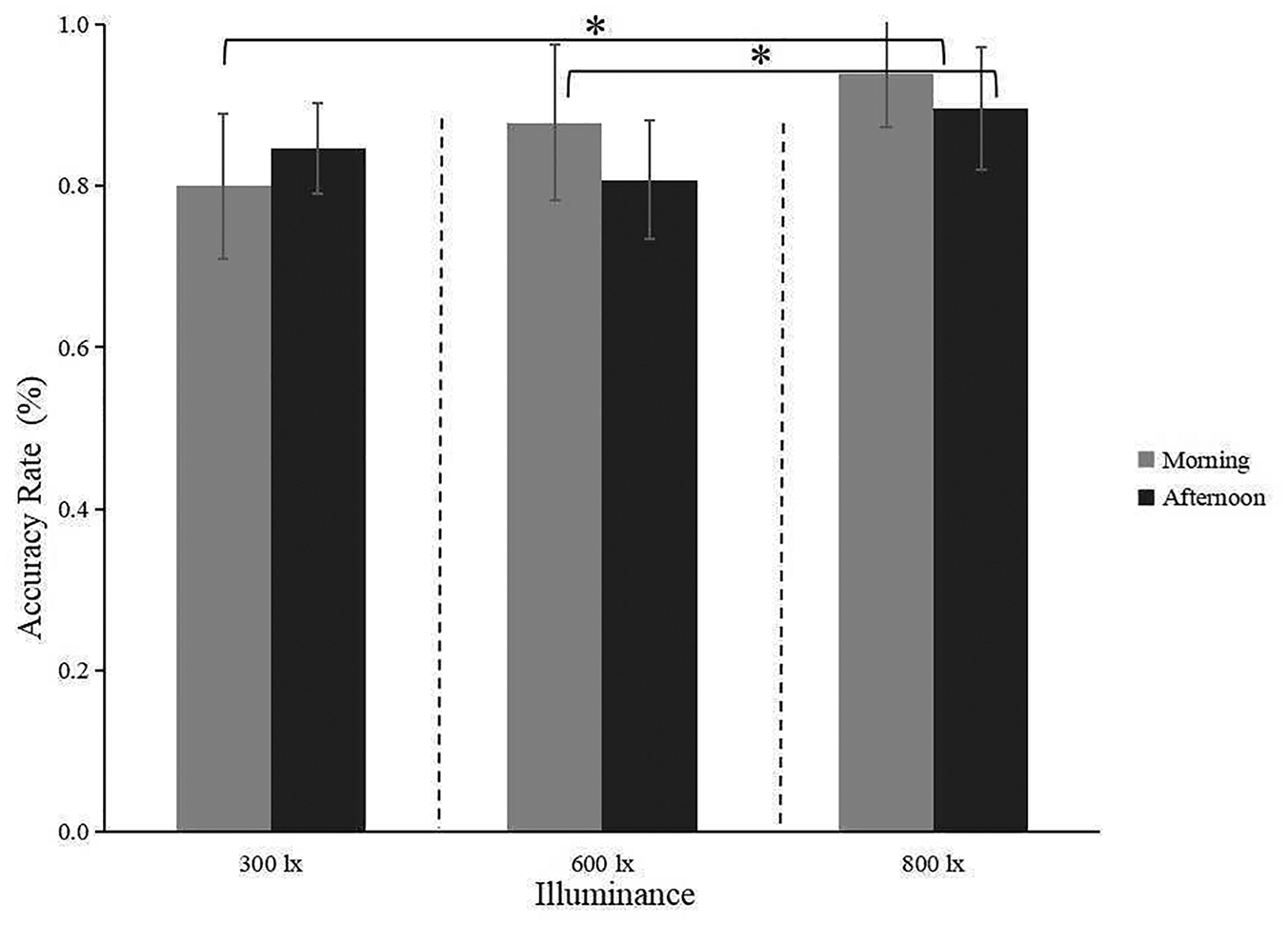
The 2-back task performance (accuracy rate) for the three categories of illuminance level in the morning and afternoon sessions, and the error bars represent the standard deviation of the accuracy rate (*p < 0.05)
Analysis of the illuminance and time effect on short-term memory
p < 0.05.
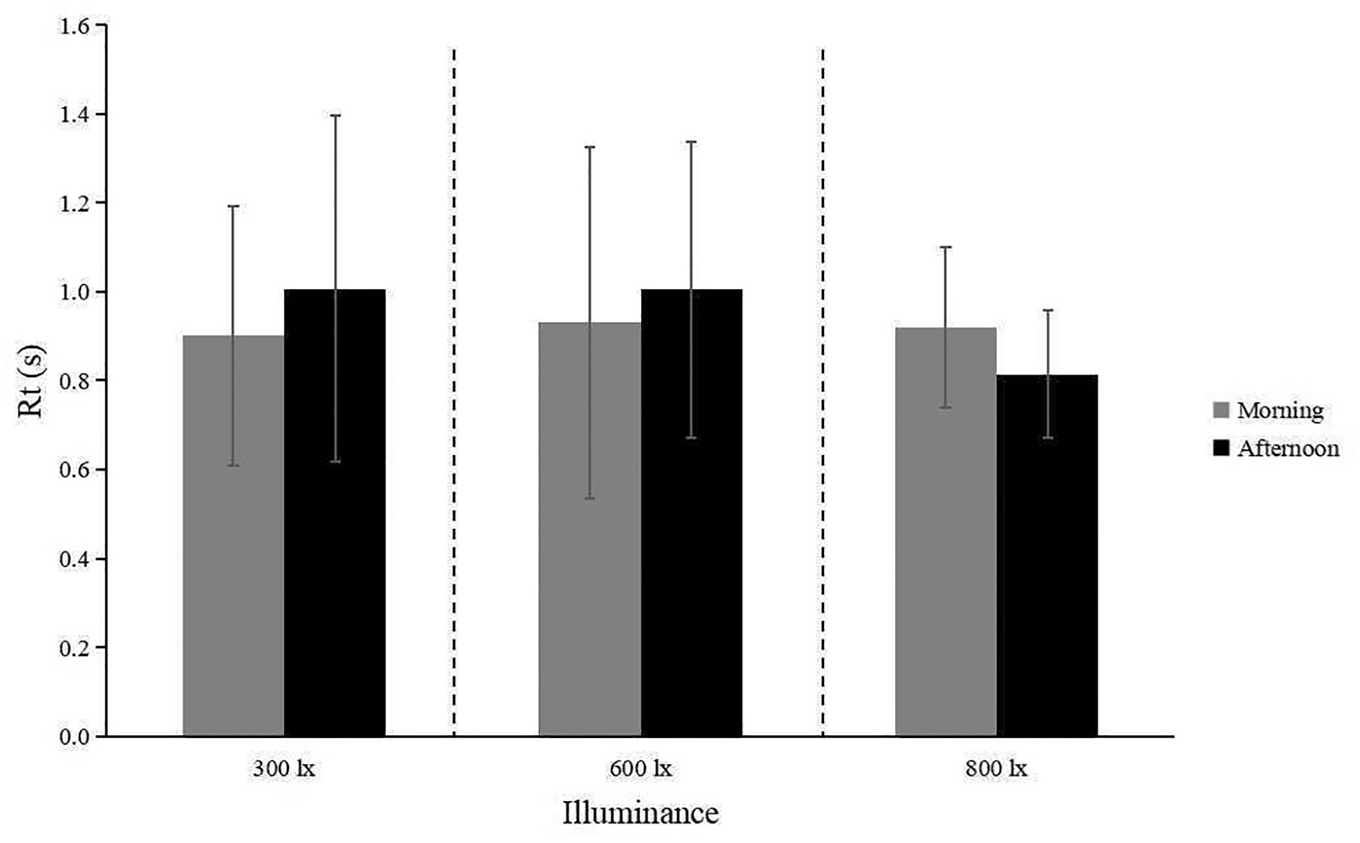
The 2-back task performance (reaction time) for the three categories of illuminance level in the morning and afternoon sessions, and the error bars represent the standard deviation of the reaction time
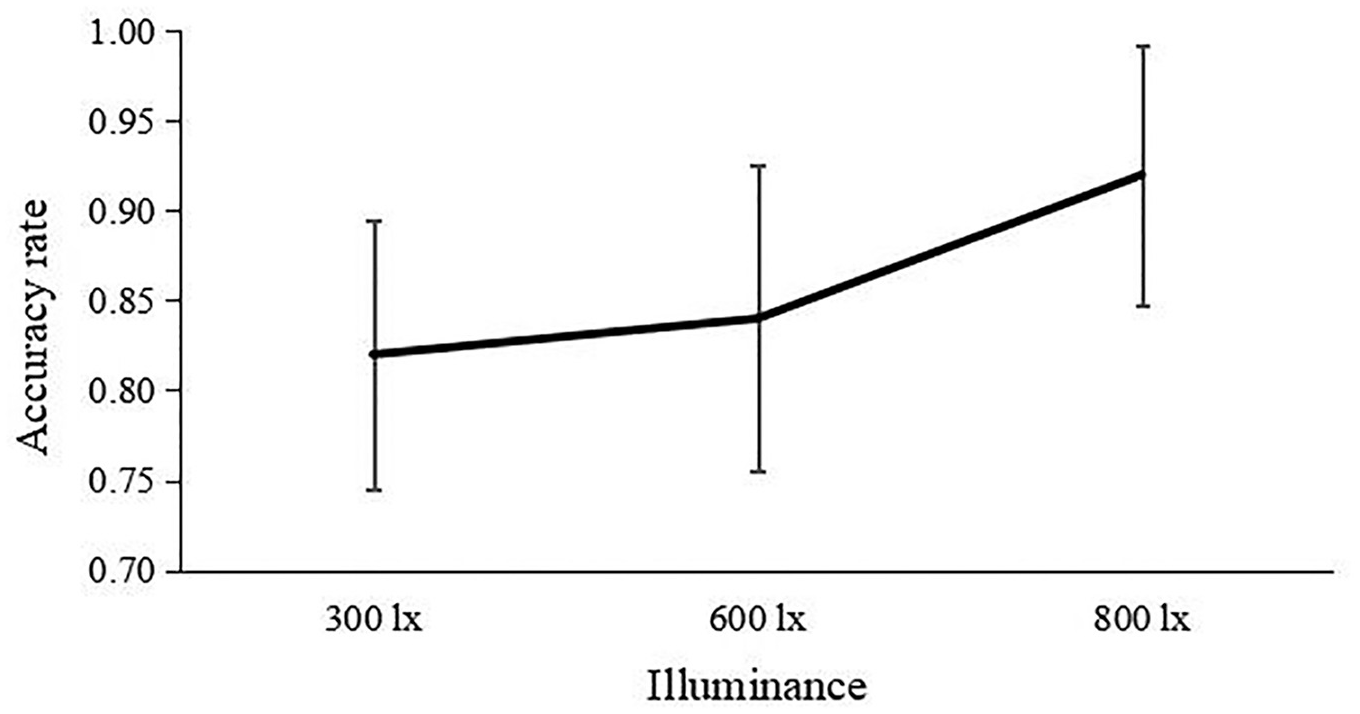
Post hoc analysis for 2-back accuracy rate, and the error bars represent the standard deviation under each Illuminance
3.3 Results of the concept map
3.3.1 Scoring difference
Three experts who were not involved in the experiment rated the concept maps from all participants to avoid subjectivity. All three experts were university professors with experience in concept mapping research and had not been exposed to the experimental materials. The scores from the three assessors were analysed using Kendall’s coefficient of agreement. As can be seen in Table 5, the Kendall’s test coefficient of agreement shows significance, which indicates that the scores from the three assessors were consistent.
Kendall W coordination coefficient analysis results
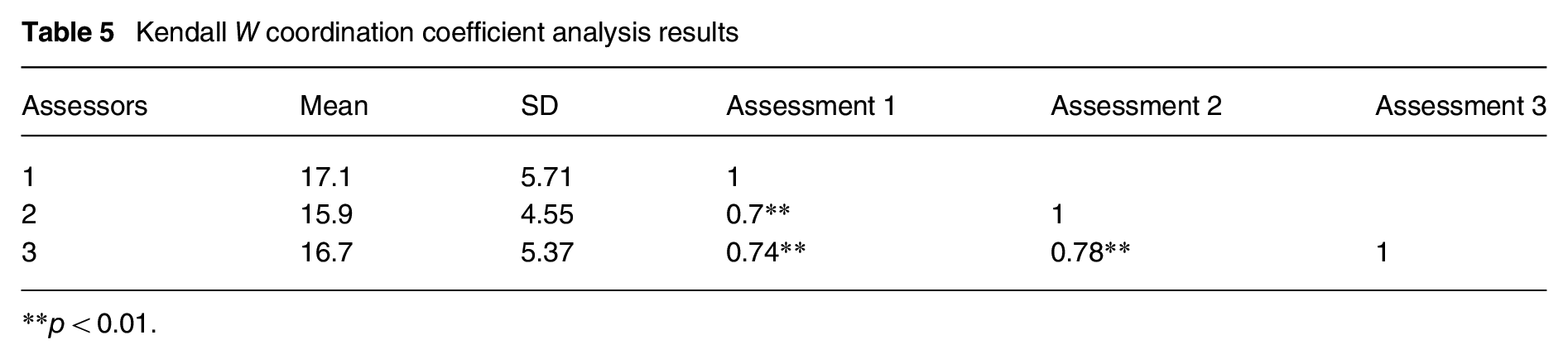
p < 0.01.
3.3.2 ANOVA results for concept map score differences
The average of the three assessors’ scores was used as the final score for the participant’s concept map. Figure 10 summarises the participants’ scores.
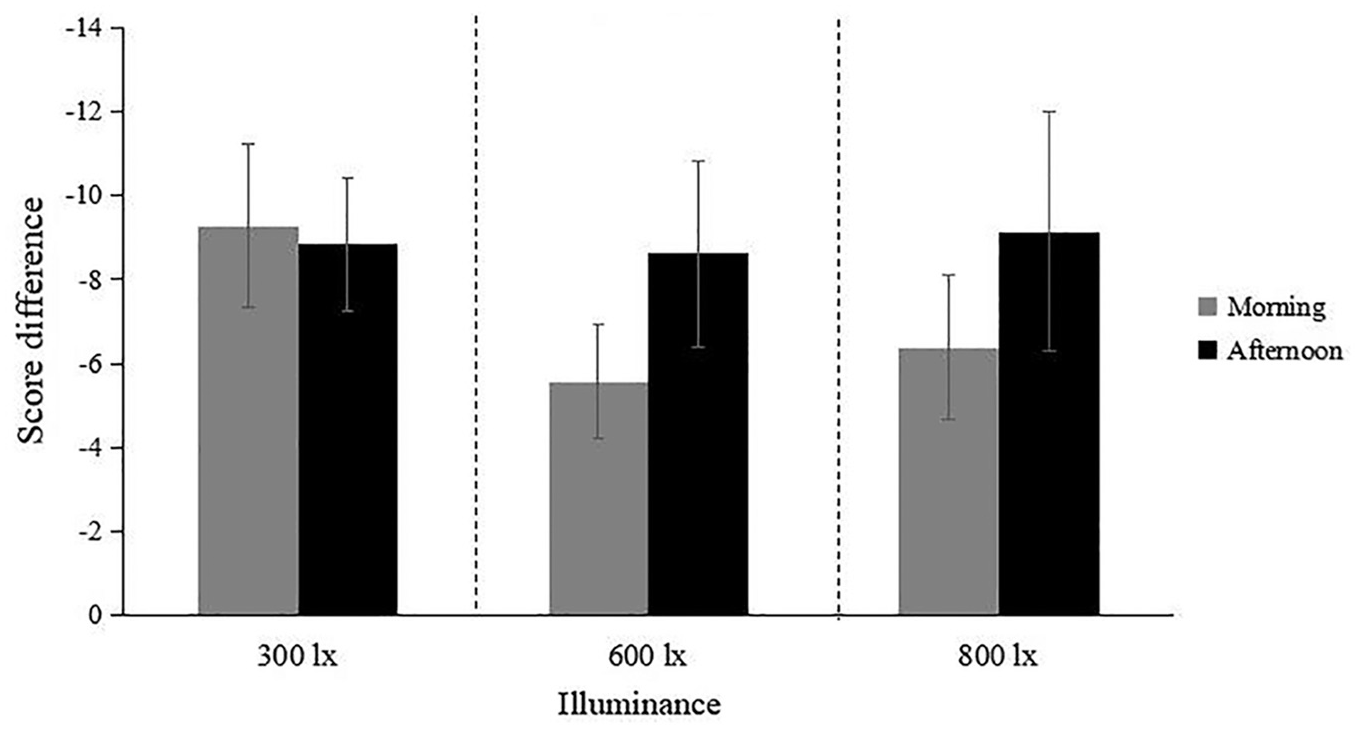
Concept map task performance (long-term memory capacity) for the three categories of illuminance level in the morning and afternoon sessions, and the error bars represent the standard deviation of the score
Table 6 shows the effect of light environment and experimental time on participants’ long-term memory capacity. For the light environment, illuminance significantly affected participants’ concept map test capacity (F = 4.36, p = 0.020, η 2 = 0.19). In addition, the experimental time and the interaction of time and light environment also showed significance. Post hoc analysis (Figure 11) showed that participants performed significantly better on the concept map test in the 600 lx light condition than in the 300 lx condition. However, the participants’ capacities in the 600 lx and 800 lx conditions were not significant. On the concept map exam, participants in the 600 lx morning session had the lowest score difference, meaning that long-term memory capacity was higher. The largest score difference was found in the 300 lx morning condition, where long-term memory capacity was worse.
Illuminance and time effect ANOVA results on long-term memory
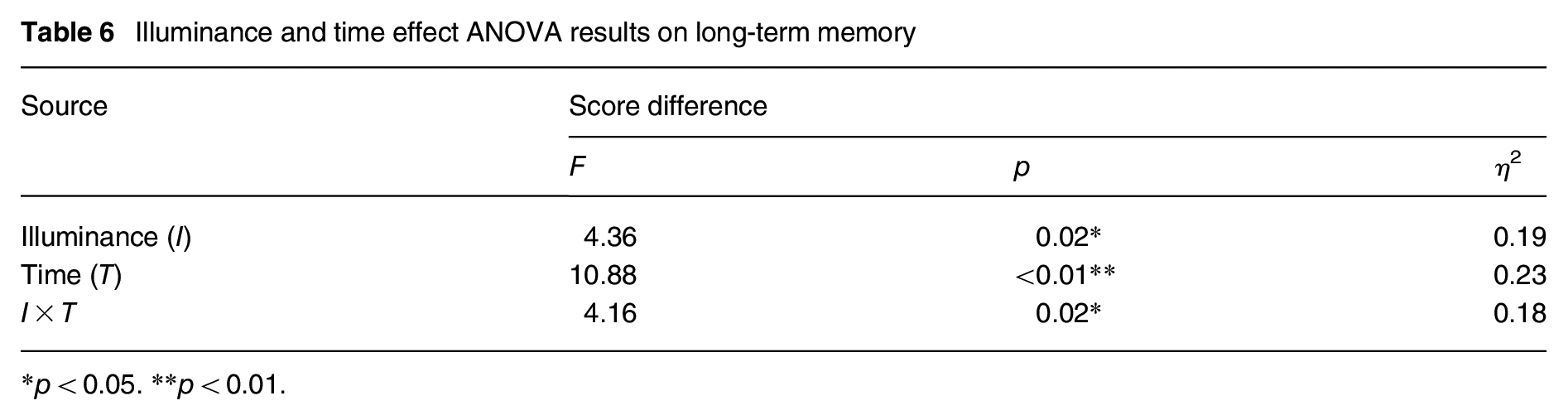
p < 0.05. **p < 0.01.
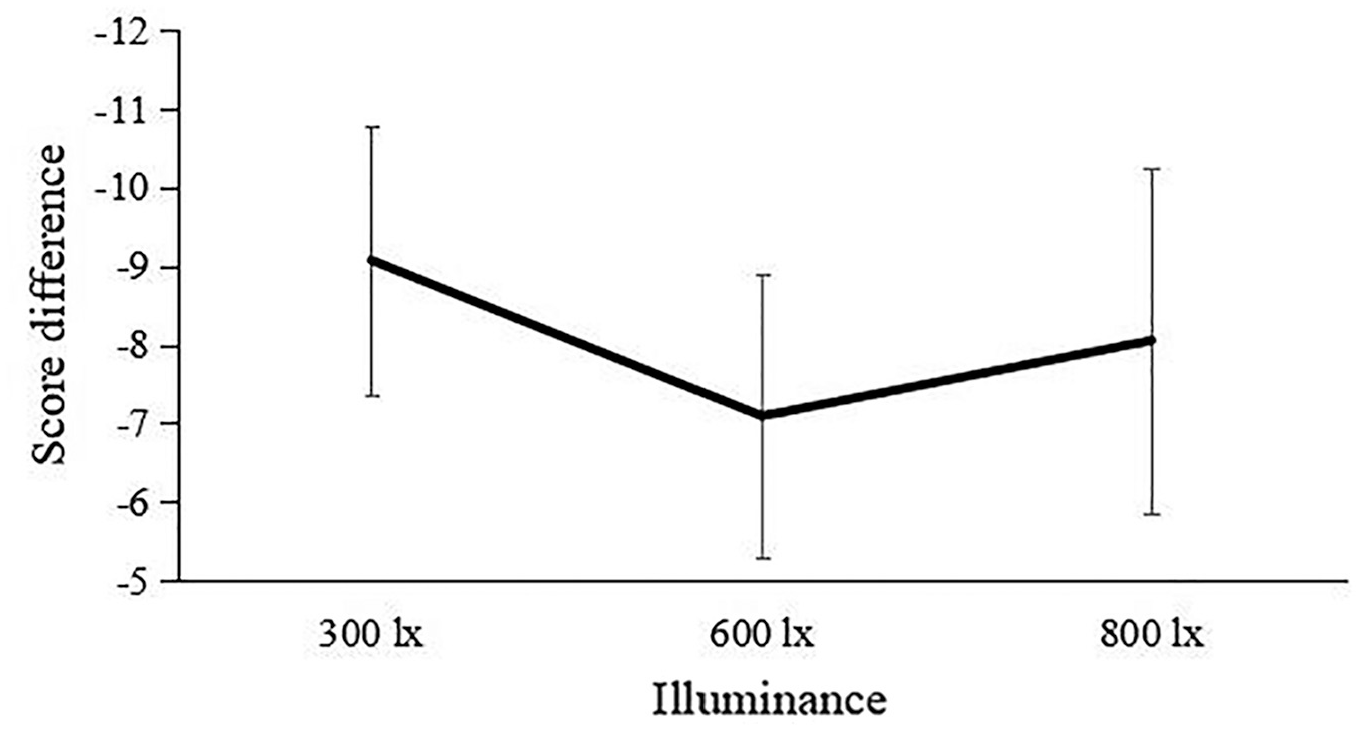
Post hoc analysis for score difference, and the error bars represent the standard deviation under each condition
3.4 Optimal long-term and short-term memory experiment capacity
Based on the experimental results, this study found that illumination significantly affected participants’ long- and short-term memory. The experimental conditions under which the participants performed best on both memory tests were further investigated. It was necessary to analyse the results using the Response Surface Method (RSM). Therefore, the experimental results were organised first and then entered into the software for modelling (Table 7). Conditions were searched for in which the participants’ short- and long-term memories performed best within the model. It was found that the 800 lx lighting combination in the morning was the best condition for both short-term and long-term memory capacity. The 3D map is based on different illumination and time conditions, as seen in Figure 12.
Results of the organised experiments
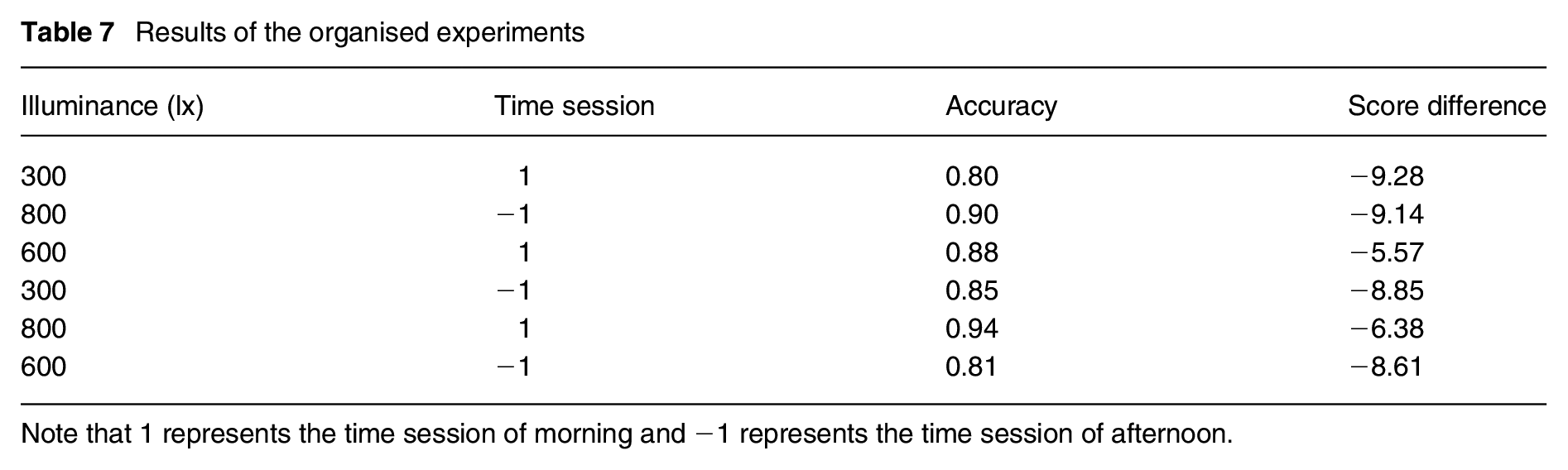
Note that 1 represents the time session of morning and −1 represents the time session of afternoon.
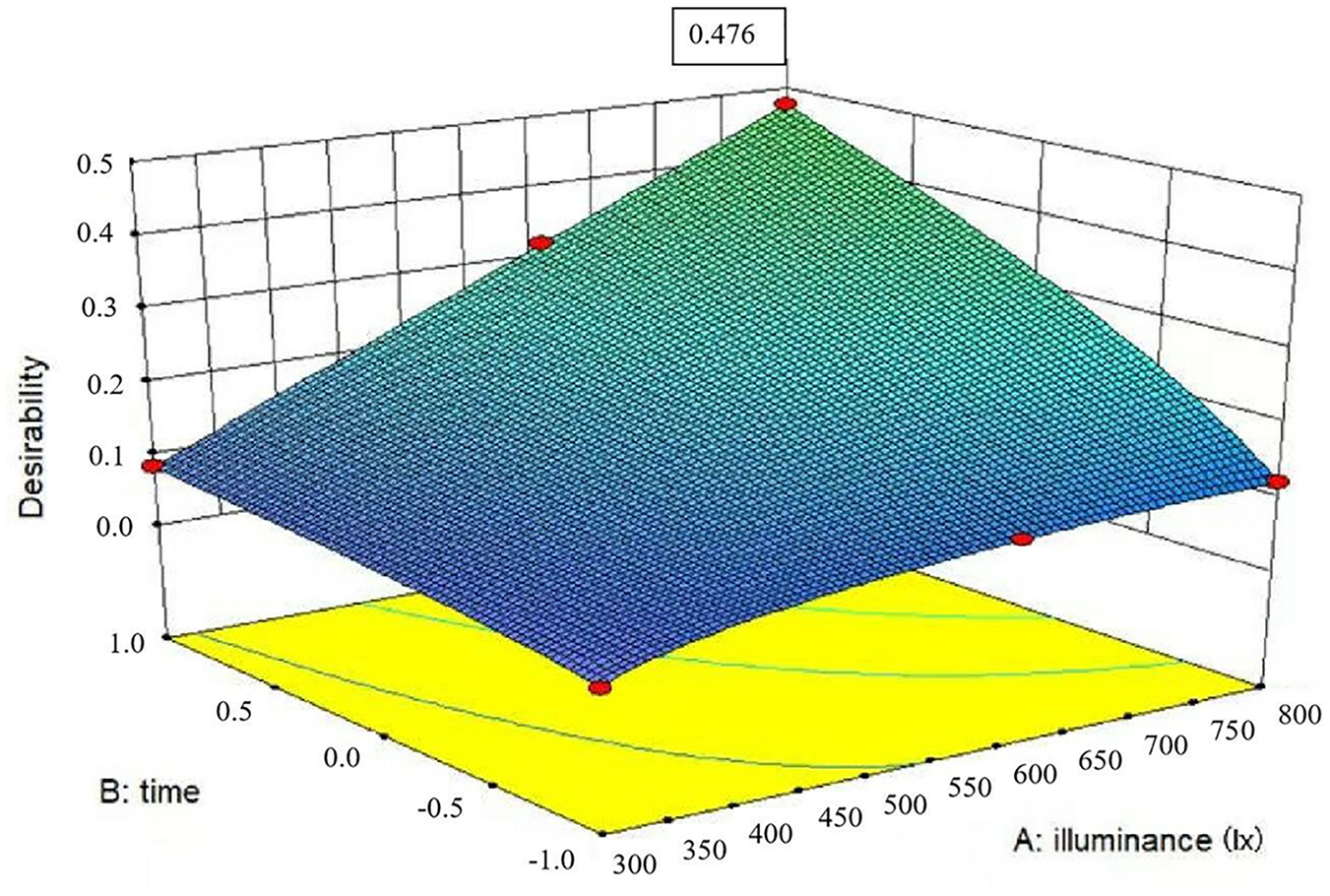
The RSM result based on different illumination and time sessions
4. Discussion
This study investigated participants’ short- and long-term memory performance under three different illumination levels and time sessions (morning and afternoon), aiming to identify lighting environments that positively affect both types of memory. Furthermore, in contrast to previous studies, this study considers the characteristics of long-term memory by employing concept maps as an experimental tool and utilising Response Surface Method (RSM) to identify lighting conditions that simultaneously benefit both short-term and long-term memory. The results demonstrate that participants exhibited relatively better performance in both short-term and long-term memory tasks under morning conditions with an illuminance of 800 lx.
The experimental findings revealed that time sessions and illuminance both significantly affected long-term memory capacity, as well as both short- and long-term memory. Compared to the other experimental conditions, participants’ accuracy rates in the 2-back test were highest at 800 lx in the morning and lowest at 300 lx. Compared to the other experimental circumstances, reaction time data revealed that participants were fastest at 800 lx in the afternoon and slowest at 300 lx in the afternoon (Figures 6 and 7). This outcome aligns with earlier studies’ results that show that high light levels improve short-term memory function.4,12,17 People can better concentrate on their tasks in environments with higher illumination levels. 11 The experimental findings showed no discernible time impact on participants’ 2-back task accuracy or reaction time. Although there were no statistically significant differences, the participants performed with a better accuracy rate and reaction time in the morning than in the afternoon. This phenomenon may be attributed to elevated cortisol levels in the morning, which enhance people’s ability to maintain concentration level.40–42
In this experiment, concept maps were used to test participants’ long-term memory. Participants read the passage and drew concept maps to deepen their impressions. Redrawing the concept maps the next day tested the participants’ recall. Regarding long-term memory, the results indicated that participants exhibited superior performance at 600 lx in the morning compared to 300 lx. Consistent with the findings of Lee and Kim, 11 long-term memory performance was significantly lower under 300 lx illumination than under other lighting conditions (400 lx, 500 lx and 1000 lx), all of which were paired with a 5000 K colour temperature. Although the task used in this study to measure long-term memory differs from that of Lee and Kim’s study 11 – this study employs concept maps, which involve structured thinking, whereas Lee and Kim 11 used the memorisation of nonsensical words – the results suggest that a high-illuminance environment positively facilitates long-term memory retention. However, the findings of this study contradict those of Jung et al., 27 who utilised meaningful word recall tasks. Their results indicated that participants recalled fewer words successfully under brighter lighting conditions. This discrepancy in experimental outcomes may be attributed to differences in the materials and methodologies used in the memory tasks. Long-term memory is known to exhibit stronger retention for structured and logically organised information, 16 and the concept maps used in this study fall into this category of memory-related information. As for nonsensical words, although no prior studies have explicitly confirmed this, we hypothesise that participants may employ associative strategies to link these words to specific concepts, thereby aiding memorisation. This type of memorisation aligns with the information categories suitable for long-term memory, which may explain why the performance in Lee and Kim’s study 11 is consistent with the findings of this study. In contrast, Jung et al. 27 used meaningful English words and conducted recall tests 5 min after the memorisation task. While their results suggested that participants recalled more words under lower illuminance, the recall success rate did not significantly differ from that under 700 lx conditions. Thus, to some extent, their findings are not entirely inconsistent with the results of this study.
In generalising the study results, it should be considered that the experiment has some limitations. Firstly, participants in the study were asked not to consume coffee or stay up late. Once they left the laboratory, there was no way to monitor their movements or the brightness of light they were exposed to. Therefore, we cannot guarantee that participants’ physiological and psychological states remained consistent on the second day, representing a potential confounding factor in the experimental results. In the next phase of the study, we will implement lifestyle management protocols to ensure greater consistency in participants’ psychological states during testing, thereby reducing experimental bias. Secondly, according to the experimental procedure, the results of this experiment are from an experiment in which participants received 35 min of light. The results for longer light durations could be further investigated. Thirdly, the participants were all students, and their ages were between 18 years and 27 years old, which is a concentrated age group and not diversified enough. Therefore, the experimental results can only represent this age group and cannot cover the whole population. Finally, the experimental sequence in this study was designed based on the information processing stages of the human cognitive model, with the short-term memory task conducted first, followed by the long-term memory task. However, the materials used in the two tasks differed, and whether this influenced the final results will be investigated in the next phase of the study.
5. Conclusion
This study aimed to investigate the capacity of participants’ long-term and short-term memory under different lighting and time-of-day conditions. The results showed that long-term and short-term memory capacity differed between participants under different illuminance conditions. Illuminance has a significant effect on both short-term and long-term memory. The higher the illuminance level, the better the short-term memory capacity. Besides, the time of day (morning and afternoon) had no significant effect on short-term memory, but had a significant effect on long-term memory.
In real-life scenarios, long-term and short-term memory are unconsciously utilised to support various activities. However, lighting systems cannot dynamically adjust illumination levels based on the type of memory being engaged. Therefore, this study employed Response Surface Method to identify that both long-term and short-term memory performance were significantly higher under morning conditions with an illumination level of 800 lx compared to other experimental conditions. The results of this study contribute to the understanding of how lighting environments can be optimised. Furthermore, the findings may serve as a basis for future research investigating the relationship between memory and lighting in various contexts.
Given the limitations of this study, future research could consider increasing task difficulty or modifying task designs to examine participants’ memory performance across a wider range of tasks. Additionally, recruiting participants from different age groups would help elucidate the effects of lighting environments on memory across various demographics and identify optimal lighting conditions for memory-related activities in each age group.
Footnotes
Declaration of conflicting interests
The authors declared no potential conflicts of interest with respect to the research, authorship, and/or publication of this article.
Funding
The authors disclosed receipt of the following financial support for the research, authorship, and/or publication of this article: This study was supported by funding from the National Science and Technology Council (NSTC), Taiwan, Grant No. 112-2222-E-131-001-MY3.
