







Abstract
Plastic waste generated by the Ecuadorian agro-industrial sector represents one of the main environmental impacts, particularly in floricultural and banana production, as a result of its use as a greenhouse cover and as a protective element for the fruit cluster, respectively. The situation become more complicated because of the level of degradation caused by environmental exposure and the degree of contamination due to the use of agrochemicals that plastics present once their useful life has expired. The current research was divided into two stages: characterization of plastic waste and conditioning prior to reprocessing. The results revealed the plastic waste of the floricultural and banana sector, whose predominant material corresponds to LDPE and HDPE, respectively, presents a level of contamination that allows them to be considered as “non-hazardous” waste, which allows them to be recycled, but their processes must be properly controlled and carried out by qualified people. The level of degradation in the exposed banana bags showed losses of mechanical properties of tensile less than 50%, which means that the material is not degraded and it is feasible to recycle it directly. Additionally, the FTIR-ATR spectra on both sides of the film in the samples did not register representative bands of oxidation. On the other hand, in the greenhouse waste, the losses of mechanical properties of tensile strength above 50% as well as the noticeable formation of carbonyl groups in the structure of the material showed the degradation of the plastic. Therefore, the feasibility of recycling will depend on the incorporation of virgin material. The conditioning of the waste for subsequent recycling revealed the need of a washing process consisting of four stages: initial cleaning, pre-wash, washing, and air-drying.
Introduction
The agro-industrial sector in Ecuador plays a vital role in the economy as it is the main source of non-oil exports. It contributes around the 8% to the Gross Domestic Product (GDP) and represents the 29% of the population with employment.
1
The main axes of the Ecuadorian agro-industrial sector correspond to the production of bananas, shrimp, and flowers,
2
whose export levels place Ecuador as the first, second, and third main exporter worldwide,
3
respectively. In spite of being economically important, these activities are not exempt from environmental impacts, which must be faced and resolved in order to become truly sustainable activities. The consumption of plastic in banana plantations is about 9675 tons of polyethylene (PE) per year, this plastic is used mainly for covering bunches, ribbons, bowties, and bands. On the other hand, the floriculture industry uses approximately 11040 tons of PE per year, which comes mainly from greenhouse plastic. The impacts are particularly aggravated by the level of degradation (the plastic is exposed to the environment during the farming cycle) and by the degree of contamination, as the presence of agrochemicals resulting from periodic fumigations,4,5 or the presence of chemicals incorporated in their formulation with specific purposes. For instance, the conventional bags used to protect bananas have organophosphate and organochlorine insecticides incorporated in their formulation, which are gradually released during the fruit
In Ecuador, the industrial recycling of this waste is effectuated without the characterization of the agrochemical content. It must be emphasized that the current Ecuadorian regulation,8–10 does not detail specific parameters of the technical procedures for the recycling of this waste establishing only the general requirements for its final disposal; therefore, there is a risk of the products obtained from the recycling process being used later as raw material for the manufacture of toys or even plastic containers that are in contact with drugs or food.4,8,9,11 Investigations carried out in Ecuador address the impact of the carbon footprint, the use of water, and the use of agrochemicals and their impact on health;6,7,12–17 however, studies regarding the characterization of the agrochemical content are scarce. In Latin America, there are some publications about the environmental impact that the “bagging” of bananas could cause, 18 and on the mechanical recycling of these residues, but without a preliminary characterization of the starting material in relation to its level of contamination and degradation. Aspects that are considered critical to accurately determine the potential and relevance of its recycling.
The present investigation develops a viable scientific-technological alternative, with industrial and environmentally favorable importance, for the characterization and conditioning of plastic waste generated in the Ecuadorian agroindustry. This study is aligned with the new demands and policies of the international market, which challenge the countries that produce raw materials to consider and face the environmental impact.
Experimental
Materials and methods
Greenhouse plastic samples were collected from the most representative farms in the most critical months of production, with the help of the Environmental Protection Unit of the Ecuadorian Police and the municipalities from Pichincha. Samples were taken from a total of 51 farms in the cantons of Quito and Cayambe (the most important areas of flower production). It should be noted that the greenhouse plastic samples come from 3 companies that cover 80% of the production in Ecuador. In the case of banana
Characterization of plastic waste
Material identification
The type of plastic of the waste, for both greenhouse and banana plantation, was identified through Fourier Transform Infrared (FTIR) spectroscopy and the results obtained were complemented by Differential Scanning Calorimetry (DSC).
The structural characterization was developed by FTIR spectroscopy in transmission mode under the ASTM E1252 standard. 19 The tests were done in duplicate, with resolution of 2 cm−1 and 16 scans per sample in the range of 4000 to 400 cm−1 wave number, in a JASCO FT/IR model 6800 infrared spectrophotometer.
The melting temperature was determined using DSC in accordance with the ASTM D3418 standard, 20 two scans were done with a heating rate of 10°C/min in the range from 25 to 200°C, with nitrogen as a stripping gas with a flow rate of 20 mL/min. 21 The trials were carried out in duplicate on a NETZSCH DSC F1 204 PHOENIX calorimeter.
Determination of the level of contamination
The detection and quantification of the agrochemicals present in plastics was done by the combination of gas chromatography and mass spectroscopy techniques following the EPA 8270 D/MM-AG/S/VEG-27 standard with an Agilent/HP 6890 GC, 5973 MSD kit. 22
Evaluation of the degree of deterioration
The degradation of the plastic waste, for both greenhouse and banana plantation, was determined from the comparison of the main macroscopic characteristics of the used material in relation to the new material, among them: tensile mechanical properties, melt flow index, and through the structural changes analyzed by means of FTIR spectroscopy. 4
Tensile mechanical properties
Tensile tests were realized in accordance with the ASTM D882 standard. 23 Three parameters were measured in both longitudinal and transverse direction: modulus of elasticity, elongation at break, and tensile strength. The tests were developed on a universal machine brand INSTRON model 3365. The rectangular shaped test specimens were tested under an initial strain rate of 10.0 mm/mmċmin and a rate of grip separation of 500 mm/min using a ±50 N force capacity load cell brand INSTRON model Low Force 2530 Series. The elongation was measured in both direction, using an extensometer brand INSTRON model Long Travel XL Extensometer 2603-085, since the shape of the samples revealed the direction of extrusion.
Melt flow index (MFI)
The melt index was determined according to ASTM D1238 standard. 24 The MFI was evaluated at two load levels, 5 and 21.6 kg, in an INSTRON CEAST model MF20 plastometer.
Attenuated total reflectance (ATR) FTIR spectroscopy
Infrared spectra of the surface of the samples were obtained by FTIR spectroscopy with a diamond crystal Attenuated Total Reflectance accessory. 25 The strongest bands were analyzed and compared with signals previously identified by transmittance FTIR. Finally, the structural changes of the surface of the samples were established. 26 The tests were done in duplicate, with resolution of 2 cm−1 and 25 scans per sample in the range of 4000 to 450 cm−1 wave number in a JASCO FT/IR 6800 infrared spectrophotometer.
Conditioning of plastic waste
Initial cleaning
Non-plastic elements, polluting material generated by the dragging and handling of waste on the farms such as dirt, dust, mud, insects, staples, nails, pieces of wood, metallic elements, and adhesive tapes (PVC), were removed from plastic waste to avoid affectation of the physical integrity of the equipment and/or machinery.
Prewash
This stage was implemented to eliminate as many contaminants as possible from the waste and facilitate their subsequent washing, due to the large amount of adhered soil to the plastic. The size of the samples used was 1 m by 1 m in the case of greenhouse plastics; while in banana plastics, the original shape of the bags was maintained, in order to facilitate their handling and the subsequent process at the blade mill. Water was used in a ratio of 4 L of water per 100 g of plastic in both cases. The control parameter was turbidity as a function of time, measured with a HACH 21000P turbidimeter.
Washing
Previous to this stage, the plastics were size reduced and soaked. The size reduction was carried out to facilitate waste management obtaining plastic flakes of a d80 equal to 3.3 mm, in a SHINI model SG-2336E blade mill with an 8 mm diameter sieve, size that is within the requirements demanded by the extrusion processing technology. 27 Soaking was done in order to soften the impurities and improve the removal of the most difficult particles (softening). In the case of greenhouse plastics, it was carried out only in water for 24 h, whereas in banana plastics, it was in an anionic biodegradable detergent (pH 12 +/- 0.5. Main content: Linear Alkylbenzene Sulfonic Acid, CAS. # 27176-87-0; Sodium Hydroxide, CAS. # 1310-73-2; Sodium Metasilicate, CAS. # 6834-92-0) in a concentration of 3 mL/L.
The greenhouse plastics were washed using only water as the washing vehicle while a washing solution containing the anionic biodegradable detergent described on the soaking stage as well as in the same concentration was used for the banana plastics, to remove any plant residues adhered to the surface of the film (resin, fats, waxes) which are often called “latex.” Washing operating conditions on laboratory scale and pilot scale were: ratio of amount of plastic to washing solution (100 g of plastic in 6 L of water) and mechanical agitation speed of 240 rpm. The control parameters were the appearance of the washed plastics and the turbidity of the wash solution. The tests were done in duplicate on laboratory scale and pilot scale, in cylindrical tanks of 4 liters and 200 liters of capacity, with mechanical agitators HEIDOLPH model Hei-TORQUE 400 and anchor type, respectively. Finally, rinsing was only necessary for banana plastics.
Air-drying
To achieve 1% of the moisture content of the plastic in both cases, an ideal value that allows the material to be processed, the plastic waste was air dried for 6 h. Due to the fact that amounts of humidity greater than 1% cause physical defects such as roughness, the appearance of bubbles, and poor mechanical properties.
Characterization of the effluents from the washing process
The physical-chemical parameters analyzed in the effluents of the washing process were those established in Annex 1 of Book VI of the Unified Text of Secondary Legislation of the Ministry of the Environment: Environmental Quality and Discharge of Effluents to Water Resource Standard, 28 in order to verify the compliance with the maximum permitted discharge limits. The samples of the analyzed effluents were collected and handled in accordance with the Ecuadorian technical standard INEN 2169. 29 In addition, the analysis of agrochemicals was done in the effluents coming from the pre-wash and washing stages.
Water treatment
Different types of treatment schemes were tested. It is recommended to do a mixed treatment: coagulation-flocculation and then filtering. Thus, the ideal concentration for the coagulation-flocculation treatment was determined through the jar test, considering as control parameters: turbidity, pH, conductivity, and temperature. Hydrated aluminum sulfate was used as the coagulating agent. The efficiency of each mixture was evaluated through the turbidity values. 30 Additionally, the treatment by filtering medium used the work of Blacio & Palacios (2011), 31 as reference. The filter medium used was silica sand.
Results and discussion
Characterization of plastic waste
Material identification
The analysis of the bands of the infrared spectra of the samples, both greenhouse and banana, shows that the plastic material of the waste corresponds to polyethylene (PE). The type of PE is corroborated by the shape of the bands at 1378 (CH3 groups, representative of the branching of the material, as in low-density PE, LDPE) and at 1368 cm−1 (CH2 groups, representative of linear chains, as in high-density PE, HDPE).32,33 Infrared spectra of banana plantation and greenhouse plastic samples are shown below on Figures 1 and 3, respectively.
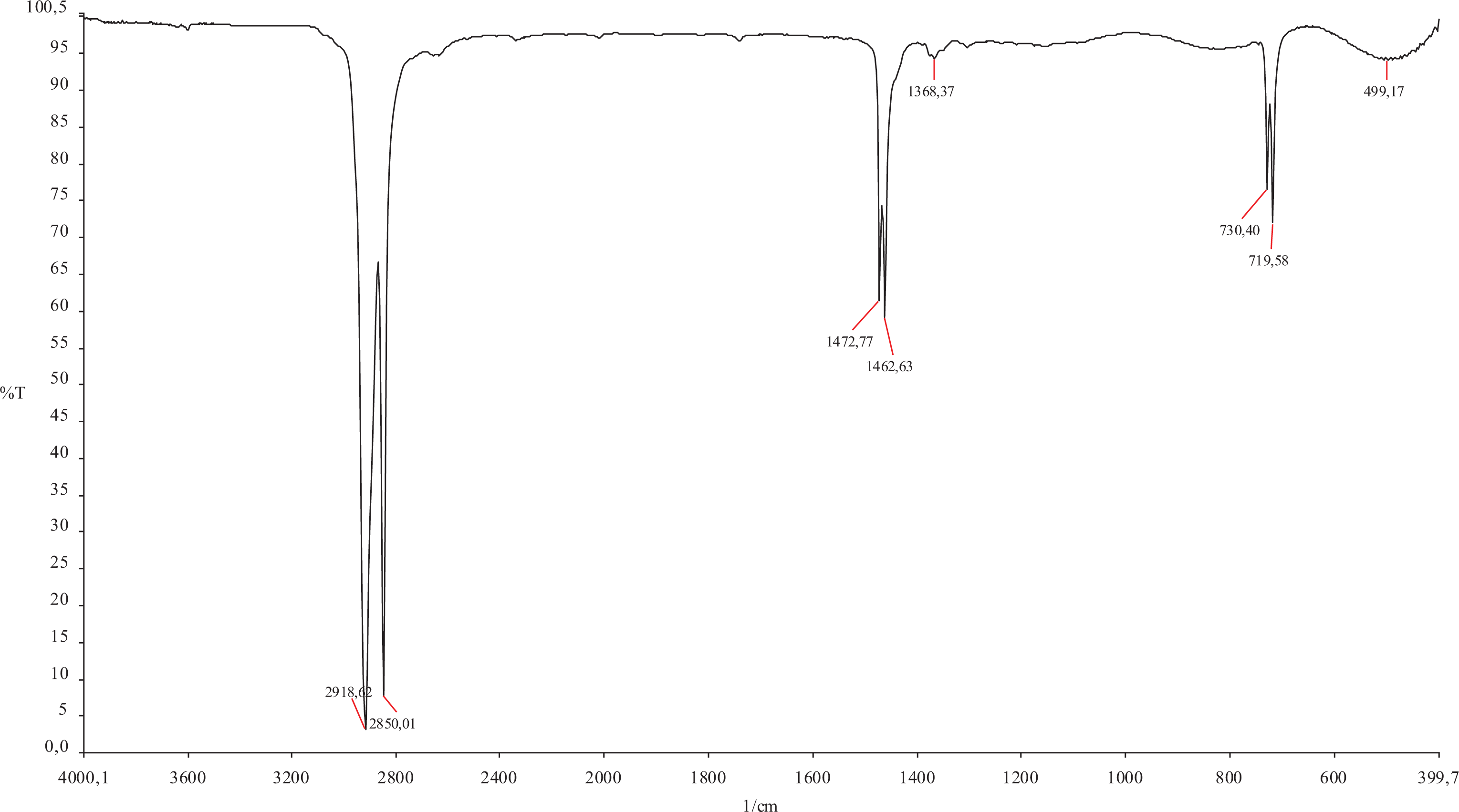
FTIR spectra of banana plantation plastic.
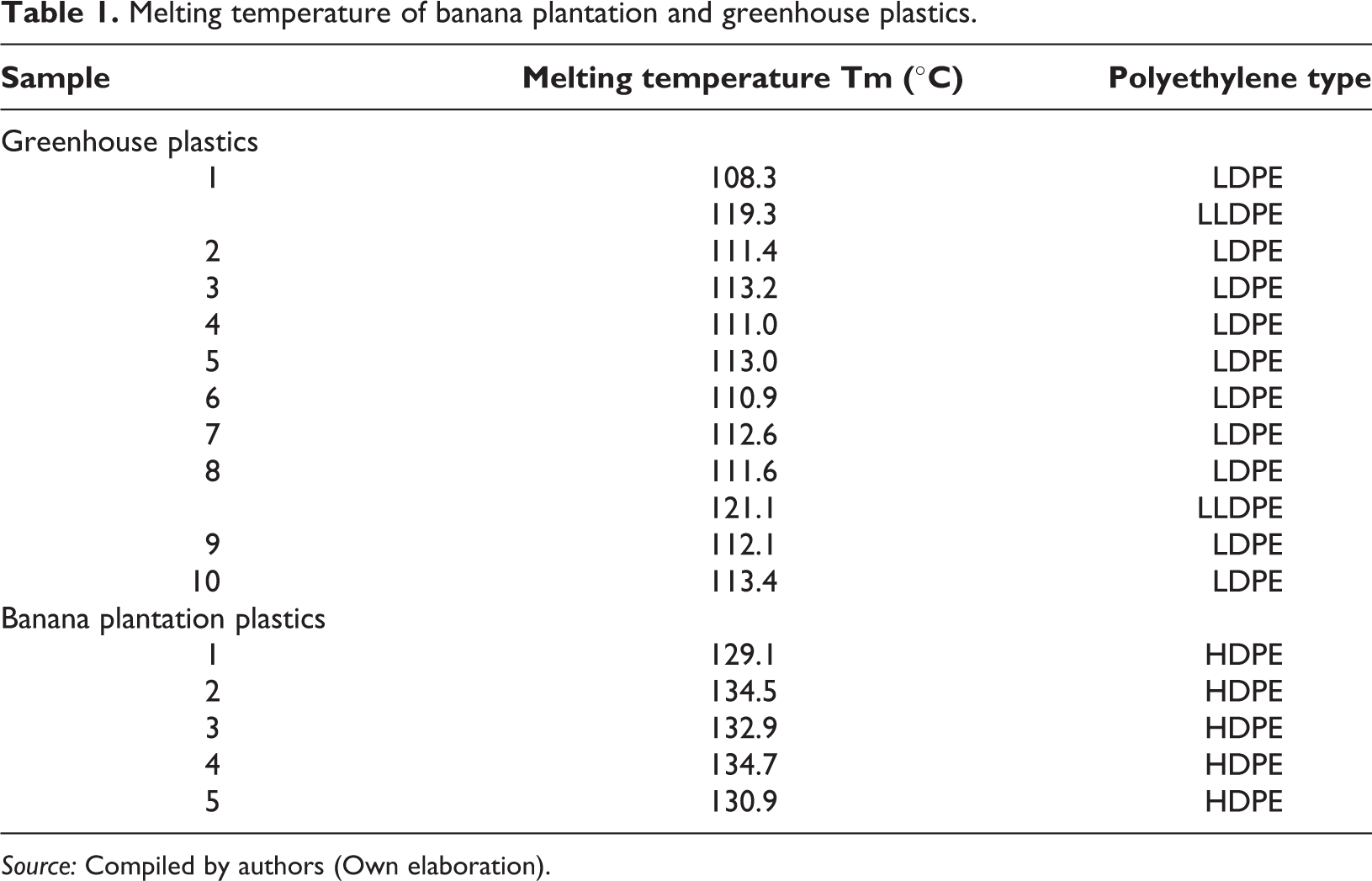
In some samples, due to the overlap in this region between the bands of the material with the load bands, it was necessary to complement the results with differential scanning calorimetry, determining the melting temperature of the plastic material (Tm), for LDPE less than 110°C and for HDPE higher than 130°C. 34 Thus, the results obtained show that the predominant material in greenhouse plastic waste corresponds to LDPE, while the plastic waste of banana corresponds to HDPE. It is worth mentioning that two greenhouse samples of the 51 farms analyzed, presented a mixture in their composition, between LDPE with linear low-density polyethylene (LLDPE). On the other hand, in the plastic bags of the banana, a sample of the 15 farms under study was identified as LDPE. Table 1 shows, as an example, 5 melting temperature values for banana plastics and 10 for greenhouse plastics.
Melting temperature of banana plantation and greenhouse plastics.
Source: Compiled by authors (Own elaboration).
Determination of the level of contamination
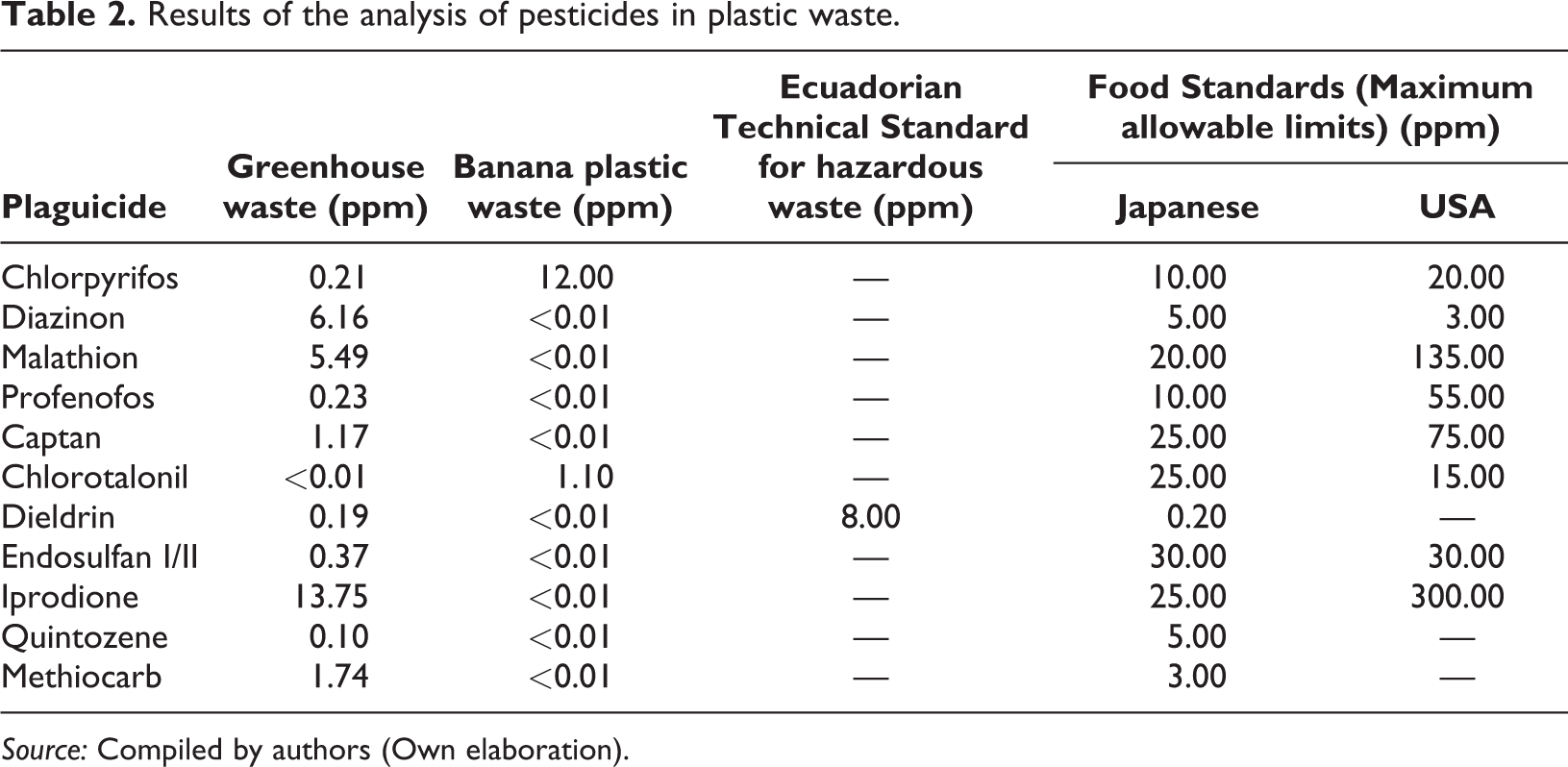
The analyses of the remaining content of agrochemicals in plastic waste indicated the presence of various pesticides. The values of the most contaminated samples are presented in Table 2. In Ecuador, the Technical Standard for Hazardous Waste (Industrial and domestic) issued by the Metropolitan Environmental Directorate of the Municipality of the Metropolitan District of Quito, 35 in paragraph 6 “Permissible limits for not considering a waste as dangerous,” establishes the tolerable limit load of organic toxic bio-accumulative and persistent substances, which coincides with the Brazilian Regulation for hazardous waste. 36 However, only one of the contaminants detected in this work (Dieldrin), appears in the listed substances.
Results of the analysis of pesticides in plastic waste.
Source: Compiled by authors (Own elaboration).
Therefore, in the absence of regulations, a comparison is proposed between the values of the pesticides found with the maximum permissible limits in some foods from the Regulations of Japan, 37 and the United States, 38 which can also be observed in Table 2. From this comparison, it is evidenced that only one of the contaminants detected in the samples, Diazinon, exceeds the permissible reference limits of the food regulations considered in Table 2, with only 1.16 ppm in excess. It should be considered that, in comparison with food regulations, the permissible content of agrochemical in plastics is lower, since aspects such as ingestion are considered directly. 39 As a result of the comparisons, plastic greenhouse and banana waste can be considered as “non-hazardous and/or special” waste. It is also necessary to highlight that plastic waste has, in addition to certain pollutants, an amount of dirt, dust, and other materials resulting from its manipulation. Particularly, in the case of residues of certain bags for banana packing, especially those of “organic” production, have a quantity of products coming from the decomposition and secretion of the bunch.
Evaluation of the degree of deterioration
The recycling of plastic waste, as well as its subsequent use in other applications, depends on the degree of deterioration of the material, so it is essential to evaluate its properties to know the influence that the structure, modified by environmental conditions, has on the material performance. 4
Tensile mechanical properties
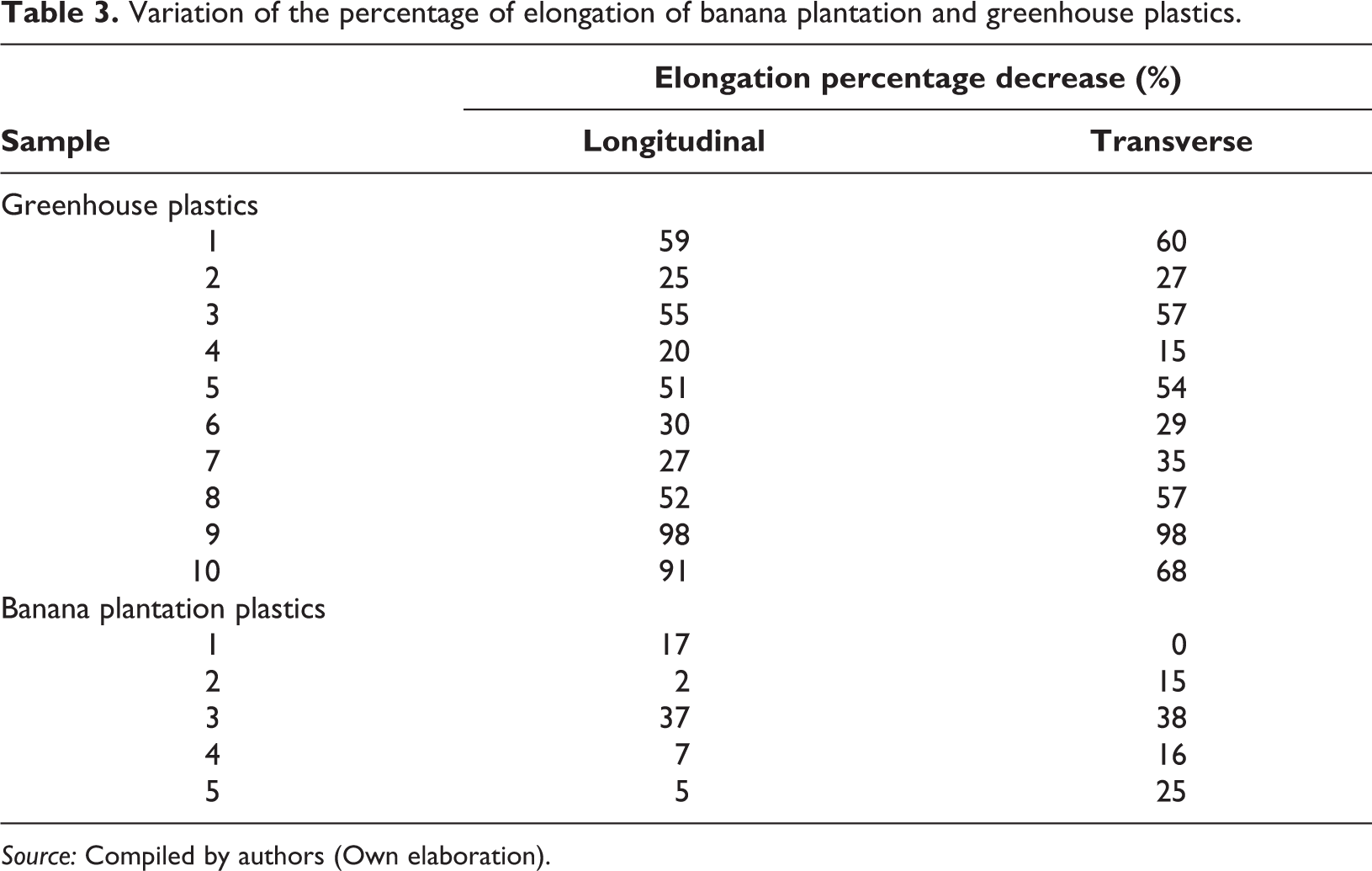
The properties of the exposed material were compared with the respective properties of the virgin material, from that comparison only the elongation at break showed significant changes, which are illustrated in Table 3 as percentage decrease. According to the Spanish Standard UNE-EN 13206, an agricultural plastic material is considered degraded at the loss of 50% of elongation at break.40–42 As a result of the previous analysis, in the case of the banana bags, it was evidenced that none of the parameters analyzed exceeds 50% loss in all samples. On the other hand, in greenhouse waste, 60% of the analyzed samples registered losses higher than the standard criterion, while the losses in the rest of the samples bordered the limit, with a reduction of around 40% of the deformation after 18 months of exposure. The table shows, as an example, 5 values of the variation of the percentage of elongation of banana plastics and 10 of greenhouse plastics.
Variation of the percentage of elongation of banana plantation and greenhouse plastics.
Source: Compiled by authors (Own elaboration).
The results of the analyses from plastic residues of banana showed that the degradation of the material caused by contact with agrochemicals, exposure to ultraviolet rays and atmospheric oxygen does not cause significant changes in the mechanical properties of plastic residues. These findings can be attributed to an additional protection to solar radiation and rainfall offered by branches of banana plant. Moreover, the absence of loads or tensile stress and a period of use of less than 4 months results in the non-significant changes of mechanical properties of plastic residues. On the contrary, in greenhouse plastics, it can be concluded that the material has already reached its useful lifespan. Some of the factors that facilitate the degradation of greenhouse waste are: the time to which they are subjected to the action of the environmental elements (in Ecuador generally 18–24 months), the direct influence of UV radiation, temperature and its changes (climate of the Ecuadorian Sierra Region), relative humidity, rain, wind, and pollutants that can cause alterations in the microstructure of the material. Additionally, the structure of the building of the greenhouse which generates strong mechanical stresses that act on the film and the contact with agrochemicals (fertilizers, fungicides, cleaning substances), cause a synergy that accelerates the degradation of plastics. Regarding the recycling products that are expected to be obtained, it must be considered that their mechanical properties will be much lower than those of the starting materials, so the possibility of incorporating reinforcements or virgin material will have to be evaluated. The possibility that the products obtained can be degraded much easier by the environment to which they are exposed should also be considered.
Melt flow index (MFI)
The MFI test, with the load level of 5 kg, registered low flow rates in both, the greenhouse samples and the banana residues, which is a favorable indicator for processing the plastic waste material by extrusion as a transformation technique. 43 In most samples of banana residues, a decrease in MFI was registered in the exposed specimens with respect to non-exposed ones, which is a hypothetical indicative of degradation by crosslinking; however, it is pertinent to highlight that these variations in the MFI did not exceed more than 50%. In greenhouse waste, the decrease in this index was such that most of the samples did not flow, confirming the considerable decrease in material properties with respect to exposure time. This implies that it is necessary to consider working at the lowest possible temperatures and/or adding virgin material or additives to avoid repercussions in both reprocessing and quality of the products that are desired to be obtained in the recycling process. In Figure 2, it is possible to see the state of deterioration of the greenhouse plastics samples; since, by subjecting the degraded polyethylene chains to the heat treatment of the MFI test, the degree of deterioration of the material increases, causing its slow flow through the equipment nozzle. In addition, the start of carbonization in some parts of the material can be evidenced by the random presence of black spots around the entire sample as in Figure 2(c).
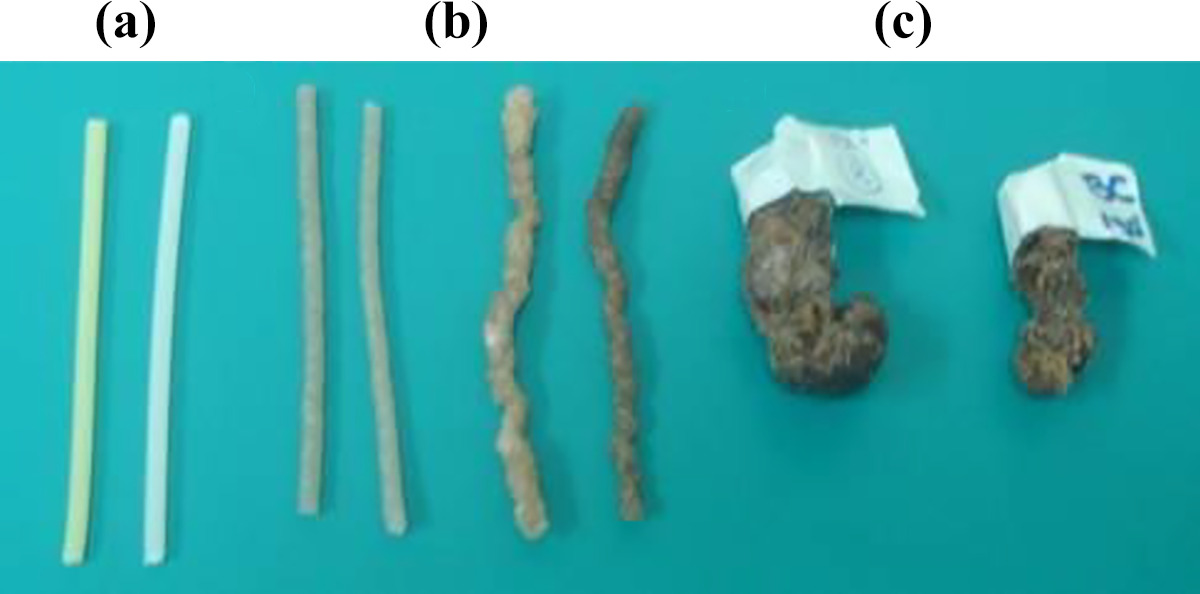
Greenhouse plastic waste evaluated through MFI test, (a) new films, (b) degraded films, (c) films for which no MFI data was obtained.
Attenuated total reflectance (ATR) FTIR spectroscopy
Figure 3 shows the infrared spectra of the greenhouse plastics, obtained by the ATR technique, (initial and after 18 months of exposure samples). The bands with the highest intensity at 2920, 2850, 1473, 1463, 730, and 720 cm−1 correspond to the characteristic signals of PE,25,44 while the band at 875 cm−1 corresponds to the charge of the sample identified as calcium carbonate. The structural changes on the surface are evidenced in the bands of lower intensity, around 1720 cm−1. These signals arise on the surface of the PE films, generally corresponding to carbonyl groups, 45 as a result of degradative processes due to exposure to active oxygen in the environment, 44 which shows the degradation of the material and justifies the change in properties that have been reported. In the case of banana plastics, given the short exposure, there are no changes in the corresponding spectra.
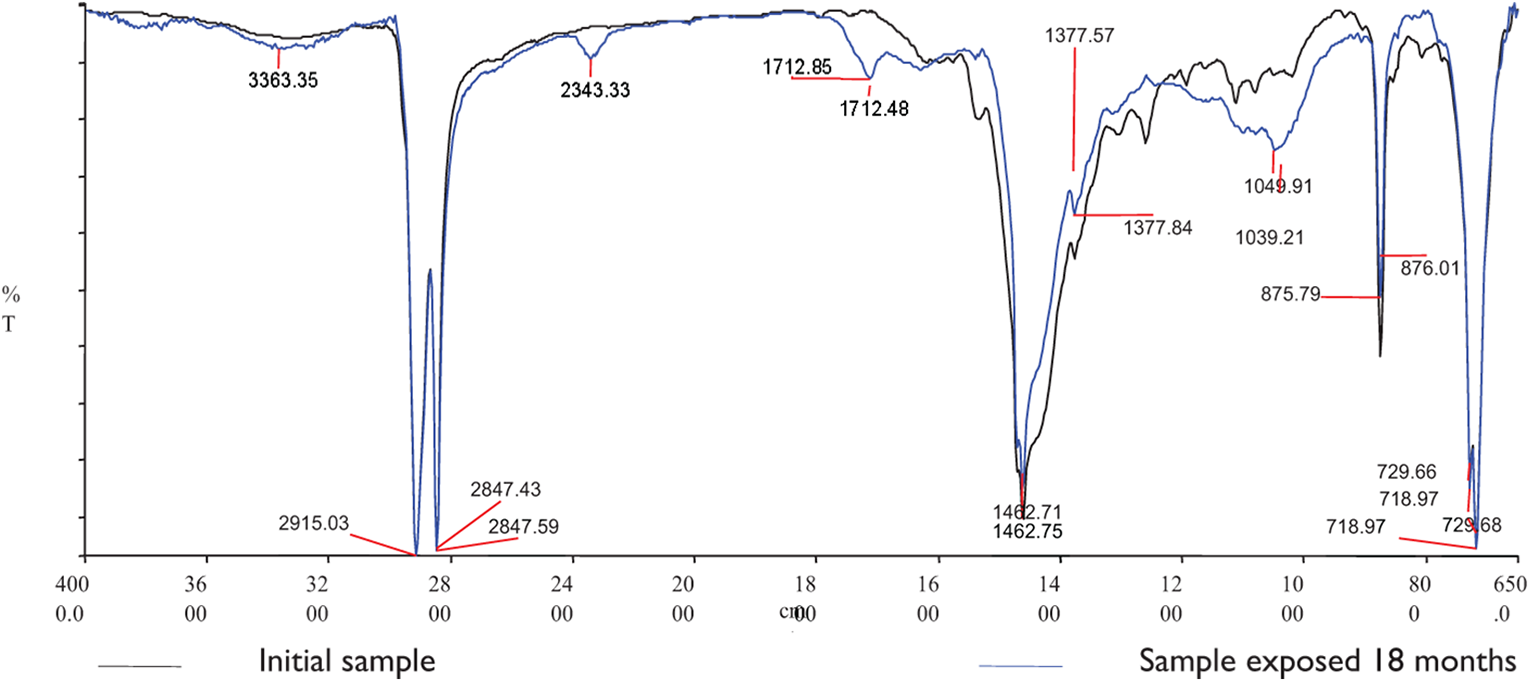
FTIR/ATR spectra of greenhouse plastic waste (before and after 18 months of exposure).
Conditioning of plastic waste
Cleaning waste from greenhouse plastics
Figure 4 shows the process of eliminating several of the elements found in greenhouse plastics. In this case, the staples that are placed on the structure to fix the greenhouse plastic in it are removed. In the prewash of the residues, a constant value of the turbidity of the water was obtained after 40 min of treatment; therefore, this time is determined as the most suitable for the greater removal of dirt. The remaining dirt on the surface of the greenhouse plastic was removed by soaking for 24 h followed by a washing stage where the turbidity values as a function of time increased noticeably at 5 min and reached a constant value after 20 min of treatment. For this reason, this time was selected as the most suitable for obtaining a plastic with a dirt-free appearance.
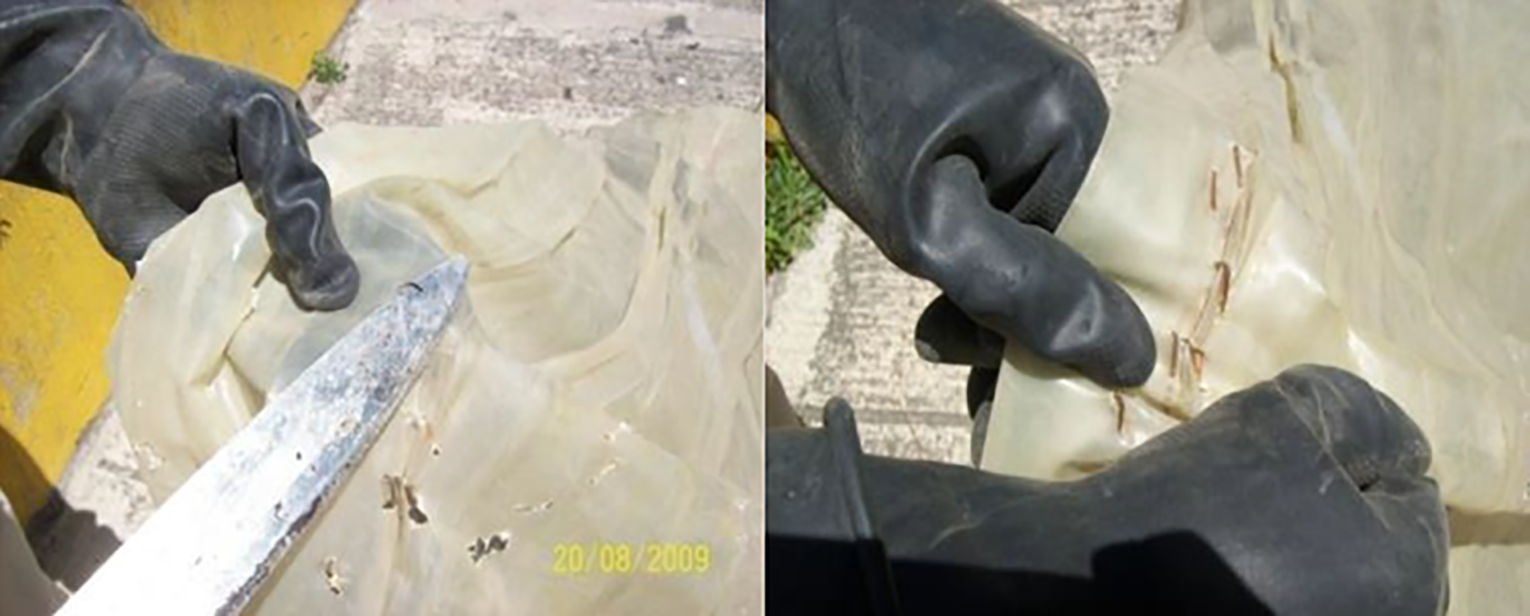
Initial cleaning of greenhouse plastics.
Cleaning of plastic residues from banana bags
In Figure 5, photographs of the samples are shown where the initial appearance of the plastic waste is noted, including the latex that has adhered to the plastic bags. The time required to carry out the prewash test was 40 min (both in laboratory and pilot plant tests), based on a constant value of the turbidity behavior. The optimal time to achieve the best softening conditions for the bonded material through the soaking process was 7 h as shown in Figure 6. The best washing time condition from which the turbidity of the water remained constant, was between 130 min of treatment as shown in Figure 7, resulting in an appearance clean off the plastic. In order to remove traces of detergent that remain on the plastic by examining the surface appearance, it was determined that a single 10-min rinse is sufficient for optimal results.
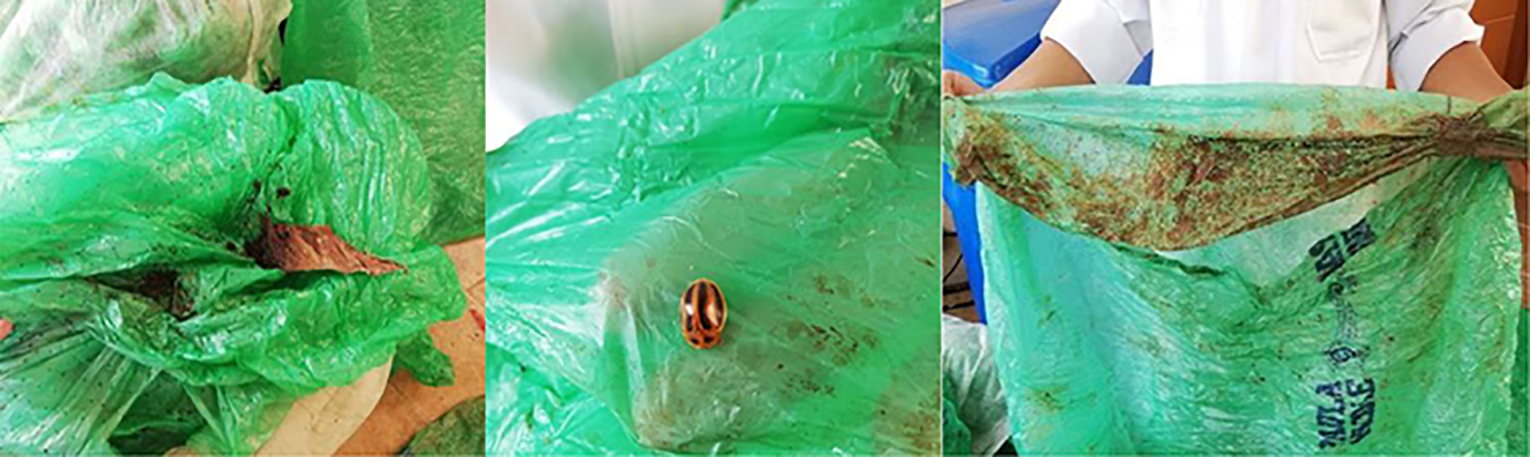
Initial appearance of used banana plantation bags.
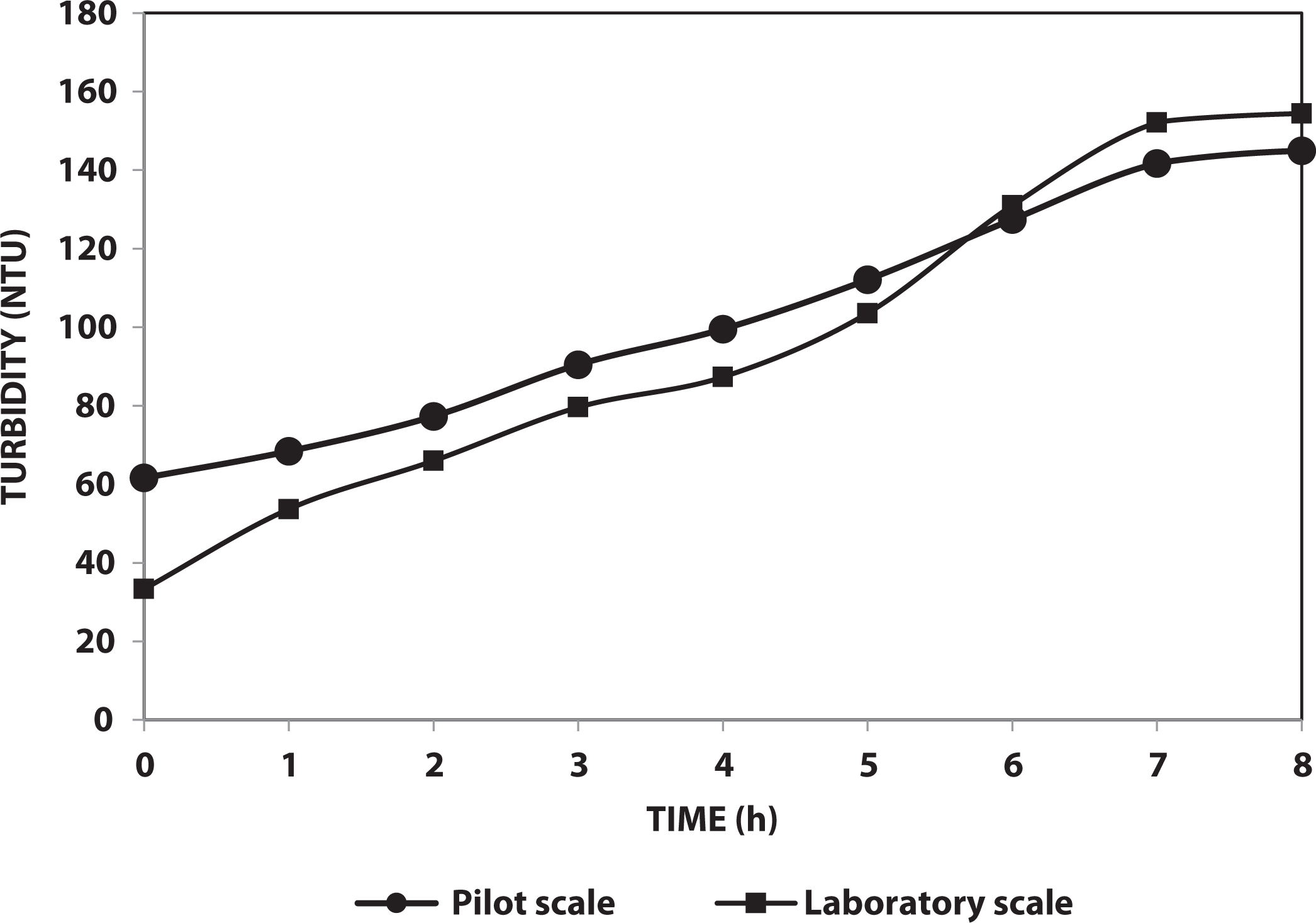
Soaking process for banana plantation bags.
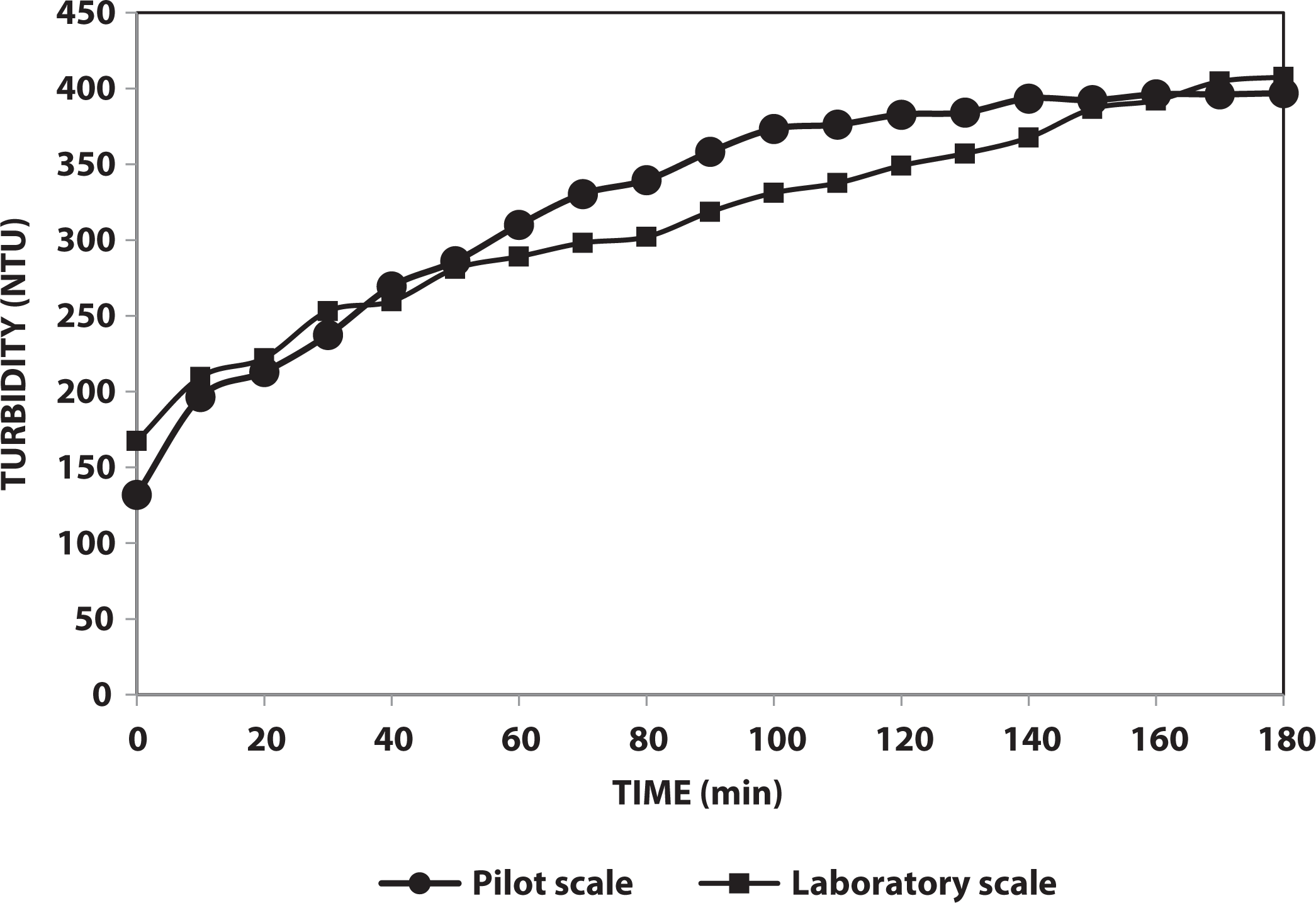
Washing process for banana plantation plastics.
Characterization of the effluents from the washing process
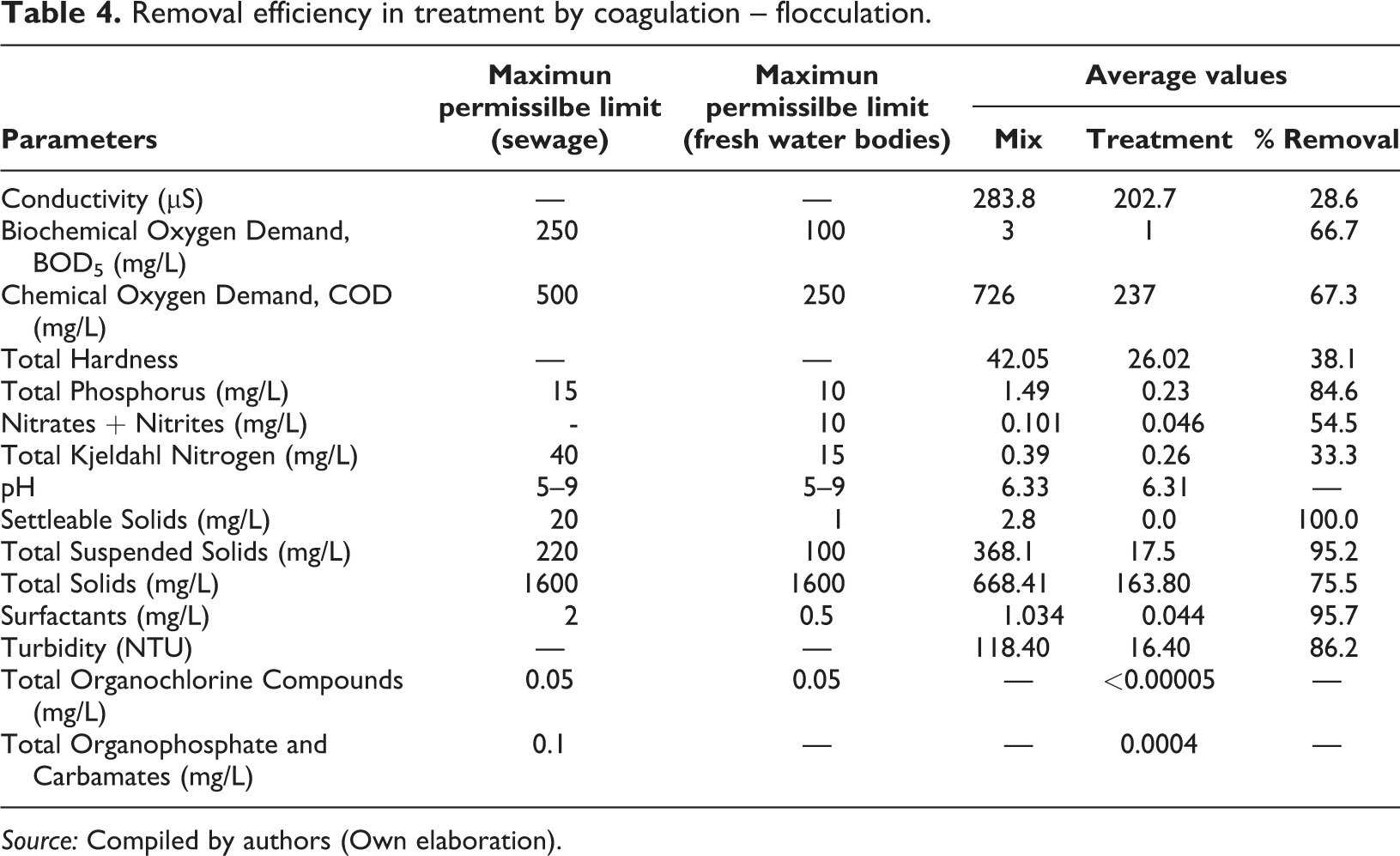
The physical-chemical parameters analyzed in the effluents from the greenhouse plastics washing process were below the maximum permissible limits stipulated by the environmental authority. In the same way, in the agrochemical analyses, none of the pesticides exceeded the threshold allowed in the food regulations. Nevertheless, in the effluents from the washing of the banana bags, two of the analyzed physical-chemical parameters were not under the limits: total suspended solids and chemical oxygen demand (COD), exceeding by 67% and 45%, respectively; therefore, a treatment system is required to improve these two values (Table 4). Additionally, the analyses of pesticides in the wastewater of the washing process resulted only in Chlorpyrifos in both the prewash and the washing stages, but its value is much lower than the limits of the standards used. A similar situation occurs in the analyses of the plastics that have gone through all stages of conditioning.
Removal efficiency in treatment by coagulation – flocculation.
Source: Compiled by authors (Own elaboration).
Treatment of washing water
The combined treatment was carried out in two stages, the first stage consisted of a coagulation-flocculation treatment. The dose of the aluminum sulfate solution used for this treatment was 26 mL per 500 mL of residual water. Then, the resulting water was exposed to the second stage consisting on treatment by filtration (not all farms have a sewerage system, which is why it is essential to generate a type of wastewater that can be discharged into water bodies). The results before and after the combined treatment are detailed in Table 4, where “mixture” refers to the combination of all types of water used in the plastic cleaning processes.
Conclusions
The examined greenhouse plastics and banana bags waste can be mechanically recycled since they do not constitute hazardous material and, according to Ecuadorian regulations, they are classified as special, which means that only qualified environmental managers are allowed to recycle this waste. This implies that, due to their contact with agrochemicals (pesticides and fertilizers) they must be recycled under technical considerations of cleaning with a proper treatment of the water used in this process. Additionally, the recycled products should not be used to manufacture objects that have contact with food.
Banana bag waste has little degradation during its lifespan due to the way it is used and its short use time in the plantation. However, they can present a high degree of fouling due to their impregnation with plant residues, which demands a tidier cleaning scheme than in the case of greenhouse plastics. The following stages were established: initial cleaning, prewash, washing, and air-drying. For the second and third stages an anionic biodegradable detergent with a basic pH was used with excellent results.
In the case of greenhouse plastic waste, the degradation that these materials undergo during their lifespan is high since they are exposed to the environment for periods of 18–24 months; moreover, they are subjected to strong tensile stresses while in use. The cleaning stages for these residues are carried out only with water.
The recommended treatment for the water used in cleaning processes consists of a mixed stage, coagulation-flocculation using hydrated aluminum sulfate and then a filtering process with silica sand. All the environmental parameters required by local and national regulations for discharge water were controlled and met.
Footnotes
Acknowledgements
This research was sponsored by the project “Recycling of plastic waste from greenhouses in the floricultural sector of the Metropolitan District of Quito,” and supported by the seed project EPN-PIS-17-07 “Use of waste from the plastic covers of the bunches of bananas (Musa paradisiaca) through mechanical recycling”; which was carried out at the Centro de Investigaciones Aplicadas a Polímeros (CIAP) of the Escuela Politécnica Nacional (EPN) with support from the Environmental Fund of the Metropolitan District of Quito.
Declaration of conflicting interests
The authors declared no potential conflicts of interest with respect to the research, authorship, and/or publication of this article.
Funding
The author(s) disclosed receipt of the following financial support for the research, authorship, and/or publication of this article: The authors received financial support for the research, authorship and/or publication of this article from Escuela Politécnica Nacional (EPN).
