






Abstract
Glass fiber-reinforced polymer (GFRP) bars, categorized as non-metallic materials, are being explored as a substitute for steel bars in concrete structures because of their strong tensile strength and long-term durability property. This research investigates the flexural and deflection response of reactive powder concrete (RPC) beams reinforced with 10 mm diameter steel and GFRP bars. In total, six RPC beams with 100 × 100 mm cross-sectional dimensions were tested under four-point lateral loading across a 300 mm bending span with simple support: two reinforced with GFRP bars, two reinforced with steel bars, and two without reinforcement. The tests indicated that both GFRP and steel bars led to a significant increase in lateral load capacity compared to the control beam by 183.25% and 134.06%, respectively. Additionally, reinforced beams showed marked improvements in energy absorption capacity, with steel and GFRP providing ∼200- and ∼270-fold enhancements, respectively, over the control specimen. Furthermore, the inclusion of GFRP and steel reinforcement altered the failure mode from bending to a combination of concrete crushing and diagonal tension. The experimental-to-theoretical moment capacity (Mexp/Mth) demonstrated a strong dependence on reinforcement type, validating ACI provisions for steel-reinforced beams (mean = 1.09) but revealing non-conservative predictions for GFRP-reinforced beams (mean = 0.81).
Introduction
The increased global use of concrete has generated a need for improved ductility and reduced fragility in its structural applications. Scientists have investigated different approaches to tackle this issue, such as employing longitudinal and stirrup steel bars.1,2 Additionally, the various consequences arising from extremely adverse environmental conditions on the structural integrity of concrete, coupled with the heightened risk of deterioration resulting from both chemical and physical assaults, as well as the pervasive issue of corrosion affecting steel reinforcement bars (as illustrated in Figure 1), have collectively necessitated a comprehensive investigation into alternative materials, including but not limited to fibers3–6 and fiber-reinforced polymer (FRP) bars, which are being explored as viable substitutes for traditional steel bars employed within concrete structures.7–9 FRP bars are comprised of a composite material that integrates various types of fibers, such as glass, carbon, and aramid,10,11 embedded within a polymeric matrix, which is most commonly an epoxy resin or polyester, thereby imparting these bars with an exceptional level of corrosion resistance that significantly exceeds that of conventional steel reinforcement.11–16 Corrosion of steel in concrete (Original photographs by authors).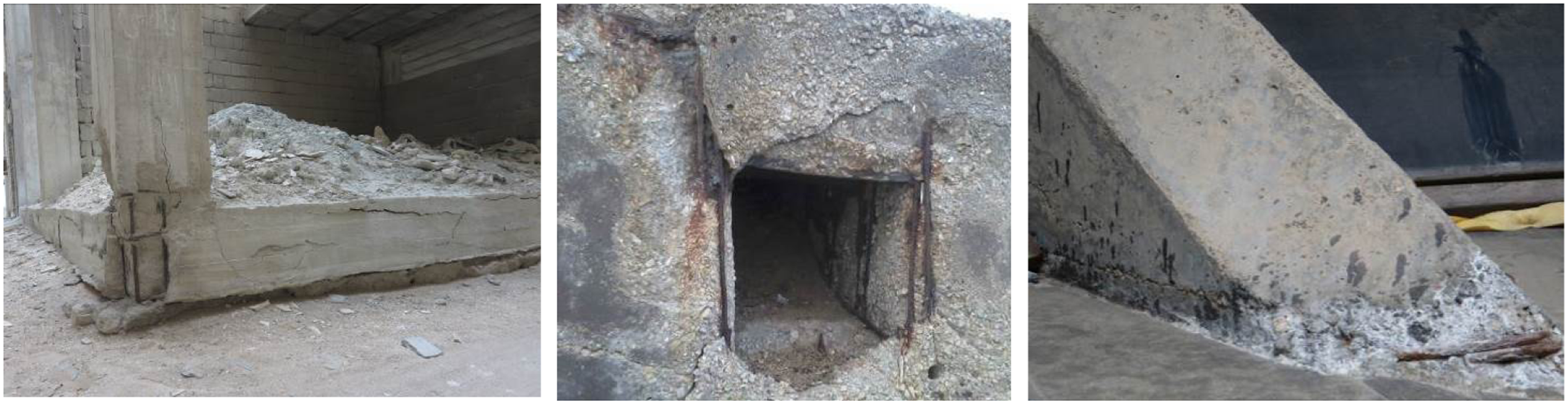
In the past several decades, the concrete industry has witnessed remarkable advancements directed towards the formulation and production of concrete that is recognized for its superior quality and performance characteristics. Among these innovative materials, reactive powder concrete (RPC) has emerged as a particularly noteworthy variant, celebrated for its exceptional strength and durability, and has consequently attracted considerable attention on a global scale as a prime example of high-performance concrete.17–26 This advanced concrete formulation typically comprises a carefully balanced combination of components, including cement, quartz sand with an aggregate size that is smaller than 840 μm, silica fume, water, superplasticizer, and various types of reinforcing fibers. In order to attain the desired levels of high strength and durability, the water-to-binder ratio in reactive powder concrete is meticulously maintained within a narrow range, typically fluctuating between 0.14 and 0.2.14,15,19–25,27,28 Nevertheless, it is important to acknowledge that the financial implications associated with the production of this specialized type of concrete are considerably greater when compared to those of standard concrete, primarily due to the augmented quantities of cement and fibers that are necessitated in the mixing process. 29 However, potential net savings from an extended service life and reduced maintenance may justify its adoption in applications demanding high durability.
Ongoing research is currently underway to study the behavior of RPC in bending and the performance of steel bars used in the beam’s transition area due to its high compressive strength.30,31 The interaction between the two materials is being investigated. Additionally, studies have been conducted on the performance of beams reinforced with FRP and steel bars to mitigate the issue of steel corrosion within concrete.32,33 It is essential to evaluate the bending performance from an alternative perspective, as both materials display brittle behavior with high compressive and tensile strength. By examining the bending behavior of these materials from different angles, we can gain valuable insights into their strengths and limitations, ultimately leading to better design and more effective manufacturing practices. The investigation of flexural behavior is structurally paramount, as flexural strength serves as a principal design criterion not only for beams but also for columns and other members subjected to bending moments, whether from direct transverse loads, eccentric axial forces, or lateral actions such as seismic events. This property dictates fundamental performance metrics, including ultimate moment capacity, serviceability deflections, and cracking response. The composite interaction between a high-strength, quasi-brittle matrix like RPC and non-yielding reinforcement is particularly critical under such flexural stresses. The superior mechanical properties of RPC promote a markedly higher cracking moment, potentially altering the fundamental transition from uncracked to cracked section behavior. Consequently, this interaction governs strain compatibility, post-cracking stiffness, and the ultimate failure mode, which makes its precise characterization central to this study on flexural members.
This study presents an experimental and analytical investigation to address a significant research need. While the behavior of RPC with steel reinforcement has been studied, there is a pronounced lack of research directly quantifying and comparing the flexural performance of RPC beams reinforced with GFRP bars against those with steel bars. To this end, this work utilizes GFRP bars in the tensile zone of the beam section to assess their bending performance, with control specimens reinforced with steel bars for a baseline comparison. All concrete beams were subjected to thermal curing in 60°C water to activate the pozzolanic reactions and achieve the desired RPC properties. The uniqueness of this work lies in its direct, head-to-head comparative analysis of the flexural capacity, cracking behavior, and failure modes between RPC-GFRP and RPC-steel composite systems, supported by developed analytical models. By providing scientific insights into this specific material interaction, this study aims to establish a foundational understanding for the use of corrosion-resistant GFRP bars in RPC structures, contributing to the advancement of more durable and high-performance construction techniques.
Materials and method
Materials
Cement
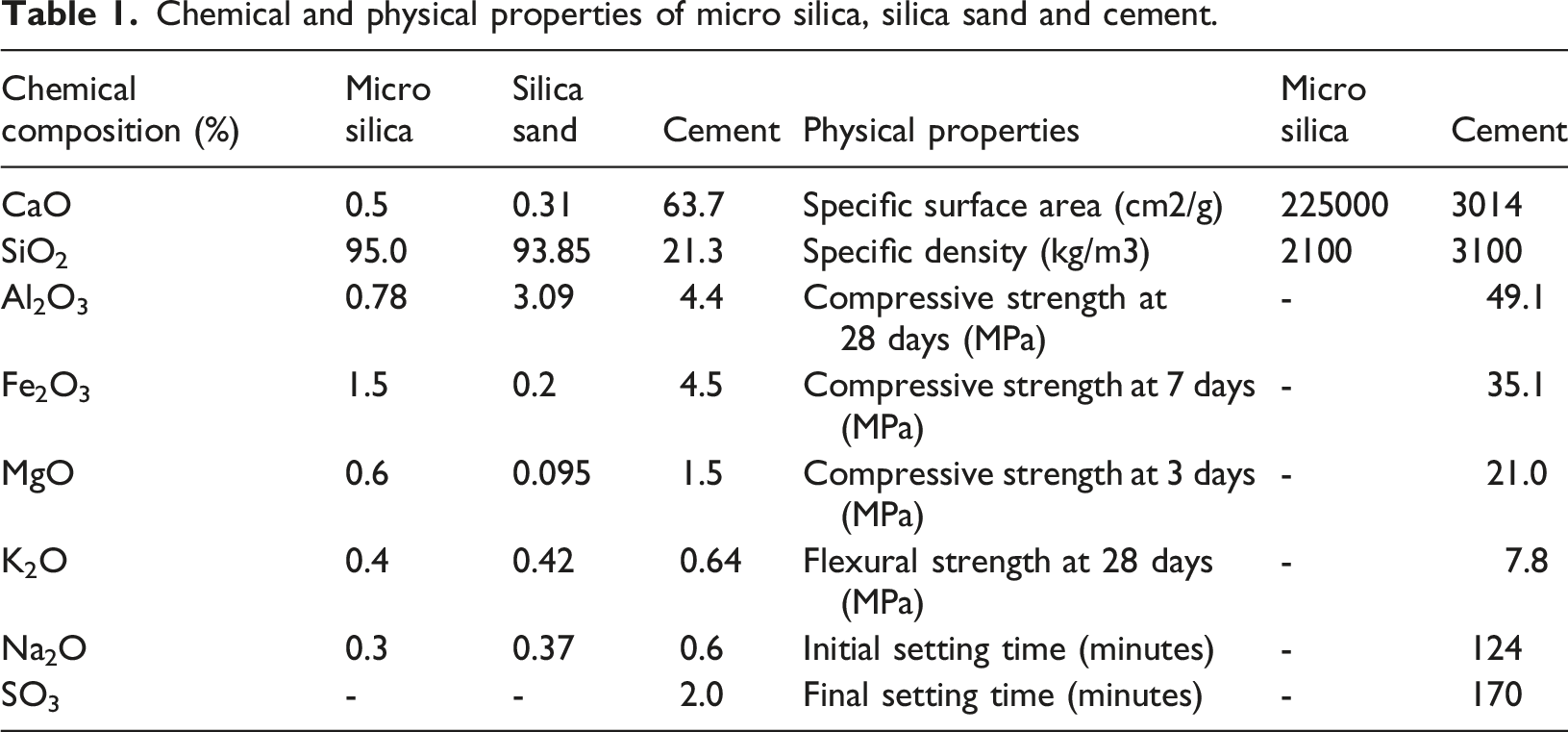
Chemical and physical properties of micro silica, silica sand and cement.
Micro silica
The micro silica, which was produced by Iran Ferroalloys Industries Company (Iran) and verified the requirements of ASTM C1240, 37 was an unmodified, densified product used in this experimental program. This is an ultrafine powder with light grey spherical particles and an average particle size of 0.1 micrometers. The physical and chemical properties of applied micro silica are listed in Table 1.
Silica sand
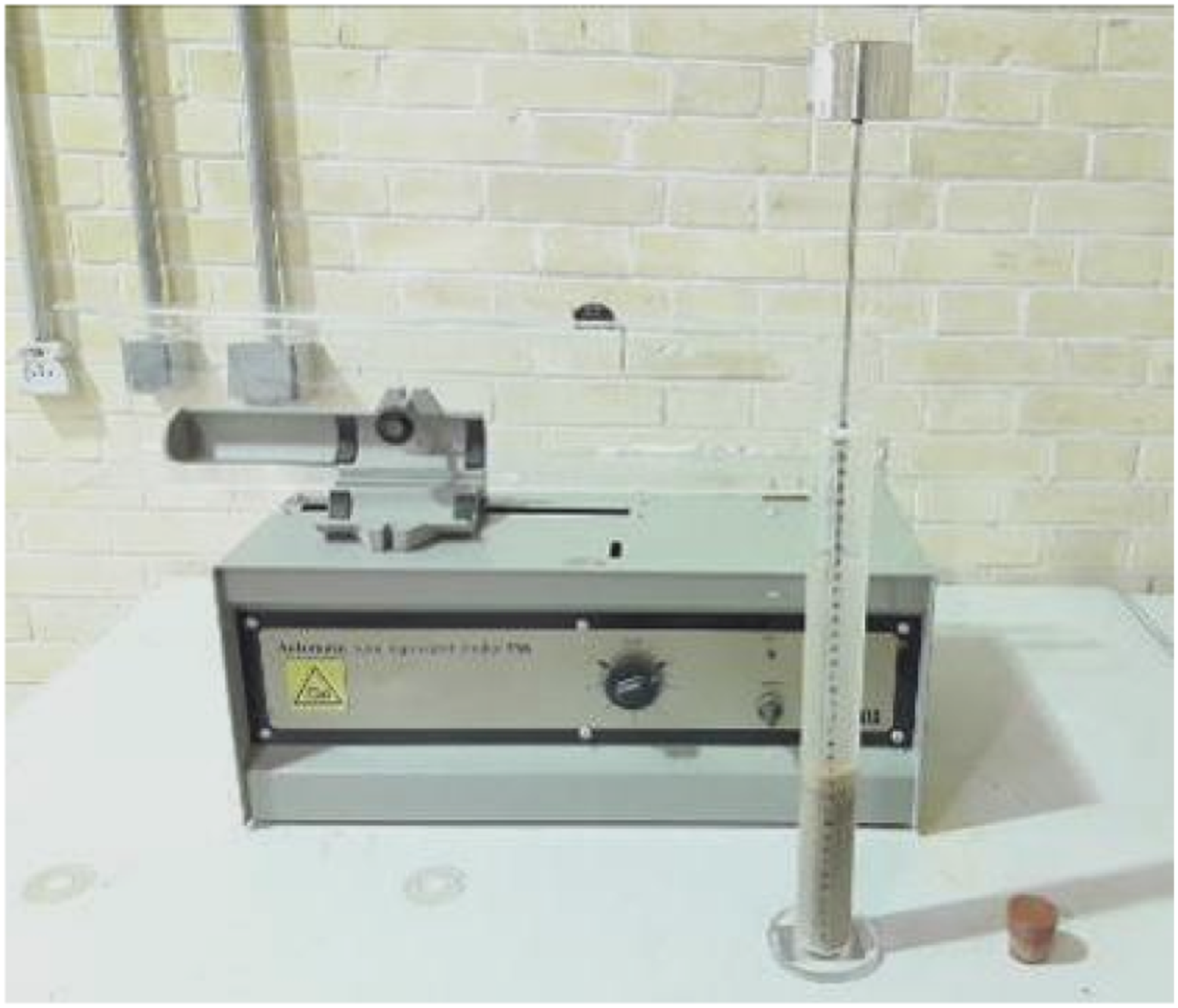
Silica sand from Babak Silic Company in Shahr-e Babak County, Kerman, Iran, was used in its natural, unprocessed state as aggregate in concrete production, and no chemical or physical surface modifications were applied. Chemical composition and the particle size distribution of sands are presented in Table 1 and Figure 2, respectively. The sand equivalent value test was measured according to ASTM D2419.
38
This test shows the relative proportions of dust and clay in silica sand and also determine the cleanliness or purity of silica sand. Based on the test performed on the silica sand specimen, a sand equivalent value of 96.3% was obtained. Figure 3 shows the test with the apparatus. Particle size distributions of sand. Sand equivalent test apparatus and specimen.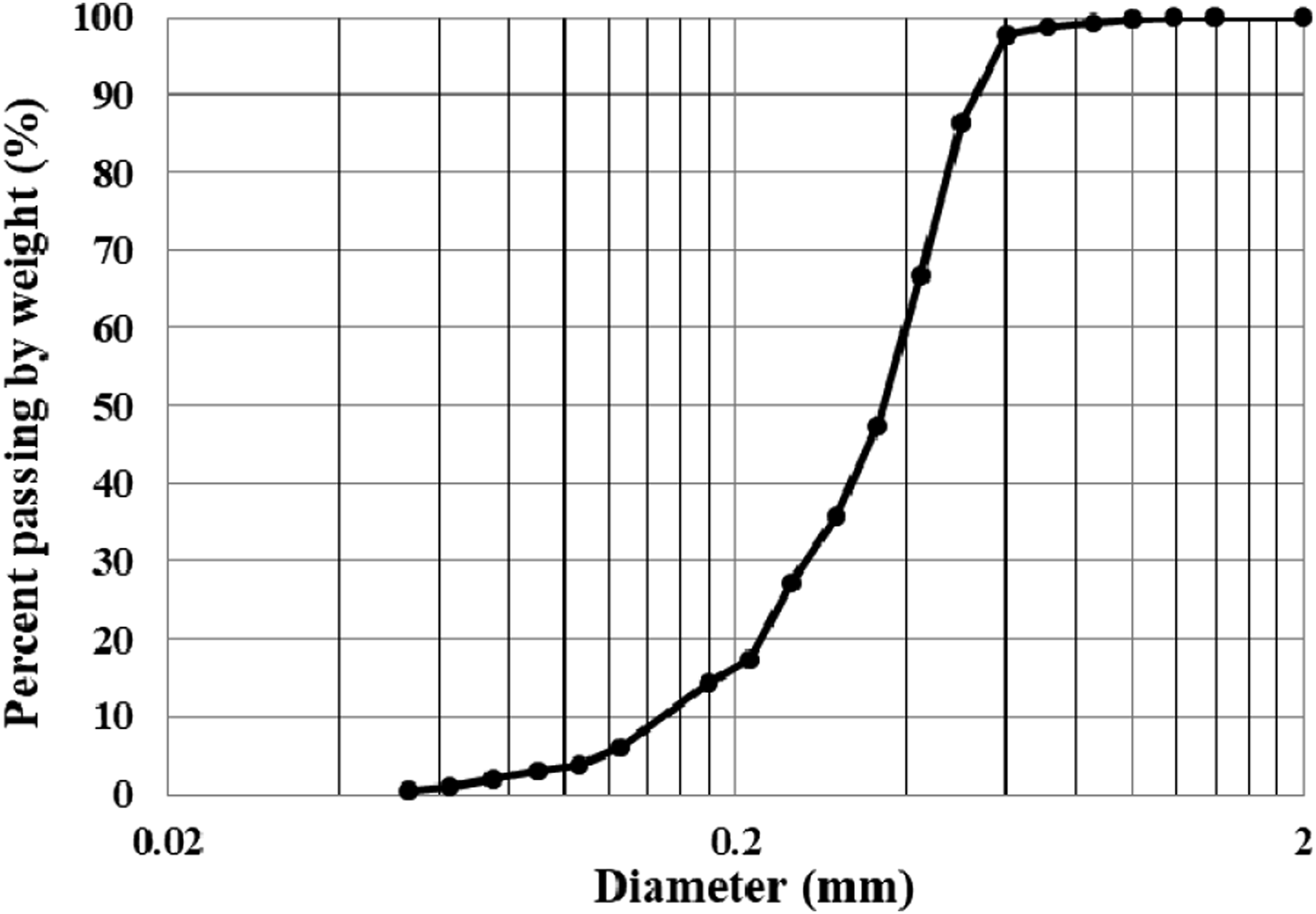
Water
In this research, tap water was used for both curing and mixing the specimens. It is common practice to use water for both these purposes in concrete or cement-based material research, as water is a key component in the hydration process that leads to the hardening of the material. Using tap water is also a practical choice as it is readily available and accessible in most locations. However, the quality of tap water can vary depending on the location and source, so it is important to consider the potential effects of any impurities or additives in the water on the properties of the specimens being tested.
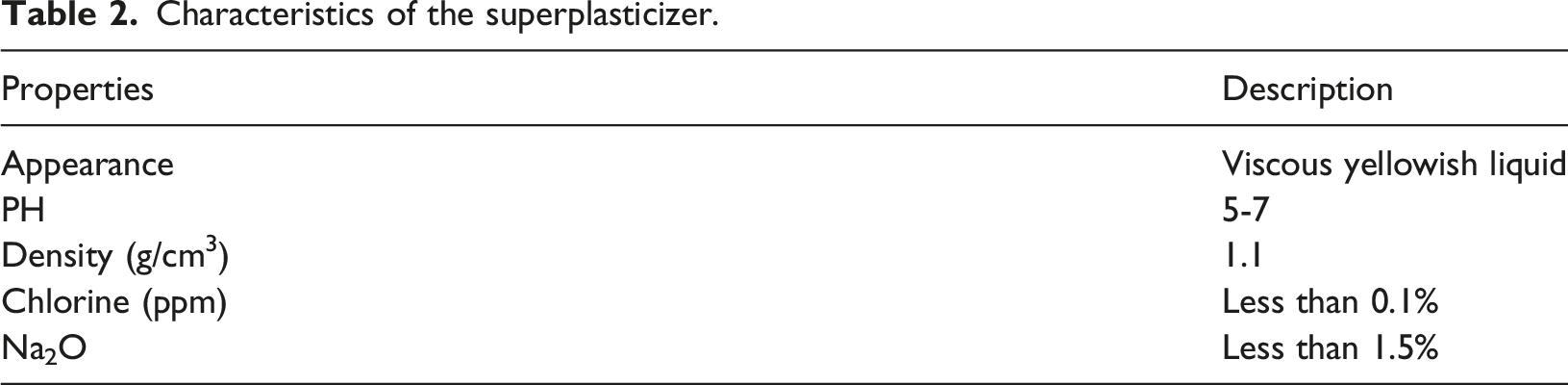
Superplasticizer
Characteristics of the superplasticizer.
Glass fiber reinforced polymer bar
The material being referred to in the study is glass fiber reinforced polymers (GFRP), which are composite materials made of glass fibers and a polymer matrix, typically epoxy or polyester resin.10,11 The tensile strength and modulus of elasticity of these materials depend on various factors, such as the percentage of fiber content, type of resin used, glass fiber orientation, and quality control during production.
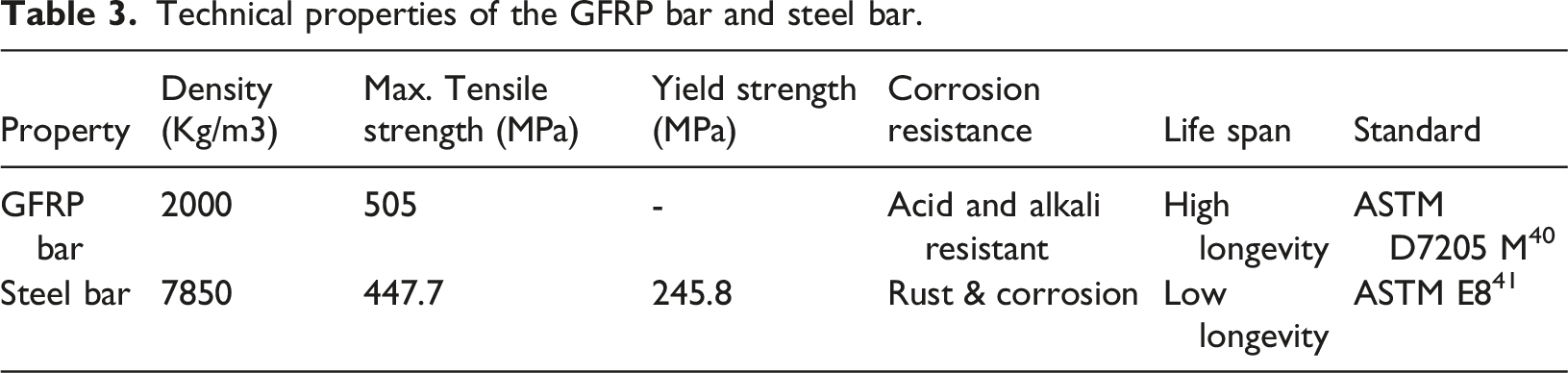
In this study, GFRP bars with a nominal diameter of 10 mm and a spiral-shaped surface were used to reinforce a concrete beam, as depicted in Figure 4. The GFRP bars were produced by Asia Composite Co. in Tehran, Iran, and had a fiber volume fraction of 75%. Table 3 and Figure 4(c) provides information on the technical properties of the GFRP material employed in the investigation. GFRP and steel bars tensile test. Technical properties of the GFRP bar and steel bar.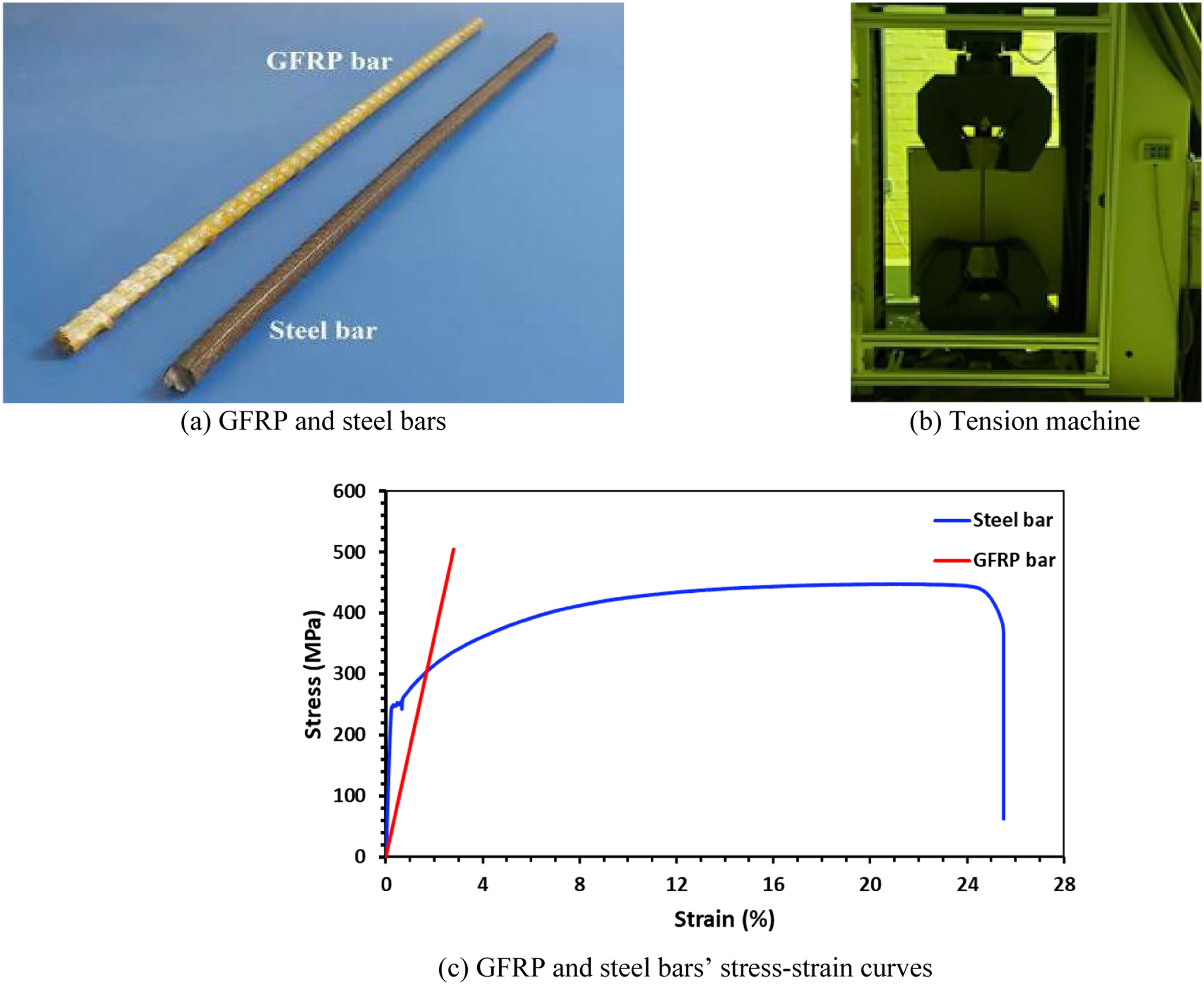
Steel bar
After the development of reinforcing techniques, steel bars became the primary material used to reinforce concrete structures. This composite material became popular due to its high load-carrying capacity. In the present study, steel bars with a nominal diameter of 10 mm and a spiral-shaped surface were employed to reinforce a concrete beam, as illustrated in Figure 4. The steel bars were manufactured by Foulad Yazd Co. in Yazd, and Figure 4(c) and Table 3 indicate the technical properties of the steel bar used in the study.
Specimens preparation and curing
The components and mixing ratio of concrete.

Specifics of study beams.
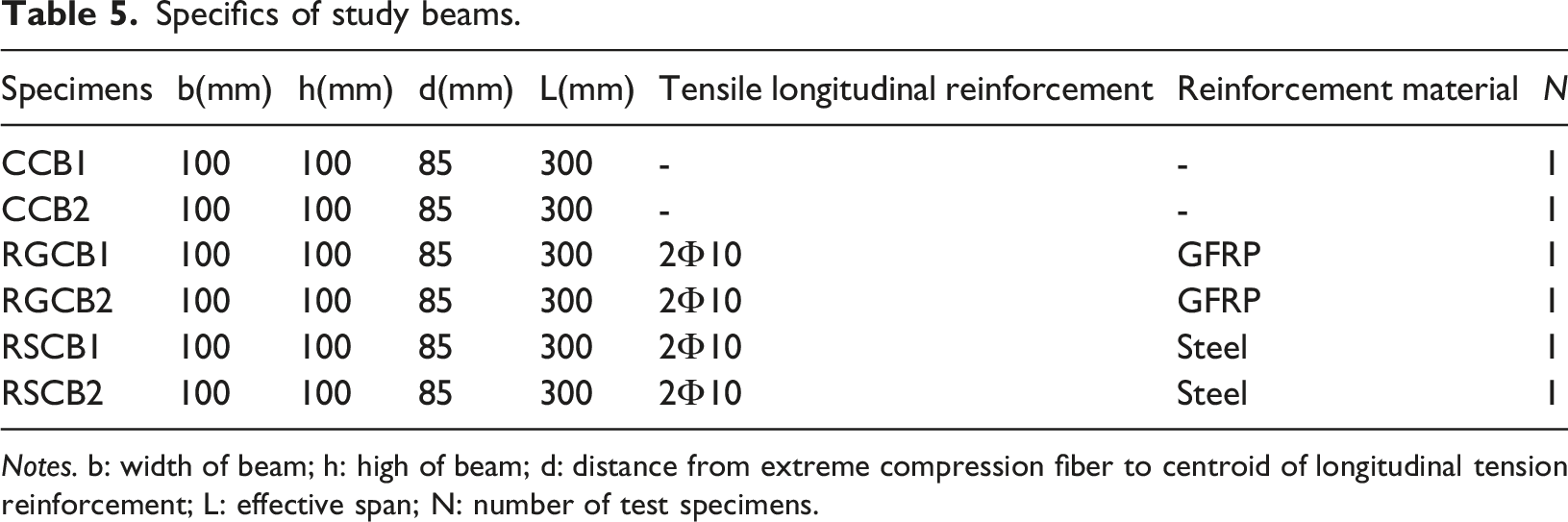
Notes. b: width of beam; h: high of beam; d: distance from extreme compression fiber to centroid of longitudinal tension reinforcement; L: effective span; N: number of test specimens.
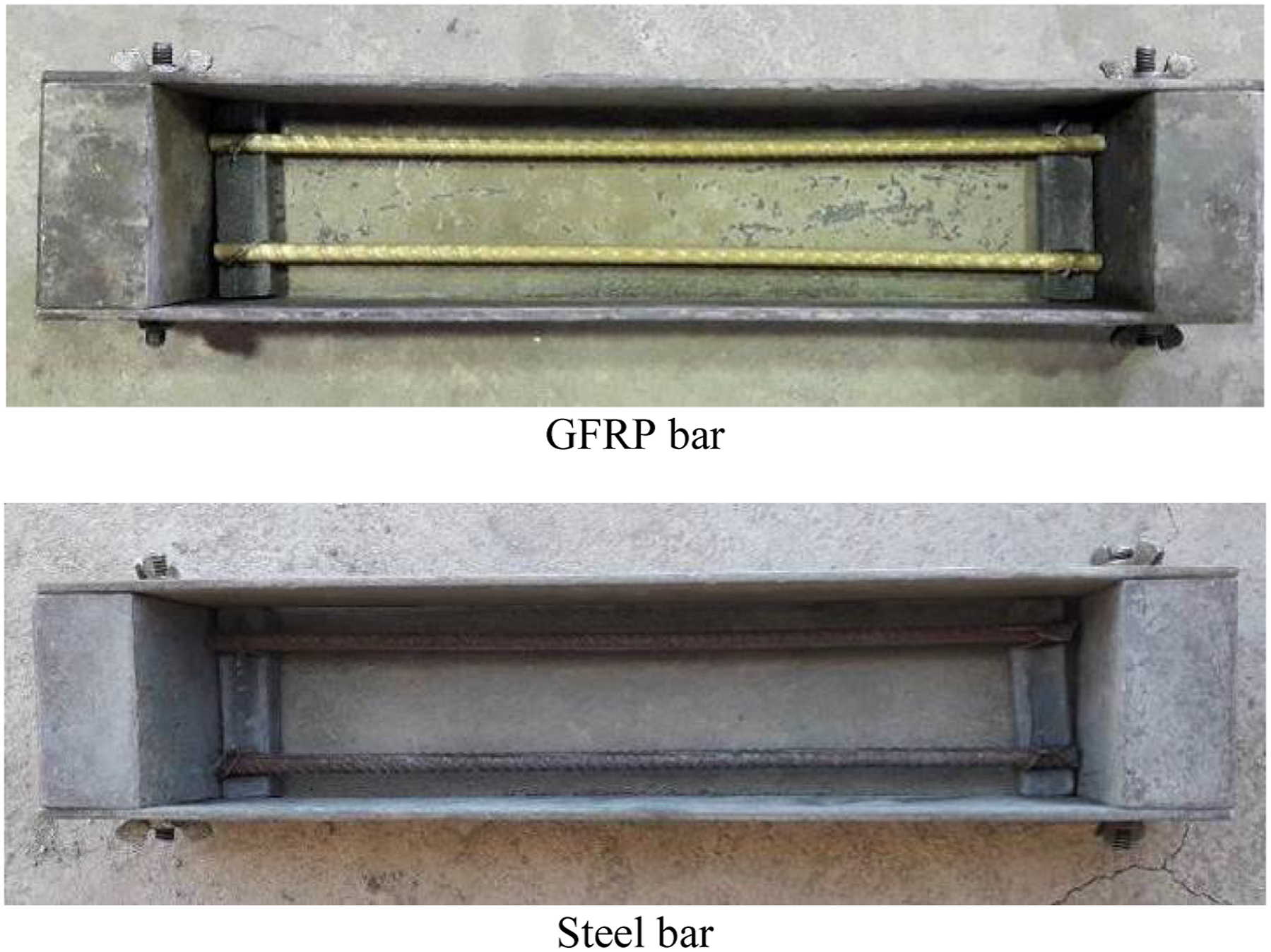
Details of reinforced beams.

Preparation process and curing of the concrete.
Results and discussion
Concrete temperature
Concrete temperature results from the cement hydration process, which can affect both the setting time and strength development of the concrete. The procedure for measuring the temperature of fresh mixtures is illustrated in Figure 7. This assessment was carried out in accordance with ASTM C1064.
43
A thermometer with a range of −30°C to 70°C was employed for this purpose. The temperature recorded for fresh concrete mixes fell within the range of 29°C to 30°C, which is below the maximum value recommended in the ACI305 manual.
44
Temperature of fresh RPC.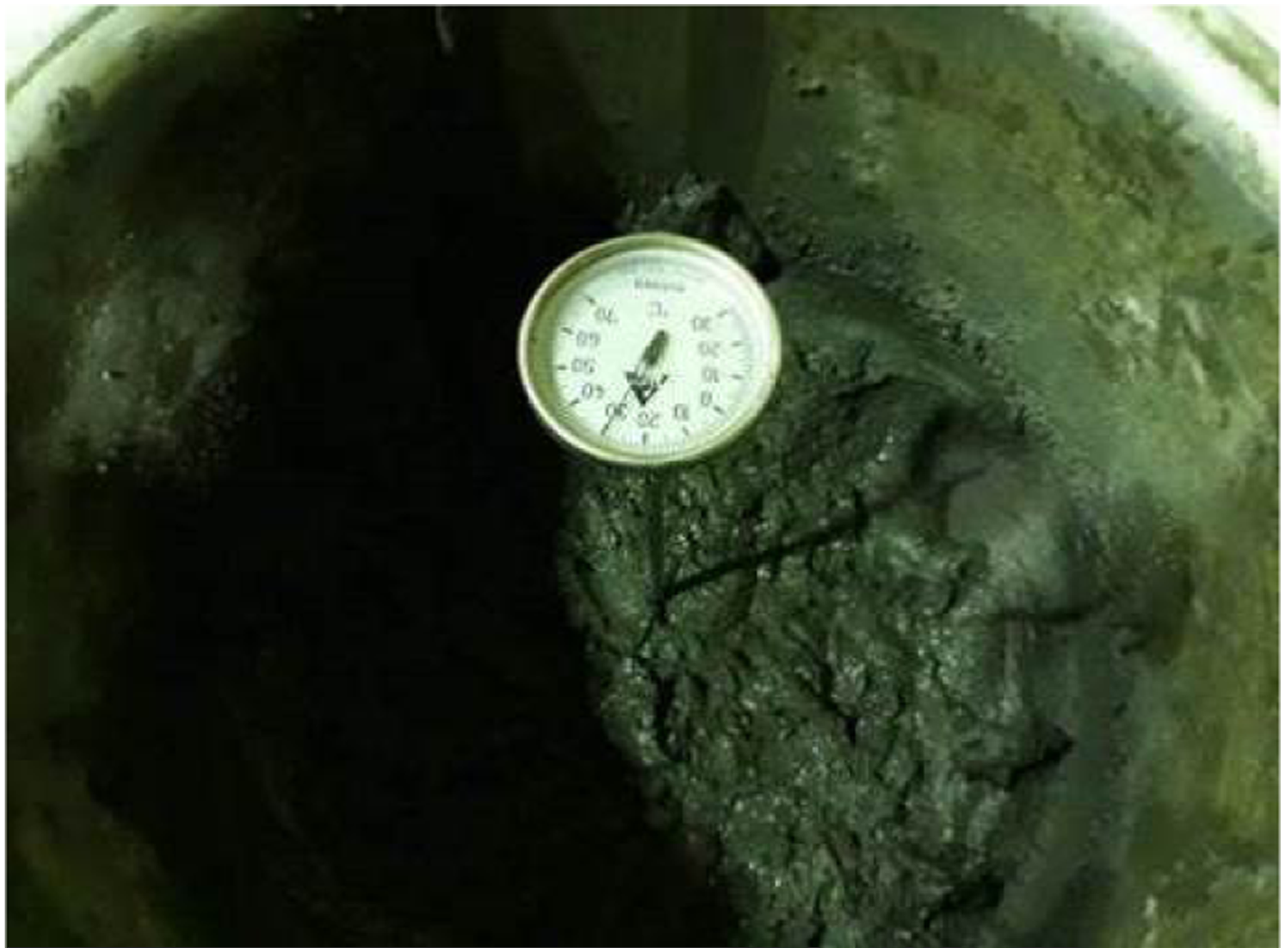
Concrete workability
The workability indicates the homogeneity, cohesion, and ease of flow of freshly mixed concrete before the setting occurs for desired working conditions. As per ASTM C1437,
45
the flow table test (depicted in Figure 8(a)) is used to assess workability. According to Figure 8(b), the slump-flow diameter of the mixture measured 167 mm. Flow table test.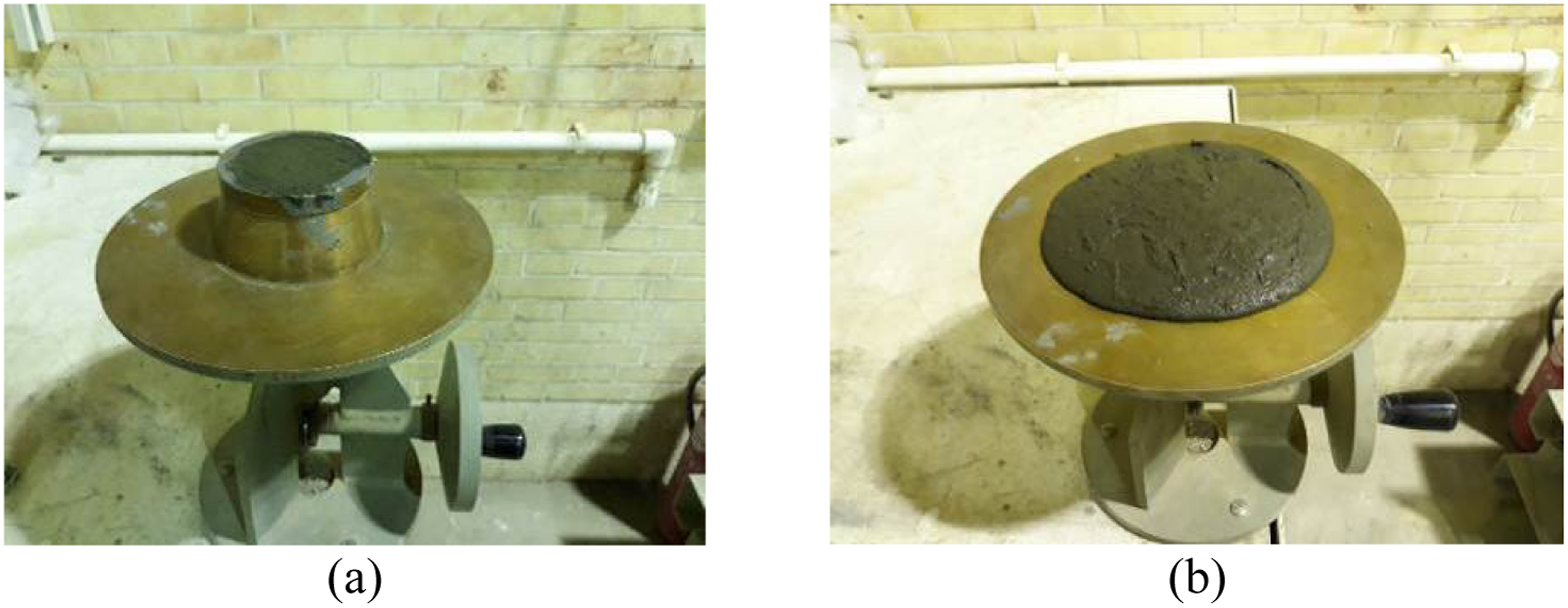
Compressive strength
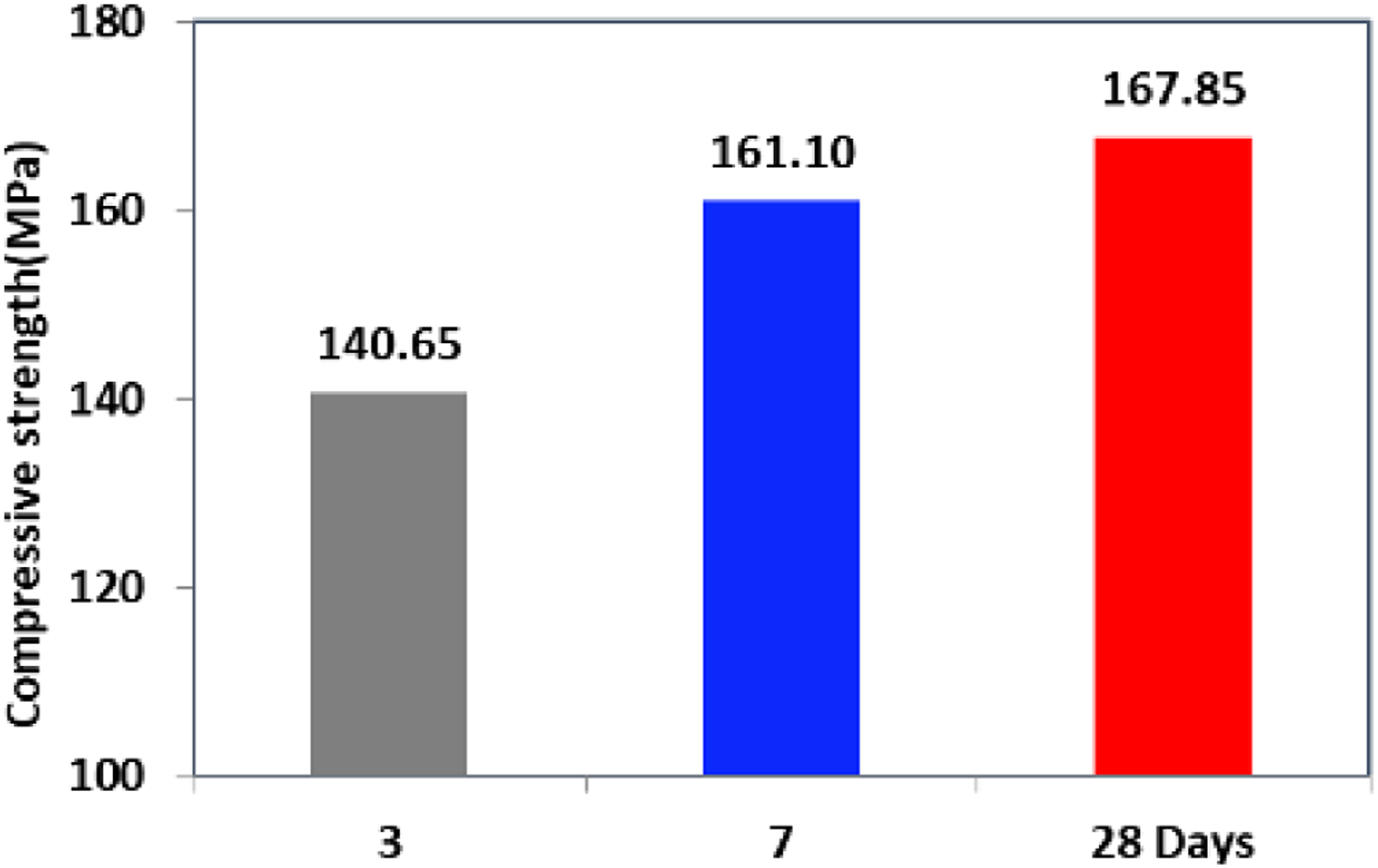
The compressive strength test is crucial as it demonstrates the concrete’s ability to withstand loads before failing, and also allows for the evaluation of the concrete’s strength progression at different ages. The compressive strength test was conducted at 3, 7, and 28 days following the BS EN 12390-3
46
standard. Figure 9 depicts a digital compressive and flexural strength testing machine manufactured by Matest Co., with a load capacity of 3000 kN. According to Figure 10, the average compressive strength after 28 days of curing was 167.85 MPa, obtained from three cubic specimens measuring 50 × 50 × 50 mm. The test apparatus compressive and flexural strength. Variation of compressive strength.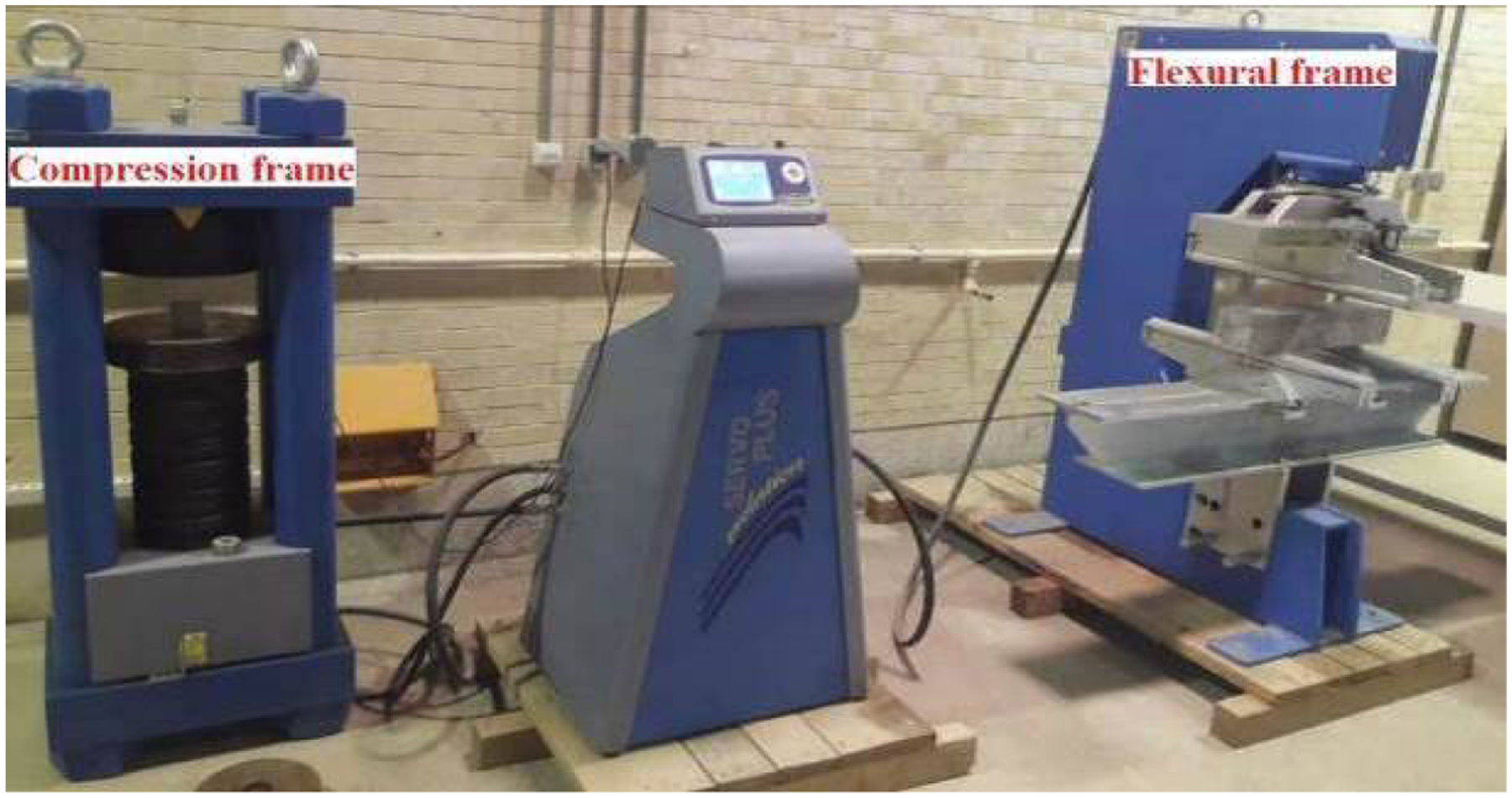
Flexural strength
As we know, concrete has good compressive strength but lacks proper tensile strength.
47
Researchers have been trying to increase the tensile strength of concrete by using various materials such as steel bars, fibres, and FRP bars and sheets. Figure 11 depicts the schematic of the flexural testing apparatus for the third-point loading method, which is utilized to assess the flexural capacity of rectangular RPC specimens measuring 100 × 100 × 450 mm in accordance with the ASTM C78
48
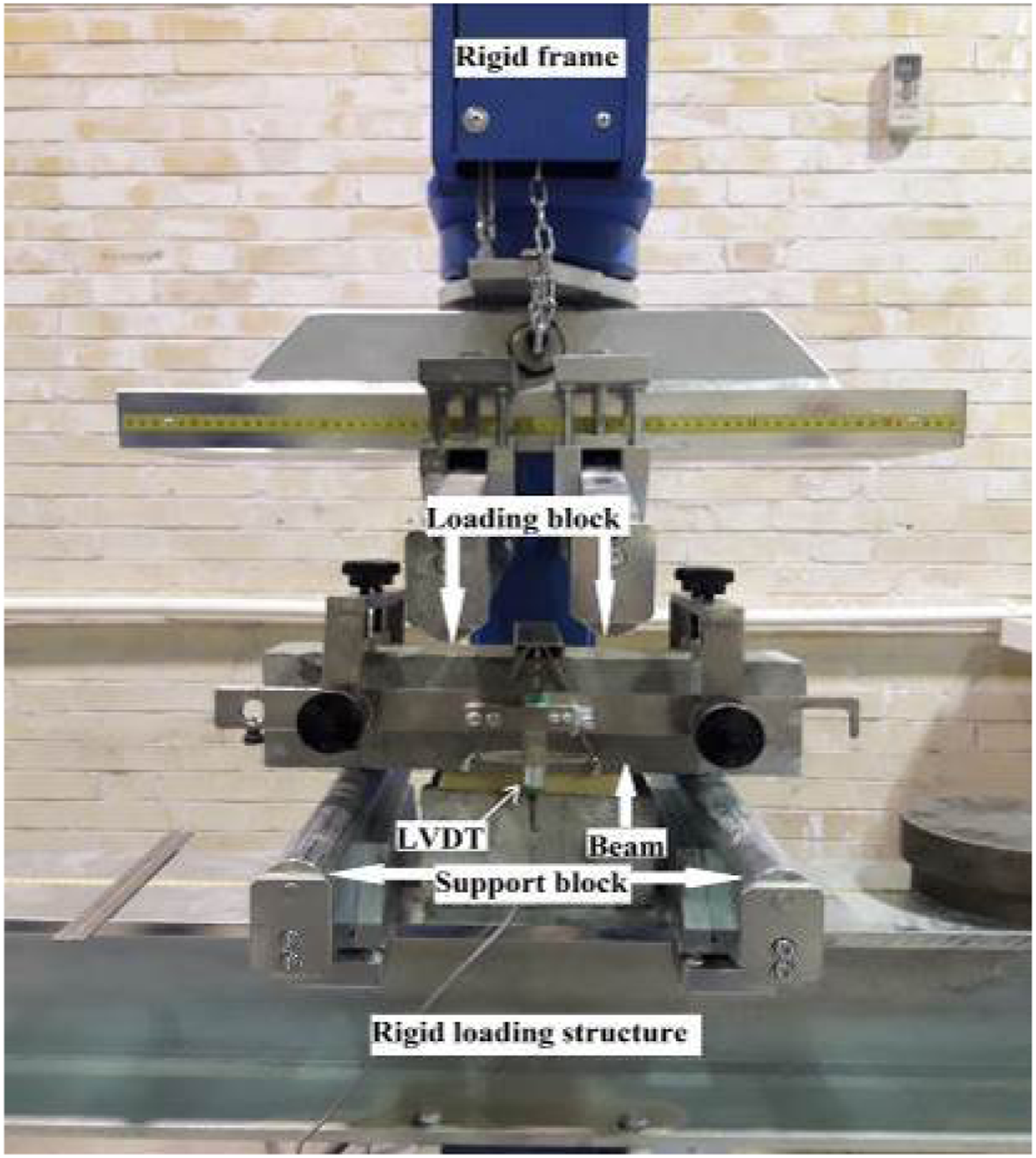
standard. The vertical load was applied to the top of the beam and also two linear variable displacement transducers (LVDTs) were used to monitor vertical displacements at the mid-span of the beams, as shown Figure 12. Schematic of flexural testing apparatus.
48
. Loading view and position of LVDTs on the RPC beam.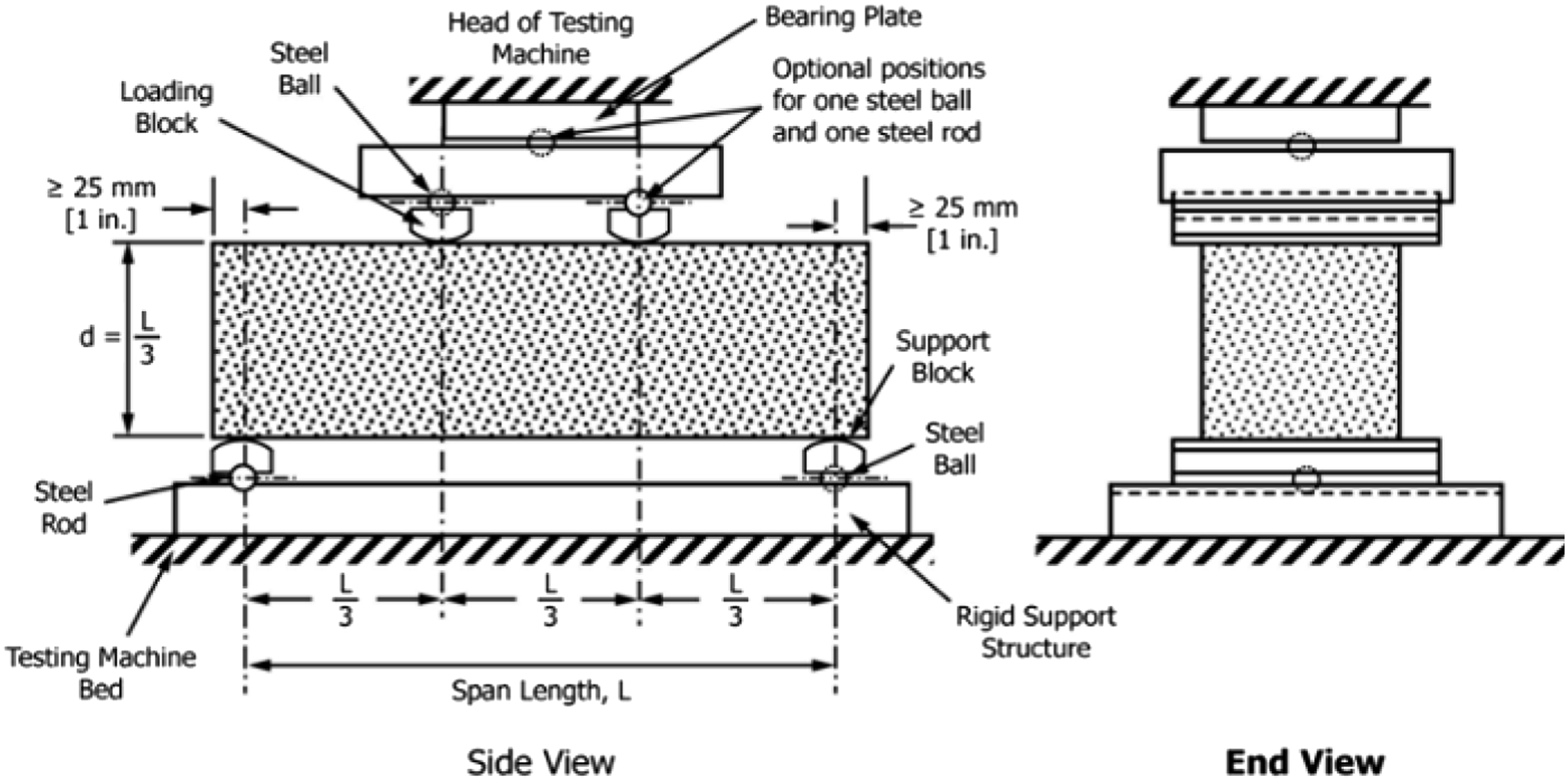
Experimental observations
This section outlines the crack pattern and failure modes of the six beams subjected to lateral loads.
Control concrete beams (CCB1 & CCB2)
Figure 13(a) delineates the vertical crack morphology observed in the CCB1 and CCB2 specimens at the failure juncture. Both specimens demonstrated a congruent failure mechanism, characterized by a predominantly elastic response until the occurrence of an abrupt, brittle fracture. The principal crack located at mid-span, oriented perpendicularly to the tensile stress induced by the flexural moment, substantiates that the stress surpassed the tensile strength of the concrete, thereby signifying a bending failure mode. Such brittle failure is emblematic and anticipated in unreinforced beams, providing a crucial reference point for comparison with both: (1) the ductile response of steel-reinforced concrete beams, and (2) the failure characteristics and enhanced ductility manifested by the FRP-strengthened beams. The comparative evaluation of these disparate failure modes establishes a basis for quantitatively appraising the efficacy of various reinforcement and composite systems in augmenting displacement capacity, energy dissipation, and crack propagation. Damage and crack pattern of beams.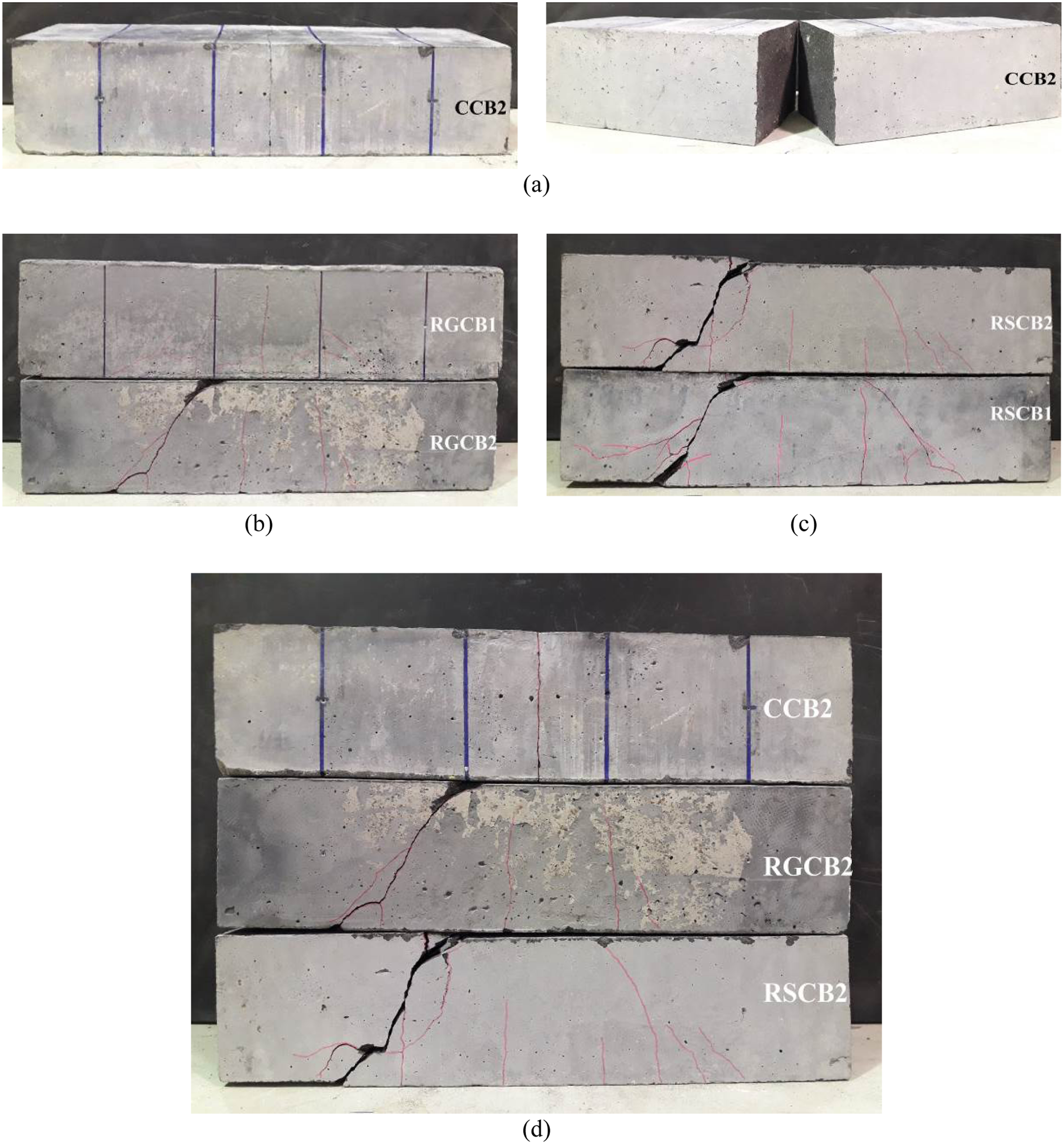
GFRP-reinforced concrete beams (RGCB1 & RGCB2)
Figure 13(b) delineates the intricate failure mechanisms identified in the RGCB1 and RGCB2 specimens. Both experimental specimens initially exhibited characteristics indicative of flexural failure, which were manifested through vertical cracking patterns concentrated in the mid-span region as a result of applied lateral loading. Nevertheless, as the loading intensity increased, distinct behavioral divergences became apparent. Whereas RGCB1 predominantly sustained a flexural response, RGCB2 exhibited a transitional failure mode, as evidenced by the emergence of substantial diagonal cracking within the left shear span. This phenomenon was further characterized by progressive crack widening and the eventual occurrence of concrete crushing within the compression zone, suggesting a transition from a purely flexural failure mechanism towards a combined flexural-shear failure paradigm.
Steel-reinforced concrete beams (RSCB1 & RSCB2)
A classical ductile failure mechanism was consistently identified in the RSCB1 and RSCB2 specimens (Figure 13(c)). The sequence of failure commenced with the emergence of flexural cracking at the midspan, thereby affirming the anticipated response in which the tensile strength of the concrete was surpassed. As the lateral load intensified, this was succeeded by the manifestation of distributed diagonal shear cracks and the subsequent enlargement of a critical diagonal crack within the left shear span. The failure mode was conclusively characterized by the crushing of the concrete compression zone at the ultimate state. This progressive sequence of damage, commencing with initial flexural cracking, advancing through the formation of shear cracks, and culminating in compressive failure, serves as an exemplary model of desirable ductile flexural shear failure. It establishes a pivotal performance standard for ductility and energy dissipation, against which the more brittle failure modes of the GFRP reinforced specimens may be juxtaposed. Such a comparison is essential for assessing the ramifications of employing brittle reinforcement in the context of seismic resistant design.
Load–displacement curve
Load-deflection curves of the CCB (control concrete beams CCB1 and CCB2) and the reinforced beams (RGCB1, RGCB2, RSCB1 and RSCB2) are discussed in this section.
Control concrete beams (CCB1 & CCB2)
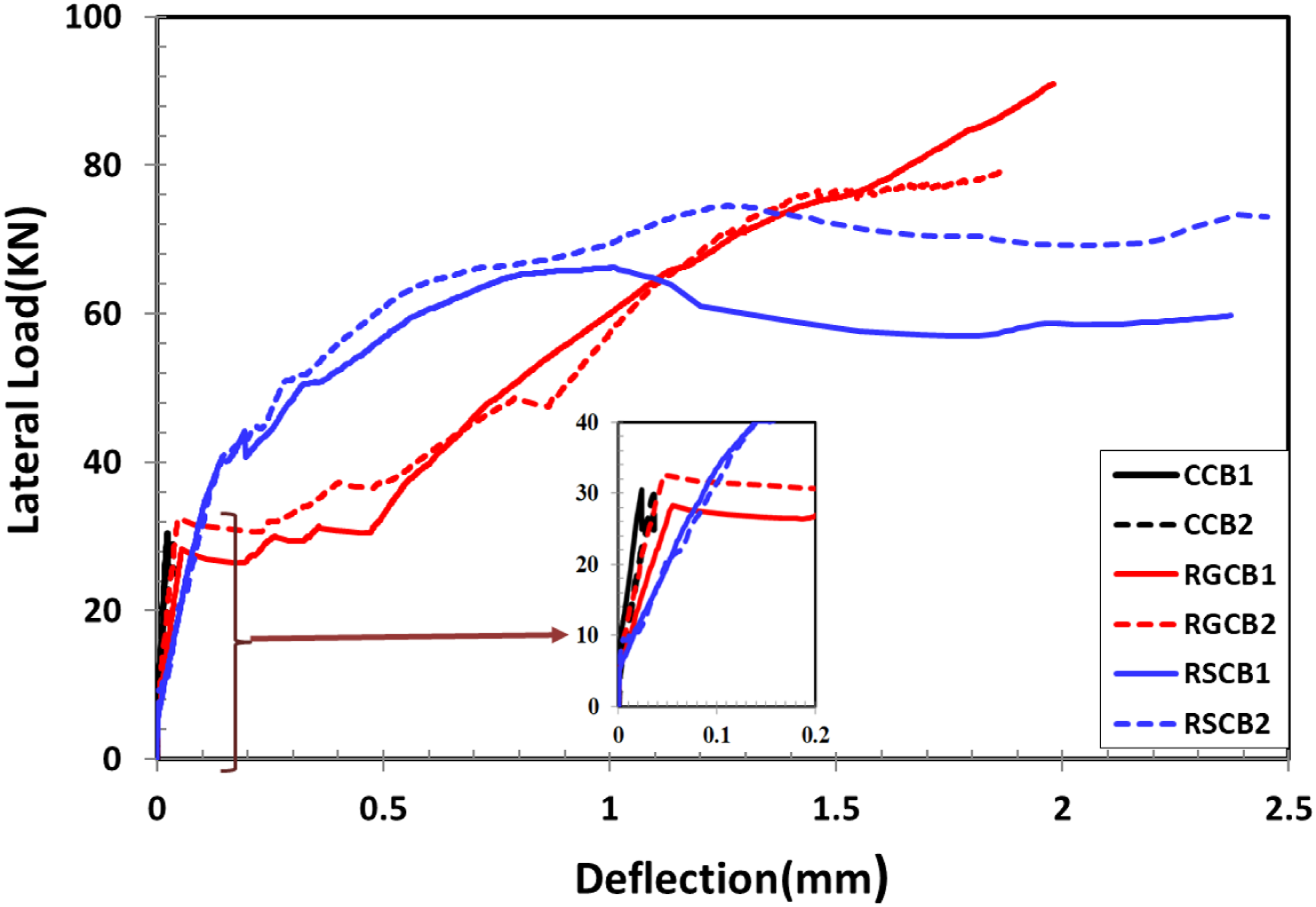
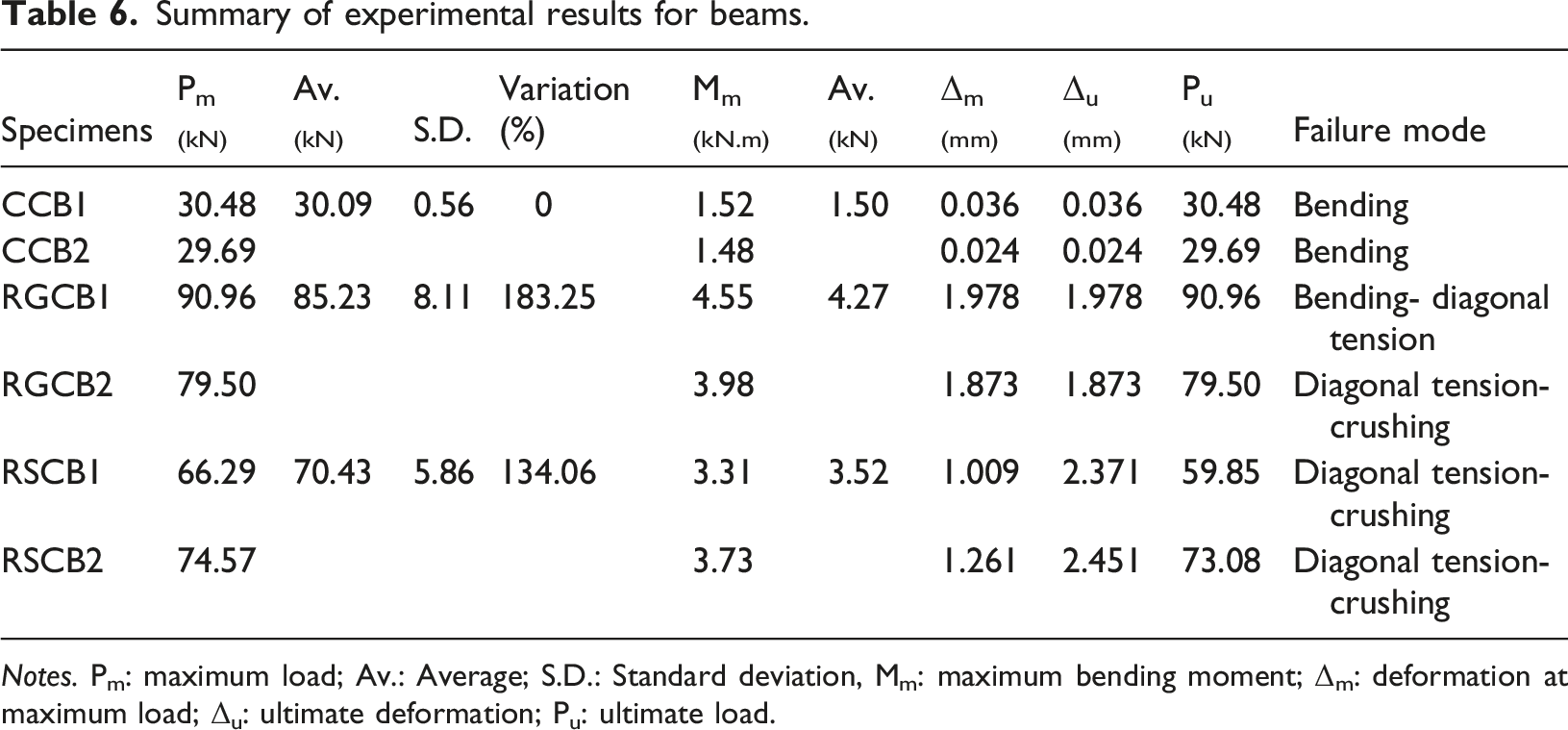
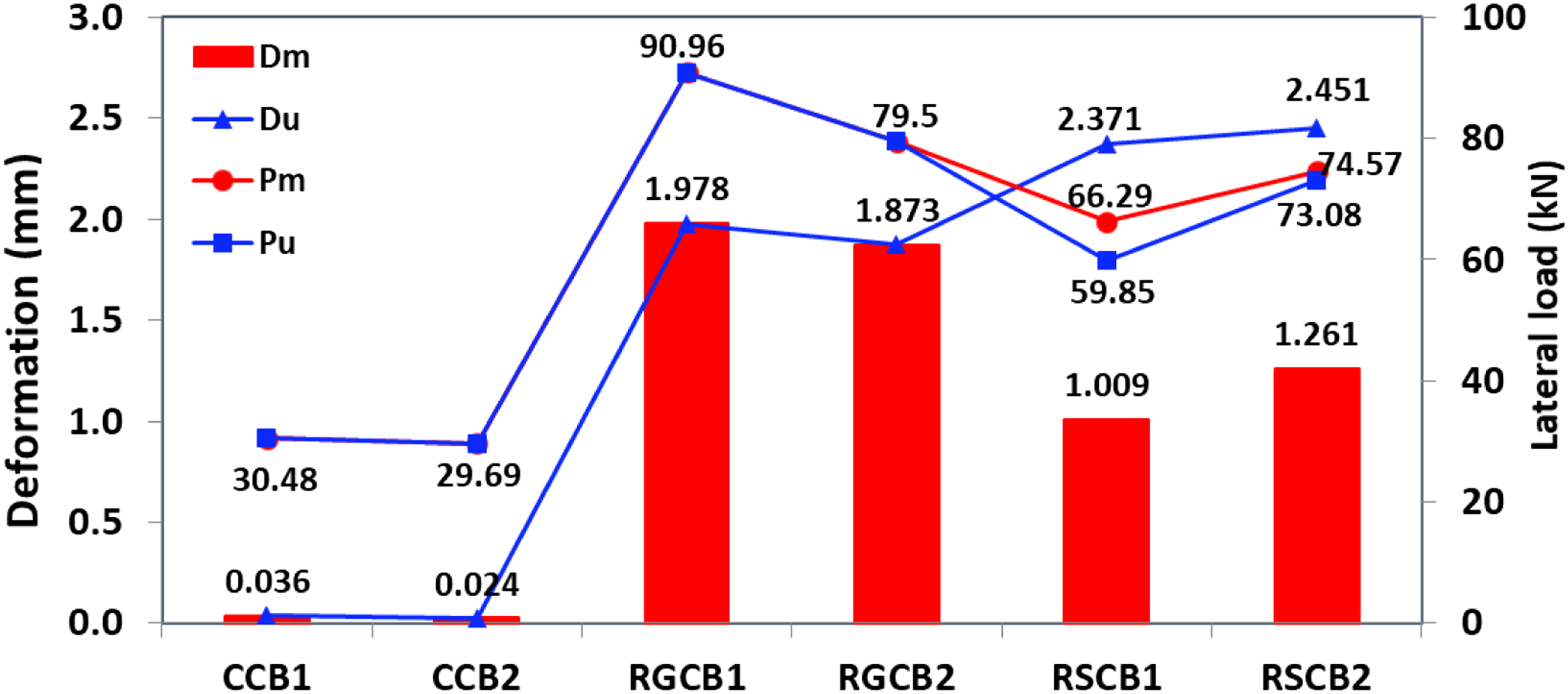
Figure 14 and Table 6 show mid-span load-deflection curves and experimental results for CCBs under third-point flexural loads after 28 days of curing, respectively. The load-deflection curves of both specimens are generally similar. The maximum load carried by specimens CCB1 and CCB2 was 30.48 kN and 29.69 kN, showing a negligible difference of about 2.66%. Moreover, the maximum deflection of the beams at the mid-span was 0.036 mm and 0.024 mm for CCB1 and CCB2, respectively, see in Figure 15. The fragile nature and extremely low flexural strength of concrete is evident from the mid-span load-deflection curves shown in Figure 14. The buckling capacity from external lateral load for these concrete beams is determined by equation (5). Thus, the bending moment capacity of CCB1 and CCB2 specimens is 1.52 kN.m and 1.48 kN.m, respectively, as indicated in Table 6. Mid-span load-deflection curves of beams. Summary of experimental results for beams. Notes. Pm: maximum load; Av.: Average; S.D.: Standard deviation, Mm: maximum bending moment; Δm: deformation at maximum load; Δu: ultimate deformation; Pu: ultimate load. Relation between load and deflection of beams.
GFRP-reinforced concrete beams (RGCB1 & RGCB2)
Figure 14 depicts the load–deflection curves for the RGCB1 and RGCB2 specimens. Their maximum lateral loads were 90.96 kN and 79.50 kN, respectively, indicating a difference of about 14.42%, as shown in Figure 15. Compared to the CCB specimens, the rigidity (modulus of elasticity) of the RGCB specimens decreased during initial deflection; the mid-span deformation growth trend of the RGCB specimens increased under the load, indicating an increase in ductility of the RGCB specimens. The average peak flexural load capacity of RGCB specimens is 183.25% higher than that of CCB specimens. Based on equation (1), the bending capacity of RGCB1 and RGCB2 samples is calculated as 4.55 kN.m and 3.98 kN.m, respectively. Compared to CCB, the bending moment increased. Therefore, GFRP bars can effectively enhance the bending capacity of concrete structures. Table 6 depicts the maximum deflection of the beams at the mid-span for RGCB1 and RGCB2 specimens, which are 1.978 mm and 1.873 mm, respectively.
Steel-reinforced concrete beams (RSCB1 & RSCB2)
In both reinforced concrete beams, a largely similar load-deflection curve was observed, as shown in Figure 14. Table 6 and Figure 15 show that specimens RSCB1 and RSCB2 experienced maximum lateral loads of 66.29 kN and 74.57 kN, respectively, representing a difference of approximately 12.49%. The maximum loads were observed at 1.009 mm and 1.261 mm deflection for RSCB1 and RSCB2 specimens, respectively. The RSCB specimens show maximum loads before reaching ultimate deflection, indicating greater ductility compared to CCB and RGCB specimens. Additionally, steel bars display more ductility than GFRP bars, leading to improved bond with concrete and preventing brittle behavior. RSCB specimens showed over 134.06% higher average peak flexural load capacity compared to CCB specimens. Therefore, the bending moment capacity of beams reinforced with steel bars is more than CCB, as shown in Table 6. The ultimate deflection was 2.371 mm for RSCB1 and 2.451 mm for RSCB2. The RSCB specimens exhibited greater deformation than RGCBs, but had a smaller maximum load.
Fundamental differences in bar-concrete interfacial bond: Steel versus GFRP
The bonding mechanism at the interface between bars and concrete serves as a critical determinant influencing the composite behavior in reinforced concrete structures. This bond is predominantly established through three primary mechanisms: chemical adhesion, frictional resistance, and mechanical interlock facilitated by the intrinsic surface ribs.49,50 In the context of steel bars, these three elements are further enhanced by their elevated modulus of elasticity and ductile characteristics, ensuring that deformation remains compatible with the surrounding concrete when subjected to service loads. This interaction results in a well-distributed pattern of cracking characterized by a multitude of fine fissures. This phenomenon is clearly visible in the provided image of the RSCB and RGCB specimens (Figure 13(d)), where the steel-reinforced beam exhibits significantly finer and more numerous cracks compared to the GFRP-reinforced beam. Thus, the bond performance of GFRP bars is inherently disparate from that of steel bars, as they typically manifest lower bond strength.51–53
Consequently, a range of methodologies has been devised to enhance the bonding of GFRP bars with concrete. These strategies encompass the utilization of mechanical steel anchors (such as the installation of steel rings or clamps), various techniques for surface preparation including sand coating, the application of spirally wound ribs on the bar surface, and ultimately, the integration of hooked-end steel fibers and polypropylene fibers within the concrete matrix.49,50,53,54
Theoretical study on flexural bearing capacities
This section predicts the bending strength of concrete beams in three states: without reinforcement (CCB), reinforced with steel bars (RSCB), and GFRP bars (RGCB), using established standard codes such as, ACI 363R, ACI 440.1 R and ACI 318.
Control concrete beams (CCB1 & CCB2)
Summary of experimental results for beams.
Notes. E: Energy absorption at end of test.
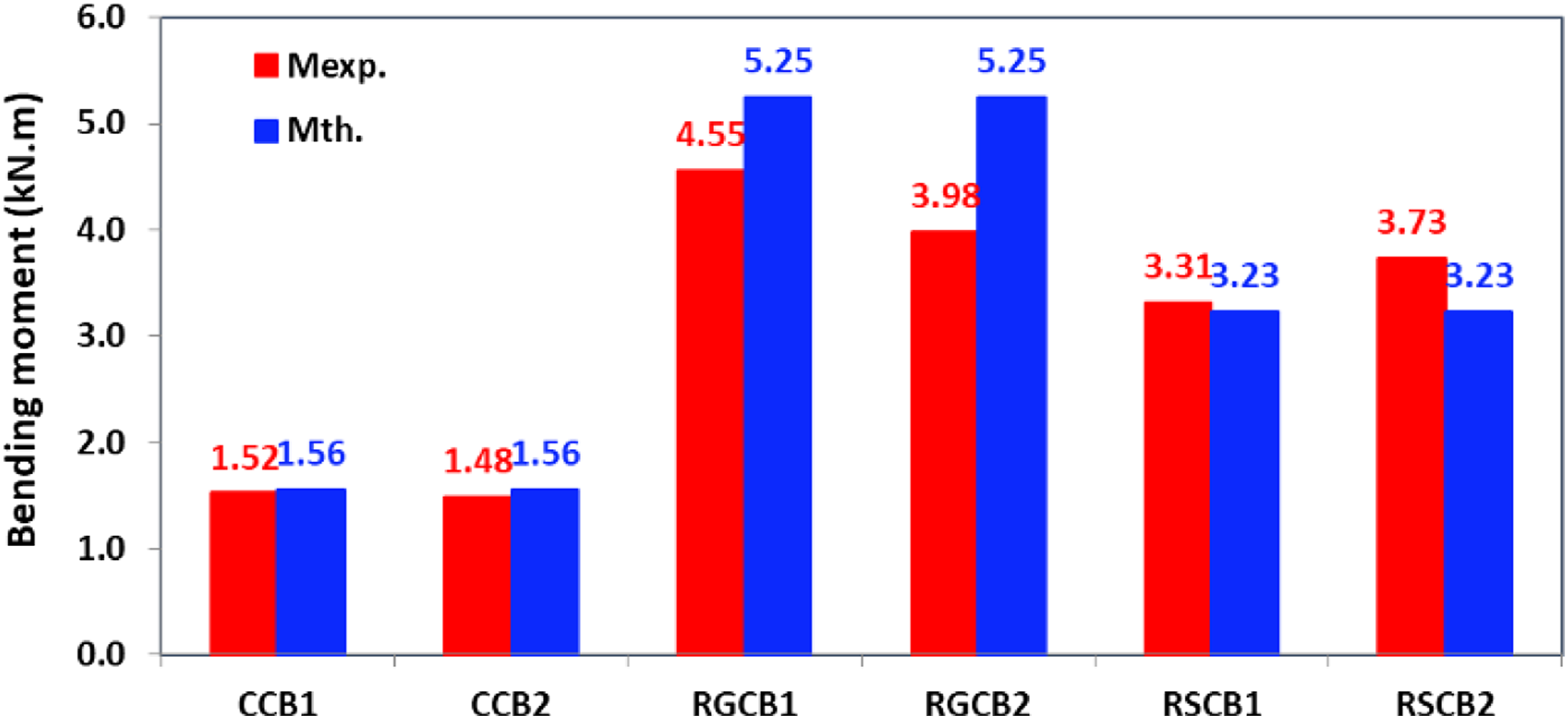
Experimental versus theoretical bending moment capacity.
This experimental validation for the modulus of rupture directly supports the accuracy of the bending moment predictions for the CCB1 and CCB2 specimens, as graphically summarized in Figure 16. The ratio of the experimental to theoretical bending moment (Mexp/Mth) for these specimens was 0.97 and 0.95, respectively, yielding a mean value of 0.96. This excellent agreement confirms that the provisions of ACI 363R are not only reliable for estimating the modulus of rupture but also provide a highly accurate prediction of the ultimate flexural capacity for unreinforced concrete beams, establishing a solid baseline for the subsequent analysis of the reinforced beams.


GFRP-reinforced concrete beams (RGCB1 & RGCB2)
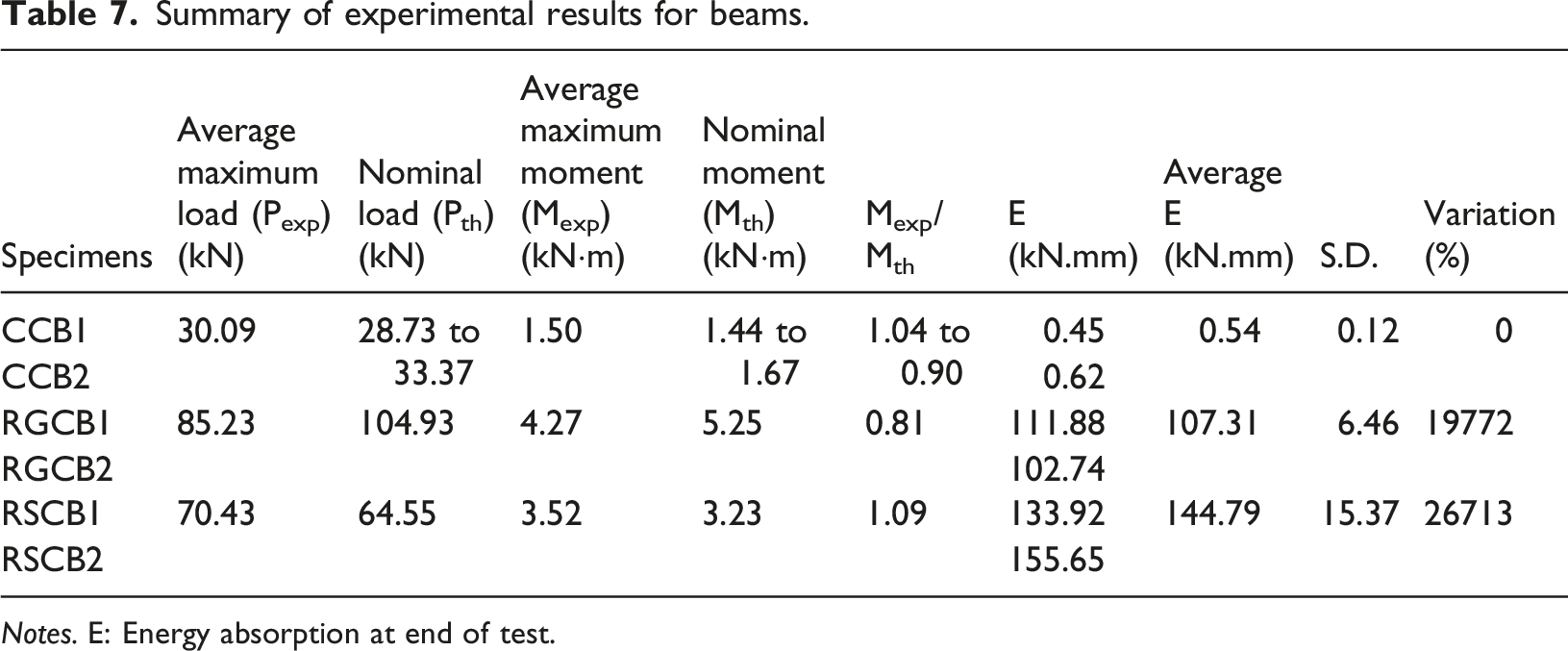
The design code ACI 440.1 R 56 was utilized for evaluating the appropriateness of GFRP-reinforced concrete. This code provides a technique for converting the stress distribution of concrete into an equivalent rectangular shape to simplify calculation and define nominal moment. Equations (5)–(8) demonstrate the process of calculating the design nominal moment (Mn) according to ACI 440.1 R, see Figure 16. Table 7 lists the comparison between the experimental and calculated values of load. From Table 7, the calculation results of ACI 440.1 R for the maximum moment of beams was 19%, larger than the experimental results.
Consequently, the predictive performance of the ACI 440.1 R code for the GFRP-reinforced beams (RGCB) is revealed in Figure 16. The ratio of experimental to theoretical moment capacity (Mexp/Mth) for specimens RGCB1 and RGCB2 was 0.87 and 0.76, respectively, resulting in a mean value of 0.81. This systematic and significant deviation from a safe prediction clearly indicates that the current code provisions are non-conservative for this class of beams. The discrepancy likely stems from the code’s inability to fully capture the unique material behavior of GFRP bars, particularly in terms of bond-slip mechanisms and the distinct tensile strain limits compared to steel reinforcement, leading to an overestimation of the flexural capacity.



Steel-reinforced concrete beams (RSCB1 & RSCB2)
The incorporation of steel bars in concrete structures has been widespread. Consequently, various standards, including ACI 318, 57 have established crucial guidelines for design. In this investigation, which centers on the application of high-strength reactive powder concrete, the nominal bending strength of these concrete beams was calculated using Eqs. 9 to 11 and then compared with experimental values, see Figure 16. The results, as illustrated in Table 7, reveal that the experimental bending strength exceeds the nominal bending strength by 9%.
This favorable comparison is further substantiated by the data presented in Figure 16. The ratio of experimental to theoretical moment (Mexp/Mth) for the steel-reinforced reactive powder concrete beams (RSCB1 and RSCB2) was 1.03 and 1.16, respectively, yielding a mean value of 1.09. This result signifies that the design approach outlined in ACI 318 provides an accurate and reliably conservative prediction for the flexural capacity of high-strength concrete beams reinforced with steel bars. The slight overestimation of experimental capacity aligns with the fundamental principles of ultimate strength design, which intentionally incorporate a margin of safety, confirming the suitability of the code for this advanced composite material.


Energy absorption
The capacity for energy absorption, as determined by the area beneath the load-deflection curve according to equation (12), serves as a pivotal metric for assessing structural ductility and resilience to failure. The findings, encapsulated in Table 7, indicate a significant augmentation of this property in the reinforced beam specimens. Beams that incorporated steel reinforcement (RSCB) and GFRP reinforcement (RGCB) demonstrated energy absorption levels that were several orders of magnitude superior to those of the unreinforced control beams (CCB). This substantial enhancement, averaging 23242%, highlights the critical importance of tensile reinforcement in activating the ductile potential of the material. Moreover, a comparative analysis of the reinforced beams reveals that the steel-reinforced specimens (RSCB) absorbed 34.93% more energy than their GFRP-reinforced counterparts (RGCB). This significant observation implies that, although both reinforcement systems yield considerable ductility, the intrinsic material properties of steel, including its discernible yield point and enhanced strain capacity, may facilitate a more effective and energy-dissipative structural response when subjected to ultimate loading scenarios.
Conclusions
This paper examines the experimental and theoretical flexural behavior of RPC beams. A total of six RPC beams were tested: two reinforced with GFRP bars, two reinforced with steel bars, and two without reinforcement. The beams were subjected to lateral load. For the tested beams, it has been observed that the use of steel and GFRP bars in RPC beams, • The RPC beams reinforced with steel and GFRP bars exhibited 134.06% and 183.25% higher lateral loads, respectively, compared to the control RPC beam under similar conditions. Additionally, GFRP bars demonstrated a notable enhancement in lateral load capacity when compared to steel bars. • The ultimate deflection of RPC beams reinforced with steel and GFRP bars were 80.4 and 64.3 times greater than that of the control RPC beam. • Energy absorption, a characteristic of ductility, has increased significantly, with values rising from 198.7 times for GFRP bars reinforced beams to 268.1 times for steel bars reinforced beams. • Both steel and GFRP bars changed the failure mode of RPC beams from bending to a combination of diagonal tension and crushing concrete. • The experimental-to-theoretical bending moment ratio (Mexp/Mth) varied significantly across beam types. The mean ratio was 0.96 for conventional concrete beams (CCB), 1.09 for steel-reinforced RPC beams (RSCB), but only 0.81 for GFRP-reinforced beams (RGCB). This demonstrates the reliability of ACI codes for steel reinforcement but reveals a non-conservative for GFRP bars.
Footnotes

Funding
The authors received no financial support for the research, authorship, and/or publication of this article.
Declaration of conflicting interests
The authors declared no potential conflicts of interest with respect to the research, authorship, and/or publication of this article.
Data Availability Statement
All data generated or analyzed during this study are included in this published article.