







Abstract
Education is fundamental to learning and is a pre-requisite for development. It is also imperative for sustained growth and development of a nation. There is still a long way to go for India in achieving Goal 4 and 5 of the UN Sustainable Development Goals quality education and gender equality by 2030. Despite several government initiatives and literacy programmes, a gender gap in literacy of 17% still persists. A collective effort is required to address these gaps , as women constitute two-thirds of the illiterate population in India. The present study has been conducted to assess the outcome of an adult literacy programme ‘Each One Enable One’ by undergraduate students at a college of the University of Delhi, targeted at women from poor socio-economic backgrounds residing in the neighbourhood of students. The study was conducted across 11 districts of Delhi, the Capital city of India, using a sample of 150 women. The results have revealed that literacy programme led to statistically significant gains in the overall literacy scores of women in Reading, Writing and Arithmetic and enhanced self-confidence of women. The study has highlighted the positive outcome of the Each One Enable One Program and has provided evidence for the need to upscale such initiatives.
Keywords
It is impossible to think about the welfare of the world unless the condition of women is improved. It is impossible for a bird to fly on only one wing. – Swami Vivekananda
Introduction
Literacy is one of the most essential indicators of the quality of life of a country. It can be defined as the ability to read and write by an individual. United Nations Educational, Scientific and Cultural Organization (UNESCO) has defined a literate person as, ‘the one who can with understanding both read and write a short simple statement relevant to his everyday life.’ The National Literacy Mission (NLM) initiated by the Government of India in 1988 defines literacy as, ‘acquiring the skills of reading, writing and arithmetic upto a defined level and the ability to apply the same to one's day-to-day life.’
Literacy scenario in India
Literacy is the one of the most important pillars of social and economic growth of all nations including India. The Census of India is entrusted the responsibility of quantifying the literate population every 10 years for the entire country, states and union territories and at smaller spatial scales. Any person aged seven and above, who can both write and read with understanding in any language is considered as a literate (Census of India, 2011). When India became independent in 1947, the female literacy rate was a mere 9% and the overall literacy rate was placed at 12%. Since then, tremendous progress has taken place across India. The literacy rate in India has increased from as low as 18% in the year 1951 to almost 74% in 2011. Despite making considerable strides in improving literacy, India ironically still has the highest percentage of illiterate population. Globally, out of 775 million adult illiterates, 37% are in India (UNESCO, 2012). India continues to be home to 313 million illiterate people who cannot even read and write a simple sentence in any language (Chandra, 2019). Women account for a large chunk (59%) of this illiterate population. This is because despite achievements in literacy, the gains arising thereof are diminished by the high rates of population growth.
Though India is considered as one of emerging global super powers, it is ranked poorly in literacy rate and occupies 123rd position out of 160 countries in world. (bymap.org.) In terms of human development index, which includes knowledge/education as one of its components, India occupies 129th position with a rank of 0.640 indicating that India is still lagging behind in terms of education related indicators (United Nations Development Programme, 2019). As per the Legatum Prosperity Index, 2020, which depicts overall quality of life in a country based on several factors including education, India lags behind several developing nations with a rank of 101 out of 142 countries (Legatum Institute, 2020). It is well accepted that illiteracy leads to poverty as well as poorer status of women in society. It is also a causative factor of several evils in society such as female foeticide, unemployment, domestic violence, child labour and child marriages (Brahmapurkar, 2017; Singh, 2015; Martinez & Fernandez, 2010).
Besides high levels of illiteracy, the other problems faced by the Indian education system are low rates of enrolment at secondary and tertiary levels, unequal access to quality education, unrealistic and ambitious curriculum especially for disadvantaged students, poor quality of infrastructure, overcrowded classrooms, absenteeism among teachers coupled with insanitary conditions (Bandhopadhyay, 2016; Krishna, 2017; Singh, 2018). A study conducted in 2010 by the National Council for Teacher Education estimated that 40% of the classrooms had more than 30 students, over 60% did not have any electricity and over 21% teachers were not professionally trained. As low as five per cent of government schools complied with all the basic standards and infrastructure norms set by the Right to Education Act. An estimated 1.2 million additional teachers were needed to fulfil the requirements under the Act (Young lives, 2013). Despite a lot of work been done to improve the state of education in India, we are still a long way off from attaining standards comparable to other developed nations. This indicates that India is still a long way from achieving Goal numbers 4 and 5 of the UN Sustainable Development Goals (SDGs) of quality education including lifelong learning opportunities for all and gender equality by 2030.
The state of women’s education
“If you educate a man, you educate an individual however if you educate a woman, you educate a whole family.
An African proverb
It is often said that poor women bear the dual burden of being poor as well as of being a woman. Mahatma Gandhi, the father of Indian nation had once said, ‘If you want to judge a country, see the status of its women’. However, since independence, a 16–25% gender gap in literacy has persisted (Figure 1) pointing to the poor status that women have been accorded in society.
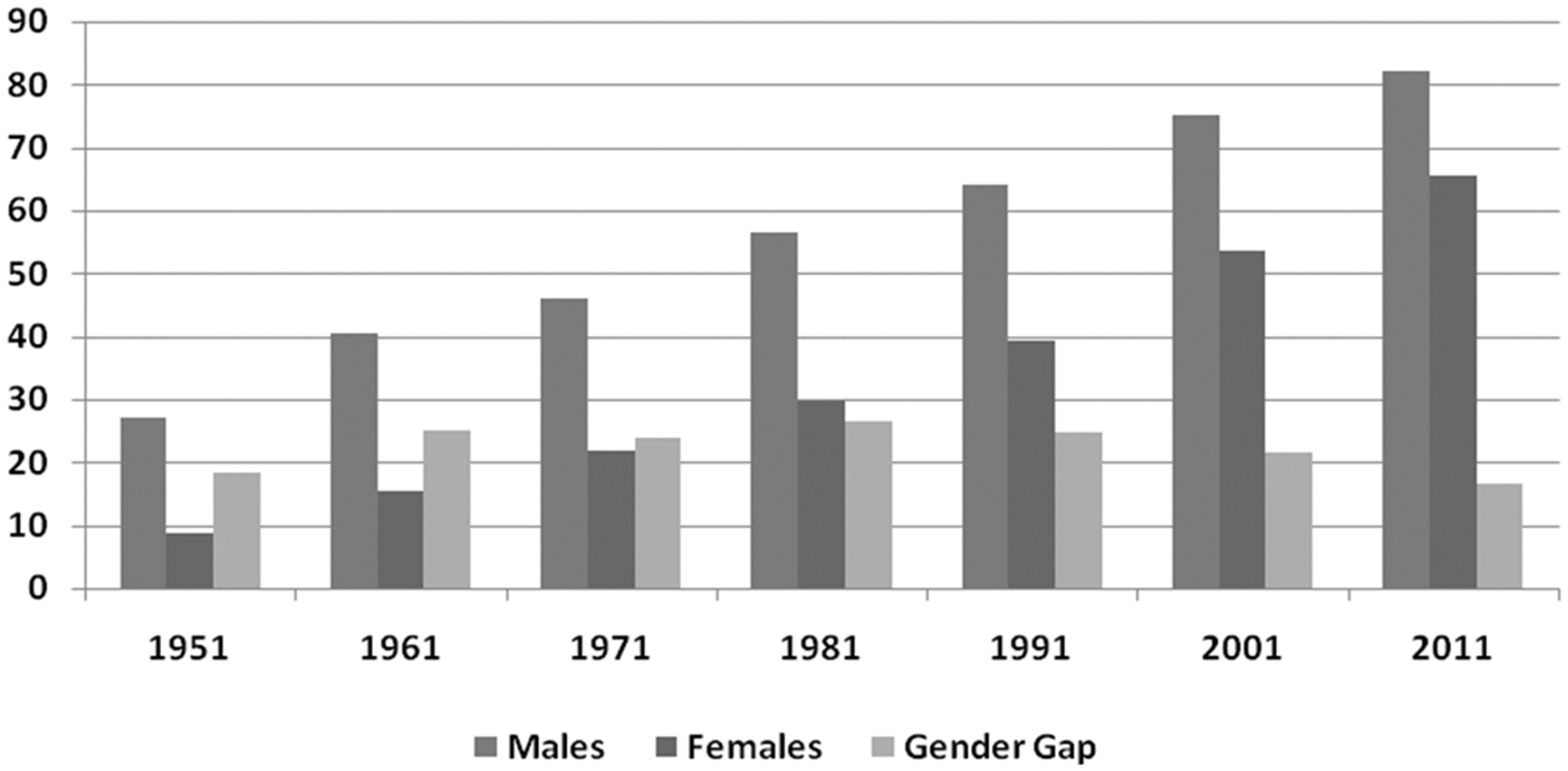
Literacy trends among males and females in India (1951–2011; Census of India, 1951 to 2011).
In 1951, only 25% girls were enrolled in primary school as compared to more than 60% boys. The scenario improved gradually as the Gender Parity Index (GPI or female to male literacy) increased from a mere 0.39 in 1951 to as much as 0.92 in 2015-16. In 2016, the enrolment rates of both girls and boys at primary and secondary level were almost at par, some difference remained only at the tertiary level (MHRD, 2018). The lower level of enrolment of girls prior to 2000 is one of the causes of high illiteracy rates of women in India. However, it has been shown by many studies that despite high enrolment rates of children, regular attendance at school is the missing link, having an adverse impact on education.
Moreover, research has shown that girls often skip school to help their mothers in water and fuel collection as well as for care of the young siblings (Abebaw et al., 2010; Kookana et al., 2016; Moench & Dixit, 2004; Preston, 2012). An estimated 50 million girls are out of school because of the burden of fuel and water collection (UNICEF, 1998). Such deprivation of education has not only lifelong but also inter-generational implications on women who remain dependent and lack skills for gainful employment. Boys too may be disinterested in studies or may take up employment to raise money for the family. In the process, these dropouts remain either illiterate or at best semi-literate.
The National Family Health Survey data have shown that women who are illiterate or have low levels of literacy have high fertility rates, infant and maternal morbidity and mortality rates and suffer from malnutrition and other related health problems and face more violence. Due to low or no literacy, they lack awareness of government initiatives, of their rights and often have to struggle harder to meet their ends. This hampers the progress of the women, their families as well as the entire nation.
Conversely, research studies have shown that high levels of literacy and educational achievements lead to greater development, awareness and empowerment of girls and women (Eldred, 2013; UNESCO, 2016; Warner et al., 2012). Education and consequent empowerment of women remains to be one of the central issues for most developing countries. In order to achieve the SDGs related to education, it is very important not only to remove the social, psychological and cultural barriers in women’s education but pay special attention to develop literacy and other livelihood skills in women who constitute almost 48% of India’s population.
Literacy initiatives in India
To address the issue of illiteracy, the Indian Government has made several initiatives from time to time; the five-year plans have also addressed the issue through educational planning and budgeting. Due emphasis has been given to increasing school enrolment rates, training and recruiting more teachers, enhancing the infrastructure in school besides special programmes. Several adult education programmes have been started from time to time with varying levels of success. These range from Social Education Plan in 1951 to impart social education to people to Farmer’s Functional literacy Program in 1969, Functional Literacy for Adult Women in 1975, National Adult Education Program in 1978 and finally the most prominent programme called the NLM, launched in 1988. The objective of NLM was to impart functional literacy to non-literates in the age group of 15–35 years in a time bound manner.
In 2009, a variant of NLM was launched called Saakshar Bharat Mission (Literate India Mission), with the prime focus on women, which aimed at reducing the gender gap in literacy to 10% by 2017. The programme involves assessment of adult learners through a three hours test conducted in March and August every year. The learners taking the exam are graded at three different levels namely A (60% and above), B (40%–<60%) and C (below 40%). The C graders need to repeat the examination.
Despite implementation of many literacy programmes, the literacy rate of women continues to be rather low placed at 65.46% as compared to 82.14% for males (Census of India, 2011). Since, only Governmental efforts to reduce illiteracy cannot be enough in a country as large as India with a huge population base, efforts by other sectors including NGOs, private sector and individuals are also very important. The present study has been conducted to assess the outcome of an individual based adult education programme termed popularly as ‘Each One Enable One’ (EOEO). Under the programme, students studying at the under-graduate level in the university were trained and engaged to impart literacy skills to illiterate or semi-literate poor women residing in various parts of the capital city. One of the objectives of the study was to assess the outcome of the literacy programme in terms of acquiring of basic literacy skills of 3 Rs by poor and illiterate or semi-literate urban women. Another objective was to analyse if such a programme made an impact on the self-confidence and self-esteem of the learners and what were the barriers faced by women in the entire process of acquiring literacy skills.
Methodology
The study was conducted in the capital city of India, New Delhi with the urban poor girls and women in the age group of 15–35 years. This is considered as the productive age group of individuals in which career related decisions are made by people. The age group is also in line with the target age group of NLM. However, due to constraints in availability of willing learners, in many instances, girls and women beyond the above stated age group had to be included in the study. The selected women lived in slum and slum like settlements across different regions located across all the 11 districts of Delhi. The women selected for the EOEO programme resided in the neighbourhood of the students and will be refereed hereafter as ‘learners’. The literacy skills were imparted by students of the final semester studying at under-graduate level, hereafter referred to as ‘teachers’. The programme was carried out in three phases. The first phase comprised of training the teachers to equip them with principles of Andragogy and how to deal with the adult learners and use the literacy primers or books. The students were introduced to literacy primer – ‘Meri Kitab’ which was developed by State Resource Centre at Jamia Milia Islamia, under the guidelines of Department of Adult Education, Ministry of Human Resource Development, Government of India. The primer comprises of a book with 24 chapters. Each chapter has an exercise at the end and a self-assessment test after every fourth chapter totalling to six tests for the purpose of evaluating the skills of the learner in terms of Reading, Writing and Arithmetic. Further, the first phase also involved selecting a woman learner from disadvantaged socio-economic background in the age group of 15–35 years residing in the neighbourhood of teachers and willing to undertake the literacy training. Effort was made to select learners who were either illiterate or semi-literate as they had dropped out of primary school. The sample for the study comprised of 150 teachers and an equal number of learners.
The second phase comprised of conducting a needs assessment of the leaner using the case study approach wherein communication was established between the teacher and the learner to know about their socio-economic-cultural background, reasons for not going to school or dropping out and the family circumstances as well as barriers faced in education. Based on the needs of individual learners, the teachers developed a schedule for imparting literacy as well as vocational training to their learners. The selected skills were mehndi application, creating best out of waste, beauty culture, specialised cooking, toy making, etc. This was done to keep the interest of the learners alive and break the monotony of the imparting of literacy skills. This phase also involved preparing the learners and their families to participate in the literacy programme by addressing their barriers and hesitations. Finally, the third phase of the study involved pre-test of the learner followed by delivery of the literacy module as well as other vocational or life skills. This module was of 200 hours duration including time allocated to the learner for self-study. This phase also involved post-test and evaluation of the entire teaching learning process using quantitative and qualitative methods.
Tools used for data collection
The data were collected using both, qualitative and quantitative methods. The quantitative data were collected through pre and post literacy skills test (T-6 from the literacy primer) as well an interviewer administered questionnaire whereas the qualitative data were collected through (Focus Group Discussions)FGDs and activity clock. An interview schedule was developed to examine the benefit of the literacy program and the level of satisfaction of the learners. For qualitative data, guidelines for focus group discussion were developed and conducted in the college premises during the literacy fair organised in the college. The fair was used as a platform to meet the learners and interact with them and to examine the learner’s perceptions of their self-confidence, self-worth and the potential of increased income generation due to acquisition of literacy skills. The activity clocks of women were also constructed and analysed. These activity clocks revealed that most women had 2–3 leisure hours in a day which they could devote to gaining literacy skills if they so desired. The women were made aware of this fact so that they did not perceive lack of time as a barrier to undertaking literacy training. It is important to mention that the entire teaching–learning process was monitored by the faculty members of the Department of Development Communication and Extension in the college (Institute of Home Economics, University of Delhi) on a weekly basis.
Results and discussions
Profile of the learners
The learners for the EOEO programme were selected by the teachers following the neighbourhood approach. This involved selecting a learner living in the vicinity of the teacher’s house to facilitate imparting literacy in terms of a suitable place for interaction as well as to permit some flexibility in timing of interaction. This was a formidable task as many women who were contacted refused to participate in the programme citing lack of time and need of literacy in their lives. Many women and girls as well as their families needed to be persuaded to join the programme by making them aware of the benefits of the EOEO programme. A profile of the 150 selected women has been presented here:
An analysis of the age profile of the respondents highlighted that a large majority of the respondents (61%) were in the age group of 16–35 years since this was the preferred age group for the study. However, as already mentioned, this age group was expanded to include women below 15 and above 35 years (Figure 2). About 20% of learners were out of school children aged below 15 years while 18% women were aged 36 years and above. The diversity in age groups in the sample represent milestones of important stages and achievements in the life cycle of women and enabled to study the between age and performance in literacy and skill development.
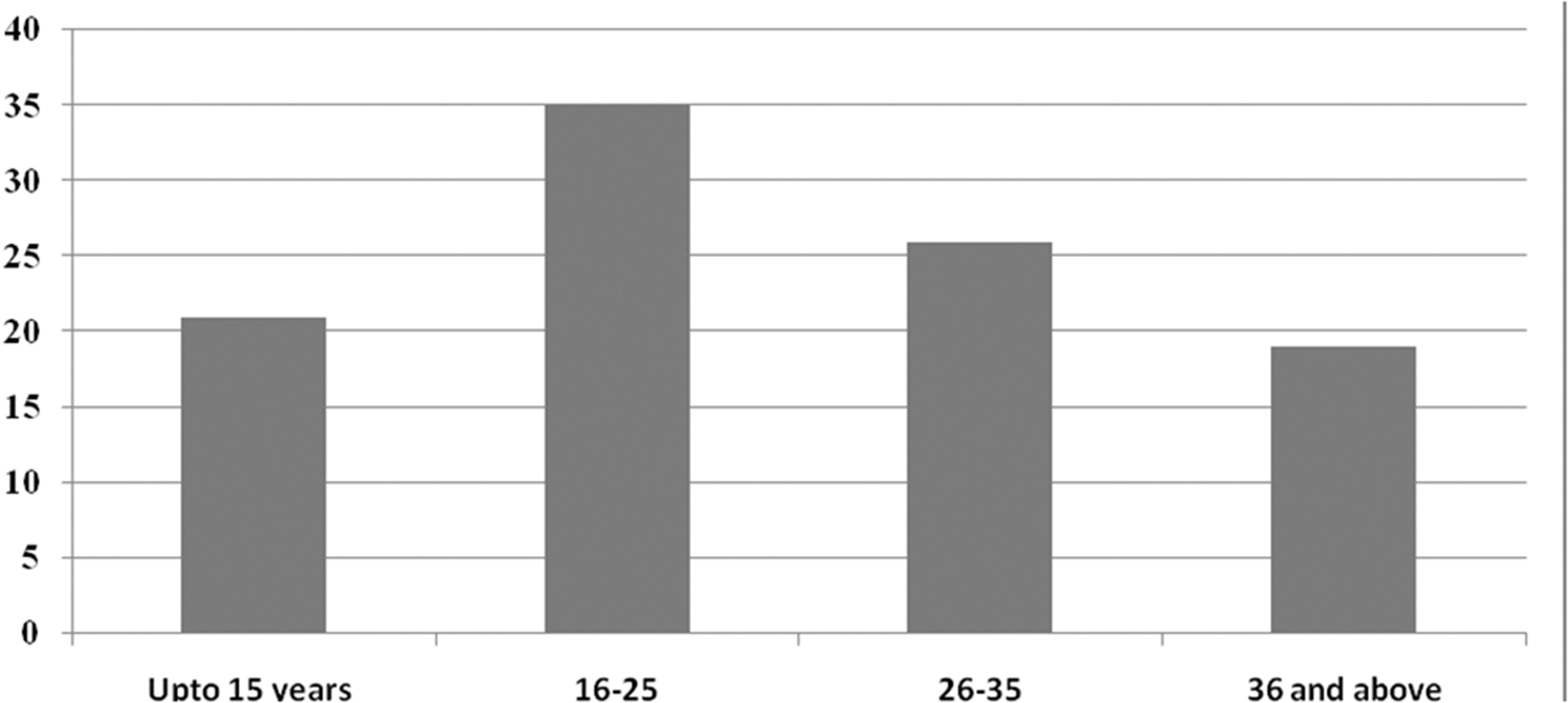
Age group of the respondents in years (n = 150).
Marital status
The learners comprised of almost equal numbers of married and unmarried women (51% women married and 46% unmarried). There were very few divorcee and separated women in the group (Figure 3). The trend of almost equal representation of married and unmarried women indicated that marriage was not really a barrier to women to start learning literacy. Most of these women had gone to school and dropped out early due to tradition and convention, disinterest, family pressure, poor economic status, migration or any other reason. Some women had left studies as they were married off early. Research studies conducted across developing countries have shown that age of marriage of women can influence the schooling levels and therefore their education (Jennifer McCleary et al., 2015; Marphatia et al., 2017; Smith et al., 2012). However, it was heartening to note that when being given a chance to study again, married women too did not want to miss the opportunity.
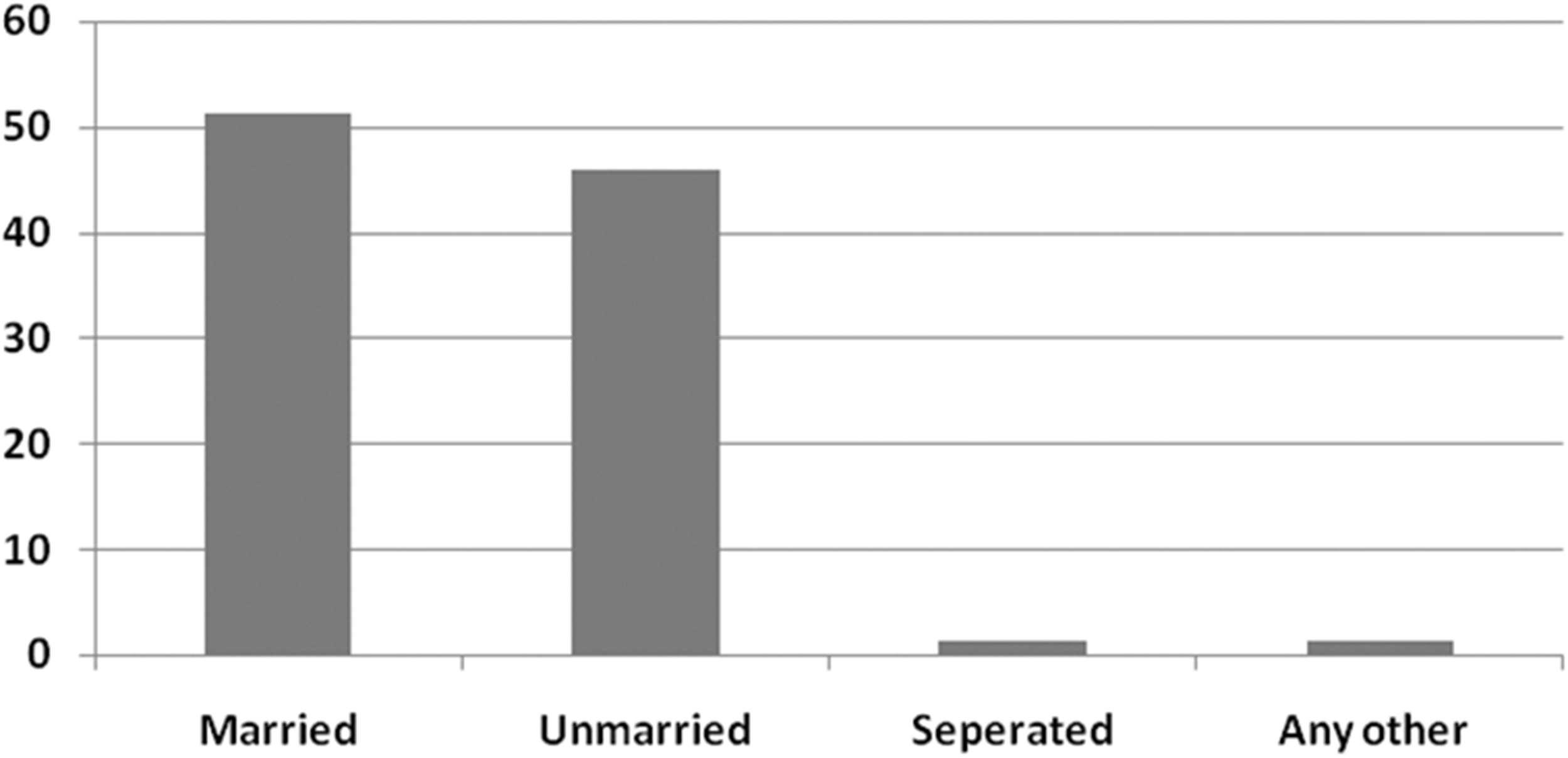
Marital status of the respondents (n = 150).
Family related information
Type of family
The trend of nuclear families (83%) was very apparent among the slum residents whereas the rest 16% were either in joint or extended families. The learners reported that due to migration from rural to urban areas, the older family members most often stayed back in the village. Inadequate housing facilities and lack of resources in slums were other reasons for greater number of nuclear families (Figure 4).
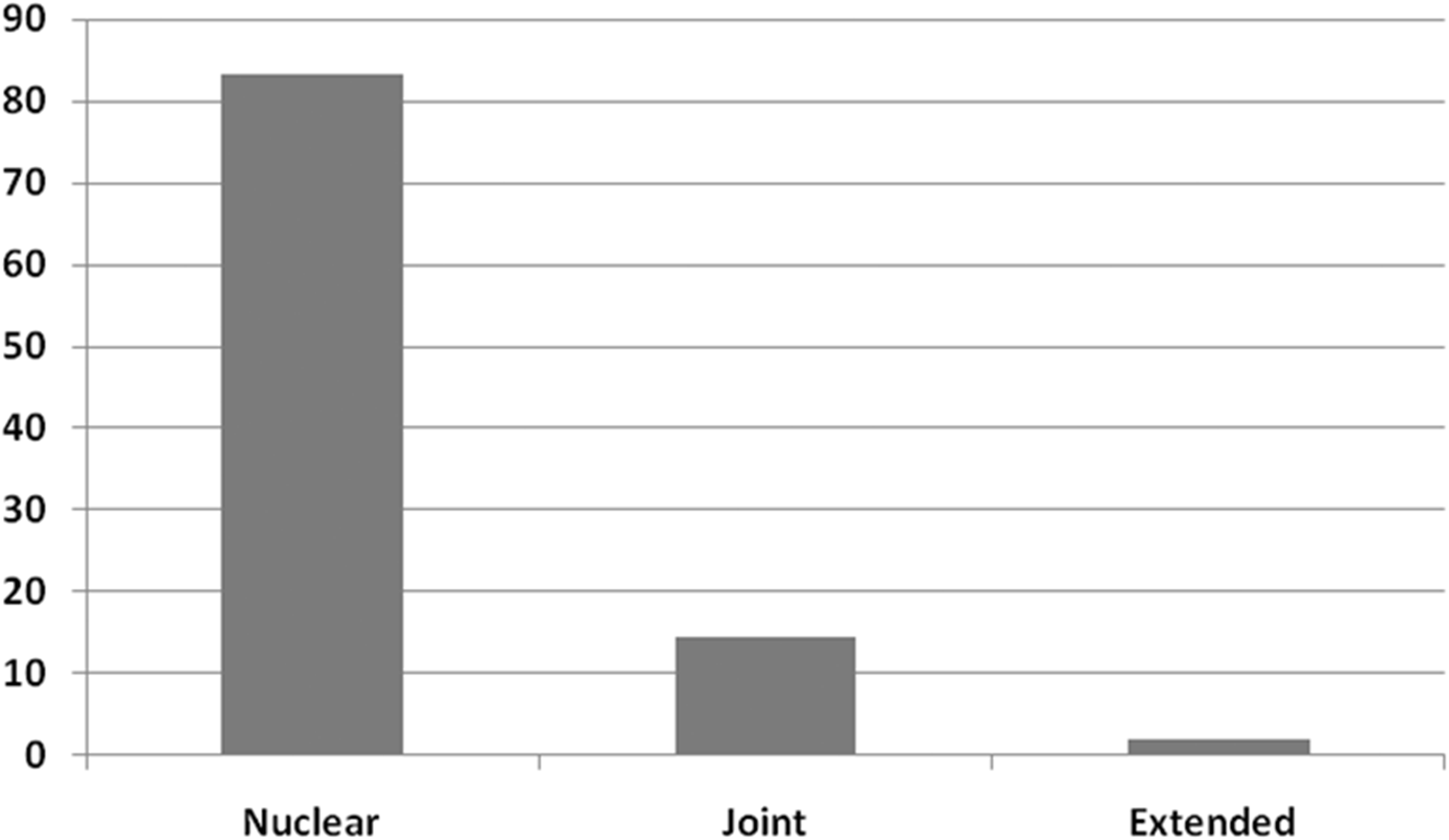
Family type (n = 150).
Only about 27% respondent families were from Delhi. The rest (73%) families had migrated majorly from the states of Uttar Pradesh, Bihar, Orissa, Jharkhand and Rajasthan. The major reasons reported for migration were in search of better livelihood (40%), aspirations for better quality of life and more opportunities for earning a living (23%) or migration of parents to Delhi (20%) or else marriage related migration (18%). Many women cited multiple reasons for migration.
Number of family members
As many as 90% families had up to seven family members in their family. Out of these, 44% of families had a smaller family size (below 5 members) and another 46% had five to seven members. Only 2% had a family size of more than 10 members in the family. The women reported that their houses were so small and cramped that it was difficult to accommodate all the family members (Figure 5).
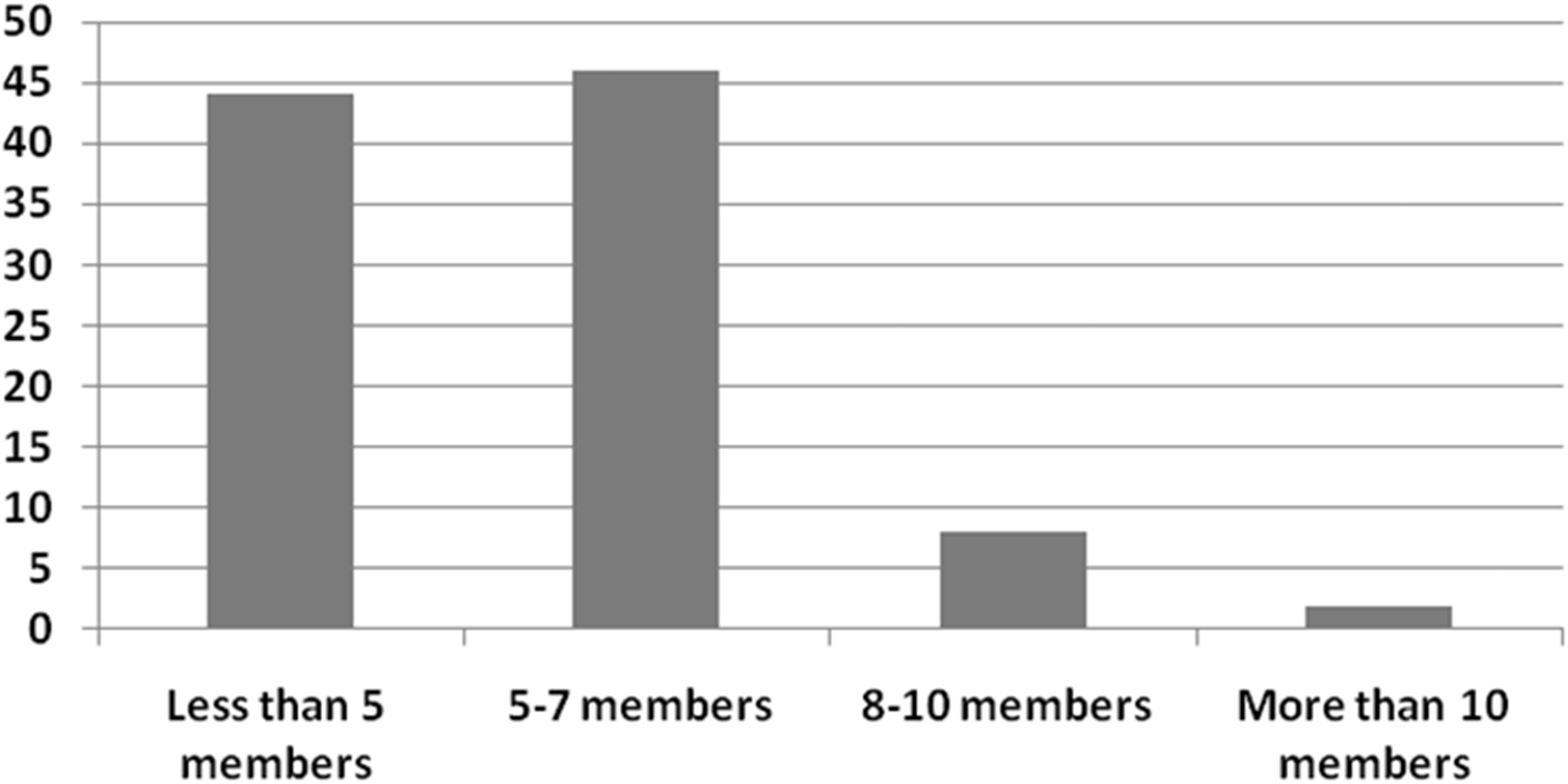
Number of family members (n = 150).
Family income
Majority of the families (80%) had income up to Indian National Rupees ( INR) 20,000 per month. As many as 31% of the families had income less than INR 10,000 followed by almost 50% of the families who were placed in the income bracket of INR 10,001–20,000. About 20% families earned more than INR 20,000 per month (Figure 6). Most families earned far more than what they could back home in the village but said they really had to struggle hard for surviving in the city. It was also reported that the income of many families fluctuated round the year since majority of the men were contractual workers.
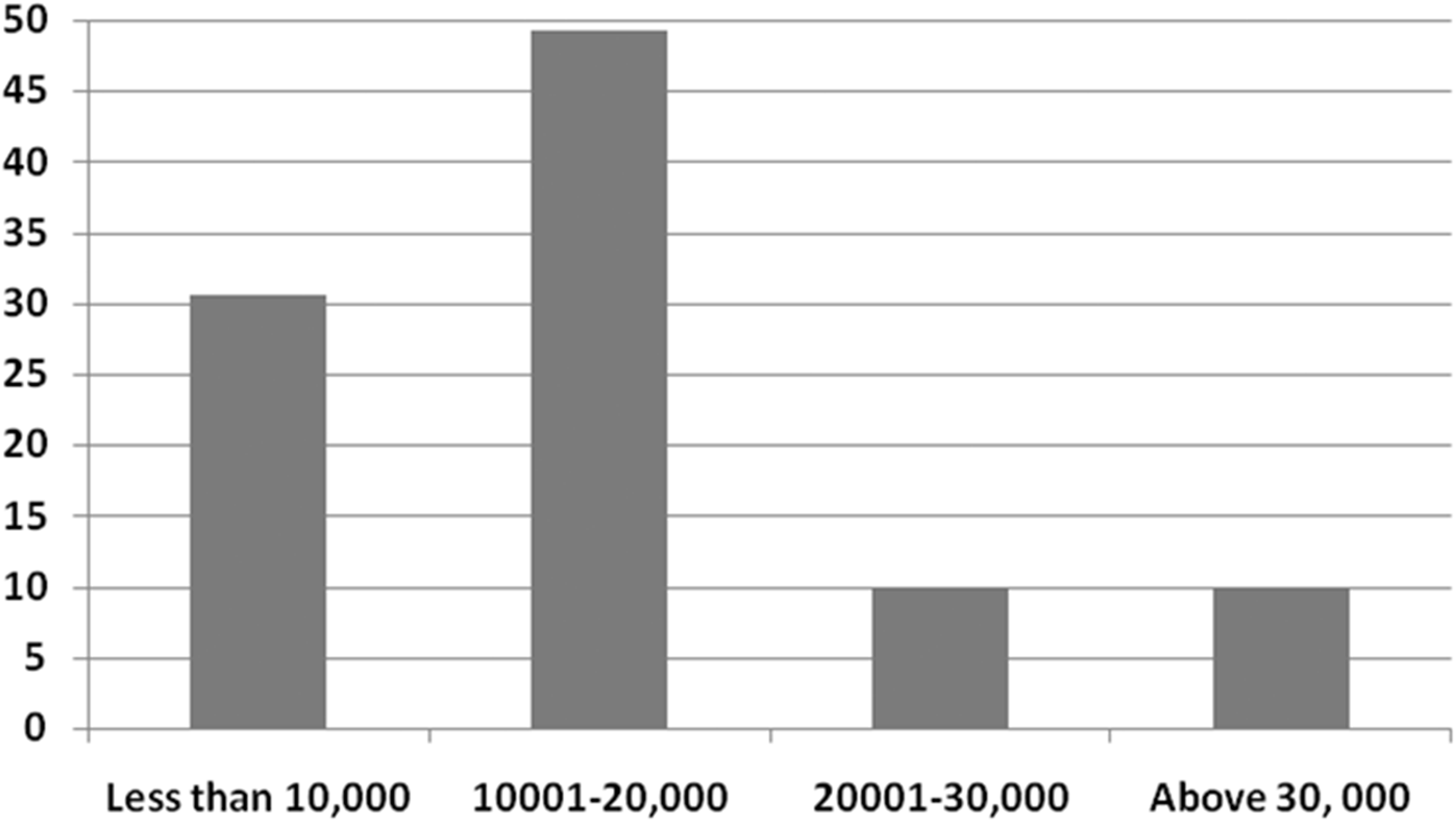
Monthly family income of the respondents in INR (n = 150).
Occupation of the respondents
Almost 60% of the respondents were engaged in various income generating activities and the rest were home-makers (Figure 7). The working women reported that in order to survive in the city, they needed to work. A large majority of the women were working as domestic helpers as cleaners, cooks or nannies. Some women were involved in ironing clothes, worked as helpers in beauty parlours while some were workers in small nearby enterprises. The women said as they were not educated, they had very limited employment options and opportunities. On the other hand, men worked as drivers, carpenters, plumbers, rickshaw pullers auto drivers while many were petty sellers of vegetables or other items. Some were peons in private offices or did odd jobs.
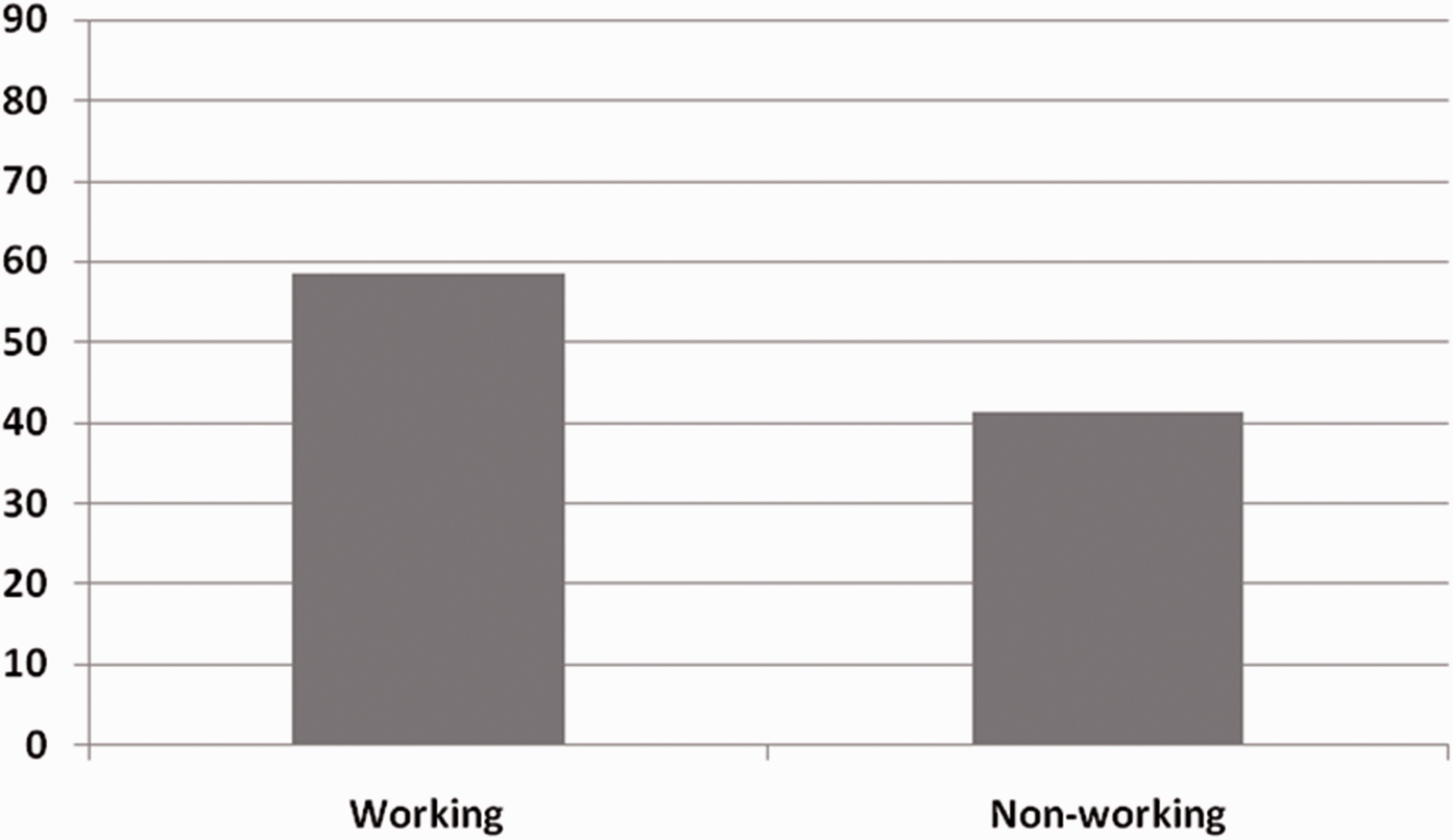
Occupation of the respondents (n = 150).
Literacy profile
Almost 80% of the learners reported that they had been given the opportunity to go to school while the rest 20% had not ever been to school and were totally illiterate. The ones who had attended school were semi-literate as they were out of practice of reading and writing leading to the loss of the literacy skills obtained in primary school. These women had dropped out in primary classes because either they lacked interest in studies, found the studies very tough, were married off early or else the family could not afford to educate them and wanted them to contribute to household work. However, when asked if they were given an opportunity to acquire literacy skills now, as many as 97% women expressed their willingness.
Family support
Almost 87% learners believed that their family will support them in their decision of acquiring literacy skills (Figure 8). These women said that men left for work in the morning and would not find any problem if the women were engaged in literacy classes in their free time. Rest of the women (13%) reported that that they will be unable to seek support from their families for undertaking literacy for reasons such as neglect of children and household work. In addition, these women feared their husbands and family members may question the usefulness of literacy at this age. There is evidence to show that the level of familial support a person receives can also affect the likelihood of whether she or he will engage in attaining literacy (Musundi, 2016; Vadhera, 2015) Many women also reported that they had heavy load of household responsibilities and did not have time to devote to studies. Research has also shown that family responsibilities are the greatest barriers to participation of women in educational opportunities (Plan International, 2018; Ramanaik et al., 2018; Webbink et al., 2010).
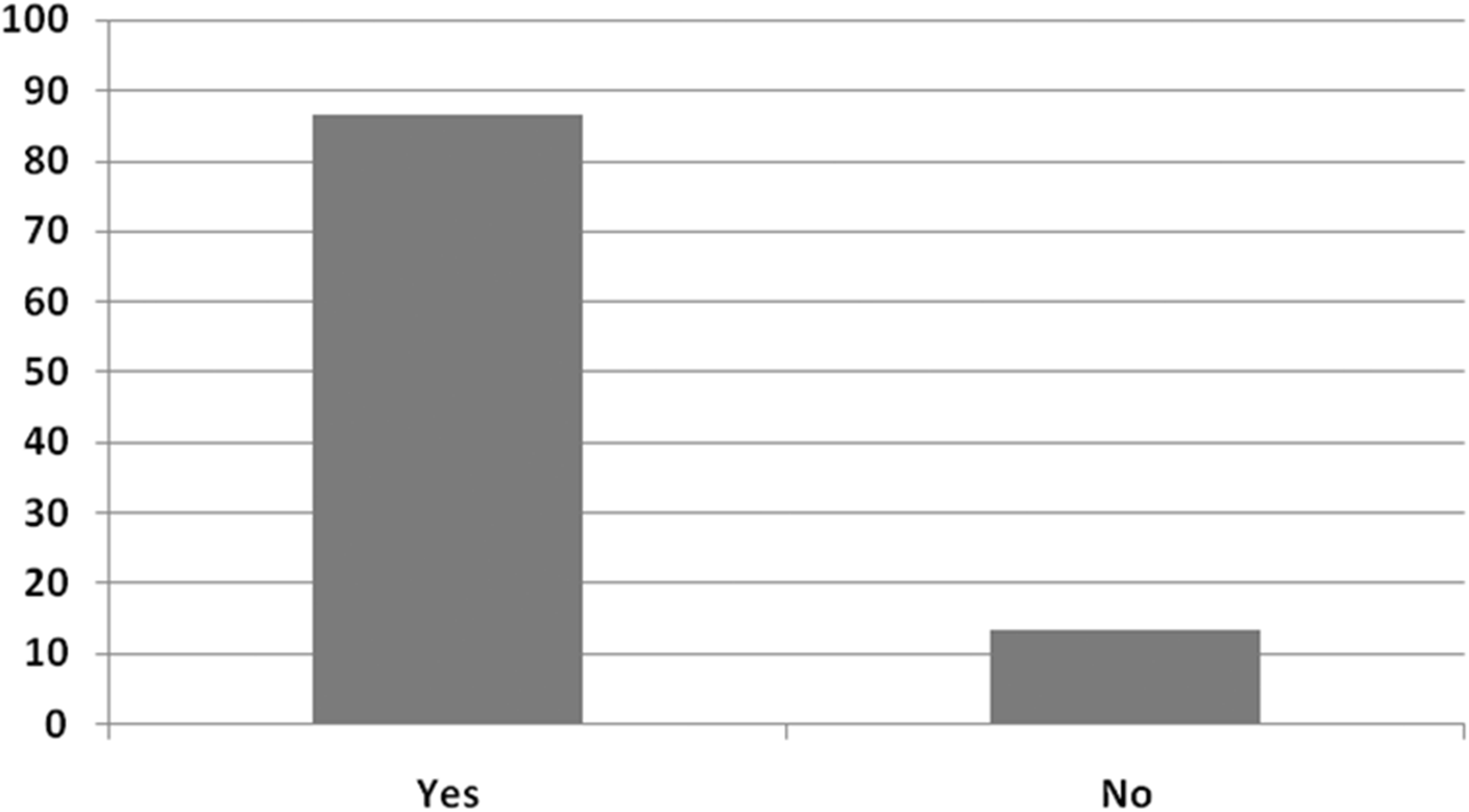
Perception of receiving family support for acquiring literacy skills (n = 150).
Literacy scores before and after the training (n = 100).
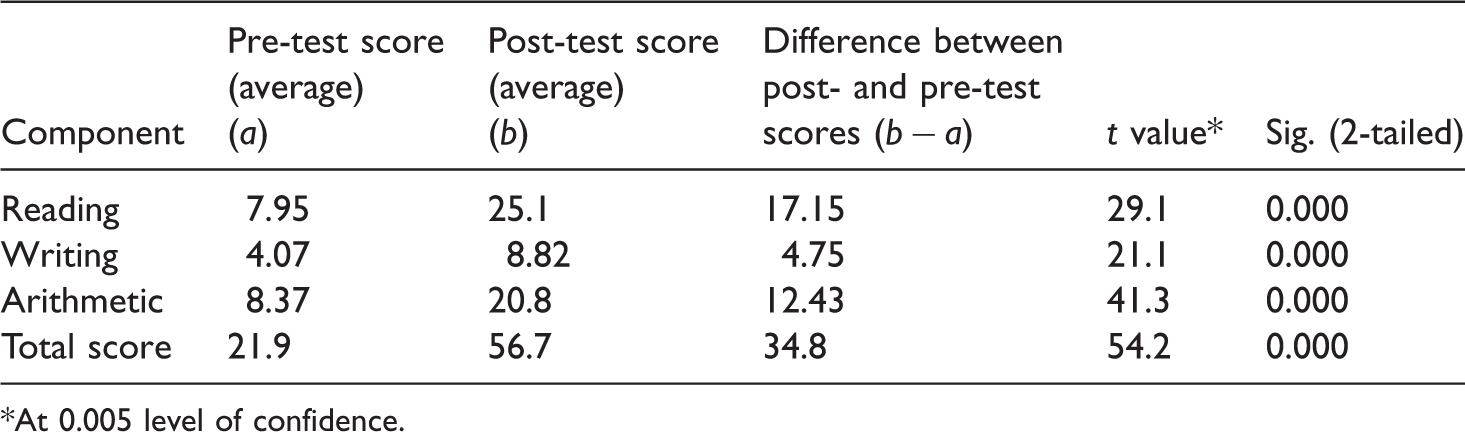
*At 0.005 level of confidence.
Teaching–learning interaction
In order to the impart literacy to the learners a teaching learning process schedule was followed comprising about 2–3 days of contact with the learner every week. The teaching process started from the month of August 2017 and extended till March 2018 spending almost 1–1.5 hours on each day of teacher–learner contact totalling to 200 hours. Almost 150 hours were spent in the teacher–student interaction while the remaining 50 hours were allocated for guided self-study by the learners. The contact classes were held in the household premises of the teacher in a comfortable setting away from the gaze of other family members to avoid the learners from feeling conscious. Effort was made to make the learner comfortable in the new environment. The test T-6 test (Pre-test) was administered in order to record the learners’ performance in reading, writing and arithmetic before start of the programme. It is important to mention that the learners were placed at very different levels of literacy at the beginning of the programme as reflected by a wide variation in the pre-test scores of women leading to a high standard deviation in all the three components of reading, writing and arithmetic. To ensure uniformity in content of teaching, the teaching–learning process was started from chapter one, irrespective of the initial level of literacy of the learner and continued till chapter 24 of the literacy primer Meri Kitab. Regular tests as given in the primer were administered after every fourth chapter. During the teaching–learning process, energisers were conducted in between and the selected skill was also taught in order to sustain the interest of the learner and enrich the entire process. Numerous challenges were faced by the teachers during the teaching–learning interaction. Some of the challenges reported were:
Many learners faced difficulty in learning the matras (vowel signs used in Hindi) as they found them too complicated. Many learners were very good in speaking and reading but had tremendous problems in writing. Most learners found learning mathematical tables to be very difficult and could not memorize them. They faced difficulty in addition, three-digit subtraction, multiplication and division. Since many women were employed and had the dual burden of household work as well as paid work, they reported feeling fatigued and showed disinterest in learning. The women who were home-makers often missed classes for having to go to their home-town to attend family functions or extra burden of household work. After coming back from home-town, some women had forgotten whatever they had learnt because of pre-occupation with other things and lack of revision. Challenges amplified for those teachers whose learners were completely illiterate and had never been to school. However interestingly, there were some women who really wanted to study but faced barriers in the form of family related issues.
After completing all the 24 chapters of the literacy primer, sorting out doubts, undertaking revision of the chapters perceived more difficult by the learners, the learners were administered the post-training T-6 test again to enable a comparison between pre- and post-training scores. Since, some women did not complete 200 hours of literacy, due to various reasons, the post-test could be administered to only 100 women out of 150.
A paired samples t-test was conducted on literacy scores of these 100 learners to assess the change in the literacy levels in terms of Reading, Writing and Arithmetic before and after the literacy training (Table 1). The results showed that the ‘Reading’ scores of the learners before the training were (M = 7.95 ± 7.39) which changed to (M = 25.1 ± 10.7), after the training; t(99) = 29.1, p = 0.005, suggesting that the literacy training had a statistically significant impact on the reading skills of the learners. Similarly, an analysis of writing scores showed that before the training, the scores were (M = 4.07 ± 2.45), which changed to (M = 8.82 ± 4.31) after the training; t(99) = 21.1, p = 0.005 also suggesting statistically significant improvement in the ‘Writing’ skills of learners. A statistically significant change was seen in Arithmetic scores which were (M = 8.37 ± 6.54) before the training and after (M = 20.8 ± 6.44) the training, t(99) =41.3 p = 0.005. Overall, the total literacy scores (combined scores of Reading, Writing and Arithmetic) before the intervention were (M = 21.9 ± 14.9), which after the literacy training changed to (M = 56.76 ± 18.7), t(99) = 54.2, p = 0.005.
The study has shown that there were statistically significant gains in Reading, Writing and Arithmetic as well as overall literacy scores of the urban poor women as a result of the literacy training. A break up of the scores indicates that maximum change occurred in the reading scores followed by arithmetic and least in case of writing. During FGDs, the women reported that they found writing to be the most tough and time consuming as they were not used to it. Figure 9 reflects the impact of literacy training on the scores obtained by women.
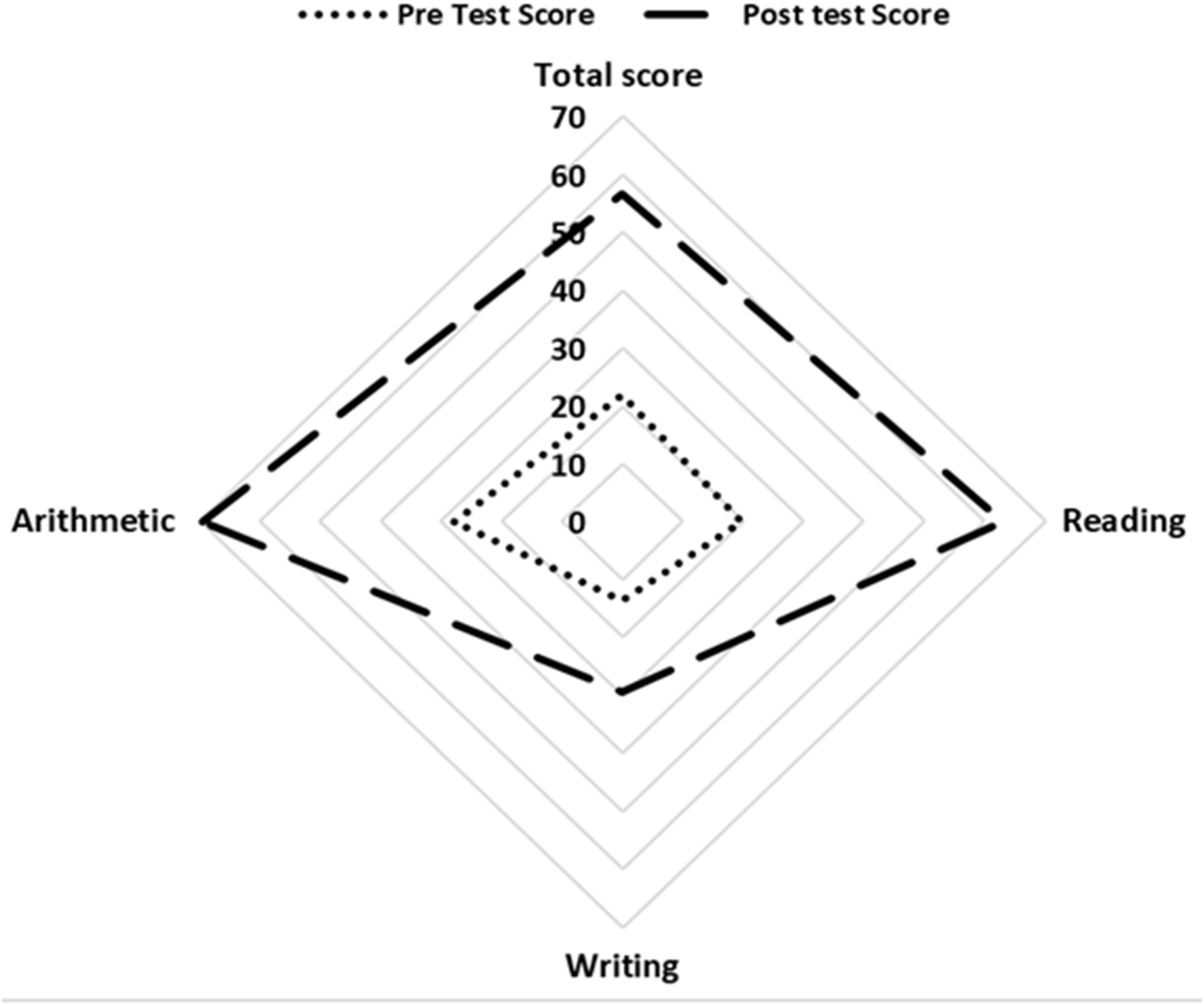
Comparison of the Reading, Writing and Arithmetic and total scores before and after literacy training (scores are reflected as percentages for parity; n = 100).
Further, the learners were assigned grades based on the guidelines of Sakshar Bharat mission. A grade B+ was added to the existing criteria to enable reflecting the number of women scoring in 40–50% range.
Figure 10 shows the relation between the grades of the learners and their literacy levels during the pre-test and post-test. The results reflect that before the training 83% of the learners scored below 40% marks, while the rest (17%) were in the category of 40–50%. None of the learners achieved scores above 50% in the pre-test. However, after the training it was heartening to note that as many 68% of the learners were able to score above 50% marks (Figure 10). Out of those 50% were able to achieve 61% and above, denoting good proficiency in literacy. Only 19% of the women were below 40% mark even after the training, these generally comprised of women who had never been to school and were illiterate. These women would require more time to enhance their proficiency level in literacy.
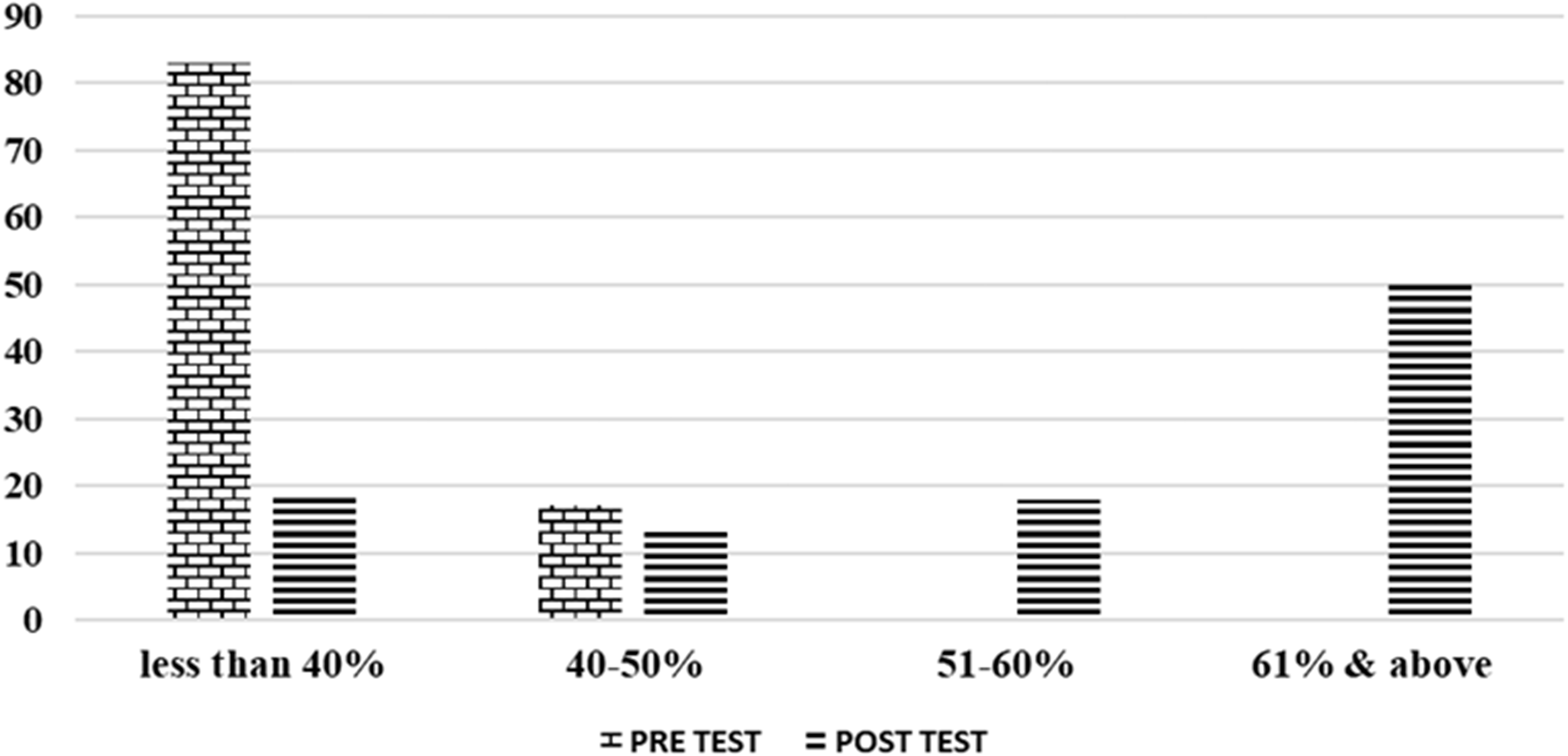
Comparison between Pre-test and Post-test overall literacy scores (n = 100).
Further, the learner women were also asked the perceived social and economic benefits of the literacy training. Almost all the learners (99.3%) agreed that they were very happy to undertake the literacy training as they had missed out on such opportunity earlier in their lives. They said that education is very important and leads to the growth and development of an individual as well as the family. A large number of the learners (60%) felt that education could help them get better jobs and enhance their income. They also highlighted that education could help them to deal with challenges in daily lives in a better way. Some others (54%) reported that education will help them to build more wholesome personality, help to earn better livelihood which can in turn lead to improved status in family and society. Some women (30%) said they may be able to help their children with home-work and school assignments. Majority of the learners (95%) reported enhanced self-confidence and a better self-image after undertaking literacy training. The FGDs also revealed similar findings. The women were very happy to undergo the literacy training and felt that initially they were hesitant to start studies at this age but soon overcame their inhibition. In fact, other women in their neighbourhood had started asking them how they could also start learning. Some women reported that their children and husbands were very surprised to see them being able to read and write and had started to see them in a different light. This was more evident in families where the husbands were illiterate or semi-literate. The women were very keen to take the literacy skills forward and wanted to learn digital literacy on their mobile phones to enable them to undertake many more activities for the benefit of their household. There were several barriers cited by women in undergoing literacy training. Majority of the women reported lack of time for studies due to heavy burden of household responsibility and lack of support of family members. Some women reported no particular advantage of becoming literate at this age due to lack of linkage of literacy with monetary benefits. They feared they will forget again as they may not use their literacy skills in day to day life. Some women also reported negative comments from neighbours. Despite all these barriers faced by women in adult education, research studies conducted across regions show that adult literacy programmes have a significant impact not only on the literacy skills/levels but also on the overall empowerment and development of people.
A study was conducted to assess the effects of adult literacy programme launched by National Commission for Human Development (NCHD) on the lives of 164 adult women learners in the rural areas of Islamabad Capital Territory. The programme had a positive impact on the lives of majority of women with respect to their family living, socio-economic activities and role in community development. After the programme, most women were able to help their children in academic work and were able to give financial support to their families. The programme also helped empower women in terms of participation in decision-making at the household level and led to decreased incidence of domestic violence (Naz et al., 2018).
A study on tribal men and women in leadership positions but lacking literacy skills when given 70 hours training over a 10-day period had shown significant gains for the learners. It was reported that after the 10-day crash Adult Literacy Programme, almost 90% of the learners were able to read and write some words, about 60% could read simple sentences and some were able to read and write numbers and do simple calculations. The programme has shown that such trainings lead to enhanced confidence especially among the women learners (Hanemann, 2017).
The present study has shown that despite limitations of lack of willingness, poor support system, ridicule by neighbours and lack of time, the EOEO initiative has provided a sound evidence of how individual based efforts can be useful in improving the literacy skills of women. When taken forward, such efforts can pave the way to make the women more confident, independent and prepare them to face the challenges of life in a more determinant manner ultimately leading to their empowerment. If we have to fast track the goal of literacy for all, the network of 642 Universities, 34,908 colleges and 11,356 stand-alone institutions in India (MHRD 2013), need to be roped in to impart basic literacy skills and more to illiterate population.
Supplemental Material
sj-pdf-1-adu-10.1177_14779714211006719 - Supplemental material for Building literacy skills of urban poor women through Each One Enable One approach
Supplemental material, sj-pdf-1-adu-10.1177_14779714211006719 for Building literacy skills of urban poor women through Each One Enable One approach by Savita Aggarwal, Jagriti Kher, Neeti Vaid and Manpreet Kaur in Journal of Adult and Continuing Education
Footnotes
Declaration of conflicting interests
The author(s) declared no potential conflicts of interest with respect to the research, authorship, and/or publication of this article.
Funding
The author(s) received no financial support for the research, authorship, and/or publication of this article.

References
Supplementary Material
Please find the following supplemental material available below.
For Open Access articles published under a Creative Commons License, all supplemental material carries the same license as the article it is associated with.
For non-Open Access articles published, all supplemental material carries a non-exclusive license, and permission requests for re-use of supplemental material or any part of supplemental material shall be sent directly to the copyright owner as specified in the copyright notice associated with the article.
