






Abstract
Leavings are a delicate dance.
They require equal measures of finesse, empathy, and determination.
Dylan must agree as he sings, “Goodbye’s too good a word, so I’ll just say fare thee well.”
Many times as part of the partings ritual, you are pulled closer during a final embrace while you try to avoid eye contact as you casually scan over your partner’s shoulder to see what’s next. As such, goodbyes are often classic examples of conflicts of interest.
Formal, written farewells are difficult because if I am too jocular, the message might be considered inappropriately casual. However, if I am too solemn, you might think, especially if you know me, that I am sarcastic. Moi? Never.
Partings.
Sweet sorrow?
Perhaps.
But more likely, they are sweet and sorrow sauce.
Nevertheless, I have truly enjoyed my tenure as your editor of Monographs these four years and have many to thank for my positive evaluation. The good folks at AEJMC: Felicity, Fred (because you should always thank Fred), and especially Jennifer—because of her wit, wisdom, and friendship. Also, thanks to the members of the Publications Board with special fondness for member, former professor, and mentor Ted who often asked tough, insightful questions and readily forgave me when I didn’t have good answers and Chair and friend Julie. Thanks to my editorial board members. Particularly to those who actually volunteered to review proposals they knew might turn into full manuscripts to further burden their busy days: Genelle, Jennifer, Sharon, Kevin, Kyu, Denis, Kevin, John, Barry, Carol, Daniel, Kathy, Sujatha, Susanna, Henry, and Sheri. Thanks to all the non-editorial board members who unflinchingly gave their time and good opinions for proposal and manuscript reviews. The authors—those who made the cut and those who did not—were an amazing bunch to work with and taught me lessons far outside my area of expertise. The professionals at Sage taught me to use the ScholarOne website, answered any and all questions, and paid for a brief holiday to Thousand Oaks. Particularly, I am thankful for Leah, Jennifer, Mimi, John Paul, and my favorite, Meredith, who removed the duc and added the fun to profuntion. (Just let it pass). Nicole tried her best to jump start social media connections and I appreciate her efforts. Not to be left out is Linda. We will all be improved with Monographs in her capable hands. Finally, I am blessed with a loving wife, xtine, who in all ways is better than me and soon will be even betterer as the new editor of the Visual Communication Quarterly.
Now I understand why Oscar acceptance speeches are usually so dreadful. Oops. Forgot my agent, lawyer, and high school journalism teacher, Mrs. Hooper, but I must stop because the music grows louder.
I do have one regret.
I really wanted to include many more monographs during my term that relied on the equal representation of words and pictures to help tell the stories researched, written, and edited by the authors. Photographs were an essential part of two out of the sixteen published pieces, but as a visual communication scholar and advocate, I, naturally, always want additional pixels on the page. Extra cod? Yes, please.
And so, because I can, and also because the page count for this volume is a bit short, I’ve selected a few of my favorite photographs that help tell my visual journey. Enjoy the brief ride.
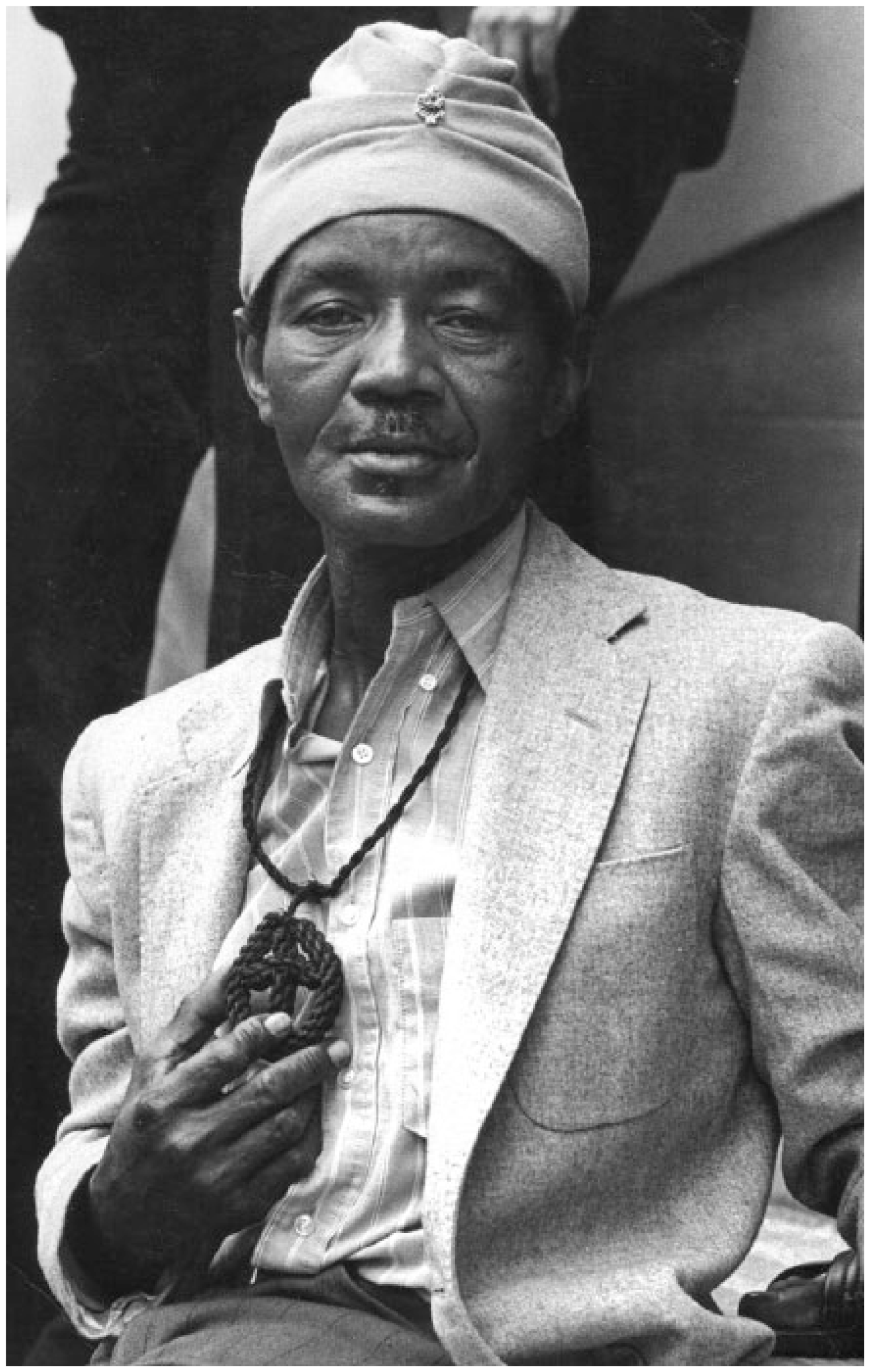
As a photojournalism student at the University of Texas at Austin, I decided to cover a protest rally on the steps of city hall in downtown Dallas. This gentle man brought all of the noise and busy actions around him to a standstill for me as he quietly demonstrated his dignity by showing his precious symbol. It was the first time I realized the power of photography as I could capture another person’s inner thoughts.
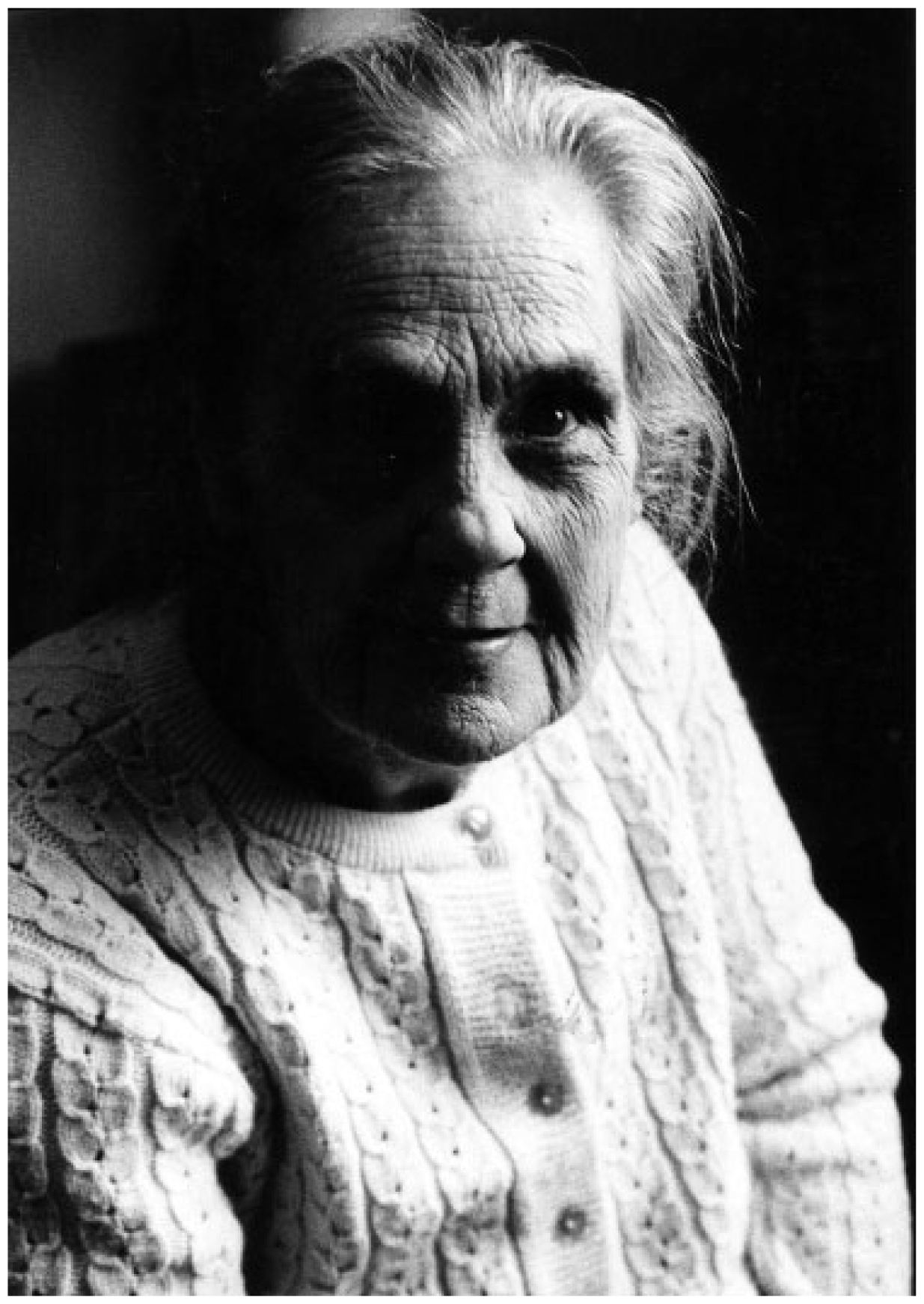
Also as a student, my photostory project for Professor J. B. Colson included pictures taken at a nursing home. This woman played the piano that stood beside an open window. She never said a word. Perhaps she couldn’t speak. She taught me the beauty to be found from an open, loving face.
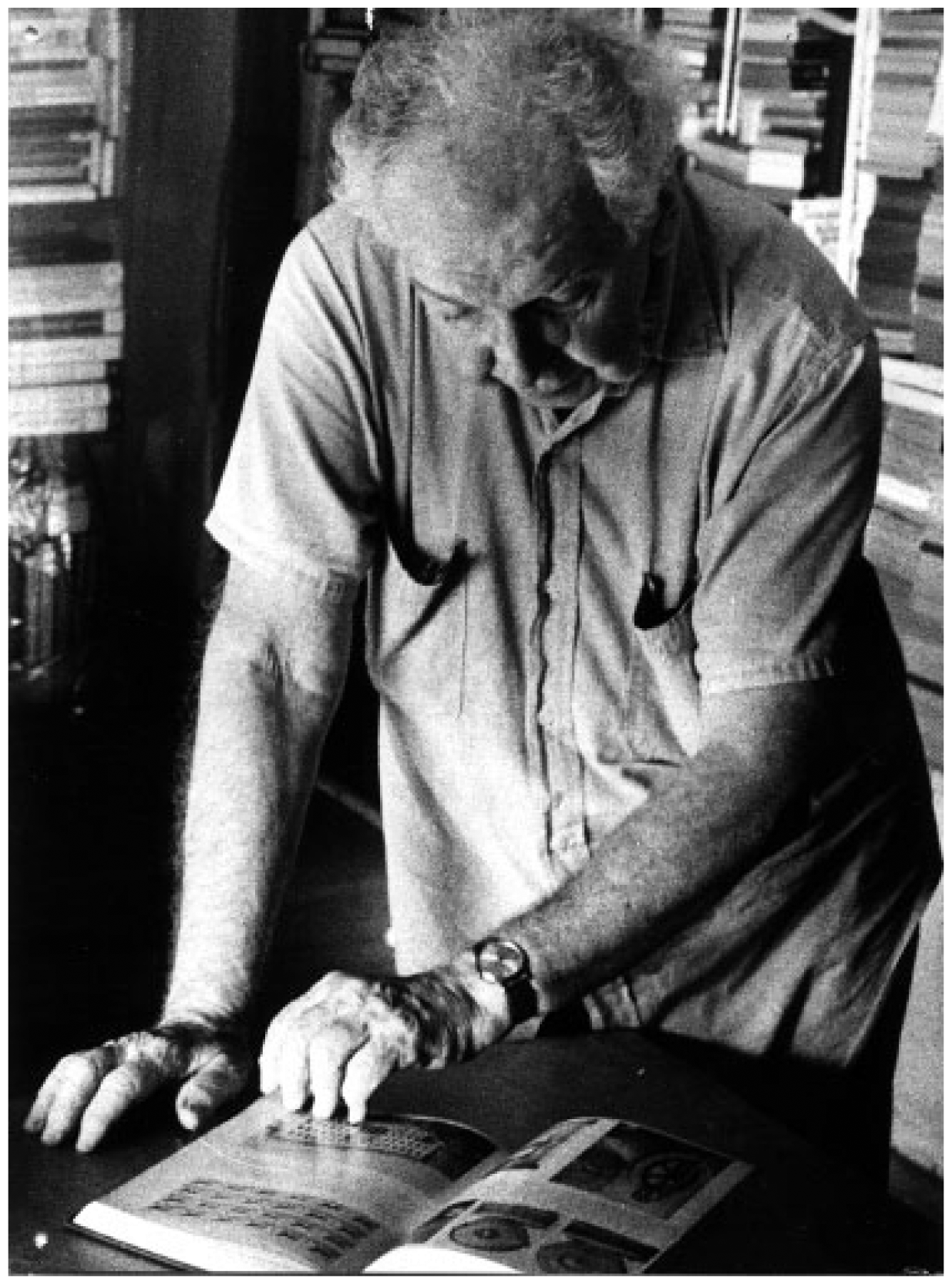
While a staff photographer for the Times-Picayune newspaper in New Orleans, I was lucky enough to get to know the photographer Clarence John Laughlin. This photograph was taken in his Pontalba apartment where he stored about ten thousand books and photographs and hosted salons to talk about them with friends.
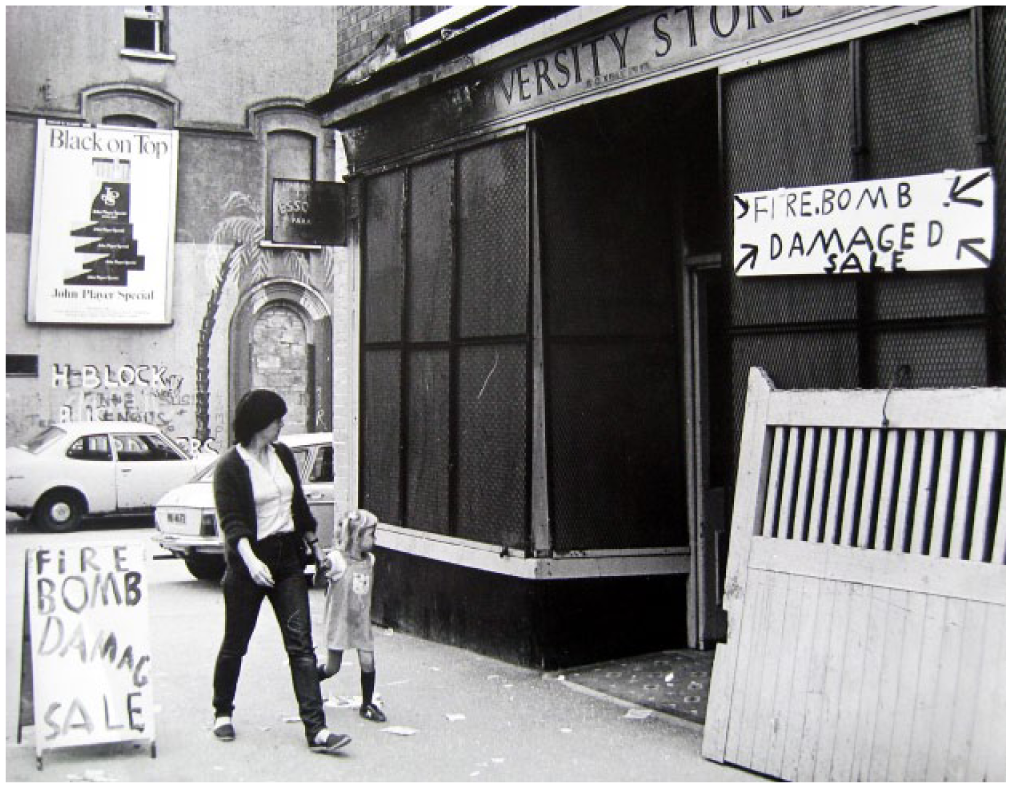
While a student of the University of Minnesota under the direction of Professor Jim Brown, I spent the summer in Belfast, Northern Ireland as part of my master’s project. Out of all the images of beauty and violence I recorded, this image summed up my experience in that war-weary city. The lesson I learned was that it is never out of style to be optimistic.
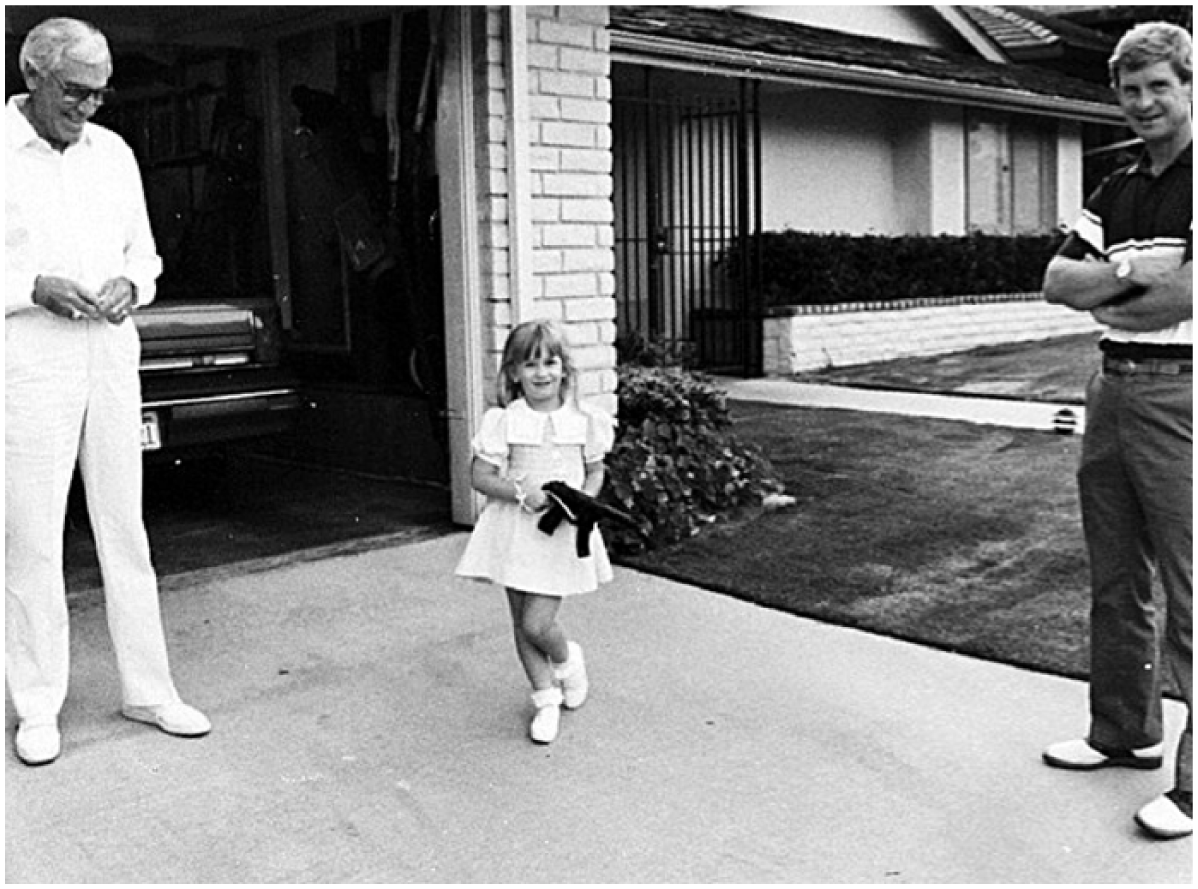
Thanks to a grant from AEJMC, I was able to follow the route taken by Robert Frank for his classic photography book, The Americans. I took this picture in California of a young, innocent girl in a pretty pink dress showing off her toy (I hoped) machine gun to her family members and the photographer. This moment in time taught me to always be aware of the unexpected.
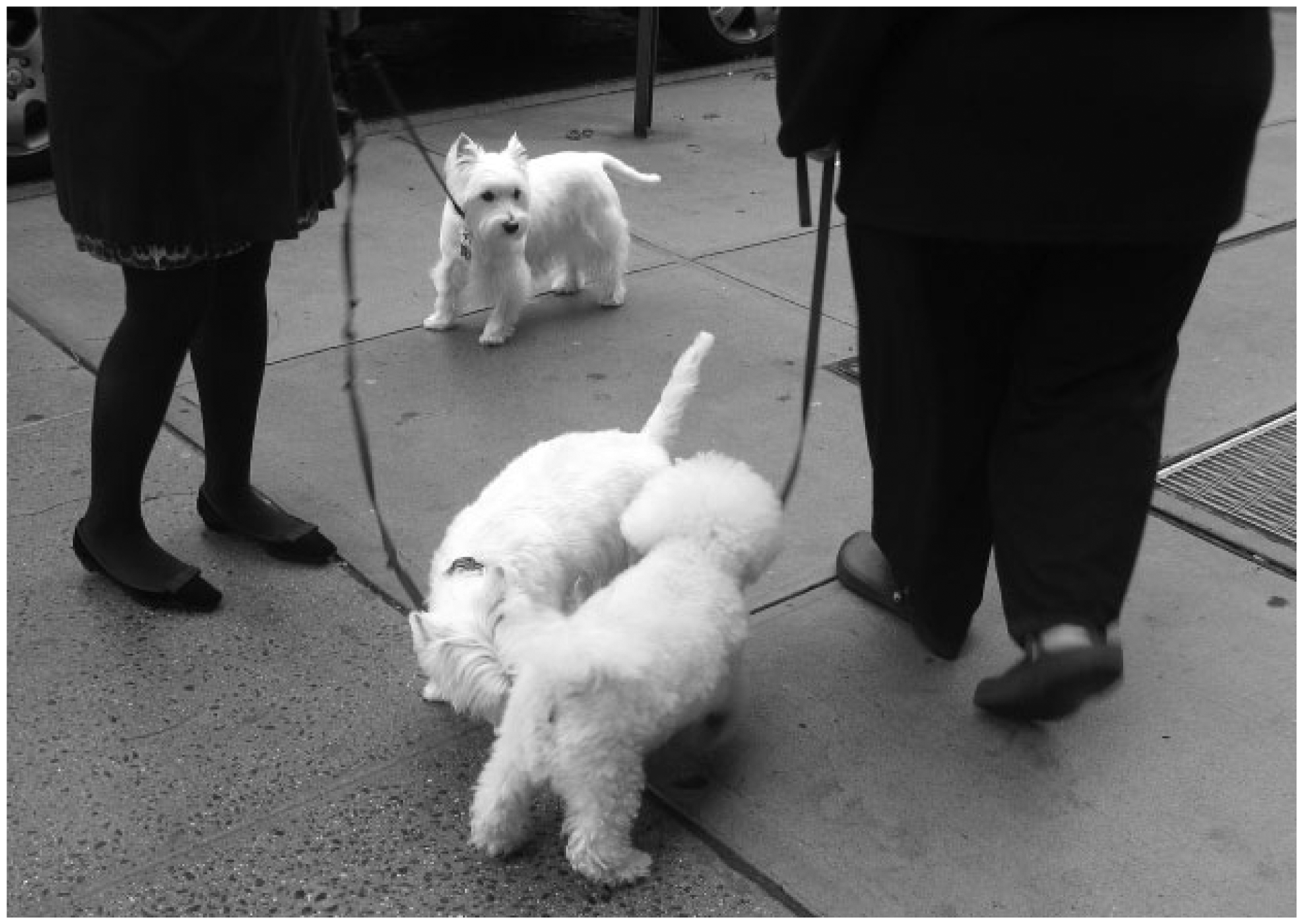
Manhattan is one of my favorite places on the planet probably because, as a photographer, the City is filled, as Henri Cartier-Bresson taught, with dozens of decisive moments on every block. Photography teaches you to be observant for that magic instant when content and composition are one. For me, this recent picture illustrates that lesson.
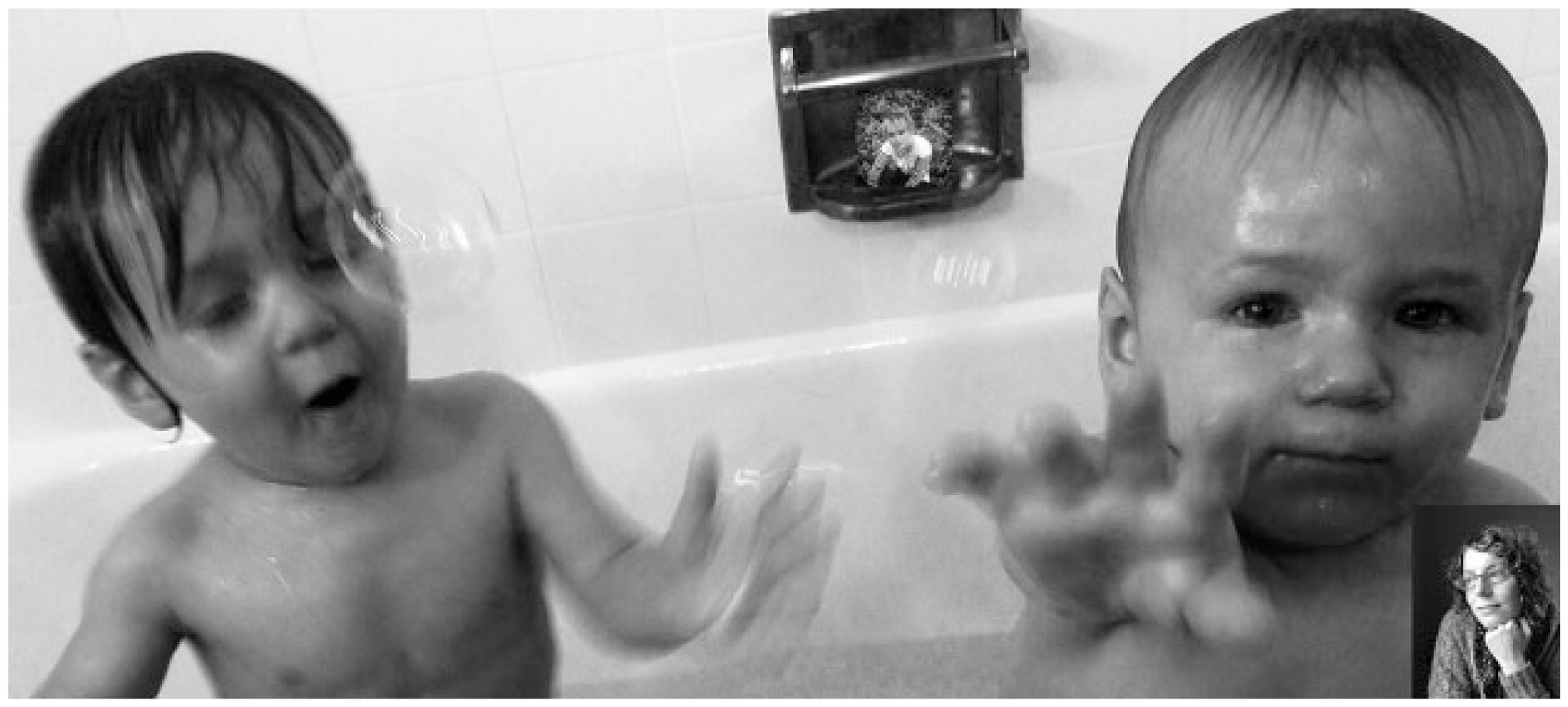
My family. Aren’t they lovely?
My father, an advertising writer and unpublished novelist, criticized my high school written assignments if he read that I used the word, “very.” He said it was a vague and meaningless waste of space. As a consequence and a connection, I always strike the term when I edit a piece. He would forgive its use, though, because I now quote the immortal words of the philosopher king, Johnny Carson. At the end of his last broadcast on “The Tonight Show” he uttered, with emotion stuck in his throat, “I bid you a very heartfelt good night.”
And so do I.
Don’t think twice. It’s all right.