






Abstract
This contribution explores how local television players, particularly Public Service Media (PSM), attempt to adapt to global streamers’ strategic commissioning and production practices for young audiences. Based on the analysis of commissioned titles and twenty in-depth interviews with creatives and content commissioners from public broadcasters in Belgium, this paper explores how PSM are navigating the dynamics of the streaming era in their efforts to engage with Gen Z audiences. We underscore three main strategies developed by both PSM in their youth programming: (1) an emphasis on short formats as part of their digital-first strategy; (2) a focus on casting young, multicultural talent; and (3) a focus on representation and inclusive storytelling. We conclude by reflecting on the fact that while SVODs offer new possibilities for the teen genre, local broadcasters face challenges in balancing these opportunities with the constraints of budget, market size, and a commitment to public service missions.
Introduction: Industrial Disruptions in the Streaming Age
Subscription-Video-On-Demand services (SVODs) have significantly changed the content landscape for young audiences. Netflix in particular is one of the SVODs which has profoundly reshaped television for young adults—or teen television (Jenner 2021)— by exporting a genre historically tied to American television beyond the Anglo-Saxon world. In so doing, Netflix has combined classic generic elements of teen television such as themes and esthetics, with generic crossover and particular glocalization strategies (i.e., emphasis on local specificities) to attract broader (local) audiences (Asmar et al. 2025a). The streamer has encapsulated different aspects of diversity (i.e., gender, sexual, racial diversity) in its programming for young audiences, stressing both the representation that the service affords, and the variety of its offering in terms of genres and stories. Many other streamers have followed suit, developing titles specifically aimed at attracting young audiences in an attempt to diversify their content offering and appeal to younger demographics. For the sake of clarity, we understand young audiences as teenagers and young adults, a life stage marked by the core rites of passage, from first loves, first sexual relations, to first jobs, that punctuate the road to adulthood (Davis and Dickinson 2004; Woods 2016).
This strategic focus on teen television in the streaming age creates an increasing pressure on legacy broadcasters for which the teen genre is too often relegated to a niche audience or considered an add-on to programming geared toward older demographics (Marghitu 2021; Sundet 2020). In fact, young audiences are a demographic segment historically undervalued by advertiser-supported broadcasters and legacy media due to entrenched assumptions that creating appealing content for an elusive, and often “unfaithful” audience is too difficult a task (Ross 2008; Sundet 2020). More importantly, both public and commercial broadcasters in different markets cater to domestic audiences, and, as a result, budgets for cost-intensive scripted television are redirected toward titles with broad appeal among domestic audiences; furthermore, the smaller the markets, the more limited the available budget is generally (Domazetovikj et al. 2024). Yet, the industrial disruptions caused by SVODs highlight the challenges faced by local television industries, particularly public service media (PSM) in trying to remain relevant to young audiences. First, the ability of SVODs to aggregate globally underserved audiences such as young adults allows streamers to invest in stories for niche audiences at levels difficult to sustain for linear broadcasters whose focus is on national audiences (Lotz 2021, 207). Moreover, since PSM are publicly funded with a mandate to serve public interests, their content strategies, in contrast to SVODs, tend to prioritize broad social impact over mere commercial success. Second, the success of teen series such as Sex Education (2019–2023) has led to new discourses of quality with regards to teen series (Marghitu 2021, 19). Indeed, the higher production values, complex storytelling, and popularity of these series have increased audiences’ expectations (Sundet 2021a). Yet, these expectations are difficult to maintain given the comparatively limited scope and budgets of local television industries. Third, the development of large global budgets for teen titles also heightens screen industry expectations of local players, particularly for emerging storytellers from marginalized communities; these expectations are fueled by streamers’ discursive rhetoric presenting their production culture as the benchmark of inclusion and diversity, which is often pitted against the limitations (financial and structural) of legacy broadcasters (Asmar et al. 2026).
This article investigates how the television industries in Belgium respond and adapt to global SVODs’ strategic commissioning and productions for young audiences. It is based on a textual analysis of commissioned titles as well as twenty in-depth interviews—conducted between December 2023 and August 2024—with creatives 1 (12) and content commissioners (8) of public service broadcasters (VRT and RTBF) from Flanders and the French-speaking Community of Belgium (Wallonia). We explore how local commissioning strategies and production cultures of scripted television are changing in order to reach Generation Z (born 1997–2012). Given the small size of the Belgian audiovisual industry and to guarantee the confidentiality of interviewees, data such as names and precise job description, are not disclosed.
This focus on local commissioning and production strategies matters as it reveals that streaming production cultures are increasingly glocal: blending global reach with local relevance. For PSM, this means that their functions and identities are shaped by simultaneous demands of servicing national publics and engaging with global media dynamics. Moreover, it underscores how cultural diversity and the representation of differences become a distinctive feature of contemporary streaming production culture by driving audience engagement, shaping industry practices and redefining what stories are told and who gets to tell them.
Local Television and Young Audiences: A Complicated Relationship
In contrast to the USA where the teen genre emerges on cable channels (Driscoll 2011; Marghitu 2021), domestic content for young audiences in Europe traditionally originates in PSM’ offering (Vanlee and Kerrigan 2021) which have been less subjected to advertisement logics; moreover, investing in scripted television for young audiences is part of a public remit to maximize audience universality (Vanhaeght and Donders 2015). Relations between PSM and young audiences are often explored through the lens of the youthification of television (Hagedoorn et al. 2021; Sundet 2021b) which refers, on the one hand, to the strategic focus that television producers and executives bring to the production of youth content with the aim of reaching an underserved segment. In a context where the media lives of young audiences are dominated and mediated by global digital platforms, PSM are increasingly faced with the challenge of recapturing a “missing audience” or “lost generation,” signaling that (re)engagement with this audience is key to their legitimacy and continued existence (Krauß and Stock 2021; Sundet 2021b). On the other hand, youthification is used to make sense of a medium that must continually rejuvenate itself through innovations in genre, storytelling, formats, or distribution models to stay relevant. Research shows how industry focus on teen programming often connects the genre to new media platforms, publishing models, and storytelling techniques, with the widespread assumption that a digital native generation is best reached through digital and social media (see, e.g., Krüger and Rustad 2019; Sundet and Lüders 2023).
One of the prime examples of a PSM trying to “youthify” itself is the web-series Skam (2015–2017). Its legacy endures to this day, firstly because, despite being produced with a fairly low budget, a series for and about a niche audience managed to find transnational popularity, becoming a cult phenomenon with viewers from varied age groups. Created to reconnect young audiences that the Norwegian public broadcaster (NRK) was not reaching, Skam highlighted a strategic approach to popular content, recognizing that engaging and entertaining programing elevates niche content and makes it accessible for a broad audience, while also addressing significant societal issues (Andersen and Sundet 2019; Lindtner and Dahl 2019). Secondly, Skam stressed the importance of in-depth audience research to create content that resonates with young viewers, especially marginalized demographics. Finally, the real-time strategy characteristic of Skam proved a significant innovation in storytelling, providing a sense of immediacy and authenticity, while also mimicking the fast-paced nature of digital and social media.
Hence, this paper furthers research on the youthification of television by focusing on the changing commissioning and production strategies for young audiences in the streaming age, using VRT and RTBF as a case study.
Desperately Seeking Young Audiences: The Belgian Case
The Belgian media landscape consists of a Dutch and French-speaking community. These two communities form distinct media markets, each showcasing differences in viewing behavior (e.g., the popularity of French channels in the French-speaking part of Belgium, in contrast to the limited viewing of Dutch channels in Flanders), and production cultures (e.g., a relatively limited market heavily reliant on service industry co-productions with France vs. a vibrant yet fragmented Flemish production industry increasingly foreign-owned). Both markets have in common that US streaming services take up key positions in the streaming market, with Netflix and Disney+ taking the lead in both parts of the country. PSM remain, however, the key investors of original domestic content, and rely on economic and cultural support mechanisms for feature film and television production (investment obligations for streaming services and television distributors, fiscal incentives and screen agency support).
As linear viewing is in decline due to a fragmented media use exacerbated by the popularity of streaming services, the strategies of VRT and RTBF demonstrate a clear emphasis on young audiences. These strategies coincide with the overarching aim of becoming “digital first” with online video portals (VRTMax for VRT and Auvio for RTBF) taking center stage in 2010s. Reshaping existing scripted offering strategies to appeal to young audiences and investing in specific content aimed at this demographic seem to be an essential part of these strategies. Indeed, the analysis of scripted television offerings and interviews indicate changing production strategies to reach young audiences in the streaming age in three main ways: (1) an emphasis on short formats as part of the digital first strategy; (2) a focus on new talent (on/off screen) who can speak to and about young people’s experiences; and (3) a focus on representation and inclusive storytelling for young audiences.
The Format Dilemma: A Short-Lived Affair
Both VRT and RTBF position their online portals as prime channels for teen series. In Flanders in particular, broadcasters and domestic SVOD Streamz all invested in short format series presented as “exclusive” or “online only” to boost online viewing and subscriptions to the online portals—five series released between 2022 and 2023, eleven series in 2023 (Raats and Van de Wouver 2024). RTBF in contrast, as the prime investor in short format titles for the French-speaking community, already had a more established track record of web series for young audiences.
The interviews indicate first that content commissioners seek to adapt their production and distribution channels to match the changing viewing habits of a new generation and maintain a relationship with this young demographic. This new dynamic is the result of both Covid-19-related support measures and the addition of a new funding line in the Flanders Audiovisual Fund and the Centre du Cinéma et de l’Audiovisuel de la Fédération Wallonie-Bruxelles. Particularly in Flanders, investments in short formats is additionally due to the success of the Skam-adaption wtFOCK (2018–2023) commissioned by a private broadcaster and television distributor.
Second, the interviews highlight that many in the industry still assume that young audiences, having supposedly a short attention span, are not interested in watching traditional long format scripted series. Hence, for many content commissioners, short format series are a way to capture young audiences’ attention by replicating (social) media platforms’ dynamics which align with this segment’s viewing habits. As such, recent series such as Bathroom Stories (2020–2021) on VRTMax, or Frangines (2016–present) on Auvio, all ranging between 12 and 15 minutes, tell shorter and more concise narratives, often confined to one location (i.e., the bathroom), that can be consumed on-the-go and on any device (Figures 1 and 2).
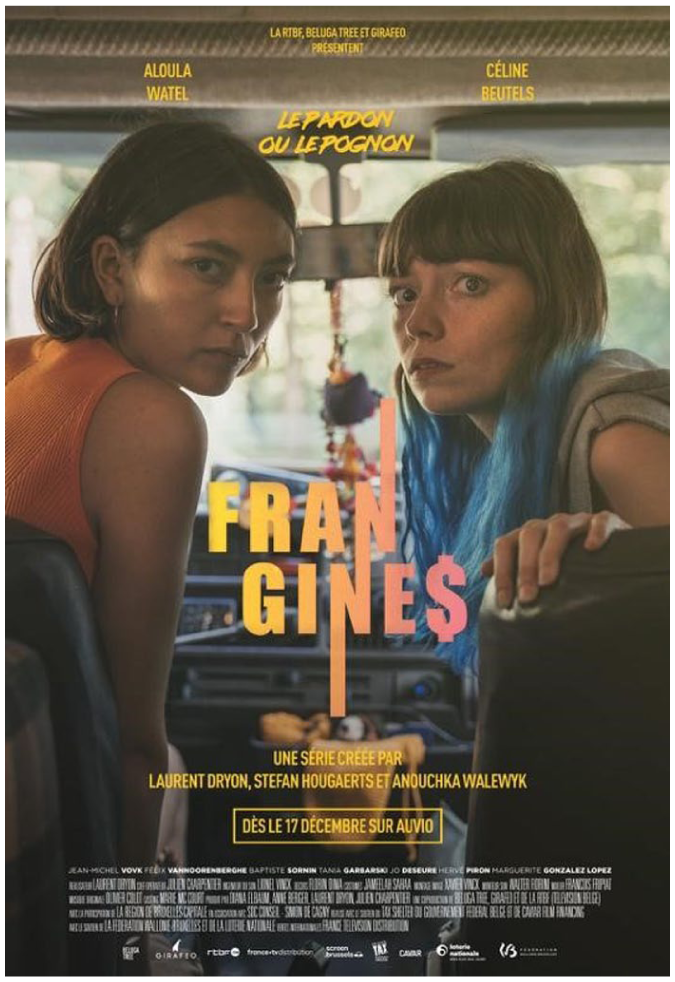
Frangines (2016–present, Auvio).
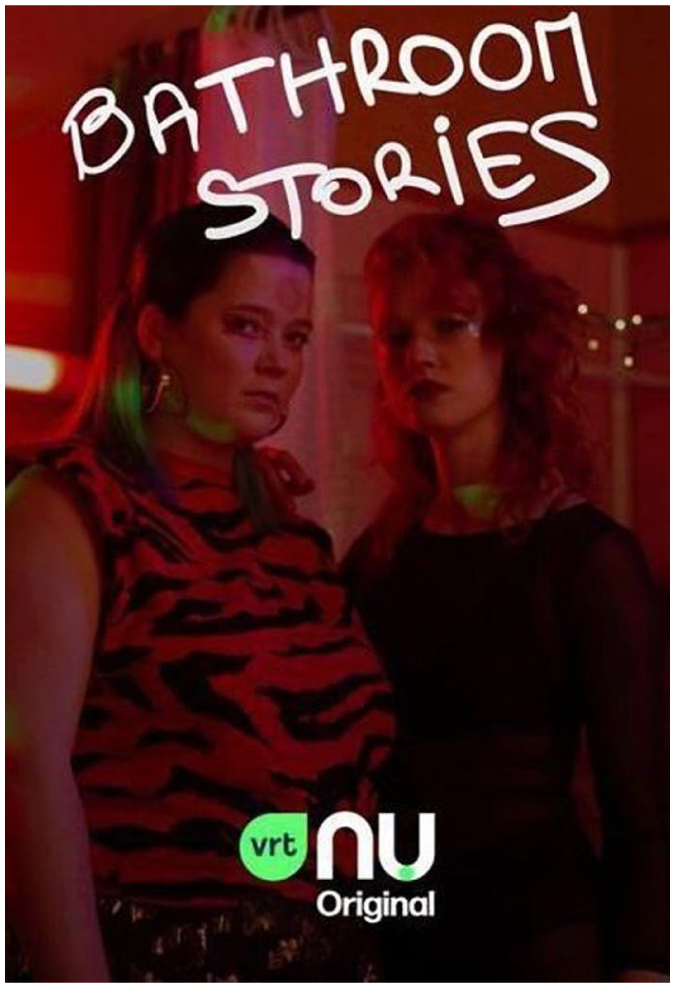
Bathroom Stories (2020–2021, VRTMax).
The interaction between video content and social media—characteristic of Skam—also inspired Auvio series Typique (2013–present) for instance, about a group of young university students navigating the ups and downs of the coming-of-age process. Besides, content commissioners stated that short formats—because relatively inexpensive to produce in comparison to high-end dramas—are a quick way to win over young audiences. This in turn allows broadcasters to brand these new series as for “young people only,” while experimenting with new genres—from dramedies to science fiction—or titles more difficult to sell to larger audiences: “a type of content for which we don’t have space on linear television (. . .) because it is more sensitive or more explicit in nature” (Content commissioner, RTBF).
Yet, the interviews also highlight a recent shift in the industry as content commissioners at both PSM are starting to realize that they “overestimated the popularity of short formats for young audiences” (Content commissioner, RTBF). Indeed, the success of teen series such as Sex Education (Netflix, 2019–2023) or Euphoria (HBO Max, 2019–present), often evaluated during the interviews by the prominence of these series in cultural conversations, showed that this demographic still cares about long format scripted series, but its expectations, particularly in terms of quality and production values, have significantly changed. Moreover, short formats in the long run “were actually costing us as much as the bigger series” (Content commissioner, RTBF) which is one of the reasons why they are starting to be discontinued. For that reason, VRT has explored co-productions with foreign streamers to benefit from larger budgets while still presenting the series as mainly targeted at and aimed for younger audiences. Knokke Off (2023–present), a co-production between Dingie, VRT, and Netflix, could thus be considered VRT’s largest success so far in the young audience segment. This shift in strategy underscores a growing recognition among PSM that catering to young audiences requires not just format experimentation but sustained investment in content that bridges generational and demographic divides, hinting at a potential redefinition of what youth-oriented programming can achieve in smaller, resource-constrained markets.
New Voices, New Stories: Young Audience Titles by Young Talent
The second way in which local television seeks to attract young audiences is through the hiring of cast and crew on its series. For many content commissioners, the current emphasis on short formats is an attractive way to tell new stories with new voices by relying on talent, such as writers and directors, “who are also part of this new generation and come to us with their concerns and the concerns of their generation” (Content commissioner, VRT). This allows them not only to tell stories which young audiences can relate to but opens opportunities to discover new and young talent. This emphasis on new talent is also key to the on-screen cast with a focus on “young actors who are not yet famous, (. . .) or actors fresh out of the school, who have not yet had the chance to land a gig” (Showrunner) and who are starting to establish themselves in significant roles. As both PSM increasingly seek to resonate with young audiences, casting actors closer in age to their target audience allows local television to tap into a sense of realism essential to these narratives. For instance, the cast of Typique (2013–present) on RTBFAuvio includes young, less experienced actors who embody the real-life experiences of Gen Z and reflect the struggles of young adults such as fitting in, navigating relationships or discovering one’s identity. This is in line with Krauß and Stock (2021) who argue that PSM’s attempts to reach young audiences is premised on casting not only amateur actors who resemble their characters, but also on talent who can communicate effectively with young audiences about their lives. Yet, our findings also show that, for both broadcasters, the commissioning of short formats for their online platforms is often perceived as a trial period for young talent who get to win their spurs on low-budget productions before—if successful—moving on to longer formats and wider audiences for the linear schedule.
A noticeable aspect of casting for teen series is the emphasis on multicultural characters living in suburban environments, usually big cities such as Brussels. Indeed, for content commissioners, attracting young audiences requires telling stories that focus on “young people living a suburban context and in a more diverse environment than the average viewer” (Content commissioner, VRT).
Besides the portrayal of suburban multicultural environment, local teen series are also notable for the inclusion of non-actors, particularly influencers. As Sundet and Lüders (2023) demonstrate, industry players increasingly try to leverage the status and reach of online celebrities to attract young audiences and create buzz around their programming. These influencers bring built-in fanbases from social media platforms like Instagram, TikTok, and YouTube, which allows broadcasters to quickly generate interest in their programming. For instance, the teen series Knokke Off (2023–present) on VRTMax, prominently cast Pommelien Thijs, a well-known singer and social media personality, whose presence helped the series connect with her substantial online following. Similarly, recent comedies on VRTMax such as Match (2021–present) about a twenty-something desperately looking for love, and De Laatste Dag (2023–present, VRT) both feature well-known social media personalities such as Average Jo (Robert Van Impe) in their debuts as actors. This strategy of blending traditional casting with influencer power has proven effective in creating a hybrid appeal that resonates across multiple audience demographics (Figures 3 and 4).
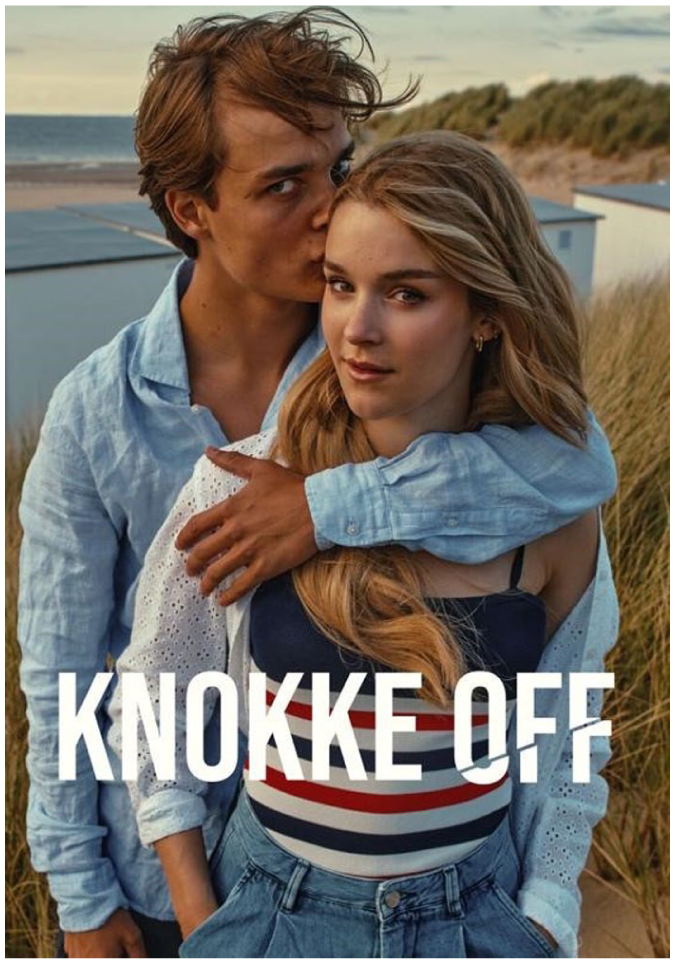
Pommelien Thijs in Knokke Off (2023–present, VRTMax).
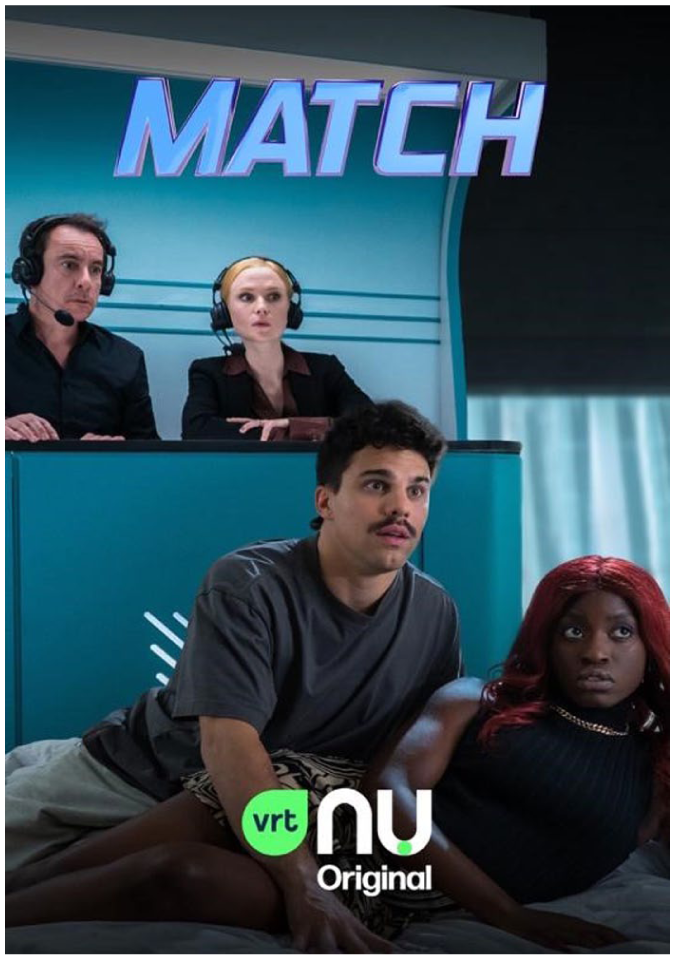
Average Rob in Match (2021–present, VRTMax).
Mimicking Distinctiveness: Identity, Sexuality and Diversity as Key to Attract Young Audiences
The teen genre has traditionally explored contemporary themes—from sexuality and first sexual experiences to violence and addiction—in order to provide a realistic portrayal of teenagers’ lives, experiences and emotions. Diversity or the representation of various forms of differences (i.e., gender, race, etc.) has been crucial in the early days of teen television with American cable networks investing in programming addressing often controversial issues particularly relevant to youth audiences. This formula has equally been adopted by global SVODs such as Netflix which adopts a tone of liberal humanism in many of its stories for young audiences, establishing itself as the authentic voice of a new generation (Asmar et al. 2025a).
The representation of diversity in production for young audiences, particularly on Flemish television (Vanlee and Kerrigan 2021), is not new. Yet, it is interesting to see how, in a context of increasing competition, diversity has become a strategic element of public service teen programming to reach an audience whose viewing habits are increasingly transnational. For many content commissioners, productions for young audiences must be daring and edgier than the competition because “if we want to continue to exist in the eyes of this young public, we need to create a lot of buzz. So, coming to them with very cute and prudish series we have all seen 1,000 times is not going to cut it with them” (Content commissioner, RTBF). As such, many of the recent teen series on both VRTMax and Auvio, feature explicit depictions of and conversations about sexuality, particularly female sexuality and pleasure, and the violence—physical and mental—which women can face. Season of Sex (2022–present) on VRTMax, for example, is a short format story about Lou, a young black woman who, confronted with her roommate’s active sexual life, realizes that she has never had an orgasm and decides to remedy this situation. As we follow her journey, discussions about sexual pleasure and preferences, but also positive expectations with regards to sexuality abound in the series. Far from mere entertainment, however, the educational mission of the PSM remains present throughout the web series with frequent references to Sensoa, the Flemish knowledge center for sexual health (Figure 5).
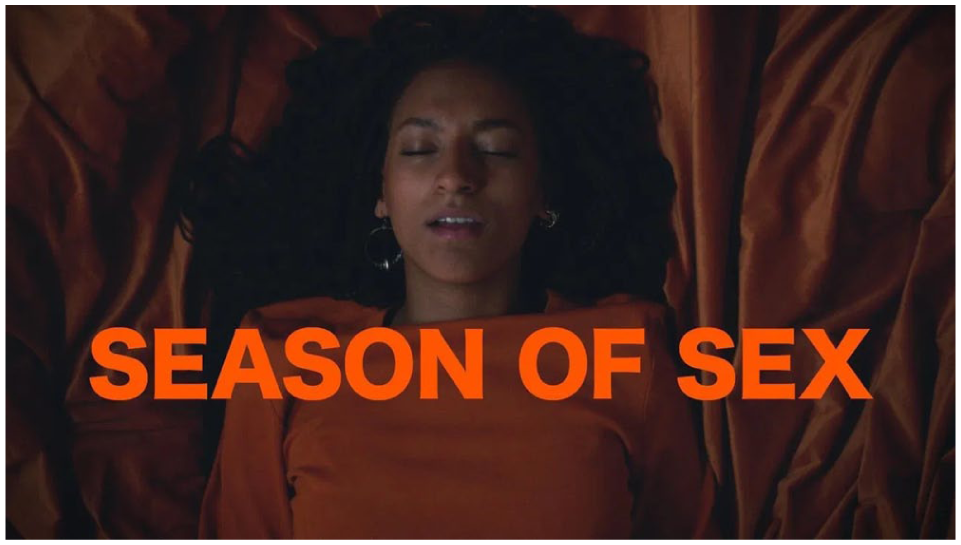
Season of Sex (2022–present, VRTMax).
Conclusions: A Pocket-Sized Euphoria?
This article sheds light on the dynamics adopted by PSM as they navigate the streaming era. Hence, this article is aligned with ongoing discussions about the cultural and industrial changes generated by SVODs. By examining the Belgian case, we underscore the unique tensions between the need to provide distinctive, culturally relevant content and the operational limitations imposed by small budgets and niche market sizes. These competing forces shape how PSM, particularly in smaller markets like Belgium, adapt to the evolving expectations of Gen Z while attempting to maintain their cultural and public service mandates.
First, SVODs have elevated the quality, diversity of offering and range of representation of teen programming, setting benchmarks which emphasize high production values, complex storytelling, and inclusive narratives. These developments have inspired local content creators, particularly young talent, to aspire to the same standards. Yet, the contrast with local broadcasters remains stark. While SVODs operate with extensive budgets and can push the boundaries of what teen programming can achieve, local broadcasters face significant constraints in replicating these successes. The contrast is especially evident in smaller markets like Belgium, where limited resources necessitate compromises in scale and scope. As such, PSM tend to prioritize “bullseye content”—programming designed to attract broad audiences—which comes at the expense of niche offerings that might better reflect the diverse identities and preferences of younger viewers. For local creatives, this paradigm shift poses unique challenges. The dominance of global SVODs has fostered an aspirational standard of content emphasizing representation and playing on communities of conversation (Asmar et al. 2025b) or niche audiences connected through shared identities and/or cultural politics. Yet, this standard often feels incompatible with the economic and structural confines of smaller markets such as Belgium. Interestingly, while global streamers such as Netflix are lauded for their daring content, their current commissions in Belgium so far diverge from this reputation. Indeed, instead of bold narratives akin to Sex Education (2019–2023), local commissions in Belgium often skew toward safer, less provocative narratives.
Second, the strategies explored in this study are emblematic of a broader phase of experimentation and adaptation. Much like their streaming counterparts, PSM are operating in a space defined by trial-and-error, where success is contingent on their ability to respond swiftly to changing audience behaviors. This involves experimenting with formats, casting strategies, and themes to meet the expectations of Gen Z audiences, who demand relatable, diverse, and high-quality storytelling. As such, the present contribution should be seen as a snapshot of a specific period in time. Importantly, it is essential to situate these strategies within the larger shifts occurring across PSM. Scripted content targeting Gen Z represents only one aspect of broader institutional adaptations, which include investments in family-oriented entertainment, youth-focused infotainment, and news programming tailored for social media. These shifts underline the multifaceted nature of PSM’s engagement with younger audiences, signaling a holistic approach that goes beyond scripted programming to redefine the public service mission in a digital age.
Footnotes

Ethical Considerations
This study comprised semi-structured interviews with established experts concerning their professional practices and experiences. No questions probed personal beliefs, medical history, political affiliations, or other sensitive domains, and no identifying details (names, affiliations, contact information) were recorded. Immediately upon transcription, all responses were irreversibly de-identified, ensuring that neither the investigators nor third parties could re-link data to individual participants. In accordance with the Vrije Universisteit Brussel’s Ethics Committee for Human Sciences (Section 1.2 onward) this project constitutes minimal-risk research and qualifies for exemption from full board review:
- The research does not involve vulnerable groups (e.g., children, people with disabilities, etc.)
- The research does not collect or publish personal data of anly kind (e.g., age, gender, geographic location, etc.).
- The research does not take place in sensitive environments (e.g., schools, prisons, etc.).
- The research does not survey people in their personal environments (e.g., home) or in private gatherings.
- The research does not involve compensation or remuneration for the participants.
- The research does not use deception.
- All participants have agreeded to the dissemination of the research results for academic purposes (e.g., scientific articles).
Consent to Participate
All participants have provided written and verbal informed consent.
Consent for Publication
All participants have agreeded to the dissemination of the research results for academic purposes (e.g., scientific articles).
Funding
The authors received no financial support for the research, authorship, and/or publication of this article.
Declaration of Conflicting Interests
The authors declared no potential conflicts of interest with respect to the research, authorship, and/or publication of this article.
Data Availability Statement
This publication draws on confidential interviews with industry professionals and creatives in the Dutch and French-speaking communities of Belgium. To safeguard the anonymity of the participants, the interview material is not publicly available. The questionnaire likewise contains sensitive information and is therefore not disclosed.