






Abstract
The aim of this research was to extract lignin from jute-based agro-industrial biomass and synthesize nano-lignin particles using a sustainable solvent-anti-solvent precipitation process, followed by the physicochemical characterization of the synthesized particles. Different characterization techniques such as FTIR, SEM, EDX, DLS, XRD, Zeta Potential, TGA and DSC were carried out to evaluate the structural and physicochemical characteristics of the synthesized nano-lignin particles. FTIR analysis showed the presence of important lignin functional groups such as hydroxyl (3316 cm-1), carbonyl (1650 cm-1), aromatic groups (1419 cm-1) and C-O groups and similar characteristic peaks were observed after nano-lignin synthesis. SEM analysis revealed irregular, porous, fragmented and heterogeneous surface morphology of the synthesized particles, which is consistent with the commonly reported characteristics of nano-lignin particles. DLS analysis showed an average particle size of around 117 nm, with uniform particle size distribution. The zeta potential value was found around -35 mV (millivolt), suggesting comparatively good colloidal stability and dispersion behavior of the synthesized nano-lignin particles. XRD analysis indicated, predominantly amorphous structural characteristics, which are consistent with the traditionally reported amorphous characteristics of lignin-based nanoparticles. EDX analysis showed that carbon and oxygen were dominant detected elements in the synthesized samples. TGA and DSC analyses suggested that the synthesized nano-lignin particles exhibited multi-stage thermal degradation behavior. Overall, this research reported a sustainable approach for lignin extraction and nano-lignin synthesis from jute-based agro-industrial biomass. Further studies may be carried out to investigate the synthesized nano-lignin particles through more detailed and advanced characterization techniques.
Introduction
Each year, Bangladesh produces a large amount of jute stick biomass, and after jute fiber extraction, most of it is considered an agro-industrial residue. In spite of containing a considerable amount of lignin, jute stick biomass is often underutilized and is mainly used as low-value fuel material resulting in inefficient biomass valorization. Jute sticks are easily available in Bangladesh and contain a significant amount of lignin that is why it is considered a potential source of lignin production.
Lignin is a natural aromatic biopolymer that has gained increasing attention for sustainable bio-based material development. Lignin in nano form exhibits improved surface area, colloidal behavior, and physicochemical properties. 1 This research is important in the field of sustainable lignin extraction from jute-based agro-industrial biomass and its subsequent advanced physicochemical characterization.
Jute biomass is an agro-industrial byproduct that is associated with the textile sector. Raw jute sticks are abundantly available in Bangladesh. For this research, jute sticks were collected from the Nuthurchar area of Gopalpur, Tangail region and then they were made into powder form following some laboratory processes. After that by the ethanol organosolv method, lignin was extracted from jute stick powder through some laboratory processes. Once the lignin was extracted, it was converted into nano-lignin form and then subsequent advanced characterization techniques were performed. 2
Different scholars worked related to this experiment at different times where literature review exposed different results, some of which were similar and some were widely dissimilar. Due to the ranges of variables involved like pH, time, temperature and chemical concentrations, the result of lignin extraction were drastically changed. 3
To reduce reliance on fossil-based resources, ligno-cellulosic biomass has gained substantial attention as a sustainable resource to produce materials and chemicals. Amongst the main constituents of ligno-cellulosic biomass, lignin is the most important natural polymer that retains a complex aromatic structure. Because of these exclusive features, lignin has been developed as a promising material for uses in polymer composites. 4
Jute is one of the most important natural crops in Bangladesh that generates a large quantity of jute stick as a cultivated by-product after fiber extraction. Usually, jute sticks contain a significant amount of lignin around 20–25%. Several methods have been described for lignin extraction from ligno-cellulosic biomass, comprising acid, alkaline and organosolv methods. Among these, the ethanol organosolv method has attracted attention because of its comparatively low ecological influence and its capability to generate high-purity lignin. 5
Presently, the progression of nanotechnology has facilitated the transformation of bulk lignin into nano-lignin, which shows improved surface area, enhanced reactivity, and better diffusion characteristics. In most researches, lignin has been extracted from common natural resources like wood, bamboo and agricultural residues, whereas study on lignin extraction from jute stick is still limited. 6
Besides, precise synthesis of nano-lignin from jute stick with even particle size and enhanced stability has not been widely explored. Also, the physicochemical characterization of jute-derived nano-lignin particles is still limited. So, there is a need for methodical examination into ecological extraction techniques and effective nano-lignin synthesis from jute stick biomass. 7
Jute sticks are generally composed of cellulose (40-45%), hemicellulose (20-25%), lignin (20-25%) and minor quantities of extractives (3-5%) and ash (1-2%). The composition may differ depending on the type of jute cultivation conditions and harvesting procedures. However, jute sticks normally contain a substantial amount of lignin compared to other agricultural residues, making them an appropriate raw material for lignin extraction. 8
Researchers studied and characterized lignin extraction from jute fibers and sticks using FTIR and NMR, but they did not use advanced characterization techniques such as SEM, EDX, DLS, Zeta Potential, XRD and TGA. Researchers studied the structural characterization of lignin extracted from jute biomass; but they did not investigate nano-lignin synthesis process. 9 Earlier studies showed that researchers investigated the effect of chemical processing on the structural and physicochemical characteristics of lingo-cellulosic materials and biomass-based systems. 10
In earlier studies, researchers investigated the cellulose-based materials and analyzed their structural and physicochemical characteristics under different processing conditions. 8 In the past studies, researchers investigated the structural and thermal behavior of cellulose-based materials under different processing conditions. 11
In related studies, researchers investigated the structural and physicochemical characteristics of cellulose-based materials under different processing conditions and exposed their material characteristics using different experimental techniques. 12 In the published studies, researchers investigated the influence of different processing conditions on the structural and physicochemical characteristics of cellulose-based materials using microscopic analysis techniques. 13
Recent studies have demonstrated that chemical treatment of lingo-cellulosic biomass can effectively modify its physicochemical characteristics and improve its performance in material-based systems. 14
In earlier studies, natural bio-based compounds have been investigated for sustainable coloration of cellulose-based materials. 15 Several researchers investigated sustainable cellulose-based materials and analyzed their physicochemical characteristics using advanced techniques such as FTIR spectroscopy. 16
According to the literature, researchers investigated sustainable biomass-derived materials and their structural and physicochemical characteristics. 17 A group of researchers investigated sustainable biomass-derived materials and analyzed their physicochemical characteristics using advanced analytical techniques such as FTIR spectroscopy. 18
In recent years, researchers have studied biomass-derived composite materials using sustainable natural fillers to improve the structural and physicochemical characteristics of advanced materials. 19 A group of researchers indicated that biomass-based fillers significantly affect the morphology and thermal behavior of composite systems, highlighting the importance of comprehensive characterization techniques including FTIR, SEM, and thermal analysis in sustainable material research. 20
From the reviewed studies, it was observed that the key gaps were found in nano-lignin synthesis and its advanced characterization techniques. Although ethanol organosolv extraction and solvent–anti-solvent precipitation are established methods, studies on the extraction, synthesis, and advanced physicochemical characterization of nano-lignin derived from jute-based agro-industrial biomass remain limited. Therefore, the present study focuses only on the sustainable production of nano-lignin from under-utilized jute biomass and its detailed characterization using multiple advanced analytical techniques such as FTIR, SEM, EDX, DLS, zeta potential, XRD, DSC, and TGA to evaluate its physicochemical and structural properties. However, application performances were not evaluated in the present study.
Materials and method
Raw materials used
For this research, jute sticks were collected in the DUET Laboratory from the Nuthurchar area of Gopalpur, Tangail district in Bangladesh. The collected jute sticks were washed using tap water to remove dust particles. Afterward, the jute sticks were dried in sunlight for a day on the rooftop of DUET textile engineering laboratory building. Figure 1 shows the Preparation of Jute Powder from Raw Jute Stick using a laboratory grinder. Figure 1(a) shows raw jute stick, Figure 1(b) shows the cleaning process of raw jute stick using normal tab water, Figure 1(c) shows the grinded jute stick and Figure 1(d) shows the final powder of raw jute stick. Preparation of Jute Powder from Raw Jute Stick using laboratory grinder.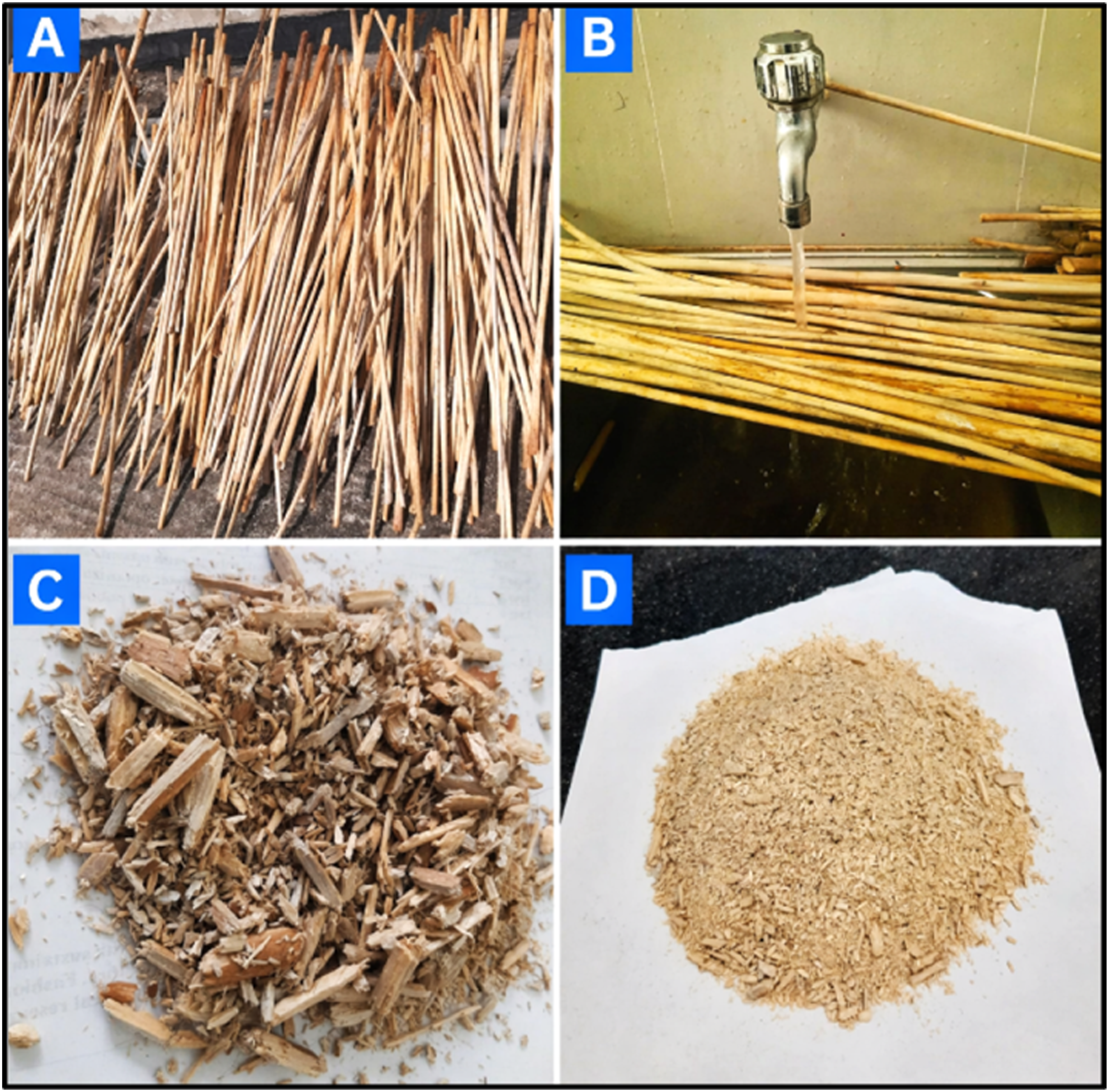
After drying, the jute sticks were cut into small pieces of approximately 1cm. Using a grinding machine in the laboratory, the jute pieces were grinded into powder form. The prepared jute stick powder was then stored in an airtight container for further characterization techniques.
Chemicals used
96% analytical grade ethanol (Merck Germany) and glacial acetic acid (99-100%) (Merck Germany) were used in this investigation to extract lignin from raw jute powder. Distilled water was also used for solution preparation. A Solvent-anti-solvent precipitation process was followed to obtain lignin and nano-lignin powder from jute stick. All the chemicals used in this research were of analytical grade and were used without further purification. 21
Extraction method of lignin
At first, cleaned, and dried jute sticks were collected and cut into small pieces (jute sticks were cut into 1 cm of small pieces). Using a grinder machine in the laboratory, the jute pieces were crushed into powder form. For lignin extraction, 20 g of dried jute stick powder was collected in a beaker. Then slowly 400 ml of ethanol-water solution (60:40) was mixed with the powder. Therefore, the solid to liquid ratio became 20:400 or 1:20.
Figure 2 shows the extraction process of lignin from jute sticks. Figure 2(a) shows the extraction process of lignin in magnetic stirrer. Figure 2(b) shows the Dark brown colored solution containing lignin after filtration from magnetic stirring. Figure 2(c) shows the Dark brown colored solution containing lignin after filtration from magnetic stirring. Figure 2(d) and (e) shows the extracted lignin powder from Jute sticks.
22
Extraction process of lignin from jute stick.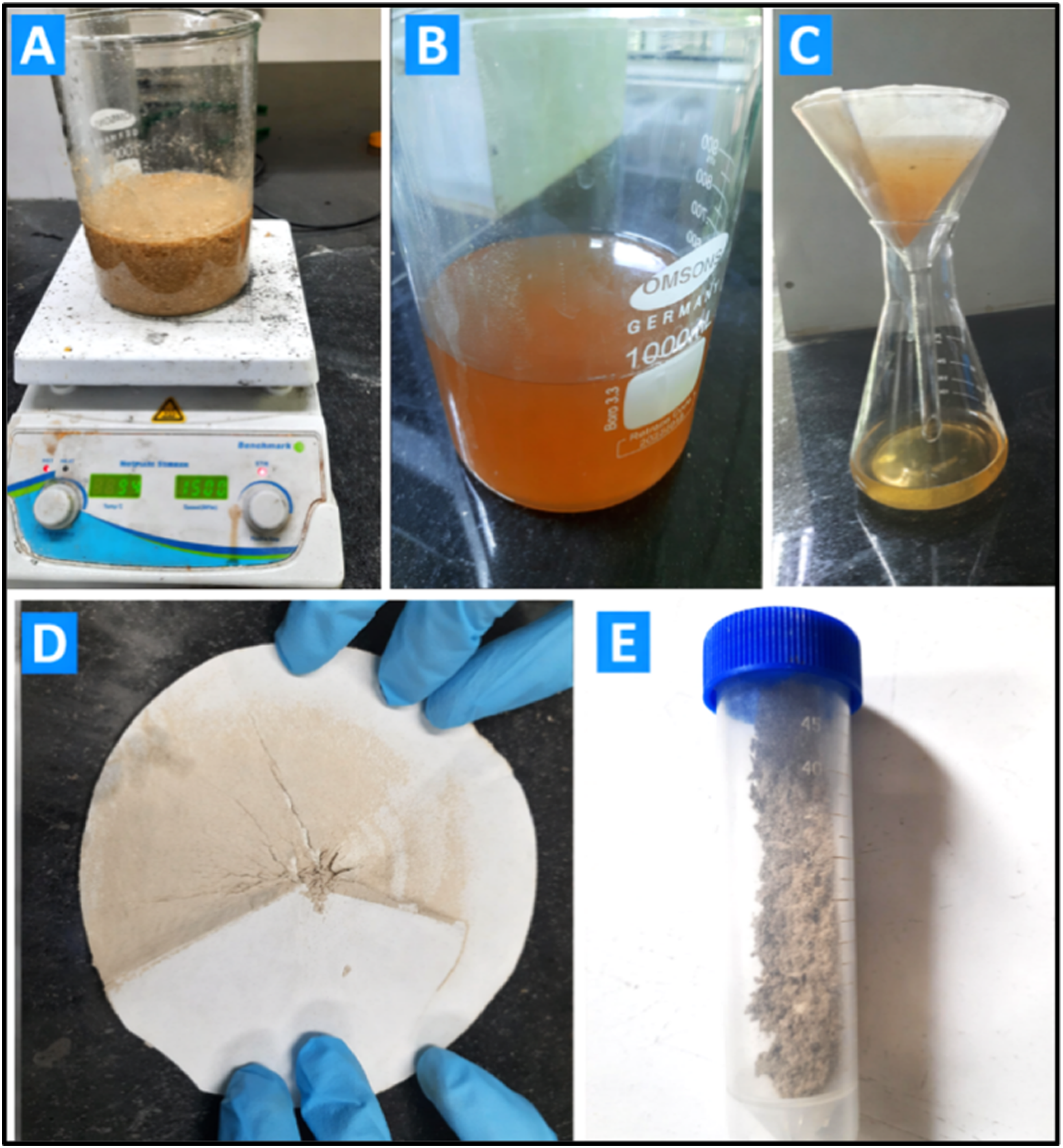
The solid to liquid ratio was maintained 1:20. The extraction conditions were selected following previously reported lignin extraction methods for lingo-cellulosic biomass. At this stage, the pH was initially measured at approximately 8-9. 1-1.5ml of acetic acid was then added into the solution to keep the bath pH 4-5. Using a magnetic stirring machine, the mixture was then heated at 80–90 °C for 8-10 hours to get a dark brown colored solution. The pH and extraction temperature were adjusted based on initial experimental observations to obtain a stable lignin-rich solution. This dark brown solution contained dissolved lignin materials. 23
Based on the solvent solute ratio calculation, 400ml of solution was prepared by mixing ethanol and water in a 60:40 ratio. Accordingly, the ethanol volume was 240ml, while the water volume was 160ml.
After that the mixture was filtered using filter paper to separate cellulose/hemi cellulose rich solid residue, and the lignin solution was obtained as the filtrate. Distilled water was then added to the lignin solution at a ratio of 1:3 to precipitate the lignin particles. A centrifugation process was subsequently carried out to precipitate the lignin particles in the test tubes. The lignin particles were collected by filtration using filter paper with a pore size of 2.25µm. The lignin particles were dried in an oven at 50°C temperature over night to obtain dried lignin powder. 24
Nano-lignin synthesis
At first, 1 g of lignin powder was mixed with 100ml of ethanol under continuous stirring to obtain a homogeneous solution. This homogeneous solution was then added dropwise into 800 ml of distilled water under constant stirring into a beaker.
This change in solvent polarity led to the formation of nano-lignin particles into the beaker. The mixture was then stirred for around 30 minutes to ensure uniform particle formation.
25
Centrifugation was then carried out for 10 minutes at 3000rpm to obtain precipitated nano-lignin. Figure 3(a) shows the nano-lignin synthesis process and Figure 3(b) shows the extracted jute nano-lignin powder. Nano-lignin synthesis process.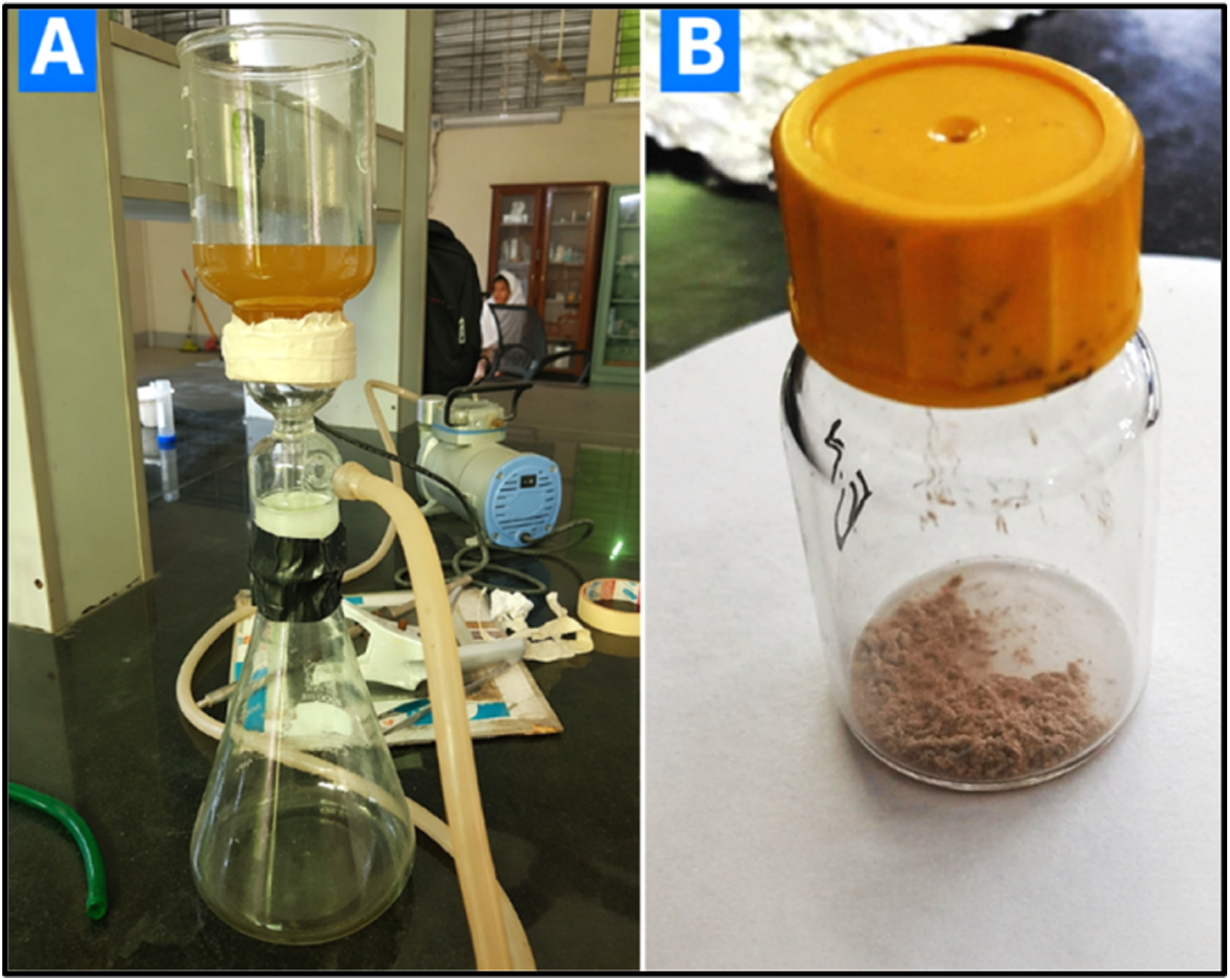
This nano-lignin was then filtered using a membrane filter with a pore size of 0.45µm and dried in an oven at 50°C temperature over night to obtain dried nano-lignin powder. During this process, approximately 10-15% material loss was observed since 0.8-0.9 g of nano-lignin was collected from 1g of lignin powder. 26 In this process, lignin was converted into nano-lignin using a solvent anti-solvent precipitation process. Nano-lignin was synthesized using a solvent exchange mechanism. Rapid change in solvent polarity leads to the precipitation of lignin particles into lignin nano particles. 27
In this study, approximately 0.8g to 0.9g of nano-lignin powder was obtained experimentally from 1g of lignin powder.
Since, after synthesis, sometimes 0.8g of nano-lignin was obtained and sometimes 0.9g of nano-lignin was obtained from 1g of lignin. So, the minimum and maximum yield% were calculated.
So, the maximum & minimum yield% for the nano-lignin synthesis was 80% to 90% with an average yield% of 85%.
In the extraction process, 1g of lignin was first dissolved in 100ml of ethanol. After that 800ml of distilled water was added dropwise to the solution to introduce precipitation. So, the solvent to anti solvent ratio was 1:8 after basic calculation.
Characterization techniques
After lignin extraction and nano-lignin synthesis process from jute sticks nano-lignin, different characterization techniques were carried out like FTIR, SEM, EDX, TGA, DSC, DLS, XRD and zeta potential. These characterization techniques were used to evaluate the structural and physicochemical characteristics of the synthesized lignin nano-particles. These characterization techniques were used to evaluate the particle size, surface structure, chemical structure and their stability.
FTIR analysis
FTIR (Fourier Transform Infrared) analysis was carried out to identify the functional groups in lignin and nano-lignin. In this analysis, the spectrum wavenumber range was 4000–400 cm-1. The obtained peak values indicated the presence of hydroxyl, carbonyl and aromatic groups in lignin and nano-lignin. FTIR analysis also helped to examine the retention of the major functional groups after the nano-lignin synthesis process.
SEM analysis
SEM analysis was used to observe the surface morphology and structural characteristics of the lignin nano particles. SEM provided the high-resolution images of the synthesized nano particles and their surface morphology. Nano-lignin showed circular or irregular shaped nano-particles. Besides, SEM images also helped to identify whether there was aggregation and clustering of particles.
DLS analysis
The full form of DLS is Dynamic Light Scattering that was used to examine the particle size and distribution of nano-lignin. It showed the hydrodynamic diameter of nano particles, which provided information regarding the behavior of nano particles in liquid state. By this process, the Poly dispersity Index (PDI) can be measured, which indicated the uniformity of nano particles. Lower PDI values indicate a more uniform particle size distribution and vice versa.
XRD analysis
The full form of XRD is X-ray Diffraction analysis. XRD analysis was carried out to determine the crystallinity and structural characteristics of nano-lignin particles. Pure lignin is an amorphous substance and it showed a broad peak in graph. The analysis helped to evaluate whether the original structure of the lignin had changed during nano synthesis process or not. It is useful for suggesting the structural stability of nano-lignin.
Zeta potential analysis
Zeta potential analysis was used to evaluate the surface charge of nano-lignin particles and their colloidal stability in suspension. These values showed the electrostatic repulsion between the particles, which prevented their aggregation. High positive or negative values of zeta potential indicate better dispersion stability and vice versa. It also helped in understanding the suspension character of nano-lignin particles.
TGA analysis
TGA stands for Thermo-Gravimetric Analysis. TGA analysis helped to determine the thermal stability and degradation behavior of nano-lignin. In this process, the change in sample weight was observed with the increase of temperature. Generally, at first, due to the increase in temperature in TGA analysis, moisture loss occurs and then happened the degradation of lignin structure.
Results and discussion
This section discusses the results of the study. Different types of characterization were performed like TGA, SEM, Zeta Potential, XRD, DLS, FTIR and their findings will be discussed. These results support the structural and physicochemical characterization of synthesized nano-lignin particles. These results are obtained after the extraction and synthesis process of nano-lignin.
Results of FTIR
FTIR analysis showed the functional groups present in lignin and nano-lignin particles. Figure 4 shows the FTIR spectrum of nano-lignin from jute stick. It has two axes, one axis is Transmittance (%) and another axis is wavenumber (cm-1). Wavenumber indicates the functional group and transmittance% indicates the absorbance. The amount of light is passing through the sample is expressed via T%. The higher values of transmittance T% expressed low absorption and vice versa. Also, the higher absorbance values indicate stronger peaks and vice versa.
28
Ftir observation of nano-lignin.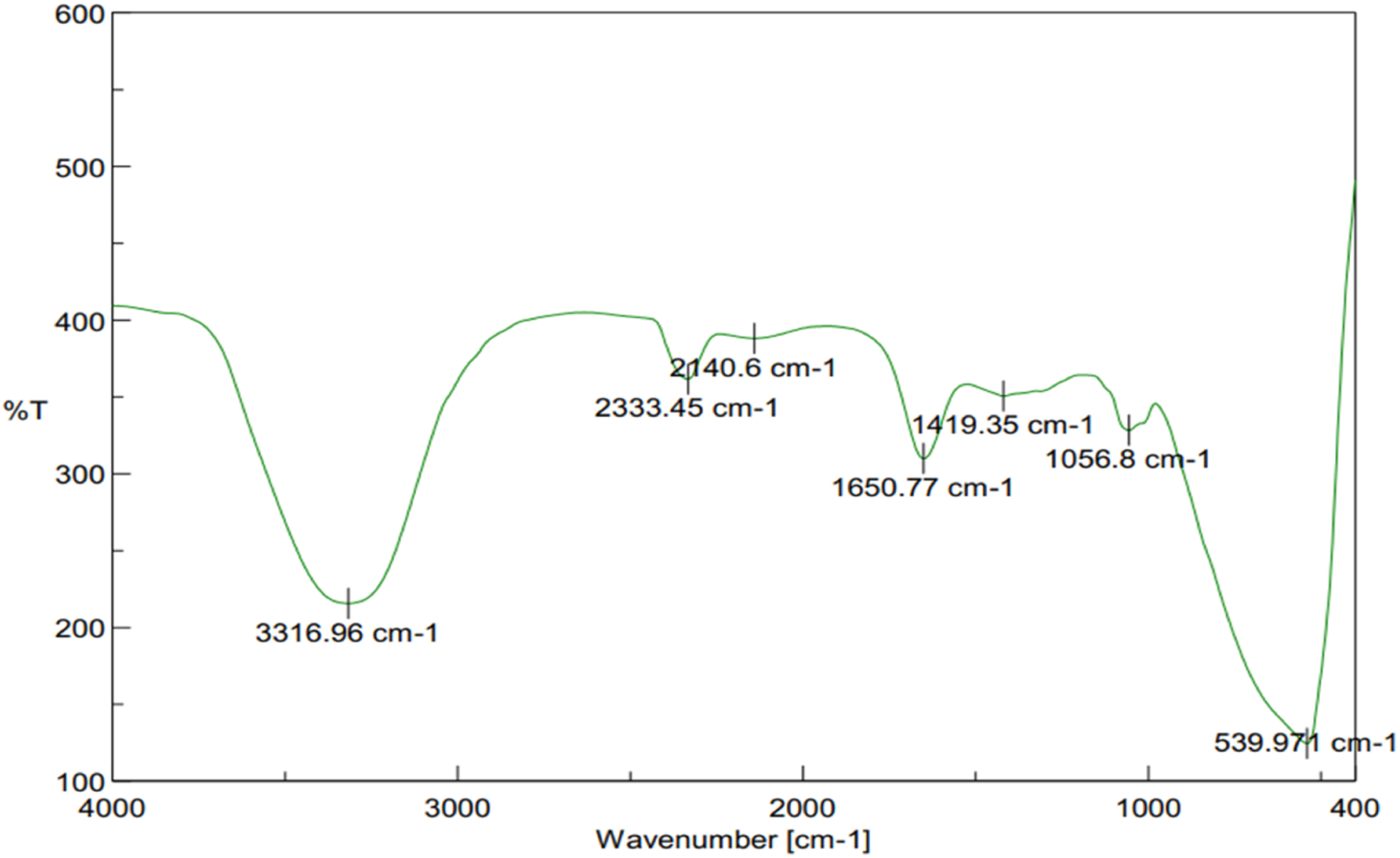
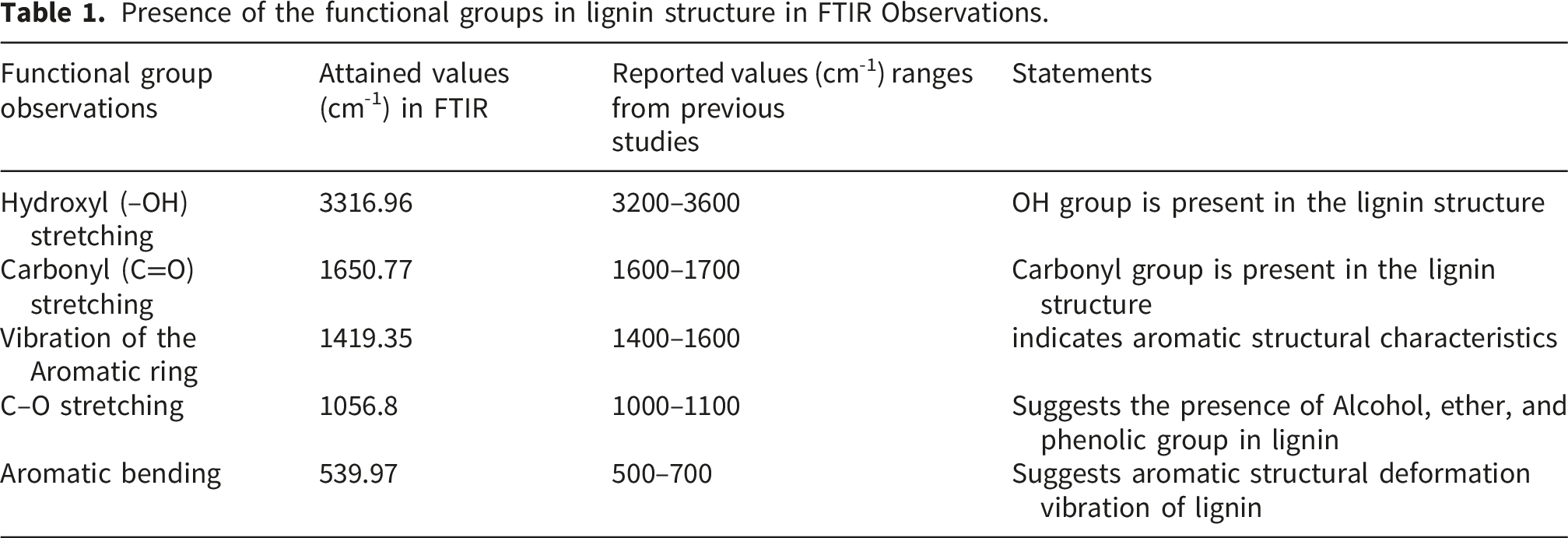
The FTIR values were observed in the range of 400 to 4000 cm-1. In this FTIR figure, absorption peaks indicate the presence of the functional groups. The peak value at 3316.96 cm-1 indicates the presence of hydroxyl group. The peak value at 2333.45 cm-1 may be associated with atmospheric CO2 absorption in the nano-lignin particles. The peak value of 1650.77 cm-1 indicates the stretching vibration of carbonyl (C=O) group. The peak value of 1419.35 cm-1 suggests the vibration of aromatic ring, which is the main structural part of nano-lignin. The peak value of 1056.8 cm-1 indicates C–O stretching vibration that indicates the presence of alcohol, ether, and phenolic groups in nano-lignin. The peak value of 539.97 cm-1 indicates aromatic structure and it’s bending vibration. 29 The observed FTIR peaks were consistent with the characteristic functional groups widely reported for lignin in related studies.
It can be observed from this FTIR spectrum that the major functional groups of lignin, such as hydroxyl, carbonyl, and aromatic groups were still present after the synthesis of nano-lignin. The overall interpretation suggests that the major characteristic functional groups of lignin were retained in the synthesized nano-lignin particles. 30
Presence of the functional groups in lignin structure in FTIR Observations.
Results of SEM
SEM (Scanning Electron Microscopy) was used to investigate the surface morphology and structural characteristics of the synthesized nano-lignin particles. Different structural images of jute nano-lignin like surface morphology and aggregated particle structures were displayed clearly. Each image was taken at different magnifications levels to understand the structural characteristics properly. 31
The Figure 5(a) was captured at the scale of 10µm (micrometers) scale bar, where the angular and broken structures of nano-lignin were clearly visible. In the figure, several small structures were noticed those indicated the complexity and complex morphology of jute nano-lignin particles. Irregular and fragmented particle clusters were also observed, which indicates the heterogeneous morphology of the lignin nano particles. SEM images of nano-lignin derived from jute biomass at different magnification.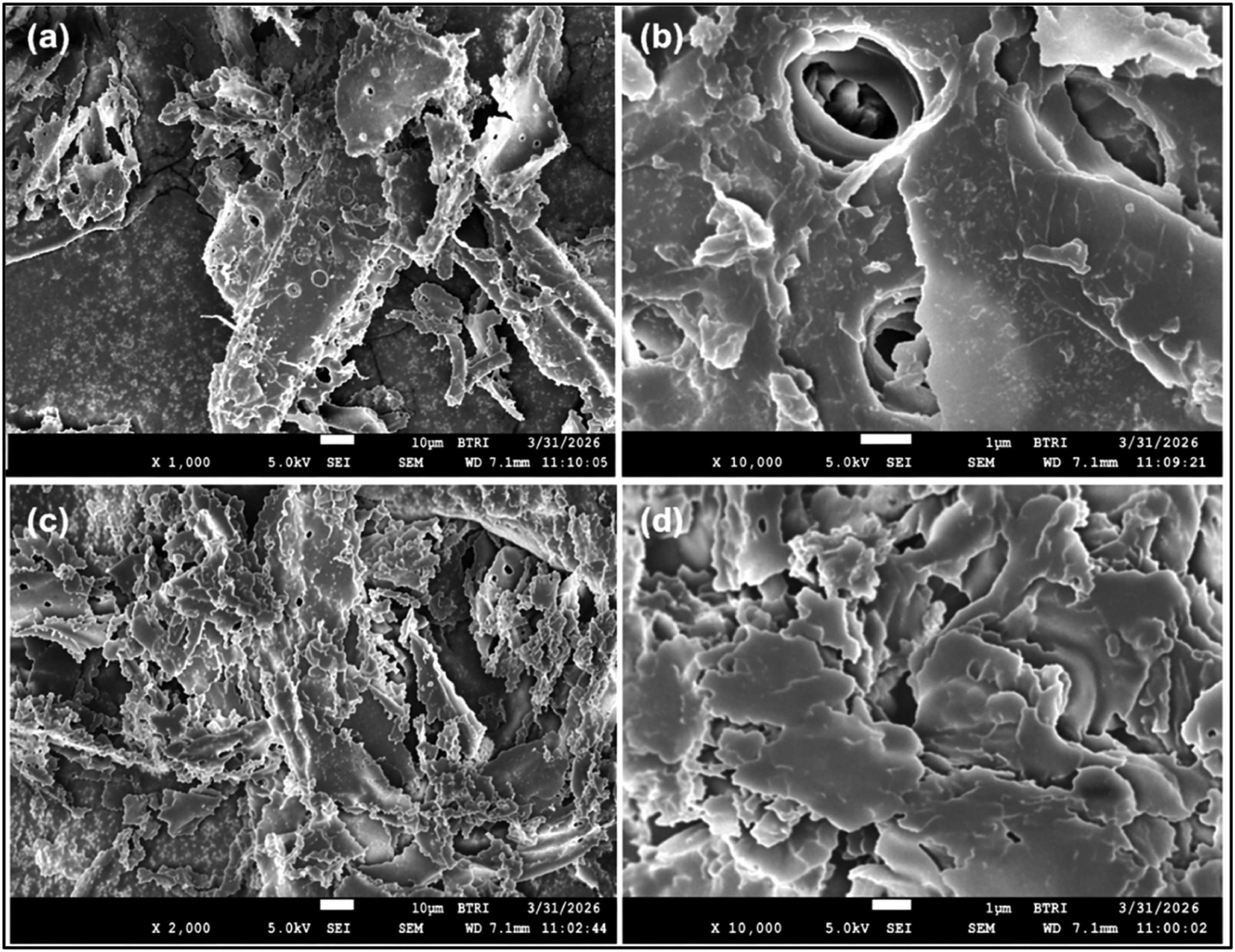
Figure 5(b) was recorded at higher magnification with a 1um scale bar, the structures were seen finer and relatively rounded structures and some small holes were visible. Some particle agglomeration was observed in the structures, which may be due to lignin nanoparticles had high surface energy and intermolecular interactions during drying and sample preparation.
Figure 5(c) revealed the clustered, broken, and irregular surface structures of the synthesized nano-lignin particles. In the molecular structures on nano-lignin, some separations or reduction parts are there, which may contribute to higher surface irregularity. The observed aggregation behavior of the lignin nano particles may be attributed to hydrogen bonding interactions.
The Figure 5(d) was captured at the scale of 1 µm (micrometers) scale bar, where the structure was seen thicker and smoother. These images clearly exposed the structural shapes of the lignin nano particles. These images showed the formation of nano-structured lignin particles with heterogeneous surface morphology.
The Figure 5 (a)-(d)nano-lignin showed, the fine and nano-structured morphology and porosity of jute nano-lignin, which revealed the porous and heterogeneous morphology of nano-lignin particles.
The micrometer-scale bars in the SEM images represented the observation scales of the micrographs and did not indicate the actual primary particle size of the nano-lignin particles. The nanoscale particle size was supported by DLS analysis that showed an average particle diameter of approximately 117 nm. 32
Results of EDX
Energy Dispersive X-ray (EDX) analysis was carried out to identify the elemental composition of the synthesized jute nano-lignin samples.
In Figure 6, EDX Spectroscopy of Jute Nano-lignin was presented. The X-axis showed the keV (kilo electron volt) values that indicated X-ray energy level, while the Y-axis indicated the counts of X Rays detection. The higher the peak is the higher the presence of the element is and vice versa. In Figure 6 and in Table 2, the weight% of Carbon (58.55%) and Oxygen (41.45%) were seen those falls in between the frequently reported values ranges for extracted lignin particles. From the detection, it was seen that carbon and oxygen were the dominant detected elements. The calculated carbon/oxygen ratio was 1.41, which supported the aromatic and carbon/oxygen containing functional nature of lignin.
33
EDX Spectroscopy of treated Jute Nano-lignin. Elemental Composition% for treated Jute Nano-lignin.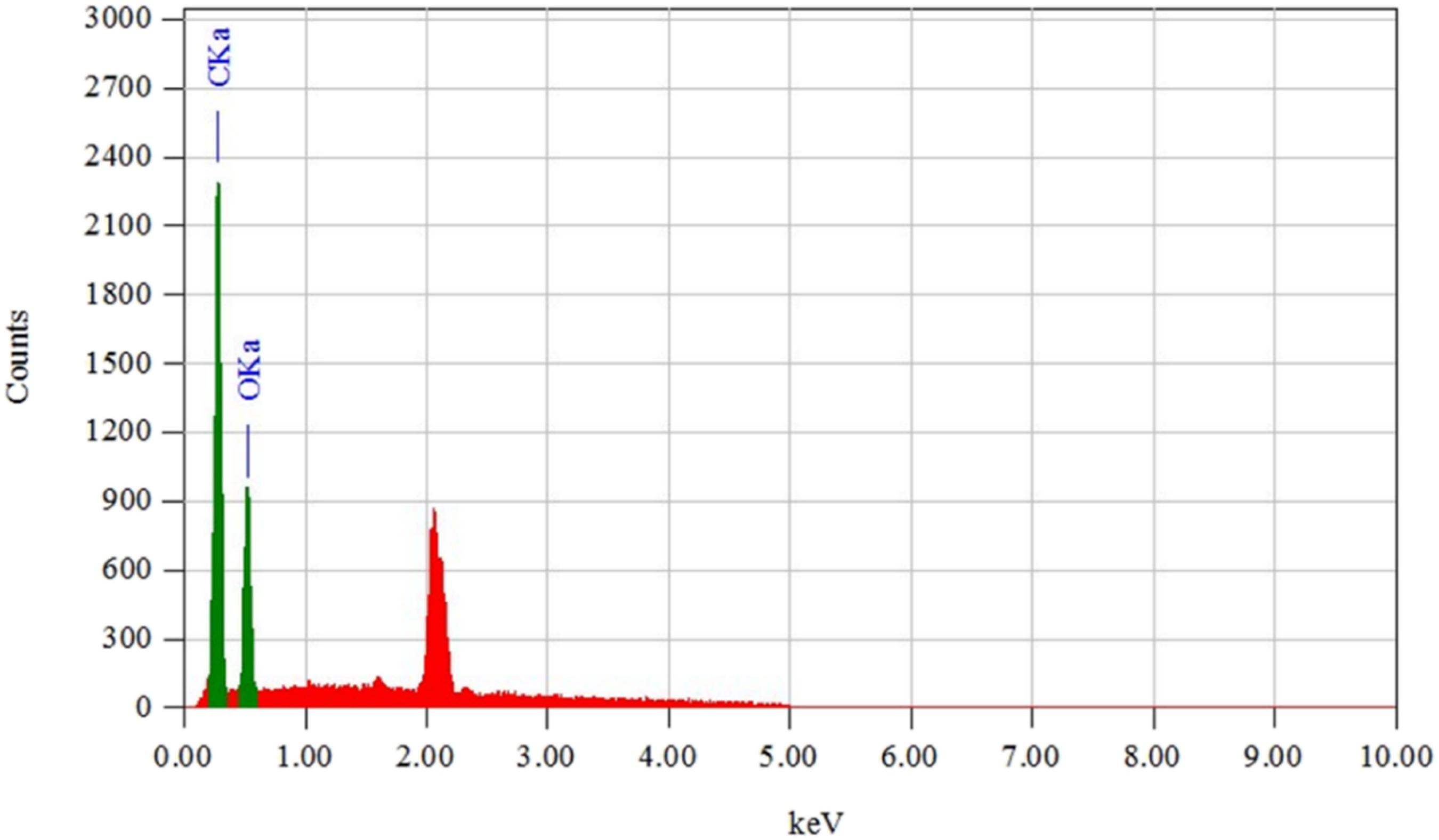

Lignin is a complex aromatic biopolymer that is mainly composed of phenylpropane units and typically contains high level of carbon and oxygen. The obtained result was consistent with the reported elemental characteristics of lignin. The relatively high Carbon content may be associated with the aromatic ring structure of lignin, while the Oxygen content may indicate the presence of Oxygen containing functional groups such as hydroxyl (–OH), methoxy (–OCH3) and carbonyl (C=O) groups. 34
Figure 6 indicated that carbon and oxygen were the dominating constituents present in the synthesized nano-lignin sample.
The presence of dominant carbon and oxygen peaks indicated that the sample was organic in nature and possessed elemental characteristics often associated with lignin-based materials. Hence, the results demonstrated from the EDX analysis that the obtained elemental composition was consistent with the broadly reported characteristics of lignin-based materials. 35
Results of DLS
Dynamic Light Scattering (DLS) was used to determine the hydrodynamic particle size and particle size distribution of the synthesized nano-lignin. Figure 7 shows the Dynamic Light Scattering graph, where the X-axis represents the hydrodynamic diameter and the Y-axis represents the intensity% of the nano-lignin particles, indicating their relative particle size distribution. This report was prepared using Malvern Panalytical Ltd. (UK) at 25°C temperature. The particle size and distribution of the prepared jute nano-lignin were measured at this temperature using water as dispersant.
36
Dls graph of derived nano-lignin from jute stick.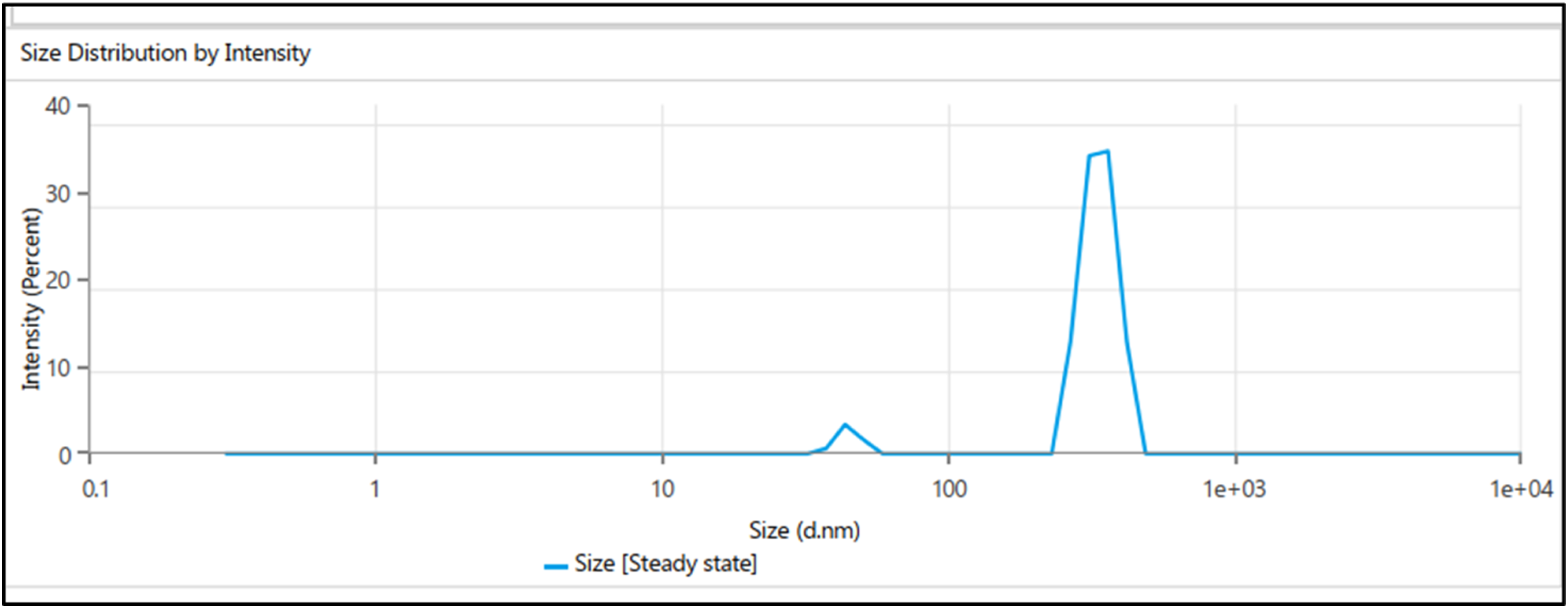
DLS Values of the tested Jute Derived Nano-lignin.
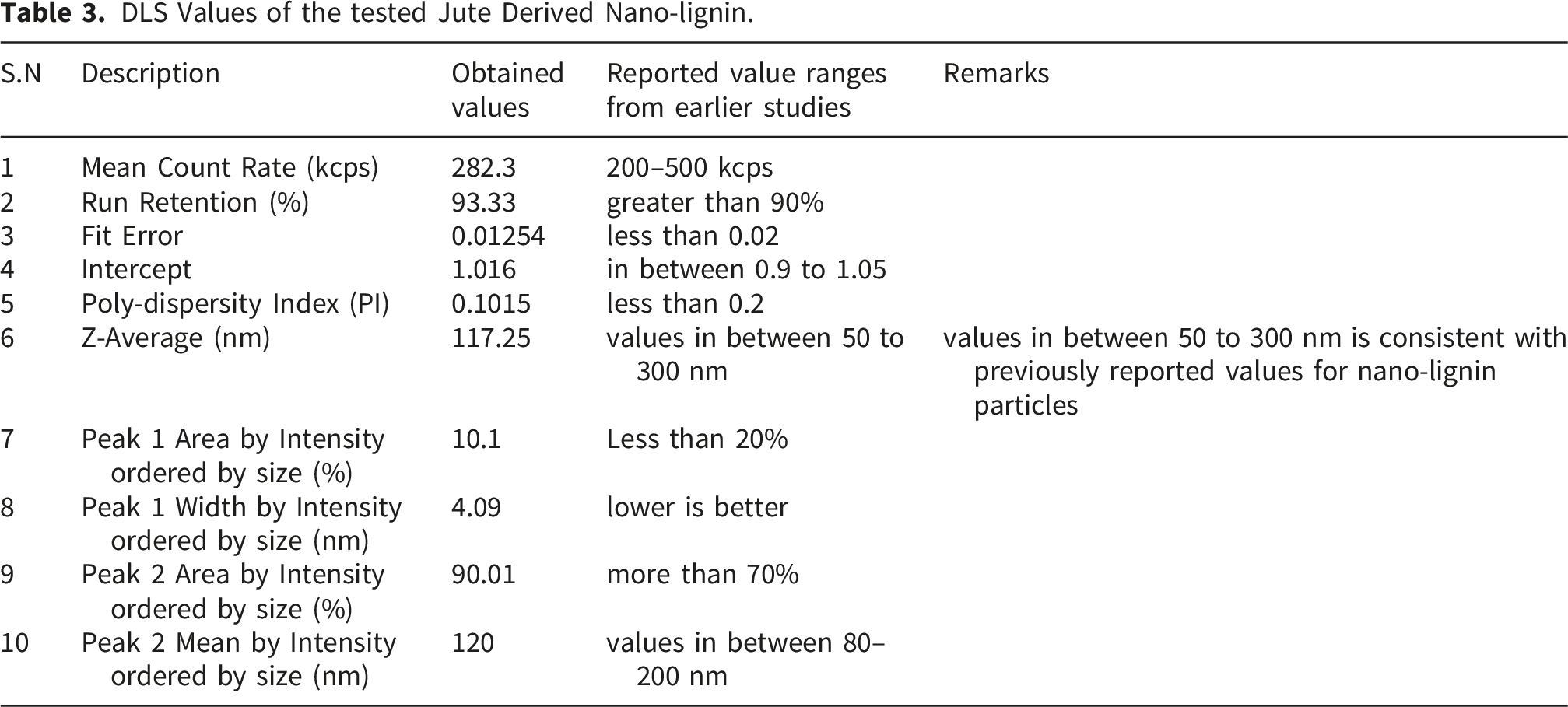
The PDI value of the sample nanoparticles was 0.1015 that indicates the narrow and uniform particle size distribution. This is the characteristic of a comparatively well dispersed nano particle system. The standard PDI value generally ranges from 0.1 to 0.3. 37
In the analysis of Intensity based particle size distribution, a major peak was observed at approximately 120 nm, representing about 90% of the total particle distribution. Besides, a small peak around 45.02nm represented nearly 10% of the particle size distribution. This observation indicates that the sample mainly contained a dominant particle size distribution. 38
The fit error value of the DLS analysis was 0.01254 (lower) and the intercept value was 1.016 (near to 1), which indicated the satisfactory signal quality and measurement reliability. The conventionally reported fit error values generally lie in between 0.01 to 0.1, while the intercept value is generally expected to remain close to 1.0.
The mean count rate was 282.3 kcps and the run retention value was 93.33% that indicated the experiment was conducted under a stable and reliable condition. The predominantly reported mean count rate generally ranges from 100 to 500 kcps, while run retention values above 90% are considered acceptable. Finally, the obtained DLS results illustrated that the above stated values indicate the synthesized nano-lignin particles possessed comparatively homogeneous particle size distribution and comparatively good dispersion behavior at the nano scale. 39
Results of XRD
X-ray Diffraction (XRD) analysis was conducted to examine whether the synthesized jute nano-lignin particles exhibited crystalline or amorphous structural characteristics. In this research, the analysis was also carried out to determine the structural characteristics of the extracted lignin and the synthesized nano-lignin particles.
In Figure 8, (x)-axis resembles X-Ray diffraction angle (2θ) and Y-axis resembles intensity of the X-Ray in CPS (count per seconds). Initially the X-Ray diffraction was 5000 count per seconds and by the increase of the diffracted angle the values were decreased, as the particles were amorphous in nature. If the particles were crystalline in nature, sharp crystalline peaks would have been obtained. The decrease of the graph was smooth and broad that indicated amorphousness.
40
X-ray diffraction (XRD) of jute nano-lignin.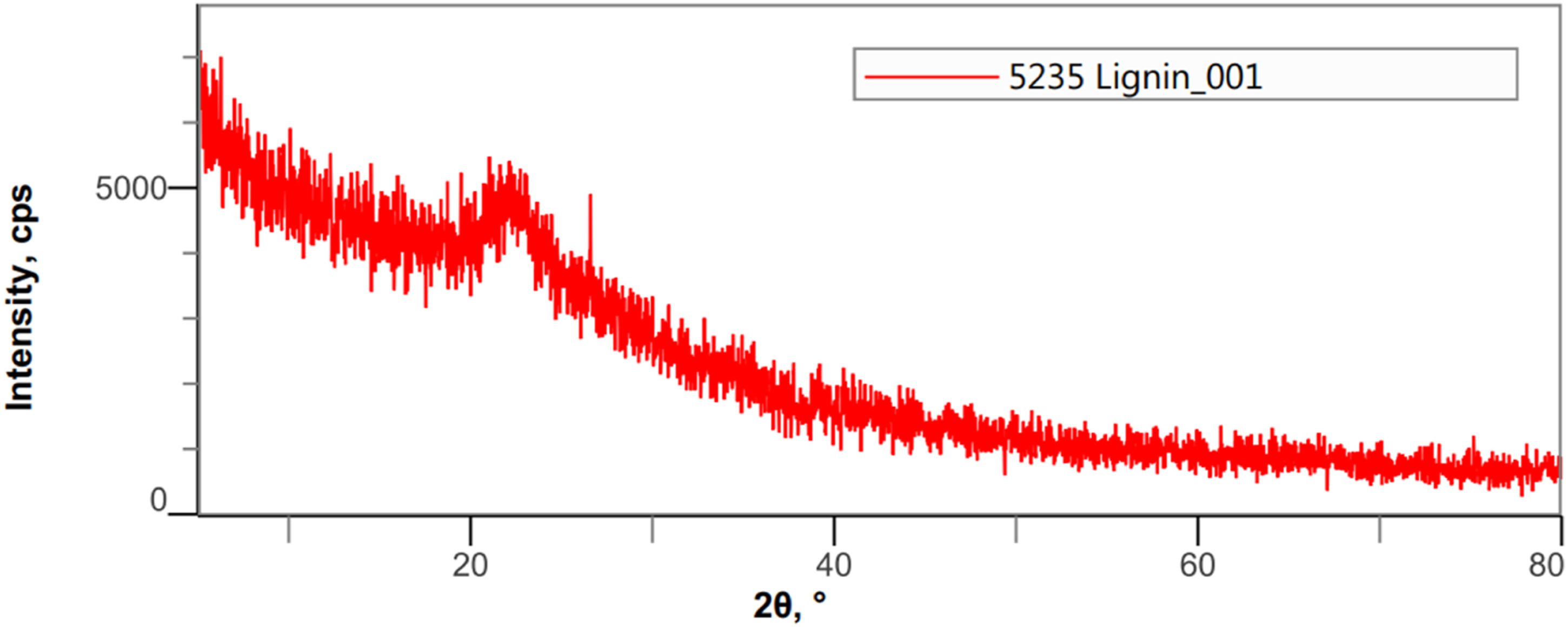
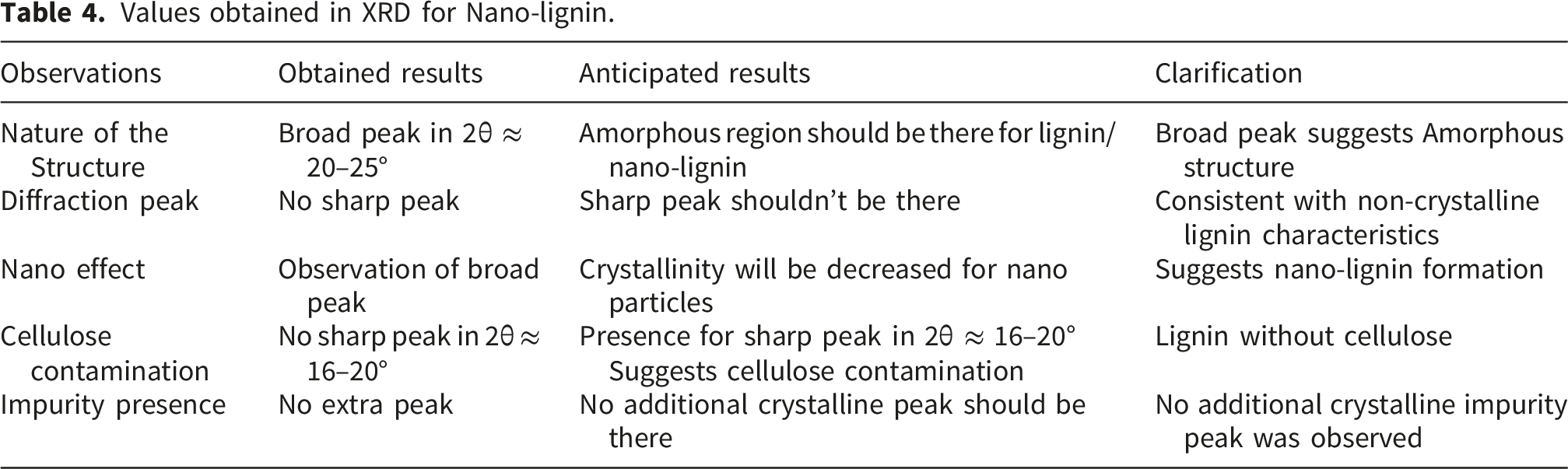
Generally, lignin and nano-lignin are considered amorphous materials and the indication of the experiments aligned with the test report. Figure 8 showed that in the obtained diffraction pattern, in the region of 2θ ≈ 20°–25°, a broad peak was observed. The absence of sharp crystalline peaks indicates the predominantly amorphous nature of the synthesized nano-lignin particles. This type of pattern highlighted that the sample was amorphous in nature. 41
Lignin is a complex, three-dimensional and irregular structural non-crystalline biopolymer, that’s why, in XRD pattern, usually sharp diffraction peak was not generally expected. Hence, in the obtained result, the sharp peak was absent and it was aligned with the usual characteristics of lignin. This phenomenon is consistent with the amorphous structural characteristics of nano-lignin particles. 42
The possible presence of cellulose-related crystalline structures was examined by XRD analysis.
The contamination of cellulose was also examined by XRD analysis. In case if cellulose was found, a sharp diffraction peak would be expected in the 2θ ≈ 16° to 22° region. In this study, no sharp cellulose related crystalline peak was observed, suggesting a lower presence of crystalline cellulose components in the synthesized nano particles. Finally, in the figure of 08, due to not having any sharp crystalline peak in the diffraction pattern, it reflected that no major crystalline impurity phases were prominently present in the synthesized nano particles. It presented that the XRD results were consistent with the structural characteristics of widely reported nano-lignin particles. 43
Values obtained in XRD for Nano-lignin.
Apparent domain size from XRD
The apparent Domain Size of the synthesized nano-lignin particles was estimated using Scherrer Equation 1.
Results of zeta potential
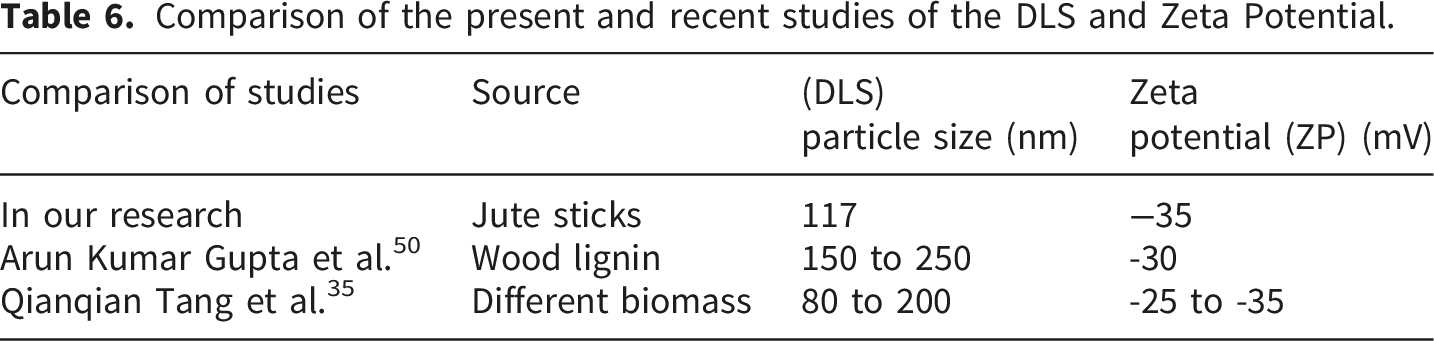
Zeta potential analysis was carried out to evaluate the surface charges and dispersion stability of the synthesized jute nano-lignin particles. In Figure 9, the X-axis represents the zeta potential (mv) values of the nano-lignin particles and the Y-axis represents the particle counts within that specific charge ranges. In this figure, a sharp and distinct single peak was observed, that situated in the -35.95mv (1 millivolt= 0.001 volt) area suggesting a comparatively uniform and well-dispersed nanoparticle system.
45
Zeta potential distribution graph of nano-lignin derived from jute biomass.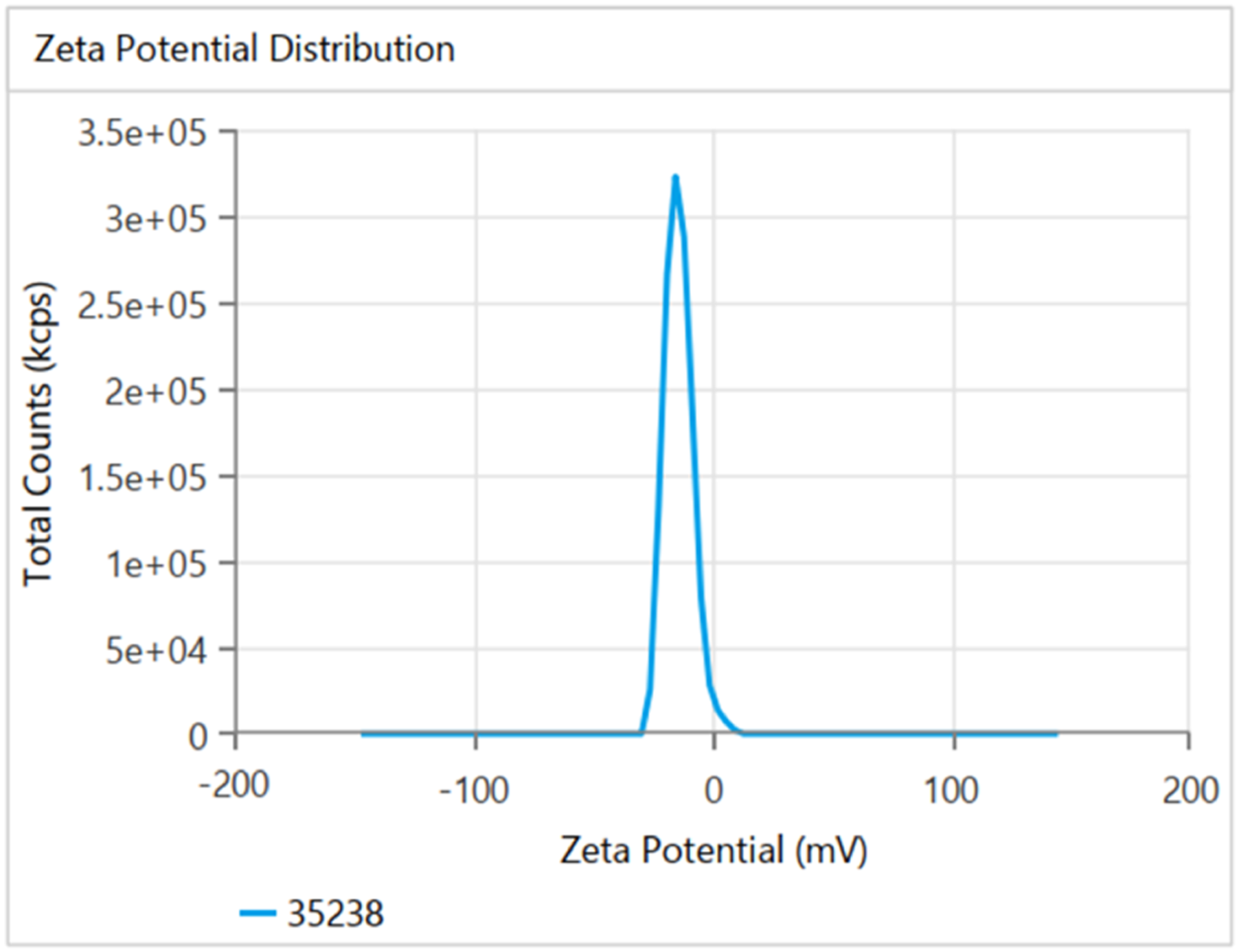
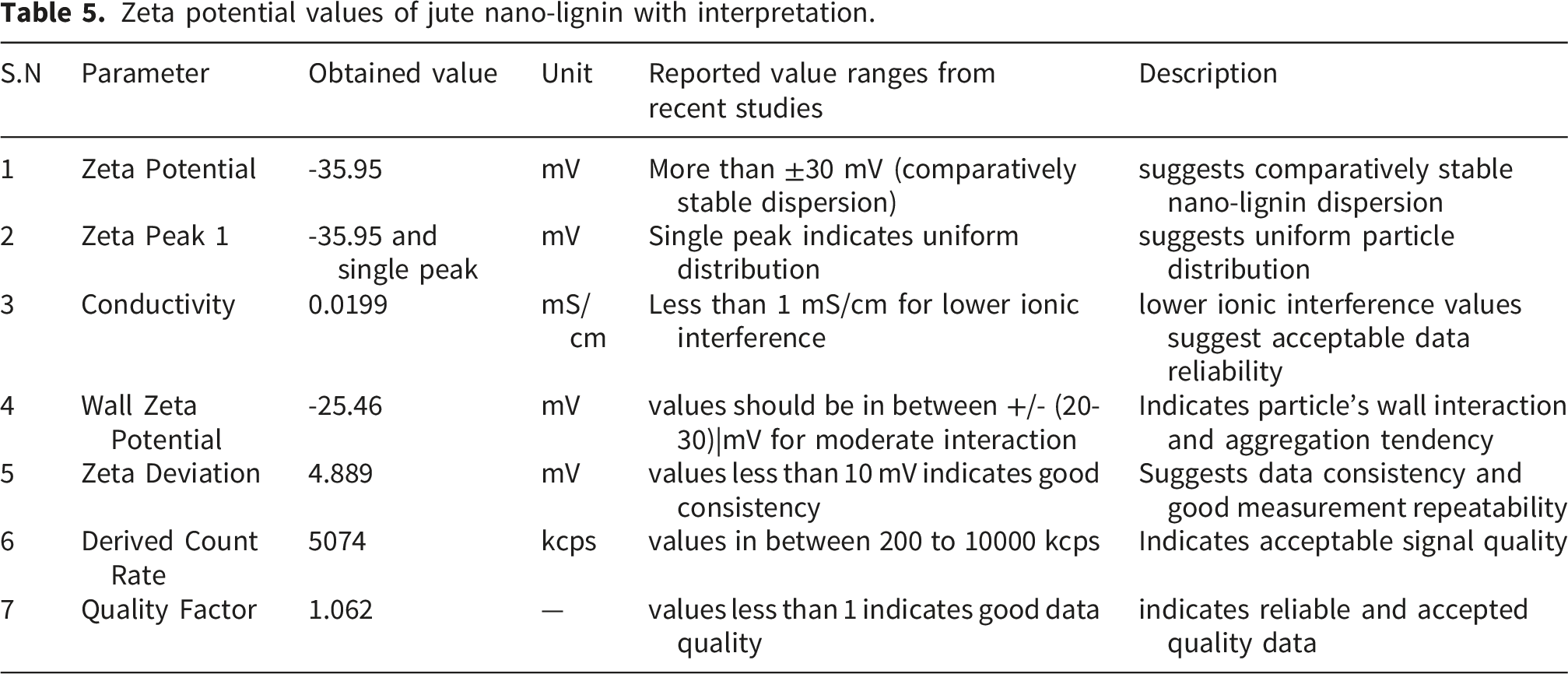
The relatively high negative zeta potential values of -35.95 mv (values greater than ±30 mV generally indicates good colloidal stability) indicates comparatively stable colloidal behavior of the nano-lignin suspension, due to electrostatic repulsion among the particles, which may help reduce particle aggregation. Similar zeta potential values have also been reported in the literature for stable lignin nanoparticle dispersions. 46
Figure 10 shows the zeta potential phase plot graph. In this graph, X-axis represents time (s) and Y-axis represents phase (radian). In phase plot graph it is seen that when times increases and cross 1s, (before reaching to 1.5s) in 0 radian, the phase radian started to decrease and cross -100 radian (reaches before -120 radian). After a certain time before 2s, phase radian values again started to increase and reaches to radian 0. When time increases and reach to 3s, the radian value exposed to be the same. This phenomenon of increasing and decreasing of radian vs time indicates that the nanoparticles responded to the applied electric field and showing stable signal behavior.
47
Zeta potential phase plot graph.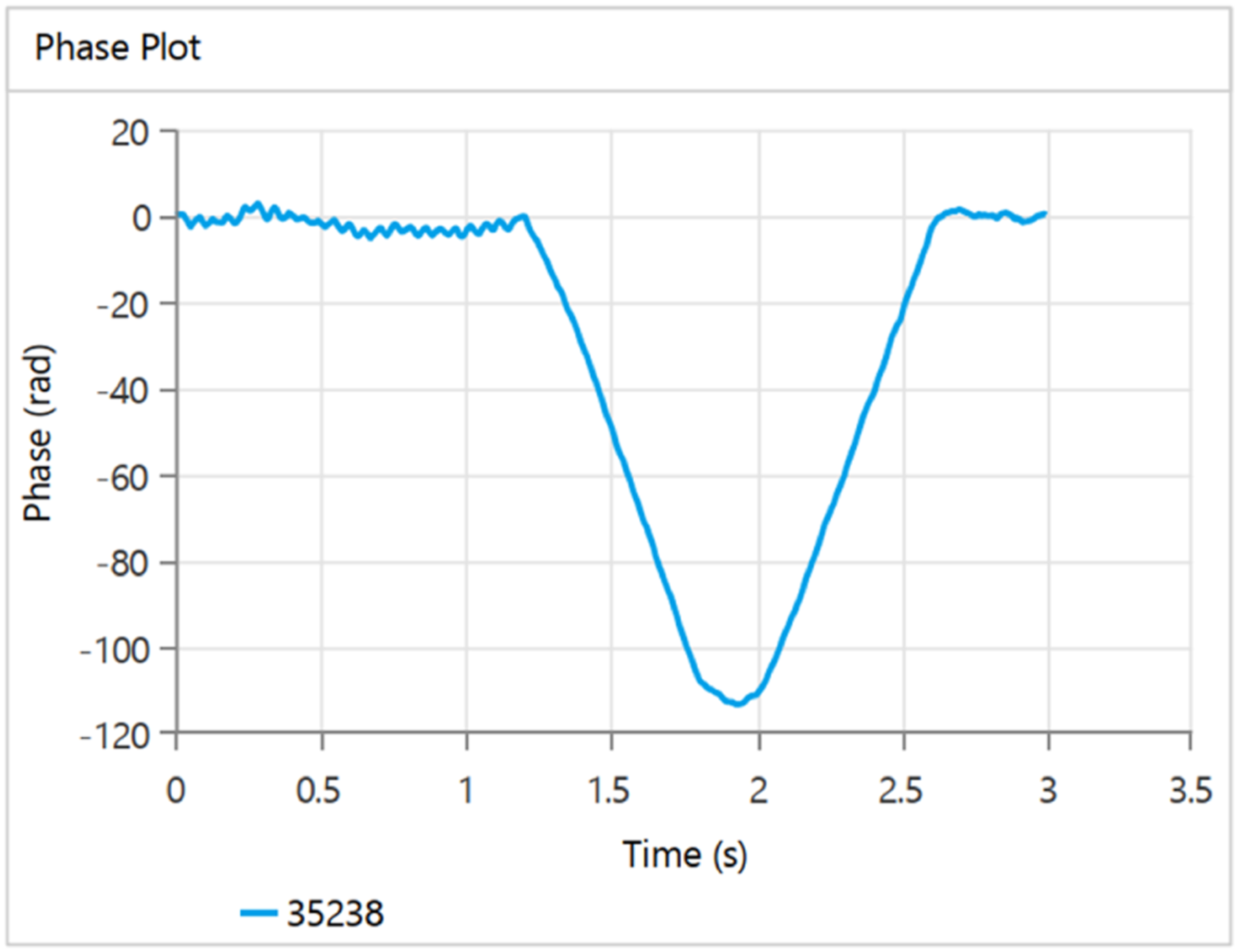
Zeta potential values of jute nano-lignin with interpretation.
Comparison of the present and recent studies of the DLS and Zeta Potential.
Results of TGA (Thermo-gravimetric analysis)
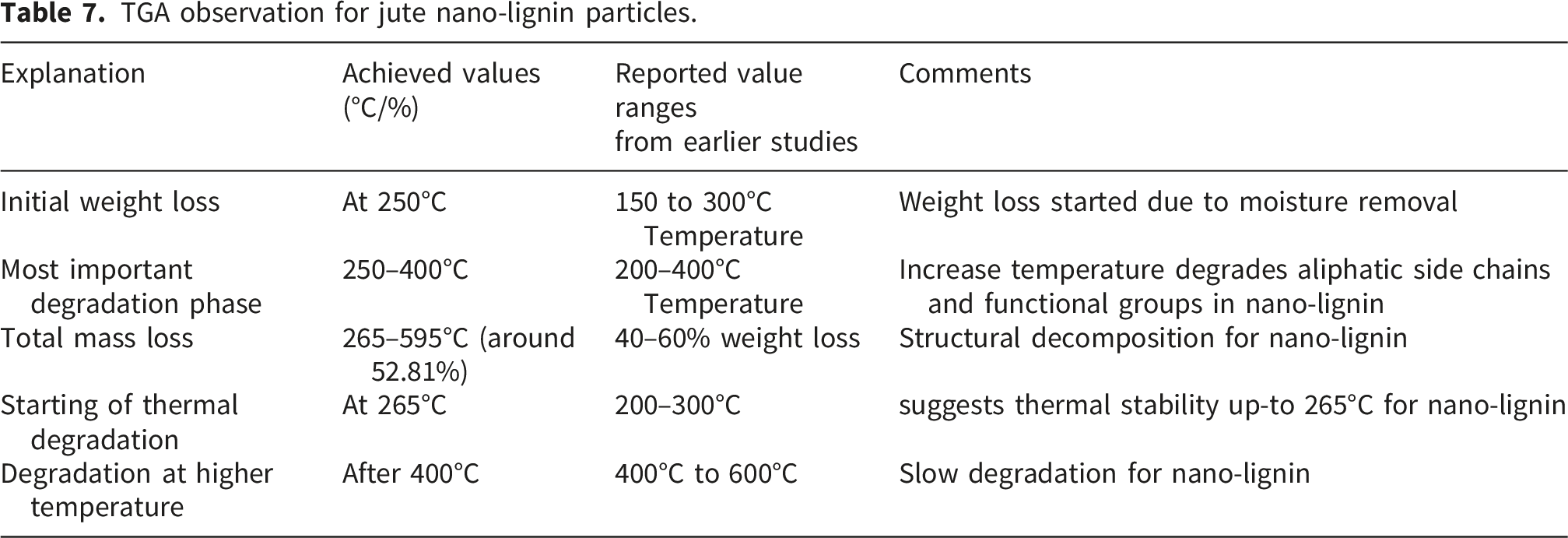
Figure 11 shows the TGA (Thermo-gravimetric Analysis) report of the synthesized nano-lignin particles. In this figure, the X-axis represents the temperature (°C) and Y-axis represents the weight%. The TGA experiment was conducted within the temperature range of0°C to 600°C. the graph shows that the weight% of nano-lignin gradually decreased with increasing temperature (°C). TGA analysis report of nano-lignin.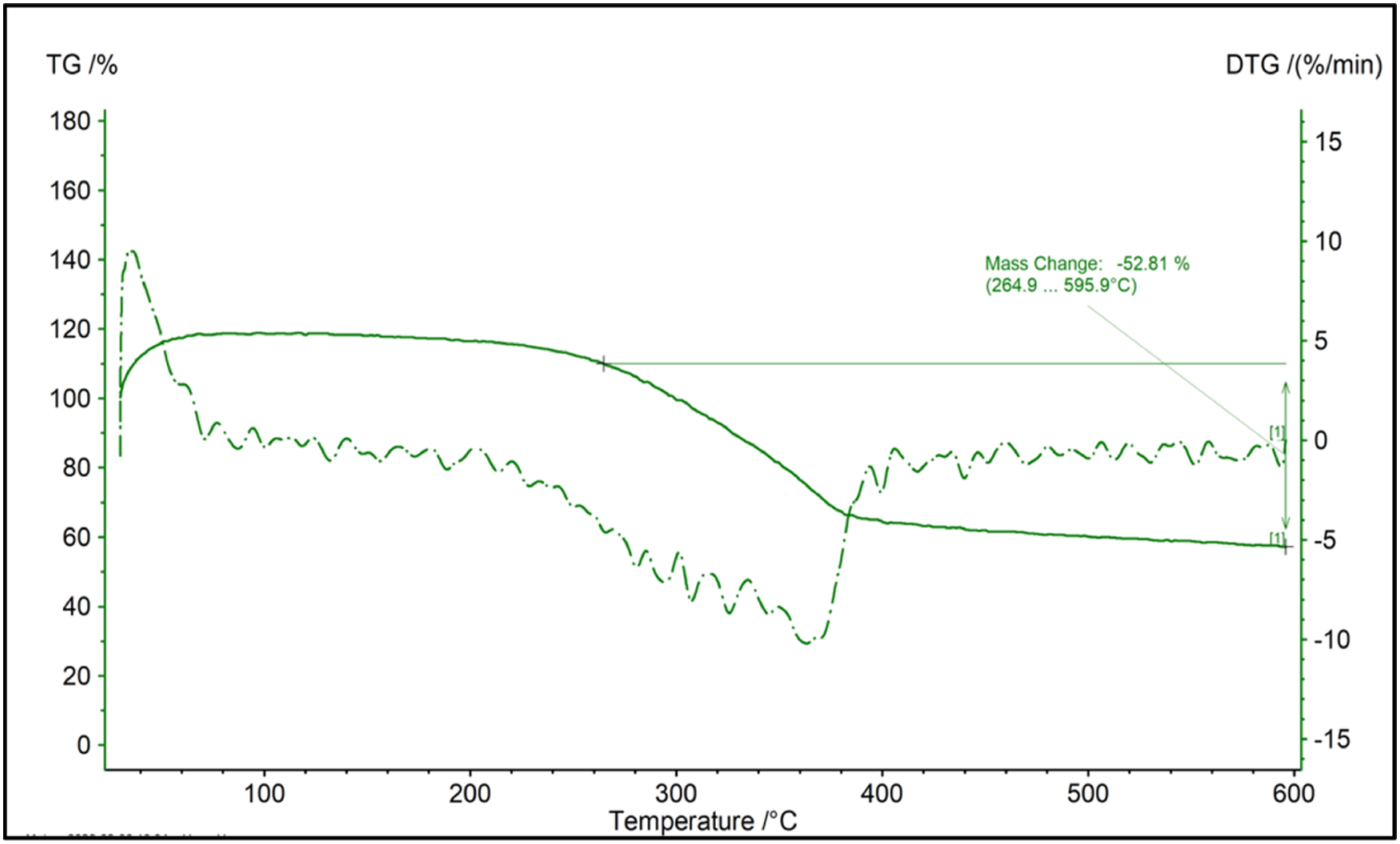
In the initial stage up-to approximately 250°C, a slight weight loss was observed, which may be associated with the removal of absorbed moisture from the lignin nano particles. In the second stage, within the temperature range of approximately 250°C to 400°C, a substantial weight loss was observed, which might be related to the degradation of aliphatic side chains and their corresponding oxygen containing functional groups present in the nano-lignin particles. 51
From the obtained TGA results, almost 52.81% weight loss was observed between 265°C and 595°C, which indicates the thermal decomposition behavior of the nano-lignin particles. The remaining residual mass was approximately (100-52.81% or 47.19%) 47.19% that may be associated with the carbon rich aromatic structure of lignin. As per the TGA Analysis report, the major thermal degradation of nano-lignin particle was initiated around 265°C, suggesting comparatively good thermal stability of the synthesized nano-lignin particles. 52
TGA observation for jute nano-lignin particles.
Results of DSC
Figure 12 showed the DSC (Differential Scanning Calorimetry) analysis report of the synthesized nano-lignin particles. The X-axis of DSC report indicated temperature and Y-axis indicates the heat flow (W/g) whether the sample absorbs heat or releases. DSC analysis was carried out to evaluate the thermal transition behavior of the nano-lignin particles. In the DSC graph, several thermal transition peaks were observed at different temperature regions. At 97°C temperature, a small peak was observed, which might be associated with the moisture removal or initial thermal relaxation behavior of the nano-lignin particles. Table 8 showed the DSC Analysis report of the synthesized nano-lignin particles.
54
DSC Analysis report of nano-lignin. DSC analysis report of nano-lignin.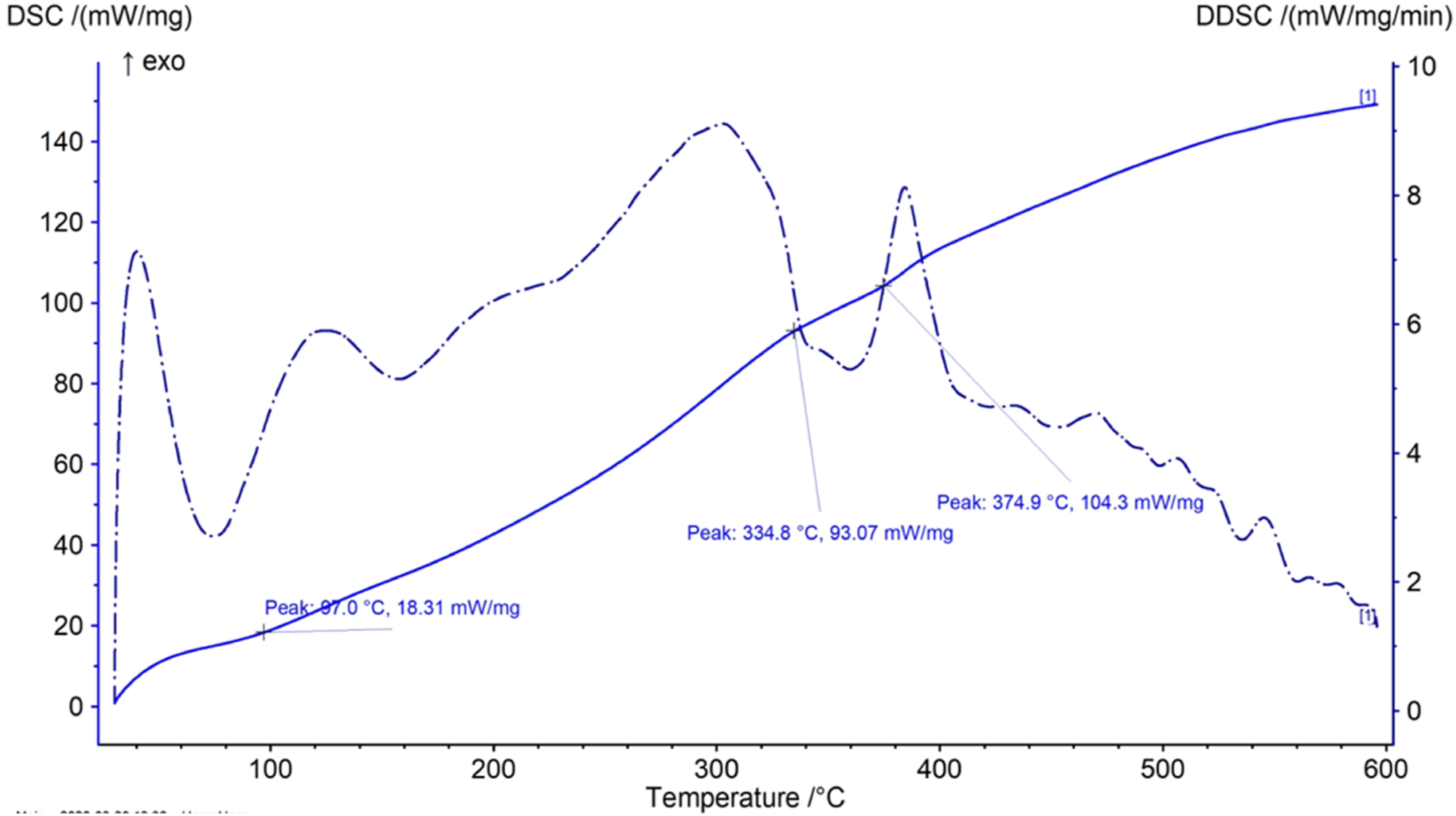
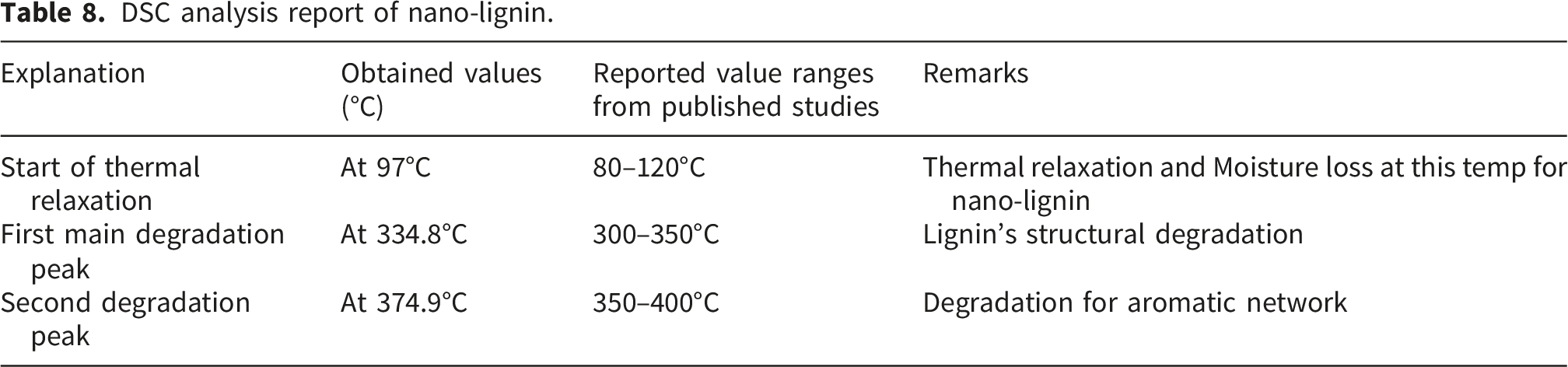
At approximately 334.8°C temperature, a major thermal transition peak was observed, that may correspond to the primary thermal degradation region of nano-lignin structures. Besides, at the temperature of 374.9°C, another peak was observed, which might be associated with the degradation of the complex aromatic structure of lignin nano particles. This obtained DSC results represented that the synthesized nano-lignin particles underwent multiple thermal stages, which are consistent with the reported thermal behavior of lignin-based materials. Overall, the DSC analysis indicated comparatively satisfactory thermal resistance characteristics of the synthesized nano-lignin particles. 50
Conclusion
In this research, lignin was extracted from jute stick biomass using an ethanol-based organosolv method and subsequently converted into nano-lignin through a solvent–anti-solvent precipitation process. FTIR analysis supported the presence of important lignin functional groups such as hydroxyl, carbonyl, and aromatic groups after nano-lignin synthesis. SEM, XRD, and DLS analyses were conducted to evaluate the surface morphology, structural characteristics and particle size distribution of the synthesized nano-lignin particles. EDX analysis showed that carbon and oxygen were the dominant detected elements in the synthesized nano-lignin particles, which was consistent with the elemental characteristics of lignin. DLS analysis showed an average particle size of around 117 nm with uniform particle size distribution. XRD analysis indicated predominantly amorphous structural characteristics commonly reported for nano-lignin-based particles. Zeta potential analysis implied comparatively good colloidal stability of around -35 mV and dispersion behavior of the synthesized nano-lignin particles. TGA and DSC suggested multi-stage thermal degradation behavior with comparatively satisfactory thermal stability. Overall, this research demonstrated a sustainable approach for lignin extraction using an ethanol-based organosolv method and nano-lignin synthesis from jute based agro industrial biomass. The obtained characterization results were consistent with the often reported structural and physicochemical characteristics of lignin-based nanoparticles and may support further study on biomass-derived nano materials.
Footnotes
Funding
The authors received no financial support for the research, authorship, and/or publication of this article.
Declaration of conflicting interests
The authors declared no potential conflicts of interest with respect to the research, authorship, and/or publication of this article.