







Abstract
Motorcycles have emerged as a viable mode of transport for millions in the third world. Mufflers (exhaust pipes in some countries) remain a potential “Achilles’ tendon” or a designing flaw in the mass-produced, economical motorcycles of the developing world. Owing to the excessive temperature they attain while the hot exhaust gases pass through them and their proximity to the lower limbs while riding a motorcycle, they can lead to burns of varying nature in the lower leg. This is a descriptive retrospective study of muffler-induced lower leg burns treated at our hospital from January 2008 to December 2012. Various parameters including history, exact mode of injury, age, sex, degree and location of burn, treatment modalities, and other relevant circumstantial/logistical factors associated with such injuries were noted; data were tabulated and statistically arranged to gain an insight into this problem. Possible interventions that may help avoid such injuries are also briefly mentioned. Certain findings that are quite distinct to the findings of a few earlier studies carried out on this topic (in the developed world) remain the highlight of our study. The typical muffler-induced burns in the Indian setting occur almost exclusively in the male pillions, most of the times in the right leg in an area near the medial maleolus, and are usually second degree and respond to conservative management. Prompt treatment can circumvent much of the dreaded complications. Preemptive efforts in designing of motorcycles and following traffic regulations at the individual level remain the key to prevention.
Motorcycles are one of the most affordable forms of motorized transport in many parts of the world.1,2 There are around 200 million motorcycles in use worldwide. 3 India, with an estimated 37 million motorcycles/mopeds, is home to the largest number of motorized 2 wheelers in the world. 4 The economic progress over the past 5 years has placed the average Indian consumer at a place where commodities like motorcycles, which were a luxury before, are now easily within his reach. 5 This has led to a proportionate increase in motorcycle-related injuries as well. While most of these injuries have been described in detail, we bring to the forefront a less discussed form of motorcycle-related injury that has infrequently been mentioned in literature.
Ours is a retrospective study that analyzed all cases of burn injuries caused by the hot motorcycle mufflers treated at our facility, Jawaharlal Nehru Medical College, Aligharh Muslim University (AMU), Aligarh, over a period of 5 years from January 2008 toDecember 2012. Though these injuries may seem trivial at onset, owing to their occurrence in the distal third of leg, an area notorious for relatively limited options of skin coverage available, these injuries should be treated with promptness. 6 Even minor neglect can lead to delayed wound healing and subsequent bone exposure in this precariously soft tissue–deficient area of the leg.
This study was undertaken to study the incidence and various etiological and sociodemographic parameters (exact mode of injury, age, sex, degree and location of burn, and other relevant circumstantial/logistical factors) associated with such injuries.
Motorcycle muffler–induced burns are inadequately mentioned in burn literature, and the few studies available were carried out primarily in the developed world. Ours is the first study of its kind in the developing world, and this fact assumes significance because of the contrasting results of our study versus results of the earlier studies. As the use of motorcycles is far more prevalent in the developing world, these varying results need to be analyzed and treated with respect. The uniqueness of various etiological and sociological factors and customs present in the developing world are probably responsible for such contradicting results.
Motorcycle Design
The Indian motorcycle market is dominated by simple 100-cc, 4-stroke motorcycles like the one shown in Figure 1. A typical Indian motorcycle frame includes the head tube that holds the front fork and allows it to pivot, the engine, and the rear suspension along with the muffler, which lies in close proximity to it 7 (Figure 1A). Mufflers are installed within the exhaust system of most internal combustion engines, although the muffler is not designed to serve any primary exhaust function. The muffler is engineered as an acoustic soundproofing device designed to reduce the loudness of the sound pressure created by the engine by way of acoustic quieting. The majority of the sound pressure produced by the engine emanats out of the vehicle using the same piping used by the silent exhaust gases absorbed by a series of passages and chambers lined with roving fiberglass insulation. 8 As they serve as exhausts for escape of hot gases, they can develop external temperatures in excess of 250°C. Due to the natural posture a person assumes while sitting on a motor cycle, the legs lie in close proximity of these mufflers and are thus quite susceptible to burn injuries from these devices (Figure 1B).
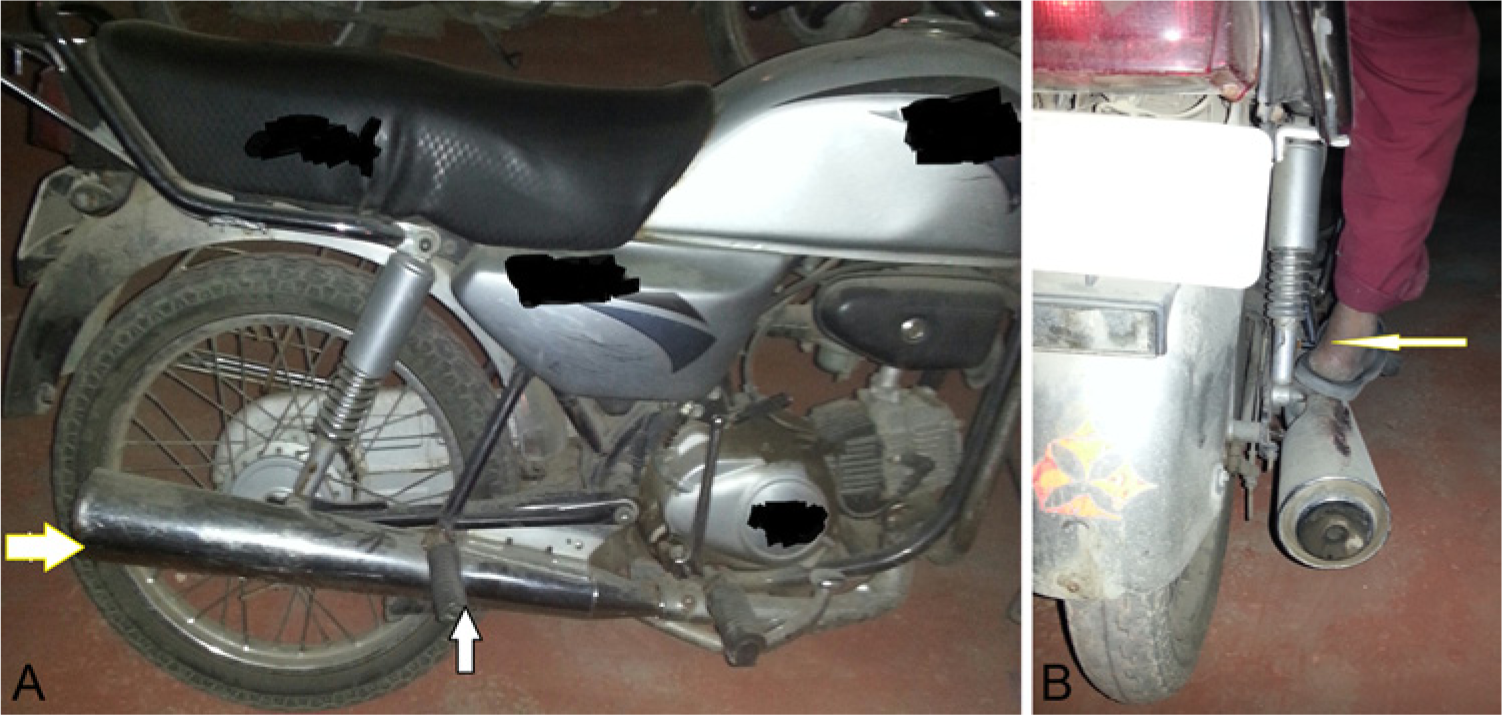
(A) A typical 100-cc Indian motorcycle showing single right-sided muffler (horizontal arrow) with the footrest (vertical arrow). (B) The normal posture assumed by the pillion puts the area around his right medial maleolus at an increased risk of muffler-induced burn injury (arrow).
Materials and Methods
This is a retrospective study that took into account all patients treated with burns caused by hot motorcycle mufflers from January 2008 to December 2012 in the Department of Plastic and Reconstructive Surgery, JN Medical College, AMU, Aligarh. Case records of patients were retrieved and the following were noted: history, exact mode of injury, age, sex, degree and location of burn, and other relevant circumstantial/logistical factors associated with such injuries. Data collected were tabulated and subjected to statistical analysis. Possible corrective measures, on account of the knowledge gained by our study, have also been briefly discussed, which may in turn help lessen the occurrence of such burns.
Results
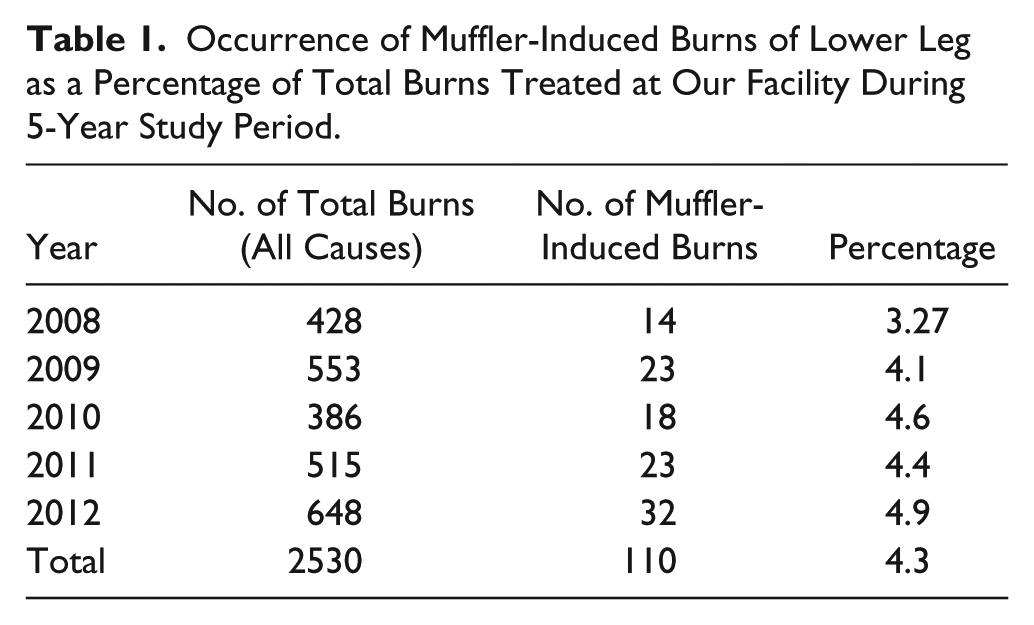
Out of a total of 2522 patients admitted with burn injuries at our facility during the 5-year study period, motorcycle muffler burn injuries contributed to about 4.3% of such cases. The incidence of muffler-induced burns was found to be increasing over the 5 years of this study, with maximum number of cases occurring in the last year (see Table 1).
Occurrence of Muffler-Induced Burns of Lower Leg as a Percentage of Total Burns Treated at Our Facility During 5-Year Study Period.
The mean age of the patients was 21.91 ± 11.54 years. The youngest patient was 8 years and the oldest was 66 years of age, and the largest number of cases was in the 16 to 30 age group, 46 cases (41.8%; see Table 2).
Sociodemographic Features of the Patients.
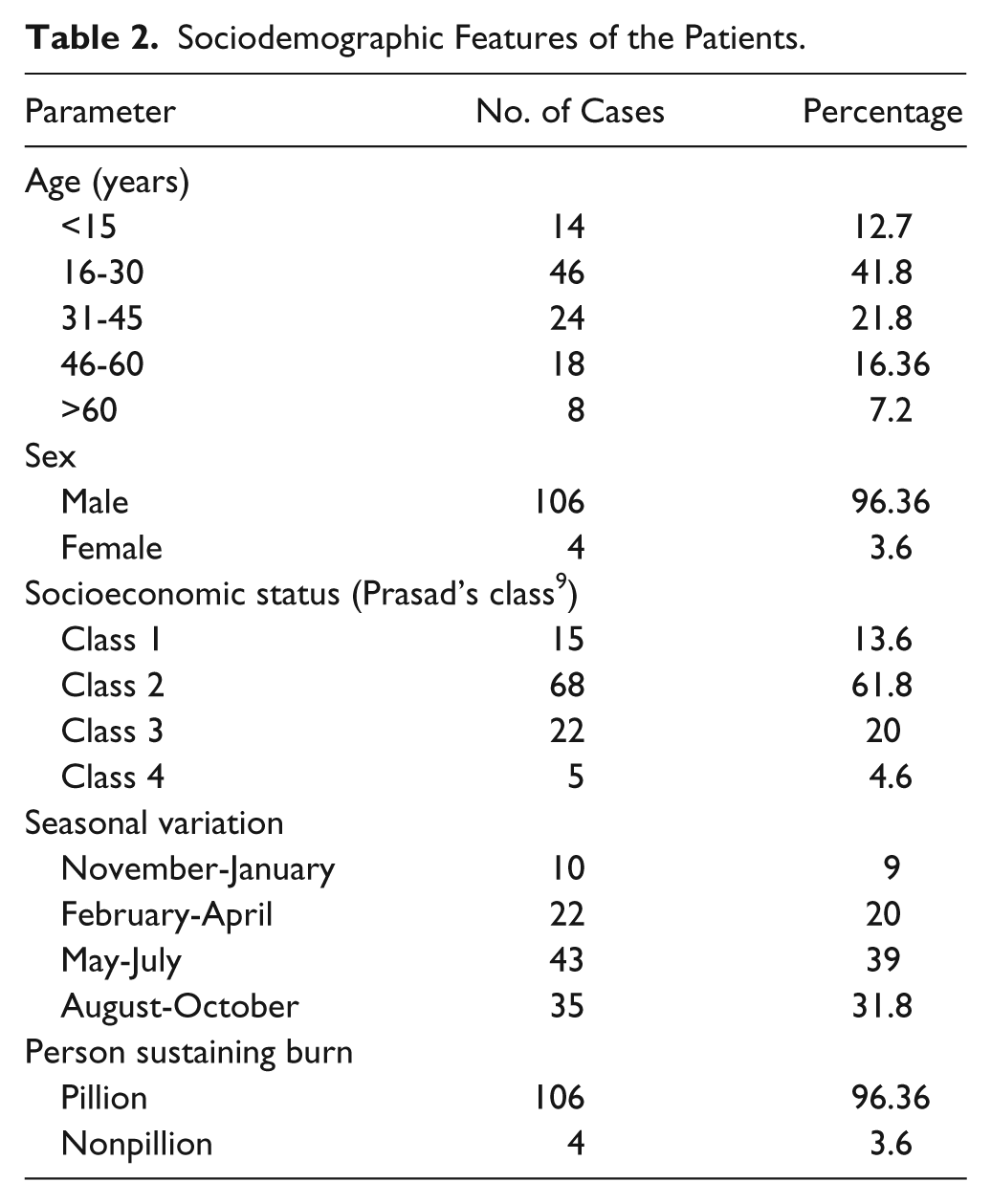
Most of the patients belonged to a semirural background conforming to Prasad’s socioeconomic class 2, followed by class 3. 9 In comparison, lesser number of cases were from the extremes of the socioeconomic spectrum.
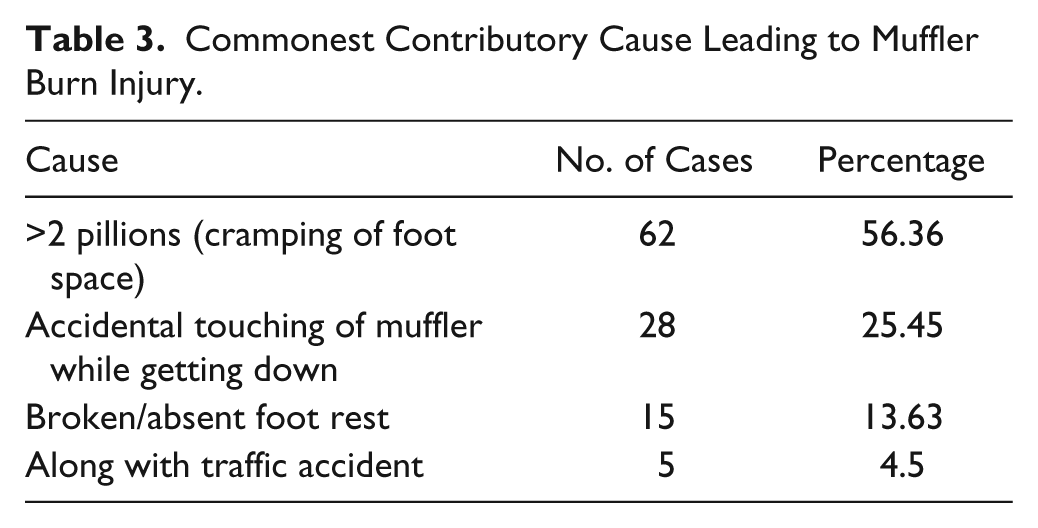
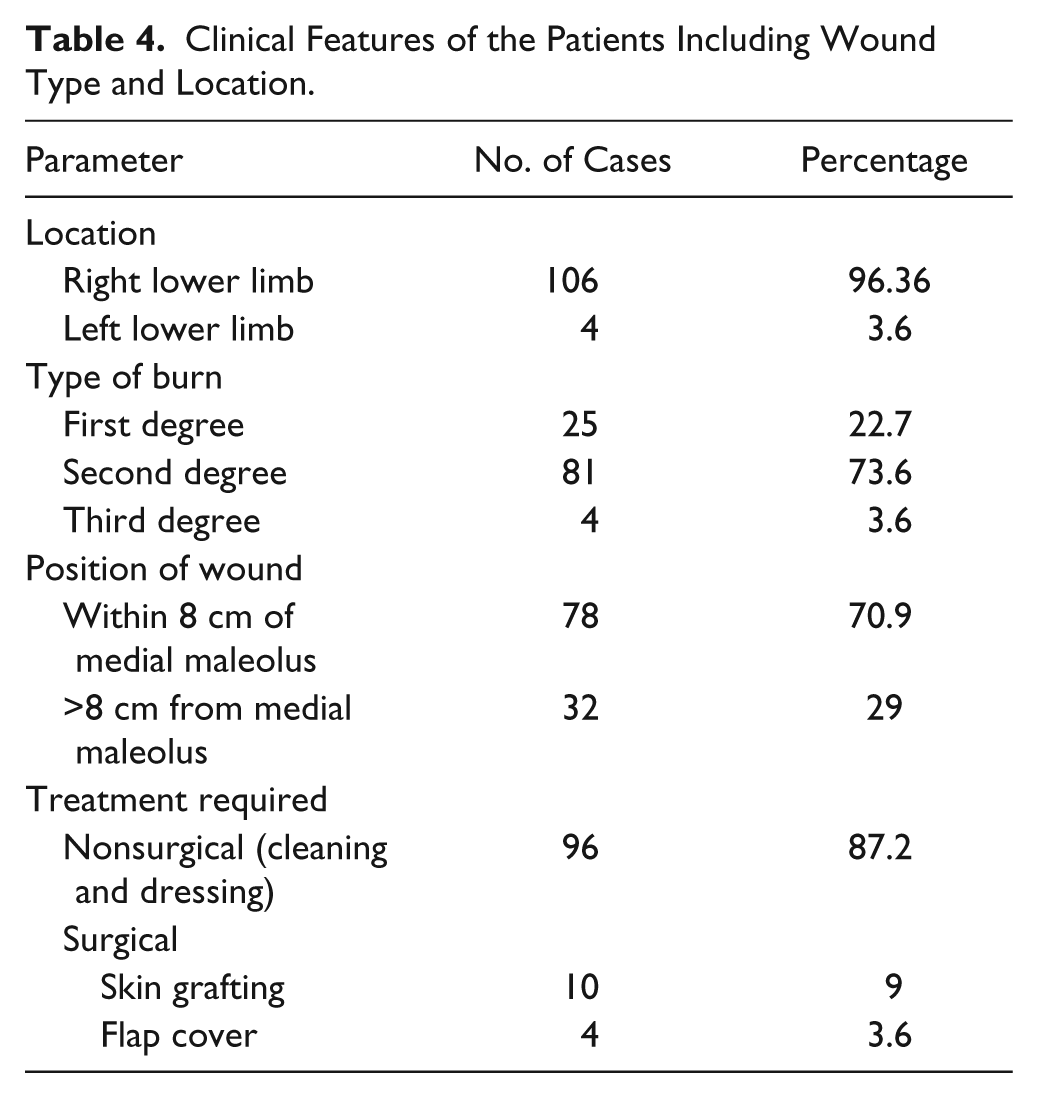
The commonest cause of injury was when more than one pillions were seated on the motorcycle with one of them usually cramped for foot space (56%), accidental touching of the muffler while parking (25%), concomitant road traffic accidents (13%) and broken foot rest (4.5%; see Table 3).
Commonest Contributory Cause Leading to Muffler Burn Injury.
Males (96%) were more commonly affected than females (4%), which remains one of the highlights of this study in terms of demographics. In terms of seasonal variation, incidence during hotter months (April to September) was more in comparison to the rest of the year.
Most of the burns were sustained by the pillion in comparison to the driver. Majority of the burns were second degree, followed by third degree. Most of the burns (86%) were located in a circular area of radius of 8 cm, the tip of the medial maleolus being the center of that circle; 5% over the Achilles; and the remaining outside the 8 cm radius circle described above. The majority (94%) of the burns were located in the right lower limb, with only 6% burns occurring in the left lower limb. Most of the patients responded to conservative management (87.9%), while STSG was required in 9% and flap cover in 3.6% patients.
Additional risk factors (diabetes mellitus, smoking, peripheral vascular disease, and old age) were associated with worse prognosis on conservative management (see Table 4).
Clinical Features of the Patients Including Wound Type and Location.
Figures 2 to 4 briefly highlight the positive results of this study in a diagrammatic form.
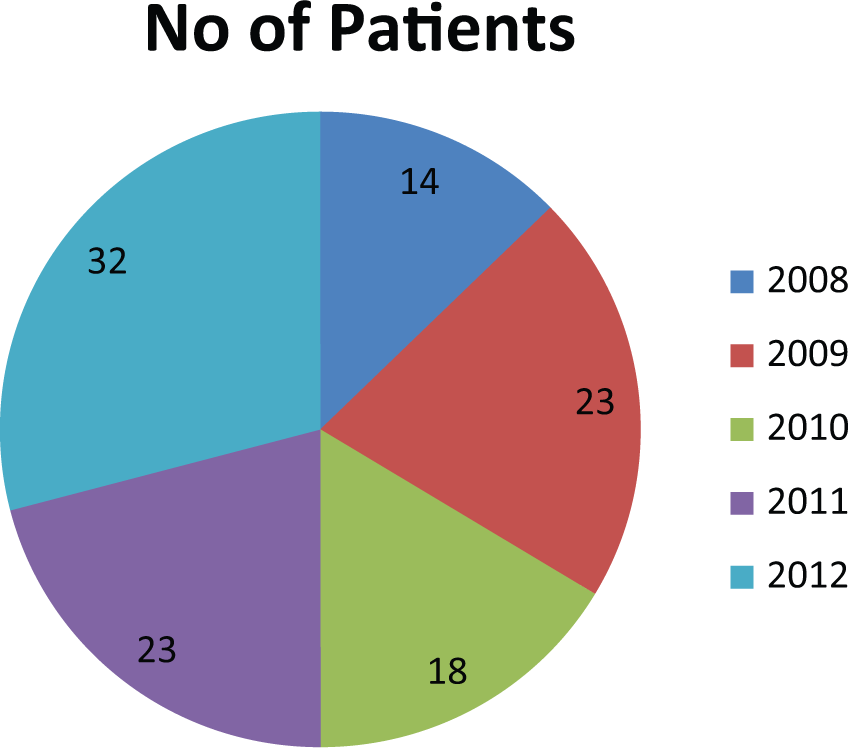
The near progressive increase in the number of muffler-induced leg burns over the 5 years of our study (figures showed an increase year on year except in 2010 when a decrease was recorded).
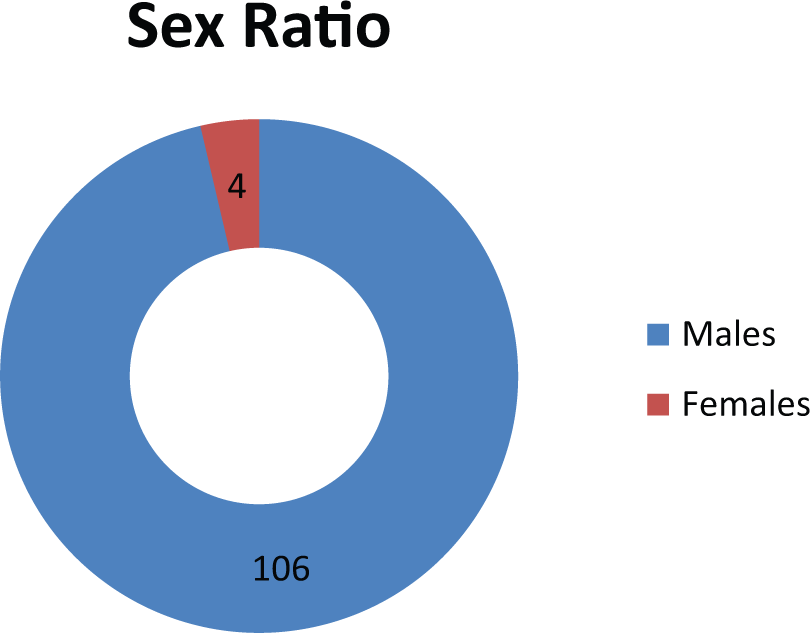
The overwhelming majority of patients in our study (106/110) were males.
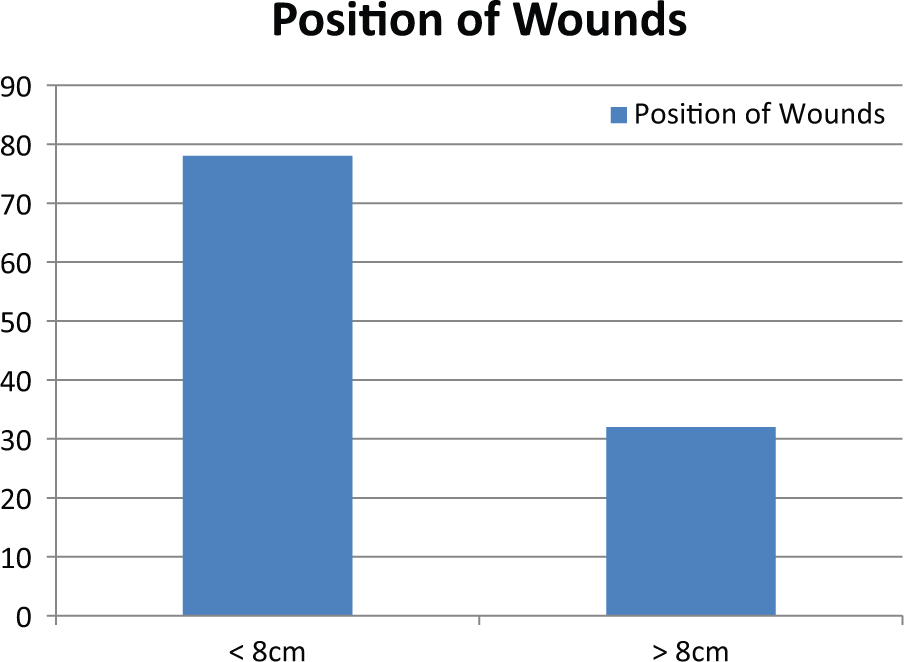
One of the highlights of our study was that the majority of the wounds (78/110) were situated at a distance of <8 cm from the right medial maleolus.
Discussion
The increasing use of motorcycles as a mode of transport by the teeming millions in the developing world, for whom it is an affordable means of transport, has led to an increase in the population that is exposed to injuries related to this machine. Though most injury cases associated with motorcycles concern accidents and poly trauma, we bring to the forefront this lesser known form of injury, which is caused by the heated motorcycle mufflers. A motorcycle muffler can attain temperatures as high as 280°C and thus is a potential source of severe burn injury to the parts of body that may inadvertently come into contact with it. Owing to the natural posture one assumes while riding a motorcycle, this part is invariably the lower third of our legs. Over the past years the exponential increase in use of motorcycles has led to a proportional increase in such muffler-associated burn injuries.
A progressive increase was noted in the occurrence of these injuries over the 5 years of the study, with the maximum number of cases occurring in the fifth year. Out of a total of 2530 patients admitted at our facility for burn injuries due to all causes, 110 (4.34%) had motorcycle mufflers as the causative factor. More important, there was a small but definite and progressive increase in the number of such cases over the 5 years of our study period (3.27% in first year vs 4.9% in the fifth year). This is probably related to the increased affluence of the Indian society and as a measure of its economic prowess. With motorcycles becoming affordable, more and more people are taking to motorcycles instead of public transport or slower modes of transport.
The mean age of the patients was 21.91 years. The youngest patient was 8 years and the oldest was 66 years of age, and most number of cases was in the 16 to 30 years age group (46 cases, 41.6%). This finding is consistent with other studies as motorcycles remain primarily a youth-driven mode of transport in most parts of the world. Even though the majority of patients who sustained burns in our study was the pillion, the most common relationship with the driver remained that of a friend and thus understandably were from the similar age cohort. The lesser number of children as cases is probably due to the lesser limb length of children below 12 years of age and their inability to appose their limbs against the muffler while seated. This finding was also different from that of the study of Matzavakis and colleagues, according to whom the incidence was 2 times higher in children as compared to adults.10,11
Most of the patients belonged to rural background and conformed to Prasad’s class 2 socioeconomic class (61%). 9 This is also a reflection of the new Indian middle class enjoying the fruits of a sustained economic boon. Patients belonging to the lowest economic classes probably cannot afford a motorcycle whereas the higher classes own a 4-wheel drive and hence the lesser numbers of cases from these classes in our study.
An overwhelming majority of cases in our study were males (96%) in comparison to just 4% females. This finding is in stark contrast to the findings of Lai and colleagues 10 in which there was a female preponderance (69.3% females). This probably is secondary to the unique posture females assume while being seated on the motorcycle as a pillion. In India, the females pillions sit with both their legs hanging toward the left of the motorcycle backseat while the muffler in the majority of Indian motorcycles is situated on the right. Thus, both their legs are situated on the other side of the motorcycle, opposite the muffler. Contrary to this the males sit in a normal position with either leg on one side of the back seat. In this way it is their right lower leg that comes in contact with the muffler. Females sitting like this are considered unrighteous in major parts of rural India, for reasons that are at best obscure.
The above-mentioned seating patterns along with the fact that most of Indian motorcycles have a single muffler located on the right are probably the reasons why most of the burns sustained in our cases were on the right limb (96% in right leg vs 4% in left leg) and on the medial aspects of distal third of the leg. This finding is also in contrast to the findings of Lai and colleagues, 10 who found the commonest burn area as the lateral side of lower leg (46.2%). In our study, we found out that majority of the burns sustained were present in a circular area of radius 8 cm, with its center at the tip of medial maleolus (78 cases, 70.9%). This is the area of leg that has the maximum chance of being in contact with the hot muffler while the pillion is seated. There were just a few instances of burns sustained on the left leg, where the motorcycle involved was a bimuffler variant rarely used in India.
In terms of seasonal variations, more cases occurred in the hotter months, May to October (70%), that in the rest of the year. This is obvious in terms of people wearing socks, shoes, as well as thicker clothing over their legs in colder months, while in hotter months they are without socks/shoes and relatively lightly dressed. Specifically, many rural Indians were a dhoti, which is a cotton cloth loosely wrapped around their lower body and leaves larger areas of their distal legs exposed. This finding is similar to the findings of other studies done on this topic.10,11
Most of the burns were second degree (73.6%) followed by first degree and third degree. The motorcycle muffler attains temperatures as high as 280°C. 12 Such a temperature is enough to cause second- to third-degree burns even with a short contact time. 13 Most of the wounds responded to conservative management with daily dressings, topical antibiotics, and limited use of systemic antibiotics and healed completely in a month’s time (Figure 5A and B). Ten patients required split thickness skin grafting after dressings did not lead to improvement in the wound status (Figure 6). The postoperative recovery was uneventful with complete take up of the graft. Out of the 10 patients in whom skin grafting was done, 3 were known diabetics and 1 patient turned out to be diabetic on routine checkup. This is an expected finding, considering the proven role of diabetes in delayed wound healing. Four neglected cases who came to us 2 months after sustaining injury had a large area of tibia exposed, which required a flap cover (Figure 7).
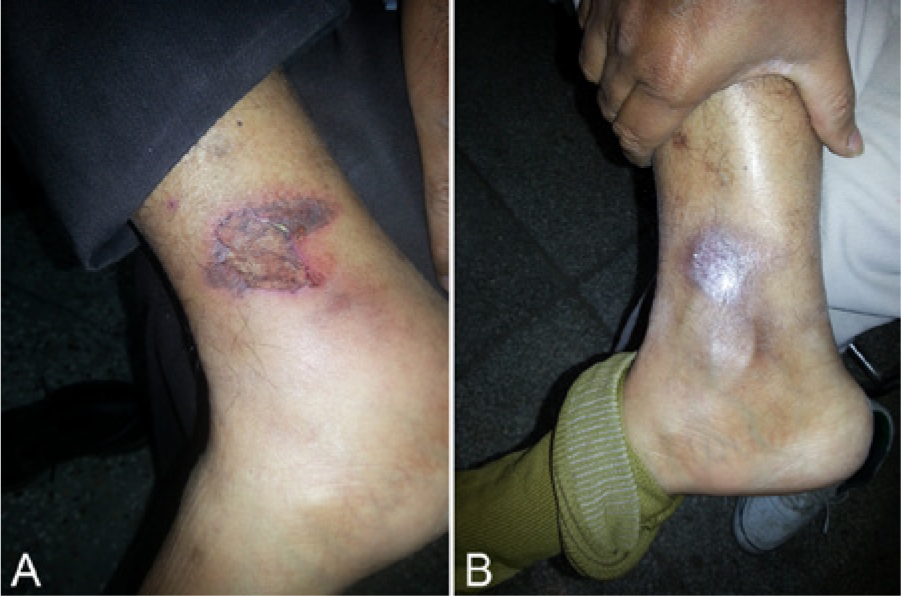
(A) A typical second-degree burn sustained in the vicinity of the right medial maleolus. (B) The same patient with healed wound after 3 weeks of dressings with topical antibiotics.
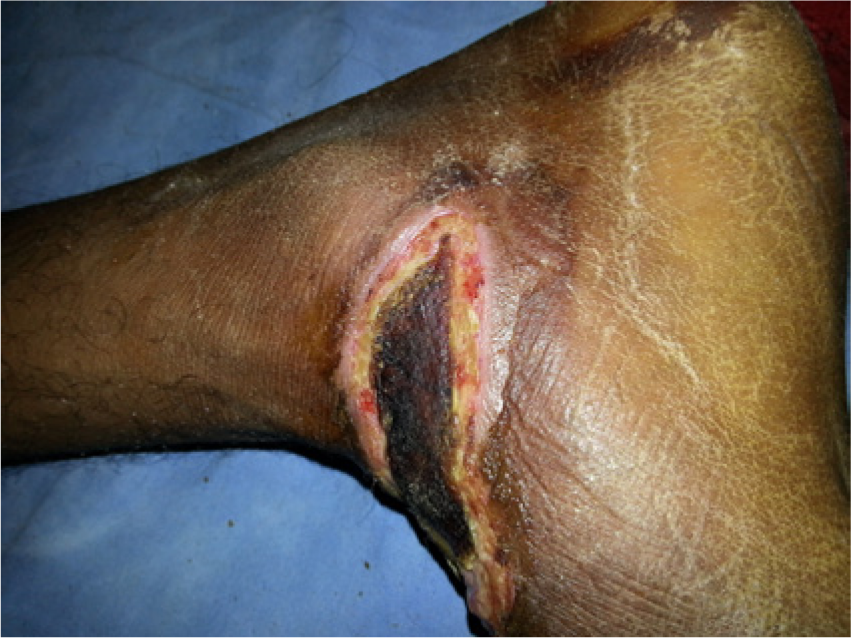
Second-degree burn near maleolus, which did not heal spontaneously and had to be skin grafted. Partial uptake of graft seen (the patient was a known diabetic).
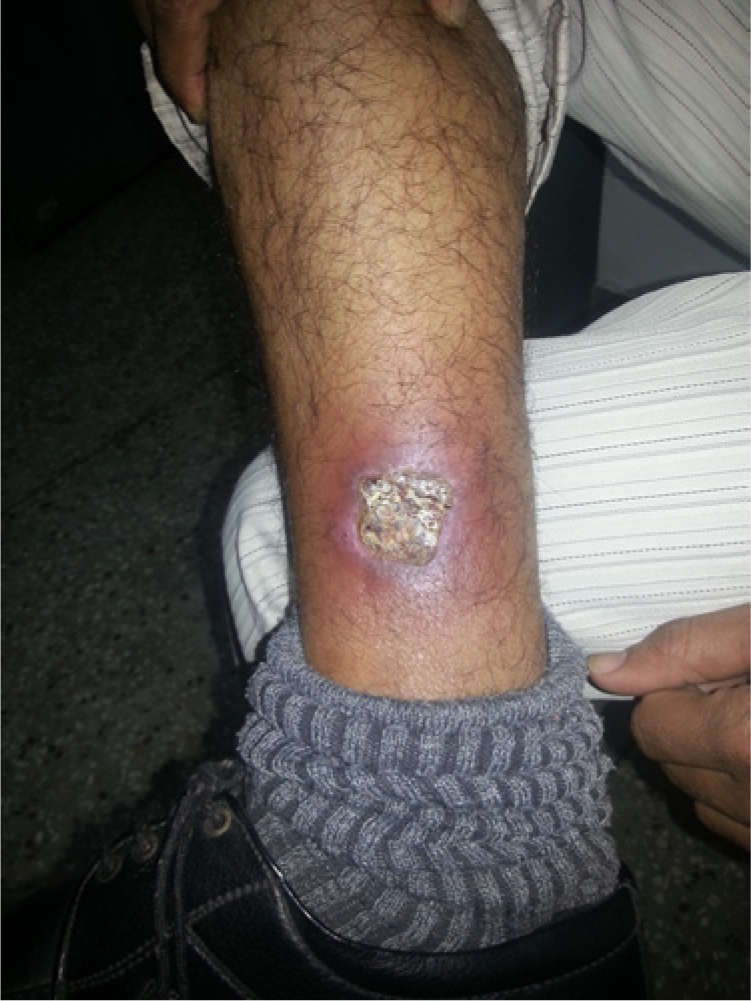
A neglected case of third-degree muffler-induced burn with exposed bone over right lower leg who reported after 2 months. The wound was covered with a local fasciocutaneous flap.
The commonest contributory factors leading to such burns from our study turned out to be more than 1 pillion riding the motorcycle (56% cases). In India it is not uncommon for more than 1 person to ride behind the person driving the motorcycle and thus leading to cramping of space. Motorcycles are ideally designed to carry 2 persons and as such any additional passenger on board leads to cramping of space and foot space in specific. There is usually a single foot rest placed at the back and any additional feet will have keep on searching for support. This invariably leads to contact with the hot muffler sheath and thus the subsequent ordeal of burn injury. Another important factor is while getting down from the motorcycle as the pillion sets his feet on ground, owing to the typical posture the chances of him coming into contact with the hot muffler are more (25%). Also as maintenance of vehicles in Indian settings in notoriously low, many motorcycles are without or absent foot rests, which was also seen to increase the chances of sustaining such burns.
Protective Measures
On account of the findings of our study, we propose the following simple measure to reduce the incidence of such injuries:
Not more than one pillion rider should travel on a motorcycle so that the feet can be ideally placed on the foot rest and away from the hot muffler. As this is also a legal obligation, the authorities should enforce such rules.
Extra caution to be taken while getting off the motorcycle, keeping in mind the position of the muffler and chances of possible contact with it.
Proper maintenance of motorcycles and repair of broken foot rests in particular, which may often be ignored in favor of other more appealing components.
Routine wearing of socks and adequate thickness shoes above ankle height to reduce chances of burn injury even if contact takes place.
Covering of the exterior of the muffler with a coat made of insulator material and incorporating it into the basic designing of motorcycles or as an add-on feature for older versions.
Though in terms of percentage the contribution of such muffler-induced burns remains small, in our study we found that the numbers of such cases are on the increase. Moreover, as these burn injuries are mostly preventable if one takes a few precautionary measures as mentioned above, in our opinion the occurrence of such burns can be almost eradicated. Interventions need to inculcated at the design and manufacturing levels, general awareness level, as well as at a personal level.
Footnotes
Declaration of Conflicting Interests
The author(s) declared no potential conflicts of interest with respect to the research, authorship, and/or publication of this article.
Funding
The author(s) received no financial support for the research, authorship, and/or publication of this article.