






Abstract
A systematic review and meta-analyses of nutritional supplementation to treat chronic lower extremity wounds was done in order to test the premise that impaired nutrition is implicated in healing. The databases of Ovid MEDLINE, Ovid EMBASE, Cochrane Library, and EBSCO CINAHL (1972-October 2014) were searched systematically. Only randomized controlled trials in adults with chronic lower extremity wounds were included. Both topical and systemic routes of supplementing nutrition were considered. The primary outcome was wound healing. Study characteristics, outcomes, and risk of bias were extracted by trained researchers and confirmed by the principal investigator. Twenty-three of 278 (8.3%) retrieved articles met the inclusion criteria and were selected. Most of the studies were of unclear or low risk. Overall, nutritional supplementation was favorable (risk ratio [RR] = 1.44, 95% confidence interval [CI] = 1.25-1.66). The systemic route was marginally better than the topical one (RR = 1.51, 95% CI = 1.36-1.67; RR = 1.14, 95% CI = 0.96-1.36, respectively). For venous ulcers, the data showed nutritional supplementation to be significantly beneficial compared to placebo (RR = 1.44, 95% CI = 1.31-1.59). Similar data were found for diabetic foot and sickle cell ulcers (RR = 1.17, 95% CI = 0.93-1.47; RR = 1.56, 95% CI = 0.94-2.60, respectively). These data permit the inferences that nutritional supplementation in the populations studied showed significant benefits in the healing of venous ulcers and tendency (nonsignificant trends) in the healing of diabetic and sickle cell ulcers.
Chronic wounds of the lower extremities affect millions of individuals worldwide, presenting a significant health risk as well as an enormous economic burden. Chronic wounds mostly include venous leg ulcers, ischemic leg ulcers, mixed arteriovenous ulcers, diabetic foot wounds, and pressure ulcers, which occur due to venous hypertension, ischemia, diabetes, or unrelieved pressure, respectively; certain infections also lead to chronic wounds. The healing of chronic wounds is invariably poor; age and underlying comorbid conditions are widely accepted as factors that delay repair. In an extensive review on nutrition in chronic wound management, Molnar et al argued the case to look for poor nutrition in patients with chronic wounds on the grounds and treat appropriately. 1 A recent study of all chronic wounds treated in the Primary Health Care system in the United Kingdom reported an estimated prevalence of 2.2 million patients, equivalent to 4.5% of the population, and costs ranging between £2 and £3 billion per annum to treat healed and unhealed wounds after adjusting for comorbid conditions. 2 The same study reported that the following were independent risk factors for chronic wounds: nutritional deficiency (odds ratio [OR] = 2.30, 95% confidence interval [CI] = 1.80-2.95, P < .001), dermatological symptoms (OR = 3.26, 95% CI = 2.66-4.00, P < .001), musculoskeletal disease (OR = 1.62, 95% CI = 1.29-2.03, P < .001), cardiovascular disease (OR = 1.35, 95% CI = 1.09-1.67, P = .005), gastrointestinal disease (OR = 1.32, 95% CI = 1.06-1.64, P = .015).
Burkievcz et al, from a study of 27 patients with chronic venous leg ulcers and 58 controls, reported an increased prevalence of vitamin D deficiency in the patient group, which should not be construed as cause and effect as cautiously stated by the authors. 3 The latter study has interesting results despite its small sample size and nonrandom design. A retrospective study (N = 192 with diabetic foot ulcers) in which wounds were graded using Wagner scores and patients’ nutritional status assessed using Systemic Global Assessments found nutritional status and Wagner grades were independent risk factors (both P < .001) for patient outcomes. Nutritional status deteriorated as the severity of the diabetic foot wounds increased, and malnutrition was a predictor of poor prognosis. 4 This study was also small in size and nonrandomized, which could have led to the findings being skewed: the authors assessed patients’ nutritional status which offers original data. These studies give some evidence that poor nutrition may be implicated with poor healing. Our group has been interested in the role of nutrition in lower extremity chronic wound healing though no systematic review of nutritional supplementation (NS) was found in the literature. To test a working hypothesis that nutrition is impaired in wound healing, a systematic review of the literature of NS was done.
Methods and Materials
Search Strategy and Selection Criteria
The databases of Ovid MEDLINE, Ovid EMBASE, Cochrane Library, and EBSCO CINAHL (1972-October 2014) were searched. We also obtained additional references from existing systematic reviews and reference lists of pertinent studies.
Only English language reports of randomized controlled trials in adults with chronic lower extremity wounds were included. Both topical and systematic routes of NS were considered. Studies that compared these therapies with standardized wound care and reported either percentage of ulcers healed at study completion or time to complete ulcer healing were analyzed.
Pressure ulcers, wounds resulting from the Charcot foot, nonhealing burns, road traffic accidents, and cancers were excluded. Conference abstracts and book chapters were excluded as well.
The key words used were the following: ([nutrition] OR [nutrient] OR [nutrient supplement]) AND ([lower extremity wound] OR [leg ulcer] OR [diabetic ulcer] OR [diabetic foot ulcer] OR [venous/varicose ulcer] OR [sickle cell ulcer] OR [ischemic ulcer] OR [pyoderma gangrenosum] OR [Buruli ulcer]).
Data Extraction and Quality Assessment
Study characteristics, outcomes, and risk of bias were extracted from the full text of eligible articles by a trained researcher (JY) and verified by a second researcher Lu Yi (YL). The principal investigator (RM) confirmed key characteristics and outcome data. The primary outcome of interest was the percentage of ulcers healed at the end of the study.
Risk of bias was determined using a modification of the Cochrane approach, 5 which involved evaluation of established criteria for randomized controlled trials: random sequence generation (selection bias), allocation concealment (selection bias), blinding (performance bias and detection bias), incomplete outcome data (attrition bias), and selective reporting (reporting bias).
Overall, 278 articles were screened, of which 255 were excluded on account that these did not meet the criteria. A detailed review of the remaining 33 articles was done that led to the exclusion of 7 articles. The data of remaining 26 articles were examined carefully. When details were lacking or insufficient, the respective authors were contacted by e-mail. No replies were received from 3 authors, which led to the exclusion of the 3 respective articles from the final list for analysis. Twenty-three randomized controlled trials5-27 (18 involving patients with venous ulcers, 3 involving patients with diabetic foot ulcers, 2 involving patients with sickle cell ulcers, 1 involving patients with arterial ulcers) were eligible for data extraction as graphically presented in Figure 1, according to Preferred Reporting Items for Systematic Reviews and Meta-Analyses (PRISMA). Most studies compared NS therapies with either standard care or placebo.
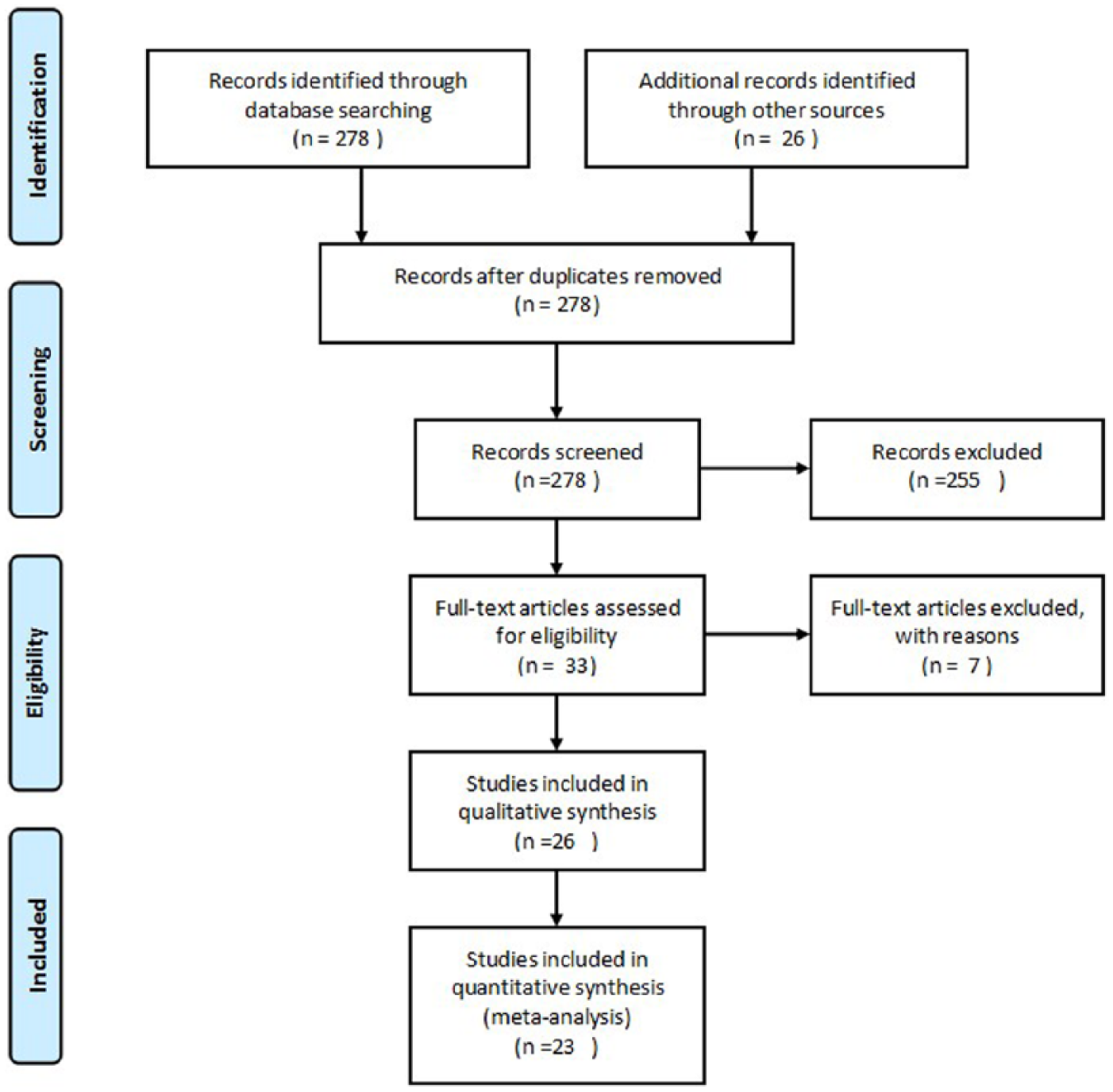
Selection tree of randomized controlled studies of nutritional supplementation in chronic wound studies according to Preferred Reporting Items for Systematic Reviews and Meta-Analyses (PRISMA).
Data Synthesis and Analysis
Results are summarized according to ulcer etiologies as diabetic foot, venous, arterial, and sickle cell ulcers. Data were analyzed in Review Manager, version 5.3 (The Nordic Cochrane Centre, Copenhagen, Denmark). Random-effects models were used to generate pooled estimates of risk ratios (RRs) with 95% confidence intervals (CIs) for outcomes from studies of equivalent therapies used to treat similar ulcer types. We evaluated statistical heterogeneity using the χ2 test and the I2 statistic (with cutoffs of 25.0%, 50.0%, and 75.0% for low, moderate, and substantial heterogeneity, respectively). 9 All other data are narratively summarized. Strength of evidence was determined for the percentage of wounds healed.
Results
Overall Comparison
Twenty-three randomized controlled trials dated from year 1972 to year 2014. Chronic lower extremity wounds included venous ulcers, diabetic foot ulcers, sickle cell ulcers, and arterial ulcers. Most studies were of unclear or low risk (see Table 1). Overall, NS was favorable (RR = 1.44, 95% CI = 1.25-1.66) to treat chronic lower extremity wounds (see Figure 2).
Risk of Bias of Randomized Controlled Trials Included in This Systematic Review a .
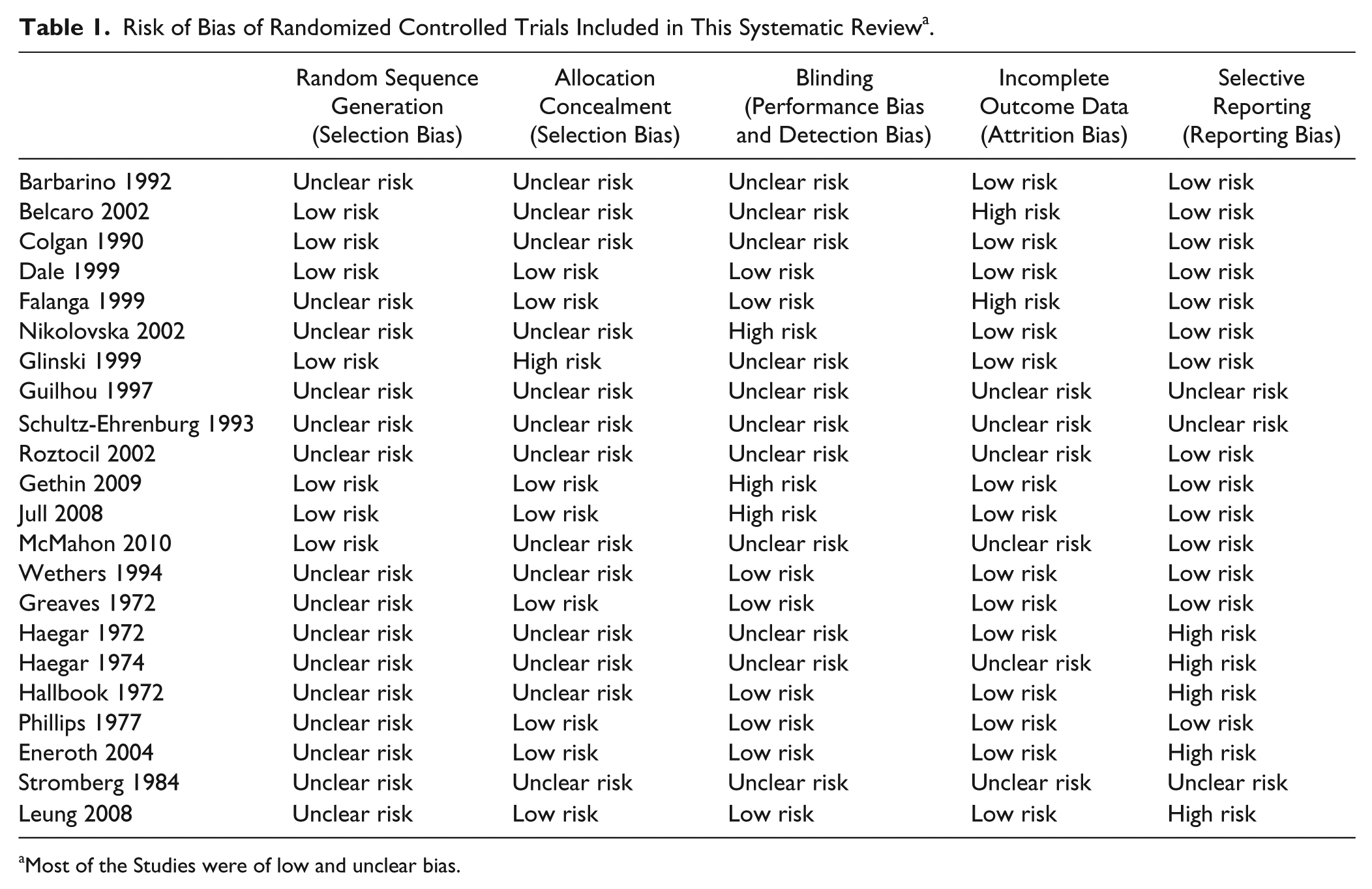
Most of the Studies were of low and unclear bias.
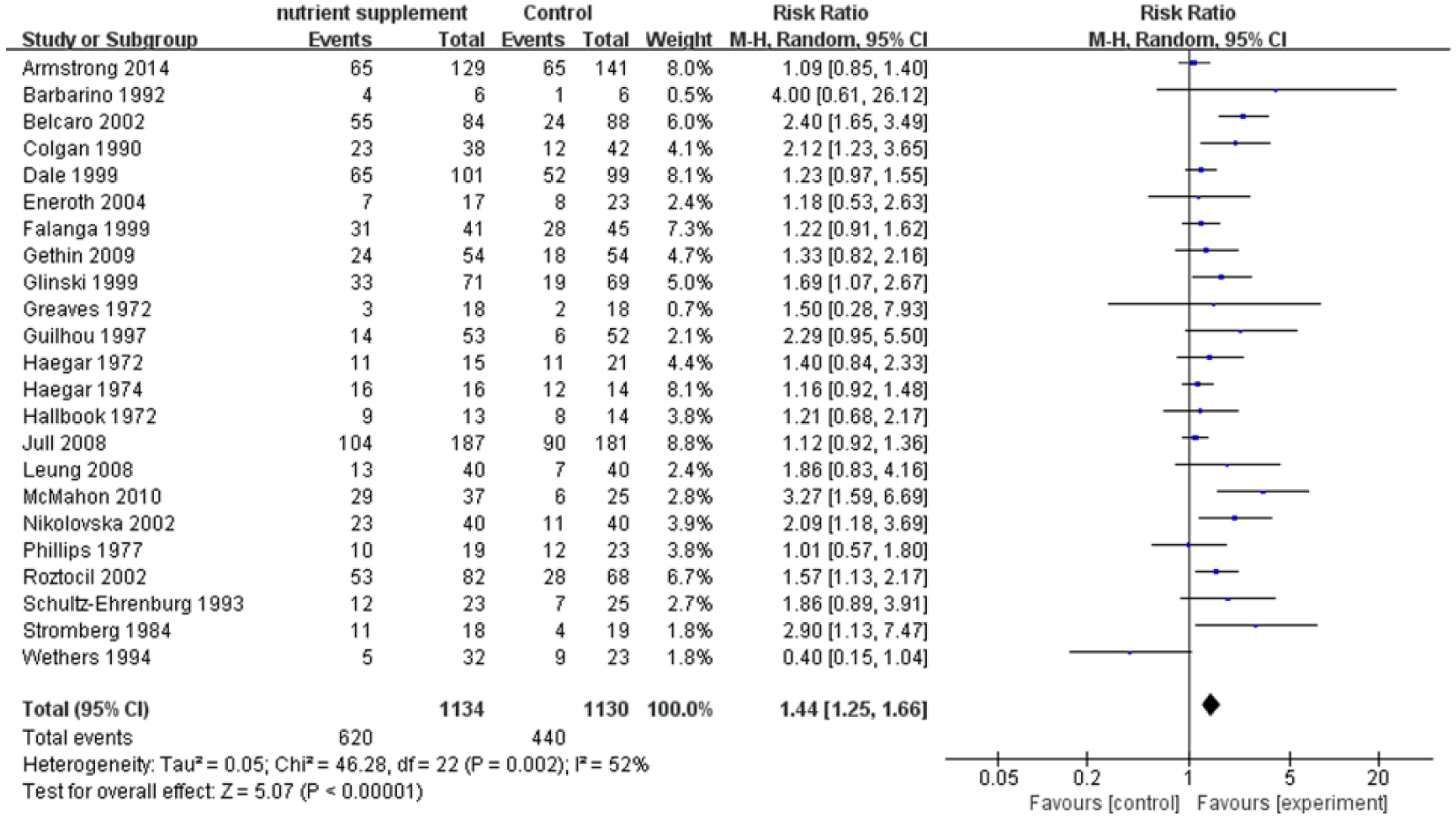
Meta-analysis of the proportion of ulcers all studies included.
Systemic and Topical Routes to Deliver NS
Systemic and topical routes of delivering NS were compared. Systemic NS comprised pentoxifylline, zinc sulfate, flavonoids, Nutricia AB, herbal drink, arginine, glutamine and β-hydroxy-β-methylbutyrate, and arginine butyrate. Topical NS included honey, zinc oxide, and RGD peptide matrix. The systemic route was marginally better compared to the topical one (RR = 1.51, 95% CI = 1.36-1.67; RR = 1.14, 95% CI = 0.96-1.36, respectively; see Figures 3 and 4). In no study was NS administered concomitantly through both systemic and topical routes.
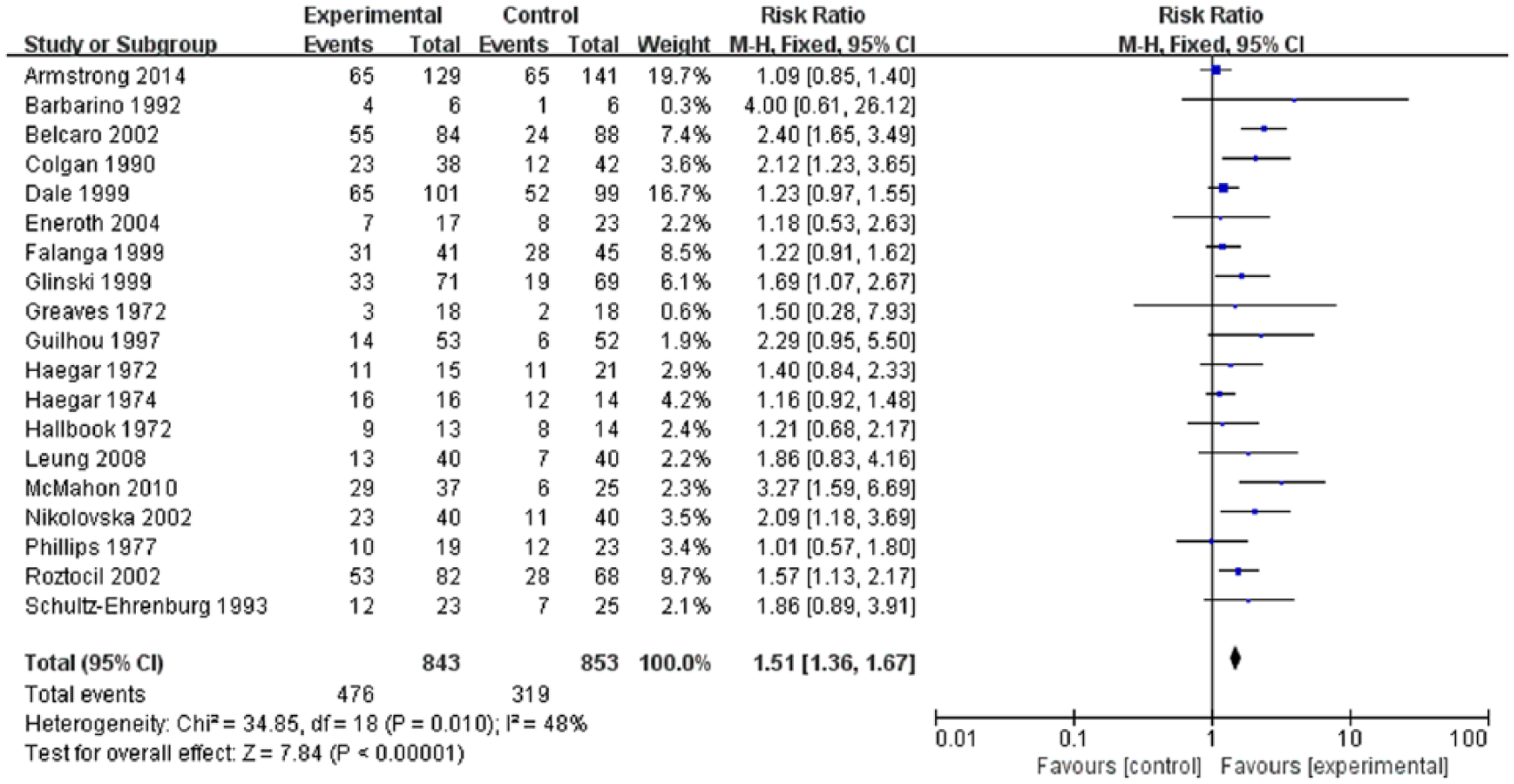
Meta-analysis of the proportion of ulcers healed with systematic way to deliver NS.
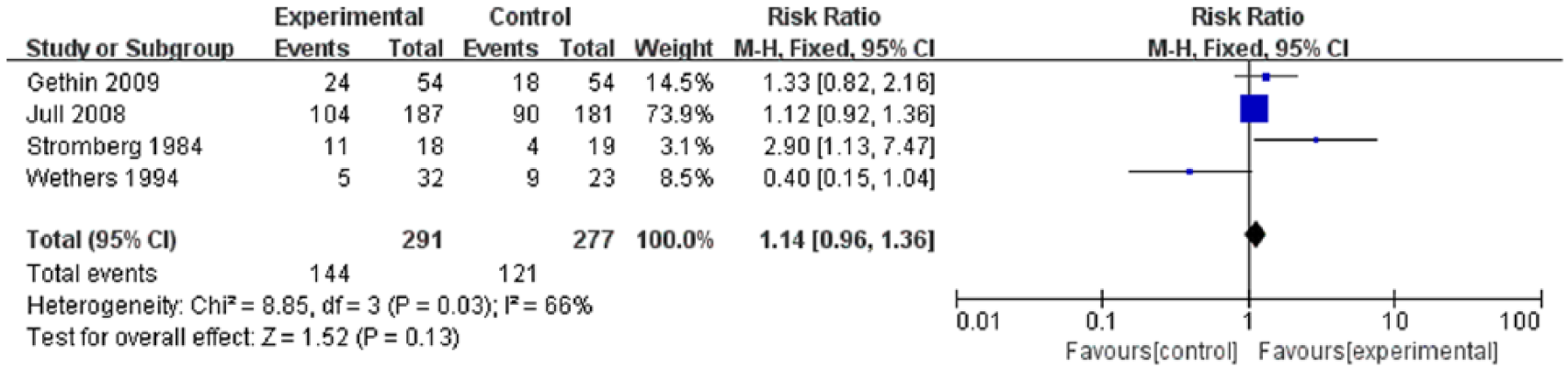
Meta-analysis of the proportion of ulcers healed with topical way to deliver NS.
Venous Ulcers
Eighteen articles were included. For venous ulcers, the data showed NS to be significantly superior to placebo (RR = 1.44, 95% CI = 1.31-1.59; see Figure 5).
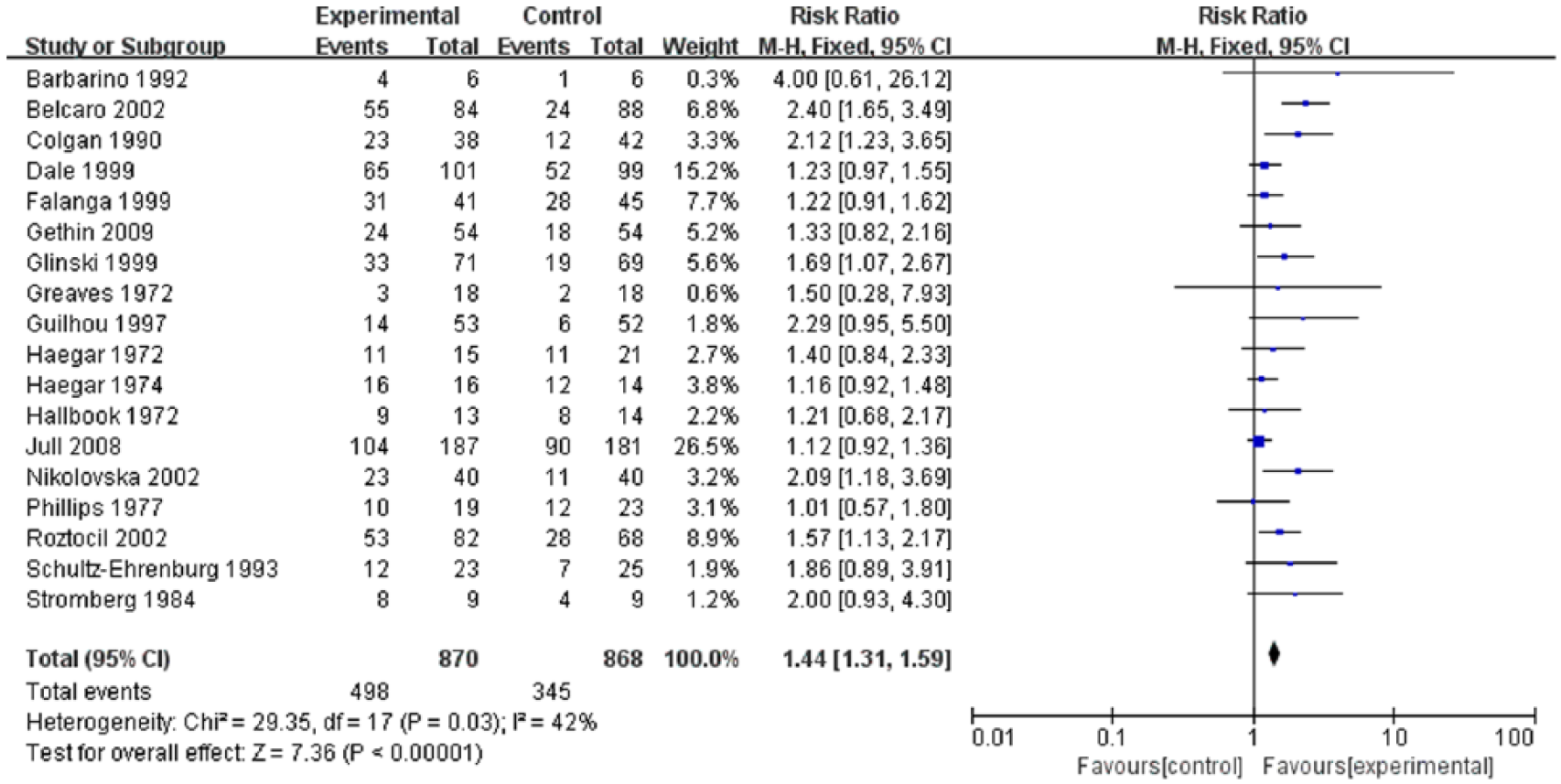
Meta-analysis of the proportion of venous ulcers healed.
Diabetic Foot Ulcers
Three studies were included. NS was of value to treat diabetic foot ulcers (RR = 1.17, 95% CI = 0.93-1.47; see Figure 6).
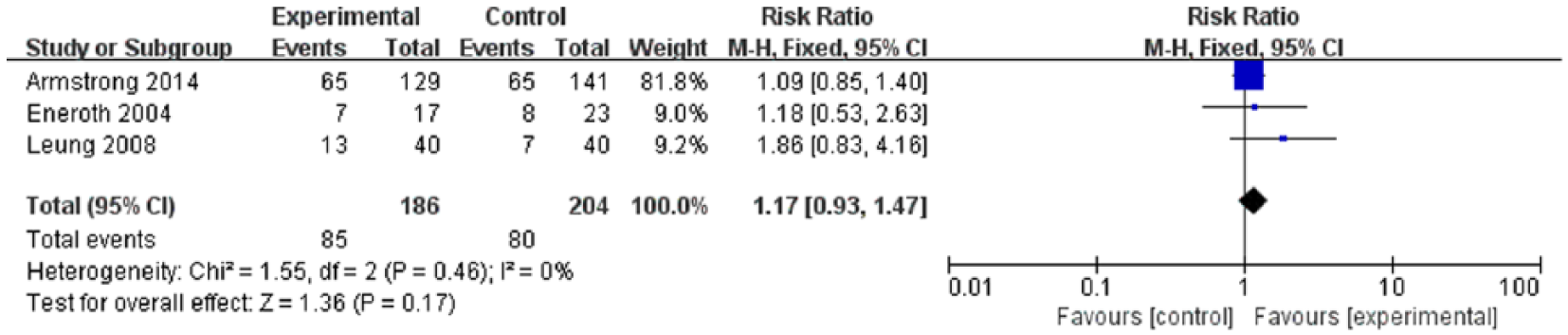
Meta-analysis of the proportion of diabetic foot ulcers healed.
Sickle Cell Ulcers
Two articles were included. NS was favorable to treat sickle cell ulcers (RR = 1.56, 95% CI = 0.94-2.60; see Figure 7).

Meta-analysis of the proportion of sickle cell ulcers healed.
Discussion
The aim of the work reported in this article was to conduct a systematic review and meta-analyses of NS in chronic wounds to test our hypothesis that impaired nutrition is implicated in chronic lower extremity wounds. The results suggest that NS in the populations studied produced benefits in the healing of venous ulcers and a tendency (nonsignificant trends) in the healing of diabetic and sickle cell ulcers.
The goals of treating venous leg ulcers treatment are to obviate the effects of sustained venous hypertension and to heal wounds. Standardized treatment comprises use of sustained compression therapy, reduction of edema and pain, improvement of skin condition including lipodermatosclerosis, and prevention of recurrence. 9 For diabetic neuropathic wounds, the mainstay is offloading: this may be achieved in different ways, total contact casting is commonly used with success. 28 The healing rates of chronic wounds are variable and need improvement. This begs the question of the use of supportive methods to overlay the use of evidence-based mainstay care. The use of NS is widely discussed although robust evidence from large studies of lower extremity wounds is lacking. In patients with pressure ulcers, the use of enteral nutritional support has been reported to reduce the risk of prevalence by 25%. 29
These data in this study were derived from 23 randomized controlled trials covering venous, diabetic, and sickle cell ulcers. There was heterogeneity in the data analyzed since different etiologies were considered and nutritional status was defined only in 8 studies. Five studies presented body mass index prior to intervention only.5,6,8,13,24 Serum albumin levels (in g/L),6,20 total hemoglobin, 21 and serum zinc 23 were presented in 3 studies, all at baseline or prior to intervention only. Since different chronic wounds of different etiologies were pooled in this meta-analysis, associating NS with particular treatments is not possible in this report though its exciting findings raise possibilities and questions regarding other nutritional assessments. Zhang et al used a global nutrition assessment (Systemic Global Assessments) 4 and identified malnutrition in diabetic cohorts. Malnutrition Universal Screening Tool was reported to assess nutritional status. 30 This simple, quick assessment has potential to assess some etiologies of lower extremity wounds.
The findings presented in this report include systemically and topically delivered NS. The analysis does not permit finer comments to be offered in addition to the statistical findings that are supportive to the use of NS through both routes. A Cochrane systematic review on pressure ulcers states that currently there is no clear evidence that nutritional interventions reduce the development of pressure ulcers or help them to heal given the authors’ caveat that their conclusion should not be interpreted as nutritional interventions having no effect on pressure ulcers because the existing evidence base was of very low quality. They suggested that people who were receiving health care and who were malnourished or at risk of malnutrition should receive expert nutritional assessment and intervention as per local practice. 31 So far as the use of honey is concerned, there would appear to be insufficient data of good quality to draw conclusions on the efficacy of honey to treat diabetic foot ulcers, venous leg ulcers, and sickle cell ulcers.19,32,33
In conclusion, the data from the reported meta-analysis and systematic review permit the conclusions that NS delivered either systematically or topically benefits healing of chronic lower extremity venous, diabetic, and sickle cell ulcers, with the systematic route being marginally superior.
Footnotes
Acknowledgements
JY acknowledges the grant from Shanghai Jiao Tong University that enabled her tenure in Southampton.
JY is very grateful to her supervisors Professor Shuliang Lu and Dr Ting Xie for their supportive advice, and to Lu Yi (YL) for her help with the search data. JY also wishes to express her gratitude to the librarians in the University of Southampton NHS Foundation Trust.
RM gratefully acknowledges the time and enthusiasm of Mark Richardson, Mark Hanson and Alan Jackson in our discussions.
Authors’ Note
Junna Ye conducted this study while she was an International Visiting Fellow to Dr Mani at the University of Southampton NHS Foundation Trust.
Declaration of Conflicting Interests
The author(s) declared no potential conflicts of interest with respect to the research, authorship, and/or publication of this article.
Funding
The author(s) received no financial support for the research, authorship, and/or publication of this article.