







Abstract
Honey is increasingly recognized as a functional food with intrinsic antimicrobial properties. Its complex chemical makeup, high sugar content, low water activity, acidic pH, hydrogen peroxide generation, and a spectrum of bioactive phytochemicals create a multifaceted defense against microbial growth, yet honey also harbors diverse microorganisms, including potential pathogens, underscoring the need for robust quality control and safety considerations across production, processing, and storage. This study synthesizes current evidence on the antimicrobial mechanisms of honey and evaluates bacterial safety concerns, with emphasis on probiotic potential and risks associated with pathogens such as Clostridium botulinum, to inform safe use and innovative functional food applications. A comprehensive review of existing literature and honey-specific data was conducted to collate chemical, microbiological, and safety-related parameters. Key antimicrobial mechanisms (osmotic pressure, acidic environment, hydrogen peroxide production, and bioactive compounds such as methylglyoxal in certain varieties) were mapped to their effects on diverse microbes. Safety considerations, contamination pathways, and regulatory frameworks were qualitatively assessed to identify critical control points. Honey’s antimicrobial activity arises from synergistic interactions among sugars, pH, hydrogen peroxide, enzymes, and phytochemicals, yielding broad-spectrum inhibition. Beneficial lactic acid bacteria from honey and bees contribute probiotic potential, while the risk of contamination by pathogens necessitates stringent hygiene, processing controls, and adherence to quality standards. Processors can leverage nonthermal and thermal reduction methods to balance safety with the preservation of bioactive components. Honey remains a robust functional food with antimicrobial advantages and probiotic opportunities, provided that meticulous quality control and regulatory compliance are maintained to mitigate safety risks for vulnerable populations. Future work should optimize honey-based probiotic formulations and establish standardized safety protocols across the supply chain.
Introduction
Honey is often referred to as nature’s golden elixir and has captured attention for its flavor, nutritional value, and medicinal features for thousands of years. Behind that sweet taste and viscous, sticky flow lies a microbial ecology intrinsic to honey’s production process, preservation, and health-promoting properties, a small world full of bacteria. This may seem shocking to some, but the tiny inhabitants give honey its unique features (Eteraf-Oskouei and Najafi, 2013; Nayik et al., 2014). Honey processing from nectar down to the final product is a wonder of natural processes coupled with the intricate role of microorganisms. Bees collect nectar and add some specific bacteria to start their processing into honey. Among the beneficial bacteria, lactic acid bacteria (LAB) are important. LABs produce compounds having antimicrobial properties that prevent honey spoilage and contribute to honey’s therapeutic properties, such as antibacterial, antifungal, and wound-healing properties. This intrinsic synergy between bees and bacteria makes honey completely safe and effective, even for an extended period when stored. The presence of LAB and their metabolic products underlines the need to consider microbial contributions in targeting honey’s stability and medicinal value (Suyabatmaz et al., 2022).
While beneficial bacteria are part of the properties of honey, honey’s microbial diversity includes potential pathogens. Honey has inhibiting properties against the growth of pathogens, but some conditions can allow the presence of harmful microorganisms to exist, like Clostridium, responsible for botulism in infants. This double nature underlines the proper handling and storage of this food to capture its full potential and minimize associated risks (Luca et al., 2024). What maximizes the health benefits of honey is knowing the balance between beneficial bacteria and harmful bacteria in honey. We are still discovering, both through scientific inquiry and local knowledge, the intrinsic balance behind this sweet treat that makes honey such a remarkable natural substance with serious health implications. The present article gives a provoking view on the interplay of honey and its bacterial residents to see how these microorganisms affect the property, increase the curative potential, and guarantee an extended shelf life of honey. If we reveal the hidden life of honey, then we will come closer to understanding more about how bacteria can transform this simple substance into a mighty natural drug.
Methodology
The scientific databases, including Scopus, Web of Science, Google Scholar, and PubMed, were searched to access all relevant books and articles focused on honey antimicrobial properties and bacterial safety concerns until August 2025. The keywords used in the search were “honey and microbiology,” “antibacterial properties of honey,” “antioxidants and organic acids in honey,” “lactic acid bacteria and probiotics in honey,” “quality control and microbiological safety,” “pharmaceutical and nutritional applications of honey,” “international safety standards for honey,” “storage and handling of honey,” “microbial diversity in honey,” and “honey health and wellness potential.”
Chemical profile of honey
Honey is a natural, carbohydrate-rich substance produced by bees from floral nectar, with a composition that varies by floral source, geography, and environmental conditions. The primary constituents are sugars, with fructose and glucose accounting for about 69.5% of the content (fructose ≈ 38.2% and glucose ≈ 31.3%), together representing the major portion of honey’s composition and underpinning its energy density and sweetness; minor sugars such as maltose, sucrose, and lactose occur in smaller amounts. This carbohydrate matrix not only supplies energy but also contributes to honey’s antimicrobial efficacy through high osmolarity and acidity (pH 3.2–4.5) (Khan et al., 2018; Tafere, 2021). Enzymatic production of hydrogen peroxide and other bioactive compounds arises from bee-derived enzymes added during processing, including invertase, glucose oxidase, diastase, catalase, and acid phosphatase. Glucose oxidase catalyzes the formation of hydrogen peroxide, a key antimicrobial agent in honey, while other enzymes contribute to the conversion of complex sugars into simpler carbohydrates and influence the overall physicochemical properties (Alaerjani et al., 2022; Yapici et al., 2023).
Beyond carbohydrates, honey contains a spectrum of bioactive components, including vitamins, minerals, phenolic acids, flavonoids, enzymes, proteins, and amino acids. The vitamin content comprises B-group vitamins, thiamin, riboflavin (B2, ∼0.038 mg/100 g), niacin (B3, ∼0.121 mg/100 g), pantothenic acid (B5, ∼0.068 mg/100 g), pyridoxine (B6, ∼0.024 mg/100 g), and folate (B9, ∼2 μg/100 g); vitamin C presence is variable and depends on honey type. Mineral elements include potassium (∼52 mg/100 g, the major mineral, alongside sodium), calcium (∼6 mg/100 g), iron (∼0.42 mg/100 g), magnesium (∼2 mg/100 g), phosphorus (∼4 mg/100 g), zinc (∼0.22 mg/100 g), copper, manganese, selenium, and other trace elements. These minerals support metabolic processes such as insulin regulation, glucose metabolism, and oxidative stress mitigation, with potential implications for cardiovascular health and glycemic control (Gupta et al., 2024; Kumar et al., 2024; Palma-Morales et al., 2023).
Proteins in honey are predominantly bee-derived (e.g., royal jelly proteins) and occur in modest amounts. Amino acids, notably proline, serve as indicators of honey maturity and quality and may contribute to its nutritional value and therapeutic properties. Organic acids, particularly gluconic acid, confer honey’s characteristic acidity, contributing to its pH range of 3.2–4.5 and working with high sugar content and low water activity to preserve honey and hinder microbial growth (Bruxel et al., 2025; Eteraf-Oskouei and Najafi, 2013; Sharaf El-Din et al., 2025).
In addition to its chemical constituents, honey contains phenolic acids and flavonoids that confer antioxidant activity and may synergize with enzymatic hydrogen peroxide production to enhance antimicrobial efficacy against a broad spectrum of pathogens, including some antibiotic-resistant strains. Methylglyoxal is a notable component in Manuka honey, augmenting antimicrobial potency through additional mechanisms beyond hydrogen peroxide (Almasaudi, 2021; Kunat-Budzyńska et al., 2023).
It is worth noting that bacteria in honey can modify its nutritional constituents mainly through microbial metabolism when conditions allow (water activity, temperature, time). For example, Firmicutes, Proteobacteria, and Actinobacteria are facultative anaerobes that decompose and ferment carbohydrates, making them common drivers of honey maturation. A recent honey bee gut metagenome study showed diverse bee-associated bacteria and suggested functions such as polysaccharide degradation and sugar transport. Gilliamella isolates, in particular, demonstrated pectin-degrading abilities, with this trait linked to their evolutionary history, indicating niche adaptation (Lee et al., 2015; Zhang et al., 2024).
In summary, the chemical profile of honey is a multifaceted matrix dominated by carbohydrates and enriched with vitamins, minerals, enzymes, organic acids, and polyphenols, collectively supporting its health-promoting properties and antimicrobial potential. The interplay among these constituents, along with pH, water activity, and processing methods, defines honey’s functional characteristics and supports its role as a versatile natural resource in nutrition and medicine.
Microbiological profile of honey
The microbiological composition of honey exhibits a high degree of diversity, encompassing various microorganisms, including bacteria, viruses, and fungi. This intricate and multifaceted microbial ecosystem plays a significant role in the overall characteristics of honey. Honey is known to contain various strains of bacteria that can be both beneficial and pathogenic, which we will discuss in detail further. In addition to bacteria, honey can contain viruses, particularly bacteriophages. These are viruses that specifically infect bacteria and can help regulate the microbial populations within honey. For example, bacteriophages targeting pathogenic bacteria could potentially limit their prevalence, enhancing the overall balance of the honey microbiome. Although research on this aspect is still emerging, the presence of bacteriophages might represent a natural mechanism to control undesirable bacterial populations while supporting the beneficial ones (Grabek-Lejko et al., 2022; Luca et al., 2024).
The fungal component of honey microbiology is equally noteworthy. Within this group, yeasts play a dual role. For instance, Saccharomyces cerevisiae, commonly known as baker’s or brewer’s yeast, can contribute positively by facilitating fermentation processes. This can lead to the production of alcohol and unique flavor profiles in honey. However, certain molds, such as those in the Aspergillus genus, can pose risks by producing mycotoxins. These toxins can contaminate honey, especially in conditions where the moisture content is high, thus compromising its safety. For example, A. flavus is known to produce aflatoxins, which are harmful carcinogens and can lead to serious health issues if ingested (Kalantari et al., 2020; Luca et al., 2024; Shirani et al., 2021).
Overall, the microbial diversity within honey, from beneficial bacteria and yeasts to potentially harmful molds and bacteria, plays a crucial role in its preservation, safety, and health benefits. Understanding these interactions and the conditions that influence them is essential for the production of high-quality honey while minimizing safety concerns. As ongoing research continues to uncover the complexities of honey’s microbiome, we may see new potential for harnessing its properties, whether for health applications or enhancing its role as a functional food.
Role of beneficial versus harmful bacteria
Honey hosts a dynamic and diverse bacterial community that reflects inputs from bees, flowers, soil, and processing environments (Fig. 1). This bacterial consortium includes both beneficial microorganisms that contribute to honey’s antimicrobial and probiotic properties and pathogenic taxa that pose safety considerations, especially for infants, the elderly, and immunocompromised individuals. The intrinsic properties of honey, high sugar content, low water activity, and acidic pH turn it into a selective niche that shapes its microbial landscape and informs quality control and safety strategies (Stavropoulou et al., 2023).
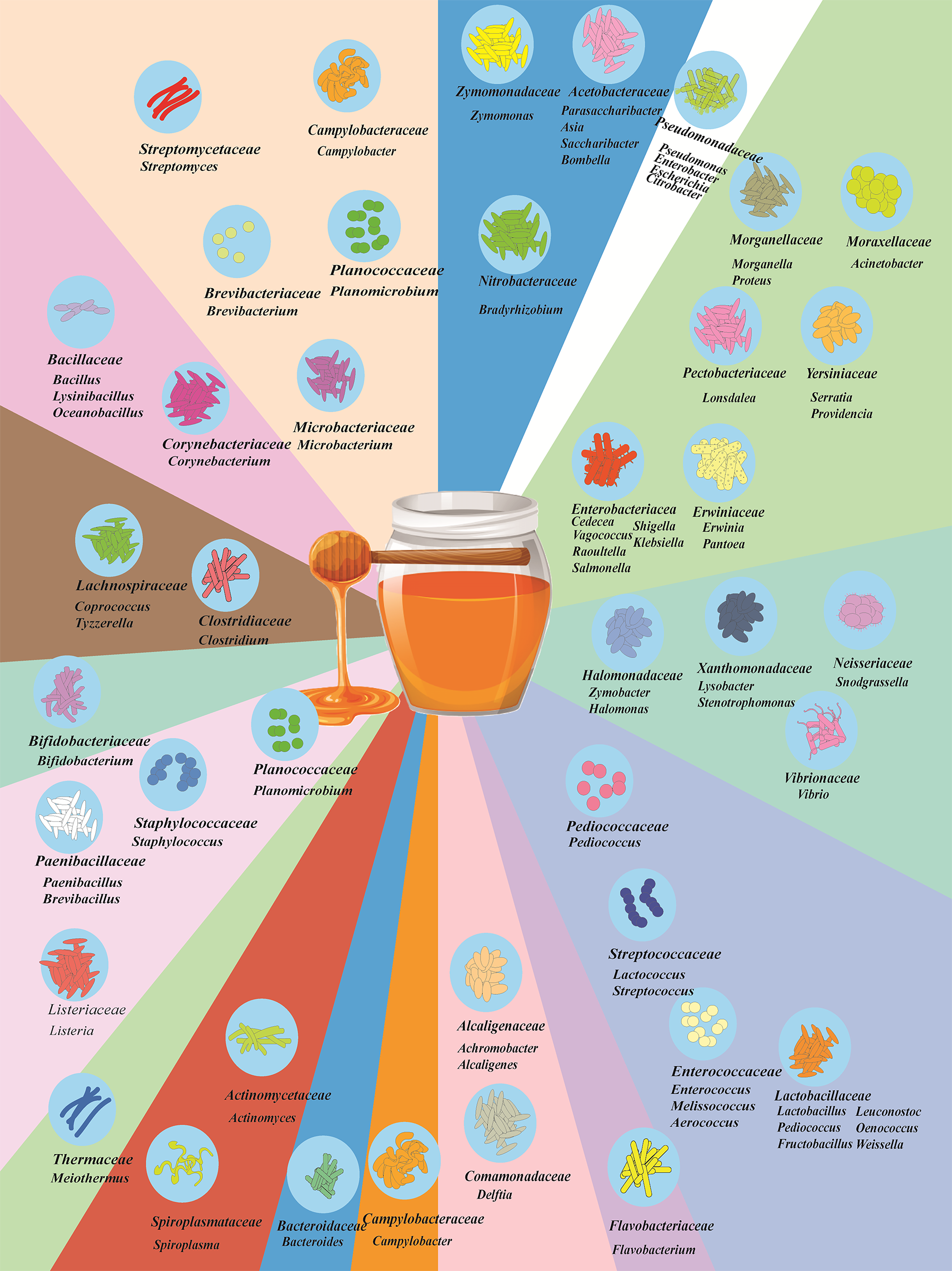
The microbiological composition of honey (Luca et al., 2024).
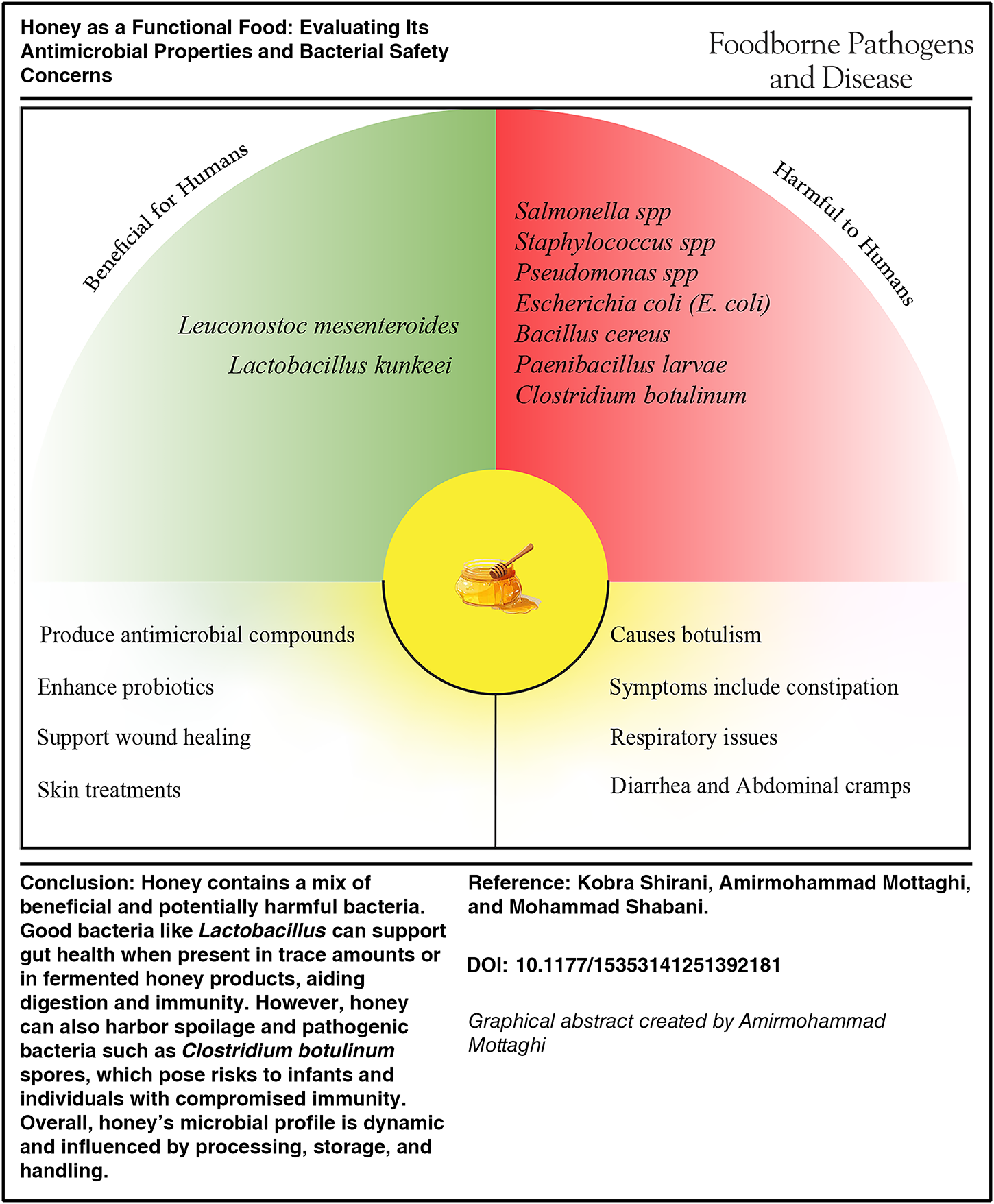
Beneficial microorganisms, particularly LAB, are widely documented as residents of the honey bee gut and the hive environment and have also been detected directly in honey. LAB ferment sugars to lactic acid via homo- or heterofermentative pathways and generate metabolites such as organic acids, hydrogen peroxide, and bacteriocins that inhibit spoilage organisms and many pathogens, thereby augmenting honey’s antimicrobial properties and supporting its potential as a probiotic dietary component (Iorizzo et al., 2022; Olofsson et al., 2016). Among LAB, Lactobacillus kunkeei has attracted attention for its probiotic potential, including gut microbiota modulation and possible mitigation of certain gastrointestinal disorders; other Lactobacillus species and related probiotic candidates in the hive and honey milieu similarly contribute to antimicrobial activity and health-promoting effects when consumed as part of honey or probiotic-enhanced honey products. The antimicrobial action of LAB and related probiotics aligns with observed inhibition of a broad range of microbes, including some antibiotic-resistant strains, through mechanisms that involve organic acids, hydrogen peroxide, and bacteriocins (Dempsey and Corr, 2022; Goli Mehdi Abadi et al., 2023). The ecological relationship between bees and their microbiota provides LAB with a nutrient-rich niche within the gut and hive environments while offering protective benefits to the bees themselves, illustrating a mutualistic interplay that underpins the presence of these microbes in honey and hive materials (Motta and Moran, 2024).
While high-quality honey typically exhibits low levels of harmful microorganisms, the presence of certain bacteria can pose health risks, particularly to vulnerable populations such as infants (Sepahi et al., 2016). The most well-known pathogen in honey is C. botulinum, which can cause the severe illness known as botulism. Infants are particularly vulnerable because their digestive systems are not yet mature enough to process these spores, which can germinate in their intestines and produce toxins. Therefore, honey is not recommended for children under one year of age. Additionally, contaminated honey can pose health hazards to other at-risk groups, including the elderly and immunocompromised individuals. Symptoms of botulism may include constipation, general weakness, and respiratory difficulties, underscoring the importance of awareness and preventative measures related to honey consumption in vulnerable populations. Further foodborne illnesses are caused by Bacillus cereus and Salmonella spp., although it is rarely reported to be the cause of any outbreak or illnesses associated with honey consumption. These bacterial contaminants may reach honey due to environmental sources, in contact with bees, or during the extraction and processing stages (Brudzynski, 2021; Grabek-Lejko and Worek, 2024; Luca et al., 2024). B. cereus is a notable bacterium associated with honey, carrying implications for food safety due to its potential to cause foodborne illnesses, and studies have shown that B. cereus can be present in honey from diverse sources, including commercial products and locally harvested samples, with its enterotoxigenic potential and antibiotic resistance raising health concerns for consumers. The prevalence is notably higher in branded honey products than in samples obtained directly from apiaries (Ndukwe and Agbagwa, 2020). B. cereus is a Gram-positive, rod-shaped bacterium capable of producing toxins, which underscores the potential health risks associated with contaminated food products. Virulence factors are evident, as research has highlighted the presence of enterotoxin genes in B. cereus isolates from honey, indicating a potential to cause foodborne illness, and a correlation was observed between hemolytic activity and the presence of enterotoxin genes, suggesting that honey could serve as a vehicle for pathogenic strains (Jeßberger et al., 2020). Regarding antibiotic resistance, a substantial proportion of B. cereus strains isolated from honey exhibited resistance to tetracycline and oxytetracycline, with 39% displaying resistance determinants, a resistance pattern that may complicate treatment options for infections caused by these strains (López et al., 2008).
Salmonella spp. is a group of Gram-negative, facultative intracellular bacteria known for causing salmonellosis, with virulence factors such as type III secretion systems, fimbriae, and toxins enabling invasion and inflammation (Lamichhane et al., 2024). The presence of Salmonella spp. in honey is a significant concern due to potential health risks, as microbiological contamination studies have shown Salmonella can occur alongside other pathogens, arising from multiple sources such as improper handling and environmental factors; for example, a Turkish study found that 60.86% of honey samples contained microorganisms, including Salmonella spp., indicating a notable level of contamination (Borum and Gunes, 2018), while a Ghanaian assessment of 30 honey samples identified Salmonella spp. among other pathogens, raising public health concerns regarding honey safety (Nzeh et al., 2020). Despite this risk, honey also exhibits antimicrobial properties that can combat pathogens like Salmonella spp., with research indicating that certain types of honey can effectively inhibit the growth of Salmonella enterica, suggesting a dual role of honey as both a potential contaminant and a natural preservative (İstanbullugil et al., 2023).
In conclusion, the microbial profile of honey is a complex interplay of various microorganisms, each playing a role in the safety, quality, and medicinal properties of honey. While some bacteria can pose health risks, many have beneficial effects, producing compounds with industrial and pharmaceutical relevance. Continued research into the honey microbiome can illuminate its full potential, allowing for better utilization of this versatile natural product. Understanding these dynamics is vital for ensuring the safety and enhancing the value of honey in various applications.
Honey’s Probiotic and Prebiotic Properties
Honey, as a prebiotic, includes indigestible carbohydrates that selectively stimulate the growth and activity of colonic microbiota and help improve gastrointestinal health. Prebiotic sugar groups such as fructooligosaccharides, galactooligosaccharides, and other oligosaccharides are found in honey and can increase the population and vitality of beneficial bacteria such as bifidobacteria and lactobacilli by feeding them (Aryati et al., 2025; Schell et al., 2022). Some types of honey, such as eucalyptus and polyfloral honey, have higher prebiotic potential due to greater amounts of flavonoids and phenolic compounds that, together with carbohydrates, aid in improving gastrointestinal health. Honey can also help improve immunity and reduce inflammation through prebiotic effects and by strengthening beneficial bacteria in the gut (Becerril-Sánchez et al., 2021). Regarding probiotics, probiotic microorganisms found in the digestive tract of honeybees and sometimes in honey exist, and some of these bacteria can survive the human digestive environment. Honey-associated bacteria such as Bacillus spp. and Lactobacillus spp., isolated from the bees’ gut, have been shown to exist in some honeys and honey pollen, and they exhibit relatively high resistance to low pH and bile salts; some of these strains have shown antimicrobial and antioxidant properties. Some biofilm-forming LAB strains (Lactobacillus and Bifidobacterium) from the honeybee microbiome have been obtained and show probiotic potential, including resistance to gastric acids and stimulation of mucosal immune responses, such as increased numbers of IgA-producing cells in the intestinal mucosa. Several studies indicate that probiotics derived from honey can help reduce gastrointestinal infections, improve mucosal barrier function, and reduce inflammation, and that combining honey’s prebiotics with probiotics may have synergistic effects (Tsadila et al., 2023; Ulrich Landry et al., 2016). In terms of mechanisms, probiotics and prebiotics in honey contribute by producing antimicrobial compounds such as defensins, organic acids, hydrogen peroxide (H2O2), and other beneficial metabolites; by competing for space and resources with pathogenic bacteria and preventing adhesion of harmful bacteria to the gut mucosa; by enhancing mucosal immune responses through increased immunoglobulins like IgA and by regulating cytokines such as tumor necrosis factor alpha, interferon gamma, and interleukin-10; and by exerting anti-inflammatory effects and improving mucosal function of the gut, which together have been observed as benefits (Nehzomi and Shirani, 2025; Royan, 2019; Ulrich Landry et al., 2016). Clinical applications include consuming the prebiotics in honey together with probiotics in dairy products like yogurt to improve gut microbial load, and studies indicate that probiotic supplements should be selected based on strains and sources, with multi-strain combinations potentially offering greater benefits than single strains. Some Bacillus and certain yeasts derived from honey or honeybags have potential for use as food probiotics, and their survivability in human digestive conditions has been demonstrated (Schell et al., 2022). Overall, evidence suggests that the presence of natural prebiotics and probiotics in honey may help manage gut health, modulate the intestinal microbiome, and reduce inflammation- and infection-related diseases; the diversity of honey sources influences prebiotic and probiotic composition, and multifloral honeys typically exhibit stronger antioxidant and prebiotic activity. For human use, attention should be paid to probiotic strain characteristics such as resistance to gastric acid and bile salts, safety, and the ability to integrate with the host microbiome.
Natural antibacterial properties of honey
The microorganisms present in honey exhibit considerable antimicrobial activity. Numerous studies indicate that a significant proportion of bacterial isolates from honey can inhibit the growth of various nosocomial and foodborne pathogens. Beneficial bacteria associated with honey contribute to the production of secondary metabolites, such as nonribosomal peptides and polyketides, which possess antimicrobial, anticancer, and immunosuppressive properties. These characteristics render honey a candidate for applications in medicine, cosmetics, and biotechnology. In particular, LABs isolated from honey have demonstrated antimicrobial effects against both bee and human pathogens and are known to produce antifungal compounds, contributing to fungal mycotoxin inactivation (Almasaudi, 2021; Tsadila et al., 2021).
Different floral sources of honey exhibit variable antibacterial activity, which is related to differences in chemical composition, including sugar content, acidity, and the presence of certain phytochemicals (Ben Amor et al., 2022; Stagos et al., 2018). Honey’s antibacterial properties are recognized largely due to hydrogen peroxide production by the enzyme glucose oxidase when honey is diluted. The generated hydrogen peroxide acts as a disinfectant, killing bacteria and helping prevent infections. Moreover, the enzymatic production of hydrogen peroxide upon dilution provides an additional antimicrobial mechanism, damaging bacterial cell walls, proteins, and DNA, thereby enhancing honey’s effectiveness (Brudzynski, 2020; Nolan et al., 2019). The low pH of honey, typically ranging from 3.2 to 4.5, significantly inhibits the growth of various pathogenic bacteria. This acidity, largely due to organic acids such as gluconic acid produced during the enzymatic oxidation of glucose, creates an environment hostile to most bacteria. Since many bacteria prefer near-neutral to slightly alkaline conditions, honey’s acidity disrupts their cellular activities, further augmenting its antibacterial properties (Almasaudi, 2021; Hossain et al., 2022).
Honey’s high sugar concentration contributes to a hyperosmotic environment that draws water out of bacterial cells, leading to dehydration and death. This osmotic action, in combination with honey’s bioactive compounds, enhances its role as an effective natural preservative and antimicrobial agent. The low water activity in honey, owed to its high fructose and glucose content, reduces the ability of microorganisms to proliferate, effectively inhibiting growth and replication (Ogwu and Izah, 2025). Honey contains a variety of phytochemicals, many of which have demonstrated antibacterial activity: flavonoids and phenolic acids. These compounds can disrupt bacterial cell walls, inactivate bacterial DNA, and inhibit key bacterial enzymes. The types and amounts of these phytochemicals vary with the floral source of the honey (Cianciosi et al., 2018; Shirani et al., 2014). Manuka honey from New Zealand is particularly noted for certain antibacterial factors that are not attributable to hydrogen peroxide. Manuka honey contains methylglyoxal (MGO), a compound formed from dihydroxyacetone in Manuka nectar. MGO has shown activity against a wide range of bacteria, including antibiotic-resistant strains (Johnston et al., 2018). The overall antibacterial activity of honey derives from multiple synergistic factors: high sugar concentration, low pH, hydrogen peroxide production, and the presence of bioactive compounds. Collectively, these elements contribute to honey’s potent natural antimicrobial properties. Antimicrobial mechanisms of honey against microbial growth and survival are summarized in Figure 2.
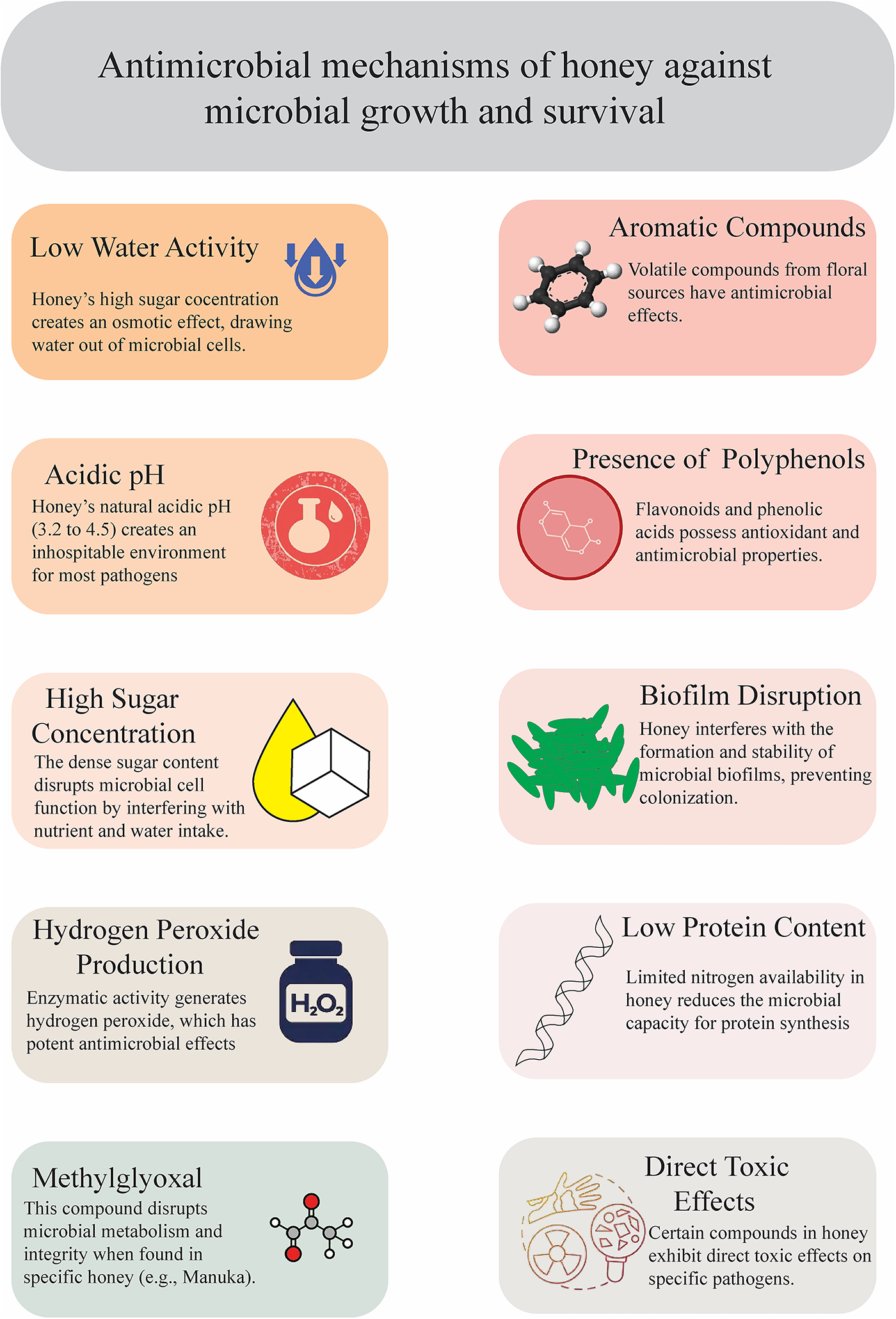
Antimicrobial mechanisms of honey against microbial growth.
Functional food applications and pharmaceutical potential
Probiotic honey, rich in beneficial bacteria, offers a unique combination of nutritional value and therapeutic potential, enabling it to serve as a natural additive, preservative, and functional ingredient across foods and medical products; this concept aligns with consumer demand for health-promoting, natural formulations while leveraging honey’s inherent antimicrobial, antioxidant, and wound-healing properties. In terms of nutrition, probiotic honey supports gut health by contributing to a balanced microbiota, aiding digestion and nutrient absorption, while also supporting immune function through the broader health benefits of a well-balanced microbiome and the antioxidant profile of honey; it provides a natural energy source due to readily available sugars, and the presence of probiotics may enhance energy metabolism; the antioxidants in honey can work synergistically with probiotic activity to potentially reduce oxidative stress and inflammation (Anwar et al., 2025; Dhiman et al., 2025; Thakur and Rana, 2024). Functional food applications include fortification of dairy products such as yogurt and kefir to increase probiotic content, improve sweetness and texture, and possibly reduce the need for synthetic additives; it can be integrated into smoothies and beverages as a convenient, gut-friendly energy option with a natural flavor profile; it can be used in breakfast and snack formulations by topping oats, granola, or toast to add functional benefits without compromising taste; probiotic honey can serve as a natural carrier for probiotic strains in dietary supplements, aiding encapsulation and stabilizing formulations, thereby supporting shelf life and product integrity; in some food formulations, the antimicrobial properties of honey combined with probiotic activity can extend shelf life and reduce reliance on synthetic preservatives (Sarkar and Chandra, 2019; Tlak Gajger et al., 2025).
The pharmaceutical and dermatological potential of probiotic honey is notable, with applications in wound care and topical formulations such as hydrogel dressings and ointments that benefit from antimicrobial activity and enhanced healing; the combination of honey’s antioxidant properties with probiotic strains in skin-care products can address conditions like acne, eczema, and psoriasis by delivering beneficial bacteria and bioactive honey compounds; anti-inflammatory effects may arise from the joint action of honey’s antioxidants and probiotic metabolites, contributing to improved skin barrier function and reduced inflammatory markers; probiotic honey can be employed as a complementary component in dermatological therapies to enhance antimicrobial efficacy and support recovery in chronic or recurrent skin infections. The mechanisms of action include antimicrobial activity from honey’s enzymes, hydrogen peroxide, and phytochemicals together with probiotic-derived antimicrobial metabolites, modulation of microbiota through colonization or transient establishment of beneficial strains, and anti-inflammatory effects arising from both honey’s antioxidants and probiotic metabolites; wound healing is supported by honey’s moist healing environment and nutrient supply, while probiotics may further improve healing by balancing microbial communities at the site (McLoone et al., 2020; Scepankova et al., 2021). Several considerations and challenges accompany development, including maintaining probiotic viability and stability in the honey matrix during processing, storage, and use, regulatory and safety aspects that require compliance with food and pharmaceutical guidelines, consumer acceptance related to flavor and texture, standardization of probiotic counts, shelf-life data, and antimicrobial efficacy, and potential interactions between honey components, probiotics, and other actives in pharmaceutical formulations that necessitate thorough evaluation. Proposed product concepts encompass probiotic honey sachets for direct consumption or as cold/heat-stable energy boosters, fortified yogurt blends that increase probiotic load and enhance flavor, probiotic honey-based smoothie mixes, wound-care hydrogel or dressing infused with probiotic honey, and topical creams or ointments combining honey’s antioxidants with probiotic strains for acne, eczema, or related conditions. For implementation, it is advisable to select probiotic strains demonstrated to be stable in honey matrices and relevant to targeted health benefits, optimize honey type (raw, pasteurized, floral origin) to balance flavor, texture, and antimicrobial properties, develop robust manufacturing processes that preserve probiotic viability and product consistency, conduct preclinical and clinical evaluations to substantiate health claims related to gut health, immune support, wound healing, and skin conditions, and ensure regulatory compliance in labeling, including precise strain designation, CFU counts, storage conditions, and usage guidelines (McLoone et al., 2020; Nezhad-Mokhtari et al., 2021; Scepankova et al., 2021). In addition to the functional and probiotic properties of honey, allergenic risks associated with pollen and bee-derived components should also be taken into consideration. In individuals with pollen sensitivity, consuming honey may trigger allergic reactions. Safety assessments of honey should address not only microbial safety but also its allergenic potential. This highlights the need for comprehensive risk evaluation, including clear labeling of potential allergens, transparency about pollen-derived components, and adherence to regulatory guidelines for honey-derived probiotic products. Selection of probiotic strains should favor those stable in honey matrices, and product labeling should report exact strain designations, CFU counts, storage conditions, and usage guidelines (Gökmen, 2012).
Contamination risks in the production process
The honey production process begins with bees foraging for nectar from flowers, which they bring back to the hive. The nectar is then transformed into honey through regurgitation and enzymatic activity before being stored in honeycombs and sealed with beeswax for preservation. Throughout this process, several potential contamination points exist. During foraging, bees can collect environmental contaminants such as pesticides and heavy metals, which may be introduced into the hive and subsequently into the honey. Additionally, poor hygiene practices in the apiary, like using dirty equipment and infrequent hive cleaning, can lead to microbial contamination. Chemicals from hive construction materials, such as treated wood or paint, may also leach into the honey (Kunová et al., 2023; Rissato et al., 2007). Pathogenic microorganisms, including C. botulinum spores, can be present in honey either naturally or introduced during extraction. The risk of contamination increases with the use of nonsterile extraction equipment, as residual moisture can promote microbial growth. Thus, honey should be stored in airtight, food-grade containers to prevent contamination from the environment or leaching from packaging (D’Ascenzi et al., 2019; Machado De-Melo et al., 2018; Vica et al., 2009).
Transportation and handling practices are critical to maintaining honey quality. Honey must be transported in clean, sealed containers, away from potential contamination sources like chemicals or other food products. Proper training for workers in hygiene and handling procedures is essential to mitigate these risks. Regular inspections and cleaning are crucial for preventing bacterial outbreaks, as bees can rapidly spread bacteria through trophallaxis, where they share food within the hive (Machado De-Melo et al., 2018; Nastain et al., 2024; Vica et al., 2009).
The extraction equipment used in honey production significantly impacts contamination risk. Nonsterile equipment can introduce bacteria, so stainless steel is preferred due to its cleanliness and lower risk of harboring bacteria. It is essential to follow proper sterilization techniques with food-grade sanitizers. Additionally, storage containers should be airtight and food-grade, thoroughly cleaned to eliminate residual bacteria before use. Honey should be stored at temperatures that inhibit bacterial growth. Finally, the hygiene practices of apiarists, including thorough handwashing and the use of clean protective clothing, are vital for reducing contamination risks. Comprehensive training on hygiene and equipment sterilization techniques is crucial for maintaining the quality and safety of honey (Kunová et al., 2023; Nastain et al., 2024; Vica et al., 2009).
Quality control and regulations
Honey is a uniquely stable natural product whose quality and safety are governed by a combination of intrinsic physicochemical properties and extrinsic handling factors. Ensuring high-quality honey and safeguarding its microbiological safety are essential for both producers and consumers, given the potential for adulteration, contamination, and microbial risk. Across production, processing, storage, and distribution, a comprehensive quality control framework integrates physicochemical characterization, microbiological surveillance, and preventive practices (Al-Kafaween et al., 2023; Awulachew, 2025). The quality of honey is traditionally assessed through moisture content, sugar composition, acidity, proline, hydroxymethylfurfural (HMF), and diastase activity, among other parameters. Moisture content influences viscosity, fermentation risk, and shelf life, with higher moisture levels facilitating yeast proliferation under suboptimal storage conditions. Sugar composition, primarily fructose and glucose, affects osmotic pressure and palatability, while the ratio of reducing sugars to nonreducing sugars can reflect botanical origin and ripening status. Acidity (pH and free acidity) modulates flavor, stability, and microbial resistance, whereas HMF serves as an indicator of heating, aging, and storage quality; elevated HMF levels signal thermal degradation or prolonged storage. Enzymatic activity, particularly diastase, reflects honey’s freshness and thermal history. Codex Alimentarius and regional standards provide reference ranges for these parameters, guiding routine screening and ensuring consistency across batches and shipments (Bratosin et al., 2025; Seraglio et al., 2019).
Microbiological safety and contamination landscape
Honey possesses inherent antimicrobial properties conferred by high sugar concentration, low water activity, acidity, hydrogen peroxide generation, and phytochemical content. These factors collectively create a hostile environment for many microbes; however, honey is not completely sterile and can harbor a spectrum of microorganisms. The microbiological safety of honey hinges on the presence or absence of pathogenic or spoilage organisms and their viability (Ogwu and Izah, 2025). Pathogenic and spoilage microorganisms reported in honey include S. aureus, Salmonella spp., and B. cereus, among others. The prevalence and concentration of these organisms vary by geographic origin, floral source, processing, and storage conditions. In some regional surveys, a substantial proportion of honey samples show low microbial counts (often below 10 CFU/g), reflecting overall high quality and effective inhibition by honey’s natural defenses. Nonetheless, sporadic contamination events and regional differences highlight the necessity of robust quality control. Yeasts and molds can also be detected in certain imported or poorly stored honeys, signaling postharvest contamination or inadequate drying and packaging practices (Ramos et al., 2018).
Reliable detection and identification of bacterial contaminants in honey employs a combination of cultural, microscopic, molecular, biochemical, and automated methods. Traditional cultivation on selective and differential media enables isolation and preliminary characterization of colonies based on morphology and growth requirements. Microscopy, including Gram staining, provides rapid classification into Gram-positive versus Gram-negative groups and can reveal structural features such as spore formation. Molecular methods, notably polymerase chain reaction and sequencing of conserved targets like the 16S rRNA gene, offer high sensitivity and specificity for identifying bacterial species, even in mixed or low-abundance samples. Biochemical tests (e.g., catalase, oxidase, carbohydrate utilization profiles) and automated systems (e.g., API test strips, MALDI-TOF MS, VITEK) further streamline accurate identification, enabling targeted responses to contamination events. Metagenomics to capture broader microbial diversity and potential functional genes can be employed as a complementary, culture-independent approach to profile the entire microbial community and infer functional potential, thereby enhancing surveillance and risk assessment in complex honey matrices (Caesar et al., 2024; Pincus, 2014).
The integration of culture-based and molecular approaches supports timely risk assessment and traceability, aligning with Hazard Analysis and Critical Control Points (HACCP)-based control strategies(Ali et al., 2017; Bruxel et al., 2025; Naseer et al., 2015). Good Manufacturing Practices (GMP) establish baseline requirements for personnel hygiene, facility design, equipment maintenance, sanitation, and document control to minimize contamination risk throughout production. HACCP provides a systematic, risk-based approach to identify stages where contamination may occur and implement preventive controls. In honey production, critical control points include hive handling and transport, processing (e.g., filtration and heating), storage, and packaging. HACCP plans emphasize monitoring of key parameters (e.g., moisture, temperature, and sanitation efficacy), corrective actions for deviations, and routine verification to ensure ongoing effectiveness. When properly implemented, GMP and HACCP reduce the likelihood of microbial proliferation, deterioration in quality, and consumer health risks. Producers should integrate routine physicochemical analyses (moisture, sugar profile, acidity, HMF, diastase activity) with microbiological surveillance using culture-based and molecular methods to detect and quantify potential contaminants promptly. Traceability, batch testing, and validated rapid screening assays enhance response times and mitigate the impact of contamination incidents. For consumers, awareness of honey’s quality indicators and safety considerations informs purchasing decisions. Choosing honey from reputable sources, ensuring proper packaging, and storing it in cool, dry, and sun-protected conditions helps preserve quality. Inspecting product integrity upon opening is also advisable. Education on proper handling and storage complements regulatory and industry controls to safeguard consumer health (Kędzierska-Matysek et al., 2023; Sholina Nastain et al., 2024).
Overall, the quality and microbiological safety of honey result from an intricate balance between intrinsic physicochemical properties and extrinsic processing, handling, and storage practices. While honey’s natural defenses limit microbial growth, contamination can occur, necessitating comprehensive quality control that combines physicochemical testing, microbiological analysis, and HACCP-based preventive measures. Ongoing research and standardized methodologies, including molecular identification and rapid detection approaches, will continue to strengthen honey safety and quality assurance across the supply chain, protecting consumers and supporting the sustainability of beekeeping and honey production worldwide.
Microbial reduction in honey
Honey is a natural product with intrinsic antimicrobial properties and very low water activity, which collectively retard microbial growth, yet contamination can occur during handling, extraction, and packaging, so a comprehensive approach combining hygienic practice, storage discipline, and both thermal and nonthermal microbial reduction methods is essential to ensure safety and preserve sensory and nutritional quality. Good handling and storage conditions, such as maintaining low moisture content and storing honey in hermetically sealed containers, retard the growth of bacteria and limit fermentation, while the natural preservatives present in honey, including propolis, contribute to self-preserving properties and further enhance safety and quality, though these natural factors must complement, not replace, rigorous sanitation and hygiene during apiary operations and processing (Luca et al., 2024). Various methods are used to reduce the bacterial load of honey (Fig. 3). Thermal methods like pasteurization heat honey to a specified temperature for a defined period to inactivate pathogenic and spoilage microorganisms, to lower microbial counts while attempting to preserve flavor, aroma, color, enzymes, and nutritional integrity; sterilization, conducted at higher temperatures, achieves more complete microbial kill but often compromises sensory characteristics, so its use must be justified by product type, shelf-life goals, and consumer expectations (Mardhiyah et al., 2024; Ng et al., 2023). Nonthermal methods provide alternatives that help maintain quality, including irradiation that destroys microbial DNA and extends shelf life without substantial loss of nutrients when properly applied, and high-pressure processing, which inactivates microorganisms under high pressure with minimal heat input, thereby preserving heat-sensitive nutrients and flavors and is particularly suitable for liquid or semi-solid honey formulations and ready-to-eat products; ultraviolet radiation offers surface and water-borne disinfection by damaging DNA in microbial cells, though its limited penetration depth requires careful application on surfaces or thin honey layers or in process water systems (Khan et al., 2026; Migdał et al., 2000; Saxena et al., 2010). Chemical treatments such as chlorine, hydrogen peroxide, and quaternary ammonium compounds act as disinfectants by disrupting membranes, proteins, and nucleic acids, necessitating strict controls to avoid residues in contact with honey and compliance with regulatory standards (Liu et al., 2023; Toma and Socaciu, 2019). It is worth noting that raw honey, characterized by its unfiltered and unheated nature, retains a diverse array of bioactive compounds, including enzymes (e.g., diastase, glucose oxidase), antioxidants, pollen, and antimicrobial agents, which contribute to its therapeutic and nutritional value. In contrast, processed honey undergoes thermal treatment and filtration to enhance its appearance and extend shelf life, processes that often diminish its bioactive constituents. Studies indicate that heat processing reduces levels of key enzymes and hydrogen peroxide, critical for antimicrobial activity, while increasing HMF content, a compound that may pose toxicological concerns at elevated concentrations (Vosoghi et al., 2025). In parallel food systems, natural and mild preservation methods such as cold smoking have been shown to extend shelf life with minimal quality loss (Gökmen, 2025). This supports the concept that a spectrum of nonthermal or low-impact techniques can be explored in honey processing and storage, provided rigorous validation and regulatory considerations are addressed. Furthermore, raw honey exhibits superior antimicrobial efficacy and a more robust nutritional profile compared with processed honey (Albu et al., 2025; Mahmod et al., 2025). Additionally, commercial processing may involve the addition of syrups or other adulterants, compromising the purity and authenticity of the final product. Consequently, while processed honey offers improved clarity and shelf stability, raw honey is generally recognized for its enhanced health benefits and quality, making it a preferred choice for nutritional and therapeutic applications. An integrated, multihurdle strategy that combines excellent hygienic practices throughout the production chain, meticulous moisture control and hermetic storage, and the appropriate selection and validation of thermal or nonthermal reduction methods is recommended to minimize contamination risk while preserving the characteristic quality of honey; process validation should verify efficacy against target organisms and include monitoring of sensory and nutritional attributes post-treatment, with attention to potential changes in color, aroma, texture, enzyme activity, and shelf stability, and regulatory considerations and consumer perceptions regarding methods such as irradiation or chemical sanitizers must be addressed through transparent communication and evidence of safety and quality benefits, ultimately supporting a robust quality management framework for honey production that aligns safety, quality, and market expectations (Ghania1 et al., 2025, Koleleni, 2025; Shang et al., 2025; Wang et al., 2025).
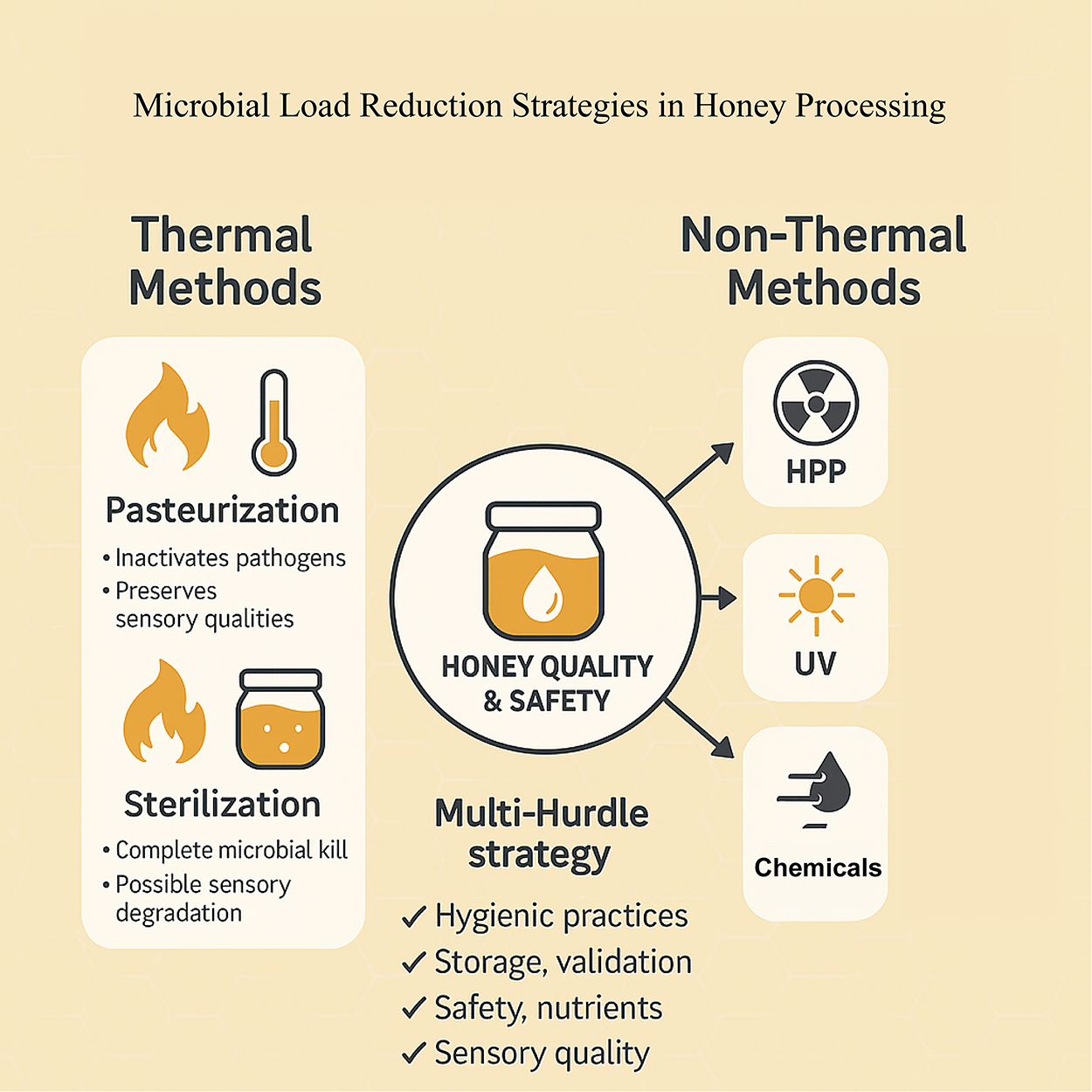
Various methods to reduce the bacterial load of honey.
Permissible microbial load in honey: a global overview
Global microbiological standards for honey focus on the presence and control of bacteria, as honey can be contaminated at the production and handling stages. These standards ensure honey’s safety and quality for use as a food product or therapeutic agent. Primary bacterial concerns include mesophilic aerobic microorganisms, coliforms, and specific pathogens such as Staphylococcus aureus and C. perfringens. The presence of these bacteria can impact the safety and antimicrobial properties of honey, which are highly valued in culinary and medicinal contexts. International and national bodies establish health standards and regulations to ensure the safe, high-quality, and transparent marketing of products, thereby protecting public health and sustaining consumer confidence (Vázquez et al., 2018).
Global standards establish limits for the overall bacterial load and contamination indicators, particularly for raw (unprocessed) honey, and, where applicable, for pasteurized or processed honey; the core microbiological criteria are typically expressed as Total Viable Count (TVC): the overall bacterial load, and the presence or absence of specific indicators, such as Bacillus spp. and C. botulinum; in practice, raw honey must not contain C. botulinum, TVC limits and the presence of Bacillus spp. are more nuanced and depend on the product and the edition of the standard (Hazards et al., 2024).
TVC ranges are commonly reported as approximately 102 to 105 CFU/g, with exact limits varying by product type, processing status, and standard edition. Raw honey often permits a higher acceptable TVC than processed honey, but safety-critical pathogens and indicators constrain the overall risk. Bacillus spp. are frequently listed as contamination indicators, and B. cereus in raw honey is typically restricted or absent according to many standards. C. botulinum must be absent in raw honey, and some regulatory frameworks also address the absence of other Clostridium spp. in raw honey or impose constraints on their presence in processed honey (Kędzierska-Matysek et al., 2023; Parpinelli et al., 2017).
The Codex Alimentarius (WHO/FAO) provides general safety principles and guidance on microbiological testing (Otero and Bernolo, 2020). The European Union specifies TVC per gram and presence/absence criteria for Bacillus spp. and Clostridium spp. The United States (FDA/USDA) treats honey as a low-risk product, but TVC and indicator testing remain relevant (Grigoryan, 2016; Guran et al., 2023). In Japan, the Japanese Agricultural Standards impose strict limits on TVC and enforce stringent controls on Bacillus species to ensure that honey remains safe for consumption. Moreover, one of the critical requirements is the absence of C. botulinum in raw honey, which is particularly crucial given the severe health risks associated with botulism, especially in infants. This attention to microbial safety reflects Japan’s overall commitment to high food safety standards (De Centorbi et al., 1997). The Food Standards Australia New Zealand has developed specific regulations that differentiate between raw and processed honey. Raw honey must meet certain microbial limits, while processed honey, which may undergo treatments like pasteurization, has different requirements. This distinction allows for the consideration of the various handling methods and their impact on microbial loads during production and packaging (Zealand, 2016). ISO/TC 34 standardizes methods for sampling, culture conditions, incubation, and reporting (Santana et al., 2017).
Conclusion
Honey is not only a beloved natural sweetener but also a remarkable substance enriched with health benefits, largely attributed to its unique microbial ecology. The interplay between beneficial microorganisms, particularly LAB, and honey’s complex biochemical composition enhances its antibacterial, antioxidant, and wound-healing properties. However, the potential presence of harmful pathogens, such as C. botulinum, underscores the importance of proper handling and storage to ensure safety and efficacy. In parallel food systems, natural and mild preservation methods such as cold smoking have been shown to extend shelf life with minimal quality loss, illustrating that a spectrum of nonthermal or low-impact techniques can be explored in honey processing and storage, provided rigorous validation and regulatory considerations are addressed. Safety assessments of honey should address not only microbial safety but also allergenic potential, particularly in individuals with pollen sensitivity. Clear labeling of potential allergens, transparency about pollen-derived components, and adherence to regulatory guidelines for honey-derived probiotic products are essential. Selection of probiotic strains should favor those stable in honey matrices, and product labeling should report exact strain designations, CFU counts, storage conditions, and usage guidelines. This balanced approach supports harnessing honey’s nutritional and therapeutic potential while mitigating risks, reinforcing its role as a functional food with broad health implications.
Future Prospects and Research Directions
The future of honey, enhanced with beneficial bacteria in the form of pharmaceutical and nutritional products, looks promising; research studies are underway to unlock its full potential. Scientists are investigating the synergistic effects of combining different strains of probiotics with honey to achieve maximum health benefits. In addition, advances in biotechnology may lead to the development of new honey-based formulation strategies for particular therapeutic applications. A deeper understanding of the interaction between honey and probiotic bacteria will very likely herald further increased commercial availability as innovative products open up new avenues for human health and well-being.
Authors’ Contributions
A.M. and M.S. wrote the article. K.S. revised the article. All authors have read and approved the article. All authors confirm that their research is supported by an institution that is primarily involved in education or research.
Footnotes
Author Disclosure Statement
The authors declare no conflicts of interest in the present study.
Funding Information
No funding was received for this article.