







Abstract
Roundabout guidance receptor proteins are crucial components of the SLIT/ROBO signaling pathway. This pathway is important for the nervous system and in embryonic development. Recently, increasing evidence has shown that roundabout guidance receptor proteins and the SLIT/ROBO signaling pathway also participate in tumorigenesis. Here, by analyzing transcriptome data from the TCGA and GEO databases, we found that ROBO3 is highly expressed in non-M3 acute myeloid leukemia. High ROBO3 expression was associated with increased age at diagnosis and poorer risk classification (both P < 0.01). Patients with high ROBO3 expression had higher rates of TP53 and RUNX1 mutations (both P < 0.05). Significantly worse overall survival and event-free survival were observed in high ROBO3 expression patients compared with low ROBO3 expression patients (OS: P = 0.004; EFS: P= 0.012). High ROBO3 expression was also associated with poorer overall survival and event-free survival in a subgroup of patients who received intensive chemotherapy (OS: P = 0.024; EFS: P = 0.040). Moreover, multivariate analysis indicated that high ROBO3 expression was an independent risk factor for poor overall survival in non-M3 acute myeloid leukemia patients who are younger than 60 and received intensive chemotherapy during remission induction. Bioinformatics analysis by Kyoto Encyclopedia of Genes and Genomes and Gene Ontology revealed that high ROBO3 expression significantly altered cell adhesion and extracellular matrix-related pathways (adjusted P < 0.05). Taken together, the data demonstrate that ROBO3 is upregulated in non-M3 acute myeloid leukemia and may be a potent biomarker of inferior prognosis.
Impact statement
Our data for the first time revealed that ROBO3 is aberrantly expressed in non-M3 AML. High ROBO3 expression is associated with increasing diagnosis age, poorer risk classification, and inferior gene mutations. Significantly, worse overall survival and event-free survival were observed in ROBO3 high expression patients. Multivariate analysis indicated that high ROBO3 expression was an independent risk factor for poor overall survival in non-M3 AML patients who are younger than 60 and received intensive chemotherapy during remission induction. Functional pathways analysis revealed that cell adhesion and extracellular matrix-related pathways may take part in high ROBO3 expression associated non-M3 AML. Future mechanistic studies will further illuminate the roles of ROBO3 in non-M3 AML.
Introduction
Acute myeloid leukemia (AML) is the most common acute leukemia type that originates from myeloid precursors.1,2 Standard anthracyclines and a cytarabine-based 7 + 3 regimen followed by hematopoietic stem cell transplantation (HSCT) is recommended for younger patients who can tolerate side effects. 3 The use of hypomethylating agents, such as decitabine and azacitidine, also improves the outcome of older patients or those who are unsuitable for intensive chemotherapy.4–6 However, the prognosis of AML patients is still not ideal 1 and conventional treatment methods often yield quite different therapeutic effects owing to the huge heterogeneity in AML. In the last decade, the precision medicine based on deep sequencing technology has uncovered kinds of important genetic alterations in human cancers including AML.2,7 Drugs targeting specific genetic alterations have achieved remarkable success in the treatment of AML.8–11
Roundabout guidance receptor (ROBO) family members consist of four conserved transmembrane receptor proteins (ROBO1, ROBO2, ROBO3, and ROBO4), which are mainly expressed in nerve cells.12–14 Slit guidance ligand (SLIT) and the ROBO-mediated SLIT/ROBO signaling pathway have been studied for their critical roles in embryonic and nervous system development.2,9,15 Mutations in ROBO proteins have been identified in some human neurological diseases.16,17 Recently, increasing evidence has shown that the SLIT/ROBO signaling pathway also participates in various human cancers.18–23
The SLIT/ROBO signaling pathway is involved in tumorigenesis mainly by promoting cell proliferation and migration. For example, high expressions of SLIT1, ROBO2, and ROBO4 are reportedly important in the tumorigenesis of colorectal cancer.20,23 In nasopharyngeal carcinoma, high expression of ROBO1 is linked with increased tumor growth and poor survival. 22 On the other hand, the SLIT/ROBO pathway also acts as a tumor suppressor in some conditions. For instance, upregulation of SLIT2 and SLIT3 can inhibit tumor cell invasion in pancreatic cancer and lung carcinoma, respectively.24,25 Interestingly, some studies have reported that even the same member in SLIT/ROBO families may have exactly the opposite roles in different cancers. An example is the oncogenic role of ROBO2 in colorectal cancer and hepatocellular cancer, and its tumor suppressor role in ovarian cancer and pancreatic cancer.20,26,27 Such opposing roles indicate the complex biological functions of the SLIT/ROBO signaling pathway in different human cancers.
Compared with other ROBO family members, the role of ROBO3 in human cancers is relatively less studied. Overexpression of ROBO3 plays important roles in the tumor development of pancreatic carcinoma by increasing Wnt/β-catenin pathway activity. 18 Inactivation of ROBO3 by promoter hypermethylation is associated with tumor progression in cervical cancer. 28 However, the role of ROBO3 in hematological malignancies is unknown. Here, combining data from TCGA database and GEO database, we illustrate the expression features, clinical significance, and potential biological functions of ROBO3 in AML. We found that ROBO3 is increased in non-M3 AML patients. Its high expression is associated with poor clinical parameters as well as inferior outcomes. Upregulation of ROBO3 and dysregulated SLIT/ROBO signaling pathway activity may drive the leukemogenesis of non-M3 AML.
Materials and methods
GEPIA and UALCAN databases
The expression difference of ROBO3 between AML patients and normal controls was first examined using the GEPIA database. 29 The cutoff values of |log2FC| and P were set as 1 and 0.01, respectively.
The expression feature of ROBO3 based on the French–American–British (FAB) classification was visualized using the UALCAN database. 30 Both the GEPIA and UALCAN databases provide convenient access to publicly available cancer OMICS data for further bioinformatics analysis.
Acquisition of detailed transcriptome and clinical data from the GEO and TCGA databases
The validation of ROBO3 expression between AML patients and normal controls was performed using transcriptome data acquired from the GEO database. The index words were set as acute myeloid leukemia, Homo sapiens, and expression. Finally, dataset GSE13159 was selected, as it enrolled both AML patients (n = 542) and normal controls (n = 74). GSE37642 was selected to validate the prognostic significance of ROBO3 expression in non-M3 AML patients.
Transcripts per million (TPM) and clinical data of 173 newly diagnosed AML patients who underwent RNA-seq in the TCGA AML cohort were acquired from the cBioPortal database. 31 Four patients without specific FAB classification or ROBO3 expression data were excluded from further analysis. The median TPM of ROBO3 was set as the cutoff and the patients were divided into high and low ROBO3 expression groups. The mutation conditions of DNMT3A, FLT3, NPM1, TET2, TP53, EZH2, IDH1, IDH2, RUNX1, and U2AF1 in 173 AML patients were also downloaded from the cBioPortal database.
Identification of differentially expressed genes, and Kyoto encyclopedia of genes and genomes and gene ontology pathway enrichment analyses
TCGA transcriptome data were used to identify the DEGs between high and low ROBO3 expression patients. In order to reveal the underlying mechanism more effectively, we used a stricter grouping method. We defined high ROBO3 expression patients as ROBO3 expression level in the top 25% and low ROBO3 expression patients as ROBO3 expression level in the bottom 25%. The DEseq2' R language package was used to analyze the DEGs. The threshold was set as adjusted P < 0.05, and |log2 FC|>1.
KEGG and GO analyses were performed using DAVID Bioinformatics Resources 6.8 based on the DEGs between patients with high and low ROBO3 expression. 32
Gene function network prediction of ROBO3
Gene function networks including co-expression, genetic interaction, co-localization, shared protein domains, and pathway of ROBO3 were predicted by GeneMANIA (https://genemania.org/) and STRING database (https://string-db.org/).33,34 GeneMANIA works best under the condition that most of the input genes are functionally related. Under the condition that only a single gene is inputted, GeneMANIA can make gene function predictions based on GO annotation patterns.
Statistical analyses
This paper used the Cox proportional hazard model for multivariate analysis to search independent risk factors. The difference in ROBO3 expression between different groups (AML patients vs. normal controls; non-M3 patients vs. M3 patients) was analyzed by Mann–Whitney U-test. The Kruskal–Wallis test was carried out to analyze the expression difference of ROBO3 between different age groups. Chi-squared test was conducted to reveal the relationship between ROBO3 expression and patients’ clinical chrematistics. The differences in prognosis between high and low ROBO3 expression patients were analyzed using the Kaplan–Meier method and log-rank test. P-values <0.05 were considered statistically significant. All statistical analysis was performed with SPSS 24.0 software.
Results
ROBO3 is increased in non-M3 AML patients
Since the data source of GEPIA was based on the TCGA AML cohort, we first investigated the expression feature of ROBO3 in AML patients using the GEPIA database. The expression of ROBO3 was significantly higher in AML patients compared with normal controls (P < 0.01, Figure 1(a)). To validate this finding, we analyzed the microarray data of GSE13159 from the GEO database. Coincident with its high expression in the TCGA AML cohort, the expression of ROBO3 was also significantly upregulated in AML patients in the validation cohort GSE13159 (P < 0.001, Figure 1(b)).
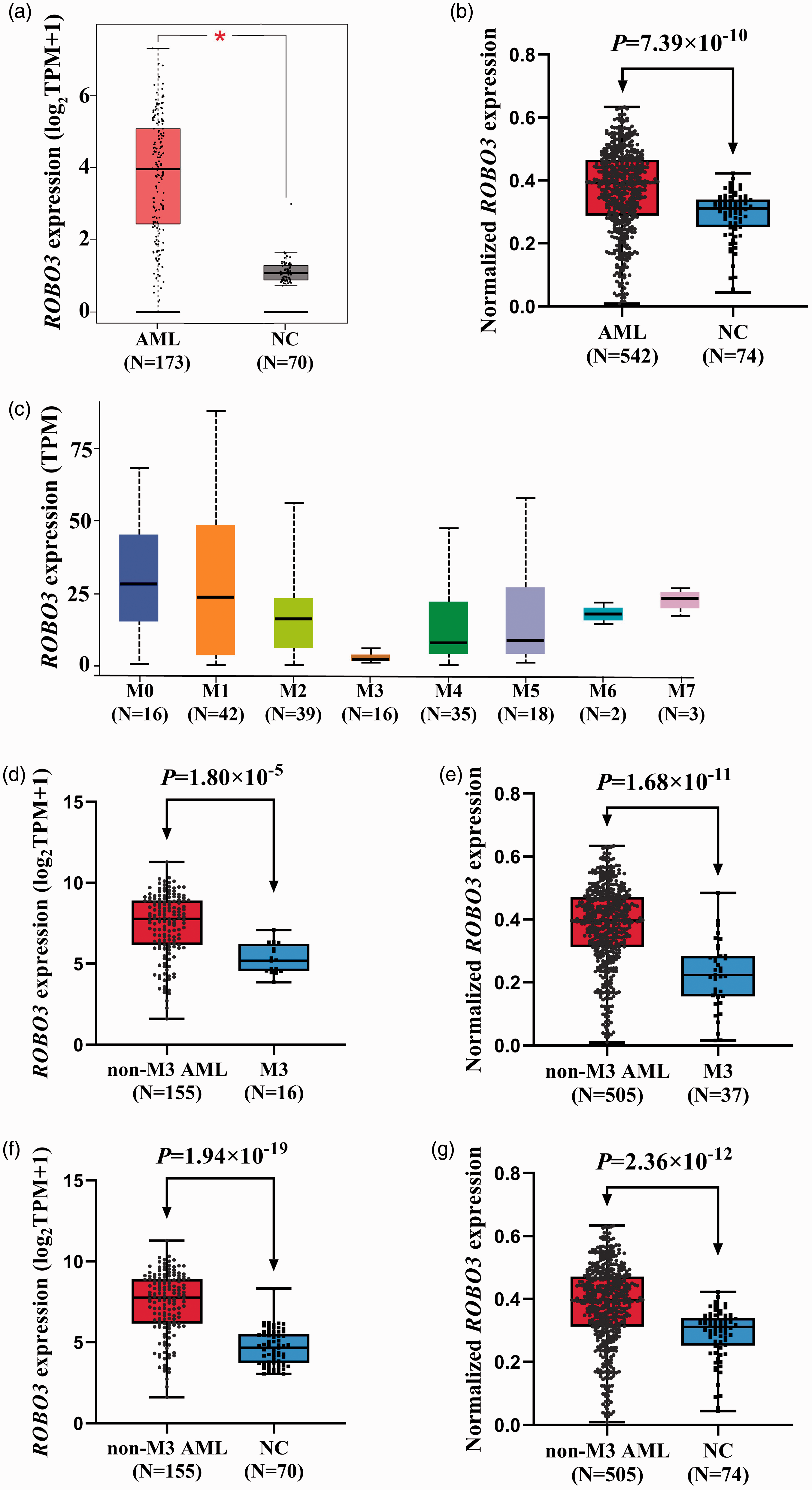
ROBO3 is increasedly expressed in AML patients. (a) ROBO3 expression feature in AML patients and normal controls in TCAG AML cohort (Analyzed by GEPAI database). (b) ROBO3 expression feature in AML patients and normal controls in GSE13159 AML cohort. (c) Expression prolife of ROBO3 in TCAG AML cohort based on FAB classification (Analyzed by UALCAN database). (d, e) Expression difference of ROBO3 between M3 and non-M3 AML patients in TCAG AML cohort (d) and GSE13159 (e). (f, g) Expression difference of ROBO3 in non-M3 AML patients and normal controls in TCAG AML cohort (f) and GSE13159 (g). (A color version of this figure is available in the online journal.)
Next, we investigated the detailed expression profile of ROBO3 in AML patients based on the FAB classification. Results from the UALCAN database indicated that M3 patients had an obviously lower ROBO3 expression level than patients in other classifications (Figure 1(c)). Further statistical analysis showed that ROBO3 expression was significantly lower in M3 patients in both the TCGA AML cohort and GSE13159 (both P < 0.001, Figure 1(d) and (e)). Since M3 is a very special subtype of AML due to its unique genetic alteration (PML-RARα fusion gene) and remarkably better prognosis than other AML subtypes, we further tested the expression feature of ROBO3 after excluding M3 patients. As shown in Figure 1(f) and (g), non-M3 AML patients still exhibited a high ROBO3 expression profile in both TCGA AML and GSE13159 cohort (P < 0.001).
High ROBO3 expression is associated with increasing age at diagnosis and poorer risk classification
To illustrate the clinical relevance of high ROBO3 expression, we studied the association between ROBO3 expression and clinical parameters in non-M3 AML patients. ROBO3 high expression patients were significantly older at diagnosis (median age 64 years) compared with patients with low expression of ROBO3 (median age 54 years) (P < 0.001, Table 1, Figure 2(a)). Next, we regraded the patients into four groups with respect to age at diagnosis (<30, 30–60, 60–80, and ≥80 years) to explore the detailed relationship between ROBO3 expression and patient age at diagnosis. The expression of ROBO3 increased significantly with increasing age at diagnosis (P = 0.002, Figure 2(b)). The relationships between ROBO3 expression, age at diagnosis, and FAB classification in AML patients are shown in Figure 2(c).
The association of ROBO3 expression with clinical features in non-M3 AML patients.
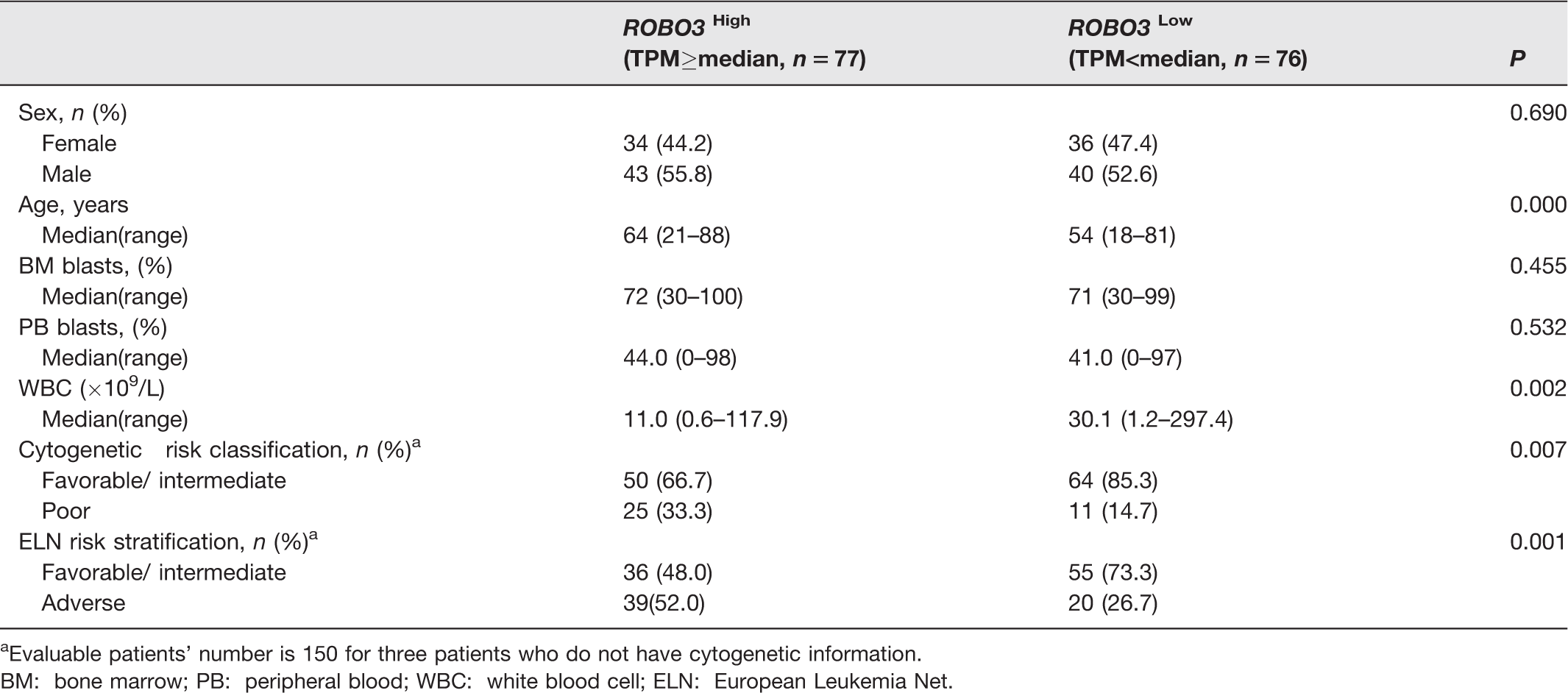
aEvaluable patients’ number is 150 for three patients who do not have cytogenetic information.
BM: bone marrow; PB: peripheral blood; WBC: white blood cell; ELN: European Leukemia Net.
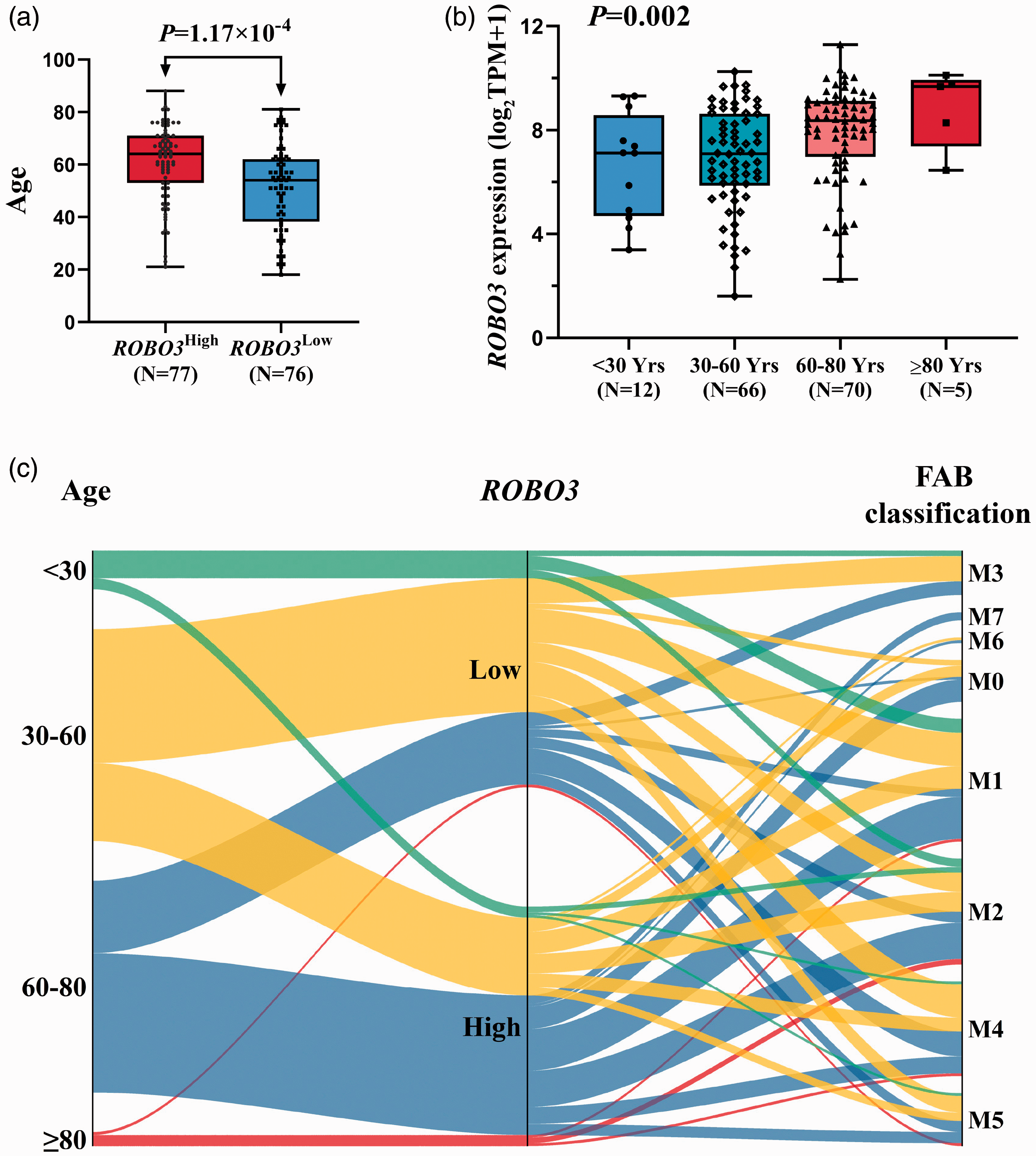
High ROBO3 expression is associated with increasing diagnosis age in non-M3 AML patients. (a) Difference of diagnosis age between ROBO3 high expression patients and ROBO3 low expression patients. (b) Expression prolife of ROBO3 based on patients’ diagnosis age. (c) Sankey diagram of the relationship between ROBO3 expression, patients’ diagnosis age, and FAB classification in AML patients. (A color version of this figure is available in the online journal.)
In contrast, we observed that poor cytogenetic risk classification accounted for a much higher percentage in ROBO3 high expression patients compared with ROBO3 low expression patients (33.3% vs. 14.7%, P = 0.007; Table 1). Likewise, more than half of ROBO3 high expression patients (52.0%) had adverse European Leukemia Net (ELN) risk stratification. In contrast, this ratio was only 26.7% in ROBO3 low expression patients (P = 0.001). Interestingly, ROBO3 high expression patients had a significantly lower white blood cell (WBC) level than ROBO3 low expression patients (median: 11.0 vs. 30.1, P = 0.002). The differences in sex, bone marrow blasts, and peripheral blood blasts between ROBO3 high expression patients and ROBO3 low expression patients were not significant (all P > 0.05). Taken together, these data indicated that high ROBO3 expression was linked with high-risk clinical features, suggesting its potential clinical relevance in non-M3 AML patients.
High ROBO3 expression is associated with inferior gene mutations in non-M3 AML patients
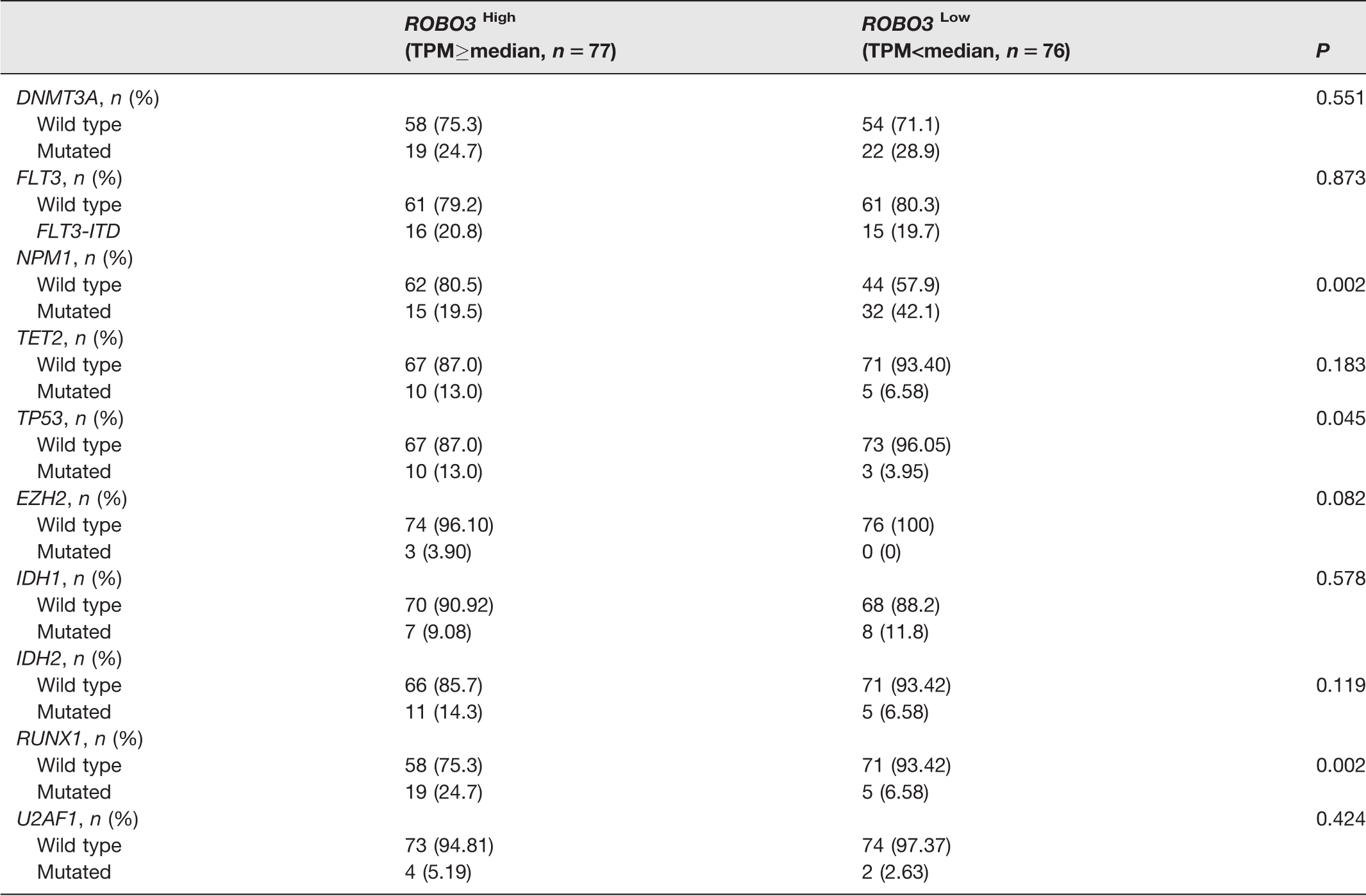
With the recent development of sequencing technology and precision medicine, the importance of genetic alterations in human cancers has received extensive attention. In AML, besides the classical gene mutations like TP53 and FLT3-ITD, a growing number of novel mutations have been identified and shown to play important roles in leukemogenesis.5,35 We acquired DNA sequencing data and explored the relationship between ROBO3 expression and common recurrent gene mutations in non-M3 AML patients. TP53 and RUNX1 mutations were more frequently detected in patients with high ROBO3 expression (TP53: 13.0% vs. 3.95%, P = 0.045; RUNX1: 24.7% vs. 6.58%, P = 0.002; NPM1: 19.5% vs. 42.1%, P = 0.002) (Table 2). In contrast, ROBO3 low expression patients had a significantly higher NPM1 mutation rate compared with ROBO3 high expression patients. No statistical differences were observed in DNMT3A, FLT3-ITD, TET2, EZH2, IDH1, IDH2, and U2AF1 mutations between the two groups of patients (all P > 0.05). TP53 and RUNX1 mutations have been widely recognized as inferior genetic alterations in AML patients. Moreover, patients harboring NPM1 mutations have a better prognosis than patients lacking NPM1 mutations in AML. These results further suggest that high ROBO3 expression may have significant clinical relevance in non-M3 AML patients.
The association of ROBO3 expression with common gene mutations in non-M3 AML patients.
High ROBO3 expression predicts poor survival in non-M3 AML patients
The above results provided evidence of the association of ROBO3 with some important clinical and laboratory parameters in non-M3 AML. Considering that older age, poor cytogenetic/ELN risk classification, and TP53 and RUNX1 mutations are all high-risk factors for an inferior outcome, we wondered whether high ROBO3 expression was associated with poor survival in non-M3 AML patients. To unravel this, we performed survival analysis to directly investigate the prognostic significances of ROBO3 expression in non-M3 AML patients. Patients with PML-RARα fusion gene (M3) were excluded because their remarkably favorable prognosis may have influenced the analysis. Results showed that there was a distinct difference in survival between high and low ROBO3 expression non-M3 patients. A prominently worse overall survival (OS) and event-free survival (EFS) was observed in ROBO3 high expression non-M3 patients (Figure 3(a) and (b)) (median OS: 11.2 vs. 24.6 months, P = 0.004; median EFS: 7.7 vs. 10.2 months, P = 0.012). To further validate the relationship between high ROBO3 expression and inferior prognosis, we analyzed two additional data sets: GSE37642-GPL96 (n = 383, non-M3 AML patients) and GSE37642-GPL570 (n = 126, non-M3 AML patients). We observed that high ROBO3 expression was still related with poor overall survival in both GSE37642-GPL96 (Figure 4(a)) (median OS: 273 vs. 521 days, P = 0.012) and GSE37642-GPL570 (Figure 4(b)) (median OS: 352 vs. 548 days, P = 0.028).
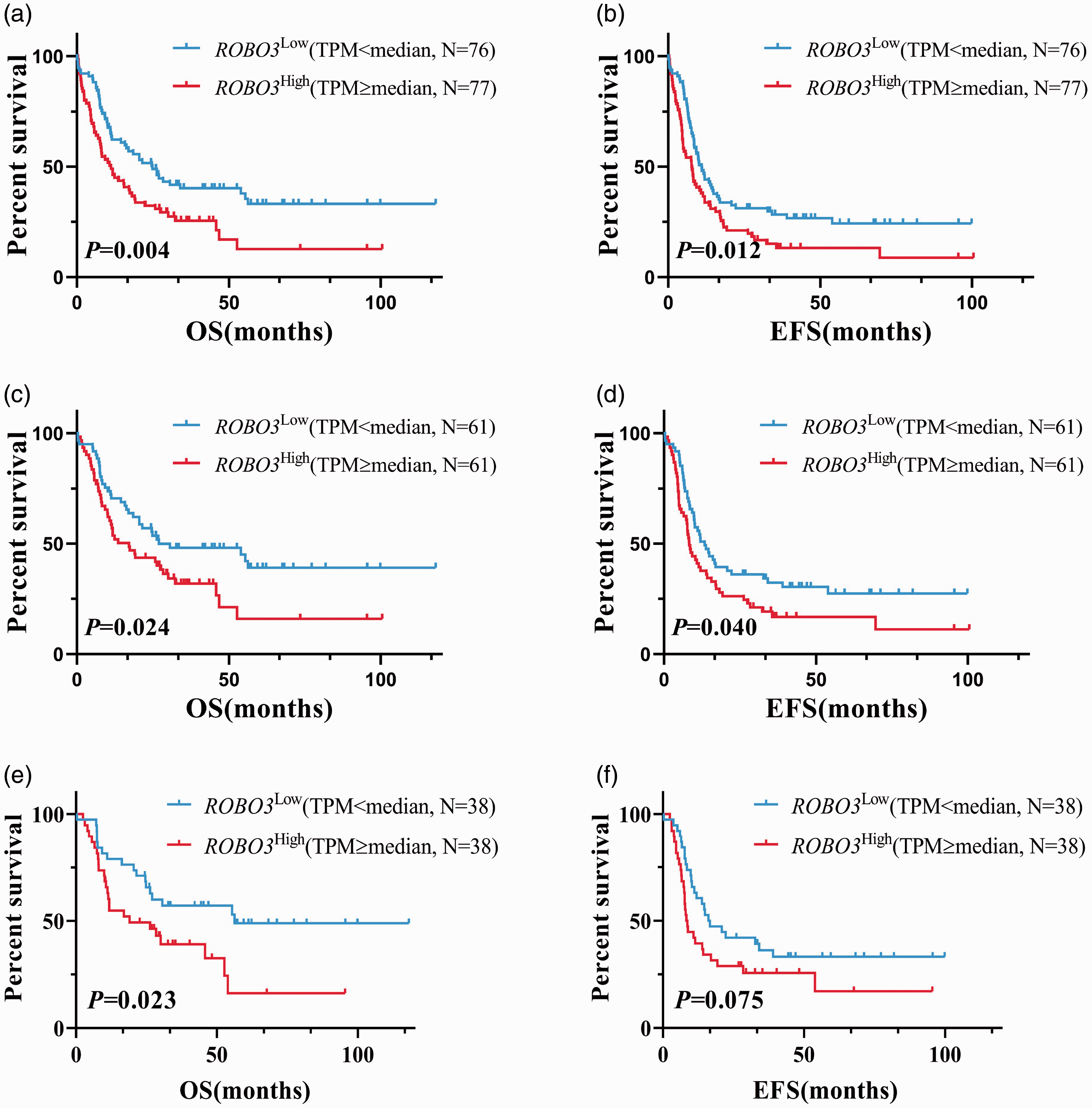
High ROBO3 expression is associated with inferior outcome in non-M3 AML patients. (a, b) Survival analysis results of non-M3 AML patients. Differences in OS (a) and EFS (b) between ROBO3 high expression patients and ROBO3 low expression patients. (c, d) Survival analysis results of non-M3 AML patients who received intensive chemotherapy during remission induction. Differences in OS (c) and EFS (d) between ROBO3 high expression patients and ROBO3 low expression patients. (e, f) Kaplan–Meier analysis results of non-M3 AML patients are younger than 60 and received intensive therapy during remission induction. Differences in OS (e) and EFS (f) between ROBO3 high expression patients and ROBO3 low expression patients. (A color version of this figure is available in the online journal.)
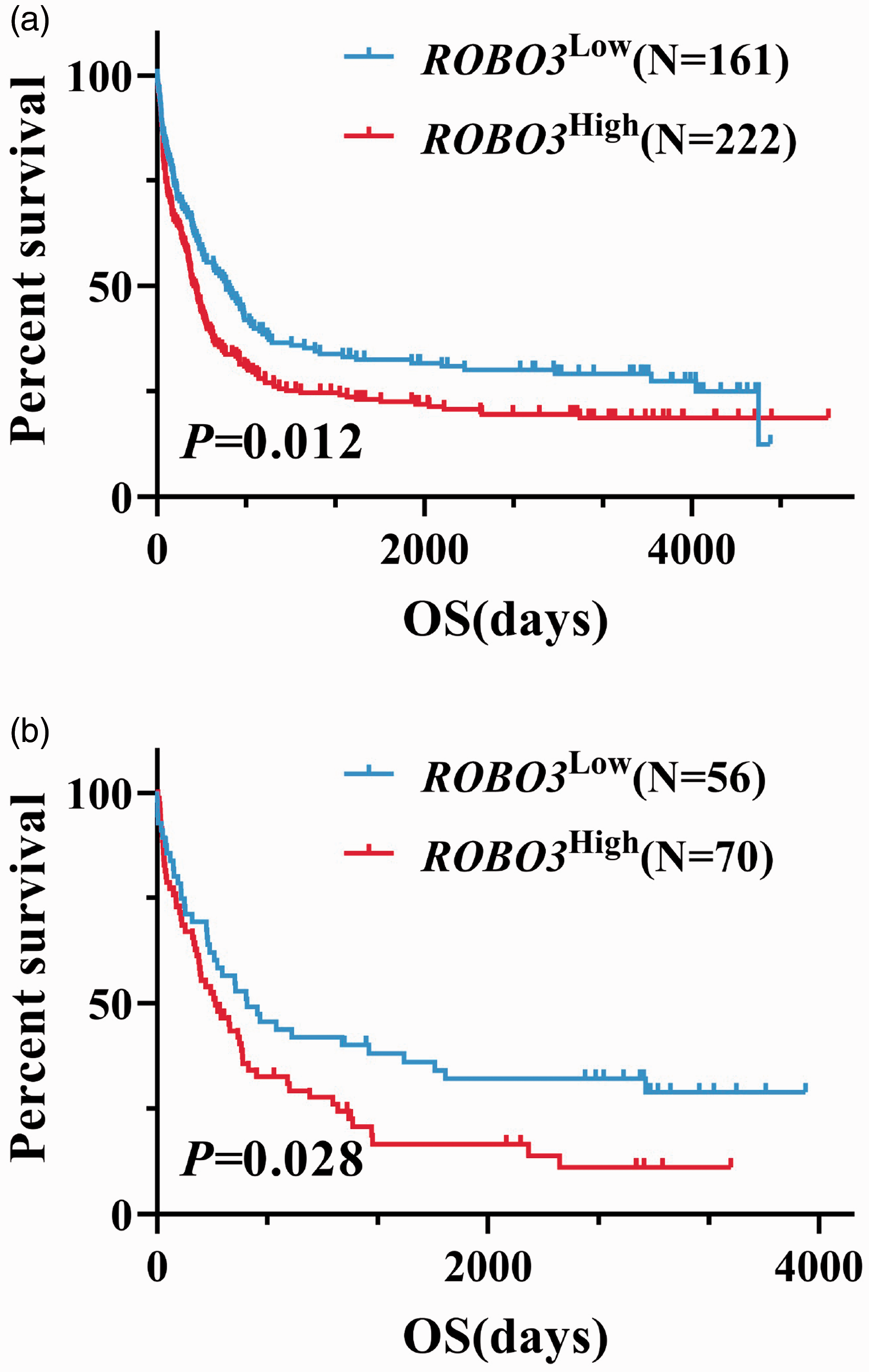
The association of ROBO3 expression and OS in non-M3 AML patients in validation cohort. OS curve of non-M3 patients between ROBO3 high patients and ROBO3 low in GSE37642-GPL96 (a) and GSE37642-GPL570 (b). (A color version of this figure is available in the online journal.)
Treatment choice in remission induction also significantly affected patient outcomes. For non-M3 patients, anthracyclines and cytarabine-based 7 + 3 regimen is the standard treatment option for remission induction. However, not all patients can tolerate the side effects of intensive chemotherapy. Low-intensity therapy (low-dose cytarabine or hypomethylation agents) is recommended for patients who cannot withstand intensive remission induction therapy, such as patients with significant comorbid conditions. To better confirm the prognostic significance of ROBO3 expression in non-M3 patients, we further excluded patients who did not receive intensive therapy during remission induction. ROBO3 high expression was linked with poorer OS and EFS in non-M3 patients who received intensive chemotherapy (Figure 3(c) and (d)) (median OS: 17.1 vs. 27.0 months, P = 0.024; median EFS: 8.3 vs. 13.4 months, P = 0.040). Since intensive remission induction therapy is highly recommended for non-M3 AML patients who are younger than 60, survival analysis showed that ROBO3 high expression was still related with poorer OS and EFS in this subgroup of patients although the difference in EFS was not statistically significant (Figure 3(e) and (f)) (median OS: 19.0 vs. 56.3 months, P = 0.023; median EFS: 8.5 vs. 16.4 months, P = 0.075).
In multivariate analysis, the relationship between ROBO3 high expression and poorer OS and EFS was no longer detected after adjusted for age, DNMT3A, FLT3, NPM1, TET2, TP53, and RUNX1 mutation (P > 0.05) (Figures 5(a) and (b), 6(a) to (c)). However, subgroup analyses revealed that ROBO3 high expression was an independent risk factor of worse OS in non-M3 AML patients who are younger than 60 and received intensive therapy during remission induction (Figure 5(c)) (HR = 2.187, 95% CI: 1.110–4.307, P = 0.024). In conclusion, above results revealed that ROBO3 high expression was associated with high-risk clinical and laboratory parameters, and also predicted poor survival in non-M3 AML patients.
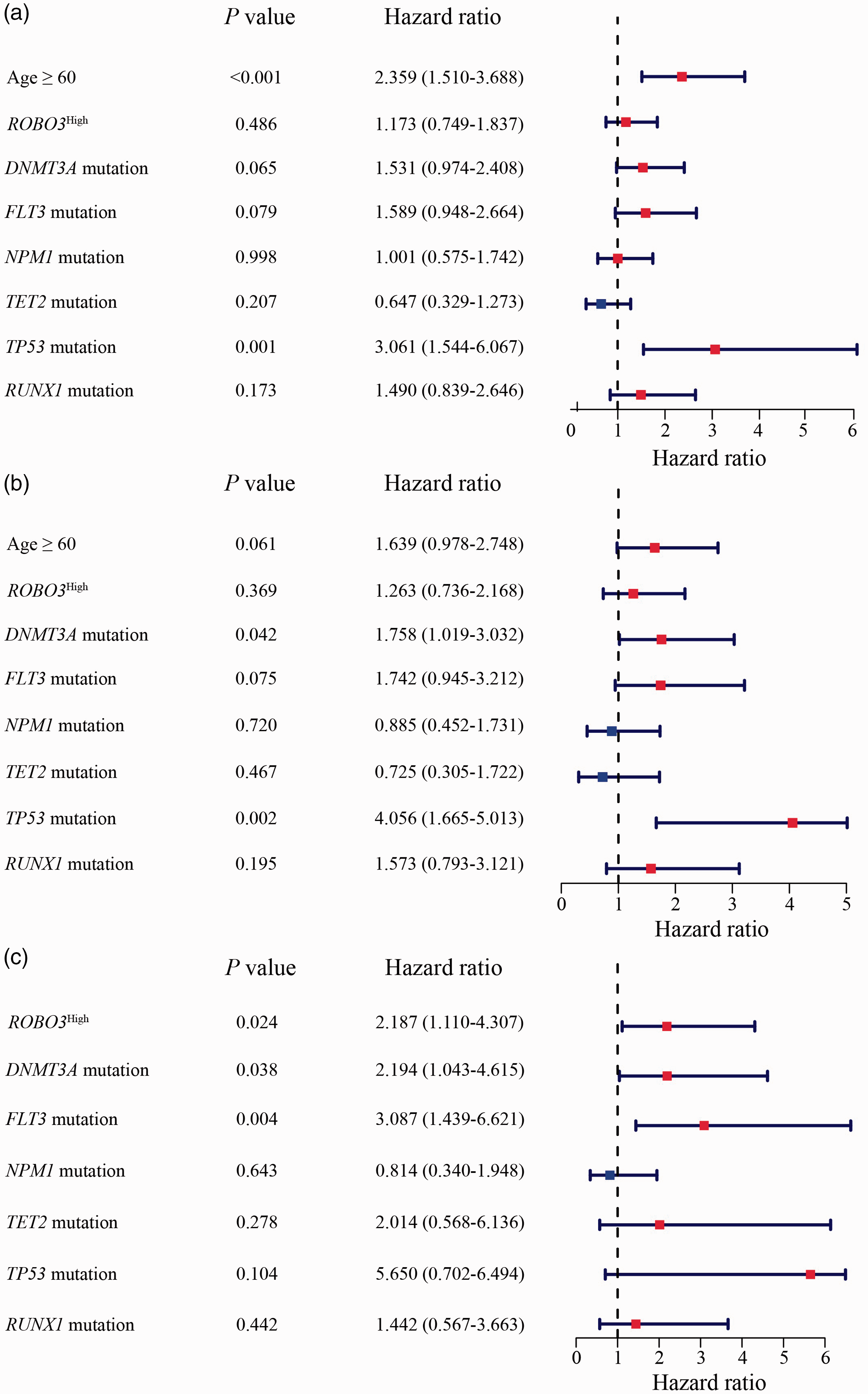
Forest plots of the association between ROBO3 high expression and OS in non-M3 AML patients. Cox proportional hazards model for OS in non-M3 AML patients (a), non-M3 AML patients who received intensive therapy during remission induction (b), and non-M3 AML patients are younger than 60 and received intensive therapy during remission induction (c). (A color version of this figure is available in the online journal.)
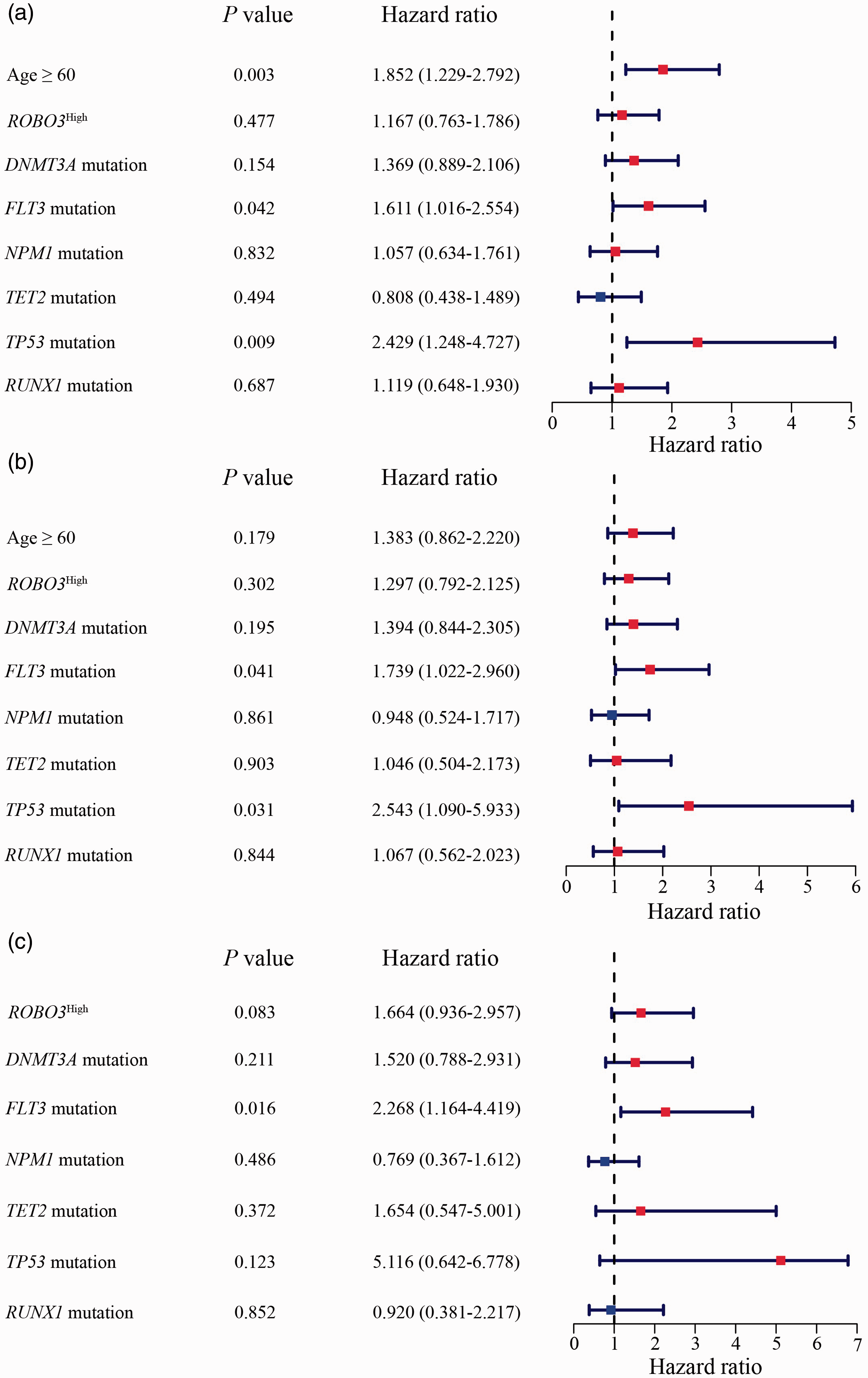
Forest plots of the association between ROBO3 high expression and EFS in non-M3 AML patients in validation cohort. Cox proportional hazards model for EFS in non-M3 AML patients (a), non-M3 AML patients who received intensive therapy during remission induction (b), and non-M3 AML patients who are younger than 60 and received intensive therapy during remission induction (c). (A color version of this figure is available in the online journal.)
Functional pathway enrichment analysis between ROBO3 high expression and ROBO3 low expression non-M3 AML patients
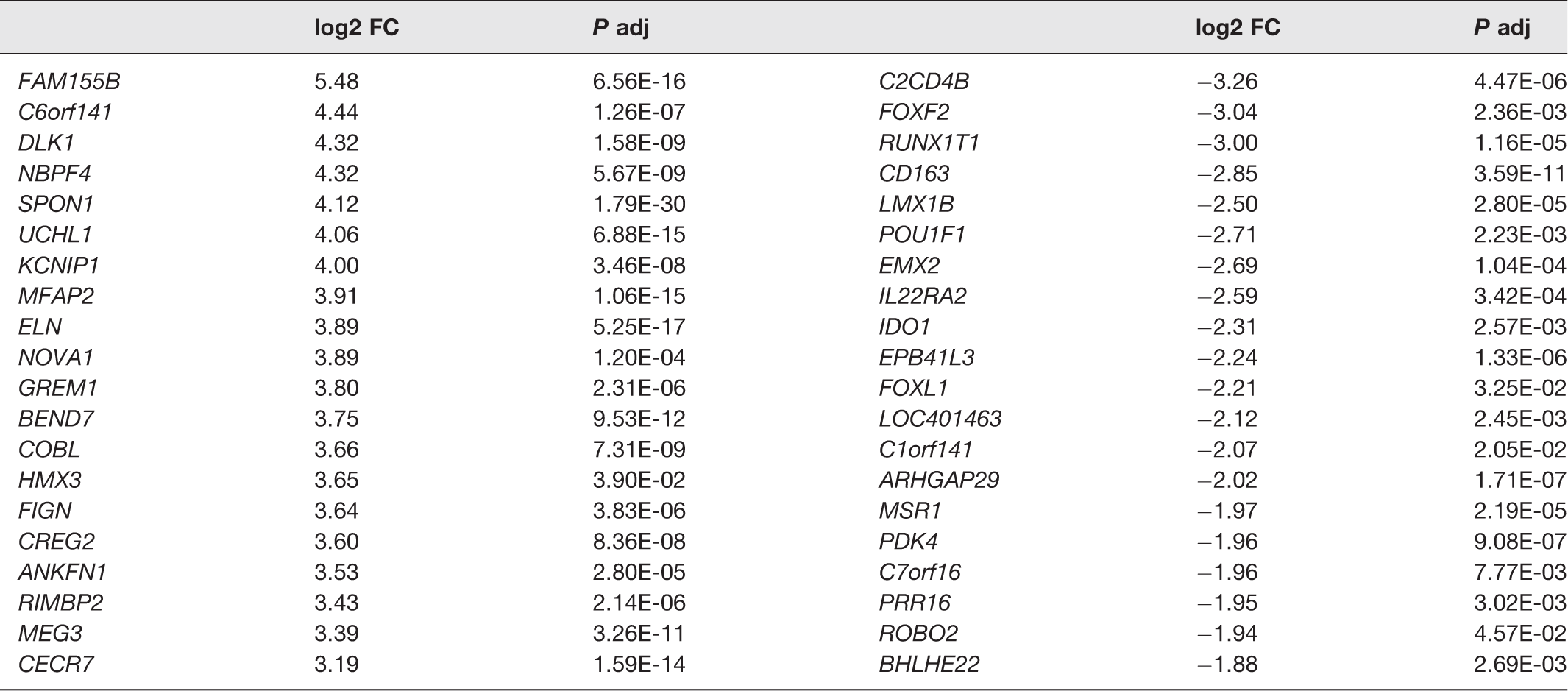
Previous studies have shown that ROBO family members play important roles in kinds of human cancers through various functional pathways.18,19,27 However, the potential biological function of ROBO3 in non-M3 AML patients remains largely unknown. To investigate the underlying biological significance of high ROBO3 expression in non-M3 AML, we performed bioinformatic analysis to explore the significantly dysregulated genes and pathways between ROBO3 high expression patients and ROBO3 low expression patients. A total of 1209 DEGs were identified between ROBO3 high and low expression patients (Figure 7(a)). Among these 1209 DEGs, the number of upregulated genes and downregulated genes in ROBO3 high expression patients was 965 and 244, respectively. Detailed information of the top 20 upregulated and downregulated genes is shown in Table 3.
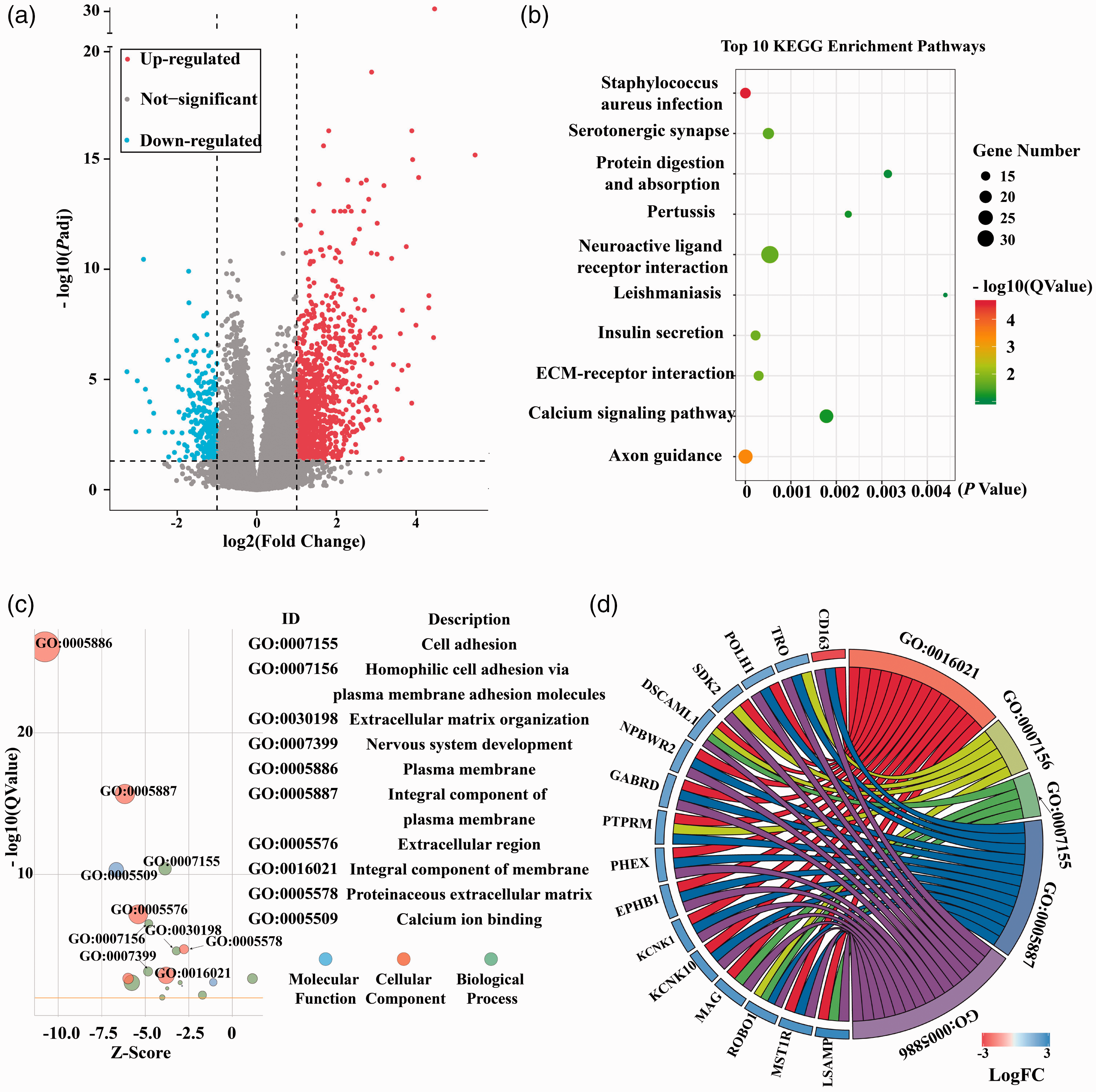
Pathways enrichment analysis between ROBO3 high expression and ROBO3 low expression non-M3 AML patients. (a) Heatmap of 1209 differential expression genes between two groups of non-M3 AML patients based on ROBO3 expression. The thresholds are P adjust<0.05 and |log2 FC|>1. (b) Top 10 most enriched KEGG pathways between two groups of non-M3 AML patients based on ROBO3 expression. (c) Top 10 most enriched GO pathways between two groups of non-M3 AML patients based on ROBO3 expression. (d) Circle plot of 16 differential expression genes which participated in greater than or equal to three GO pathways and their relationship with the significantly enriched GO pathways. (A color version of this figure is available in the online journal.)
Top 20 most up-regulated and down-regulated genes in ROBO3 high expression non-M3 AML patients.
Next, KEGG and GO pathway enrichment analyses were performed based on the 1209 DEGs. The KEGG analysis revealed that the nervous system-related pathways (serotonergic synapse, neuroactive ligand-receptor interaction, and axon guidance) were significantly enriched between ROBO3 high expression patients and ROBO3 low expression patients (Figure 7(b)). This result was consistent with the classical biological function of ROBO family members and the SILT/ROBO signaling pathway in the nervous system. In addition, we also identified some pathways involved in human cancers (protein digestion and absorption, extracellular matrix (ECM) receptor interaction), although the degree of enrichment was not as significant as the pathways involved in the nervous system (Figure 7(b)).
GO analysis further provided more information about the potential functions of ROBO3 in non-M3 AML patients based on the three aspects of molecular function, cellular component, and biological process. Similar to the KEGG enrichment results, a nervous system-related pathway in biological processes (nervous system development) was significantly enriched in GO analysis (Figure 7(c)). Since ROBO family members are transmembrane receptor proteins, we found that three cell membrane-related terms (plasma membrane, integral component of plasma membrane, and integral component of membrane) were in the top 10 most enriched GO results (Figure 7(c)). In addition to the canonical functions of ROBO family members, cell adhesion and ECM organization pathways, which have long been recognized as critically important factors in tumor progression and invasion were also significantly enriched between ROBO3 high expression patients and ROBO3 low expression patients (Figure 7(c)). Intriguingly, we observed that both KEGG and GO results demonstrated that pathways associated with the ECM exhibited a high degree of enrichment, suggesting their possible roles in ROBO3 highly expressed AML. Finally, the DEGs that participated in multiple GO pathways (≥3) and their relationship with the significantly enriched GO pathways are shown in Figure 7(d).
Prediction of protein–protein interaction network of ROBO3
To explore the potential functional partners or regulators of ROBO3, we performed PPI network prediction using the STRING and GeneMANIA databases. Since ROBO3 is an important member of the SLIT/ROBO signaling pathway, we identified that ROBO3 interacts with other proteins in the SLIT/ROBO signaling pathway (SLIT1, SLIT2, SLIT3, and ROBO1) in both STRING prediction (Figure 8(a)) and GeneMANIA prediction (Figure 8(b)). Besides SLIT/ROBO signaling pathway members, we observed that some other proteins that play vital roles in the nervous system (NELL2, CHN1, NTN1, and HOXA1) interacted with ROBO3 (Figure 8(a)). More importantly, we found that PAK3, APBA2, and SALL4 were also in the PPI prediction network. Considering previous work has shown that PAK3, APBA2, and SALL4 take part in tumor formation and development in different ways, their interaction with ROBO3 indicates their potential cooperative relationships in human cancers. Taken together, these results indicate the underlying PPI network of ROBO3, suggesting its complex roles in the nervous system and human cancers.
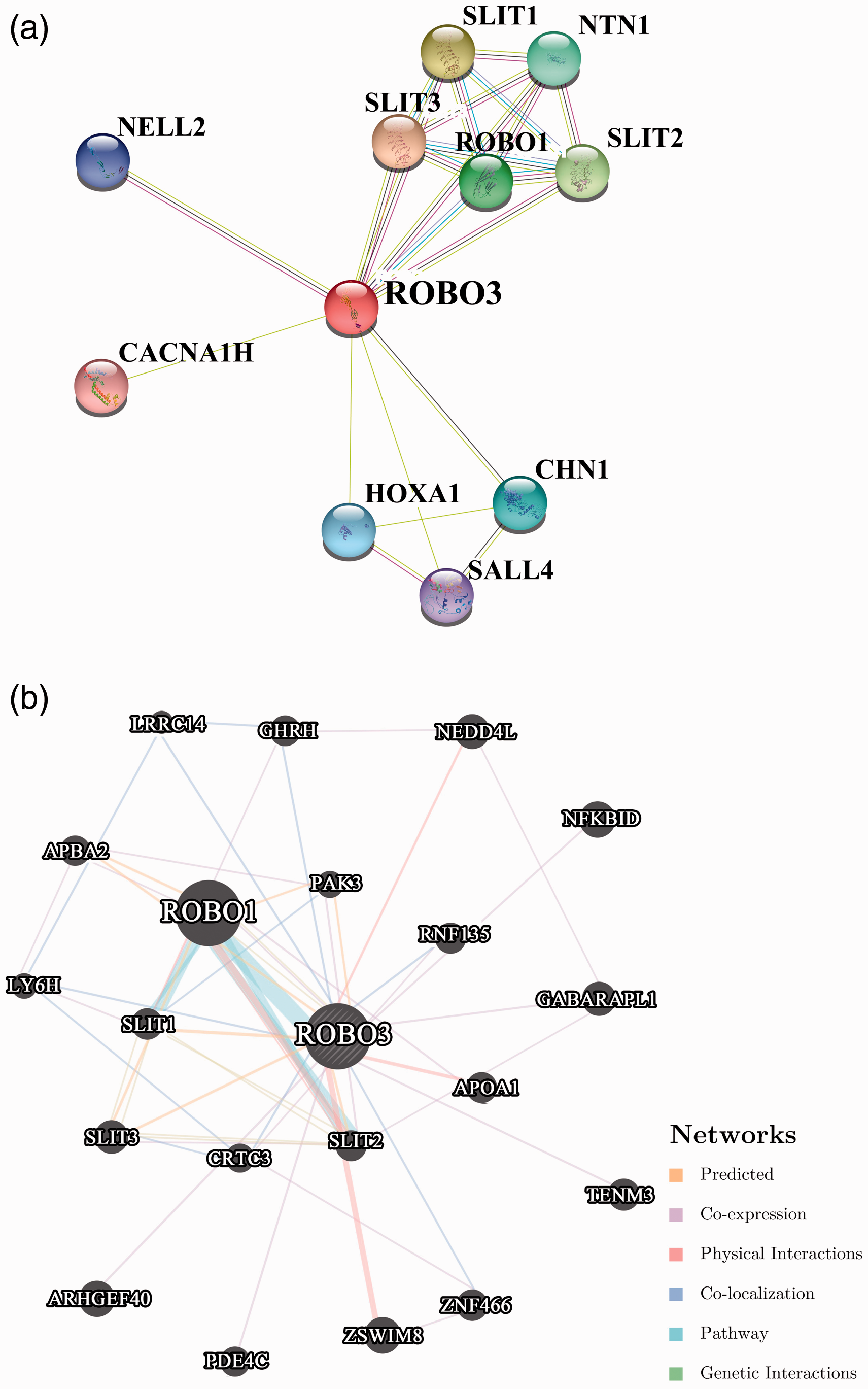
PPI network predication by STRING database (a) and GeneMANIA database (b). (A color version of this figure is available in the online journal.)
Discussion
In this study, we performed a series of bioinformatic analyses using data from public databases. The analyses demonstrated that ROBO3, an important member of the SILT/ROBO signaling pathway, was highly expressed in non-M3 AML patients. Moreover, high expression of ROBO3 was related with increasing age at diagnosis, poor risk classification, and inferior outcome. Our data provide evidence that high ROBO3 expression may be a potential prognostic biomarker for non-M3 AML patients.
The SILT/ROBO signaling pathway was originally identified in the nervous system, particularly in axon guidance and axon repulsion.12,15 More recently, the SILT/ROBO signaling pathway has been shown to play vital roles in other biological processes, such as angiogenesis, heart development, and inflammatory cell chemotaxis.36–38 Likewise, the function of the SILT/ROBO signaling pathway in cancer progression has also aroused widespread concern. Dysregulated ROBO family members have been reported to have diverse clinical significance in different human cancers. For example, ROBO1 overexpression was significantly associated with poorer OS in pancreatic ductal adenocarcinoma and nasopharyngeal cancer.22,27 In pancreatic carcinoma, ROBO3 expression was positively correlated with tumor stage, and high ROBO3 expression was associated with inferior outcome. 18 On the other hand, ROBO2 was downregulated and was implicated as a tumor suppressor in prostate cancer. 39 These results indicated that the SILT/ROBO signaling pathway produced oncogenic or anti-cancer activity that was largely dependent on the specific cancer types.
The underlying roles of ROBO family members in hematological malignancies have not been intensively investigated. Mutations in ROBO1 and ROBO2 have been detected in myelodysplastic syndromes (MDS). 25 Moreover, ROBO1 and ROBO2 mutations were independent factors of inferior outcome in MDS patients. 25 In vitro experiments demonstrated that upregulation of ROBO1 or ROBO2 suppressed proliferation and promoted apoptosis in K562 chronic myelogenous leukemia cells and HEL acute erythrocytic leukemia cells. 25 Considering the oncogenic role of ROBO1 in pancreatic carcinoma, its antineoplastic activity in leukemia cell lines further supports the functional complexity of the SILT/ROBO signaling pathway in human cancers.
Our data revealed that ROBO3 was increased in non-M3 AML patients. Patients with PML-RARα fusion gene exhibited a relatively lower ROBO3 expression level compared with other AML subtypes. High expression of ROBO3 was associated with increasing age at diagnosis and poorer risk classification in non-M3 AML patients. These results were similar to the finding that higher ROBO3 expression correlated with progressive tumor stages in pancreatic carcinoma. Interestingly, we observed that ROBO3 high expression patients had lower WBC counts than ROBO3 low expression patients. This may be partly explained by the significantly older age and accompanying hematopoietic failure of ROBO3 high expression patients. We further analyzed the relationship between ROBO3 expression and common recurrent gene mutations in non-M3 AML patients. TP53 and RUNX1 mutations were more frequently detected in ROBO3 high expression patients. TP53 is broadly recognized as the most important tumor suppressor gene in human cancers. Mutations of TP53 have been linked with extremely poor prognosis in all studied cancer types. 40 On the other hand, the RUNX1 mutation is a newly established marker of inferior outcome in AML patients, although its specific clinical significance is still contentious. 35 All these results strongly indicated that high ROBO3 expression may predict poor survival in non-M3 AML patients. Further survival analysis directly corroborated these results. In contrast to ROBO3 low expression patients, the OS and EFS were obviously shorter in ROBO3 high expression patients. This relationship between ROBO3 expression status and survival still existed in a subgroup of patients who received intensive remission induction therapy. For patients who are younger than 60 and received intensive therapy during remission induction, the differences in EFS were no longer statistically significant. Since patients who can tolerate the side effects of intensive chemotherapy commonly are in better physical condition, it is understandable that these patients exhibit greater consistency in clinical characteristics and have obviously better outcomes compared with other patients. We also observed that high ROBO3 was not an independent risk factor of poorer OS and EFS in non-M3 AML patients if age and remission induction treatment choice were not taken into consideration. Since older age is strongly associated with inferior outcome in AML patients, the significant relationship between ROBO3 expression and patients’ age may interference the effect of high ROBO3 expression as an independent survival factor. This can also explain why high ROBO3 expression was an independent risk factor of poorer survival in patients who are younger than 60 and received intensive therapy during remission induction.
Previous studies have exposed that aberrant SILT/ROBO signaling pathway takes part in tumor formation, angiogenesis, and metastasis via a variety of mechanisms. For instance, overexpression of SLIT2 and ROBO1 can promote epithelial-mesenchymal transition, tumor cell proliferation, and liver metastasis during colorectal cancer development by mediating E-cadherin ubiquitination and lysosomal degradation. 23 In pancreatic cancer, overexpression of ROBO3 activates the Wnt-β-catenin pathway by enhancing the expression of β-catenin, phosphorylated GSK3β, and Wnt signaling target C-myc. 18 Presently, the analysis of the DEGs and the potentially altered pathways between ROBO3 high expression patients and ROBO3 low expression patients revealed significant enrichment of a series of cancer-related pathways, including cell adhesion and ECM organization pathways. Particularly, the results showed that ECM-related pathways were significantly enriched in both KEGG and GO analyses. Although cell adhesion and ECM are generally considered to contribute to the tumor invasion and metastasis of solid tumors, increasing evidence indicates that they also play important roles in hematological malignancies.41–43 Leukemic cells adherent to the ECM are responsible for the chemotherapy resistance and inferior outcome. 43 Our results provide bioinformatic evidence that cell adhesion and ECM-related pathways may act downstream of aberrant high ROBO3 expression in non-M3 AML. On the other hand, the PPI prediction indicated a complex interaction network and suggested that ROBO3 may have a close relationship with some oncogenes, such as PAK3, APBA2, and SALL4. Further studies illustrating the detailed underlying mechanisms of how ROBO3 regulates or cooperates with these oncogenic pathways and genes will lead to a better understanding of its roles in non-M3 AML.
In conclusion, our data revealed the high expression of ROBO3 in non-M3 AML patients. Upregulated ROBO3 expression was associated with increased age at diagnosis, poor risk classification, high TP53 and RUNX1 mutation rates, and shorter survival. These results indicated that ROBO3 may be a potent biomarker of inferior outcome in non-M3 AML. Dysregulated cell adhesion and ECM-related pathways may take part in high ROBO3-mediated leukemogenesis. Exploring the detailed biological functions of ROBO3 or the SILT/ROBO signaling pathway in AML may be an illuminating direction for fundamental and clinical research in the future.
Footnotes
AUTHORS’ CONTRIBUTIONS
JFW and ZC collected and analyzed the data, respectively. ZMC was responsible for drafting and writing this manuscript. HQW edited this manuscript.
DECLARATION OF CONFLICTING INTERESTS
The author(s) declared no potential conflicts of interest with respect to the research, authorship, and/or publication of this article.
FUNDING
The author(s) disclosed receipt of the following financial support for the research, authorship, and/or publication of this article: The paper was supported by The Health and Family Planning Technology Project in Lianyungang under Award Number 201711.
