






Abstract
Before and during the COVID-19 pandemic, middle-class parents enjoyed social, economic, and land privileges. using in-depth interviews, the author demonstrates how parents experienced tensions between recognizing inequality and benefiting from it—and how they managed these conflicts through expressions of gratitude.
Middle-class families more easily absorbed the unexpected costs of keeping their families healthy while social distancing during the pandemic.
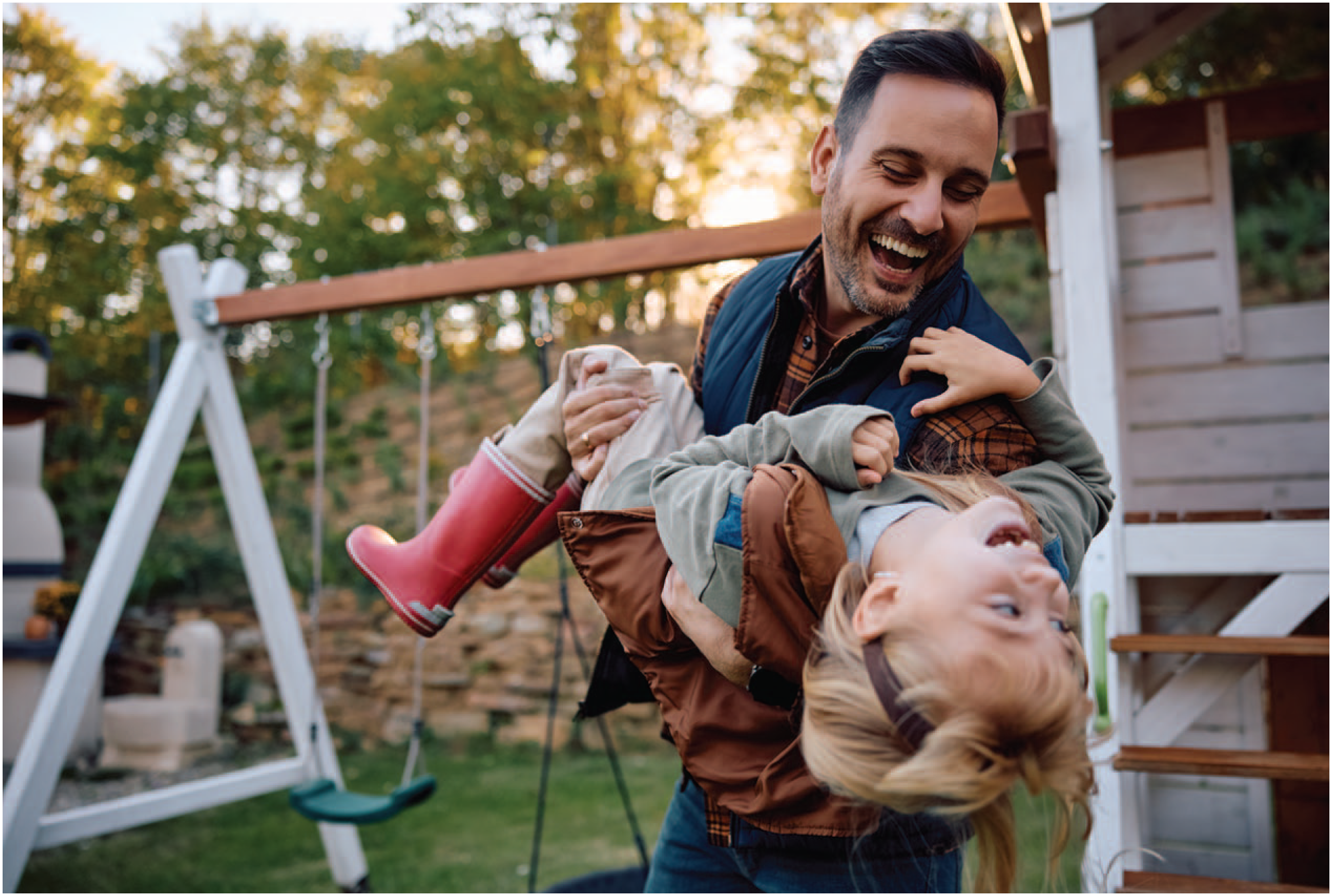
iStock Photo // Drazen Zigic
“Not sure if I answered your question completely?” David said in an interview I conducted with him several years before the COVID-19 pandemic hit. A husband and father of two, he prided himself on being his family’s primary cook and having a well-stocked pantry. “That’s the food picture. It’s a really important part of our house. We have a vegetable garden in the back. Amy makes smoothies in the morning, so we’re going through bunches of kale and frozen fruit, chia seeds. Lots of my disposable income is spent on food and wine. You should see my pantry. I mean, I’ll show it to you. There’s so much food in there!”
Several months after the pandemic ignited intense concerns around health, the food supply, and a scarcity of toilet paper, I reinterviewed the same ten couples I had spoken with a few years earlier. David’s wife, Amy, seemed relatively calm. She explained, “If something happens at any time, we have a freezer upstairs in our garage. We have two refrigerators, and we have a lot of food. David cooks, so he’s always getting things. So we didn’t stock up on anything particular except the emergency shrimp and toilet paper.”
Many middle-class families had the privilege of working from home, where they benefited from the physical protection that wealth, white-collar jobs, and technological innovation offered.
The COVID-19 pandemic re-exposed a longstanding truth about health in America: Not everyone has the resources they need to cultivate good health, much less to protect themselves during a health emergency. Not long after the virus began to spread, news reports warned that the most economically and socially vulnerable citizens—essential workers, immigrants, women, people of color, and low-income families—were disproportionately exposed to the sickness and death the virus wrought. Meanwhile, many middle-class families had the privilege of working from home, where they benefited from the physical protection that wealth, white-collar jobs, and technological innovation offered.
Three decades ago, sociologists Bruce Link and Jo Phelan theorized that social conditions, and not necessarily biology, fundamentally cause many of the health and illness patterns we see in modern society. Since then, research confirms that the middle and upper classes use what Link and Phelan call flexible resources—knowledge, money, power, prestige, and social connections—to protect health in both everyday and life-threatening situations. For example, Amanda Gengler’s study of critically ill children shows how middle-class parents use their cultural health capital, including networks and education, to get the best possible care for their sick children.
While fundamental cause theory has advanced our understanding of how class confers advantage across a range of health situations, how far does its explanatory power reach in the context of an unexpected global health emergency?
The COVID-19 pandemic is a unique case study for sociological research on health. It affected the entire globe, not just one region. The virus spread swiftly, much was unknown about prevention in the early days, and social-distancing mandates were unfamiliar terrain for most Americans.
Drawing on interviews with 20 white and Asian parents in 2016 and again in 2020, I examine how middle-class families used their health resources before and during a national health emergency. In both waves, I interviewed parents separately, asking about their food and eating routines, health tasks, and perceptions of mental and physical health. My research provides new insight into how middle-class families use health resources during both routine and emergency circumstances. In addition to the importance of money and networks, I argue for the importance of land as an unrecognized flexible health resource. Further, this study extends our understanding of how the middle class cognitively reckons with health privilege. Parents’ expressions of “gratitude,” “luck,” and “fortune” around having ample health resources both reflect and resolve a tension between acknowledging the presence of inequality and benefitting from their privileged position.
knowledge and networks: getting out ahead of things
According to Link and Phelan’s fundamental cause theory, one reason people with a high socioeconomic status tend to live longer and have better health outcomes is that they can activate their knowledge and social networks in a variety of situations to adopt protective health strategies and avoid risk. The middle-class couples I interviewed were highly educated and had strong social networks. All but one of my participants had a college degree, and over half had a master’s degree or PhD. Two participants stayed at home with their children full-time and the rest worked white-collar jobs as business owners, tech and computer analysts, researchers, educators, engineers, religious leaders, fundraisers, and grant managers. Long before the pandemic struck, these parents had cultivated professional and social networks with whom they shared and received health and child-rearing advice.
Before the pandemic, Leslie, who has a master’s degree, held a part-time job and took care of their children while her husband worked long hours at his research job. Anticipating she would need social support, she signed up for local classes and parenting groups to develop her networks. “I need parenting partners. You know, sounding boards or venting boards,” she explained. Leslie got a lot of advice from “an influential group of moms.” This included the international breastfeeding support group La Leche League, where she got information on the health benefits of extended breastfeeding and the emotional support of a group that assured her, “Oh, we’ve done that, too! That can work for a family.”
Notably, because the middle class tend to have predictable work schedules, stable housing, and live in safer neighborhoods, they have more opportunities to translate their knowledge and networks into successful health outcomes. Leslie’s own educational training in child development enabled her to synthesize health information, and working part-time gave her more flexibility to attend a weekly moms support group.
Fast forward to the spring of 2020. The pandemic was in its early stages in the United States, and parents across the class spectrum experienced heightened uncertainty and anxiety. While anyone with a television or the internet could get COVID-19 information, the middle class used their networks to anticipate health threats and get out ahead of them. One way they did this was by conferring with their existing social networks of highly educated professionals to gain advanced and relatively specialized intel.
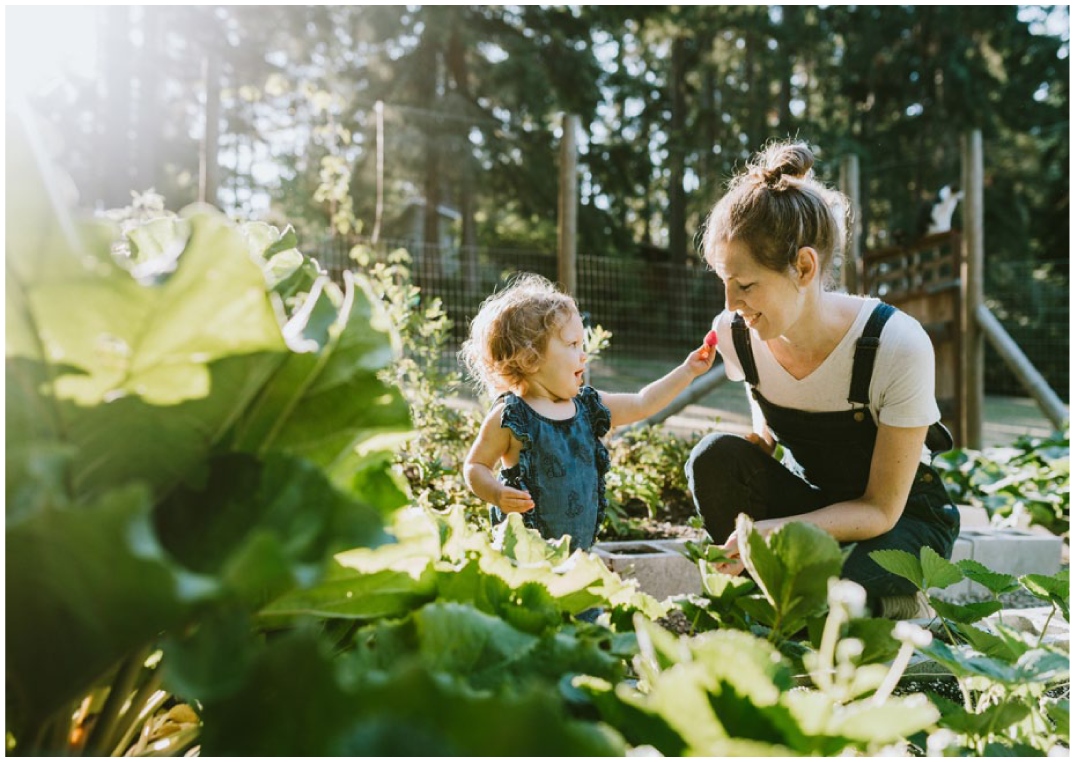
Rural and suburban middle-class homeowners could maintain their health during COVID-19 through activities like maintaining or starting a vegetable garden.
iStock Photo // RyanJLane
“I was actually watching [the pandemic] kind of closely,” Dan, a father of one, told me. “My brother works for a big company who has plants all over the world, and he sort of knew the weight of it before a lot of people here. I was like, tuned in, because he was watching everything shut down their Chinese operations. So, I became sort of one of those like prepper people, even though I’m not normally like that.” Dan explained that “I was just trying to be cautious because we had a kid. I was just like, ‘I’m just trying to make sure we have food if we can.’”
Parents’ expressions of “gratitude,” “luck,” and “fortune” around having ample health resources both reflect and resolve a tension between acknowledging the presence of inequality without forgoing its benefits.
It was often the case that knowledge and networks overlapped in ways that gave middle-class families advanced access to key information in the early months of the pandemic. Candance, a mother of four, got her COVID-19 information “mostly from news articles that people shared on Facebook.” She added, “We have really intelligent friends that use a lot of reliable sources and share them. [My wife’s] best friend was a reporter for The Guardian, and my wife helped her get elected to the board. . . so she’s a really good source of really accurate, scientifically based information.” Candance points out an economy of reciprocity; their connections benefited others, and others’ knowledge and expertise benefitted them when they needed it. One study of single mothers found that the networks of people who are socially and economically marginalized came with limits and costs, as these groups were more likely than the middle class to experience reduced hours and job loss, housing and food insecurity, and financial strain during the pandemic.
the cost of a health emergency
While knowledge and networks are important flexible health resources, they require money to be translated into action. Depending on the measurements used, 10 to 25 percent of Americans live below the poverty line and face challenges getting enough food, paying their bills, accessing healthcare, and providing opportunities for their children. Survey research shows that only 48 percent of U.S. adults have enough emergency money to cover three months of expenses in the event of job loss or another event, and this figure is even lower among Black and Hispanic Americans. When I first interviewed the parents for my study in 2016, their average household income was $85,000, well above the national median and double the median for the city. By 2020, their average household income had risen to $100,000.
Surviving a health crisis necessitates investing in programs that build up economic safety nets for poor and low-income Americans through livable wages and other savings programs.
I found that savings and discretionary income enabled the middle-class families in my study to plan and prepare for health, which they did by stocking up on food and purchasing health equipment. Some families, like Renee and Aarav’s, had a habit of keeping a stocked pantry before the pandemic, including a good supply of dried beans and canned goods. “We felt pretty secure in that realm,” Renee told me. “I feel like we didn’t panic buy.”
Other families spent discretionary income stocking up on food and health supplies in advance of stay-at-home mandates. “Maybe it was like $1,000 to $1,500 dollars to completely stock the freezer. And that’s a rough estimate,” Dan told me. Jillian bought a supply of seeds and began growing microgreens. She reasoned, “If the supply chain sort of broke down for a while, and if we went to the grocery store when there was no produce, I just wanted to be able to have some raw food, green stuff if we needed it.”
When Liam got word from family living abroad that the pandemic was coming, he spent $400 stocking up on nonperishable items, N95 masks, toilet paper, and hand sanitizer. As the pandemic loomed closer, Liam took pictures of empty shelves at the grocery store. “So basically, it was kind of funny,” he told me, “because I have all this stuff already. And then I just watch the stages of panic set in for other people.” While some expressed guilt and trepidation around stockpiling, Liam’s sentiment suggests the deep level of comfort and protection that money could afford the middle class.
In addition to food, middle-class families could also afford to provide equipment and opportunities for their children to maintain physical health. “We are a family of skiers,” said Corrine, noting that all four of her children had the clothing needed to go outside “rain or shine” during the early cold months of lockdown. David and Andrew owned expensive road bikes they could use for exercise, and Dan and Tara had a home gym equipped with a treadmill, heavy bag, and weights. Many parents drew on their cash reserves to make additional purchases for health. Amy started online yoga. Matthew bought a pasta maker and a canoe to take the kids out on the creek, while Leslie bought an expensive stroller she had been wanting. She explained, “That’s a logistical issue with five kids that we never solved. . . then COVID happened and I was alone with them and couldn’t take a walk. And that is such a mental health thing that I needed. So, one click on Amazon, and we finally did it.”
According to a 2021 report from the U.S. Census Bureau, “those who switched to telework have higher income, education, and better health.” The ability to social distance during the pandemic was a privilege enjoyed mostly by U.S. citizens with white-collar jobs that enabled them to work remotely. Sociologist Kimberly Higuera found that the pandemic was especially challenging for undocumented and essential workers, many of whom were underinsured and saw self-care as a luxury. Protecting and maintaining health isn’t cheap in the United States, and middle-class families more easily absorbed the unexpected costs of keeping their families healthy while social distancing during the pandemic.
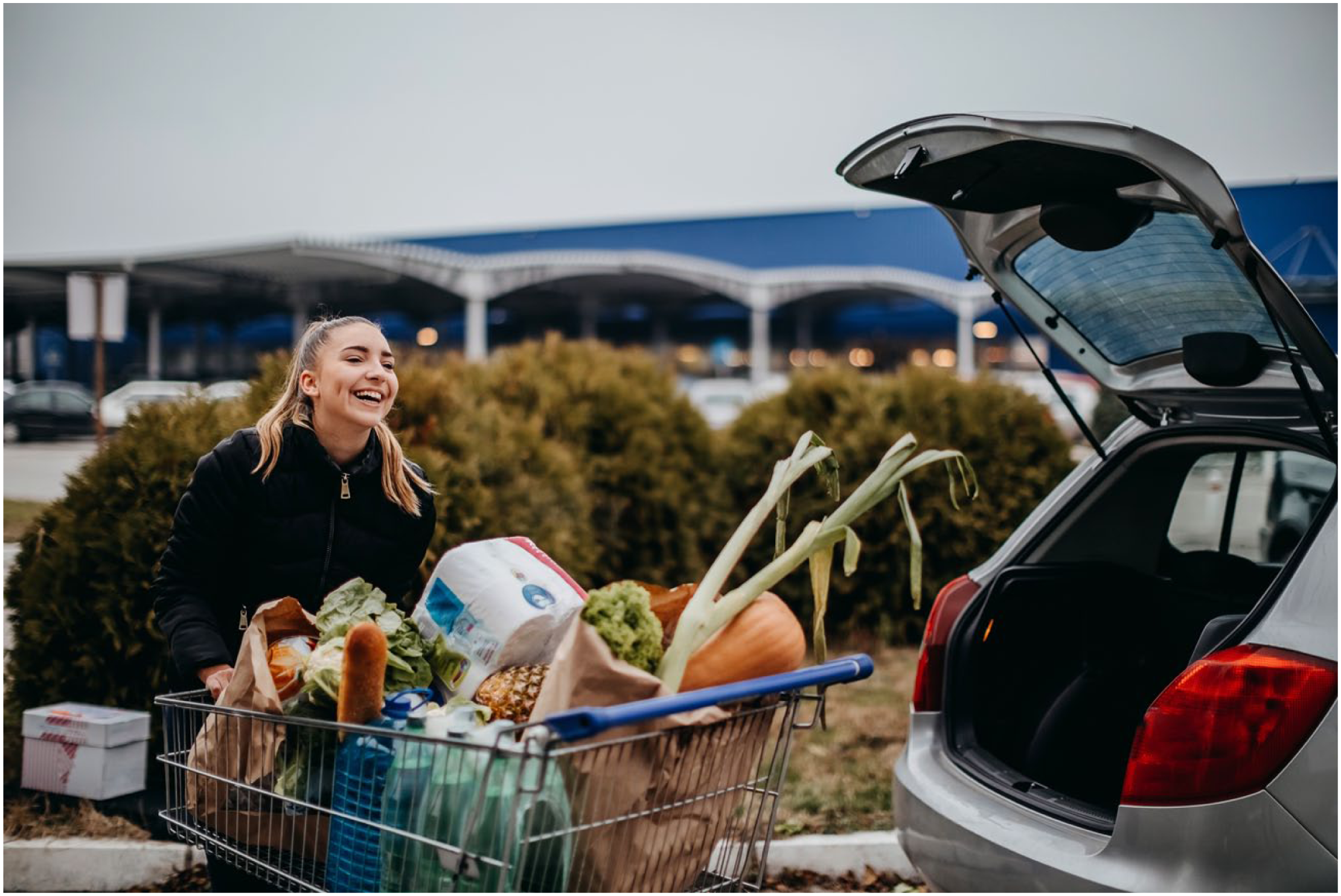
Affluent families’ resources protected them against the crisis of scarcity during the COVID-19 pandemic.
iStock Photo // Dejan Marjanovic
land privilege and health
Like money and networks, land became a vital health resource during the pandemic. Sociologists Li and Shakib report that during the pandemic the wealthy were able to take more preventative measures because of their ability to afford more spacious residences and to use personal vehicles for transportation.
“I think living here is awesome,” Jennifer told me in 2016. She and Miles had been living in a major U.S. city where Jennifer taught in the “inner city,” and they both wanted a change. “There’s such an appreciation for having things that are good for you, whether it’s good for your body, good for your mental health, good for the outdoors. . . . We just built this house, and we want to do an orchard and get chickens. Just so much more awareness [here],” she said of the small East Coast city where this study was conducted.
Nine out of ten couples in my study owned their own home, and all had a yard for their children to play in. Aarav and Renee owned a home in a relatively expensive planned community that focused on sustainable living where Aarav had “been doing a lot of gardening over the years, raising animals.” He also foraged for mushrooms on their property. David and Amy maintained a sizable garden in which they grew various vegetables, including the kale for Amy’s smoothies. Some even benefitted from the land owned by people in their networks. A couple of Jillian and Matthew’s friends had “really over-the-top-sized gardens” which benefitted them. “We actually ate really cheaply last year, in terms of produce,” Jillian said.
Parents in my study described enhancing their backyards during the pandemic to facilitate their young children’s physical activity while also keeping them safe. “Swing sets and trampolines are selling out because of COVID,” Leslie told me. “Because so many families are really trying hard to give their kids experiences in the backyard instead of going to public places.” After consulting friends and her insurance company, Leslie ordered a trampoline for her kids, even though it stretched their budget. Likewise, Corrine installed a climbing rope for her four children, Matthew built a sandpit for his kids, and Dan hung a zipline for his son. Land was at a premium during a health crisis in which protection hinged on creating distance between yourself and others. Compared to those with more limited economic means, middle-class homeowners were better positioned to ensure both physical exercise and safety.
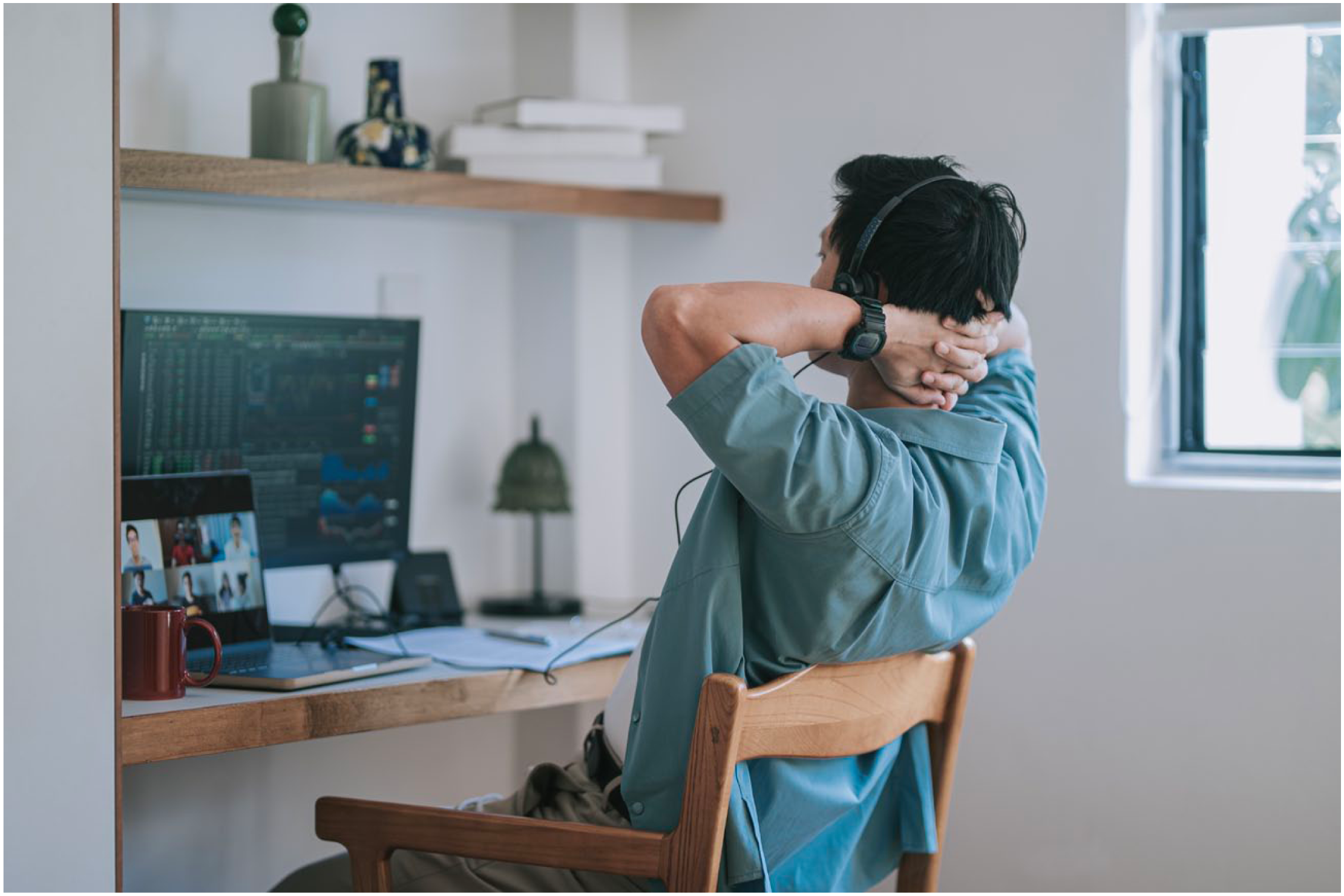
Many white-collar employees benefited from the ability to work from home.
iStock Photo // Edwin Tan
being “lucky” in an unequal world
Jennifer was one of few parents who talked explicitly about inequality during the pandemic. Referring to parents who receive federal food assistance aid through the Women, Infants, and Children (WIC) program, she said, “You can get ordered groceries and pick them up on the curb. But you can’t do that for WIC, which is extremely unfair.” However, most participants in my study only alluded to privilege, for example, by acknowledging that their situation could be worse. Amy told me, “I’m so grateful that we have our big backyard and we have a swing set that [my kids] will play on. I think that keeps them mentally happy. . . . I can’t imagine what it would be like for my kids if we didn’t have this huge backyard.”
The dilemma of possessing privilege in a stratified society is making sense of one’s advantage, especially when it comes at the expense of other groups. Land and income are finite resources, after all. Sam felt “very, very lucky that this house we found has a huge yard. We have like an acre and a half. So [my daughter] has a playground she can play on.” Similarly, Renee felt “very fortunate” to live in an intentional community where her children had acres to play on. When it came to health resources, Aarav said he and his family were “blessed to be pretty well stocked financially, but also in terms of our food.” Corrine and her family always maintained a three-month cash reserve for emergencies and kept a stocked pantry. Like others, she noted, “We don’t really have to like rush out and panic buy. So, we’re pretty lucky in that. We never have that [thought], ‘What are we going to do?’”
The privilege of having discretionary income, social networks, and land access meant that the middle class experienced the pandemic with more material comfort and safety than those who were low-income. Expressions of being “fortunate,” “lucky,” or “blessed” were both a genuine response and an admission that others weren’t so lucky. These phrases acknowledged the presence of disadvantage while emotionally distancing the speaker from culpability or acknowledgement of how privilege is accrued and maintained.
a blueprint for change
Families across the class spectrum struggled with the isolation, uncertainty, depression, and loss that a global pandemic engenders. However, the suffering was relative and the health outcomes were stratified. While middle-class families do not cause income inequality, they do systematically benefit from higher incomes, social connections, and land acquisition compared to the working class. Notably, when the rewards reaped from systemic privilege are framed as “luck,” or “a blessing,” we miss an opportunity to reckon honestly with the legacy of Indigenous land dispossession, Jim Crow-era housing policies that facilitated white people’s home and land ownership, economic hoarding by the top one percent, unequal access to quality education and healthcare, and wealth accumulation that increased for the most privileged Americans during the pandemic.
This study extends our understanding of how health inequalities are embedded within institutions like the family and shows how the middle class harnessed flexible resources during a global health emergency. In doing so, this study also provides a blueprint for improving social and economic health policies. Investing in programs that build up economic safety nets for poor and low-income Americans through livable wages and other savings programs is crucial for surviving a health crisis. Strengthening economic policies would lay the foundational support for another solution: intentionally creating opportunities for low-income people to develop meaningful and influential connections in their communities and states. This could include free parenting support groups or training and paying local health leaders to share information with their peers. Finally, equitable city planning and fair land use are vital for maintaining mental and physical well-being. Increasing government support for safe and affordable housing, as well as public investment in green community spaces where people can socialize and exercise, are all key components of addressing the fundamental causes of illness and disease. We can create a system in which health does not have to be the result of luck.
recommended readings
Sarah Bowen, Joslyn Brenton, and Sinikka Elliott. 2019. Pressure Cooker: Why Home Cooking Won’t Solve Our Problems and What We Can Do About It. Oxford University Press. This book shows how people across the class spectrum use income and cultural resources to feed families.
Kimberly Higuera. 2020. “The Privilege of Social Distancing.” Contexts 19(4). A qualitative study of how precarious workers experienced health during a pandemic.
Jo C. Phelan, Bruce G. Link, and Parisa Tehranifar. 2010. “Social Conditions as Fundamental Causes of Health Inequities: Theory, Evidence, and Policy Implications.” Journal of Health and Social Behavior 51(S). This article explains how socioeconomic status is linked to health outcomes.
Danielle T. Raudenbush. 2020. Health Care Off the Books: Poverty, Illness, and Strategies for Survival in Urban America. University of California Press. A qualitative study of the formal and informal strategies low-income people and their doctors use to access health care.
Rachel Sherman. 2017. Uneasy Street: The Anxieties of Affluence. Princeton University Press. This book shows how wealthy people make sense of their privilege in a highly unequal society.