







Abstract
Keywords
Introduction
Environmental pollution caused by waste accumulation is a significant global challenge, leading to air, soil, and water contamination with severe public health implications. In response, governments worldwide have introduced policies to manage waste sustainably. (Abubakar et al., 2022; Pathak et al., 2024). The Rio Declaration's Agenda 21 underscores reuse and recycling as key strategies for addressing solid waste. (United Nations Conference on Environment & Development. Agenda 21. Río de Janeiro, Brasil;, 1992. Disponible En: Https://Sustainabledevelopment.Un.Org/Outcomedocuments/Agenda21, n.d.), aligning with the 2030 Agenda for Sustainable Development (Goal 12), which promotes waste reduction, recycling, and sustainable consumption (Walsh et al., 2022).
Recycling plays a crucial role in mitigating environmental damage by conserving resources, reducing greenhouse gas emissions, and extending landfill lifespans. In Colombia, the recycling sector significantly contributes to waste management by recovering materials such as paper, plastic, and metals, lowering waste disposal costs and alleviating environmental burdens. (Abruzzese & Bandura, 2017). However, despite these advancements, waste management remains a major issue in Latin America. More than 40 million people lack access to basic urban waste collection, and approximately 90% of waste ends up in landfills. Additionally, informal waste collection remains prevalent, with around 4 million people in the region depending on this activity for their livelihoods (Jagun et al., 2022). However, studies in high-income countries have also documented significant occupational hazards among formal waste workers, including exposure to bioaerosols, infectious agents, and hazardous materials, leading to higher rates of occupational injuries and illnesses compared to other industrial sectors. (Eriksen et al., 2023; Le et al., 2023; Salambanga et al., 2022; Sara et al., 2022; Tehrani et al., 2024).
The lack of proper waste disposal systems contributes to environmental crises that affect ecosystems, human health, and urban infrastructure. The accumulation of waste pollutes land, air, and water, intensifying the risk of respiratory diseases and other health complications (Salambanga et al., 2022). In response, many countries have adopted policies to regulate waste generation and encourage sustainable waste management (Abubakar et al., 2022; Pathak et al., 2024). The Rio Declaration and the UN's 2030 Agenda emphasize the importance of recycling and reuse in minimizing waste accumulation (United Nations Conference on Environment & Development. Agenda 21. Río de Janeiro, Brasil;, 1992. Disponible En: Https://Sustainabledevelopment.Un.Org/Outcomedocuments/Agenda21, n.d.; Walsh et al., 2022).
Despite these efforts, Latin America's waste management sector still faces considerable challenges. Informal waste collection provides a source of income for many economically disadvantaged individuals, yet it remains unregulated and often unsafe. A study conducted in Peru found that informal waste pickers operate in hazardous environments with limited access to protective equipment, occupational health services, and basic labour rights (Jiménez-de-Aliaga et al., 2020). This highlights the urgent need for formalizing waste-picking activities and implementing policies that protect the health and well-being of these workers. Approximately 4 million people across Latin America engage in informal waste picking, working under precarious conditions without social protection. (Lopez-Yamunaqué & Iannacone, 2023). Recognizing their role in the recycling chain, the United Nations Environment Programme has referred to these workers as “invisible environmentalists”. However, their informal status exposes them to occupational hazards, unsafe conditions, and job insecurity. (Schenck et al., 2019).
In Colombia, each person generates approximately 1 kg of urban solid waste per day, yet formal recycling programs recover only a fraction of this material. Although legal frameworks acknowledge the contributions of waste pickers and provide financial support, their working conditions remain precarious (Lopez-Yamunaqué & Iannacone, 2023). To address this issue, Colombia has implemented regulations such as Decrees 2676 of 2000 and 4741 of 2005, aligning national waste management practices with global agreements like the Basel Convention. Bogotá, in particular, has introduced waste management plans to address hazardous waste, yet the city generated over 100,000 tons of hazardous waste in 2008 (Moreno-Bergaño et al., n.d.). An estimated 50,000 families in Bogotá depend on informal waste picking for income, with more than 24,000 active waste pickers. These individuals face serious physical risks due to direct exposure to hazardous materials, lack of protective equipment, and social stigmatization (Coletto & Carbonai, 2023).
Studies have consistently highlighted the occupational health risks faced by waste pickers. (Melaku & Tiruneh, 2020). Prolonged exposure to airborne contaminants, toxic chemicals, and decomposing organic matter is associated with chronic respiratory conditions, including persistent coughing, wheezing, and excessive phlegm production Research conducted in Ghana, Delhi, South Africa and Latin America has demonstrated a strong correlation between waste-picking activities and respiratory diseases, reinforcing the urgent need for health interventions and protective measures in this sector. (Darboe et al., 2015; Jiménez-de-Aliaga et al., 2020; Laskaris et al., 2024; Ray et al., 2005).
Moreover, indoor air pollution in waste sorting and storage areas further compounds health risks. Pollutants such as volatile organic compounds (VOCs) and fine particulate matter (PM2.5) can aggravate respiratory conditions, especially in poorly ventilated spaces. (Kwarteng et al., 2022; Wikuats et al., 2020). While this study primarily focuses on outdoor waste collection, it is important to acknowledge the broader health risks posed by indoor air pollutants in similar work environments (Mannan & Al-Ghamdi, 2021; Niza et al., 2024).
This research aims to analyze the relationship between biological risks and the incidence of acute respiratory infections among informal waste pickers in Bogotá and surrounding municipalities in the Sabana Centro Province of Cundinamarca. By evaluating the demographic, occupational, and environmental factors contributing to respiratory symptoms, this study seeks to inform occupational health policies and propose interventions to protect the respiratory health of this vulnerable workforce.
Materials and Methods
This study used a descriptive cross-sectional design to examine respiratory symptoms and related factors among informal waste pickers in Bogotá, Tocancipá, Cajicá, and Funza (Colombia). The goal was to determine the prevalence of respiratory symptoms in this vulnerable group, considering various sociodemographic and occupational factors.
Participants were selected via non-probabilistic convenience sampling. Initially, 335 informal waste pickers aged 18–80 with at least three months of recycling experience were identified. Ultimately, 179 met the inclusion criteria. Exclusions were due to refusal or unavailability. All participants were fully informed and gave written consent, and the Ethics Committee of UNIMINUTO approved the study.
Paper-based questionnaires were used, focusing on sociodemographic data and respiratory symptoms using the ATS-DLD-78-A1 questionnaire. (Ferris, 1978). This tool assessed age, sex, medical history, lifestyle habits, and symptoms like cough and wheezing. Additional questions on personal protective equipment (PPE) use were also included (Aguilar-Elena et al., 2016).
Data were analysed using R software, with descriptive statistics summarizing key variables. Custom functions generated summary tables, with visualizations like bar charts and histograms(Comtois, 2020) and relevant packages such as tidyverse(Wickham et al., 2019), caret (Kuhnn et al., 2023), randomForest (Breiman et al., 2002), and factoextra (Kassambara & Mundt, 2020). Missing data were excluded, and a binary variable was created from the RESPIRATORY_SYMPTOMS field. Categorical variables were converted into factors for regression models, and the dataset was split for training (66%) and testing (33%).
We employed multiple statistical techniques to explore factors associated with respiratory symptoms. Logistic regression and linear regression were used to assess the relationships between sociodemographic and occupational variables and respiratory symptoms. Principal Component Analysis (PCA) was conducted to reduce dimensionality and identify key patterns in the data. Random Forest models provided insights into variable importance, highlighting key predictors of respiratory symptoms. K-means clustering was applied to classify participants based on their characteristics and symptoms. Finally, a neural network analysis was performed but faced challenges in identifying true positive cases due to class imbalance. To address this issue, different resampling techniques were explored, including oversampling of the minority class, under sampling of the majority class, and the application of synthetic data generation techniques such as SMOTE (Synthetic Minority Over-sampling Technique). Despite these adjustments, the model still exhibited poor generalization, with a tendency to misclassify positive cases due to the highly skewed class distribution. Consequently, given the limited predictive reliability and increased model complexity, the neural network analysis was excluded from the conclusions.
These combined methods offered a comprehensive approach to understanding respiratory health issues in Colombian informal waste pickers.
Results
Descriptive Statistics
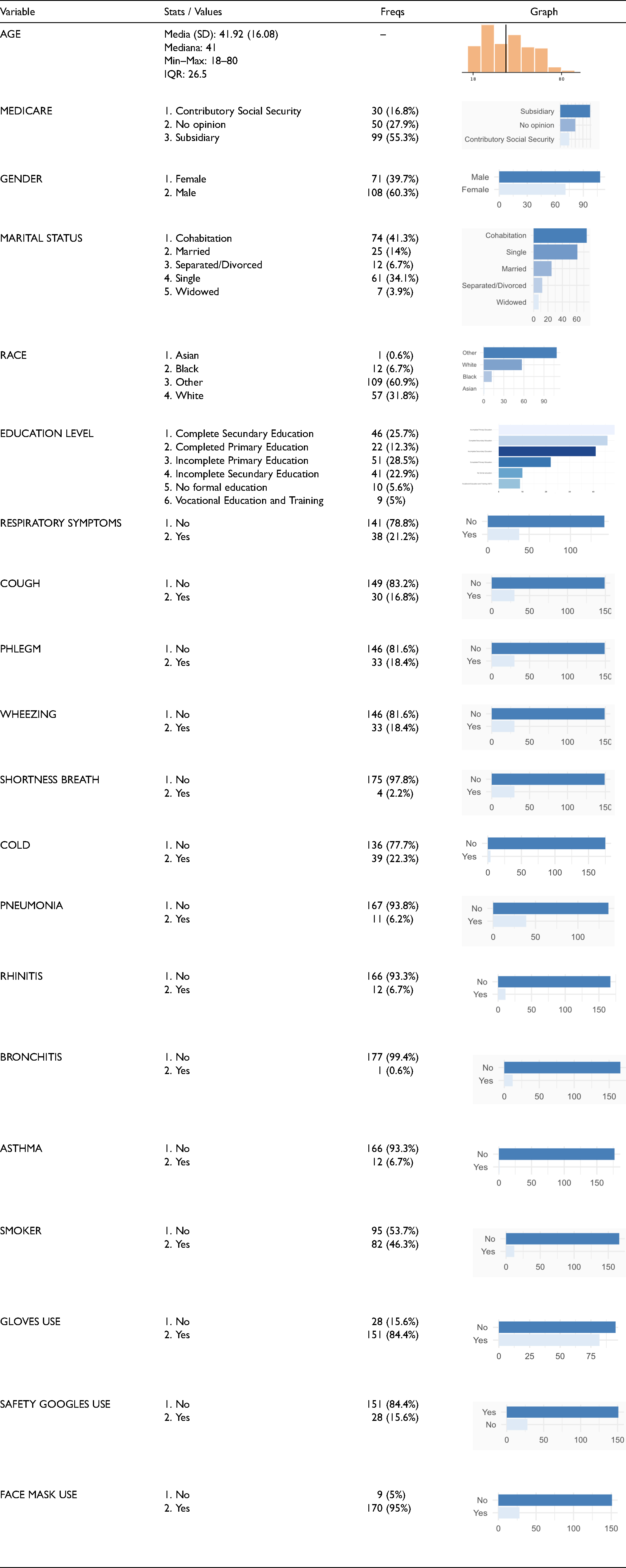
The study involved (n = 179) informal waste pickers from Bogotá, Tocancipá, Cajicá, and Funza. The descriptive statistics for the key variables are summarised in Table 1. The age of participants ranged from 18 to 80 years, with a mean age of 41.92 years (SD = 15.36). The demographic breakdown revealed a varied representation across several categories. Notably, the majority of participants identified as male (approximately 65%), while the female population constituted about 35%. The educational levels varied, with a significant portion of respondents having completed primary education, and a smaller fraction achieving secondary or higher education.
Descriptive Statistics Summarizing.
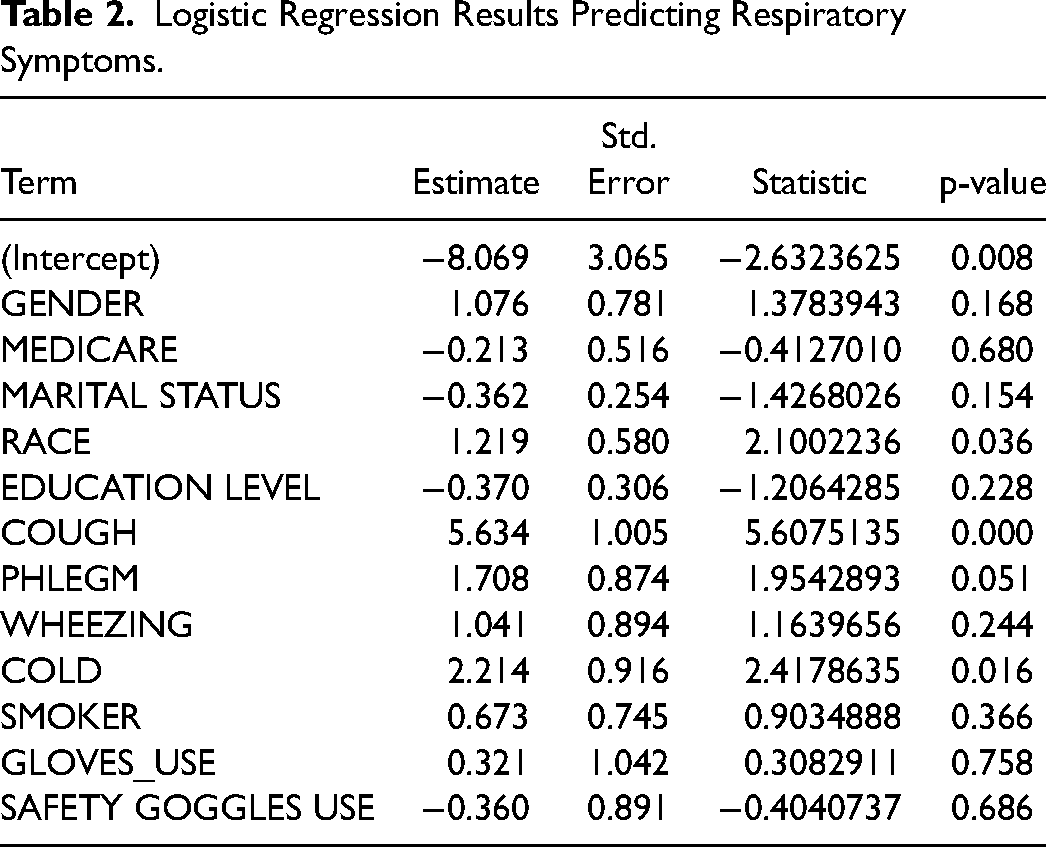
Logistic Regression Results Predicting Respiratory Symptoms.
Correlation Analysis
A correlation analysis was conducted to examine the relationships between key variables and respiratory symptoms (RESPIRATORY_SYMPTOMS). This analysis helped identify which symptoms and demographic factors were most strongly associated with respiratory health issues among informal waste pickers.
The results highlighted several important correlations:
COUGH exhibited the strongest positive correlation with RESPIRATORY_SYMPTOMS (r = 0.737), indicating that individuals experiencing respiratory symptoms were highly likely to report coughing as well. Other respiratory symptoms such as COLD (r = 0.429), WHEEZING (r = 0.354), and PHLEGM (r = 0.253) also showed moderate positive correlations, suggesting a strong interrelation among these symptoms. Demographic factors displayed weaker correlations with respiratory symptoms: AGE (r = 0.082) showed a low positive correlation, while GENDER (r = -0.008) indicated a near-zero relationship. Additional weak correlations were found with RACE (r = 0.092) and MEDICARE (r = 0.102), suggesting a limited influence of these factors on respiratory symptoms within this sample.
Furthermore, a Variance Inflation Factor (VIF) analysis was conducted to assess multicollinearity among variables. Results showed that multicollinearity was not a significant concern, as most VIF values were below 2. The exception was COUGH, which had a VIF of 1.87, indicating some potential for collinearity but within acceptable limits, ensuring that the regression analysis was not substantially affected. (Figure 1. Correlation Matrix for Respiratory Symptoms)
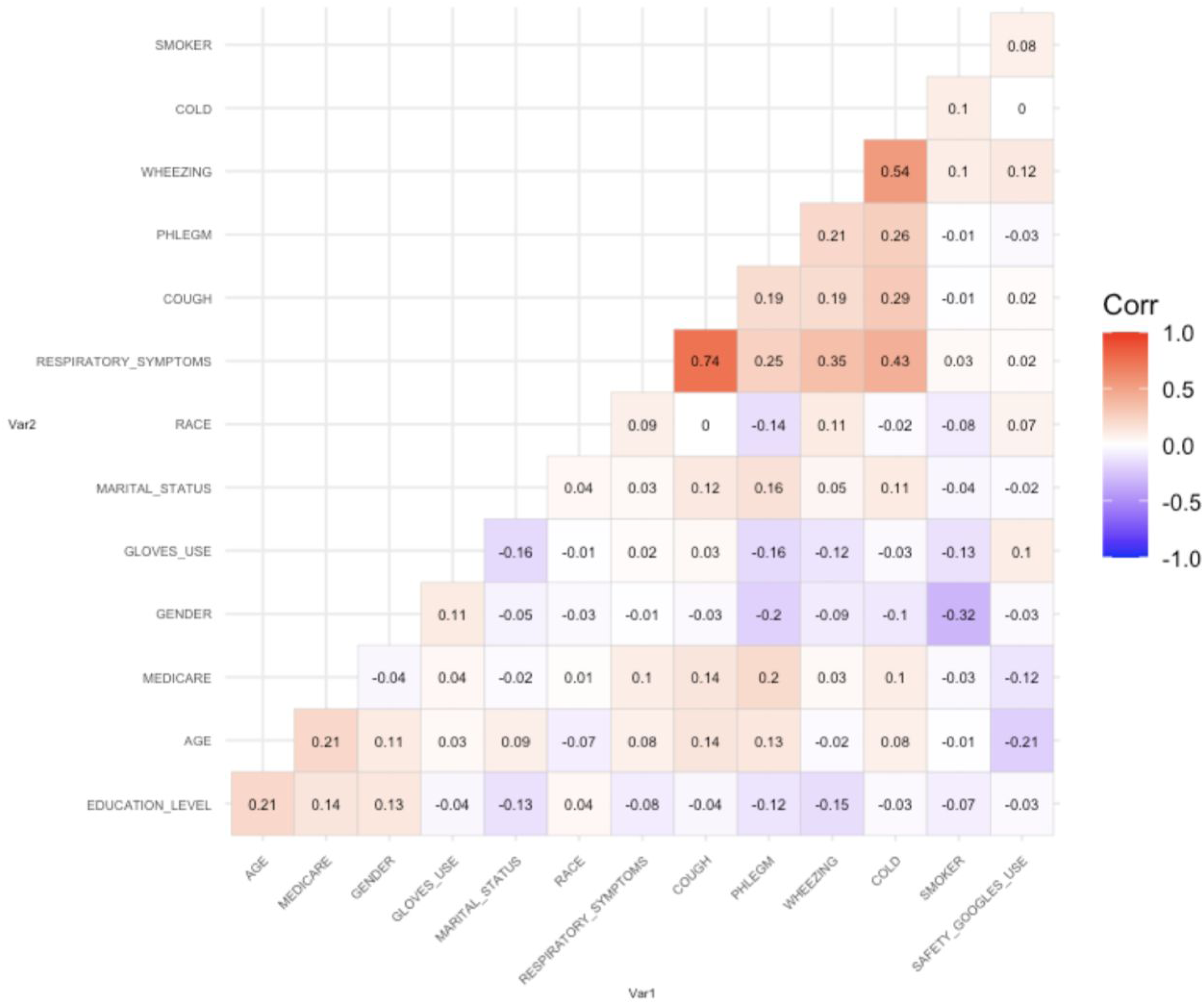
Correlation matrix about respiratory symptoms.
Regression Analysis
A logistic regression analysis was conducted to examine the association between various factors and the presence of respiratory symptoms (RESPIRATORY_SYMPTOMS) among informal waste workers (Table 2. Logistic Regression Results Predicting Respiratory Symptoms). Initially, all relevant variables were included; however, convergence issues due to multicollinearity were identified. A Variance Inflation Factor (VIF) analysis revealed significant collinearity with EDUCATION_LEVEL (VIF > 5), leading to a refined model retaining variables such as AGE, GENDER, SHORTNESS_BREATH, PNEUMONIA, and BRONCHITIS.
In this reduced model, the intercept was statistically significant (p < 0.01), while PNEUMONIA showed a marginal association with respiratory symptoms (p = 0.065). Other variables did not reach statistical significance (p > 0.05), indicating weaker associations with respiratory symptoms.
To further refine the model, Lasso regression was applied, reducing model error and identifying COUGH as the most significant predictor. Lasso regression penalizes less relevant variables by shrinking their coefficients toward zero, effectively eliminating those with minimal impact on the predictive performance of the model. This process enhances model interpretability while mitigating overfitting. The criteria for variable inclusion were based on statistical significance and contribution to the overall predictive accuracy, ensuring that only the most relevant factors were retained. The final model demonstrated high accuracy, with a minimal error rate (0.001024) and a classification accuracy of 100%, correctly identifying all 48 negative and 10 positive cases.
The model's predictive performance was further validated using a Receiver Operating Characteristic (ROC) curve, which demonstrated high discriminative ability. The ROC curve indicated an excellent balance between sensitivity and specificity across probability thresholds, confirming the robustness of the model in predicting respiratory symptoms. (Figure 2. ROC Curve of the Logistic Regression Model)
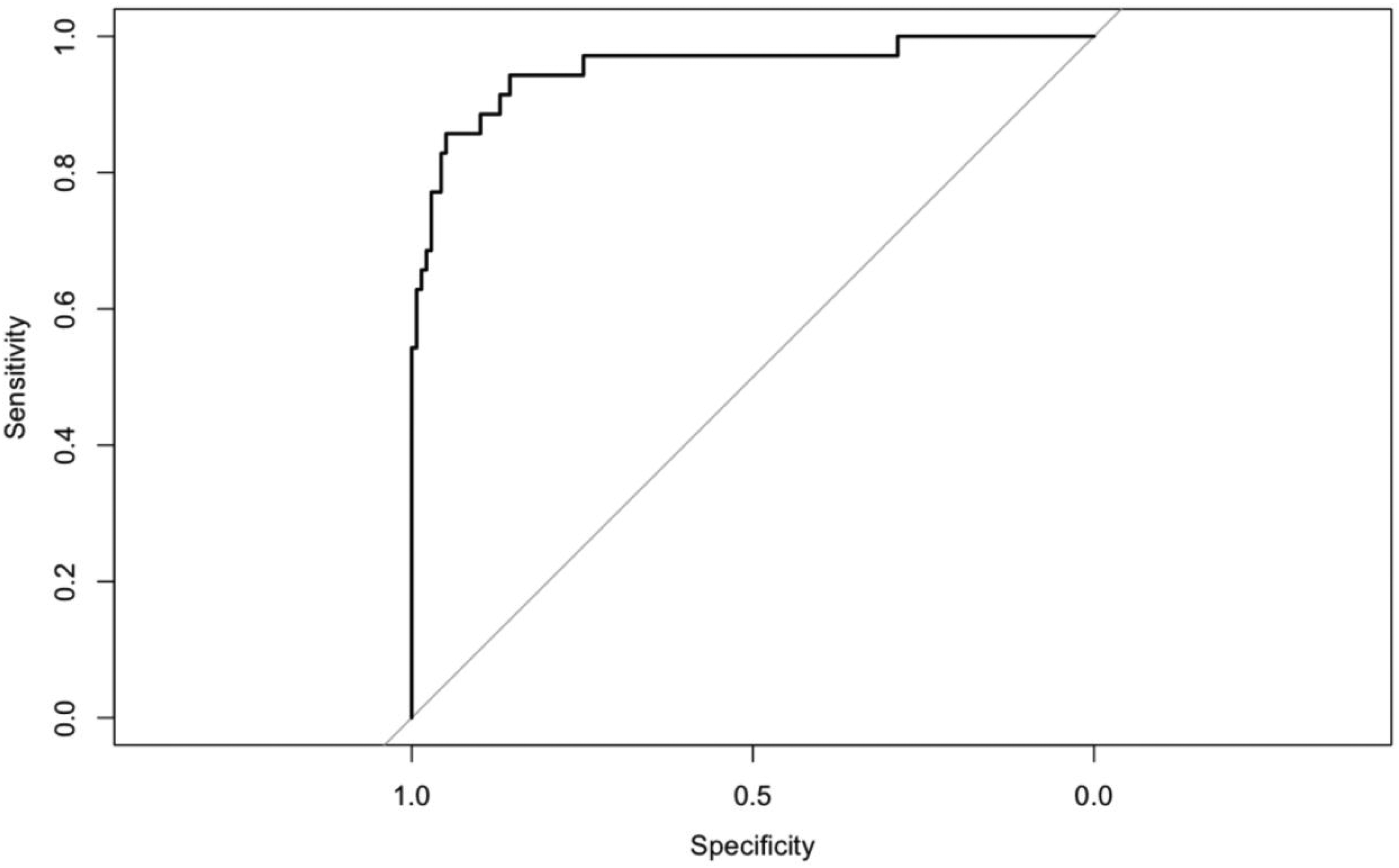
ROC curve of the logistic regression model for predicting respiratory symptoms in workers exposed to biological hazards.
PCA Results
The Principal Component Analysis (PCA) was selected to reduce the dimensionality of the dataset while preserving the most relevant information regarding respiratory symptoms and occupational health factors among informal waste pickers. Given the complexity of the dataset, which included multiple correlated variables, PCA allowed for the transformation of the data into a lower-dimensional space, facilitating the identification of key patterns and relationships.
A Scree Plot analysis revealed an evident elbow point, indicating that the first three principal components (PCs) captured a significant portion of the variance in the dataset. Specifically, PC1 explained 18.4% of the variance, PC2 explained 11.8%, and the first three PCs together accounted for 40.3% of the total variance. Although this proportion is moderate, it reflects the most relevant sources of variability in the dataset. However, since 40.3% of the variance remains relatively low, this suggests that a substantial portion of the variance remains unexplained, warranting further interpretation or exploration of additional components. (Figure 3. Scree Plot for Principal Components)
PC1 (Respiratory Health Dimension): This component was primarily driven by respiratory symptoms, with high loadings for COUGH (0.82), RESPIRATORY_SYMPTOMS (0.78), and WHEEZING (0.71). This suggests that PC1 effectively captures the underlying structure of respiratory health factors. PC2 (Demographic and Lifestyle Factors): Associated mainly with AGE (0.76) and SMOKER (0.65), indicating that this component reflects demographic influences on respiratory health. PC3 (Occupational Protective Measures): Contributed by variables such as GLOVES_USE, which played a role in differentiating individuals based on protective behaviours.
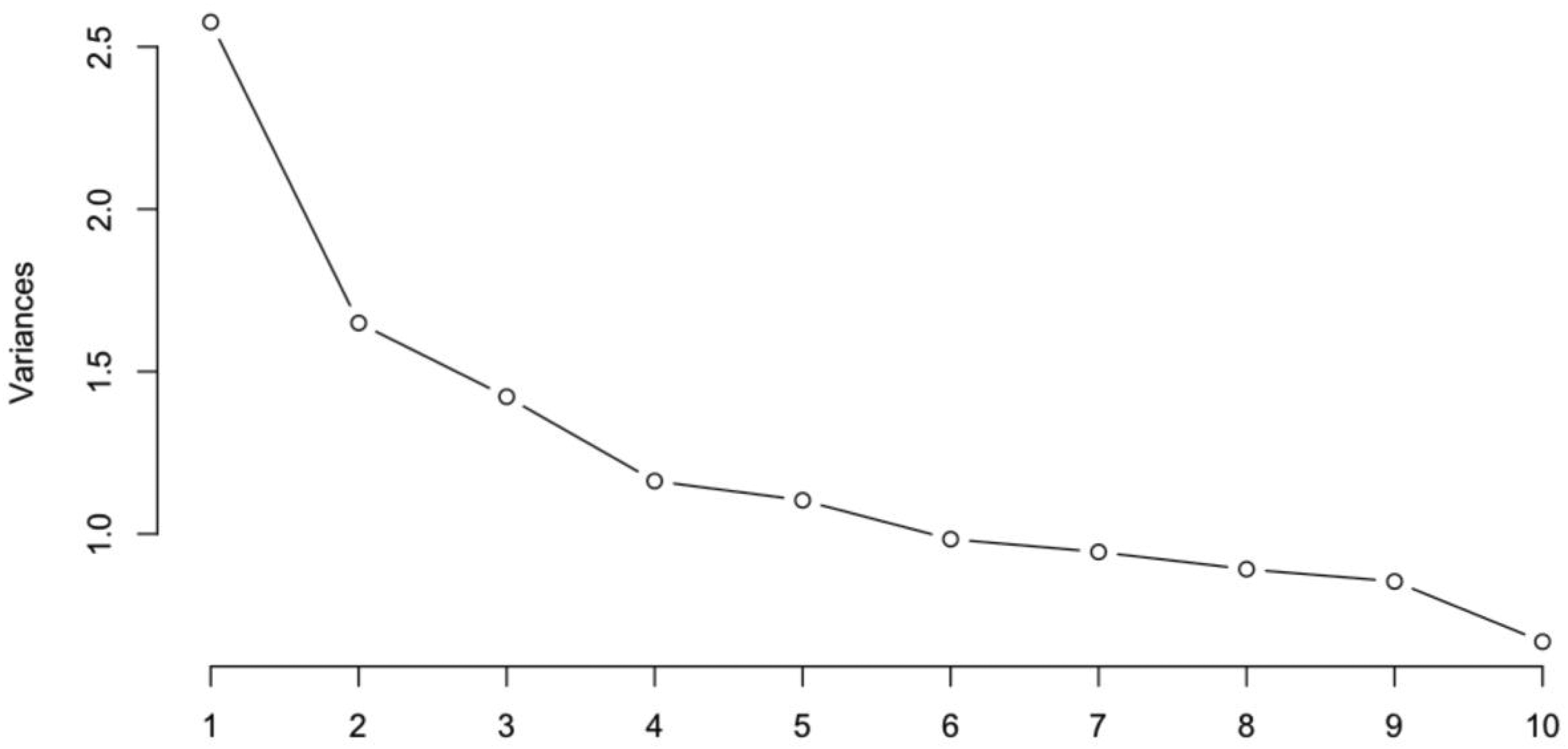
Scree Plot for principal components.
The biplot representation of the first two PCs illustrated strong clustering among variables like COUGH, RESPIRATORY_SYMPTOMS, and WHEEZING, confirming their interdependence. Additionally, AGE and SMOKER were closely aligned with PC2, reinforcing the impact of aging and smoking behaviour on respiratory health. (Figure 4. PCA Biplot)
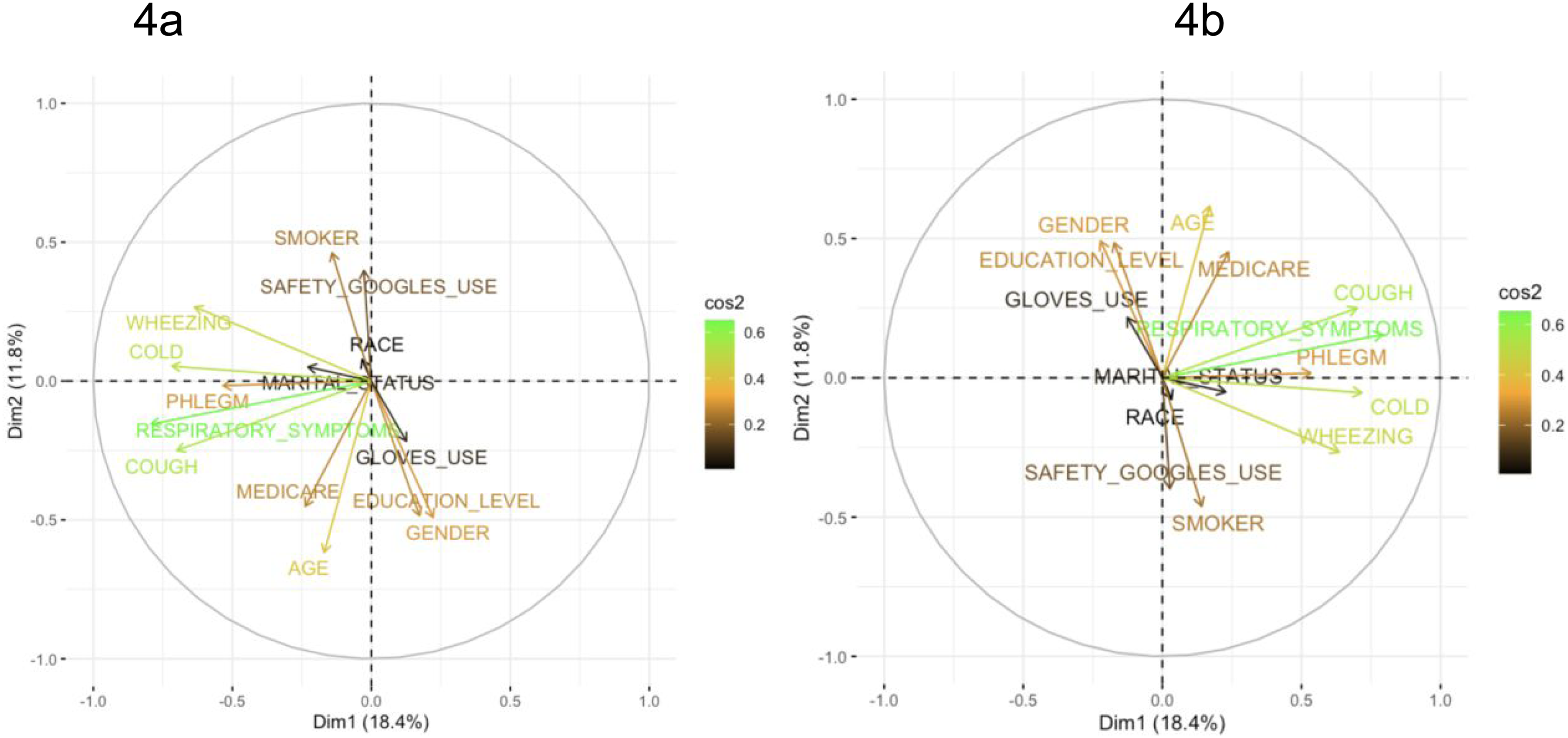
Principal Component Analysis (PCA) biplots showing relationships between variables and participants across the first two principal components (PC1 and PC2).
Random Forest Analysis
A Random Forest model was constructed with 500 trees to explore predictors of respiratory symptoms. After preprocessing the data and handling missing values, the model achieved optimal performance on the training set. The confusion matrix showed an out-of-bag error rate of 0%, indicating perfect classification accuracy.
The Mean Decrease Gini measure was used to assess variable importance within the model. The most influential predictors of respiratory symptoms were:
COUGH (Mean Decrease Gini = 18.73): The most significant predictor, aligning with its clinical relevance. AGE (Mean Decrease Gini = 7.74), RACE (Mean Decrease Gini = 1.51), and EDUCATION_LEVEL (Mean Decrease Gini = 1.22): These demographic variables also contributed significantly to the predictive performance, highlighting the role of personal characteristics in respiratory health outcomes.
The model's performance metrics were:
Precision = 0.6364 Recall = 0.7000 F1-Score = 0.6667
These results confirm that COUGH was the most dominant factor, while demographic factors played a secondary role in predicting respiratory symptoms. (Figure 5. Variable Importance in Prediction Using Mean Decrease in Gini Index in a Random Forest Model)
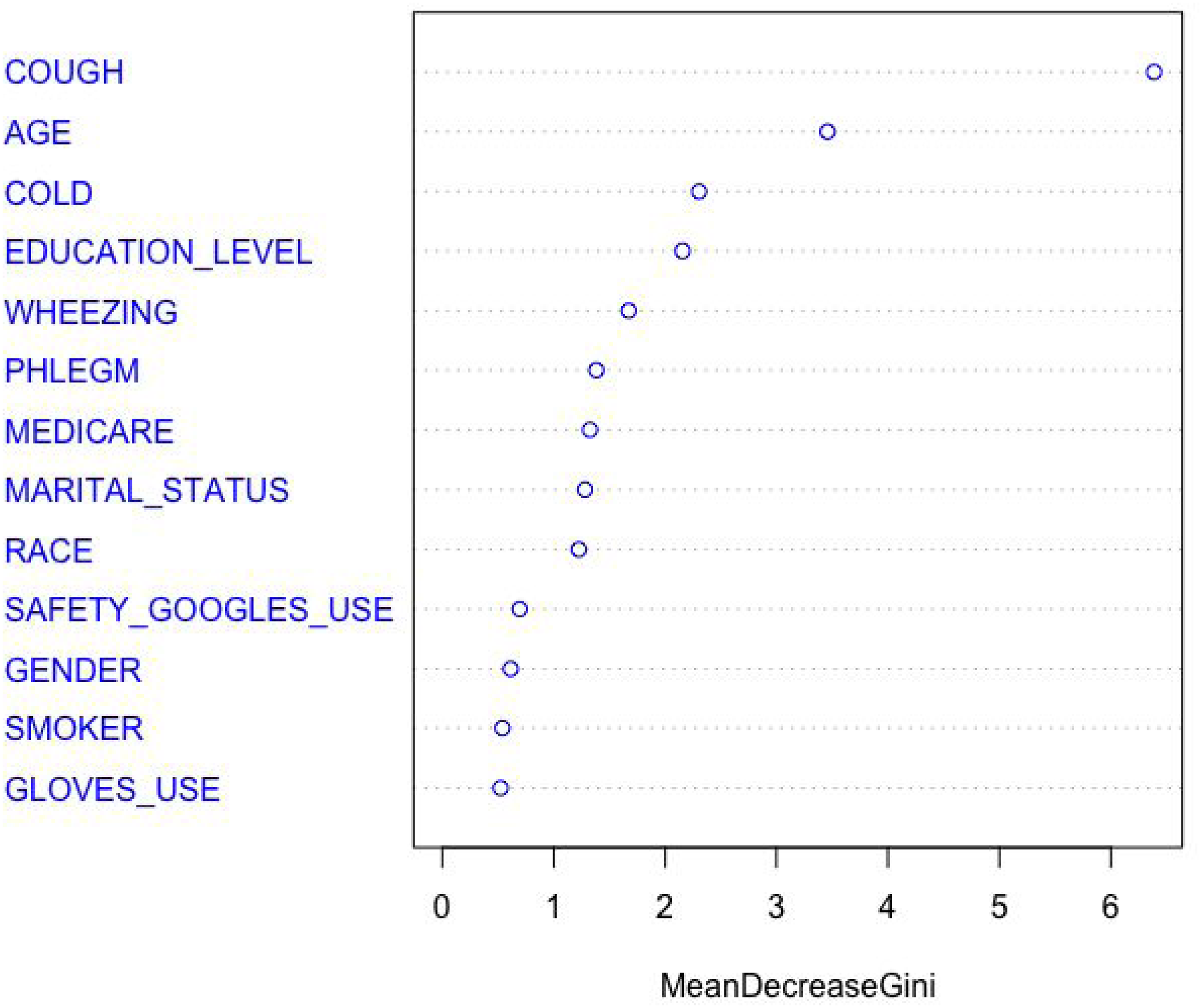
Variable importance in prediction using mean decrease in Gini Index in a Random Forest model.
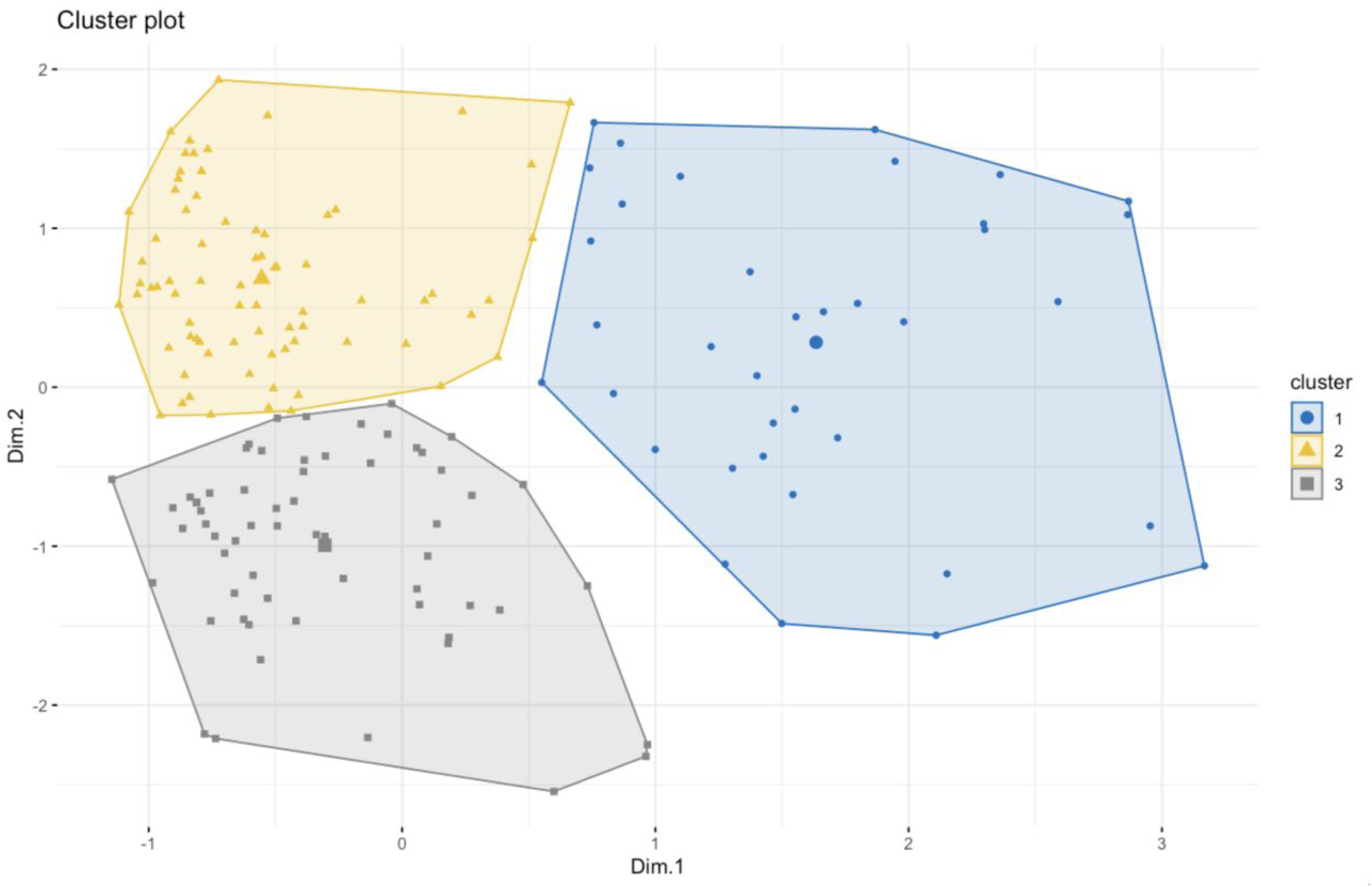
Cluster plot.
K-means Clustering Results
A K-means clustering analysis was conducted to identify patterns related to respiratory symptoms among informal waste pickers (Figure 6. Cluster Plot). The analysis yielded three distinct clusters, revealing important differences in symptom prevalence and demographic characteristics:
Cluster 1: Consisted of 12 participants with an average age of 36.08 years. The average respiratory symptom score was 0.17, with notable occurrences of cough and bronchitis. This cluster represents a younger group with mild symptoms, likely due to exposure to respiratory irritants but with less cumulative impact. Cluster 2: The largest cluster, including 133 participants, had an average age of 41.63 years. The average respiratory symptom score was only 0.03, indicating minimal symptoms. The low symptom prevalence in this group may reflect effective preventive measures or lower occupational exposure. Cluster 3: Comprised of 29 participants, this cluster had the highest average age (45.97 years) and the highest respiratory symptom score (1.00). This group exhibited severe symptoms, including cough, phlegm, and pneumonia, suggesting that age and cumulative exposure contribute to worsening respiratory health.
The clustering results emphasize that Cluster 3 is the most vulnerable group, displaying higher respiratory symptoms, likely due to long-term occupational exposure. Cluster 1, though smaller, also exhibited a notable presence of symptoms, warranting further exploration of potential exposure risks. Meanwhile, Cluster 2 appears to have the lowest respiratory health risks, possibly due to better protective measures or lower exposure levels.
Discussion
This study provides valuable insights into the occupational health risks faced by informal waste pickers in Colombia, particularly the prevalence of respiratory symptoms and associated risk factors. Using a combination of logistic regression, PCA, Random Forest modelling, and K-means clustering, the findings align with global research while highlighting unique regional characteristics.
Occupational Context and Demographics
In Latin America and the Caribbean, waste picking is recognized as a legitimate occupation, although much of the work is conducted informally. Consistent with previous studies, our research confirms that informal waste pickers are predominantly male (65% in our study), with low levels of educational attainment—many having only completed primary school. The average age of participants was 41.92 years, indicating that this workforce experiences prolonged exposure to occupational hazards over time. These demographic characteristics are comparable to similar studies conducted in Thailand and Chile, which also reported predominantly male, low-education populations among waste pickers (Decharat & Kiddee, 2020; Jiménez-de-Aliaga et al., 2020; Yohannessen et al., 2019). Furthermore, Colombia's high informal employment rates (48.1% in major cities) exacerbate the precarious conditions of this workforce, highlighting systemic barriers that prevent these workers from accessing formal labour markets (Yohannessen et al., 2019).
Prevalence of Respiratory Symptoms
Our study revealed a significant prevalence of respiratory symptoms among waste pickers, with common symptoms including coughing (16.8%), phlegm (18.4%), and wheezing (18.4%). These findings align with research from Johannesburg and Egypt, where similar respiratory conditions were observed in waste workers (Kasemy et al., 2021; Tlotleng et al., 2019). Persistent coughing (46.8%) and shortness of breath (19.6%) were also prevalent, underscoring the urgent need for public health interventions to mitigate the occupational and environmental hazards faced by this vulnerable group.
Correlation Analysis
The correlation analysis provided valuable insights into the relationships between key variables influencing respiratory health. COUGH exhibited the strongest positive correlation with RESPIRATORY_SYMPTOMS (r = 0.737), indicating that individuals reporting respiratory symptoms were highly likely to experience coughing. Other notable associations included COLD (r = 0.429), WHEEZING (r = 0.354), and PHLEGM (r = 0.253), suggesting that these symptoms frequently co-occur and may be indicative of underlying respiratory distress.
Conversely, demographic factors such as AGE and GENDER displayed weaker correlations with respiratory symptoms. AGE showed a weak positive correlation (r = 0.082), suggesting that while ageing may play a role, it is not a primary driver of respiratory issues in this population. GENDER exhibited a near-zero correlation (r = -0.008), implying that respiratory symptoms are not significantly influenced by gender differences.
These results emphasize that respiratory symptoms tend to cluster together, reinforcing the idea that symptom co-occurrence is more predictive of respiratory distress than individual demographic factors. While COUGH remains a dominant predictor, the weaker associations of demographic variables suggest that environmental and occupational exposures are likely more influential in determining respiratory health outcomes. This aligns with previous research indicating that exposure to airborne contaminants and workplace conditions play a critical role in respiratory health, rather than demographic characteristics alone.
Insights from Regression Analysis
Logistic regression analysis identified sociodemographic factors, particularly AGE, as important predictors of respiratory symptoms. While PNEUMONIA showed marginal significance, other variables like EDUCATION_LEVEL were excluded from the final model due to multicollinearity issues. The results suggest that older individuals are more likely to report respiratory symptoms, supporting the notion that cumulative exposure over time increases vulnerability to respiratory health problems. This finding aligns with the broader literature, which highlights the long-term impact of occupational exposure on older workers’ health. However, alternative studies suggest that other factors, such as exposure to fine particulate matter (PM2.5) or specific chemical irritants, may have a more direct influence on respiratory conditions than age alone. For instance, several studies indicates that chronic exposure to airborne pollutants in occupational settings can lead to respiratory symptoms irrespective of age, suggesting that environmental exposure might outweigh age as a risk factor in certain scenarios (Kwarteng et al., 2022; Tehrani et al., 2024). Additionally, other studies (Jiménez-de-Aliaga et al., 2020; Salambanga et al., 2022) highlight the role of microbial contamination and environmental culture in shaping the health outcomes of waste workers.
Similarly, studies conducted in urban waste management sectors in Asia and Africa have found that younger workers exposed to high levels of biological contaminants and toxic fumes may develop respiratory symptoms at rates comparable to or even higher than their older counterparts (Kwarteng et al., 2022; Tehrani et al., 2024) . These findings challenge the assumption that age is the primary determinant and instead suggest that cumulative exposure intensity and protective measures play a critical role in determining respiratory health outcomes (Jiménez-de-Aliaga et al., 2020; Salambanga et al., 2022).
Thus, while our study supports the link between age and respiratory health deterioration, it is important to recognize that alternative explanations exist. Future research should consider longitudinal studies to assess the cumulative effects of both age and environmental exposure over time, ensuring a more comprehensive understanding of risk factors affecting informal waste pickers’ respiratory health.
PCA Findings
Overall, PCA was a valuable tool in this study, allowing for a more structured exploration of the dataset, the identification of dominant symptom patterns, and the differentiation of key demographic and occupational risk factors (Salambanga et al., 2022). The analysis demonstrated that respiratory symptoms (COUGH, WHEEZING, PHLEGM) were strongly associated with PC1, highlighting their role as primary indicators of respiratory distress (Kwarteng et al., 2022). PC2 emphasized the influence of demographic factors such as AGE and SMOKER status, indicating that these variables contribute to variance in respiratory health but to a lesser extent than direct symptoms (Tehrani et al., 2024).
The proportion of explained variance (40.3%) suggests that while PCA effectively captured key patterns, additional unaccounted variability indicates that other factors—such as environmental pollutants or long-term exposure levels—may further influence respiratory health outcomes (Jiménez-de-Aliaga et al., 2020). Future studies could explore additional principal components or integrate external datasets to refine interpretations.
This technique complemented other statistical analyses such as logistic regression and clustering, providing a comprehensive perspective on the respiratory health risks faced by informal waste pickers (Fischer et al., 2020). The findings underscore the importance of targeted interventions aimed at reducing occupational exposures and enhancing protective measures, particularly among high-risk groups identified through clustering and regression analyses.
Random Forest Modelling Findings
The Random Forest model demonstrated strong predictive capabilities in identifying key risk factors associated with respiratory symptoms. Among all variables, COUGH emerged as the most significant predictor, reinforcing its role as an early indicator of respiratory distress. Other important contributors, including AGE, RACE, and EDUCATION_LEVEL, suggest that while demographic factors influence respiratory health, symptom-based predictors remain more relevant in identifying high-risk individuals.
Despite the high classification accuracy of the model, it is important to consider that the presence of unmeasured environmental and occupational factors may further shape respiratory health outcomes. The findings highlight the clinical and occupational relevance of COUGH as a symptom that should be prioritized in early detection and intervention efforts. Additionally, the results suggest the need for enhanced protective measures to mitigate long-term exposure risks, particularly for older waste pickers who exhibit a higher likelihood of severe symptoms (Le et al., 2023).
Moving forward, integrating Random Forest predictions with real-time occupational exposure data could improve health surveillance systems for informal workers. Future research should also evaluate how preventive measures, such as the use of protective masks and regulated waste management environments, influence respiratory symptom prevalence. These insights reinforce the importance of targeted workplace interventions, ensuring that vulnerable workers receive adequate protection against occupational hazards.
K-means Clustering Outcomes
The K-means clustering analysis successfully identified three distinct participant groups based on demographic characteristics and respiratory symptoms (Kasemy et al., 2021). Cluster 1 (12 participants, mean age: 36.08 years) exhibited a low respiratory symptom score (0.17), suggesting mild symptoms likely linked to early exposure to irritants. Cluster 2, the largest group (133 participants, mean age: 41.63 years), had a minimal respiratory symptom score (0.03), indicating that this group may benefit from preventive strategies to sustain good respiratory health.
In contrast, Cluster 3 (29 participants, mean age: 45.97 years) showed the highest respiratory symptom score (1.00), indicating severe respiratory distress. This suggests that age and cumulative exposure play a critical role in symptom severity. The clustering results reinforce that older workers in Cluster 3 require targeted health interventions, including frequent medical screenings and enhanced protective measures. Meanwhile, Cluster 1 represents an opportunity for early interventions to prevent future complications.
These findings highlight the importance of customized occupational health strategies, recognizing that different worker profiles require tailored interventions (Salambanga et al., 2022). Future research should assess longitudinal symptom progression within these clusters to better understand how preventive measures and workplace policies influence respiratory health outcomes over time.
Exposure to Biological Risks and Preventive Measures
The study revealed significant gaps in the implementation of preventive measures against biological hazards. While most informal waste pickers reported using personal protective equipment (PPE) such as gloves (84.4%), face masks (95%), and work clothing (89.9%), the effectiveness of these measures is questionable, particularly when considering the biological and chemical exposures common in waste activities (Black et al., 2019; Eriksen et al., 2023; Wassiem et al., 2021). Recent studies have demonstrated that waste sorting workers are exposed to airborne pathogenic microorganisms, including Aspergillus spp. and Staphylococcus equorum, which have been linked to respiratory symptoms such as coughing and wheezing (Eriksen et al., 2023) and endotoxin exposure among waste collectors has been reported to exceed recommended occupational limits (Salambanga et al., 2022). The lack of comprehensive preventive protocols likely exacerbates health risks for informal waste pickers, emphasizing the need to improve PPE effectiveness and enhance workplace safety standards (Melaku & Tiruneh, 2020).
Implications for Health and Safety Policies
This study underscores the urgent need for enhanced occupational health and safety policies tailored to the specific needs of informal waste pickers. Our findings suggest that proper use of masks and work attire correlates with a lower prevalence of respiratory symptoms. (Aguilar-Elena & Agún-González, 2024). Moreover, disparities in respiratory health protection across different social security systems highlight the importance of equitable access to occupational health care. (Tlotleng et al., 2019).
Future policy initiatives should prioritize comprehensive health education and training programs to raise awareness about occupational risks and the importance of effective protective measures among waste pickers. The trend toward a higher prevalence of respiratory symptoms among younger age groups suggests the need for further research with larger samples to substantiate these findings and guide future interventions.
Conclusions
This study provides essential insights into the occupational health risks faced by informal waste pickers in Colombia, focusing particularly on the prevalence of respiratory symptoms and the factors contributing to these health issues. The findings emphasize the significant vulnerability of this population, shaped by a combination of socio-economic conditions, demographic characteristics, prolonged exposure to harmful environmental agents, and inadequate preventive measures in their working environments (Tolera et al., 2023). Respiratory symptoms such as coughing, phlegm, and wheezing were notably prevalent among the participants, which points to an urgent need for targeted public health interventions to mitigate these occupational hazards. Similar patterns of respiratory distress have been reported among waste workers in South Asia, where exposure to bioaerosols and toxic particles significantly increases their risk of developing chronic respiratory conditions (Sara et al., 2022; Tolera et al., 2023) and similar findings have been reported in e-wasted workers to increased respiratory and systemic health issues (Fischer et al., 2020). The high occurrence of these symptoms suggests that informal waste pickers are consistently exposed to dangerous conditions that threaten their respiratory health, reinforcing the necessity for immediate action in addressing these risks.
Furthermore, the study highlights the influence of demographic factors on health outcomes. Older workers, who have endured longer periods of exposure to waste-related environmental hazards, exhibited a greater likelihood of developing respiratory symptoms. (Tolera et al., 2023) (Fischer et al., 2020). However, while factors like age and education level play a role, the study's Random Forest analysis identified coughing as the most critical predictor of respiratory distress among waste pickers. This finding underscores the importance of monitoring early symptoms such as coughing to identify and address respiratory health problems at their onset. Proactive measures that focus on the early detection of such symptoms can play a crucial role in reducing the long-term health impacts faced by this workforce.
The research also underscores the limitations in the current implementation of preventive measures, particularly regarding the use of personal protective equipment (PPE). Although most waste pickers reported using basic forms of PPE, such as gloves, face masks, and work clothing, the overall effectiveness of these measures remains questionable. (Tolera et al., 2023). Similar findings have been reported in previous studies conducted in Latin America, where informal waste pickers often lack access to adequate occupational health protections and work under hazardous conditions without proper enforcement of safety regulations. (Jiménez-de-Aliaga et al., 2020) Similar findings have been observed in formal waste management settings, where workers often lack access to high-quality PPE such as puncture-resistant gloves, N95 masks, and respiratory protection, increasing their risk of exposure to airborne contaminants and occupational hazards (Le et al., 2023) and on waste workers in South Asia (Sara et al., 2022) or on e-waste workers (Fischer et al., 2020). This highlights the urgent need for improved PPE quality, better occupational training, and stricter enforcement of workplace safety measures.
Moreover, the study's cluster analysis revealed distinct groups within the population, each with different levels of respiratory risk. This indicates that health interventions need to be tailored to the specific needs of each group. Previous research has emphasized that variations in occupational health risks among informal waste workers are closely linked to environmental awareness, socioeconomic conditions, and access to protective resources. (Jiménez-de-Aliaga et al., 2020). Thus, targeted interventions that consider these factors could optimize the effectiveness of health strategies for different segments of the waste picker population.
In addition to these findings, the study has important implications for public health policies and occupational safety standards. Policymakers must address the significant disparities in healthcare access and safety protections faced by informal waste pickers. (Tolera et al., 2023). A study conducted in Peru found that informal waste pickers lack access to proper occupational health services and are often excluded from labour protections, reinforcing the need for structured policies that formally integrate them into waste management systems. (Jiménez-de-Aliaga et al., 2020). Implementing comprehensive health education programs and ensuring equitable access to occupational health services would be critical steps toward improving their working conditions.
In conclusion, the health and safety challenges faced by informal waste pickers in Colombia demand urgent and multifaceted solutions. By addressing the immediate health risks through early symptom detection and improving safety protocols, as well as tackling the structural barriers that exacerbate their vulnerability, it is possible to significantly reduce the occupational health risks faced by this group. Through the implementation of evidence-based public health interventions and the development of stronger occupational health policies, waste pickers can be better protected, ensuring that their essential contributions to urban waste management are made without compromising their health and well-being.
Strengths, Limitations, and Future Perspectives
One of the key strengths of this study lies in its comprehensive analytical approach, employing a combination of logistic regression, Random Forest modelling, principal component analysis (PCA), and K-means clustering to explore the health risks faced by informal waste pickers in Colombia. This multimodal approach allowed for a more nuanced understanding of the factors associated with respiratory symptoms, highlighting both individual and systemic influences. Additionally, the study's focus on an under-researched population—informal waste pickers—adds to the existing literature by shedding light on a group that is often neglected in occupational health studies. The identification of specific respiratory symptoms and their strong correlation with demographic and environmental factors provides valuable insights for the design of targeted public health interventions.
However, the study also has certain limitations. First, the cross-sectional nature of the data limits the ability to establish causality between exposure to occupational hazards and the onset of respiratory symptoms. While the study identifies strong associations, a longitudinal study would be more effective in understanding the progression of health conditions over time, particularly in assessing the cumulative effects of prolonged exposure to environmental risks. Second, the reliance on self-reported data for respiratory symptoms introduces the possibility of reporting bias, as participants may underreport or overreport their symptoms based on individual perceptions or health literacy levels. Third, while the sample size of 174 participants provides valuable insights, it limits the generalizability of the findings to the broader population of informal waste pickers in Colombia and other regions. A larger, more diverse sample would allow for a deeper understanding of regional differences and the potential variability in risk factors across different environments.
In terms of future perspectives, several avenues for further research could build on the findings of this study. Longitudinal studies that follow waste pickers over time would provide more robust data on the long-term health impacts of their occupational exposure. Additionally, could explore interventions aimed at improving the use and effectiveness of personal protective equipment (PPE), as well as investigating the potential for technological innovations to reduce exposure to harmful environmental agents. Expanding the scope of research to include other informal workers in related sectors could also provide a broader understanding of occupational health risks in informal economies. Furthermore, exploring the role of policy interventions in formalizing waste picking as a legitimate occupation with proper safety regulations could offer insights into how structural changes might improve health outcomes for this vulnerable population. By addressing these limitations and pursuing further research, it will be possible to develop more comprehensive and effective strategies to protect the health and well-being of informal waste pickers.
Footnotes
Declaration of Conflicting Interests
The authors declared no potential conflicts of interest with respect to the research, authorship, and/or publication of this article.
Funding
The authors received no financial support for the research, authorship, and/or publication of this article.
