







Abstract
Global industrialization and urbanization have accelerated the release of hazardous substances, particularly heavy metals, into aquatic environments, posing serious threats to environmental and public health owing to their persistence and bioaccumulation. Phytoremediation has emerged as a promising, eco-friendly, and cost-effective strategy for treating heavy-metal contaminated wastewater. This study evaluated the phytoremediation potential of two aquatic macrophytes water hyacinth (WH) (Eichhornia crassipes) and water lettuce (WL) (Pistia stratiotes), in addition to their mixture, for removing heavy metals from industrial and drainage wastewater under mesocosm tank conditions. Over a 2 months period, metal removal efficiencies ranged from 10.93% to 85.90% for zinc (Zn), 14.03% to 67.95% for manganese (Mn), 11.62% to 45.00% for copper (Cu), and 8.39% to 27.58% for nickel (Ni), depending on treatment setup. The study further highlights the critical role of total suspended solids (TSSs) in heavy metal dynamics, with a significant proportion of Ni and Mn found adsorbed onto TSS rather than directly accumulated by the aquatic plants. In addition, translocation factor (TF) values revealed metal-specific behaviors, with Cu and Mn exhibiting higher TF values (up to 2.50 and 3.15, respectively), while Ni and Zn exhibited lower TF values (0.28–0.38 and 0.15–0.16, respectively). Overall, the results provide compelling evidence for the application of WH and WL, individually and in combination, as viable nature-based solutions for the removal of heavy metals from wastewater. These findings support the integration of phytoremediation into broader water management frameworks, offering a sustainable approach for water reuse and pollution mitigation.
Introduction
With the growing impacts of climate change, population increase, and global industrial development, freshwater resources are becoming increasingly scarce. This scarcity has catalyzed the re-evaluation of wastewater not merely as waste, but as a potential alternative water source, especially in sectors with high water demand, such as agriculture. 1 Consequently, sustainable water management encompasses strategies to reclaim and reuse wastewater after adequate treatment to mitigate health and environmental risks.2–7
Wastewater generated from industrial processes often contains high concentrations of heavy metals such as zinc (Zn), manganese (Mn), copper (Cu), and nickel (Ni), which are nonbiodegradable and can persist in the environment, accumulate in aquatic organisms, and enter the food chain. Therefore, effective and economical treatment methods to remove these metals from wastewater are critical. Conventional water treatment techniques, including chemical precipitation, ion exchange, membrane filtration, and electrochemical treatment have shown high removal efficiencies.8–10 However, these methods are frequently associated with substantial operational costs, technical complexity, energy consumption, and the generation of secondary pollutants such as sludge.11,12 In this context, phytoremediation as a sustainable and eco-friendly technology that utilizes living plants to remove, degrade, or stabilize contaminants from water has gained considerable attention as a cost-effective and environmentally benign remediation strategy. 13 Among various phytoremediation techniques, constructed floating wetlands (CFWs) have emerged as a promising adaptation, combining the advantages of natural wetland ecosystems with engineered design to enhance pollutant removal efficiency in aquatic environments.14,15 These systems utilize free-floating aquatic macrophytes with extensive root systems, 16 such as water hyacinth (WH) (Eichhornia crassipes) and water lettuce (WL) (Pistia stratiotes) which can uptake, adsorb, or sequester heavy metals from contaminated water.17–21 CFWs provide several advantages over conventional water treatment systems. Their simplicity, adaptability to varying climatic conditions, and dual biological action via both plant uptake and microbial activity on root surfaces make them a low-cost and low-maintenance alternative.22–24 In addition, CFWs contribute to ecological enhancement by providing habitat for aquatic organisms and improving the aesthetic value of water bodies.25,26
In recent years, phytoremediation technique for wastewater treatment through WH and WL has gained significant attention due to their high biomass productivity and capacity to accumulate a diverse range of contaminants. A substantial body of research has been reported for the phytoremediation process using both types of aquatic plants. Notably, WH and WL demonstrated the highest removal efficiencies for heavy metals, achieving removal rates of 80%–90% for Zn, 83%–87% for Fe, and 76%–84% for Pb. 27 Mishra and Tripathi 28 reported that the WH plant exhibited high efficiency in heavy metal removal, achieving removal rates of 96%, 87%, and 88% for Cu and 78%, 82%, and 70% for cadmium (Cd). However, the majority of existing studies has predominantly examined the individual performance of these species under controlled laboratory conditions with limited investigation into their behavior in mesocosm-scale systems with low volume. Furthermore, the influence of total suspended solids (TSSs) on the partitioning, transport, and removal dynamics of heavy metals remains in wastewater environment underexplored, particularly in the context of industrial effluents and agricultural drainage. This study seeks to address these critical gaps by evaluating the combined use of WH and WL in mesocosm-scale with high volume representing CFWs to simulate pilot-scale treatment systems. Specifically, the research examines their collective potential for removing key heavy metals of Zn, Mn, Cu, and Ni from waste water types. In addition to measuring the effectiveness of heavy metal uptake by these macrophytes, the study explores the impact of TSS on the partitioning, transport, and overall removal efficiency of heavy metals within the mesocosm system. The results of this study are expected to contribute significantly to the advancement of knowledge in nature-based, sustainable wastewater treatment systems and offer valuable insights into the application of phytoremediation for wastewater treatment by accounting for multiple environmental factors.
Materials and Methods
To evaluate the efficiency of phytoremediation in removing heavy metals from wastewater, a controlled experiment was established using eight mesocosm-scale water tanks (each with a radius of 2.5 m, a height of 0.60 m, and a total volume of approximately 3 tons and the system was run throughout the 8-week experiment (mid-September to mid-November 2024). The study involved two wastewater types: industrial wastewater and agricultural drainage water, each treated using three macrophyte setups WH only, WL only, and a combination of these macrophytes (WH and WL), in addition to control groups for industrial wastewater and drainage water.
The water tanks were categorized as follows:
Industrial wastewater tanks:
SS: without treatment (control) ASS1: WH only ASS2: WL only ASS3: WH and WL combination Drainage water tanks:
DS: without treatment (control) ADS1: WH only ADS2: WL only ADS3: WH and WL combination
The industrial wastewater was collected from the influent of a nearby industrial wastewater treatment plant and was found to contain elevated concentrations of Zn: 5.5 ppm, Mn: 2.4 ppm, Cu: 0.96 ppm, and Ni: 1.70 ppm. The drainage water was obtained from a surface channel near the International Agricultural Research and Training Centre (UTAEM) in Izmir, Türkiye, containing Zn at 2.2 ppm and Mn at 1.2 ppm (Fig. 1).
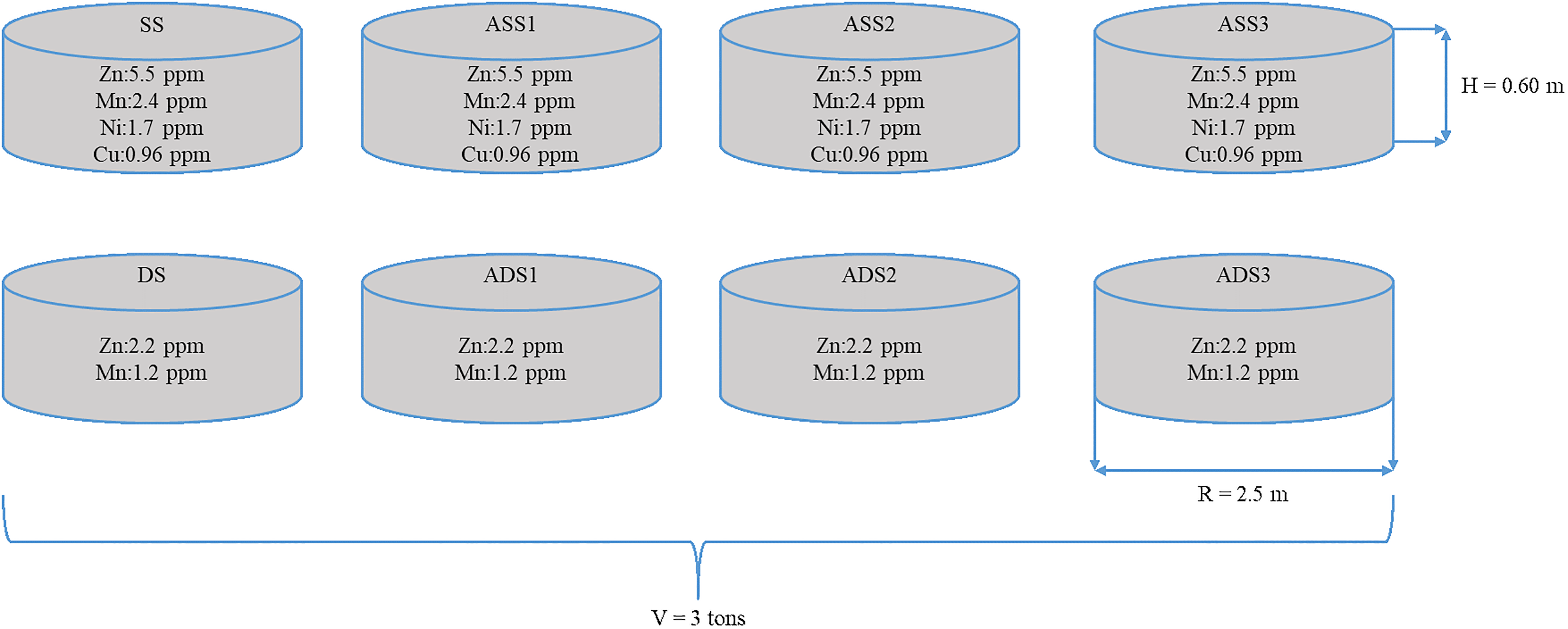
Distribution of heavy metal concentrations in industrial wastewater and drainage water tanks with volume and dimensions. WH, water hyacinth; WL, water lettuce; R, radius; H, height.
Aquatic plants were obtained from a local cultivation facility. Seedlings were acclimatized before use to ensure their buoyancy and adaptability to the mesocosm environment. Each water tank was covered with plants to achieve approximately 50% surface coverage: 60 WH seedlings or 250 WL seedlings per tank were used in single-plant treatments, and this number was halved in mixed treatments (30 WH + 125 WL), following methods adapted from previous experiment 29 (Fig. 2).

Experimental setup showing WH and WL deployed in mesocosm tanks for phytoremediation process.
To promote oxygenation and ensure homogeneity in water composition, two submersible pumps (4 and 5 tons/hour capacities) were periodically used to aerate each tank from the bottom. The outdoor experimental site experienced mild autumn conditions with average temperatures between 19°C and 25°C and humidity ranging from 56% to 69%, offering suitable conditions for plant growth and metal uptake.
WATER SAMPLING AND ANALYTICAL METHODS
Weekly water sampling
Nine water samples (1000 mL each) were collected from each tank to track changes in heavy metal concentrations. Sampling occurred at the beginning, weekly intervals, and at the end of the 8-week period. Immediately after collection, all water samples were filtered using 10 mm filter papers to remove debris and were subsequently analyzed for Zn, Mn, Cu, and Ni concentrations using inductively coupled plasma optical emission spectroscopy (ICP-OES, iCAP 6000 Series) following standardized methods.7,30,31
Total suspended solids and sediment-bound metal analysis
Given the tendency of heavy metals to bind with suspended solids in aquatic systems, 32 the study also analyzed metal content retained on TSS. At the end of the experiment, TSS from each treatment was collected via filtration and combusted on acid-treated filter papers. These samples were then analyzed using ICP-OES to determine the proportion of heavy metals adsorbed onto particulate matter.30,33
Plant biomass sampling and analysis
After the completion of the phytoremediation period, all plant biomass was harvested from the water tanks. Plant material was oven-dried at 65°C for approximately 1 week to obtain constant dry weight, then ground into a fine powder for analysis. Subsamples (0.5 g) were digested using a mixture of 9 mL nitric acid (HNO3) and 1 mL perchloric acid in a microwave digestion system for 6 hours. The digested solutions were analyzed by ICP-OES to determine the concentrations of accumulated heavy metals. 31
Translocation factor
The translocation factor (TF), which assesses a plant’s ability to translocate heavy metals from roots to aerial parts (stems and leaves), was determined for the aquatic plant treatments using the equation described by reference
34
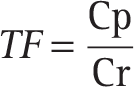
Where;
Cp: Concentration of heavy metals in the plant parts e.g., stem, leaves (mg/kg) and Cr: Concentration of heavy metals in the roots (mg/kg).
WATER QUALITY MONITORING
Water pH was monitored throughout the study using a portable pH meter. Since pH can significantly influence metal solubility and plant uptake efficiency, values were maintained within the optimal range of 6.5–8.5. Whenever pH exceeded this range, adjustments were made by the controlled addition of either HNO3 or hydrochloric acid to stabilize water chemistry for optimal plant performance.
Results
REMOVAL OF ZINC FROM WASTEWATER BY WH, WL, AND MIXTURE TREATMENTS
Zn removal varied significantly among the different phytoremediation treatments, with recorded efficiencies ranging from 10.93% to 85.90%. Notably, treatments utilizing WH or the combination of WH and WL outperformed those employing WL alone in both drainage and industrial wastewater systems (Fig. 3). The highest Zn removal efficiency was achieved in the mixed macrophyte setup for industrial wastewater (ASS3), aligning with previous findings that emphasize the synergistic effect of combining different macrophyte species for enhanced pollutant uptake, 35 while the most effective treatment performance for drainage water was recorded in the ADS1 setup.
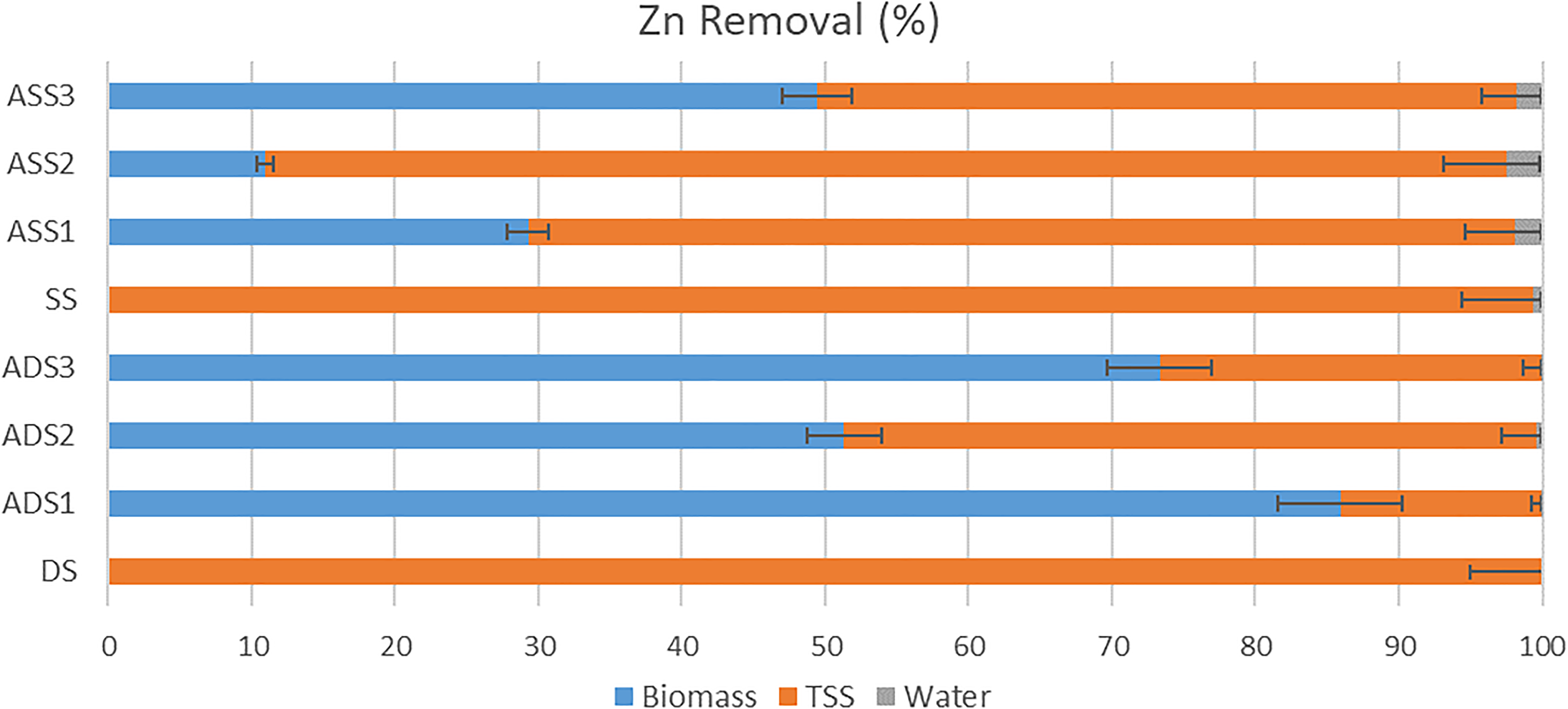
Comparison of Zn removal across two types of waste water treatment process by WH and WL highlighting the roles of biomass, TSS, and water in capture of Zn metal. TSS, total suspended solid; Zn, zinc.
These findings also demonstrate WH’s known efficacy in uptaking Zn due to its large biomass and highly developed root system. 36 In contrast, WL, while still capable of Zn uptake, demonstrated a comparatively lower performance. Upon assessing the initial levels of Zn, the behavior of Zn across the system indicates distribution at different rates among plant biomass, TSS, and residual water treatment-specific. 37 In nearly all mesocosm water tanks, a substantial fraction of Zn is associated with TSS in the aquatic environment. Observations indicate that this proportion exceeds 99% in untreated DS, SS, and ASS2 samples, while the lowest proportion, recorded in ADS1 at 14.07%, suggests a more efficient plant-mediated uptake mechanism in this treatment.
Moreover, Zn capture by TSS generally increases with higher TSS concentrations; however, the relationship exhibits a moderate correlation (R2 = 0.4578), indicating that the capture efficiency is not solely determined by TSS concentration but is also influenced by the availability and characteristics of suspended particles, as well as by other inputs such as chemical and physical factors within the system (Fig. 4).
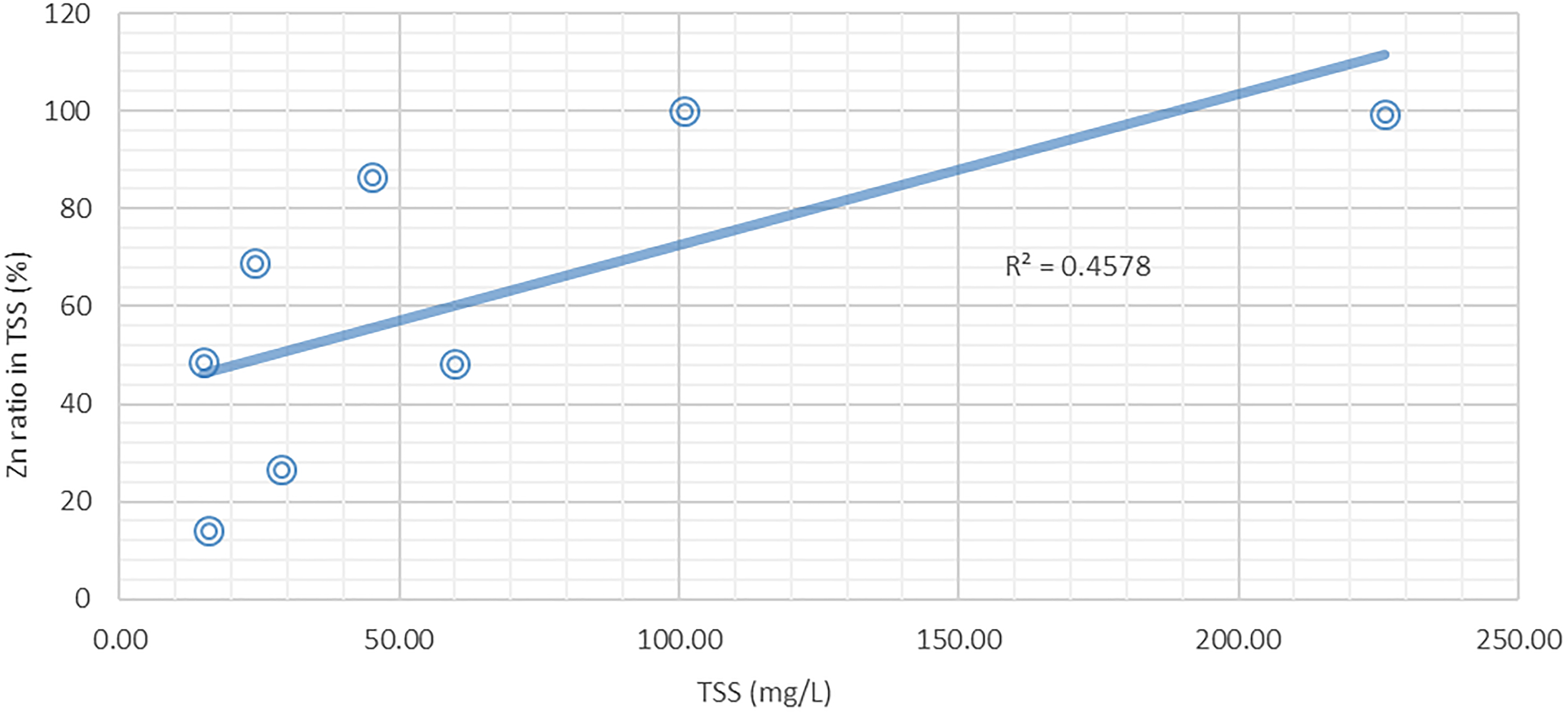
Relationship between Zn metal ratio in TSS and TSS in water samples for each treatment.
REMOVAL OF MANGANESE FROM WASTEWATER BY WH, WL, AND MIXTURE TREATMENTS
Mn uptake followed a different pattern than Zn, highlighting the metal-specific affinities of the macrophytes. The combination treatment (WH + WL) yielded the most promising results, especially in industrial wastewater (ASS3), where Mn removal reached to 67.95%. This was followed by ADS3 with 46.29% removal in drainage waste water (Fig. 5). These results demonstrate the importance of species synergy in maximizing removal efficiencies, particularly for Mn, which is known to form both soluble and insoluble species in aquatic environments. 38
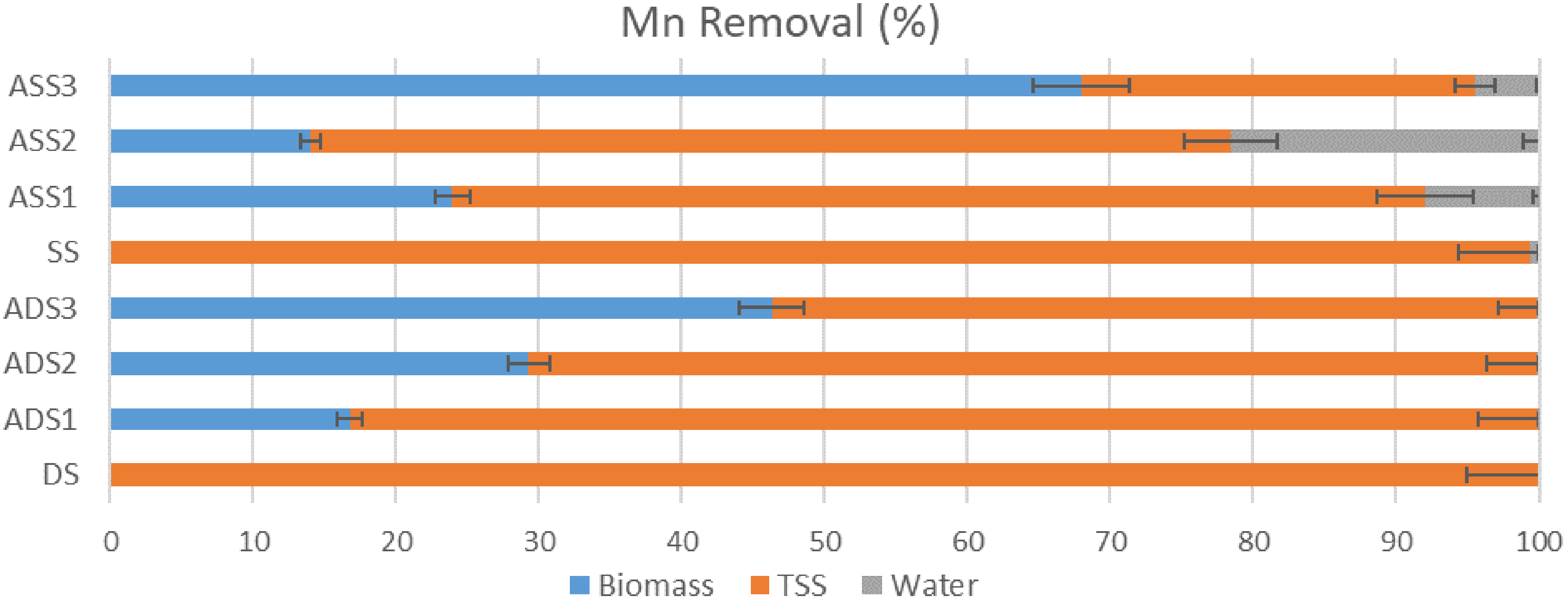
Comparison of Mn removal across two types of waste water treatment process by WH and WL highlighting the roles of biomass, TSS, and water in capture of Mn metal. Mn, manganese; TSS, total suspended solid.
Notably, the mixture of WH and WL demonstrated an efficiency for Mn in treating both industrial and drainage wastewater. This finding suggests that the synergistic interaction between different macrophyte species in water chemistry and pollutant concentrations may significantly influence the overall efficacy of phytoremediation processes.39–41 The interaction between Mn and TSS was also notable. At the conclusion of the phytoremediation process, the majority of Mn was detected in the TSS for both DS and SS treatments. In contrast, only a minor fraction, specifically 0.68%, was detected in the aqueous phase of the SS treatment. Moreover, in ADS1, 83.17% of Mn was associated with TSS, indicating substantial metal binding and sedimentation. On the contrary, ASS3 exhibited the lowest Mn presence in TSS, further highlighting the effective uptake by macrophytes in this treatment.
The relationship between Mn ratio in TSS and the TSS concentration in water samples exhibited an increasing trend, which is consistent with the applied treatments. Similar to the observations for Zn, a moderate positive correlation (R2 = 0.4535) was found, suggesting that an increased proportion of Mn within the TSS matrix is associated with higher TSS concentrations (Fig. 6).
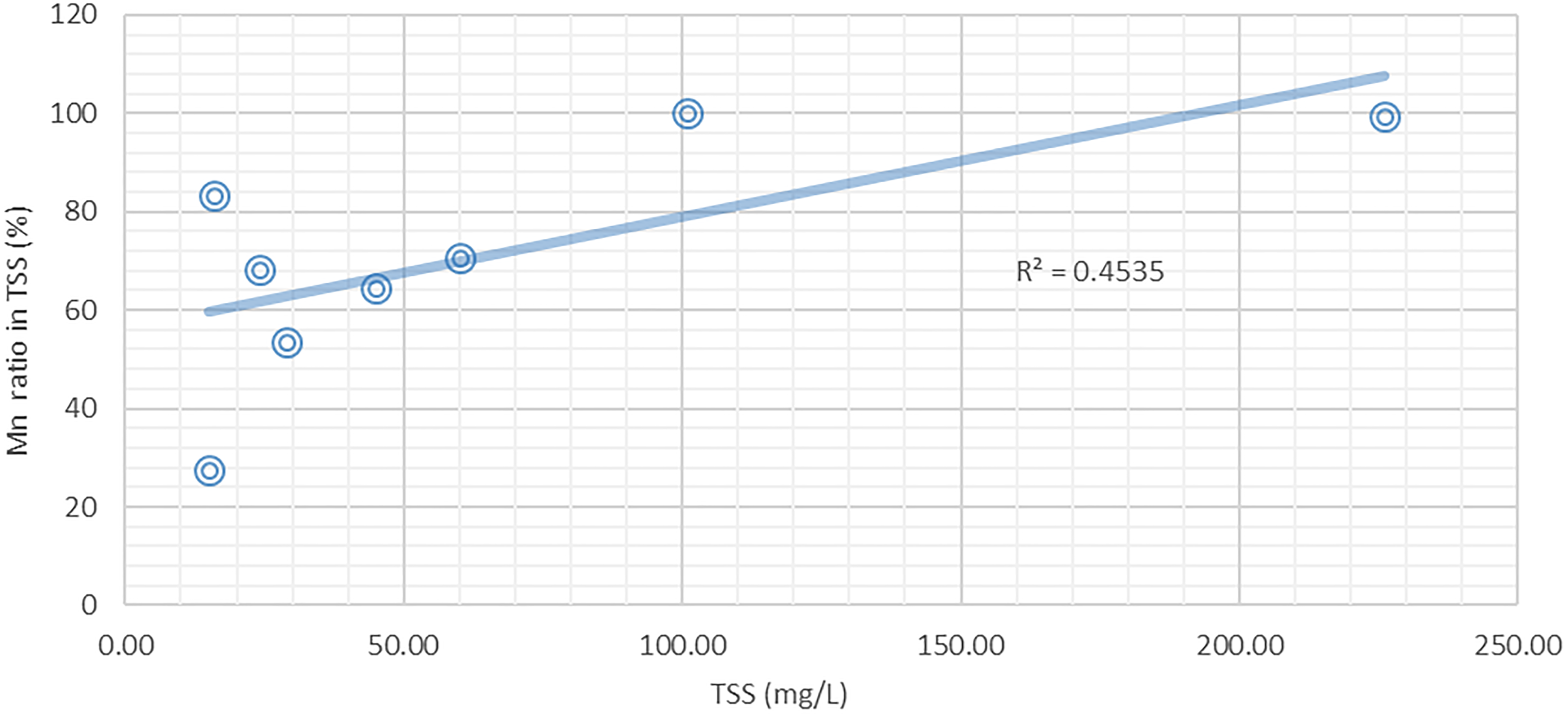
Correlation between Mn metal ratio in TSS and TSS concentration in treatments.
REMOVAL OF NICKEL FROM WASTEWATER BY WH, WL, AND MIXTURE TREATMENTS
Ni was present only in industrial wastewater treatments at an initial concentration of 1.70 ppm. Over the 8-week remediation period, Ni removal ranged from 8.39% in ASS2 (WL only) to 27.58% in ASS3 (WH + WL), reflecting a lower removal efficiency compared to Zn and Mn (Fig. 7). These lower rates may be attributed to Ni’s relatively higher solubility and mobility in aquatic environments, which makes it less likely to be retained by plant tissues.42–44
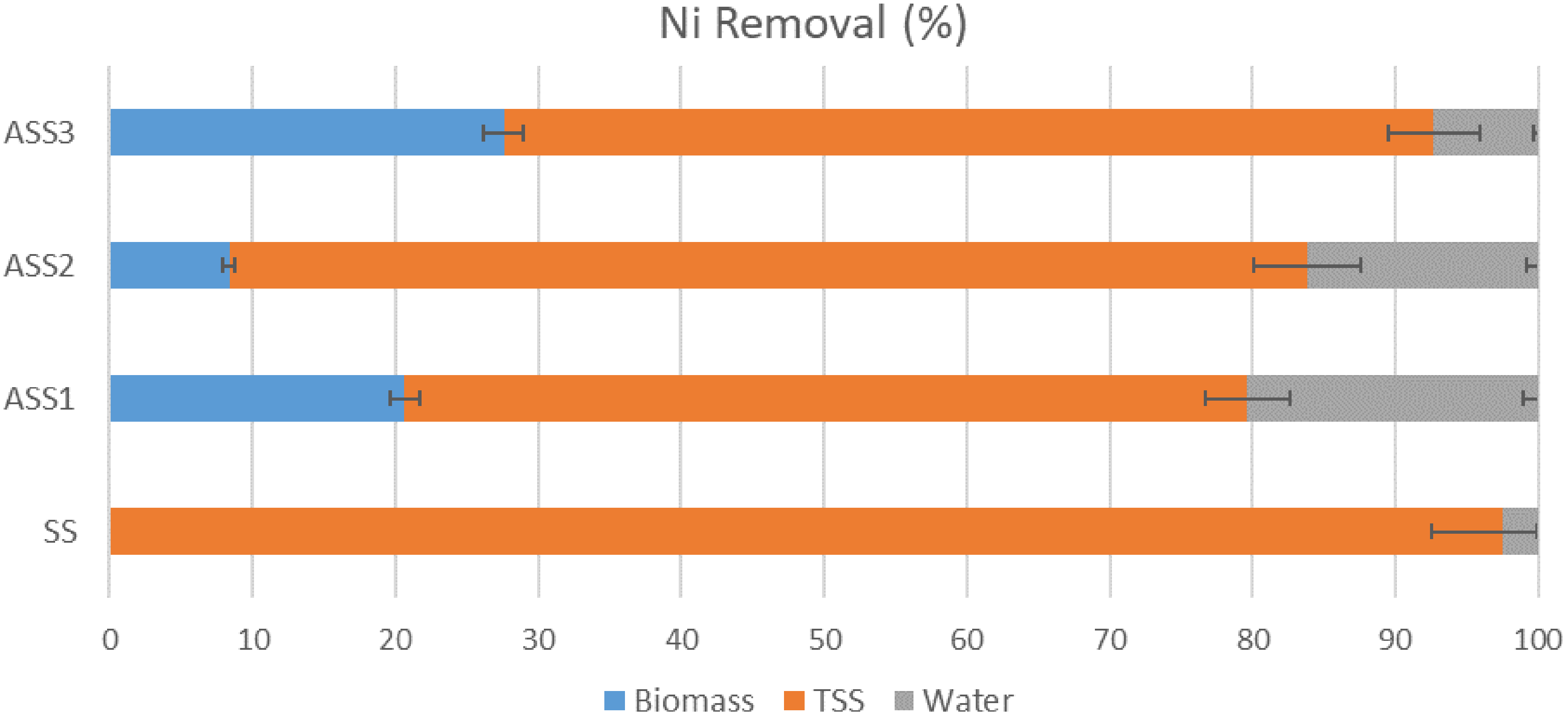
Comparative assessment of Ni distribution patterns across biomass, TSS, and water across four different treatments (SS, ASS1, ASS2, and ASS3), revealing limited plant uptake, but strong TSS adsorption for treatments. Ni, nickel; TSS, total suspended solid.
The observed trend in TSS interaction showed that Ni strongly binds to suspended solids, with TSS-bound Ni ranging from 59.02% to 75.47%, following the order ASS2 > ASS3 > ASS1 for treatments involving aquatic plants. This suggests that although plant uptake was limited, significant Ni immobilization occurred via adsorption onto suspended particles.45,46 In the untreated SS scenario, 97.46% of the Ni fraction was associated with suspended solids, whereas the remaining 2.54% was detected independently in the wastewater.
The relationship between the Ni ratio in TSS and TSS concentration in water for treatments demonstrates a pronounced positive correlation (R2 = 0.8985) (Fig. 8). This strong correlation suggests that higher TSS concentrations are associated with an increased proportion of Ni incorporated within the TSS matrix. Such a trend is consistent with the applied treatments, indicating the enhanced role of TSS as a carrier phase for Ni in the aquatic system.
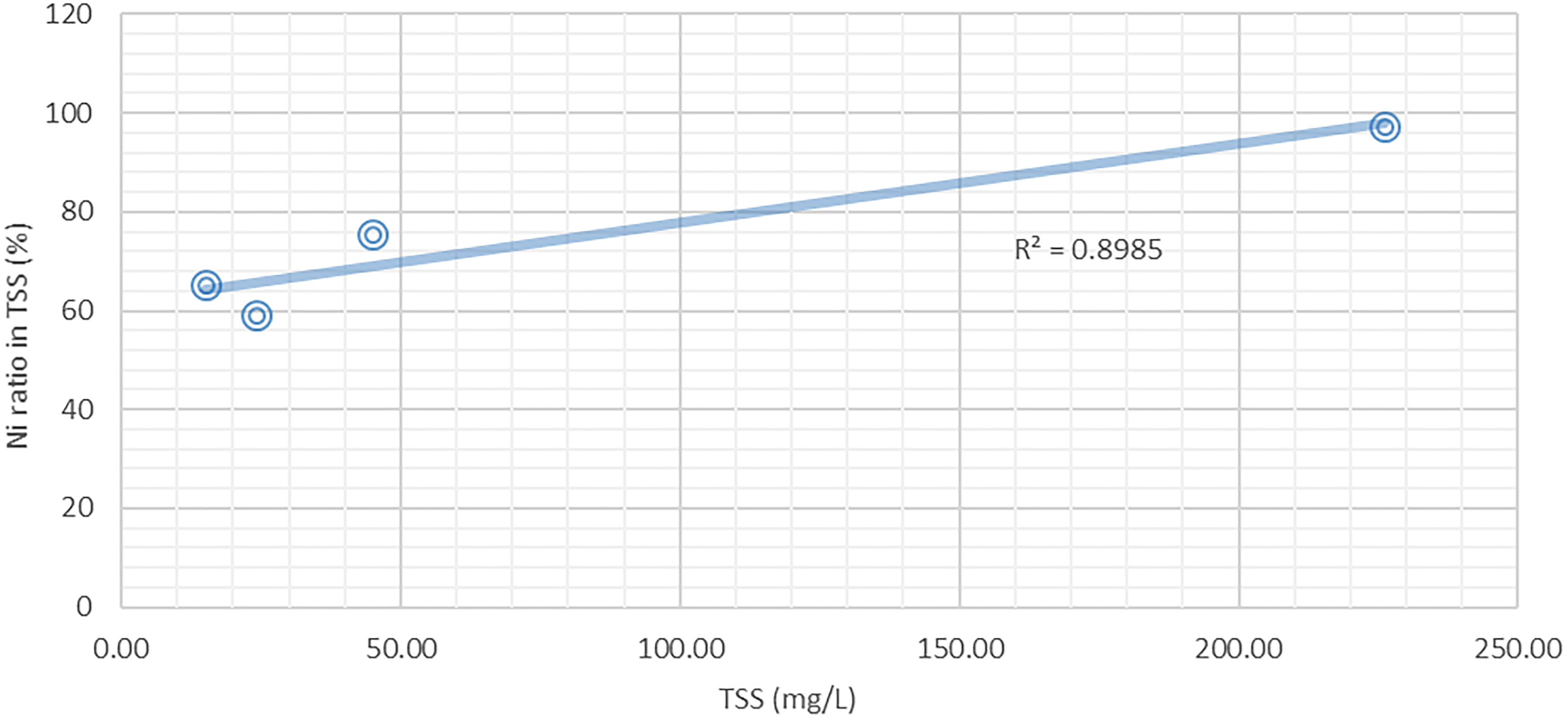
Relationship between TSS concentration and Ni content ratio in TSS with linear regression fit.
REMOVAL OF COPPER FROM WASTEWATER BY WH, WL, AND MIXTURE TREATMENTS
Cu removal efficiencies were higher than those for Ni, with treatment performance ranging from 11.62% in ASS2 to 45.00% in ASS3 (Fig. 9). The mixed treatment (WH + WL) demonstrated higher removal efficiency, emphasizing the advantage of macrophyte diversity in these systems.
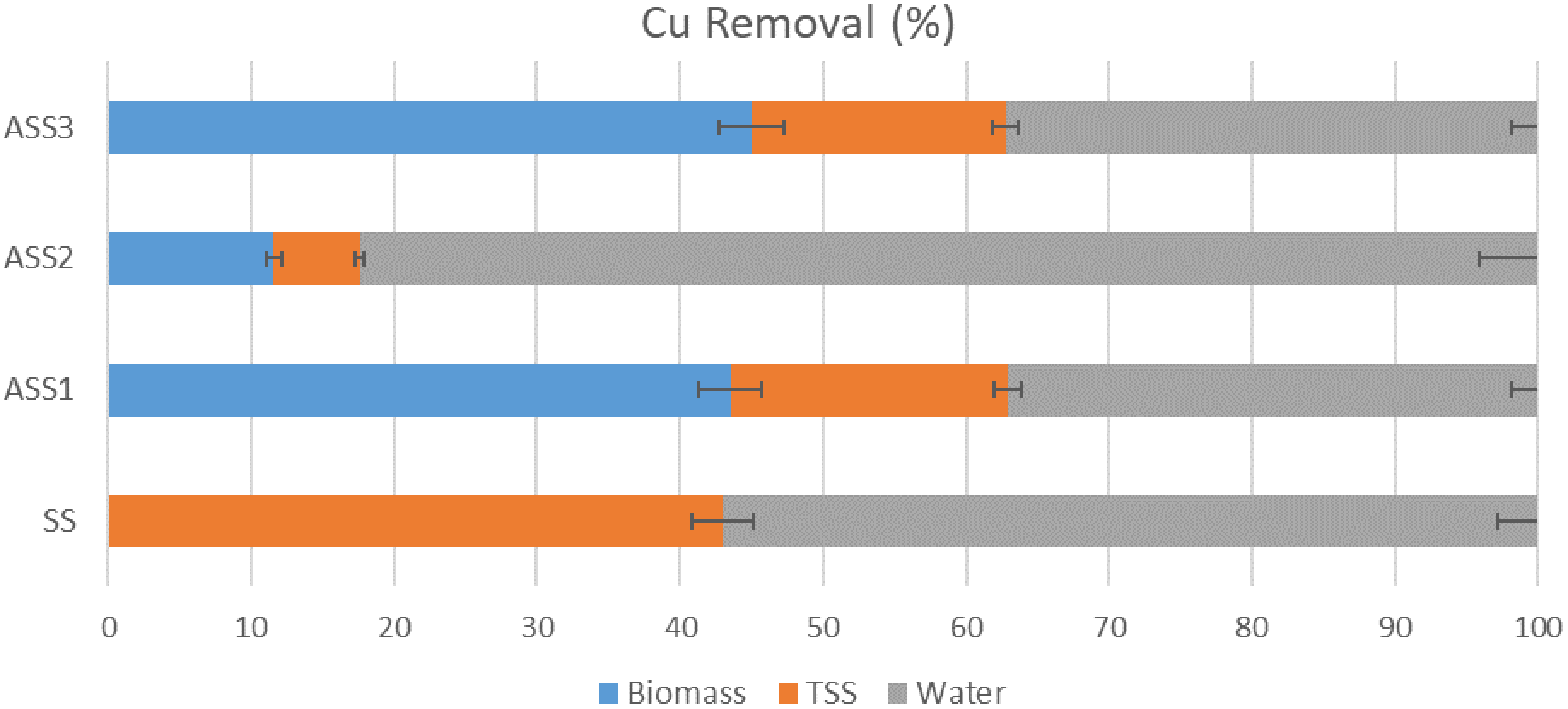
Detailed comparative analysis of Cu distribution rates in biomass, TSS, and water across four treatment conditions (SS, ASS1, ASS2, and ASS3), revealing phase-specific partitioning. Cu, copper; TSS, total suspended solid.
The Cu distribution among biomass, TSS, and wastewater also revealed a distinct pattern compared to Zn, Mn, and Ni. A larger proportion of Cu was consistently found within plant tissues and the water column, with minimal accumulation in TSS across all treatments containing aquatic plants. Aside from the previously discussed heavy metals, Cu demonstrated a higher degree of mobility at 56.97% within the wastewater compared to its retention by TSS at 43.03% in the SS treatment.
The relationship between Cu ratio in TSS and the TSS concentration in water samples also indicates a positive correlation (R2 = 0.759). Although this correlation is slightly weaker than the Ni (R2 = 0.8985) and stronger than the Mn (R2 = 0.4535) and Zn (R2 = 0.4535) relationships observed previously, it still indicates that as TSS concentrations increase, there is a concomitant increase in the proportion of Cu within the TSS matrix (Fig. 10).
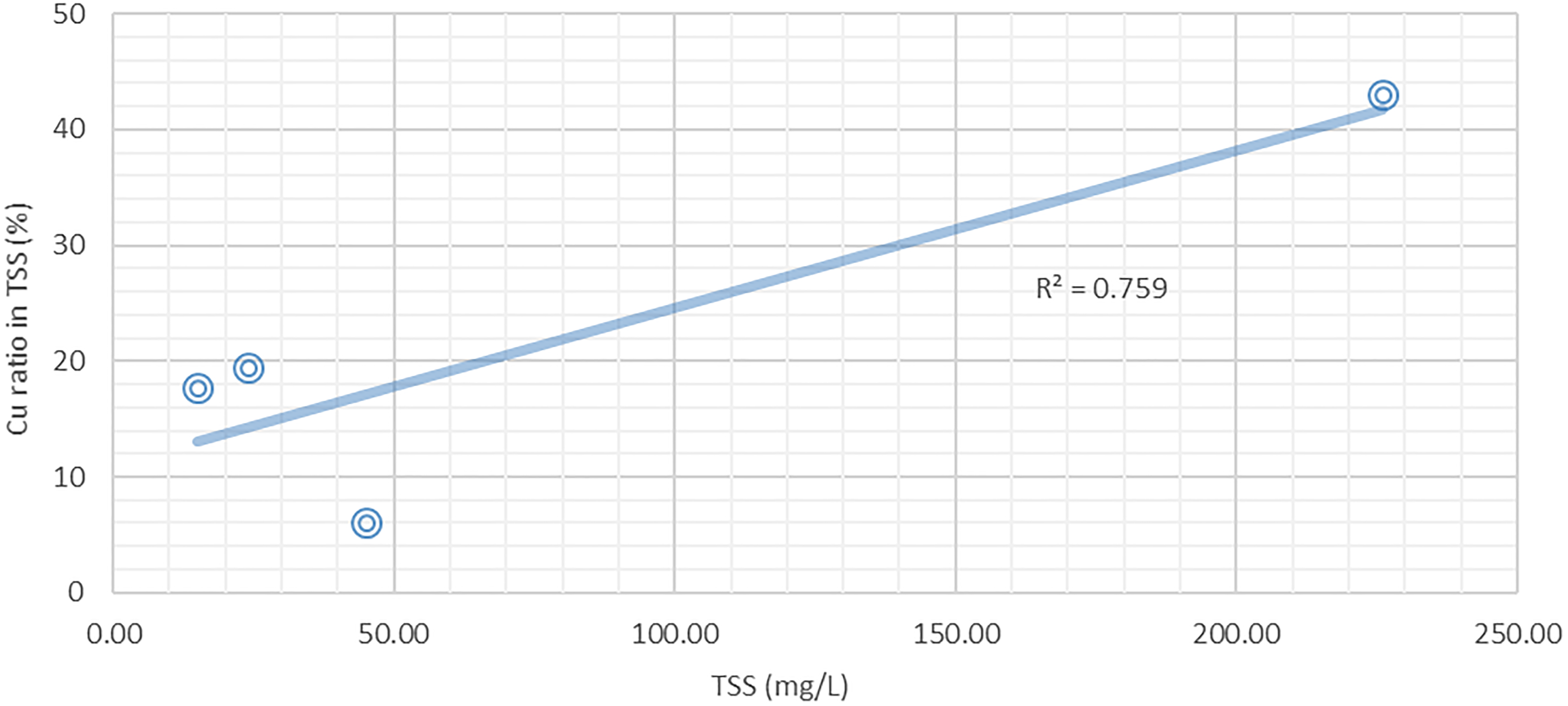
Relationship between TSS concentration and Cu content ratio in TSS with linear regression fit.
TRANSLOCATION FACTOR VALUES IN AQUATIC PLANTS ACROSS TREATMENTS
The TF calculated for Ni, Cu, Mn, and Zn provides valuable insights into the phytoremediation potential of the studied plant species (Fig. 11).
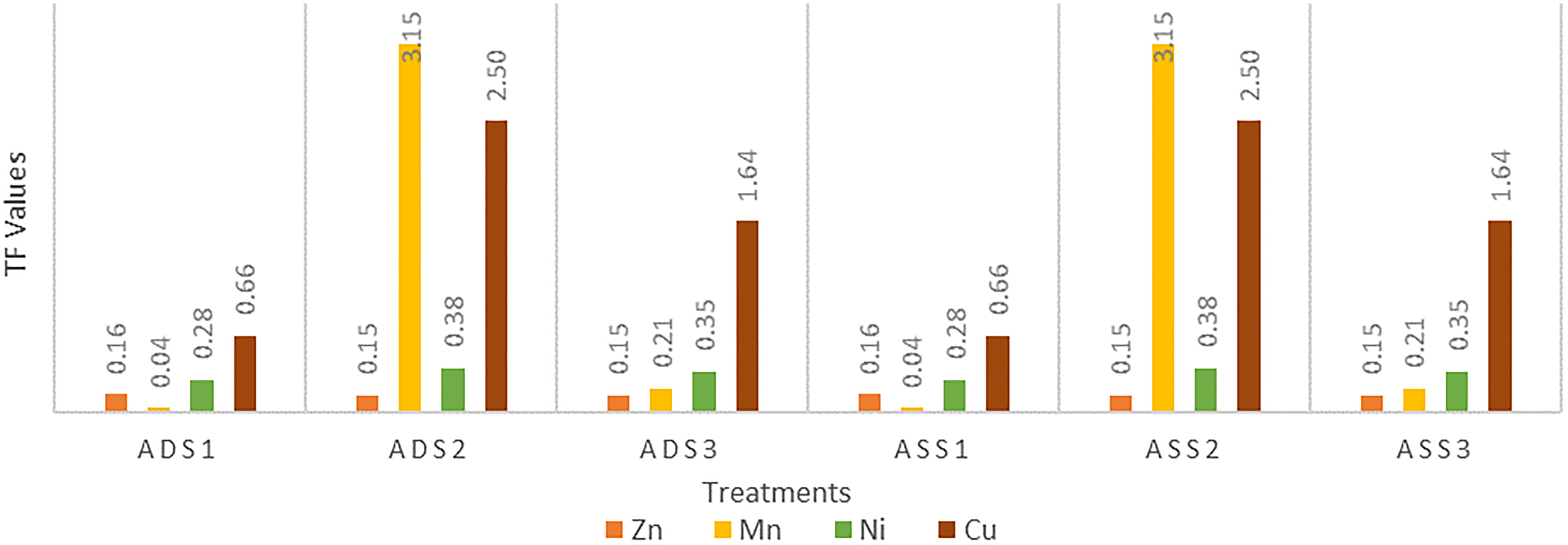
TF values for Zn, Mn, Ni, and Cu in different treatments (ADS1, ADS2, ADS3, ASS1, ASS2, ASS3), revealing metal-specific mobility. TF, translocation factor.
The obtained results showed that Cu and Mn have notably higher TF values compared to Ni and Zn. Specifically, Cu exhibited TF values ranging from 0.66 to 2.50, with the highest values observed in ADS2 and ASS2, indicating efficient translocation of Cu from roots to shoots. Similarly, Mn demonstrated exceptionally high TF values in ADS2 and ASS2 (3.15), suggesting the plant’s strong capacity to transport Mn to aerial parts. In contrast, Ni and Zn displayed consistently low TF values, 0.28–0.38 for Ni and 0.15–0.16 for Zn, respectively, indicating limited mobility from root to shoot for these metals. The consistent TF patterns across ADS and ASS conditions suggest that the plant’s translocation behavior is maintained under varying conditions.
Discussion
This study systematically evaluated the capacity of WH and WL, and their combined application to remove specific heavy metals such as Zn, Mn, Ni, and Cu from both agricultural drainage water and industrial wastewater. The results clearly underscore the variable removal efficiencies across different metals and treatment setups, providing valuable insights into the mechanisms of phytoremediation and the benefits of mixed-species approaches.47,48 Notably, the markedly higher removal of Zn by the mixed macrophyte treatment in industrial wastewater (ASS3) corroborates previous findings that highlight the synergistic advantages of plant species diversity in phytoremediation systems.28,49–51 This enhanced performance is likely due to complementary uptake pathways and the morphological differences between WH and WL, which collectively increase the overall metal-binding capacity. The exceptional performance of WH, particularly in the ADS1 treatment, further validates its robust phytoremediation potential, which can be attributed to its extensive root system and large biomass facilitating of WH for metal accumulation.51,52 The study also revealed that Zn distribution across TSS, plant biomass, and residual water differed significantly among treatments, with the lowest Zn fraction in TSS observed in ADS1. This finding suggests a dominant role of plant-mediated uptake mechanisms over adsorption processes for Zn removal. 53 The relationship between the ratios of heavy metals within TSS and TSS concentrations in water samples revealed distinct patterns of metal association with suspended particulates. For Zn, a moderate positive correlation was observed, suggesting that while TSS contributes to their retention, additional factors such as particle characteristics (e.g., organic matter content, mineral composition) and chemical interactions (e.g., complexation, redox conditions) play important roles.54,55 Mn removal efficiencies followed a similar trend, with mixed macrophyte treatments outperforming single-species treatments. The removal of Mn in ASS3 aligns with literature indicating that mixed macrophyte systems can reduce competitive uptake and foster synergistic interactions, thereby enhancing overall performance. 56 The prominent role of TSS in Mn removal, particularly in ADS1, highlights the dual removal pathways: plant uptake and sediment binding.57,58 Moreover, Mn exhibited a moderate positive correlation between its ratio in TSS and the TSS concentrations, suggesting that the variability observed around the trend line is likely due to the interplay of factors such as wastewater composition, the physicochemical characteristics of suspended particles, and geochemical processes. These combined factors collectively influence the partitioning and dynamics of Mn within aquatic treatment systems. These findings highlight the necessity of accounting for both TSS-mediated transport mechanisms and site-specific geochemical conditions when assessing the behavior and fate of Mn in such systems. 55 Conversely, Ni removal efficiencies by aquatic plants were relatively low, with a maximum ASS3. That is consistent with previous observations that Ni, due to its higher solubility and lower affinity for plant tissues, exhibits limited uptake in aquatic phytoremediation systems. 59 Nevertheless, the substantial proportion of Ni associated with TSS (up to 75.47%) emphasizes the significant role of sediment binding in Ni immobilization. 58 A strong correlation for Ni indicated a higher affinity for incorporation into TSS, consistent with findings of preferential binding to Ni oxides and organic ligands in aquatic systems.60,61 These observations emphasize the need for integrated approaches that combine phytoremediation with physical or chemical strategies to enhance Ni removal from wastewater types. 62 Cu removal was almost moderate, with the mixed treatment again achieving the highest removal in ASS3. The higher bioavailability of Cu and its’ essential micronutrient role in plants likely contributed to the observed uptake. 63 In comparison with other metals particularly Ni, Cu exhibited lower accumulation in TSS, indicating that it may be more readily bioavailable and subject to plant-mediated uptake pathways. This finding aligns with reports that Cu, due to its physiological importance, is actively transported and stored within plant tissues due to its essential micronutrient role in plant metabolism.63,64 The intermediate correlation was observed for Cu suggests a higher affinity for plant uptake or exists predominantly in a bioavailability in ionic form making it more accessible for absorption by aquatic macrophytes.65–67 These variations underscore the importance of both geochemical interactions (e.g., adsorption and coprecipitation) and the physicochemical properties of TSS (e.g., surface area and charge) in governing metal partitioning. 68 Overall, the findings highlight the role of TSS as a significant carrier phase for certain metals, while also emphasizing the complexity of factors influencing heavy metal dynamics within phytoremediation and aquatic treatment processes. 69
The higher TF values for Cu and Mn compared to Ni and Zn indicate the plant’s potential for different remediation strategies. The observed TF values for Cu, particularly in ADS2 and ASS2, suggest a strong potential for phytoextraction of Cu, as TF >1 is generally considered indicative of effective translocation and bioaccumulation in above-ground biomass.70,71 Similarly, the high TF values for Mn suggest the plant may act as a Mn hyperaccumulator, consistent with previous studies. 62 In contrast, the low TF values for Ni and Zn suggest limited translocation to shoots and imply a potential role in phytostabilization, where metals are retained in roots and their bioavailability is reduced.71,72 The consistent TF patterns observed across both DS and SS treatments with aquatic plants suggest a stable translocation capacity of the plant under varying conditions, highlighting its potential as a promising candidate for targeted phytoremediation, particularly for the phytoextraction of Cu and Mn as well as the phytostabilization of Ni and Zn. The distinct removal patterns observed for Zn, Mn, Ni, and Cu underscore the importance of considering metal-specific characteristics, including solubility, chemical speciation, and plant–metal interactions. 47
Conclusions
This study presents compelling evidence for the effectiveness of phytoremediation using aquatic macrophytes in the removal of heavy metals from both industrial and agricultural drainage wastewaters. The application of WH, WL, and their combination demonstrated significant treatment performance in heavy metal concentrations over an 8-week treatment period under mesocosm tank conditions. Over an 8-week mesocosm scale experimental period, removal efficiencies were observed within the ranges of 10.93–85.90% for Zn, 14.03–67.95% for Mn, 8.39–27.58% for Ni, and 11.62–45.00% for Cu. The combined treatment of WH and WL consistently exhibited higher removal performance compared to individual treatments, highlighting the synergistic interactions of mixed-species systems within CFWs simulation. The findings further highlight the role of TSSs in heavy metal dynamics. In several cases, a significant portion of metals particularly Ni and Mn, was adsorbed onto TSS rather than directly taken up by plants. This emphasizes the need to consider both biological (plant uptake) and physicochemical (adsorption, sedimentation) mechanisms in the overall remediation strategy. TF values provided further insights into metal-specific plant behaviors. Cu and Mn demonstrated higher TF values (up to 2.50 and 3.15, respectively), suggesting strong potential for phytoextraction, whereas Ni and Zn exhibited lower TF values (0.28–0.38 and 0.15–0.16, respectively), indicative of phytostabilization pathways. The outcomes of this study provides valuable evidence and outcomes supporting the implementation of nature-based solutions for wastewater treatment in real world’s implementation by considering phytoremediation process. To advance phytoremediation strategies, further studies should be conducted in environments where diverse macrophyte species coexist, as such diversity could enhance contaminant removal efficiency. Furthermore, it is imperative to investigate the intricate interactions between multiple heavy metals and TSS, as well as the collective impact of mixed macrophyte populations on the mobilization, sequestration, and bioavailability of heavy metals.
Authors’ Contributions
B.A. performed the experiments and data collection and prepared the original article draft. M.A.U.L. supervised the research. P.T.A. performed the experiments and contributed to data analysis and interpretation. All authors reviewed and approved the final article. The authors gratefully acknowledge the assistance and support of Assoc. Prof. Dr. Yasemin S. KUKUL KURTTAŞ, Assoc. Prof. Bihter ÇOLAK ESETLİLİ, and Dr. Selçuk GÖÇMEZ.
Footnotes
Acknowledgments
This research project (TAGEM/TSKAD/T1/23/A11/P1/6634) was funded by General Directorate of Agricultural Research and Policies (TAGEM); and we appreciate UTAEM for providing all project facilities and supports.
Author Disclosure Statement
The authors of this article have disclosed no relevant conflicts of interest.
Funding Information
No funding was received for this article.