






Abstract
The increasing contamination of soil and water by heavy metals (HMs) has potentially detrimental effects on the environment and human health, especially in areas impacted by industrial and mining activities. Fungal consortia, which use synchronous and diverse assemblages of fungal species, have been proposed as the next environmentally friendly, sustainable agent for bioremediation of HM pollution. Compared with single-strain systems, fungal consortia provide enhanced efficiency through synergistic interactions, functional diversity, and improved adaptability to complex contaminated environments. This review identifies and discusses recent trends, novel methodologies, and challenges concerning the use of fungal consortia for HM removal. Fungi can also survive and accumulate HMs through biosorption, bioaccumulation, extracellular precipitation, enzymatic transformation, and more. Integrated approaches that utilize molecular technologies, immobilization strategies, and multispecies biofilms have dramatically increased the metal-removal efficiencies. Yet significant challenges remain, not the least of which is the current lack of understanding of complex and unique microbial/microbiome interactions in the field, the inconsistency of field performance, and hurdles such as scalability and regulation. Working through these limitations requires cooperation between interdisciplinary collaborators focused on understanding the operational parameters and development of customized consortia for specific contaminated sites. When traditional knowledge is combined with advancements in biotechnologies, fungal consortia represent an exciting opportunity and a potential pathway forward for more environmentally friendly and sometimes cost-effective processes needed for sustainable HMs.
Keywords
Introduction
Heavy metal (HM) contamination poses a significant threat to environmental and public health, 1 necessitating innovative and sustainable remediation strategies. 2 Traditional physicochemical methods, while effective, often suffer from high costs and environmental impacts. 3 Bioremediation, particularly employing fungal consortia, presents a promising alternative due to its cost-effectiveness, environmental friendliness, and potential for in situ application.4,5 Fungi exhibit a remarkable capacity to tolerate and accumulate HMs 6 through various mechanisms, including biosorption, bioaccumulation, and biotransformation. 7 The use of microorganisms and plants 8 to diminish the amount of HMs in the environment is gaining traction among researchers. 9 Fungal consortia, comprising multiple fungal species, can enhance the efficiency of HM removal through synergistic interactions and the diversification of metabolic pathways. Furthermore, the genetic manipulation of microorganisms shows promise for more efficient bioremediation technologies. 5 It is imperative to comprehend the detoxification processes employed by microbes to establish connections and advance bioremediation technologies. This review examines the current trends, techniques, and challenges associated with the integrative approaches to HM removal using fungal consortia, highlighting the potential of mycoremediation as a sustainable solution for contaminated environments.10,11 The ability of microbes to decontaminate environments is cost-effective, eco-friendly, 12 and widely accessible. 13
A lot of exploration has been done on single fungal strains for drawing up HMs, but they are not used veritably frequently in real life because they do not acclimatize well to changing environmental conditions, have limited metabolic capacities, and are not as effective in systems with multiple essence. On the other hand, fungal consortia are a big step forward because they bring together different species with reciprocal functional features. This lets them work together and partake in metabolic tasks. These relations make systems for taking in, changing, and getting rid of metals work more effectively overall.
The primary objective of this study is to objectively estimate recent advancements in the application of fungal consortia for HM remediation and to address the following critical inquiries: (1) How do fungal consortia improve remediation efficiency compared with single-strain systems? (2) What mechanisms and interactions drive their enhanced performance? (3) What new technologies help them do their jobs? and (4) What are the biggest problems and chances for the future of using them on a large scale? This review aims to produce a comprehensive framework for the enhancement of fungal consortium-based bioremediation styles by examining these aspects.
Heavy Metal Toxicity and Environmental Impact
HMs, naturally occurring elements with a high atomic weight and density, 14 have become ubiquitous environmental contaminants due to escalating industrial activities, agricultural practices, and urbanization. These metals, including arsenic, cadmium, chromium, lead, 15 and mercury, are considered systemic toxicants capable of inducing multiple organ damage even at low exposure levels. 16 HM contamination is a pressing global issue that poses significant threats to both ecology and human health. 17 HMs cannot be degraded or detoxified, persisting in the environment for prolonged ages and gathering in various environmental sections like soil, water, and air. 18 HMs arrive into the environment stems from both natural processes, like volcanic eruptions and weathering of rocks, and anthropogenic activities, which include mining, industrial discharge, and the use of fertilizers and pesticides in agriculture.16,19 The consequences of HM pollution are far-reaching, affecting not only human health but also disrupting ecological balance, diminishing agricultural productivity, and contaminating water resources.20,21 According to sustainable development goal (SDG), soil pollution by HMs is directly mapped with eight SDGs mentioned in Figure 1.
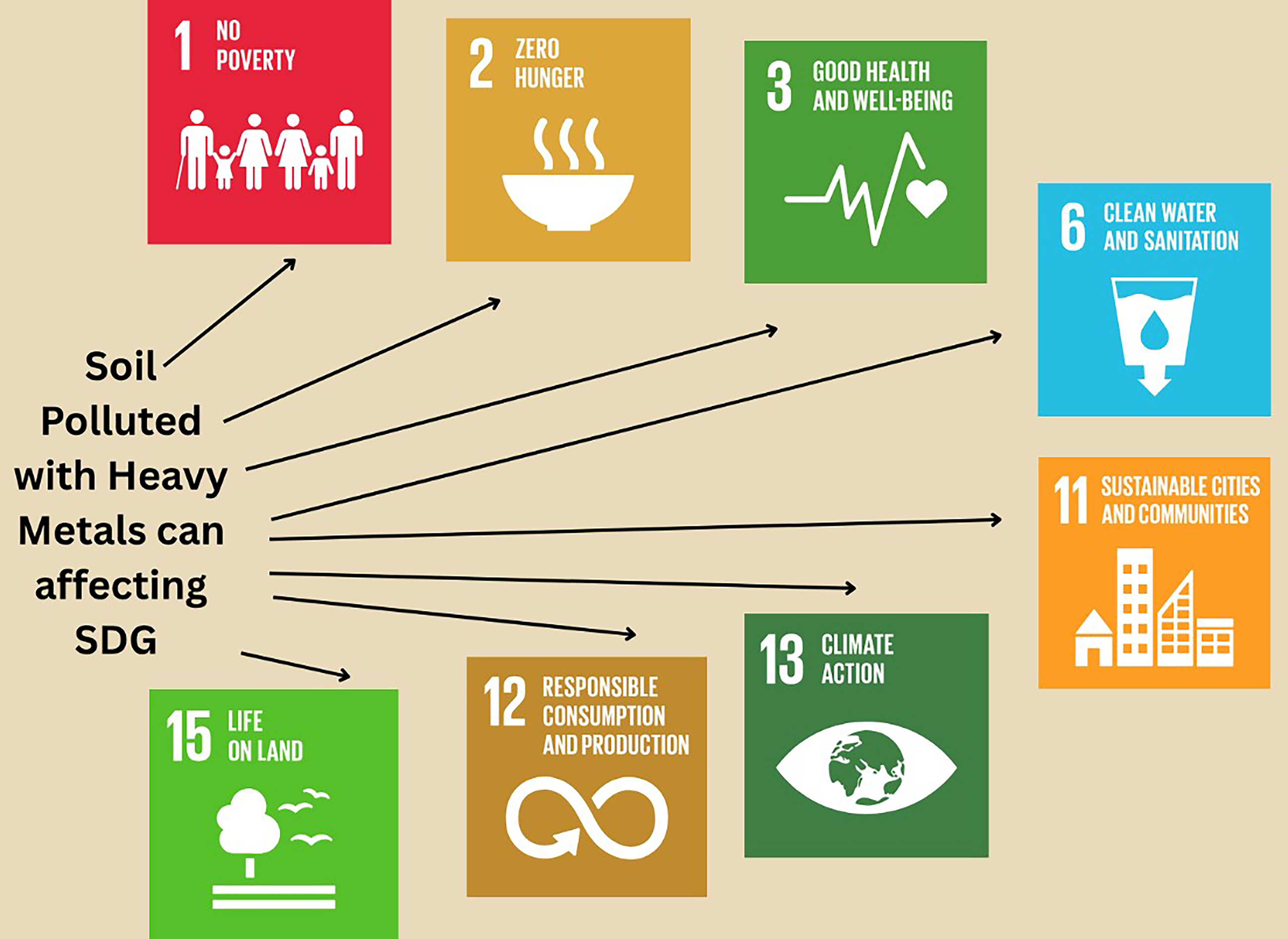
Soil pollution by HMs is directly mapped with eight SDGs. HMs, heavy metals; SDGs, sustainable development goals.
SOURCES AND TYPES OF HEAVY METALS
HMs originate from diverse sources, broadly classified as natural and anthropogenic. Natural sources include the weathering of rocks and soil erosion, 22 which release trace amounts of metals into the environment, and geological activities, such as volcanic eruptions, that can disperse HMs over wide areas. 23 However, anthropogenic activities are the primary contributors to the elevated levels of HMs observed in the environment today. 24 Industrial processes, particularly mining, smelting, electroplating, and the production of batteries and electronics, release substantial quantities of HMs into the air, water, and soil. 25 Agricultural practices, including the use of fertilizers, 26 pesticides, and sewage sludge as soil amendments, can also introduce HMs, such as arsenic, cadmium, and lead, into agricultural soils. Furthermore, waste-disposal practices, such as landfilling and incineration, can lead to the leaching of HMs into groundwater and the release of airborne pollutants (Fig. 2).
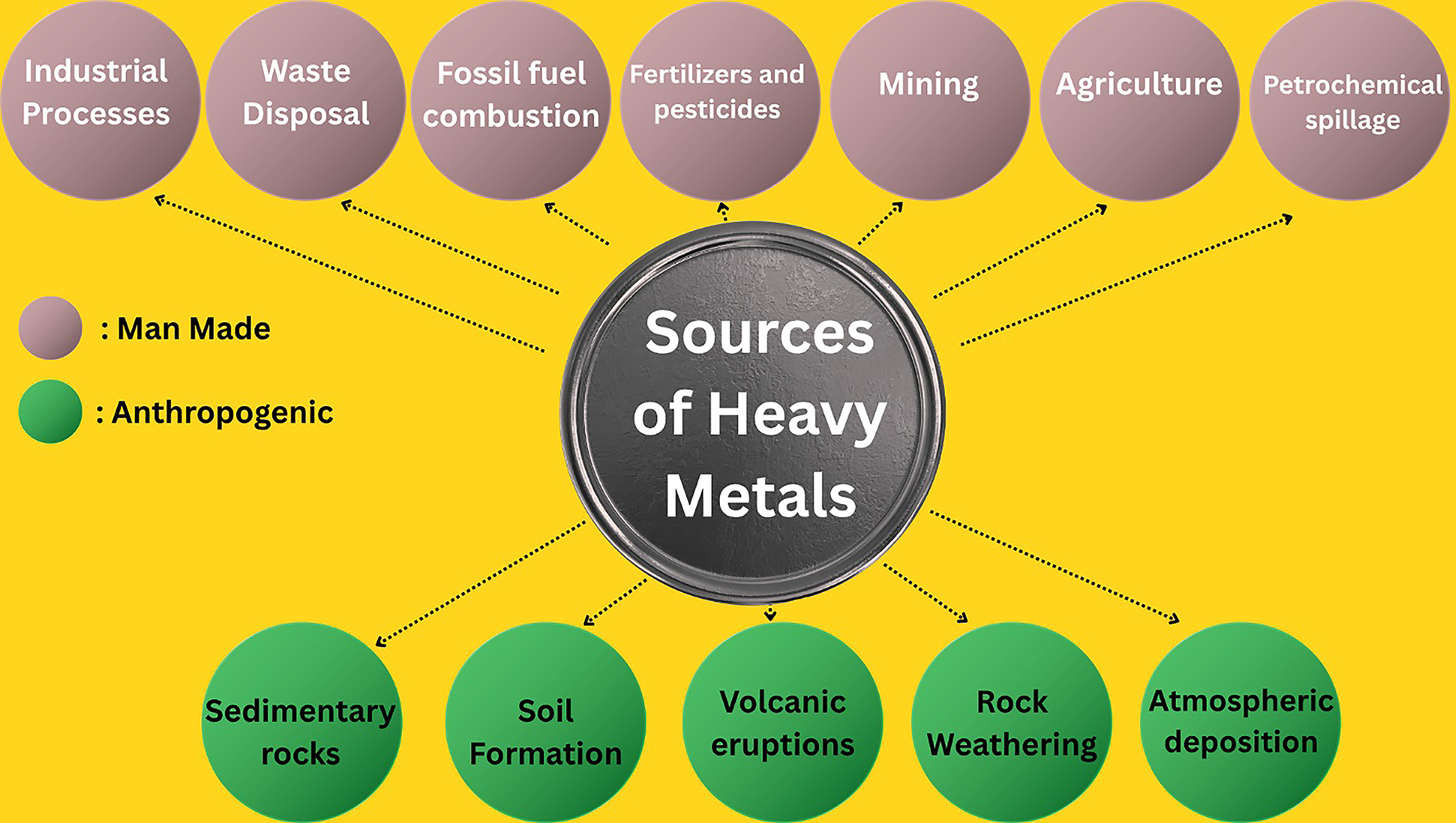
Different ways of introduction of HMs in the environment.
EFFECTS ON SOIL, WATER, AND LIVING ORGANISMS
HM contamination exerts profound effects on soil, water, and living organisms, 27 disrupting ecosystem functions and threatening human health. In soil, HMs can alter microbial community structure and activity, inhibiting essential processes including biogeochemical cycling and decomposition of organic matter. 28 The accumulation of HMs in soil can also reduce plant growth and crop yields, either directly through toxicity or indirectly by affecting nutrient availability and water uptake. 29 Plants absorb HMs from contaminated soils, which can then accumulate in plant tissues, entering the food chain and posing risks to human health upon consumption. 30 HMs in soil are difficult to decompose, leading to soil degradation and ecological damage. 31 Water bodies contaminated with HMs experience a range of adverse effects, including reduced water quality, altered aquatic ecosystem structure, and accumulation of metals in aquatic organisms. 32 Aquatic organisms, such as fish and shellfish, can accumulate HMs in their tissues through direct uptake from water or through the consumption of contaminated food sources, leading to biomagnification up the food chain. 33 Humans are exposed to HMs through various pathways, including inhalation of contaminated air, 34 ingestion of contaminated food and water, 35 and dermal contact with contaminated soil or dust. 36 Exposure to HMs can cause a wide range of health effects, 37 depending on the type of metal, the dose, and the duration of exposure. 38 Even at low exposure levels, HM ions can be toxic and potentially carcinogenic, accumulating in biological systems and causing harm to organs such as the neurological system, liver, lungs, kidneys, 39 stomach, skin, and reproductive systems. 40 HMs can inhibit rhizospheric microorganism development, decreasing degradation efficiency and affecting organic compound transformation. Some HMs, such as lead, mercury, cadmium, and arsenic, are highly toxic and can cause neurological damage, kidney dysfunction, cardiovascular disease, and cancer. 41 Excessive HMs in food can lead to cardiovascular, renal, neurological, and bone diseases (Fig. 3). 42
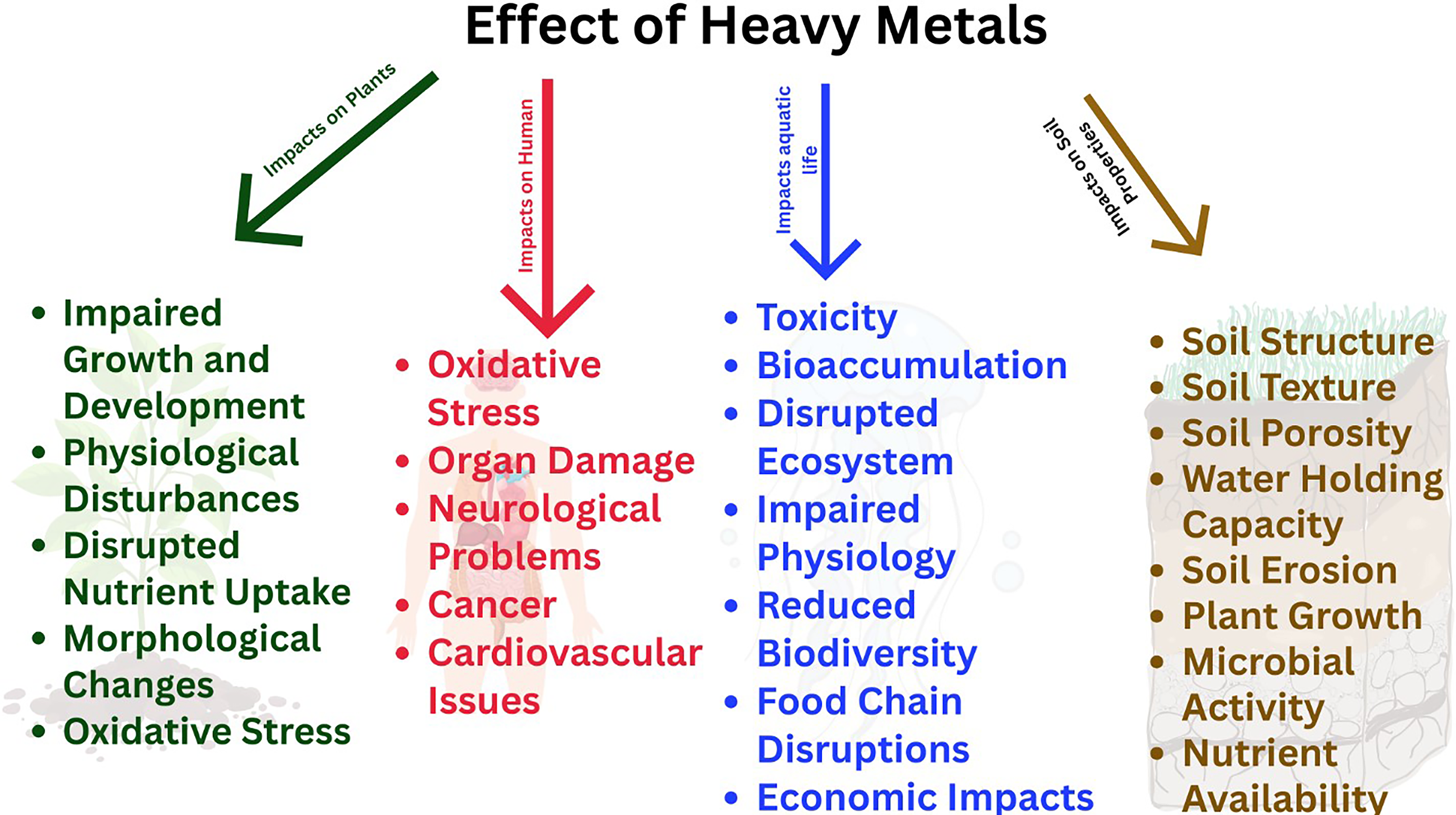
Consequence of HMs.
Bioremediation is generally classified as in situ or ex situ (Fig. 4). In situ bioremediation involves treating the contaminated material at the site, 43 whereas ex situ bioremediation involves the removal of the contaminated material to be treated elsewhere. 3 Ex situ bioremediation allows for greater control over environmental conditions and can be a more rapid method of decontaminating the area. 3 Bioremediation depends on many factors such as the type of microbes, environmental conditions, 44 pollution parameters, and contraction of different metals. 45 Bioremediation has gained popularity in recent years due to its potential to be a cost-effective 46 and environmentally friendly alternative to traditional remediation methods.
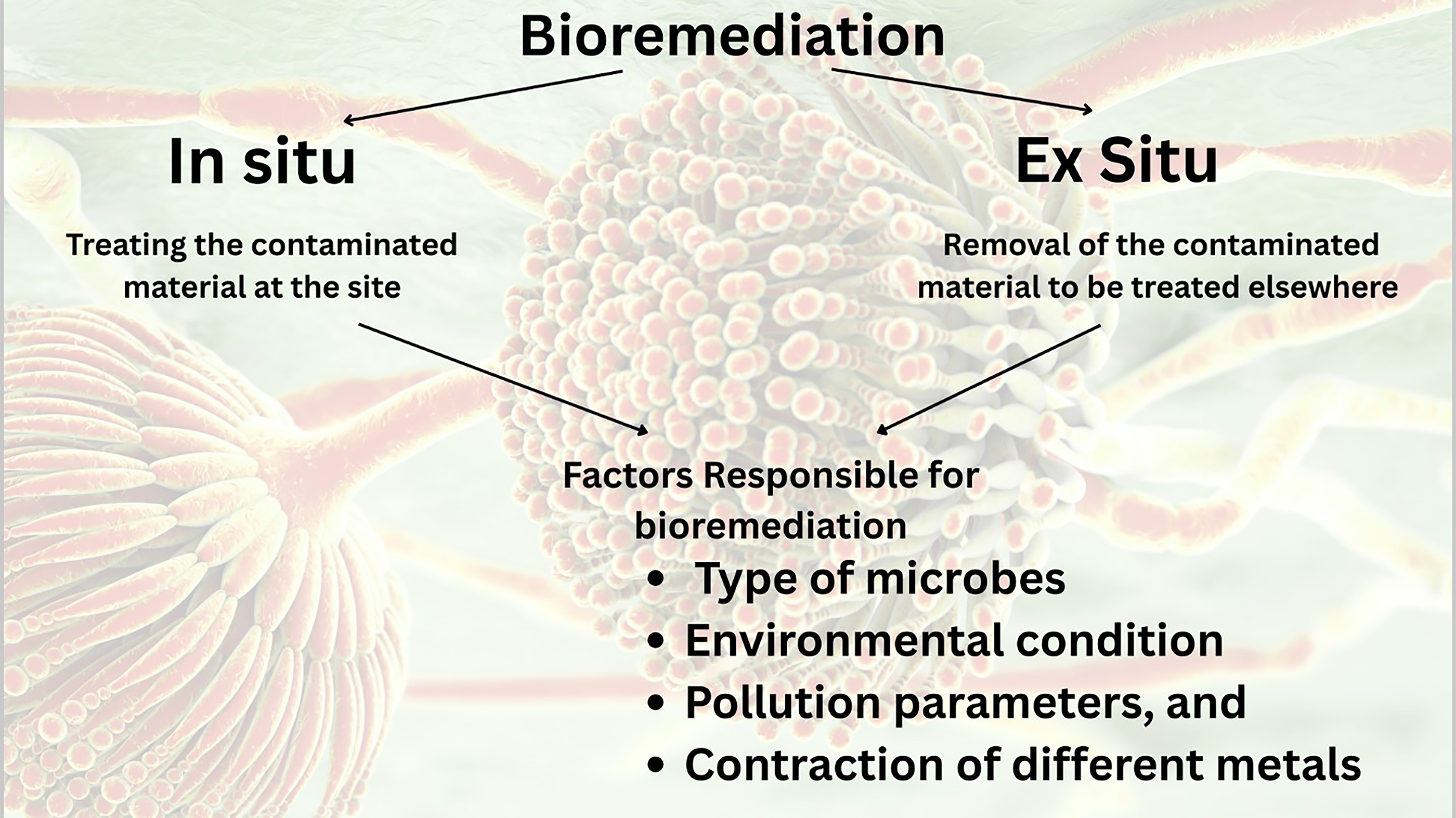
Different steps and responsible factors in bioremediation.
Fungal Diversity
Fungi, a kingdom distinct from plants and animals, encompass a remarkable diversity of eukaryotic organisms characterized by heterotrophic nutrition and chitinous cell walls. Their ecological roles are vast and multifaceted, ranging from decomposition and nutrient cycling to symbiotic relationships with plants and animals, and even parasitism. The kingdom Fungi exhibits a wide array of morphological forms, including unicellular yeasts and complex multicellular organisms. 47 Current estimates suggest that only a fraction of fungal species have been formally described, underscoring the vast unknown diversity within this kingdom. 48 Fungal diversity is evident across different levels of biological organization, encompassing genetic variations, taxonomic classifications, phylogenetic relationships, and functional attributes. 49 Each stage is subjected to unique environmental factors, biological interactions, and other processes that lead to distinct biogeographical patterns. 49 Understanding fungal diversity is crucial for comprehending ecosystem functioning, predicting responses to environmental change, and harnessing the potential of fungi in various biotechnological applications. 50
The exploration of fungal diversity and the elucidation of their mechanisms of action in bioremediation are crucial for the development of efficient and sustainable strategies for environmental cleanup. 51 Fungi possess unique attributes that render them particularly well-suited for bioremediation applications, including their ability to secrete extracellular enzymes that degrade complex organic molecules, their tolerance to high concentrations of HMs, and their capacity to form symbiotic relationships with plants, facilitating phytoremediation processes. Also, in fungal microbial and phytoremediation, the redox reaction shifts the valence, which makes these metals less toxic. 9
IMPORTANT FUNGAL GENERA USED IN BIOREMEDIATION
The application of fungi in bioremediation offers numerous advantages over traditional physicochemical methods. Mycoremediation is generally more cost-effective and environmentally friendly, as it relies on natural biological processes rather than energy-intensive and chemical-intensive treatments. Fungi can be cultivated on a variety of inexpensive substrates, such as agricultural waste and sawdust, further reducing the cost of bioremediation. Moreover, mycoremediation can be implemented in situ, minimizing the disturbance of contaminated sites and reducing the risk of secondary pollution.
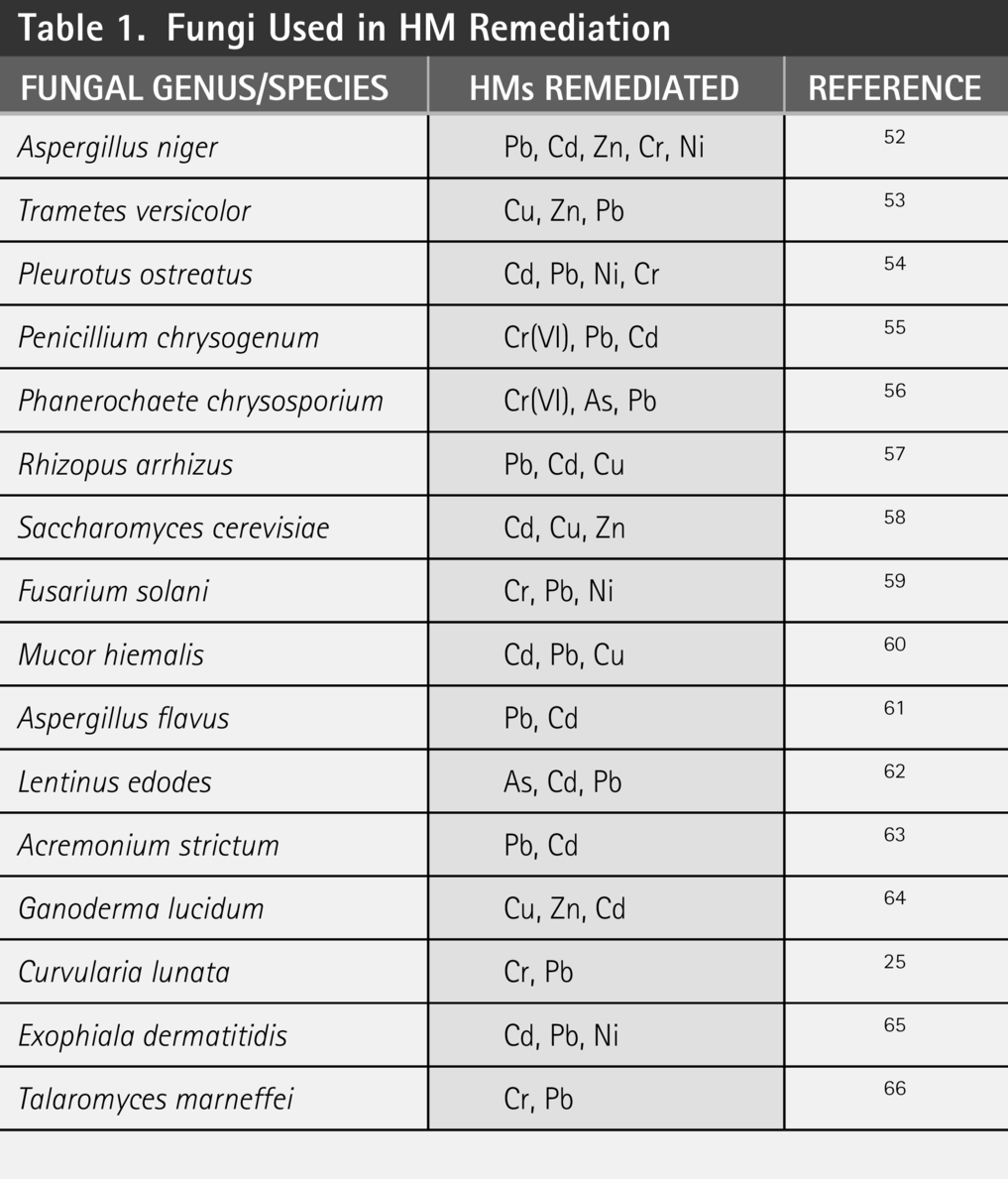
Several fungal genera have demonstrated remarkable efficacy in bioremediation applications, showcasing their diverse metabolic capabilities and adaptability to various pollutants (Table 1). Aspergillus, a ubiquitous filamentous fungus, exhibits a broad spectrum of enzymatic activities, enabling it to degrade a wide range of organic pollutants, including petroleum hydrocarbons, pesticides, and dyes.3,67 Specific strains of Aspergillus oryzae have been identified for their ability to degrade low-density polyethene, a major source of plastic pollution, through the production of enzymes such as laccase and esterase. 68 Penicillium, another common fungal genus, is known for its ability to accumulate HMs, such as cadmium, lead, and copper, through biosorption and bioaccumulation mechanisms. 68 Furthermore, Penicillium species can produce organic acids, such as citric acid and oxalic acid, which enhance the solubilization and mobilization of HMs in soil, facilitating their removal. Trichoderma, a genus of filamentous fungi widely used as biocontrol agents in agriculture, also possesses significant bioremediation potential. Trichoderma species can degrade various organic pollutants, including herbicides and fungicides, and can enhance plant growth and metal uptake in phytoremediation systems. 69
Fungi Used in HM Remediation
THE ROLE OF FUNGI IN BIOREMEDIATION
Fungi, as ubiquitous and metabolically versatile eukaryotic microorganisms, play a pivotal role in the intricate processes of bioremediation, offering sustainable solutions for the mitigation of environmental pollutants. Their remarkable enzymatic capabilities, coupled with their adaptability to diverse environmental conditions, position them as key players in the degradation and detoxification of a wide array of contaminants. 70 Fungi can thrive in varied pH levels and temperatures, demonstrating their adaptability. 71 The hyphal growth of fungi facilitates extensive colonization of contaminated sites, enabling them to access and break down pollutants that might be inaccessible to other microorganisms. 69 Mycoremediation is the specific application of fungi in bioremediation. 10 Their ability to transform organic materials into useful products highlights their potential to address climate change and contribute to SDGs. 72
Fungi exhibit a remarkable capacity to degrade a diverse range of organic pollutants, including petroleum hydrocarbons, pesticides, polycyclic aromatic hydrocarbons, and explosives. 73 The nonspecificity of these enzymes is particularly advantageous in bioremediation, as it allows fungi to tackle complex mixtures of pollutants. Furthermore, certain fungal species are capable of accumulating HMs from contaminated environments through biosorption and bioaccumulation mechanisms. 4 The filamentous growth of fungi enables them to explore and colonize contaminated soils effectively. 74 Some fungal species can be employed as biological markers of pollution. 75
The mechanisms by which fungi contribute to bioremediation are diverse and multifaceted, involving both enzymatic and nonenzymatic processes. Fungal enzymes catalyze the breakdown of complex pollutants into simpler, less toxic compounds. 76 For instance, enzymes like laccases and esterases can directly or indirectly contribute to the breakdown of intermediary products during the degradation of low-density polyethene. 68 Additionally, fungi can modify the chemical structure of pollutants through oxidation, reduction, hydrolysis, and methylation reactions, altering their toxicity and mobility. 77 Some fungal species produce biosurfactants, which enhance the solubility and bioavailability of hydrophobic pollutants, making them more accessible to microbial degradation. 78 Fungal remediation is influenced by several environmental factors, including nutrient availability, temperature, pH, and the presence of other microorganisms. 79 Genetic engineering can be used to improve fungal strains for bioremediation (Fig. 5).
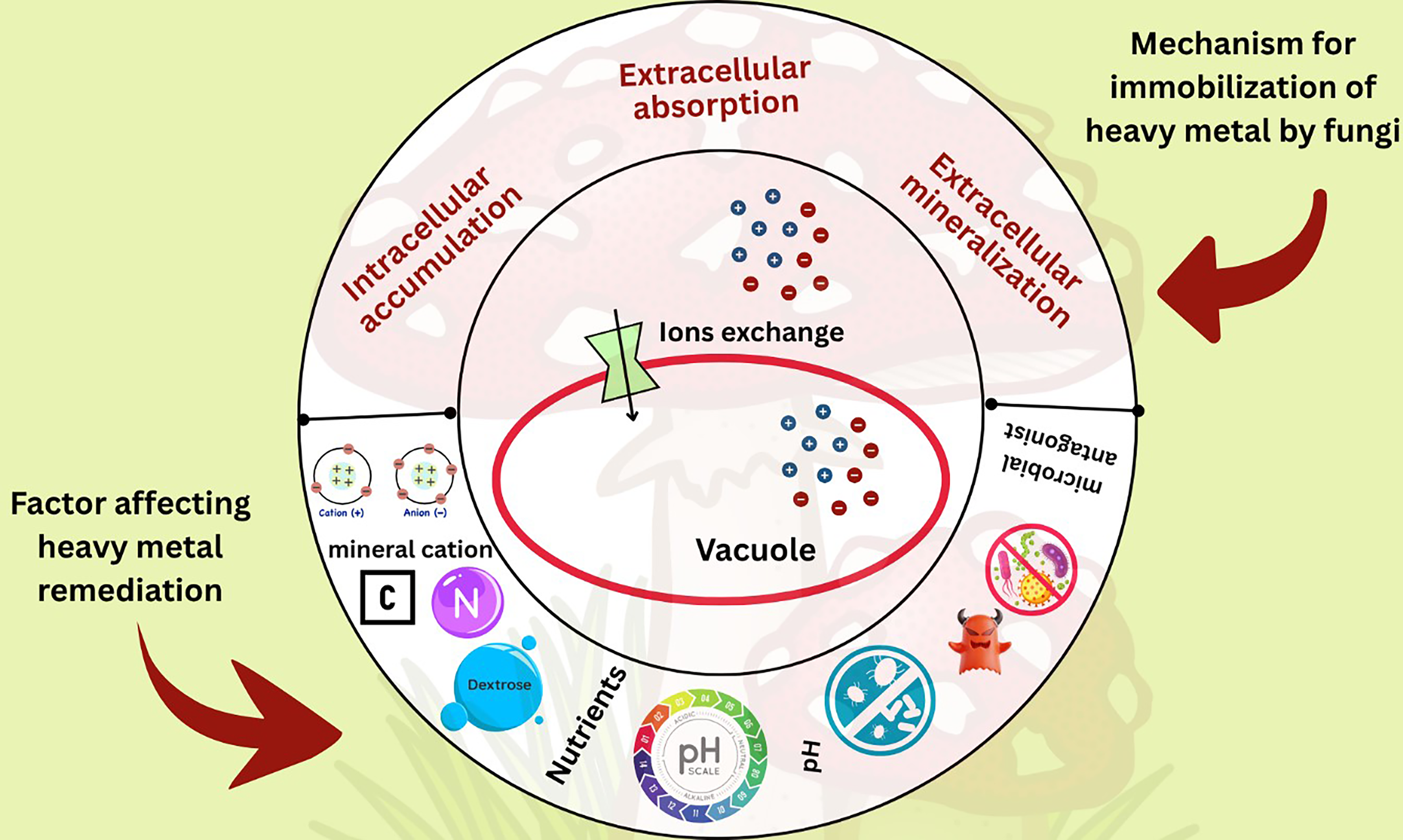
Mechanism and factor responsible for fungal remediation.
Furthermore, fungi can form symbiotic relationships with plants, enhancing phytoremediation, where plants are used to remove pollutants from the environment. Arbuscular mycorrhizal fungi, for example, can enhance plant uptake of nutrients and water, increasing plant biomass and pollutant removal efficiency. Despite the immense potential of fungi in bioremediation, there are also challenges that need to be addressed. These include optimizing fungal growth and activity in contaminated environments, developing effective methods for fungal inoculation and establishment, and scaling up mycoremediation technologies for large-scale applications.
FUNGAL REMEDIATION POTENTIAL
The escalating global challenge of HM pollution necessitates innovative and sustainable remediation strategies, positioning fungal consortia as a promising avenue for future research and application. This field presents significant future research opportunities and application potential for the use of fungal consortia in HM removal. Exploring the design of robust fungal consortia, their application in multimetal contaminated sites, and integration into circular economy models will be crucial areas of focus going forward. The inherent limitations of conventional methods in addressing persistent HM contamination call for the exploration of biological approaches that harness the metabolic versatility and metal-binding capabilities of fungi. 2 Microorganisms have evolved over millions of years, leading to the development of resistance mechanisms against HM ions, enabling them to remediate HM pollution and opening the door for biological techniques to clean up toxic metal wastes. 5 Research into the relationship between microbial resistance systems and their remediation abilities is crucial for developing more efficient bioremediation technologies.
Designing robust fungal consortia
Engineering robust fungal consortia requires a multifaceted approach, integrating advanced techniques in microbial ecology, molecular biology, and environmental engineering. A key aspect of designing effective fungal consortia involves a thorough understanding of the synergistic and antagonistic interactions among different fungal species and strains. 80 This necessitates employing advanced omics technologies, such as metagenomics, metatranscriptomics, and metaproteomics, to elucidate the complex metabolic pathways and regulatory networks within the consortia. Furthermore, these insights can guide the rational design of synthetic consortia with enhanced metal removal capabilities and resilience to environmental stressors. The molecular mechanisms of microbial interactions must be understood to design and optimize defined consortia rationally. Moreover, robust fungal consortia should exhibit resilience against environmental fluctuations, such as pH changes, temperature variations, and the presence of other pollutants. This can be achieved by selecting fungal species with broad tolerance ranges and by employing genetic engineering techniques to enhance their stress resistance. Fungi can survive and grow in high concentrations of toxic metals, and their ability to deal with these metals varies. 4 Nutritional influence has not been paid much attention to fungal responses toward toxic metals; most studies are carried out under relatively copiotrophic conditions. 81 It is imperative to optimize the consortia’s composition and operational parameters to achieve maximal HM removal efficiency while maintaining long-term stability and functionality in situ. The use of microbial and phytoremediation involves redox reactions that shift the valence of HMs, making them less toxic and offering an environmentally acceptable method for reducing the availability of HMs. 9
Application in multimetal contaminated sites
Multimetal contaminated sites present a unique challenge for bioremediation strategies due to the complex interactions between different metal species and their combined toxic effects on biological systems. Fungal consortia offer a promising solution for these complex environments because of their diverse metabolic capabilities and ability to simultaneously target multiple metals. In these situations, division of labor is essential since complicated hazardous chemicals frequently need a number of steps to degrade, and cultures must be able to withstand harsh circumstances. Different fungal species may exhibit preferential uptake or detoxification mechanisms for specific metals, leading to a synergistic effect when combined in a consortium. Marine-derived fungi, for example, can exclude excess salts using efflux mechanisms, and their tolerance to copper involves uptake and efflux by a cell membrane, showing similar survival responses in saline conditions and in the presence of copper. 82 The application of fungal consortia in multimetal contaminated sites requires a comprehensive assessment of the site’s characteristics, including the concentration and speciation of different metals, pH, organic matter content, and microbial community composition. Fungal strains produce several enzymes, like hydrolases, lyases, transferases, and oxidoreductases, that decompose and detoxify pollutants and materials. The selection of appropriate fungal species and the design of customized consortia tailored to the specific site conditions are crucial. Furthermore, it is crucial to optimize the delivery and inoculation methods to ensure the consortia’s effective establishment and distribution within the contaminated zone. In addition, the impact of fungal consortia on the native microbial community and ecosystem functions should be carefully monitored to avoid unintended consequences. Combining microorganisms and plants for bioremediation ensures a more efficient cleanup of HM-polluted soils, although the success depends on the species involved.
Integration into circular economy models
Integrating fungal consortia into circular economy models represents a paradigm shift in waste management and resource recovery, transforming HM-laden waste streams from environmental liabilities into valuable resources. Mycoremediation offers a comprehensive solution by completely mineralizing contaminants in nature and is a low-cost method that produces no hazardous waste.10,70 Fungal consortia can be employed to recover valuable metals from electronic waste, mining tailings, and industrial by-products through bioleaching and bioaccumulation processes. The reclaimed metals can then be reintegrated into manufacturing processes, closing the loop and reducing the demand for virgin resources. Copper markedly affected the induction and activity of laccase, resulting in polyethylene degradation. 77 Laccases, which are multicopper enzymes, are induced by copper. 77 Laccases have all the functionally essential copper-binding sites conserved in the microbial proteins.77,83 Moreover, fungal biomass generated during the bioremediation process can be further valorized through various routes, such as composting, biogas production, and the creation of bio-based materials. Fungal laccases can catalyze the oxidation of a wide range of aromatic compounds and have been used to remove phenols, dyes, and pharmaceuticals from wastewater. 77 Furthermore, the integration of fungal consortia into circular economy models necessitates the development of sustainable and scalable bioreactor systems for ex situ metal recovery and biomass production. This needs the use of creative engineering techniques and process optimization to maximize metal recovery yields, minimize energy consumption, and reduce waste generation. Life cycle assessment and techno-economic analysis should be employed to assess the environmental and economic viability of fungal-based circular economy models.
Fungal Consortia
OPERATIONAL DEFINITION AND CLASSIFICATION OF FUNGAL CONSORTIA
A fungal consortium can be defined as a collection of two or more fungus species that cooperate together to fulfill particular ecological or biotechnological processes, including elimination of HMs. Fungal consortia display emergent features due to synergistic interactions, metabolic complementarity, and adaptive resilience, in contrast to single-strain systems. There are three main groups of fungal consortia based on their origination, composition, and stability.
Natural versus engineered consortia
Natural consortia form on their own in places like soil, the rhizosphere, or decaying organic matter, where microbes interact with each other in response to ecological selection pressures. Engineered or altered (synthetic) consortia, on the other hand, are synthesized or formulated in a lab by mixing certain fungal strains with others that have the same metabolic capacities to attain enhanced remediation efficiency.
Fungal–fungal versus fungal–bacterial consortia.
Fungal–fungal consortia are groups of fungi that only interact with each other through effects like co-metabolism and sharing resource. Fungal–bacterial consortia involve interactions between fungi and bacteria, often resulting in enhanced pollutant degradation due to combined enzymatic activities, improved bioavailability of contaminants, and cooperative metabolic pathways.
Temporary versus permanent consortia
Transient or temporary consortia are short-term groups that come together under certain environmental conditions and may vary over time. Whereas, permanent or stable consortia, on the other hand, have long-term relationships and functional stability, which makes them better for regulated and large-scale bioremediation projects. These categories offer a conceptual framework for comprehending the diversity, functioning, and application of fungal consortia in environmental remediation systems.
This classification provides an abstract framework for understanding the diversity, functionality, and interconnections of fungal communities in environmental remediation systems.
CONCEPT AND FORMATION
Fungal consortia, complex communities of interacting fungal species, represent a fascinating area of study within microbial ecology, highlighting the intricate relationships and synergistic interactions that drive ecosystem processes. These consortia, whether naturally occurring or synthetically constructed, showcase the remarkable ability of fungi to cooperate and coordinate their activities, leading to enhanced metabolic capabilities, increased resilience, and the capacity to perform complex tasks that single species cannot achieve alone.80,84 The study of fungal consortia offers valuable insights into the fundamental principles of microbial interactions, nutrient cycling, and the development of novel biotechnological applications. Microbes inhabit every environment on our planet, frequently engaging in close interactions and resource sharing, which is why microbial life in natural systems exists as a confluence where interactions between members are vital for survival (Said & Or, 2017). Consortia have demonstrated broad metabolic capacities in energy, environmental, and potentially health care applications. 85 Understanding the formation, dynamics, and functional roles of fungal consortia is crucial for harnessing their potential in various fields, including agriculture, bioremediation, and industrial biotechnology.80,86
TYPES OF FUNGAL CONSORTIA
Based on their origin, composition, and interaction dynamics, fungal consortia can be systematically categorized into natural versus engineered, fungal–fungal versus fungal–bacterial, and transient versus stable systems. Fungal consortia can be defined as communities comprising two or more fungal species that coexist and interact, leading to emergent properties and functions that are not observed in individual species.
87
These interactions can range from mutualism, where both species benefit, to commensalism, where one species benefits and the other is unaffected, to competition, where both species are negatively impacted, and even parasitism, where one species benefits at the expense of the other. The interactions can be cooperative and noncooperative among the fungal constituents within the microbiome, playing key roles in maintaining microbial community structure, metabolic function, and immune-priming frontiers.
88
Fungal consortia can be classified based on their origin, composition, and the nature of their interactions.
Fungal interactions and the establishment of microbial communities are dependent on the mode of resource acquisition. The nutritional mode of a fungus is a key ecological trait that determines its position in the environment and shapes its interactions with other organisms. Fungi participate in multifaceted interactions with bacteria, archaea, other fungi, viruses, animals, and plants, and these interactions can be either direct or indirect. Direct interactions occur when the organisms are in contact, while indirect interactions are mediated through the environment. Fungal consortia can also be categorized based on their taxonomic composition, such as those composed of closely related species or those consisting of distantly related species with diverse physiological traits. Understanding the diversity and interactions within fungal communities is crucial for predicting their behavior and harnessing their potential in various applications.
The assembly of fungal communities is governed by ecological processes, such as competition, cooperation, and environmental filtering. These factors can influence the structure, diversity, and function of fungal consortia in both natural and synthetic settings. Microbial community engineering, a rapidly developing field in microbial ecology, uses selection over multiple microbial generations of entire communities that outperform in a particular function. 93 The engineering of synthetic fungal consortia enables researchers to study microbial interactions in a controlled environment, providing valuable insights into the mechanisms that govern community dynamics. Engineering microbial consortia offers the ability to control the safety, productivity, and stability of both natural and synthetic microbial ecosystems. 94 Moreover, the design of synthetic fungal consortia allows for the optimization of specific functions, such as the degradation of pollutants or the production of biofuels. Moreover, the emerging area of synthetic ecology provides an opportunity for the bottom-up construction of microbial consortia. 95 Different strategies have been applied to the construction. 96
SYNERGISTIC INTERACTIONS AMONG FUNGAL SPECIES
Synergistic interactions among fungal species are essential for the formation, stability, and function of fungal consortia. Synergism interactions can be based on material transfer that relates to the energetic, cell-to-cell communication, or physical protection. 97 These interactions can take various forms, including cross-feeding, where one species provides essential nutrients to another, and co-metabolism, where multiple species work together to degrade complex compounds. Such consortia demonstrate the enhancement of a desired function as well as increased stability to environmental changes. 98 Fungi can form synergistic relationships with bacteria, archaea, other fungi, viruses, plants, and animals, either directly or indirectly. 99
Communication signals, such as quorum-sensing molecules, also mediate synergistic interactions within fungal consortia, facilitating coordinated behavior and collective decision-making. Understanding these synergistic interactions is crucial for designing and optimizing synthetic fungal consortia for specific applications. 100 By harnessing the power of fungal consortia, we can develop sustainable solutions for a wide range of environmental and industrial challenges.101,102 Furthermore, eco-evolutionary feedbacks, where ecological interactions drive evolutionary changes and vice versa, play a crucial role in shaping the dynamics of fungal consortia. 103
Mechanisms Involved in Heavy Metal Removal by Fungal Consortia
The utilization of fungal consortia for the removal of HMs from contaminated environments has emerged as a promising and eco-friendly approach, capitalizing on the diverse metabolic capabilities and adaptive mechanisms of fungi. 10 Fungal consortia, comprising multiple fungal species, can exhibit synergistic interactions and enhanced bioremediation capabilities compared with single-species systems, owing to their diverse enzymatic activities, tolerance mechanisms, and ability to colonize a wider range of environmental conditions. 5 This review delves into the intricate mechanisms employed by fungal consortia in HM removal, encompassing biosorption, bioaccumulation, biotransformation, biomineralization, and enzymatic processes, providing a comprehensive understanding of their roles in environmental remediation (Fig. 6).
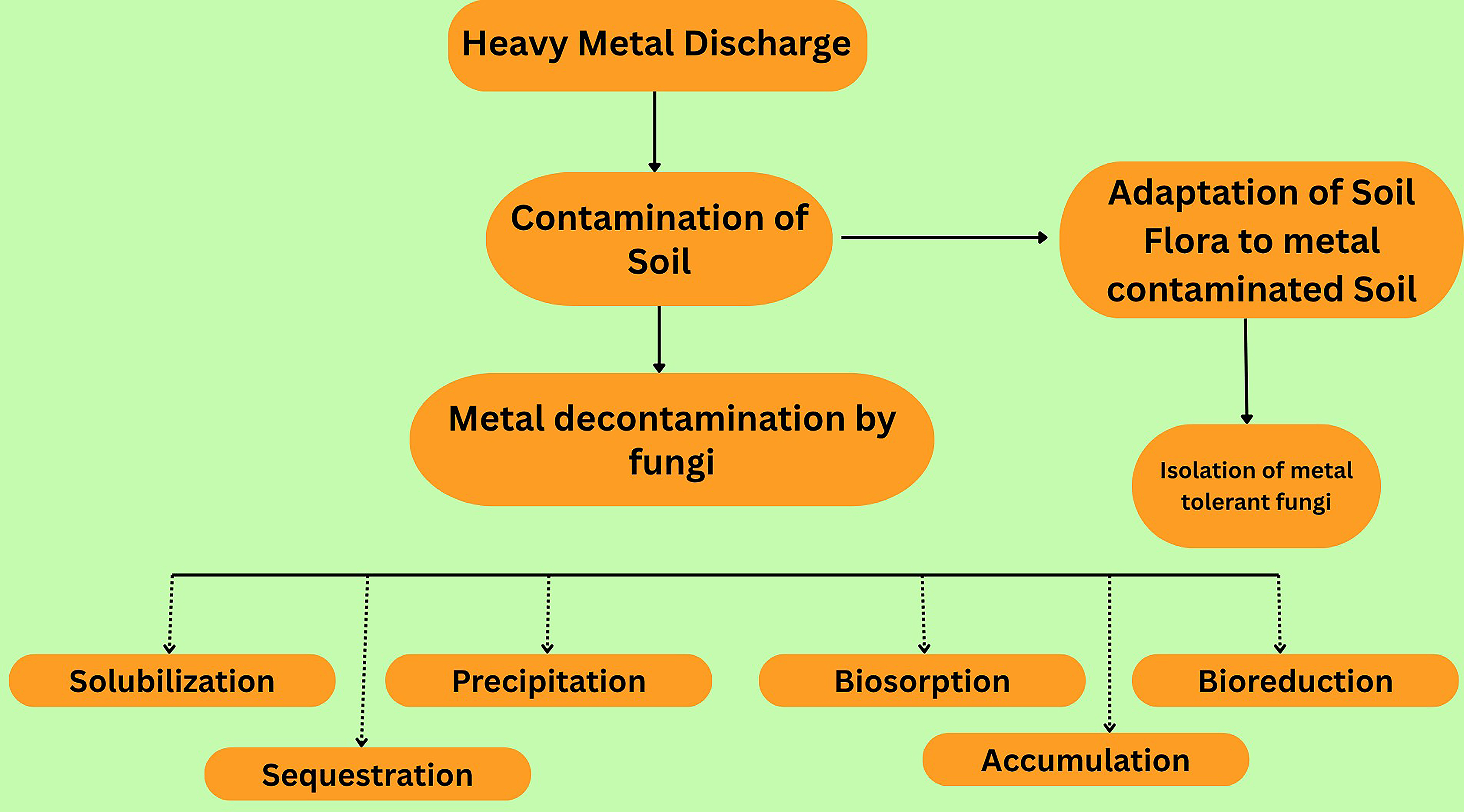
Heavy metal remediation by fungi.
BIOSORPTION
Biosorption, a passive and metabolism-independent process, constitutes a crucial mechanism in HM removal by fungal consortia, where metal ions bind to the fungal biomass through physicochemical interactions. 7 The fungal cell wall, composed of polysaccharides like chitin and glucan, along with proteins and lipids, provides a plethora of functional groups, including carboxyl, amine, hydroxyl, phosphate, and sulfhydryl groups, which act as binding sites for HM ions. 104 The efficiency of biosorption is influenced by several factors, including the type of fungal species, the composition and structure of the cell wall, the concentration and speciation of HMs, pH, temperature, and the presence of other competing ions. 45 The process involves electrostatic interactions between the charged metal ions and the oppositely charged functional groups on the fungal cell wall, as well as complexation, ion exchange, and adsorption. Fungal consortia can exhibit enhanced biosorption capacity due to the synergistic effects of different fungal species, each possessing unique cell-wall characteristics and metal-binding affinities. 105 For instance, some fungi may exhibit a higher affinity for certain HMs, while others may possess a greater tolerance to extreme environmental conditions, allowing the consortium to effectively remove a broader range of metals under diverse conditions. 106
BIOACCUMULATION
Bioaccumulation, an active and metabolism-dependent process, involves the uptake and intracellular accumulation of HMs by fungal cells. This process requires energy expenditure by the fungal cells and is influenced by factors such as the metabolic activity of the fungi, the availability of nutrients, and the toxicity of the HMs. Fungi employ various mechanisms to facilitate bioaccumulation, including the use of metal transporters, which are membrane-bound proteins that actively transport metal ions across the cell membrane. Once inside the cell, HMs can be sequestered in vacuoles, complexed with metallothioneins or other metal-binding proteins, or precipitated as insoluble compounds, thus minimizing their toxic effects. The mycelia of fungi contain efficient metal ion transporters. 107 Fungal consortia can exhibit enhanced bioaccumulation capabilities due to the complementary metabolic activities of different fungal species. Some fungi may be more efficient at accumulating certain metals, while others may possess greater tolerance to high intracellular metal concentrations, allowing the consortium to achieve higher overall metal removal efficiencies. The nutritional status of the organism affects the expression of energy-dependent resistance mechanisms, synthesis of wall structural components, pigments, and metabolites, which affect metal availability and organism response. 81 For instance, certain fungi within the consortium may produce organic acids, such as citric acid or oxalic acid, which can chelate HMs, enhancing their solubility and facilitating their uptake by other fungal species.
BIOTRANSFORMATION AND BIOMINERALIZATION
Biotransformation and biomineralization are crucial mechanisms employed by fungal consortia to detoxify and immobilize HMs, reducing their bioavailability and toxicity in the environment. Biotransformation involves the alteration of the chemical form of HMs through oxidation, reduction, methylation, or demethylation reactions catalyzed by fungal enzymes. 108 For example, mercury can be transformed from the more toxic methylmercury to the less toxic inorganic mercury by certain fungi. 4 Biomineralization, on the other hand, involves the precipitation of HMs as insoluble minerals, such as metal sulfides, phosphates, or carbonates, through the activity of fungi. 109 Fungi can facilitate biomineralization by altering the pH of their surrounding environment, producing ligands that bind to HMs, or providing nucleation sites for mineral precipitation. The concentrations of metals also mediate fungal morphology and virulence. 110 Fungal consortia can exhibit enhanced biotransformation and biomineralization capabilities due to the diverse enzymatic activities and metabolic pathways of different fungal species. Some fungi may be more efficient at oxidizing or reducing certain HMs, while others may be more effective at precipitating them as minerals.
ENZYMATIC MECHANISMS
Enzymatic mechanisms play a pivotal role in the detoxification and removal of HMs by fungal consortia, involving a variety of enzymes that catalyze redox reactions, methylation, demethylation, and complexation processes. 111 Oxidoreductases, for instance, facilitate the oxidation or reduction of HMs, altering their solubility, mobility, and toxicity. Transferases catalyze the transfer of functional groups, such as methyl groups, from one molecule to another, influencing the methylation or demethylation of HMs. Hydrolases promote the hydrolysis of chemical bonds, breaking down complex organic molecules and releasing HMs. Lyases catalyze the cleavage of chemical bonds without hydrolysis or oxidation, leading to the formation of new compounds and the detoxification of HMs. 70 Isomerases catalyze the rearrangement of atoms within a molecule, converting one isomer into another and influencing the chemical properties of HMs. Ligases catalyze the formation of new chemical bonds, joining two molecules together and facilitating the complexation of HMs with organic ligands. The employment of microbial bioremediation for the purpose of HM detoxification has emerged as a viable solution, given that microorganisms, including fungi and bacteria, exhibit superior biosorption and bioaccumulation capabilities. 19 The genetic regulatory mechanisms, the organisms conferring resistance to HMs, and the proteins conferring metal resistance are now being used in biomonitoring and bioremediation strategies for environments contaminated with HMs. 112 Furthermore, advancements in bioremediation approaches seek to harness these biological assets for effective decontamination.5,113,114
PHYTOEXTRACTION OR PHYTOSTABILIZATION
The remediation of low and heterogeneously contaminated soil. 115
RHIZOREMEDIATION
Rhizoremediation, which harnesses the synergistic interactions between plant roots and associated fungi, has emerged as a promising approach for the remediation of metal-contaminated soils. 116 Plants can increase HM bioavailability by releasing root exudates, modifying rhizosphere pH, and enhancing HM solubility. 117 Furthermore, some fungi can enhance plant tolerance to HMs by producing plant growth-promoting substances or by alleviating HM-induced stress. 109 In microbial- and phytoremediation, the redox reaction shifts the valence, which makes these metals less toxic. 2
QUANTITATIVE PERFORMANCE OF FUNGAL SYSTEMS IN HEAVY METAL REMOVAL
To provide a quantitative perspective on the efficiency of fungal systems in HM remediation, selected studies reporting removal efficiency under different experimental conditions are summarized in Table 2.
Reported Heavy Metal Removal Efficiency of Fungal Systems Under Different Experimental Conditions
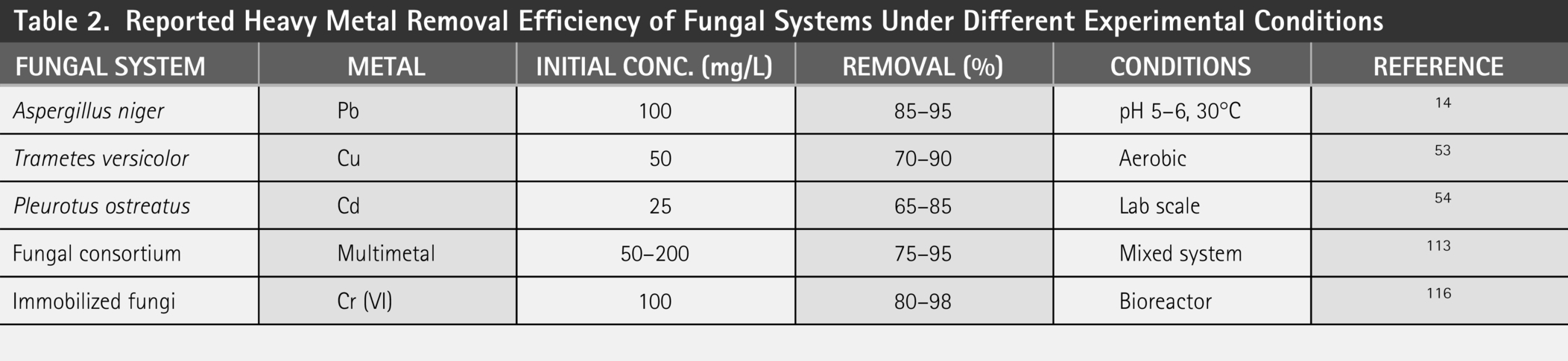
As shown in Table 2, fungal systems demonstrate removal efficiencies ranging from 65% to 98% depending on species and conditions.
COMPARATIVE PERFORMANCE OF FUNGAL CONSORTIA AND SINGLE-STRAIN SYSTEMS
Although single fungal strains have shown a great deal of pledge in HM remediation, their effectiveness is constantly constrained by their insecurity in changing environmental conditions, narrow substrate particularity, and decreased tolerance to high polluted loads. On the other hand, because of their collaborative detoxification mechanisms, metabolic diversity, and synergistic relations, fungal consortia demonstrate increased functional effectiveness. More pollutant declination kinetics, increased resistance to multimetal stress, and long-term sustained performance are all made possible by these systems. Table 3 provides a comparison of important performance criteria between consortium based and single-strain systems.
Comparative Analysis of Single-Strain Versus Fungal Consortia
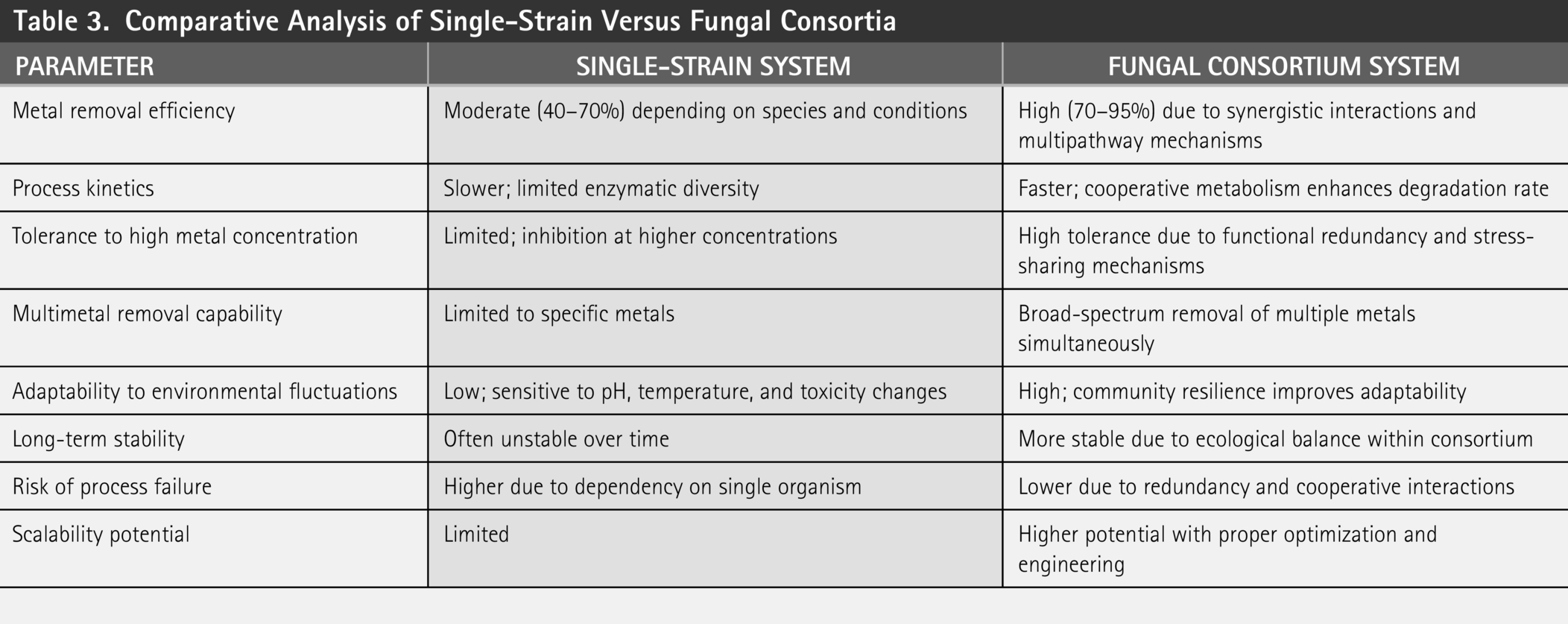
This comparative analysis highlights that fungal consortia not only improve removal efficiency but also address key limitations associated with single-strain systems, particularly in complex and multimetal contaminated environments.
Techniques and Technologies for Mycoremediation Using Fungal Consortia
Fungal consortia, which are communities of different fungal species, possess an expanded enzymatic repertoire and synergistic interactions that enhance their ability to degrade complex mixtures of pollutants, making them particularly well-suited for tackling the intricate contamination scenarios encountered in real-world settings. 85
IN SITU AND EX SITU APPLICATIONS
In situ mycoremediation involves treating contaminated sites directly without excavating or removing the soil or water, offering a less disruptive and more cost-effective approach compared with ex situ methods. 79 In situ techniques are particularly advantageous for treating large or inaccessible sites, as they minimize soil disturbance and reduce the risk of contaminant dispersal. 3 Ex situ mycoremediation, on the other hand, entails the removal of contaminated material to a controlled environment for treatment, allowing for greater control over the remediation process and optimization of conditions for fungal growth and activity. Ex situ approaches are often preferred for heavily contaminated sites or when rapid remediation is required, providing a contained environment where factors like temperature, moisture, and nutrient availability can be carefully managed to maximize pollutant degradation. 118
IMMOBILIZATION TECHNIQUES
Immobilization techniques play a crucial role in mycoremediation by enhancing the stability and activity of fungal consortia, as well as facilitating their application in diverse environmental conditions. Immobilizing fungi on solid supports, such as agricultural waste or synthetic polymers, protects them from environmental stressors, prevents their washout from the treatment area, and enhances their ability to degrade pollutants. 116 Immobilization can also improve the handling and storage of fungal inocula, making it easier to apply them in the field. The selection of appropriate immobilization materials and methods is critical for maintaining fungal viability and activity, as well as ensuring the long-term effectiveness of mycoremediation efforts.
BIOREACTOR DESIGNS AND ADVANCEMENTS
Bioreactor designs and advancements are essential for scaling up mycoremediation processes and optimizing the performance of fungal consortia in controlled environments. 119 Bioreactors provide a contained and controlled environment for fungal growth and pollutant degradation, allowing for precise manipulation of factors such as temperature, pH, aeration, and nutrient availability. Advanced bioreactor designs incorporate features such as automated monitoring and control systems, optimized mixing regimes, and enhanced mass transfer capabilities, leading to improved fungal growth rates, higher pollutant removal efficiencies, and reduced treatment times. The integration of advanced monitoring and control systems in bioreactors enables real-time optimization of process parameters, leading to further improvements in mycoremediation performance and cost-effectiveness.
Trends in Fungal-Based Heavy Metal Remediation
The field of fungal-based HM remediation is witnessing a surge in research and development, driven by the increasing awareness of the limitations associated with conventional methods. Researchers are increasingly focusing on the isolation and characterization of indigenous fungal species with high tolerance and accumulation capacities for specific HMs. In particular, understanding the molecular mechanisms underlying HM resistance and detoxification in fungi is crucial for optimizing their application in bioremediation. The screening of fungal strains for the production of enzymes, such as hydrolases, lyases, transferases, and oxidoreductases, which are capable of decomposing and detoxifying pollutants, is gaining importance. 70 Moreover, the integration of fungal bioremediation with other remediation technologies, such as phytoremediation and chemical oxidation, is emerging as a promising strategy for achieving comprehensive and sustainable solutions. Advancements in molecular biology and genetic engineering have enabled the development of genetically modified fungi with enhanced metal uptake and detoxification capabilities. The exploration of fungal–bacteria interactions in HM remediation is also gaining momentum, recognizing the synergistic potential of these microbial communities.
The application of fungal consortia in HM removal involves several key techniques, including the selection and optimization of fungal strains, the design of appropriate bioreactors, and the monitoring of remediation performance. The selection of fungal strains is based on their tolerance to specific HMs, their ability to accumulate or transform metals, and their compatibility within the consortium. Optimization of fungal growth conditions, such as pH, temperature, nutrient availability, and aeration, is crucial for maximizing their metal removal efficiency. Bioreactors, ranging from simple batch reactors to more sophisticated continuous-flow systems, provide a controlled environment for fungal growth and metal removal. Combining microorganisms and plants leads to effective HM cleanup. Success depends on the organisms in the process. 120 Rhizoremediation utilizes microorganisms linked to plant roots for pollutant degradation and metal transformation and is considered cost-effective and efficient.
Challenges and Future Directions
Despite the promising potential of fungal consortia in HM removal, several challenges need to be addressed to facilitate their widespread application. One major challenge is the limited understanding of the complex interactions within fungal consortia and their impact on metal removal efficiency. Furthermore, the development of robust and reliable methods for the monitoring and evaluation of mycoremediation performance is crucial for ensuring its effectiveness and sustainability. The optimization of fungal growth and metal removal under field conditions, which are often characterized by fluctuating environmental parameters and the presence of multiple contaminants, poses a significant challenge. The toxicity of high HM concentrations to fungi and the potential for metal leaching from fungal biomass after remediation are also important concerns. Additionally, there is a need for more research on the long-term ecological impacts of mycoremediation and the potential for the introduction of nonnative fungal species to disrupt native ecosystems. Overcoming these limitations requires an increased understanding of the nutritional conditions affecting fungal responses to toxic metals, as most studies are carried out under relatively copiotrophic conditions. 81
Addressing these challenges requires a multidisciplinary approach involving collaboration between mycologists, microbiologists, chemists, engineers, and environmental scientists. Future research should focus on elucidating the molecular mechanisms underlying fungal–metal interactions, developing novel strategies for enhancing fungal metal uptake and detoxification, and optimizing the design and operation of mycoremediation systems. The use of advanced analytical techniques, such as genomics, proteomics, and metabolomics, can provide valuable insights into the complex biochemical pathways involved in fungal HM removal. Moreover, the integration of modeling and simulation tools can aid in the prediction and optimization of mycoremediation performance under different environmental conditions. The development of sustainable and cost-effective methods for the production and application of fungal biomass is also crucial for the widespread adoption of mycoremediation technologies. Ultimately, this collective effort will lead to the development of more effective and sustainable solutions for HM pollution using the synergistic power of fungal consortia. It is now well documented, even in scaled-up practice, that fungi can generate tangible and substantial value through improved resource efficiency, resulting in decreased pollution and greenhouse-gas emissions. 76
Integrating fungal consortia with other remediation techniques, such as phytoremediation, can further enhance HM removal efficiency. 115 Plant-growth-promoting rhizobacteria facilitate plant growth in stressful conditions, including toxic metals, using both direct and indirect methods. 121 Careful selection of the consortium of microorganisms is critical for optimizing rhizoremediation. 116 Plants utilize various strategies to cope with metal toxicity, including phytoextraction, phytostabilization, and phytovolatilization. 122 These methods offer cost-effective and environmentally friendly solutions for remediating contaminated sites. 11 Furthermore, the application of appropriate agricultural practices, such as soil amendment and fertilization, can enhance plant growth and metal uptake. It is also imperative to have environmental management of metals and radionuclides because it is a major concern to environmentalists. 123 Microbes, phytochemicals, and microorganisms can act as HM-removing agents from both humans and the surrounding environment. 109
Traditional methods such as ion exchange and chemical precipitation for HM removal can be inefficient and expensive, particularly at low concentrations, also producing toxic sludge. Thus, bioremediation through the utilization of biological agents like bacteria, fungi, algae, and plants has emerged as a promising substitute. 124 Biosorption, which utilizes inactive, dead biomass to bind and concentrate HMs from dilute aqueous solutions, represents a cost-effective alternative to conventional treatments. Factors such as microbe types, environmental conditions, pollution parameters, and metal concentrations influence bioremediation. Microbial metabolic reactions drive the degradation and transformation of toxic compounds into less toxic forms. Effective bioremediation necessitates a comprehensive understanding of microbial ecology, biochemistry, and environmental engineering. Optimizing environmental conditions, such as pH and temperature, is crucial for maximizing microbial activity and metal removal efficiency. 45 Bioremediation is considered to be cost-effective and eco-friendly and has been widely used to treat polluted soil. Furthermore, integrating bioremediation with other remediation techniques, such as chemical or physical methods, can enhance overall treatment effectiveness. Combining biological and nanotechnology approaches shows promise for enhanced HM removal, although considerations for aggregation, stability, and environmental effects are necessary. 104
LIMITATIONS AND CHALLENGES OF FUNGAL CONSORTIA
Field-scale applications of fungal consortia often show inconsistent performance compared with laboratory studies. For example, several pilot-scale studies have reported reduced metal removal efficiency due to environmental fluctuations, competition with native microbial communities, and uneven distribution of fungal biomass. In some cases, consortium performance declined due to dominance of specific species, leading to loss of synergistic interactions. Such variability highlights the importance of site-specific optimization and controlled inoculation strategies.84,113 Indeed though fungal consortia could be veritably helpful in drawing up HM, there are a number of problems that need to be precisely allowed about to make sure they work well.
Ecological vulnerability and interspecies rivalry
Fungal consortia are innately dynamic systems, and as emphasized by Lindemann et al., 94 interspecies connections may transition from synergistic to competitive in response to shifting environmental conditions. Analogous ecological insecurity can disrupt community structure, performing in lowered effectiveness or dominance of specific species. Rillig et al. 93 also stressed that the connections between microbial communities depend a lot on the terrain, which could hurt how well they work.
Reduction in efficiency over time
The long-term stability of fungal consortia is still a big solicitude. Bhatia et al. 84 assert that dragged exposure to stressors can modify metabolic function and dwindle systemic effectiveness. Lashani et al. 113 also said that environmental stress and changes in the community over time may beget microbial sodalities to lose their capability to serve.
Challenges in standardization and reproducibility
Fungal consortia are more complicated and challengeable than single-strain systems. Mitter et al. 92 interpret that variability in microbial composition can mainly impact reproducibility. Liang et al. 96 also emphasized that variations in institutional design and environmental parameters frequently lead to inconsistent findings across studies.
Process control in environmental conditions
It is especially hard to maintain the optimal environmental conditions in field operations. Research conducted by Magan et al. 79 indicates that fungal activity is highly sensitive to environmental fluctuations such as pH, temperature, and nutrient availability. Lashani et al. 113 also said that analogous changes can have a big effect on how well microbial consortia work in real-world settings.
Scale-up and field-level implementation issues
Scaling up fungal consortia from lab to field conditions creates a lot of problems. Bhatia et al. 84 concluded that big operations frequently have problems with inoculum distribution and system stability. Lindemann et al. 94 also stressed that working with native microbial communities can beget problems that change over time during field work.
To fix these problems, we need to use advanced monitoring tools, omics-grounded styles, and controlled engineering strategies to make fungal consortia more stable, reproducible, and scalable in real-world settings.
SAFETY CONSIDERATIONS AND METAL RECOVERY
The accumulation of HMs in fungal biomass poses significant environmental risks during disposal. Improper handling of contaminated biomass may lead to secondary pollution and rerelease of toxic metals into the environment. To mitigate these risks, several strategies have been proposed, including metal recovery through desorption techniques, thermal treatment, and safe immobilization approaches. Studies have demonstrated that HMs can be efficiently recovered from fungal biomass using acid or chelating agents, enabling both detoxification and resource recovery. Additionally, immobilized biomass systems reduce the risk of environmental release and enhance operational safety during large-scale applications.52,116
Industrial and Translational Perspectives of Fungal Consortia in Heavy Metal Remediation
Scalability, process optimization, and economic viability must be carefully considered as fungal consortium-based remediation transforms from laboratory research to industrial-scale applications. Although various laboratory studies have demonstrated that fungal consortia are effective in eradication of HMs, there is still little evidence of their practical use.
PILOT-SCALE APPLICATIONS AND SCALABILITY
Maintaining microbial stability, homogeneous dispersion, and consistent performance under numerous environmental circumstances are issues related to scaling-up of fungal consortia systems. Immobilized fungal systems may effectively remove HMs in regulated conditions, especially in bioreactors and wastewater treatment units, according to pilot-scale research. However, maintaining functional synergy among consortium members at higher sizes is still a major obstacle.84,113
SETUPS FOR BIOREACTORS
For mycoremediation, a number of bioreactor designs have been investigated, including packed-bed reactors, fluidized-bed systems, batch reactors, and continuous stirred tank reactors. As they upgrade biomass retention, contact efficiency, and operational stability, packed-bed and immobilized systems are especially advantageous. Real-time adjustment of environmental parameters including pH, aeration, and nutrient delivery is made possible by the incorporation of automated monitoring systems in sophisticated bioreactors.79,119
TECHNIQUES FOR IMMOBILIZING BIOMASS
Process stability and reusability are greatly increased when fungal biomass is immobilized on carriers such as alginate beads, charcoal, polyurethane foam, or agricultural leftovers. Immobilized consortia are appropriate for continuous treatment systems because of their enhanced tolerance to environmental stress and decreased washout. Additionally, this method makes it simpler to recover and repurpose biomass in industrial settings. 116
FINANCIAL AND FUNCTIONAL LIMITATIONS
Fungal consortium-based systems face several financial challenges despite their eco-friendly nature, including costs associated with large-scale biomass production, reactor setup, and process monitoring. Industrial adoption is further constrained by operational limitations such as maintaining optimal environmental conditions, preventing contamination, and ensuring consistent system performance. Techno-economic analysis and life cycle assessment are therefore essential to evaluate the feasibility and long-term sustainability of these systems. 84 A comparative overview of the cost, efficiency, and environmental impact of different remediation techniques is presented in Table 4.
Cost Comparison of Remediation Techniques
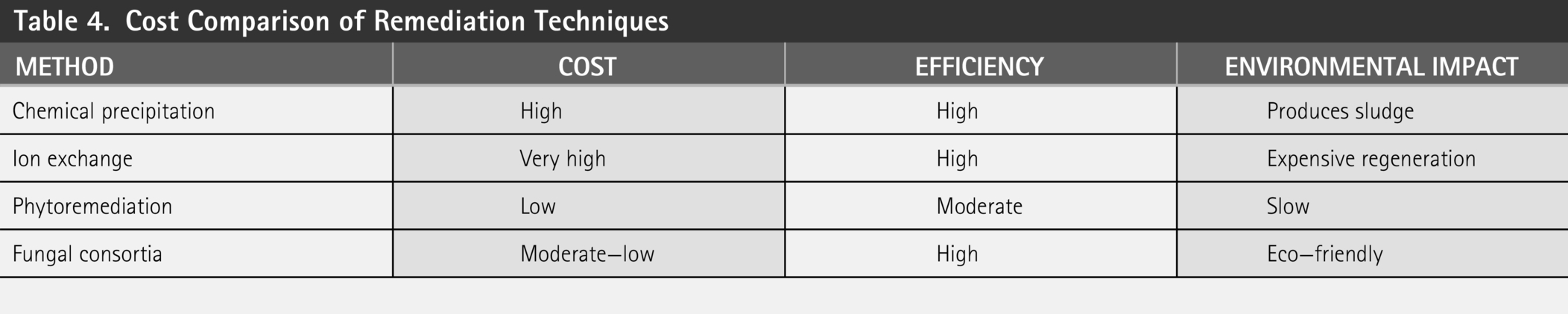
Fungal consortia-based systems are generally more cost-effective than conventional physicochemical methods due to lower energy requirements and minimal chemical usage, although initial setup and optimization costs remain a limitation. 84
TECHNOLOGY READINESS LEVELS
Nowadays, the applications of fungal consortia in HM remediation fall under Technology Readiness Levels (TRLs), meaning that the majority of studies are either in the budding stage of pilot-scale research or laboratory validation. The need for more study on system optimization, standardization, and field validation is highlighted by the limited full-scale industrial application. It will take multidisciplinary cooperation and integration of engineering, microbiology, and environmental sciences to advance these technologies toward greater TRLs.
Bridging the gap between laboratory-scale research and industrial implementation requires focused efforts on scalability, process engineering, and techno-economic feasibility.
Conclusions and Future Directions
Fungal consortia’s metabolic diversity, synergistic relations, and bettered forbearance to varied environmental circumstances make them a doable and sustainable system for HM remittal. Consortia are more flexible in multimetal stress conditions, more effective, and have a wider substrate particularity than single-strain systems. Nonetheless, a number of functional and scientific obstacles help their wide use despite these benefits.
IMPORTANT KNOWLEDGE GAPS
There are still a lot of unanswered questions about the ecological dynamics and processes of commerce among fungal consortia, especially when the terrain is changing. The lack of standardized protocols for consortium design, limited long-term performance data, and insufficient field-scale validation hinder their practical application. Additionally, the molecular basis of interspecies cooperation and competition remains inadequately explored.
APPROACHES WITH PRACTICAL AND INDUSTRIAL POTENTIAL
The most promising approaches for practical use include immobilized fungal consortia systems, integration with phytoremediation (rhizoremediation), and use in controlled bioreactor systems. These styles are more suited for airman-scale and artificial operations because they give increased stability, reusability, and process control.
PRIORITY RESEARCH AREAS
Future exploration should concentrate on the ensuing areas (1) creating stable and dependable synthetic colleges with predictable performance; (2) incorporating omics-grounded styles (genomics, proteomics, metabolomics) to comprehend functional relations; (3) creating scalable bioreactor systems and process optimization ways; (4) carrying out airman-scale and field-position studies to validate laboratory results; and (5) carrying out techno-profitable and life cycle assessments to assess viability and sustainability.
Interdisciplinary cooperation across microbiology, environmental engineering, and biotechnology will be necessary to close the gap between laboratory exploration and artificial operation. Mycoremediation systems have the eventuality to play a significant part in indirect bioeconomy fabrics and sustainable environmental operation with further developments.
Footnotes
Author Disclosure Statement
The authors declare that there are no known financial interests, competing interests, or personal relationships that could have appeared to influence the work reported in this manuscript.
Funding Information
No funding was received for this article.