







Abstract

As a surgeon you have a unique and best view on the operating field. No resident or intern will experience that same look and feel before being at the wheel themselves. Now, imagine the benefits of seeing through the surgeon’s eyes in this moment.
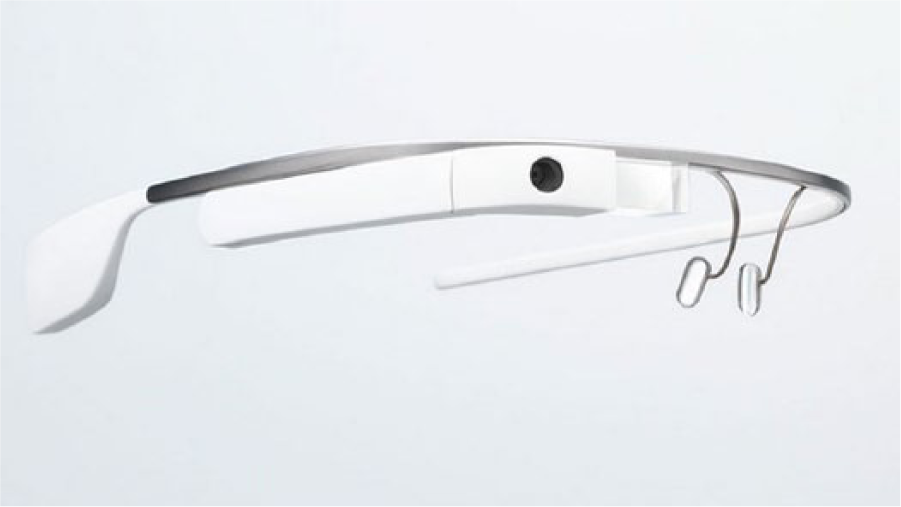
Today, the implementation of a small camera, a screen, and audio capability in a spectacles’ frame (Google Glass, Google Inc, Mountain View, CA) could do just that and more; direct interaction and extended video recording capabilities will change the way we perform and teach medicine.
On October 28, 2013, Dutch surgeon Marlies Schijven successfully communicated with the American surgeon Rafael Grossmann in what is known to be the first glass-to-glass consultation while performing an operation. At the time of operating, Grossmann was in a conference center miles away from Schijven, who was in the Academic Medical Center (Amsterdam, the Netherlands). The consultation was followed live at the conference center and worldwide via a broadcast on YouTube.com. It is a proof of concept showing how a surgeon or any other health care professional might consult with fellow specialists. This way, the physical barriers associated with an operating theatre, different sites within hospitals or countries, or even a faraway battlefield may be quite easily overcome.
Not only communication with other people but also the interaction with live information adds value to technical devices such as these glasses. Patients’ charts (eg, incoming lab results, new radiology findings), patient monitoring data (eg, heart rate, oxygenation), equipment warning signs, or augmented reality overlays can be presented to your eye without having to turn away from the patient.
Besides direct interaction, the possibilities for video recording are hugely expanded. Current recording equipment is often static and intrusive in a clinical setting. Simply wearing a pair of spectacles will surely lower the bar for more frequent use. Yet most interesting are the newly offered points of view, literally. For instance, asking your patient to wear a pair of spectacles gives you “the patient’s look” on yourself. No doubt, this is an invaluable source for feedback of which students and experienced physicians alike could benefit.
Continuous recording or only a 30 minutes log (“black box”) are also of interest. When an unexpected situation has occurred during a procedure or consultation, the log can be reviewed and unknown or otherwise overseen relevant factors unveiled. An illustrated start for a cycle of improvement. In addition, the recording of these unexpected situations might aid in legal matters.
Admittedly, many of the device’s components and features are not entirely new on their own. Head mounted displays have been around for many years and hands-free calling is not much out of the ordinary either. Furthermore, head-mounted displays have already been proven to improve information processing by individuals in the operation room and enhance human visual capabilities.1,2 Yet bringing together all technology in a lightweight, wireless device that is fully controllable by means of head gestures and verbal commands does push some current boundaries.
Despite of all these advantages, legal matters might be the main reason for impeding the broad introduction of devices like these. The most important concern would be patient privacy, not only inside the consultation room but also across the whole hospital premises. 3 Together with information security (secured storage and transfer of data) this can and needs to be worked out first. In the meantime, the Google Glass is the first of its kind that has become publicly available and application development has already started on both user and corporate levels.
All in all, devices like the Google Glass harbor many opportunities for health care and are likely here to stay. The relatively low costs and ease of use will facilitate and increase the use of direct interaction with (more) knowledgeable peers and live information. Together with the extended video-recording capabilities, health care can be improved and costs of consultation reduced. Operating under the watchful eye of the world’s expert—either as a walk through or simply a second opinion—will come within everyone’s reach.
The Google Glass.
Footnotes
Author Contributions
All authors contributed in the research and writing of this article.