






Abstract
Buja, Alessandra, Sandro Cinquetti, Marco Coller, Angela Padoin, Chiara Trevisiol, Ilaria Pantaleo, Claudio Palmeri, Vincenzo Marcotrigiano, Erica Bino, Silvia Flesia, and Simone Mocellin. Health promotion for sun protection: a community approach in a mountain setting. High Alt Med Biol. 00:00–00, 2026.
Objective:
Alpine regions exhibit high incidence rates of cutaneous melanoma due to increased ultraviolet radiation at higher altitudes. In 2022, the “Montagna SÌ, Melanoma NO” (Mountain YES, Melanoma NO) public health campaign began promoting sun-protective behaviors in these areas. This study aims to evaluate an intervention’s effectiveness 3 years after its launch and assess improvements in sun safety practices.
Methods:
A before-and-after comparative study was conducted by surveying a random sample of 229 Belluno residents in the Veneto Region, Italy, in 2022, and 115 of those same individuals in 2025 using a standardized questionnaire. Data on sociodemographics, phenotypic characteristics, sun exposure habits, sunscreen use, protective clothing/eyewear usage, and campaign awareness were collected.
Results:
In 2025, 43% of respondents (95% CI: 33.44%–52.17%) reported being aware of the health promotion efforts. A significant increase in sunscreen application during outdoor activities lasting more than 1 hour and during skiing was detected. Nevertheless, other protective measures, such as the use of caps and sunglasses, did not demonstrate any significant improvement.
Conclusions:
The campaign was effective. It reached its target population and improved sun-protective behaviors, confirming the value of community-engaged, tailored health promotion strategies. Further initiatives are necessary to address the remaining gaps in melanoma prevention adherence.
Introduction
Cutaneous melanoma continues to represent a significant and growing public health burden worldwide. According to GLOBOCAN (Global Cancer Observatory CANCER TODAY) estimates, in 2022, ∼331,700 new melanoma cases were globally diagnosed, ranking as the 17th most common cancer worldwide, attributing the disease about 58,667 deaths (Langselius et al., 2025; Wang et al., 2014).
Cutaneous melanoma incidence shows a pronounced increase in populations living at high altitudes, such as those residing in the Alpine region of Northeastern Italy, compared to lower altitude or coastal areas (Buja et al., 2022; Del Fiore et al., 2022; Mangone et al., 2024). In the province of Belluno, the most recent data on the standardized incidence rate for 2021 show 39.5 cases per 100,000 inhabitants among male subjects and 33.2 cases per 100,000 inhabitants among female subjects (Veneto Regional Cancer Registry RTV, 2022). These data are higher than the average rates recorded in the Veneto region and in Italy as a whole (Buja et al., 2024; Veneto Regional Cancer Registry RTV, 2022), even comparing those reported in countries traditionally considered at high risk for melanoma, such as Australia and New Zealand (Ferlay et al., 2022). These amounts could have been linked to enhanced ultraviolet radiation (UVR) exposure, which increases by ∼10%–12% every 1,000 meters of elevation, due to a thinner atmosphere and reduced ozone protection at altitude (Blumthaler et al., 1997; World Health Organization, 2022). These environmental conditions, combined with predominantly fair skin phototypes prevalent in these populations, substantially contribute to higher melanoma risk (Del Fiore et al., 2022). Research shows that sun exposure affects melanoma risk; in fact, a number of studies published over the last 20 years have found a link between UVR exposure and melanoma (Gandini et al., 2005; Kwa et al., 2025). In particular, sunburn, a clinical indicator of excessive and intermittent UVR exposure, plays a significant role in melanoma development, with epidemiological evidence consistently showing that a history of sunburns—particularly during childhood—is associated with an increased risk of melanoma (Gandini et al., 2005; Whiteman et al., 2019).
Notably, melanoma lesions in alpine residents tend to present with distinct anatomical and pathological profiles, with a higher proportion occurring on the head and neck, a pattern consistent with chronic cumulative solar damage, while trunk melanomas predominate in populations from lower altitudes (Buja et al., 2022). Indeed, beyond environmental factors, host-related contributors have been implicated: Behavioral patterns also influence risk. Intermittent intense sun exposure, common in recreational mountain activities, alongside occupational exposure, may heighten cumulative UVR damage in the absence of the use of sunscreen and protective devices against solar exposure. This trend, especially pronounced among younger women, underscores the urgent need for effective and sustained preventive interventions (Buja et al., 2022; Del Fiore et al., 2022).
Public health interventions targeted to melanoma prevention are commonly performed by health care workers (HCWs) and employ multicomponent strategies encompassing mass media campaigns, community programs, school-based education, workplace interventions, and digital media initiatives. These campaigns, such as the SunSmart program implemented in Australia and analogous national initiatives performed in Ireland, have successfully fostered improved attitudes towards sun avoidance and increased the uptake of protective measures, culminating in reductions in sunburn incidence and a subsequent decline in melanoma cases (Kelly et al., 2025; Tabbakh et al., 2019). Nonetheless, the persistence of behavior change demands continuous reinforcement and targeted strategies, especially among target population, such as young adults, whose level of participation in health promotion campaigns is notoriously low (Motley and Aeschbach, 2026). Evidence underscores that repeated, high-penetrance, culturally tailored campaigns—notably those integrating policy, community, and digital components—yield the most durable improvements in sun-protection adherence (Dobbinson et al., 2015; Porter et al., 2024).
Starting from 2022, the “Montagna SÌ, Melanoma NO” campaign was initiated in the province of Belluno to implement a targeted melanoma prevention initiative in this mountainous area, which is distinguished by an elevated incidence rate of melanoma.
This investigation, conducted 3 years after the campaign’s introduction, aims to evaluate the effectiveness of the implemented interventions performed by HCWs. The primary objective is to ascertain whether the campaign has effectively reached the entire population and whether the public health efforts have resulted in enhancements in sun-protective behaviors.
Methods
Study design
A data comparison (year 2022 vs. year 2025) was conducted, focusing on sun protection behaviors in the local population living in the Belluno province, Veneto Region, Northern Italy (197,558 inhabitants).
Materials and sampling population
The total sample consists of 229 adults (age range: 18–60 years). The sample was randomly selected from the local health authority through the health care registry before launching the campaign in 2022. Data were collected through structured telephone interviews using a standardized questionnaire, conveniently adapted from the original Sunscreen Questionnaire (Buja et al., 2024) to ensure consistency over time. The questionnaire investigated information on sociodemographic factors (age, sex, education, marital status, and parental status), phenotypic traits (skin, hair, and eye color, presence of freckles, and self-assessed phototype), sun protection habits (frequency and consistency of sunscreen use in different settings such as beach, pools, mountain hiking, skiing, and other outdoor activities), additional protective behaviors (use of sunglasses and caps with visors), history of sunburn before the age of 18, and lifetime utilization of artificial tanning devices. In 2025, by adding a question concerning awareness of the melanoma prevention campaign, the survey was re-administered to the same population sampled in 2022. In total, 115 people joined the new survey, constituting the follow-up group.
Description of campaign
The health promotion campaign “Montagna SÌ, Melanoma NO” was developed by the Local Health Authority ULSS 1 Dolomiti in response to a progressive increase in the incidence of cutaneous melanoma within the provincial territory. The campaign was officially launched in 2022 and has progressively expanded its scope of intervention over time. It adopts a multisetting approach, reaching target populations across diverse and complementary contexts, including school environments, high-altitude outdoor settings, and sporting events. In particular, during the 2023/2024 school year, educational interventions and a competition were implemented in primary schools, involving 45 classes and a total of 770 students. They were engaged in the creation of slogans and promotional posters conveying educational messages, which were subsequently printed on paper placemats and distributed in mountain huts (Marcotrigiano et al., 2025a, 2025b). In subsequent editions, school involvement further expanded: The project has already reached a total of 1,489 students, with schools participating in 3 distinct competitions aimed at developing “antimelanoma” educational materials created by the students themselves (2024/2025 school year). Within the outdoor context, mountain huts located in the Dolomites represented the primary intervention setting. These sites were considered strategic both for their role as rest points for hikers and skiers and for their location in environments characterized by UVR exposure. These initiatives were conducted jointly with arterial hypertension prevention days promoted by the Italian Alpine Club (CAI), enabling an integrated high-altitude health promotion strategy. Additionally, the campaign included several interventions in workplace settings (e.g., kindergartens and nurseries with outdoor spaces), thereby extending awareness efforts to the active adult population. The campaign, in fact, was additionally supported through the involvement of occupational physicians, involving particularly outdoor workers who are more exposed to UVR. A further key setting was the Milano Cortina 2026 Olympic and Paralympic Winter Games, during which ULSS 1 Dolomiti established an information point on melanoma prevention, staffed by HCWs. Scientific recommendations were emphasized throughout the campaign, promoting avoidance of peak UVR hours, consistent use of sunscreen (Sun Protection Factor-SPF 30 or higher), protective clothing, hats, sunglasses, gradual sun exposure, and regular monitoring of nevi for early detection of suspicious lesions. The campaign employed a variety of communication tools tailored to different contexts and target groups, including (1) posters and flyers with preventive messages used in schools, mountain huts, and public spaces (Fig. 1); (2) meal placemats in alpine huts featuring antimelanoma drawings created by schoolchildren; (3) a 1-minute informational video, developed in collaboration with the Central Medical Commission of the CAI and supported by Confindustria Belluno Dolomiti, aimed at promoting sunscreen use among mountain visitors; and (4) slogans and educational materials produced by students within school competitions, effectively transforming children into active health communication agents. A distinguishing feature of the “Montagna SÌ, Melanoma NO” campaign is its multichannel and multitemporal communication structure, which differentiates it from one-off awareness initiatives. Health communication research consistently demonstrates that repeated exposure to health promotion messages is associated with greater changes in attitudes and behaviors compared to single exposure (Snyder et al., 2004). Accordingly, the campaign is intentionally designed to reach target populations at different times and in different settings through interpersonal channels (HCWs participating in mountain huts and at sporting events and classroom-based educational interventions), environmental media (placemats and posters in mountain huts), and digital media (YouTube videos and content on the ULSS 1 Dolomiti institutional website). This communication strategy is consistent with health promotion models that emphasize the value of intentional message redundancy across multiple channels to overcome cognitive barriers related to risk underestimation (Wakefield et al., 2010), particularly common among mountain populations, who tend to normalize sun exposure as an integral part of their daily lives.
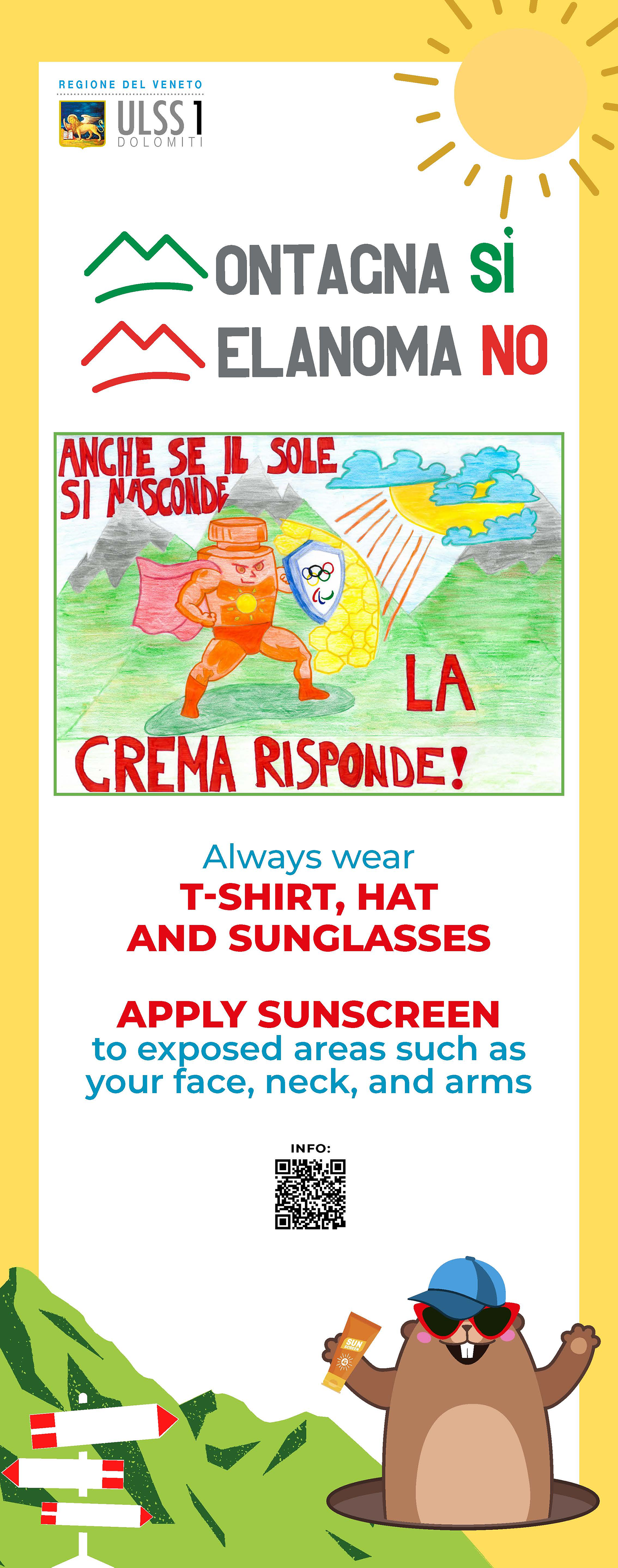
Informational and educational flyer distributed during the “Montagna SÌ, Melanoma NO” campaign.
Statistics
Descriptive statistics, including frequencies and proportions, were performed to summarize the campaign awareness in the sample investigated.
To determine a difference in the distribution of categorical variables, such as sunscreen use categorized by the frequency of use (always-sometimes/never) and sociodemographic factors (sex, age group, and educational level), Pearson’s chi-squared tests or two-sided Fisher’s exact tests were used.
For all tests, statistical significance was set at the alpha level of 0.05. Confidence intervals (CIs) at 95% were reported for odds ratios in regression analyses. All analyses were conducted using R 3.6.2 software.
Results
In Table 1, the distributions of characteristics were compared across two waves. No difference emerged regarding sociodemographic factors.
Sample Characteristics Before and After Intervention
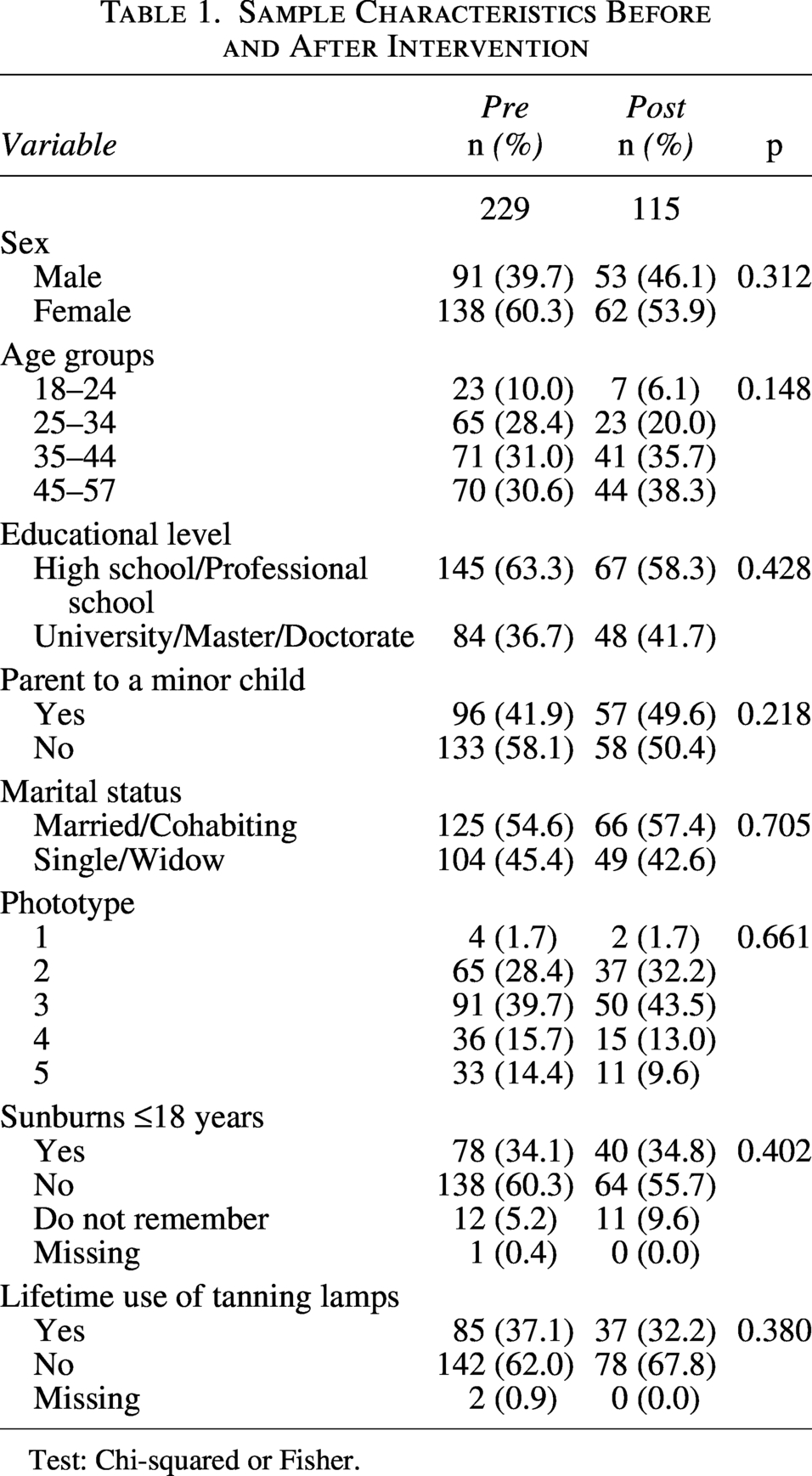
Test: Chi-squared or Fisher.
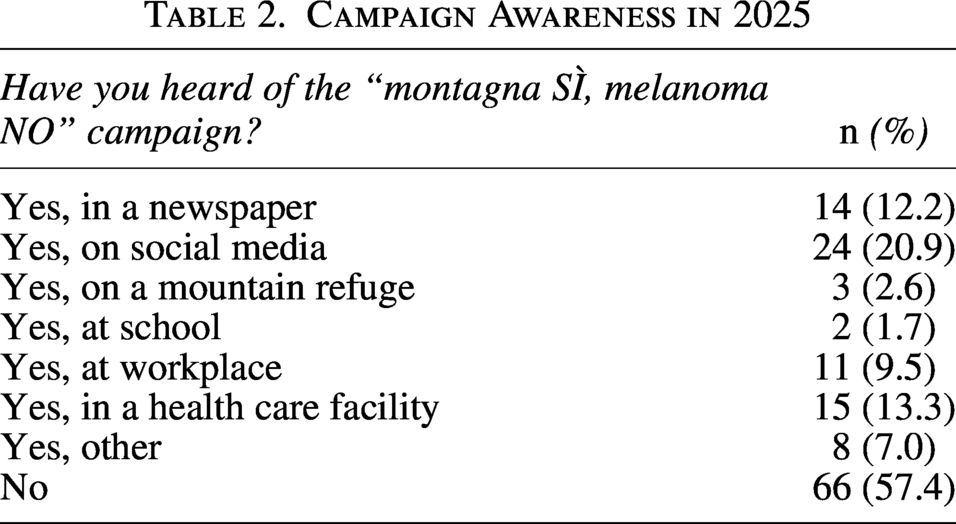
The data in Table 2 shows that 42.61% (95% CI: 33.44%–52.17%) of the population were aware of the health promotion campaign 3 years subsequent to its inception. The same table delineates the respondents’ sources of information pertaining to the campaign.
Campaign Awareness in 2025
Following the campaign, a notable increase in sunscreen utilization was observed during outdoor activities exceeding one hour (p = 0.008) and during skiing (p = 0.057). Furthermore, an elevation in the SPF levels of the applied sunscreen was documented (p < 0.001). Nevertheless, other protective measures, such as the use of caps and sunglasses, did not demonstrate any significant improvement (Table 3).
UVR Exposure Behavior Before and after the Campaign Intervention “Montagna SÌ, Melanoma NO”
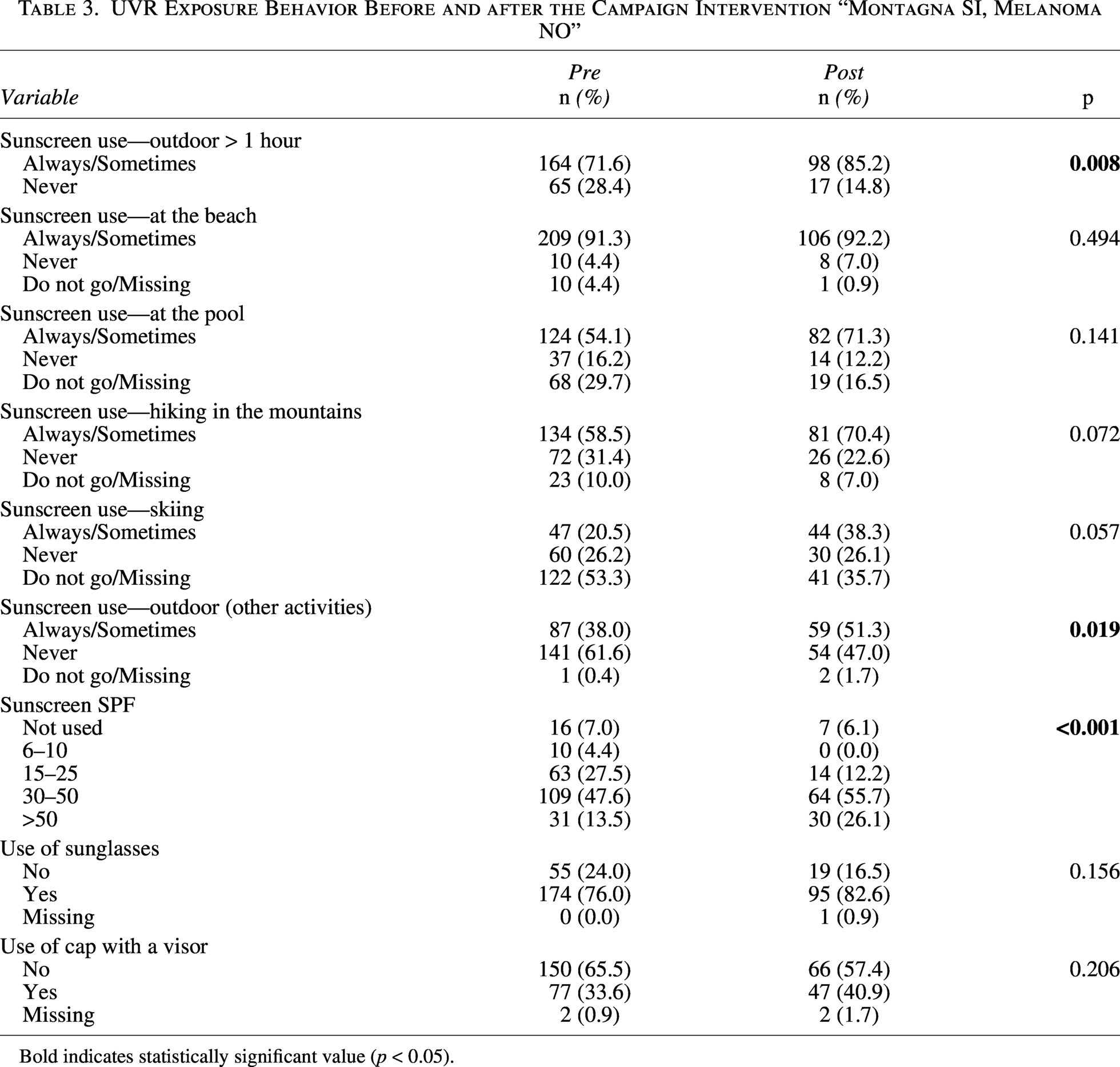
Bold indicates statistically significant value (p < 0.05).
The proportion of never-sunscreen users in the population before and after the intervention is included in Figure 2.
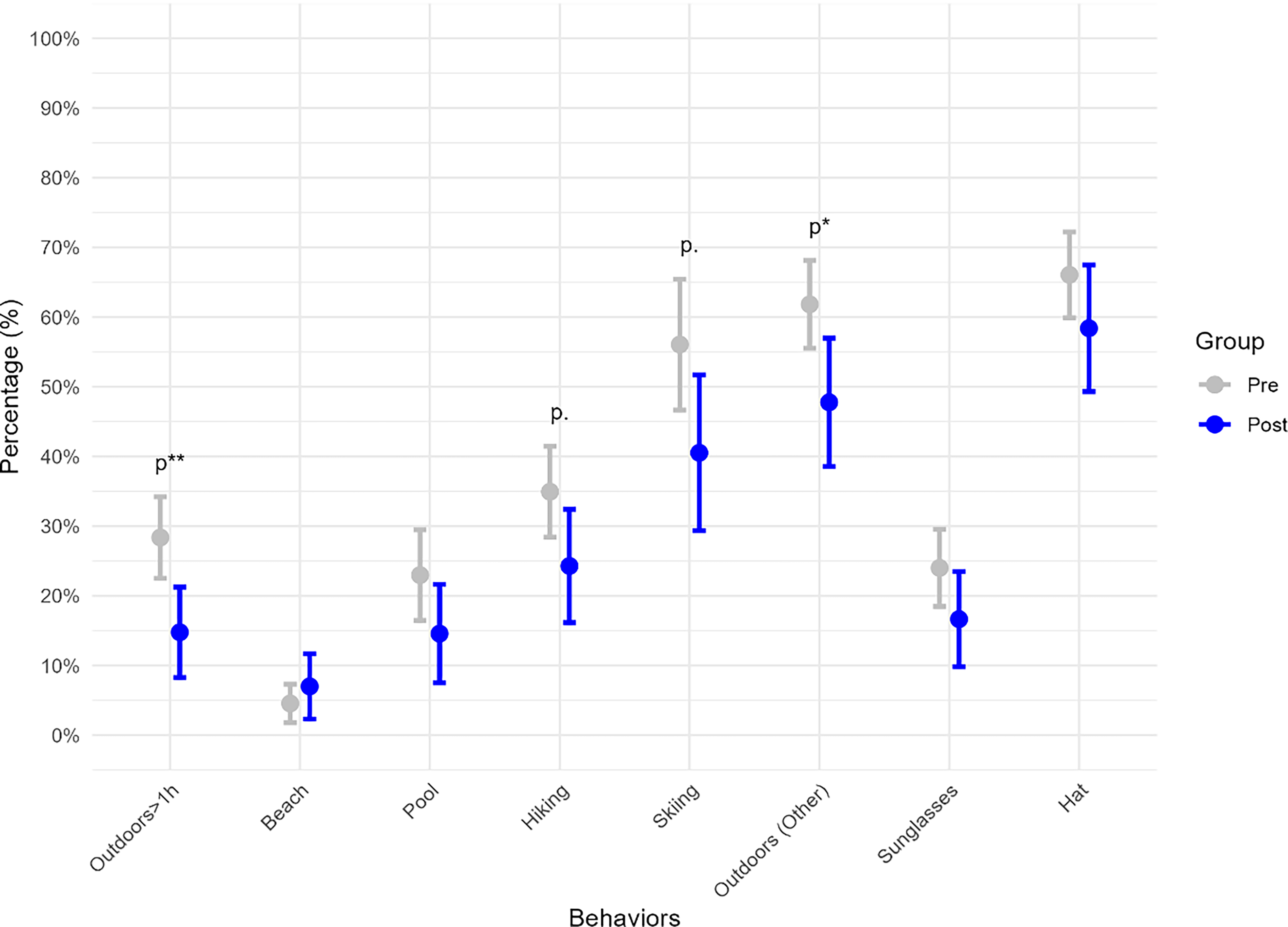
Percentage of never-used sun protection behaviors. (**p < 0.01, *p <0.05, p < 0.1).
As shown in Table 4, sunscreen use increased during outdoor activities (except for beach activities) and among various sociodemographic groups after the intervention campaign. When broken down by sex, women typically showed bigger decreases in the “never sunscreen use” category than men, except during hiking. Age-specific analysis indicated more diverse patterns of change, especially in those over 34 years old. Participants with higher levels of educational attainment demonstrated greater improvements, particularly in sunscreen use during hiking (Δ = −23.6), although this was not observed for skiing, suggesting a more pronounced response to the intervention among this group. Similarly, parents of minors showed greater reductions in nonuse compared to nonparents, especially for outdoor sunscreen use greater than 1 and skiing, with the exception of hiking.
Difference in Proportion Before and After Intervention Among Participants Who Have Never Used Sunscreen, Stratified by Sociodemographic Characteristics
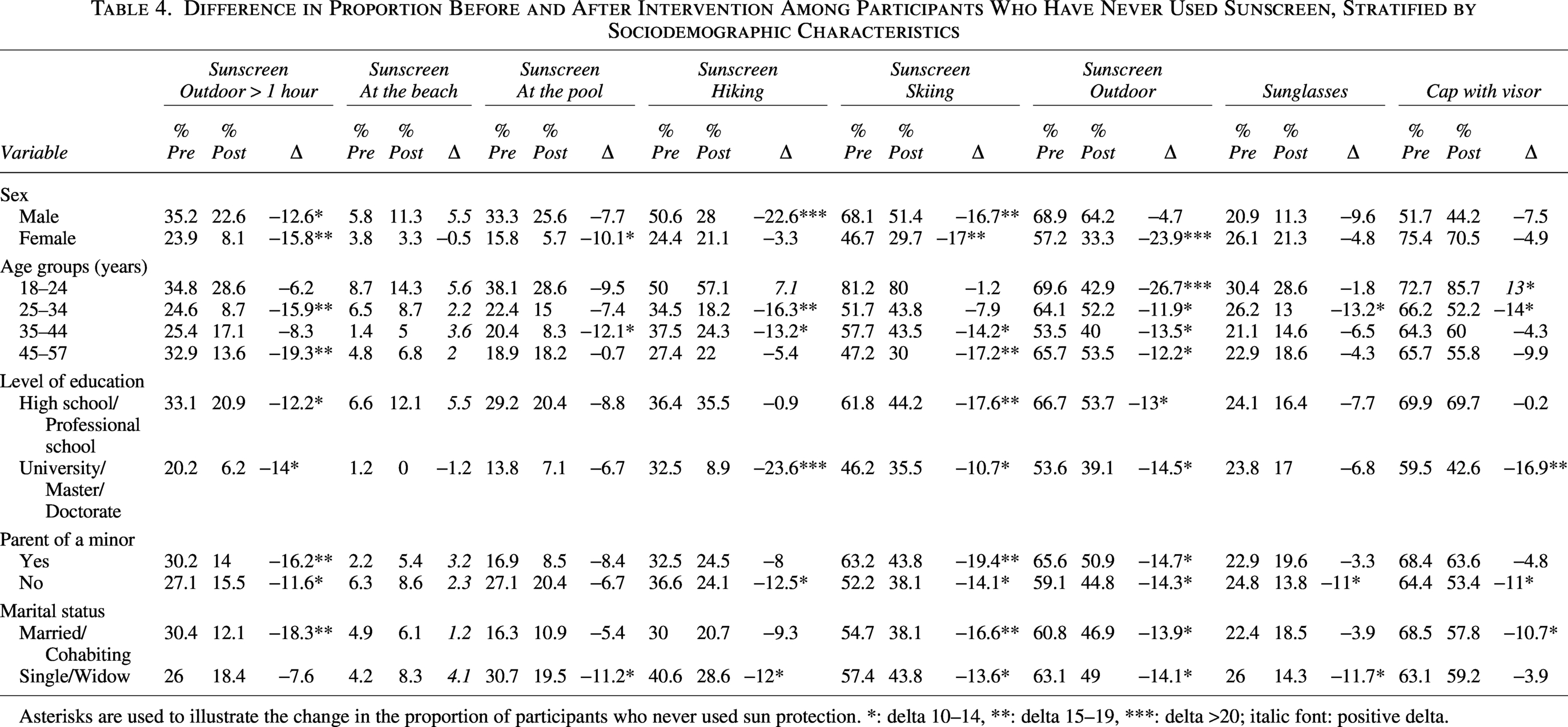
Asterisks are used to illustrate the change in the proportion of participants who never used sun protection. *: delta 10–14, **: delta 15–19, ***: delta >20; italic font: positive delta.
Conversely, changes in the utilization of sunglasses and caps were generally minimal
Discussion
Our investigation highlights the valuable role of the “Montagna SÌ, Melanoma NO” campaign, 3 years after its launch, in promoting awareness and sun-protection behaviors among residents of an Alpine province. The health promotion campaign achieved broad reach, as evidenced by post-intervention reports showing increased awareness, particularly regarding sunscreen use, thereby confirming that health messages were effectively disseminated to the target population. Nevertheless, other protective measures, including the use of caps and sunglasses, did not show any substantial improvement.
Overall, the campaign appears to have helped narrow the previously identified disparity in sunscreen use between beach and mountain activities. Although numerous studies have demonstrated that melanoma awareness campaigns effectively encourage sunscreen use, there remains a significant lack of campaigns specifically targeted to mountain environments. Regarding this point, Kliniec et al. emphasize that outdoor athletes face an elevated risk of melanoma and sun-induced skin damage, particularly in mountainous regions during winter sports activities (Kliniec et al., 2023). A study concerning trail runners participating in a high-altitude ultraendurance race revealed that sun protection behaviors were predominantly inadequate (Gutiérrez-Manzanedo et al., 2025). More than 50% of the athletes adhered to only two recommended practices: Wearing a hat or cap (62.6%) and avoiding midday sun (59.2%). Sunscreen use (SPF ≥ 15) was much lower, reported by just 38.7% of participants. The main reasons for not using sunscreen were forgetting it, finding it unpleasant, or its cost. These behaviors are particularly concerning since a snow-reflective surface amplifies UVR, thereby increasing the associated risks. These findings further underscore the importance of developing targeted prevention strategies for activities such as skiing, mountaineering, and high-altitude trekking, which are often overlooked in conventional sun safety initiatives.
The findings of the current study indicate a heightened awareness of the fundamental importance of sun protection during mountain recreational activities such as hiking, skiing, and other outdoor pursuits. There was a notable decrease in the prevalence of “never used sunscreen” across all participant categories when compared to the previous investigation, thereby demonstrating the efficacy of targeted communication strategies specifically designed for outdoor activities in mountain settings.
Notably, the increase in outdoor sunscreen use was also observed among younger adults, a population segment well-documented in the literature (Challapalli et al., 2023; Merten et al., 2018)—including our previous study—as being the least compliant with sunscreen use and characterized by lower responsiveness to conventional prevention campaigns. This finding suggests that the communication strategies specifically tailored to younger age groups implemented in the campaign, such as social media and mass media outreach (Shkodrani et al., 2025), may represent an effective approach to partially reducing the well-known gap in sun protection habits between adolescents, young adults, and older adults, which is recognized as a critical intervention for mitigating the long-term melanoma risk. However, the current study has not yet been able to assess the impact of a significant component of the “Montagna SI, melanoma NO” campaign, which includes educational interventions in primary schools, by means of a competition for the creation of slogans and promotional posters, as well as awareness-raising activities in summer camps. Therefore, further research will be necessary to evaluate the actual effectiveness of these interventions, not only in improving the use of sunscreen among adolescents and young adults but also in establishing a population cohort that will represent, in the future, the core and driving force for the consolidation and expansion of health literacy.
Furthermore, the campaign’s impact is clear in the improved equity of sunscreen use across various sociodemographic groups. Compared to our previous research (Buja et al., 2024), the difference between the sexes persists: Females continuing to demonstrate higher rates of sunscreen use and physical barriers than males. This feature appears consistent with findings from other studies showing that women have greater awareness than men and a better participation rate in preventive health behaviors (Golinelli et al., 2025; Vaidya et al., 2012). Indeed, the need to address gender differences in primary prevention has been highlighted by several authors (Fleming and Agnew-Brune, 2015; Hiller et al., 2017), having emphasized the urgent need for further research to inform the development of interventions tailored to gender-specific needs and sensitivities. For instance, such initiatives are generally more impactful if messages emphasize practical advantages—such as preserving physical performance during outdoor activities—and if some credible male role models from the community are employed (Fleming and Agnew-Brune, 2015; Niederdeppe et al., 2025). Furthermore, the dissemination of targeted educational content that explicitly addresses the risks of melanoma within mountainous environments must be conducted through different channels mainly intended for male audiences—such as social media platforms, sporting events, and mountain huts (Chen et al., 2016). Equally important is facilitating access to sun protection products by providing formulations and packaging tailored to male preferences, as well as ensuring their availability in environments predominantly frequented by men, such as ski resorts and alpine huts, which seem to be associated with higher usage rates. Finally, involving men in the campaign’s design and feedback processes can help identify and address psychological and cultural barriers, ensuring interventions are tailored to their needs—a practice shown to enhance effectiveness in gender-sensitive health promotion programs (Nahar et al., 2016; Sharp et al., 2025). Although women report more frequent use of sunscreen compared to men, as demonstrated in our study across various contexts, melanoma rates have increased slightly more rapidly among young women, a finding also supported by our previous research: APC 2.9 (95% CI: 2.3–3.5) among young men and 3.1 (95% CI: 2.6–3.6) among young women (Buja et al., 2026). This apparent paradox can be attributed to behavioral differences: Women more often engage in intentional, intermittent ultraviolet exposure—such as sunbathing or indoor tanning (Lazovich et al., 2016)—which elevates the risk of melanoma. Furthermore, sunscreen is frequently misused—applied inadequately, not reapplied, or used to extend time in the sun—thereby creating a false sense of security and potentially increasing overall UVR exposure (Alli et al., 2023).
In our previous study, education level significantly predicted sunscreen use: Individuals with higher education levels were markedly more likely to report consistent sunscreen application (Buja et al., 2024). Current literature evidence highlights that individuals with higher education levels still exhibit better adherence to sun protection guidelines—which is unsurprising given that literature widely acknowledges education as a significant determinant of health and preventive behaviors (Falk and Anderson, 2013)—: These results are in line with outcomes of the present study’s data, revealing a similar increase in awareness and sunscreen use across the study population when stratified by education level. This demonstrates that the “Montagna SI, Melanoma NO” campaign did not exacerbate disparities, having had an equitable impact based on education level, gender, and marital status. Overall, these findings are consistent with the necessity for health promotion initiatives to be explicitly rooted in equity principles, thereby preventing the aggravation of existing disparities and ensuring that vulnerable groups distinguished by age, sex, or educational background benefit equally from preventive measures.
Nonetheless, some critical disparities and limitations remain apparent. While improving sunscreen use, the adherence remained suboptimal during mountain-related activities, especially skiing, with a notable minority (∼26%) persistently failing to apply sunscreen despite repeated health communication efforts. The utilization rates of alternative protective devices—such as caps with visors and sunglasses—remain inconsistent, with more than 40% of participants reporting a nonuse. In analyzing this outcome, it is important to acknowledge that messaging about the use of these devices is a minor element of the overall campaign. Consequently, these behaviors remain priority areas for targeted interventions. While sunscreen can be effective when applied properly (Whiteman et al., 2019), the sun protection campaigns should not be relied upon as the sole protective measure. High rates of sunburn and deficient sun protection practices have been reported particularly among trail runners doing outdoor sports (Gutiérrez-Manzanedo et al., 2025). Buller et al. found that employees of ski resorts experienced reduced sunburns after exposure to a health communication campaign (Buller et al., 2005). These findings suggest the potential for future interventions. Therefore, it is necessary to design future interventions that improve individual and organizational photoprotection measures in outdoor sport events to reduce the risk of skin cancer among these athletes. Furthermore, although it is not the main focus of our research, a global decline in the habit of sun protection at the beach has been observed.
Limitations and Future Perspectives
Despite some limitations, several factors support the robustness and validity of the study’s core findings.
First, the sample size was small; however, the sample was drawn via stratified random sampling from the health care registry, enhancing external validity and mitigating risks of selection bias. The inclusion of the “post-same” subgroup—participants repeatedly surveyed—provides a valuable insight aiming at corroborating the observed effects. Second, self-report data are susceptible to “recall bias,” representing, in theory, a limit of the study; however, the implementation of a standardized and validated questionnaire administered consistently by trained interviewers, such as HCWs, serves to mitigate this bias.
Third, variations in sunburn occurrence were not assessed in our study, even though we acknowledge that changes in sunscreen use behavior may not necessarily lead to improved outcomes, such as sunburns, particularly when sunscreen is applied incorrectly (Holman et al., 2019) or not used in combination with other protective measures. Finally, the study did not assess the campaign’s reach among underage individuals; instead, they were targeted by a dedicated school-based project comprising educational interventions and participation in a contest to create slogans and promotional posters later used in the campaign. Therefore, further research will be needed to evaluate the campaign’s effectiveness in this age group, which will represent the core and driving force for the consolidation and expansion of “health literacy” in the future.
Conclusions
Overall, the data affirm and expand on the effectiveness of the “Montagna SI, Melanoma NO” campaign to encourage sunscreen use in mountain environments. These findings underscore that repeated, broadly disseminated, and culturally tailored campaigns generate improvements, particularly in these sun-protection behaviors.
Authors’ Contributions
A.B.: Conceptualization (equal), project administration (lead), supervision (equal), writing—original draft (equal), and writing—review and editing (equal). M.C.: Investigation (supporting), writing—original draft (equal), and writing—review and editing (equal). A.P.: Investigation (equal) and writing—review and editing (equal). C.T.: Investigation (supporting), visualization (lead), writing—original draft (supporting), and writing—review and editing (equal). I.P.: Data curation (lead), formal analysis (lead), and writing—review and editing (equal). C.P.: Formal analysis (supporting) and writing—review and editing (equal). V.M. and E.B.: Writing—original draft (supporting) and writing—review and editing (equal). S.F.: Investigation (equal) and writing—review and editing (equal). S.C.: Conceptualization (equal), supervision (equal), and writing—review and editing (equal). S.M.: Funding acquisition (lead), supervision (equal), and writing—review and editing (equal).
Ethics Approval and Consent to Participate
The study is an anonymous cross-sectional survey study. The subjects received a short verbal introduction with information about the aim of the study and were then required to give their verbal consent to participate in the survey. Informed verbal consent was obtained from all subjects. Data was recorded anonymously, and no personal identifiers were collected to ensure confidentiality and data protection. All methods were carried out in accordance with the General Data Protection Regulation European Union (EU) 2016/679 of the European Parliament.
Data Availability Statement
The anonymized minimal data set necessary to replicate our findings has been made publicly available at the following link: https://doi.org/10.6084/.m9.figshare.30858473.
Footnotes
Author Disclosure Statement
Authors declare no conflicts of interest.
Funding Information
The publication costs were covered by “Ricerca Corrente 2025” funds from the Italian Ministry of Health.