







Abstract
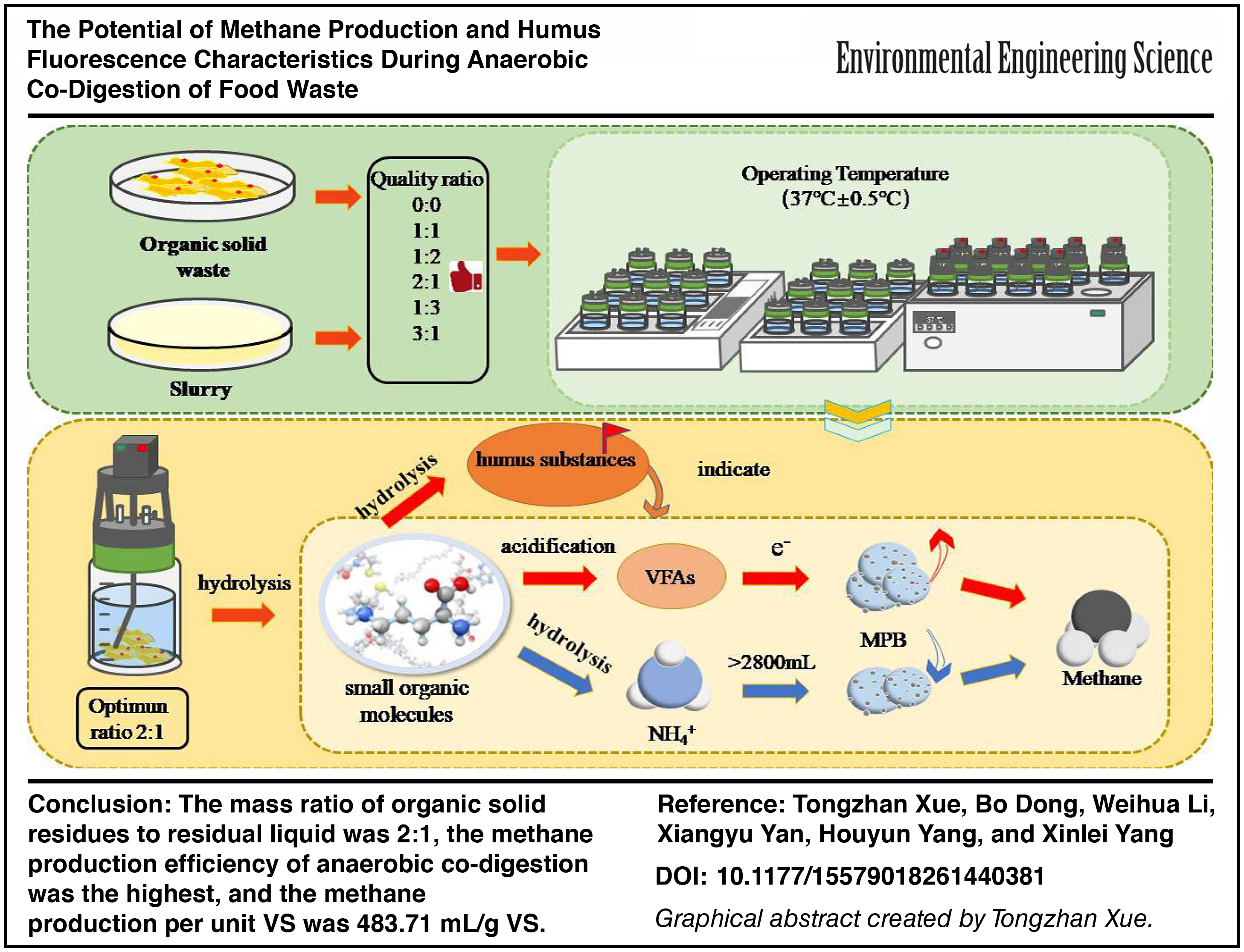
To explore the methane production potential and mechanism of anaerobic co-digestion using organic solid residues and residual liquid derived from food waste pretreatment, batch experiments were conducted at 37 ± 0.5°C with varying mass ratios of the substrates. Analytical methods such as detection analysis, gas chromatography, and three-dimensional fluorescence characterization were adopted to study the influence mechanism of key indicators such as total solids, volatile solids (VS), ammonia nitrogen, volatile fatty acids (VFAs), and humus on anaerobic co-digestion. The results showed that when the mass ratio of organic solid residues to residual liquid was 2:1, the methane production efficiency of anaerobic co-digestion was the highest, and the methane production per unit VS was 483.71 mL/g VS. The VFAs in hydrolyzed products were predominantly acetic, propionic, and butyric acids, with trace valeric acid (n-pentanoic acid). Methanogenic activity was significantly inhibited during later stages due to the influence of VFAs and free ammonia. Fluorescence spectral analysis revealed the fluorescence peak of humus shifts from the protein-like peak to the fulvic acid and humic acid peaks during the methane production process; the fluorescence intensity of fulvic acid increased markedly compared with humic acid in the middle stage of digestion, and the fluorescence change of humus reflected the degree of organic matter mineralization. As a characteristic fluorescence substance, humus can be used to characterize the anaerobic digestion process. These findings provide theoretical foundations for food waste resource utilization.
Introduction
Food waste, encompassing catering waste and kitchen waste, is generated from activities such as the daily lives of residents, food processing, and catering services (Lytras et al., 2021). Due to its high water content and high organic matter content, complex composition, and susceptibility to putrefaction, fermentation, and odor emission (Zhang et al., 2020a), improper disposal of food waste poses an increasing risk of environmental pollution (Guo and Yang, 2019). However, food waste possesses the dual characteristics of being both a source of pollution and a recyclable resource (De Jonge et al., 2020), it is of great significance to recycle and reuse its resources. The primary methods for the efficient utilization of food waste include anaerobic digestion and aerobic fermentation (Giwa et al., 2022). Anaerobic digestion, which is characterized by low carbon emissions, minimal secondary pollution, low operating costs, and a high resource utilization rate, has been recognized as a highly promising approach for the resourceful utilization of food waste (Forbis-Stokes et al., 2016; Xu et al., 2018). Anaerobic digestion of food waste produces methane, which can be converted into hydrogen, further expanding the application scope of food waste resource utilization.
Food waste serves as a raw material for renewable energy production (Badsha et al., 2025); the preprocessing of food waste is beneficial for the separation of organic components from inorganic impurities (Gallego-García et al., 2023), thereby alleviating the burden on subsequent processing stages. Generally, food waste first undergoes simple sorting to remove items such as chopsticks, broken tableware, and plastic bags; it then undergoes efficient pulping and impurity separation, followed by extrusion and dehydration processes to produce organic solid residues (accounting for ∼10% to 18% of the total mass) and residual liquid (Shi et al., 2022). The anaerobic digestion of organic solid residues alone faces numerous challenges: Volatile fatty acid (VFA) production/consumption imbalance risks system acidification (Lin et al., 2022; Shrestha et al., 2023); high protein content renders the system susceptible to ammonia inhibition, reducing methane yield (Abid et al., 2021). Enhancing the efficiency of methane production in organic solid residues’ anaerobic digestion and understanding its regulatory mechanisms are critical to achieving large-scale resourceful reutilization of food waste. Most studies on improving the anaerobic digestion conditions of food waste have focused on adding agricultural waste or residual sludge for anaerobic co-digestion (Munir et al., 2025; Lin et al., 2024); however, research on anaerobic co-digestion of the residual liquid and organic solid residues generated during preprocessing remains unreported.
Three-dimensional fluorescence spectroscopy, as an emerging analytical method for wastewater treatment, demonstrates broad application potential. Components such as humic acids, protein-like substances, and polysaccharides in the anaerobic digestion process of food waste possess unique fluorescence fingerprints; changes in their fluorescence properties can indirectly reflect microbial activity and system stability (Yang et al., 2025). Fluorescence spectroscopy analysis is applied for the characterization of organic components and the monitoring of metabolites in anaerobic digestion (Yu et al., 2023), which can provide support for the optimization of anaerobic digestion process parameters. Through batch co-digestion experiments of organic solid residues and residual liquid at varying quality ratios, combined with three-dimensional fluorescence spectroscopy analysis, this project investigated the biological degradation and transformation influencing mechanism of organic matter during anaerobic co-digestion of organic solid residues and residual liquid. The key innovations include the application of fluorescence spectroscopy for real-time monitoring of the dynamic changes in organic matter composition, as well as the optimization of co-digestion conditions to mitigate the risk of anaerobic digestion. The study aims to provide a reference for the efficient resource utilization of food waste.
Materials and Methods
The physicochemical characteristics of the hydraulic pulping product
The experimental substrates were obtained from an organic solid waste management facility located in Hefei, China. Food waste was processed by the material separation and decomposition machine, yielding a heterogeneous slurry. This slurry was subsequently sieved to eliminate particulate matter such as sand and other impurities. After steam sterilization, the mixture underwent a three-phase centrifugation process, which separated it into crude oil, residual liquid, and organic solid residues. The key physicochemical indicators of the separated organic solid residues and residual liquid from the food waste are presented in Table 1.
The Key Physicochemical Indicators of Organic Solid Residues and Residual Liquid

TS, total solids; VS, volatile solids.
Experimental methods
The anaerobic digestion experimental device adopts the methane potential test system (MultiTalent 203) developed and produced by Nova Skantek Company. The residual liquid was centrifuged at 7,500 rpm for 5 min to obtain the supernatant, which was then transferred to a 500 mL glass reaction flask. The total combined volume of substrate and inoculum in each flask was maintained at 450 mL. The experimental groups with substrates and inoculum of different qualities are depicted in Table 2.
Experimental Groups with Substrates and Inoculum of Different Qualities

A total of six experimental groups were set up, including a blank control group. Parallel samples were set up for each experimental group, and the experimental data were the average values of the detection results of the parallel experimental groups.
The inoculum was taken from the anaerobic fermentation tank of the sludge that had been running at 35°C for >30 days in the laboratory; the ratio of VS to TS in the inoculum was ∼0.3. Prior to the commencement of the reaction, nitrogen gas was purged through the flask for 5 min to remove moisture and air, thereby ensuring an anaerobic environment within the flask. The system was maintained at a constant temperature of 37 ± 0.5°C using a water bath. The stirring rate was regulated to ∼80 rpm, with the direction of stirring alternated every 10 min via a programmable timer switch and the duration of each stirring session to 0.5 min. The anaerobic co-digestion experiment lasted for 24 days; samples were taken every day for the first 10 days before the experiment began and then at intervals of 1 day after 10 days.
Analytical methods
The gravimetric method was employed for the quantification of volatile solids (VS), total solids (TS), moisture, and ash content (Vera Zambrano et al., 2019). Initially, samples were ashed in an oven at 105°C using a GZX-9140 MBE type ventilated drying oven until a constant mass was attained, from which the TS and moisture content were ascertained. Subsequently, the ashed samples were combusted in a muffle furnace at 600°C for 2 h within an SKL-1008 type muffle furnace to ascertain the VS and ash content. Protein content was quantified using the Coomassie Brilliant Blue assay (Bradford, 1976), sugar content was assessed via the anthrone colorimetric method (Zhang et al., 2020b), lipid content was evaluated by the acid hydrolysis technique (Wu et al., 2023), and salt content was determined through titration against a standard silver nitrate solution (Nielsen, 2017).
Postcentrifugation at 8,000 rpm for 10 min using an H/T16MM type desktop high-speed centrifuge, the supernatant was passed through a 0.45 μm filter membrane, and the concentrations of ammonium nitrogen (NH4+-N) and soluble chemical oxygen demand (SCOD) were measured. NH4+-N was quantified using the Nessler reagent spectrophotometric method with a New Century T6 type UV-Vis spectrophotometer, while SCOD was assessed by the potassium dichromate method utilizing a 6B-20 type intelligent digestion apparatus (Pilarska et al., 2019). The pH was measured with a PHS-3C type portable pH meter.
The mass concentration of VFAs was determined using Agilent 6890 N GC system under the following conditions: Flame Ionization detector and J&W 123–3233 capillary column (30 m × 0.32 mm × 0.50 µm) with a first-order temperature program. The initial temperature was set at 100°C and held for 1 min, then increased at a rate of 10°C/min to 220°C and held for 2 min. The temperatures of the injection chamber and detector were set to 250°C. Sample pretreatment method: First, acidified the sample with dilute phosphoric acid solution, then centrifuged for 10 min at 10,000 r/min. After centrifugation, collected the supernatant, filtered it through a 0.45 μm hydrophilic filter membrane, and transferred the filtrate into a 2 mL sample vial for testing.
The three-dimensional fluorescence spectrum of the sample was analyzed using a Hitachi F-7000 spectrofluorometer. Initially, the water sample was centrifuged at 8,000 rpm for 5 min to precipitate particulates, followed by filtration through a 0.45 μm membrane filter to ensure clarity. The resulting filtrate was diluted by a factor of 10 with deionized water prior to spectral analysis. The spectrofluorometer was calibrated with the following parameters: an excitation wavelength sweep from 250 to 450 nm and an emission wavelength sweep from 300 to 550 nm, both with a 5 nm interval and a scanning velocity of 2,400 nm/min.
Data process and analysis
Methane volume was quantified using the gas collection and measurement apparatus of a fully automated methane potential testing device, ensuring all gas volumes are recorded under standardized conditions of 1.0 atmosphere, 0°C, and dry gas. The calculation process has been meticulously adjusted to account for variations in air pressure, temperature, and water vapor saturation. In the determination of substrate methane potential, the methane yield attributable to the inoculum (blank control) was deducted from that of the reaction flask. Data analysis and graphical representation were conducted utilizing Origin Pro 2018 software. The acquired three-dimensional excitation-emission matrix fluorescence spectra were refined with MATLAB software. To mitigate the impact of Rayleigh scattering, the spectrum of the sample was normalized against that of deionized water. In addition, to prevent distortions from Rayleigh scattering peaks on the spectral plots, these peak values were nullified during the plotting phase (Ma et al., 2023).
Results and Discussion
Analysis of methane production from various mass ratios
During a 24-day sequential batch mixed anaerobic digestion experiment, changes in cumulative and daily methane production from mixtures of organic solid residues and residual liquid are presented in Figure 1a and b.
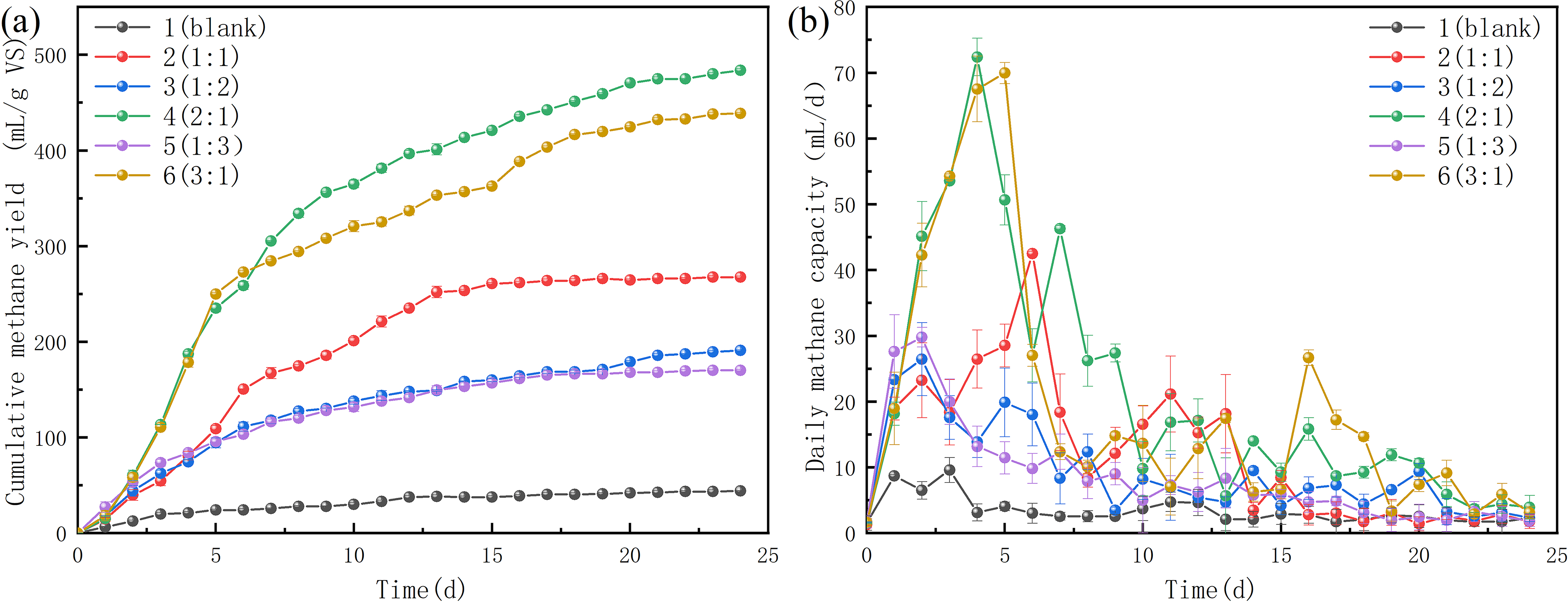
Accumulation methane yield
Figure 1a shows that ∼85% of the biomethane was produced within the first 15 days of the experiment. After the 15th day, the cumulative methane production increased gradually and then plateaued. Overall, experimental groups with a higher proportion of organic solid residues exhibited greater cumulative methane production than those with more residual liquid. Initially, the high substrate concentration in the reaction bottles led to a relatively constant increase in cumulative methane production (VCH4); the methane production process exhibited zero-order reaction characteristics, as shown by the linearly increasing segment in Figure 1a. After ∼10 days of anaerobic digestion, the substrate concentration in the reaction bottles decreased due to ongoing degradation, causing the cumulative methane production to increase nonlinear over time. Higher methane production was associated with a greater proportion of solid residue in the mixture, primarily because the abundant carbohydrates, proteins, and lipids in the solid residue were hydrolyzed into usable small molecular organic compounds, such as hydrogen, formic acid, and acetic acid. Methanosarcina utilizes the reducing power of hydrogen, with carbon dioxide serving as an electron acceptor, to convert it into CH4 via dehydrogenase action (Wagner et al., 2016). Methanobacterium and Methanosarcina convert acetic acid into methane, releasing it into the water (Workie et al., 2023). Experimental group 4 exhibited the highest cumulative methane production, suggesting optimal mixed anaerobic digestion efficiency at a 2:1 mass ratio of organic solid residues to residual liquid.
Figure 1b shows that on the 3rd and 4th days of the reaction, due to the extensive hydrolysis and acidification of the organic solid residue, the pH dropped to around 4, and the methanogenesis process was somewhat inhibited. As small molecular organic compounds such as VFAs degraded and H+ was consumed in the system, the pH gradually increased to 6.5–6.8. Consequently, the activity of methanogens increased, leading to a rise in methane production. During the mixed anaerobic digestion process, experimental group 5, which had a higher proportion of added residual liquid than experimental group 6, had the peak of its daily methane output occur relatively early. Comparative analysis revealed that organic small molecules in the residual liquid are more readily converted by methanogenic archaea (Mironov et al., 2021), whereas organic matter in the organic solid residues requires a longer hydrolysis and acidification process for utilization by methanogenic archaea. The residual liquid exhibits a higher VS removal rate in the early stages of the reaction than organic solid residues. Univariate linear regression analysis revealed that the methanogenic activity of inoculated microorganisms was strongest under the experimental condition of a 2:1 mass ratio of organic solid residues to residual liquid.
Changes in TS and VS concentrations in the anaerobic co-digestion system
Prior to the experiment, the concentrations of TS and VS were measured in mixed solutions with varying proportions. The blank group and other groups simultaneously carried out anaerobic digestion experiments, the contents of TS and VS in the blank group and other groups were measured, respectively, at the end of the experiments. The reduction amounts of TS and VS in the blank group were deducted, and then the removal rates of TS and VS in each group were further calculated. The quality percentages and removal rates of TS (a) and VS (b) in the experiment are shown in Figure 2.
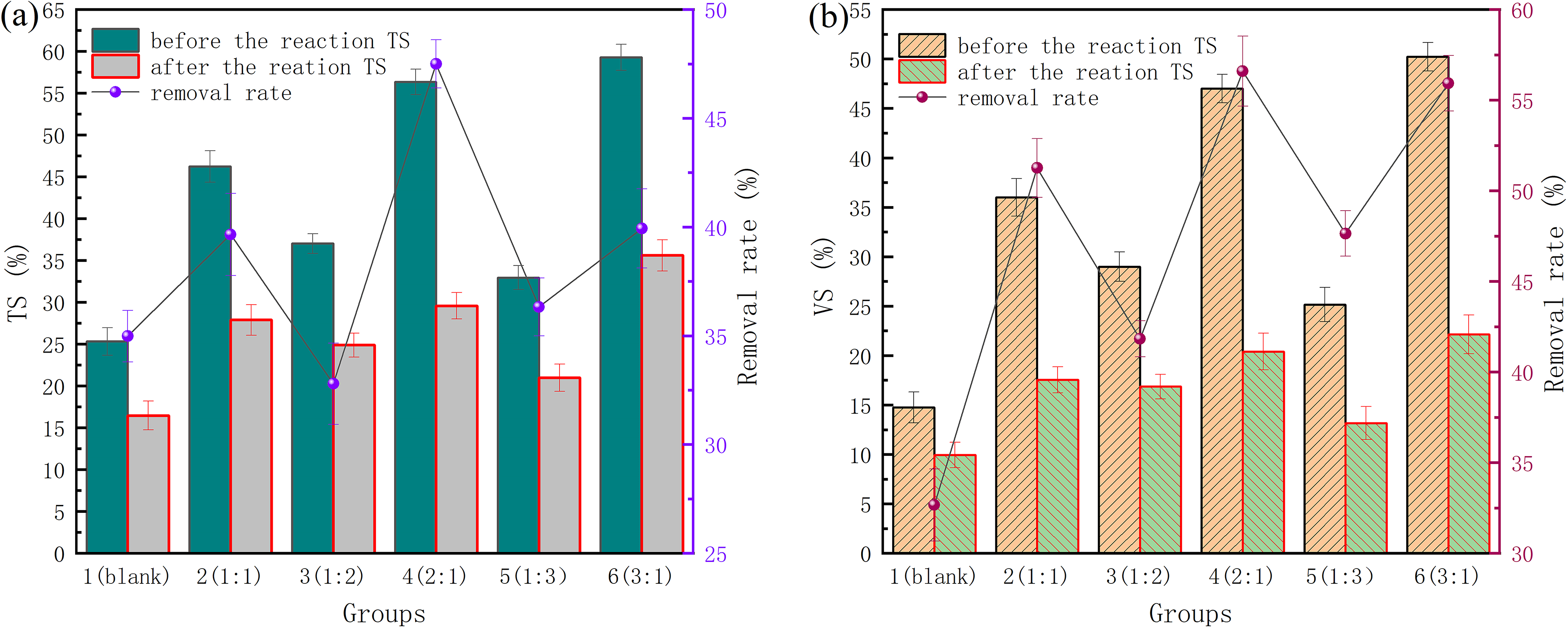
The quality percentage and removal rate of TS
As shown in Figure 2a and b, in the anaerobic digestion experiments with different proportions of organic solid residues and residual liquid, the concentrations of TS and VS in the reaction bottles decreased to varying degrees with the progress of methane production. This was attributed to the volatile organic matter being hydrolyzed and further converted into methane and CO2 (Liu et al., 2018).
Figure 2a and b shows that the contents of TS and VS increase as the ratio of organic solid residue increases in the reaction bottle; the high solid content rate promoted the degradation of VS in anaerobic co-digestion within a certain range, and the removal rate of VS increased. At the end of the reaction, the other solid substances in the matrix, such as keratin from animal-based foods and cellulose, a major component of plant cell walls, have not yet been completely hydrolyzed and acidified; these solid residues required continuous, longer-term biological degradation (Salimi et al., 2019). Regrettably, this experiment did not conduct tests on cellulose and other solid substances, this conclusion is based on the references. The experimental group with a dominant organic solid residue component showed multiple peaks in its daily methane production, which verified this point. In the mixed digestion experiment, Group 4 had the highest TS removal rate at 47.41%, followed by Groups 2 and 6 with a TS removal rate of ∼39.93%. This indicates that a higher solid content significantly enhanced the degradation of organic components under mesophilic conditions during anaerobic digestion. Group 4 also had the highest VS removal rate at 56.55%, followed by Group 6 at ∼55.38%. The VS removal rate reflects the ease of degradable substrate degradation in the mixed system. The experimental group with a higher VS removal rate had a greater cumulative methane production; this was mainly due to the fact that VS is easily hydrolyzed into small molecules such as acetic acid, which can then be utilized and converted into methane by methanogenic bacteria.
Variations in VFAs within the co-digestion system
The VFAs are intermediate products in anaerobic digestion, generated through carbohydrate fermentation, long-chain fatty acid hydrolysis, and amino acid deamination (Mancini et al., 2018). In co-digestion systems with various mixing ratios, methane production is closely associated with the dynamic production and consumption of VFAs. Throughout the experiment, VFA concentrations were assessed on days 0, 4, 8, 12, 16, 20, and 24; the variation of VFAs at different ratios of organic solid residues and residual liquid is shown in Figure 3.
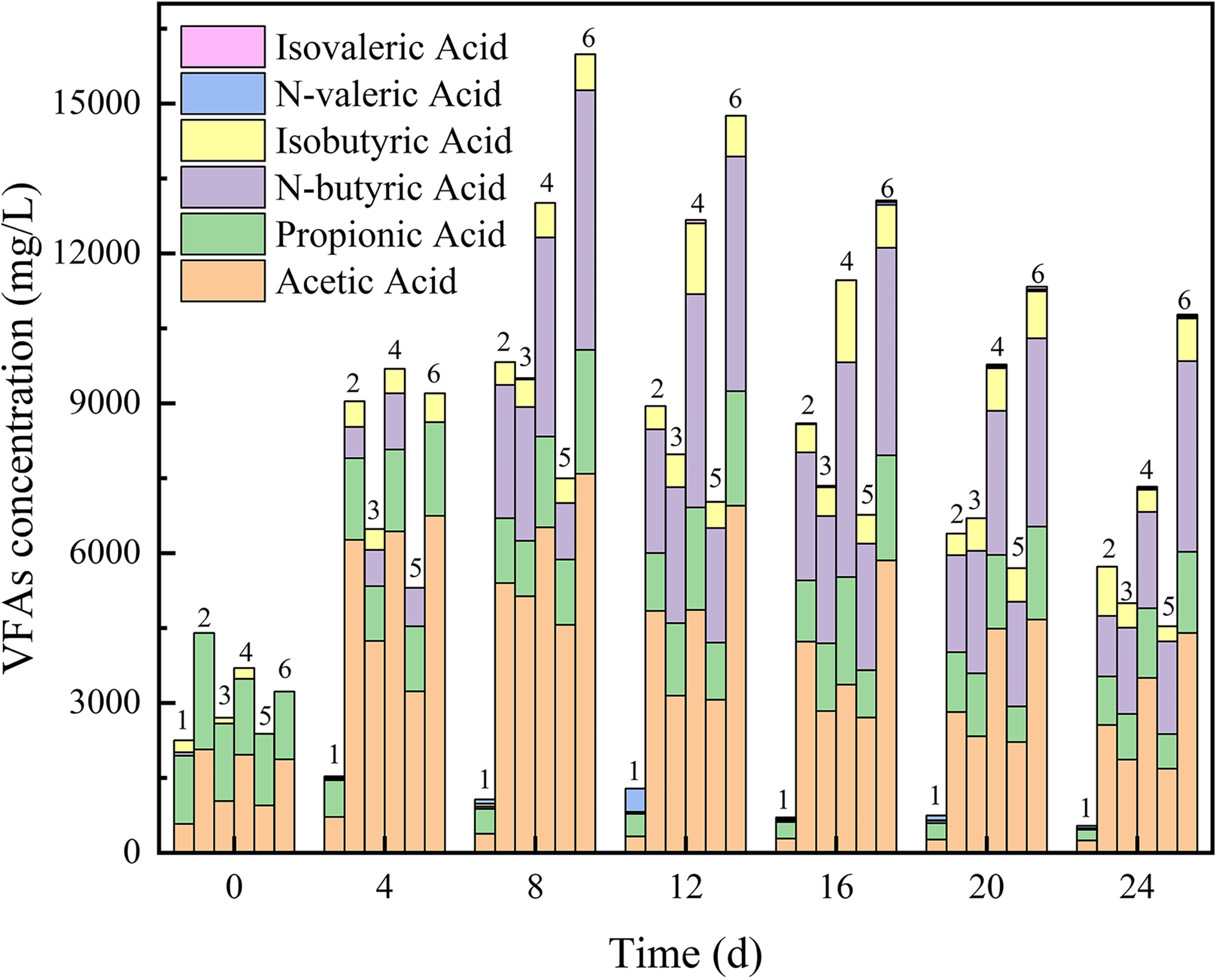
The variation of VFAs at different ratios of organic solid residues and residual liquid. VFA, volatile fatty acid.
In the initial stages of the experiment, small amounts of acetic and propionic acids in the system primarily originated from the inoculated sludge and residual liquid. Figure 3 shows that VFAs in the mixed system were primarily composed of acetic, propionic, and butyric acids in the early stages, along with a small amount of n-valeric acid. In the later stages of the experiment, the content of butyric acid became more significant. When comparing experimental groups with different mixing ratios, those with a higher proportion of residual liquid produced more acids and did so earlier. VFAs concentrations initially increased, peaked on day 8 (lagging behind methane production), and subsequently declined as digestion progressed. From days 0–8, a large amount of organic matter continuously hydrolyzed, and generated acids. However, the consumption rate of acids was lower than the production rate, leading to a significant increase in VFAs concentrations. As methanogenic bacteria adapted to the acidic environment, VFAs were gradually consumed, resulting in varying degrees of reduction in VFAs content. However, residual acetic and propionic acids persisted in the system due to dual inhibition by free ammonia and organic acids, rendering them unavailable for methanogenesis. The overall downward trend of VFAs slowed, methane production rates decreased, and the growth trend of methane yield also slowed synchronously. Studies have shown that when the concentration of VFAs in the system exceeds 6,000 mg/L, the accumulation of VFAs leads to an increase in hydrogen partial pressure, which inhibits the activity of hydrogen-producing and acetic acid-producing bacteria and affects the metabolic activity of propionic acid-oxidizing bacteria (Wang et al., 2023). As a result, the system destabilized due to acidification, and the production of methane was inhibited. During the production process, the method of adding alkaline substances can be adopted to adjust the pH of the system and restore the activity of methanogenic bacteria.
The inhibition of ammonia nitrogen
The organic solid residues and residual liquid contain nitrogenous organic compounds, such as proteins and amino acids. During anaerobic fermentation and degradation, most biodegradable organic nitrogen is converted into ammonia nitrogen, which primarily exists in the form of ammonium ions and free ammonia (Gu et al., 2023). Ammonia nitrogen serves as a nutrient for microbial growth (Zhang et al., 2020c). Due to the slow growth rate of anaerobic microorganisms, only a small proportion of nitrogen is incorporated into cellular components. As anaerobic digestion progresses, the concentration of ammonia nitrogen in the system continually increases. The increase in ammonia nitrogen concentration buffers VFAs produced in the system, thereby preventing acidification to some extent. Changes in ammonia nitrogen concentration over time in the reaction bottles are depicted in Figure 4.
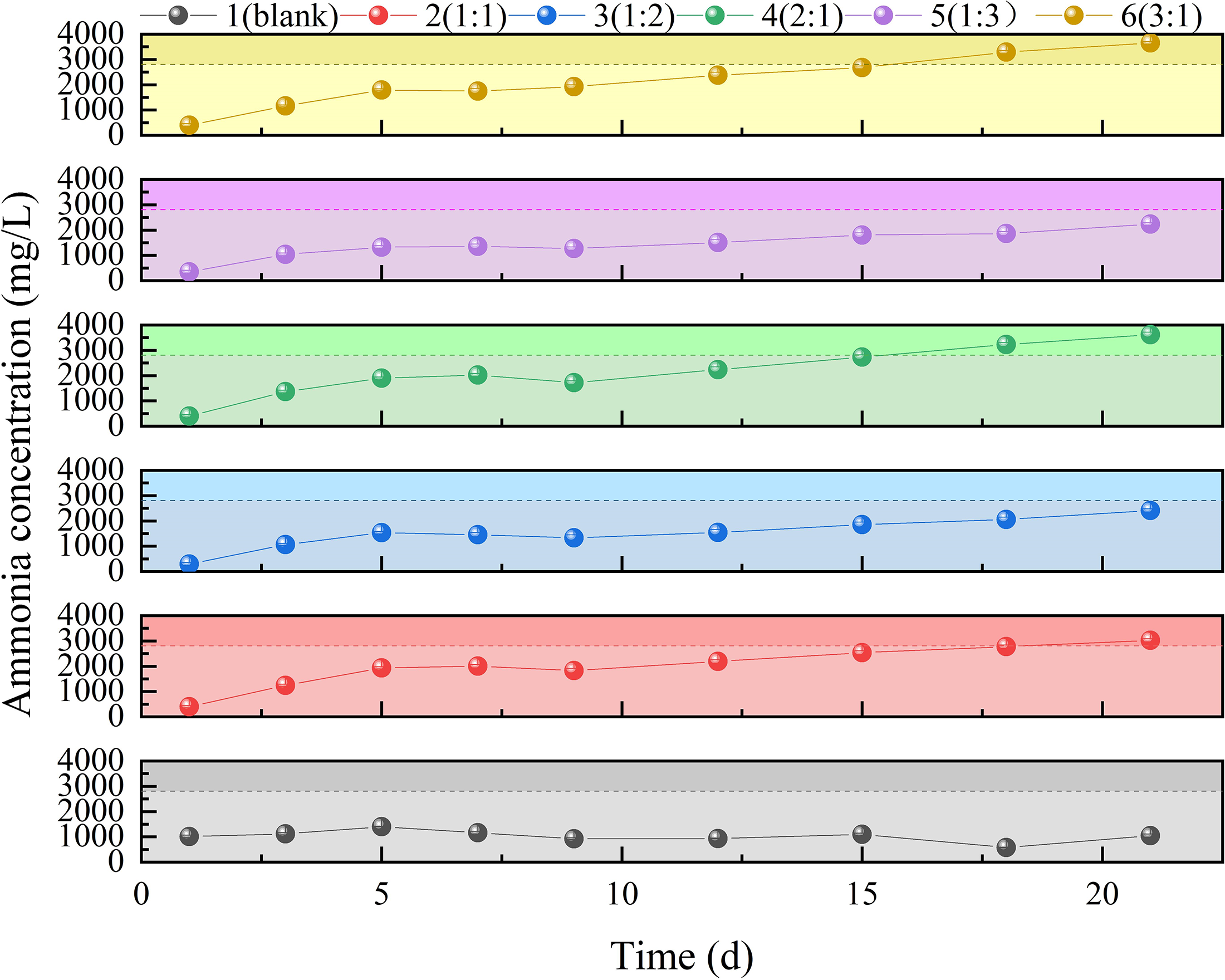
Changes in ammonia nitrogen concentration during the experimental process.
Ammonia nitrogen, one of the primary toxic substances during the anaerobic digestion of food waste, exerts a stronger inhibitory effect on methanogenic bacteria than on acidogenic bacteria (Peng et al., 2021); accumulation of ammonia nitrogen leads to a decline in the methane-producing capacity of microorganisms and even their eventual cessation. At the initial stage of the reaction, organic matter undergoes hydrolysis and acidification, and the ammonia nitrogen concentration resulting from the conversion of organic nitrogen is relatively low. The co-digestion system is weakly acidic, and ammonia nitrogen mainly exists in the form of ammonium ions; this has not had a significant impact on the system. When the mass concentration of ammonia nitrogen reaches 2,000–2,200 mg/L, it temporarily inhibits microbial activity. This occurs because NH3 is a small molecule, noncharged, and liposoluble; it can directly penetrate the lipid bilayer of the cell membrane and enter the cell in a natural diffusion manner, inhibiting the activity of methane synthase. However, after a brief acclimatization period, the system returns to its original state.
On day 7, the average ammonia nitrogen concentration in the reaction groups was ∼2,400 mg/L. As methane was produced and VFAs were continuously consumed, the pH of the system gradually rose. The high ammonia nitrogen concentration inhibited the methanogenic activity, reducing daily methane production during the latter half of the experiment. The ammonia nitrogen release rate increases with a higher proportion of solid residue. When the mass concentration of ammonia nitrogen exceeds 2,800 mg/L, the pH in the reaction bottles gradually rises to a weakly alkaline state, and the mass concentration of free ammonia increases to above 95.8 mg/L, surpassing the free ammonia inhibitory threshold of 60 mg/L for methanogenic bacteria (Kayhanian, 1994). Consequently, the digestion system was inhibited, and the daily methane production decreased until the end of the experiment. In the presence of organic matter, it reflects that the activity of the methanogens failed to be effectively restored. Analysis suggests that free ammonia is a hydrophobic molecule with excellent membrane permeability (Wang et al., 2019), which can enter the bacterial interior through diffusion and cause proton imbalance between the intracellular and extracellular environments. Moreover, free ammonia entering the cell converts into ammonium, binding with phospholipid molecules on the cell membrane, disrupting membrane integrity and altering permeability (Guo et al., 2024), leading to the efflux of substances such as potassium ions and nucleotides. Concurrently, ammonium ion accumulation within the cell leads to excessive hydrogen ion (H+) production, altering intracellular pH and causing acidosis damage. In addition, the accumulation of ammonium ions disrupts the cellular metabolic pathways, interfering with the tricarboxylic acid cycle, leading to the accumulation of organic acids such as lactic acid, thereby exacerbating acidosis. Studies have demonstrated (Jiang et al., 2019) acetate-type methanogens are more sensitive to ammonia inhibition. After an adequate adaptation period, the dominant methanogens and the methane generation pathways in the anaerobic digestion system with high ammonia content will shift toward hydrogen-nutrient type. In engineering applications, it is feasible to utilize a two-phase anaerobic digestion system to treat high-nitrogen waste. Appropriate methods of ammonia nitrogen removal should be adopted to mitigate the adverse impact of excessive ammonia nitrogen on the efficiency of methane production reactions during the digestion process.
Variation of SCOD and C/N ratio during the reaction procedure
Changes in SCOD concentration and C/N ratio in the reaction bottles during the experiment are depicted in Figure 5.
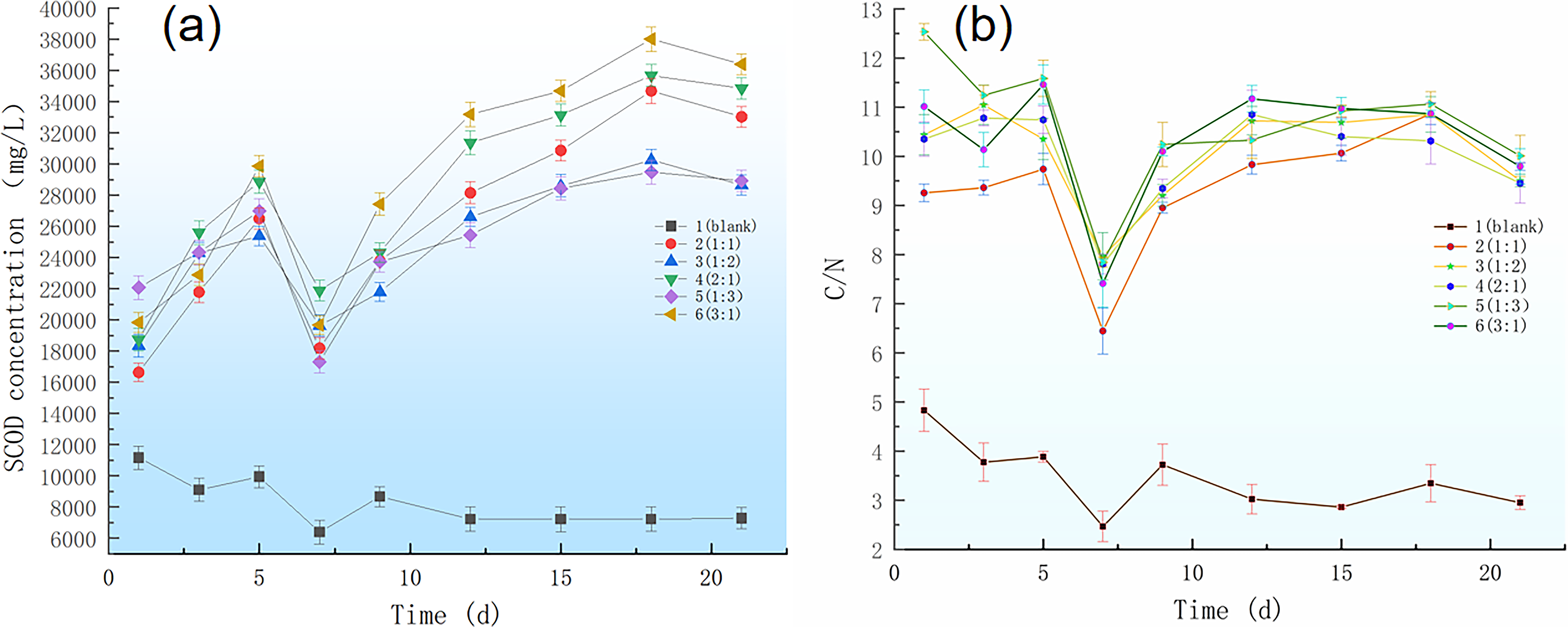
The change of SCOD concentration
In mixed solutions with varying mass ratios, SCOD concentrations increased to varying degrees from the start of experiment to day 5 as hydrolysis and acidification proceeded. This increase was primarily attributed to the hydrolysis of large molecular organic compounds in the organic solid residues and residual liquid into soluble small molecular organic compounds. During this phase, the production rate of small molecular organic compounds exceeded the utilization rate by methanogenic bacteria, leading to SCOD accumulation. Between days 5 and 7, the methanogenic community gradually adapted to the environmental conditions and became more active. In the reaction bottles, microorganisms utilized SCOD, resulting in decreased concentrations. From day 7 onward, significant accumulation of SCOD was observed in each experimental group. The analysis suggests that there are two main contributing factors. First, the increase in SCOD is due to the hydrolysis of large-molecule organic substances in the organic solid residue and residual liquid. Second, the methanogenic bacteria are affected by the accumulation of ammonia nitrogen, resulting in a decrease in their biological activity and a reduction in the consumption of SCOD, a gradual increasing trend in the SCOD mass concentration in the experimental bottles, noticeable SCOD accumulation in the system, and a new peak on day 17. Experimental groups with higher proportions of organic solid residues exhibited more pronounced SCOD increases, likely due to the refractory substances such as cellulose and long-chain fatty acids in the organic solid residues being slowly degraded under the action of extracellular enzymes secreted by acid-producing bacteria.
The content and proportion of nutritional elements in food waste significantly influence the effectiveness of anaerobic digestion of organic matter. Anaerobic bacteria require an appropriate ratio of nutritional elements for growth, and a C/N ratio ranging from 10/1 to 28/1 is acceptable for anaerobic digestion (Mu et al., 2023). When the C/N ratio exceeds 30, a series of chain reactions will occur within the system, including accumulation of VFA, consumption of alkalinity, and decrease in pH. The optimal pH range for the growth of methanogenic bacteria is 6.8 ∼ 7.2. When the pH <6, the integrity of the cell membrane of methanogenic bacteria is damaged, the activity of coenzyme F420 is inhibited, and the synthesis of methane is hindered, the methane production drops (Gu and Jin, 2019). Conversely, a low C/N ratio is likely to restrict the metabolic activities of microorganisms, thereby affecting the production of methane and the efficiency of organic matter transformation. In the co-digestion experiment of organic solid residues and residual liquid, the C/N ratio was low. During the process, as SCOD was consumed and ammonia nitrogen was released, the C/N ratio dropped to an average of ∼7, inhibiting the metabolism of methanogenic bacteria. In the later stages of anaerobic digestion, increasing ammonia nitrogen concentrations slowed SCOD utilization, leading to C/N ratio recovery. However, under the dual influence of high SCOD and ammonia nitrogen, methanogenic efficiency gradually decreased. Codigesting food waste with fibrous waste or excess sludge can stabilize the C/N ratio, enhancing system stability and methane yield.
The impact of humus on methanogenesis and their fluorescent behavior
Humus in the mixed digestion liquid primarily comprises complex, highly stable aromatic polycyclic or heterocyclic organic compounds, including hydrophobic organic substances like fulvic acids (FAs). These originate primarily from article scraps, vegetable residues, and food leftovers in organic solid residues and residual liquid. In the co-digestion system, fermentation bacteria such as Clostridium and Bacteroides metabolize organic substrates to produce small molecules such as phenols, quinones, and organic acids, as well as the cell walls (containing peptidoglycan and lipopolysaccharide) of microorganisms after their death, and intracellular macromolecules (such as proteins and nucleic acids) constitute the precursors of humus. These humic substance precursors undergo condensation or polymerization reactions to form partial humic substances (Liao et al., 2023). Analysis suggests that under short-term Hydraulic Retention Time, the formation of humus depends on the enrichment of refractory organic matter (such as lignin) and the rapid condensation of phenolic-quinone-amino acids in an acidic environment. Furthermore, the anaerobic digestion environment at 37°C also makes a certain contribution.
Humus exerts dual effects on anaerobic digestion. Quinone groups in humus can act as electron acceptors and intermediates, facilitating electron transfer between microorganisms and organic substrates during anaerobic digestion. This promotes acidification and enhances hydrogen/acetic acid production. At a certain concentration, humus (total humus < 15% of dry weight, FA < 5 mg/g VS), FA has a promoting effect on acid production in anaerobic digestion, and humic acid (HA) enhances system stability. Humus can also act as electron intermediates, increasing the redox potential of anaerobic digestion and strengthening the oxidation of propionic acid to acetic acid. At low concentrations, humus can stimulate methanogenesis by serving as effective electron acceptors. However, high concentrations of humus (total humus > 25% dry weight, FA > 8 mg/g VS) lead to a continuous decrease in the activity of key hydrolytic and methanogenic enzymes, causing significant inhibition of methanogenesis; the inhibitory effect becomes more pronounced with increasing humus concentration (Huang et al., 2023). Humus released during the anaerobic digestion of food waste is largely recalcitrant to microbial degradation and becomes adsorbed onto sludge.
Changes of humus fluorescence intensity in the anaerobic digestion system with a 2:1 mixing ratio are depicted in Figure 6.
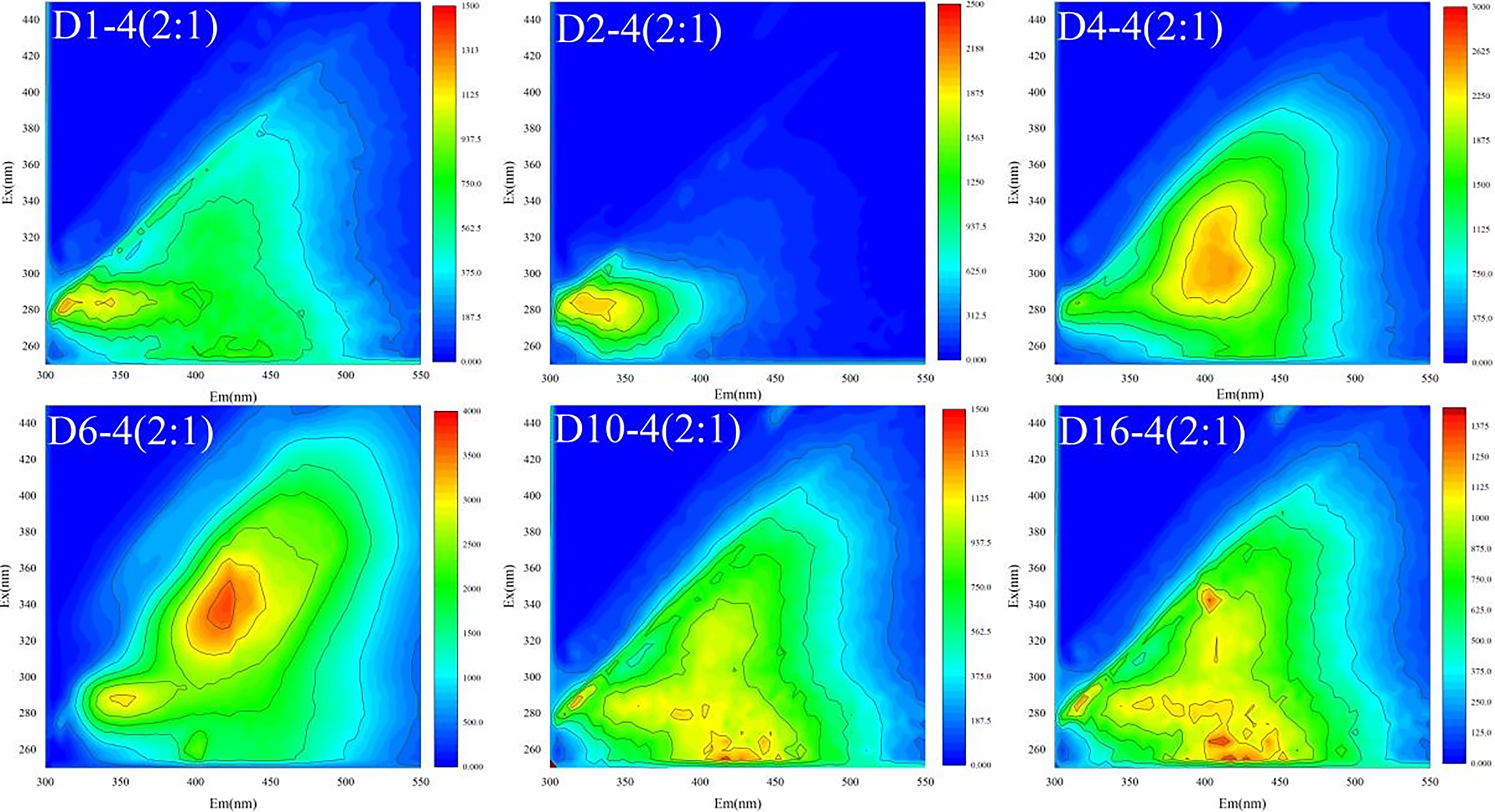
Fluorescence changes during the mixed anaerobic co-digestion process.
Figure 6 depicts changes in humus fluorescence intensity in the anaerobic digestion system with a 2:1 mixing ratio. On the second day of anaerobic digestion, the adsorption effect of the digestion sludge caused a large transfer of humus from the mixed liquids to the sludge surface. Concurrently, redox reactions between VFAs and humus reduced chromogenic groups (e.g., quinones) to phenolic hydroxyl groups, resulting in a nearly complete fluorescence quenching of the supernatant, and the disappearance of all fluorescence peaks except the protein-like fluorescence peak. This phenomenon was attributed to pH-induced dissolution of intracellular proteins, which significantly increased the intensity of protein-like fluorescence peaks. These peaks are directly related to the release of intermediate products such as proteins and amino acids during the co-digestion hydrolysis stage. As anaerobic digestion progressed, amino acids and small molecular organic acids derived from protein hydrolysis further formed humus. During the acidification stage of anaerobic co-digestion, when the pH value is between 3 and 6, the weakly acidic environment facilitates the carboxyl groups (-COOH) of HA molecules to remain protonated, reducing the electron delocalization effect of conjugated systems and causing a blue shift phenomenon in fluorescence spectra (e.g., the FA peak). With the transformation and release of the structural composition of humus, the fluorescence intensities of FA and HA gradually increased on the 4th and 6th days; the increase of FA was more significant than that of HA. The ratio of HA to FA during anaerobic digestion can serve as an indicator of the degree of anaerobic digestion (Li et al., 2017). The HA/FA ratio regulates the efficiency of anaerobic digestion through three dimensions: electronic competition, toxicity buffering, and organic matter accessibility. When HA/FA < 1, FA accelerates hydrolysis, but electronic competition intensifies, resulting in a decrease in methane production. When the ratio is between 1.5 and 2.0, HA adsorbs VFA and stabilizes pH, preventing the electronic plundering of FA and the encapsulation effect of HA, which helps to increase methane yield. When HA/FA > 2.5, excessive HA encapsulation of organic matter hinders degradation, and the COD removal rate decreases. On the 4th day, the decrease in daily methane production coincided with an increase in humic substance fluorescence intensity, indicating that the inhibition of anaerobic digestion energy conversion efficiency by HA intensified with increasing concentration. This inhibition is mainly due to the competition between humus and methanogens for electron donors or the inhibition of the acetic acid cleavage pathway (Huang et al., 2021); the subsequent decline in daily methane production also suggests a contribution from the inhibitory effect of humus on methanogens. On the 10th day of the reaction, the fluorescence intensity of humus weakened, likely due to microbial degradation of unstable aliphatic humus. On day 16, the fluorescence intensity of the sample recovered. The fluorescence intensity is mainly formed by stable aromatic compounds that are not easily degraded during the anaerobic digestion. This reflects that mineralization is also a process in the mixed anaerobic digestion.
The PARAFAC was conducted on the fluorescence data of the wastewater samples from the anaerobic digestion group with a ratio of 2:1; the results are shown in Figure 7.
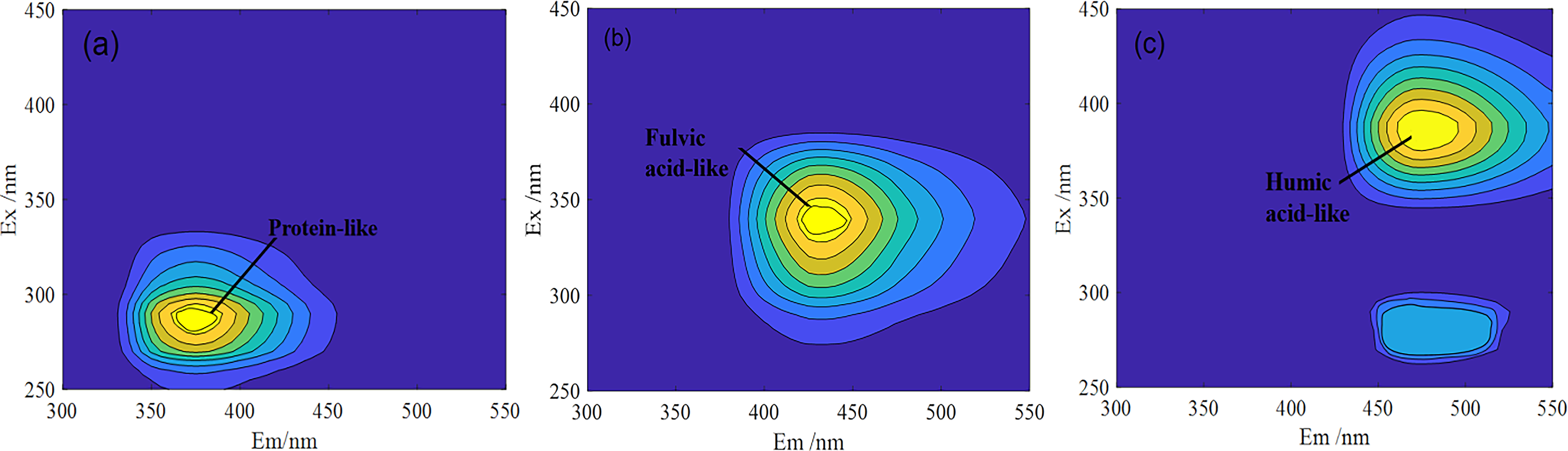
Fluorescence principal component analysis.
The three principal components obtained were the fluorescence contributions of protein-like, FA-like and HA-like substances. The fluorescent substances in the process of co-digestion of organic solid residues and residual liquid are mainly protein-like substances, FA-like substances, and HA -like substances.
Conclusions
Co-digestion of organic solid residues and residual liquid at varying mass ratios enhances the efficiency of resource utilization for organic solid wastes such as food waste. When the mass ratio of organic solid residues to residual liquid is 2:1, anaerobic digestion achieves the highest methane production efficiency, yielding 483.71 mL/g VS. The ammonia nitrogen released during anaerobic co-digestion plays a major inhibitory role in methanogenesis. When the mass concentration of ammonia nitrogen exceeds 2,800 mg/L, it exists as free ammonia, significantly inhibiting methanogenic bacterial metabolism and reducing daily methane production. As anaerobic co-digestion progresses, the fluorescence peak of humus in the system shifts from the protein-like peak to the FA and fulganic acid peaks, and the changes in fluorescence characteristics are related to different stages of anaerobic co-digestion. Fluorescence intensity variations of humus are related to the mineralization of organic components in the anaerobic digestion system; humus can be used as a characteristic fluorescent substance to characterize the anaerobic digestion process. This article merely analyzed the potential and influencing mechanisms of methane production through anaerobic co-digestion; the regulation of the co-digestion process will be regarded as the key focus of subsequent research.
Authors’ Contributions
T.X.: Investigation, conceptualization, writing—original draft, and data curation. B.D.: Investigation, conceptualization, and writing—review and editing. W.L.: Supervision and data curation. X.Y.: Investigation and data curation. H.Y.: Writing—review and editing. X.Y.: Data curation.
Footnotes
Author Disclosure Statement
The authors declare no competing financial interest.
Funding Information
This study was supported by