







Abstract
A potential approach to translating benefits acquired from therapeutic horseback riding (THR) sessions into the daily routines of autistic children is by involving parents as co-interventionists through the utilization of digital technology. In this three-phase exploratory sequential mixed methods study, we develop and test a parent-mediated mobile application complementing a THR program for autistic children. Qualitative interviews informed the digital tool’s development, followed by a quantitative assessment of usability and social validity. Findings present proof of concept, indicating that participants perceived the parent-mediated mobile application as useful and user-friendly. This article contributes to mixed methods literature a pioneering approach in the field of THR incorporating subjective and objective assessments into the development and evaluation of the parent-mediated mobile application.
Clinical trial registration
ClinicalTrials.gov ID NCT05689541.
Keywords
Equine assisted services (EAS) is a unified term referring to multiple services where professionals integrate aspects of horses, including their body movement, warmth, and size to enhance overall functioning in individuals (Wood et al., 2021). EAS has been widely implemented as an intervention strategy for diverse purposes such as therapy, horsemanship, and learning, particularly benefiting autistic children (McDaniel Peters & Wood, 2017). Autism Spectrum Disorder, the fastest-growing developmental disorder in the United States, affects 1 in 36 children and is characterized by impairments in social and communication skills, restricted repetitive behaviors, and is often accompanied by difficulties in motor skills (American Psychiatric Association, 2013; Maenner et al., 2021). To help address these difficulties and delays in autistic children, EAS has been extensively used as a form of treatment modality (Peters et al., 2020; Srinivasan et al., 2018; Trzmiel et al., 2019).
The increasing number of studies on EAS for autistic children has led to multiple reviews, revealing benefits across domains such as social, communication, engagement, stereotypical behaviors, and motor skills (McDaniel Peters & Wood, 2017; Ruggeri et al., 2020; Srinivasan et al., 2018; Trzmiel et al., 2019; Wood & Fields, 2021). Despite positive outcomes, limitations in EAS interventions are present. They include but are not limited to a) challenges in generalizability of benefits gained, b) a lack of combined subjective and objective measures of outcomes, and c) limited parental involvement (McDaniel Peters & Wood, 2017; Srinivasan et al., 2018; Stern & Chur-Hansen, 2019).
The literature on EAS has identified a significant gap in the generalizability of benefits beyond the horseback riding settings for autistic children (Srinivasan et al., 2018). The concept of generalizability pertains to the transferability of acquired skills and advantages from the intervention context to external settings, such as the home environment (Babulal et al., 2016). As such, the literature emphasizes the need for interventions to be transferable beyond horseback riding settings. Implementing interventions across various settings or contexts may enhance the generalizability of skills acquired during EAS.
Another limitation highlighted in the literature is the absence of a combination of subjective and objective assessment measures to evaluate the changes in outcomes of dependent variables such as improvements in social skills, enhancement in motor functions, and advances in communication skills (McDaniel Peters & Wood, 2017). Reviews show that most research has relied primarily on objective measures, like questionnaires (McDaniel Peters & Wood, 2017). This focus on quantitative methods can be problematic because, while they capture measurable changes in social skills, motor functions, and communication, they often fail to fully account for the nuanced, subjective experiences of participants, their parents, and caregivers. To address this gap in the literature, mixed methods may offer a comprehensive approach by integrating both qualitative and quantitative data. This approach may be particularly valuable when examining complex interventions such as EAS where outcomes are influenced by a range of personal, environmental, and social factors. In this way, a mixed methods approach overcomes the limitations of purely quantitative research, providing a more complete understanding of both the effectiveness and the broader impacts of interventions on diverse populations. The literature therefore suggests that clinicians, researchers, and practitioners need to use a combination of qualitative and quantitative methods to understand the effects of the EAS not only on the participants but also on their parents and caregivers (McDaniel Peters & Wood, 2017).
Parental involvement, a known asset in intervention processes, is also lacking in the development and implementation of EAS (McDaniel Peters & Wood, 2017; Srinivasan et al., 2018). Recognizing parents as effective interventionists, their participation can enhance generalizability and improve outcomes for autistic children (McDaniel Peters & Wood, 2017). While parents have been successfully included in intervention research, as of today, to the best of the authors’ knowledge, the inclusion of parents as co-interventionists in any EAS is non-existent. To overcome this limitation, one of the notable ways to include parents as part of intervention delivery is with the use of mobile technology or mobile applications (Esposito et al., 2020). While literature is abundant in the use of mobile phones for autistic children (Pi et al., 2021), interventions rarely involve a parent-mediated component. Encouragingly, recent literature supports mobile-phone-based interventions as a promising approach to family-based participation, with parents expressing high satisfaction and advocating for low-cost portable intervention delivery methods (Columna et al., 2021; Pi et al., 2021).
Recognizing these gaps, the purpose of this mixed methods study was to develop and test a parent-mediated mobile application complementing a therapeutic horseback riding program (a type of EAS) for autistic children. The study followed an exploratory sequential mixed methods design with three phases: (1) qualitative exploration, (2) interim development, and (3) quantitative evaluation. The guiding research questions for each phase were as follows: (a) Qualitative exploration phase: What are the needs and perceptions of parents and certified therapeutic riding instructors (CTRIs) regarding the use of a mobile application to be used in conjunction with a therapeutic horseback riding program for autistic children? (b) Interim development phase: How can the understandings that arise from the needs and perceptions of the parents and CTRIs inform the development and refinement of a parent-mediated mobile application to be used in conjunction with a therapeutic horseback riding program for autistic children? (c) Quantitative evaluation phase: How do the parents and CTRIs evaluate the usability and social validity of the newly developed parent-mediated mobile application for autistic children participating in a therapeutic horseback riding program? (d) Mixed methods integration: How can understandings from the qualitative and quantitative phases be used to establish a deeper meaning to the usability and social validity of the newly developed parent-mediated mobile application as a complementary resource for autistic children participating in a therapeutic horseback riding program?
Methods
Paradigm and Theoretical Framework
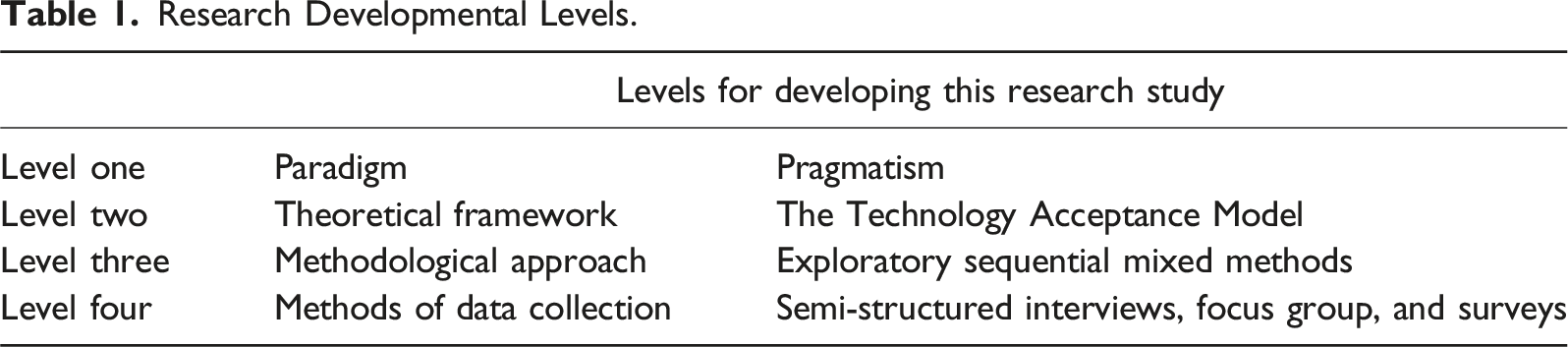
Research Developmental Levels.
Research Design
This study employed a mixed methods research design, emphasizing the integration of quantitative and qualitative data within a single or series of studies (Creswell & Plano Clark, 2017). The chosen design was an exploratory sequential mixed methods approach, that includes a primary qualitative exploration phase, followed by an interim development phase, and concluding with a quantitative evaluation phase (Greene et al., 1989). In this three-phase mixed methods design, emphasis was placed on collecting and analyzing qualitative data in the first phase. The first integration of data happened after this phase with the use of a sequential design, where the results from the first phase of the research were used to build the digital tool in the second stage of the research. Accordingly, building on the exploratory findings, an interim development phase was conducted to develop and refine the mobile application. The third phase then involved a quantitative assessment of the mobile application’s usability and social validity through a survey questionnaire. As for the final mixed methods integration, a narrative weaving approach was employed (Fetters et al., 2013).
Research Setting
To conduct this study, a collaborative partnership was formed with the Three Gaits Inc Therapeutic Horsemanship Center, situated in Stoughton, Wisconsin. The center’s mission is to enhance the lives of individuals facing physical, emotional, and intellectual disabilities through EAS.
Participants
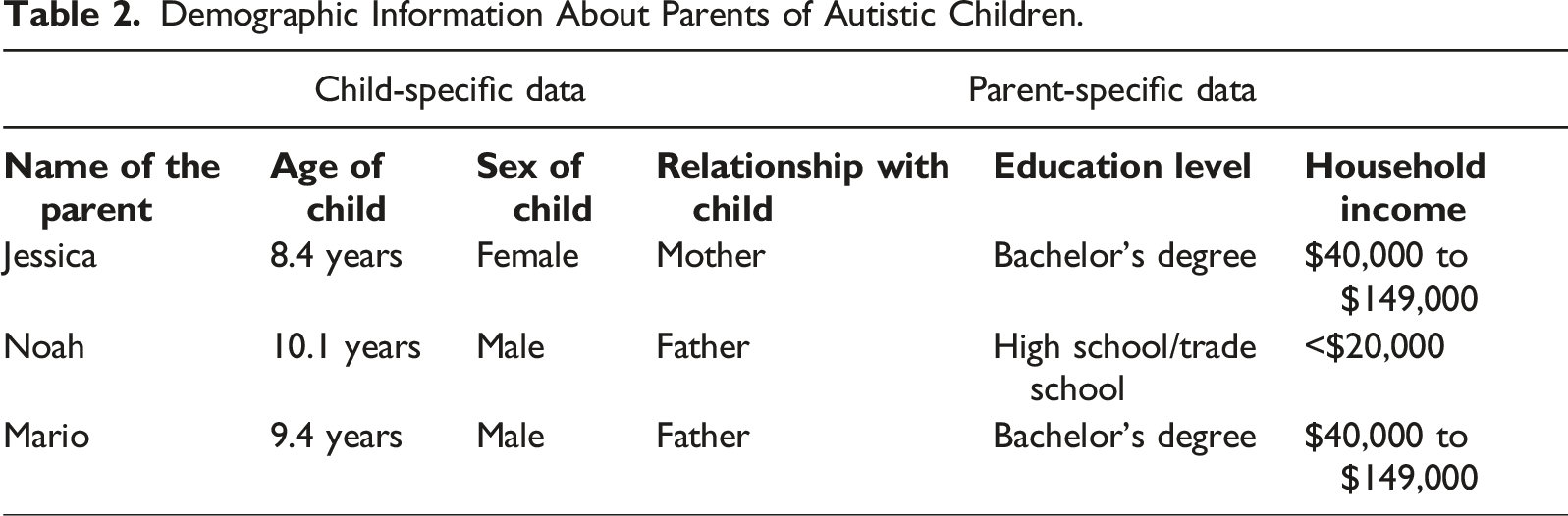
This study involved two participant groups to understand a single case within its real-world context. The first group consisted of parents of autistic children who participated in the therapeutic horseback riding program at the Three Gaits Inc Therapeutic Horsemanship Center. The term “parent” here includes adults in parental roles, such as parents, caregivers, grandparents, or legal guardians. The second group consisted of CTRIs leading the therapeutic horseback riding sessions at the same center.
Parental inclusion criteria were (a) being a parent of an autistic child aged 6–15 receiving services at Three Gaits Inc; (b) having access to a mobile device; (c) willingness to download the mobile application; (d) availability for a 45–90-min interview; (e) availability to complete an end-of-study survey; and (f) proficiency in English language. The eligibility criteria for the CTRIs were (a) certification from the Professional Association of Therapeutic Riding (PATH); (b) a minimum of 1 year of experience conducting therapeutic horseback riding sessions for autistic children; (c) availability to participate in a 45–60-min focus group interview; (d) availability to complete the end-of-study survey; and (e) proficiency in English language.
Recruitment
Demographic Information About Parents of Autistic Children.
Demographic Information About CTRIs.

Data Collection
Two data collection phases were conducted: (a) qualitative and (b) quantitative. The qualitative phase involved individual semi-structured interviews with parents and a focus group discussion with CTRIs. The quantitative phase utilized a survey questionnaire, adapted from the Systems Usability Scale (SUS) (Brooke, 1996).
Qualitative Phase
One-on-one Semi-Structured Interviews (With Parents)
Semi-structured interviews were conducted with parents of autistic children partaking in the therapeutic horseback riding program. These interviews were facilitated via Zoom video calls to ensure consistency and convenience. Each interview lasted approximately 45–60 minutes. The interview protocol, developed using the TAM (Davis, 1989) as a framework, consisted of eight questions. The first three questions explored information about the child, perceptions of participating in physical activities, and experiences with therapeutic horseback riding. These questions aimed to build a rapport with parents and also gain an understanding of their perspectives on the motivations behind their children’s involvement in therapeutic horseback riding. Moreover, in line with the guiding research question for this phase, subsequent questions explored parental experiences with the utilization of mobile applications for facilitating physical activity for their children and their perceptions of using a mobile application to enhance the generalizability of skills acquired during therapeutic horseback riding. In the final two questions, parents were presented with a working prototype of a previously developed mobile application by the research team to gain feedback on the user interface and content including but not limited to navigation buttons, structure, and example activities.
Focus Group (With CTRIs)
A focus group discussion was conducted with CTRIs who lead the therapeutic horseback riding program at Three Gaits Inc Therapeutic Horsemanship Center. This method was chosen for its ability to foster dynamic group interactions. To ensure time and location convenience, the discussion took place via a 60-min Zoom video call. The focus group protocol aligned with the TAM (Davis, 1989) and featured five questions. Initial questions explored their experiences as CTRIs with autistic children and leading therapeutic horseback riding sessions. The purpose of these questions was to gain an understanding of their perspectives, challenges, and successes in working with autistic children during therapeutic horseback riding sessions. Moreover, in line with the guiding research question for this phase, the subsequent questions delved into their perceptions of using a mobile application to enhance the generalizability of skills acquired during therapeutic horseback riding. Similar to the semi-structured interviews with parents, the CTRIs were presented with a working prototype mobile application, to gain feedback on the user interface and content. Additionally, the CTRIs shared lesson plans and session goals during this discussion.
Quantitative Phase
Following the implementation of the newly developed mobile application, both groups of participants were administered a Qualtrics survey via email. The survey consisted of 16 questions, modified from the SUS (Brooke, 1996). The survey aimed to evaluate the usability (e.g., participants’ perceptions of the newly developed mobile application’s ease of use and usefulness) and social validity (e.g., participants' perceptions of its goals, procedures, and outcomes) of the parent-mediated mobile application when used alongside a therapeutic horseback riding program for autistic children.
Data Analysis
In this exploratory sequential mixed methods design, initial qualitative data were analyzed, the mobile application was developed based on the qualitative results, and the quantitative data were then analyzed (Creswell & Plano Clark, 2017).
Qualitative Phase
The qualitative interviews, including one-on-one interviews and focus group, were audio recorded, transcribed, and analyzed inductively for emergent themes using NVivo. Using a thematic line-by-line analysis (Braun & Clarke, 2006; Maguire & Delahunt, 2017), the transcripts were inductively analyzed by coding the data into potential themes. The researchers looked for patterns across the data sets and categorized them into codes. Then, codes that were similar to each other were clustered together into similar categories and these similar categories were clustered as the emerging themes and sub-themes (Patton, 2002).
Interim Development Phase
In this exploratory sequential design, the integrative data analysis involved an important step where the qualitative findings informed the development of the new digital tool (Creswell & Plano Clark, 2017). Thus, the point of integration occurred during this interim mobile application development phase. The development of this mobile application was guided by the vision of actively involving parents with their children. Consequently, the overarching goal of the parent-mediated application was to provide parents with the opportunity to engage in the activities suggested within the mobile application in collaboration with their children.
Consistent with the exploratory sequential design, the themes from the qualitative phase were mapped to the content development of the parent-mediated mobile application. Once the content was identified through the analysis of the interviews, the relevant information for mobile application development was transferred to the Glide© software development platform. Glide©, a no-code platform using Google Sheets as a data source, was used for building the mobile application. The lead researcher organized and imported the content into Glide©. To illustrate this development phase, a joint display table was constructed to represent the link between themes/codes and specific contents of the newly developed parent-mediated mobile application.
Intervention Implementation
Once the parent-mediated mobile application was developed, it was disseminated to the participants with instructions to utilize it for two weeks. Additionally, participants were provided with detailed download instructions included in the mobile application download packet. As part of their participation in the study, participants were also given an activity pack comprising equipment for the recommended games and activities. Over the two-week implementation period, parents were encouraged to engage with their children and facilitate the involvement of children in the games and activities outlined in the mobile app. Since this was the first study of its kind, we instructed parents to complete the suggested games and activities with their children at their convenience and pace. This approach allowed for flexibility, ensuring that participants could engage with the intervention in a way that best fits their schedules.
Quantitative Phase
To analyze the scores from the SUS, the standardized scoring interpretation as recommended in the literature was employed (Brooke, 1996). Individual SUS scores were transformed into percentile ranks through normalization, following the standard manual (Bangor et al., 2008). A higher SUS score indicates greater usability of the digital tool. The SUS scores also include the acceptability range (e.g., not acceptable, marginal, and acceptable) along with corresponding adjective ratings (e.g., worst imaginable, poor, ok, good, excellent, and best imaginable). Descriptive statistics summarized social validity ratings. For consistency in the overall analysis of quantitative data, Likert scale responses for the social validity questions were converted to scores, where Strongly Disagree = 0, Disagree = 1, Neutral = 2, Agree = 3, and Strongly Agree = 4.
Final Mixed Methods Integration
Utilizing both qualitative and quantitative data in a study is not enough to qualify as a true mixed method design (Creswell & Plano Clark, 2017). In this study, data integration occurred at the design level through a sequential design, informing the second stage with insights from the initial phase. The final integration used a narrative weaving approach (Fetters & Molina-Azorin, 2017), where qualitative and quantitative findings were interwoven within the theoretical framework.
Mixed Methods Appraisal
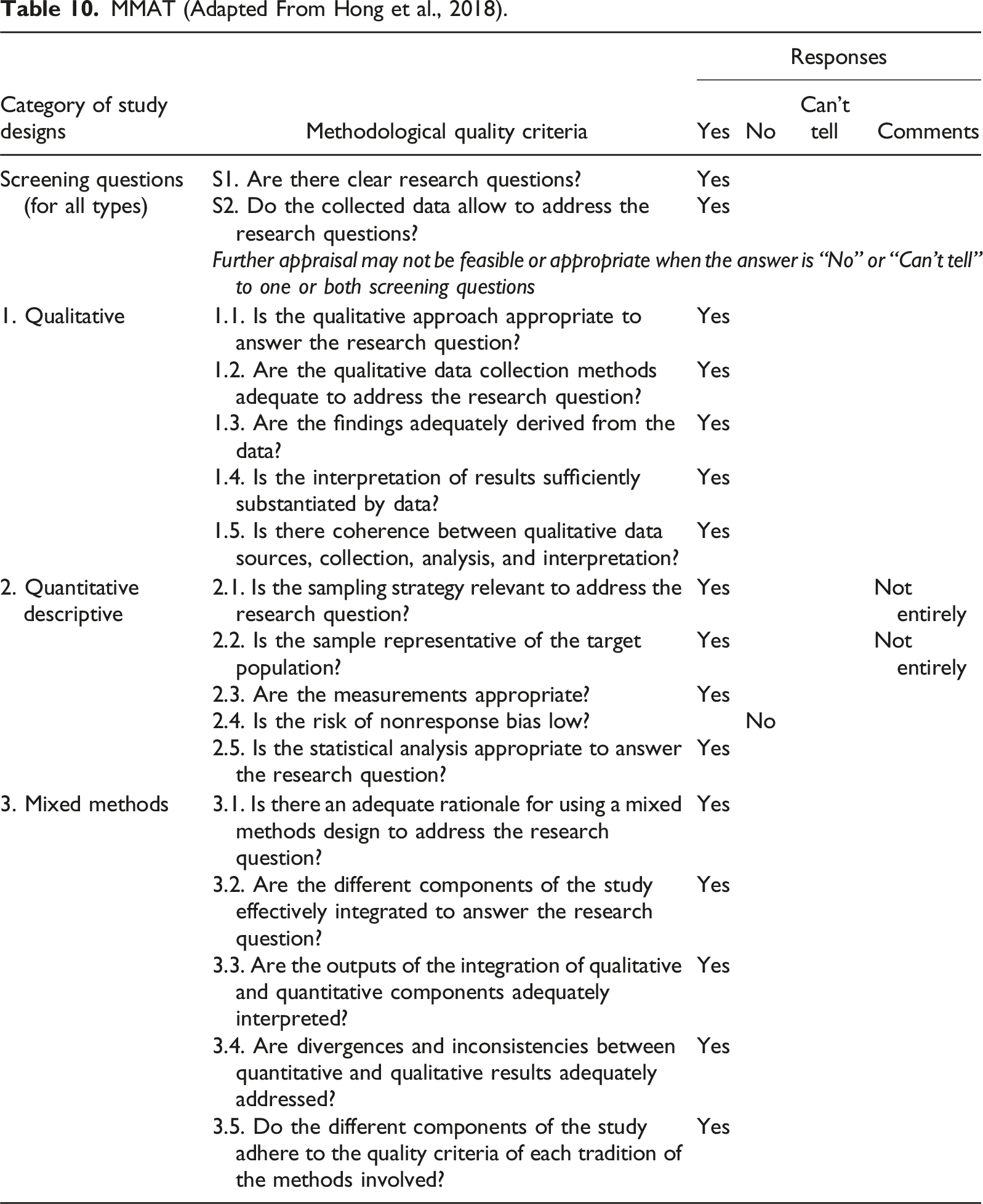
To ensure the appropriateness, rigor, and transparency of the mixed methods design, we used the Mixed Methods Appraisal Tool (MMAT) (Hong et al., 2018). MMAT, a standardized tool that assesses the quality of mixed methods research studies, includes a checklist that helps to evaluate different sections, including research questions, data collection, analysis, integration of qualitative and quantitative data, and overall study quality. The researchers systematically applied the MMAT checklist to each study phase, providing a “yes/no” response based on established criteria, ensuring alignment with quality standards.
Results
This section is organized by presenting the results from the (a) qualitative phase, (b) interim development phase, (c) quantitative phase, and (d) final mixed methods integration.
Qualitative Phase
From our exploratory interviews, four key themes (Figure 1) emerged, capturing insights from both parents of autistic children and CTRIs about their perspectives and experiences with therapeutic horseback riding for the children. Participants also emphasized the need to align the mobile application’s content with the activities of a horseback riding session. Notably, the findings delved into specific aspects, including the importance of an organized layout, a user-friendly interface, and conditions facilitating the mobile application’s use. Key themes constructed in the qualitative phase.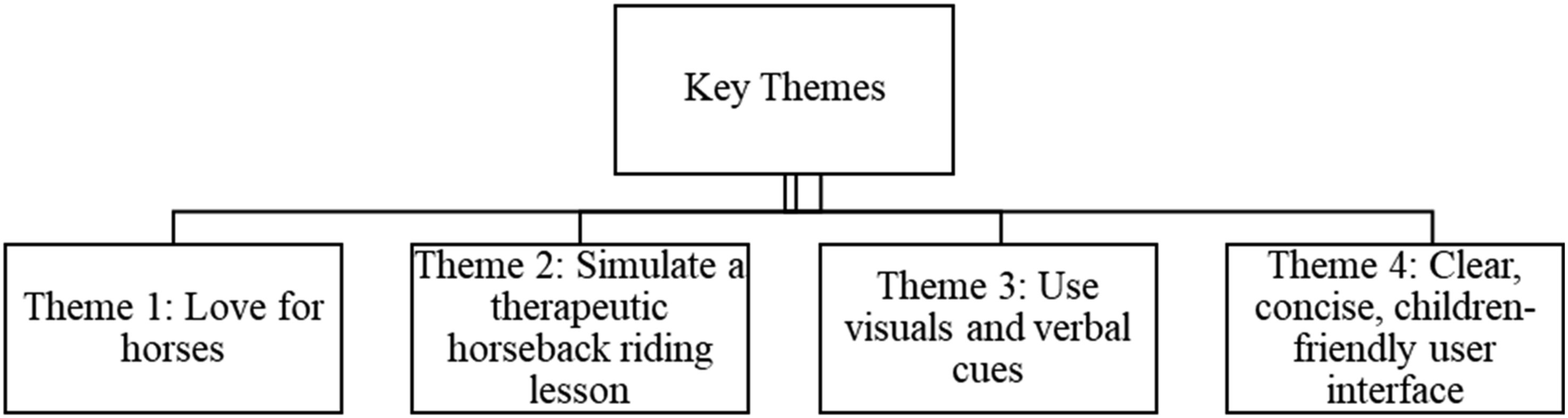
Theme 1: Love for Horses
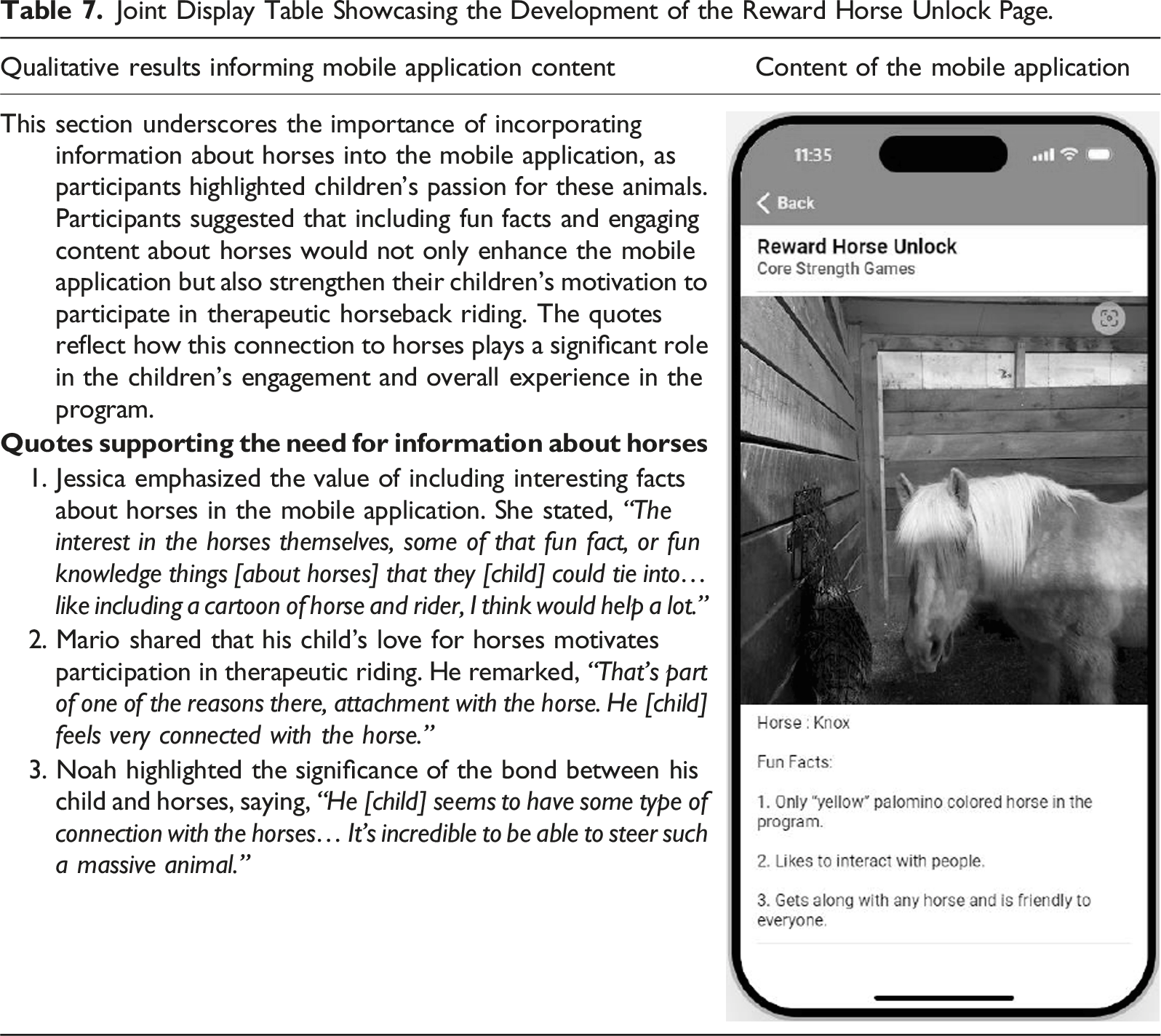
Parents highlighted the children’s love for horses, suggesting that the program gave a unique opportunity for their children to experience the advantages of horseback riding while also enhancing their overall health and well-being. For instance, Noah exclaimed his child’s love for horses and the human-horse connection and added, “He [child] seems to have some type of connection with the horses… It’s incredible to be able to steer such a massive animal.” Similarly, Mario expressed his child’s love for horses, being their motivation to participate in the therapeutic horseback riding program. Mario expressed, “That’s part of one of the reasons there, attachment with the horse. He [child] feels very connected with the horse.” Mario further described how his child felt a sense of calm and relaxation by the end of the horseback riding session and noted that his child’s sense of calmness extended beyond the immediate post-riding session and that the positive effects were lasting. Similarly, Noah remarked that his child is always calm after a horseback riding session and stated, “He’s [child] always calm, a lot calmer afterward. He’s [child] kind of in a whole different mental space.” In addition to the behavioral improvements that their children made through the therapeutic horseback riding sessions, parents also expressed that the benefits of the human-horse bond were also observed in their children’s social-communication skills. For Jessica and Mario, participation in the therapeutic horseback riding sessions made their children more socially independent. Jessica stated, She [child] just drives on it, meeting new people going to the horse stable. She’s got to talk to everybody and see what they’re doing. She loves to watch other people ride, and just kind of take it.
Theme 2: Simulating Therapeutic Horseback Riding Lessons
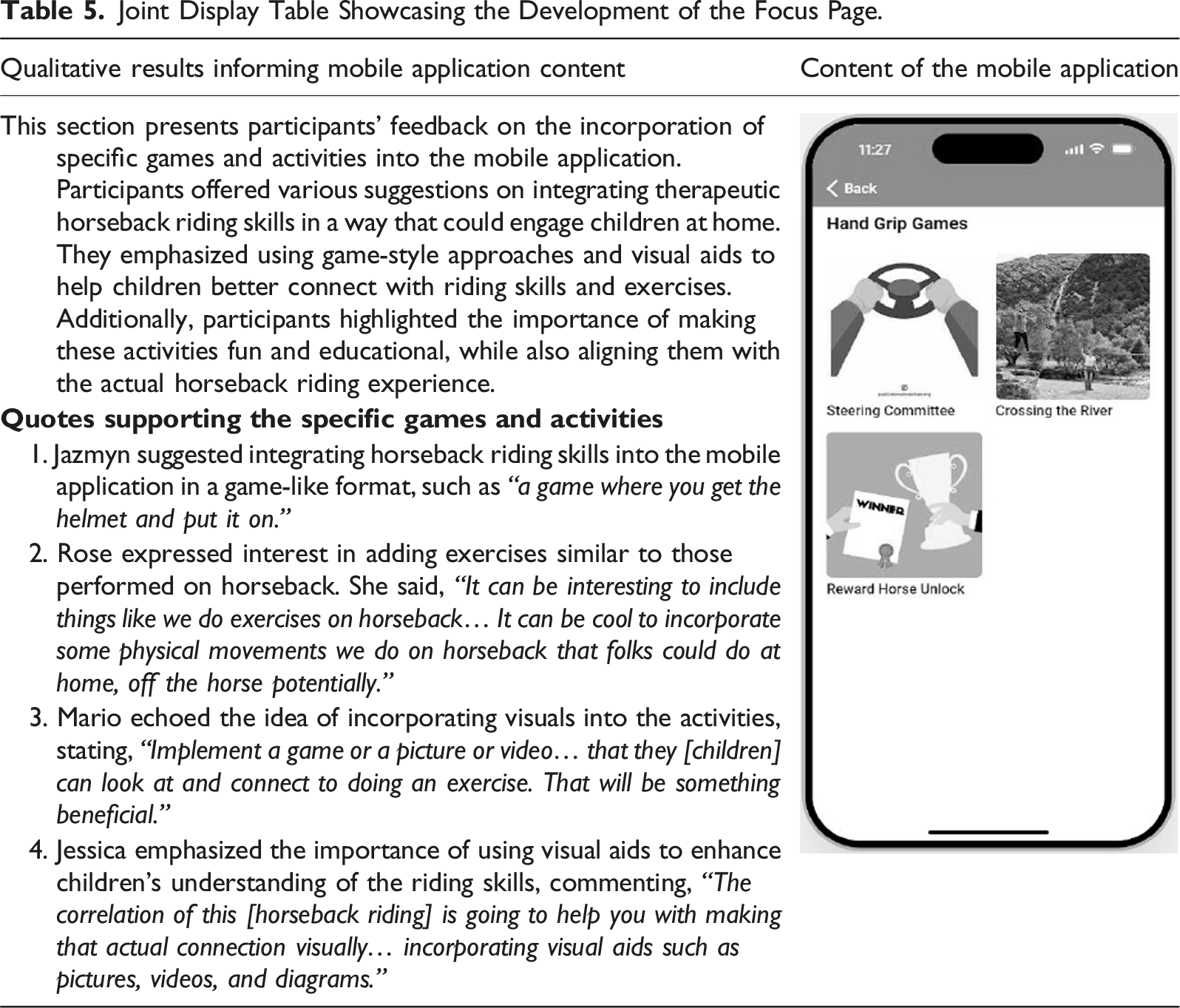
The parents underscored their children’s love for horses and suggested incorporating elements from a horseback riding session into the mobile application. Jessica noted, “If we [use the app in connection] with what they’re doing in riding, it might be helpful to include that [horseback riding] portion as well.” She added, The interest in the horses themselves, some of that fun fact, or fun knowledge things [about horses] that they [child] could tie into, like including, knowledge or the equal aspect of it, I think would help a lot. Like including a cartoon of horse and rider.
Another parent, Mario, resonated with this feeling and shared his child’s love for horses and so including a component related to the horse itself being beneficial, Mario stated, “He’s very attached to the horse, so maybe include the horse in the video, and maybe demonstrate a game with the horse in the video.”
The CTRIs supported this viewpoint, stressing the importance of integrating horseback riding-related components, simulating session goals, and replicating physical movements. Jazmyn suggested incorporating horseback riding skills into the mobile application, suggesting a game-style approach, “like a game where you get the helmet and put it on.” Rose supported this idea, highlighting the potential to familiarize children with horseback riding by mimicking horseback riding skills. She explained, It can be interesting to include things like doing exercises on horseback because oftentimes it can be difficult to get them [child] to do some riding skill things because they're not comfortable, for example, touching the horse, or moving their body in a certain way. It can be cool to incorporate some physical movements we do on horseback that folks could do at home, off the horse potentially.
Additionally, the CTRIs recommended parental involvement to bridge the connection between the mobile application's content and horseback riding sessions. Rose suggested a shadowing process for parents to observe therapeutic riding sessions, enabling them to replicate experiences at home. She emphasized the need for a tool that guides parents through what their child will encounter, stating, “Having a tool that helps the parent and the rider foreshadow what they’re going to encounter at the riding space could be nice.” Jazmyn expanded on this idea, emphasizing the importance of preparing parents for sensory aspects and details about the riding environment. She suggested, “incorporating information on clothing, shoes, smells, sounds, and visual stimuli to help families prepare someone with autism for a potentially overwhelming sensory experience.”
Theme 3: Utilizing Visuals and Verbal Cues
The participants emphasized the importance of linking the mobile application to horseback riding sessions through visual components. Recognizing that many autistic children are visual learners, incorporating visual aids like pictures, videos, and diagrams was seen as essential to conveying information and maintaining engagement. Jessica said, The correlation of this [horseback riding] is going to help you with making that actual connection visually for them [child]. I probably see a visual… like even a demonstration of how to do it and incorporating visual aids such as pictures, videos, and diagrams.
Mario echoed this sentiment, suggesting, “Implement a game or a picture or video or whatever that they [children] can look at and connect to doing an exercise. That will be something beneficial.” Noah highlighted the stimulating effect of visuals, stating, “If there’s some sort of visual component, something that's visually stimulating, there's a chance that interest will stay.”
Participants also recommended a combination of visual aids with verbal cues and instructions. Lily, drew parallels to a social story approach, and described, The game needs to be a gigantic social story that the students can make choices in. Like showing a student getting overstimulated, and having them start chewing on their shirt, and in that circumstance, maybe the game pauses, and then you make the choice to ask to be done or calm down.
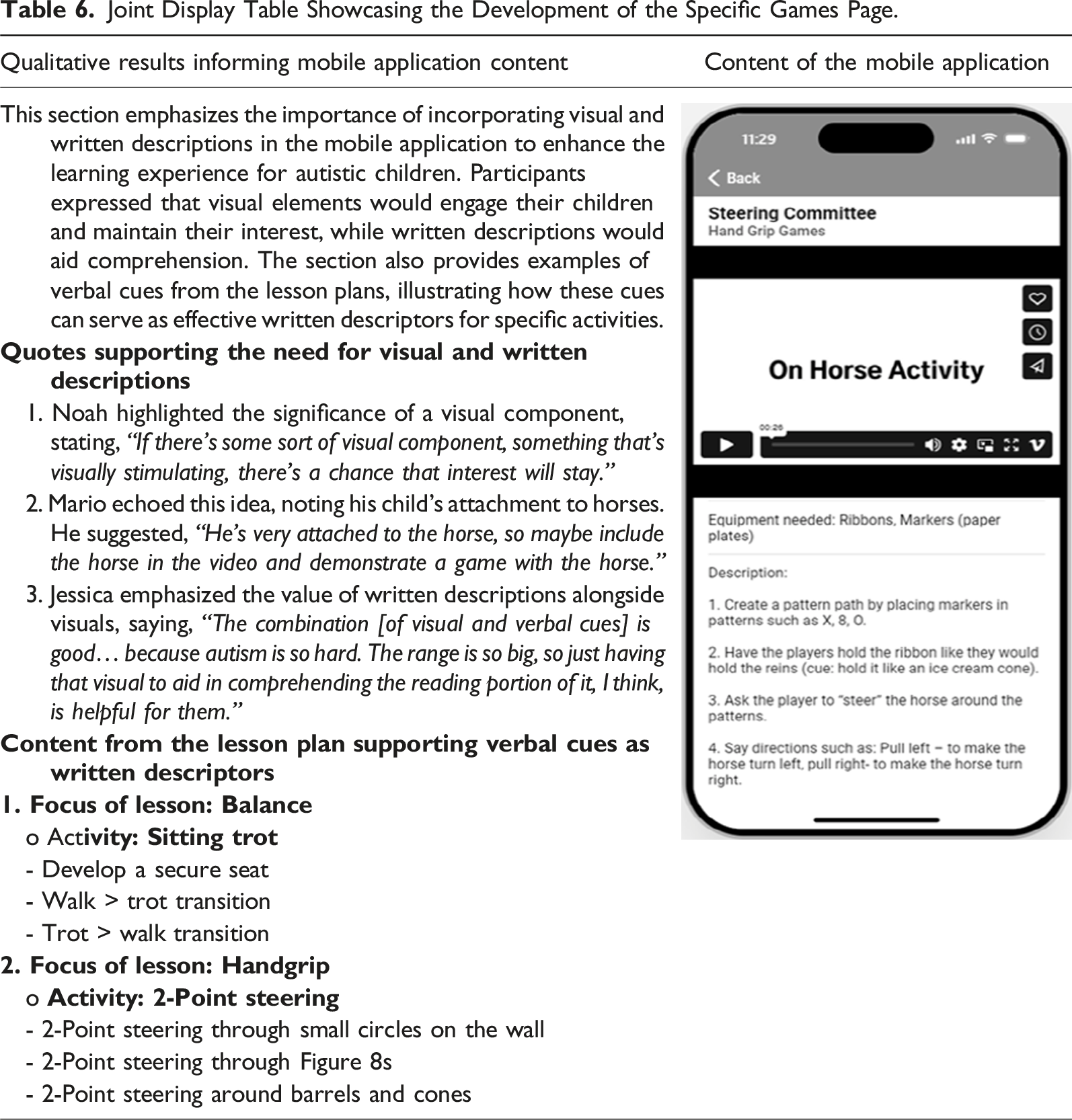
Jessica supported this idea, emphasizing the importance of written descriptions to aid comprehension, stating, “The combination [of visual and verbal cues] is good… because autism is so hard. The range is so big, so just having that visual to aid and comprehending the reading portion of it, I think, is helpful for them.”
Theme 4: User-Friendly Interface for Children
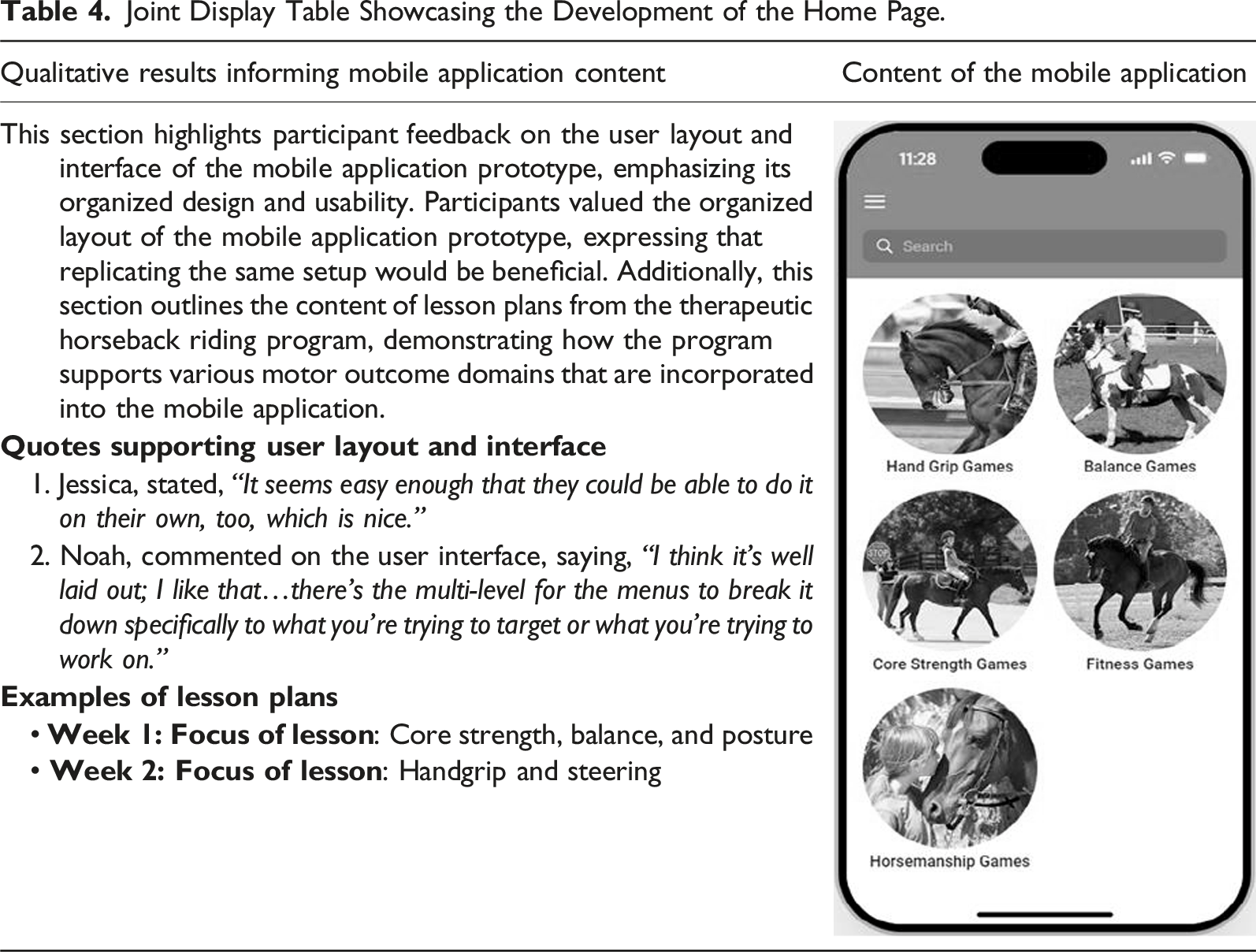
The participants emphasized the importance of specific system (mobile application) characteristics, advocating for a simple, clear, and child-friendly user interface. Noah, a parent, stressed the need for an interface designed explicitly for kids, stating, “We want it to look like it’s for kids, and that's helpful for kids in getting their attention.” He also recommended incorporating exciting words, like framing tasks as challenges, to boost a child’s confidence in using the app: “Using current lingo, like calling it a challenge, catches his [child] attention. It's kind of like a confidence builder.” When presented with a working prototype of a previously developed mobile application, the participants appreciated the organized layout. Jessica remarked, “It seems easy enough that they could be able to do it on their own, too, which is nice.” Noah commended the multi-level menus, stating, “I think it’s well laid out; I like that…there's the multi-level for the menus to break it down specifically to what you’re trying to target or what you're trying to work on.” Mario echoed this sentiment, expressing satisfaction with the application’s appearance and layout, stating, “I think the app, the way it looks, the setup, the layout that you guys have, I think it’s fine.”
Interim Development Phase
The parent-mediated mobile application was developed and organized in the following levels: (i) home page, (ii) focus page, (iii) specific games page, and (iv) reward horse unlock page.
Home Page
The home page, or landing page, is the initial interface users encounter upon entering the mobile application. It introduces five motor outcome domains: 1) hand-grip games, 2) balance games, 3) core strength games, 4) fitness games, and 5) horsemanship games. Each domain is visually represented on the home page with a title and corresponding image, aligning with the therapeutic horseback riding focus at Three Gaits Inc Therapeutic Horsemanship Center.
Joint Display Table Showcasing the Development of the Home Page.
Focus Page
Joint Display Table Showcasing the Development of the Focus Page.
Specific Games Page
Upon selecting a specific game on the focus page, users are guided to a detailed description page. This includes a video demonstration lasting approximately 30 seconds, featuring two parts: (1) “on-horse activity” showcasing a rider on a horse demonstrating the game and (2) “off-horse activity” demonstrating the game in a typical room setting.
Joint Display Table Showcasing the Development of the Specific Games Page.
Reward Horse Unlock Page
Joint Display Table Showcasing the Development of the Reward Horse Unlock Page.
Quantitative Phase
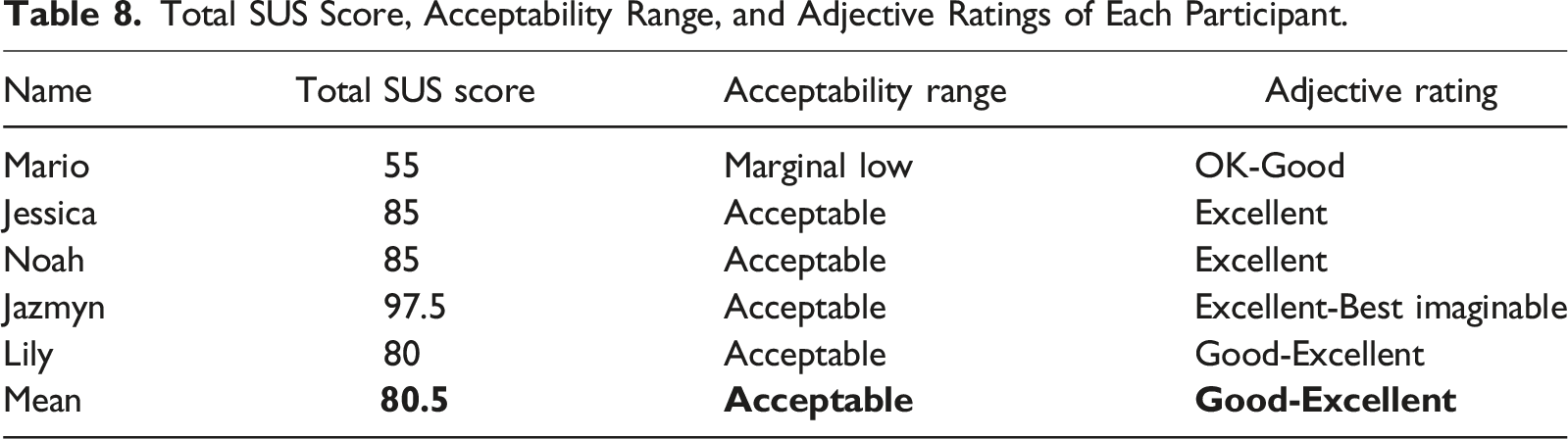
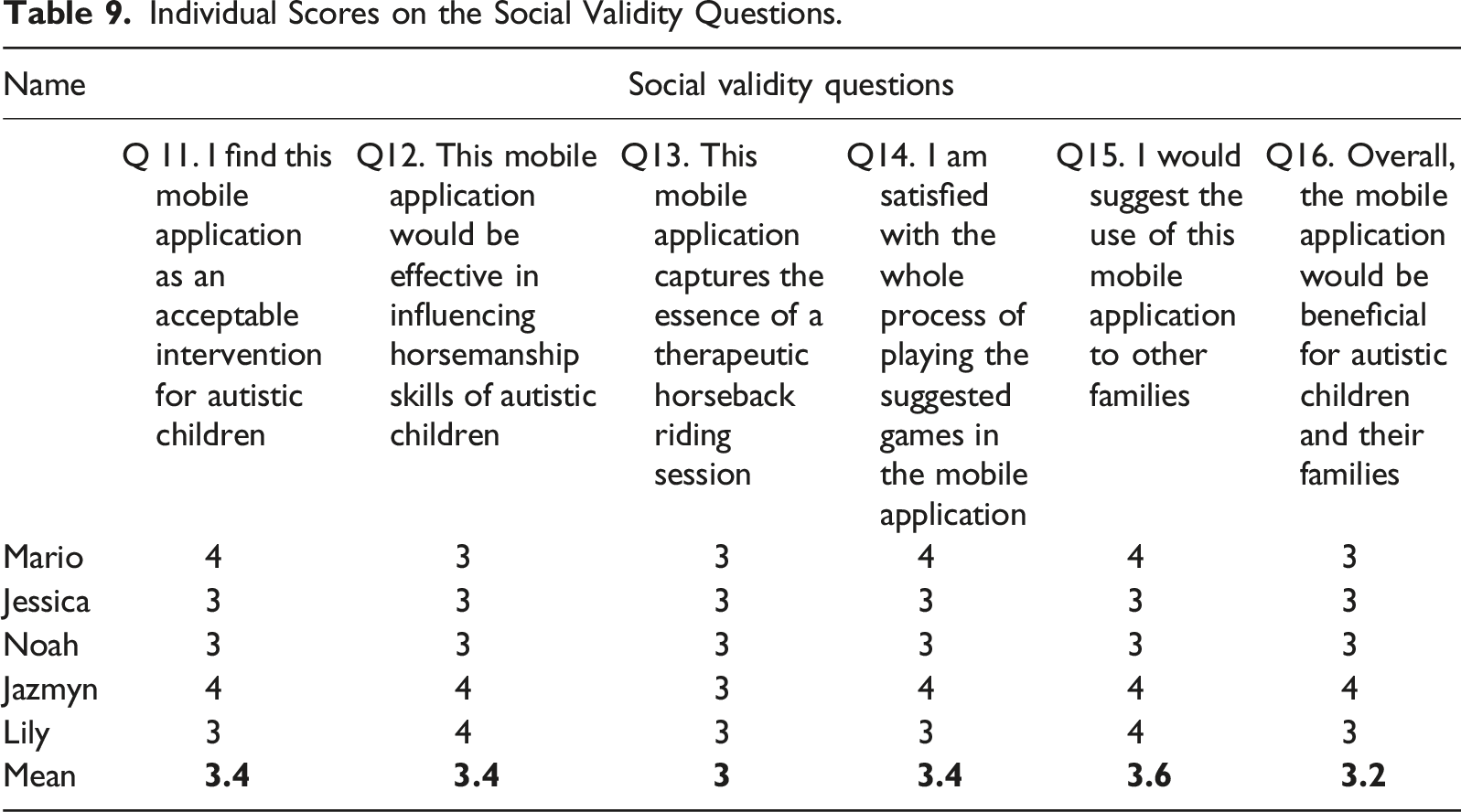
In this phase, one CTRI dropped out of the study and did not complete the survey form. As a result, a total of 5 participants including 3 parents and 2 CTRIs completed the survey. (Tables 8 and 9)
Usability
The highest reported SUS score was 97.5 by a CTRI (Jazmyn), categorized as “acceptable” with an adjective rating of “Excellent-Best imaginable.” In contrast, the lowest SUS score was reported by a parent (Mario), scoring 55, categorized as “marginal low” with an adjective rating of “OK-Good.” The mean SUS score reported was 80.5, with a standard deviation of 18.07. Based on the mean SUS scores, participants found the usability of the newly developed application acceptable and rated it as good-excellent on the adjective scale.
Social Validity
The highest mean, 3.6, was observed for question 15, indicating that the majority strongly agreed they would recommend this mobile application to other families. Questions 11, 12, and 14 followed closely with a mean value of 3.4, suggesting that participants found the mobile application an acceptable intervention for autistic children, effective in influencing horsemanship skills, and were satisfied with the process of playing the suggested games. Although question 13 had the lowest mean, there was also the least variance in participant responses, indicating unanimous agreement that the mobile application captured the essence of a therapeutic horseback riding session.
Final Mixed Methods Integration
Overall, findings from both the qualitative and quantitative phases presented proof of concept that the newly developed parent-mediated application is perceived as useful and easy to use among parents of autistic children and CTRIs and may thus positively influence their intention to use the mobile application in conjunction with a therapeutic horseback riding program for autistic children. A nuanced understanding of the final integration of the results is presented in the discussion wherein the results are merged and presented under the premise of the theoretical framework guiding this study (Fetters et al., 2013).
Discussion
Total SUS Score, Acceptability Range, and Adjective Ratings of Each Participant.
Individual Scores on the Social Validity Questions.
This finding is consistent with previous research, which shows that for a mobile application intervention to be successful, it must be acceptable and useful to the specific population of interest (Iribarren et al., 2021). Numerous studies have demonstrated the importance of considering the acceptability and validity of interventions in various fields, including healthcare, social work, education, community development, and physical activity (Haldane et al., 2019; Klaic et al., 2022; O’Cathain et al., 2019). When interventions are perceived to be not acceptable or valid to the focus population, these are unlikely to be adopted, implemented, or sustained over time. In keeping with this inference and highlighting the outcomes of this study, we discuss the acceptability/usability and validity of the newly developed mobile application under the premise of the two factors that originate from the theoretical framework guiding this study—perceived ease of use and perceived usefulness (Davis, 1989).
Perceived Ease of Use
This study considered external variables affecting perceived ease of use, including (a) system characteristics and (b) facilitating conditions.
System Characteristics
According to the TAM (Davis, 1989), system characteristics, such as the user interface, layout, and consistency, are external variables influencing the perceived ease of use. Understanding these characteristics is crucial for effective system design and implementation (Venkatesh et al., 2003). In line with the literature, efforts were made to ensure the new mobile application had simple characteristics for enhanced ease of use, including straightforward user interfaces, written and visual prompts on key pages, and horse videos filmed in a familiar setting with a consistent, easily muted soundtrack (Yang & Lee, 2018; Zhou, 2011).
Per technology design guidelines for autistic individuals (Valencia et al., 2019), the mobile application aimed to align with participant preferences. The interface featured graphics relevant to horseback riding sessions and photos illustrating activities to capture and hold children’s attention, promoting ease of use for parents because their children are more likely to remain engaged with the application and not require redirection. The layout, consistently organized and approved by participants, followed a grid-like style recommended by experts (Fletcher-Watson et al., 2016). This approach enhances ease of use for autistic children, addressing challenges they may face in navigating complex interfaces (Fletcher-Watson et al., 2016; Zervogianni et al., 2020). In essence, a system with clear navigation, a well-organized layout, and consistent design patterns may have helped users find information and complete tasks efficiently (Fletcher-Watson et al., 2016).
Facilitating Conditions
Aligned with the TAM (Davis, 1989), facilitating conditions, encompassing factors like access to necessary resources, availability of technical support, and user training, influence perceived ease of use (Venkatesh et al., 2003). The newly developed mobile application was freely accessible for download on any mobile device, offering cost-effective technological assistance for families of autistic children (Columna et al., 2021). Previous studies have demonstrated a preference for portable technological solutions over traditional formats (Columna et al., 2021), especially in remote areas with limited services, potentially reducing intervention costs (Law et al., 2018). Given the geographical challenges of therapeutic horseback riding, the mobile application may provide families with a flexible option for engaging in activities from home at their convenience.
Following effective strategies observed in parent-mediated interventions for autistic children (Columna et al., 2021), participants in this study received an activity pack containing equipment for the suggested games and activities. Because these additional resources were made available to the parents, it is plausible that the parents found it easier to engage in the suggested games and activities from the mobile application, thus perceiving it as easy to use.
Participants also received an in-depth manual of download instructions as part of the mobile application download packet. Moreover, the research team was available to help the participants with any technical difficulties they may face when using the newly developed mobile application. As for the user training, the parents of autistic children were met at their place of convenience and time (in-person or via Zoom) and a general description of the use of the mobile application was provided. In line with previous literature that advocates for parent-mediated interventions for autistic children to be convenient for parents to participate in (Healy & Marchand., 2020; Law et al., 2018), it is plausible that since the user training was brief and was offered per participant’s convenience, it acted as a facilitating condition for the use of the mobile application.
Perceived Usefulness
Perceived usefulness, a key TAM concept, reflects an individual’s belief that using a specific technology will enhance their task performance (Venkatesh et al., 2003). In exploring these factors, the current study addressed two external variables: (a) individual characteristics and (b) social influences.
Individual Characteristics
Individual characteristics cover factors such as age, gender, education level, and prior experience with similar technologies (Venkatesh et al., 2003). In the context of this study, it refers specifically to the unique attributes of autistic children, including core traits and related behavioral aspects. Emphasizing the significance of tailoring interventions to individual needs, the study aligns with the person-centered approach recommended in the literature (Fraatz et al., 2021; Kasari et al., 2018; Murray, 2015). Aligned with this approach, the study collaborated with a multidisciplinary expert group including CTRIs and parents of autistic children to create a person-centered intervention, as highlighted in the key findings and demonstrated in previous literature (Columna et al., 2021; Healy & Marchand., 2020).
Participants emphasized the importance of understanding each individual’s unique characteristics, noting that this knowledge informs personalized activities during therapeutic horseback riding. This approach influenced the selection of games, activities, and equipment for inclusion in the mobile application, based on assessments of the child’s abilities. For example, the types of games, activities, and equipment were selected based on the CTRI’s assessment of the rider’s physical, sensory, and cognitive capacities. Additionally, based on the parent’s perceptions of their children’s requirements, various training approaches and resources in the form of written descriptions and visual supports were developed to facilitate the use of the mobile application with their children.
Social Influences
Social influences, as per the TAM, are critical external variables influencing technology adoption (Venkatesh et al., 2003). In this study, parents emerge as key social influencers due to their role as primary caregivers significantly impacting their autistic child’s environment (Pi et al., 2021; Trembath et al., 2019). Recognizing the impact of social factors on technology adoption (Pan, 2020), parents’ perspectives on interventions for autistic children are emphasized. Previous literature suggests that positive parental attitudes and beliefs in intervention effectiveness enhance engagement (Breiner et al., 2016; Ha et al., 2022).
In this study, parents demonstrated awareness of the multiple benefits of therapeutic horseback riding for their autistic children. It is probable that the child’s passion and love for horses influenced the parents’ engagement with the mobile application. Parents’ willingness to utilize additional resources aligns with the importance they attribute to the horseback riding experience for their child (Le Roux & Boyd, 2017). In essence, the value that parents place on therapeutic horseback riding for their child, as well as the benefits they see in it, may be linked to their readiness to accept and employ extra resources that can help their child’s participation in therapeutic horseback riding (Le Roux & Boyd, 2017).
Contribution to Mixed Methods Research and Strengths
The study’s strength lies in blending qualitative research with quantitative evaluation for a comprehensive understanding of the development and perceived ease of use and usefulness of the parent-mediated mobile application. Qualitative interviews provided nuanced insights into individual experiences, and quantitative data identified usage trends in the mobile application. This mixed methods approach improved the validity of findings by addressing biases and limitations in individual methodologies. Moreover, this study contributes to existing literature by addressing a gap—specifically, the novel combination of subjective and objective assessments. To the best of our knowledge, this research represents the first instance of introducing the innovative concept of utilizing technology to extend the benefits of therapeutic horseback riding into everyday settings. By incorporating both subjective perceptions and experiences, as well as objective assessments, into the development and evaluation of the newly developed mobile application, this study offers a holistic and pioneering approach to advancing the field of EAS.
MMAT (Adapted From Hong et al., 2018).
Limitations
While this study has strengths, there are acknowledged limitations, particularly the sample size and sampling techniques in both qualitative and quantitative phases. Determining power and sample sizes in qualitative research is inherently complex, and despite efforts to recruit participants from Three Gaits Inc Therapeutic Horsemanship Center, withdrawals and dropouts during the follow-up phase resulted in a constrained sample size. Using the same participants for both phases introduced sampling bias in the quantitative aspect, and employing a convenient and purposive sampling technique limits the generalizability of findings. In an ideal exploratory sequential design, expanding the quantitative sample from the initial qualitative phase is recommended (Creswell & Plano Clark, 2017). Consequently, due to sampling bias and limited sample size, the study’s broader applicability beyond Three Gaits inc. Therapeutic Horsemanship Center is hindered. Another limitation of this study is the absence of control for confounding variables, such as levels of parental involvement and prior technology experience. However, as this is a proof-of-concept study, addressing these variables was not within its scope.
Conclusion and Implications for Future Research
To the best of the authors’ knowledge, this is the first study that leverages a parent-mediated mobile application to support the generalizability of the benefits of a therapeutic horseback riding program to the home environment for autistic children. The newly developed mobile application can be a potentially scalable and sustainable mode of intervention and offer the participants of therapeutic horseback riding programs an avenue to continue their progress outside of the traditional horseback riding sessions. Future directions of this study should include understanding the facilitators and barriers to the mobile application’s usage among the target population. By identifying common challenges and effective strategies, future researchers can implement modifications to improve mobile application's usage and efficacy in different contexts. It is also crucial to test the efficacy and effectiveness of the parent-mediated mobile application in improving horsemanship and everyday living skills for autistic children involved in therapeutic horseback riding. Validating the mobile application’s effectiveness will deepen our understanding of its impact on the generalizability of skills and open avenues for its application in other populations that could benefit from similar interventions. For instance, future research could explore its effectiveness for children with other disabilities or developmental conditions, thus broadening our understanding of its potential impact. This wider applicability may highlight the mobile application’s role in promoting skill generalization among diverse groups participating in therapeutic horseback riding programs.
Furthermore, to enhance the replicability of this study, future research should establish standardized protocols for mobile application's usage and associated activities. Additionally, assessing participants’ prior experience with technology and evaluating the impact of digital literacy on mobile application's use will be essential for improving outcomes and ensuring successful implementation. This study’s findings also propose the inclusion of features, such as interactive modules and progress-tracking tools to facilitate their personalized learning. Future studies should include diverse demographics, language translations, and expansion to other riding centers and individuals with disabilities. Additionally, the incorporation of game-design theory in the development of future prototypes could be explored. These implications and future directions aim to advance the understanding of mobile applications in EAS, thus contributing to evidence-based practices across diverse settings.
Footnotes
Acknowledgments
The authors thank all the participants who generously gave their time. Sincerest gratitude and appreciation to everyone at Three Gaits Inc. Therapeutic Horsemanship Center. Special thanks to Dr Hailey Love from University of Wisconsin- Madison for guidance with the research design.
Declaration of Conflicting Interests
The author(s) declared no potential conflicts of interest with respect to the research, authorship, and/or publication of this article.
Funding
The author(s) received no financial support for the research, authorship, and/or publication of this article.
