







Abstract
This study investigates the auxetic behavior of three-dimensional (3D) folded weft-knitted fabrics produced from aramid yarns. Although folded auxetic geometries have been previously reported, a systematic understanding of the influence of rib configuration and loop density on auxetic performance remains limited. In this work, a series of foldable 3D auxetic structures were engineered based on rib configurations of 6×6, 8×8, and 10×10, with variations in loop density on the face and reverse sides (slack, medium, and tight) to examine their influence on NPR behavior. The effects of rib width and fabric density on the negative Poisson’s ratio (NPR) were experimentally evaluated. The results revealed that both the zigzag rib geometry and the differential loop densities significantly affected the auxetic performance. In particular, an increase in rib structure size combined with a reduction in stitch density resulted in a pronounced enhancement of the NPR effect. The correlation analysis confirms that auxetic behavior in weft-knitted fabrics is primarily governed by structural looseness and geometric configuration. Thickness emerges as the most influential parameter, showing the strongest correlation with negative Poisson’s ratio. The study provides a comprehensive structure property relationship, offering practical guidelines for the design of high-performance auxetic textiles.
1. Introduction
Weft knitted fabrics have garnered considerable interest in smart textiles and advanced engineering applications owing to their distinctive mechanical properties.1,2 One particular area of interest is the development of fabrics with a negative Poisson’s ratio (NPR), commonly known as auxetic behavior, where materials expand laterally when stretched longitudinally. This counterintuitive property enhances energy absorption, shear resistance, and indentation resistance.3,4
Weft-knitted structures can be broadly classified into several fundamental categories, including single jersey (plain), rib, interlock, and purl structures. These serve as the basis for a wide range of derivative and engineered knitted fabrics. 5 The auxetic fabrics produced exhibit expansion in the X- or Y-axis (aligning axes to the direction of knitting). 6 Recently, a range of auxetic knitted fabrics has been manufactured by using weft flat knitting technology.7–9 The development was based on a geometrical analysis of a new three-dimensional structure that can yield an auxetic effect.10,11 The Poisson’s ratio of textile materials is commonly determined by measuring both lateral and longitudinal dimensional changes during deformation.12–17 To ensure accurate measurements, markers are typically placed at predefined locations on the fabric surface, and deformation is often recorded using video-based techniques for improved precision and reliability.
To induce auxetic behavior, researchers have explored modifications in knitting geometries, including re-entrant, chiral, and rotating unit structures. These studies demonstrate that parameters such as loop geometry, yarn type, and fabric density play a critical role in governing auxetic performance.14,15 Importantly, auxetic behavior in knitted fabrics is primarily achieved through geometric design rather than intrinsic material properties.
Numerous studies have investigated auxetic behavior in knitted fabrics, demonstrating that NPR can be achieved primarily through geometric design rather than material properties alone. In particular, auxetic effects have been widely reported in structures based on foldable, rotating, and re-entrant geometries. For example, Blaga, M et al. 8 showed that the auxetic response of links–links knitted structures is governed by parameters such as loop density, repeat size, and rib width, where deformation is driven by the rotation and unfolding of unit cells. Similar deformation mechanisms were observed in related folded structures, where expansion occurs in both course and wale directions due to the reorientation of geometric units. 18
Further investigations have explored different geometric configurations, including foldable structures, rotating rectangles, and re-entrant hexagons, confirming that auxetic behavior is strongly dependent on structural design and deformation mode. Hu, H., Z, and S. Liu, 14 investigated three geometric structures: foldable structures, rotating rectangles, and re-entrant hexagons. Their findings showed that the auxetic effect initially increases and then decreases with axial strain, except in the case of folded fabrics composed of face and reverse loops arranged in a rectangular pattern. To explore the feasibility of producing auxetic fabrics using flat knitting technology, Wanli et al. 19 utilized a computerized flat knitting machine to create weft-knit fabrics with three distinct geometric structures: rotational, foldable, and double-headed arrow topologies. Their results confirmed the presence of the auxetic effect in all three designs. Similarly, Anas et al. 20 developed three foldable auxetic structures star, line, and zigzag using a Shima Seiki flat knitting machine (SVR123SP). All structures demonstrated NPR. Andrews Boakye et al. 21 designed and produced tubular knitted fabrics with a negative Poisson’s ratio using a flatbed knitting machine. They explored three variations of an arrowhead design 4×4, 6×6, and 8×8 as the primary structural patterns. The results indicated that the 6×6 structure exhibited the most pronounced auxetic effect. In the other study, Boakye et al. 22 developed an auxetic-knitted tubular sample employing Kevlar yarn as reinforcement material using the weft-knitted knitting technique. Yaxin Sun 23 created novel auxetic weft-knitted fabric based on the rhombus-shaped grid re-entrant structures. Kevlar yarn was used to create the framework using a computerized flat knitting machine. The findings demonstrated that all three directions are impacted by the negative Poisson’s ratio.
Several researchers have also examined the influence of fabric parameters, such as loop length and yarn characteristics, on auxetic performance. It has been shown that increasing loop length can significantly enhance the negative Poisson’s ratio, while variations in fabric architecture and yarn properties can strongly influence deformation behavior. Nada. O and Ramadan. M 24 produced and evaluated the NPR of weft-knitted fabrics by using different loop lengths. The results showed that all knitted fabrics have the NPR effect, for both directions (wale and course), as a consequence the NPR improved strongly with the increase in loop length of knitted structures. The design and development of Shiva Aghazadeh et al. 25 are based on horizontal zigzag structures featuring various structural patterns. Experimental investigations using polyester yarns of different counts, three knit patterns, and three loop lengths demonstrate that auxetic behavior is strongly influenced by fabric architecture and dimensional parameters. 26
Moreover, the incorporation of high-performance fibers, such as aramid and carbon yarns, has been investigated to improve mechanical properties, including strength and impact resistance, in auxetic knitted structures. Steffens et al. 27 was the first who studied the use of high performance fiber yarns such as high tenacity polyamide to manufacturing auxetic textile structures by knitted technology to improve the mechanical properties. Dong et al. 28 have fabricated weft-knitted fabrics by using high performance fiber (Carbon/aramid) to improve the impact toughness.27,29 Auxetic textiles exhibiting negative Poisson’s ratio have attracted increasing attention due to their unique deformation behavior and potential applications. Previous studies have demonstrated that auxetic effects can be achieved in knitted fabrics through folded or origami-inspired geometries, such as self-folding and Miura-ori structures. 30 And also, investigated the negative Poisson’s ratio of weft-knitted polypropylene (PP) fabrics with varying loop lengths under different impact loading conditions.31–33
However, most existing studies focus on demonstrating auxetic behavior or exploring material selection, while systematic investigations into the influence of specific structural parameters such as rib configuration and loop density remain limited. In particular, the design of three-dimensional folded weft-knitted structures with controllable auxetic performance has not been sufficiently addressed. Although high-performance fibers have been used previously, their integration into folded rib-based 3D auxetic knitted fabrics with controlled density variations is still limited in the literature.
Therefore, this study aims to design, and fabricate 3D folded weft-knitted auxetic fabrics and to systematically evaluate the effect of rib configuration and fabric density on the Poisson’s ratio, thereby providing design insights for advanced auxetic textile structures. These auxetic fabric architectures hold significant potential for innovative applications, including vibration isolation in transportation, defense sectors, and various high-value, advanced products. This research advances the optimization of auxetic fabric properties by tailoring structural parameters and fostering innovative applications for materials exhibiting exceptional mechanical performance.
2. Material and Method
2.1 Material
Aramid yarn
The main properties of the aramid yarn.

Aramid yarn is characterized by high tensile strength, high modulus, excellent thermal stability, and superior resistance to abrasion and chemical degradation. These properties enable the fabric to maintain structural integrity under high stress and multidimensional loading conditions. In auxetic knitted structures, the yarn must withstand significant geometric reorientation and deformation during tensile loading. The high tenacity and dimensional stability of aramid fibers support-controlled loop rotation without premature failure, allowing the re-entrant geometry to function effectively. Furthermore, the inherent energy absorption capability of aramid fibers complements the auxetic mechanism, potentially enhancing impact resistance and protective performance.
Therefore, the integration of aramid yarn with 3D auxetic knitted architecture provides a synergistic effect, combining geometric deformation mechanisms with high-performance fiber properties. This material–structure combination is particularly relevant for applications such as protective garments, impact-resistant textiles, aerospace components, and smart functional fabrics.
2.2 Knitted textile structure
Based on the geometrical structure as shown in Figure 1 a special knit pattern was designed to achieve the NPR effect using weft-knitting technology. Further, in Figures 2–4 the pattern was based on three different rib structure, face loops (red color) and reverse loops (green color) are distinguished using color coding to clearly demonstrate the structural configuration. Schematic representation of the folded weft-knitted structures with different rib configurations: (a) 6×6, (b) 8×8, and (c) 10×10. The numbers indicate the number of needle bed (blue color) in the wale and course directions within one repeating unit. Face loops and reverse loops are highlighted to illustrate the formation of the folded geometry and its deformation mechanism. The geometrical structure of knitted Fabric. The pattern and 3D foldable fabric with R1 structure. The pattern and 3D foldable fabric with R2 structure. The pattern and 3D foldable fabric with R3 structure.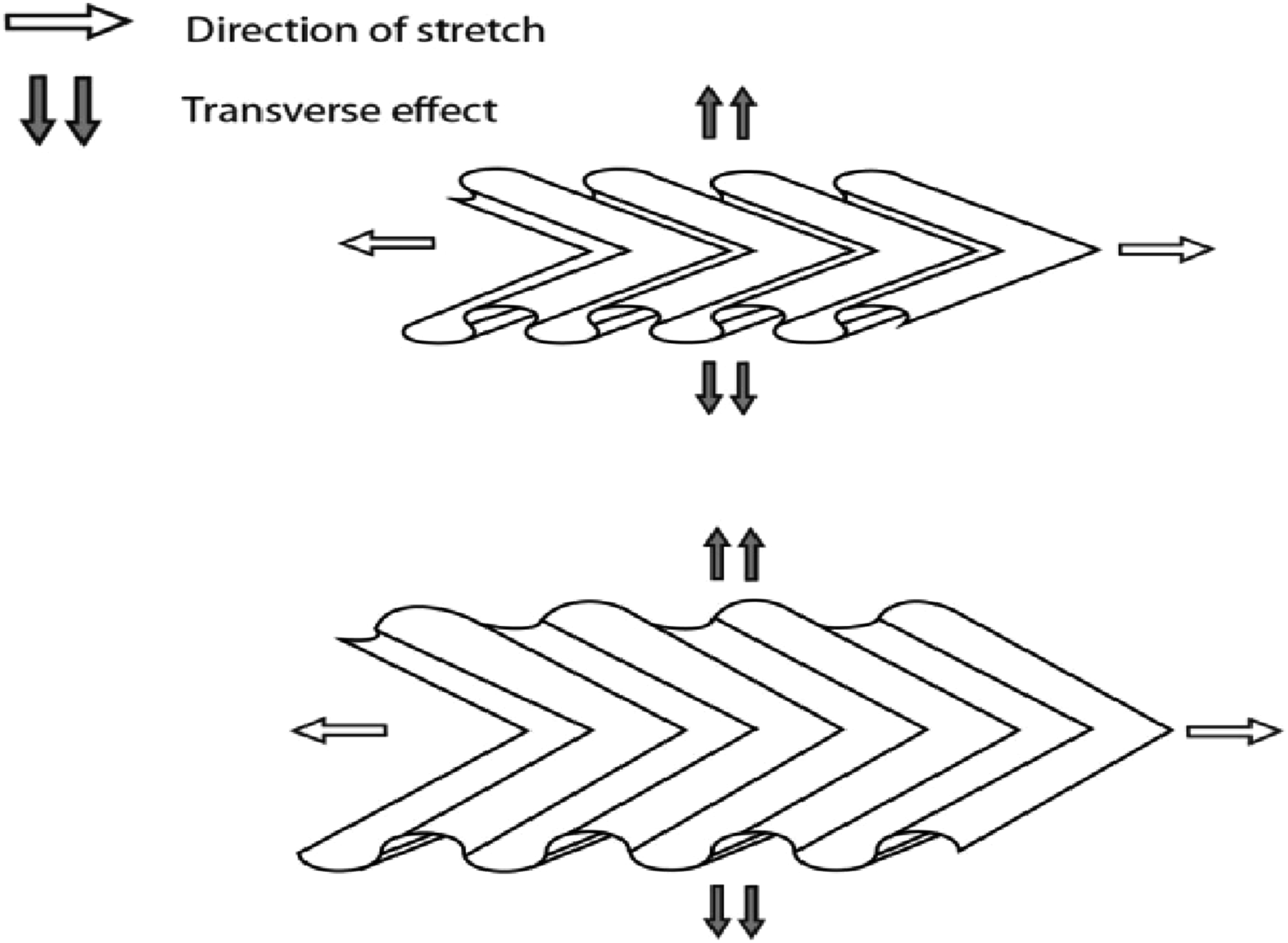


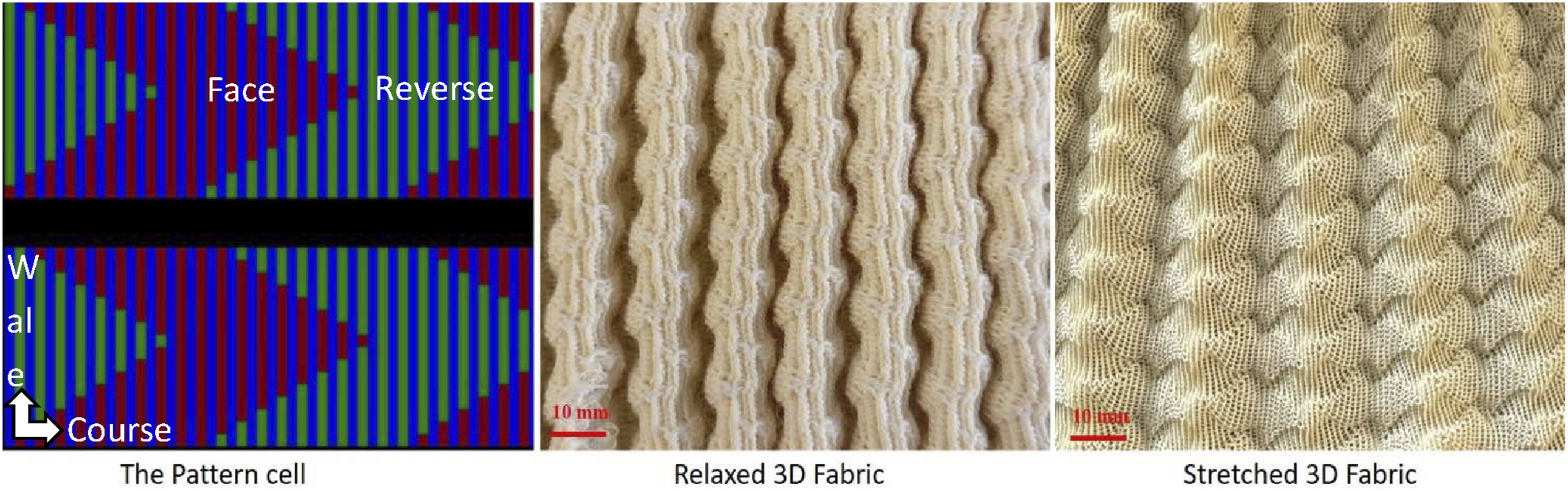
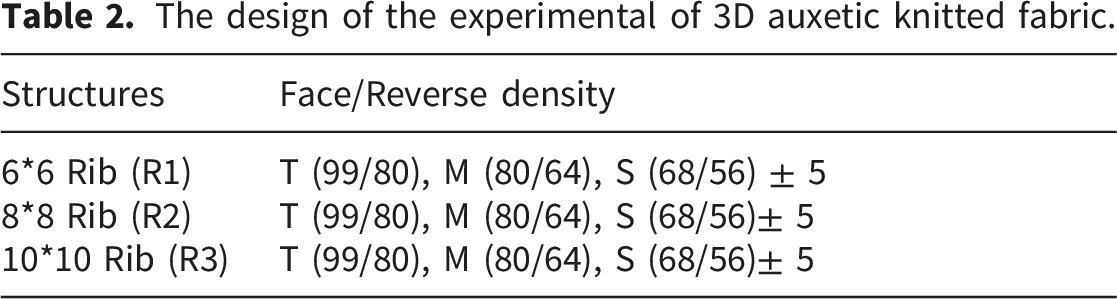
Foldable different NPR weft-knitted fabrics structures were made having a zigzag arrangement of face and reverse loops. The three different knit patterns with three different densities for face and reverse loops were manufactured by BEWORTH CM 352C computerized flat-knitting machine (gauge 14) at the Nit Orme Co. Ltd Istanbul.
The design of the experimental of 3D auxetic knitted fabric.
2.3 Evaluation of the Poisson’s ratio
The auxetic behavior was characterized in accordance with a laboratory-developed standard.
34
Tensile test was performed on a Universal Testing machine to evaluate the NPR value. The samples were cut to size to fit into the jaws (100 mm × 150 mm). The effective length of the sample was 100 mm × 100 mm. The value of extension or contraction of the transverse direction was manually measured by placing a scale in front of the specimen as shown in Figure 5, clamping the sample, and photographing it from the front using a camera mounted on a stand. The jaws were adjusted in 10-mm increments before stopping. A picture was taken every 10 mm, as illustrated in Figure 5. These were used for the whole set-off the samples. During testing, in our experimental setup, all axial measurements were obtained directly from the testing device; however, the device did not provide transverse strain data. The transverse deformation was obtained using an image-based measurement method. During tensile testing, the specimen was recorded with a fixed camera, and a calibrated scale placed in the specimen plane was used for reference. Transverse dimensions were measured from the recorded images at selected strain levels. Although this method is less accurate than full-field optical techniques (e.g., digital image correlation), it is commonly used when transverse instrumentation is unavailable. The steps to evaluate the NPR of 3D weft knitted fabric.
To improve reliability, each specimen was measured at five different positions along the width (n = 5), and the reported values represent the mean of these measurements. The measurement uncertainty arises from image resolution, edge detection, and manual reading of the scale. Based on repeated measurements, the uncertainty was estimated as the standard deviation, which was found to be approximately ±0.2 to ±0.5 mm.
The repeatability of the testing method was evaluated by performing repeated measurements under identical conditions. The results showed a low level of scatter, with a coefficient of variation (CV) of
Previous studies have reported different methods for evaluating the auxetic behavior of specimens produced from knitted fabrics.35,36 However, it is possible to find different ways of evaluating the auxetic behavior of the specimens produced from knitted fabrics. To evaluate the NPR of the knitted structures, the strains in the course direction were calculated using the following equations. (1,2).
37



2.4 Fabric characterization
Stitch length and stitch density
The parameters of the 3D foldable auxetic fabric structures.

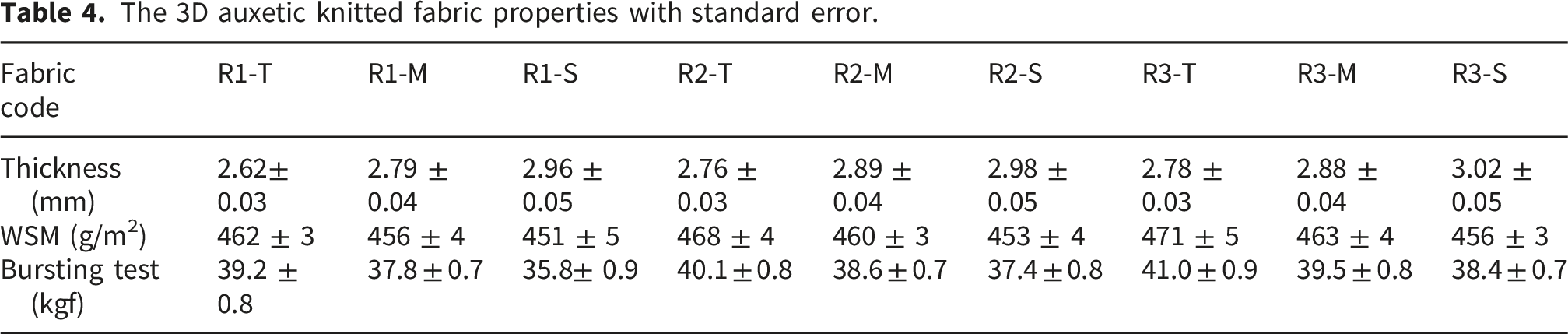
Fabric thickness
The 3D auxetic knitted fabric properties with standard error.
Weight per square meter
Fabric weight is expressed as the weight of the fabric in grams per m2. It has no limits but does affect the many of the fabric properties. Five samples were meagered, and the average values were calculated as shown in table4. Additionally, a real density (mass per unit area) of the knitted fabrics was determined according to ASTM D3776.
bursting strength
Bursting Strength is defined as the force, under standard environmental conditions, required to rupture a knitted fabric by distending it with a perpendicular applied force to the plane of the sample, as per the ASTM D3786 standard. Five samples were measured, and the average values were calculated as shown in Table 4. According to TS 393 EN ISO 13938 standards, the bursting strength of the fabric was evaluated using a Bursting Strength Tester.
3. Result and discussion
This section evaluates the influence of structural parameters on the physical, mechanical, and auxetic properties of the developed 3D weft-knitted fabrics. The NPR of each auxetic fabric was measured under different strain levels, and the effects of structural configuration, loop length, thickness, areal density, and bursting strength on auxetic behavior are discussed.
3.1 Influence of fabric parameters on fabric properties
All experimental measurements were performed in triplicate on each sample (n = 3) to ensure measurement repeatability. Results are presented as mean ± standard deviation (Table 4). The variability of the measurements was found to be within acceptable limits (CV < 5%), confirming the consistency of the experimental procedure.
Figure 6(a) illustrates the variation in fabric thickness for different knitted structures (R1, R2, and R3) at three different loop densities (T, M, and S). For each structure, an increase in loop density results in a noticeable increment in fabric thickness. This may be attributed to the increased yarn consumption and larger loop dimensions in more complex and open structures. The results clearly showed that both loop density and structural configuration have a substantial impact on the thickness of knitted auxetic fabrics. Longer loops contribute to a looser, bulkier structure, which increases the vertical build-up of the fabric. Moreover, structures with higher complexity (like R3) contain more interconnected loops, resulting in greater material accumulation and increased thickness. Effect of fabric structure on (A) thickness, (B) weight per unit area (WSM), and (C) bursting strength.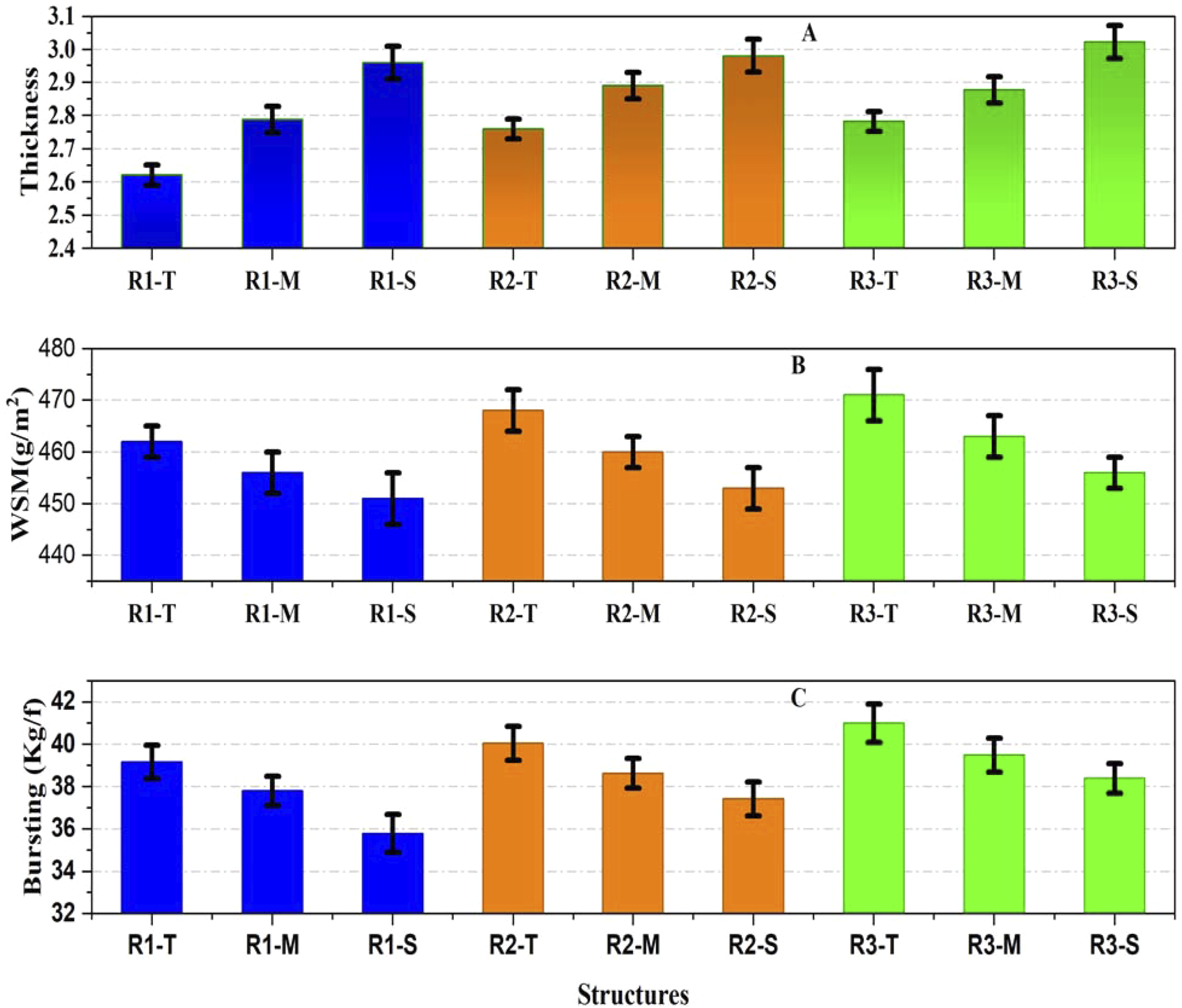
Figure 6(b) presents the weight per square meter (WSM) values of the knitted fabric structures, highlighting how the areal density varies with changes in loop size and structure density.
The results showed that both loop configuration and density significantly affected the fabric’s areal weight. Among the tested samples, the R3-T structure exhibited the highest areal density (471 g/m2), while the R1-S structure showed the lowest value (450 g/m2). This trend is consistent with previous mechanical findings, confirming that denser and larger loop structures accumulate more material, leading to higher mass per unit area.
The bursting strength of the knitted fabric is crucial during both the processing and use stages. Figure 6(c) illustrates the results of the bursting strength test for various knitted structures, each labeled with its corresponding loop configuration. The results of the sample testing indicate that the bursting strength of high-density knitted fabrics is greater than that of low-density fabrics across all structures. This trend suggests that higher density (T) significantly enhances fabric durability under pressure. Among the samples, the R3-T knitted fabric exhibits the highest resistance to bursting, with values exceeding 41 kg.f. The bursting strength is highly influenced by both the structure pattern size and the density level. 38 Larger, denser structures such asR3-T offer superior performance and are more suitable for applications requiring high resistance to multidirectional forces.
3.2 Poisson’s ratio
Auxetic behavior in weft-knitted fabrics primarily arises from re-entrant loop geometries and the rotation, bending, and unfolding of yarn segments under tensile loading. When a uniaxial tensile force is applied, the initially folded or inclined loop elements tend to reorient and open outward, resulting in lateral expansion. This mechanism is governed by structural parameters such as stitch configuration, rib arrangement, and fabric density, rather than solely by the intrinsic properties of the yarn material.
3.2.1 Influence of fabric structure on Poisson’s ratio
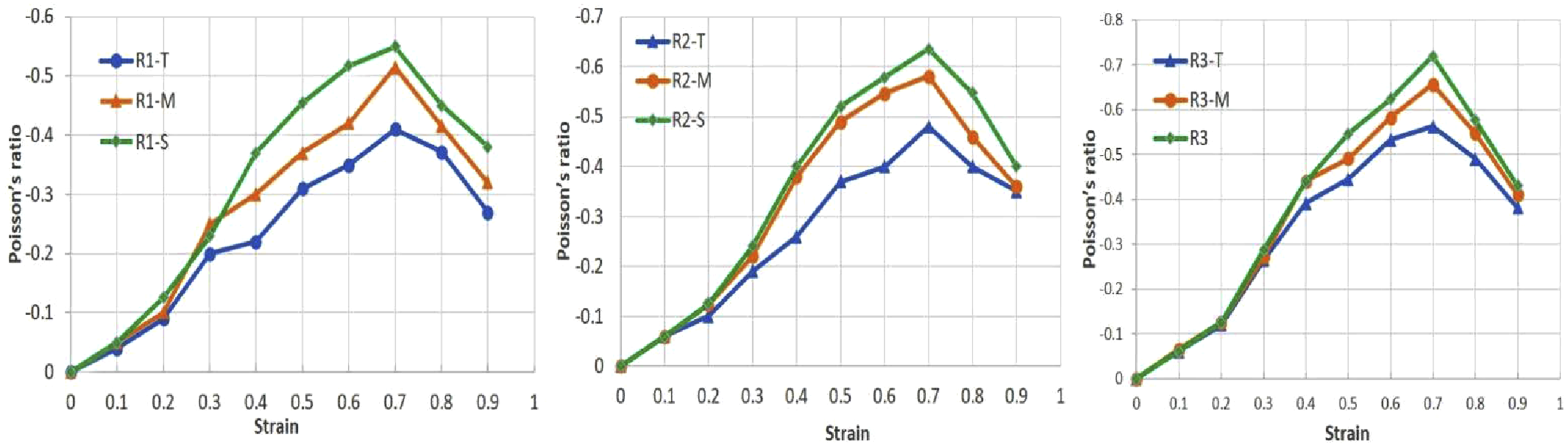
Figures 7 and 8 present the variation of NPR in the course direction for different fabric structures, clearly confirming the auxetic behavior of all samples. However, significant differences are observed among the structures, indicating that fabric architecture plays a dominant role in controlling NPR performance. The NPR results of R1, R2, and R3 with same fabric density. The NPR results of T, M and S with same fabric structures.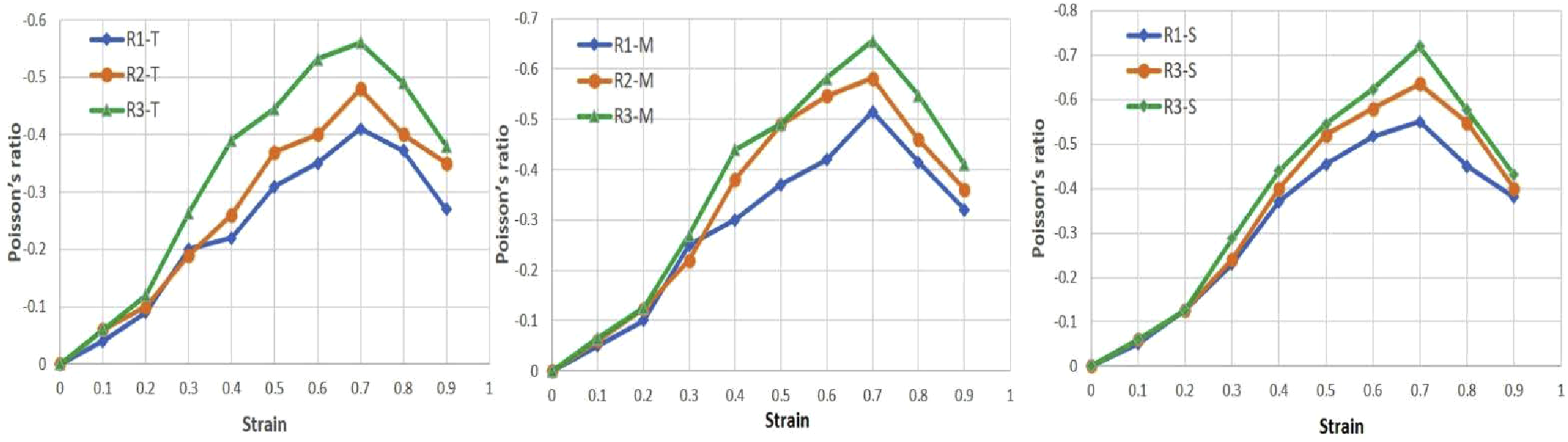
As shown in Figure 7, the R3 structure exhibits the highest negative Poisson’s ratio values among all configurations. This enhanced auxetic response can be attributed to its more pronounced re-entrant geometry and greater freedom for loop rotation during deformation. The structural arrangement in R3 likely promotes effective highest and unfolding of loop segments, allowing for greater transverse expansion under axial loading.
In contrast, the R1 structure demonstrates the lowest NPR values, reflecting a less pronounced auxetic response. This behavior may be explained by a more constrained loop configuration, where yarn segments experience restricted rotation and higher resistance to bending. As a result, the structure undergoes more conventional deformation with limited lateral expansion.
Overall, the variation in NPR among different structures highlights the critical influence of loop geometry, stitch interlocking, and the degree of structural anisotropy. Structures that facilitate rotational motion and minimize geometric constraints tend to exhibit stronger auxetic behavior.
3.2.2 Influence of fabric density on Poisson’s ratio
Fabric density also plays a significant role in determining auxetic performance, as illustrated in Figure 8. The results show that high-density (T) samples consistently exhibit lower NPR values across all structural types, whereas low-density (S) samples demonstrate significantly higher NPR values.
This trend can be explained by considering the mechanical constraints imposed by fabric compactness. In high-density fabrics, the loops are tightly packed, which limits their ability to rotate and deform freely. The increased inter-loop contact and friction restrict the unfolding mechanism necessary for auxetic behavior, thereby reducing lateral expansion.
Conversely, low-density fabrics provide greater space for loop movement, enabling more pronounced geometric reconfiguration during tensile loading. The reduced constraint allows the yarn paths to undergo larger rotations and bending, which enhances the auxetic effect and leads to higher negative Poisson’s ratio values.
Therefore, fabric density directly influences the balance between structural stability and deformability, with more structures favoring auxetic response.
3.2.3 Role of yarn properties and structural synergy
In addition to structural parameters, yarn properties significantly contribute to the observed auxetic behavior. The use of high-tenacity and elastic aramid yarns enhances both strength and flexibility, enabling the fabric to sustain larger deformations without structural failure.
From a mechanical perspective, the combination of high stiffness and elasticity allows the yarns to store and release strain energy efficiently during deformation. This facilitates repeated loop rotation and recovery, which are essential for achieving stable and pronounced NPR behavior. Furthermore, the interaction between yarn stiffness and loop geometry influences the bending rigidity of the structure, thereby affecting the extent of lateral expansion.
3.3 Influence of loop length
Figure 9 highlights how variations in loop length influence the NPR characteristics of the knitted fabrics across different structural designs and fabric densities. Loop length is a key parameter affecting auxetic performance. As the loop length increases, the samples consistently show a stronger auxetic behavior. This can be attributed to the fact that longer loops result in lower stitch density, offering greater ease of deformation compared to fabrics with shorter loops.
39
Effect of different loop lengths on the negative Poisson’s ratio.
The knitted structures developed in this work exhibit a 3D configuration composed of interconnected parallelogram-shaped units arranged in a zigzag layout with different Face/Reverse Density. When tensile force is applied along the fabric’s length, these units transform geometry. The parallelograms rotate and adjust their orientation relative to the fabric’s surface, causing the structure to unfold and manifest an auxetic response. 40
Fabrics with extended loop lengths form looser, more flexible structures, which promote the rotational movement and rearrangement of the parallelograms, thus enhancing the NPR effect. On the other hand, shorter loop lengths create a tighter, more rigid fabric that restricts this movement, leading to a reduced auxetic response.
3.4 Influence of fabric thickness
The positive correlation between thickness and negative Poisson’s ratio, as shown in Figure 10, demonstrates the influence of loop architecture and structural geometry on auxetic behavior. Increased loop length not only raises fabric thickness but also promotes greater flexibility and loop reorientation under tensile stress, critical mechanisms for auxetic deformation. Effect of the thickness on the negative Poisson’s ratio.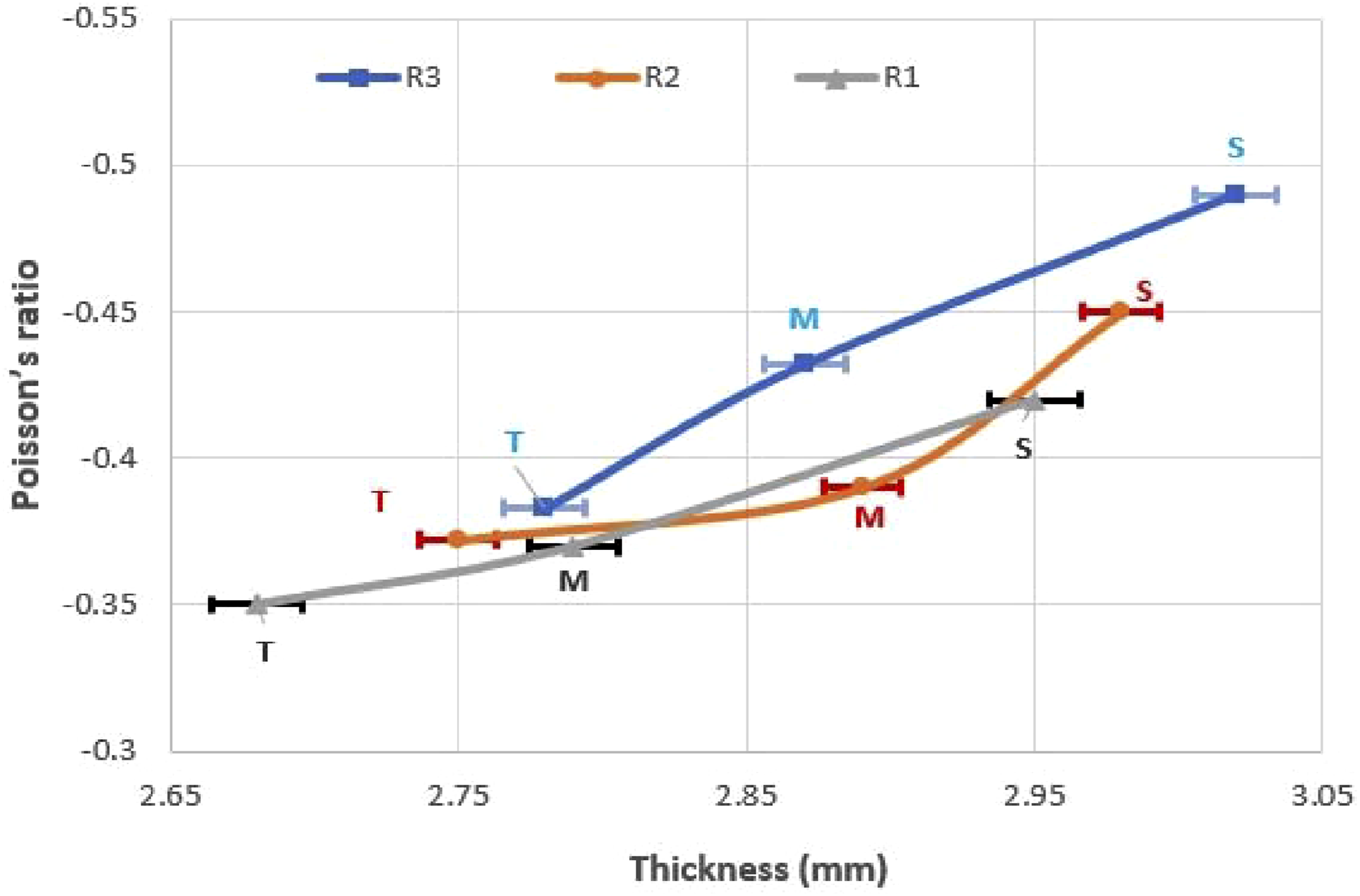
Thicker, more open structures (such as R3-S) facilitate easier rotation and expansion of the internal parallelogram units, which enhances the transverse expansion when stretched. In contrast, thinner and denser structures such as(R1-T) offer limited space for geometric rearrangement, resulting in a weaker auxetic effect.
These findings underscore the importance of optimizing both structural pattern and loop length to tailor the mechanical response of knitted auxetic textiles for specific functional applications, such as impact protection, smart garments, or medical compression fabrics.
A strong positive correlation was observed between NPR and fabric thickness (r ≈ 0.92), indicating that thicker fabrics tend to exhibit more pronounced auxetic behavior. This is due to the increased structural freedom and larger deformation space available in thicker fabrics, which facilitates lateral expansion. This relationship can be attributed to the increased three-dimensionality of thicker fabrics, which provides greater structural freedom for loop rotation and unfolding during tensile deformation. The enhanced out-of-place geometry facilitates lateral expansion, thereby increasing the auxetic effect.
3.5 Influence of weight per square meter
Within each loop group (R1, R2, and R3), a consistent pattern is observed: T>M>S in terms of areal density. The highest density (T) structures, which feature tighter and more numerous loops per unit area, naturally incorporate more yarn content, contributing to greater WSM values.
This increase in areal weight with density also correlates with improved auxetic performance, as shown in Figure 11. Suggesting that material concentration per unit area plays a critical role in both mechanical durability and functional behavior of the fabrics.
40
Each structure exhibits an increase in NPR as the density level transitions from T to S, indicating that reducing loop tightness (i.e., increasing loop size or decreasing stitch density) enhances the auxetic behavior. Effect of weight per square meter on the negative Poisson’s ratio.
A moderate negative correlation was found between NPR magnitude and areal density (r ≈ −0.53). Fabrics with lower WSM tended to exhibit higher auxeticity. This behavior suggests that less dense fabrics, characterized by longer loop lengths and more open structures, allow greater mobility of loops. The reduced constraint enables more effective re-entrant deformation, leading to a higher negative Poisson’s ratio. Conversely, denser fabrics restrict loop movement and reduce auxetic response.
3.6 Influence of bursting strength
Figure 12 presents the correlation between bursting strength and the corresponding NPR for the same fabric structures. The results reveal a clear relationship: as bursting strength increases, the NPR becomes more negative, indicating an enhanced auxetic effect. Effect of bursting strength on the negative Poisson’s ratio.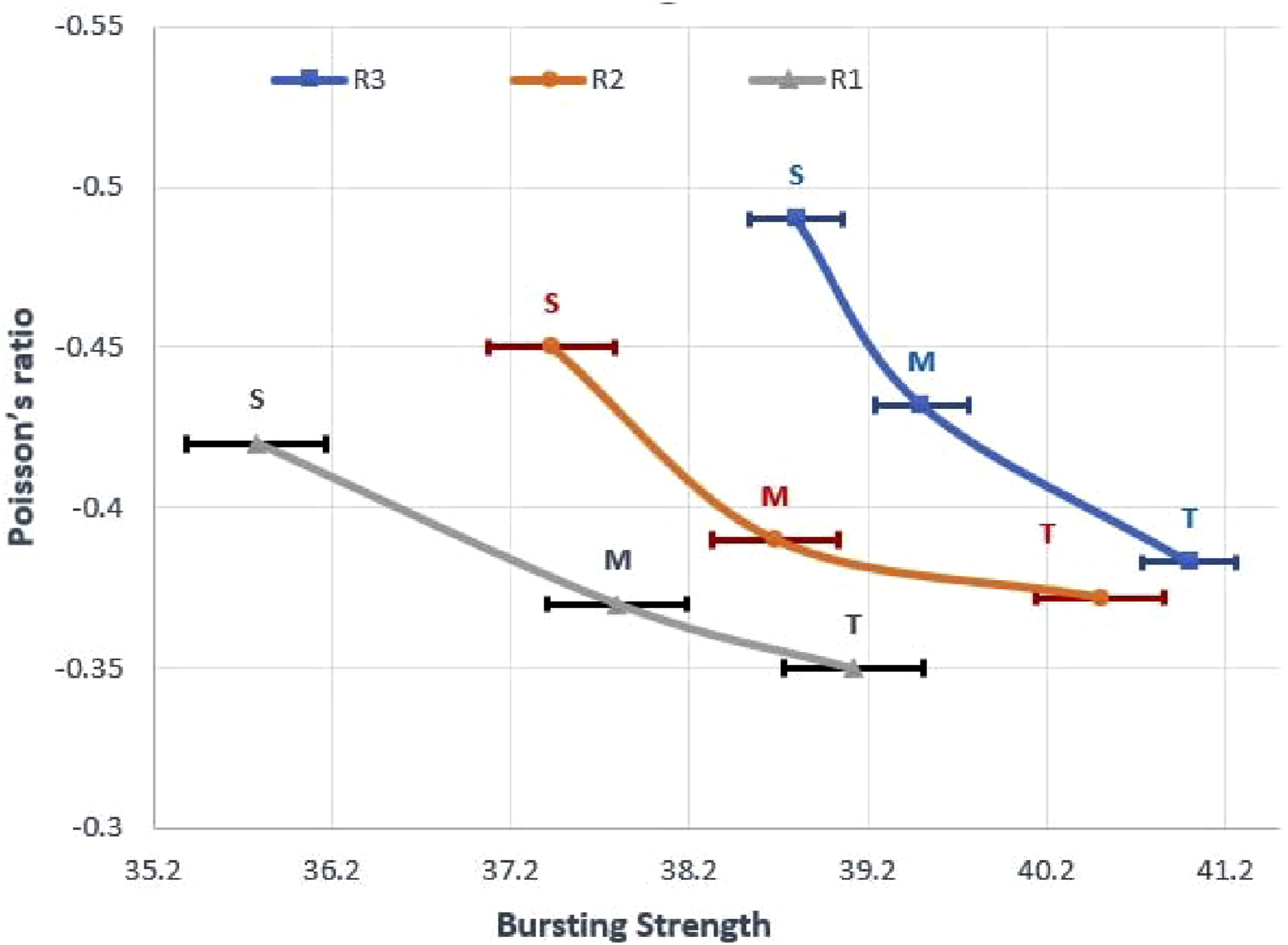
The R3 structure demonstrated the most pronounced auxetic response, reaching NPR values near (
The R2 structure followed a similar trend but with moderate NPR values and bursting strength, while the R1 structure showed the least auxetic behavior (NPR around -0.35 to -0.41) and the lowest strength. These observations suggest that the auxetic behavior is enhanced not only by increasing density but also by scaling the loop geometry
A moderate negative correlation was observed between NPR magnitude and bursting strength (r ≈ −0.68). As auxeticity increased, bursting strength generally decreased. This inverse relationship reflects a trade-off between structural flexibility and mechanical integrity. Fabrics with higher auxetic behavior tend to have looser loop configurations, which enhance deformability but reduce resistance to multidirectional loading. In contrast, tighter structures provide higher strength but limit auxetic deformation.
4. Conclusion
The study demonstrates the successful development of 3D weft-knitted auxetic fabrics using aramid yarns and emphasizes the key role of structural parameters, particularly rib configuration and loop density, in governing the negative Poisson’s ratio behavior. The findings confirm that larger rib structures combined with lower stitch densities enhance the auxetic response.
Larger rib structures and lower stitch densities were found to significantly enhance auxetic performance. Among the tested configurations, the R3-T structure was identified as optimal, providing both high bursting strength and a pronounced auxetic effect. Areal density results further confirmed the structural advantages of this design, reinforcing the importance of loop size and density in achieving desired mechanical and functional properties. Overall, the findings indicate that optimized knitted structures provide enhanced auxetic behavior and mechanical strength, making them particularly well-suited for advanced applications that demand precise deformation control, impact resistance, and efficient energy absorption, especially in protective and functional textiles.
Footnotes
Acknowledgments
The authors would like to thank the support from the 2216B - TÜBİTAK-BİDEB - UNESCO-TWAS Postgraduate and Postdoctoral Fellowship Programmes.
Funding
The authors received no financial support for the research, authorship, and/or publication of this article.
Declaration of conflicting interests
The authors declared no potential conflicts of interest with respect to the research, authorship, and/or publication of this article.