






Abstract
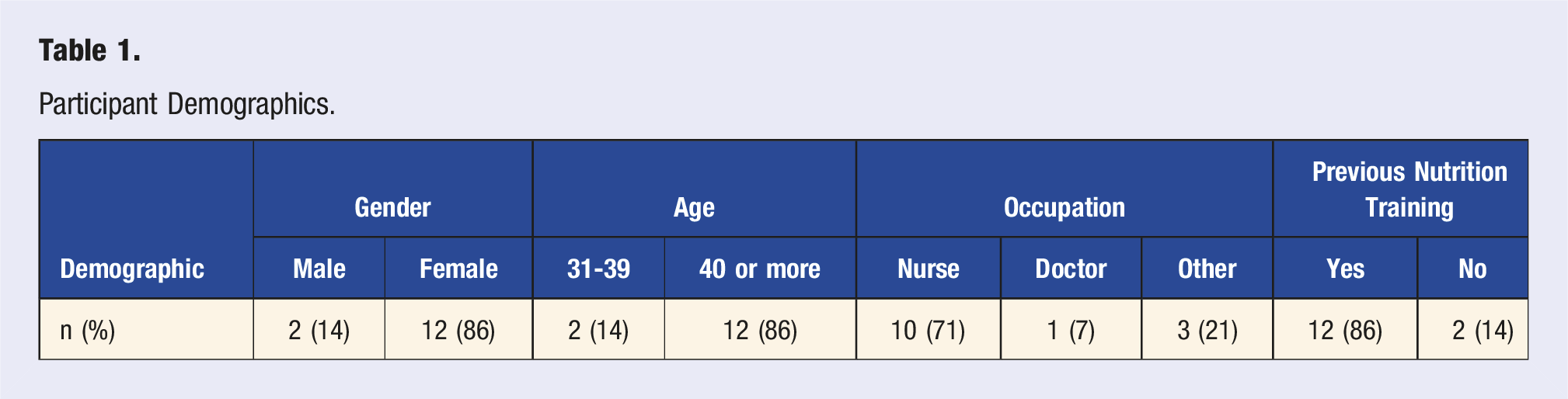
Awareness of nutrition’s role in chronic diseases is rising, demanding guidance on the diet-disease relationship. Nutritional practices become crucial for prevention, prompting healthcare professionals (HCP) to respond. The present study assessed a Culinary Medicine (CM) program’s impact on HCP’s Mediterranean diet adherence, food and diet therapy knowledge, food management skills, culinary proficiency, and counseling confidence. A mixed-methods pilot implementation program (PIP) engaged 20 HCP from Hospital Clinic Barcelona at the Alícia Foundation kitchen-lab. Four 8-hour CM sessions, held weekly, covered culinary knowledge emphasizing disease prevention and care. All twenty participants; 86% women, 14% men, 86% aged above 40, 14% between 31 and 39 years, 71% nurses, 7% medical doctors and 21% other occupation, completed the course and fourteen fulfilled pre-and post-program questionnaires. Notably, 86% had prior nutrition training, while only 14% had culinary training. After the program, there was significant improvement in Mediterranean diet adherence (P < .05). Perceptions on dietary advice usefulness, patient-transferable knowledge acquisition, cooking techniques, and personal cooking skills confidence showed post-course improvements. This study underscores the potential of hands-on CM training in HCP nutrition education, influencing their culinary knowledge. Future studies with larger samples is needed to elucidate CM training’s impact on HCP and potential public health benefits.
Keywords
“We hypothesize that HCPs receiving training in CM would be more likely to adopt and share good practices to peers and patients. ”
Introduction
Healthcare faces a significant challenge: the rising prevalence of chronic diseases influenced by dietary factors like cardiovascular diseases, cancer, hypertension, diabetes or osteoporosis. Thus, good nutrition is increasingly recognized as a critical tool for preventing non-communicable disease (NCDs)1,2 and all kinds of healthcare professionals (HCP) are expected to bridge dietary advice and disease management. However, it is well-know that they often face this challenge with insufficient skills, confidence, and time to deliver this care.
High-quality nutrition in disease management requires in-depth nutritional assessment, but also impactful, resource-efficient interventions, policy measures, and community and clinical initiatives. 3 In this holistic context, educational programs offer a promising solution. Culinary medicine (CM), an evidence-based approach that integrates cooking skills with medical knowledge, empowers HCP to use nutrition as a primary therapeutic tool. 4 Systematic revisions of the literature have shown positive outcomes of cooking programs on dietary habits, health status, managing comorbidities, and psychosocial outcomes in adults, highlighting the importance of these approaches; also, when targeting patients and medical students.4-9
Accordingly, nutritional care is increasingly recognized as a pivotal tool for enhancing patient experience. 10 Malnutrition-related disorders adversely impact social interactions, family caregiving, mood, sleep, cognitive and physical functions, sense of self, and overall quality of life.11,12 Moreover, Michael E. Porter posits that high-quality healthcare is defined by its ability to enhance value from the patient or caregiver’s perspective. 13 Consequently, initiatives that improve patient experience should be prioritized, particularly those like CM, was they are cost-effective and straightforward to implement. 7 The social dimension of nutrition, including concepts like “mindful eating” 14 emphasizes choosing foods based on personal preferences and taste, reducing food waste, and adopting sustainable practices. 15
Thus, the goal is not to advocate for drastic alterations in dietary habits but to enable HCPs to gradually integrate tools that favor progressive changes into patients’ daily routines, and assisting them to fostering sustainable, health-conscious culinary habits through their education and empowerment. In this sense, evidence from multiple studies underscores the positive impact of these educational interventions in obesity patients, revealing notable benefits in knowledge acquisition, provider attitude, self-efficacy, and patient outcomes.16,17
All in all, we hypothesize that HCPs receiving training in CM would be more likely to adopt and share good practices to peers and patients. Thus, the primary goal of this project was to assess the acquired confidence and abilities of HCPs that received educational strategies about nutritional management by measuring their increased adherence to the Mediterranean diet, beliefs in the efficacy of nutrition counseling, confidence on counseling, food management abilities, and culinary skills, and bolstering their capacity to guide, coach, and instruct patients requiring dietary guidance.
Materials and Methods
We implemented a 4-day observational intervention pilot implementation program (PIP) with a cohort of 20 HCP from Hospital Clinic Barcelona (HCB). The program was held at Alicia Foundation facilities 18 ; a local private non-profit foundation dedicated to culinary innovation, healthier eating habits, reducing food waste, and promoting gastronomic heritage.
Recruitment and Study Design
To identify potential participants, a letter was sent to the heads of all medical services in HCB explaining the course and the Pilot Implementation Program (PIP), aiming to gauge interest and suitability amongst physicians, nurses, pharmacists, or other profiles that maintained direct contact related to clinical practice with patients. The sole exclusion criterion was to nutritional specialists.
Following the initial application process, we conducted an evaluation of each applicant trying to promote a balanced representation across medical services and roles. This evaluation also helped adjusting the group size (capped at 20) according to the capacity of the work groups in the Fundació Alicia facilities, particularly considering the need for effective practical interventions during the sessions.
The educational curriculum—designed jointly by dietitians and chefs—combined nutritional and culinary education. The program consisted of four 8-hour CM sessions, each held once a week (from 10/29/2019 to 12/11/2019; Figure 1). First three sessions were theoretical, while the fourth session involved practical hands-on cooking. A comprehensive description of the curricular activity is provided in Supplemental material 1. Our program had no intent to study, collect, or analyze personal data or biological samples in a way that could impact the participants’ rights. Our educational approach aimed at healthcare professionals was primarily focused on enhancing professional skills and knowledge. This course did not involve any interventions, experiments, or collection of personal health data. Participants voluntarily and knowingly attended the course for their professional development, acknowledging its evaluation, and no sensitive information was gathered or analyzed. Nonetheless, researchers were committed throughout the implementation and design of the course to maintaining the highest ethical standards, ensuring confidentiality and respect for all participants, and compliance with the Declaration of Helsinki. Timeline of the study.
Evaluation
Training was considered completed if a participant attended to the 4 sessions of the course. Study evaluation was done by pre- and post-program surveys designed to measure the impact of the course in dietary habits and perceptions form participants combining existing surveys (including Mediterranean Diet Adherence Screener (MEDAS-14) 19 with ad hoc questions and were distributed 1 week prior and 2 months after the course, respectively. Timespan between the end of the course and the distribution of post-program surveys was calculated to allow the acquisition of new skills and knowledge but to also avoid recalling bias as much as possible. Socio-demographic items were collected to allow further stratification on gender, age, profession, and prior training in nutrition or cooking. Surveys aimed to evaluate perceived nutrition knowledge and counseling skills, as well as their personal dietary choices are detailed in Supplemental material 2.
Satisfaction and qualitative insights: Open-ended questions at the end of the post-program assessment sought to capture the participants’ reflections on the course impact on their attitude toward nutrition and patient care together with an ad hoc course satisfaction survey.
Statistical Analysis
All analyses were performed using SPSS statistical program package, version 27. To analyze the changes in post-program assessment we employed non-parametric Mann-Whitney U test for not normally distributed variables, Chi-square analysis to examine the relationship between participation in the course and a positive response to each survey item, and two-tailed paired Student’s t-tests to compare means between two groups. Statistical significance level was set to P-value <.05 (IC 95%). Means, standard deviations (SD), and frequencies were calculated for all demographic data.
While free-text comments from the surveys provided valuable insights, they were not subjected to formal qualitative analysis. Instead, these comments served as complementary data, enriching our understanding of the quantitative findings, and providing context and depth to quantitative results.
Results
Participant Demographics.
Mediterranean Diet Adherence culinary skills and confidence
Mediterranean Diet Adherence, Culinary Skills and Confidence Results Before and After Culinary Medicine Program.

Mean (Standard Deviation).
*P-values less than .05 are statistically significant.
Knowledge about Food and Diet Therapy
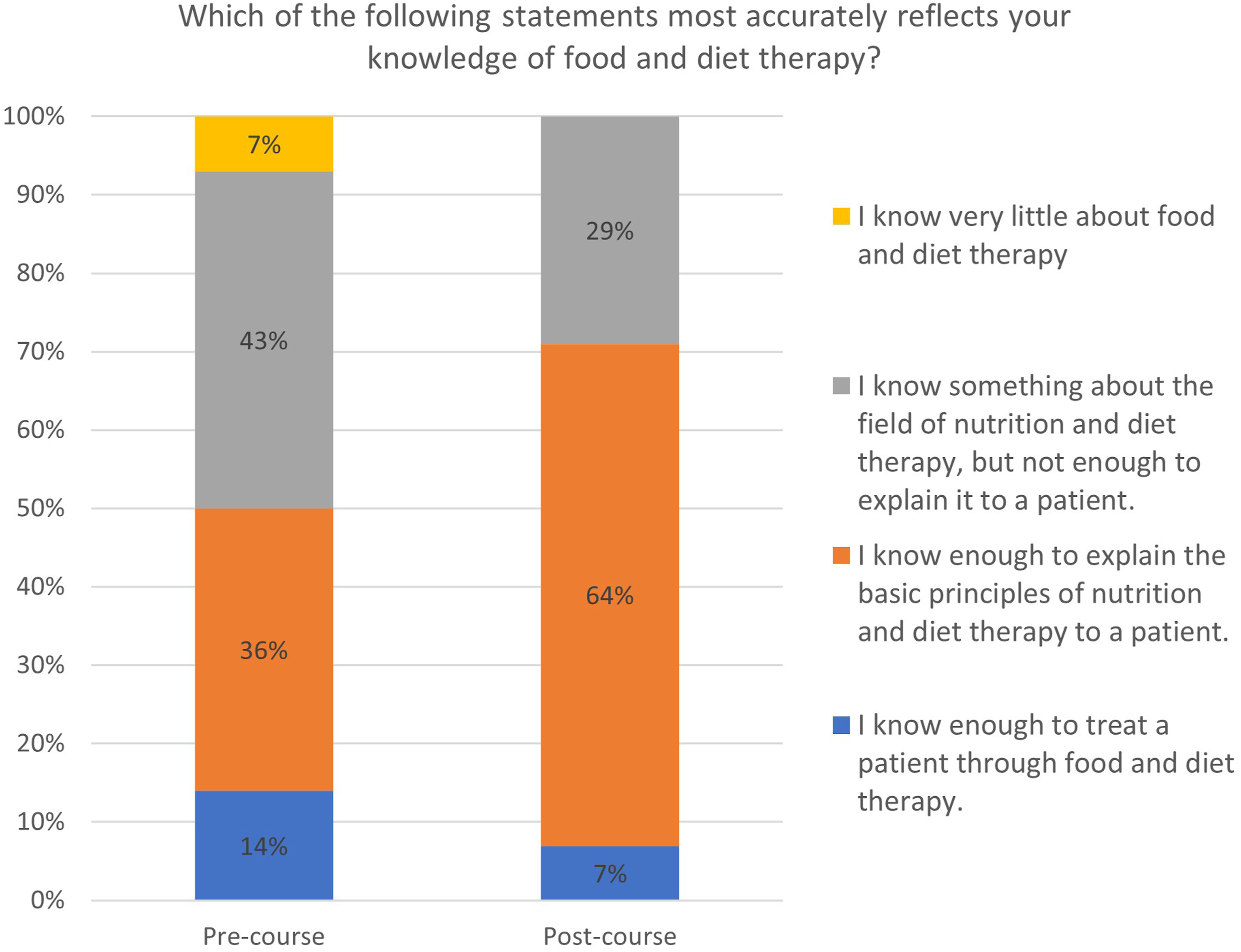
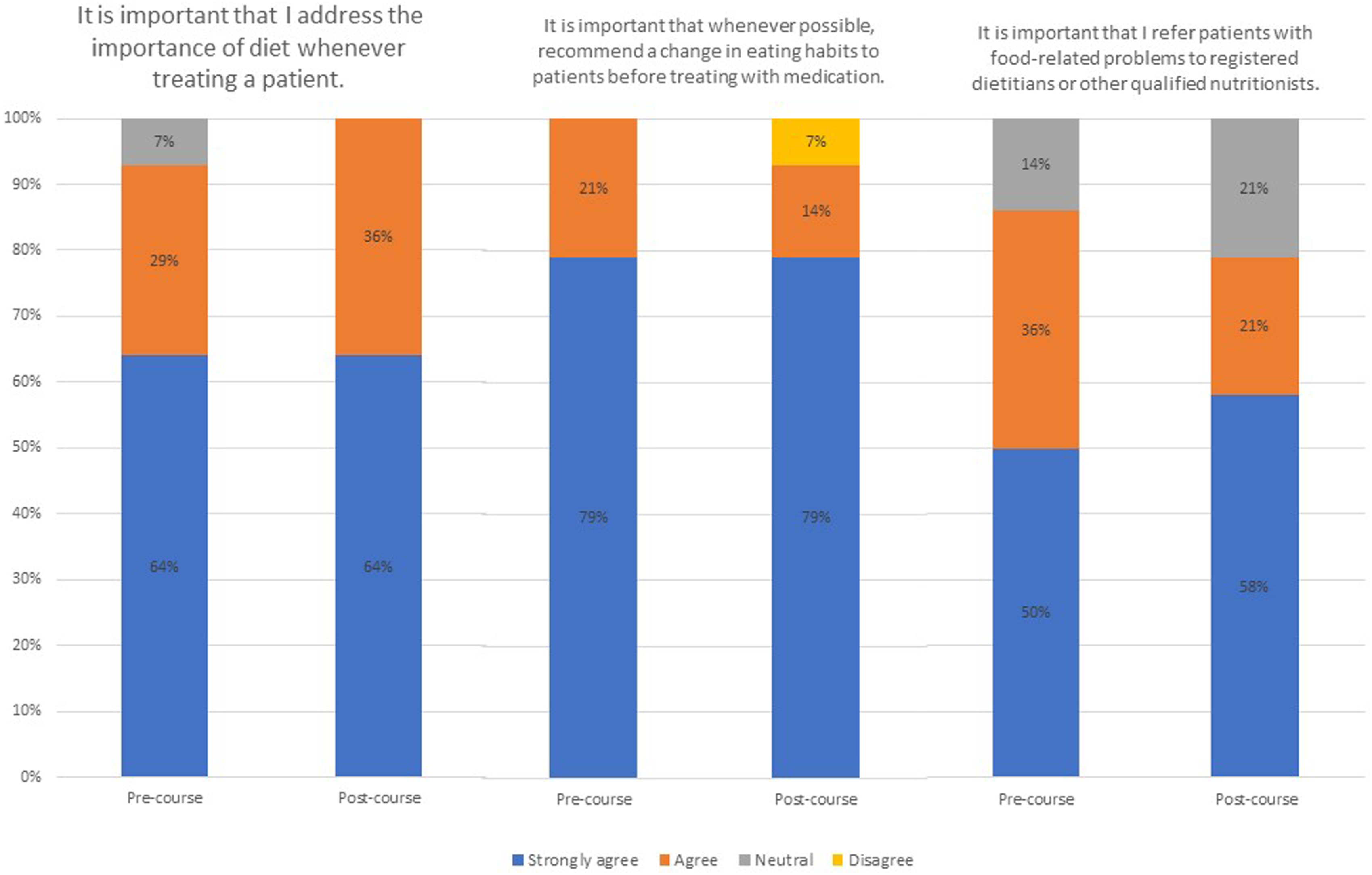
When comparing pre- and post-surveys, agreement on the relevance of giving dietary advice (regardless of specialty) and the worthiness of investing time in eating habits counseling were maintained. The percentage of professionals who stated to strongly agree in considering that dietary advice was ineffective due to time constraints diminished from 29% to 14% after the course (Figure 2). The proportion of participants that declared knowing enough to explain the basic principles of nutrition and diet therapy to a patient increased from 36% of the respondents to 64% (Figure 3). No relevant changes were found in the participants’ perceptions about the value of nutrition counseling, nor the endorsement of dietary habit changes before resorting to medication. The percentage of participants who strongly agreed stating that referring patients with food-related problems to registered dietitians or other qualified nutritionist is important, increased from 50% to 58%, after completing the course (Figure 4). Professionals’ perspective in food and diet therapy counseling pre- and post-program. Percentage of responses is shown. Professionals’ perspective about their own knowledge in food and diet therapy, pre- and post-program. Percentage of responses is shown. Professionals’ perspective about nutrition training. Percentage of responses is shown.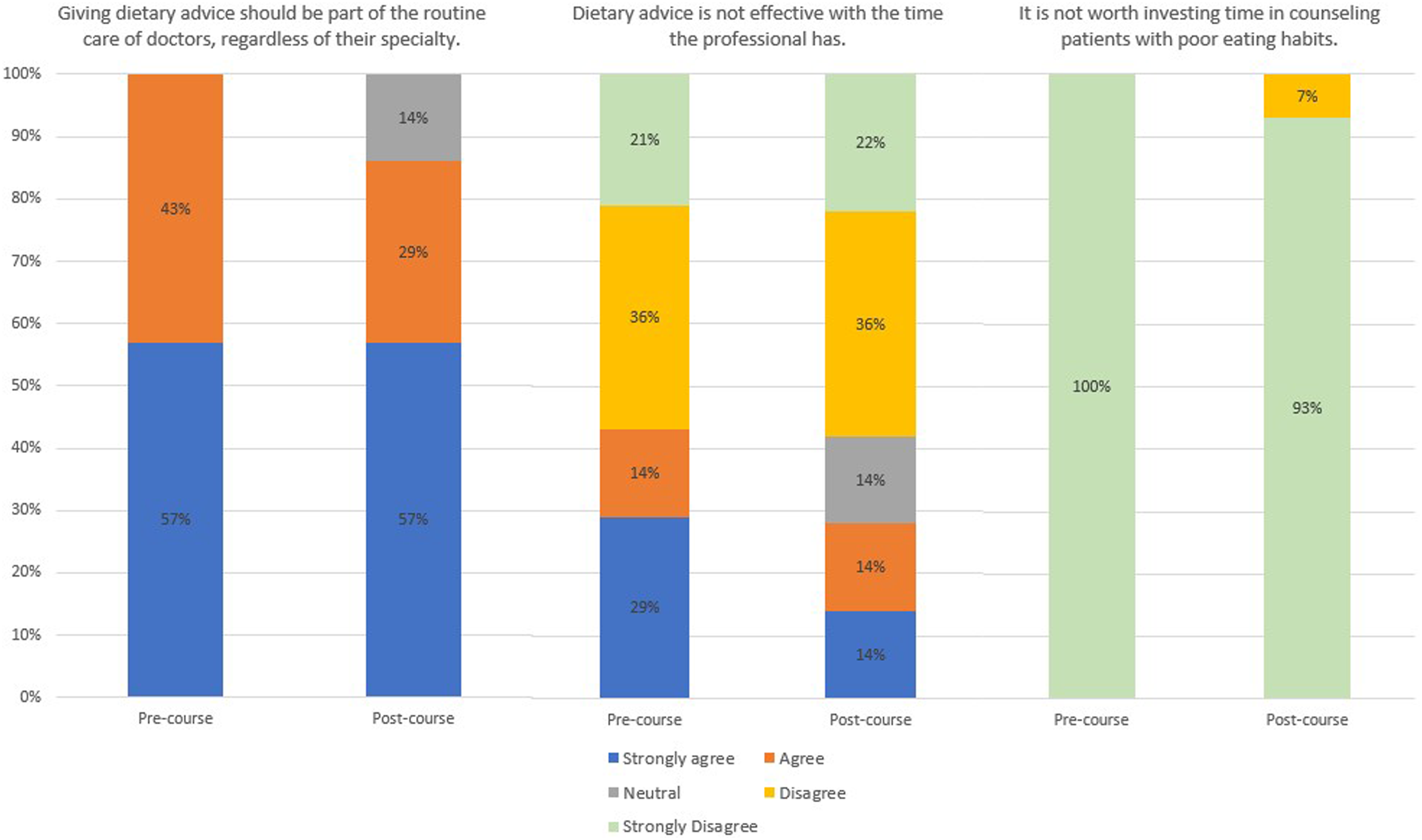
Food Management Skills
Food Management Skills.

Mean (Standard Deviation).
P values less than .05 are statistically significant.
Culinary Skills
Culinary Skills.
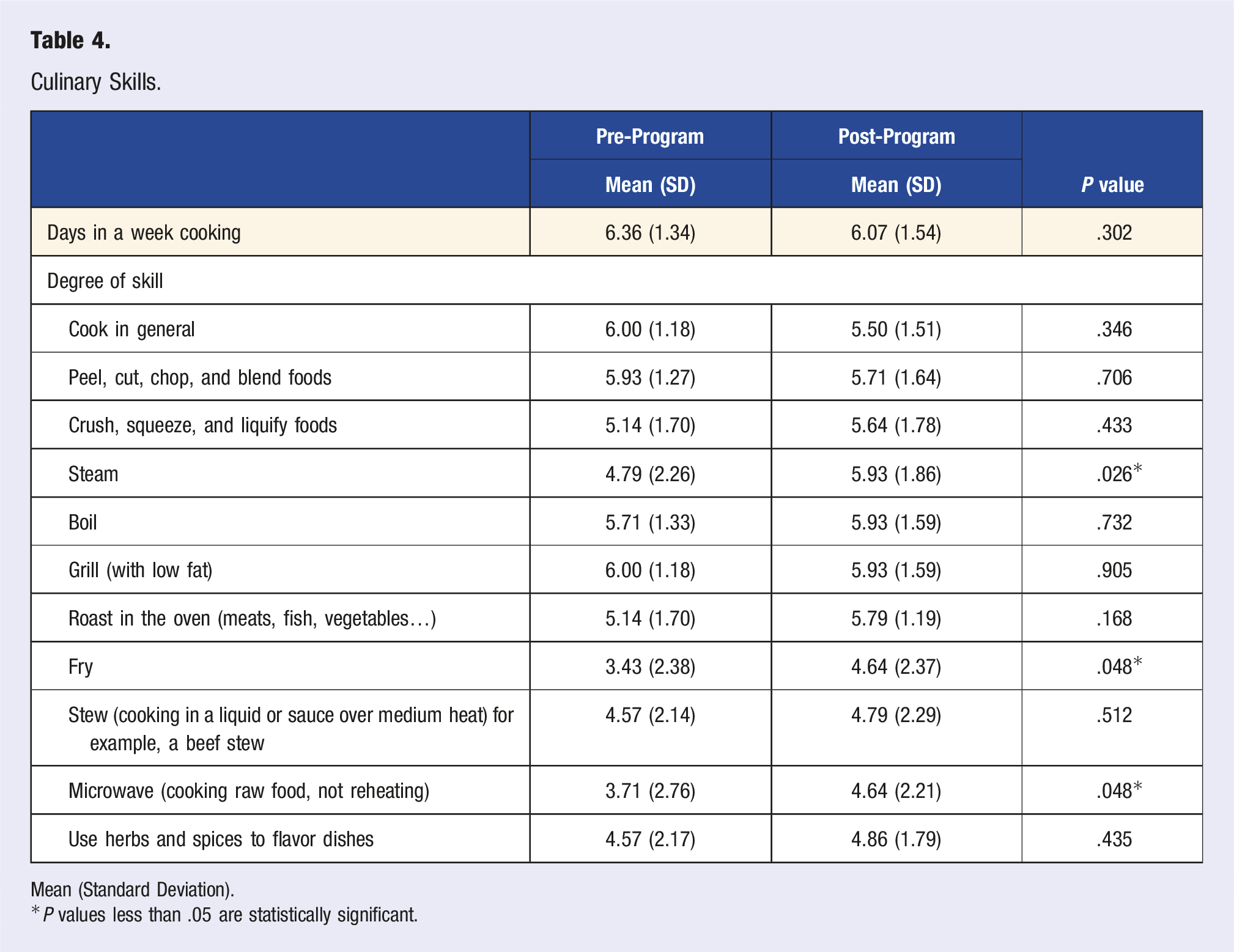
Mean (Standard Deviation).
*P values less than .05 are statistically significant.
Counseling Confidence
Confidence and Counseling Confidence.
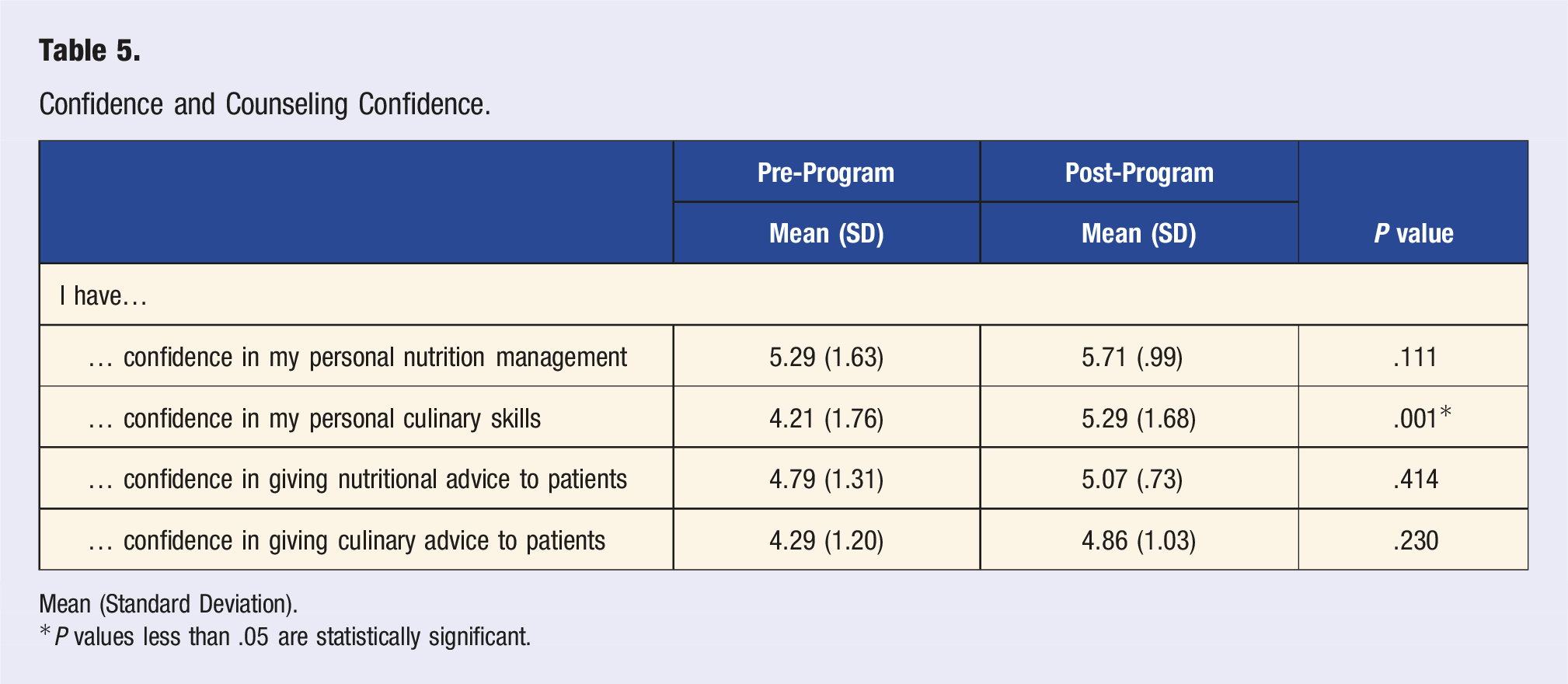
Mean (Standard Deviation).
*P values less than .05 are statistically significant.
Qualitative Insights
Satisfaction and Qualitative Insights About the Course After 2 Months.
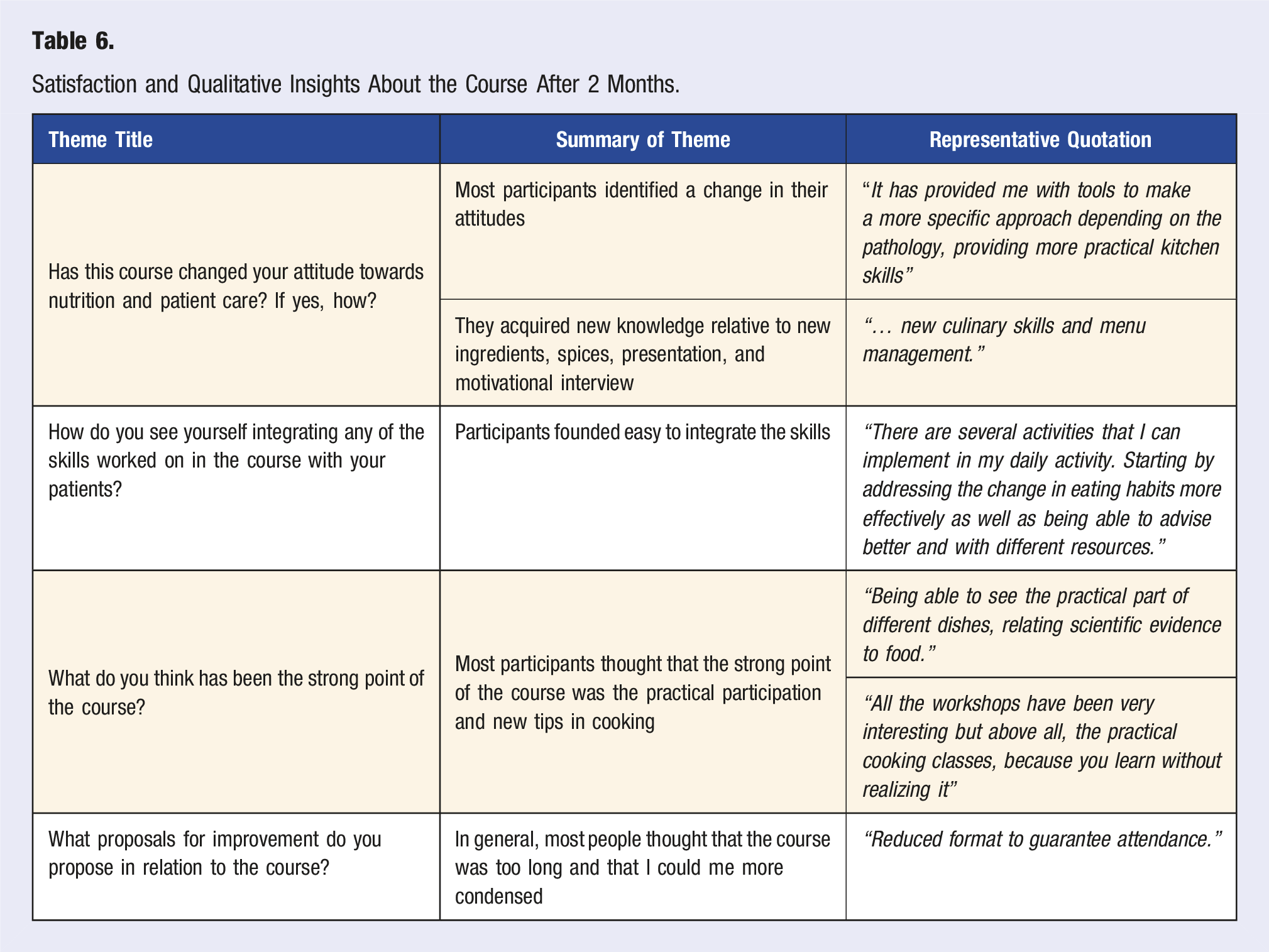
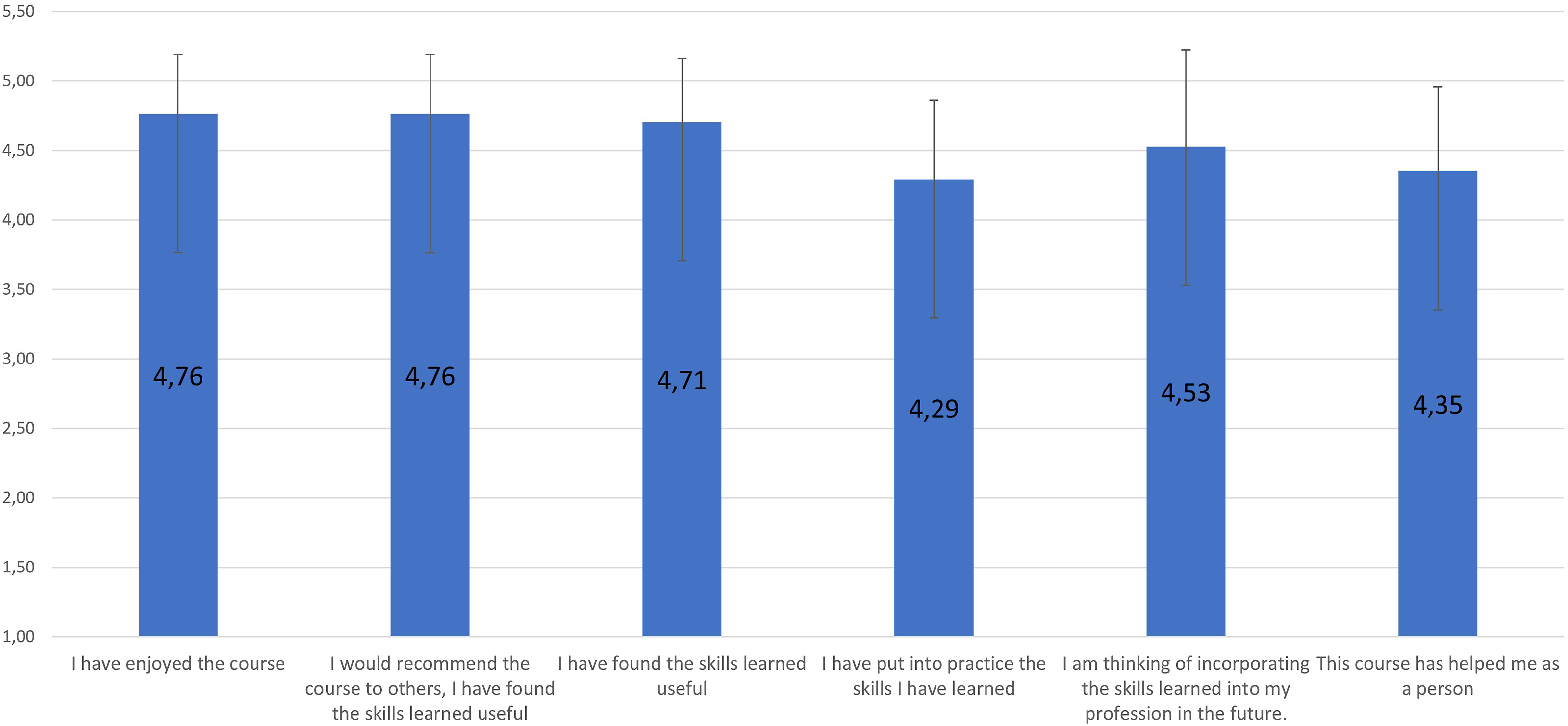
Evaluation of course satisfaction at 2 months. Results expressed as Mean and Standard Deviation. Maximum score 5 being strongly agreement, 4 in agreement, 3 uncertain, 2 in disagreement, and 1 strongly disagreement.
Discussion
The present study aimed to evaluate the impact of participation in a CM program on Mediterranean diet adherence, food management skills, culinary proficiency, and counseling confidence among HCP. Our findings align with other interventions, including a noticeable increase in adherence to the Mediterranean diet, which has been associated with increased confidence levels and culinary skills.20-22 Besides, our intervention demonstrated a perceived augmentation in understanding of food and diet therapy that was indeed in line with other results from similar studies.23-25
Interestingly, after completing the course, many professionals showed a shift in their perceptions about lack of efficacy of dietary advice due to time constraints faced by professionals and improvements in various aspects in food management skills and culinary skills were also stated. Literature supports the fact that when physicians consolidate healthy lifestyle choices in their personal lives, they are much more likely to properly educate their patients on this matter,26-28 pointing that our findings have a clear potential for improving patient care.
Consistently, a cross-sectional study that delved into the perceived barriers and advantages associated with plant-based foods, underscored that incorporation of pulses into diets could be challenging, due to taste, perceived time-intensive preparation, and a lack of knowledge regarding palatable cooking recipes. 29 Other studies have shown strong correlations between proficiency in healthy food preparation skills and improved dietary quality, 30 mortality, 31 enhanced overall eating habits, 32 and heightened confidence in advising patients on maintaining a healthy diet.8,24,33 Interestingly, participants in our PIP perceived improvements in some or most of these areas. Taken together, this data reinforces the potential correlation between non-specialized HCP with better culinary skills giving better dietary and nutritional advice during their clinical practice; when complemented by a set of proficiencies in assessment, communication style, implementation, and background knowledge. 34 Besides, practical, hands-on instruction in cooking and nutrition—as the PIP presented in this study—has also been proven to be more efficacious in enhancing the dietary habits of professionals compared to traditional clinical nutrition education.33,35-38 Moreover, present research also underscores the correlation between the personal health practices of medical students and their subsequent patient counseling practices,28,39-42 pointing at the need for an early implementation of these educational strategies.
In convergence, literature also consistently demonstrates an adverse correlation between food insecurity and health. 43 Numerous studies among adults have indicated that food insecurity is linked to poor dietary quality,44,45 diabetes 46 and obesity among others. 47
The present study has limitations, mostly bound to being a PIP, but also to the currently vague definition pinned to the concept of “Culinary Medicine” 48 that raises questions about the generalization or equivalence of the health benefits attributed to CM. Additionally, although appropriate for a PIP, the sample size, impossibility for a control group and homogeneity of our study may limit the generalizability of our own findings in broader healthcare settings, and our reliance on a self-reported survey methodology is not exempt to the risk of response or recall bias. Finally, some dietary habits might require a larger timespan to be acquired and may not be captured by the post-pilot surveys.
Our findings offer the foundation for more robust study designs, including the use of control groups and mitigation of sampling biases to ensure a more inclusive understanding of the benefits of CM training.
Conclusions
In summary, our findings highlight the vital role of CM training as an integral component of nutrition education for HCP. Our PIP demonstrated its potential to positively influence attitudes, knowledge, and behaviors related to healthy cooking and eating for HCP. To fully appreciate the public health benefits of CM training and its impact on HCP, further research with larger, more diverse samples is essential. This pilot study lays the groundwork for future exploration in the field of culinary medicine, indicating its value contribution to the broader context of health and wellness. With refined methodologies and expanded research efforts, the full potential of CM training can be realized, ultimately enhancing healthcare delivery and patient outcomes.
Supplemental Material
Supplemental Material - Enhancing Healthcare Professionals’ Culinary Skills, Food Management, Counseling Confidence, and Mediterranean Diet Adherence Through a Culinary Medicine Boot Camp: A Pilot Implementation Program (PIP)
Supplemental Material for Enhancing Healthcare Professionals’ Culinary Skills, Food Management, Counseling Confidence, and Mediterranean Diet Adherence Through a Culinary Medicine Boot Camp: A Pilot Implementation Program (PIP) by Joan Fernando, Lucia Alonso, Isabella Gastaldo, Alba Coll, Josep Lozano, Vinicius Martini, Elena Roura, Lina Williamson, Joan Escarrabill and Violeta Moize in American Journal of Lifestyle Medicine.
Footnotes
Author contributions
L.A., I.P.G., and V.M. equally contributed to the manuscript. All authors have read and agreed to the published version of the manuscript.
Declaration of conflicting interests
The author(s) declared no potential conflicts of interest with respect to the research, authorship, and/or publication of this article.
Funding
The author(s) received no financial support for the research, authorship, and/or publication of this article.

Supplemental Material
Supplemental material for this article is available online.
References
Supplementary Material
Please find the following supplemental material available below.
For Open Access articles published under a Creative Commons License, all supplemental material carries the same license as the article it is associated with.
For non-Open Access articles published, all supplemental material carries a non-exclusive license, and permission requests for re-use of supplemental material or any part of supplemental material shall be sent directly to the copyright owner as specified in the copyright notice associated with the article.
