






Abstract
Efficient thermal management is essential in industrial heat-exchange systems including power plants, refrigeration units, chemical processing industries, and renewable energy applications. This study investigates the thermal performance enhancement of a shell-and-tube heat exchanger using CuO-water nanofluids under counterflow conditions. A computational framework based on ANSYS Fluent 19.2 is employed to analyze fluid-flow and heat transfer characteristics at different nanoparticle volume concentrations. An Artificial Neural Network (ANN) model is developed using CFD-generated datasets to predict and optimize thermal performance. The results indicate that CuO-water nanofluids significantly improve heat transfer characteristics compared with pure water, with the highest concentration producing the maximum LMTD of 12.88°C. The ANN model demonstrated excellent predictive accuracy with an overall R2 value of approximately 0.996. The proposed CFD-ANN methodology provides an effective approach for designing energy-efficient heat exchangers and optimizing nanofluid-based thermal management systems.
Introduction
Shell and tube heat exchangers (HE’x) effectively separate fluids, facilitating ‘HT’ from colder to hotter fluids through conduction and convection, with tubes being solid structures, industries utilize shell and tube heat exchangers, such as oil, electricity, food processing, refrigeration, maritime applications, and waste energy recovery. 1 Shell and tube ‘HE’x’ are indirect contact devices that facilitate ‘HT’ through conduction and convection, these ‘HE’x’ achieve optimal heat load through various adjustable modifications. The rate of ‘HT’ and its efficacy are significantly affected by fluid flow, geometric parameters such as tube diameter, length, and number of tubes can be modified to enhance surface area available for ‘HT’. Nanofluids (NFs) serve as effective additives for enhancing ‘HT’ in various applications. These nanofluids consist of colloidal distributions of nanoparticles, such as carbon nanotubes, metals, and oxides, suspended in base fluids like water, oil, or ethylene glycol, which are commonly utilized as coolants. In cases of significant ‘HT’ requirements, these additives, typically not exceeding 5 vol%, may enhance thermophysical properties of working fluid, this study aims to utilize ANSYS 19.2 Fluent software for a computational analysis of fluid flow and ‘HT’ in a pilot-scale shell and tube ‘HE’x’. The extent of ‘HT’ enhancement specifically in cold fluids comprising copper (II) oxide and water nanofluids. A parameter study is conducted to evaluate performance of CuO-water ‘NFs’, monitored transport variables, performance indices, thermal and hydrodynamic flow profiles, particle loading, and variations in operating conditions. 2 The variables were employed to assess the impact of these variations, ‘HT’ properties of nanofluid were compared with those of base fluid. Traditional techniques for optimizing ‘HE’x’ remain valuable in the industrial sector; however, increasing demand for heat exchange systems requires more efficient and cost-effective designs. This study focuses on potential of nanoparticles as fluid additives, which may provide effective solutions to significant ‘HT’ requirements of energy-intensive industries with minimal trade-offs. Determining optimal operating conditions for ‘NFs’ flow through ‘HE’x’ would be enhanced by numerical data characterizing its behavior, scientific community gains from early-stage research conducted through computer simulations. To synthesize CuO nanoparticles, leaves of the M. calabura plant are initially harvested, followed by preparation of CuO nanofluid. A liquid serves as the coolant within ‘HE’x’. A CFD analysis is conducted utilizing characteristics of CuO NFs. Several presumptions are made in the study of heat exchangers. Minimal energy is dissipated into the atmosphere, the coolant, or the U-shaped pipe bends.3–5
The potential of CuO/water ‘NFs’ to significantly improve ‘HT’ efficiency of shell-and-tube heat exchangers, are widely utilized in various industrial applications; however, their performance is frequently limited by thermal conductivity constraints of conventional fluids. It has developed ‘NFs’ to address this constraint; these are suspensions of nanoparticles in a base fluid that are meticulously prepared. Their enhanced thermal conductivity and superior thermophysical properties indicate significant potential for improving ‘HT’ rates. 4 This study examines CuO nanoparticles in aqueous environments, demonstrating efficiency of copper oxide in improving ‘HT’ and its superior thermal conductivity compared to other metal oxides, analyzed ‘HT’ performance of CuO/water ‘NFs’ at various concentrations through ‘CFD’ simulations, specifically utilizing ANSYS FLUENT 19.2 and Workbench Design Modeler 19.2. This analysis examined differences and similarities between two prevalent flow configurations: counterflow and parallel flow. The research should yield more efficient and compact ‘HE’x’ applicable across various industries. This introductory section establishes foundation for a comprehensive analysis of the current literature and the research methodologies employed in this study.6,7
Recent advances in artificial intelligence have significantly expanded the scope of thermal fluid analysis and optimization. AI-based predictive models have demonstrated remarkable capability in analyzing complex heat-transfer phenomena involving nanofluids and Multiphysics environments. 8 Recent studies have employed Levenberg-Marquardt Back propagation (LMBPS) neural networks to investigate radiative heat transfer characteristics of SiO2/H2O and Al2O3/H2O nanofluids under mixed-convection conditions, achieving highly accurate thermal predictions. 9 Similarly, Recurrent Neural Network (RNN) frameworks have been utilized to analyze thermal behavior in magneto-radiative nanofluid systems influenced by random microbial motion, demonstrating the effectiveness of deep-learning approaches in capturing nonlinear transport phenomena. 10 Furthermore, AI-assisted optimization techniques have been successfully applied to evaluate the performance of advanced thermal devices employing hybrid nan lubricants and coated fin structures under combined convection and radiation mechanisms. These studies demonstrate the growing importance of artificial intelligence as a powerful tool for thermal-performance prediction and optimization. Motivated by these developments, the present work employs an ANN-based framework integrated with CFD simulations to predict and optimize the thermal performance of CuO-water nanofluids in a shell-and-tube heat exchanger. 11
Although several studies have investigated the thermal performance of CuO-water nanofluids in shell-and-tube heat exchangers through experimental or numerical approaches, limited attention has been given to the integration of CFD-based thermal analysis with ANN driven performance prediction and optimization. Most previous investigations primarily focused on heat-transfer enhancement at specific operating conditions without developing predictive models capable of identifying optimal nanofluid concentrations for improved thermal performance. Furthermore, comprehensive studies combining ANSYS Fluent simulations with ANN-based optimization for CuO-water nanofluids in counterflow shell-and-tube heat exchangers remain scarce.
To address these gaps, the present study develops a hybrid CFD-ANN framework for evaluating and optimizing the thermal behavior of a shell-and-tube heat exchanger operating with CuO-water nanofluids. ANSYS Fluent 19.2 is employed to analyze temperature distribution and heat transfer characteristics at different nanoparticle concentrations, while ANN models are utilized to predict thermal performance and identify optimal operating conditions. The major contribution of this work lies in the integration of CFD generated datasets with ANN-based optimization to provide an efficient predictive tool for heat exchanger design and thermal management applications.
Numerical investigation of heat transfer and flow characteristics
Numerous studies indicate that ‘CFD’ models are effective for analyzing HT and flow dynamics in nanofluid heat exchangers. Soni et al. 6 showed that CuO/water nanofluid exhibited superior performance compared to Al2O3/water ‘NFs’ in a CFD analysis of a shell and helical tube HE’x. Ragothaman et al. 7 demonstrated significant improvements in HT by simulating a DPHE with baffles and CuO ‘NFs’ using ANSYS Fluent. Batista and Rajendran 13 demonstrated that employing a CuO/water ‘NFs’ in CFD models of helical coil HE’x enhanced the wall HT coefficient by 10.01% compared to pure water. Amanuel and Mishra 14 showed that ‘Nu’ rises with increasing ‘Re’ and volume concentration of nanoparticles in a computational model of a three-fluid tubular HE’x utilizing a CuO/water ‘NFs’. Najafabadi et al. 15 conducted a quantitative analysis of flow of a water-CuO ‘NFs’, revealing that CuO nanoparticles improve HT in a heated 2D channel. Khan et al. 16 examined ‘Nu’ in a shell-and-tube HE’x with segmental baffles, employing ‘NFs’ such as CuO/water. Rao and Sankar 17 conducted a CFD study, revealing that a 0.3% concentration of ‘NFs’ in a twin pipe U-bend heat exchanger resulted in an 18% increase in the Nusselt number. Kumar and Kumar 18 conducted an analysis of thermophysical properties of Al2O3/CuO ‘NFs’ in a hybrid radiator setup utilizing ANSYS Fluent, revealing notable enhancements in HT rate. Marzban et al. 19 investigated application of CuO-water nanofluids within a 3-D wavy microchannel heat sink, analyzing single-phase and multiphase models for conjugating HT. Fayadh et al. 20 conducted research on a parabolic trough solar collector, revealing that efficiency increased with higher concentrations of CuO relative to pure water. Pourmahmoud et al. 21 evaluated eight distinct viscosity models in a lid-driven cavity utilizing a CuO-water ‘NFs’. The regular application of CFD in these studies demonstrates its effectiveness in elucidating the various mechanisms influencing heat transfer in nanofluid systems.
Design of shell-and-tube heat exchanger
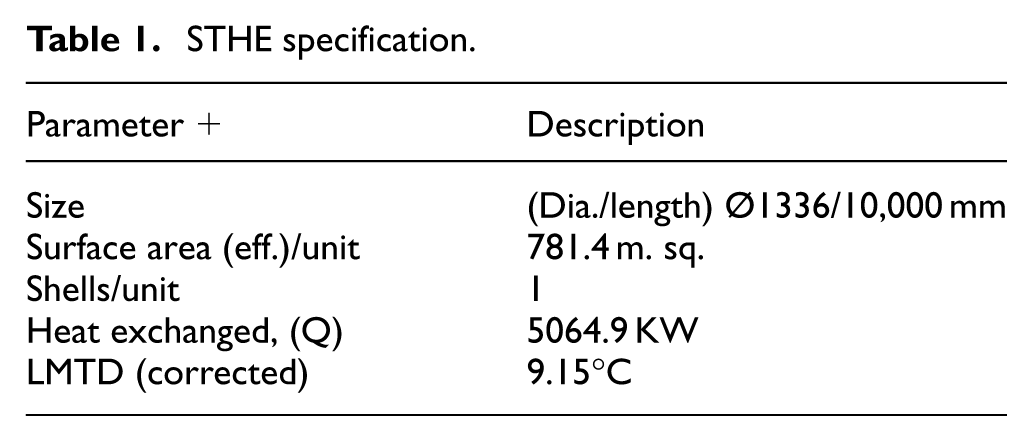
In designing an exchanger to meet heat duty requirements and specific design constraints, STHE considers various geometric and operational factors, establishing a maximum allowable pressure drop is a standard procedure following determination of reference geometric configuration of apparatus. To achieve an appropriate ‘HT’ coefficient and effectively utilize ‘HE’x’ surface, design variable values are derived based on design requirements and assumptions regarding various mechanical and thermodynamic properties. A design that satisfies criteria and achieves an optimal balance between pressure drops and ‘HE’x’ performance is generated through evaluation of designer’s choices using iterative methodologies and multiple trials.22,23 Table 1 presents the characteristics of examined shell and tube ‘HE’x’ and Fig. 1(a). present Component of STHE.
STHE specification.
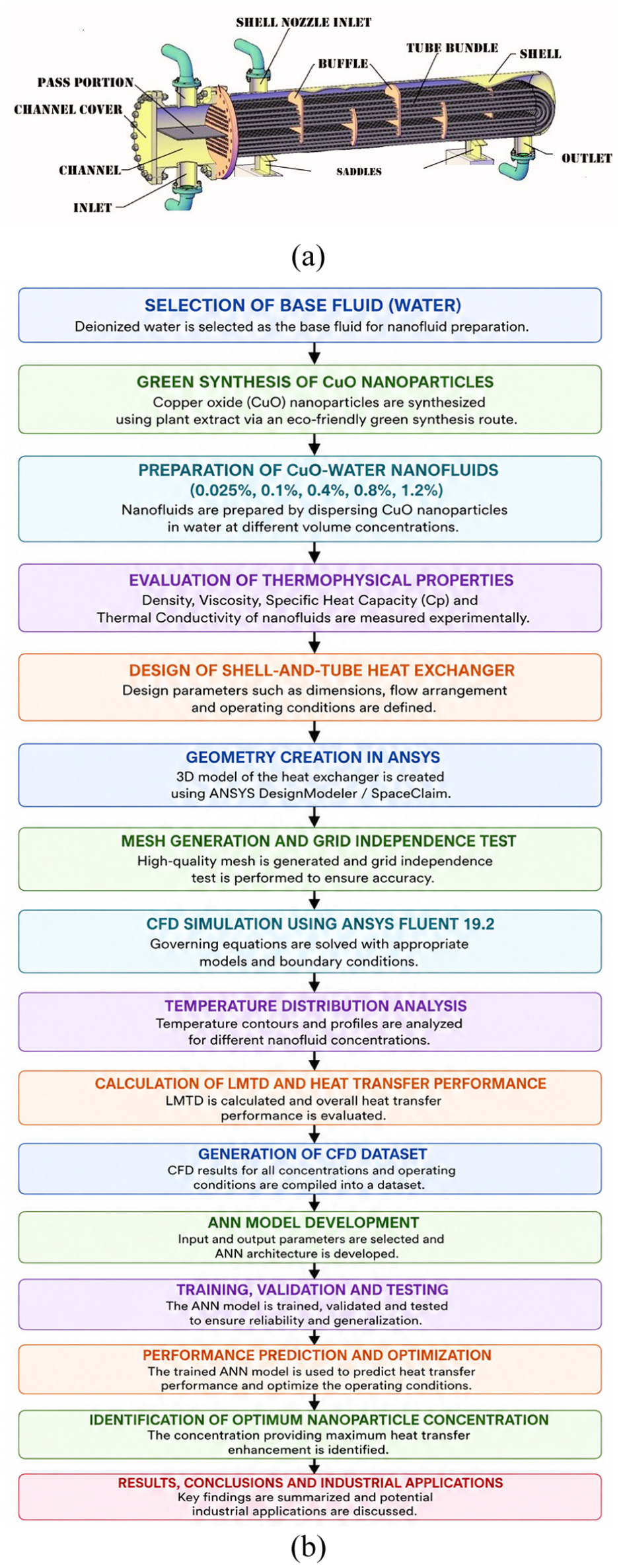
(a) Schematic representation of the shell-and-tube heat exchanger components and (b) methodology flowchart.
Flow configurations of the heat exchanger
The configuration of fluid flow significantly influences efficiency of HE’x,24–27 counterflow systems, where hot and cold fluids move in opposing directions, are generally more effective than parallel flow arrangements, where fluids travel in same direction and how it work is complete methodology flow is presented in Figure 1(b).28–32 Sivamani et al. 4 conducted an experiment on a shell-and-tube HE’x utilizing CuO-water NFs in parallel and counterflow configurations, findings indicated superior performance of counterflow configuration. Amanuel and Mishra 14 conducted a quantitative analysis of a three-fluid tubular HE’x utilizing CuO NFs, revealing that counterflow configuration exhibited superior performance. Nogueira and Machado 33 provided further evidence for advantages of counterflow by analyzing the efficiency of micro channel printed circuit HE’x utilizing both parallel and counterflow configurations. This universal finding across various studies underscores significance of selecting the optimal flow design to achieve maximum HT efficiency is presented in Figure 2.
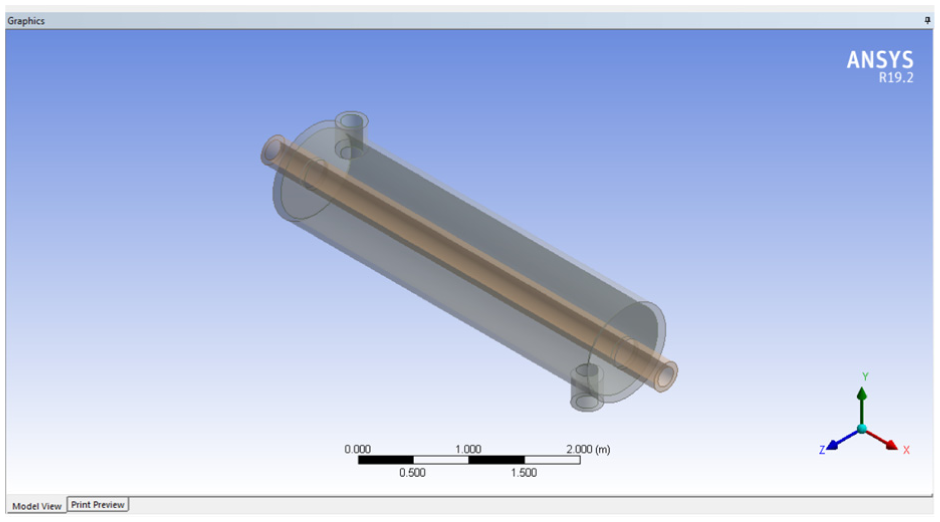
Three-dimensional geometry of the shell-and-tube heat exchanger used for CFD simulation.
Mesh generation and grid independence study
A high-fidelity 3D mesh will be generated using Workbench Design Modeler 19.2, is presented in Figure 3. based on the geometry of HE’x. Determining optimal balance between computational cost and accuracy necessitates a comprehensive grid independence study, which will be conducted to identify appropriate mesh density, perform simulations using progressively finer meshes and analyze key performance indicators (KPIs) to ensure that introduction of finer meshes does not substantially alter critical outcomes, this procedure is essential for ensuring confidence in accuracy of simulation results.
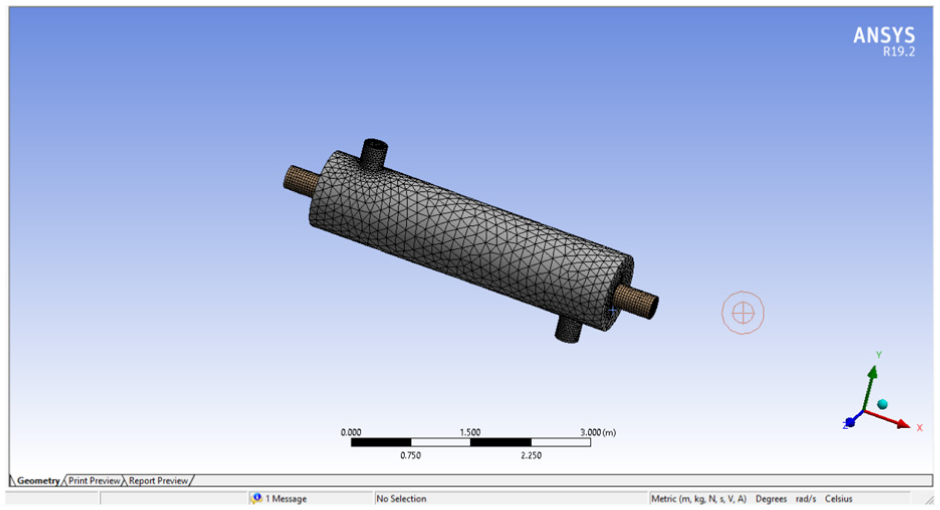
Computational mesh generated for the shell-and-tube heat exchanger model.
Grid independence test
To ensure the accuracy and reliability of the CFD simulations, a grid independence study is performed before conducting the final numerical analysis. Several mesh configurations with increasing numbers of elements were generated and tested. The temperature distribution, outlet temperature, and Log Mean Temperature Difference (LMTD) were selected as the key monitoring parameters for evaluating mesh sensitivity. The results indicated that variations in the predicted thermal-performance parameters decreased significantly with mesh refinement. Beyond the selected mesh size, the changes in LMTD and outlet temperature were found to be negligible, indicating mesh-independent behavior. Therefore, the mesh configuration providing an acceptable balance between computational accuracy and computational cost was selected for all subsequent simulations.
Experimental validation of CuO nanofluids
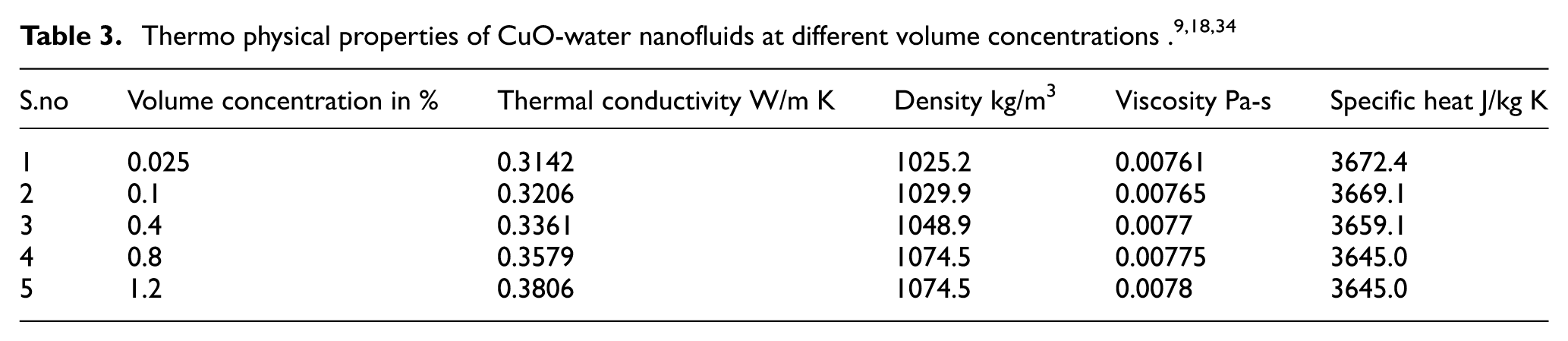
Numerous studies34,35 indicate that CuO-water nanofluids exhibit superior thermal conductivity in various HE’x configurations. Sivamani et al. 4 observed that in a baffled shell-and-tube heat exchanger, the overall coefficient increased by 124.06%, while heat transfer coefficient improved by 11.28%. The performance was enhanced by substituting water with a nanofluid containing 0.02% CuO as base fluid. Tayyab-ul-Islam et al. 3 reported a 21% enhancement in HT when employing CuO nanofluids in a shell-and-tube heat exchanger. Li et al. 30 reported that HT coefficient can be as much as 125% greater with CuO-water nanofluid in a heat pipe compared to pure water. Latha et al. 31 demonstrated that CuO nanofluids can significantly enhance the heat transfer coefficient in both free and forced convection scenarios, achieving a maximum value of 489.4614 W/m2K. Research by Zolfalizadeh et al. 36 indicates that graphene nanoplate ‘NF’s’ enhanced convective HT coefficient of shell-and-tube heat exchangers by 22.47%. Numerous studies indicate that CuO-based nanofluids can substantially improve HT efficiency.19,37–39
Synthesis of CuO nanoparticles
A 50 mL solution of 0.5 M copper (II) nitrate trihydrate was made to synthesize CuO NPs. We stirred the copper precursor solution for 4 h at 600°C after adding 10 mL of the M. calabura leaf extract dropwise. Greenish paste was produced consequently, and it was let to cool to room temperature. After 2 h of calcining the paste at 400°C, fine, black CuO powder is produced. Their procedure is presented in Figure 4. The CuO nanoparticles synthesized using Muntingia calabura leaf extract were characterized to confirm their structural, morphological, and chemical properties.
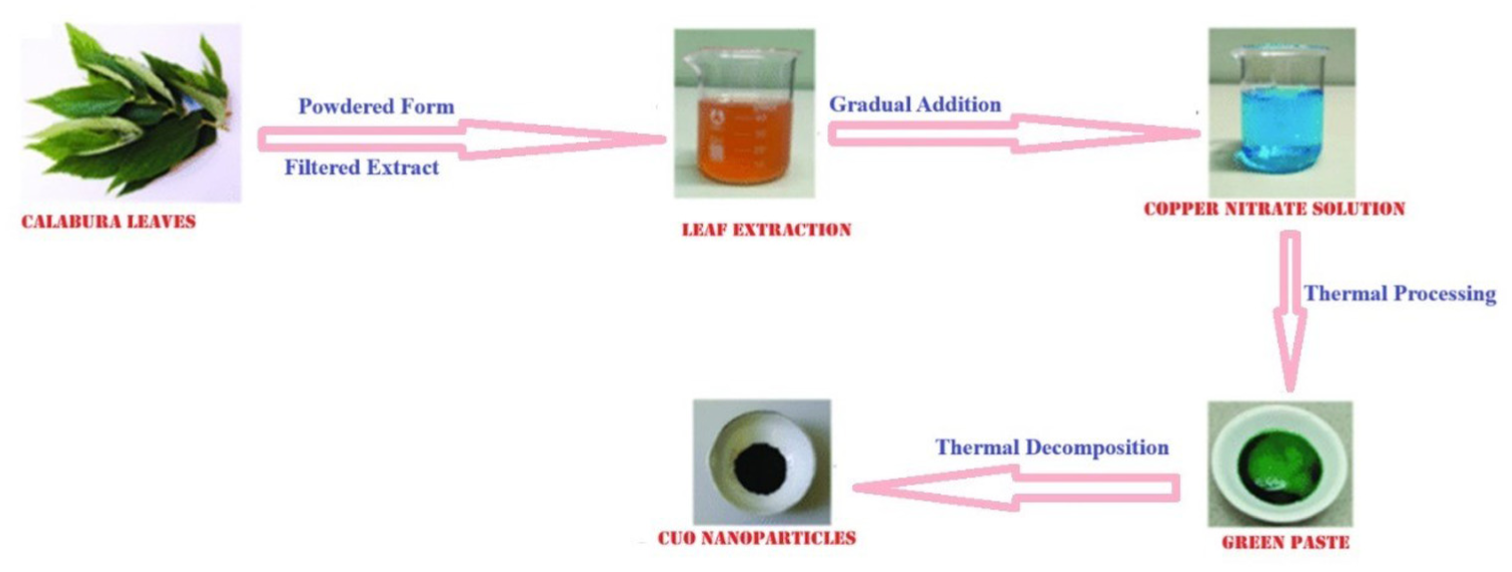
Green synthesis procedure for CuO nanoparticles.
CuO nanofluid preparation by mixing nano powder in the base liquid
The nanoparticles undergo vigorous agitation prior to their incorporation into base liquid, this procedure involved incorporation of nanoparticles into base liquid followed by rapid stirring. The nanoparticles aggregate after several minutes of NFs production due to gravitational effects, resulting in nanofluids with limited suspension stability. The duration for nanoparticles to settle is influenced by several factors, including density and viscosity of the host fluid. Although increasing CuO nanoparticle concentration enhances heat transfer performance, it may also increase nanofluid viscosity and consequently the hydraulic resistance within the heat exchanger. Therefore, the thermal benefits achieved through improved conductivity must be evaluated alongside potential pumping power requirements. The results indicate that increasing nanoparticle concentration from 0.025% to 1.2% progressively improves the Log Mean Temperature Difference (LMTD) and overall thermal performance. This enhancement is attributed to the superior thermal conductivity of CuO nanoparticles, which facilitates more effective energy transport between the hot and cold fluid streams.
Effect of nanoparticle concentration
The concentration of CuO nanoparticles in base fluid significantly influences HT performance of NFs, as evidenced by numerous studies,40–43 exceeding an optimal concentration may negate advantages of enhanced thermal conductivity due to reduced specific heat capacity and viscosity. Elevated concentrations do improve thermal conductivity, Sivamani et al. 4 identified a nanofluid composed of 0.02% CuO and water as most effective in their studies. Tayyab-ul-Islam et al. 3 observed enhanced HT at CuO nanofluid concentrations of 0.2%, 0.4%, and 0.6%. Shahrul et al. 5 demonstrated that mass flow rates had a significant impact on optimal concentration of nanoparticles, which ranged from 0.03% to 1.2%. The addition of 0.15 vol. % CuO nanoparticles significantly improved thermal performance, as reported by Latha et al. 31 Kumar and Kumar 18 found that convective HT rates increased with a 3% concentration of CuO NFs. Fayadh et al. 20 demonstrated that concentrations of 1%, 3%, and 5% CuO enhance efficiency, consider advantages and disadvantages of enhanced heat conductivity and viscosity to determine optimal concentration.
CFD methodology
There are three major phases to CFD analysis, pre-processing involves converting problem statement into a computer model, including mesh creation and boundary condition setup. The real calculation is performed in solution phase using a solver, the data are examined during post-processing step. The modeling of HE’x is done using ANSYS (19.2) software. In STHE hot fluid flows through tubes, meaning it is considered ‘tube side’ fluid, while cooler liquid circulates around tubes within shell, HT from hot liquid to cooler one through tube walls. After modeling HE’x, meshing method, which includes face meshing, edge meshing, inflating, and so on, is used, and produced mesh is a polyhedron with 40,677 nodes and 100,220 elements. The geometry and meshing of experimental apparatus are shown in Figures 2 and 3.
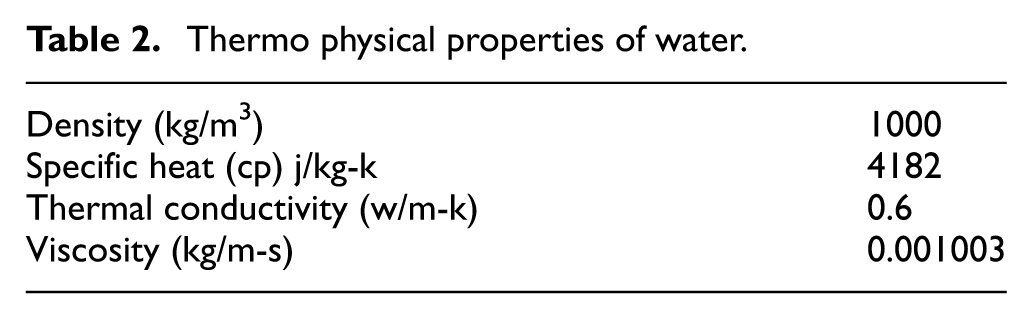
CFD analysis necessitates material properties, which may include solids, fluids, or gases, ‘HE’x’ are typically manufactured to meet industry standards, with shell diameters varying from 10 inches to over 100 inches. Exchanger tubing generally has a diameter between 0.625 and 1.5 inches and is produced from materials including titanium, stainless steel, Hastelloy, Inconel, copper, copper-nickel, Admiralty, or low carbon steel. Water and CuO NFs serve as fluids, mass flow rate of CuO NFs is 0.01 kg/s, whereas that of water is 0.027 kg/s. Table 2 presents water parameters, whereas outlines attributes of CuO ‘NFs. The density and viscosity of the nanofluid increase with nanoparticle concentration because of the additional solid content suspended within the base fluid. Simultaneously, thermal conductivity increases due to the superior conductive properties of CuO nanoparticles. These combined effects significantly influence the heat-transfer characteristics and thermal efficiency of the heat exchanger.44–46 Table 3 presented the thermo physical properties of CuO-water nanofluids employed in this study were obtained from previously published experimental investigations and validated correlations available in the literature.9,18,34
Thermo physical properties of water.
Thermophysical modeling of nanofluids
Reliable simulation results depend significantly on precise simulation of thermophysical parameters of CuO/water NFs, to assess thermal conductivity, viscosity, and specific heat capacity of NFs, employ established and validated optimization, with particular attention to effects of temperature and nanoparticle concentration.47–50 The selection of the most suitable optimization is contingent upon its compatibility with the specific NFs, and operational conditions, as well as its historical accuracy. This meticulous method ensures the simulation accurately represents physical behavior of NFs is presented on Figure 5.
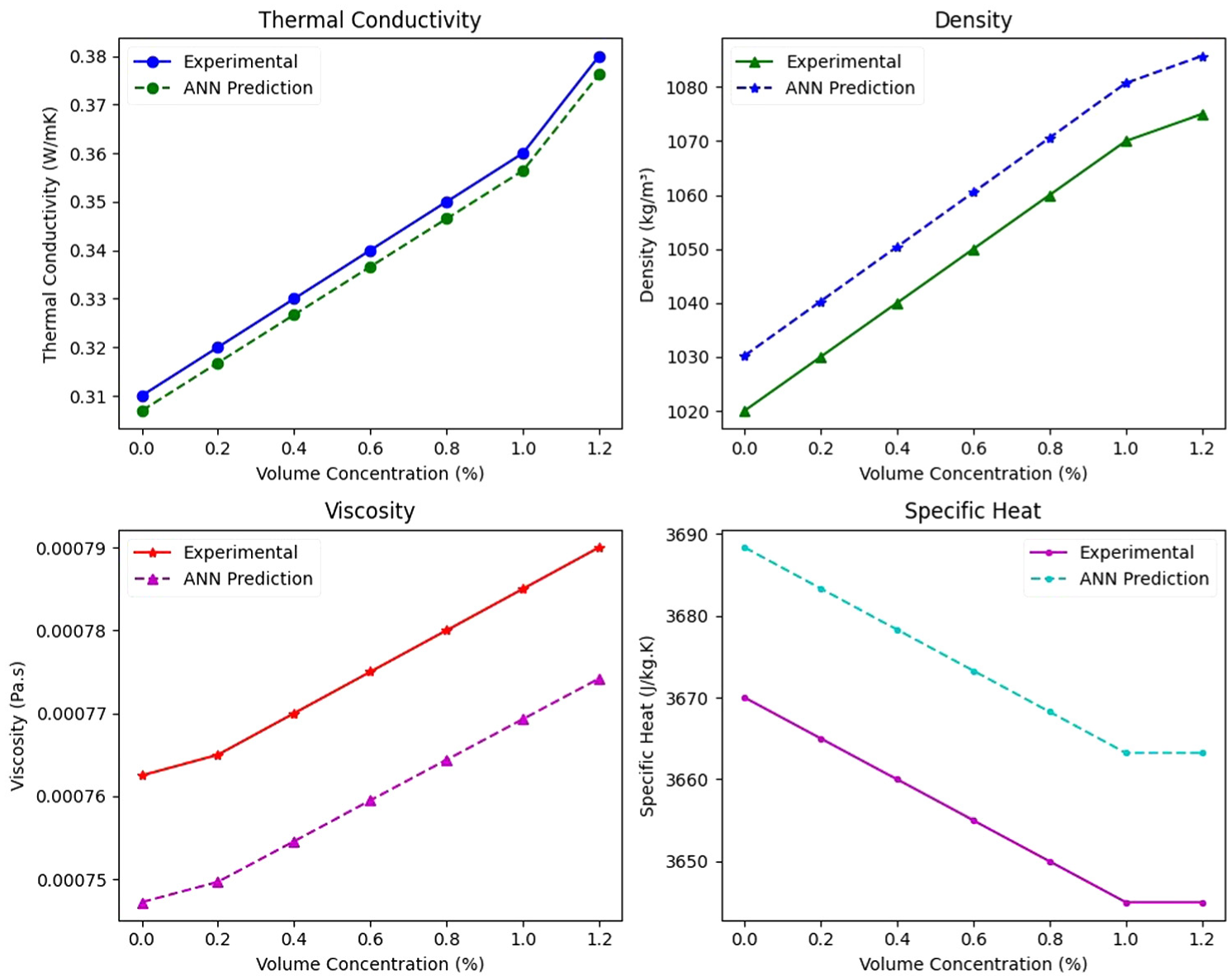
Thermo physical property measurements of CuO-water nanofluids.
Integration of CFD and ANN methodology
A sequential CFD-ANN framework is adopted in this study the shell-and-tube heat exchanger is modeled and analyzed using ANSYS Fluent 19.2. The built-in continuity, momentum, and energy equations available in ANSYS Fluent were employed to simulate the thermal and flow characteristics of CuO-water nanofluids at different volume concentrations. No User Defined Functions (UDFs) or custom ANSYS codes were used. The CFD simulations generated temperature distributions, outlet temperatures, and Log Mean Temperature Difference (LMTD) values. These computational results were exported and used as input datasets for Artificial Neural Network (ANN) modeling. The ANN was developed independently and utilized for prediction and optimization of heat exchanger thermal performance. Therefore, the CFD and ANN models were coupled sequentially, where ANSYS Fluent generated the simulation database and ANN provided performance prediction and optimization.
Results and discussion
The CFD analysis is led on STHE utilizing ANSYS 19.2 familiar programming. Various liquids are utilized for examination of intensity exchangers. The mass stream pace of investigation is 1 kg/s. The investigation directed is involving water as base liquid and consequence of temperature and speed are plotted underneath.
Heat transfer performance analysis
The heat transfer coefficient (HTC) to assess rate of HT between fluids, a average HTC be calculated for each concentration and flow configuration. A percentage increase relative to the baseline case employed to signify enhancement in HTC, analogous to ‘Nu’. To ascertain power required for pumping CuO/water NFs, pressure drop across HE’x is calculated, considering potential for larger pressure drops resulting from increased viscosity of NFs is crucial in development of their practical applications. The increase in pumping power assessed by comparing pressure decrease to baseline scenario of pure water. The thermal efficiency of HE’x calculated to evaluate system’s performance comprehensively. The HT rate and requirements for pumping power, thermal efficiency expressed as a percentage in comparison to the baseline. The overall efficiency of system evaluated comprehensively.
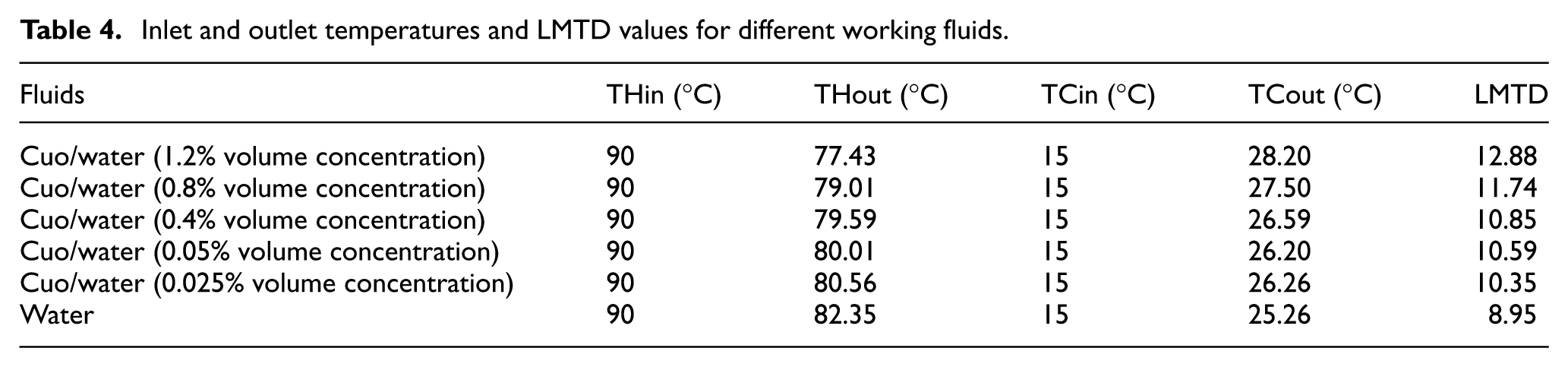
Figure 6 illustrates temperature profile of data; temperature is elevated along channel and up to shell’s waist compared to area above. The temperature decreases as one approaches exit and another area. The most extreme environment, following hot liquid intake, reaches a temperature of 90°C. The temperature attains 82.35°C as lower zone concludes. The temperature reaches a maximum of 15°C coinciding with the introduction of cold liquid, subsequent temperature zone is 25.26°C.
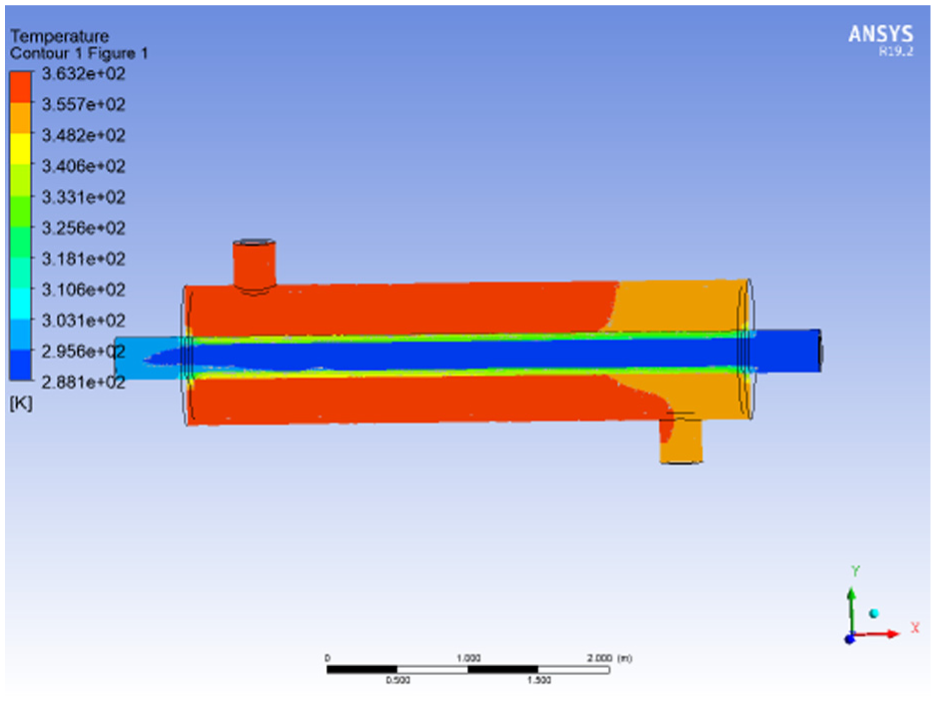
Temperature distribution of the shell-and-tube heat exchanger using water as the working fluid.
Figure 7 illustrates temperature curve of 0.025% of volume concentration, is elevated along channel and up to shell’s waist compared to area above decreases as one approaches exit and another zone. The most extreme environment, following hot liquid intake, reaches a temperature of 90°C, at the bottom of zone is 80.56°C. The temperature reaches a maximum of 15°C coinciding with introduction of cold liquid, decreases to 26.26°C following lowest point.
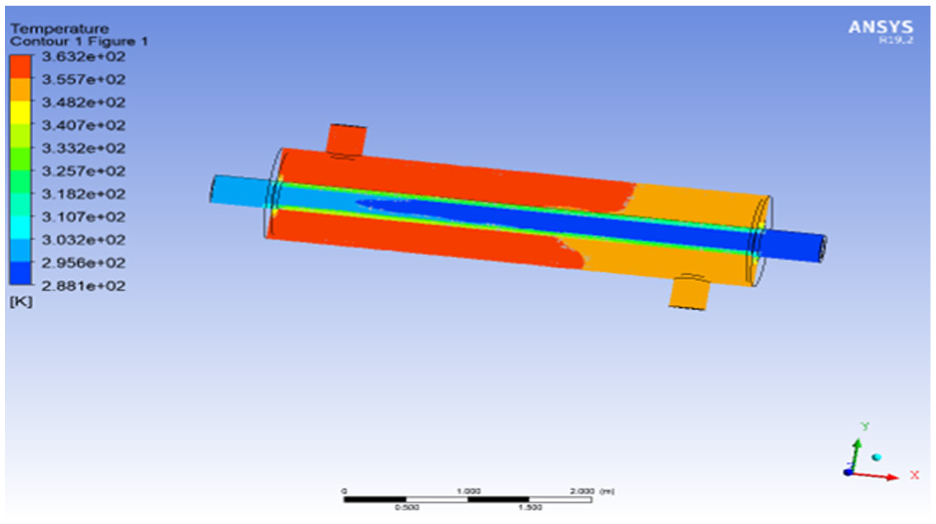
Temperature distribution for CuO-water nanofluid at 0.025% volume concentration.
Figure 8 presents a temperature plot curve of 0.1% of volume concentration, is elevated along channel and up to shell’s waist compared to area above. The temperature decreases as one approaches exit and transitions to another zone, the most extreme environment, following hot liquid intake, reaches a temperature of 90°C. A temperature of 80.01°C is noted at base of zone, reaches a maximum of 15°C coinciding with introduction of cold liquid, temperature decreases to 26.20°C below lower zone.
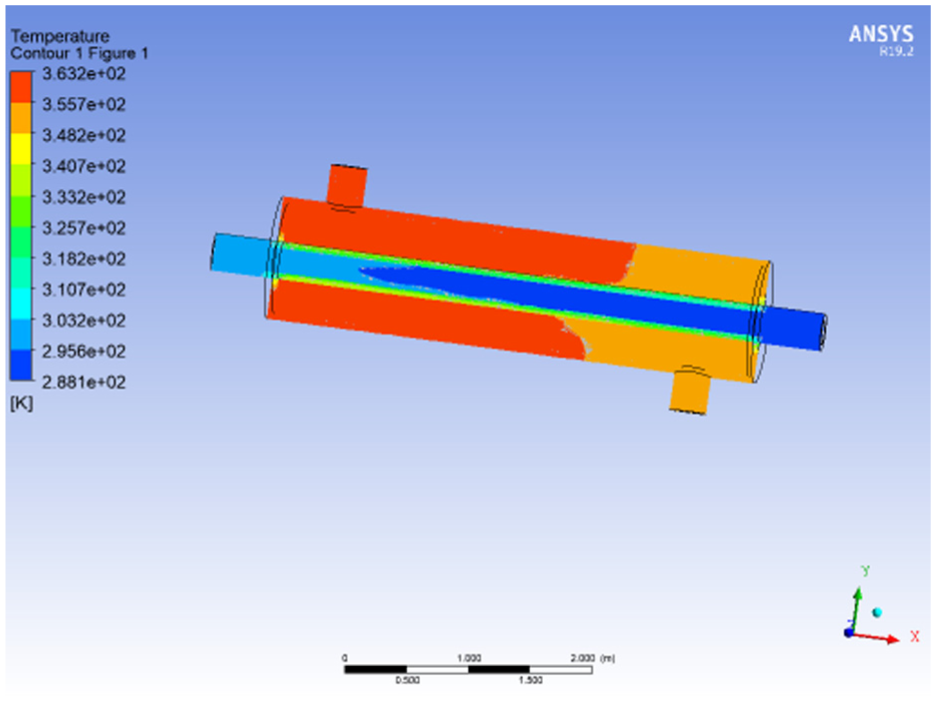
Temperature distribution for CuO-water nanofluid at 0.1% volume concentration.
Figure 9 illustrates temperature distribution curve of 0.4% of volume concentration, is elevated along channel and up to shell’s waist compared to area above, decreases as one approaches exit and transitions to another zone. The most extreme environment, following hot liquid intake, has a temperature of 90°C. The subsequent temperature zone is 79.9°C, reaches a maximum of 15°C at time cold liquid is introduced, lowest point, temperature decreases to 26.59°C.
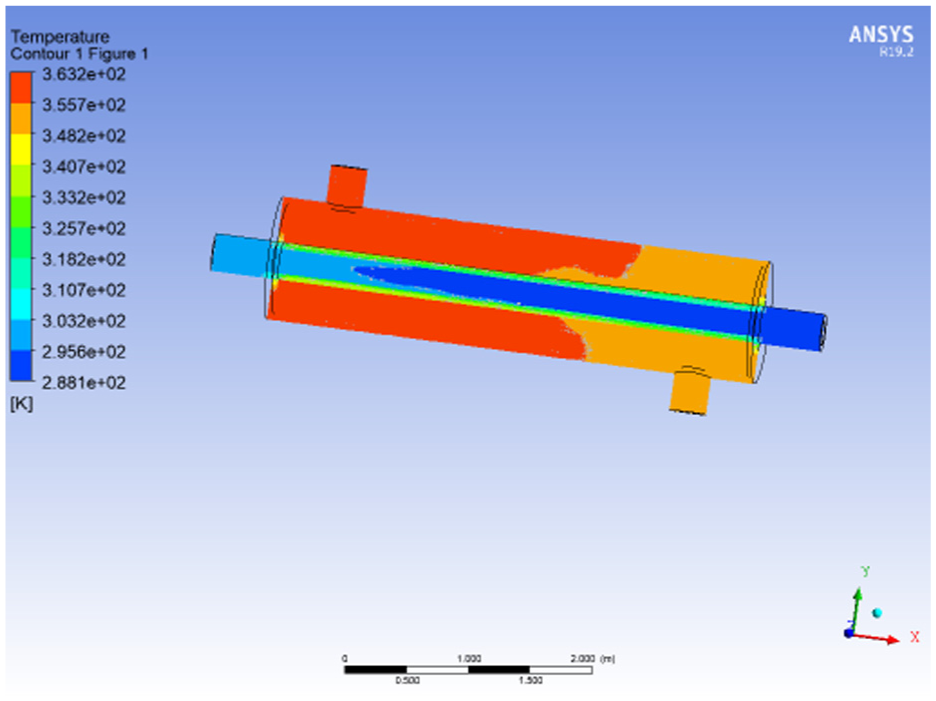
Temperature distribution for CuO-water nanofluid at 0.4% volume concentration.
Figure 10 presents a temperature plot curve of 0.8% of volume concentration, is elevated along channel and up to shell’s waist compared to area above, decreases as one approaches exit and another area. The most extreme environment, following hot liquid intake, has a temperature of °C, attains 79.01°C as lower zone concludes. The temperature reaches a maximum of 15°C coinciding with the introduction of cold liquid, measures 27.50°C following the bottom zone.
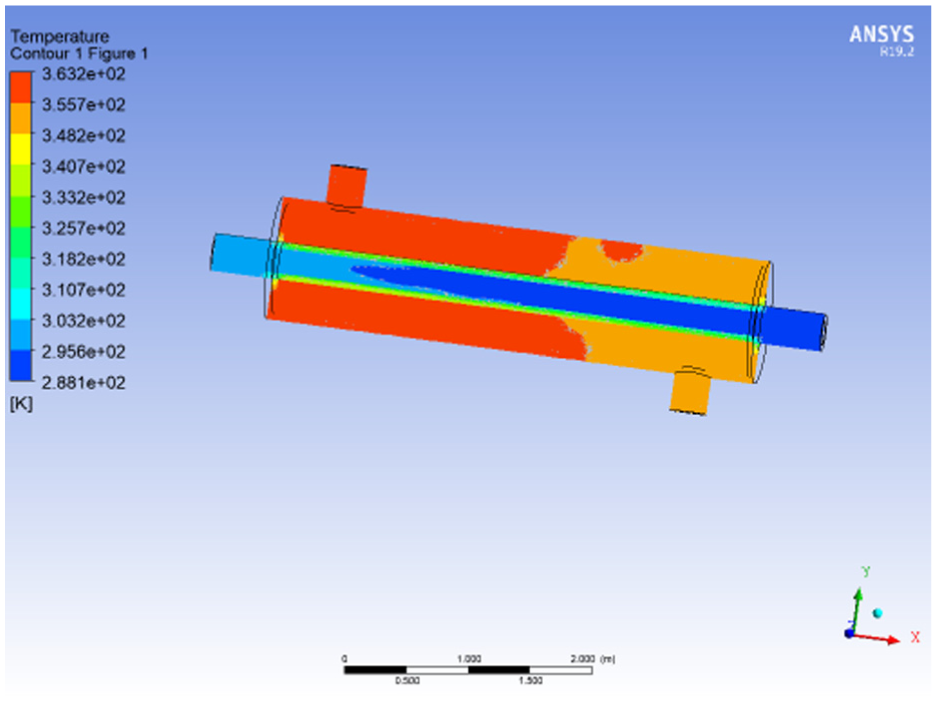
Temperature distribution for CuO-water nanofluid at 0.8% volume concentration.
Figure 11 illustrates temperature plot curve of 1.2% of volume concentration, is elevated increases along channel up to shell’s waist, subsequently decreasing as one approaches exit and another zone. The maximum temperature approaches 90°C at hot liquid inlet, lower zone is 77.43°C, maximum temperature is near cold liquid inlet at 15°C, in the lower zone is 28.20°C.
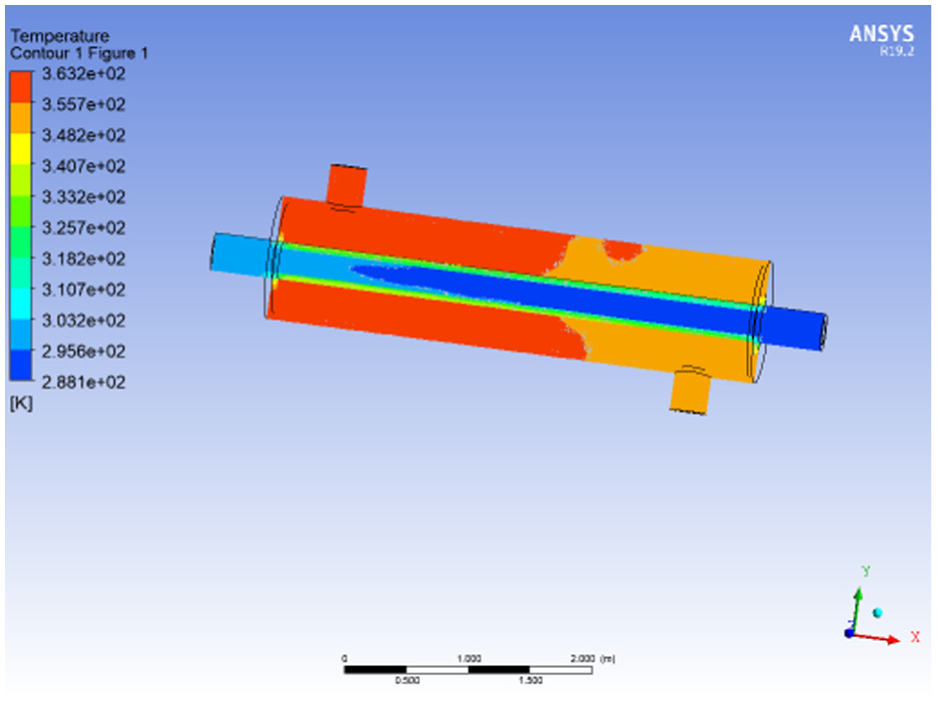
Temperature distribution for CuO-water nanofluid at 1.2% volume concentration.
The Scaled Residuals Plot from ANSYS Fluent illustrates convergence behaviors of numerical solution in a CFD simulation, graphic illustrates outcomes of key governing equations, encompassing continuity, momentum (x-, y-, and z-velocity), energy, and turbulence parameters (k and epsilon). Beginning with significant residuals, all decrease markedly within initial 40 iterations, indicating rapid system stabilization, after approximately 60 iterations, residuals stabilize, indicating that convergence is nearing. The energy residual decreases to approximately 1e-6, indicating significant convergence in HT, while momentum and turbulence residuals stabilize at around 1e-2, a level typically deemed acceptable in engineering contexts. Conversely, a slight increase in continuity residual indicates that additional iterations refinement may enhance accuracy. The Figure 12. indicates that numerical simulation is nearing convergence, suggesting that results for assessing performance of HE’x are reliable. As the nanoparticle concentration increases from 0.025% to 1.2%, the outlet temperature of the cold fluid increases while the hot-fluid outlet temperature decreases. This behavior indicates a greater rate of heat extraction from the hot stream and improved energy transfer to the cold stream. The enhanced thermal conductivity of the CuO-water nanofluid reduces thermal resistance within the heat exchanger and contributes to more efficient heat-transfer processes.
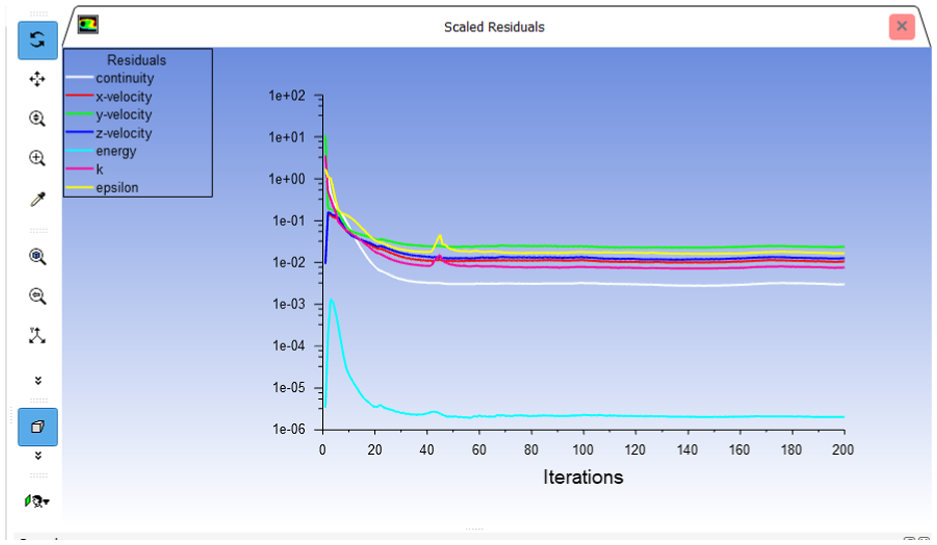
Convergence history and residual values obtained from ANSYS Fluent simulation.
Planning of heat exchanger is finished by logarithmic mean temperature difference (LMTD) technique (Table 4). The log mean temperature distinction is characterized by utilizing the following equation.
Inlet and outlet temperatures and LMTD values for different working fluids.
LMTD = logarithmic mean temperature difference

Where
THin = Hot fluid inlet temperature
THout = Hot fluid outlet temperature
TCin = Cold fluid inlet temperature
TCout = Cold fluid outlet temperature
The bar chart provided illustrates in Figure 13. log mean temperature difference (LMTD) for different mixtures in HE’x system, x-axis displays variety of fluid mixtures, encompassing pure water and CuO-water NFs at different volume concentrations (0.025%, 0.05%, 0.4%, 0.8% and 1.2%). The LMTD values, indicating efficiency of HT for each combination, are represented on y-axis. The data indicates a direct correlation between increasing CuO NFs concentration and enhanced HT capability, as evidenced by a straight line connecting these variables with increasing LMTD. The lowest LMTD for pure water is 8.95, while highest LMTD for most concentrated CuO solution (1.2% volume) is 12.88, indicating a significant enhancement. The error bars in plot, indicating minor variations in LMTD values, ensure reliability. This comparison indicates that CuO-based nanofluids exhibit superior heat exchange efficiency compared to conventional fluids, suggesting their potential for thermal applications. The observed increase in LMTD with increasing CuO concentration is a direct consequence of enhanced heat-transfer capability of the nanofluid. Higher thermal conductivity promotes more efficient energy exchange between the two fluid streams, thereby increasing the effective temperature difference across the heat exchanger. Consequently, the CuO-water nanofluids exhibit superior thermal performance compared with pure water under identical operating conditions.
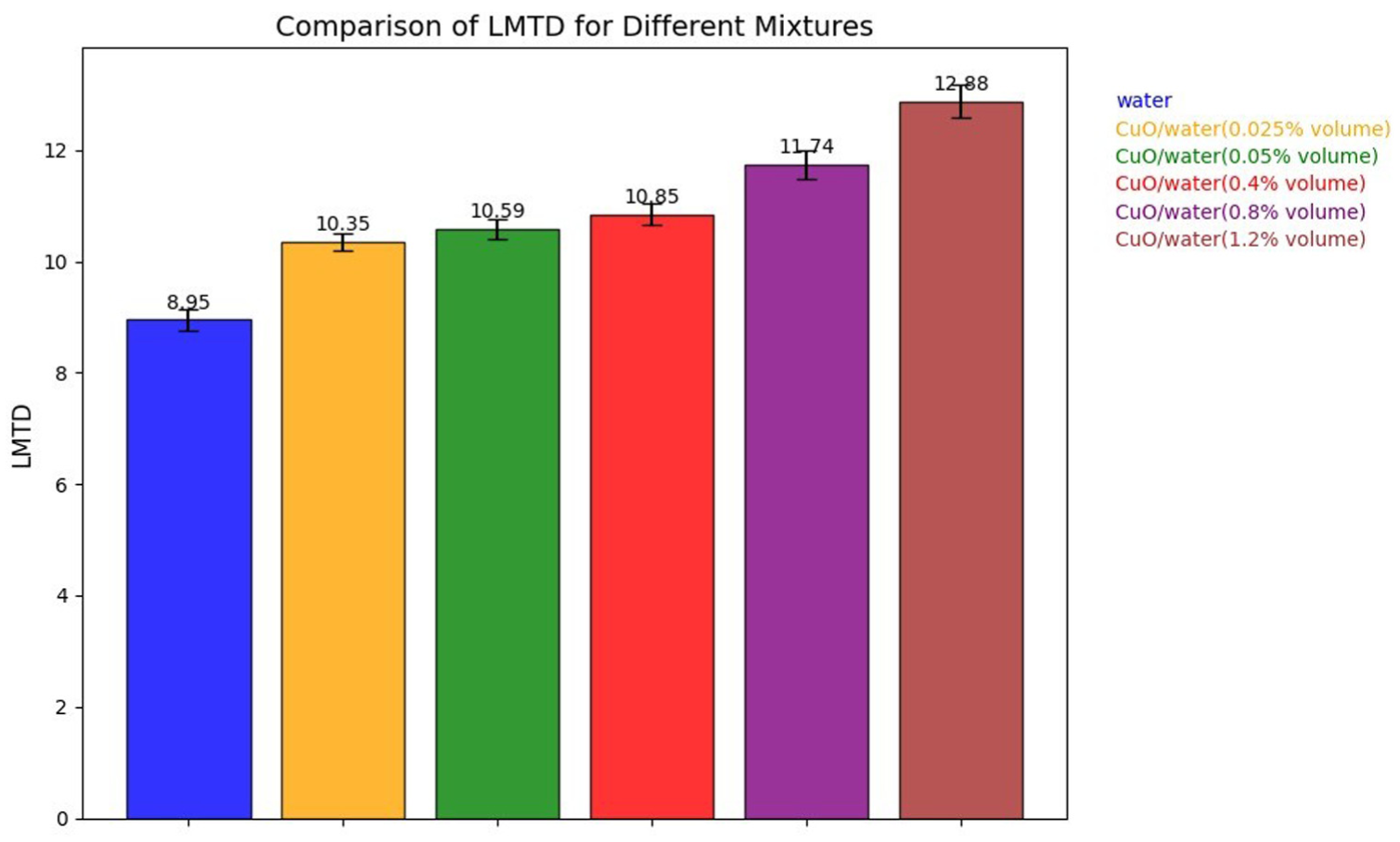
Comparison of LMTD values for water and CuO-water nanofluids at different volume concentrations.
ANN-Based optimization of thermal performance
An Artificial Neural Network (ANN) model is developed to predict the thermal performance of the shell-and-tube heat exchanger using CFD-generated datasets. The ANN received thermo physical and operating parameters as inputs and predicted thermal-performance indicators as outputs. The network architecture consisted of an input layer, one hidden layer, and an output layer. Different ANN configurations, including 3-4-1-1, 3-5-1-1, and 3-6-1-1 structures, were evaluated to determine the optimum network architecture. The input variables included nanoparticle concentration, inlet temperature, and flow-related parameters, while the output variable was the corresponding thermal-performance indicator (LMTD). This optimization enhances HT while reducing pressure loss, results indicate that CuO-water nanofluids enhance HT efficiency. A comparative study with experimental investigations indicates that graphene nanoplate nano fluids enhance convective HT by 22.47% and HT coefficient by 125%. Investigation is optimizing nanoparticle concentration and flow rate for enhanced HT and reduced pressure drop, CFD simulations and predicted correlations will identify optimal operating conditions for various heat exchanger designs and characteristics, thereby enhancing energy efficiency is presented in Figure 14.
ANN-based optimization framework for nanoparticle concentration and flow rate.
Comparative analysis of flow configurations
The impact of flow configuration on HT enhancement evaluated by directly comparing results of CFD simulations for parallel and counterflow configurations. Simulations conducted to validate enhanced performance of counterflow configuration, consistent with prior findings in the literature.51–55
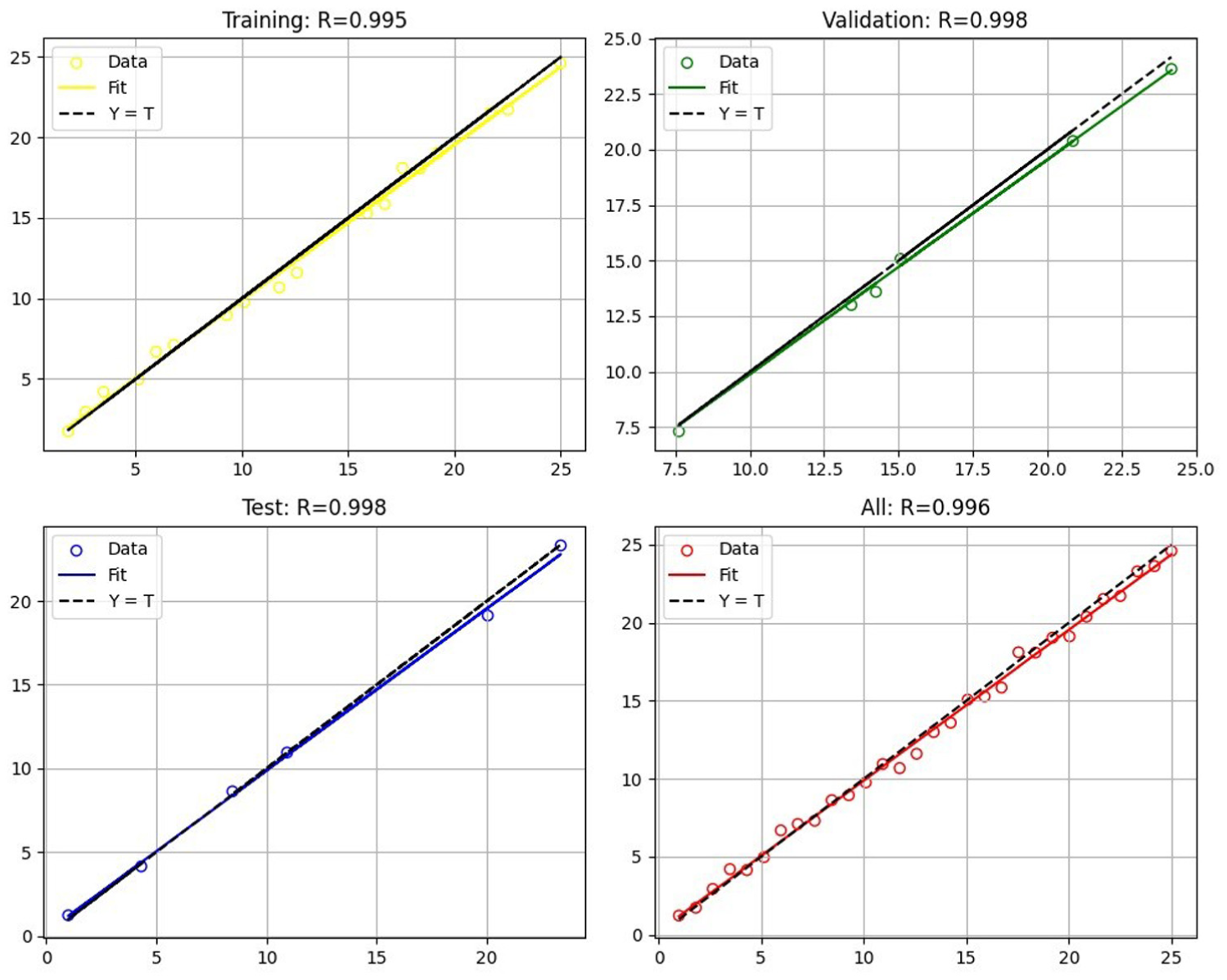
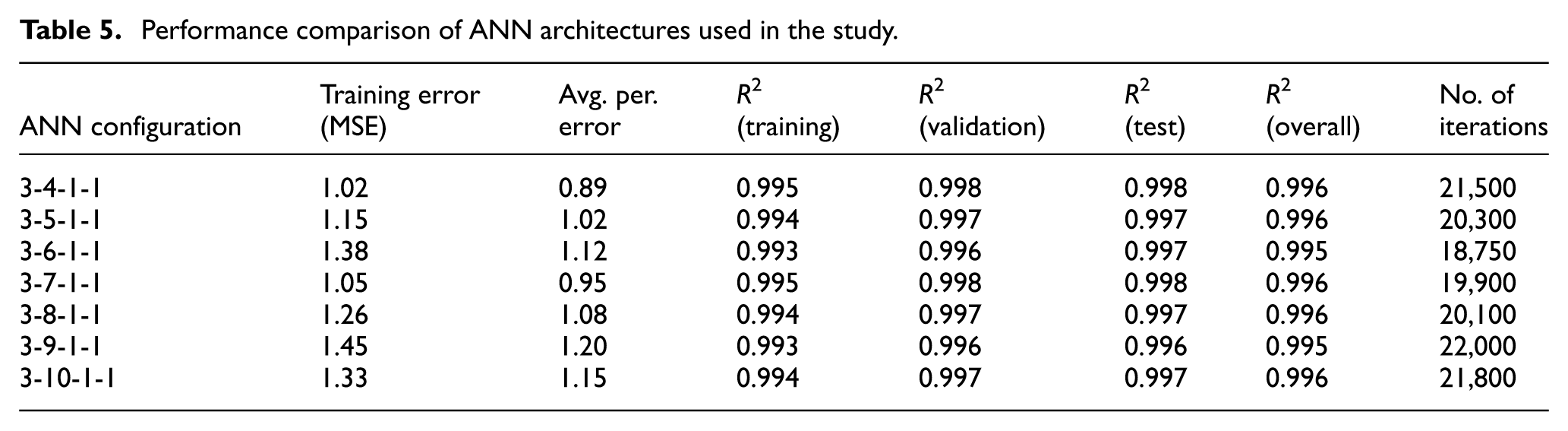
The ANN design 3-4-1-1 did great job of predicting computational problems, is shown in Figure 15 and Table 5. It got R2 value of 0.995 for training dataset and 0.998 for both validation and test datasets. The Mean Squared Error (MSE) for this setup is 1.02, and Average Percentage Error is 0.89, which is in line with what theory says should happen. To improve accuracy of predicting problems, 3-10-1-1 design is tweaked by changing its weight, threshold, and bias settings. With R2 value of 0.996 across whole dataset, this configuration kept strong performance.
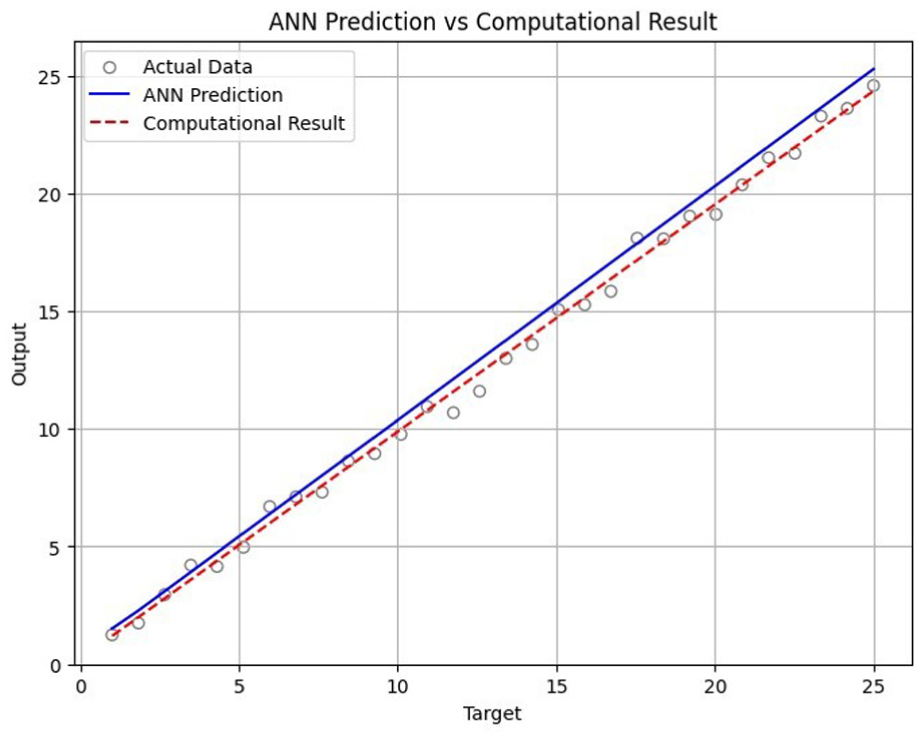
Comparison between ANN-predicted and actual thermal-performance results.
Performance comparison of ANN architectures used in the study.
A normal probability plot shows how data is spread out in scatter plot that tests how well ANN can predict problems. In this graph, data points that are close to straight-line show that information is spread out evenly, while points that are not close to straight line show that there are some problems. The fact that data points are very close to reference line shows how accurate and reliable suggested model. The high coefficient of determination (R2) shows that model is accurate and resilient, showing that it can be used to accurately predict computational problems. The high prediction accuracy achieved by the ANN model is primarily due to the strong nonlinear relationship between nanoparticle concentration, temperature distribution, and heat transfer performance. The ANN effectively captures these complex interactions and provides reliable predictions of thermal behavior across the investigated operating conditions.
Conclusion
Research indicates that a shell-and-tube heat exchanger utilizing a counterflow arrangement can significantly enhance thermal performance through use of CuO-water NFs, results indicated a notable enhancement in HT efficiency following application of green manufacturing method for CuO NFs. The utilization of CuO NFs optimized cooling process, resulting in a thermal efficiency increase of 10°C compared to conventional water-based fluids. Findings indicated that NFs exhibited superior HT capacities, as validated by experimental analysis and CFD simulations conducted in ANSYS Fluent 19.2. To enhance log, mean temperature difference (LMTD) for both hot and cold fluids, artificial neural networks (ANN) were employed. This enabled us to enhance performance accurately. Graphene nanoplate NFs enhanced HT by 125% and convective HT by 22.47%, as evidenced by comparisons with prior research. These findings indicate that CuO-based NFs hold significant potential for improving thermal control and energy efficiency in HE’x.
Limitations, applicability, and practical implications
The present study is subject to several limitations, first, the investigation is based on CFD simulations and ANN predictions without direct experimental validation under identical operating conditions. Second, the analysis considers steady-state flow conditions and specific CuO-water nanofluid concentrations ranging from 0.025% to 1.2%, which may limit the direct applicability of the results to other nanofluid compositions and operating environments. In addition, assumptions such as negligible heat loss to the surroundings and constant thermo physical properties may introduce deviations from real industrial systems.
The proposed CFD-ANN framework is applicable to shell-and-tube heat exchangers operating under counterflow conditions and utilizing CuO-water nanofluids within the investigated concentration range. The methodology can also be extended to similar thermal systems after appropriate validation and calibration for different geometries, nanoparticle types, and operating conditions. From a practical perspective, the findings demonstrate that CuO-water nanofluids can significantly improve heat transfer performance and thermal efficiency compared with conventional working fluids. The integration of CFD simulations with ANN-based prediction provides an efficient tool for thermal-system design, performance forecasting, and optimization. The proposed approach can support decision-making in industrial applications such as power plants, chemical processing industries, refrigeration systems, automotive thermal management, renewable-energy systems, and advanced cooling technologies where enhanced heat transfer performance is required.
Future work
Future studies should focus on experimental validation of the CFD-ANN predictions, transient flow analysis, and investigation of hybrid nanofluids, uncertainty quantification, and development of advanced machine learning models for real-time thermal performance optimization. This study indicates that performance of HE’x is enhanced by use of CuO-water NFs, although further research is required for system optimization. Conducting physical tests on a STHE utilizing CuO NFs at varying concentrations is essential to validate numerical predictions. To enhance HT and minimize pressure loss, additional CFD simulations and predictive correlations are necessary to optimize nanoparticle concentration and flow rate. Further research into nanofluids, including Al2O3, TiO2, and hybrid combinations, may enhance thermal efficiency beyond CuO-water. There are significant opportunities to examine economic viability, material compatibility, and long-term stability of incorporating NFs based HE’x in power generation, microelectronics cooling, and fuel cells. The application of AI, ML, and deep learning may facilitate prediction of HT performance across various operational contexts. Future advancements in these areas will enable optimization of HE’x efficiency and development of energy-efficient thermal management systems.
Footnotes
Handling Editor: Chenhui Liang

Ethical considerations
The paper has been submitted with full responsibility, following the due ethical procedure, and there is no duplicate publication, fraud, or copying. There are no financial or personal interests.
Author contributions
All Authors: conceptualization, visualization, methodology, investigation, project administration, formal analysis, writing – original draft.
Funding
The authors received no financial support for the research, authorship, and/or publication of this article.
Declaration of conflicting interests
The authors declared no potential conflicts of interest with respect to the research, authorship, and/or publication of this article.
Data availability statement
Since no new data were collected or examined for this study, data sharing does not apply to this article.