






Abstract

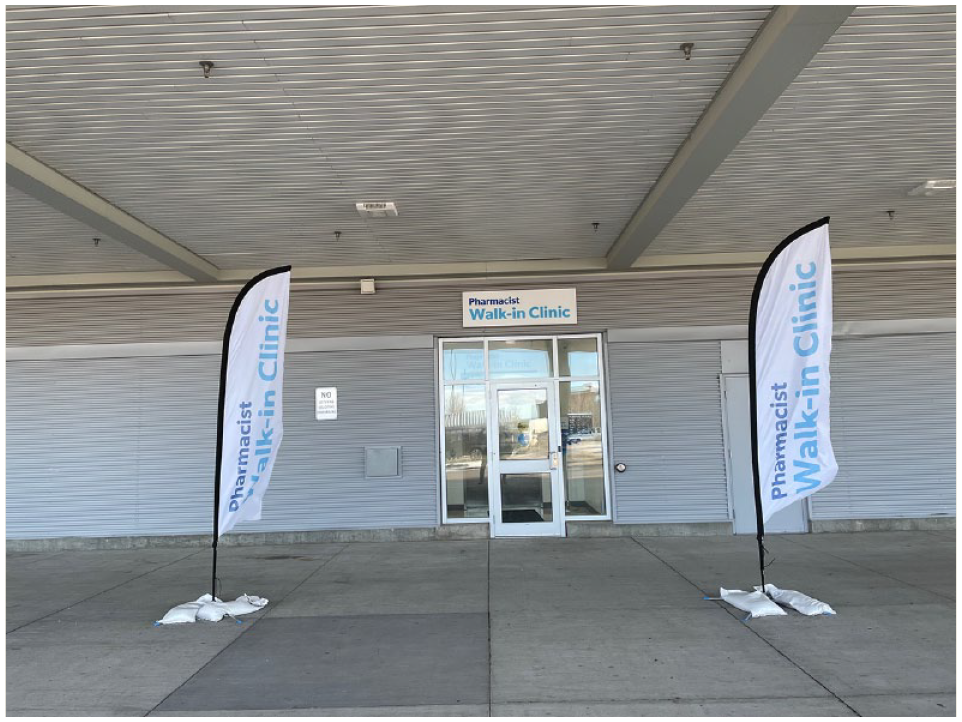
Entrance to pharmacist walk-in clinic in Lethbridge, Alberta (note it’s a separate entrance from the pharmacy).
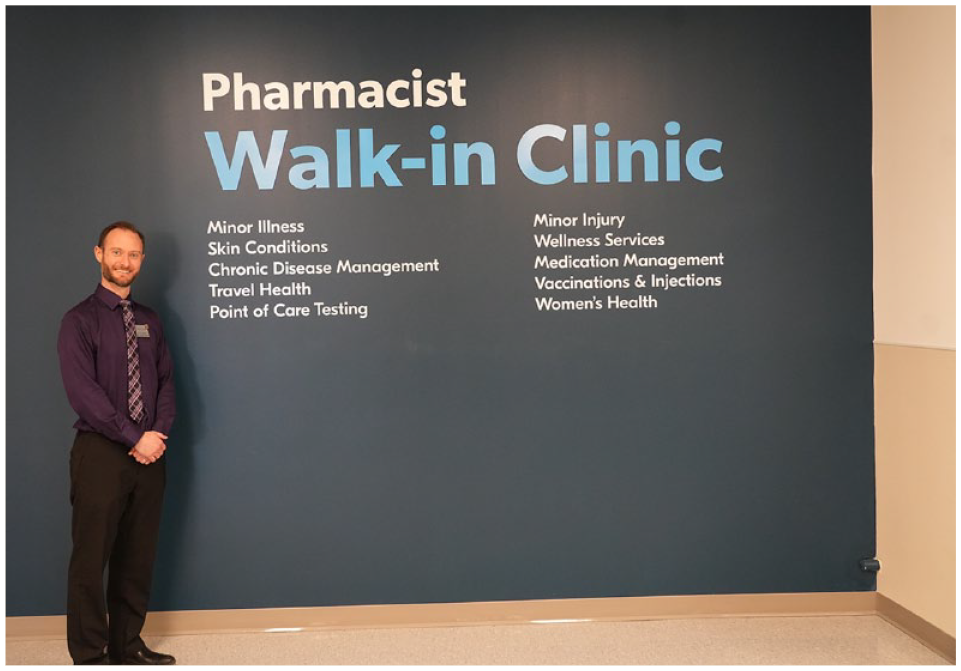
Pharmacy manager Justin Jensen in front of the pharmacist walk-in clinic.
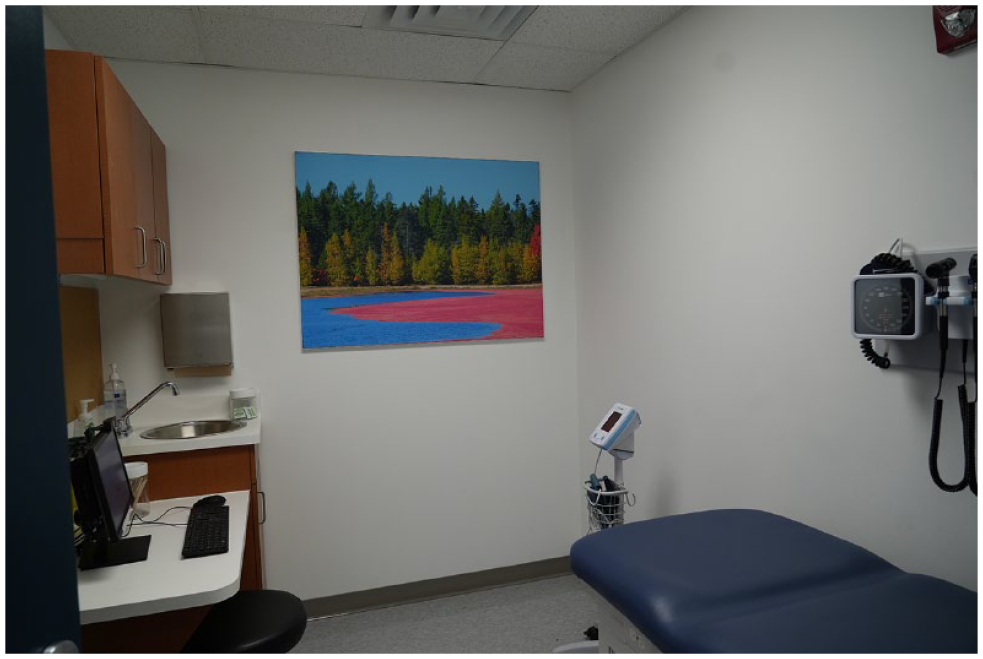
To date, the clinic has seen over 6000 patients, typically 40–60 patients a day. One of the clinic rooms is shown on the next page. The main reasons for visits include acute infections (e.g., upper respiratory tract infections or urinary tract infections), chronic conditions (e.g., diabetes, cardiovascular disease, chronic obstructive pulmonary disease), mental health (e.g., depression, anxiety), and dermatologic conditions. When the pharmacists were asked what they saw that was surprising to them, they remarked on the high number of sexually transmitted infections, referrals from local pediatricians for non-urgent pediatric cases, as well as oral thrush, and cellulitis. Additionally, they reported that there has been good collaboration and referrals from other primary care providers and triage staff at the emergency department.
An examination room at the pharmacist walk-in clinic.
What can you expect when you go to a pharmacist-led walk-in clinic?
Upon entering the clinic, patients are seen on a first-come, first-served basis and are met by the administrative support person to complete the intake form and ensure the request is within the scope of practice of a pharmacist. The wait time for patients is typically under an hour on weekdays and under 2 hours on weekends. The clinic also schedules appointments for follow-ups with a pharmacist either by phone or in-person, as well as appointments for the walk-ins that were not able to be seen that day (which are typically for the next day).
The pharmacists describe taking a systematic approach of collecting data, assessing, and creating a plan or a referral to the next level of care. For example, they do not diagnose depression, but rather will ensure the patients are managing their medication effectively and, if required, will refer the patient onto the next level of care. The pharmacists discussed 2 major differences with this Pharmacist Walk-in Clinic compared to traditional physician-led walk-in clinics:
What are the next steps?
Pharmacist-led walk-in clinics are opening across Alberta and expanding across Canada. A new clinic has opened in a Shoppers Drug Mart location in Fort Saskatchewan (just outside of Edmonton) and several more are planned (and not just in Alberta). We are partnering with the Faculty of Pharmacy and Pharmaceutical Sciences at the University of Alberta and Shoppers Drug Mart/Loblaw Companies Limited to help evaluate the clinics. Our first step is to determine the case mix of people and common conditions that are being seen by the clinics. Then, we will develop some evidence- and guideline-based care pathways to guide assessment and document actions to support the standardization of care across the clinics. Additionally, we will explore the experiences of people attending the clinics and the pharmacists staffing them. ■
Footnotes
Statement of Conflicting Interest:
Dr. Tsuyuki is a consultant to Shoppers Drug Mart/Loblaw Companies Limited (SDM/LCL). This editorial was written at arm’s length from SDM/LCL (they had no input into the content). We would like to disclose that SDM/LCL paid for travel costs for Drs. Tsuyuki and Watson to visit the clinic. Neither were paid to write this editorial, and the idea to write this editorial was solely that of Drs. Tsuyuki and Watson. Dr. Watson has no conflicts of interest to disclose.