







Abstract
Societal and structural changes in Finnish early childhood education and care (ECEC) have introduced new expectations for pedagogical quality. At the same time, the intensifying administrative and resource-related pressures are causing challenges to employee well-being and ECEC leadership. While leadership is a key determinant for occupational well-being, growing systemic and operational demands threaten the leaders’ ability to focus on pedagogical and human aspects of leadership. This study aims to increase understanding of ECEC leadership practices that support well-being, as well as the kinds of conditions necessary for such leadership.
In this study, we apply the theory of sustainable well-being, originating from Allardt's classic theorization and later complemented by other scholars, with dimensions of having, loving, doing, and being. In addition, the elements of the occupational well-being model and the theory of symbolic leadership are used.
The data consists of ECEC professionals’ focus group interviews (21 interviews, N = 63 participants) and ECEC center leaders’ individual interviews (N = 10). Employing Charmaz's constructivist grounded theory, the study develops a theoretical model for well-being leadership, integrating existing theories with empirical results.
The results highlight various leadership strategies related to professional identities, workplace communities, and organizational environments, enhancing well-being. While broader societal and organizational challenges shape and constrain leadership, professional communities, support, and guidelines emphasizing pedagogy serve as protective factors for well-being leadership.
Introduction
Changes within the early childhood education (ECEC) sector have far-reaching implications for the well-being of children and their families. After all, children's well-being is a critical condition for their learning and the prevention of future negative outcomes, both from an individual and from a broader societal perspective. The quality of ECEC is strongly dependent on the educational level and the well-being of staff (Cumming, 2017; OECD, 2020). Promoting sustainable well-being for ECEC professionals is an investment in education and social sustainability in society, and the quality and nature of leadership in the working community play a pivotal role in supporting employee well-being (Hargreaves and Fink, 2006).
The well-being and retention of ECEC employees have received increasing attention in recent years. One of the key drivers behind this is the global shortage of qualified ECEC staff (Fenech et al., 2022). In the Finnish context, the shortage of ECEC professionals constitutes a serious labor market mismatch (Larja and Peltonen, 2023). Of the multiprofessional ECEC teams working with each child group, consisting of ECEC teachers, social pedagogues, and childcarers, the most pressing shortage relates to the lack of qualified ECEC teachers. According to the Regional State Administrative Agency (RSAA, 2024), 25.4% of ECEC teachers nationwide lack formal qualifications, with rates rising to 41%–49.5% in the capital region. Furthermore, in a study conducted in 2021, it was estimated that 62% of ECEC teachers are considering leaving the profession (Heilala et al., 2021).
The Finnish ECEC has undergone significant changes in recent years. The transfer of ECEC from being under the Ministry of Social Affairs and Health to being governed by the Ministry of Education and Culture in 2013 marked a notable shift in focus from day care to education. Key reforms followed: rather than being of a guideline nature, in the 2016, the national curriculum became mandatory for all ECEC to follow (FNAE, 2022), and the 2018 Act on Early Childhood Education and Care (540/2018) confirmed every child's subjective right to ECEC and redefined qualifications for ECEC teachers and leaders, strengthening the quality of ECEC by raising the staff education level and clarifying the roles between the professionals. Today, Finnish ECEC centers operate as educational institutions with a core duty to provide high-quality pedagogy supporting the holistic well-being, learning, and development of children aged 0–6 years. While ECEC's role in the education system is being strengthened, economic pressures have led to efficiency demands, challenging both development efforts and public discourse around ECEC (Harju-Luukkainen, 2023; Salminen, 2017). Hence, it is critical that the combined effect of these changes and economic pressures does not escalate and have further negative impacts on the field's attractiveness or on staff retention, well-being, and leadership.
Leadership in Finnish ECEC has been examined in recent years on a national scale by the Finnish Education Evaluation Centre (Kuusiholma-Linnamäki et al., 2023; Siippainen et al., 2021) and through the VEPO 2035 leadership development project (Heikonen et al., 2023). These evaluations reveal the highly demanding aspects of the professional role of ECEC leaders, with an excessive and fragmented array of responsibilities and limited resources. Leaders often face ethical stress and a sense of inadequacy due to lack of time for pedagogical leadership and staff support. These are not individual but structural challenges, highlighting the need for research on leadership also at a more systemic and organizational level, as regards the support of sustainable leadership. In addition, with mounting pressures also on staff roles, the role of ECEC leaders has become even more pivotal in terms of supporting the staff in their well-being (Kuusiholma-Linnamäki et al., 2023).
ECEC center leadership is part of a broader ECEC organization’s administrative framework. Leaders have both supervisory duties and middle management responsibilities, including balancing between resources and strategic targets. ECEC leaders are responsible for managing large-scale administrative structures, often involving several centers and a large number of staff (Kuusiholma-Linnamäki et al., 2023). Simultaneously, they are responsible for ensuring that the pedagogical core mission is implemented with high quality, as the Core Curriculum for ECEC necessitates (FNAE, 2022). The VEPO 2035 project's (Heikonen et al., 2023) results emphasize the strong value base and pedagogical understanding guiding leadership, as education is seen as an ethically distinctive field requiring specific leadership competencies. Promoting both leader and staff well-being is a central focus of leadership development goals in Finland (Heikonen et al., 2023).
Occupational well-being in the educational field has been widely studied in the 21st century. The focus has largely remained on individual aspects such as work ability, stress, and job satisfaction (Berger et al., 2022; Hascher and Waber, 2021). The individual-centered approach can be criticized for overlooking the communal dimension, as well as aspects of well-being that are tied to the core task: teaching and education (Hascher and Waber, 2021; Lin et al., 2024). A more comprehensive approach that understands well-being as emerging through the systemic interaction across ecological micro-, meso-, and macro-levels: between individuals, communities, and organizations, and as an experience of meaning, participation, and self-fulfillment, has only recently gained ground (Berger et al., 2022; Fenech et al., 2022; Martela, 2025; Oc, 2018).
Shared meanings and values as part of systemic interaction are important (Bolman and Deal, 2026). These dimensions are also central to symbolic leadership and leadership culture, which focus on how values and narratives shape organizational life and pedagogical coherence (Fonsén and Lahtero, 2024; Lahtero and Kuusilehto-Awale, 2015; Lahtero and Risku, 2012). In this study, symbolic leadership is employed as an analytical lens for examining the interview data, integrating the theory of occupational well-being (Martela, 2025) and elements of the occupational well-being model of ECEC (Ahola and Valkonen, 2024).
The following sections present the aims of the study and introduce the theoretical framework, while the context of staff well-being in Finnish ECEC is discussed alongside it. Then, the Methods section describes the implementation of the study, including data collection and analysis. This is followed by the Results section, after which the Conclusions are presented as a synthesized model of sustainable well-being leadership in ECEC. Finally, the Discussion situates the results within existing leadership research, outlining the study's empirical and theoretical contributions to well-being leadership and contextual leadership.
Purpose of the study and research questions
Despite extensive research on occupational well-being and leadership in education, studies adopting a holistic and systemic perspective on their interrelationship remain scarce, particularly within ECEC contexts. To address gaps in the previous literature, this study targets the following research problem: “How does leadership in ECEC influence occupational well-being and under what conditions can leadership effectively promote well-being?” The study has two main aims. The first is to deepen the understanding of ECEC leadership in relation to staff well-being. The second is to investigate the conditions supporting well-being leadership. These aims are addressed through the following research questions:
Which aspects of leadership affect the well-being of early childhood education staff? What conditions enable and support ECEC leaders in fostering staff well-being?
Theoretical underpinnings
Leadership culture and symbolic leadership in the educational leadership context
Leadership is a multifaceted concept that encompasses various theories and practices aimed at influencing individuals and groups within an organization. Leadership approaches play a significant role in shaping organizational culture and employees’ well-being. It is critical to understand the structure and context of the organization prior to engaging in leadership orientation (Hallinger, 2018; Oubrich et al., 2021). In educational institutions, effective leadership requires balancing between task-oriented and people-oriented approaches, as leaders are expected simultaneously to promote instructional goals and support work communities (Hallinger, 2018; Ramzan and Khurram, 2023).
While practical orientations describe what leaders do, theoretical leadership traditions offer perspectives on how leadership is constructed through relationships and meaning-making processes. This study is informed by the human relations tradition and symbolic—interpretive perspective on organizational leadership. The human relations tradition emphasizes the role of supportive leadership, social interaction, and relational processes in shaping employees’ well-being and work experiences (Edmondson, 1999; McGregor, 1960). In the ECEC context, collaborative and relational leadership is described as supporting professional communities and pedagogical work (Heikka et al., 2013). Complementing this perspective, symbolic—interpretive tradition highlights how organizational realities are constructed through shared meanings and interpretations within communities (Weick, 1995). In this sense, leadership extends beyond structural and resource management to encompass the processes through which collective values and meanings are formed.
These processes are captured in the concept of symbolic leadership, which emphasizes how leaders influence the interpretations through rituals, symbols, and narratives, and strengthen the coherence and commitment within the organization (Lahtero and Kuusilehto-Awale, 2015; Lahtero and Risku, 2012). Symbolic leadership has later been integrated into the theory of broad-based pedagogical leadership. This model brings together structural, pedagogical and human resource dimensions of leadership, highlighting their interconnectedness and illustrating how these dimensions together construct symbolic and cultural leadership (Fonsén and Lahtero, 2024). In practice, symbolic leadership is expressed through everyday rituals, material arrangements and communicative messages or narratives, which staff interpret as cues for shared values and norms (Lahtero and Risku, 2012). Staff interpretations can be more influential than actual events, and by shaping these meanings leaders can strengthen shared understanding within the organization (Roponen et al., 2024).
Grounded in symbolic–interpretive and human relations tradition, leadership is seen as a relational process of collective sensemaking orienting everyday work and well-being in educational communities (Smircich, 1983; Weick, 1995). In this article, leadership culture refers broadly to the shared, socially constructed orientation that guides how leadership is understood, expected, and enacted within an educational community (Weick, 1995). Values and their transmission are constitutive of leadership culture in education, orienting ethical commitments and professional relations alongside the pedagogical core (Bolman and Deal, 2026). In symbolic–interpretive accounts, these values become influential not just when one states, but through collective sensemaking and culturally embedded leadership work (Lahtero and Risku, 2012; Roponen et al., 2024; Weick, 1995). Leadership, as enacted in organizational culture, shapes the everyday routines and interaction patterns that are central to ECEC staff's work and occupational well-being.
Occupational well-being in Finnish early childhood education context
In Finland, occupational well-being is supported by legislation that defines employer responsibilities and promotes healthy, safe work environments. While the legal framework has contributed to significant improvements in workplace safety and the management of psychosocial risks, it has been criticized for its predominantly corrective approach addressing problems after they occur (Jain et al., 2022; Kauppinen et al., 2013). More proactive strategies for developing solutions before issues escalate, such as early identification of psychosocial factors and participatory organizational development, are required (Nielsen and Randall, 2012). These perspectives align with research on occupational well-being in ECEC.
Previous research on occupational well-being in the Finnish ECEC context emphasizes the importance of functioning teamwork, collegial support, and a shared professional purpose in sustaining intrinsic motivation (Ranta et al., 2023). Experiencing work as meaningful has been shown to protect against stress and foster teachers’ resilience (Pöysä et al., 2025). While supportive teamwork alleviates stress and builds resilience, role ambiguity and communication difficulties can strain collaboration (Karila and Kupila, 2023). These results are consistent with international research highlighting enabling environments, collegial relationships, professional autonomy, and adequate resources as cornerstones of ECEC staff's well-being (OECD, 2020; Thorpe et al., 2020). Leadership plays a crucial role not only in supporting individual well-being and professional growth but also in fostering collective participation and a positive work climate (McDonald et al., 2018).
Within educational settings, previous research on occupational well-being has often relied on psychological frameworks such as the job demands–resources (JD–R) model (Demerouti et al., 2001), which examines how job demands (e.g., workload) and resources (e.g., collegial support) influence well-being outcomes, most notably psychological strain and burnout (e.g., Fang et al., 2025). Another influential approach is self-determination theory (SDT) (Ryan and Deci, 2000) focusing on the fulfillment of three basic psychological needs: autonomy, competence, and relatedness as drivers for motivation and well-being (e.g., Jones et al., 2020). While these models provide valuable insights, they primarily address individual-level well-being processes and may overlook broader organizational and ethical considerations. This study therefore adopts two SDT-informed frameworks, which also integrate cultural and structural dimensions: the occupational well-being theory by Martela (2025; based on Allardt, 1989) and the occupational well-being model in ECEC by Ahola and Valkonen (2024).
Sustainable well-being
Well-being theories shape how occupational well-being is defined and measured and whose responsibility it is to promote it. In the context of ECEC, research on staff retention and well-being emphasizes the need for a holistic approach (Cumming, 2017; Fenech et al., 2022).
Erik Allardt's well-being theory (1976, 1989) offers a synthesis of psychological theories of perceived well-being and resource-focused capability theories. The having, loving, and being dimensions of Allardt's theory encompass both material and nonmaterial needs that are fundamental to human life. Having refers to basic subsistence, loving to social relationships and a sense of belonging, and being to physical and mental health, as well as identity formation. Building on Allardt's framework, the further developments of the theory toward sustainable well-being introduce a fourth dimension of doing (Helne and Hirvilammi, 2017). Doing represents actions aligning with one's values and holding personal significance.
Also building on Allardt's theory (1989), Martela (2025) uses a similar categorization in his recent work. He proposes a theory of employee well-being (Martela, 2025), integrating Allardt's theory and self-determination theory (Deci and Ryan, 2000; Martela and Ryan, 2023). This unified theory distinguishes between functional and experienced well-being. Functional well-being here refers to the satisfaction of basic needs at work, including a sense of security and access to essential resources (having), social needs such as belonging and acceptance (loving), and agency-related needs such as autonomy and competence (doing). Experienced well-being (being), in turn, encompasses employees’ subjective experiences of well-being in the workplace. It consists of evaluative well-being, referring to general job satisfaction and a sense of meaning; affective well-being, involving positive and negative emotions; and conative well-being, which captures motivation, engagement, and exhaustion. The fulfillment of functional needs enhances experienced well-being (Martela, 2025).
Elements of occupational well-being
It has been suggested that meaningful work constitutes a basic human need for purpose and social contribution (Hamilton, 2003). This perspective underscores the importance of conceptual frameworks that illuminate conditions supporting meaningful engagement.
Based on the previous research as well as our empirical study on Finnish ECEC professionals, we have proposed a model of occupational well-being in ECEC (Ahola and Valkonen, 2024). The model is structured around four dimensions, each reflecting a different perspective to ECEC professionals’ perceptions of well-being (see Figure 1). Namely, these dimensions are as follows: (1) the meaningfulness of work, (2) teamwork and the work community, (3) resources, and (4) leadership. Each of these dimensions has the potential to support or undermine well-being, depending on how they are resourced, actualized and enacted in practice.
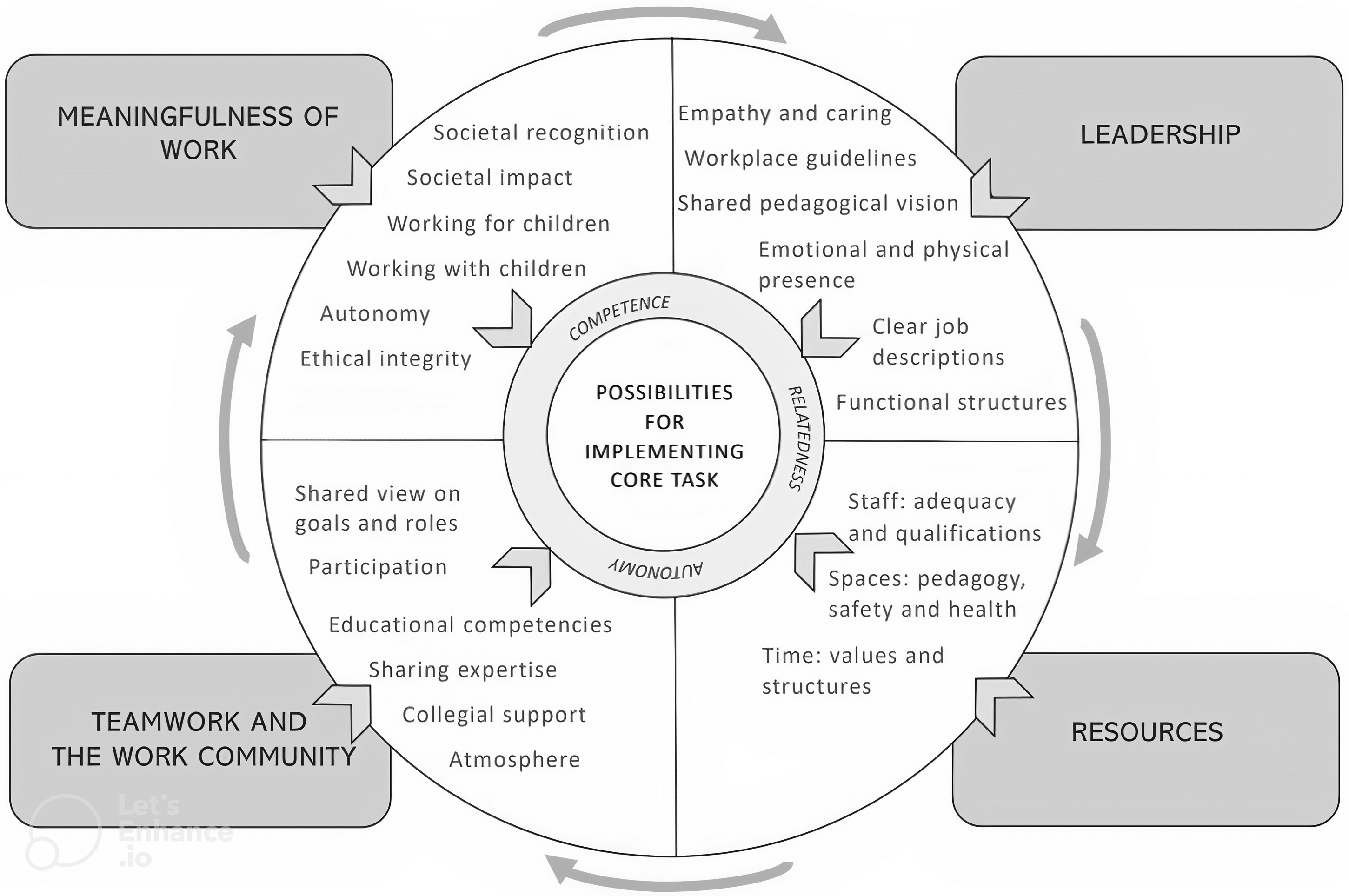
Elements of occupational well-being (Ahola and Valkonen, 2024; translated from the Finnish original).
Meaningfulness of work reflects professionals’ experiences of engaging in socially valuable, child-centered pedagogical work, where one feels they can make a difference and express creativity. Tensions arise when limited resources or top-down mandates constrain pedagogical autonomy. Reduced autonomy is particularly detrimental, as it creates an experience of one's professional agency being undermined (see also Worth and Van den Brande, 2020). Teamwork and the work community highlight aspects such as sense of community, shared vision, participation, and structures for collaboration, promoting a positive atmosphere (see also Hascher and Waber, 2021; Ranta et al., 2023). Resources refer to the availability of adequate and educated staff, time, and space, enabling pedagogical work. Deficits in these areas create daily operational pressures, contributing to ethical stress and feelings of inadequacy (see also Cumming, 2017; Jones et al., 2020).
Leadership shapes everyday work environments and conditions. Supportive leadership, marked by presence and care, promotes inclusion and professional growth (see also McDonald et al., 2018). In contrast, distant or administratively focused leadership can decrease the feeling of appreciation (Ahola and Valkonen, 2024). These elements are inseparably intertwined in the reality of ECEC work. At the core of relational and structural processes lies the ability to fulfill the core mission to promote children's holistic growth, development, and learning. Simultaneously, the fulfillment of individual psychological basic needs—autonomy, competence, and relatedness—is intrinsically linked to these processes (Martela and Ryan, 2023; Ryan and Deci, 2000).
Methods
Participants and data collection
This study adopts a sequential qualitative design, where the findings from the first data gathering phase (focus group interviews with ECEC professionals in 2022), which are presented in Figure 1, informed the data gathering and analysis of the second phase. For the second data gathering phase, individual interviews were carried out with ECEC center leaders (2024). More precisely, the second data gathering aimed at further knowledge on one of the four dimensions of occupational well-being, which we identified in the previous analysis and presented above (Ahola and Valkonen, 2024), namely, leadership. In other words, since the staff regarded leadership as significant for their own well-being, the second complementary data gathering from the leaders focused on this dimension. In this article, we draw from both data sets, reported more closely in the following.
The analyzed focus group data consists of 21 interviews (N = 63) with ECEC childcarers and teachers. Groups were formed based on educational background and professional role. Participants were recruited via email. Interviews were conducted online in groups of 2–6, lasting approximately 1.5 h. A semi-structured interview framework covered four themes: core tasks of ECEC, competencies, implementation of work, and occupational well-being. The transcripts totaled 623 pages. The well-being section had two open-ended questions on factors undermining and promoting well-being. Well-being-related discussions also emerged throughout other thematic sections and were included in the analysis.
The participants in individual ECEC leader interviews (N = 10) were selected through purposive sampling (Patton, 2015) based on center locations relevant to a parallel study. Eight interviews were conducted in person and two online, depending on participant preference, each lasting about 1 h. The discussion on leading well-being was initiated by four main questions addressing the meaning of well-being leadership, related leadership actions, as well as encountered challenges and supportive factors related to these. Aligned with the sequential design, the interview framework was informed by the findings of our first analysis (Ahola and Valkonen, 2024). For the question on leadership actions, follow-up prompts on teamwork and work community, meaningfulness of work, and resource management were included. Leader interview transcripts comprised 94 pages, resulting in a total of 717 pages with focus group transcripts.
To ensure ethical practices throughout the study and prioritize participant protection, the parameters for ethical research (Gearon et al., 2022) and the Finnish Research Ethical Guidelines (TENK, 2019) were applied. The participants of the study were presented with information about the study's purpose, data protection, and voluntary participation, in both oral and written forms. Following the connected data protection regulations, the data were pseudonymized, and all materials were stored securely to protect confidentiality.
Data analysis
In the analysis, we used constructivist grounded theory (CGT) (Charmaz, 2014), which provides a data-driven yet theoretically informed approach. Unlike traditional grounded theory, CGT permits the reflective use of prior research and emphasizes co-construction of knowledge between researcher and data (Bryant and Charmaz, 2007; Charmaz, 2014). More precisely, in the analysis, the elements of the occupational well-being model (Ahola and Valkonen, 2024) had a particular role as the same focus group data were used. We examined the data, combining the perspectives provided by ECEC leaders’ interviews for further insight into how the contents of all the elements of the model can be reinforced through leadership. Analytically, we adopted symbolic leadership theory (Lahtero and Risku, 2012; Roponen et al., 2024), which heightened our theoretical sensitivity to leadership as cultural work, and the existing having, loving, doing, and being theories of well-being (Helne and Hirvilammi, 2017; Martela, 2025) that further contributed to a coherent conceptual framing of the dimensions of well-being. We used these theories not as a rigid framework but as interpretive resources and as a potential analytical tool (Charmaz, 2014).
The two datasets were analyzed concurrently. We began the analysis with initial coding and progressed to conceptual categorization through focused coding (Charmaz, 2014). The first author led the analytical process. Remaining critically aware of the preconceptions during the initial coding phase ensured that coding proceeded inductively, grounded firmly in the data. In the focused coding phase, we constructed preliminary categories and compared them with existing theoretical models, asking analytical questions: (1) Do the data align with the previous models? (2) Does it reveal limitations or new insights to these? (3) Are there emerging categories beyond existing models? We carried out theoretical integration during conceptual categorization with the aim of developing a model for well-being leadership in ECEC. Throughout the process, we followed core CGT principles, including constant comparison. We revisited the dataset iteratively as new observations emerged and continued until theoretical saturation was reached (Chun Tie et al., 2019). After initial analysis, the interpretation of the results was discussed among all authors. The phases of our research design and CGT analysis are summarized in Figure 2.
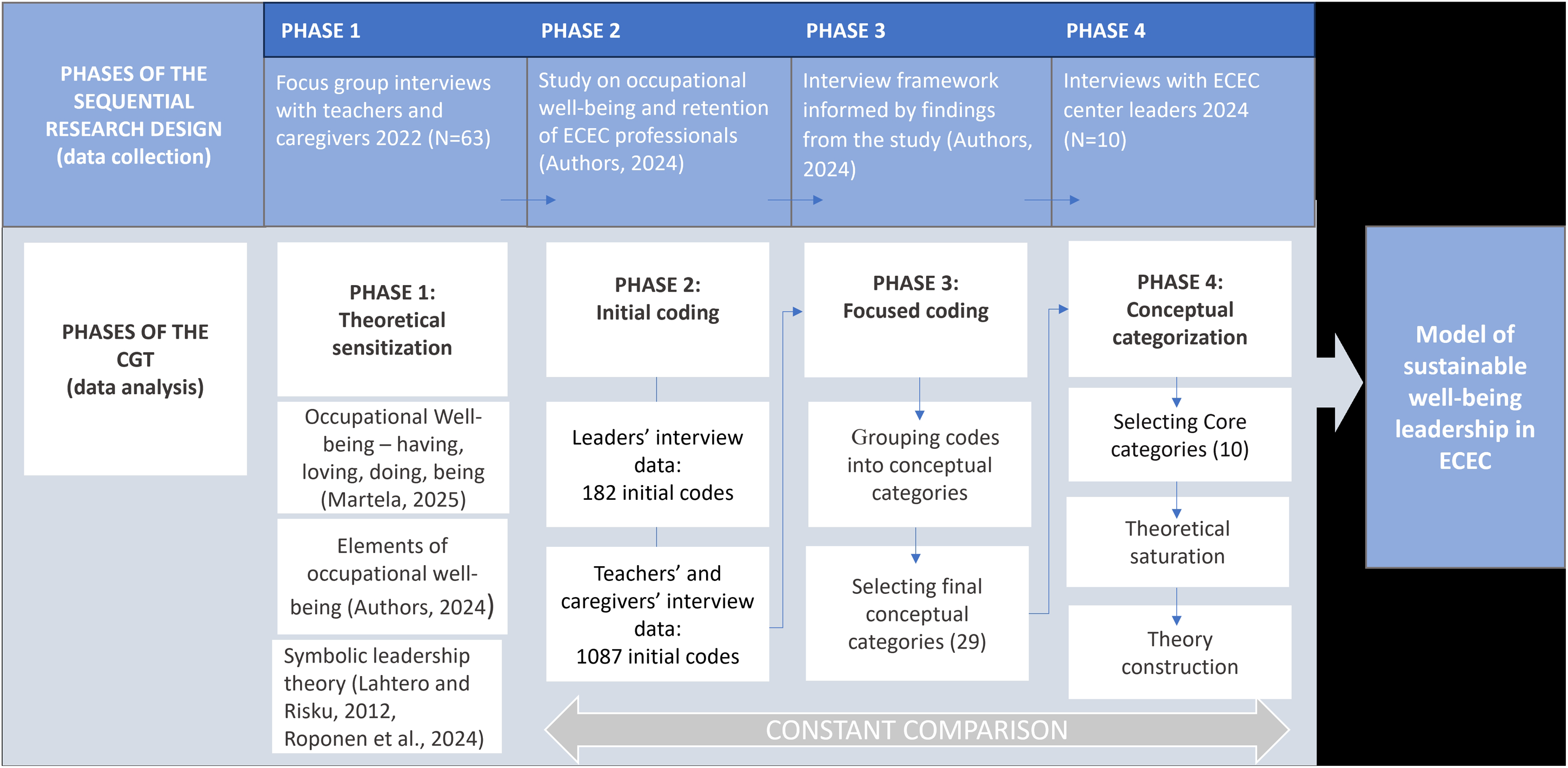
Phases of the data collection and analysis process (CGT = constructivist grounded theory; ECEC = early childhood education and care).
The theory construction phase and the connections between results and prior theories used as analytical tools are explored in the chapter, which presents a synthesis model of well-being leadership. Before that, the following chapter delves into the results that constitute the core categories of our CGT analysis.
Results
The following sections first present the findings related to the concrete leadership practices and leadership culture shaping well-being, and then the factors supporting well-being leadership.
Leading sustainable occupational well-being
Examining teachers’ and caregivers’ descriptions of leadership actions and prevailing leadership culture, and leaders’ own perceptions of their capacity to foster well-being in concrete terms, enables a nuanced understanding of how well-being leadership is both experienced and constructed in the everyday practices of ECEC settings.
The elements of the occupational well-being model (Ahola and Valkonen, 2024) are used here for organizing and categorizing the results. Leadership is one of the elements in the original model. Some of the factors previously included under leadership are reinterpreted in different dimensions, while others form a separate new dimension related to leadership culture.
Meaningfulness of work
Meaningfulness in ECEC work is deeply tied to a child-centered value base and societal contribution. Placing children's best interests at the heart of daily practices is a shared commitment among staff and leaders. This engagement is actively reinforced by leaders by articulating the value of the work: “When I give feedback, I say this wasn’t just a nice thing for me to see. Think about what this meant for that child's learning and well-being” (L7). Such encouragement not only affirms but builds a shared sense of pedagogical purpose.
Leadership plays a crucial role in enabling meaningful work, and a development-oriented working culture fosters a sense of meaningfulness. A leader's pedagogical emphasis in decision-making is highly valued by employees. Leaders mentioned the importance of protecting professionals’ focus, one describing themselves as a kind of filter: “I don’t pass down everything from above, especially the project fluff that doesn’t really add value to our work—my job is to protect their peace to focus on what matters” (L1). Employees appreciate these efforts, noting that while curricula provide valuable support, increasing top-down control has begun to constrain their pedagogical work: There are constant demands from above – do this, write that, and complete these tasks with children. Children are not performers; they want to be explorers, discoverers, and doers. They want to be heard. If we strictly stick to everything we are required, it's easy for the child to get lost in the process – like throwing the baby out with the bathwater. (I1 OO)
However, employees state that their compensation does not match the value or demands of the work, reflecting a lack of societal appreciation for ECEC and a diminishing sense of meaningful work.
When it comes to the connections between leadership and the meaningfulness of work, there is strong alignment between what leaders aim to support and what teachers and caregivers describe as the sources of their professional satisfaction.
Teamwork and work community
Collegial support was expressed to support emotional resilience and professional motivation, helping to manage stress and foster a sense of shared responsibility. As concrete practices to develop collegial support and participation, most of the leaders described organizing role-specific meetings to strengthen professional identity, team meetings to build team practices and cohesion, and meetings for the whole community to build shared goals. However, while the benefits were acknowledged, the vulnerabilities were also noted. Understaffing and rapidly changing situations can override scheduled meetings and the time reserved for planning.
Both leaders and staff emphasize clarity in work roles supporting the pedagogical mission. Leaders generally described responsibilities as clearly defined and communicated: We went through job descriptions together so that everyone understands what the assumptions are about what a teacher does, what a childcarer's role includes. And we did this without placing more value on one role over another. (L7) I never imagined that I could be treated that way. I’ve been consciously excluded. I haven’t been allowed to plan anything with them, and nothing has been planned for me to do with the children either. (I6IA) The manager sends messages only to teachers, luckily I have good team and a teacher who passes them on but those messages can stay behind the teacher and not reach everyone. (I11IA) Even the units common meetings, the teachers go there and the caregivers are in the nap room. (I11II) We also have every second Monday a pedagogical meeting for teachers, and every third week a common unit meeting. I’ve put myself there so that I know something about the units matters. (I11IA)
In our unit, teachers go to those as well. (I11II)
While leaders and teachers consider teachers’ planning time essential for quality and task management, it can also create tensions within teams. Tensions often arise when the significance of planning for pedagogical continuity and daily practices is not fully recognized, and feelings of exclusion are combined. One teacher describes her experience: Trying to justify PED (planning, evaluation, development) hours, which have caused some resentment. I want to hold on to that small amount of PED time. That's a fundamental part of a teacher's work, and it's unpleasant if that isn’t understood, then it leads to silent treatment…. You must be quite sensitive about how certain things are resolved smoothly so collaboration continues pleasantly, the whole team feels included, and the child and the child's needs remain at the center, not the adults’ needs. (I12SUK) I’ve really enjoyed it, we have such wonderful teachers. They’re so skilled, and I’ve been able to support them and share ideas and wishes about what I’d like to do with the children. (I5NI) Of course, there are clearly tasks that teachers are required to handle under the law…. Overall, I’ve had very good experiences, teams have worked well, and I’ve been able to bring in my own expertise and perspectives. (I6AU)
In terms of roles and participation, leadership is essential in guiding team collaboration and fostering a sense of inclusion within the work community by showing appreciation, making clear guidelines, and developing functional structures as a leader describes: Multi-professional collaboration really depends on creating structures that give everyone time and opportunity for actual cooperation. I make it concrete by creating schedules for them (L1).
Staff members also brought up the importance of integrating new employees into the working community, while also acknowledging the scarcity of time, as a caregiver shares: We don’t have a sense of community, because we’re not able to create it by any means. Those who are involved in the work community have been involved for twenty years. New people can’t get in, because there's no longer time to induct new employees; they’re not truly brought in. It becomes difficult to get them committed to the community. (I4 UO)
The results suggest that leaders are mostly intentional and proactive in designing systems to support collaboration and communality. However, staff experiences indicate that implementation varies in consistency and quality.
Resources
Employees see time, staffing, and space resources as crucial for facilitating meaningful work. The significance of these structures becomes evident also in leaders’ descriptions of how resource allocation is not purely an administrative task but is tightly linked to staff well-being. Creating conditions for sustainable everyday work means navigating not only budgets and ratios but also the emotional and social dynamics of their work communities. It's easy to make mathematical calculations. But alongside, you must look at how people are actually doing—how hard it's been for them lately. You must really think it through. You need to know the teams, even the children. (L2)
Time and staffing were the most frequently mentioned resource-related topics in leaders’ as well as employees’ accounts. However, facilities, particularly from a pedagogical functionality perspective, were also considered important among employees. Shared group spaces combined with staggered schedules received criticism. Among leaders, mentions of facilities were scarce.
Leaders recognize that resourcing is not just a technical issue but a deeply human one. Many leaders showed a strong sense of responsibility, using situational awareness and empathy, aiming to make decisions that support their employees.
Symbolic and cultural leadership
Leaders consistently highlight their efforts to be accessible to staff, including practices intended to signal availability and support: “Valuing the employee, I guess it comes across that I’m someone who's available. That's something I’ve also gotten feedback on, like the fact that my office door is open and I’m approachable” (L5). Employees affirm the value of these gestures. Descriptions of good leadership, such as the leaders being “present” and “approachable” (I4AE, I9IL, I16EA), and “the leader visits our group” (I9IL, I17AA, I5 NI), suggest that presence enhances trust. Leaders who maintain open communication and show concern for both professional and personal issues contribute significantly to a supportive work environment: “Our leader truly listens. We can discuss anything with her, which makes a huge difference” (I4AE). This kind of empathetic approach helps employees feel valued. Employees expressed compassion toward leaders who, despite not being able to create ideal conditions, demonstrate genuine care.
Within the work community, equitable distribution of responsibilities and resources fosters a sense of justice. Notably, beyond the unit level, expectations shift—employees value leaders who advocate specifically for their own community's needs in the face of organizational constraints. While leaders recognize this role, they also describe their responsibility to promote equity across units. Thus, courage in leadership appears in two forms: everyday fairness within the work community and advocacy in broader organizational contexts.
Both staff and leaders emphasize the importance of leaders taking responsibility, including managing resources wisely, making timely decisions, and ensuring interaction to create a structured work environment. As one leader describes: “I make sure that decisions are made efficiently and communicated clearly” (L6). Leaders also play a key role in providing direction by leading pedagogical work. As one employee shared: “Our leader reminds us to take the educational plan seriously from the start aligning our thoughts and actions” (I1UN). Pedagogically and administratively skilled and responsible leaders enable staff to focus on their own work, confident that the bigger picture is in capable hands. Nevertheless, leaders involving employees in decision-making, empowering them, and prearranging opportunities for collective reflection are seen as vital for well-being.
A good leader is, shall I say, worth more than gold. (I9IE) Embodying empathy, fairness, courage, empowerment, responsibility, pedagogical vision, and strong leadership skills through leadership actions, leadership culture can create environments promoting support and motivation.
Support for leading in sustainable well-being
A key enabling factor identified was the opportunity to be physically present. This allows leaders to support well-being proactively and foster trust-based relationships. However, this relational leadership is often limited by time pressures and administrative overload. All the fragmentation that has emerged because of the transfer of financial administration services, that work has shifted to us. It takes away from being able to notice, see, and hear everything that's happening in the unit. (L5)
Support from colleagues, superiors, and their own work community is described as a crucial resource. Regular dialogue with peers allows leaders to share concerns and reflect on their practices, reducing the sense of loneliness and offering emotional relief and concrete strategies for managing challenges. Some participants noted that such collegial structures are not well established. Fragmented leadership structures challenge the formation of support networks. Some of the leaders also feel their concerns are not acknowledged at higher administrative levels, contributing to a sense of being left alone with complex issues, while others are grateful for the support received from their supervisor: It's important that your own perspective doesn’t fall on deaf ears, but you have a supervisor saying, “I know what you’re talking about. This is real,” and then we act on it. For example, in matters of additional support resources, I’m not told the money has run out. The supervisor doesn’t say, “There's nothing, good luck” but rather says, “Okay, we’ll find something from somewhere.” (L8)
Resources, such as educated staff, functional spaces, and the availability of substitutes, are presented as preconditions for effective well-being leadership. Many leaders describe ongoing struggles with insufficient resources and a lack of administrative support. These structural deficits create an environment of constant adaptation and uncertainty, requiring leaders to operate with high flexibility but little predictability.
The results show that both leaders and staff recognize leadership as foundational to promoting well-being. Leaders consider it their key responsibility, highlighting the provision of personal support as well as broader strategic frameworks. Employees emphasize leadership's role in shaping daily working conditions and influencing the overall atmosphere.
Beyond concrete practices, the findings also point to a cultural dimension of leadership. Human interaction and trust emerge as recurring themes, reflecting the symbolic and value-laden nature of leadership.
The findings indicate a dynamic interplay between enabling resources and structures and the emotional challenges of framing well-being leadership. While several supportive factors were identified, these were often described in relation to the barriers limiting their impact. This duality underscores the importance of understanding not only what supports leaders in their role but also what constrains them.
Analysis model of sustainable well-being leadership
The model developed in this study (Figure 3) provides a nuanced understanding of well-being leadership in ECEC by integrating insights from multiple theoretical frameworks. It builds on the elements of occupational well-being (Ahola and Valkonen, 2024) and incorporates Martela's (2025; based on Allardt, 1989) four-dimensional theory of well-being: having, loving, doing, and being. Additionally, it draws from the symbolic leadership theory (Lahtero and Risku, 2012; Roponen et al., 2024).
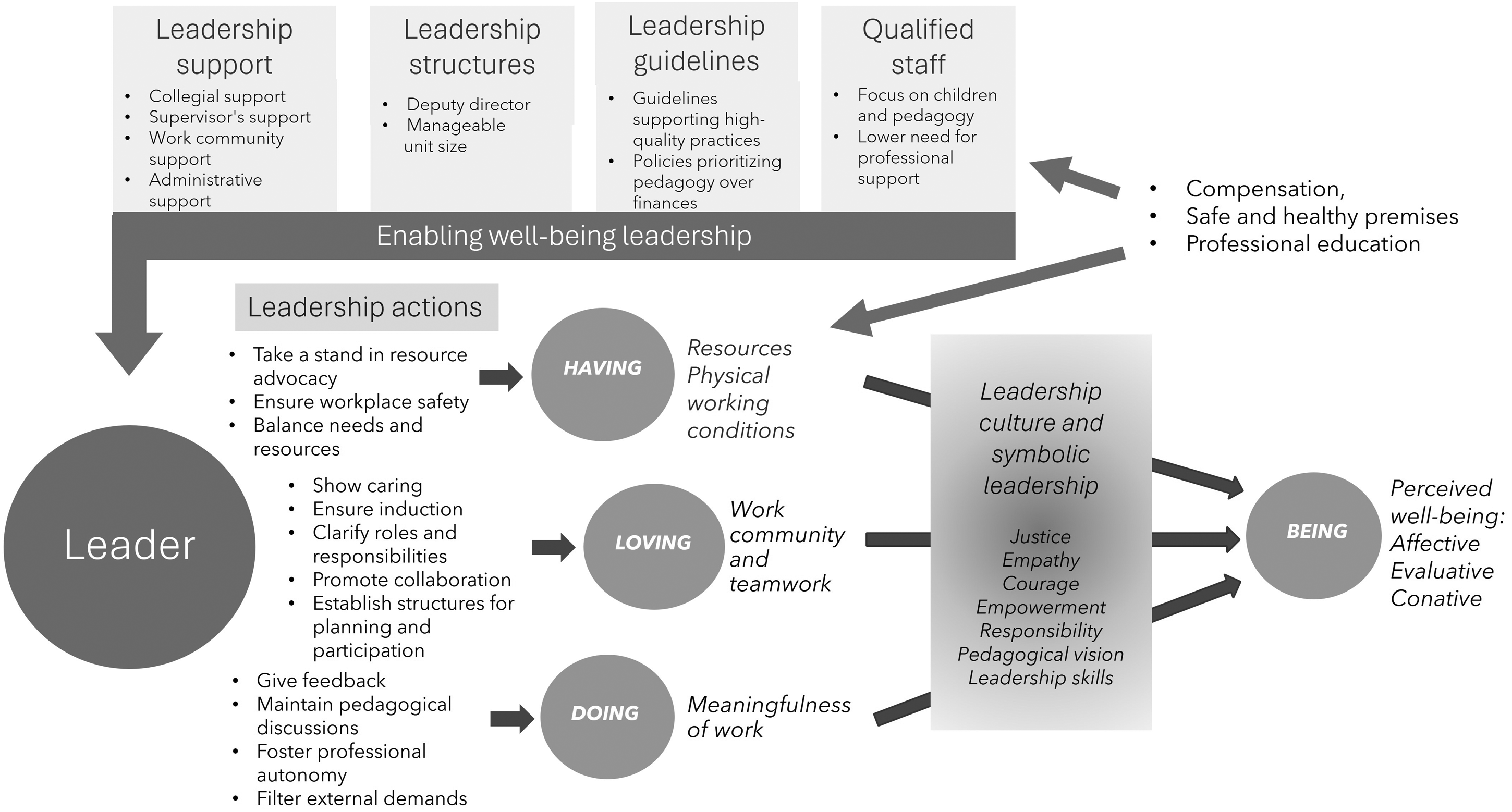
Building sustainable well-being leadership.
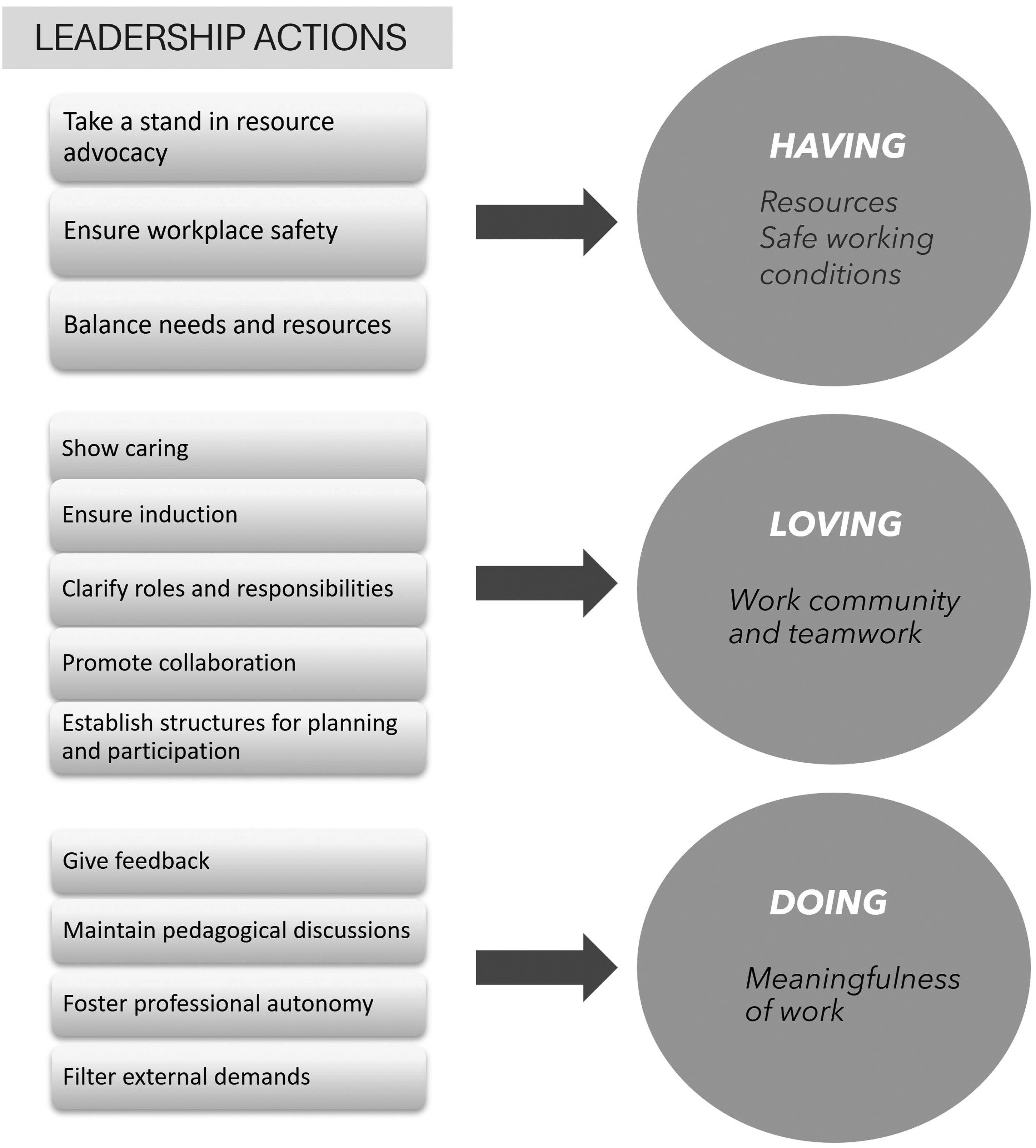
Leadership actions supporting having, loving, and doing dimensions.
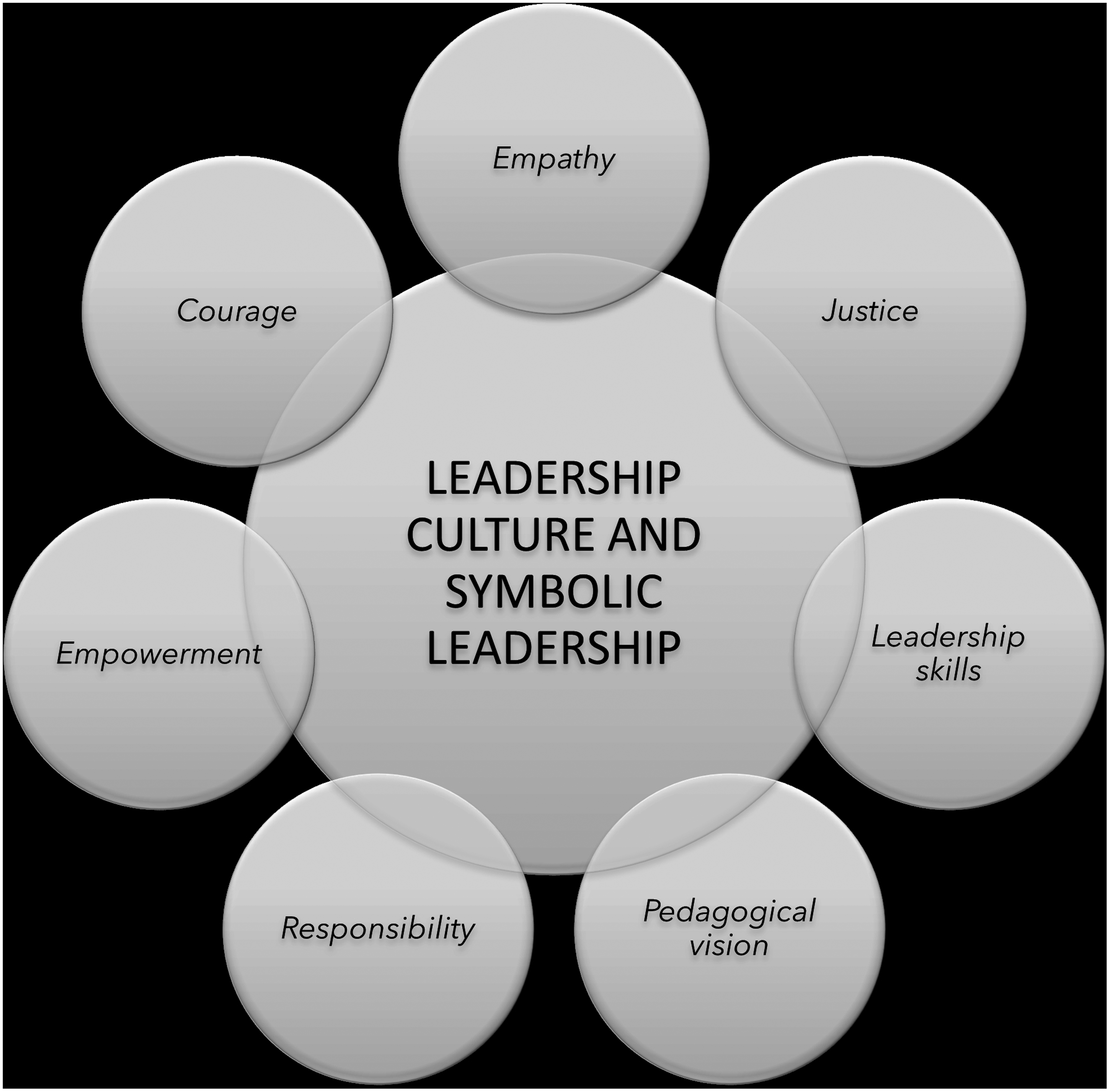
Leadership values and competencies mediated via leadership culture and symbolic leadership.
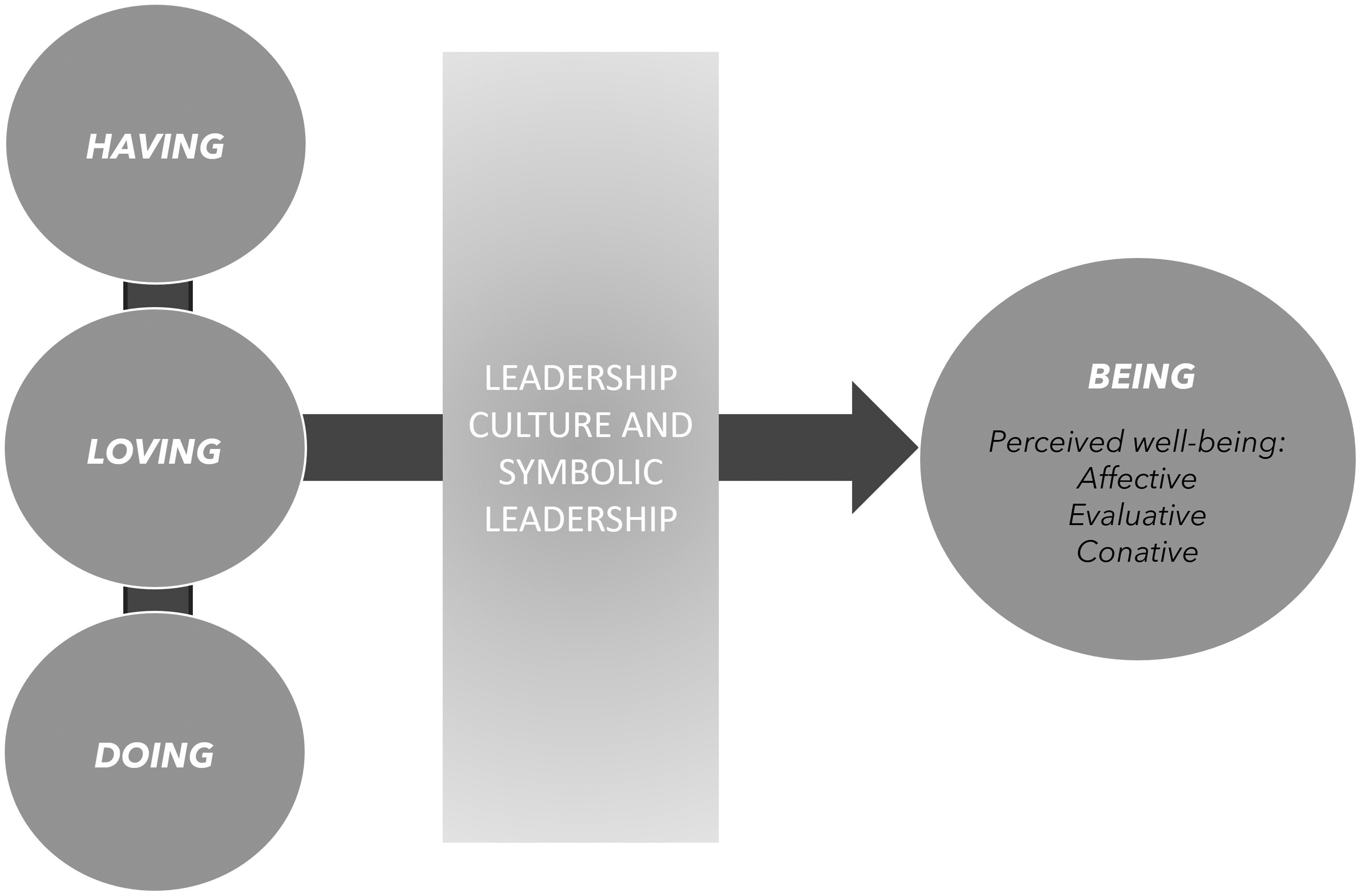
Being dimension mediated via functional dimensions and leadership culture and symbolic leadership.
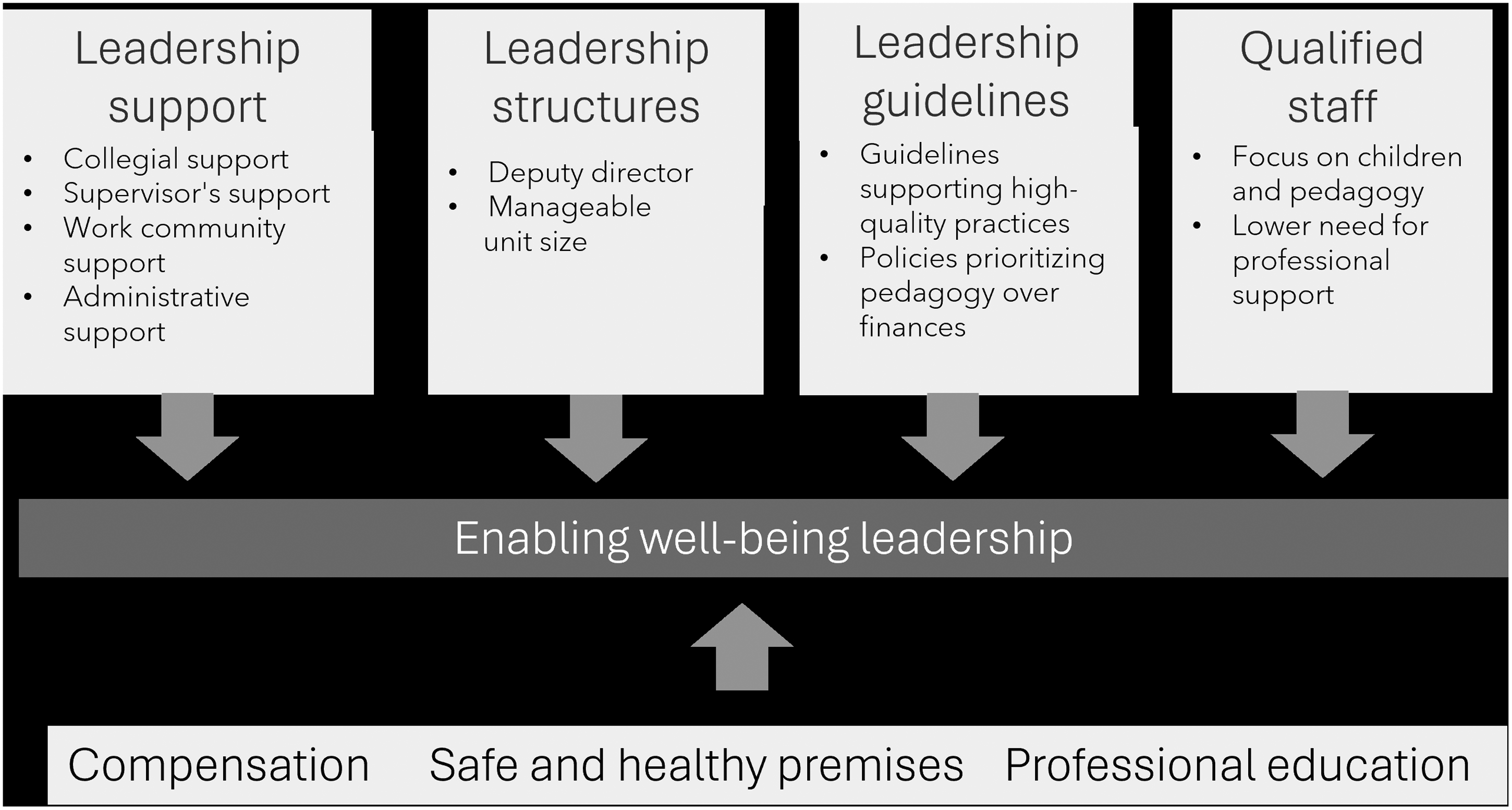
Factors enabling well-being leadership.
In the following sections, components of the model are examined in detail.
Sustainable well-being leadership
The model reflects the interconnectedness of aspects of well-being, suggesting that effective well-being leadership must consider physical conditions, social connections, purposeful activities, and existential occupational fulfillment. The model presents well-being elements intricately linking to the dimensions of having, loving, doing, and being (Martela, 2025) and the connection between these dimensions and leadership culture and symbolic leadership (Lahtero and Risku, 2012; Roponen et al., 2024).
Having
Three resource-oriented leadership practices: advocating for resources, ensuring workplace safety, and balancing needs and resources, encompass physical conditions and psychological protection, aligning with the having dimension's requirement for a secure and health-promoting environment that supports overall well-being (Martela, 2025). Resource advocacy underscores the role of leaders in voicing staff needs and securing conditions for pedagogical work. Ensuring workplace safety includes psychological safety and maintaining a physically healthy and functional working environment. Balancing needs and resources reflects leaders’ recognition of the diverse and sometimes conflicting needs of individuals, teams, and the organization and seeking of just solutions. Leading concerning the having dimension means more than managing tangible resources—it involves creating a just, safe, and health-promoting environment through context-sensitive decision-making.
Loving
Practices strengthening belonging, participation, and recognition in the work community reflect the loving dimension of well-being (Martela, 2025). For promoting collaboration and collegial support, structures cultivating team cohesion and participation emerged as a key strategy. Role-specific and multiprofessional team meetings work as tools to foster shared goals and strengthen professional identity. Clarifying roles prevents conflicts. The results also resonate with Helne and Hirvilammi's (2017) interpretation of the loving dimension as rooted in care, reciprocity, and communal responsibility. Leaders’ emotional presence and genuine concern for staff reflect this relational foundation. Staff also emphasized the importance of integrating new colleagues, while the absence of such integration from the leaders’ accounts suggests a potential blind spot in relational leadership.
Doing
Maintaining pedagogical discussions, fostering professional autonomy, and filtering external demands illustrate how leadership supports the doing dimension by reinforcing meaningful engagement with core tasks (Martela, 2025). While Martela emphasizes personal significance and value alignment, Helne and Hirvilammi (2017) highlight the societal role of doing as contributing to the common good. Results suggest that both interpretations are essential in the context of ECEC. In this light, leadership that enables good work, defined as ethically grounded, excellent, and engaging (Gardner et al., 2001), fosters individual well-being, sustainable work culture, and socially valuable practice. Figure 4 summarizes the leadership actions supporting the having, loving and doing dimensions presented in preceding sections.
Cultural and symbolic leadership
Leadership culture and symbolic leadership encompass the meanings given to leadership actions (Lahtero and Risku, 2012; Roponen et al., 2024). Empathy and empowerment, combined with pedagogical vision, create dialogic leadership, strengthening professionals’ agency and motivation by anchoring daily work in pedagogical values (Jones et al., 2020). While actions demonstrating competence and justice stabilize and support a sustainable work environment, the experience of being cared for holds intrinsic value, even when leaders’ benevolent intentions cannot fully be realized in practice. Practices such as open-door policies, active listening, and informal check-ins were interpreted as signs of being seen and cared for. These gestures, while seemingly small, contribute significantly to well-being. Consistent with Martela's (2025) distinction, cultural and symbolic leadership frames how functional provisions (having, loving, doing) are enacted and read in everyday work, thereby shaping their experiential uptake as perceived well-being (being). Figure 5 presents leadership values and competencies that are mediated through leadership culture and symbolic leadership.
Being
As in Martela's (2025) model, three dimensions of experienced well-being—affective, evaluative, and conative—are built on the functional dimensions (having, loving, doing) and supported by leadership culture and symbolic leadership. Affective well-being, referring to emotional experiences at work, is enhanced by empathetic and present leadership, collegial support, and leaders shielding staff from excessive demands. Evaluative well-being, which involves job satisfaction and perceived meaningfulness, is supported when leaders recognize the value of work, promote inclusive decision-making, and foster a shared professional mission (Martela and Ryan, 2023). Conative well-being, related to motivation and engagement, is strengthened by autonomy, opportunities for professional development, and stable, adequately resourced work environments (Van den Broeck et al., 2016). Figure 6 illustrates the construction of the being dimension through functional dimensions, leadership culture and symbolic leadership.
Enabling leadership for well-being
Well-being leadership is enabled by interrelated factors (Figure 7). Leadership support, such as peer dialogue and backing from supervisors, helps leaders manage their responsibilities and maintain their own well-being. Considering leadership structures, it is important that ECEC units remain a manageable size and that leaders have access to deputy leadership support, enabling them to maintain a sustainable workload. Leadership guidelines with shared pedagogical values and ethical principles provide coherence in decision-making, reinforcing a leadership culture aligned with the educational mission. Qualified staff further strengthen leadership by enabling shared responsibility, while also enhancing the quality of pedagogy.
In addition to many relational and organizational micro- and meso-level factors, certain macro-level factors simultaneously support both leadership and staff well-being directly. For instance, sufficient compensation for work is essential for staff motivation and retention and supports leaders in recruitment (Cumming, 2017). Safe and pedagogically functioning premises are critical for reducing strain on staff and leaders alike. Finally, access to professional education tackles the challenge of unqualified staff and gives leadership a strong foundation for pedagogical leadership by enhancing leaders’ competence and capacity to guide educational practices.
Discussion
In the field of education, leadership has been identified as a critical factor in driving sustainable improvements and reforms (Hargreaves and Fink, 2006). The shortage of qualified ECEC professionals discussed in the introduction underscores the urgency of addressing employee well-being and retention. The findings of this study provide multiple perspectives on well-being as a key driver of sectoral sustainability and workforce stability. in the long term, these insights may also contribute to enhancing the attractiveness of the ECEC professions.
The results indicate that ECEC leaders are committed to promoting staff well-being as part of leaders’ professional and ethical responsibility. Previous research shows that leaders who consistently prioritize well-being can have a decisive impact on the well-being of educational communities (Laine et al., 2017). However, this responsibility cannot be fulfilled in isolation. Leaders require enabling conditions to carry out this work. Results confirm earlier research on administrative overload and resource shortages (Kuusiholma-Linnamäki et al., 2023; Siippainen et al., 2021) and highlight the importance of social support in sustaining leaders’ capacity to lead well-being. The absence of social support significantly contributes to leaders’ own stress and exhaustion (Elomaa et al., 2020). Moreover, leadership training has been identified as essential for developing the self-leadership and pedagogical leadership skills needed to navigate these challenges (Elomaa et al., 2020; Heikkinen et al., 2024). Nevertheless, professional competencies can be fully exercised only in supportive organizational environments, and the results align with previous research calling for stronger collaboration between ECEC centers and upper management to enable agentic leadership (Varpanen, 2020).
Leadership is not a one-size-fits-all solution but must be understood as value based and situated within context (Cumming, 2017; Fonsén et al., 2022). By integrating omnibus (macro-level) and discrete (micro-level) dimensions, the study illustrates how leadership both shapes and is shaped by cultural, structural, and relational conditions (Oc, 2018). This study contributes to contextual leadership research by offering an empirically grounded and theoretically informed model of well-being leadership in the Finnish context. Furthermore, the study highlights the symbolic nature of leadership, thus expanding understanding of how leadership meanings are constructed in contextually embedded educational settings. Having said this, it is important to acknowledge that both the occupational well-being elements model (Ahola and Valkonen, 2024) presented as part of the study's sequential design, as well as the new interpretations emerging from the present analysis, represent well-being factors that are meaningful in this particular time. In accordance with the principles of contextuality and sustainability, it is important to critically examine how these factors evolve over time, and future research is needed to capture such dynamics. Combining focus groups, leader interviews and CGT (Charmaz, 2014) enabled a flexible yet rigorous approach to exploring value-laden and relational well-being leadership. Nevertheless, complementary methods, such as longitudinal survey data, could capture the enactment of leadership practices on a larger scale and across time. These could further validate and refine the model developed here.
This study integrates empirical observations and multiple theoretical frameworks, including symbolic leadership theory (Lahtero and Risku, 2012; Roponen et al., 2024), elements of occupational well-being (Ahola and Valkonen, 2024), and Martela's well-being theory (2025; based on Allardt, 1989; see also Helne and Hirvilammi, 2017). By adopting a multidimensional approach, the research provides a holistic view of well-being leadership in ECEC settings, emphasizing the importance of empathetic, inclusive, and situationally sensitive leadership culture supported by leaders’ pedagogical expertise. By integrating the dimensions of having, loving, doing, and being, the model captures both the functional and experiential aspects of well-being and links them to leadership practices in a meaningful way. It provides tools for leadership development, organizational planning, and policymaking aimed at improving occupational well-being and retention, and it has the potential to inform both practice and political decision-making. Sustainable solutions to workforce shortages and well-being challenges are essential to ensure that the objectives of the ECEC Act are met and that the principle of serving the child's best interest is realized within a socially just education system.
Footnotes

Funding
The authors disclosed receipt of the following financial support for the research, authorship, and/or publication of this article: The focus group data were collected as part of the Proficient Early Childhood Education project funded by the Ministry of Education and Culture (OKM/144/520/2022). The research was also supported by funding from the Ami Foundation and the Emil Aaltonen Foundation.
Declaration of conflicting interests
The authors declared no potential conflicts of interest with respect to the research, authorship, and/or publication of this article.