






Abstract
This study addresses the critical question of how cognitive behavioral coaching (CBC) works, why, and under what circumstances, an area with limited existing evidence despite CBC's growing use in organizations. Using a realist approach, the authors tested and refined initial program theories through eight stakeholder interviews, following RAMESES standards to ensure methodological rigor. The analysis yielded 11 program theories across cognitive, behavioral, goal progression, and program implementation themes. The findings advance theoretical understanding by identifying CBC mechanisms and their outcomes, both intended and unintended. Practically, the study offers insights for designing more effective, context-sensitive coaching interventions in workplace settings and highlights directions for future research.
Introduction
Coaching has emerged as a widely recognized tool for individual and organizational development. It is credited with enhancing leadership capacity and improving workplace wellbeing (Stober & Grant, 2006). As a developmental intervention, coaching is often linked to core organizational behavior outcomes such as employee motivation, job satisfaction, and performance (Nugraha & Wardhani, 2022). These effects are explicable through well-established psychological theories such as social learning theory, cognitive theory, and goal-setting theory, illustrating how coaching conversations help individuals build new skills, set effective goals, and increase engagement in their roles (Chuang, 2021; Grant, 2016). Through these theoretical lenses, coaching promotes behavioral change and psychological growth, thereby benefiting both individual employees and their organizations.
Coaching is inherently cross-disciplinary, drawing on fields as diverse as psychology, business leadership, management, and adult education (Lai & McDowall, 2014). This diversity has led to a proliferation of approaches and definitions, contributing to a fragmented understanding of coaching. While the demand for one-to-one coaching in organizations continues to rise, its rapid expansion has outpaced the development of rigorous empirical support and theoretical consolidation (Graßmann et al., 2019). A wide range of definitions exists across the literature, each implying different processes and outcomes. This has made it difficult to determine which specific behaviors or mechanisms are responsible for coaching outcomes, hampering comparison and replication across studies (Passmore & Lai, 2020). As the coaching industry matures, there is growing awareness among practitioners of the need to ground their work in theory and evidence, moving away from “one size fits all” proprietary models to avoid criticisms of pseudoscience (Van Zyl et al., 2020). In response to these calls, interest is growing in evidence-based coaching (Kovacs & Corrie, 2016).
Evidence-based coaching emphasizes practices informed by rigorous empirical research and sound theory, clarifying “what works, for whom, and under what circumstances” (Schneider et al., 2022). Developing this evidence base requires not only more empirical studies, but also clearer theoretical frameworks to guide research and interpret findings (Bachkirova, 2017). Establishing such models would improve the rigor and consistency of coaching as an intervention, while enabling adaptation to diverse organizational contexts and client needs. Advancing theory alongside evidence will help bridge the often-cited gap between research and practice (Boyatzis et al., 2022).
Cognitive behavioral coaching (CBC) has been one of the most studied forms of evidence-based coaching (Minzlaff, 2019). CBC gained early traction due to its roots in cognitive-behavioral therapy, with the assumption that cognitive restructuring techniques would similarly promote change in coaching. However, key differences in target population, goals, and practitioner training distinguish coaching from therapy. These differences caution against assuming that therapeutic efficacy translates directly to coaching (Neenan, 2008). A systematic review by Sakuraya et al. (2020) found that individual-focused, psychology-based interventions (including cognitive-behavioral approaches) had a significant positive impact on employees’ wellbeing. In contrast, a comprehensive meta-review by Van Agteren et al. (2021) reported insufficient evidence that cognitive-behavioral interventions improve mental wellbeing in generally healthy populations (noting that most positive findings for such interventions come from studies with participants experiencing clinical levels of distress). These findings highlight the challenge of evaluating CBC's effectiveness across diverse populations and settings and underscore the need for theory-driven methods such as realist synthesis and evaluation to explore how, for whom, and in what contexts CBC works.
Accordingly, this study aims to develop and refine theories explaining how CBC operates within organizational settings, by addressing the question: how, why, for whom, and in what contexts CBC produces outcomes in organizational settings? The remainder of the paper first conceptualizes coaching as a complex social intervention and introduces realist methodology, followed by the methods, results, and discussion of the refined program theories generated through this study.
Coaching as a Complex Social Intervention
While coaching techniques and models are often presented in linear steps or frameworks, in reality, coaching is a complex social intervention embedded in a dynamic context. A coaching engagement involves an active partnership between coach and coachee that engages both parties’ cognitive processes (Day et al., 2008). The interaction is co-shaped by the unique characteristics, perceptions, and actions of the individuals involved, making the coaching process highly personalized and often nonlinear (Wang et al., 2021). Unlike standardized training programs, coaching conversations can unfold unpredictably as coach and coachee respond to each other in real time, continually adapting goals and strategies. Additionally, when coaching occurs within organizations, the complexity multiplies: the presence of organizational stakeholders, cultural norms, and workplace dynamics means that competing interests and contextual factors can influence the process and its outcomes (Athanasopoulou & Dopson, 2018). Factors such as organizational culture, leadership support, timing, and alignment with other initiatives all shape the success (or failure) of a coaching intervention (Theeboom et al., 2014). In short, coaching is context-dependent and cannot be fully understood in isolation from its social and organizational environment.
Recognizing coaching as a complex, contextually embedded intervention has important implications for research and practice. Traditional outcome studies, for example, randomized controlled trials focusing only on whether coaching works on average, may obscure the contingent nature of coaching outcomes. A recent meta-analysis by De Haan and Nilsson (2023) found no significant differences in effectiveness between various coaching approaches, suggesting that common factors and situational variables might be more influential than the specific techniques used. This supports the argument that in complex interventions such as coaching, what matters most is how it is implemented and in what context.
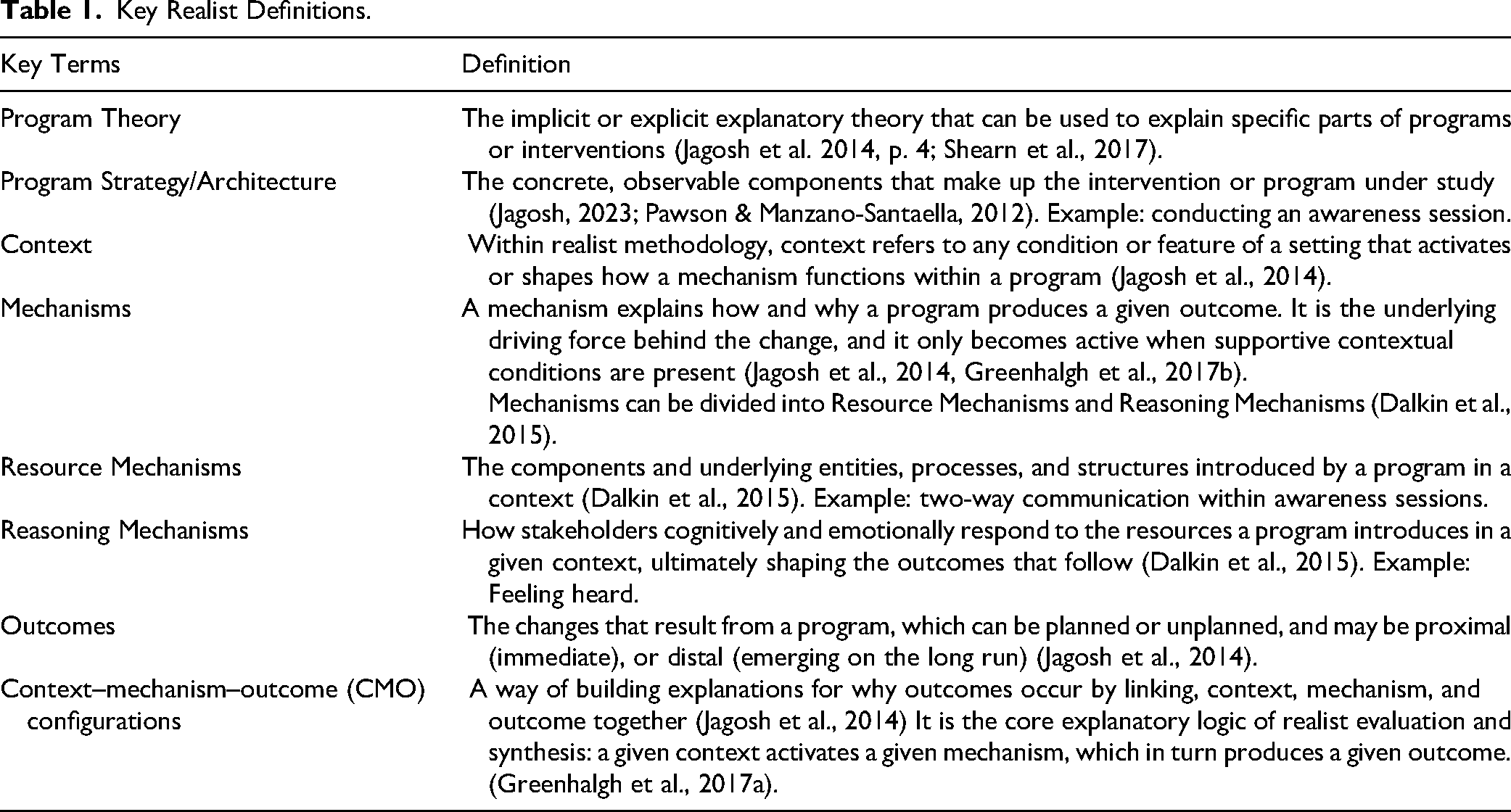
Given these challenges, scholars have been calling for research methodologies that can capture the complexity of coaching and reveal its underlying causal processes. Realist approaches, in particular, have gained attention as a way to investigate the nuanced interplay of context and mechanism in coaching outcomes. The realist approach, as developed by Pawson and Tilley (1997), shifts the question from “Does coaching work?” to “What works, for whom, in what circumstances, and why?” Rather than treating coaching as a uniform treatment, a realist study seeks to develop explanatory program theories (often in the form of context–mechanism–outcome [CMO] configurations) that describe how specific coaching techniques or coach behaviors (mechanisms) interact with particular coachee characteristics and environmental conditions (context) to achieve results (outcomes). Table 1 provides key definitions relevant to the realist approach. This approach is well-suited to socially complex interventions such as coaching because it acknowledges contextual variation and seeks to theorize it.
Key Realist Definitions.
Methods
This study adopts a sequential two-phase realist approach to contribute to the evidence base for coaching and organizational interventions (Wong et al., 2017). This sequential methodology follows established realist principles whereby initial program theories are first developed through synthesis of existing evidence and then subjected to empirical testing using primary data collection (Mukumbang et al., 2020). This article presents a realist study designed to empirically test and refine the program theories developed through a previously published realist review (Abdelfatah et al., 2025b). Drawing on the preliminary CMO configurations developed in the realist review phase, a CBC program was designed and piloted within an organizational setting (a consultancy firm in Egypt). The trial involved 10 employees who participated as coachees in the program.
To support theory refinement, qualitative data were gathered postintervention using realist interviews with key stakeholders. This method enabled exploration of participants’ interpretations and helped uncover generative mechanisms activated in specific contexts to refine the provisional program theories (Renmans & Pleguezuelo, 2023). Eight individuals participated: six coachees, a coach, and a representative from the talent management team in the organization. The full study protocol is detailed in Abdelfatah et al. (2025a).
Interview questions were prepared with CMOs relevant to each participant (depending on their role) in a semistructured format, to allow flexibility in questioning and room to probe for valuable insights. The focus was on collecting a substantial amount of data, with each interview adding to and refining the explanations gathered. The interviews focused on described events and processes as the primary unit of analysis, rather than the individuals themselves (Manzano, 2016). Ethical approval was obtained from the Faculty of Health and Medicine Research Ethics Committee at Lancaster University. All participants provided informed consent prior to participation and were assured of confidentiality and anonymity in the reporting of findings. Participant quotations are presented using anonymized identifiers (e.g., Participant 1, Interview) to preserve confidentiality.
Program Strategy
Program strategy (PS) refers to the organizationally designed structure of the intervention, distinct from the underlying mechanisms that generate outcomes (Jagosh, 2023). Table 2 outlines the CBC PS (the elements of the coaching program trial) used to guide the analysis and configuration process. The CBC coaching experience was divided into seven flexible, iterative components designed to adapt to the coachee's needs. These processes include coaching conversations as a way of exploring psychological blocks (PS1) relevant to a chosen goal, as well as exploring emotional responses (PS2). It is followed by coaching conversations for cognitive reorientation (PS3), challenging current unhelpful thought patterns, and encouraging the endorsement of healthier perspectives. Another process includes the design and execution of behavioral experiments (PS4) to prompt the coachee to test and validate newly acquired perspectives. This process is associated with goal setting (PS5) as well. Finally, progress monitoring (PS6) is maintained throughout coaching, alongside feedback loops for progress evaluation (PS7).
CBC Program Strategies.
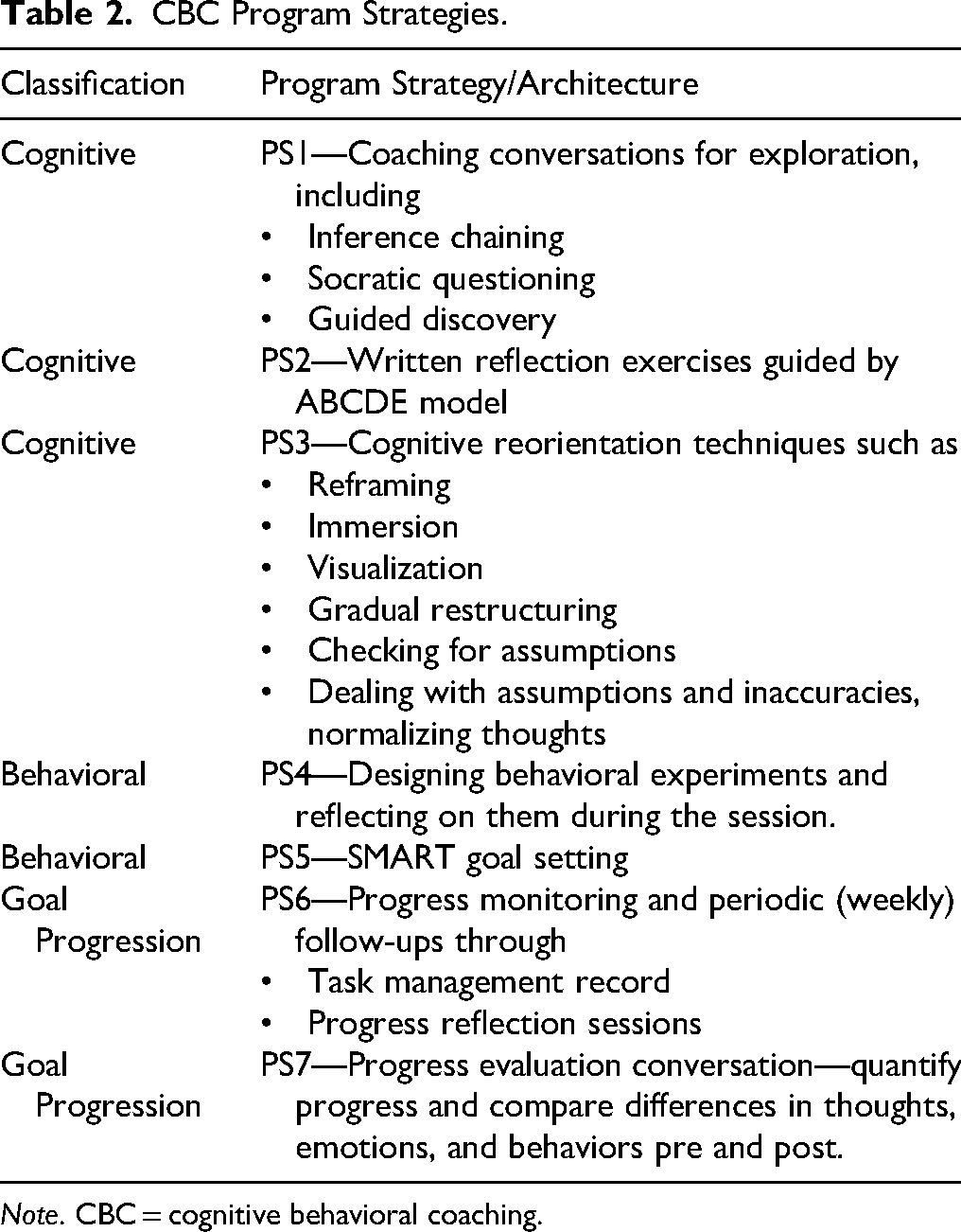
Note. CBC = cognitive behavioral coaching.
Data Analysis and Synthesis
Data analysis followed realist logic, aiming to refine the initial CMO configurations developed in the review phase. The first cycle of coding applied deductive codes derived from the provisional CMOs. This was followed by open coding to capture unanticipated mechanisms and contextual factors and avoid confirmation bias (Wiltshire & Ronkainen, 2021). Coding was conducted by the first author and discussed with the research team to support interpretive rigor and theoretical coherence. Abductive and retroductive reasoning supported the identification of plausible causal patterns and the necessary contextual conditions that activate them (Meyer & Lunnay, 2013). NVivo was used to organize coded excerpts and trace their contribution to evolving program theories. Analytical memos and cross-comparison across stakeholder accounts supported iterative testing and refinement of CMOs.
Results
The refined program theories are presented under three overarching themes: cognitive (focused on patterns of thinking), behavioral, and goal progression, reflecting the key domains through which coaching interventions exert their effects. Four novel CMOs, derived from empirical data, extend the original framework by addressing program introduction, session logistics, and postcoaching considerations. Each theme contains refined CMO configurations illustrating how PSs activate specific resource mechanisms (R). When embedded within appropriate contexts (C), these mechanisms trigger reasoning processes (RM) that generate immediate outcomes (O) and, in some cases, longer-term distal outcomes (DO). To aid interpretation, refined elements are prefixed with an (r), distinguishing those coded from empirical evidence from those derived from the literature. The coding framework is provided in Table 3.
Key for CMO Configurations’ Coding.
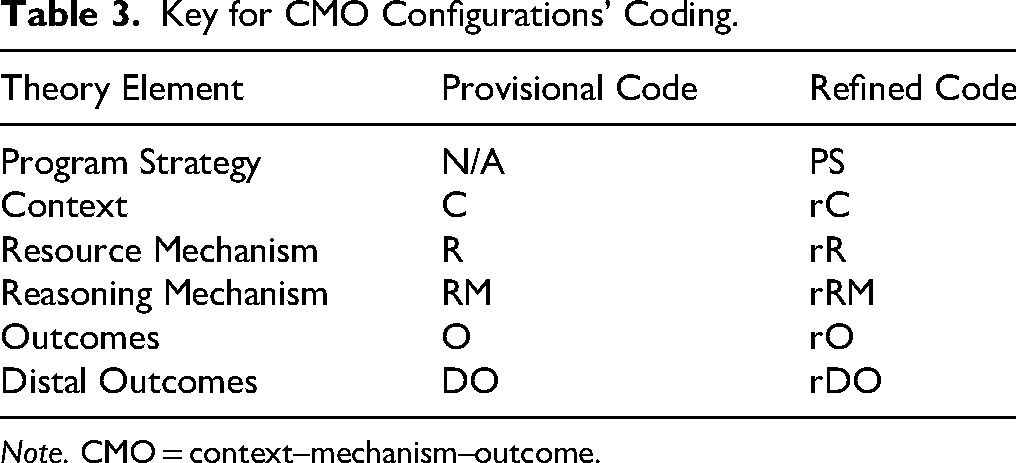
Note. CMO = context–mechanism–outcome.
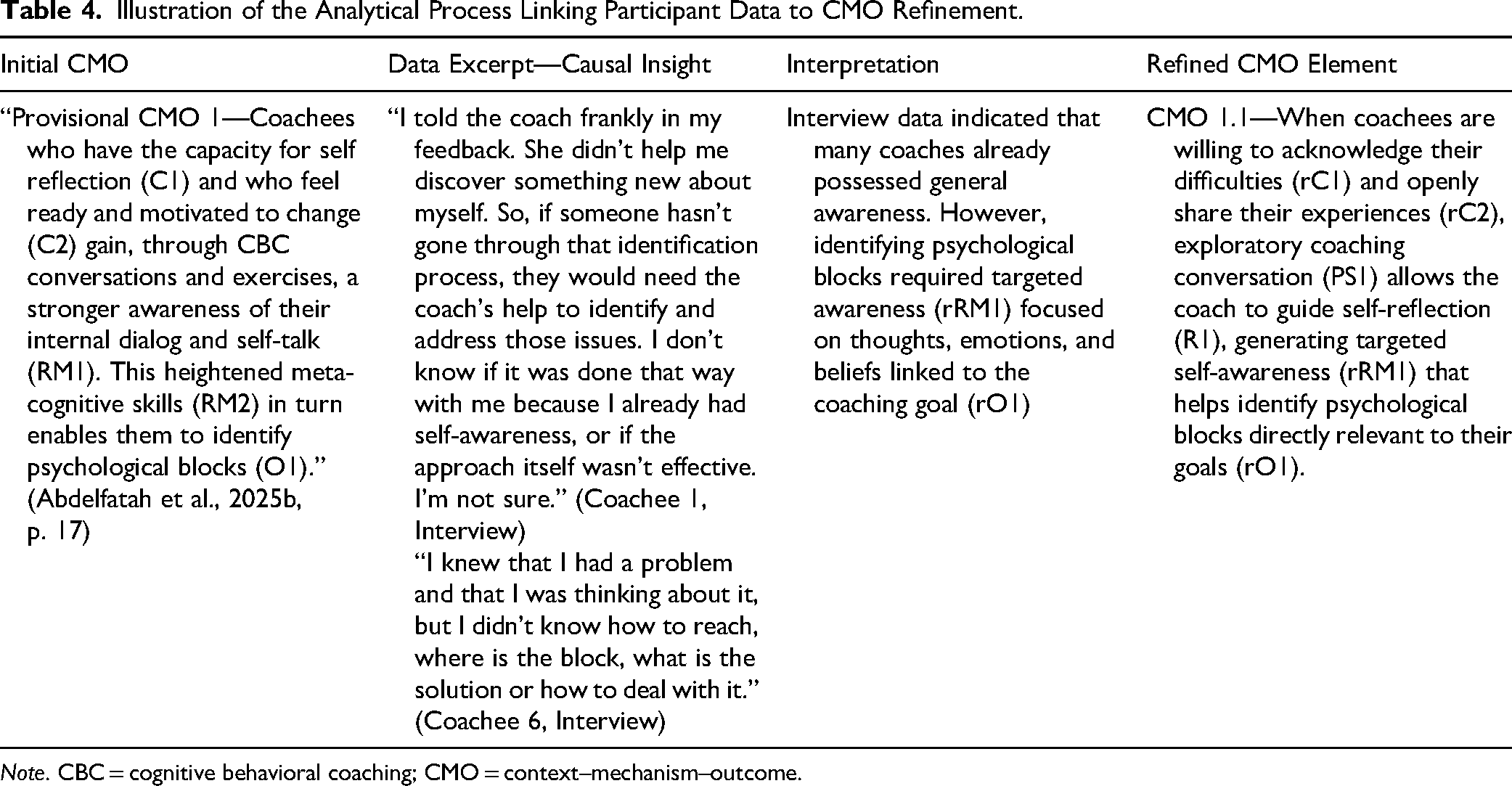
Each CMO underwent between one and three iterations to reflect key refinements. These are reported sequentially (e.g., CMO 1.1, 1.2, and 1.3), with additional subiterations (e.g., 1.1(a), 1.1(b), and 1.1(c)) used to unpack complex refinements, clarify causal pathways, and highlight critical findings. This structure was applied consistently across all themes. Supporting data extracts and detailed theory refinements are included in the Supplemental materials. Figure 1 provides a visual summary of the refined program theories. To illustrate the analytical process, Table 4 provides an example of how a participant excerpt informed the refinement of a CMO configuration. Detailed refinements with evidence quotes are provided in the Supplemental Material.
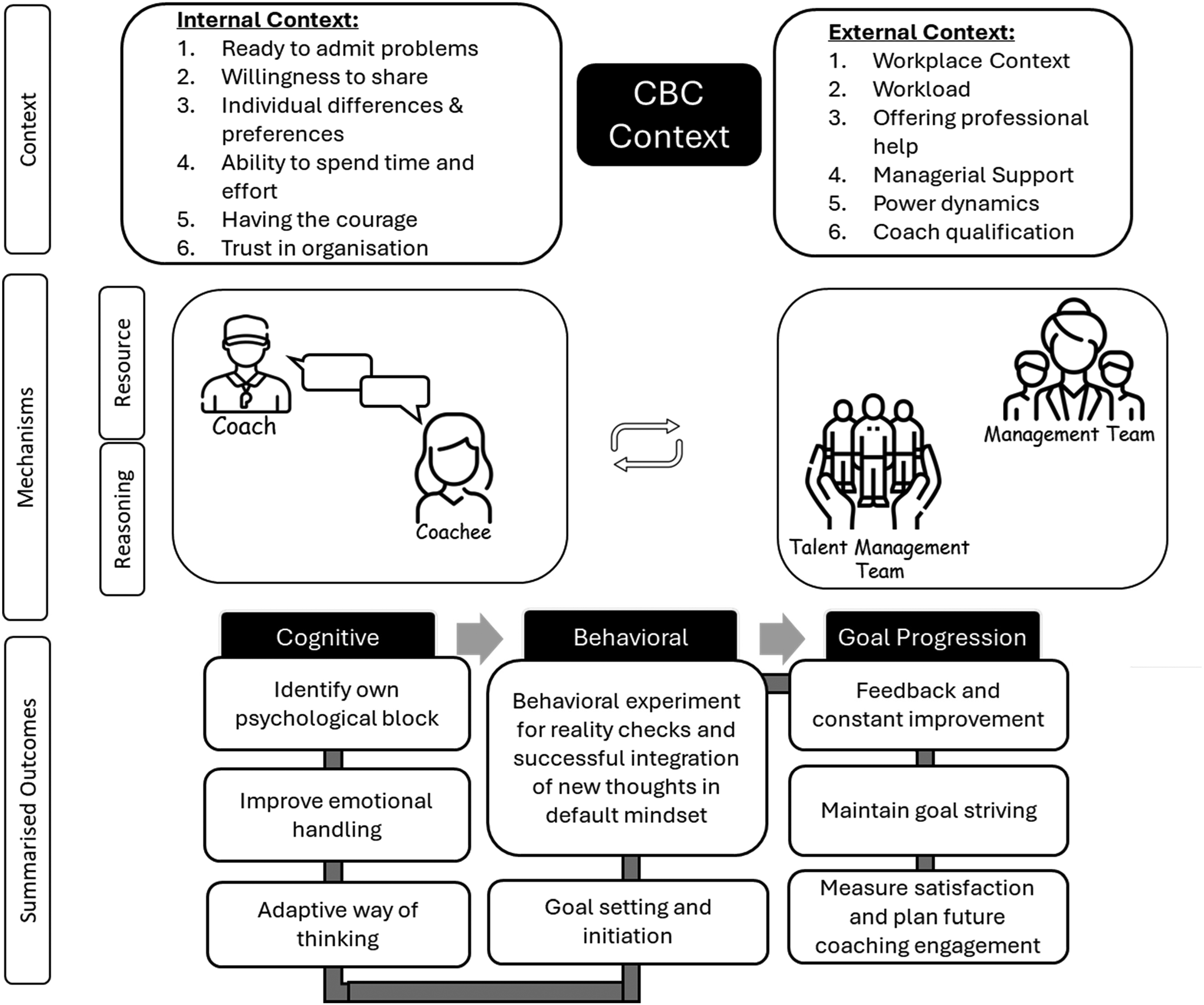
CBC program theories visualization.
Illustration of the Analytical Process Linking Participant Data to CMO Refinement.
Note. CBC = cognitive behavioral coaching; CMO = context–mechanism–outcome.
Cognitive Aspects
The CBC intervention revealed several interrelated mechanisms through which coaching conversations fostered psychological and cognitive transformation. Three refined CMOs were central to this process: psychological insight, emotional regulation, and cognitive restructuring.
CMO 1—Coaching Conversations as a Way of Exploring Psychological Blocks
The original program theory proposed that exploratory coaching conversations (PS1), guided by the coach's questioning, stimulate coachee self-reflection (R1). This reflection enhances self-awareness (RM1), enabling the identification of psychological blocks (O1). The refinements below expand on the contextual and cognitive conditions shaping this process.
CMO 1.1—When coachees are willing to acknowledge their difficulties (rC1) and openly share their experiences (rC2), exploratory coaching conversations (PS1) allow the coach to guide self-reflection (R1). This process stimulates thought observation through the verbalization of internal experiences (rR1). As a result, coachees develop targeted self-awareness (rRM1), facilitating the identification of psychological blocks directly relevant to their goals (rO1).
Refinement 1.1 introduces the concept of targeted self-awareness: a focused cognitive effort directed toward the goal domain. It involves the coachee deliberately exploring and connecting relevant thoughts, emotions, and beliefs tied to their desired outcomes. This mechanism helps uncover latent barriers to action and supports the reorganization of thoughts in a coherent, empowering way (O2). Unlike general self-awareness, targeted self-awareness concentrates on identifying obstacles to goal achievement and clarifying how cognitive–emotional patterns can be addressed.
CMO 1.2—When coachees engage in coaching conversations (PS1) that foster targeted self-awareness (rRM1), the presence of cognitive divergence (rR2; the exploration of different thought directions) enables them to identify psychological blocks (rO1) and reflect on their thinking (rRM3). This process supports the rationalization of internal narratives, including the critical inner voice, which can promote more adaptive thinking (rO16).
Refinement 1.2 emphasizes that psychological block identification is most effective when the coachee owns the insight through their own reasoning (RM1). Once aware of the negative impact of unhelpful beliefs, emotions, or behaviors, many coachees reported experiencing an immediate motivation to change. Recognition of the block (by the coachee, for the coachee) thus represents a pivotal step toward cognitive reorientation.
CMO 1.3—When coachees engage in coaching conversations (PS1) that employ confrontational techniques (rR4), such as directly addressing difficult issues, they may experience discomfort and pressure (rRM7). This can result in emotional resistance (rO7) and disengagement from the coaching process (rO6).
Refinement 1.3 highlights participants’ reports of discomfort during initial exploratory sessions, often due to their problem-focused nature. Although coaches may use structured exercises and reflective dialogue (PS2) to map out issues comprehensively, some coachees perceived this approach as repetitive, negative, and emotionally taxing. These perceptions led to boredom (RM5), demotivation (O3), and, in some cases, avoidance or dropout (O4). These findings indicate that early-stage coaching conversations should balance exploration with sensitivity to reduce the risk of resistance.
CMO 2—Coaching Conversations as a Way for Exploring Improved Emotional Response
Building on the previous cognition-focused CMO, this program theory highlights the interplay between emotional states and cognitive functioning during coaching. The provisional theory proposed that practicing self-directed techniques, such as psychoeducation, gratitude exercises, or relaxation methods (R2), would reduce emotional reactivity (RM6). However, empirical findings indicated that these methods were less consistently effective than approaches centered on developing emotional awareness (R3) and reflective reasoning (R4).
CMO 2.1—(a) When coachees engage in exploratory coaching conversations (PS1) in which the coach intentionally draws attention to their emotional states (rR7), they become more aware of how emotions influence behavior (rRM12). This awareness enables them to consciously work toward reducing emotional reactivity (rO11).
(b) Once emotionally aware (rRM12), coachees who are given space to explore the cause and meaning of their emotions with the coach (rR8) often reach a point of understanding and acceptance (rRM13). This process facilitates improved emotional management (rO12) and self-regulation (O2).
Refinement 2.1 expands the theory by identifying two key resource mechanisms activated during exploratory dialogue: (1) fostering emotional awareness (R3) and (2) creating space for emotional analysis (R4). Emotional awareness lays the foundation for emotional literacy (RM7), enabling coachees to better identify and interpret their emotional responses. This awareness reduces reactivity (O5) and, when combined with reflective reasoning (RM8), promotes greater acceptance and regulation of emotions. Several participants reported that these processes facilitated more adaptive emotional responses (O6) and enhanced self-regulation (O2), even in high-pressure contexts.
CMO 3—Coaching Conversations for Cognitive Reorientation
This program theory examines how, once psychological blocks (O1) are identified, coachees can progress toward mindset change by challenging cognitive distortions and irrational beliefs. The provisional theory posited that engaging in structured coaching conversations (PS3) designed to challenge maladaptive thoughts (R3) enables coachees to test the validity and utility of their thinking. When these conversations resonate, coachees are more likely to revise unhelpful beliefs (O7), become motivated to shift their mindset (O8), and experience improvements in performance and wellbeing. However, these outcomes depend on the coach's ability to construct convincing and relevant dialogue (rC4).
CMO 3.1 (a)—When coachees who have identified psychological blocks (rO1 → rC) participate in reorientation-focused coaching conversations (PS3), coaches employ cognitive-challenging techniques (R3) that must be perceived as rational and relevant. If the arguments resonate (rRM10) and the coachee feels convinced of the need for change (rRM14), they engage in correcting distorted thinking (rO15) and ultimately enhancing performance (DO1). This process is strongly shaped by the coach's expertise and ability to construct persuasive, tailored dialogue (rC4).
CMO 3.1(b)—If the coach fails to establish compelling points of relevance for the coachee (rR11), the dialogue may be perceived as disconnected from the coachee's context (rRM10). This perception can generate resistance (rO7), confusion, and eventual disengagement (rO6). Such outcomes are shaped by the coach's skill and contextual awareness (rC4).
Refinement 3.1 underscores the critical role of coachee conviction (RM9) and perceived relevance (RM10) in enabling mindset change. The process is shaped by the coach's ability to present compelling, nonmanipulative reasoning (C1) and the coachee's readiness to reflect and share (C2 and C3). When coaches fail to deliver resonant interventions (R5), coachees may perceive the dialogue as irrelevant, leading to confusion, resistance (O9), and disengagement (O4).
CMO 3.2—When coachees who recognize the need for mindset change (rO14 → rC) engage in coaching conversations structured for gradual cognitive restructuring (PS3), they are encouraged to generate alternative, more constructive thoughts (rR12). This process enables them to reframe perspectives (rO4), adopt positive thinking (RM5), and replace irrational beliefs (RM4). In turn, they develop a more adaptive and balanced mindset (rO16) and experience positive emotional change (O4).
Refinement 3.2 identifies gradual cognitive restructuring (R6) as a pivotal strategy once coachees’ motivation for change has been activated. Brainstorming alternative thoughts (R7) within this process fosters cognitive flexibility and healthier reframing. These shifts support improved emotional regulation (O11), enhanced decision-making and problem-solving (O12), readiness for goal-directed action (O13), and reduced stress (O14), leaving coachees reenergized to pursue meaningful progress.
Behavioral Aspects
While the previous CMOs focused on cognitive processes such as self-awareness and cognitive restructuring, the following configurations highlight how behavioral experiments and goal setting translate cognitive insights into observable actions.
CMO 4—Behavioral Experiments
This program theory examines how structured behavioral experiments enable coachees to translate cognitive insights into meaningful action. Participants reported that coaching conversations were most impactful when followed by relevant real-life events, allowing them to compare experiences before and after coaching. This experiential contrast made sessions more relatable (RM10), memorable, and effective in reinforcing conclusions drawn during coaching.
CMO 4.1—When coaches and coachees collaboratively design behavioral experiments to be enacted outside sessions (PS4), these activities provide tangible actions (rR13) that allow coachees to test the validity and utility of new thoughts (RM7). This process facilitates the integration of alternative perspectives into their default mindset (rO17) and reinforces new behavioral patterns (rO18), provided sufficient time and effort are available (rC5).
Refinement 4.1 proposes that behavioral experiments act as deliberate exposures to test new ways of thinking, rather than relying on chance real-life events. These exercises allow coachees to reality-test insights and assess whether altered perspectives yield better outcomes. Their tangible nature makes learning embodied and actionable, strengthening the connection between reflection and behavior.
CMO 4.2—For behavioral experiments to be effective, the coach must ensure the coachee clearly understands the experiment's purpose. This requires quality and feasibility checks (rR14) to confirm that the activity is practical, purposeful, and aligned with the coachee's goals (rRM15). When these conditions are met, coachees are more motivated (rO19) and more likely to follow through with the experiment (rO20).
Refinement 4.2 underscores the importance of clarity and relevance in behavioral tasks. Coaches must articulate the purpose of experiments (RM13) and ensure feasibility (R9). When exercises feel purposeful and applicable, coachees are more likely to act. Conversely, tasks that appear disconnected from reality or overly complex may reduce engagement (rO17). In such cases, more manageable, routine-based practices (R10) can help embed new thinking and behavior into daily life (RM14).
CMO 4.3—When coachees reflect on the outcomes of their behavioral experiments during coaching conversations (R1), they can identify performance barriers (RM8), recognize counterproductive behaviors, and develop strategies to overcome challenges (rO20). This reflective cycle supports the adoption of new, productive behaviors (O8).
Refinement 4.3 highlights reflective dialogue as a key resource for reinforcing behavioral change. Reviewing behavioral experiments allows coachees to identify performance barriers (RM15) and collaboratively generate new strategies (R7) for improvement. This feedback loop fosters continuous adjustment and learning, strengthening the connection between cognitive change and behavioral implementation.
CMO 5—Goal Setting
Building on behavioral experiments, the next program theory examines goal setting as a core mechanism that provides structure, direction, and motivation. Refinements highlight how contextual factors, such as support, time, and readiness, shape the effectiveness of goal pursuit.
CMO 5.1 posits that SMART goal setting (PS5) is central to the coaching process, as it creates a perceived gap between the coachee's current and desired state (R6). This gap generates a sense of purpose and direction (rRM15), which motivates goal-directed behavior (rO19). Alongside goal formulation, the development of structured action plans (PS6) enhances clarity by outlining concrete, achievable steps. This clarity supports goal initiation (rO21), particularly when coachees experience the coaching environment as professionally supportive (rC6). The effectiveness of these mechanisms is moderated by the coachee's capacity to allocate time and effort (rC5) and their psychological readiness to begin pursuing objectives (rC6).
Refinement 5.1 elaborates on the contextualization of goal setting and initiation. Identifying goals fosters both purpose (RM13) and motivation (RM16), prompting coachees to mobilize cognitive and emotional resources toward meaningful action. Empirical data highlighted three contextual factors shaping this process.
First, the perception of professional support (C4) enhances coachees’ sense of being equipped and resourced to pursue goals, reinforcing commitment and prompting action (O15). Second, the availability of time and energy (C5) is crucial; while coaches can support prioritization and strategies for managing competing demands, many coachees struggle to consistently create space for coaching-related tasks, underlining the importance of timing and feasibility. Third, the presence of courage (C6) emerged as a psychological condition necessary for confronting the discomfort inherent in behavioral change. Moving from an existing state to a desired state often provokes avoidance or rationalization, and while coaches can challenge these defenses, success ultimately depends on the coachee's willingness to tolerate discomfort and persist.
CMO 5.2—Communicating the flexible and evolving nature of goals during the coaching process (rR21) provides coachees with reassurance (rRM18). This perspective enables them to adapt to ongoing learning and development throughout the program (rO25).
Refinement 5.2 emphasizes the importance of framing goals as dynamic and modifiable throughout the coaching journey. This flexibility reassures coachees (RM17), allowing them to revisit and validate initial expectations and adapt objectives as they gain insight. It also helps maintain a sense of autonomy and ensures that goals remain relevant and relatable (RM10), especially as coachees’ understanding of their priorities evolves over time. In turn, this fosters deeper engagement, satisfaction, and sustained commitment to the coaching process.
Goal Progression Aspects
While the previous CMOs highlighted how behavioral experiments translate cognitive insights into action, the following program theories focus on how goal setting, monitoring, and feedback sustain motivation and support the progression over time.
CMO 6—Progress Monitoring and Feedback
Goal progression is central to coaching, requiring a balance between coachee autonomy and the coach's supportive role. This balance sustains engagement, accountability, and proactive effort toward goals.
CMO 6.1—When coaching sessions include periodic follow-ups (PS6), they serve as reminders of the coachee's commitment (rR22), activating self-monitoring (rRM19) and self-evaluation (rRM20). These processes encourage self-directed behavioral adjustments (rO26) and enhance self-regulation (O2). When coaches also revisit prior discussions and reinforce goal relevance (rR19), they create a sense of urgency (rRM21) that promotes consistent progress (rO27).
Refinement 6.1 identifies progress monitoring through scheduled follow-ups (R12) as a core strategy for reinforcing accountability and sustaining engagement. Anticipating the need to report back (R13) activates self-observation and reflection (RM18), prompting deliberate decisions aligned with goals. Follow-ups also provide opportunities to renew commitment (R14), reframe goals, and adjust action plans as needed. In this way, they not only promote behavioral consistency but also strengthen the coachee's ability to regulate time, effort, and focus toward goal attainment.
CMO 6.2—When progress monitoring includes constructive feedback (R7), delivered through guided self-reflection (R1) and counter-arguments to self-handicapping narratives (rR25), coachees can reality-test their progress (RM7). This process enhances self-awareness (RM1), self-evaluation (rRM20), and insight into areas for improvement (rRM23). As a result, coachees address productivity blocks (RM8), reinforce self-regulation (O2), and engage in continuous improvement (rO28).
Refinement 6.2 emphasizes the role of constructive feedback in coachee development. Feedback provides an external lens that validates or challenges self-perceptions, enabling coachees to reassess their effort and trajectory. Through reflective dialogue, coaches may counter self-protective excuses (R15), prompting coachees to confront internal barriers to progress. Positive reinforcement (R16) and recognition of achievements foster a sense of accomplishment (RM20), reinforcing adaptive behaviors (O18) and bolstering motivation (O19). However, the effectiveness of positive feedback depends on its perceived authenticity (RM21); insincere feedback risks undermining engagement rather than strengthening it.
CMO 7 – Progress Evaluation
At the conclusion of the coaching journey, the coach and coachee engage in a structured conversation (PS7) to evaluate progress over time. This evaluation compares the coachee's thoughts, emotions, and behaviors before and after coaching, providing a reflective overview of change and development.
CMO 7.1—When the distinction between progress evaluation and coaching or program evaluation is unclear (rR30), coachees may misconstrue the discussion as an appraisal of the coach's performance (rRM27). This misunderstanding can lead to reluctance in providing honest feedback (rRM29), resulting in inaccurate evaluations (rO33) and feelings of dissatisfaction (rO32), especially when the evaluation is perceived as irrelevant or unrelatable (rRM10).
Refinement 7.1 highlights the importance of clearly framing the purpose of progress evaluation. Coaches must emphasize that this conversation is not an assessment of the coach or the program, but a reflection on the coachee's developmental journey. Without this distinction, coachees may feel pressured to judge the coach or program, leading to withheld reflections or inflated feedback that distorts the evaluation and reduces its usefulness. To foster authentic engagement, coaches should reframe the discussion around the coachee's self-evaluation, emphasizing growth and ongoing development. This framing prevents negative self-appraisals that might reduce self-worth (rRM23), trigger demotivation (O3), or reactivate psychological blocks. When conducted sensitively, progress evaluation provides meaningful closure and reinforces the coachee's sense of agency and continued potential.
Program Implementation
In addition to psychological mechanisms, several program theories revealed the importance of organizational and logistical contexts shaping engagement with coaching interventions.
CMO 8—Introduction and Voluntary Participation
This CMO examines how organizational communication strategies and power dynamics influence engagement with coaching programs. It focuses on two dimensions: structured awareness sessions and the balance between voluntary participation and perceived obligation.
CMO 8(a) posits that when organizations introduce coaching through structured awareness sessions (PS8), these sessions clarify objectives (rR33), address concerns (rR34), and manage expectations. Effective communication enhances employees’ perception of personal benefit (rRM31), fostering comfort (rRM32), curiosity (rRM33), and excitement (rRM34). When combined with organizational trust (rC9), these factors contribute to program buy-in (rO35).
Refinement 8.1 highlights that awareness sessions also help challenge misconceptions, particularly where coaching is associated with mental health stigma. By framing coaching as a developmental opportunity, organizations reduce discomfort and normalize participation, especially in cultures where seeking support may carry negative connotations.
CMO 8(b) recognizes that even when organizations emphasize voluntary participation (rR35) and frame coaching as a supportive resource (rR36), employees may still feel obligated to participate (rRM35) due to implicit organizational expectations. This can result in reluctant engagement (rO36), particularly in hierarchical environments where senior endorsement creates subtle pressure (rC10 and rC11).
Refinement 8.2 suggests that such pressure stems less from fear of reprisal and more from a desire to meet perceived expectations. Even with explicit assurances, employees may conform to avoid embarrassment or discomfort in declining. This dynamic undermines the authenticity of choice and reduces coachees’ sense of agency over participation.
CMO 9—Program Logistics and Implementation
This CMO explores how logistical decisions, specifically regarding the location, timing, and pacing of coaching sessions, affect participant engagement, session utility, and overall program outcomes. These practical aspects are shown to influence both access and the psychological conditions required for effective coaching.
CMO 9(a) considers how the location of coaching sessions influences engagement and outcomes. Delivering sessions in a private room on organizational premises (rR37) increases convenience (rO37) and encourages consistent attendance (rO6). A dedicated, quiet, and confidential space can also enhance coachees’ sense of support and respect, reinforcing perceptions of safety and trust (rRM36) and increasing the perceived value of sessions (rO38).
However, on-site delivery can create tensions. Being physically located within the workplace may encourage coachees to maintain a professional persona, inhibiting disclosure, particularly about work-related challenges, and reducing emotional openness (rRM7). Engagement may therefore become superficial, limiting depth and impact. One participant noted that while on-site delivery reduced commute time, it also reinforced the “work vibe,” making authentic discussion more difficult. This highlights the tradeoff between accessibility and psychological distance, underscoring the need for private, neutral-feeling spaces even when coaching is offered on-site.
CMO 9(b) considers how the temporal structure of coaching shapes motivation and engagement. When programs are time bound, with a clearly defined duration and session schedule (rR38), both coachees and coaches can plan, monitor, and commit to progress within a structured timeframe. This structure fosters direction, urgency, and accountability (rRM22), motivating meaningful action toward goals (rO19).
However, if sessions are poorly paced (rRM37) or ill-timed, particularly during periods of high workload (rC8) or organizational pressure (rC9), coachees may feel rushed or overwhelmed. In such cases, they may attend unprepared, treating sessions as tasks to complete rather than opportunities for development, which reduces session utility (rO38). Some participants described compressed schedules, such as twice-weekly sessions imposed after earlier cancellations, which left insufficient time for reflection or action between meetings and undermined the developmental purpose of the program. These findings underscore the need to align session frequency and timing with coachees’ wider work context to avoid logistical strain that diminishes coaching impact.
CMO 10—Organizational and Managerial Support
This CMO explores how early and ongoing communication with management influences program adoption and employee engagement through perceived organizational support.
When Human Resources communicates program benefits to managers before implementation (rR39), it fosters leadership buy-in and tangible support during delivery (rC12). Managerial support, such as allocating time and flexibility, signals that the program is valued by the organization. This perception enhances program credibility (rRM39), encourages employee commitment (rRM22), and increases engagement (rO6).
Refinement 10.1 highlights that continued communication during implementation enables managers to align workloads and accommodate session times, reducing conflict between coaching and work duties (rC16). Leadership endorsement, particularly from senior figures, reinforces the program's significance, fostering employee buy-in (rO35), acceptance (rO40), and a sense of shared purpose and collective development (rRM40, rO39). Perceived managerial support (rRM38), therefore, plays a central role in shaping how coachees engage with and value the coaching experience.
CMO 11—Post Coaching Progress Maintenance
This CMO explores strategies for sustaining coaching outcomes beyond the formal program, ensuring long-term return on organizational investment.
CMO 11(a) posits that aligning coaching objectives with work-related goals and organizational priorities (rR40) enhances the program's perceived relevance (rRM41), leading to greater coachee engagement (rO6). When coaching is framed as supporting professional development rather than general personal growth, coachees take it more seriously and are more likely to apply insights to their day-to-day roles, thereby increasing the sustainability of outcomes.
CMO 11(b) suggests that integrating coaching into broader employee development systems (rR42) and clearly communicating this alignment enhances its perceived value (rRM41), credibility (rRM39), and collective relevance (rRM40). This integration fosters commitment (rO23), acceptance (rO40), and continued engagement (rO6). Embedding coaching within organizational frameworks signals long-term strategic intent, reinforcing its legitimacy and motivating sustained participation.
Discussion
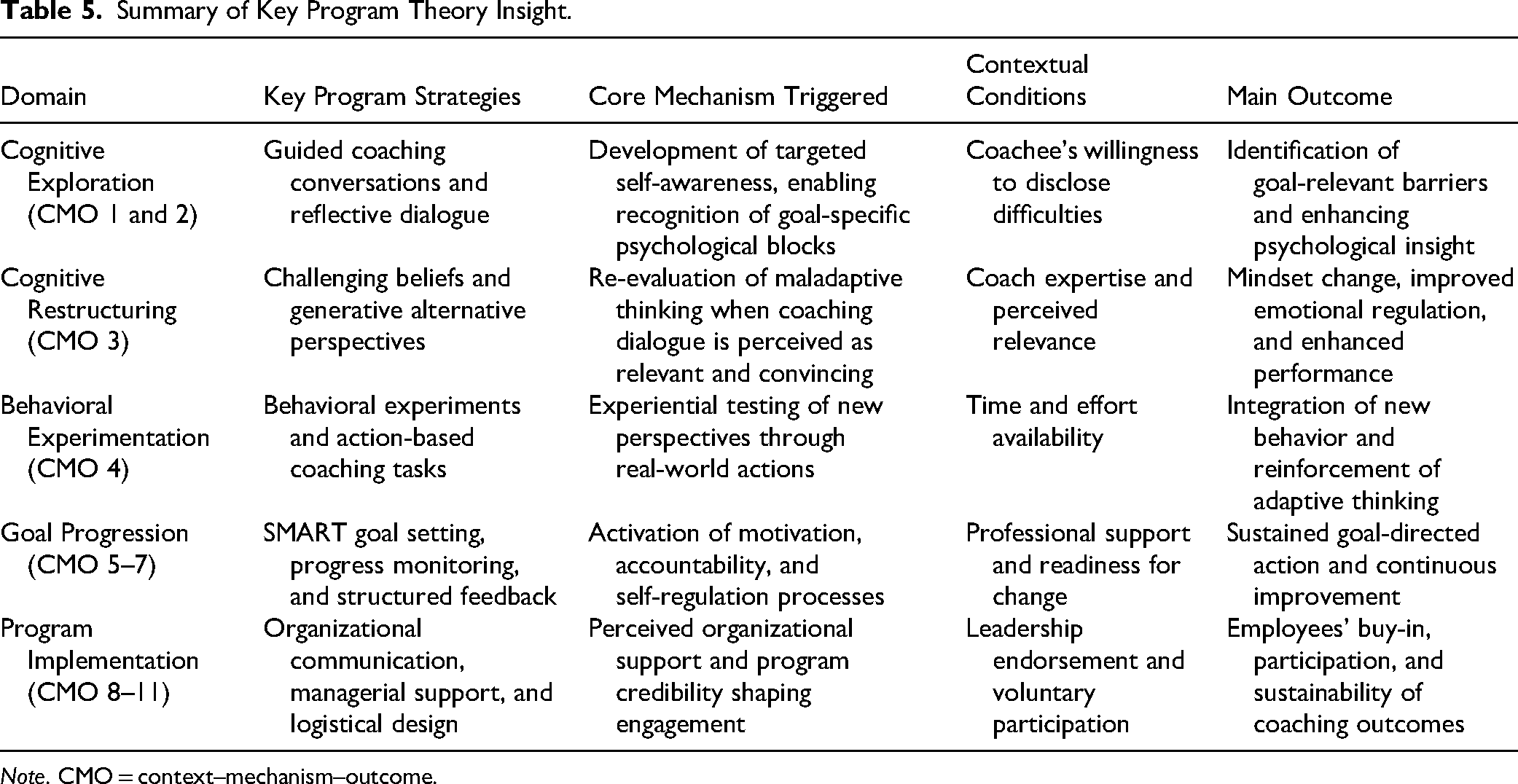
The refined program theories highlight several mechanisms through which CBC influences psychological and behavioral change in organizational settings. These mechanisms operate across cognitive, behavioral, and goal progression domains and are shaped by contextual conditions within the organization. Table 5 provides a summary of key program theory insights.
Summary of Key Program Theory Insight.
Note. CMO = context–mechanism–outcome.
Contribution to Organizational Program Planning and Evaluation Knowledge
This study offers a significant contribution to the evidence base on the operationalization of CBC within organizational settings. It addresses a key gap in the literature by identifying the contextual factors, resources, and mechanisms that influence coaching outcomes across different phases of program delivery. Through the development and empirical refinement of theory-informed CMO configurations, the study presents transferable program theories that can inform the design, implementation, and evaluation of future coaching interventions.
Consistent with realist principles, these program theories are not static; rather, they serve as a foundation for iterative refinement through ongoing testing within the same or different organizational contexts (Salter & Kothari, 2014). As recommended by Greenhalgh et al. (2017a),, expanding the sample and data sources over successive evaluation cycles can help explain and predict outcome patterns with greater clarity, supporting more effective stakeholder decision-making.
Beyond its substantive contribution, this research also advances methodological understanding by documenting the realist synthesis process in detail. It outlines how literature-informed CMOs were initially developed, how qualitative data were collected through realist interviews, and how empirical insights were used to test and refine program theories. This provides a practical reference for researchers and evaluators aiming to apply realist methods to similar organizational interventions or in the context of larger-scale program evaluations (Wong et al., 2017).
Contribution to Coaching Theory
This study responds to several longstanding gaps in coaching research, offering theoretical, methodological, and contextual contributions through the application of realist methodology to CBC in organizational settings. By asking how, for whom, and under what circumstances coaching works, the study addresses calls for more theory-driven, context-sensitive research (Blackman et al., 2016; Boyatzis et al., 2022; Cotterill & Passmore, 2019; Kovacs & Corrie, 2016).
The first contribution concerns coaching outcomes. This study advances understanding by developing program theories that explain both intended outcomes (e.g., goal attainment, wellbeing, and behavior change) and unintended effects (e.g., stress, resistance, and perceived obligation). In doing so, it responds to Greif’s (2017) call for outcome-focused coaching research and contributes to the broader conversation around understanding multiple, interrelated outcomes (Boyatzis et al., 2022). Realist methodology enabled exploration of outcomes relevant to individual mental health and wellbeing, outcomes often marginalized in favor of performance metrics (Grant, 2013). By foregrounding these issues and capturing different stakeholder perspectives, the study offers a theory that can underpin future mixed-methods or longitudinal evaluations (Pawson & Manzano-Santaella, 2012).
Second, this study contributes to research on coaching processes and mechanisms of change. It examines the relationship between program activities (resources), psychological processes (reasoning mechanisms), and outcomes, highlighting how particular moments in coaching conversations trigger learning, insight, and behavioral shifts (Dalkin et al., 2015; De Haan & Nieß, 2015). The study also addresses questions of coaching “dosage” by theorizing how session timing and pacing influence coachee motivation, showing that perceived appropriateness depends on the individual's context and purpose (Mosteo et al., 2021). The realist approach offers a framework to explore these nuances, allowing deeper insight into causal processes and program vulnerabilities (Boyatzis et al., 2022; Jagosh, 2023).
The third contribution relates to the coaching context and culture. As the first realist coaching study conducted in Egypt, this research addresses the underrepresentation of non-Western contexts in coaching literature (Boyatzis et al., 2022; Lane et al., 2018). Findings demonstrate how organizational culture and contextual norms, particularly around power dynamics and perceptions of mental health, moderate program engagement and outcomes. The study shows that context is not merely a backdrop but a generative component that interacts with mechanisms and resources to shape results (Dalkin et al., 2015). Future studies can build on this work to support more inclusive, culturally responsive coaching practices.
Overall, this study contributes to the theory that enhances understanding of coaching effectiveness by identifying not just whether coaching works, but how and why it works (or does not) across different individuals and organizational settings (Passarelli et al., 2022).
Practical Implications
The refined theories offer practical insights for organizations and coaching practitioners implementing CBC programs. First, organizations may benefit from embedding the coaching programs within broader organizational development systems, such as performance management and career development processes, to support the transfer of learning from sessions into everyday work practices. Establishing a mechanism for monitoring and evaluating coaching programs is also important; regular feedback about the program from stakeholders, particularly coachees, can support continuous program refinements and informed decision making. The findings further highlight the importance of organizational conditions, including clear communication of program objectives, voluntary participation, managerial support, and appropriate logistical arrangements, which can influence engagement with coaching interventions. For practitioners, the findings suggest that effective CBC relies on the coach's ability to facilitate targeted self-awareness, helping coachees identify psychological blocks that are directly linked to their goals rather than relying on general reflection alone. Training for coaches therefore needs to emphasize skills in guided discovery, cognitive challenge, and the facilitation of reflective dialogue that enables coachees to critically examine their thinking patterns. The study also underscores the value of integrating behavioral experiments and structured goal progression mechanisms; thus, designing appropriate behavioral experiments needs to be considered in coaches’ training as well.
Conclusion
This is the first known realist study of a CBC program implemented in a real-world organizational context. By developing and refining 11 theory-informed CMO configurations, the research offers a practical and evidence-based contribution to both coaching practice and organizational intervention design. The structured presentation of theories, grouped by theme and linked to program phases, enhances usability and transferability across varied contexts. Moreover, the study demonstrates a robust application of theory-informed program design and evaluation, supported by triangulated qualitative data from multiple stakeholder groups. It also broadens the geographic and cultural scope of coaching research by contributing insights from a non-Western context, with implications for global knowledge mobilization and inclusive coaching practices.
Nonetheless, the study's limitations should be acknowledged. The small sample size and qualitative design limited the depth of context-layering and outcome pattern generalizability. Methodologically, realist synthesis presents challenges in configuring complex, context-dependent causal chains, which are difficult to reproduce or standardize. The study focused primarily on individual, rather than collective, reasoning and did not include organizational performance outcomes. As such, findings should be viewed as provisional theories for further testing. Future research could adopt larger-scale, mixed-method realist evaluations to deepen the understanding of causal pathways, integrate collective reasoning, and validate emerging patterns. While insider positionality posed potential biases, these were mitigated through transparent reflexivity and procedural safeguards. Overall, this research offers a foundational step toward a more systematic, context-sensitive understanding of how CBC interventions function in workplace settings.
Supplemental Material
sj-docx-1-ecm-10.1177_17418305261461875 - Supplemental material for Toward Developing an Initial Program Theory for Cognitive Behavioral Coaching in Organizational Contexts: A Realist Study *
Supplemental material, sj-docx-1-ecm-10.1177_17418305261461875 for Toward Developing an Initial Program Theory for Cognitive Behavioral Coaching in Organizational Contexts: A Realist Study * by Ola Amr Abdelfatah, Jane Simpson and Andrew Harding in International Journal of Evidence Based Coaching and Mentoring
Footnotes

Funding
The authors received no financial support for the research, authorship, and/or publication of this article.
Declaration of Conflicting Interests
The authors declared no potential conflicts of interest with respect to the research, authorship, and/or publication of this article.
Supplemental Material
Supplemental material for this article is available online.
References
Supplementary Material
Please find the following supplemental material available below.
For Open Access articles published under a Creative Commons License, all supplemental material carries the same license as the article it is associated with.
For non-Open Access articles published, all supplemental material carries a non-exclusive license, and permission requests for re-use of supplemental material or any part of supplemental material shall be sent directly to the copyright owner as specified in the copyright notice associated with the article.
