







Abstract
Indoor Environmental Quality is an important issue in educational buildings since it is directly related to students’ well-being and learning activities. Indoor Environmental Quality parameters have been assessed in three representative campus building typologies (old, new, and retrofitted), in Tehran, Iran, by measurements and questionnaire (n = 842) from July 2016 to April 2017. Results have been compared to the students’ overall satisfaction level and recommended standards. According to results, minimum attention to local standards with regard to Indoor Air Quality, acoustic, and lighting, especially in the old and retrofitted buildings, seems the main reason of low environmental quality in the studied cases. Fitting a multiple regression model to the questionnaire data, a mathematical model is developed to predict the overall comfort (Indoor Environmental Quality index). Studied buildings have been ranked based on the Indoor Environmental Quality index from high quality: I (building C) to out of the comfort range: IV (building A). Moreover, results reveal that the acceptable range of each Indoor Environmental Quality parameters, especially with regard to thermal and acoustic comfort, is broader in real condition in comparison with the standards. Finally, the buildings’ annual energy consumption is used to propose a Retrofit Potential Index in order to assess the impact of comfort parameters on energy consumption by integrated analyses.
Introduction
Four basic criteria, namely, thermal comfort (TC), indoor air quality, acoustic, and visual comforts (VCs), are identified for determining an acceptable indoor environmental quality (Lee et al., 2012). The amount of time students spend in school shows the importance of Indoor Environmental Quality (IEQ) in educational buildings, which has been the topic of many researches (Krüger and Zannin, 2004; Ramprasad and Subbaiyan, 2017; Vilčeková et al., 2017) with a growing body of literature, focusing on how physical environmental conditions (temperature, illuminance levels, ambient noise, and ventilation rates) influence occupants’ overall satisfaction (Frontczak and Wargocki, 2011; Haverinen-Shaughnessy et al., 2015). The effect of thermal conditions and indoor air quality on school works (Gao et al., 2014; Pereira et al., 2014; Sarbu and Pacurar, 2015; Wargocki and Wyon, 2017) and also the impact of background noise levels, visual distractions, overheating, and under heating on students’ concentration and motivation (Ramprasad and Subbaiyan, 2017) are well documented. A group of studies on IEQ in educational buildings assess the thermal, visual, acoustical comfort, and air quality by physical measurements and compared to standards (Mumovic et al., 2009). While others also included subjective surveys in order to find the acceptable range of the physical parameters, occupants are often not satisfied with indoor conditions, even when IEQ standards are met (Lee et al., 2012; Sarbu and Pacurar, 2015). Some studies considered all four comfort aspects (Sarbu and Pacurar, 2015), while others focused merely on two or three of them. Mumovic et al. (2009) assessed air quality, TC, and acoustic performance, Pereira et al. (2015) considered indoor air quality and TC (Madureira et al., 2016), and Krüger and Zannin (2004) focused on thermal, illuminous, and acoustic comfort (AC) in classrooms (Krüger and Zannin, 2004).
TC is ranked by building occupants to be of greater importance compared to visual and AC and Indoor Air Quality (IAQ; Heinzerling et al., 2013; Sadick and Issa, 2017). It also seems to influence to a higher degree the overall satisfaction with indoor environmental quality compared with other IEQ criteria (Frontczak and Wargocki, 2011) and the most IEQ parameter studied in classrooms. The thermal environment is assessed by PMV (Predicted Mean Vote) and PPD (Predicted Percentage of Dissatisfied) indices based on environmental variables (temperature, relative humidity, air velocity, and radiant mean temperature) (Wargocki and Wyon, 2017) in most cases. The correlation between measurements and subjective responses has been the objective of many researches in educational buildings (Zomorodian et al., 2016). However, TC alone is not sufficient to provide a good learning environment. Acoustical comfort, VC, and indoor air quality are also vital aspects of the indoor environment.
The term AC is not commonly used and providing a good acoustic environment is mainly associated with preventing the occurrence of discomfort (annoyance) (Pellerin and Candas, 2003). The quality of the sound environment is linked to numerous physical parameters, which include both the physical properties of sound and space. The acoustic environment is influenced by physical room properties as sound insulation, absorption, and reverberation time (RT) (Zannin, 2009). According to studies, the academic performance of students is negatively affected by high background noise (Ramprasad and Subbaiyan, 2017). Supporting the learning process, there are two requirements for students to listen well; first is a silent neighborhood without noise from the traffic, the activities around the school, next classes, and the air conditioning system or the occupants, and second is a low RT, which is a parameter that indicates how fast the noise will disappear (Gramez and Boubenider, 2017; Rabiyanti et al., 2017).
Based on ASHRAE 62.1 (ASHRAE, 2013), acceptable indoor air quality is defined as “air in which there are no known contaminants at harmful concentrations as determined by cognizant authorities and with which a substantial majority (80% or more) of the people exposed do not express dissatisfaction.” Indoor air quality in classroom is a global issue. Various studies developed in many countries remarked poor indoor ventilation rates and high CO2 levels (Cornaro et al., 2013; Mohammadyan et al., 2017; Wargocki and Da Silva, 2015). However, the evidence of the problem is not followed by satisfactory solutions, especially for natural ventilated buildings that cannot benefit from mechanical ventilation to enhance the IAQ (Madureira et al., 2016; Stazi et al., 2017; Toyinbo et al., 2016). Good air quality influenced by the number of inhabitants, activities conducted inside the classrooms and rate of ventilation, aggravated by the poor construction and maintenance of many school buildings (Ekren et al., 2017; Frontczak and Wargocki, 2011). CO2 concentration has been chosen as the key performance indicator for the assessment of indoor air quality and ventilation in classrooms (Daniels, 2016; Wargocki and Wyon, 2017).
VC is defined as “a subjective condition of visual well-being induced by the visual environment” (BS-EN-12665, 2011). Visual conditions are characterized by parameters such as luminance distribution, illuminance, light uniformity, and glare. Most IEQ studies in classrooms evaluated the VC based on the illuminance levels. All of them found positive correlations between lighting levels and student satisfaction from field survey (Dorizas et al., 2015; Lim et al., 2017).
Overall, physical environmental parameters are all interrelated, and the feeling of comfort is a composite state involving an occupant’s sensations of all these factors (Huang et al., 2012; Ricciardi and Buratti, 2018). Moreover, the balance between all the above-mentioned parameters should be assessed. Acknowledging that the energy consumption of buildings depends significantly on the criteria used to evaluate indoor environmental conditions (Marino et al., 2012), it is necessary to assess the energy consumption of buildings with respect to indoor environmental conditions (Dascalaki and Sermpetzoglou, 2011). It cannot be neglected that the true purpose of a building is to provide the occupants with a comfortable and healthy indoor environment despite running the risk of higher energy consumption. An integrated analysis is needed to ensure that the energy efficiency measures do not decrease the IEQ, and IEQ improvements do not increase the energy consumption (Dorizas et al., 2015; Ghita and Catalina, 2015; Pereira et al., 2017; Quang et al., 2014; Ricciardi and Buratti, 2018). Despite the vast literature on IEQ criteria in educational spaces, only a few have considered all four together in classroom settings. Moreover, there is a lack of investigating the relationship of the above-mentioned four parameters with overall comfort and energy consumption levels.
Three main objectives of the study are as follow: first is to compare IEQ levels in three building typologies (old, new, and retrofitted) with each other and standards. Second is to define the relationship between overall satisfaction and the environmental parameters based on the subjective responses and physical measurements. Third to develop an index to assess the buildings retrofit potential to improve buildings performance based on IEQ and energy consumption levels.
Methodology
A combination of increased time spent indoor and energy efficiency building practices has created the need to assess the impact of design and renovations on indoor environmental quality in educational buildings. Consequently, post-occupancy evaluations are required and followed in this study to give building designers and operators’ useful feedbacks. The research process is presented in Figure 1.
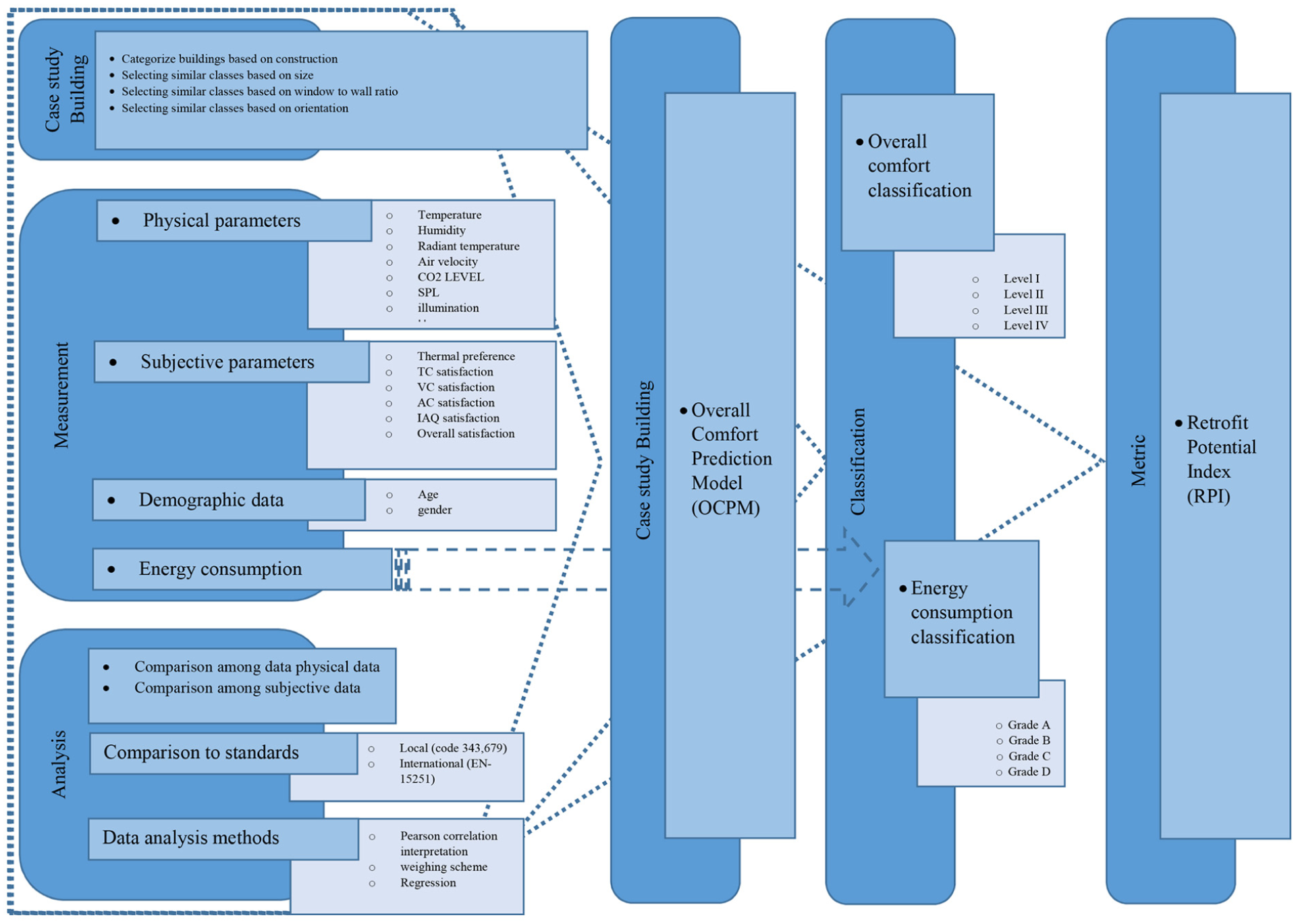
Research process flowchart.
Site and buildings
Nine classrooms located in three buildings of the Shahid Beheshti University (SBU) main campus, in a suburb in the north of Tehran, Iran, have been investigated during July 2016 to April 2017. The properties of the studied cases have been presented in Table 1.
Case study characteristics.
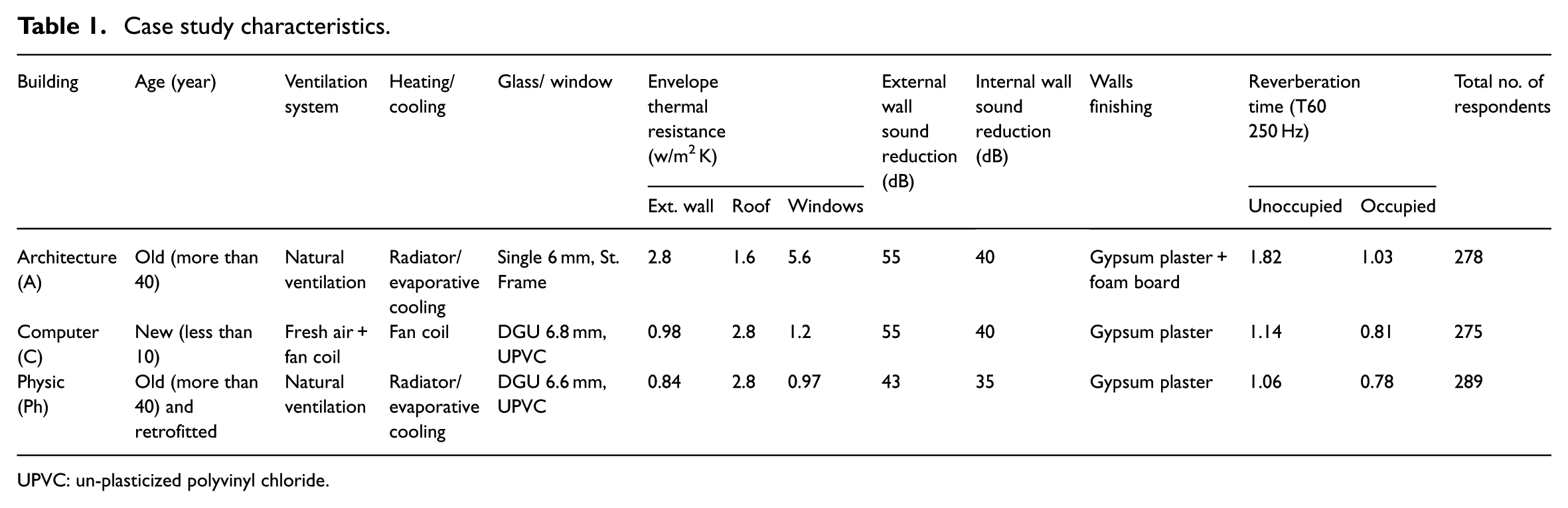
UPVC: un-plasticized polyvinyl chloride.
Tehran weather is mild in the spring and autumn, hot and dry in the summer (average high temperatures are between 32°C and 37°C, and mean minimum and maximum temperatures of July are 26°C and 34°C), and cold and wet in the winter (with the mean minimum and maximum temperatures of January are −5°C and 1°C). Most of the time, lower temperature is recorded in the studied context in comparison with the city, according to the higher elevation of the campus, which is about 1650–1750 m (in comparison with 1167 m in the middle of the city), condensed vegetation, and close northern mountains. Moreover, higher wind speed potential due to lower surface roughness is expected. Finally, according to the vehicle access limitation in the campus, and the considerable distance to the roads, followed by site expanse, few urban noises disturb the buildings, although in accordance with low quality of sound insulation, high sound levels (SLs) are unavoidable.
Three types of buildings, a new building (constructed 10 years ago), an old building (over 40 years old), and a recently retrofitted building, were selected for the study as provides an interesting comparison possibility, to see how the retrofit impacted the energy efficiency and comfort conditions. In each building, three classrooms facing toward north (N), south (S), and east (E) were studied for a week in the heating (January), cooling (July), and the free running season (November and April) during the normal operation. Buildings are usually full occupied from 8:00 a.m. to 6:00 p.m., Saturday to Wednesday, from September to June and partially occupied in July and August. The selected classroom areas range from 56 to 84 m2.
Field survey
The methodological process focused on a field survey which collected data by questionnaire and environmental measurements at the same time, in classrooms in order to investigate the quality of the indoor air and monitor the acoustic, thermal, and lighting performance of the building and occupants’ comfort levels.
IEQ measurements
Physical parameters were measured in three occupation periods (8:00–10:00, 10:30–12:30, and 14:00–16:00) every day for a school week in mid-July, mid-November, mid-January, and mid-April, as representative periods in order to cover major occupation periods and avoid excessive data recording.
TC is assessed by measuring air temperature, relative humidity, air velocity, and globe temperature, using MIC-98583 data logger, TES-1340 hot-wire anemometer, and an 8778-heat-stress-meter. The measured data are used to calculate the PMV as an index to assess the TC in classrooms in line with international standards, ASHRAE 55 (2013). The metabolic rate and clothing was estimated 1.2 MET corresponding to sedentary activity and 1.0 clo in January and 0.75 for other months based on ASHRAE 55. A 0.1-clo value is also added to account for chair insulation (ANSI/ASHRAE, 2010).
To measure the AC, the background noise level was recorded by a TES-1352 S SL meter, based on ISO 3382-3:2012 (2012). CO2 concentration was measured by TES-1370 CO2 meter taking continuous readings every 15 min. The illuminance levels were measured using a TES 1339R at students’ desk level (0.85 m) in five different points in each classroom, which are used to calculate the average illuminance and daylight factor (DF) as an index to assess the daylight performance in the spaces (BS-EN-12665, 2011). In the pilot study, all parameters were measured and logged in five different points in a classroom with 5-min intervals. Despite illuminance measurements, other parameters did not show tangible differences across the classroom. Therefore, in the experimental campaign, all parameters, except illuminance, were measured merely in the middle point at the height of 1.1 m. Moreover, almost no variations were recorded in the 5-min time interval. Therefore, it was decided to extend the interval of automatic loggings and manual readings to 15 min in order to avoid excessive data recording. All measurements were done in classrooms during occupied periods based on the ASHRAE/CIBSE/USGBC (2010) Performance Measurement Protocols for Commercial Buildings (PMP). The measured values were monitored and averaged during the period in which the questionnaires were collected.
Questionnaire survey
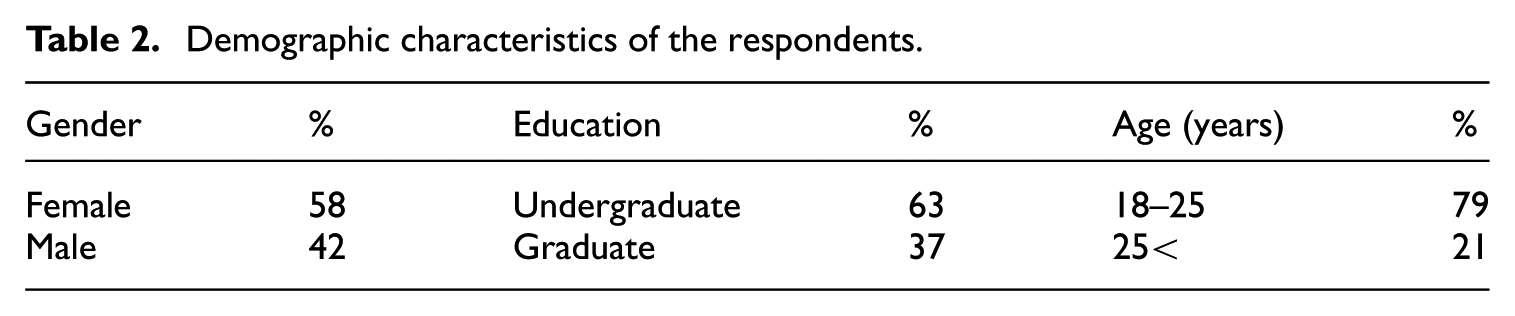
Students’ personal information (age, gender, and clothing level); the level of satisfaction with the thermal, visual, acoustical comfort, and indoor air quality; and also the overall comfort level were assessed based on the questionnaire. Students were asked to rate their thermal sensation (Actual Mean Vote (AMV)) on the 5-point numerical scale: −2 (cool), −1 (slightly cool), 0 (neutral), +1 (slightly warm), and +2 (warm). In addition, they were asked to express a vote about the quality of the environment with reference to each comfort aspect (thermal satisfaction (TS), visual satisfaction (VS), acoustic satisfaction (AS), and IAQ Satisfaction) and the overall comfort based on a 5-point scale (very dissatisfied, dissatisfied, neutral, satisfied, and very satisfied), weighted from −1 to +1, to quantify the votes. A total of 842 students filled out the above-mentioned questionnaire during the study. Demographic characteristics of the respondents are described in Table 2.
Demographic characteristics of the respondents.
Statistical methods are utilized to ascertain the précised interpretation of the collected data. The survey results are first used to develop a model to predict the overall comfort in buildings. The questionnaire results regarding each parameter and was averaged, sorted, and statically tested, to ascertain that there are not any other interfering factors affecting the results and to calculate the correlation among these results and the overall comfort indices. Physical measurements and questionnaire data are depicted in graphs using scatter charts, to show the relationship among the respondents’ point of view to each parameter, affecting their satisfaction, that is, TS versus PMV, AS versus averaged SL, IAQ satisfaction versus CO2 level, and VS versus illumination. The scattering points provide a trend prediction curve, which were presented with a set of interpreter equation, in which the most appropriate has been selected to be used in next step. As mentioned before, the correlation between each parameter and the overall comfort which is calculated in each case are used as an impact factor of parameters in a cumulative equation presented in equation (1). On the contrary, the overall comfort and energy consumption classification are done in the next step, which help to define a suggestive Retrofit Potential Index (RPI).
Field study result
Physical IEQ parameters were logged during occupation periods each day for a week in each season, as mentioned above. The minimum, maximum, and standard deviation (SD) of each parameter are presented in Table 3. In addition, questionnaires were filled simultaneously in three occupation periods a day, by different students; during the measurement week, some students filled the questionnaire more than once. Analyzing and comparing the judgments, the impact of every singular aspect on the overall comfort perception was highlighted. Results of measurements and questionnaires survey are presented and discussed in the following sections.
IEQ parameters during different seasons in the three buildings.
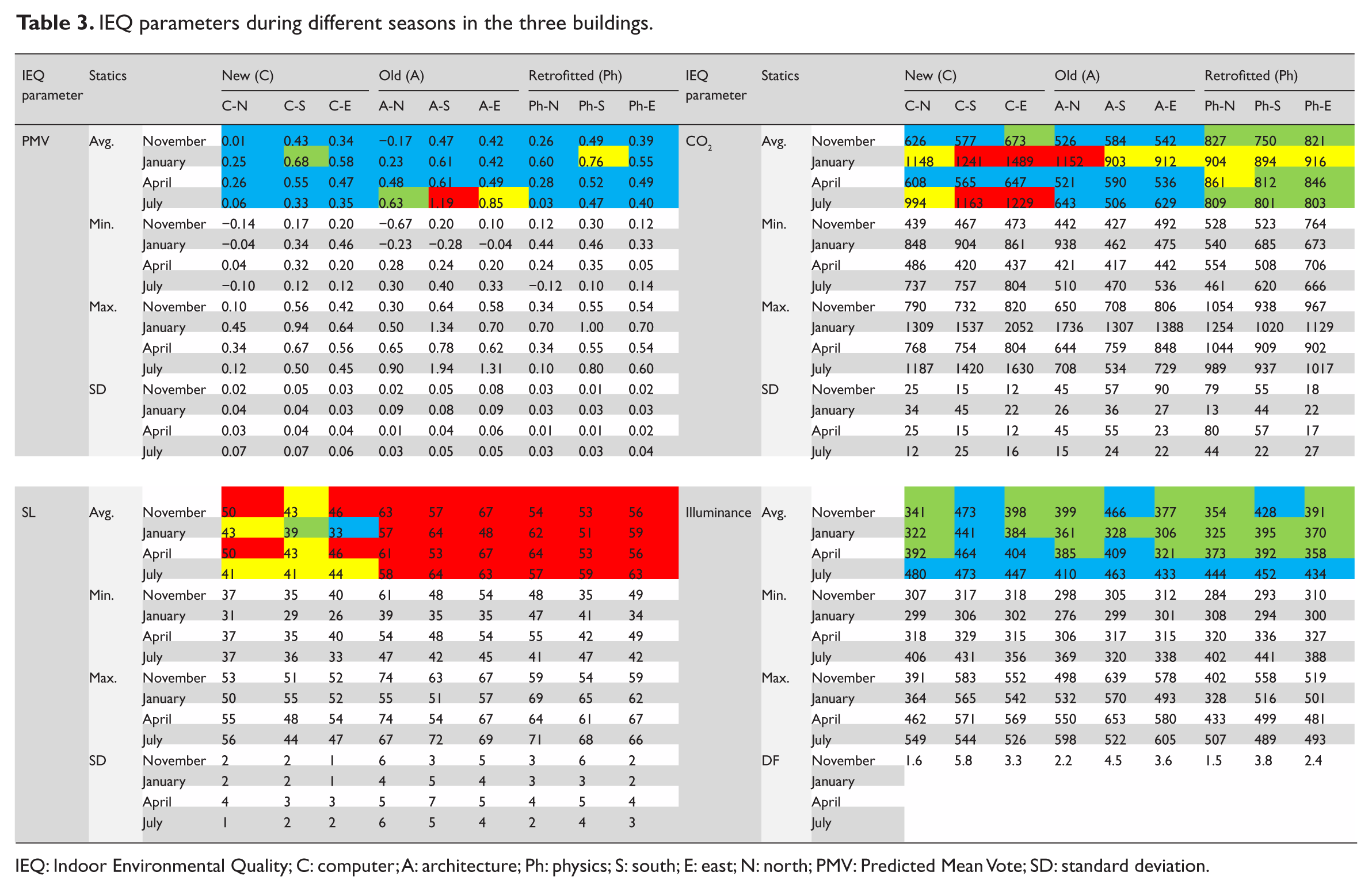
IEQ: Indoor Environmental Quality; C: computer; A: architecture; Ph: physics; S: south; E: east; N: north; PMV: Predicted Mean Vote; SD: standard deviation.
TC
According to the result, in the heating and cooling periods, the lowest and highest PMV levels (−0.67, 1.94) were recorded in January and July in the north and south facing classroom of building “A,” where the dry bulb temperature reached 19.6°C and 31.7°C, respectively. The relative humidity was almost the same in all classrooms, ranging between 39% in July and 68% in January.
All three measured classrooms in the old building “A” have average PMV values higher than ASHRAE standard requirements (category II—normal level of expectations: −0.5 < PMV < 0.5) in the cooling season. High PMV are due to the uninsulated building envelope, single layer windows, and insufficient ventilation rates. However, the new (C) and retrofitted (Ph) buildings are in the TC range. Besides the temperature control, the thermal discomfort of the classrooms in the cooling season was related to draughts caused by cooling system (air velocity > 0.8 m/s).
In the heating season, the average PMV values range from +0.23 to +0.76, the minimum calculated in building “A” and the maximum in “Ph.” The maximum PMV value in the heating season exceeds the acceptable value in almost all classrooms as a result of the highly sealed windows and inadequate control of the heating system. During the mid-seasons, no mechanical heating and cooling systems were working. The highest and lowest outdoor and indoor temperature, recorded in April and November, were 26°C–28°C and 9°C–18°C, respectively.
The average PMV values are all in comfort range (between −0.5 and +0.5, based on ASHRAE 55.1) in November. However, in April, warm sensations are predicted in the south faced classrooms in all three buildings. In the free running seasons, windows were open during class times, but sufficient fresh air was not provided through natural ventilation especially in April. The SD is very small (less than 0.1) in all cases. However, higher SD in building A shows the temperature fluctuation during the measurement period.
With regard to TC, students’ thermal sensation vote (TSV) and the level of satisfactions with the thermal environment (TS) was extracted from the questionnaires. According to the results, students were mostly satisfied and very satisfied (6270%) with the thermal environment in building C during the year (Figure 2). The satisfaction level was minimum in building A (21%–23%).
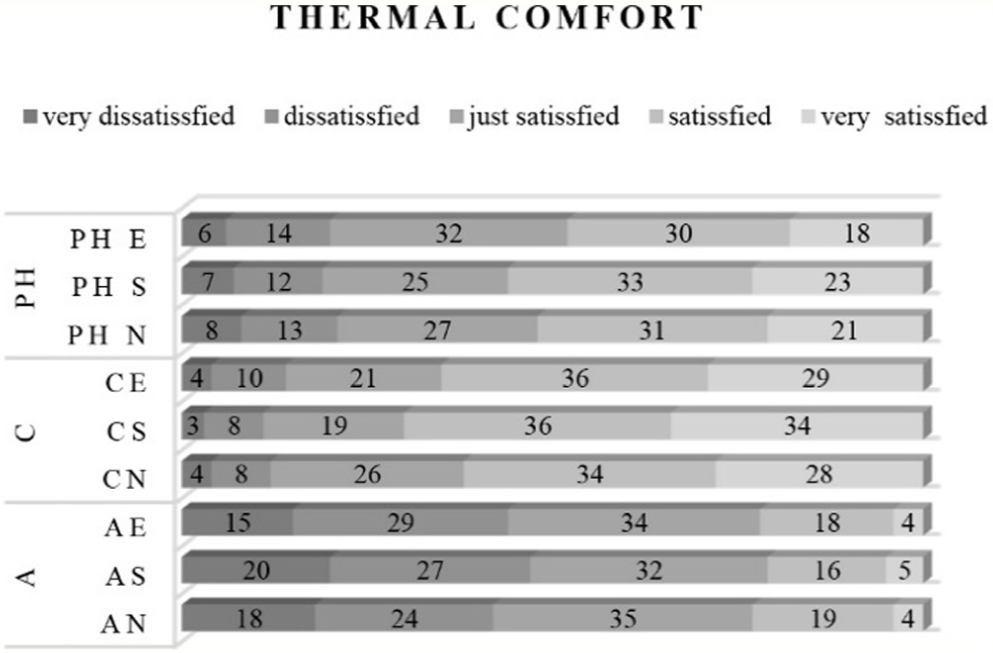
Students’ thermal satisfactions during the whole year.
Figure 3 shows the relation between the mean PMV and the mean TSV during the year in all three buildings. According to results, there is a good correlation (R2 = 0.78) between PMV and TSV that confirms the accuracy of Fanger’s model for predicting university students’ thermal sensations in the studied context. As reported in previous studies (Zomorodian et al., 2016), the PMV model is more convenient for TC studies in universities in comparison with other educational levels. Satisfaction levels did not differ much in different classrooms in each building. However, difference is observed between the three buildings.
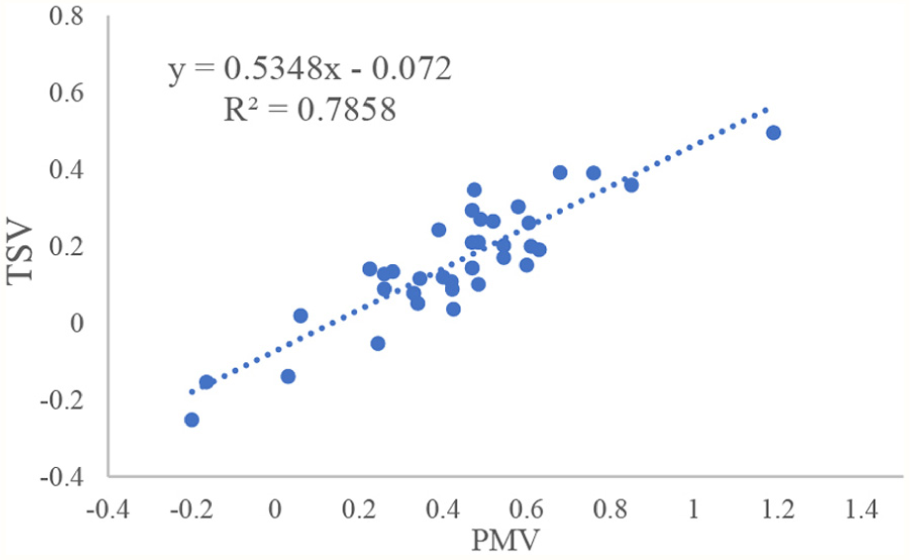
Relation between the mean PMV and the mean TSV.
According to results (Figure 4), there is a high correlation (R2 = 0.82) between the PMV and the TS level. Each point in the graph represents the mean PMV in each classroom in different seasons (a total of 36 points). Therefore, it could be concluded that the PMV is a valid index for assessing students’ TS. It was concluded that students are most satisfied when the PMV is higher than −0.08 and less than 0.4.
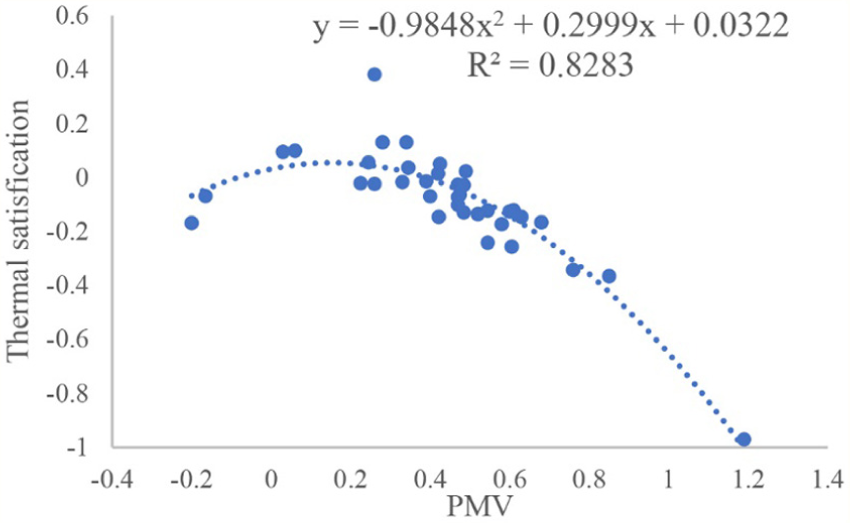
Relation between PMV and students’ thermal satisfaction.
Acoustic performance
According to measurements, the maximum averaged SL recorded (74 dB) in the north classroom of the old building is much bigger than national standards for classrooms (40 dB; Management and Planning Organization, 2006). The average SL in the studied classrooms ranged from 33 to 67 dB with the minimum in building C and maximum in A. Measured data show high SLs in A, during all the seasons, mostly caused by external sound sources and low sound insulation performance of the building fabric; especially north classes experienced higher SLs during the year, due to the northern street, while in July, the average prevail SL ranging from 41-64 dB is caused mainly by the mechanical cooling system. In addition, the low quality of class doors allows the internal sound sources from the corridor transfer into the room. Not only the average SL but also the average level of minimum data gathered during measurement (42 dB) is higher than admissible SLs in classroom. As a general result, in free running periods, classrooms faced higher SLs, due to open windows in average values; however, higher SLs of maximum values are related to mechanical equipment and also outdoor construction activities in the campus, in July. The minimum and maximum SD were in buildings C and A, respectively.
Students reported the highest level of satisfactions (50%–59%) with the acoustic environment in the building C and the lowest (22%–26%) in Ph (Figure 5). When the averaged noise level was below 45 dB, subjects felt satisfied with the acoustic environment. When the noise level increased above this threshold, subjects felt increasingly uncomfortable (Figure 6). Despite the importance of acoustic performance in educational building, measured data and questionnaire results affirmed that no attention was paid to acoustic performance in the renovation procedure, and sound insulation is prepared as an implied result of airtightness implementation. Measured data, questionnaire result, and observation comparison show that not all the occupants completely noticed the background noise; however, most of the time the related equivalent SL is more than acceptable values. Comparing the questionnaire, measurement, and observations shows that the more the average SL exceeds 56 dB during class period, the more discomfort expressed, while prompt objection recorded in case of maximum SL more than 67 dB even for a few second. This means that high SL has a more intensive impression on disturbance in classrooms. Based on measurements of SL in A and Ph building, with both internal and external sources, sound limits are often exceeded, while subjects are more sensitive to short-term external noise with high SL (more than 65 dB) than internal long-term noise with lower SL (less than 65), despite the fact that latter is not acceptable to be heard during the class hours. Although replaced double glazed UPVC (un-plasticized polyvinyl chloride) windows work better than old steel frames, overheat and lack of fresh air are more experienced in the retrofitted building.
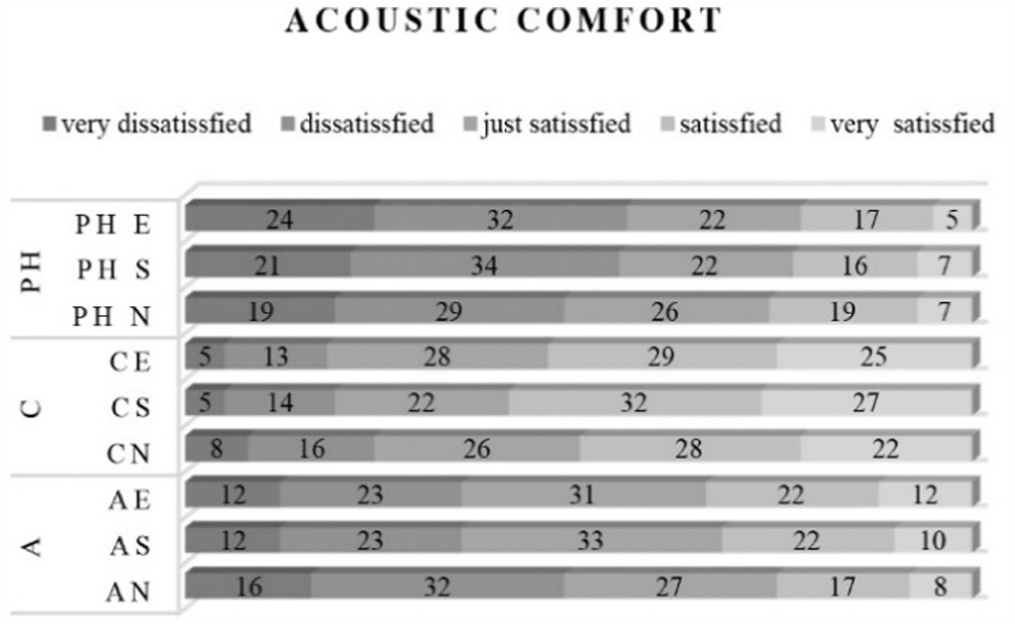
Students’ acoustic satisfactions during the whole year.
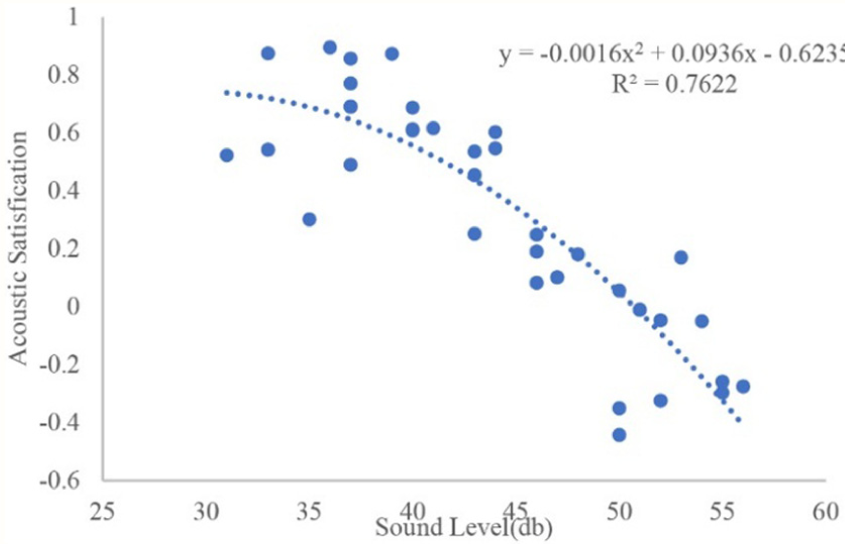
Relation between acoustic comfort satisfaction and sound level.
According to results (Figure 6), there is a relatively high correlation (R2 = 0.76) between the averaged SL and the AS level. Therefore, it could be concluded that the averaged SL is a valid index for assessing students’ AS. It was concluded that students would feel neutral with regard to the acoustic environment when the SL is lower than 50.8 and would be satisfied when the SL is lower than 41.7 dB.
On the contrary, AC in educational spaces is highly influenced by RT, which, as reported in Table 1, is in compliance with standards, in that the highest RT was calculated in building A and the lowest in building Ph; however, both are beyond local standard limits (Management and Planning Organization, 2006).
Indoor air quality
CO2 concentration was measured as an index of indoor air quality. High CO2 levels (ppm > 1000) were recorded during the heating season in the new and retrofitted building and during the cooling season in the old building. The average CO2 level in classrooms ranged from 521 to 861 ppm in the free running season while windows were kept open during class hours, and from 506 to 1489 ppm in the cooling and heating seasons. The highest value was recorded in the east classroom (2052 ppm) of the new building during January, while the lowest (417 ppm) was recorded in April in the old building (A). According to the CEN Report CR 1752 Ventilation for buildings, if sedentary occupants are assumed to be the only source of pollution, the CO2 concentration above the outdoor level should be for category B: less than 660 ppm. The classrooms were shown to have adequate available ventilation in compliance with the current building regulations (ASHRAE, 2013). However, the maximum value of CO2 levels raised to more than 1200 ppm in the most cases in heating season, which induced overheat from the beginning hours, and odor complaining was intensified with high occupant density, making forced ventilation a mandatory requirement. However, considering the high values of pm2.5 in winter in Tehran, it is not recommended to provide more ventilation, as far as IAQ is not objected.
Student’s satisfactions toward air quality were asked by the questionnaire survey. According to the result, the highest level of satisfaction (satisfied and very satisfied) with the indoor air (over a year) was in the old building (55%−61%) and the lowest in the retrofitted building (29%–36%). The maximum percentage of dissatisfaction is observed in building Ph. However, the percentage of people just satisfied is high in comparison with other cases (Figure 7). No tangible difference was observed between IAQ in different classrooms in the same building under similar occupation. Minimum ventilation rate is not continuously supplied, in which high SD is depicted in Table 3. It should be noted that occupants’ perception about the level of CO2 is not autonomic enough to be paid attention, and most of the occupants do not discriminate high CO2 concentration and age of air and stale (Figure 8).
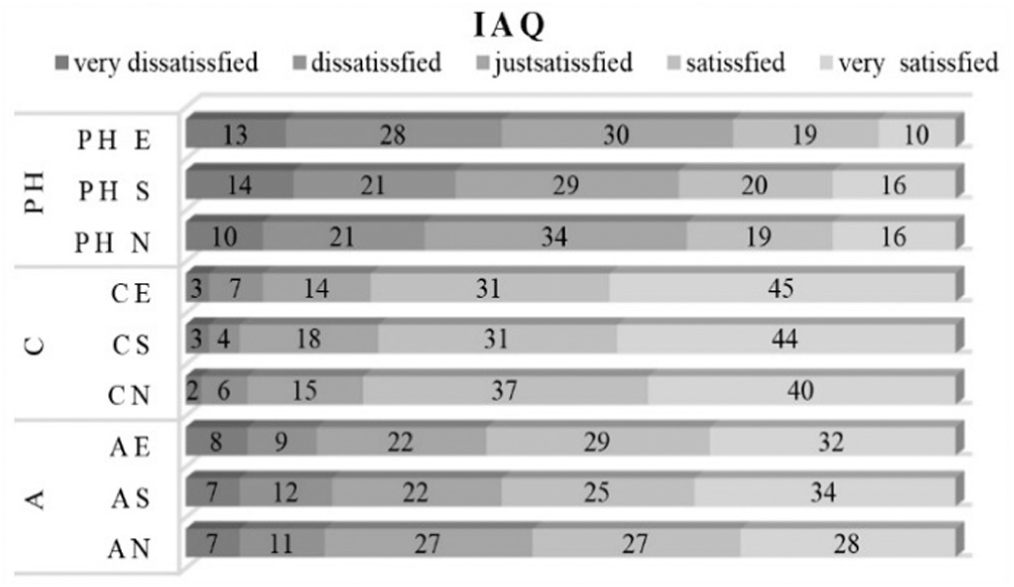
Students’ IAQ satisfactions during the whole year.
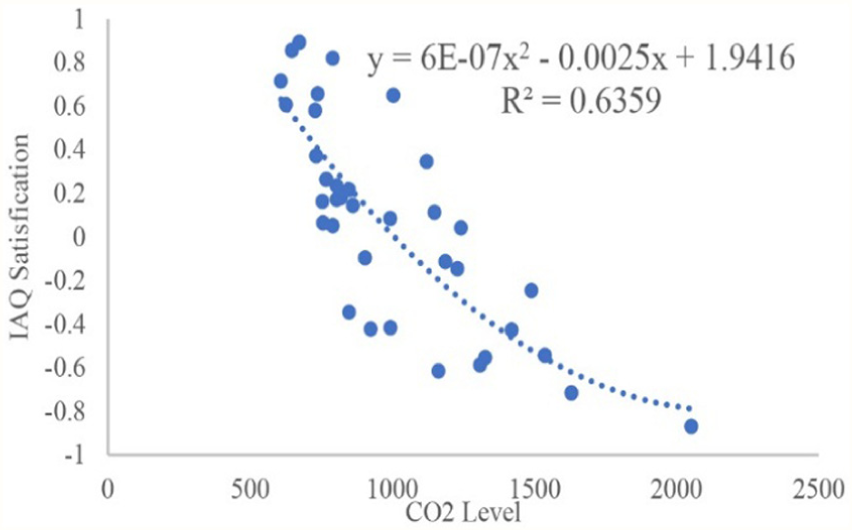
Relation between indoor air quality satisfaction and CO2 level.
According to results (Figure 8), there is a moderate correlation (R2 = 0.63) between the CO2 concentration and the indoor air quality satisfaction level. Therefore, students’ votes could not be completely predicted via CO2 concentration. However, when CO2 level exceeds 1000 ppm, students reported dissatisfaction and felt more satisfied when CO2 levels were lower than 660 ppm.
Visual performance
The average light levels (lower limit (LL)) measured in classroom ranged between 321 and 480 lux—the minimum and the maximum recorded in north and south faced classrooms, respectively. The minimum illuminance value was below requirements in north classrooms during winter, sometimes even with lights partially on. It should be noted that measurements were done in real conditions (lights on and curtains drawn when excessive daylight entering). The average illuminance levels were in line with standard requirements (300 lux) in classrooms during the year (EN 12464-1: 2011, 2011). However, high illuminance levels near the windows caused students to draw the curtains and turn on the lights, most of the time. In addition to illuminance, the DF is calculated in each space with clear sky conditions in order to evaluate the classrooms daylight performance. According to results, the DF ranges from 1.5% in the north faced classroom in the retrofitted building to 5.8% in the south facing classroom of the old building. Large window areas result in higher DF levels in the old building (A).
With regard to VC, students judged the visual environment acceptable, since over 65% in the building C and 47% in A were satisfied and very satisfied with the VC in classrooms. The lowest satisfaction level was observed in the retrofitted building (Ph), which could be the result of lower window area, and low window to wall ratio (Figure 9). Since students are used to artificial light, they did not report any discomfort resulting from insufficient daylight. In other words, despite high daylight levels provided in the classrooms as the result of large window areas, students turned on the light after entering the classrooms at the beginning of the day and left them on. Students were more satisfied in east than in south and north classrooms.
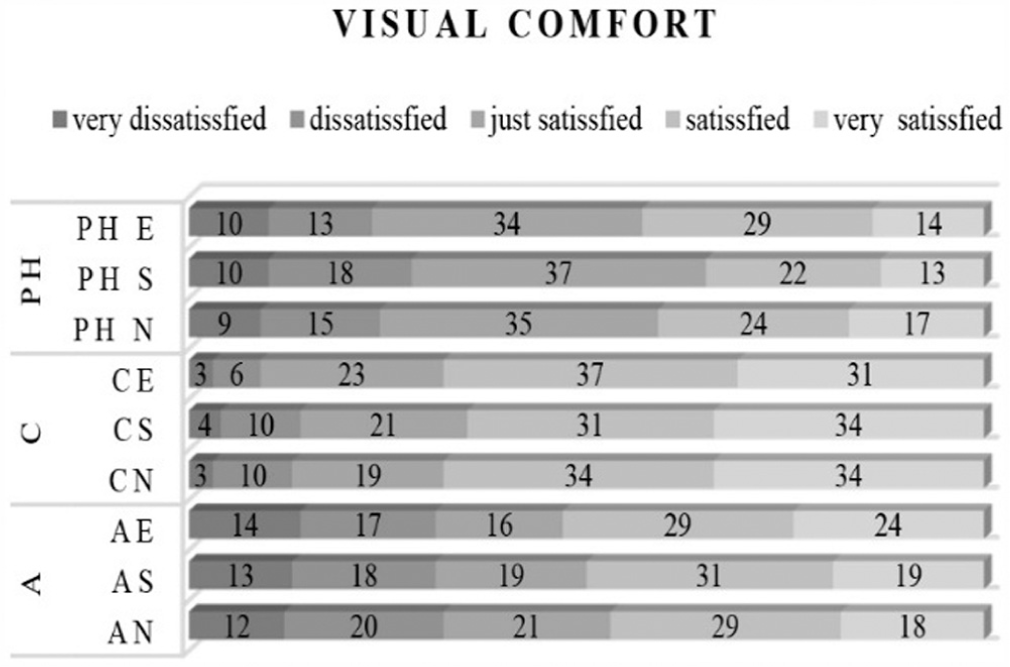
Students’ visual satisfactions during the whole year.
According to results (Figure 10), there is a moderate correlation (R2 = 0.63) between the lighting level and the VC satisfaction level. Students felt neutral when light level reaches 256 lux and feel most satisfied when reaches 646 lux.
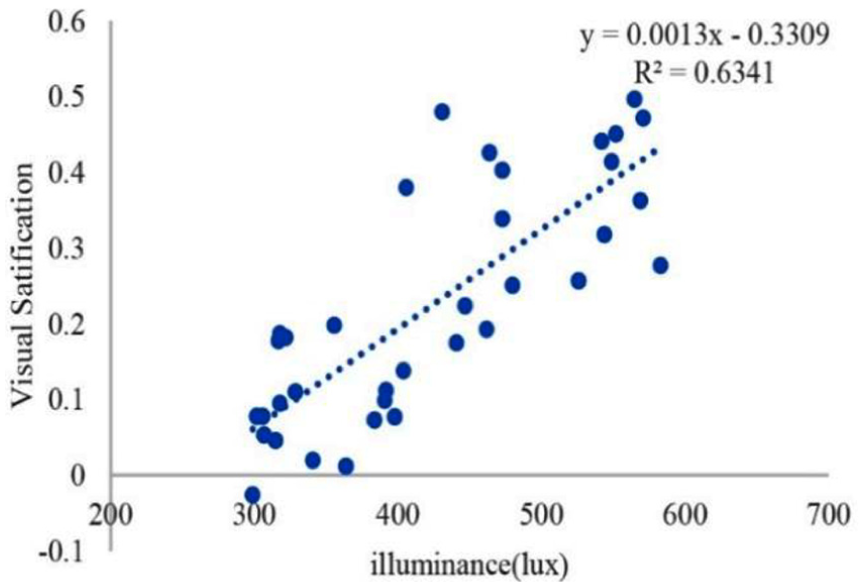
Relation between visual satisfaction and lighting level.
Overall Comfort Prediction Model and IEQ classification
The correlation among comfort factors and the perceived overall comfort sensation has been studied in different buildings and reported as correlation coefficients or weights (Cao et al., 2012; Heinzerling et al., 2013; Marino et al., 2012; Wong et al., 2008). It is obvious that devising a universal weighting scheme that applies to all buildings is not possible. The weighing scheme developed in previous studies and in this study is presented in Table 4. The measurements and questionnaire data of each question/parameters have been classified and weighted using the −1 to +1 coefficients to transform the Likert-type spectrum to a single number in each class. Calculating the average of the above-mentioned numbers, the average satisfaction of each parameter in each building is reported. Dividing the average satisfaction to the sum of the scored calculated for each parameter in each building, the weight of that parameter in the final result of overall comfort assessment could be found, which once again to be averaged to calculate the weighing scheme in the studied cases. According to results, TC has the maximum weight followed by AC. The main reason of differences in weights in studies could be due to the building type and context. IEQ in buildings could be predicted based on the numerical values for each IEQ parameter from on-site measurements or simulation outputs along with the importance of each parameter in the overall comfort which occupants have highlighted. In this study, Pearson correlation analysis was carried out to get a better image of the relative importance of each of the parameters contributing to the perceived IEQ in the studied buildings.
IEQ parameter weight in different studies.
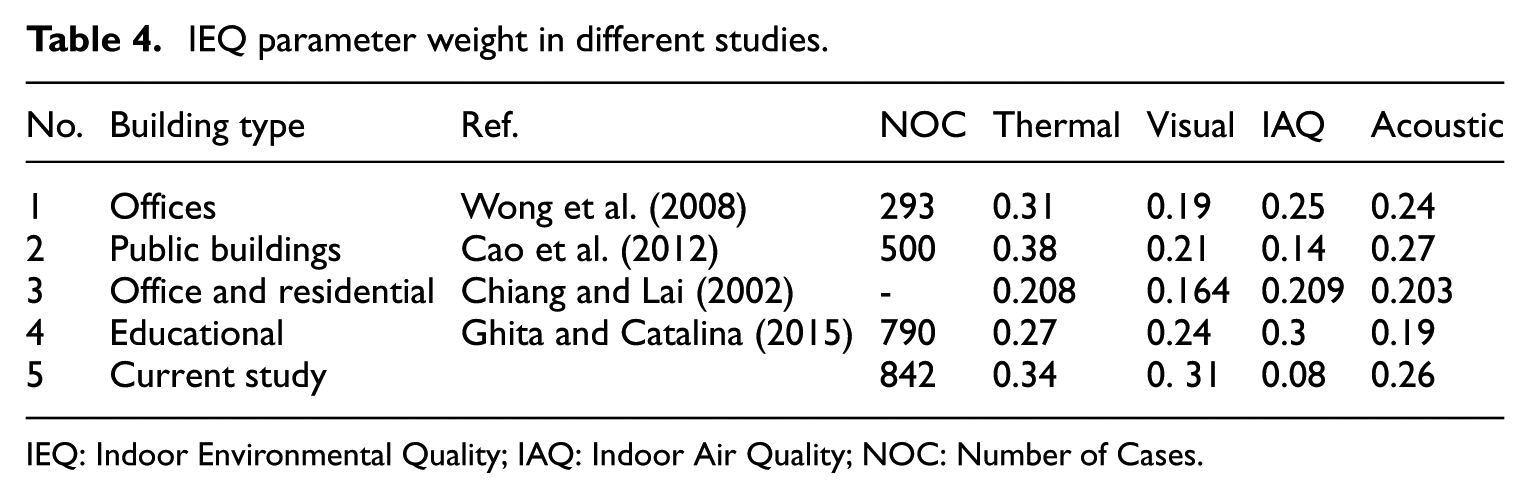
IEQ: Indoor Environmental Quality; IAQ: Indoor Air Quality; NOC: Number of Cases.
Comparing the questionnaire data, occupant gets used to high equivalent SL as there is a few complaints about acoustic quality. High minimum level of the sound, and its unacceptable average, on one side, and sound disturbance neglecting in questionnaire, on the other side, shows that acoustic performance is not the first priority in occupants’ point of view; however, it shows the maximum deviation from the codes (in comparison with TC, lighting, and IAQ).
According to the correlation analysis, TC is the most important environmental parameters, followed by VC and illuminance efficiency with a high and strong positive linear relation to overall comfort, since the correlation coefficient is above 0.8 in both case. The correlation of AC, however, is not as high as those factors, but is over 0.6 which is enough in statistical point of view for acceptable prediction of comfort, while the last surveyed factor, IAQ, is between 0.4 and 0.6 which shows a lower linear relationship. According to results, a model has been proposed to predict the overall IEQ satisfaction in classrooms by knowing the environmental parameters (PMV, SL, illuminance level, and CO2 level). The correlation between each parameter and the related satisfaction level is presented in Figures 4, 6, 8 and 10, and parameters are weighted in the equation, using the correlation coefficients of each comfort aspect and the overall satisfaction (equation (1))
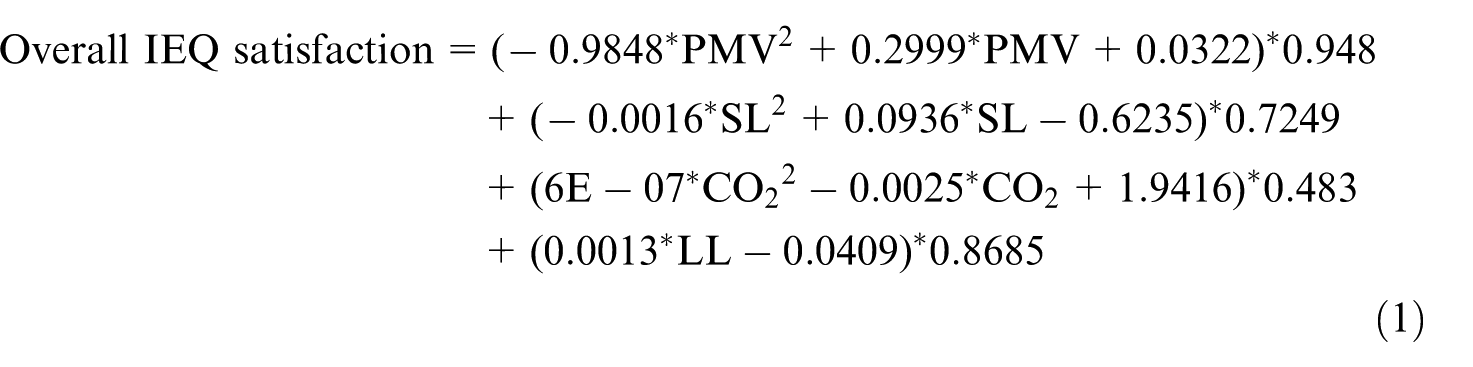
An important feature of EN 15251 is the breakdown of IEQ categories as shown in Table 5. The categories are intended to express levels of expectation from occupants (category I being the highest expectation). In addition, the proposed acceptable ranges of parameters in each category have been revised based on field survey results. The categorization is based on the IEQ index breakdown, where values higher than 1 are considered high quality and lower than 0 are out of range. These performance categories could be used for evaluation purposes.
IEQ categories and range of parameters, based on EN 15251 (2007), and proposed values.
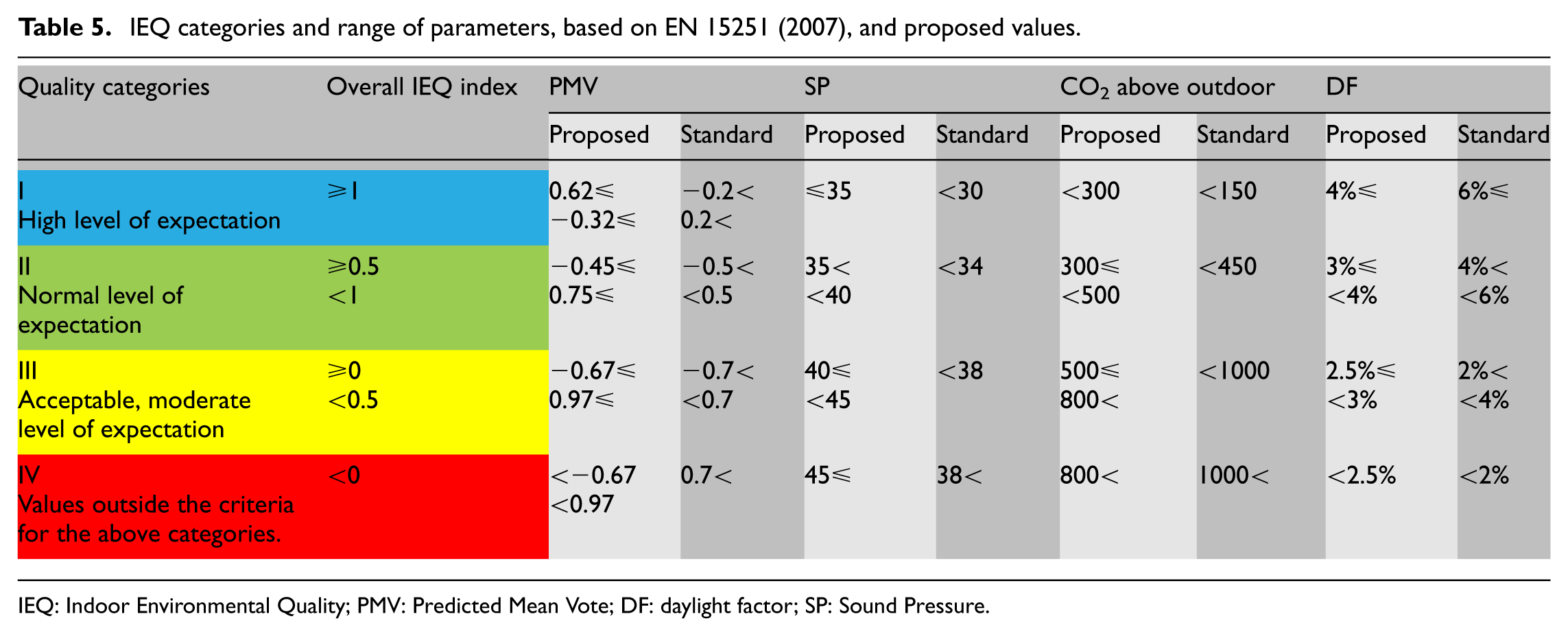
IEQ: Indoor Environmental Quality; PMV: Predicted Mean Vote; DF: daylight factor; SP: Sound Pressure.
Sensitivity analysis has been done by the one-at-a-time (OAT/OFAT) method, changing one-factor-at-a-time (environmental parameter), to see what effect this produces on the model output (IEQ index). According to results, the sensitivity of the illuminance is 25.75%, SL 38.79% PMV level 51.38%, and IAQ 20.85%.
According to the proposed classification, the studied classrooms are assessed by the physical measurements. As visible in Table 5, the SLs in the classrooms are the most annoying IEQ parameters while occupants experienced comfort thermal condition during the year. CO2 concentration and visual performance of the building is reported acceptable, however higher satisfaction levels are reported toward the visual environment. On average, free running seasons experienced no serious thermal discomfort, and recorded discomfort in cold seasons is due to overheating, one in level II and III (respectively, normal and acceptable, moderate) level of expectation. In hot season, one of the nine is out of the criteria. However, all the latter situation occurred in the old building, which could be compensated in a retrofitting procedure as no summertime discomfort recorded in building Ph. Other parameters are much more related to buildings, as SLs are totally out of range, except in building C, which is in normal and accepted grade in summer and winter seasons. Although opening the windows in the free running seasons leads to acoustic discomfort even in building C, lower CO2 concentration is visible in Table 3, especially in comparison with those classes with mechanical ventilation during the summer. Finally, the summertime daylight known always in the high level of expectation, and the lower levels are in other seasons. However, little fluctuation light assessments could be due to near buildings and outside trees and also other factors which reduce the glare probability.
In addition, the annual IEQ index is calculated in each classroom and classified based on the proposed classification scheme (Figure 11).
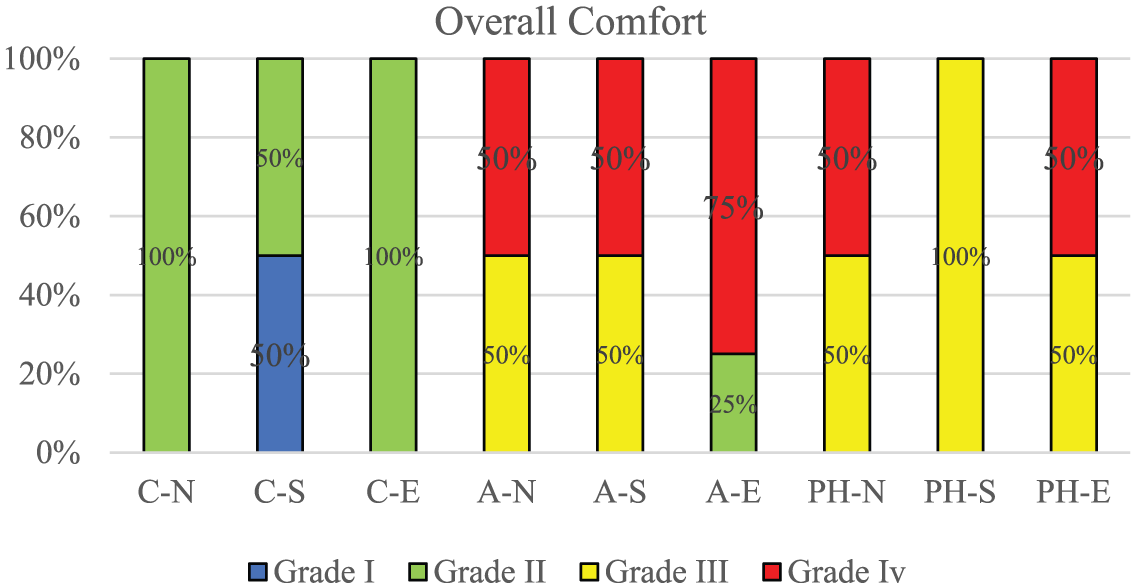
Overall comfort levels in studied classrooms over the year.
IEQ versus energy consumption
The retrofitting of existing buildings is one of the most important types of building energy efficiency projects. Reducing existing building energy consumption while improving environmental aspects of the buildings through implementation of energy efficiency measures is a great challenge. Moreover, studying the improvement potential of the different strategies, diagnosing parameters to be focused, and prioritizing buildings for retrofitting are critical issues to be considered through integrated analysis methods. In this study, the energy consumption is compared against the IEQ index in order to define the retrofit necessity in the surveyed buildings. Energy utilization data are derived from the gas and electricity utility bills over the previous 3 years and is used to calculate the primary energy index in accordance with ISIRI 14254 (20120) and rated based on the Iranian energy certification label. According to results (Figure 12), building A has the highest energy consumption level (grade C) along with the minimum IEQ index (level III) and building C has the lowest energy consumption (D) and highest IEQ index (level II).
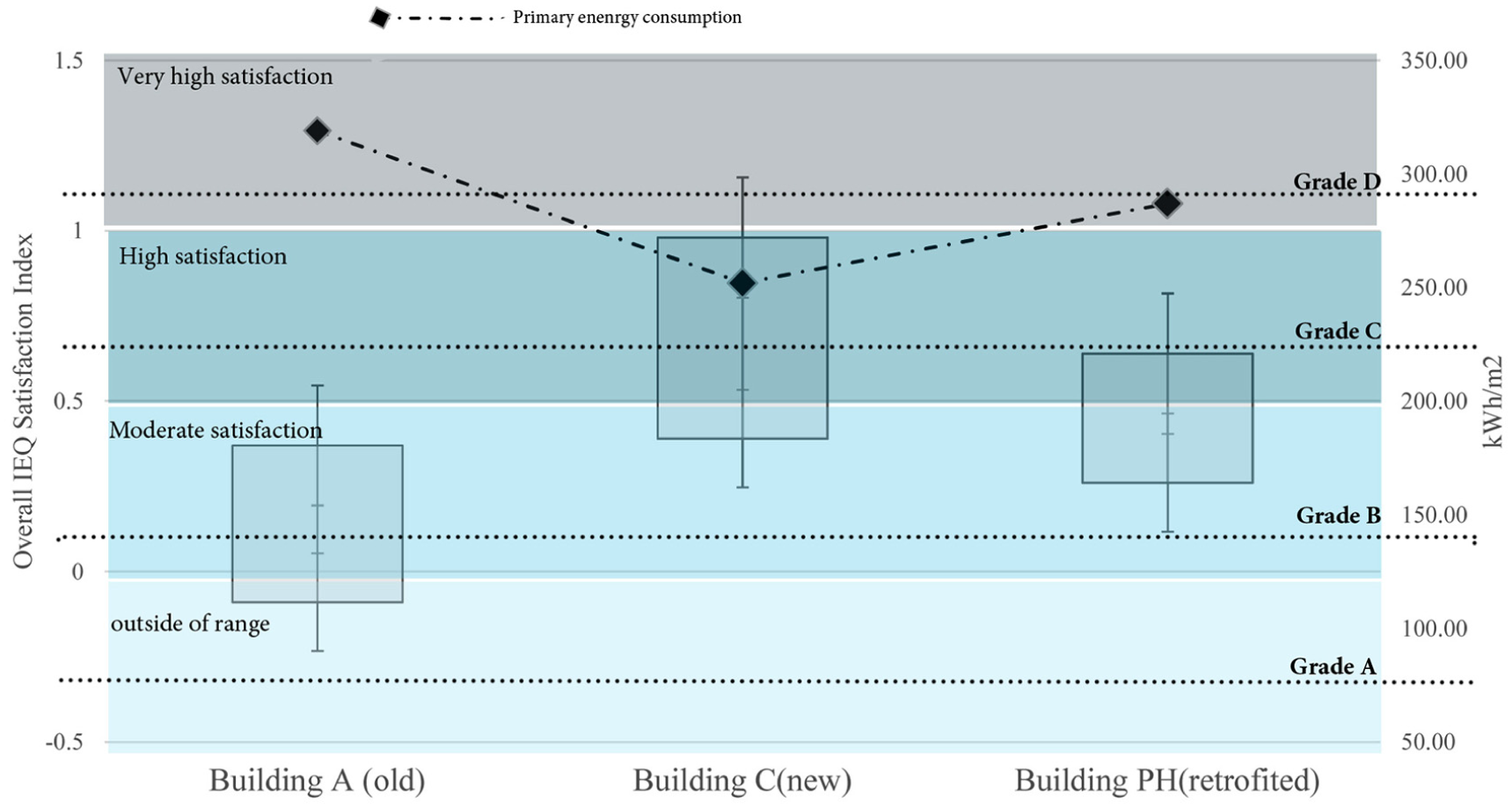
Energy versus IEQ in case study buildings.
According to data, about 34%–41% of the total energy consumption corresponds to the heating and cooling in the studied buildings, highlighting the importance of TC in the overall IEQ index.
Moreover, the RPI is proposed as a decision-making tool for buildings retrofit process, providing the retrofitting priority based on the energy consumption and comfort improvement potential. This index is calculated as the ratio of the energy consumption to the IEQ index. The IEQ index was calculated for each category based on the proposed parameter ranges, using equation (1). In order to ovoid zero in the division, in minimum situations, the minimum IEQ index is considered 1.
Although researches show that high energy consumption does not necessarily provide comfortable environment, it is not out of mind if a lot of energy is consumed to prepare comfort indices. On the other side, it is necessary to find which of the IEQ parameters have the most potential to be improved. Therefore, the above-mentioned domain of each parameter is replaced in equation (1), and the new RPI is calculated. In other words, the RPI graph shows the priority of retrofitting among different cases, simply using the energy consumption of each case and the respective IEQ index (Figure 13).
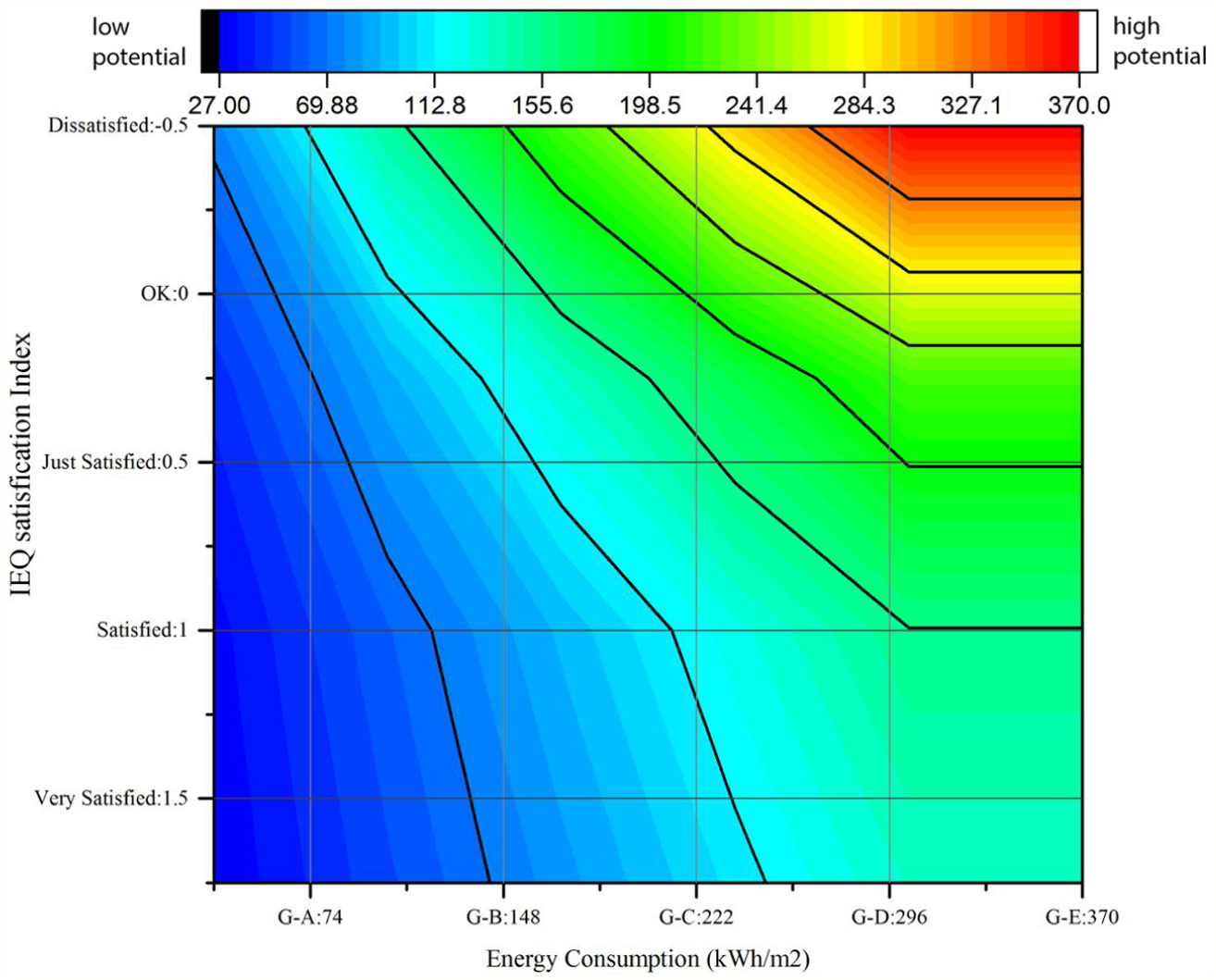
Retrofit Potential Index (RPI).
Obviously, some improvements are related to energy and the others are not, which could be shown in the RPI graph and the limited number of studied buildings is not sufficient to provide a determining tool. However, this study is just the start point of the index introduction based on a limited number of cases studied thoughtfully.
Conclusion
In this study IEQ assessments by simultaneous measurements and questionnaire survey along with considering buildings’ energy consumption provided the ability of studying the effect of each IEQ factor independently while determining its impact in the buildings’ overall comfort and energy consumption. The main conclusions derived from this study are as follows.
First, results reveal that TC is the most important environmental parameters, followed by VC, and illuminance efficiency with a high and strong positive linear relation to overall comfort. IEQ has not been considered thoroughly in design and renovation practices of educational building in Iran. However, energy consumption depends significantly on the IEQ criteria. This research shows that Iranian building codes are not suitable for retrofitting, nor effective in visual, IAQ, and AC requirements in new constructions. As a result, low AC in studied buildings is mostly due to the weak performance of windows and background noise caused by indoor mechanical equipment. Low TC is generally due to overheat, and also local discomfort, and low DF, plus high range of glare in north classes in winter, and south classes respectively, is the main reason of visual discomfort. The main compliance of thermal discomfort observed in the old building, mostly because of overheat or asymmetric radiation near the one glass pane old windows, which also permitted the air leakage to bring in the sound while reducing CO2 in the class. The main discomfort in retrofitted building is caused by high SL of ventilation systems, and lower level of light, especially in winter, while airtight windows and inefficient ventilation system were the main parameters in reducing the total IEQ in building C.
Second, results show that there is a considerable gap among the students’ satisfaction levels and standards in some cases. Students perceived the indoor environment acceptable even though some comfort indices show values which do not meet standard requirements. A problem of reliability of some indices is highlighted. Especially with regard to acoustic and IAQ, which the acceptance ranges showed maximum significant deviation from standards. It is clear that a wide range of buildings should be studied in order to define the acceptable ranges of each parameter and provide a clear instruction or revisions for retrofitting and new construction, and common criteria.
Third, IEQ prediction model is developed based on the field survey results and utilized to calculate the IEQ index that could be useful for designers to predict the overall comfort during different design stages. However, further investigation on proposed equation can increase the precision of the model to predict the real condition more accurate. Repeating the procedure in different climate, and different building construction, not only tests the equation among a bigger population but also provides a wider range of occupant addressed in different clothing and climate. More studies should be done in order to decrease the effect of interfering parameters. It is clear that high dissatisfaction on one parameter could cause respondents inattention about other comfort aspects.
Moreover, considering the IEQ index along with energy consumption could draw a general perspective of main forgotten parameters in the new construction and energy retrofitting procedures. The RPI is proposed to estimate the efficiency of retrofit procedures on IEQ and energy consumption in a given building.
Footnotes
Declaration of conflicting interests
The author(s) declared no potential conflicts of interest with respect to the research, authorship, and/or publication of this article.
Funding
The author(s) received no financial support for the research, authorship, and/or publication of this article.