







Abstract
The aim of the study was to investigate attitudes held by a British student population towards individuals with an intellectual disability. Students participated in focus groups addressing their attitudes, behaviours and perceptions of individuals with an intellectual disability. Thematic analysis was the method used to identify emergent themes. Results identified five main themes in relation to intellectual disabilities. The themes suggest that attitude scales fail to effectively measure the multidimensional nature of British student’s attitudes towards intellectual disabilities. One out of the five emergent attitude themes from the current study is sufficiently represented in measures of attitudes towards intellectual disability. These results suggest a need to modify current attitude scales or develop new ones to measure the British population’s attitudes towards intellectual disabilities. A lack of knowledge about intellectual disabilities was also identified. Participants recognized exposure through the media as a tool to increase knowledge.
Introduction
Since the development of concepts such as social role valorization (e.g. Thomas and Wolfensberger, 1999), the fundamental rights of people with intellectual disabilities to live as equal members of society are now well established. These ideas have been translated into practice with the closure of congregate and institutional settings where many people with intellectual disabilities lived in the past (Emerson and Hatton, 1994).
While there has been considerable practical progress in the inclusion of people with Intellectual Disabilities (e.g. Rose, 2009), people with learning disabilities can still be subject to discrimination and stigma (Jahoda and Markova, 2004). This can be overt through direct discrimination such as bullying (Gillen, 2007); however, a number of recent reports have demonstrated broader discrimination in other areas such as the provision of health care; for example, recent reports suggest that many deaths of people with intellectual disability are avoidable (Mencap, 2012). This evidence suggests there is still significant progress needed in changing the attitudes of many people in the society towards people with intellectual disabilities, and having effective measures of attitude are essential to monitor and evaluate change.
Attitudes held towards individuals with an intellectual disability can have wide-ranging effects on the individual and may impact upon opportunities for employment, housing, health and education (Siperstein et al., 2003). The identification of attitudes towards those with an intellectual disability is important to identify potential prejudice and develop a baseline that can be used to enhance relationships (McManus et al., 2011).
Strategies based around the rights, independence, choice and inclusion of those with an intellectual disability have been developed by the UK government, which aim to maximize the life chances of those with an intellectual disability (Department of Health (DOH), 2001, 2009, 2010). Research investigating society’s attitudes and behaviours towards those with an intellectual disability can help determine whether strategies successfully achieve their aims, when put into practice.
Students’ attitudes have been assessed using the Community Living Attitudes Scale (CLAS) (Henry et al., 1996a). The CLAS is used to measure attitudes towards intellectual disabilities, consisting of four subscales including empowerment, exclusion, sheltering and similarity. The CLAS was originally used to measure attitudes held by American students (Henry et al., 1996a).
The attitudes of the general public and students in Australia have been investigated (Yazbeck et al., 2004) using the Mental Retardation Attitude Inventory (MRAI) (Antonak and Harth, 1994). The scale has four main subscales: 1. The degree to which people with Intellectual Disabilities should be integrated into society; 2. The degree to which people with Intellectual Disabilities should associated with others in the classroom; 3. The degree to which the rights of people with an intellectual disability should be upheld in the community; 4. Beliefs concerning the moral character and social behaviour of people with intellectual disabilities (Antonak and Harth, 1994). In general, students and disability services groups held more positive attitudes than members of the general population. Individuals with higher educational attainment, prior knowledge or regular contact with someone with an intellectual disability gave the most positive responses. A link between knowledge of intellectual disabilities and attitudes has been identified in British school children. The Peer Attitudes Toward the Handicapped Scale (PATHS) (Laws and Kelly, 2005) was used to explore attitudes and behavioural intentions. Children who read a description of a child with Down’s syndrome held more positive attitudes and behavioural intentions towards this child, in comparison with children who received no information.
Siperstein et al. (2007) administered a survey to five thousand students questioning their attitudes towards the inclusion of peers with an intellectual disability. Results indicated students had limited contact with other students with an intellectual disability. Students believed individuals with an intellectual disability can participate in non-academic classes, but not in academic classes, and view inclusion as having both positive and negative effects (Siperstein et al., 2007). Research investigating attitudes, knowledge and behaviour towards those with an intellectual disability may help the government achieve strategies aimed at improving the lives of those with an intellectual disability.
The Attitudes Towards Intellectual Disability questionnaire (ATTID) (Morin et al., 2012) was developed through the previously validated scales including the MRAI-revised (Antonak and Harth, 1994) and CLAS (Henry et al., 1996a, 1996b). This scale measures the cognitive, affective and behavioural components of attitudes towards intellectual disability and has been identified as one of the few scales that measure the multidimensional nature of attitudes (Morin et al., 2012). They suggest that the ATTID is a useful scale to measure attitudes amongst different cultures as well as the Canadian population where it was originally developed.
It has been argued that attitudes have remained stable over time, due to the continual barriers to social integration that those with an intellectual disability experience (McCaughey and Strohmer, 2005). However, with the introduction of policies focussing on community integration (DOH, 2001, 2009, 2010), it is important that attitudes are reassessed (Antonak and Harth, 2000). This study aimed to explore attitudes held by a British student population. Through focus groups, we explored existing attitudes and reviewed scales used to measure attitudes. Attitudes that are identified, which have not been measured previously, can contribute to the development of attitude scales to ensure the multidimensional nature of attitudes towards intellectual disability is accounted for.
Method
Participants
Thirty undergraduate psychology students (27 female and 3 male, range = 18 to 22 years, M age = 18.7 years) participated in one of the four focus groups. Participants were obtained through the university's Research Participant Scheme and were given course credit in exchange for their time. The study was subject to the normal procedures for ethical review of the University of Birmingham, UK; participation was voluntary and all participants were given an information sheet about the project prior to participation and completed a consent form.
Development of focus group
Focus groups were chosen as the primary method for data collection due to the exploratory nature of the study. Questions were worded to ensure they were as open and broad as possible, to minimize suggestibility and generate new ideas. More specific themes were generated through discussions with a clinician who worked with people with intellectual disabilities and by examining existing literature and attitude scales towards people with intellectual disabilities. Themes that were identified were incorporated as prompts to encourage discussion.
To orient participants to what an intellectual disability was, a handout of the British Psychological Society’s (BPS) definition of a learning disability was used (BPS, 2000). This was used as a starting point for the discussion, as it provided participants an understanding of the concept with minimal subjective influence (compared to other methods such as video clips of individuals with an intellectual disability describing their experience). It also gave participants a common language and understanding of what was being discussed and ensured that individuals more clearly understood the group who were the focus of discussion.
Group process
The four focus groups were held at the university and were led by one researcher. All focus groups lasted 1hour with the discussions lasting between 40 and 50 min. Each focus group had between six and eight individuals.
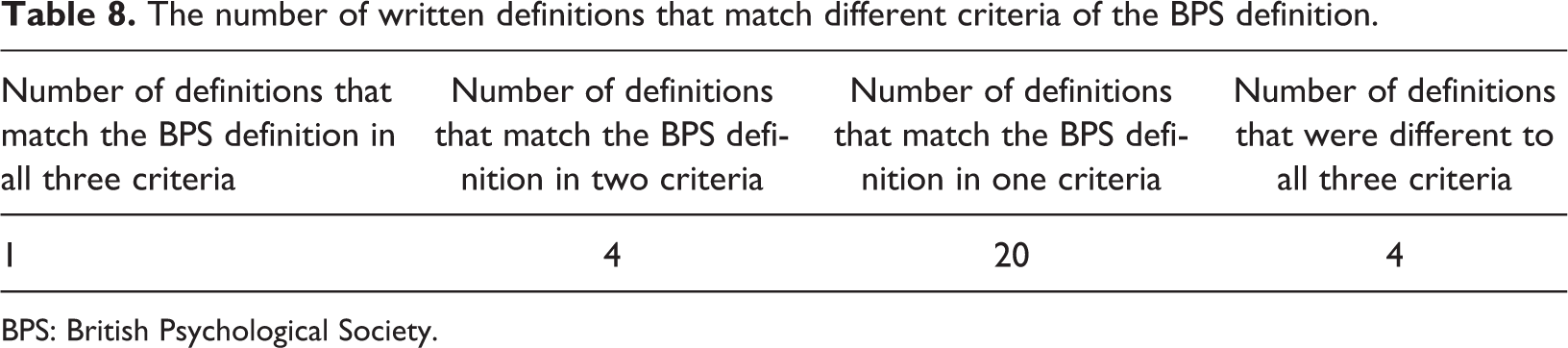
The focus groups followed a preset structure. On arrival, participants read an information sheet and were asked to complete a consent form. They then completed a questionnaire providing demographic information, gave a written definition of what they believe an intellectual disability to be and were asked to report the frequency of contact they had with someone with an intellectual disability. Participants were then asked to read the BPS definition of a learning disability so they had a common understanding of what an intellectual disability is. They were also asked at the beginning of the focus group how the definition they read compared to their written definition of what it was. It was assumed that psychology students may have an awareness of the BPS definition; however, analysis of their written replies suggested their understanding was limited. Out of the 3 components in the BPS (2000) definition, only 1 person knew all of them, 4 recorded 2 elements, 20 recorded 1 element and 4 none.
The structure of the group was set beforehand to ensure there was some consistency between all four focus groups. Probes were used in response to student’s answers to gain more detail where appropriate.
Data analysis
The focus groups were recorded using a Dictaphone, and audio files were transcribed verbatim. Thematic analysis was used based on Braun and Clarke’s (2006) six-step method. Thematic analysis was used as it is a useful method for identifying broad themes across a qualitative data set. Thematic analysis is fitting for the exploratory nature of the study and allowed scope for flexibility in the analysis. The first step in the analysis was familiarization with the data through transcribing audio files and rereading the transcripts. Familiarization with the data made the processes of generating codes and identifying themes more efficient, as relevant data became salient.
The generation of codes was data driven, through systematically reading the transcripts; statements that were interesting and relevant to attitudes were highlighted and coded. All themes were reviewed to ensure there was enough data to support them. Statements were labelled with the initials of which participant and focus group they originated from. The labelling of statements resulted in the omission of themes that were not represented by more than a few students’ attitudes from different groups. Themes were labelled to concisely summarize the data, and sub-themes were named where appropriate. For example, a clear differentiation emerged between the positive and negative statements used to describe the caring experience so these sub-themes were labelled. A second researcher reviewed the themes to improve reliability; after review, the themes were re-examined and confirmed by the original researcher and discussed further with the second researcher when applicable.
Results
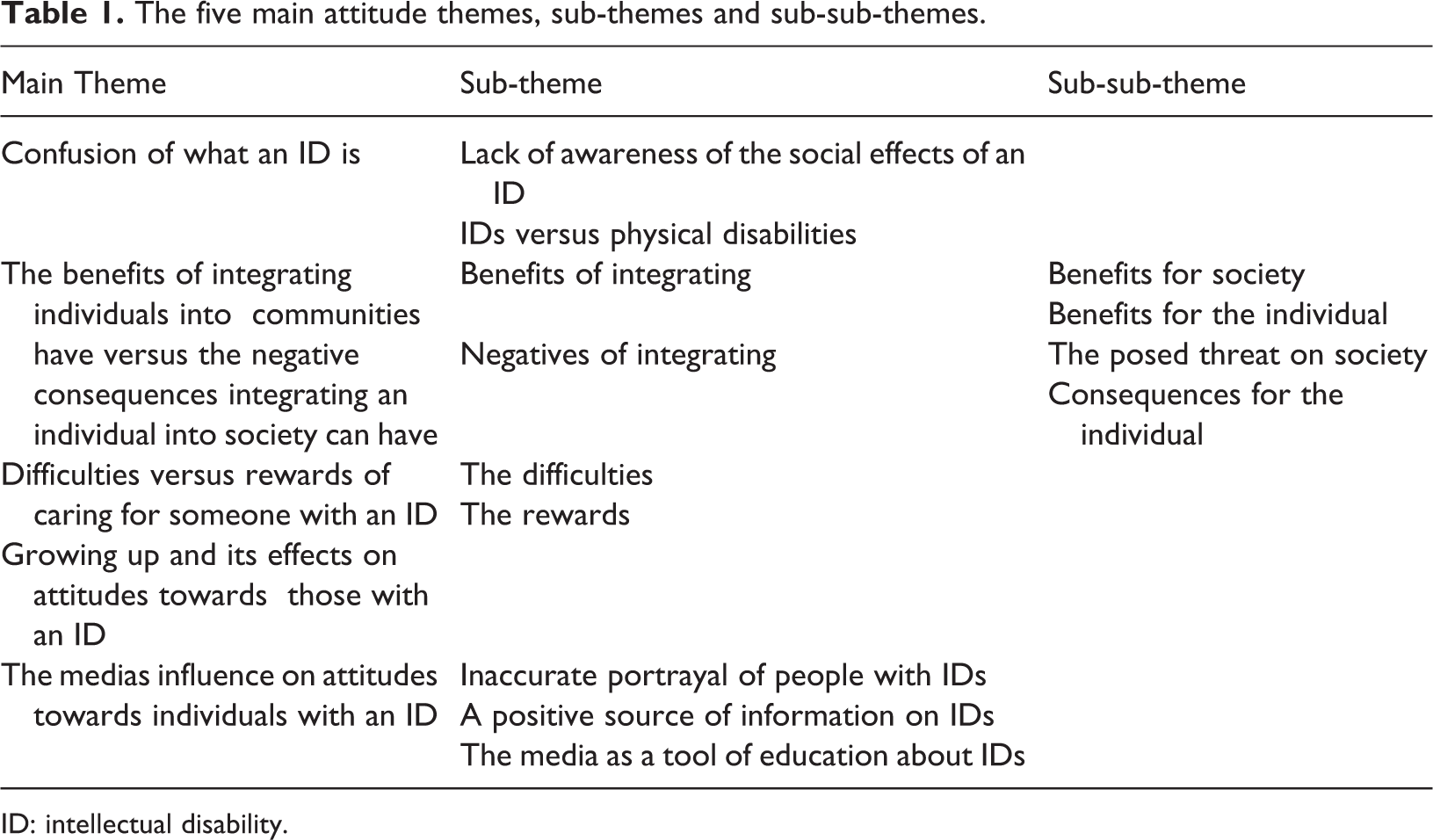
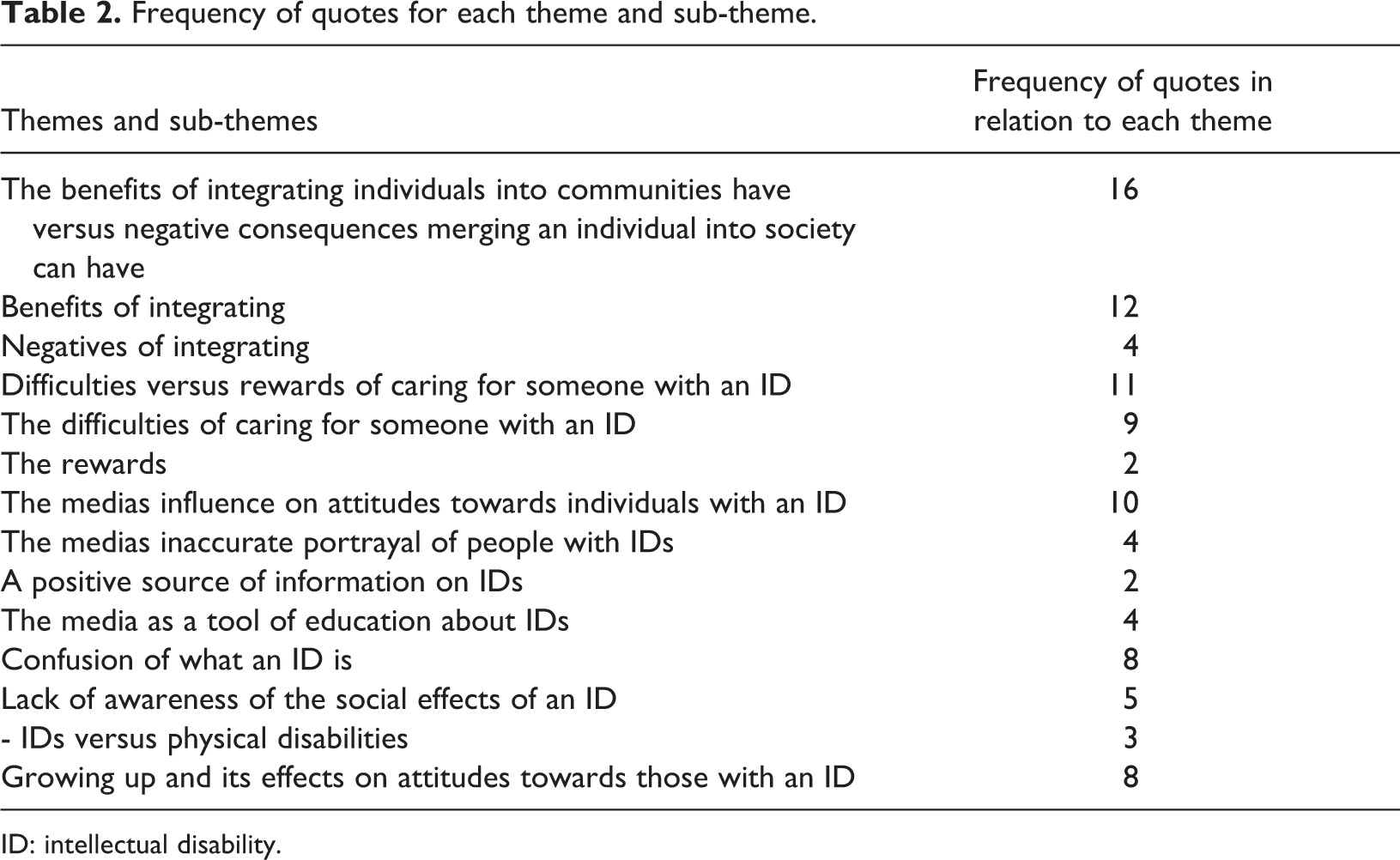
Descriptions of the attitude themes that emerged from thematic analysis are presented below, with example quotations to represent the findings (Tables 1 and 2).
The five main attitude themes, sub-themes and sub-sub-themes.
ID: intellectual disability.
Frequency of quotes for each theme and sub-theme.
ID: intellectual disability.
Confusion of what an intellectual disability is
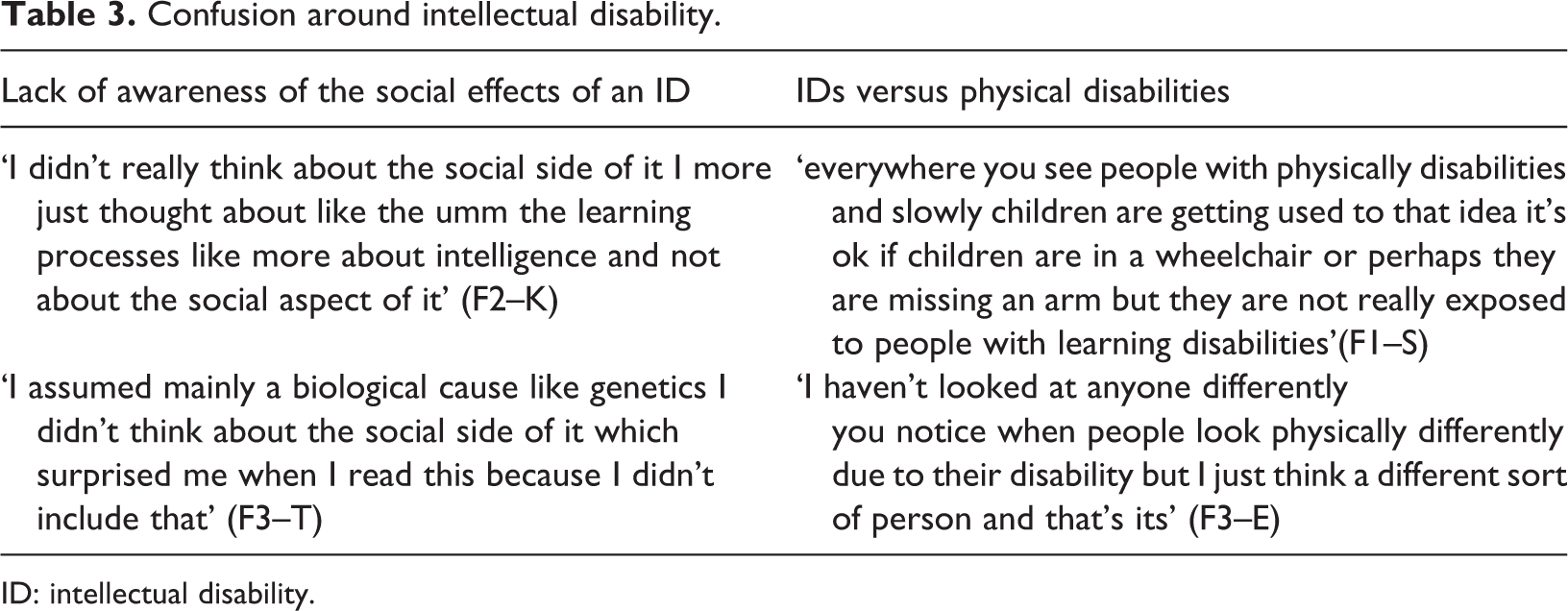
Participants perceived the concept of intellectual disabilities to represent restricted areas of functioning and dismissed the impact on social relations and daily living. Students often stated their perceptions of physical disabilities when asked about intellectual disabilities, for example, when asked about their interactions with someone with an intellectual disability. Overall responses indicated they had a greater awareness and exposure to physical disabilities compared to intellectual disabilities (Table 3).
Confusion around intellectual disability.
ID: intellectual disability.
The benefits of integrating individuals into communities have for society and the individual with an intellectual disability versus negative consequences integrating an individual into society can have
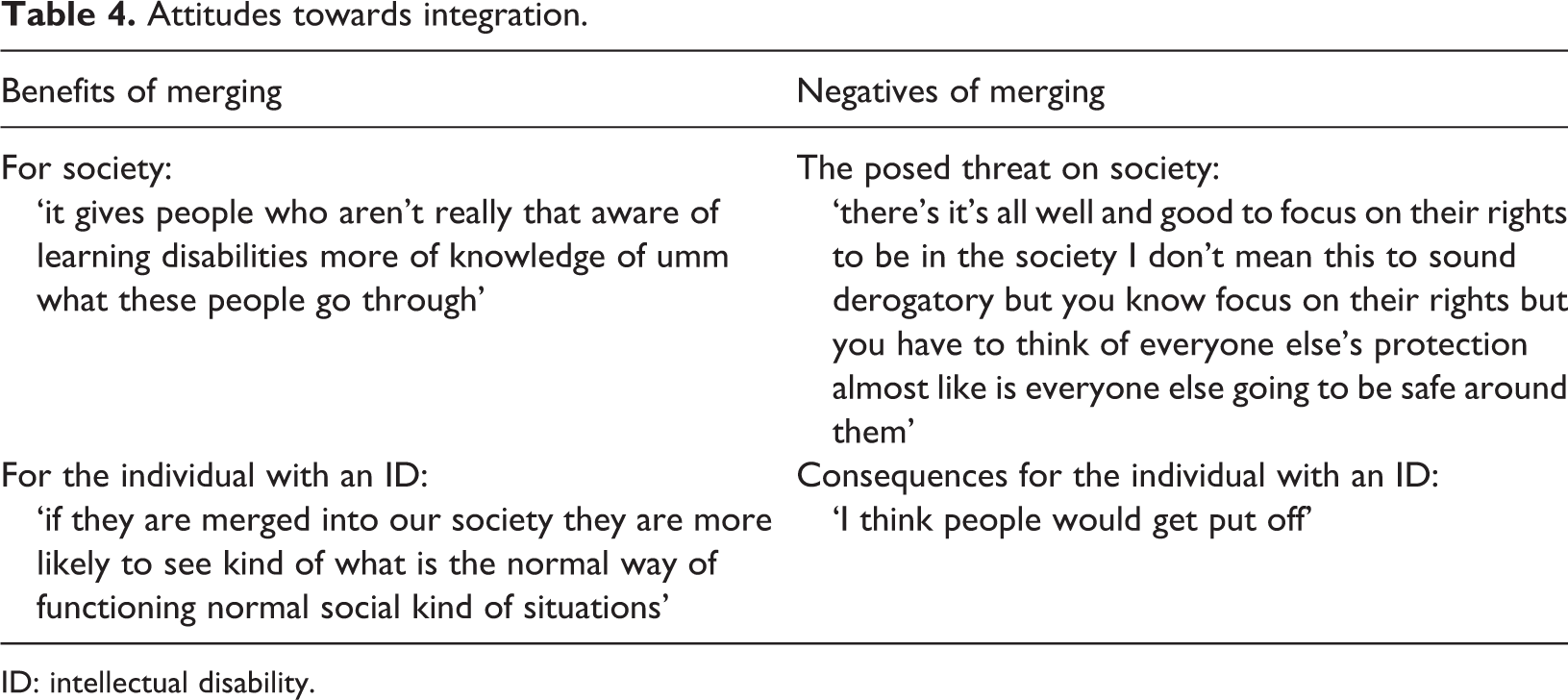
Benefits and potential negative consequences of integrating someone with an intellectual disability into society were identified. The majority of participants believed it was important to take into consideration the severity of the disability before deciding if they should be integrated within communities. The consequences of integration were balanced between the benefits and threats it may have, not only for society but the individual with the disability. Specifically, integration was seen as an opportunity for those in society and individuals with the intellectual disability to learn from each other. Some participants expressed a worry that integration may impair relations between society and individuals with an intellectual disability (Table 4).
Attitudes towards integration.
ID: intellectual disability.
Difficulties versus rewards of caring for someone with an intellectual disability
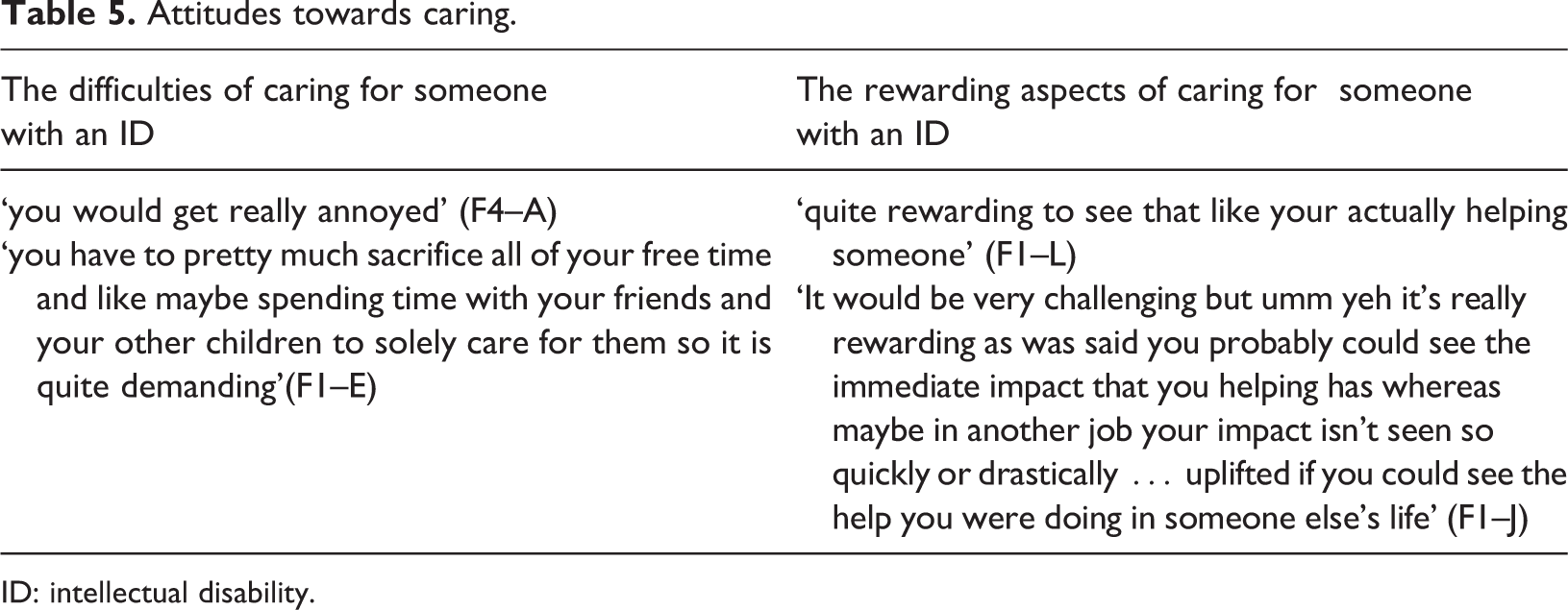
Students identified how caring for an individual with an intellectual disability would be personally rewarding, but they also recognised how the rewards of becoming a carer could be coupled with negative consequences. Statements used to describe caring experiences were centred on negative beliefs of what caring would be like. For example, negative adjectives such as ‘shocking’ were mentioned more frequently than the positive and rewarding aspects. Students who focused on the negative aspects of caring based their attitudes on the hardships they had seen a family member (who is a carer) experience. Twenty students had a relationship with someone with an intellectual disability (who was not a family member) or did not have a relationship with someone with an intellectual disability, but they still expressed an understanding of the difficulties being a carer can have (Table 5).
Attitudes towards caring.
ID: intellectual disability.
Growing up and its effects on attitudes towards those with an intellectual disability
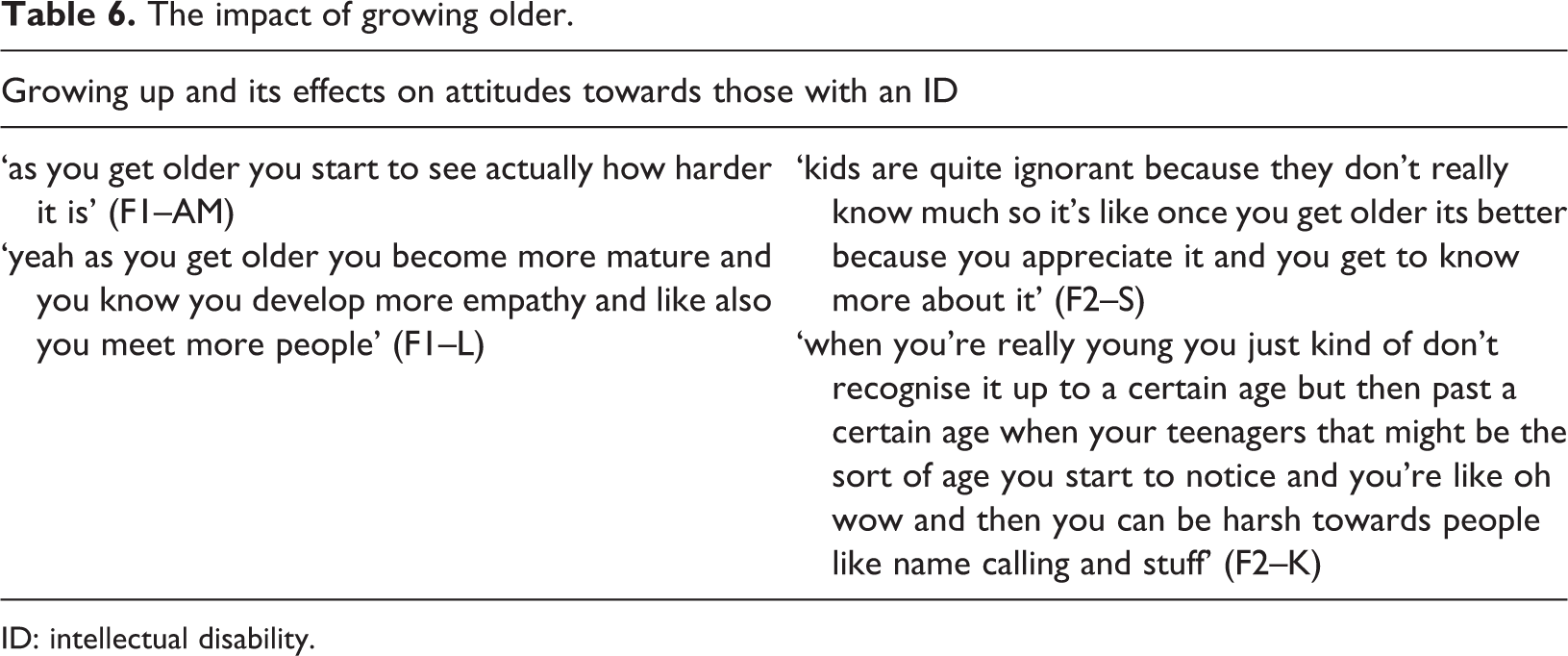
Participants noted how their personal attitudes towards individuals with an intellectual disability had changed from their childhood into adolescence. Their behaviour, thoughts and perceptions became more positive as they grew older. Overall, they identified that the more mature they became, the more empathetic and understanding they were towards individuals with an intellectual disability (Table 6).
The impact of growing older.
ID: intellectual disability.
The media’s portrayal of intellectual disabilities
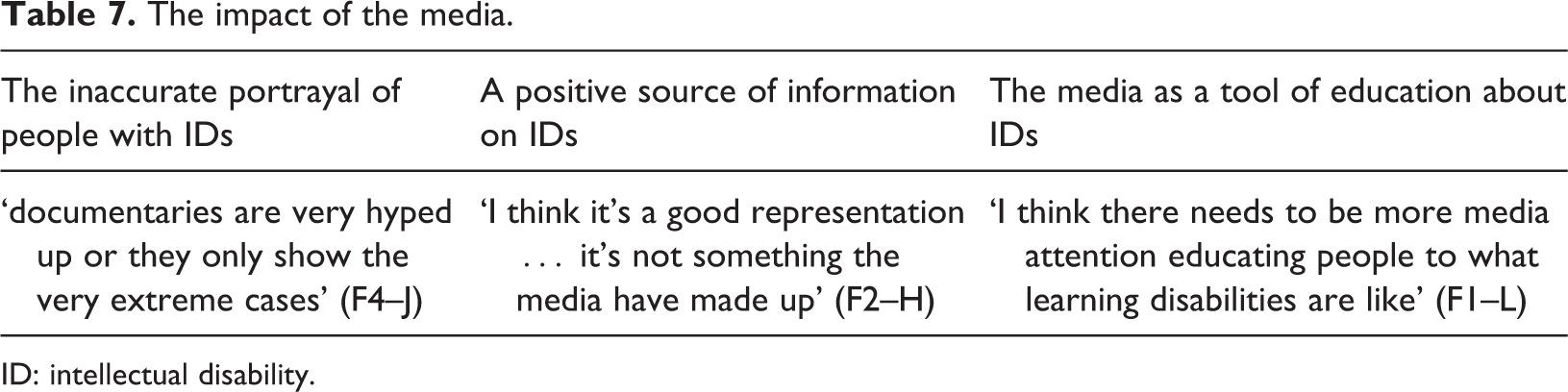
Student’s attitudes towards the media’s portrayal of intellectual disabilities varied. Some students stated the media can be used as a tool to educate individuals on intellectual disabilities. Other students believed the media does not accurately portray individuals with an intellectual disability. In particular, the media fails to show the contribution those with a disability can make to society. Other students stated television documentaries were a positive source of information, especially if portrayed from the viewpoint of the individual with an intellectual disability. Overall, students seemed to have been exposed more to intellectual disabilities through the media and interactions with individuals with an intellectual disability, than through education in schools (Table 7).
The impact of the media.
ID: intellectual disability.
A lack of knowledge about intellectual disabilities
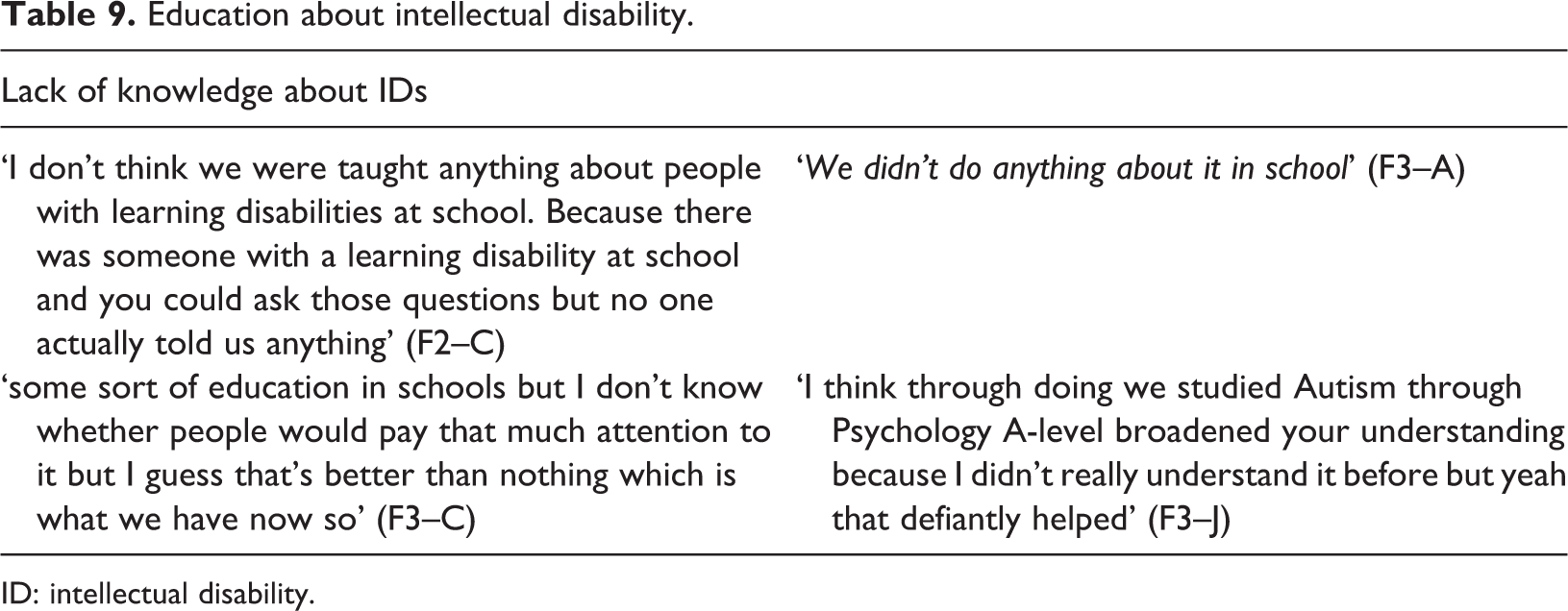
In addition to the five attitude themes that emerged, a lack of knowledge about intellectual disabilities was also identified. Prior to the focus groups, participants were required to define what they believed intellectual disabilities to be. Written definitions supported the statements that emerged from focus groups, as student’s definitions either lacked accuracy or were very brief. Definitions were categorized by the degree to which they met the BPS definition of an intellectual disability. The majority of written responses matched the one criteria of the definition that states a significant impairment of intellectual functioning and many replies ignored the significant impairment of adaptive/social functioning. Only one of the student’s definitions met all three criteria of the BPS definition (Table 8).
The number of written definitions that match different criteria of the BPS definition.
BPS: British Psychological Society.
Students identified they had received little education about intellectual disabilities. Eleven quotes were identified to support this finding (Table 9).
Education about intellectual disability.
ID: intellectual disability.
On completion of the study, students were sent an overview of the themes and asked for feedback on the results and their experience of participating in a focus group; seven participants replied. The students stated they believed the results were accurate and representative of their attitudes. Participants also stated they were not familiar with the focus group setting that may have affected responses. Specifically, one student stated ‘It did take time for people to give answers at times because they might have felt uncomfortable answering questions’.
Discussion
After reviewing the attitude themes, one of the five emergent themes appeared to be fully represented in current measures of attitudes towards intellectual disabilities. The CLAS, MRAI and ATTID are scales commonly used in research concerning societies’ attitudes and comparisons between items from these three scales and the themes that emerged from this study can help determine whether such developments are required. The theme ‘The benefits integrating individuals into communities can have versus the negative consequences integrating individuals into society can have’ is represented in all three scales. Subscales include items assessing attitudes towards integration–segregation in the MRAI, exclusion in the CLAS and interactions in the ATTID. For example, the MRAI includes an item, ‘Having people who are mentally retarded and not mentally retarded work at the same jobsites will be beneficial to both’, this specifically assesses attitudes towards the benefits integration can have for individuals with a disability and their colleagues. This matches well with the finding that the students in this study believe integration has benefits for the individuals with an intellectual disability and the community they are integrated into. ‘The rewards versus difficulties of caring for someone with an intellectual disability’ is partially represented in attitude scales. The ATTID includes items that are loosely associated with caring, for example, examining whether someone would agree to supervise a child with an intellectual disability. The importance of assessing attitudes to caring is crucial, as past research has identified links between negative attitudes and the inadequate health care received by those with an intellectual disability (Gill et al., 2002; Stanley, 1998). In the future, students may take on roles that involve providing care for someone with an intellectual disability. Supplementary items to assess this theme in greater depth would be beneficial in understanding carer’s attitudes and behaviours towards the individuals they care for and to ensure they receive the best possible care. ‘Confusion about intellectual disabilities’ and ‘The effects growing older can have on attitudes towards those with an intellectual disability’ are not well represented in the CLAS, MRAI or ATTID scales. These scales do not include items to assess attitudes towards the areas of functioning in individuals with an intellectual disability or the differences in attitudes towards physical disabilities and intellectual disabilities (Figure 1). Students felt that at a younger age, they were less empathetic towards individuals with an intellectual disability. Empathy has been identified to have a positive influence on attitudes towards groups of stigmatized individuals (Sandhu and Rose, 2012). The identification of what makes individuals more empathetic at an older age may facilitate attempts to provoke empathy in younger individuals in the hope negative attitudes are minimized and relationships are enhanced. Attitudes towards physical disabilities versus intellectual disabilities and changes in attitudes over time are both important aspects to assess to understand perceptions about intellectual disabilities in greater depth.
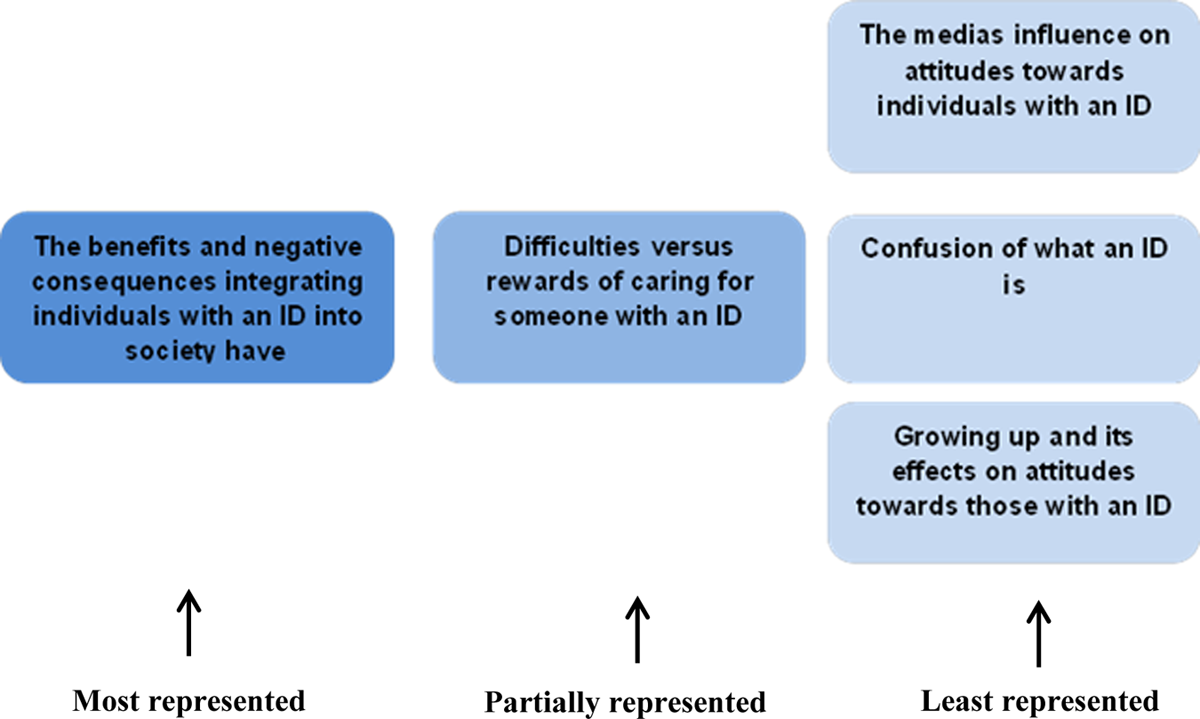
A diagram representing the extent to which the five attitude themes from the current study are represented in existing scales used to measure attitudes towards ID. ID: intellectual disability.
Ten quotes emerged in relation to ‘The media’s influence on intellectual disabilities’; yet, this theme is not represented in attitude scales. Participants were directly asked about the media; therefore, the high frequency of quotes in relation to these attitudes is unsurprising. An increased amount of data representing a theme does not necessarily indicate it is more crucial (Braun and Clark, 2006). The frequency of quotes, which emerged is not the point of interest but the interest concerns the data that represents this theme. The modification of attitude scales to include items that assess attitudes towards the media’s influence may be a useful way to determine whether the media should be used to educate society about intellectual disabilities. Students stated media coverage of the Paralympics in 2012 exposed and educated them about physical disabilities; therefore, media coverage could potentially be used to educate individuals on intellectual disabilities. A third of students stated they had no previous contact with someone with an intellectual disability, which may be a factor contributing to their lack of knowledge about intellectual disabilities.
Yazbeck et al. (2004) found prior contact and knowledge with someone with an intellectual disability was associated with more positive attitudes. If the media provides an accurate representation of intellectual disabilities it can be used as a tool to expose and educate individuals who have not been integrated with someone with an intellectual disability. After reviewing the attitudes that emerged from this study alongside pre-existing attitude scales, it seems few measures of attitudes assess the full multidimensional nature of attitudes in the population studied here. This suggests a need to modify or develop new attitude scales so they are more representative of the British population’s attitudes towards intellectual disabilities (Figure 2).
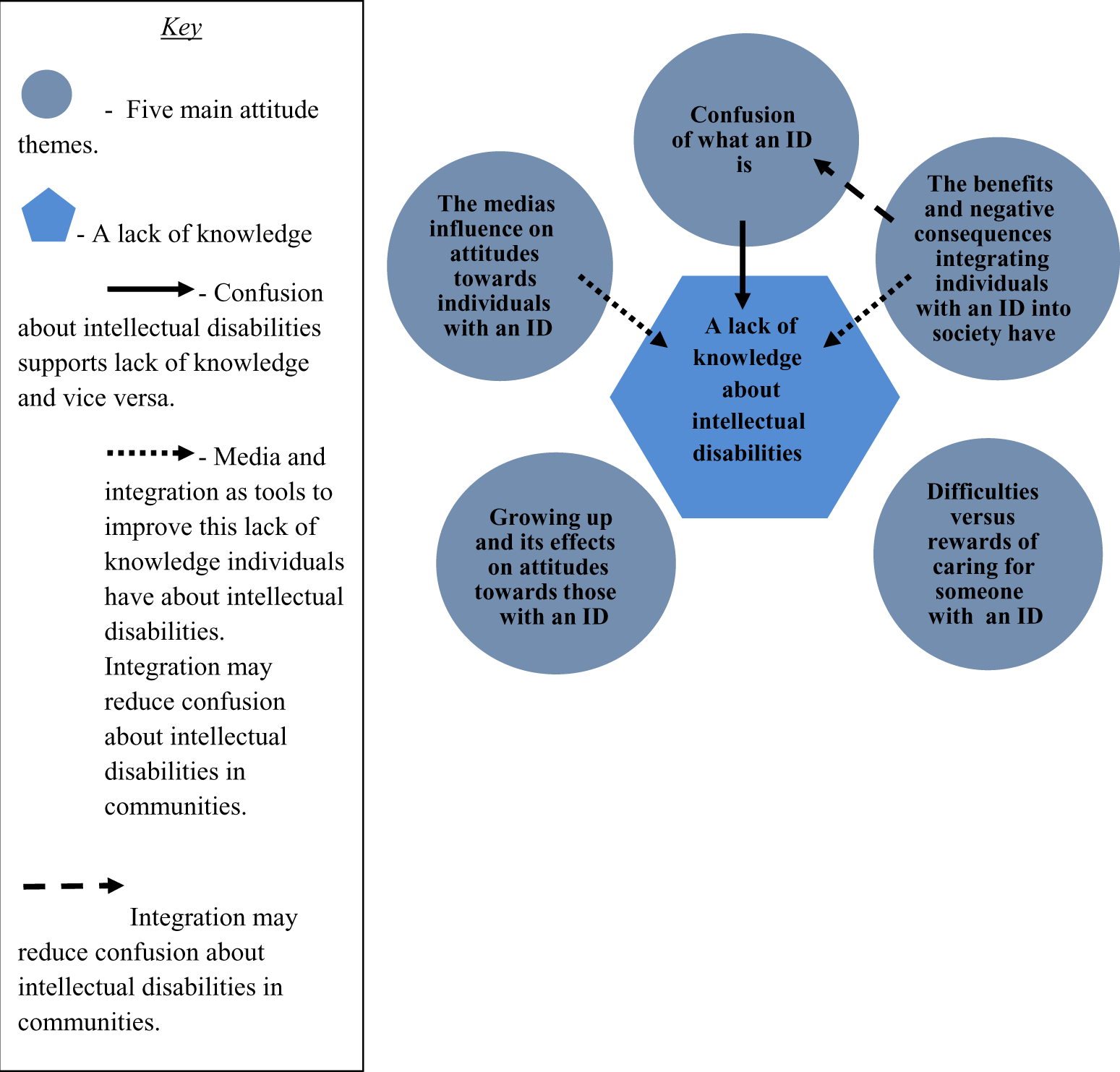
A diagram representing the main attitude themes and lack of knowledge identified in the current study and the connections linking them.
In addition to the attitude themes, a lack of knowledge about intellectual disabilities was identified through the analysis of students’ definitions of an intellectual disability. A concern that also needs to be addressed is whether respondents are filling out scales with an accurate understanding of what an intellectual disability is. Respondents in this study had very patchy knowledge and participants in other studies may be filling out attitude scales with an inaccurate idea about intellectual disabilities. This raises concerns regarding the validity of attitude scales; one solution to this potential problem would be to ask respondents to provide a definition of intellectual disability prior to completing scales. This modification will help ensure only attitudes from respondents who have an accurate understanding of what an intellectual disability is will be assessed.
The lack of representation of all of the areas identified here within existing scales may be due to a number of factors. It could be that they were not identified in the development stage of previous measures as the procedures used to generate items were not comprehensive or the issues may not have been relevant to the groups sampled at that particular time. It could also be that some items have been removed during the development of the scales; however, this was not clear in the work that we reviewed. It seems important that these issues are considered in the future development of scales of this type.
This was a small qualitative study and the majority of participants were female undergraduate students. Clearly, the nature of the sample and the methodology means that the findings will not necessarily be representative of the general population and as a result will not generalize. When comparing the comments of men in transcripts to women, there were no obvious affects of gender; however, this may not be the case if more men participated and the sample had been more broadly based. Previous contact or whether someone had had experience of people with an intellectual disability seemed to influence comments more than gender. However, with such a small sample with a restricted age range, the experience that participants had was also necessarily limited. Giving the participants the BPS (2000) definition at the start of the groups would have had a significant impact on the results obtained and may have significantly biased the results or at least led the participants; however, it seems likely that without that information, many participants would not have been able to contribute effectively to the discussions. With qualitative projects, there is always a danger that the themes that emerge simply reflect the questions of the interview schedule and the prompts that were used. While this could have been the case for some of the themes as they clearly confirm previous findings, new areas that were not included in the interview schedule or prompts did emerge and these areas need more exploration and development in the future. Replication with larger more broadly based samples of participants will be necessary to confirm the results found here.
The primary researcher was also a psychology student, while I had an awareness that there is a lack of understanding and knowledge about intellectual disability in the student population, they were surprised by the extent to which some of the comments suggested that some participants’ knowledge was minimal. While attempting to remain detached from the process of analysis and attempts were made to reduce this bias through supervision and consultation, it is perhaps inevitable that the personal beliefs and experience of the researchers will have influenced the emphasis of certain themes and may have impacted upon the results presented here.
A survey in Britain carried out by Mencap (2008) found 73% of respondents had an inaccurate understanding of the term ‘learning disability’. Five years later this inaccurate understanding still appears to be prevalent in a modern British sample. As identified by Laws and Kelly’s (2005), knowledge about intellectual disabilities affect attitudes towards these individuals. The importance of future investigations into the findings of this study is clear when taking into consideration the personal viewpoint of those with an intellectual disability. These individuals have stated they believe negative attitudes in the community are a barrier to their social inclusion and contribute to stigmatization (Abbott and Mcconkey, 2006). It is society’s responsibility to ensure we take the necessary steps to improve knowledge and attitudes towards those with an intellectual disability to achieve the strategies set out by the government (DOH, 2001, 2009, 2010) and eliminate this stigmatization.
Footnotes
Funding
This research received no specific grant from any funding agency in the public, commercial, or not-for-profit sectors.