







Abstract
A homologous series of five-membered heterocyclic ketoximes is synthesized by condensation reactions of 2-acetylpyrrole, 2-acetylthiophene, and 2-acetylfuran with hydroxylamine hydrochloride. These compounds were fully characterized by X-ray single-crystal diffraction, elemental analysis, 1H NMR, IR, UV-Vis, and fluorescence spectra. Interesting isomerization phenomena are observed for these heterocyclic ketoximes by different characterization methods. By means of 1H NMR and X-ray single-crystal diffraction, it was found that 2-acetylpyrrole oxime (
Graphical abstract
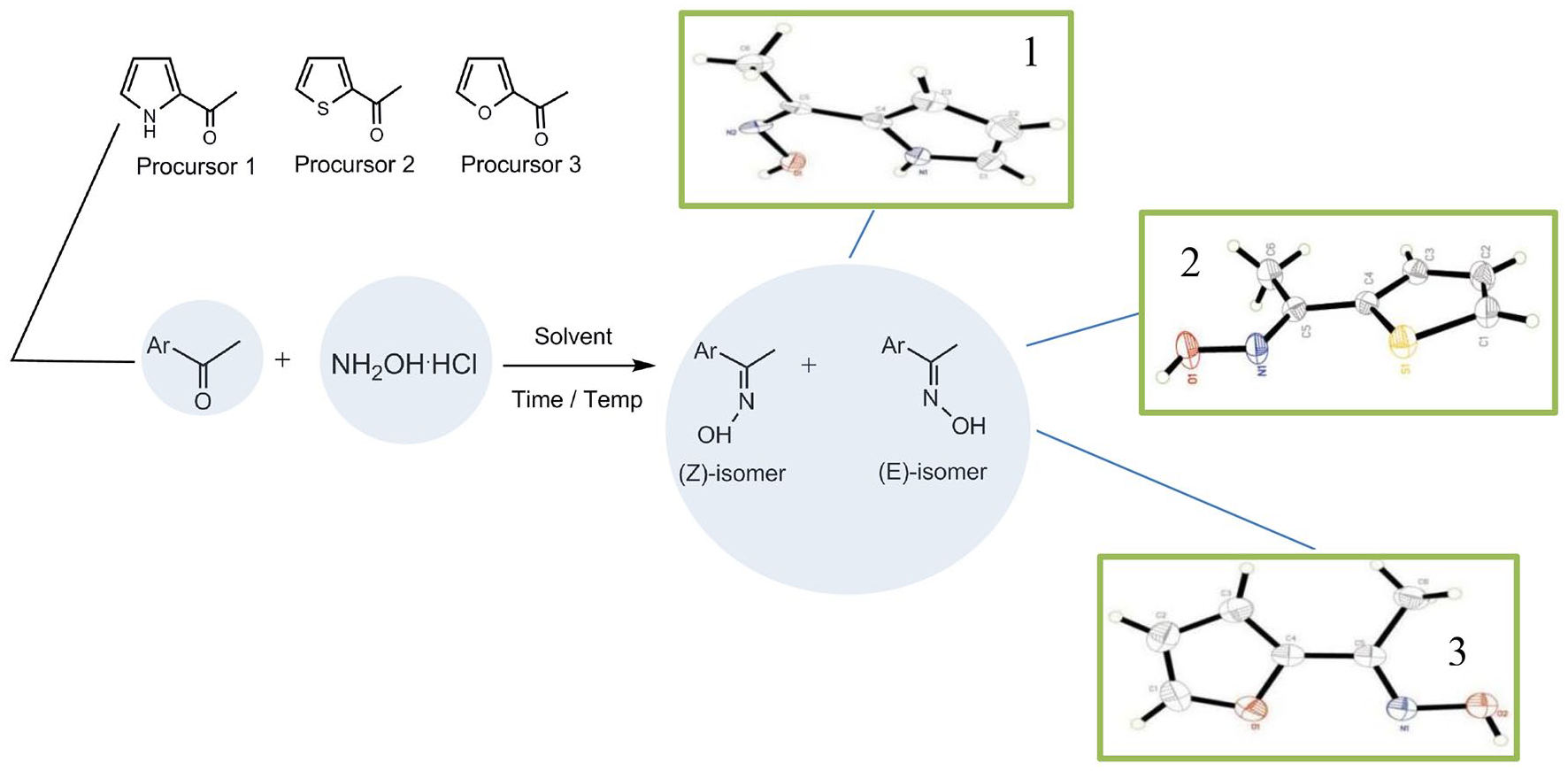
Introduction
In recent years, due to the overlap of inorganic and organic chemistry, coupled with comprehensive applications of many synthetic methods, polymetallic complexes have become important in the field of coordination chemistry. Polynuclear complexes exhibit different properties from mononuclear complexes due to M–M valence electron interactions and M–L (end group or bridging ligand) interactions. Their novel structures including cages, chains, and crown ethers, and their applications in the fields of catalysis, optics, electricity, magnetism, superconductivity, and information storage, have attracted increasing attention from researchers in the field of coordination chemistry.1–3
There are many methods to construct polynuclear complexes and these require the design and synthesis of novel organic ligands. The strategies involved in the development of novel coordination complexes can be divided into two categories: one is to design ligands containing multiple heteroatoms (such as N, O, and S atoms); the other is to introduce second bridging ligands. Ligands with multiple heteroatoms can easily react with metals to form polynuclear complexes with claw-shaped chelated structures. Such ligands have a range of electronic effects, but it is also important to limit steric effects because these can hinder the development of polycomplexation. Reducing the size of a ligand or coordinating group as much as possible helps to minimize its steric hindrance and is important in the design of novel ligands. In particular, ketoximes are of significant importance because of their small coordinating groups.
During the process of constructing monomolecular magnets, pyridine oximes have been frequently used because they can establish polynuclear systems through self-assembly with flexible and diversified structures. A large number of polynuclear transition-metal complexes with novel structures and unique properties based on these ligands have been reported.4–6 Typical pyridine oxime ligands can be obtained by changing the substituents on the pyridine ring (e.g. the 6-position is H or Me), replacing the substituents on the side arm (e.g. H, Me, Ph, Py, NH2, and CN), changing a symmetric structure to an unsymmetric one ((E)-picolinaldehyde oxime vs (1E,1’E)-pyridine-2,6-dicarbaldehyde dioxime), and replacing mono-oximes by di-oximes or poly-oximes ((E)-1-(pyridin-2-yl)ethan-1-one oxime vs (1E,1’E)-1,1’-(pyridine-2,6-diyl)bis(ethan-1-one) dioxime). Albert et al. 7 carried out self-assembly using 6-methylpyridine-2-formaldoxime with Ni(O2CPh)2 and Ni(acac)2 to obtain hexanuclear, antiferromagnetic complexes [Ni6(O2CPh)6(6-mepao)6] and [Ni6(O2CMe)6(6-mepao)6]. In addition, the use of an azide group as the second bridging ligand led to the pentanuclear ferromagnetic complex [Ni5(3-Cl-BzO)4-(6-mepao)4 (6-mepaoH)2(N3)2] and the tetranuclear cluster [MnII2MnIII2] 8 by self-assembly coordination of Ni(Cl-BzO)2 and manganese perchlorate with 6-mepaoH, respectively. Stamatatos et al. 9 synthesized trinuclear MnIII complexes by reacting manganese acetate and manganese perchlorate with mpkoH, in which the distorted triangular core formed by the mpko ligands results in ferromagnetic coupling and single molecular magnet (SMMS) properties. In addition, Theocharis and George 10 synthesized Ni12 and Ni14 polynuclear systems from 6-methylpyridine-2-ketone oxime, respectively. Jordi synthesized a rarely reported polynuclear Ni13 ferromagnet which contained two Ni6 rings and was bridged by one NiII. Jordi et al. 12 also used reactions of common nickel salts such as nickel benzoate and nickel chloride with pyridine-2-cyanooxime, and successfully obtained Ni5 polynuclear complexes by liquid-phase diffusion by adding equimolar triethylamine. Albert et al. 13 utilized copper nitrate, copper benzoate, and copper acetate in reactions with the same ligand to give Cu3, Cu4, and their coordination polymers. Ji et al. have synthesized structural similar Ni4 complexes by self-assembly of nickel perchlorate with pyridine-2-aminoxime and pyrazine-2-aminoxime,14,15 respectively.
For oximes based on heterocyclic ligands, the multiple coordination sites and strong coordination abilities make for stable five- or six-membered chelate rings after reacting with metals. In order to clarify the influence of different heterocycles on the structures and properties of ketoximes, a series of ketoximes containing the five-membered heterocycles pyrrole, furan, and thiophene (Scheme 1) were synthesized to provide analogues of the six-membered heterocyclic pyridinyl oximes. By spectral characterization, as well as DFT calculations, the most stable geometric isomers of these ketoximes have been determined and analyzed. This study of possible isomers is expected to lay an essential foundation for the construction of polynuclear metal complexes with novel structures and properties.
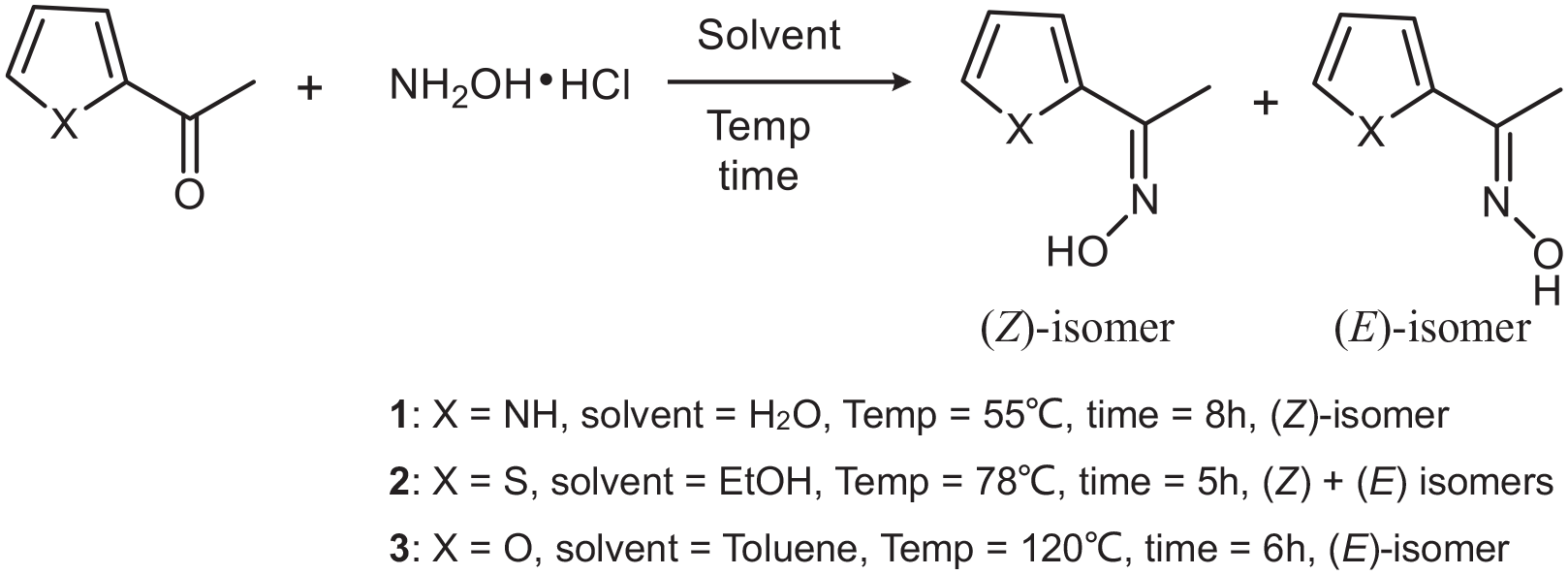
Synthesis of a series of five-membered heterocyclic ketoximes
Results and discussion
In this paper, a series of five-membered heterocyclic ketoximes
In the IR spectrum of
The UV-Vis spectra of
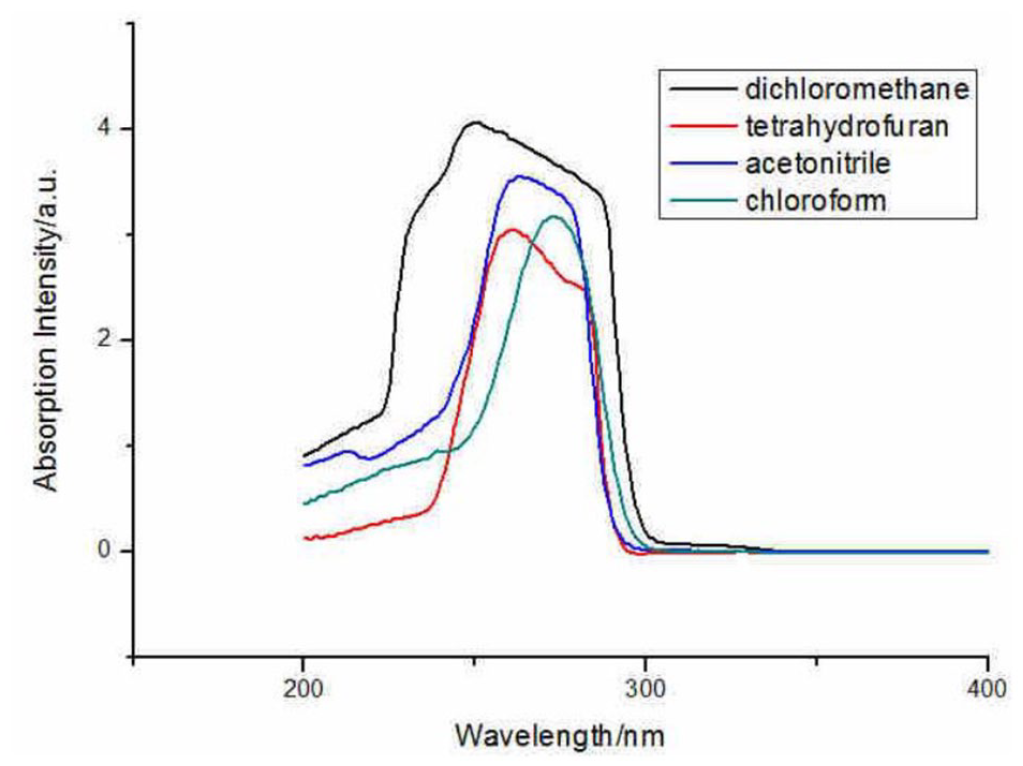
UV-Vis spectra of
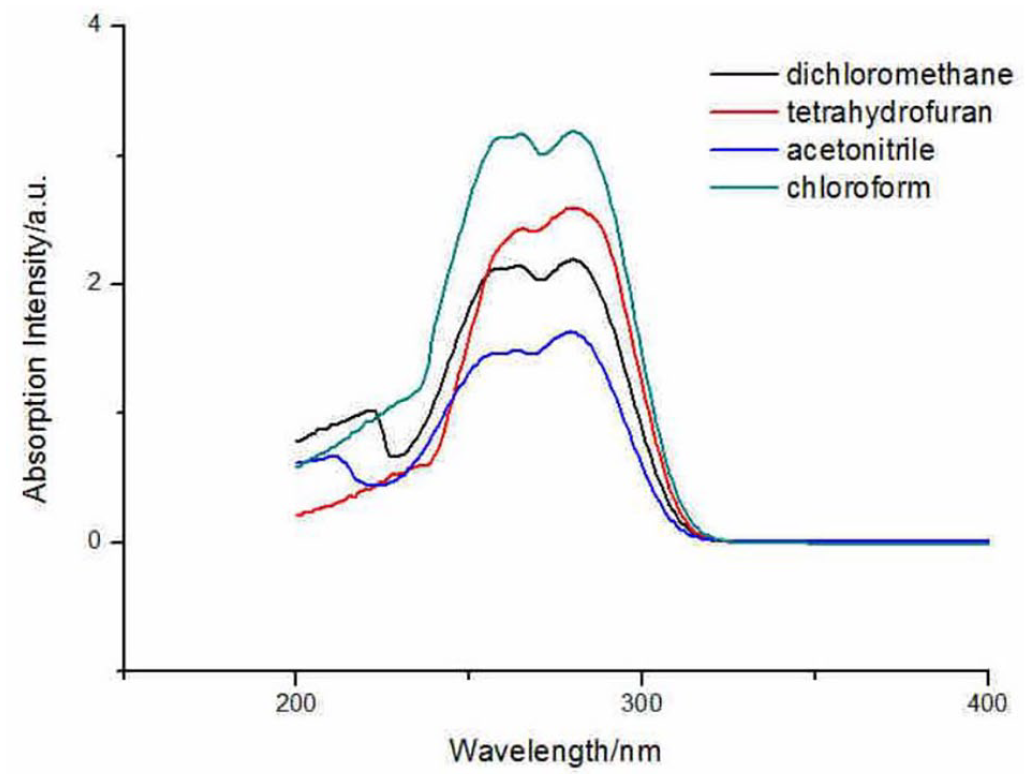
UV-Vis spectra of
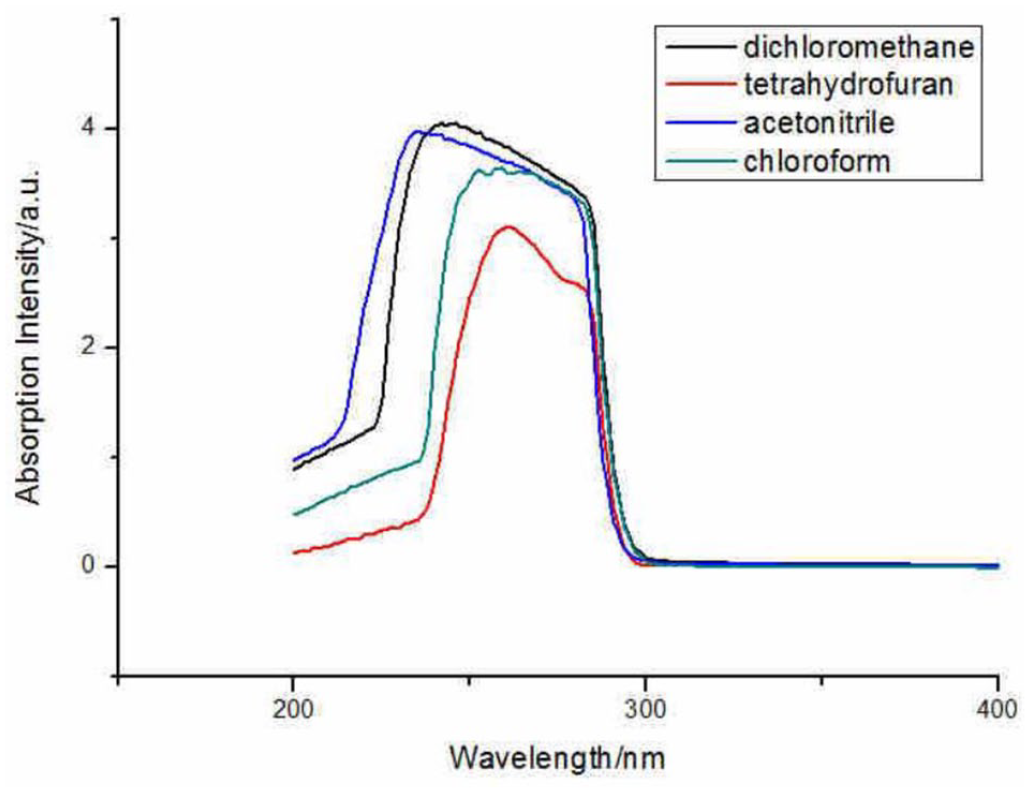
UV-Vis spectra of
UV-Vis absorption properties of

The fluorescence emission spectra of
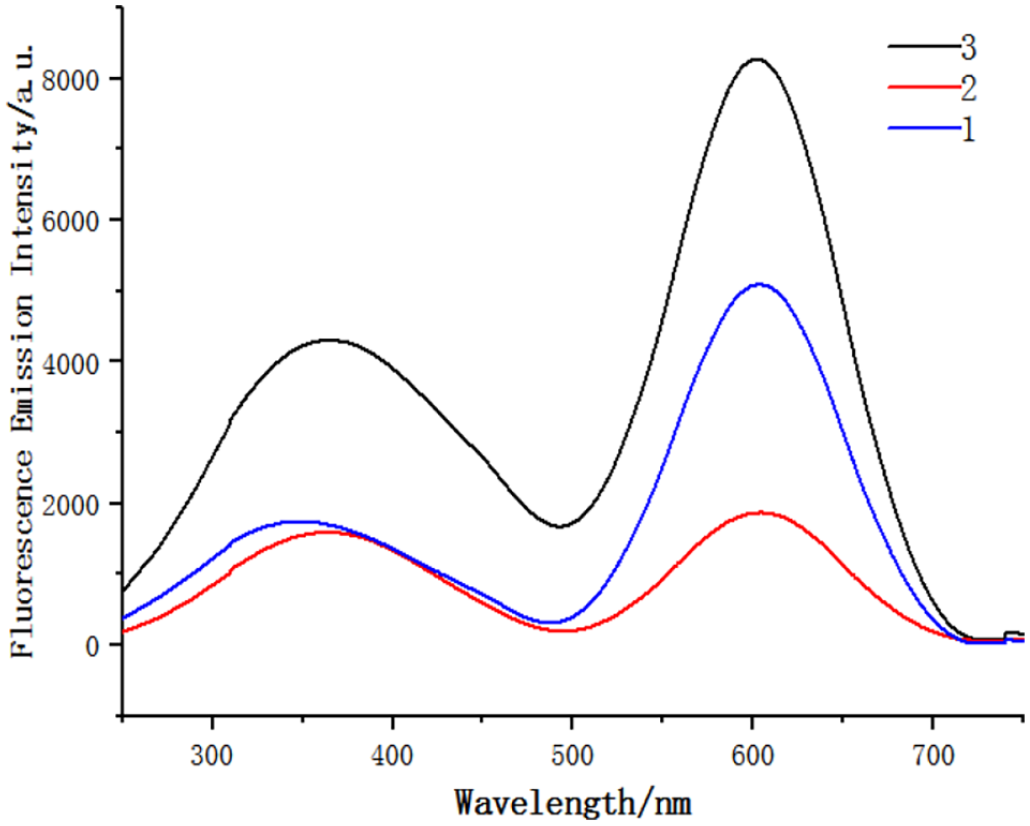
Fluorescence emission spectrum of
By combination of 1H NMR spectroscopes and crystal structures, it could be found that
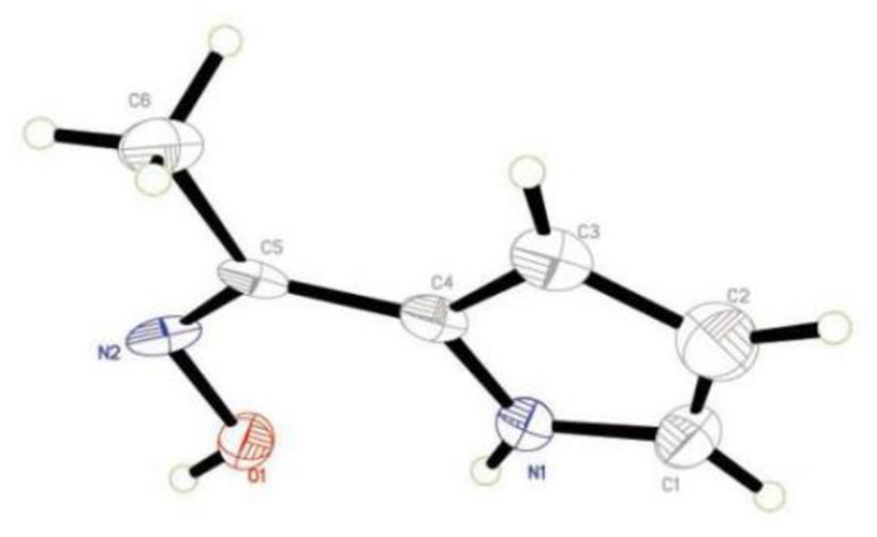
ORTEP drawing of (Z)-
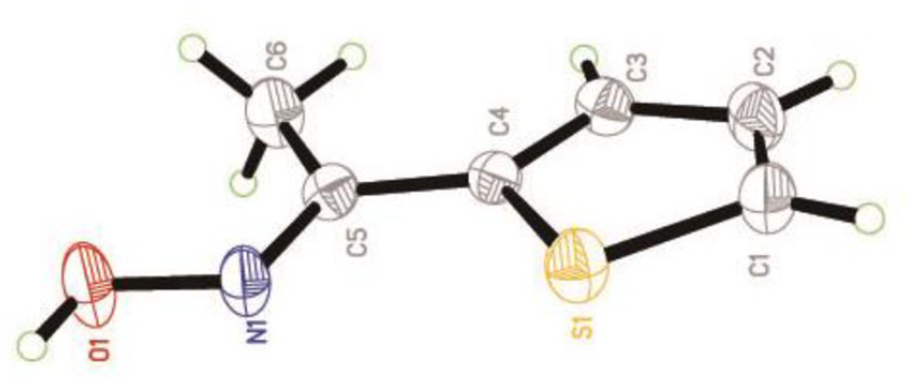
ORTEP drawing of (E)-
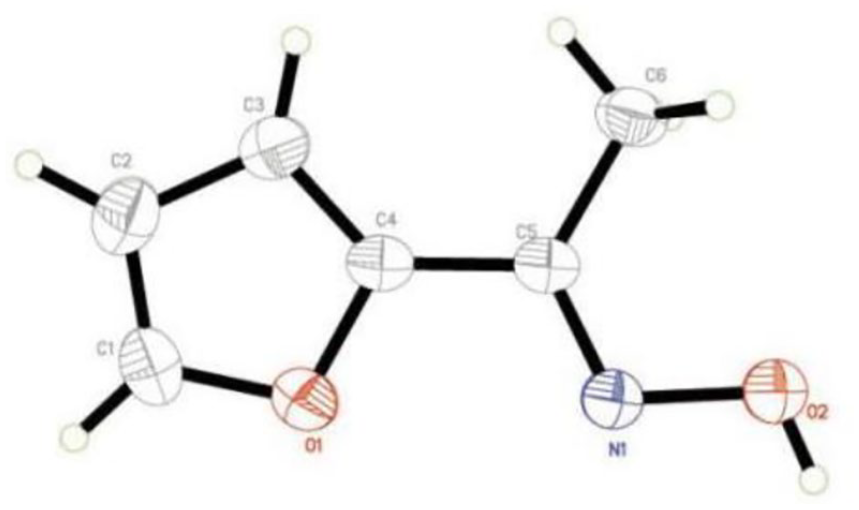
Crystal structure of (E)-
The key bond lengths and angles of
Selected bond lengths (Ǻ) and bond angles (°) for compounds

The cell packing diagrams of
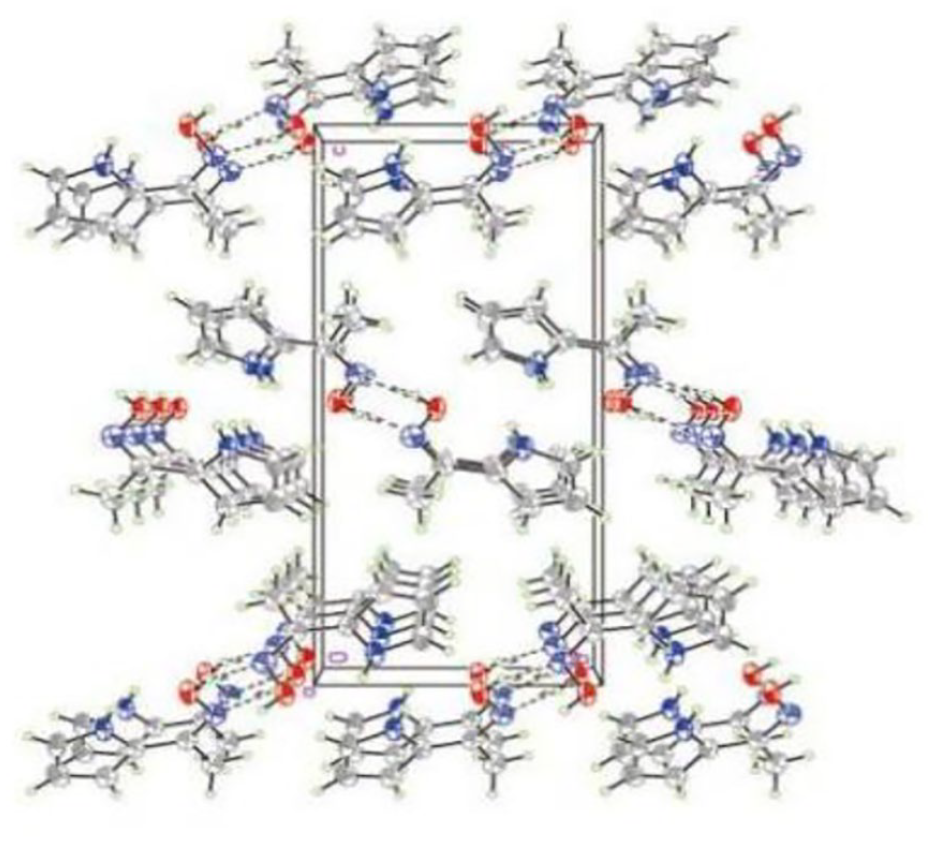
The cell packing diagram of
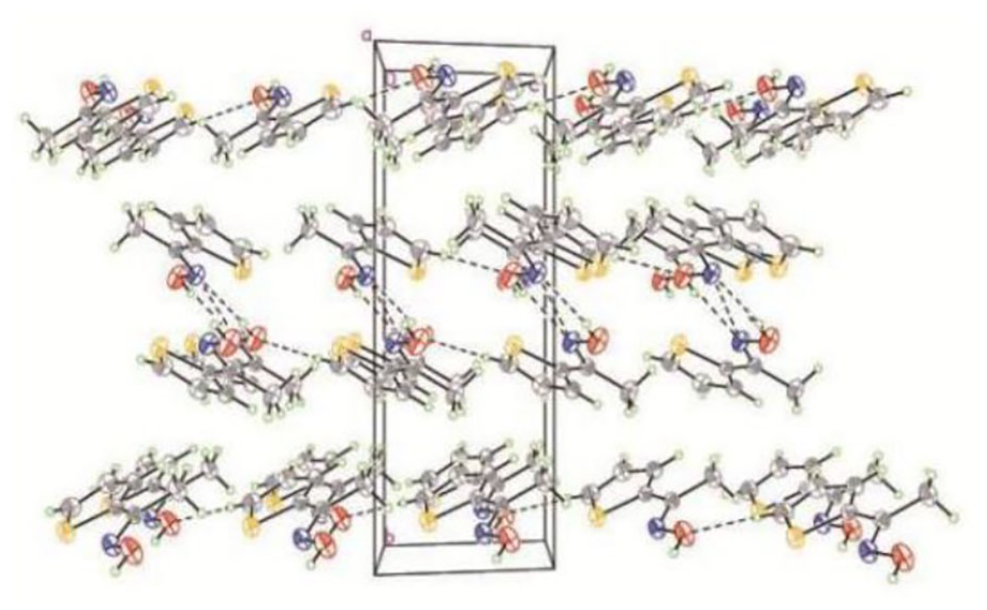
The cell packing diagram of
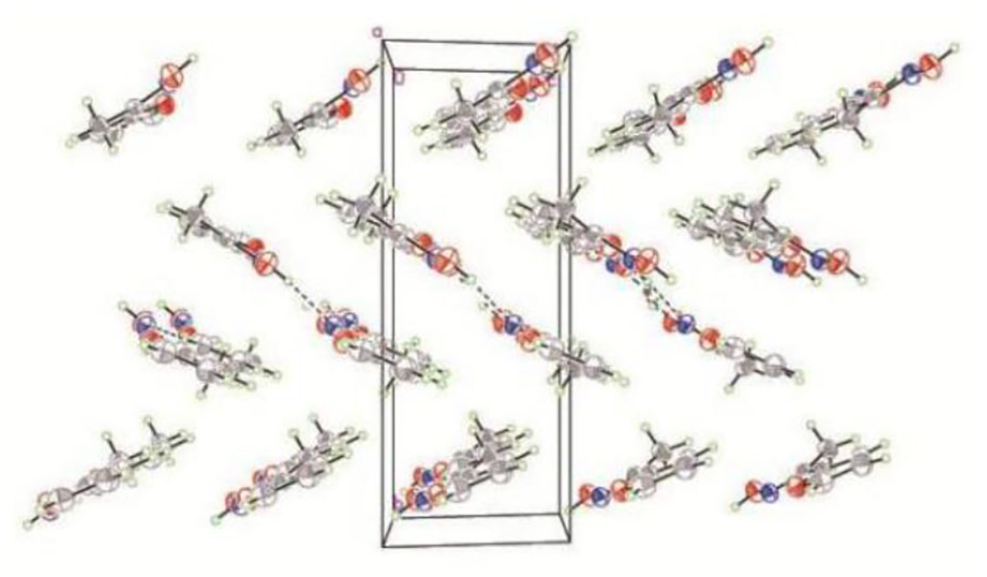
The cell packing diagram of
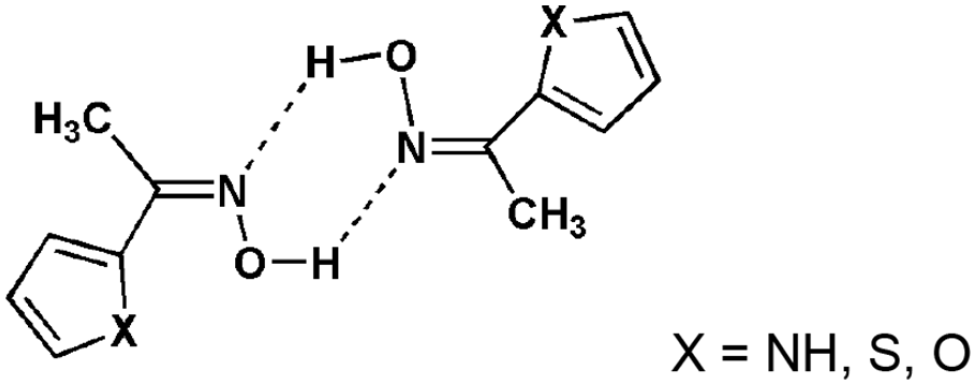
Homodimeric oximes formed via hydrogen bonds.
Hydrogen bond geometry (Å, °) for 1–3.

Symmetry code: −x, 1 − y, 1 − z.
The molecular optimization calculation was performed with the path selection of DFT/Opt + Freq /UB3LYP and the 6-31G base set. The cis–trans-isomers of
A summary of the structure optimization calculations for

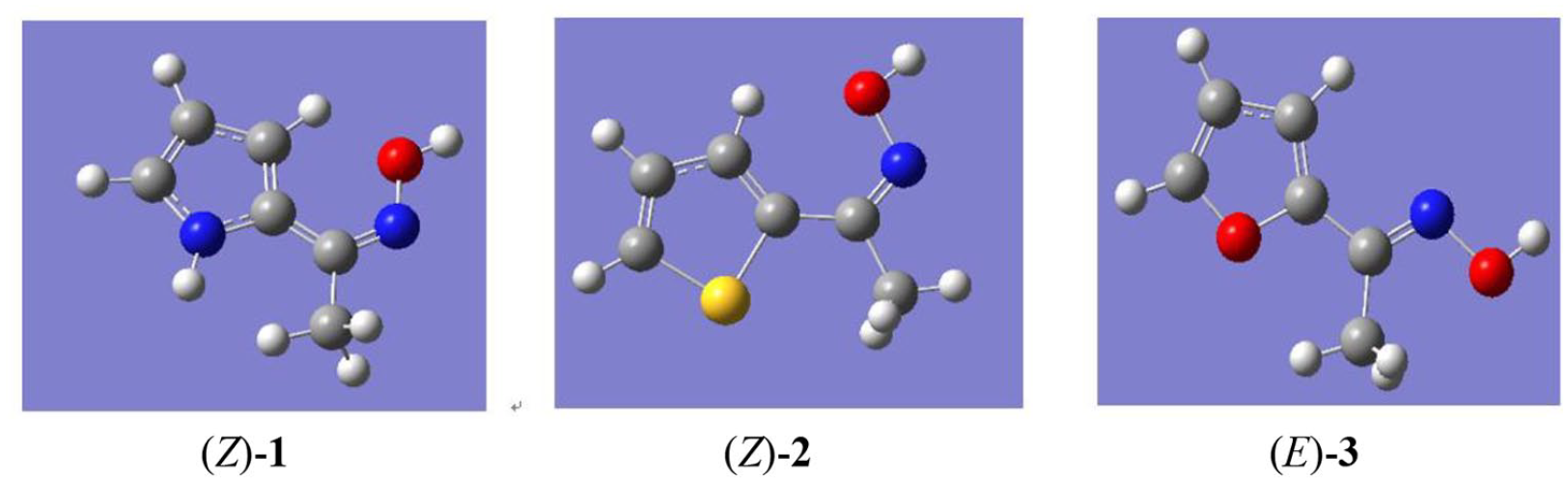
The most stable molecular structures of
Table 5 lists some important bond lengths and angles from the theoretical calculations and crystal structure determinations. It is found that most of the theoretical bonds are quite close, while a few are larger than those measured by XRD. This difference can be explained by the different treatment states employed. The Gaussian calculation studies use isolated gaseous molecules, while single-crystal diffraction performs analysis of a large number of molecules stacked in the solid state. The multiple particles in a crystal cell will inevitably interact with each other, thus affecting the molecular parameters. However, these factors are not taken into account in general gas-phase single molecule optimization, so there will be a difference between the two approaches. The theoretical bond angles are basically consistent with experimental angles, showing that the geometric parameter calculations were a good approximation with the experimental structure.
Selected theoretical and experimental bond lengths (Å) and angles (°) of

According to Frontier Molecular Orbital Theory,
17
in a molecule, the energies of the highest occupied molecular orbital (HOMO) and the lowest occupied molecular orbital (LUMO) determine the electron gain and loss and transfer ability, as well as the reactivity and spatial orientation of intermolecular reactions. In order to predict the coordination ability of these ketoximes as chelating ligands, the Frontier Molecular Orbital Energies: EHOMO, ELUMO, and energy gap E (∆E = ELUMO − EHOMO)
18
of four optimized isomers of
Frontier molecular orbital energies of

Conclusion
In this paper, a series of five-membered heterocyclic ketoximes
Experimental
General procedures and materials
IR spectra were obtained with a Perkin–Elmer FTIR 2000 spectrometer. C, H, and N analyses were performed with an HP-MOD 1106 microanalyzer. 1H NMR spectra were recorded with a Bruker AVANCE III 500 spectrometer. The UV spectra were recorded on a UV-Vis spectrophotometer UV-2600. Fluorescence spectra were recorded on the Seamer Fisher fluorescence spectrophotometer. Melting points were measured with an X-5 micro-melting point measuring instrument. Single-crystal data were measured using an X-ray single-crystal surface detector in a BRUKER SMART APEX II CCD single-crystal diffractometer. 2-Acetylpyrrole and 2-acetylthiophene were purchased from the Acros Co., and 2-acetylfuran was purchased from the Alfa Aesar Chemical Co., Ltd. Hydroxylamine hydrochloride was purchased from the Tianjin Tianli Chemical Reagent Co., Ltd and used as received. All reagents were used without further purification.
Synthesis of five-membered heterocyclic ketoximes 1–3 19
(Z)-1-(1H-pyrrol-2-yl)ethanone oxime (1)
2-Acetylpyrrole (0.50 g, 4.59 mmol) and hydroxylamine hydrochloride (0.63 g, 9.18 mmol) in a molar ratio of 1:2 were dissolved in 15 mL of distilled water, and then mixed in a 50-mL round-bottom flask. After heating and stirring in a water bath at 55 °C for 8 h, aqueous sodium hydroxide solution (5 mL, 0.36 g, 9.18 mmol) was added dropwise to the mixture using a dropping funnel. TLC was used to monitor the progress of the reaction to determine the endpoint. The obtained solution was left overnight, during which time a large number of fine, white, needle-like crystals appeared. After being filtered and dried, a white solid (0.32 g, 64%) was obtained. M.p. 416–418 K. (Z)-
(Z), (E)-1-(1H-thiophen-2-yl)ethanone oxime (2)
2-Acetylthiophene (2 mL, 1.00 g, 7.92 mmol) in anhydrous ethanol 10 mL was mixed with a solution of hydroxylamine hydrochloride (1.10 g, 15.84 mmol) in distilled water (10 mL) in a 50-mL round-bottom flask. After heating and stirring in an oil bath at 78 °C for 5 h, aqueous sodium hydroxide solution (5 mL, 0.63 g, 15.84 mmol) was added dropwise to the mixture using a dropping funnel. TLC was used to monitor the progress of the reaction to determine the endpoint. The obtained solution was transferred to a 500-mL beaker, diluted with 400 mL of distilled water, and after standing overnight, a large amount of a white powder separated. After being filtered and dried, the obtained crude product was recrystallized from ethyl acetate 10 mL to give a white solid (0.64 g, 57%). M.p. 386–388 K. (E)-
Synthesis of (E)-1-(1H-furan-2-yl)ethanone oxime (3)
2-Acetylfuran (2.3 mL, 1.00 g, 9.08 mmol) was added in 10 mL of anhydrous ethanol and hydroxylamine hydrochloride (1.26 g, 18.16 mmol) in 10 mL of a distilled water solution was mixed in a 50-mL round-bottom flask. After heating and stirring in an oil bath at 120 °C for 6 h, aqueous sodium hydroxide (5 mL, 0.72 g, 18.16 mmol) was added dropwise to the mixture using a drop funnel, the initial reaction solution was reddish brown and then turned dark yellow, and TLC was used to monitor the progress of reaction to determine the endpoint. The obtained solution was transferred to a 500-mL beaker and diluted with 400 mL distilled water. A large amount of light yellow powder was precipitated overnight, the filter residue was recrystallized with 10 mL ethyl acetate to get light yellow solid (0.82 g, 73%). M.p. 384–385 K. (E)-
Crystal structure determination and refinement of 1–3
The single crystals of
Crystals
Computational details
All calculations were performed with the Gaussian 09 software package, using the B3LYP hybrid. The functional included a mixture of Hartree–Fock exchange with DFT exchange correlation. The geometry optimizations were accomplished without symmetry constraints using the 6-31G basis set for all atoms. Single-point energy calculations were performed on the B3LYP geometries using the same functional and a standard 6-31G basis set for all elements.21–24
Supplemental Material
sj-docx-1-chl-10.1177_17475198211032538 – Supplemental material for Synthesis, isomerization, and DFT studies of five-membered heterocyclic ketoximes
Supplemental material, sj-docx-1-chl-10.1177_17475198211032538 for Synthesis, isomerization, and DFT studies of five-membered heterocyclic ketoximes by Biyun Su, Qiaoqiao Han, Xiaoteng Li, Yifan Hou, Jindi Wu, Li Wang and Liqin Ding in Journal of Chemical Research
Footnotes
Declaration of conflicting interests
The author(s) declared no potential conflicts of interest with respect to the research, authorship, and/or publication of this article.
Funding
The author(s) disclosed receipt of the following financial support for the research, authorship, and/or publication of this article: The authors are grateful for the financial support from the National Natural Science Foundation of China (51674200), the Young Scientific Research and Innovation Team Program of Xi’an Shiyou University (2019QNKYCXTD16), Xi’an Science and Technology Innovation Project (2020KJRC0099), and the Postgraduate Innovation and Practical Ability Training Project of Xi’an Shiyou University (YCS20211013).
Supplementary material
Crystallographic data for compounds  ).
).
References
Supplementary Material
Please find the following supplemental material available below.
For Open Access articles published under a Creative Commons License, all supplemental material carries the same license as the article it is associated with.
For non-Open Access articles published, all supplemental material carries a non-exclusive license, and permission requests for re-use of supplemental material or any part of supplemental material shall be sent directly to the copyright owner as specified in the copyright notice associated with the article.
