







Abstract
This study introduces a dynamical model to analyze and mitigate the Relative Age Effect (RAE) among male handball players in the French federation, from youth to professional levels. The RAE arises from age-based grouping, leading to psychological and behavioural (motor) differences among young athletes. Using system dynamics, the model simulates player movement and cumulative experience across cohorts, calibrated with data from the Fédération Française de Handball. The model incorporates a reinforcing feedback loop that amplifies initial advantages in size and weight, enhancing perceived skills and training opportunities. Various policy scenarios are explored to assess their impact on reducing the RAE. Results suggest that modifying cut-off dates could be the most effective strategy, potentially improving talent detection and reducing attrition in young cohorts. This research offers valuable insights for decision-makers aiming to address the RAE in handball and other team sports.
Introduction
When we think of success, we consider a mix of several factors such as hard work, talent and luck. Duckworth et al. 1 introduce the concept of “grit,” which is a combination of perseverance and passion for long-term goals. This concept applies to various fields, including economics, education or sports and more broadly, to many aspects of life. If we look more precisely at these factors on the scale of a year or a cohort, we can add another factor: the Relative Age Effect (RAE). Relative Age is the difference between an individual’s birth date and the cutoff date established for participation in a specific sport or age-group activity. The effect is a phenomenon that describes the advantage or disadvantage some individuals may experience based on their birth date. In sports, young players are grouped by birth date, which can result in an age difference of almost one year between two players in the same category. In young cohorts, this age gap can lead to significant differences in players’ psychological development and motor skills. The Relative Age Effect (RAE) is well documented in many sports, 2 such as soccer, 3 hockey, 4 rugby, 2 basketball, 5 handball 6 and many others. Hancock et al. 7 and Wattie et al. 8 propose a developmental systems model to better understand the Relative Age Effect (RAE), particularly in its multifactorial nature. They show that the Relative Age Effect (RAE) is a more complex phenomenon than just physical or psychological advantages, as it results from intricate interactions between various factors, including biological, psychological, social, and environmental influences. Hancock et al. 7 base her model on three sociological and psychological theories. First, the Matthew Effect, which explains that an initial advantage can lead to increasing advantages over time. Second, the Pygmalion Effect, which suggests that the expectations of others can influence an individual’s performance. Third, the Galatea Effect, which states that an individual’s own expectations about their abilities can impact their performance.
A powerful tool for modeling complex systems that evolve over time is dynamical systems theory. The model proposed by Pierson et al. 9 introduces the first behavioral dynamic framework to explain the Relative Age Effect (RAE) in hockey through a single positive feedback loop. The most effective policy combines rotating cutoff dates (Jan/Jul) and targeted support for younger-born players, reducing the RAE by 96% at equilibrium, though effects take 20–30 years to materialize at the professional level. Our model extends this approach by incorporating additional feedback structures, real federation data, and more complex learning and policy mechanisms to better reflect practical decision-making within the French Handball Federation.
The main objective of this article is to create a dynamical model to describe the complex mechanism of the Relative Age Effect (RAE) from the youngest cohorts to the professional level in handball, specifically within the French federation and among male players. This article is structured as follows. First, we briefly introduce the concept of dynamical systems and present the data used in our study. Then, we construct the dynamical model and use the data to calibrate it. Finally, we apply the model to test different policy scenarios in order to understand their effects on the Relative Age Effect (RAE).
Material and methods
System dynamics
The system dynamics method is a powerful approach for modeling and understanding complex real-world issues. It is used in various fields, such as economics, 10 epidemiology, 11 ecology, 12 and, by extension, in domains that involve complex situations and nonlinear equations. System dynamics is built on some basic structures: stocks, flows, and loops. Stocks represent the accumulations or the state of the system at any given point in time. They function as “containers” that hold resources, quantities, or information. Flows represent the rates at which stocks increase or decrease. They act as the “pipes” or “arrows” that transfer resources or quantities into or out of stocks. There are two types of flows: inflows and outflows. Loops illustrate the interactions and feedback within a system. They explain how changes in one part of the system influence other parts and create cycles of influence. There are two types of loops: reinforcing (positive) loops, which amplify changes in the system, and balancing (negative) loops, which counteract changes to stabilize the system. These elements drive the behavior of the system and can be used to model complex real-world issues effectively. 13
Data
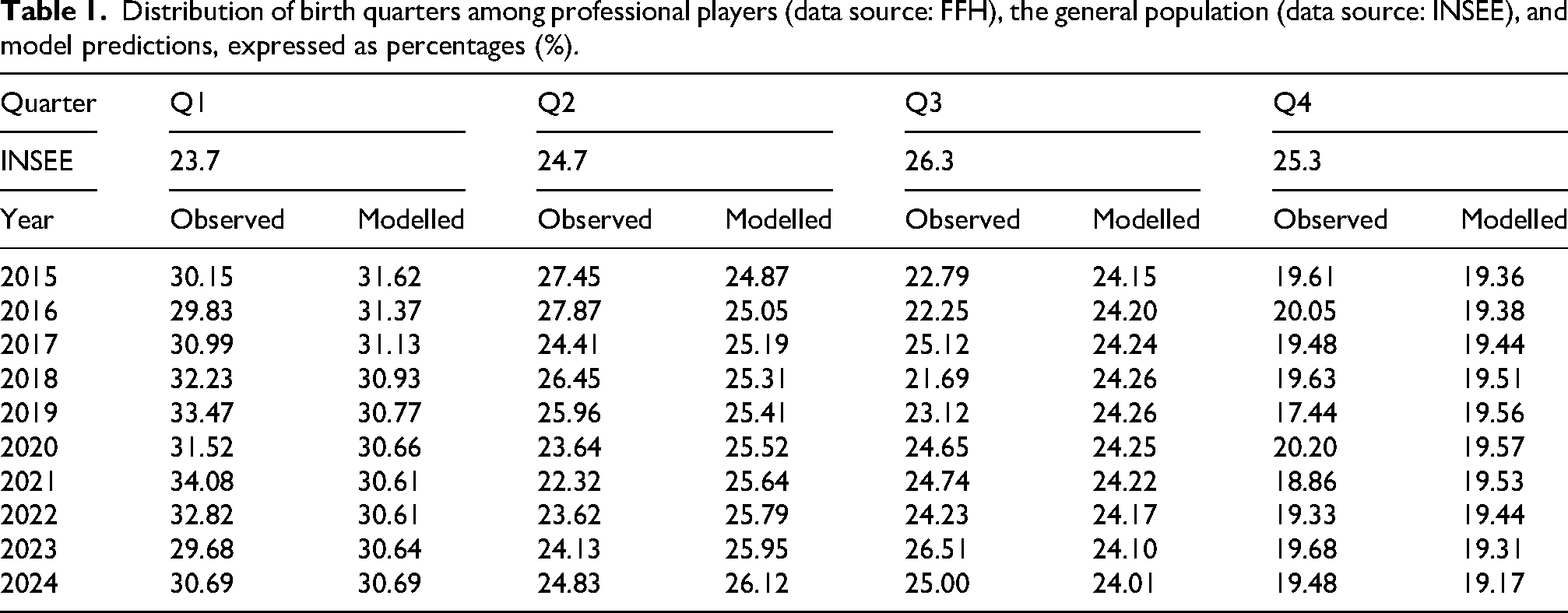
The data used to fit the model and estimate the parameters come from the Fédération Française de Handball (FFH). FFH uses five cohorts (U9, U11, U13, U15, U18), and professional players are added as an extra cohort in equation (20).rc1 This dataset consists of male player license registrations across all handball categories (from U9 to veterans) from 2015 to 2024. Specifically, we have collected players’ birth dates, and by consequences their categories, and their longitudinal trajectories throughout their handball careers. We can use this data to estimate, for a given cohort, the rate of players who permanently leave handball, the rate of players entering from external sources, and the initial proportion of players in each cohort. We chose to aggregate the data by birth quarters rather than birth months to mitigate large variations observed over the years 2015 to 2024. Table 1 shows the distribution of birth quarters for professional players (sourced from the FFH) and the general population (sourced from Institut National de la Statistique et des Etudes Economique (INSEE)).
Distribution of birth quarters among professional players (data source: FFH), the general population (data source: INSEE), and model predictions, expressed as percentages (%).
Model structure
Coflow model
The main mechanism of the model structure is a reinforcing feedback loop that causes the Relative Age Effect (RAE) in young sports (see Figure 1). Players enter as part of a cohort with a specific relative age, following the distribution of birth quarters in the global population. This can be view as Matthew effect. 7 Differences in size, weight, psychological development, or motor skills can lead to variations in how trainers perceive players’abilities. As a result, they tend to select early-born players more often than others, providing these players with more training and playing opportunities. Consequently, these players gain more relative experience. Over time, this additional experience leads to better perceived skills by the trainers. The Relative Age Effect (RAE) becomes a self-reinforcing loop that amplifies the initial advantages in weight and size, compounding across age cohorts. This effect is well documented, for example, in Musch and Grondin, 14 Cobley et al., 2 Bedard and Dhuey, 15 Wattie et al. 16 or Hancock et al. 17
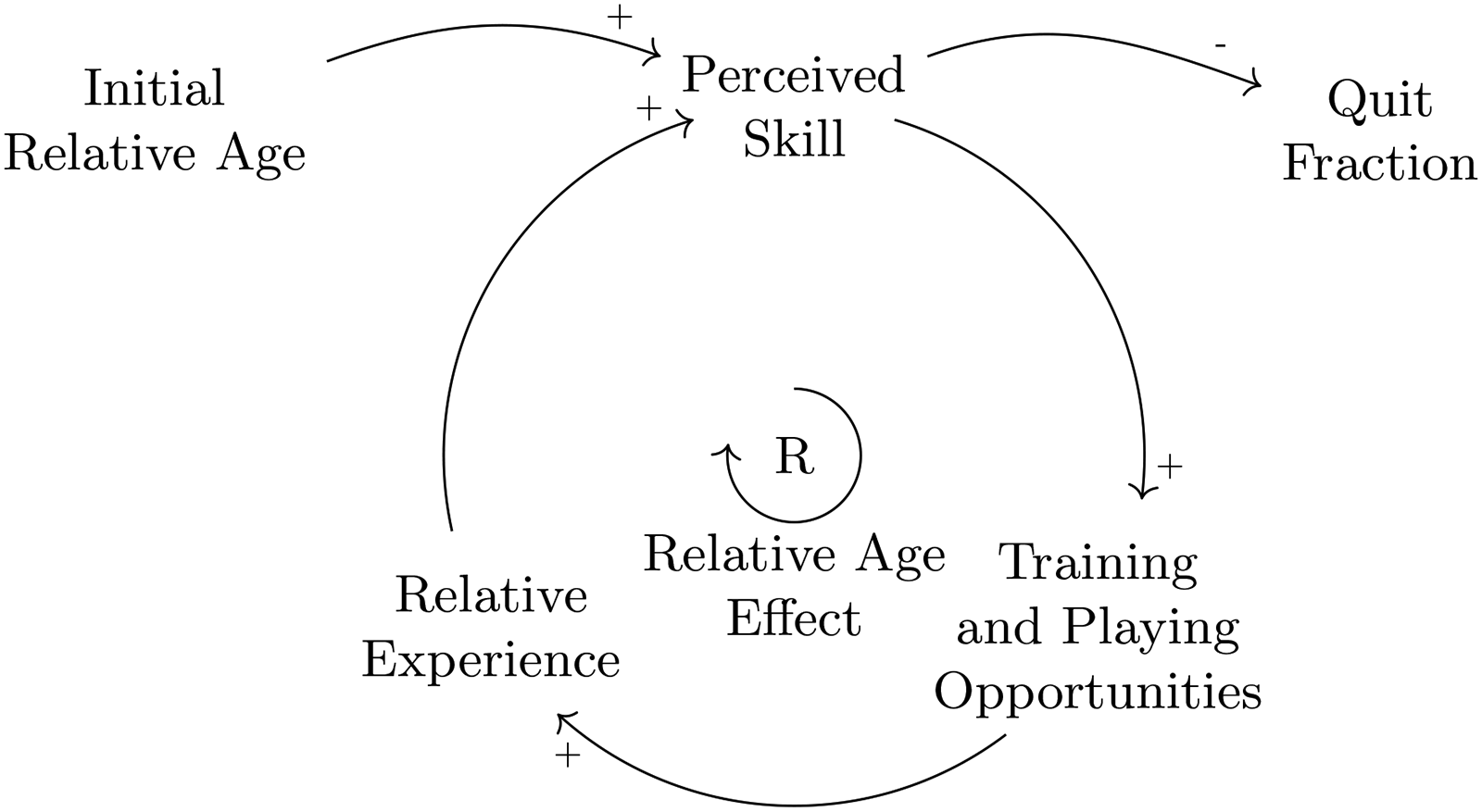
The positive feedback loop of the Relative Age effect from Pierson et al. 9
We use a coflow model, composed by two principal age-chain equations. Let 

In equation (1),
The inflow of cohort
The external inflow follows the same process as the first inflow, as it consists of players originating from the general population. Their numbers are proportional to the birth rate in France and the size of the cohort, adjusted by the external inflow fraction 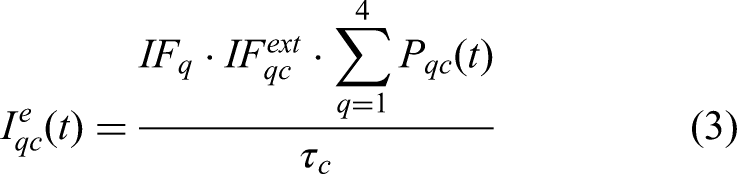
The total outflow of a cohort is proportional to the time delay 

In equation (2),
Let 
Exit 

Physical training and reinforcing loop
Skills and experience can be linked through different types of curves.
18
Common learning curves include Wright’s model,
19
the Plateau model, the Stanford-B model,
20
DeJong’s model,
21
and the S-curve model.
22
For this study, we chose a different model to link skills and experience: the hyperbolastic rate equation of type II (H2),
23
defined as

Solving this equation leads to
Skill 
Moreover, each cohort may exhibit different sensitivity to training, which affects the quantity of training they receive. This can be view as Pygmalion effect.
7
To model this behavior, we introduce a variable 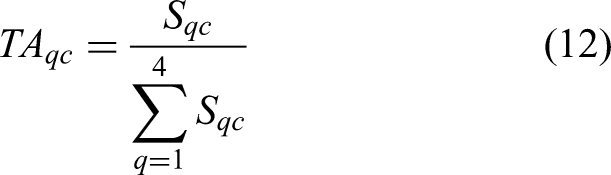
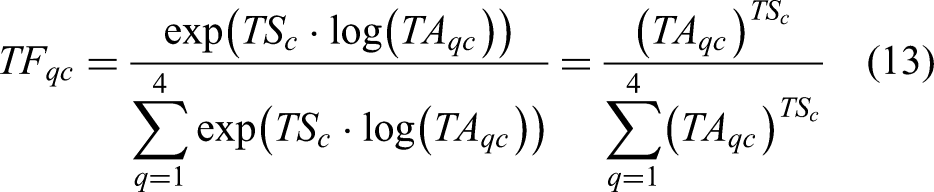

Here
Back to the model
Let 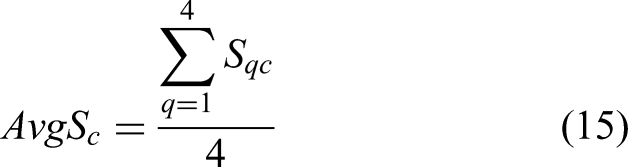

We can model the quit fraction 
Here,
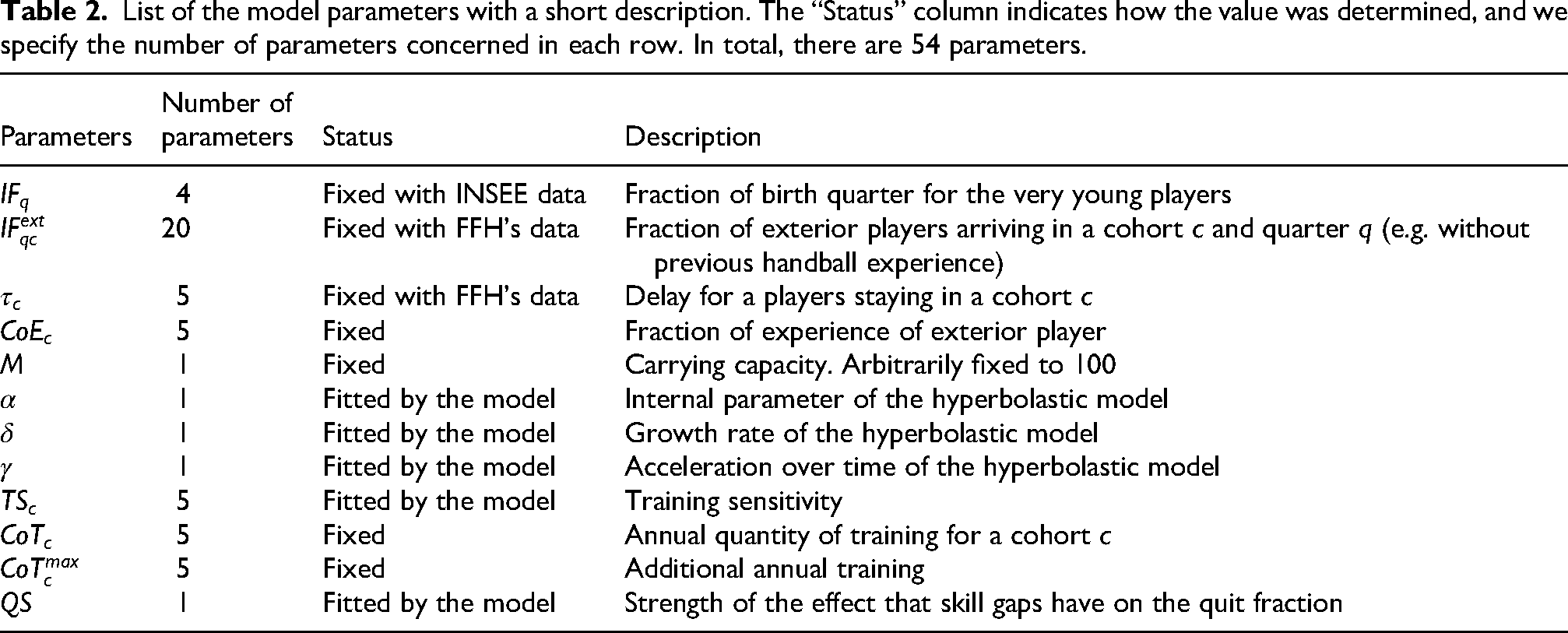
The complete model is illustrated in Figure 2 and a summary of the parameters is provided in Table 2.
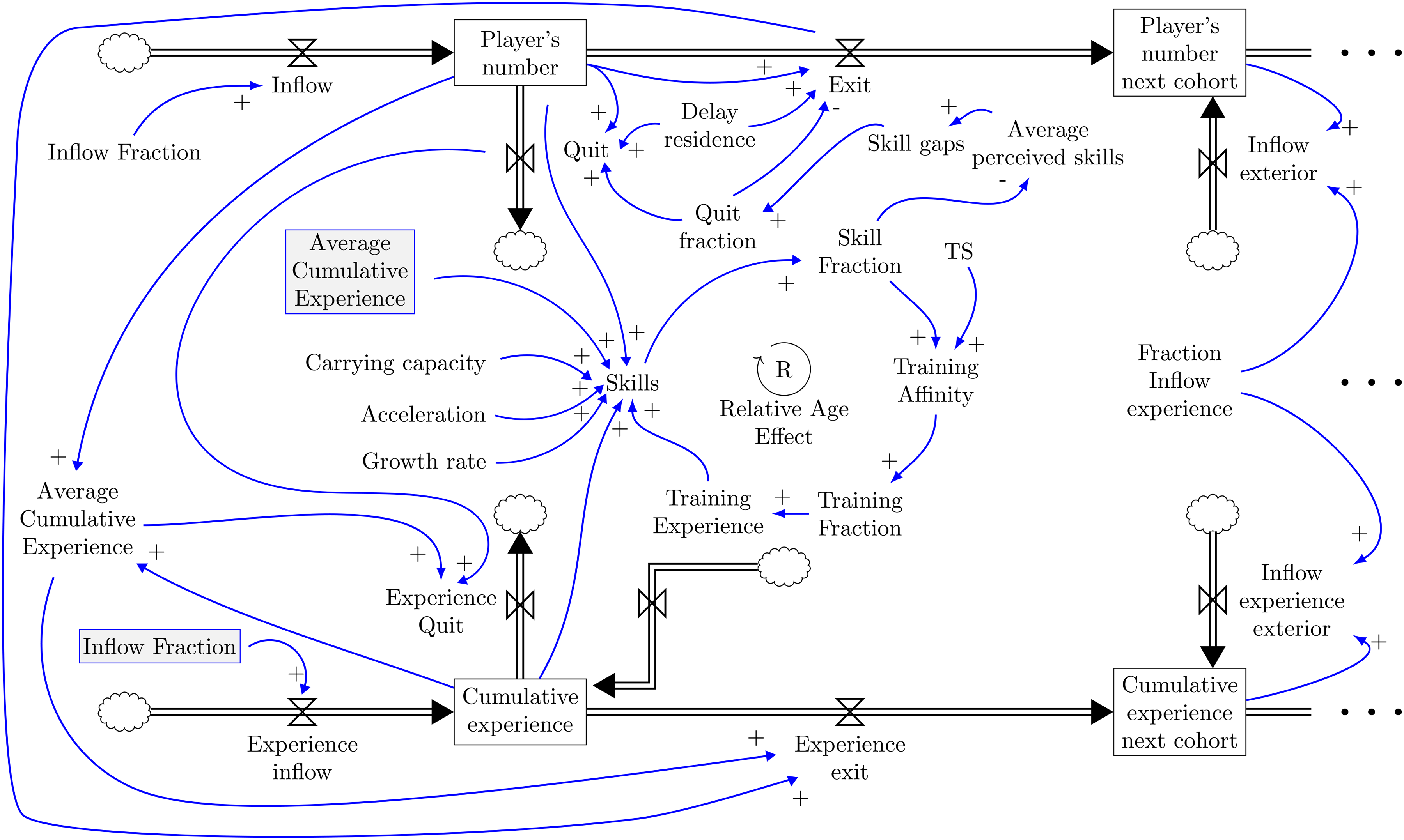
Complete diagram of the model.
List of the model parameters with a short description. The “Status” column indicates how the value was determined, and we specify the number of parameters concerned in each row. In total, there are 54 parameters.
Model calibration
The output of the model is the fraction of professional handball players for each birth quarter and each cohort, denoted 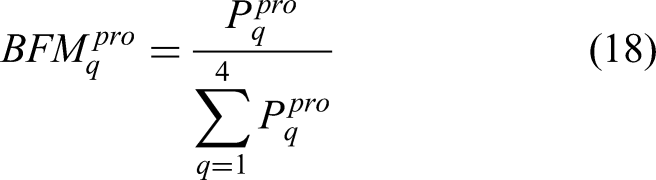
Note that the model returns the fraction of each cohort 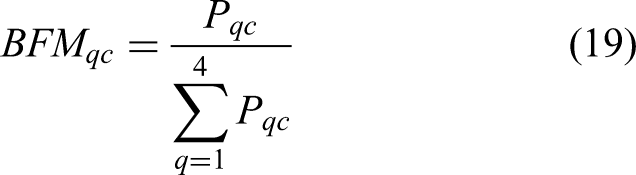
The model’s parameters are fitted using the R package FME
26
and the ModFit function with PORT routines. The function to be minimized is

Scenarios
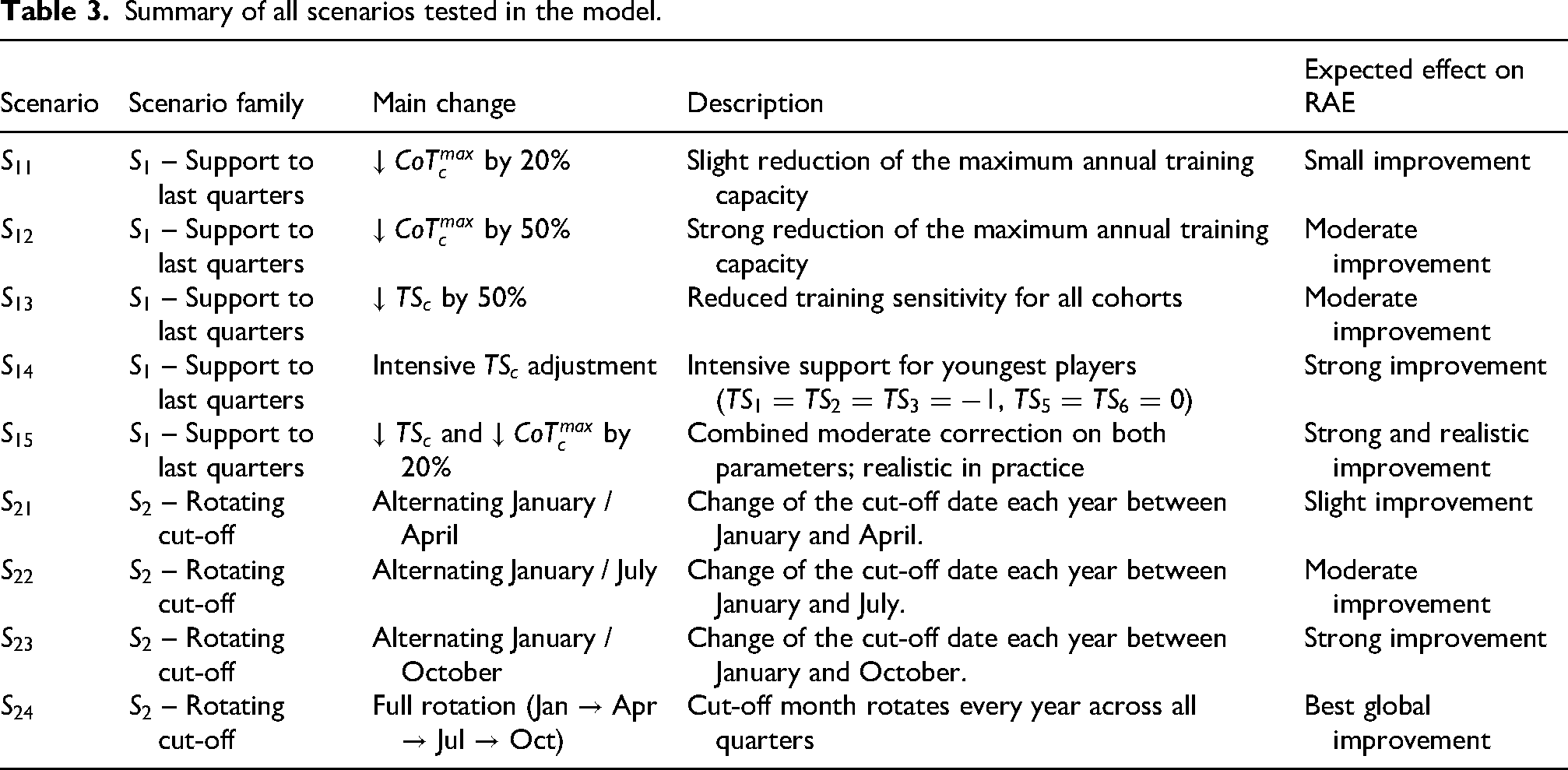
The first scenario, noted
The second scenario, noted
Summary of all scenarios tested in the model.
To test this, we compute the sum of the squared differences between the simulated birth quarter distribution and the INSEE distribution in comparison to the base case. This allows us to obtain a percentage improvement in the Relative Age Effect (RAE).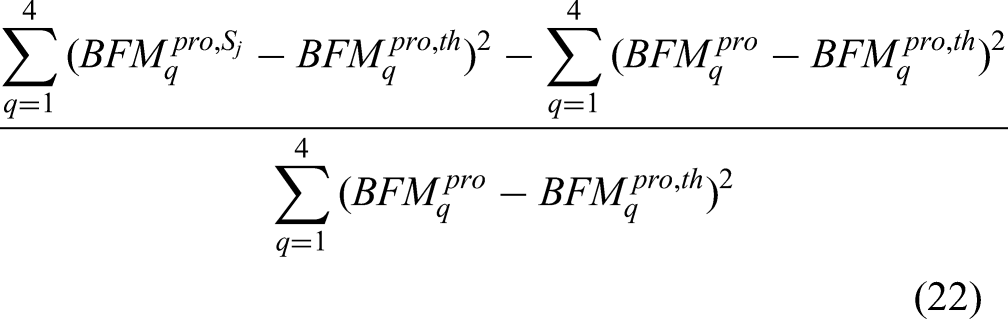
Results
Parameters
The parameters are provided in Table 4. The training affinity for cohorts U9 and U11 is set to 0. This is consistent with the fact that these young players are not influenced by additional specific training.
30
At this age, the emphasis is on general development and free play rather than structured training. Figure 3 shows the trajectories from 2015 to 2050 of the birth quarter fraction for professional players, with dots representing the sample data. We observe that the model fits the sample well and that the proportion stabilizes over time. Overall, the model provides a good fit to the data, with
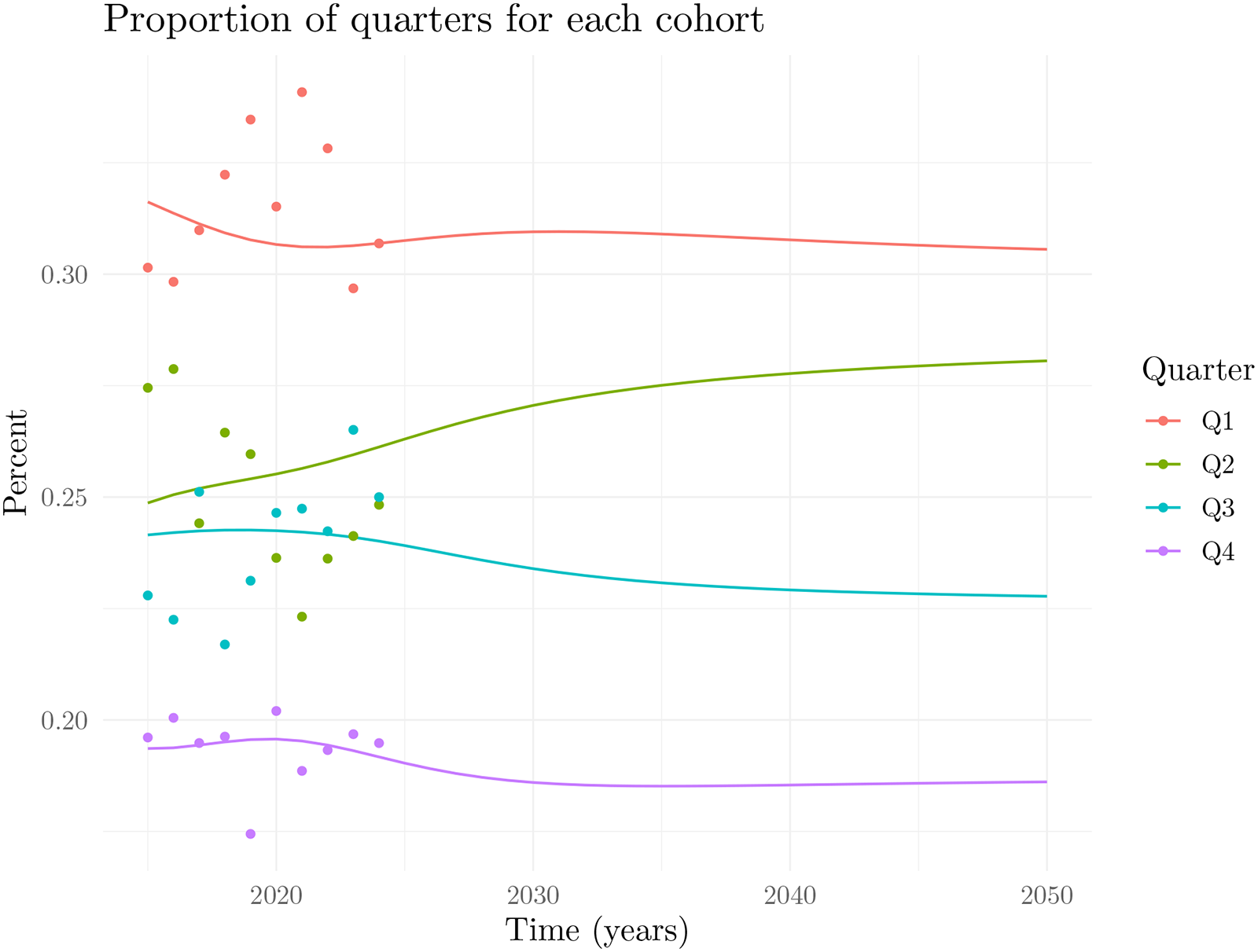
Trajectories of the quarters birth proportion for professional players. The dots represent sample data.
Estimated parameters from our model with 95% confidence intervals.

Sensitivity analysis
values
We explore the effect of
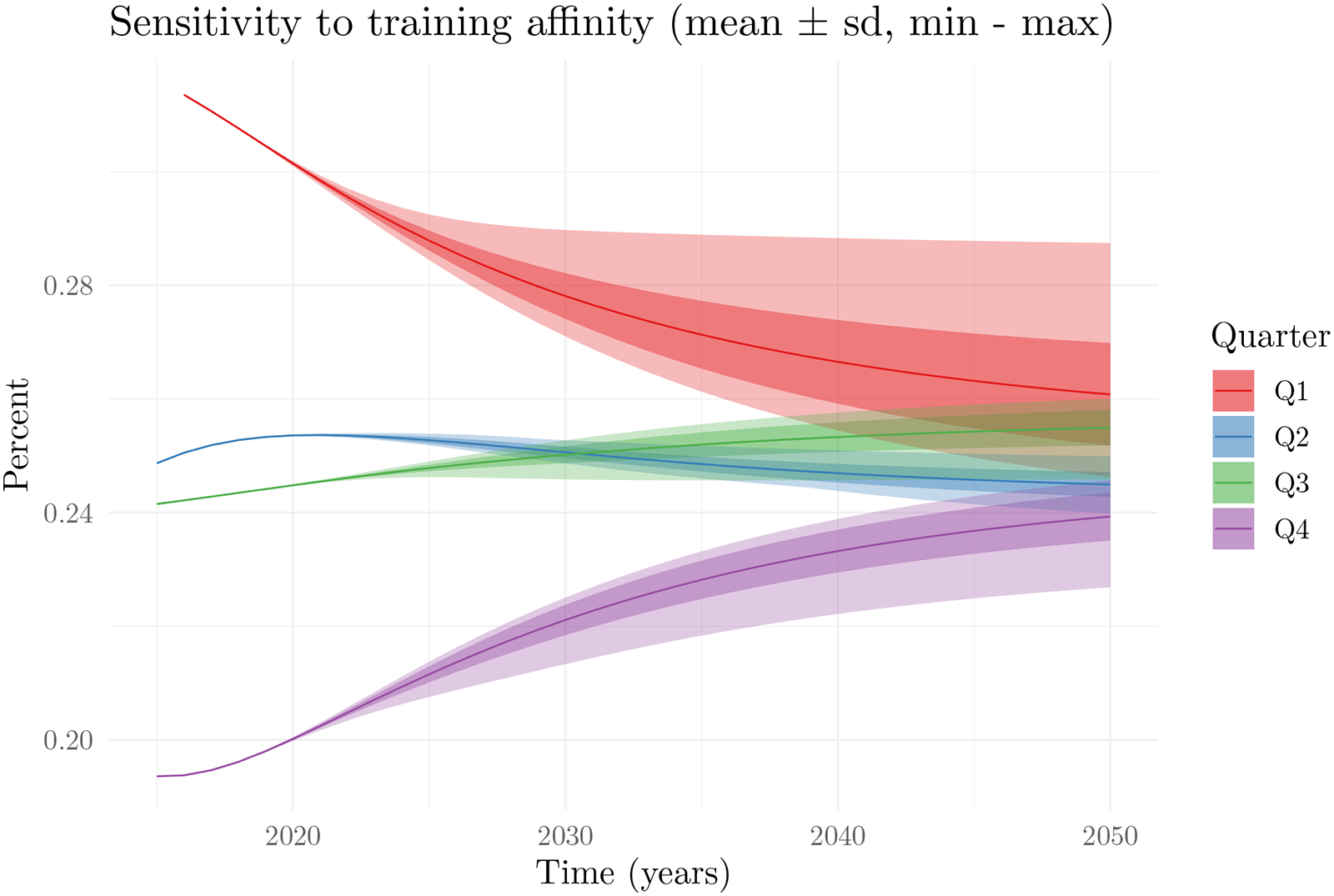
Sensitivity analysis of the professional fraction for the variable training affinity.
Testing scenario
In Figure 5, we can see the results of the model simulation. For the
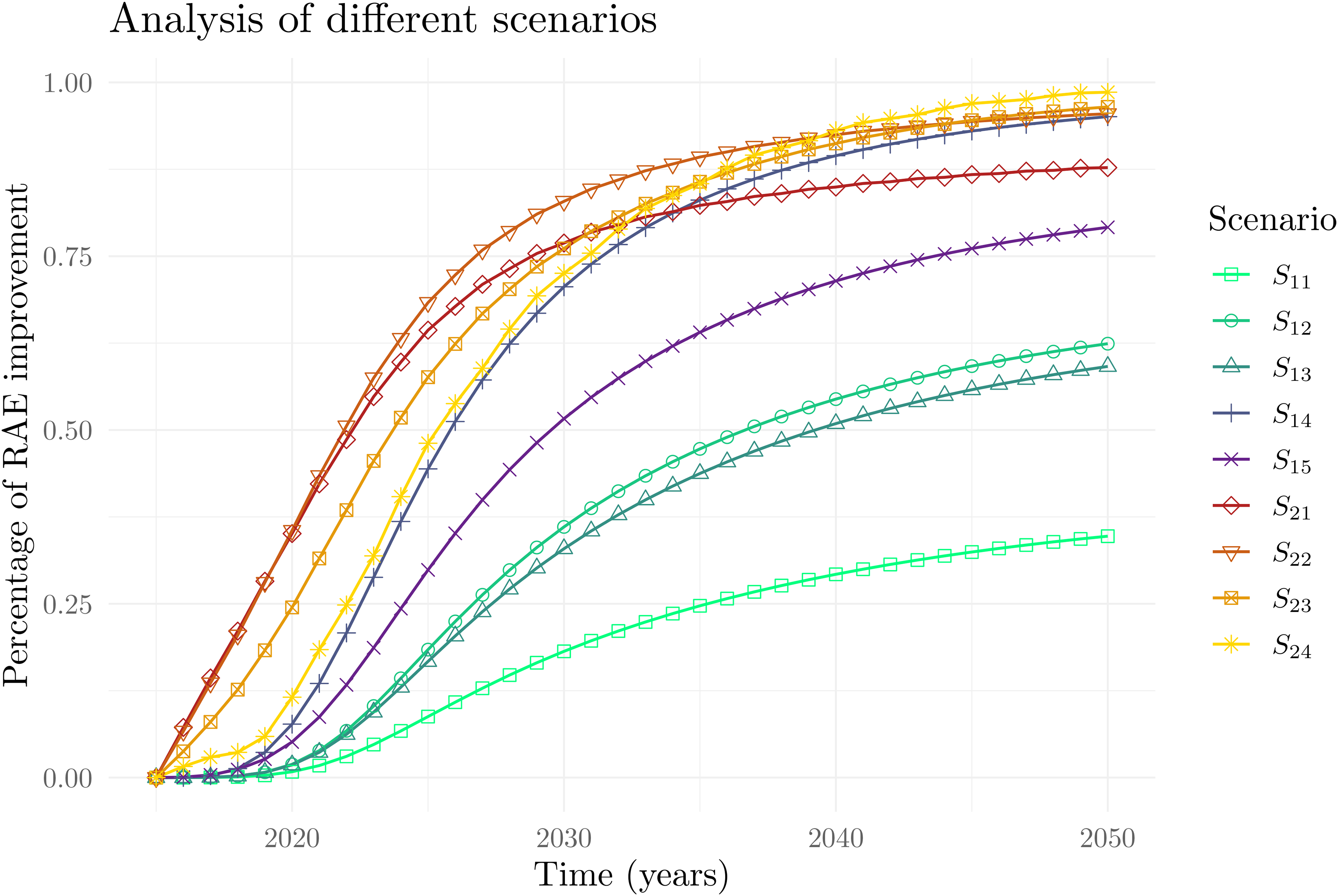
The percentage improvement in the Relative Age Effect (RAE) is computed as the sum of the squared differences between the simulated birth quarter distribution and the INSEE distribution, compared to the base case. The order from worst to best is:
Discussion
Model justification
In the equations above, many parameters are initialized using the data from the FFH. In equation (1), the initial stock of players for each cohort was calculated using this data. In equation (3),
For the first cohort, i.e., the youngest players, the inflow
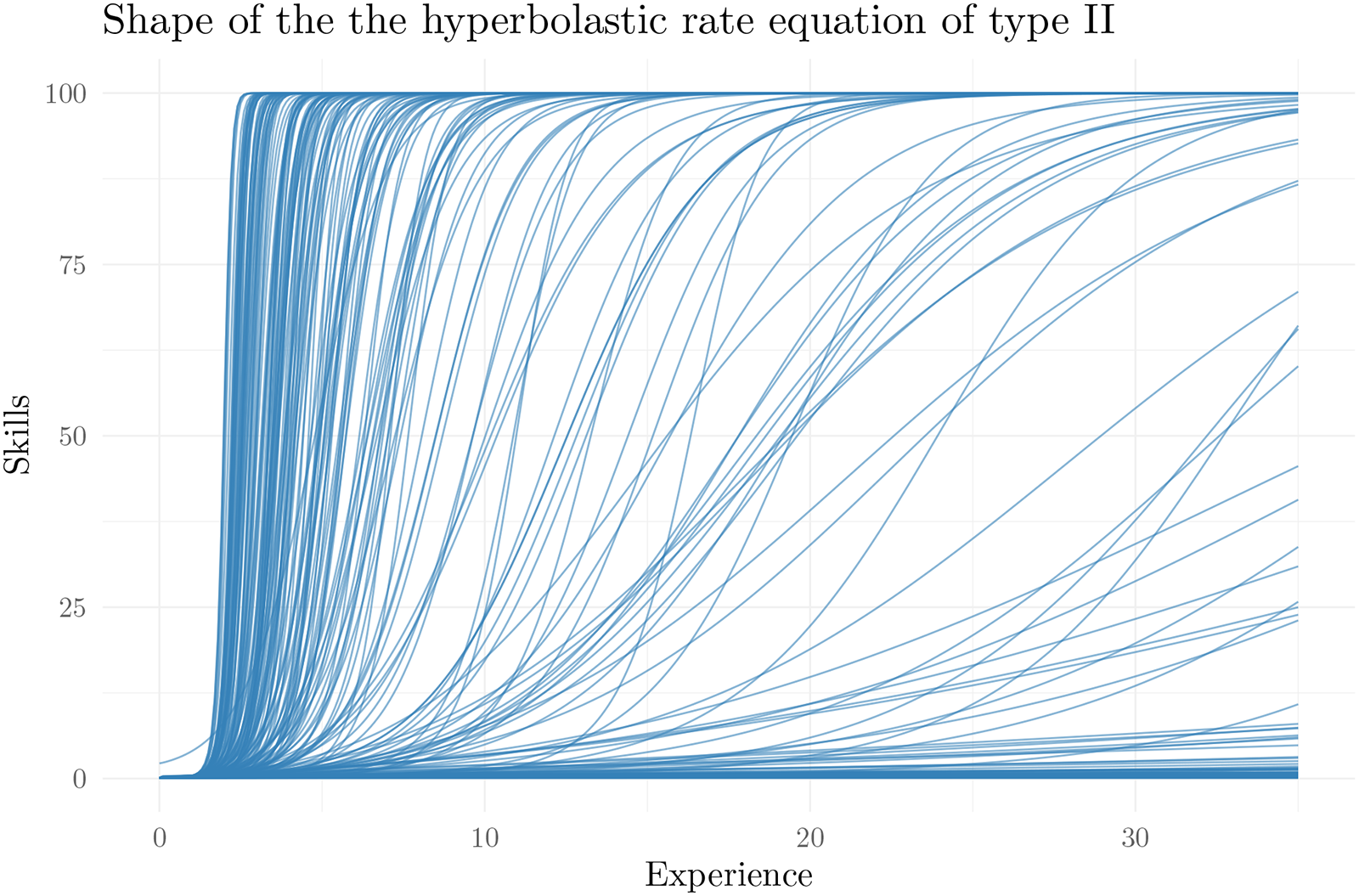
Shape of 250 curves from hyperbolastic rate equation of type II for
An interesting point regarding the fitted parameters of the model is the value of
Testing scenarios
For the first scenario, we need to introduce new policies that provide greater support to players born in the last quarter to mitigate Relative Age Effect (RAE). We need to further reflect on concrete procedures, such as learning for coaches, additional development stages for certain players, and other supportive measures. Indeed, Vaeyens et al.
34
explain that coaches often rely on their expertise and intuition to make subjective judgments, particularly when identifying and selecting talent. Acting only on them is not sufficient to reduce or eliminate Relative Age Effect (RAE) because coaches are often swayed by preconceptions and diverse pressures when choosing specific players.
35
Therefore, it is necessary to combine actions toward coaches, players, families, and structures to have an effect. Nevertheless, from a practical point of view, it is easier to reduce the maximum training capacity or increase the training of players who need it, rather than reducing the sensitivity. Therefore,
In the second scenario, the first part, e.g. define categories based on a 15-month or 21-month period with a fixed starting month, is not consistent with our model because it modifies the length of the categories and, consequently, their number. The second part, e.g. rotating cut-off, does not change the number of cohorts, only the distribution of birth quarters within them, and each player remains in a category for the same duration as in the current system. Thus, this solution does not modify our modelization, and we can assume that the parameters remain applicable since the categories retain almost the same structure, except that the players who have more advantages change regularly. In scenarios,
The cut-off date in April shows the worst improvement in Relative Age Effect (RAE), which is consistent with the fact that, in this case, we offer advantages to the first and second quarters, while the third and fourth quarters face disadvantages. The three other scenarios provide similar advantages, as they distribute the benefits more evenly across the birth quarters. However, relying solely on this indicator to classify the scenarios could necessarily lead to misinterpretations since the improvement in the Relative Age Effect (RAE) is assessed globally across all quarters, it does not necessarily imply an improvement in each individual quarter. For example, we might observe a significant improvement for the first quarter but little to no change for the fourth, leading to a high overall improvement despite disparities between quarters. Therefore, we need to analyze the proportion of players in each quarter for each scenario to properly assess its effectiveness and determine whether it leads to a more balanced distribution. Figures 7 and 8 illustrate this distribution for Scenario 1 and Scenario 2, respectively. In these figures, the dotted lines represent the birth quarters from INSEE, the gray lines represent the base case, and the colored lines represent the modified model. In each policy, the curve of quarters differs from the base case and tends toward the right proportion. For the first scenario, the effect applies in each quarter at the same time, and we observe the same efficiency as before for each scenario.
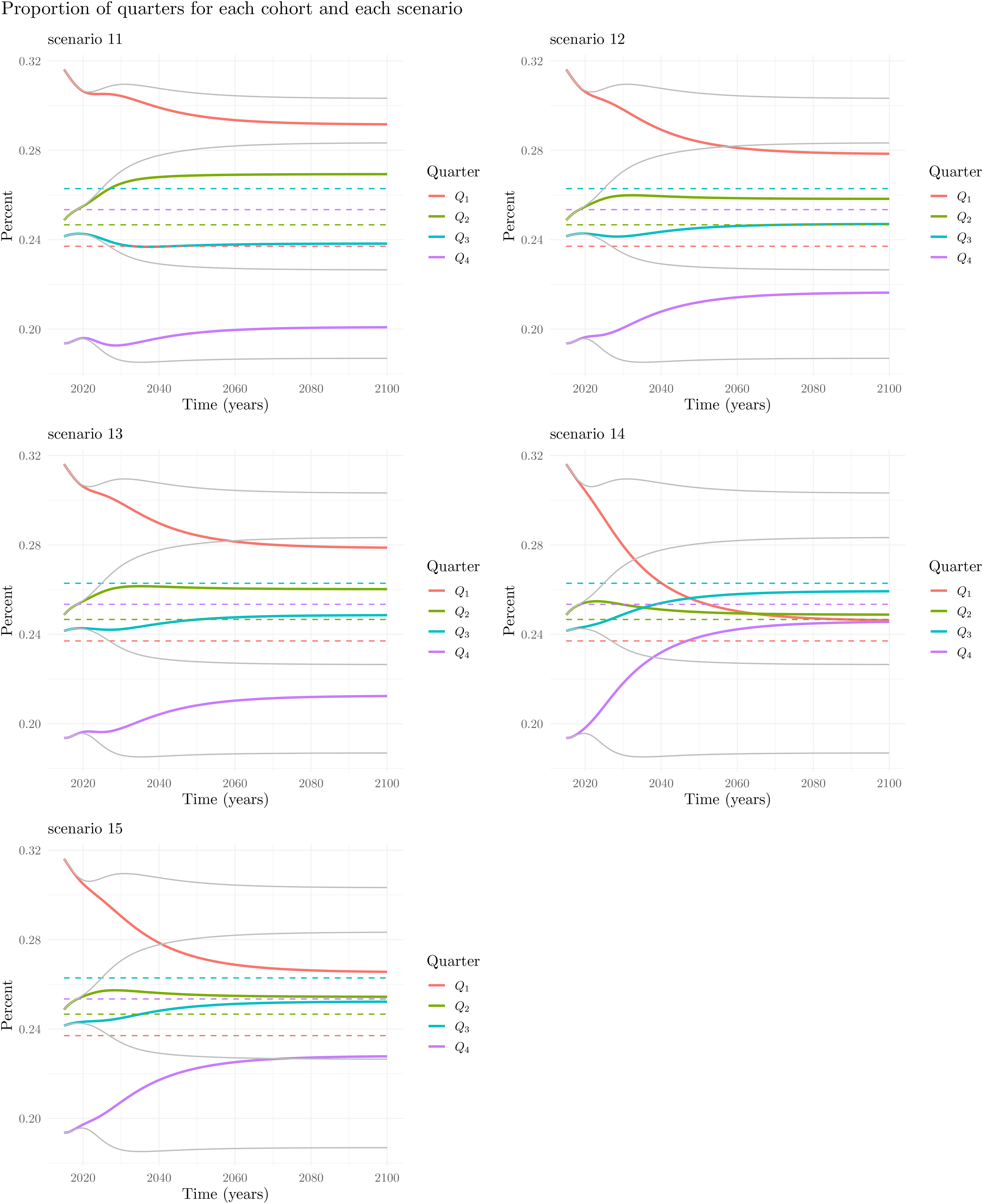
For each scenario from the
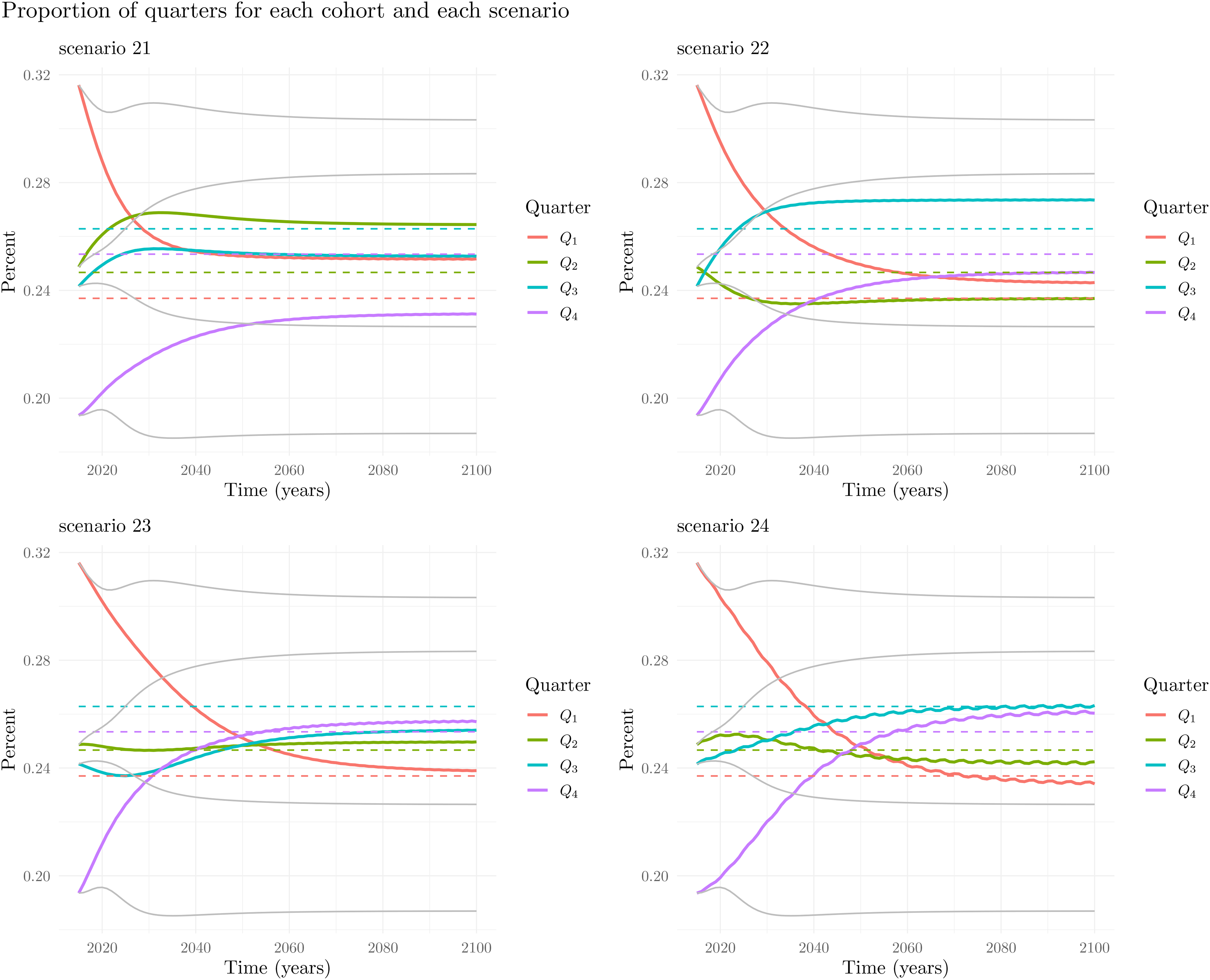
For each scenario from the
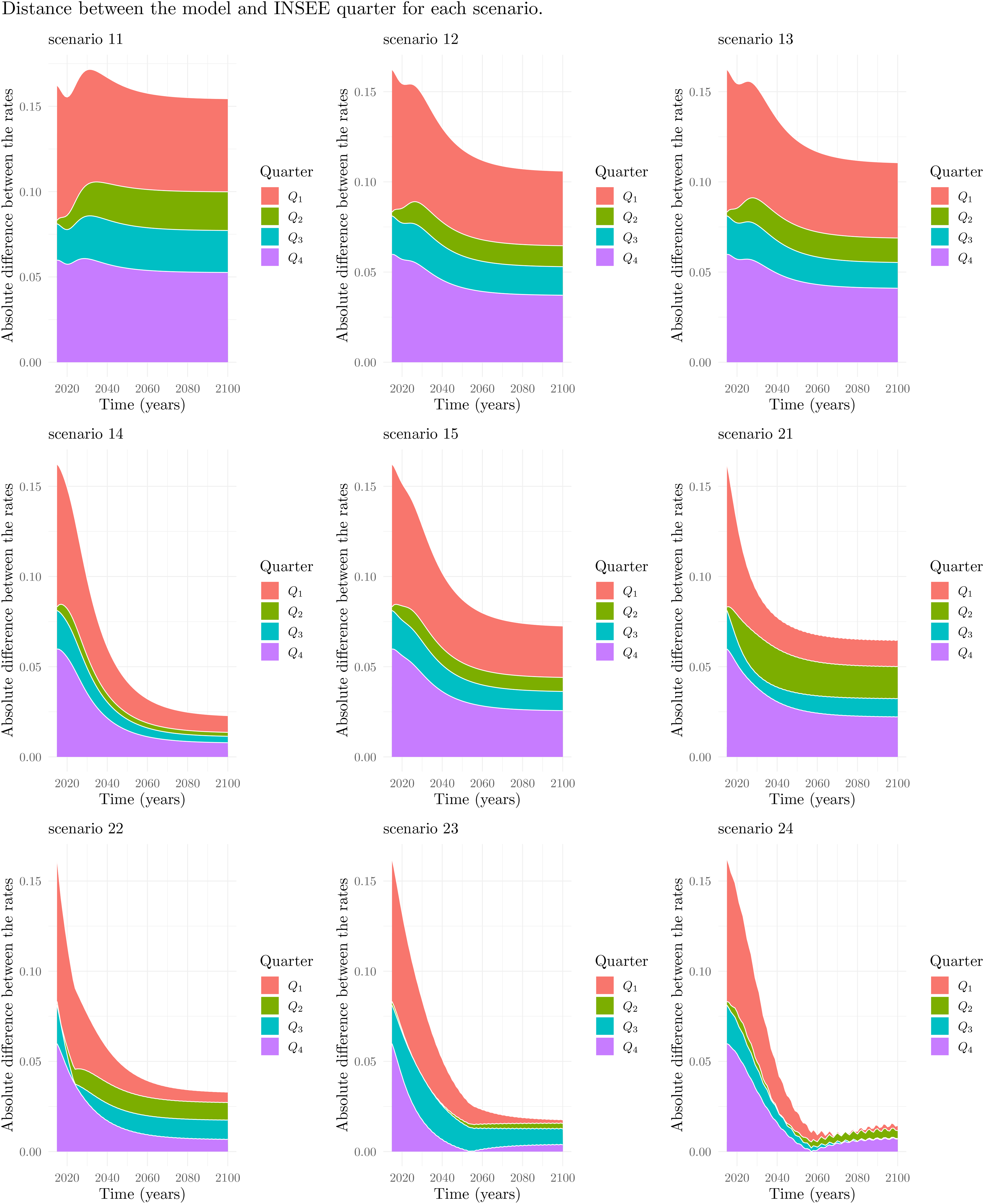
For each scenario, we plot the temporal evolution of the absolute values of the difference between the INSEE-reported birth quarter and the model-predicted one. Ideally, in the absence of Relative Age Effect (RAE), this difference would be zero.
To the best of our knowledge, there is no sport in which this method has been implemented. Nevertheless, other approaches relevant to our study can be found, such as bio-banding and birthday-banding. Bio-banding
37
consists of grouping athletes according to their biological age, determined by their maturity status. However, Cumming et al.
38
showed that this strategy moderates maturation bias but does not mitigate RAE.
38
A closely related method is birthday-banding,
39
which involves grouping athletes according to their date of birth rather than a fixed cut-off date: a player enters a cohort on their birthday and leaves it on their next birthday. This can be seen as our strategy applied at an individual level. Kelly et al.
39
examined this method within the England Squash talent pathway, where it has been in use, and observed no RAE in this sport, despite its presence in other racket sports (e.g., badminton,
40
table tennis,
41
tennis
42
). This study has some limitations, such as a small sample size. This method results in frequent player turnover within a cohort over the course of a year. While it may be feasible in individual sports such as squash, its implementation in team sports is far more challenging, as teams require stability and players need time to develop cohesion and coordinated play. Consequently, the continuous entry and exit of players based on their birthdays is incompatible with the practical demands of team dynamics. However, it supports our findings with the
Conclusion
In this article, we have built a dynamic model of the Relative Age Effect (RAE) that applies to French handball players. The model fits the data correctly and provides us with the opportunity to test different policies: some based on increasing attention to this phenomenon, and others based on modifying the cut-off date. The most efficient way is to modify the cut-off. This work provides an additional tool for decision-makers to consider when thinking about reducing the Relative Age Effect (RAE). This reduction can have an impact on talent detection and allow trainers to eventually have a wider sample of high-level players distributed across each quarter and it may also reduce attrition in young cohorts, contributing to a higher level of licensees. Indeed, we can assume that a portion of players who quit is due to the Relative Age Effect (RAE).43,44 This result aligns with the findings of Pierson et al. 9 in the National Hockey League (NHL) although these two models differ significantly in their construction.
Our model has some limitations. The parameters that have to be fitted are correlated, and the confidence interval becomes too wide. By construction, it will be difficult to express these parameters as independent parameters. Future work would be to analyze structural identifiability more precisely, despite the conceptual challenges posed by the mathematical and statistical complexity of the task. An overview of recent developments in the field of structural identifiability analysis can be found in Heinrich et al.
45
Nevertheless, we can certainly increase the precision if we use more values to fit them. Although we use a large sample of data to determine the constant parameters or the initial conditions, we only have 10 years of birth quarter proportions, from 2015 to 2024. The FFH does not have numerical records of license information before 2015. The initial conditions for the stocks of players were easy to extract from the data, but the initial conditions for the cumulative experience were not possible to estimate. We had to make some choices that seemed credible to us from a learning curve perspective and after discussions with coaches or trainers. The scenarios we proposed are not simple to implement in practice. For scenario 1, it will be difficult to change mentalities and habits since practices have always been focused on getting results quickly and therefore favoring the most advanced players. Nevertheless, we can assume that these scenarios will have the approval of parents who will see their children receive more attention and playing time. Moreover, it is difficult to estimate the relationship between changes in practice and the values of the model’s parameters. rc3The choice of values for the parameters
Footnotes
Acknowledgments
The authors thank the reviewers for their valuable comments, which greatly improved the paper and the FFH for the provision of the data.

Ethical considerations
Ethical approval for this study was waived as it involved the secondary analysis of pseudonymized administrative data. The dataset was formally provided by the French Handball Federation (FFHB) for research purposes. All data processing and storage were conducted in strict accordance with the General Data Protection Regulation (GDPR) and the French Data Protection Act (Loi Informatique et Libertés), specifically complying with the CNIL Reference Methodology MR-004 regarding the reuse of existing data for research. The researchers accessed only non-identifiable information (license identifiers and membership dates). No directly identifying data (names or contact details) were used, ensuring participant confidentiality. Under French regulations, formal IRB approval is not required for the retrospective analysis of such administrative datasets.
Consent to participate
Not applicable.
Consent for publication
Not applicable.
Funding
The authors received no financial support for the research, authorship, and/or publication of this article.
Declaration of conflicting interests
The authors declared no potential conflicts of interest with respect to the research, authorship and/or publication of this article.
Data availability
The data analyzed in this study were provided by the French Handball Federation (FFHB) under a specific agreement and are not publicly available due to strict legal and ethical restrictions regarding participant confidentiality. The dataset remains the property of the FFHB. Any request to access these data should be directed to the French Handball Federation.