







Abstract
Shooting velocity is a key performance variable in water polo, yet the effects of training interventions on this outcome have not been systematically synthesized. Therefore, this study aimed to systematically review and quantitatively synthesize the effects of training interventions on shooting velocity in elite water polo players. A systematic literature search was conducted in the PubMed, Embase, and Scopus databases up to February 28, 2026. Randomized controlled trials investigating the effects of training interventions on shooting or throwing velocity in water polo players were included. Effect sizes were calculated using Cohen's d, and a random effects model was applied. Heterogeneity among studies was assessed using Cochran's Q and I2 statistics. Subgroup analyses were conducted according to gender and training type. The results showed that five studies with six effect sizes met the inclusion criteria. The meta-analysis revealed that training interventions significantly improved shooting velocity in water polo players (d = 0.41, 95% CI: 0.02–0.80, p = 0.040). The heterogeneity across studies was low (I2 = 0%). The subgroup analysis showed that resistance training had a significant positive effect on shooting velocity (d = 0.66, 95% CI: 0.09–1.24, p = 0.023), whereas foam rolling interventions did not demonstrate significant improvements. No significant differences were observed between the male and female subgroups. In conclusion, training interventions improved the shooting velocity in water polo players, with resistance-based training showing the greatest beneficial effects. These findings highlight the importance of strength- and power-oriented training programs in enhancing shooting performance in water polo athletes.
Introduction
Water polo is a high-intensity team sport requiring repeated swimming, rapid changes in direction, and powerful passing and shooting.1–4 During competition, players must create offensive opportunities and attempt shots within a limited time, and shooting performance is recognized as an important factor influencing match outcomes.5–7 Among the various performance indicators, shooting velocity is considered a key performance variable because it can limit the goalkeeper's reaction time and increase the probability of scoring.8–11 Therefore, improving shooting velocity has been emphasized as an important training objective for enhancing water polo performance.
The shooting action in water polo is not simply an arm movement but a complex motion involving whole-body coordination. In general, the throwing velocity is produced through a kinetic chain in which the force generated by the lower body is transferred through the trunk to the upper limbs. In this process, muscular strength and power play important roles in determining ball velocity.9,12,13 In aquatic environments where ground reaction forces are limited, trunk stability and core strength may play even more important roles in the transmission of force.14,15 Therefore, recent studies have examined the effects of strength, power, and various resistance-based training programs on improving shooting velocity in water polo players.16–19
Previous studies have reported that resistance training targeting the upper and lower body could improve shooting velocity in water polo players. In addition, some studies have investigated the effects of recovery strategies and auxiliary training methods on throwing velocity.1,20,21 However, these studies differed in terms of participant characteristics, training program design, training duration, and training intensity, and their findings were not consistent. Certain studies have reported positive effects of training interventions on shooting velocity,10,17,19 whereas others have reported no significant improvements.18,22
Although research on training interventions aimed at improving shooting velocity in water polo players is gradually increasing, drawing clear conclusions on the effectiveness of specific training methods based on individual studies alone remains difficult. Moreover, studies that systematically synthesize and quantitatively analyze the effects of training interventions on shooting velocity in water polo players are limited. Therefore, integrating the existing evidence to evaluate the overall effects of training interventions on shooting velocity is needed.
Therefore, this study aimed to systematically review training intervention studies conducted with elite water polo players and quantitatively evaluate the effects of these interventions on shooting velocity through a meta-analysis. Our findings will provide evidence-based information for the development of effective training strategies to enhance shooting performance in water polo athletes.
Methods
Study design
This study was designed as a systematic review and meta-analysis to comprehensively evaluate the effects of training interventions on improving shooting velocity in elite water polo players. The study procedures and reporting adhered to the Preferred Reporting Items for Systematic Reviews and Meta-Analyses (PRISMA) guidelines. The study protocol was registered with the International Prospective Register of Systematic Reviews (PROSPERO) (CRD420261327763). We aimed to systematically retrieve training intervention studies conducted to improve shooting velocity in water polo players and quantitatively synthesize their effect sizes.
Literature search
A systematic literature search was conducted using PubMed, Embase, and Scopus databases to identify training intervention studies related to improving shooting velocity in elite water polo players. The search was performed from the inception of each database until February 28, 2026.
The search strategy was developed to incorporate keywords related to water polo and performance indicators associated with shooting velocity. Specifically, the search combined the term “water polo” with keywords pertaining to shooting velocity. The main search terms included “shooting velocity,” “ball velocity,” “throwing velocity,” “shot speed,” “ball speed,” and “throwing speed.” The search strategies were developed using Medical Subject Headings (MeSH), Emtree terms, and title/abstract searches according to the characteristics of each database.
In PubMed, the search combined the MeSH term “Water Polo” with the relevant free-text terms. In Scopus and Embase, equivalent keywords were applied toin the title, abstract, and keyword fields.
Eligibility criteria and study selection
The Participants, Intervention, Comparison, Outcomes, Study design (PICOS) framework was applied to determine the eligibility criteria for the systematic review and meta-analysis.
Participants
Studies including elite or competitive-level water polo players were deemed eligible.
Intervention
Interventions aimed at improving shooting or throwing velocity in water polo players were included. These interventions primarily consisted of training-based programs (e.g., strength, power, and combined training), with some studies also incorporating recovery-based approaches.
Comparison
Studies comparing an intervention group with a control group were included to evaluate the effects of the training interventions.
Outcomes
Studies that reported velocity-related outcomes associated with water polo shooting performance, including shooting, throwing, and ball velocity, were included.
Study design
Only randomized controlled trials (RCTs) were included. Studies identified through the literature search were first screened for duplicates. After removing duplicate records, the titles and abstracts were reviewed for initial screening. The full texts of potentially eligible studies were subsequently assessed to determine the final inclusion criteria. The screening was conducted using the Rayyan platform (Qatar Computing Research Institute, Doha, Qatar). When disagreements occurred during the study selection process, the final decision was reached through discussion. Review articles, theses, or conference abstracts that did not provide original data were excluded. Studies without accessible full text or with insufficient statistical information required for effect size calculations were also excluded. The study selection process is presented in a PRISMA flow diagram (Figure 1).
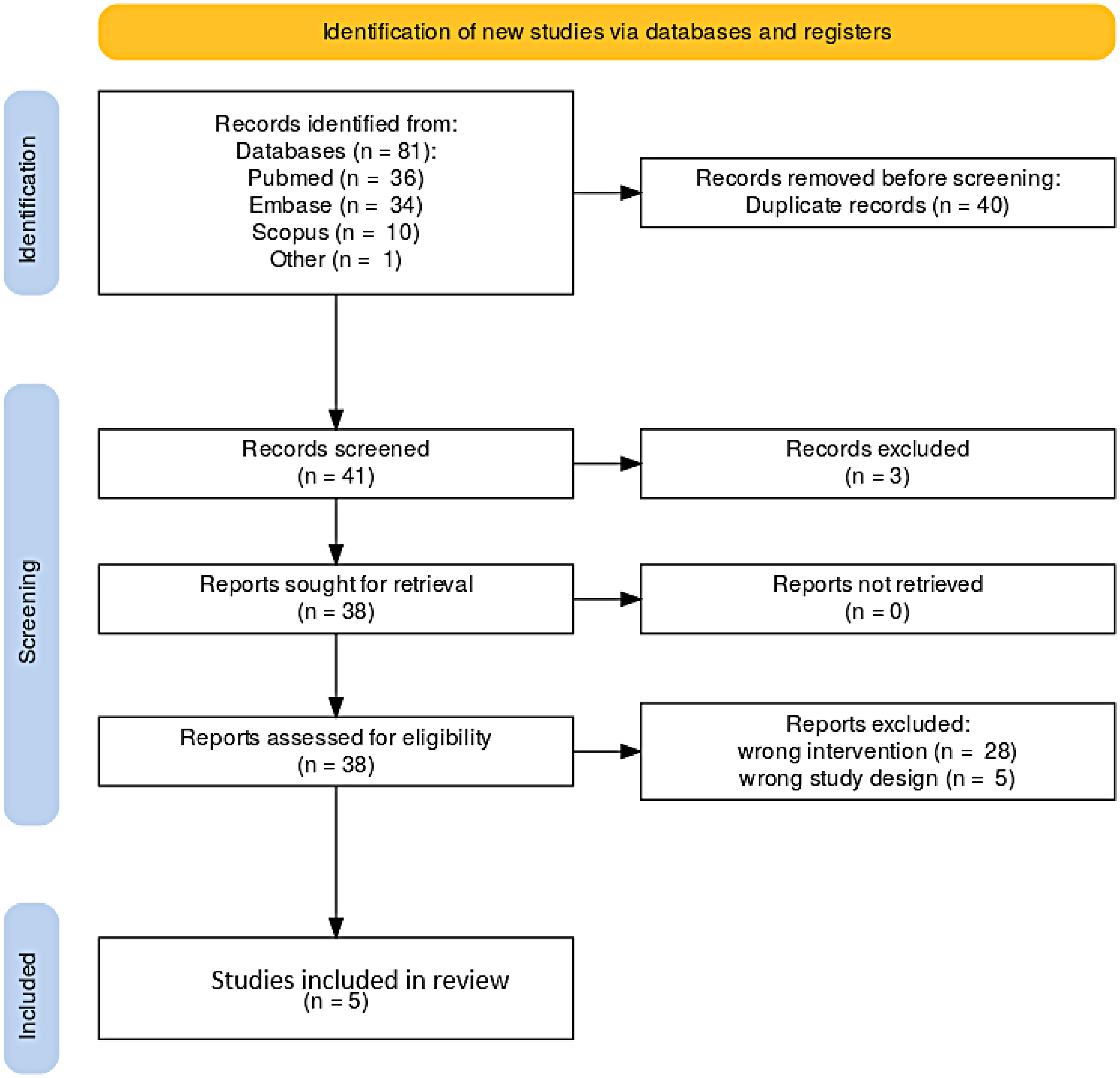
PRISMA flow diagram of study selection process.
Data extraction
The relevant information required for the meta-analysis was systematically extracted from the included studies. Data were independently extracted by three researchers. The following information were collected from each study: author and publication year, participant characteristics (sample size), type of training intervention, training duration and frequency, and outcome variables related to shooting or throwing velocity. Additionally, information regarding the methods used to assess shooting velocity in each study was extracted, including measurement devices, testing conditions, and protocols. For the meta-analysis, the statistical information reported, including mean values, standard deviations, and sample sizes, was also extracted. Any discrepancies between the researchers during the data extraction process were resolved through discussion.
Quality assessment
The methodological quality and risk of bias of the included studies were assessed using the Risk of Bias 2 (RoB 2) tool developed by the Cochrane Collaboration. RoB 2 evaluates the risk of bias in randomized controlled trials across five domains: the randomization process, deviations from intended interventions, missing outcome data, measurement of outcomes, and selection of reported results.
Each domain was rated as having a low risk of bias, some concerns, or high risk of bias. The risk of bias assessment was independently conducted by two researchers. Disagreements were resolved through discussion. The results of the risk of bias assessment are presented in Supplementary 2.
Statistical analysis
The meta-analysis was conducted using R statistical software (R Foundation for Statistical Computing, Vienna, Austria), and the analyses were performed using the metafor package. To evaluate the effects of the training interventions on shooting velocity in water polo players, standardized mean differences were calculated. Effect sizes were computed using Cohen's d and presented as 95% confidence intervals (CI). Between-study heterogeneity was assessed using Cochran's Q test and I2 statistic. The I2 value represents the proportion of variability across studies and is commonly interpreted as low (25%), moderate (50%), or high (75%) heterogeneity.
Considering the methodological differences across studies and variations in study populations, a random effects model was used to estimate the pooled effect size. Potential differences in measurement methods and intervention types were considered as sources of heterogeneity. Subgroup analyses were conducted according to gender and training type. Publication bias was evaluated by visual inspection of funnel plots. However, because fewer than 10 studies were included, quantitative tests, such as Egger's regression test, were not performed owing to limited interpretability.
Results
Study selection and characteristics
A total of 81 studies were identified through the literature search. After removing 40 duplicate records, the titles and abstracts of 41 studies were screened. During the title and abstract screening stage, three studies that did not meet the inclusion criteria, including review articles, were excluded. Subsequently, the full texts of 38 studies were assessed for eligibility.
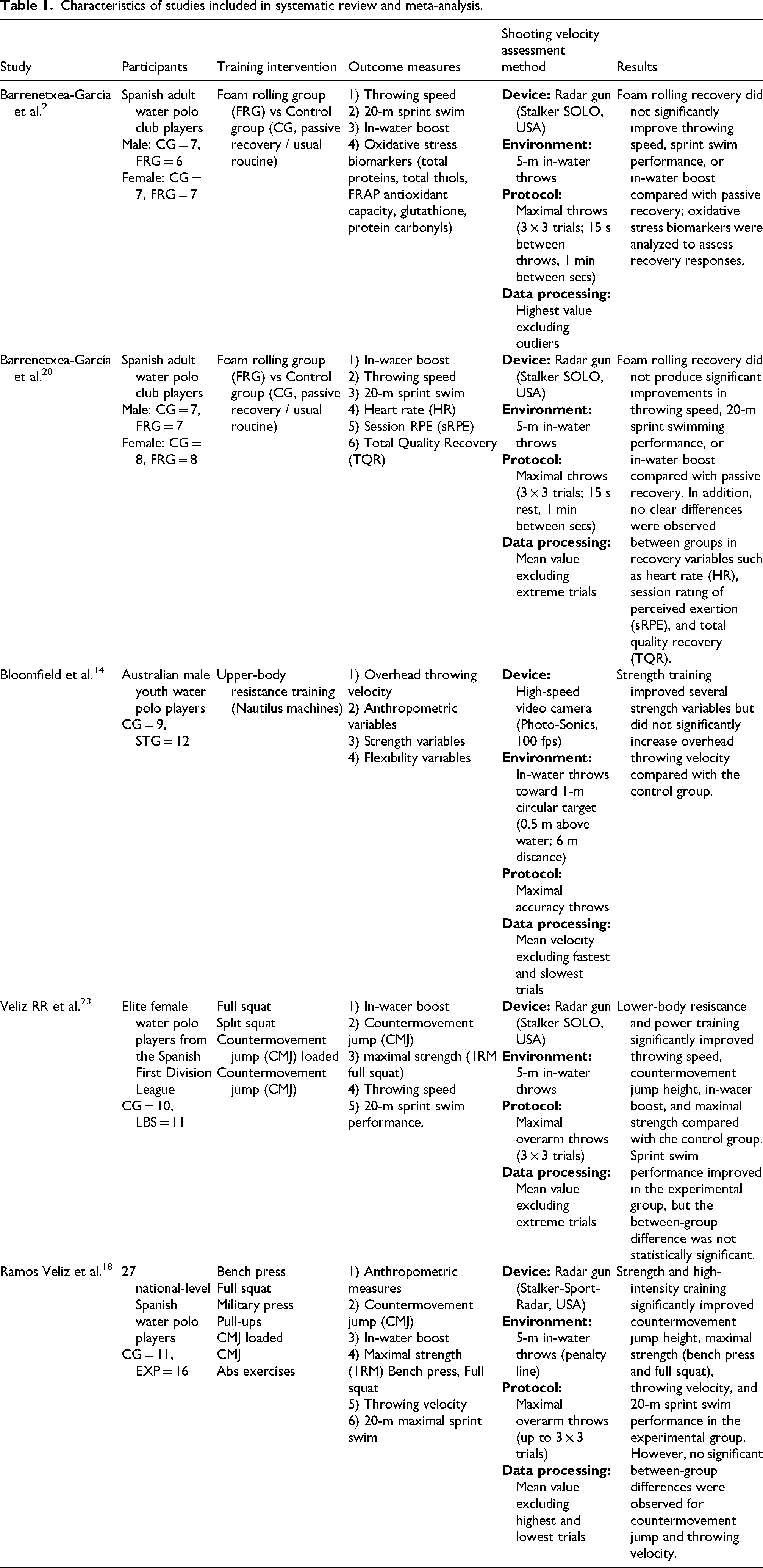
Based on the full-text review, 28 studies were excluded because the intervention type did not match the purpose of the present study, and five studies were excluded because the study design did not meet the inclusion criteria. Finally, five studies were included in the systematic review and meta-analysis. The study selection process is presented in a PRISMA flow diagram (Figure 1). The main characteristics of the included studies are summarized in Table 1. All included studies were randomized controlled trials and the participants were elite or competitive-level water polo players. The training interventions applied across studies varied and included strength training, lower body resistance training, upper body resistance training, and foam rolling as recovery strategies. In most studies, shooting or throwing velocities were measured as the primary outcome variable.
Characteristics of studies included in systematic review and meta-analysis.
Effects of training interventions on shooting velocity
To evaluate the effects of training interventions on shooting velocity in water polo players, a meta-analysis was conducted including six effect sizes reported in five studies. Using a random effects model, the results showed that training interventions significantly improved shooting velocity in water polo players (ES = 0.41, 95% CI: 0.02–0.80, p = 0.040) (Figure 2).
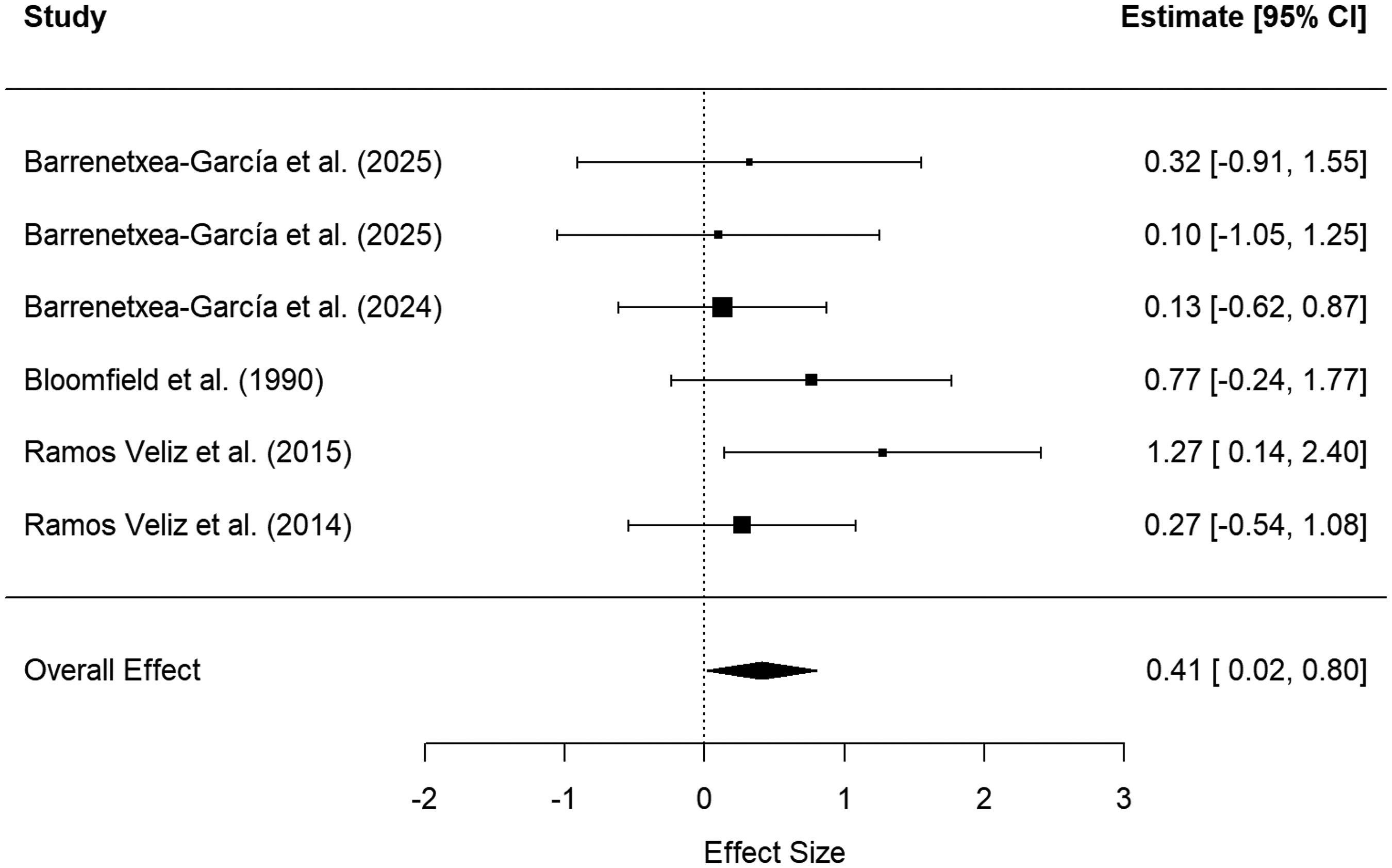
Forest plot of overall effect of training interventions on shooting velocity.
The heterogeneity analysis indicated no statistically significant heterogeneity among the included studies (Q = 3.70, p = 0.593) and the I2 value was 0%, suggesting minimal variability across studies.
Subgroup analysis
Subgroup analyses were conducted to examine whether the effects of the training interventions differed according to gender and training type. The subgroup analysis by gender showed no significant effects in female players (d = 0.69, 95% CI: −0.46–1.84, p = 0.240) or male players (d = 0.43, 95% CI: −0.13–0.99, p = 0.128) (Figure 3). In addition, the subgroup differences according to gender were not statistically significant (QM = 1.05, p = 0.592). The subgroup analysis according to training type indicated that resistance training significantly increased shooting velocity (d = 0.66, 95% CI: 0.09–1.24, p = 0.023). By contrast, foam rolling recovery interventions did not show a significant effect (d = 0.16, 95% CI: −0.40–0.72, p = 0.575) (Figure 4). However, the subgroup differences according to training type were not statistically significant (QM = 1.54, p = 0.214).
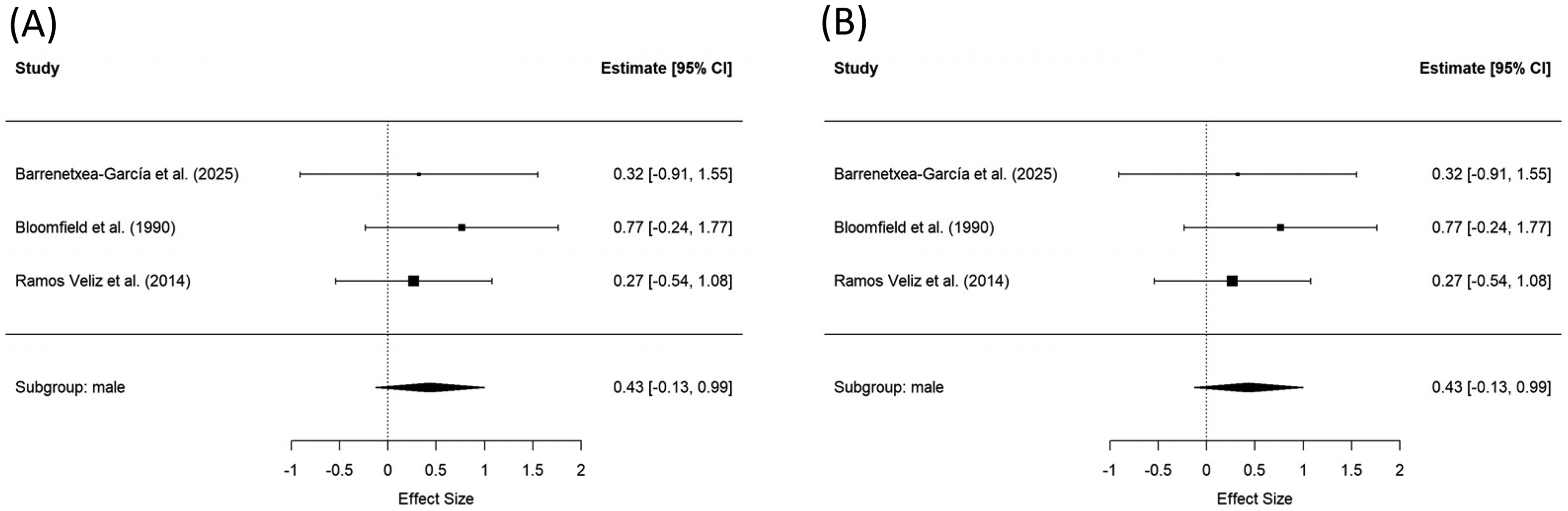
Forest plot of subgroup analysis by gender. (a) Male players; (b) female players.
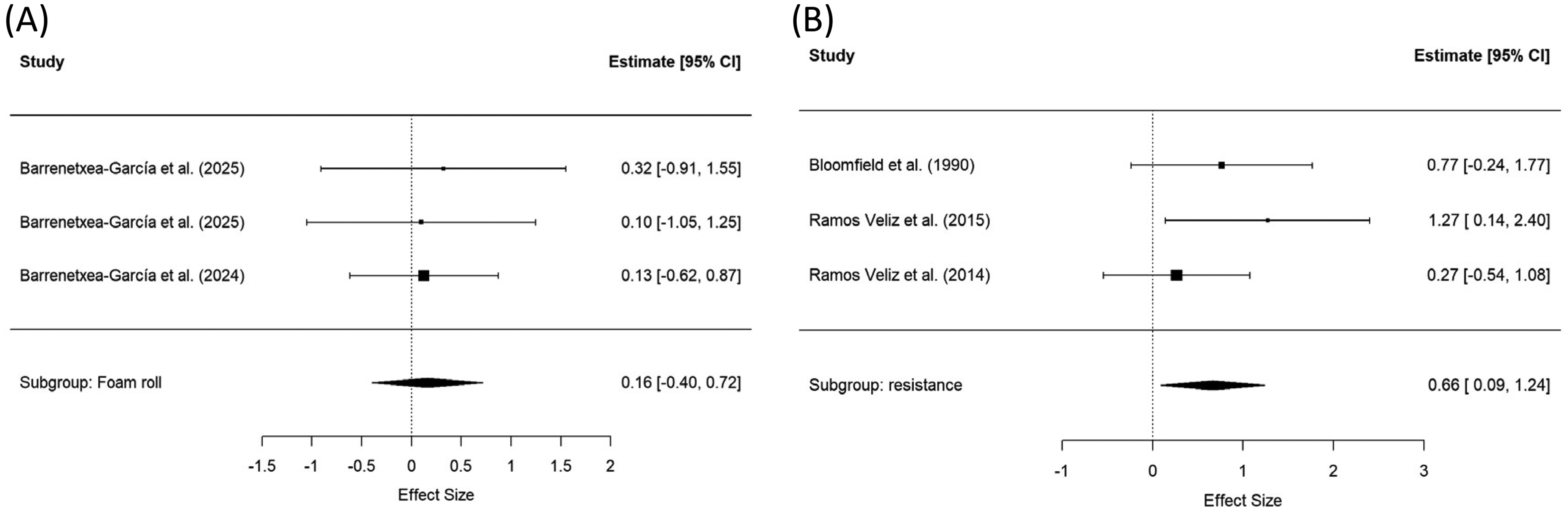
Forest plot of subgroup analysis by training type. (a) Foam rolling intervention; (b) resistance training intervention.
Publication bias
Publication bias was assessed by visual inspection of funnel plots (Figure 5). The funnel plot showed a generally symmetrical distribution, with no clear evidence of publication bias. However, because the number of included studies was less than 10, quantitative tests such as Egger's regression test were not performed.
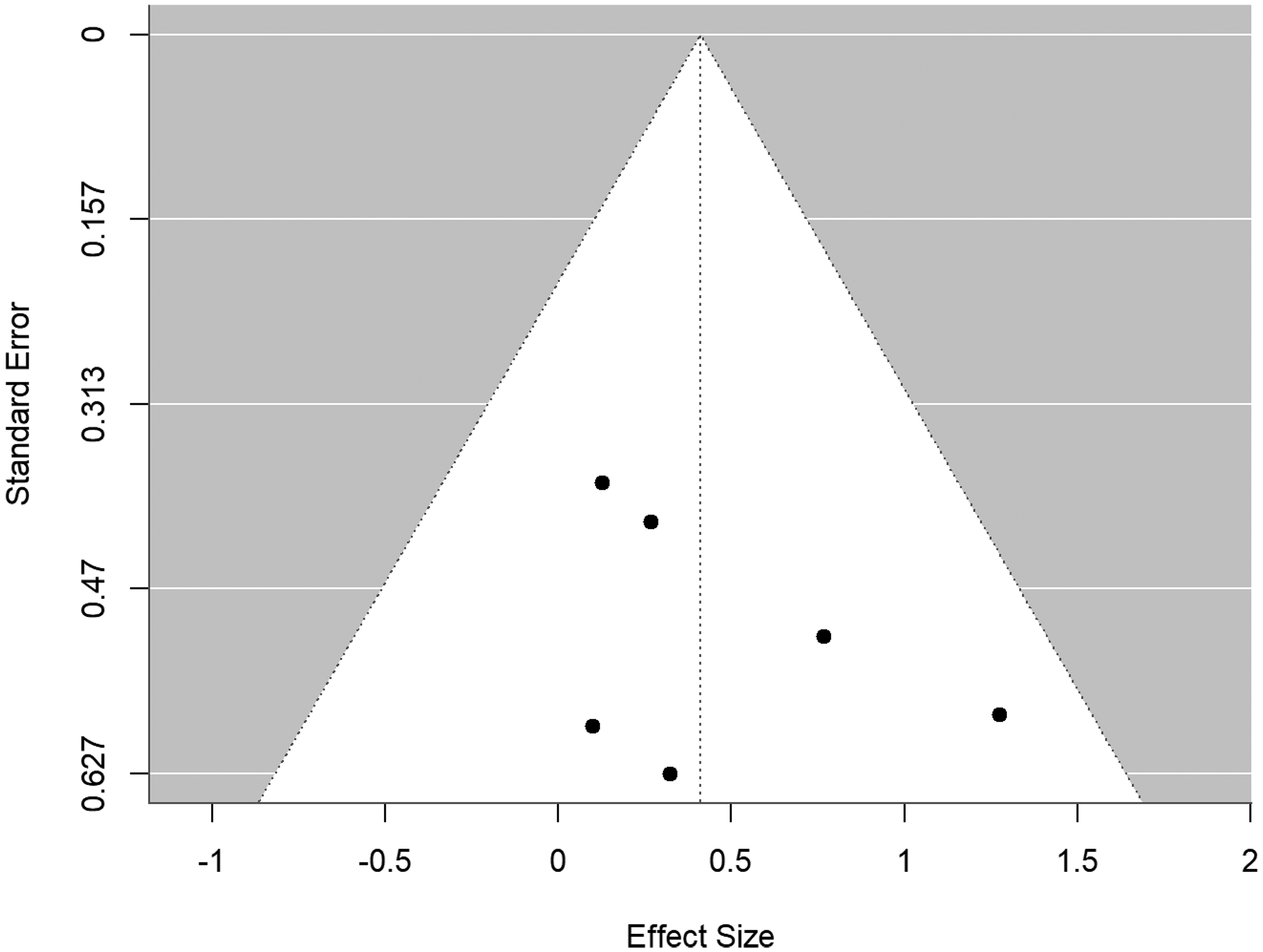
Funnel plot for publication bias.
Discussion
The purpose of this study was to systematically review the effects of training interventions on shooting velocity in water polo players and quantitatively synthesize the results through a meta-analysis. The meta-analysis showed that training interventions had a statistically significant positive effect on shooting velocity (ES = 0.41, 95% CI: 0.02–0.80). These findings suggest that structured training programs may contribute, to some extent, to improvements in the throwing performance of water polo players. According to Cohen's criteria for effect size interpretation, 24 an effect size of 0.41 corresponds to a value between small and moderate effects. This indicates that training interventions can significantly influence shooting velocity; however, the magnitude of performance improvement observed in actual match performances may be relatively limited.
The forest plot analysis showed that the effect sizes of the individual studies were distributed across a relatively wide range. The study by Veliz RR et al. 23 reported the largest effect size (ES = 1.27), whereas other studies reported relatively small or statistically non-significant effects. Such variability across studies may be explained by differences in the training program design, training duration, athlete level, and measurement methods. Elite athletes already possess high performance capacity; therefore, the magnitude of additional improvements resulting from further training may be relatively limited.
The subgroup analysis according to gender did not reveal any statistically significant effects in male or female players. The effect size was 0.43 for male athletes and 0.69 for female athletes; however, the confidence intervals for both groups were zero, indicating that the differences were not statistically significant. These findings suggest that the main factors influencing improvements in shooting velocity may be related more to the characteristics of the training program, training intensity, and athletes’ training level, rather than gender itself. Nevertheless, as the number of studies involving female athletes is limited, additional research focusing on female water polo players is required.
The subgroup analysis according to the training type showed that resistance training significantly improved shooting velocity (ES = 0.66). By contrast, foam rolling intervention did not show a statistically significant effect. These results suggest that training programs aimed at improving muscular strength and power may play an important role in enhancing the shooting performance of water polo players. Previous studies also reported that strength and high-intensity training programs could positively influence throwing velocity, jumping ability, and swimming performance in water polo athletes.18,25
The influence of resistance training on shooting velocity can be explained by the biomechanical characteristics of the water polo throwing motion. The throwing movement in water polo follows a kinetic chain structure, in which lower-body stabilization, trunk rotation, and upper-limb acceleration occur sequentially. Unlike land-based throwing sports, such as baseball or handball, water polo players cannot utilize the ground reaction force during throwing. Instead, players maintain body stability above the water surface using an egg beater kick and transfer the force generated from the lower body and trunk to the upper limbs to propel the ball. 26 Owing to these biomechanical characteristics, lower body strength and core stability play important roles in the throwing motion, and improvements in these factors through strength training may contribute to increased shooting velocity.
Water polo is performed in an aquatic environment, creating performance characteristics that differ from those in other throwing sports. The density of water is much greater than that of air, which creates considerable resistance not only to the athlete's body movements but also to the movement of the ball. In such an environment, an increase in muscular strength may not necessarily lead to a proportional increase in ball velocity. Technical skills and neuromuscular coordination may, therefore, also play important roles in improving shooting performance. Consequently, improvements in shooting velocity may be achieved more effectively through an integrated approach that combines strength training and technical training.
These characteristics are also clearly observed in actual match situations. In water polo matches, most shooting situations do not occur from static positions but rather after swimming movements or defensive pressure. Under such conditions, athletes must not only throw the ball quickly but also maintain body stability in the water, sustain a vertical body position, and rapidly coordinate trunk rotation and arm movement. Therefore, improvements in shooting velocity cannot be explained solely by increases in muscular strength; technical skills and movement coordination may also play important roles.
By contrast, recovery strategies such as foam rolling did not have a significant effect on the shooting velocity. Foam rolling is a commonly used recovery method that reduces muscle tension and promotes post-exercise recovery through myofascial release. 27 However, because such recovery strategies do not directly improve muscular strength or power, their influence on performance outcomes such as shooting velocity may be limited. Previous studies conducted on water polo players also reported that foam rolling did not significantly influence throwing velocity or swimming performance. 20
Visual inspection of the funnel plots used to assess publication bias revealed an overall symmetrical distribution in the included studies. This finding suggests that no clear evidence of publication bias exists among the included studies. However, because fewer than 10 studies were included, quantitative tests, such as Egger's regression test, were not conducted. This limitation should be considered when interpreting the results.
This study had several limitations. First, only five studies were included in the meta-analysis, which substantially limits the statistical power and generalizability of the findings. This small number of studies is not incidental but rather reflects the overall scarcity of controlled experimental research on training interventions specifically targeting shooting velocity in water polo players. Water polo remains an underrepresented sport in the sports science literature, and the strict inclusion criteria necessary to ensure methodological rigor further narrowed the eligible pool. While the present review provides the first quantitative synthesis of available evidence on this topic, the pooled estimates should be interpreted with considerable caution. Future research should prioritize well-controlled randomized studies with larger sample sizes and standardized shooting velocity assessment protocols, so that subsequent meta-analyses can yield more robust and generalizable conclusions. Second, the included studies varied considerably in training duration, intensity, and type, introducing heterogeneity that makes direct comparison of intervention effects across studies difficult. Third, several studies were conducted with relatively small samples or mixed-level athletes, which may have introduced additional variability in the observed effect sizes. Fourth, the included studies differed in the instruments and methods used to assess shooting velocity. Although most studies employed radar-based devices, variations in testing protocols and data processing methods (e.g., mean vs. peak velocity), as well as the use of video-based kinematic analysis in some cases, may have introduced methodological heterogeneity. This variability may have contributed to inconsistencies in the reported outcomes and should be considered when interpreting the pooled results.
Despite these limitations, this study has important academic value in that it systematically synthesizes the effects of training interventions on shooting velocity in water polo players and quantitatively presents the findings through a meta-analysis. In particular, the results indicated that resistance training-based programs might positively influence shooting velocity. These findings provide useful evidence for designing training programs aimed at improving the performance of water polo players. Future research should include a larger number of randomized controlled trials to compare the effects of various training programs and identify optimal training strategies according to training intensity, duration, and type.
Conclusion
This study was conducted to systematically review and quantitatively evaluate the effects of training interventions on shooting velocity in water polo players through meta-analysis. The main conclusions of this study are as follows. First, the training interventions were found to significantly improve shooting velocity in water polo players, with the overall effect size falling between small and moderate (ES = 0.41). Second, the analysis according to training type showed that resistance training had a significant positive effect on shooting velocity, whereas recovery strategies such as foam rolling did not have a significant influence on performance enhancement. Third, the subgroup analysis according to gender showed no statistically significant differences in either male or female athletes, suggesting that the primary factors influencing improvements in shooting velocity might be related more to the characteristics of the training program and athletes’ competitive levels than gender itself. Fourth, because shooting action in water polo is performed in an aquatic environment, it is closely related to lower body stability, core strength, and the ability to transfer force through the whole-body kinetic chain. Therefore, strength- and power-based training programs that consider these factors may play an important role in improving shooting performance.
Supplemental Material
sj-docx-1-spo-10.1177_17479541261449182 - Supplemental material for Training interventions for improving shooting velocity in water polo players: A systematic review and meta-analysis
Supplemental material, sj-docx-1-spo-10.1177_17479541261449182 for Training interventions for improving shooting velocity in water polo players: A systematic review and meta-analysis by Seung-Hun Lee, Sang-Eun Oh and Eunhye Jo in International Journal of Sports Science & Coaching
Footnotes
Acknowledgments
None

Ethical considerations
Ethical approval was not required because this study was based on previously published studies and did not directly involve human participants.
Consent to participate
Not applicable. This study was a systematic review and meta-analysis based on previously published studies and did not directly involve human participants.
Consent for publication
Not applicable. This study did not include any individual personal data, images, or videos.
Author contributions
Conceptualization: Oh, Lee, Jo; Methodology: Oh; Data curation: Lee, Jo; Formal analysis: Oh; Writing original draft: Lee, Jo; Writing review and editing: Oh, Jo, and Lee.
Funding
The authors received no financial support for the research, authorship, and/or publication of this article.
Declaration of conflicting interests
The authors declared no potential conflicts of interest with respect to the research, authorship, and/or publication of this article.
Data availability statement
The data used in this study were obtained from previously published articles included in systematic reviews and meta-analyses. All data analyzed in this study are available in the articles cited in this manuscript.
Registration
The protocol for this systematic review and meta-analysis has been registered in the International Prospective Register of Systematic Reviews (PROSPERO) (CRD420261327763).
Supplemental material
Supplemental material for this article is available online.
References
Supplementary Material
Please find the following supplemental material available below.
For Open Access articles published under a Creative Commons License, all supplemental material carries the same license as the article it is associated with.
For non-Open Access articles published, all supplemental material carries a non-exclusive license, and permission requests for re-use of supplemental material or any part of supplemental material shall be sent directly to the copyright owner as specified in the copyright notice associated with the article.
