






Abstract
This study assessed male and female collegiate athletes’ current and previous resistance training (RT) experiences and explored athletes’ confidence levels regarding RT implementation. National Collegiate Athletic Association athletes were invited to participate in the anonymous survey consisting of 22 questions pertaining to demographics, sport participation, RT experiences and confidence levels. Response frequencies were assessed. Independent samples t-tests and χ2 analyses with Yates’ continuity correction were performed to assess sex differences (α=0.05). One hundred and thirty-seven athletes (52% women) were included in the analysis. Men reported sport participation at age 10 ± 5 years and women at age 8 ± 4 years. Men and women reported starting RT at age 15 ± 2 years, with no sex differences found (P > 0.05). No sex differences were found related to “confidence in ability to weight train on your own” (P > 0.05). 46.6% of women and 52.6% of men described being “very confident”. No sex differences were found related to “confidence in ability to design your own weight training program” (P > 0.05). 15.5% of women and 24.6% of men indicated they were “very confident”. When asked about barriers to starting RT, responses frequently included access to equipment and facilities, and lack of confidence and anxiety in gym settings. Addressing these issues may aid in increasing RT prescriptions for youth and collegiate athletes. Evaluating student athletes’ previous RT experiences may help to inform coaches of appropriate load progression to optimize performance. Youth athletes who begin organized sport at an early age should be encouraged to engage in RT with qualified personnel.
Keywords
Introduction
Adequate strength and conditioning programs help athletes develop a fitness foundation and prepare players to compete at a high level. 1 Resistance training has been shown to improve muscular strength and power leading to improvements in sport-related performance. 2 Collegiate athletes that enter the season with lower strength and power capabilities may be at an increased risk for injury, 3 and less prepared to handle the physical demands of the sport. 2 It has been suggested that freshmen collegiate athletes often lack sufficient resistance training knowledge and experience prior to entering college and therefore may be at a disadvantage when it comes to competing with their upperclassman counterparts. 4 In fact, research has shown National Collegiate Athletic Association (NCAA) female soccer athletes entering college as freshman express the lowest fat free mass and power capabilities compared to all other academic years. 5 Given the importance of strength and power for sport performance, 2 these findings may indicate a potential limited readiness for collegiate competition. Understanding the strength and conditioning practices of youth and adolescent athletes prior to entering college may better inform coaches and training staff of the appropriate load and progression techniques to optimize performance throughout a collegiate career.
The development of strength, power, and movement skills often begins during youth and adolescence, making these formative years for long-term athletic development. Incorporating resistance training into youth and adolescence sport training programs can help the athlete develop fundamental movement skills and improve physical literacy.1,6,7 Studies have shown that regular participation in appropriately designed resistance training programs can enhance bone mineral density, improve skeletal health, and reduce injury risk.8–10 Stronger youth athletes are more efficient in movements patterns and likely better prepared for the rigors of sport participation. 11 Those who specialize in a single sport at an early age may benefit from resistance training to enhance strength and address muscular imbalances that may arise from repeated movement patterns, with a goal to reduce the risk for overuse injuries in the future.11,12
While resistance training is recognized as an important component of long-term athletic development, relatively little is known about when male and female athletes first begin resistance training or the nature of their early training experiences. Exploring these experiences may be particularly important given sex differences are observed with regard to injury rates. At the youth level, girls experience a greater prevalence of overuse injuries compared to boys. 13 The difference in injury rates between men and women appears to persist at the collegiate level 14 where female athletes demonstrate an increased risk for anterior cruciate ligament (ACL) injuries and concussions compared to male athletes,14,15 even among athletes participating in similar sporting activities. 16 Understanding the resistance training experiences of athletes prior to entering college may provide insight into potential factors associated with sex-specific injury risk and athlete readiness for collegiate sport.
In the 2024–2025 academic year, there were more than 500,000 student athletes that participated in NCAA sports. 17 The NCAA is an organization of colleges and universities in the United States with the purpose to promote safety, fairness, sportsmanship and the equitable administration of athletic competitions and collegiate education across three competitive divisions (I, II, and III). 18 NCAA rules and regulations also impose restrictions on supervised athletic activities during certain periods of the academic year. For example, during the off-season periods, the NCAA stipulates that supervised training by sport coaches is restricted.19–21 For fall sport athletes, the longest offseason period occurs within the summer months, at which time athletes will often leave campus and return home for summer break. During this period, strength and conditioning coaches have limited access to their athletes. Yet, these off-season periods are essential to athlete development and readiness as it will prepare athletes for the upcoming season. Often times, strength and conditioning coaches will put together an “off-season” program, however, athletes are expected to carry out these programs on their own. 22 An athlete's ability to effectively resistance train on their own without direct supervision by a strength and conditioning coach is an important consideration to athlete development. Understanding previous resistance training experiences may help determine how prepared athletes are to independently implement training programs and maintain fitness levels during off-season periods.
One factor that may influence an athlete's ability to successfully engage in independent resistance training is self-confidence and motivation. Self-confidence is the belief that an individual can successfully execute or achieve a certain task. 23 A positive relationship exists between self-confidence and performance outcomes. 24 Athletes lacking in self-confidence, with regard to resistance training, may feel uncertain about implementing what they learn in the weight room. 25 Lack of self-confidence related to resistance training may negatively influence adherence to off-season training programs and subsequent readiness for sport participation. Therefore, evaluating the level of confidence both men and women have regarding resistance training modalities and programming may assist in understanding athletes’ ability to resistance train on their own in the off-season periods and enter preseason prepared for the physical demands of their sport. A 2004 study found sex differences exist in terms of weight training confidence. 26 Male collegiate athletes were significantly more confident than female athletes that their weight training techniques were adequate. 26 This is important as confidence in weight training ability may lead to increased participation and improved athlete readiness for the upcoming season. More research is warranted to determine sex disparities related to resistance training confidence in current NCAA athletes.
To the best of the authors’ knowledge, no previous research has explored NCAA student athletes’ experiences with resistance training programs prior to entering college. The aims of this study were to (1) assess and compare men and women NCAA athletes’ current and previous experiences with resistance training programs, and (2) explore the level of confidence men and women have regarding developing and implementing resistance training programs. It was hypothesized that men would report beginning resistance training programs at a younger age compared to women. Further, men would express greater confidence in resistance training abilities.
Methods
Research Design: This study utilized a cross-sectional, descriptive research survey design. The survey consisted of 22 questions pertaining to demographic and sport participation information, current resistance training practices, previous experiences with resistance training, and confidence levels related to resistance training. The survey was conducted using the online platform Qualtrics, Inc. (Provo, UT).
Subjects: This research was approved by the Queens College, City University of New York (CUNY) Institutional Review Board for the Protection of Human Subjects (IRB#2023-0571-QC). All procedures performed were in accordance with the 1964 Declaration of Helsinki and its later amendments or comparable ethical standard. Student athletes competing in the NCAA Division I, II, or III levels were invited to participate. Student-athletes were eligible to participate in the survey if they were at least 18 years old and were participating in a NCAA sport during the 2023 and 2024 academic year. 158 student athletes responded to the survey with 157 providing informed consent to participate. 20 student athletes did not complete any questions after providing informed consent and were excluded from analysis. The final sample size was 137 student-athletes from institutions throughout the United States (Men: n = 65, Age = 21 ± 2 years old; Women: n = 72 Age = 21 ± 2 years old). A total of 113 athletes reported finishing the survey in its entirety. Demographic information can be found in Table 1 and information pertaining to academic years can be found in Table 2.
Participants race/ethnicity information.
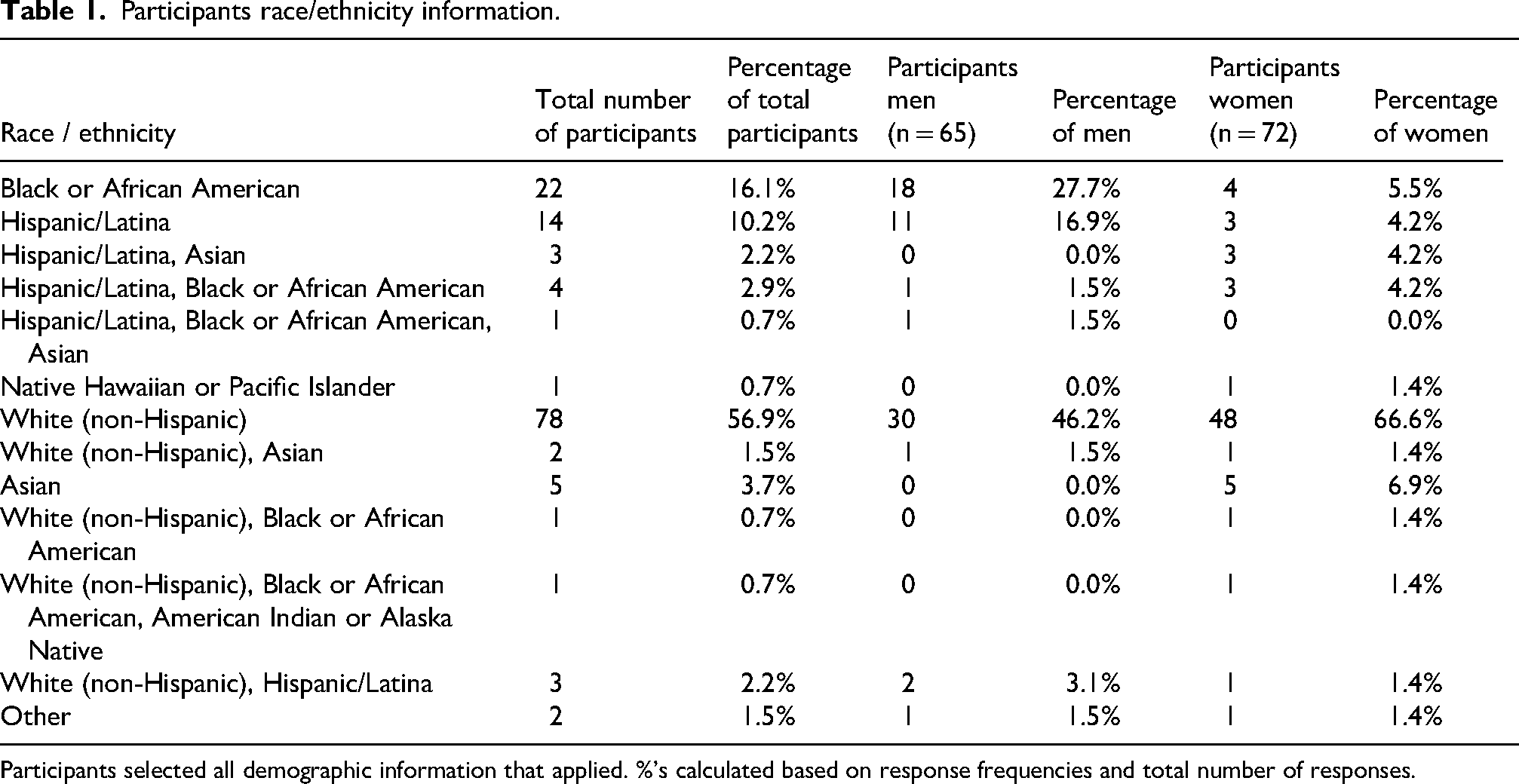
Participants selected all demographic information that applied. %'s calculated based on response frequencies and total number of responses.
NCAA student athletes academic years.
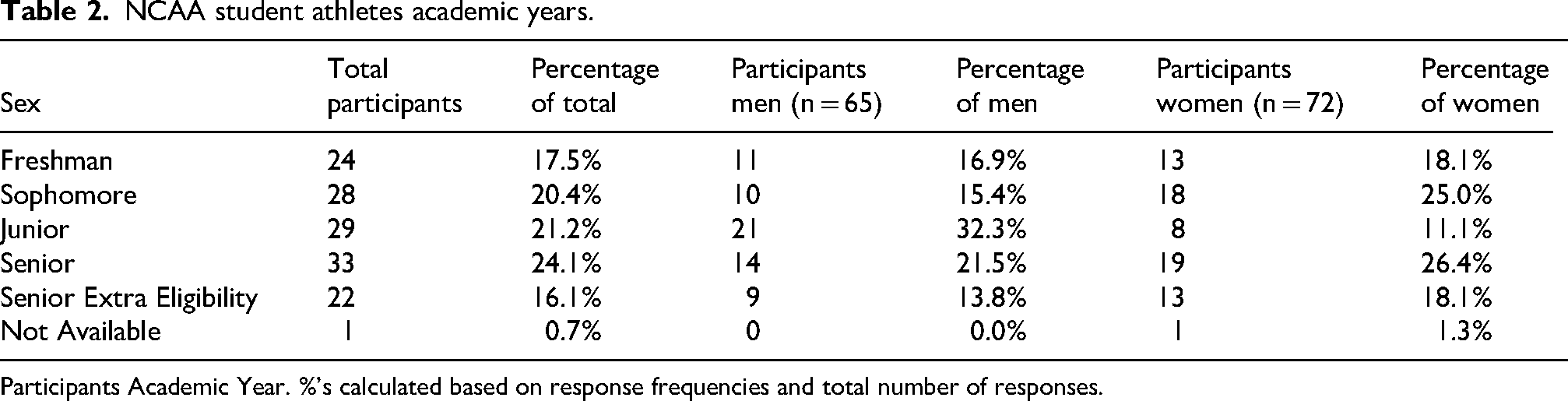
Participants Academic Year. %'s calculated based on response frequencies and total number of responses.
Survey Development: The survey was developed by researchers at Queens College, CUNY and incorporated terminology adapted from the questionnaire, Impacts of COVID-19 on Collegiate Student-Athlete Training, Health, and Well-Being Survey. 27 This survey contained the terminology and frameworks for questions regarding current resistance training practices and confidence utilizing different types of resistance training equipment. The current survey expanded upon these questions to include the types of resistance training athletes participated in prior to college. Additional questions were designed to assess demographic characteristics and self-reported information regarding current and previous resistance training experiences. Question format included multiple choice, fill in the blank, open ended, and Likert scales. Following eligibility assessments and informed consent, the questions pertained to demographic information (n = 4), sport participation information (n = 3), current resistance training practices (n = 7), previous experiences with resistance training (n = 6), and a Likert scale was used to assess confidence levels (n = 2) with responses including “very confident, confident, unsure, not really, and not at all”. Prior to implementation, the survey was sent for feedback and review to two NSCA Certified Strength and Conditioning Specialists (CSCS) with distinction, with doctorates in exercise science, and experience in NCAA collegiate strength and conditioning. Expert feedback was used to assess the relevance, clarity, and comprehensiveness of survey items in order to establish content validity. Pilot testing of the survey occurred by 20 current and former collegiate student athletes for readability, comprehension, and time commitment before distribution. Minor revisions were made based on feedback before the survey was distributed. Weight training was used synonymously with resistance training in the survey as it was determined students were not fully accustomed to the term “resistance training.” The full survey can be found in supplemental content.
Procedures
The survey was sent to eligible student-athletes via a website link and QR code. Recruitment occurred by snowball sampling through word-of-mouth, e-mails, and social media. Researchers reached out to collegiate athletic departments, coaches, and student athletes who were subsequently asked to share the anonymous electronic survey with eligible student athletes. The survey took approximately 10 min to complete and was available from February 2024 to December 2024.
Statistical Analysis: Response frequencies (number of responses per question) were assessed for each question, and sample sizes used to determine frequencies were calculated from completed answers on a question-by-question basis. Individual questions were analyzed independently to describe athletes’ experiences and confidence related to resistance training. Independent-samples Welch's t-test were performed to determine differences in frequencies between sexes in regard to age of starting resistance training and age of starting sport participation. Pearson's χ2 analyses were performed to determine differences in frequencies between sexes in regard to confidence levels related to resistance training. An α level of 0.05 was used to determine statistical significance. All statistical analyses were performed using R (version 4.4.2).
Results
One hundred and fifty-seven student athletes provided informed consent to participate (52% women). After providing informed consent, 20 athletes did not complete any questions and were excluded from analysis. The sample included 30% DI; 52% DII; 14% DIII athletes (4% of athletes did not report their current division). Male and female athletes categorized by NCAA division level is presented in Table 3. Athletes’ sport participation is presented in Table 4. 23 athletes (9 females) were considered multi-sport athletes and therefore included in multiple sport categories.
NCAA student athletes represented by division.
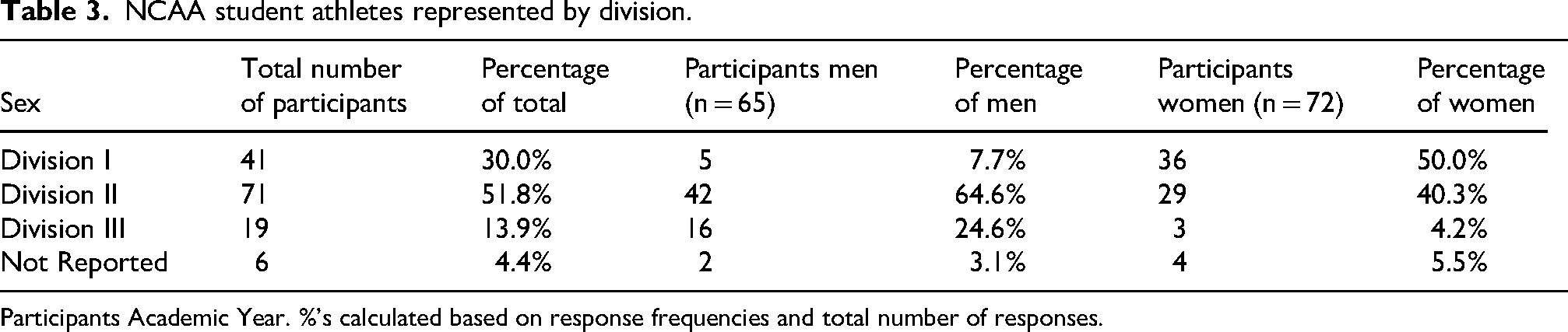
Participants Academic Year. %'s calculated based on response frequencies and total number of responses.
NCAA student athlete sport participation by sex.
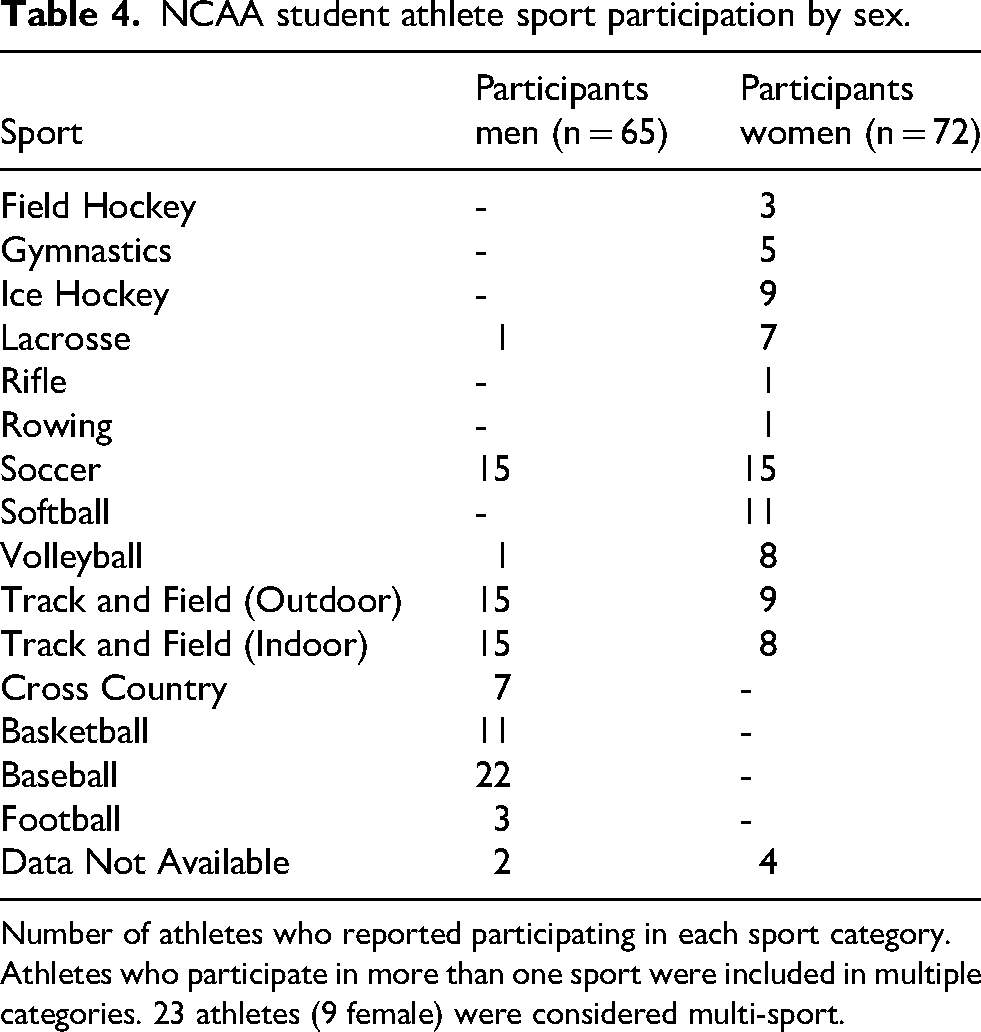
Number of athletes who reported participating in each sport category. Athletes who participate in more than one sport were included in multiple categories. 23 athletes (9 female) were considered multi-sport.
Current resistance training experiences
The survey found that 92.6% of women and 80.9% of men reported current engagement in a resistance training program, of which 95% of women and 88% of men stated it was a sport requirement. 91.5% of women and 75.5% of men reported a strength and conditioning coach designed their resistance training program. Women also responded that a personal trainer (5.1%) or sport coach (3.4%) designed their resistance training program. Men also reported a friend (2.0%), personal trainer (10.2%), sport coach (8.2%) or self (4.1%), designed their resistance training program. When asked if the athlete knew what certification their trainer held, answers included certification from the NSCA/CSCS (16.7% women and 16.1% men), an exercise science, athletic training or related degree (7.1% of women and 16.1% of men) or a sports medicine certification (2.4% of women). 73.8% of women and 67.7% of men did not know what certification their trainer had or if the trainer did hold a certification.
The majority of female athletes reported resistance training in-season 3 days per week (50.0%), followed by 2 days per week (37.5%), 1 day per week (7.1%), and 4 days per week (5.4%). For male athletes, most reported training 2 days per week in season (38.7%) followed by 3 days per week (34.7%), 4 days per week (20.4%), and 5 days per week (6.1%). For female athletes, most reported out-of-season resistance training 3 days per week (34.5%) or 4 days per week (34.5%), followed by 5 days per week (18.2%), 2 days per week (10.9%), or no weight training out of season (1.8%). In contrast, the majority of male athletes reported out-of-season resistance training 3 days per week (40.8%), followed by 4 days per week (18.4%), 5 days per week (14.3%), 6 days per week (10.2%), 2 days per week (8.2%), and 7 days per week (4.0%). 4% of men reported no weight training out of season. Data regarding the different types of resistance training modalities athletes currently engage in is presented for descriptive purposes in Table 5.
NCAA student athlete reported use of different resistance training modalities.
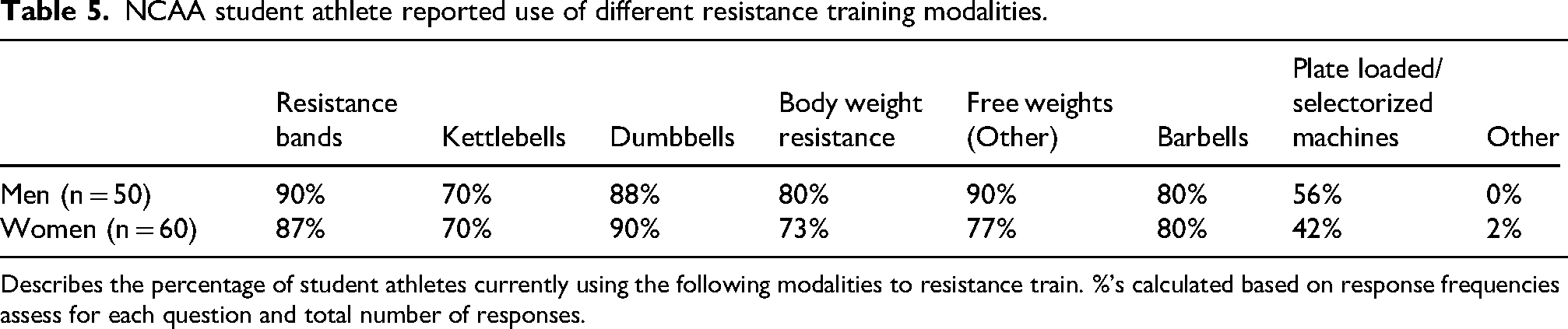
Describes the percentage of student athletes currently using the following modalities to resistance train. %'s calculated based on response frequencies assess for each question and total number of responses.
Previous resistance training experiences
No differences were found between sexes in regard to age of starting current sport participation (P = 0.10). The average age athletes started competing in their respective sport were 8.2 ± 4 years old for women and 9.5 ± 5 years old for men. No differences were found between sexes in regard to age of starting resistance training (X̄women = 15.4 ± 2 years old and X̄men=15.3 ± 2 years old; P = 0.77). A box and whisker plot comparing the age when male and female athletes begin resistance training is presented in Figure 1.
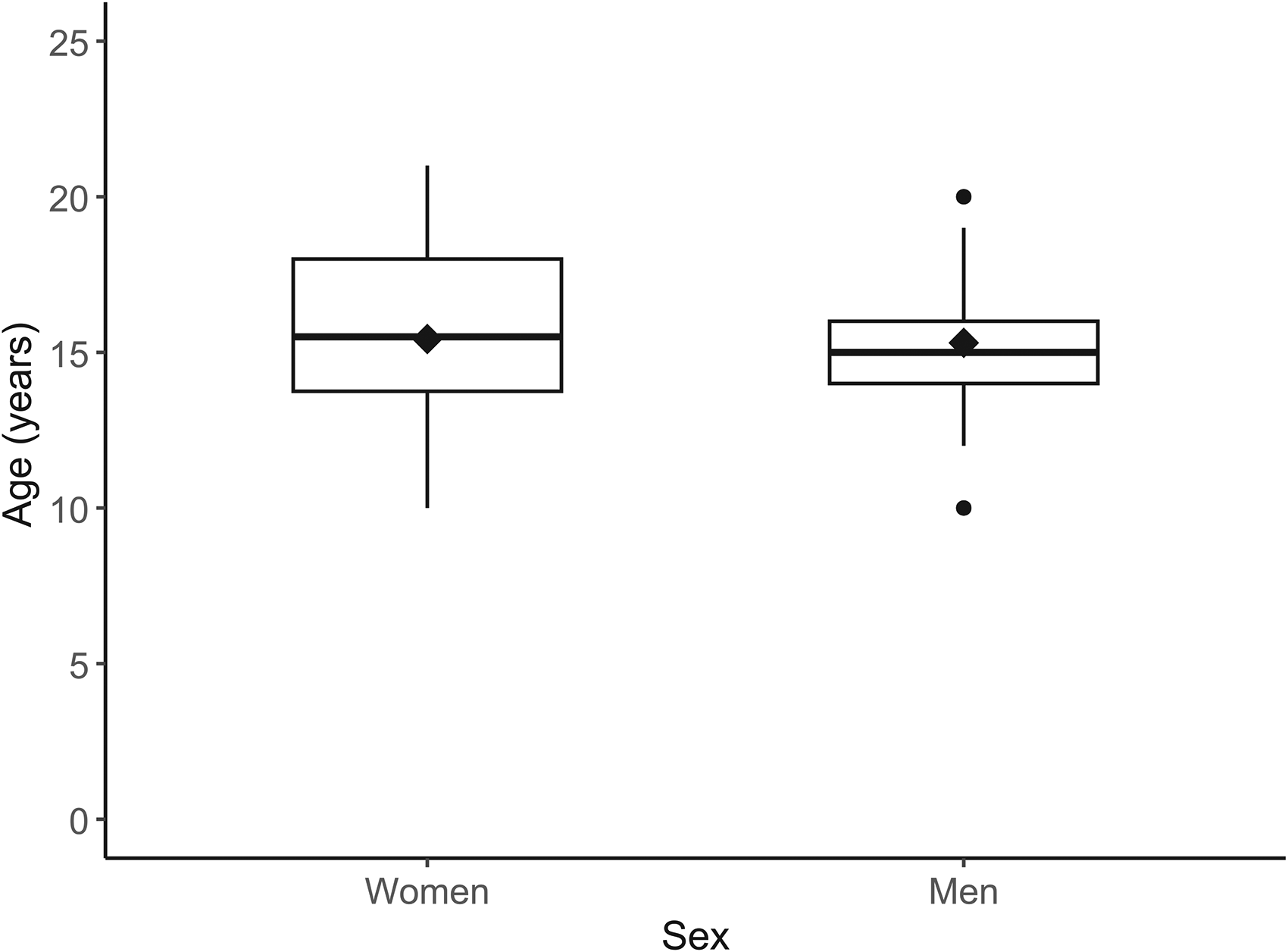
Sex comparison of NCAA student athletes’ starting age of resistance training. Box-and-whisker plot illustrating the age at which male and female NCAA student-athletes begin resistance training. The box represents the interquartile ranges, the center line indicates the median, and whiskers represent 1.5×interquartile range. The diamonds represent the mean age for each sex. Black dots beyond the whiskers represent outlier participant responses.
27.1% of women reported not engaging in resistance training programs in high school. 18.6% of women reported training 1 day a week (11.8% 2 days per week, 20.3% 3 days per week, 13.6% 4 days per week, 5.1% 5 days per week, 1.7% 6 days per week, and 1.7% 7 days per week). 12.3% of men reported not engaging in a resistance training program in high school. 8.8% of men reported engaging in resistance training 1 day a week in high school (21.1% 2 days per week, 17.5% 3 days per week, 21.1% 4 days per week, 14.0% 5 days a week, 3.5% 6 days per week, and 1.8% 7 days per week). Data describing the type of resistance training modalities athletes engaged in prior to entering college is presented for descriptive purposes in Table 6.
NCAA student athlete reported use of different resistance training modalities prior to college.
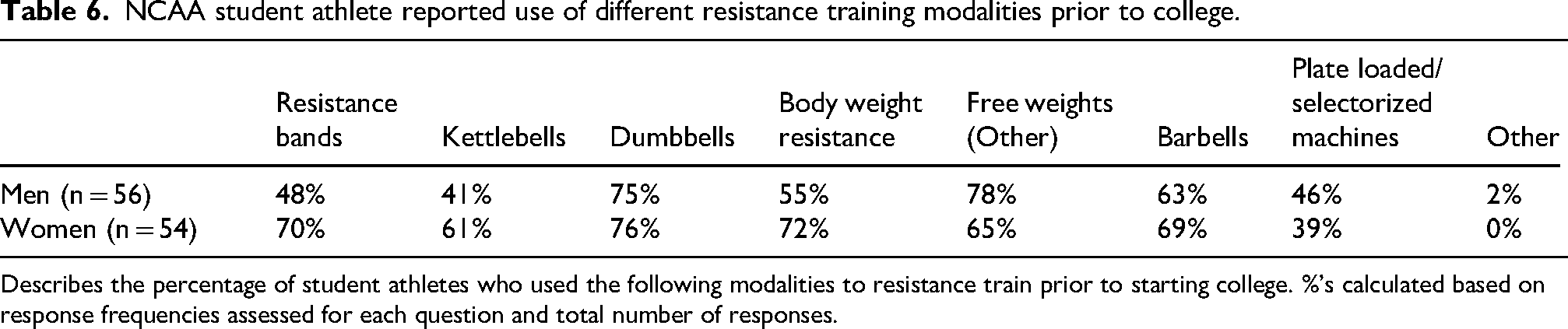
Describes the percentage of student athletes who used the following modalities to resistance train prior to starting college. %'s calculated based on response frequencies assessed for each question and total number of responses.
When asked “who was the first person to teach you how to weight train?,” 13.3% of women reported a friend/relative, 1.7% reported using the internet to look up what to do, 15.0% reported a personal trainer, 3.3% reported a physical education teacher, 13.3% reported self-taught, 16.7% reported sport coach, and 36.7% reported a strength and conditioning coach. 35.1% of men reported friend/relative, 7.0% reported a personal trainer, 7.0% reported physical education teacher, 8.8% reported self-taught, 22.8% reported a sport coach, and 15.8% reported a strength and conditioning coach, while 3.5% reported they were never taught. 90.3% of women and 76.5% of men did not know if their high school trainer held a certification or what type of certification the trainer held. 3.2% of women and 17.6% of men stated their trainer held and exercise science, athletic training or related degree. 6.4% of women and 5.9% of men stated their trainer held a NSCA/CSCS certification.
Confidence in Resistance Training: No differences were found between women and men related to “confidence in ability to weight training on your own” (P = 0.54; χ2 = 2.15). 46.7% of women and 52.6% of men described being “very confident”. 43.3% of women and 43.8% of men reported feeling “confident” with weight training on their own. 3.3% and women and 1.8% of men reported feeling “not really confident.” No female and male athletes reported “not at all confident.” 6.6% of women and 1.8% of men reported feeling “unsure.” No differences were found related to “confidence in ability to design your own weight training program” (P = 0.11; χ2 = 7.41). 15.5% of women and 24.6% of men indicated they were “very confident”. 37.9% of women and 35.1% of men reported feeling “confident.” 20.7% of women and 5.3% of men reported feeling “not really confident.” 1.7% of women and 3.5% of men reported feeling “not at all confident.” 24.1% of women and 31.6% of men reported feeling “unsure.” Data pertaining to athletes’ confidence in ability to use different types of equipment to resistance train is presented in Table 7. χ2 analyses evaluating differences in confidence levels between male and female athletes when using different types of equipment to resistance train revealed no significant differences between sexes (P > 0.05).
NCAA student athletes’ confidence in their ability to use the following modalities to resistance train.
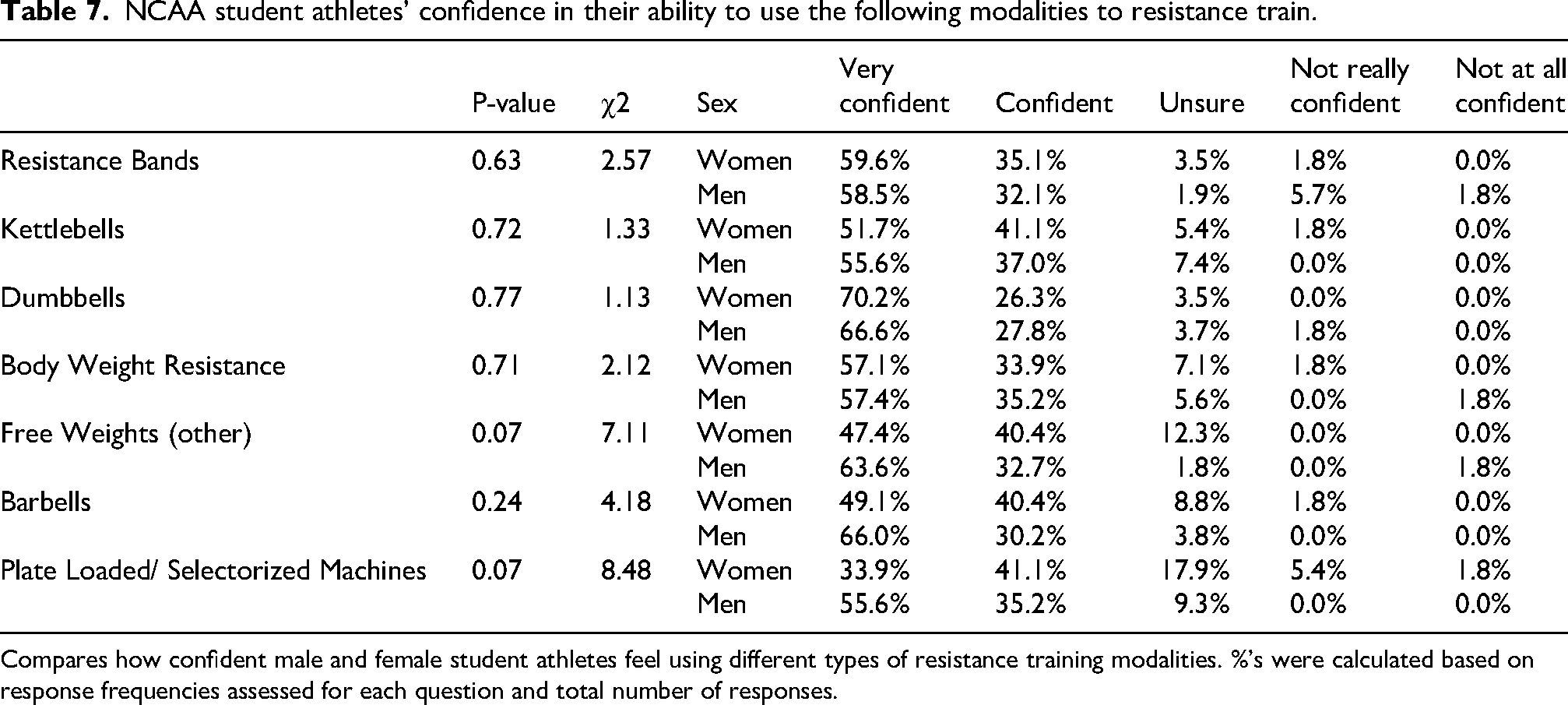
Compares how confident male and female student athletes feel using different types of resistance training modalities. %'s were calculated based on response frequencies assessed for each question and total number of responses.
Barriers to Starting Resistance Training: When asked “were there any barriers to starting weight training prior to entering college?,” of the athletes that responded, 22.7% of women and 2.2% of men reported a lack of access to equipment and gym facilities. 13.6% women and 8.9% of men reported a lack of confidence and anxiety in gym settings or lack knowledge/understanding. 9.0% of women indicated scheduling or time management conflicts. 2.3% of women and 8.9% of men reported previous injury/illness or fear of getting injured. 2.3% of women and 2.2% of men also mentioned avoiding “lifting before puberty” and the “body was not fully developed yet and did not want to stunt growth.” 2.2% of men reported lack of discipline and 2.2% also stated that weight training was not necessary. Lastly, 50.0% women and 73.3% of men stated they experienced no barriers to starting weight training prior to entering college.
Discussion
The purpose of this study was to assess and compare men and women student athletes’ current and previous experiences with resistance training and to explore the level of confidence both sexes have regarding resistance training program implementation. Contrary to our hypothesis, no significant differences were found between male and female NCAA athletes in relation to age of starting resistance training. Athletes reported beginning participation in their current sport at around age 8 years old for women and 9.5 years old for men. Yet, men and women reported that the average age starting resistance training was around 15 years old, which is about 3 years prior to beginning their collegiate careers. This study revealed that there was on average a 6-year difference between the start of current sport participation and the start of resistance training for both male and female collegiate athletes. Resistance training with adequate instruction teaches movement patterns which have been shown to be protective against injuries. 28 Youth athletes who begin to specialize in sport at an early age may benefit from incorporating resistance training into their daily conditioning earlier on in their careers to enhance movement skills and reduce the risk of injuries. 7
With regard to current NCAA athlete resistance training practices, the majority of male and female athletes in this study reported participating in strength and conditioning in-season 2–3 days per week. This increased to 3–4 days per week for out-of-season training. This typical periodization model helps to improve strength outcomes in the off-season while working to maintain these improvements in-season when time devoted to sport specific activities increases and time available for resistance training decreases. 29 Incorporating resistance training into a youth athlete's conditioning program should consider periodization models that are similar to collegiate athletes reported “in-season” and “out-of-season” training which takes into consideration training loads and allots for adequate recovery. This may help to optimize performance and reduce injury risk factors. Moreover, this study highlights the types of training modalities athletes are most confident in performing, which provides information for training prescriptions during the off-season period when athletes are often expected to train on their own. For example, over 50% of both male and female athletes reported feeling “very confident” in their ability to utilize resistance bands, kettlebells, dumbbells, and body weight resistance. Although not statistically different than male athletes, <50% of female athletes reported feeling “very confident” with free weights, barbells and machines which may be a consideration for trainers and coaches programming off-season conditioning.
The survey found that 91.5% of women and 75.5% of men reported a strength and conditioning coach designs their resistance training programs at the collegiate level, however the remaining 8.5% of women and 24.5% of men reported someone other than a strength and conditioning coach designed there conditioning programs including personal trainers, sport coaches, friends, and self. Research has shown student-athletes overwhelmingly think access to a strength and conditioning coach is imperative for sport performance, 30 which indicates athletes are aware of the need for certified professionals. However, it appears access to certified personnel may be an issue for some student athletes, even in high-level sport. A collegiate strength coach overseeing athletes conditioning within the NCAA is required to be certified and maintain current certification through a nationally accredited strength and conditioning certification program.19–21 When asked about specific certifications, most athletes were not aware of their strength coaches’ certification. Better awareness in marketing the requirement of appropriate certifications for personal training and strength and conditioning coaches is needed in order to enhance the professional field.
This study also found that men and women collegiate athletes have a similar confidence in their abilities to resistance train on their own, with 46.6% of women and 52.6% of men described feeling “very confident”. Furthermore, men and women collegiate athletes report a similar confidence in their ability to design their own weight training programs. Results found that 15.5% of women and 24.6% of men indicated they were “very confident”. This is in contrast to the 2004 study that found male collegiate athletes were significantly more confident than female athletes that their weight training techniques were adequate. 26 As the study indicated twenty years prior, the doors to athletic opportunities have continued to be opened for female athletes, and as such, it appears more female athletes are required to resistance train to the same extent as their male counterparts. Based on the current study, it appears confidence in one's ability to resistance train has improved as well. Continuing to foster confidence in movement skills and proper resistance training techniques may lead to enhancements in overall athletic performance 31 which may benefit both sexes.
Research indicates youth resistance training programs that are “well designed, developmentally appropriate, and supervised by qualified professionals” can enhance sport performance and improve overall health in youth athletes.7,28 Yet, 27.1% of female and 12.3% of male NCAA athletes reported not engaging in any form of resistance training in high school which may impact athlete readiness to perform at the collegiate level. Importantly, the emphasis needs to be on quality instruction from qualified personnel. The success of any youth athlete training plan is dependent upon the program design, teaching ability, and skill set of the practitioner.12,32 While male and female athletes at the collegiate level reported a similar exposure to resistance training prior to entering college, men most frequently reported first resistance training with a friend or relative, rather than a certified professional. This contrasted with women who most often reported that a strength and conditioning coach was the first person who taught them how to resistance train. Appropriate instruction from qualified personnel is essential so that improper movements are not ingrained in youth athletes at an early age. 7 Teaching proper form and technique can enhance motor skill proficiency and reduce the risk of injury later in an athlete's career7,28 as well as promote lifelong healthy exercise habits.33,34
While most individuals reported no barriers to starting a resistance training program prior to entering college, there were some notable exceptions. Of the athletes that reported barriers to starting resistance training, the most common was a lack of access to fitness facilities and equipment available to youth and adolescent athletes. Therefore, considering what equipment athletes have access to becomes important when designing programs. For example, less than 50% of male and female athletes reported utilizing machines prior to college, while less than 50% of male athletes also reported use of resistance bands and kettlebells in their training program. Addressing accessibility issues and promoting the use of multiple training modalities may aid in increasing resistance training participation in youth and adolescent athletes. Further, male and female athletes also reported a lack of confidence in proper techniques or feeling anxiety in gym settings as a barrier to engagement. Promoting the development of proper techniques and motor skill competencies is essential to resistance training programming. Youth athletic programs along with physical education settings are ideal environments to instill these motor skill proficiencies 12 which may in turn reduce the barriers associated with resistance training. In fact, mastering fundamental movements skills has been shown to be positively associated with lifelong engagement in physical activity.12,35,36 Lastly, several athletes also reported avoiding “lifting before puberty” and one stated that the “body was not fully developed yet, and [he/she] did not want to stunt growth.” While the myth surrounding youth resistance training stunting growth or causing a high risk of damage to the growth plates has been debunked by numerous youth athlete research experts,1,6,37 its persistence within the collegiate sport setting remains apparent.
While important information can be ascertained by students’ responses related to experiences with resistance training, particularly in athletes who have made it to the ranks of high-level collegiate sport, there are some notable study limitations. Firstly, the present sample represents a small proportion of the NCAA student-athlete population in the United States. Although participants were recruited from multiple institutions across NCAA Divisions I, II, and III and represented a variety of sports and geographic regions, recruitment relied on voluntary participation and player/coach mediated survey distribution. Therefore, the sample should not be considered representative of all NCAA student-athletes and may reflect response bias from institutional access and athletes’ willingness to participate. Despite the modest sample size, the study provides preliminary insight into NCAA student-athletes across all three competitive divisions and may serve as a foundation for larger investigations. Secondly, there is a lack of comparison between NCAA division levels. Differences in funding may exist for lower division (DII and DIII) NCAA sports compared to DI. This may lead to less than adequate resources for strength and conditioning programs in the lower divisions, and therefore potential differences in experiences. Further, the caliber of athletes may differ across divisions which may also be impacted by resources available at the high school level. While it would have been beneficial to include a secondary analysis comparing differences in experiences across divisions, low survey response rates at the DIII level (14% response) precluded the ability to run statistical comparison between men and women across divisions. No comparisons were made across different sports for the same reason. Future research is needed to evaluate strength and conditioning experiences between men and women across NCAA divisions and sports as inadequate conditioning may hinder athlete readiness and overall performance. As such, it would be beneficial to identify particular sports in which additional resistance training promotion is warranted.
Collegiate strength and conditioning professionals who design programs for student athletes need to consider the athlete's resistance training experience prior to entering college. Careful consideration should be made during the training season to develop motor skill proficiency and promote confidence in one's own abilities. Conditioning programs for athletes who are expected to train on their own in the off-season should focus on utilizing equipment and techniques that the athletes have access to along with what they are most confident in implementing on their own. Moreover, youth athletes who begin organized sport at an early age should be encouraged to engage in resistance training programs with qualified personnel when they reach an age at which they are developmentally mature enough to follow proper instruction. 12 This may promote motor skill proficiency, help to reduce the risk of injury throughout their careers, and importantly promote lifelong healthy exercise habits.
Supplemental Material
sj-docx-1-spo-10.1177_17479541261462376 - Supplemental material for Collegiate athletes’ current and prior experiences with resistance training programs: A comparison by sex
Supplemental material, sj-docx-1-spo-10.1177_17479541261462376 for Collegiate athletes’ current and prior experiences with resistance training programs: A comparison by sex by Bridget A. McFadden, Harry P. Cintineo, Deon Eweka and Anoop T. Balachandran in International Journal of Sports Science & Coaching
Footnotes
Acknowledgements
Support for this project was provided by a PSC-CUNY Award, jointly funded by The Professional Staff Congress and The City University of New York. PSC-CUNY Award # 66038-00 54.

Ethical considerations
This study was approved by the Queens College, City University of New York (CUNY) Institutional Review Board for the Protection of Human Subjects (IRB#2023-0571-QC) on Sept. 20, 2023
Consent to participate
All participants provided written informed consent prior to enrollment in the study.
Consent for publication
Not applicable.
Funding
The authors disclosed receipt of the following financial support for the research, authorship, and/or publication of this article: Support for this project was provided by a PSC-CUNY Award, jointly funded by The Professional Staff Congress and The City University of New York, (grant number 66038-00 54).
Declaration of conflicting interests
The authors declared no potential conflicts of interest with respect to the research, authorship, and/or publication of this article.
Data availability
The datasets generated during and/or analyzed during the current study are available from the corresponding author on request.
Supplemental material
Supplemental material for this article is available online.
References
Supplementary Material
Please find the following supplemental material available below.
For Open Access articles published under a Creative Commons License, all supplemental material carries the same license as the article it is associated with.
For non-Open Access articles published, all supplemental material carries a non-exclusive license, and permission requests for re-use of supplemental material or any part of supplemental material shall be sent directly to the copyright owner as specified in the copyright notice associated with the article.
