






Abstract
Healthy eating adverts backed by Government
Aired for the first time on 7th January 2013, new television adverts backed by the Government aim to promote healthy eating habits in England in the latest part of the Change4Life scheme.
The adverts, made by Aardman, also involve supermarkets and food companies and aim to reduce the billions of pounds the NHS spends out every year on obesity. Families can sign up to Change4Life online, where they will find healthy recipes, ideas and advice. The campaign understands that the public doesn’t always have the time or the resources to create healthy meals from scratch and so it has collaborated with food companies to sell healthy products at reduced prices in selected supermarkets.
There has been some criticism of this new push for healthy eating, with critics saying it is the food companies that will benefit most from this new healthy eating campaign – not the families it is targeting. While it has been acknowledged by many public health figures as being a step in the right direction, some are saying it is just not enough: Public Health Minister Anna Soubry says “what we really need is a legal level playing field so all companies do the right thing. For example, stop targeting children with marketing for junk food”.
For more information: www.nhs.uk/Change4Life/Pages/change-for-life.aspx
Potential new therapy could be used in the future to fight cancer
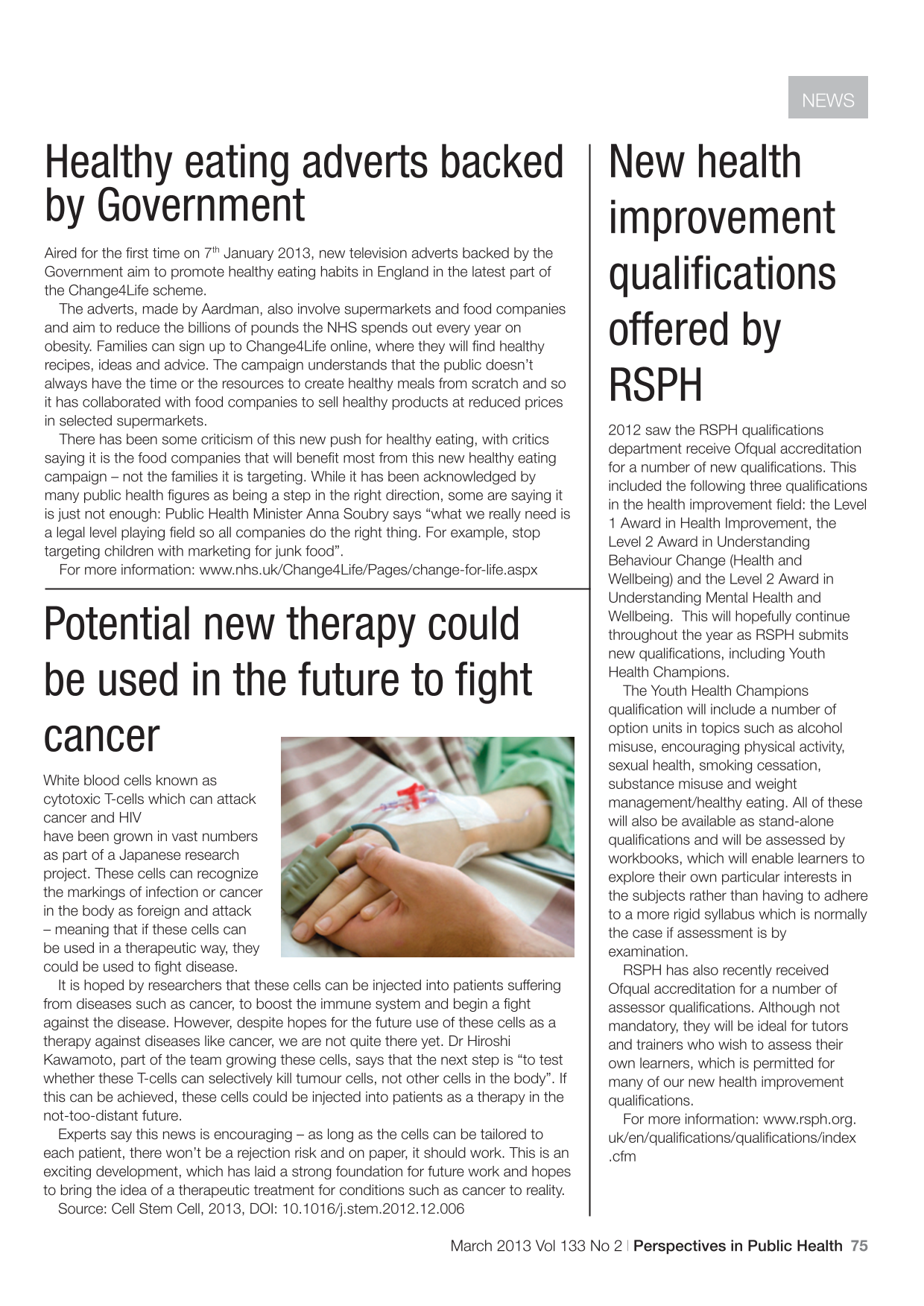
White blood cells known as cytotoxic T-cells which can attack cancer and HIV have been grown in vast numbers as part of a Japanese research project. These cells can recognize the markings of infection or cancer in the body as foreign and attack – meaning that if these cells can be used in a therapeutic way, they could be used to fight disease.
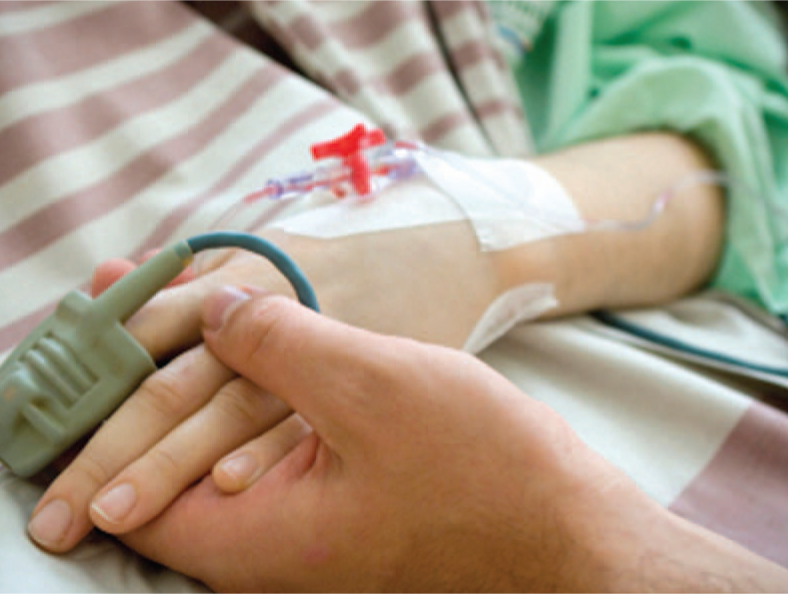
It is hoped by researchers that these cells can be injected into patients suffering from diseases such as cancer, to boost the immune system and begin a fight against the disease. However, despite hopes for the future use of these cells as a therapy against diseases like cancer, we are not quite there yet. Dr Hiroshi Kawamoto, part of the team growing these cells, says that the next step is “to test whether these T-cells can selectively kill tumour cells, not other cells in the body”. If this can be achieved, these cells could be injected into patients as a therapy in the not-too-distant future.
Experts say this news is encouraging – as long as the cells can be tailored to each patient, there won’t be a rejection risk and on paper, it should work. This is an exciting development, which has laid a strong foundation for future work and hopes to bring the idea of a therapeutic treatment for conditions such as cancer to reality.
Source: Cell Stem Cell, 2013, DOI: 10.1016/j.stem.2012.12.006
New health improvement qualifications offered by RSPH
2012 saw the RSPH qualifications department receive Ofqual accreditation for a number of new qualifications. This included the following three qualifications in the health improvement field: the Level 1 Award in Health Improvement, the Level 2 Award in Understanding Behaviour Change (Health and Wellbeing) and the Level 2 Award in Understanding Mental Health and Wellbeing. This will hopefully continue throughout the year as RSPH submits new qualifications, including Youth Health Champions.
The Youth Health Champions qualification will include a number of option units in topics such as alcohol misuse, encouraging physical activity, sexual health, smoking cessation, substance misuse and weight management/healthy eating. All of these will also be available as stand-alone qualifications and will be assessed by workbooks, which will enable learners to explore their own particular interests in the subjects rather than having to adhere to a more rigid syllabus which is normally the case if assessment is by examination.
RSPH has also recently received Ofqual accreditation for a number of assessor qualifications. Although not mandatory, they will be ideal for tutors and trainers who wish to assess their own learners, which is permitted for many of our new health improvement qualifications.
For more information: www.rsph.org.uk/en/qualifications/qualifications/index.cfm
Research calls for change in food labelling
New research has shown that food labelling might have more of an impact on consumers if it was easier to understand, with more colour and descriptive text.
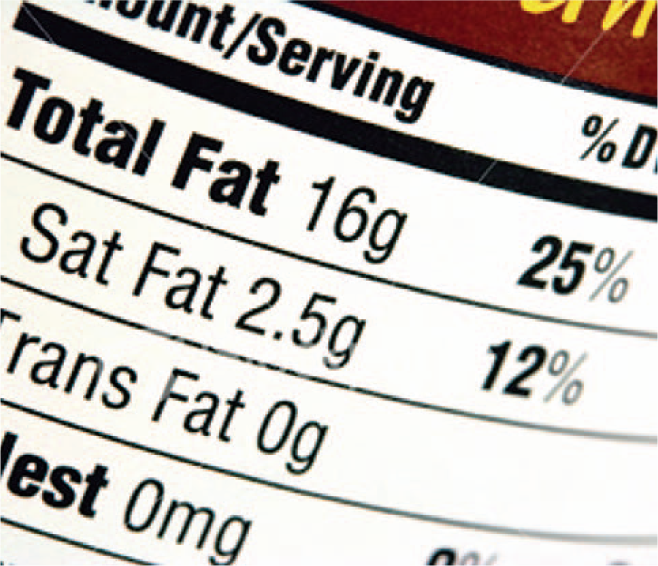
The survey conducted as part of this research used text (such as ‘High’, ‘Medium’ and ‘Low’) and colour to describe the levels of nutrients in food instead of the standard Recommended Daily Allowance percentages or the measurement of a nutrient in grams. It was found that this eye-catching, graphic information helped consumers to better understand their choices when shopping for food than the standard labelling seen now, with values represented as numbers. While more research is needed to see what effects this labelling might have on the consumers’ overall food choice and eating behaviour, this information could help to guide the development of new labelling practices, to encourage the public to pick healthier foods.
The authors recommend that for the largest impact on public health, any advance in using this new type of labelling and any communication about nutrition and healthy eating should be targeted at those overweight and obese people who are most at risk of disease, as this is the audience it is expected this new advance will benefit most. For those already focused on nutrition this may have less of an impact, but it is hoped that it will make selecting the right food easier for everyone.
Source: Nutrition Reviews, 2013, DOI: 10.1111/nure.12000
Climate linked to neurosurgical condition hydrocephalus for first time
A team of researchers in Uganda have demonstrated that hydrocephalus, a brain condition often resulting from other infant infections, is linked to amount of rainfall – the first neurosurgical condition to be linked to climate. Hydrocephalus is a swelling in and around the brain, caused by a build-up of fluid. When this condition is not treated, it can result in severe brain damage or death. It is the most common reason for a child to have neurosurgery, and there are over 100,000 cases in sub-Saharan Africa per year.
After comparing data on hydrocephalus cases in 696 Ugandan infants between 2000 and 2005 with the localized rainfall data from the same timeframe, researchers found that cases of the condition rose at 4 times throughout the year – before and after each of the peak rainy seasons in Uganda, when the level of rainfall would have been intermediate. These environmental differences affect bacterial growth, with lots of rain often quenching the bacteria – which is why there are fewer cases during peak rainy season.
These results indicate that most cases are driven by these environmental conditions. This means that cases of hydrocephalus could potentially be largely preventable if we can begin to understand the routes and mechanisms of hydrocephalus infection to a greater extent.
For more information: live.psu.edu/story/63409