






Abstract

University of Bristol Research to Improve the Lives of those Affected by Scarring
In a 5-year project, researchers at the University of Bristol will focus on identifying the genes that cause scarring in humans alongside the genetics of zebrafish. This species have many genetic similarities with humans and can regrow tissue and repair wounds at a rapid rate.
Funded by The Scar Free Foundation, this research aims to develop future treatments for those affected by scarring. Its chief executive, Brendan Eley, states that, ‘This life-changing research will help us identify which factors cause us all to scar differently, and develop innovative treatments to improve patients’ lives’.
Dr Beck Richardson, from Bristol university, said, ‘Being a part of this exciting project will allow us to study how certain genes influence wound repair and the severity of subsequent scarring’.
For more information please visit:
University of Bristol leads scarring research project. BBC News, 26 November 2020. Available online at: https://www.bbc.co.uk/news/uk-england-bristol-55075417 (last accessed 10 December 2020).
Lowest New HIV Diagnoses in Gay and Bisexual Men in 20 Years
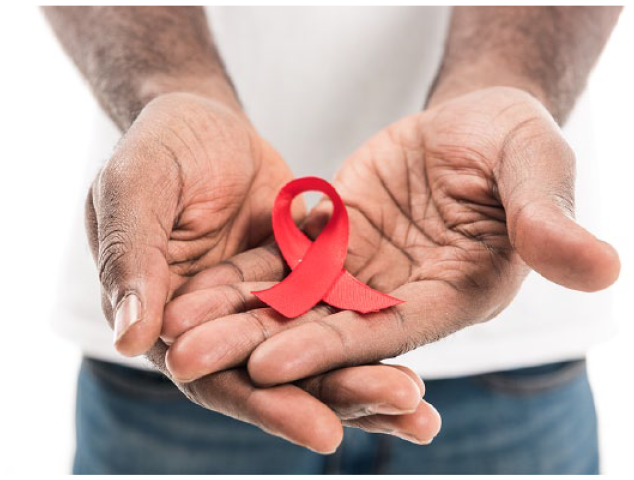
A report published by Public Health England (PHE) has shown that we are currently seeing the lowest new diagnoses of HIV in gay and bisexual men (GBM) in 20 years.
In 2019, there were 1700 new diagnoses of HIV in GBM, which is the lowest it has been since 2000 with 1500 diagnoses. As people can live with HIV for years without diagnosis, new HIV diagnoses reflect those diagnosed within that year, rather than the trend of new infections.
One of the causes for the decline in transmission of HIV to GBM is people starting antiretroviral therapy (ART) directly after diagnosis. The ART treatment is so effective that 97% of people receiving it have undetectable levels of the virus, meaning it is impossible to pass onto someone else, even when having unprotected sex.
Dr Valerie Delpech, Head of HIV Surveillance at PHE, said,
In the UK, we have made great progress towards eliminating HIV transmission by 2030. Frequent HIV testing, the offer of PrEP among those most at risk of HIV, together with prompt treatment among those diagnosed, remain key to ending HIV transmission by 2030.
Further progress can only be achieved if we also address the inequalities in reducing HIV transmission that exist around sexuality, ethnicity and geography.
For more information please visit:
New HIV diagnoses in gay and bisexual men at their lowest in 20 years. Public Health England, 3 November 2020. Available online at: https://www.gov.uk/government/news/new-hiv-diagnoses-in-gay-and-bisexual-men-at-their-lowest-in-20-years (last accessed 11 December 2020).