






Abstract
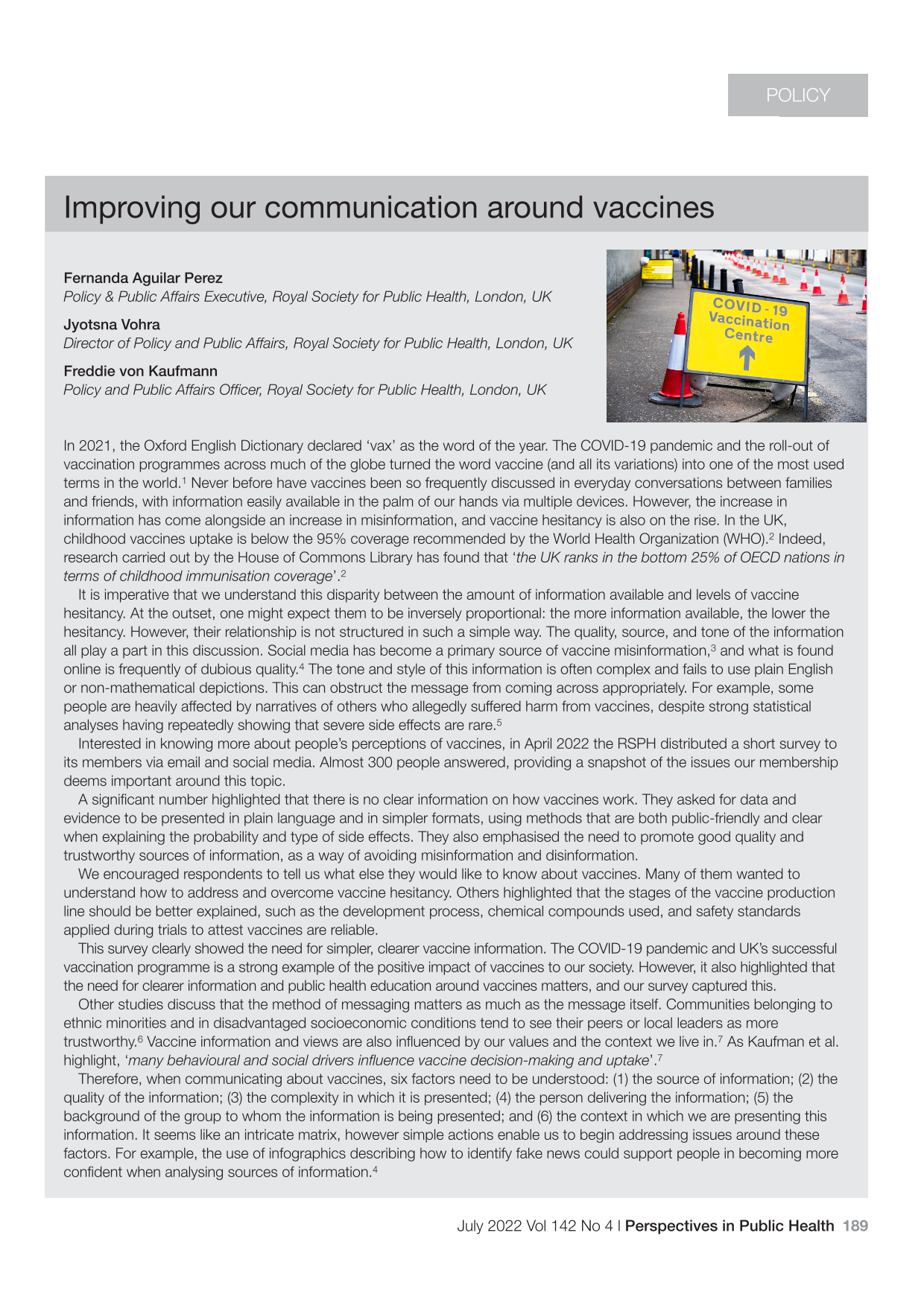
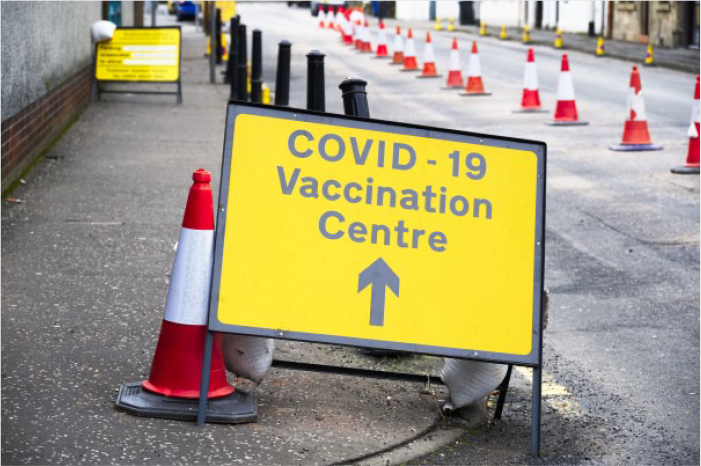
In 2021, the Oxford English Dictionary declared ‘vax’ as the word of the year. The COVID-19 pandemic and the roll-out of vaccination programmes across much of the globe turned the word vaccine (and all its variations) into one of the most used terms in the world. 1 Never before have vaccines been so frequently discussed in everyday conversations between families and friends, with information easily available in the palm of our hands via multiple devices. However, the increase in information has come alongside an increase in misinformation, and vaccine hesitancy is also on the rise. In the UK, childhood vaccines uptake is below the 95% coverage recommended by the World Health Organization (WHO). 2 Indeed, research carried out by the House of Commons Library has found that ‘the UK ranks in the bottom 25% of OECD nations in terms of childhood immunisation coverage’. 2
It is imperative that we understand this disparity between the amount of information available and levels of vaccine hesitancy. At the outset, one might expect them to be inversely proportional: the more information available, the lower the hesitancy. However, their relationship is not structured in such a simple way. The quality, source, and tone of the information all play a part in this discussion. Social media has become a primary source of vaccine misinformation, 3 and what is found online is frequently of dubious quality. 4 The tone and style of this information is often complex and fails to use plain English or non-mathematical depictions. This can obstruct the message from coming across appropriately. For example, some people are heavily affected by narratives of others who allegedly suffered harm from vaccines, despite strong statistical analyses having repeatedly showing that severe side effects are rare. 5
Interested in knowing more about people’s perceptions of vaccines, in April 2022 the RSPH distributed a short survey to its members via email and social media. Almost 300 people answered, providing a snapshot of the issues our membership deems important around this topic.
A significant number highlighted that there is no clear information on how vaccines work. They asked for data and evidence to be presented in plain language and in simpler formats, using methods that are both public-friendly and clear when explaining the probability and type of side effects. They also emphasised the need to promote good quality and trustworthy sources of information, as a way of avoiding misinformation and disinformation.
We encouraged respondents to tell us what else they would like to know about vaccines. Many of them wanted to understand how to address and overcome vaccine hesitancy. Others highlighted that the stages of the vaccine production line should be better explained, such as the development process, chemical compounds used, and safety standards applied during trials to attest vaccines are reliable.
This survey clearly showed the need for simpler, clearer vaccine information. The COVID-19 pandemic and UK’s successful vaccination programme is a strong example of the positive impact of vaccines to our society. However, it also highlighted that the need for clearer information and public health education around vaccines matters, and our survey captured this.
Other studies discuss that the method of messaging matters as much as the message itself. Communities belonging to ethnic minorities and in disadvantaged socioeconomic conditions tend to see their peers or local leaders as more trustworthy. 6 Vaccine information and views are also influenced by our values and the context we live in. 7 As Kaufman et al. highlight, ‘many behavioural and social drivers influence vaccine decision-making and uptake’. 7
Therefore, when communicating about vaccines, six factors need to be understood: (1) the source of information; (2) the quality of the information; (3) the complexity in which it is presented; (4) the person delivering the information; (5) the background of the group to whom the information is being presented; and (6) the context in which we are presenting this information. It seems like an intricate matrix, however simple actions enable us to begin addressing issues around these factors. For example, the use of infographics describing how to identify fake news could support people in becoming more confident when analysing sources of information. 4
Training teachers and educators so that they can have conversations with children in schools will also increase vaccine literacy and uptake. 8 Likewise, offering support to healthcare professionals is essential; they need access to the right resources, training in effective communication, and support to build solid relationship with parents and patients, so that they can assess concerns and offer information that is deemed reliable by the latter. 9 It is known that parents with less trust in their healthcare providers are more likely to use other sources of information in their decision-making process, 10 showing the importance of trust in this relationship.
Research carried out in Australia identifies that the inclusion of vaccines spokespeople from diverse backgrounds can also increase trust in the message delivered. 7 The authors discussed that being clear about side effects, making information understandable and building trust and transparency are key actions to improving vaccine communications. 7
Information about vaccines is vital to tackle hesitancy and keep our communities safe from preventable diseases. Assessment of how, when, and to whom we talk about them is now more critical than ever, so that the right message is presented in the right way. Training and support to healthcare professionals is a key piece of this puzzle too: the better they can communicate, the more likely they are to inspire trust in the people they help.
Supporting communities to speak with those who are hesitant is also vital. The RSPH Level 2 Award in Encouraging Vaccination Uptake explains the positive aspects of vaccinations and provides reliable evidence to dispel disinformation, assisting the wider public health workforce in supporting communities. 100% of the learners belonging to the inaugural cohort shared that they understood much more about sources of vaccine concern and hesitancy and felt confident to have conversations about those matters with individuals. These skills and knowledge enable effective communication, which is not a simple task, but it is a challenge that can be overcome and whose impact is lifesaving.