






Abstract
Transitioning to school is a crucial point in a child’s educational journey. There is a strong evidence base for what contributes to an effective transition, including positive relationships, flexibility and responsiveness, and respecting contextual aspects of children’s community. However, people experience transitions differently, and there is a need to understand non-normative transitions and diverse cohort experiences. We draw from case studies with four children from refugee backgrounds—along with their parents, preschool teachers, and teachers—starting their first year of full-time school in Australia. We apply reflexive thematic analysis on interview data with adult participants and play based activities with children, and use the Step Model of Transition Capital to discuss how connections and disruptions occur due to the presence, absence or disconnect of material, cultural and social capitals within the transition environment. We find moments of disconnection in the transition process which are particularly pronounced for children and families with intersecting identities. We also find opportunities for connection such as programs designed to establish relationships and familiarity with school environments.
Introduction
Transition to school is a complex and multifaceted experience, and an important process for all children and their families. Substantial research has been undertaken to identify what makes a ‘good’ transition (Dockett & Perry, 2021). While ‘transition to school’ can be hard to define, Dockett and Perry argue that it is a process from when a child first shows interest in it, to when all involved feel a sense of belonging in school. While other scholars have defined transitions as a point in time when individual’s role in their community’s structure changes (Boyle & Grieshaber, 2013; Schürer et al., 2022), We adopt Dockett and Perry’s (2021) broader definition within this paper, so the term is contextualised to children’s experiences.
In Australia and abroad, positive transition to school experiences have long been linked with improved academic and social performance for children, community connection, and children’s sense of belonging in the school environment (Dockett & Perry, 2004, 2021; Sanagavarapu & Reid, 2025). This is particularly important for children and families from refugee backgrounds as schools have long been identified as sites to support positive settlement experiences (Moinolmolki, 2019). School engagement can assist families from refugee backgrounds seek social supports and connections, gain language proficiency, and establish a sense of belonging (Makarova et al., 2019). Children play a pivotal role in the process of positive transition to school for themselves and their families (McGovern & Devine, 2016).
Transitions also present risks of disconnection. For refugee children, issues such as language barriers, poor cultural competency of staff, lack of trauma informed practices and absent family engagement negatively impact engagement with education (Egilsson et al., 2021; Fee, 2025; McGovern & Devine, 2016). Understanding non-normative transitions and identifying risks and opportunities are therefore important to ensure equity.
There is a need for further research on the specific transition experiences of young children from refugee backgrounds that include the voices and perspectives of children. While there is significant literature on inclusion of diverse groups in educational settings (Devine, 2013; Naidoo, 2015; Scholz, 2022), and this literature mentions refugees as a distinct group, little is published on this cohort’s needs and experiences, particularly around transition to school for young children. One study that did capture this found that refugee families held capital that was not fully valued within Australian educational settings (De Gioia, 2017). This resulted in a range of barriers and challenges not experienced by the broader population. This study did not, however, capture children’s perspectives.
Despite the call for better recognition and inclusion of culturally and linguistically diverse children’s cultural backgrounds and contexts throughout the transition to school process (Petriwskyj, 2014; Sanagavarapu, 2010), little research exists examining the transition experience of young children from refugee backgrounds’ (Due et al., 2016). Many barriers and challenges exist that make this gap difficult to fill, including language barriers, family availability, and shared trust between families, researchers and services (Green et al., 2025).
This paper attempts to contribute to research on understanding transition journeys of this cohort by drawing from case studies following four children from refugee backgrounds and their families as they transitioned into their first year of full-time school in Australia. Utilising the Step Model of Transition Capital (the Step Model) (Green et al., 2026), we seek to identify the forms of capital children and families bring to transition, and the social, cultural and material capital expected within the transition environment. By so doing, we identify moments of connection and disruption in the transition process, and how they impact children and families. We aim to better understand consequential factors and provisions to support transitions. We do this by addressing the following two research questions:
For children and families from refugee backgrounds (1) What moments of disconnection exist in transition experiences? (2) What facilitates connection in the transition process?
Theoretical Approach
We apply critical sociological theory that incorporates decolonial perspectives. This approach allows for cycles of sociocultural inequality to be identified (Green et al., 2024). The Step Model (Green et al., 2026) draws upon theories of capital (Bourdieu & Biggart, 1986) to identify material, social and cultural capital that are expected within transition processes (transition capital). Children can build on this transition capital in subsequent transitions (Dunlop, 2014).
The Step Model can be used to identify moments of fragility, breakdowns of consensus and connection between a person’s embodied capital and their sociocultural context, and the impact of these moments (Green et al., 2026). These are moments where the dominant ideology is incongruent with an individual’s needs, characteristics, and beliefs. For example, if school leaders assume parents and carers will actively reach out to teachers about their child’s education, it creates a moment of fragility for those who do not.
The model draws on existing evidence to identify forms of capital expected within an ‘effective’ school transition process. Dockett and Perry (2001, 2021) proposed ten features of good transition programs. These features emphasise the importance of relationships, context, and valuing children as capable and agentic. Relationships are particularly important for families from refugee backgrounds, who may not have the same connections to school as others (De Gioia, 2017). Factors that impact relationship formation like shared language and shared experience become key considerations when examining transition, particularly given low English proficiency is cited as a big barriers for refugees in countries like Australia (Losoncz, 2018; Makarova et al., 2019).
The features of successful transition, and the expected knowledge and skills underlying them, are themselves forms of transition capital. These are depicted in the Step Model (Figure 1) to show capital through children’s transition to school. The step model with identified forms of capital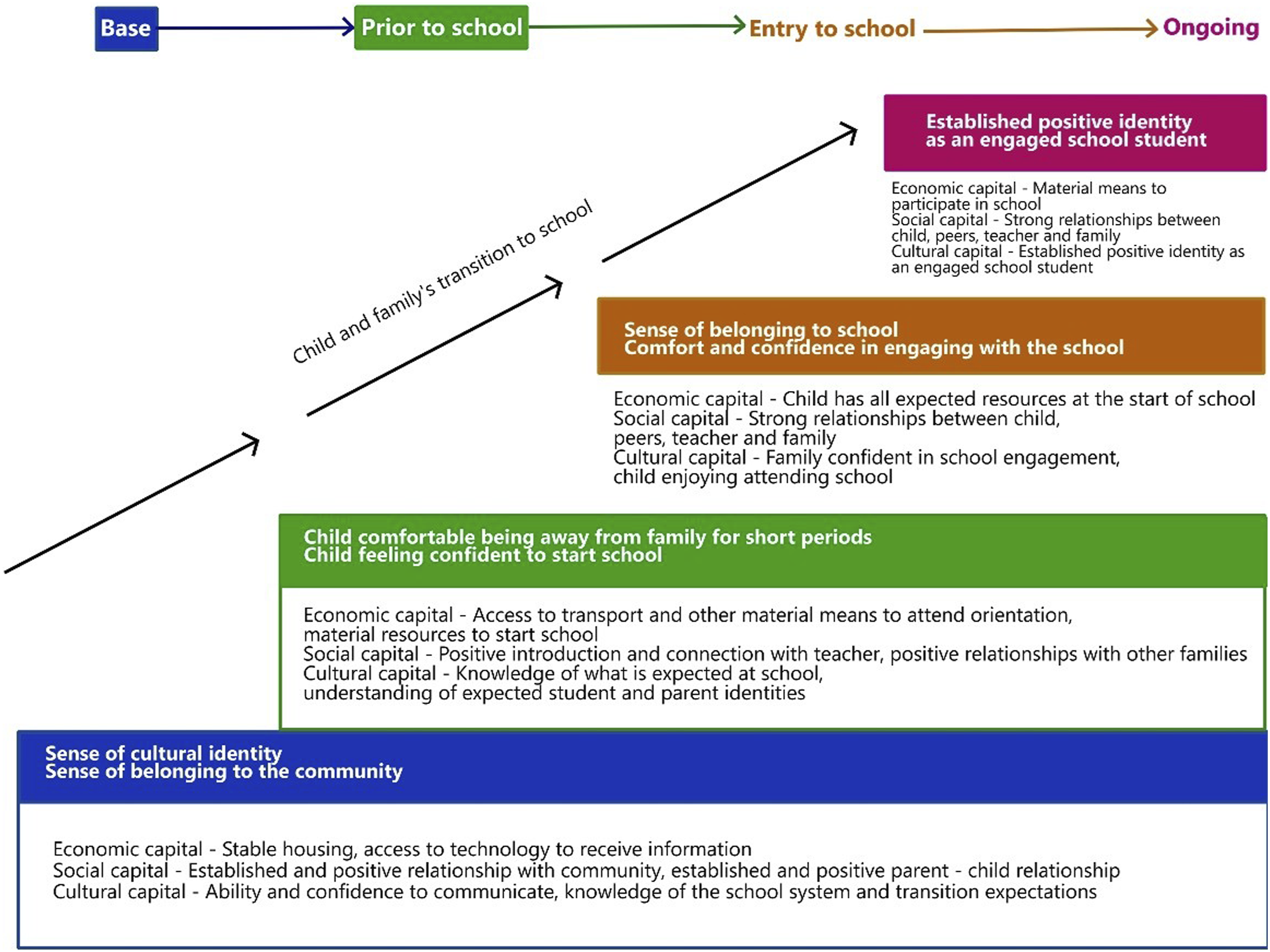
The Step Model can be used to show the ongoing effects moments of fragility and missing capital can have, as demonstrated in Figure 2. The step model with a moment of fragility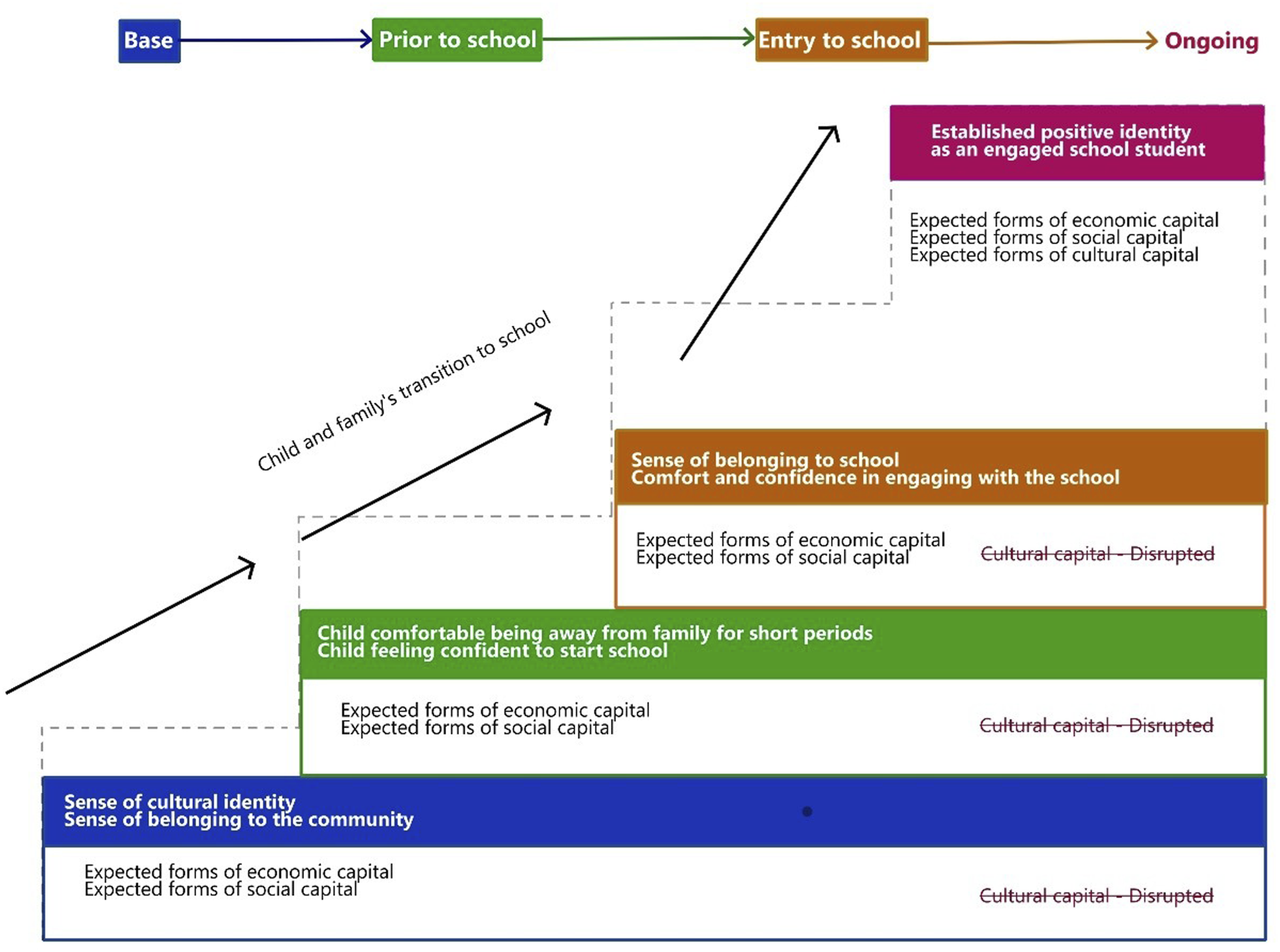
Methods
The case studies were conducted in a medium sized metropolitan city in Australia. Their design was grounded in critical and decolonial theories (Green et al., 2024). As the purpose of the research was to understand the specific and detailed experiences of the cohort in question, depth, relational context, and children’s perspectives were prioritised over breadth of study. Focussing on experiences of a small group of people, we were able to examine each child’s experience in greater depth and consider a range of perspectives, and perspectives over time.
Recruitment
The research team engaged with a local community organisation to support recruitment. Rather than issuing a generic call for participants, or advertising the research publicly case workers from the organisation directly referred interested clients who met the selection criteria to the research team, and a member of the research team volunteered with the organisation’s multicultural playgroup throughout the recruitment process to meet families directly. Case workers were provided with information about the research, and a sample script that outlined what the research was about and for, what would be asked of participants, and emphasised that participation was entirely voluntarily to use when approaching potential participants to ensure they received all relevant information prior to deciding whether they wished to engage. This approach meant that participants were informed about the study from a person they had a pre-existing, trusting relationship with. An additional three community organisations subsequently supported recruitment in this manner.
Participants
Child participants in this research were: (1) due to commence Kindergarten in 2024; AND (2) born overseas and whose family identifies as refugees; OR (3) the child of a person who was born overseas and who identifies as a refugee.
Participant Table
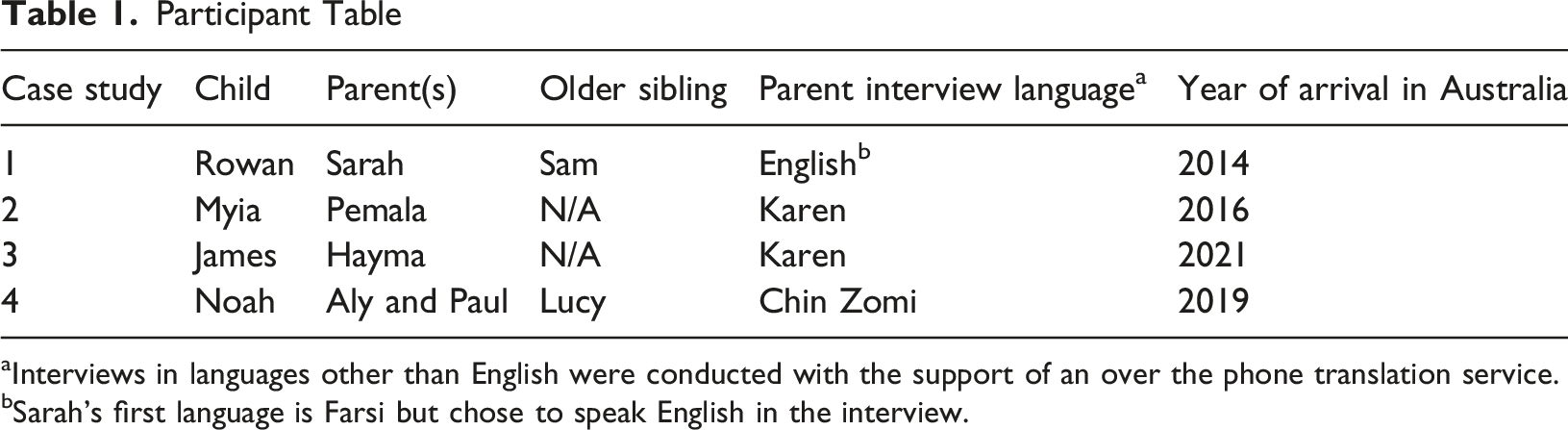
aInterviews in languages other than English were conducted with the support of an over the phone translation service.
bSarah’s first language is Farsi but chose to speak English in the interview.
Interviews in languages other than English were conducted with the support of an over the phone translation service. As literacy levels of participants was not known prior to their engagement, literacy in either English or participant’s first language was not assumed. While participant information sheets were provided in English, information was conveyed verbally, and verbal consent was gathered from parent participants with aid of a translator. This approach ensured that participants were fully informed prior to participate.
In two case studies, older siblings attended sessions due to caring responsibilities of parents. Sam and Lucy both showed interest in the activities and participated alongside their siblings. An additional interview was conducted with Fereshteh, a community worker familiar to some research participants. Fereshteh was identified during the data collection phase as having strong ties to the refugee community in the region, and with significant knowledge and understanding of providing supportive services to families. Fereshteh’s work at the Community Space, 2 a program run from the school specifically designed for migrant and refugee mothers to link families with preschool age children to services, learning opportunities and the wider community.
For non-English speaking participants, verbal consent was provided and recorded with support from a professional translator. Parental permission was sought for activities with children, as well as the children’s assent, gathered before the activities (Huser et al., 2022). 3
Data Collection
The case study comprised three rounds of interviews and research activities. The first took place between August and November 2023, prior to the participants engaging in transition programs. The second took place in November 2023–January 2024, prior to the children starting school. The final round took place in April–May 2024, once the children had completed a term of school, with one ST interview delayed until October 2024. Care was taken in the research design to mitigate power imbalances between researcher and participants as much as possible (Green et al., 2025). Parents were able to choose the time and location of interviews, with a small private outdoor play area located at the University being made available as an option. This location was chosen for most interviews.
Interviews With Parents
Interviews with parents took place twice before their child started school and once afterwards. The interviews were semi-structured and used open-ended questions to allow the participant(s) to raise issues, ideas and concerns at their own volition, and were conversational in nature. Questions included general prompts about the family; ‘would you like to tell me a bit about yourself?’, a focus on transition expectations and experiences; ‘What do you think the best thing about school will be for [STUDY CHILD]?’ as well as questions about their child, ‘What does a typical day for [STUDY CHILD] look like?’. The first interview focussed on getting to know the family and building rapport between participants and the interviewer. The second primarily focussed on expectations for school, and information on the families’ engagement in transition activities. The final interview focussed on the child’s school experience. Interview length ranged from 25 min to 1 hour.
Activities With Children
Two play-based activities were undertaken with three of the four child participants, to align with the second and third parent interview. The parent and child interviews were, in practice, blended. Activities with children involved an assent activity and a drawing activity about school. The interviewer used prompts such as ‘I can see there are people in your drawing, can you tell me who they are?’ and ‘What do you think the best thing about school will be?’ to elicit a discussion about school more broadly. The activities ranged in duration from 10 to 30 min (additional to parent interviews). The visual and active approach was used to empower the child to direct the course of discussion and show what matters to them (Clark, 2010). We aimed to capture children’s thoughts and feelings about transitioning to school, and to understand what was important to them.
Interviews With Preschool Teachers, School Teachers and Community Worker
With parental consent, PTs and STs were invited to participate in a semi-structured interview. Three of the four PTs agreed to participate and all four STs participated in interviews. These interviews took place at the preschool or school site. The interview with Fereshteh, the community worker followed a similar process. The interviews were open ended, and first were designed to capture broad information about their experience and perspectives about teaching such as ‘What are your favourite things about being a teacher?’ and ‘Can you tell me a bit about your thoughts on transition to school?’. Follow-up questions captured information such as what transition programs and activities the teachers had engaged in and what teachers felt were important during transition to school. Teachers were asked about the child participants: ‘You said earlier that your transition program consisted of [x,y,z]. Can you tell me about how [STUDY CHILD] engaged with these activities?’. These interviews took approximately 1 hour.
Analysis
We used reflexive thematic analysis to examine the data, guided by Braun and Clarke (2006, 2024). Searching for repeated patterns of meaning across an entire data set and is methodologically coherent with the theoretical foundation of this research. Reflective thematic analysis is an approach that is effective with small sample sizes.
The first author conducted and transcribed all interviews, and identified initial themes through this process. First author JG recorded written reflections and descriptions at the time of interview included with the transcripts. JG read and reread the transcripts before commencing a manual coding process in NVivo 12 of identified themes. Transcripts were considered individually, in conjunction with other data related to the same case study child, and in relation to other participants speaking from the same perspective, e.g. STs with STs. We identified themes a priori from the literature, and inductively from the data through the collection process. The themes were refined through an iterative process that integrated both these approaches. While semantic and latent meanings were also considered, these were not relied upon for interviews conducted by translators as the reliability of these forms could not be assured.
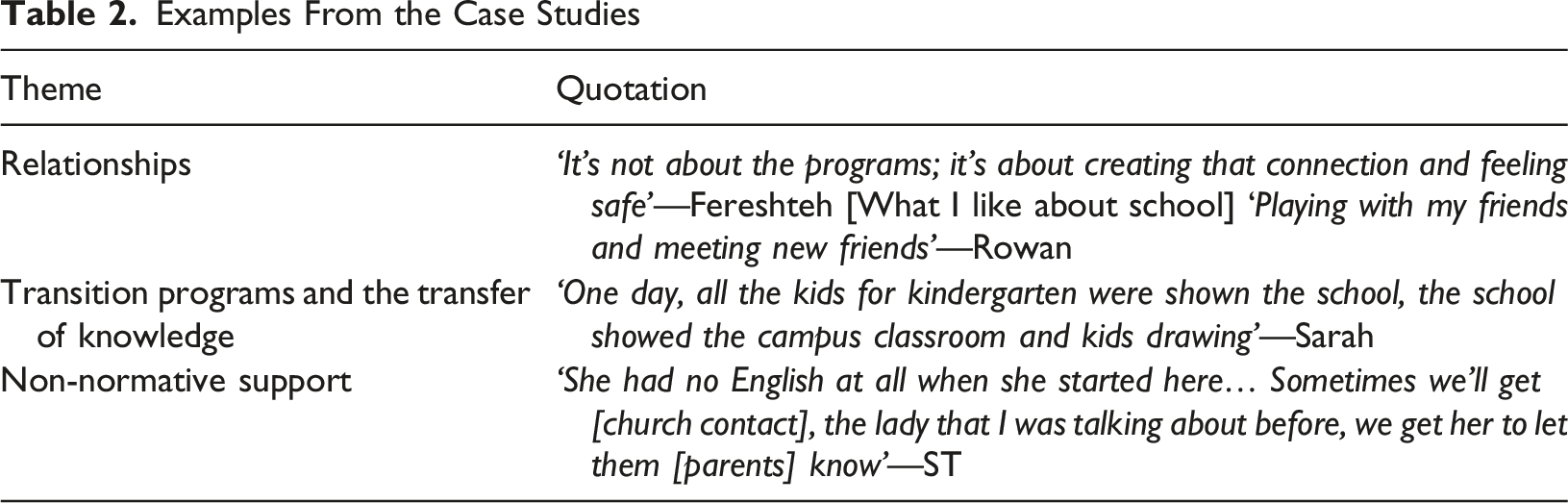
Examples From the Case Studies
While children’s drawings were used to facilitate discussion between researcher and child participants, they were also included in analysis. We considered children’s choices of what they drew in relation to the prompts given.
As coding is inherently subjective (Braun & Clarke, 2024). We applied a flexible and organic approach to ensure we were reflexive, and responsive to our engagement with the data. For example, acknowledging positionality.
Positionality
The positionality of the researcher always impacts the research. Reflexivity and critical reflection are at the core of critical theory (Wagner & Naidoo, 2023). JG, is an Australian born, English speaking person, who is white, an adult and affiliated with university education. These factors influenced the dynamic between researcher and participants during interviews and activities. This was taken into consideration in the design of the study and effort was made to empower participants throughout the process. For example, by applying critical reflexivity and engaging in the process of ‘becoming uncomfortable with that which is inherently uncomfortable’ (Nayak & Robbins, 2019, p. 123). A reflexive approach has been taken throughout the analysis to acknowledge the impact of the power differential present during data collection and the process of analysis itself.
Results
We identified three themes in relation to transition capital; relationships, knowledge and structural progression pathways. First, school orientation programs intended to transfer knowledge were often inaccessible due to language barriers. Second, relationships were highly important for children and parents. Children’s drawings highlighted the importance they placed on relationships, and strong parent–teacher relationships were crucial for personalised support. Finally, families accessed transition capital through various non-normative pathways. We use the term normative in this context to refer to established transition programs, and non-normative to supports and experiences outside of these.
Transition Programs and the Transfer of Knowledge
STs in the study expected children and families to have certain knowledge when they first started school. About these expectations Myia’s ST said, ‘they need to know what practices we have at school that they’re going to need to follow… so there’s a big information book’. This knowledge of school systems, and what the expectations and requirements are of parents and children is a key component of transition capital. Families with more knowledge of the system use it to engage in the transition process. Families from refugee backgrounds may not have this prior knowledge; participating parents had experienced different education systems.
To build this transition capital, schools run transition programs and orientation activities for families. Both Hayma and Pemala spoke about attending their school’s orientation, and not understanding all the information provided due to the language barrier. Hayma said “I went to all the orientation. But it was a bit quick for me. I could not catch everything.” Pemala said that she only understood about half of the information provided. About one of these engagements, Myia’s ST said: ST: I don’t know for orientation… We speak so much. There’s an hour where someone’s at the front talking, how does that get communicated to the non-English speaking parents?
Being physically present for the orientation sessions helped establish a connection between Pemala and the ST, but the missed information impacted Pemala and Myia’s preparation and transition experience, representing a moment of fragility. As shown in Figure 2, the Step Model visualises this form of missing capital as the lowering of steps, creating a more challenging transition journey.
Relationships
Relationships Between Families and Teachers
Strong relationships between children, families, and teachers represent transition capital. All participating teachers noted that relationships with families were built through small, incidental interactions, such as during drop off and pick up.
Aly would drop Noah off at preschool, but since she does not speak English, her conversations with PT were limited. This language barrier created a moment of fragility in the relationship. Without the capability to share more than basic statements, opportunities to establish a strong relationship, and communicate more complex information was lost. In this circumstance, the moment of fragility led to missed opportunities to celebrate Noah’s development.
A similar moment of fragility existed for Myia and Pemala’s relationship with Myia’s PT. At preschool Myia showed behaviours that concerned PT, and that the preschool found difficult to manage. PT believed that Myia required additional support, and would benefit from being assessed for autism. The lack of a strong relationship between PT and Pemala resulted in a barrier to addressing PT’s concerns, and providing the support Myia needed. Interviewer: Did you pass [your concerns] on? PT: Um… kind of? … it was very hard, because mum would just come in and go… it was very hard to do that.
Myia did not receive timely support which is important to receive prior to commencing school (Keary et al., 2023). PT passed on their concerns to Myia’s school where they were later addressed. Myia’s ST was able to adjust to Myia’s needs and reported that she was happy in her school environment. ST stated ‘there’s so much that she is picking up and she’s learned our routines and she’s able to manage herself in the classroom in amazing ways’. However, ST and the school are also supporting Myia’s family to pursue assessments for additional needs so that Myia’s needs can be better met in the future.
‘Big’ or ‘Small’ Conversations
Teachers spoke about disconnect with families. James’ ST discussed her engagement with his family at the end of his first term at school: Interviewer: Have you had much engagement with James’ family? ST: No, I've spoken to mum a few times, real surface level… I haven't had too much to do with them yet, which I haven't really had any concerns about James.
When asked about language supports available, ST explained that she could arrange an interpreter to attend meetings with parents through the school’s English as an additional language or dialect (EALD) teacher. Translation support wasn’t available for ‘just things like school pickup’. Interviewer: So would you say that like, those more serious discussions, the bigger picture thing, you'd have access to someone? ST: Yes, yes, definitely. Because I’d want to make sure that whatever we were discussing, whether it was behaviours or concerns that they're learning, it was coming across and that they were understanding.
This sentiment was echoed by Noah’s PT, who could not discuss things in detail with his parents due to the language barrier. However, they were not overly concerned because ‘I’ve always only had positive things to say’.
Of interest was the teacher’s distinction between ‘big and small’ discussions, and what merits engaging a translator. Translation services or other supports were only used for ‘big’ conversations. These conversations tended to be negative, such as learning or behaviour concerns. Small day-to-day interactions went without language support. The cumulative impact of these missing conversations is a moment of fragility.
Children’s Value of Relationships
Children’s drawings illustrated the importance of relationships through school transitions—both the loss of relationships and the formation of new ones. Despite being invited to draw their school, children typically depicted subjects that interested or concern them or held personal meaning. Their decision not to draw school suggests it was still an unfamiliar environment.
The exception to this was Noah. When drawing his school, Noah drew his preschool friend Connor; ‘I’ve got a best friend. I want to draw Connor and me. He’s my BFF
4
’ (Image 1). Connor was not going to the same school, and that Noah was sad about leaving preschool because he would miss his friend. After Noah finished a term at school, he said he had made new friends. His ST confirmed this and said he was quiet at first, but he got along well with his peers. Rowan and James also made friends in his first term at school and said that making new friends was something they liked about school. Noah’s drawing of Noah and Connor in his classroom next year—08/12/2023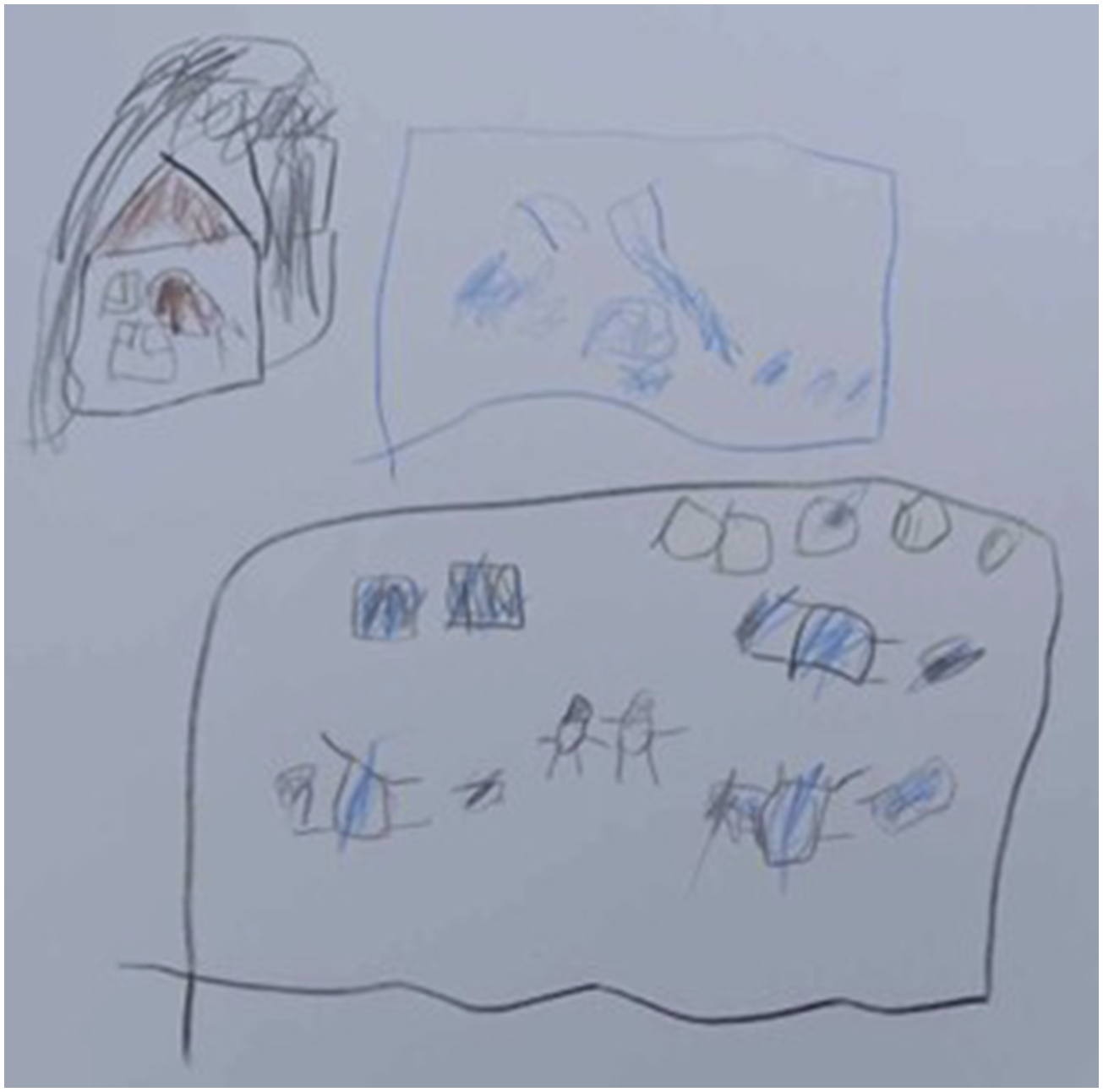
Friendships are social capital that help children gain a sense of belonging in the school environment. In the Step Model, these relationships are visualised within each step to show how they support the transition journey. While being separated from his preschool friend was a moment of fragility for Noah, he established new peer connections in the school environment. Noah was support in this through teachers and family, as well as his experiences of making friends in preschool (Images 2 and 3).
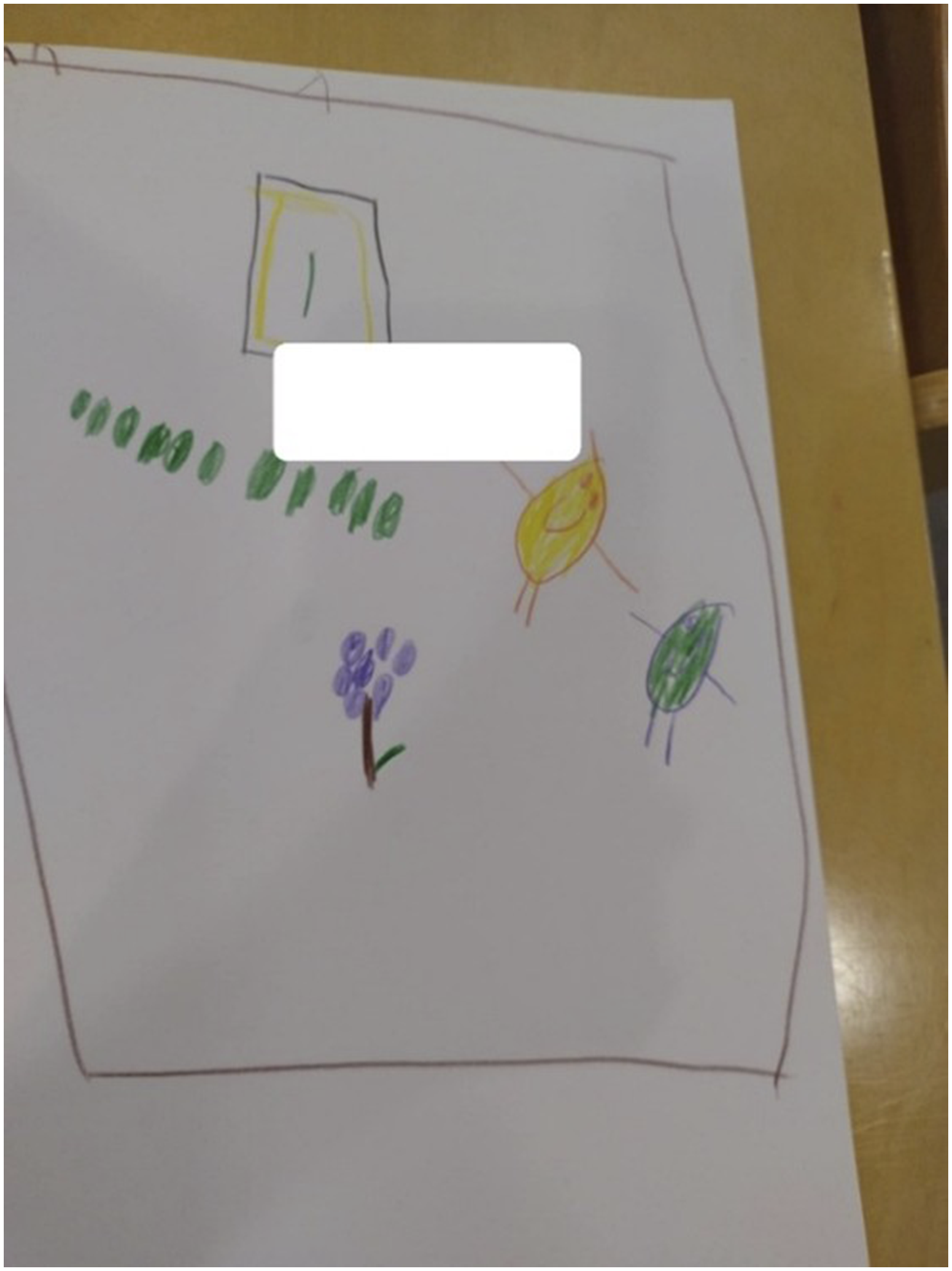
For both activities Rowan chose to draw himself with his mother, highlighting the value he holds in their relationship. Rowan’s PT reported that he spent more time with adults than children at preschool. This shift in Rowan’s focus on relationships with adults, to friendships at school shows his ability to use capital gained in established relationships to knowledge and confidence in making friends. Rowan’s drawing of playing soccer with his mother—21/08/2023 Rowan’s drawing of engaging in an art activity with his mother (written name redacted)—15/04/2024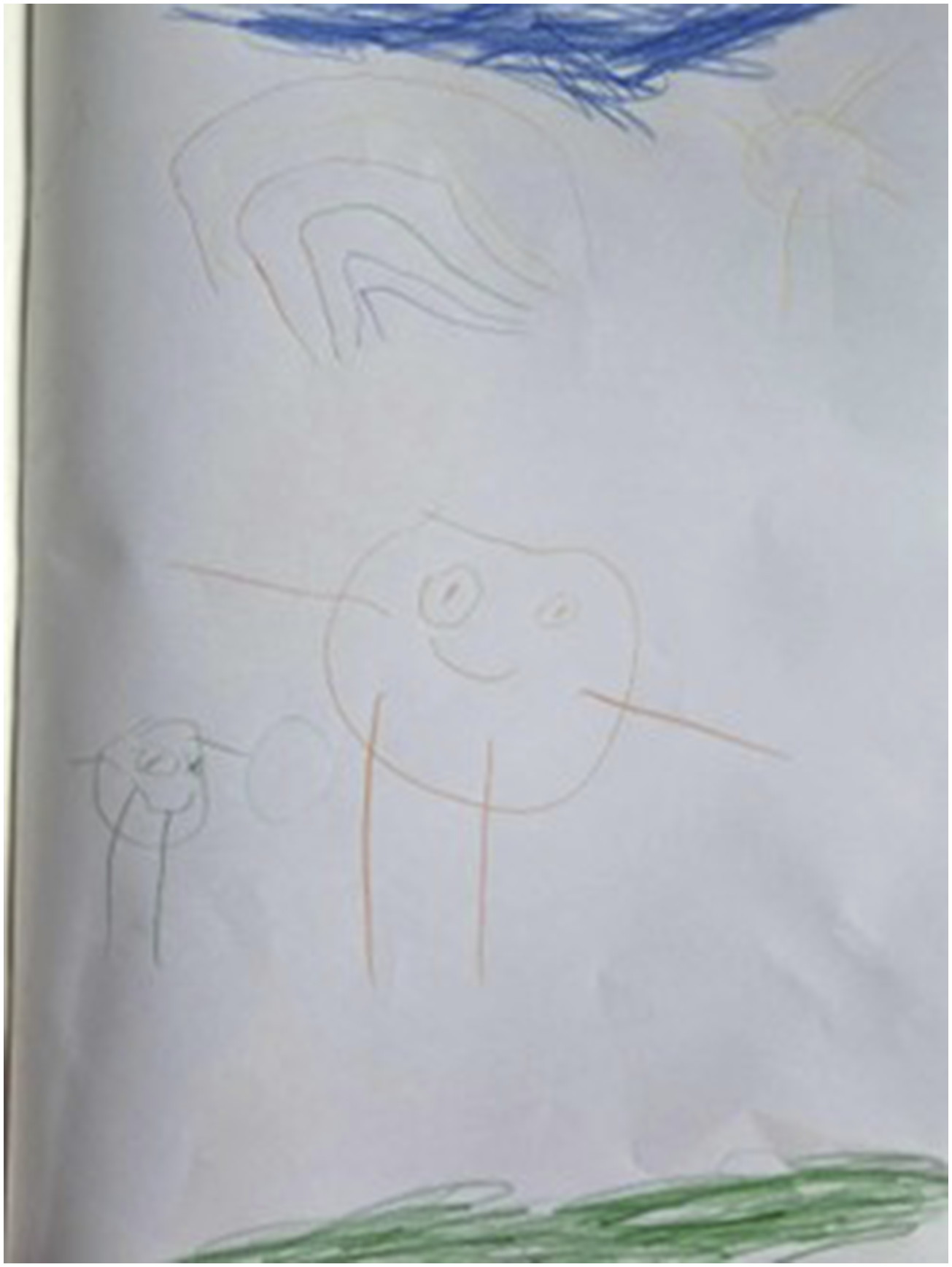
Strong familial relationships are a fundamental component of base capital for children transitioning to school. The importance of these relationships was emphasised by Fereshteh. When asked ‘What does a successful transition look like to you?’ she responded; Fereshteh: It starts from home. I really think if [parents] have this relationship with the child since birth, I think this is the key.
The presence of strong, positive relationships for children highlight the capital with which they entered the transition process. In the Step Model, these take the form of either expected capital (within the steps) or unexpected (additional blocks on the steps that children and families use along their transition journey).
Non-Normative Support
Sometimes children and families accessed supports outside standard transition programs. Noah’s family felt connected with their school due to religious affiliation and received support from the church community. Paul (via translator): We're quite happy with the school because it’s also similar to what we believe… we are Catholic and the school is also Catholic.
Identifying with school through shared values was a form of capital held by Noah’s family. This went further than an identity connection. When asked about contacting Paul and Aly, Noah’s ST mentioned a member of the church who volunteered at the school to support Noah’s older sister Lucy when she first started. ST explained how this contact was from the same language background and helped them with paperwork and communication.
The support provided by this church member facilitated the relationship between the family and the school and provided essential support in navigating the school system. Despite missing capital in English language proficiency, the shared identity and the social capital gained through the church connection resulted in additional capital held by the family to support the transition to school process. This is demonstrated in Figure 3, which shows how unexpected capital can be used by children and families to adjust where capital is missing. Transition journey with support from church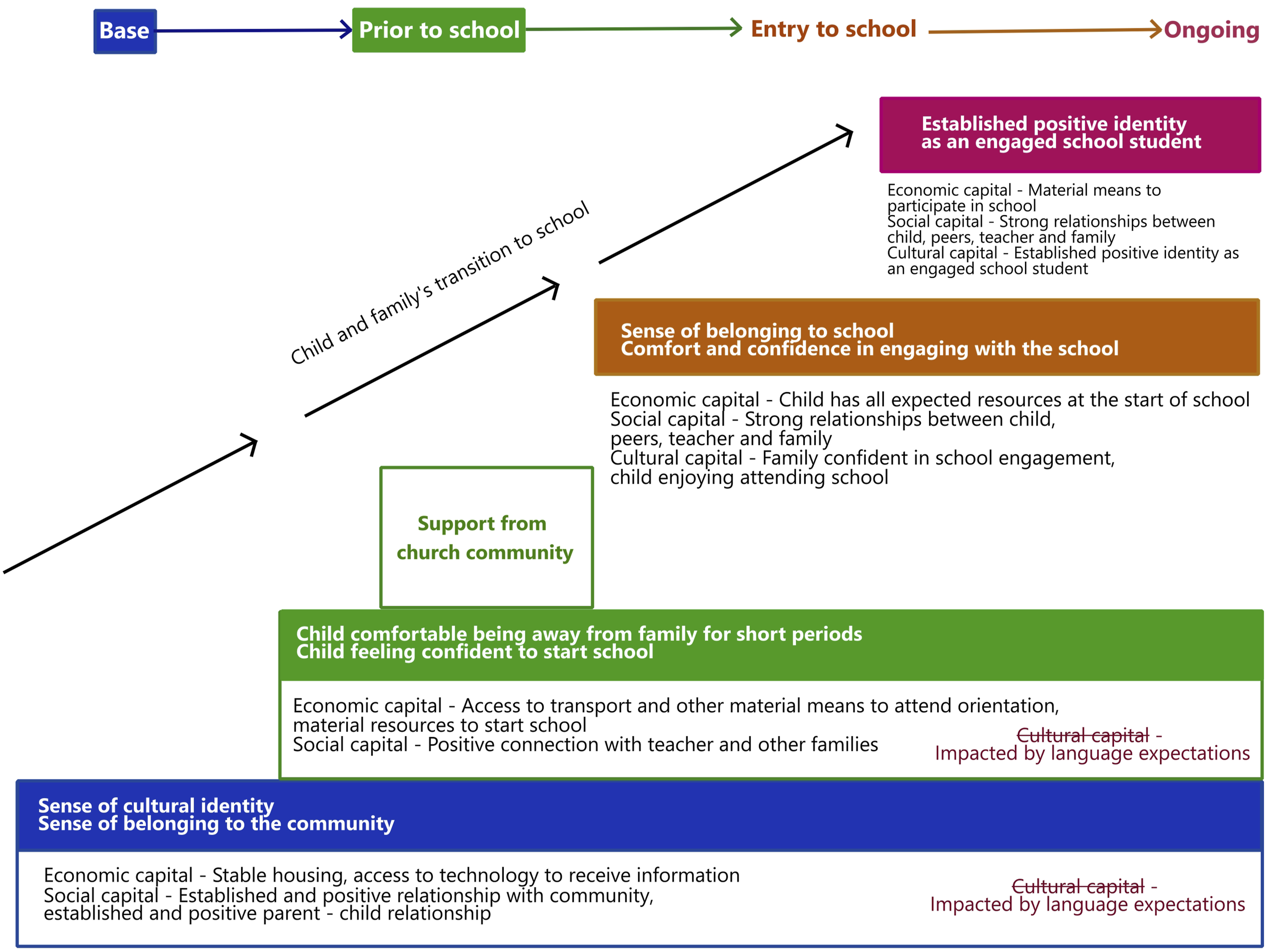
Discussion
Through a critical theoretical lens we identified moments of disconnection in the transition experiences of the case study children and families, as well as factors facilitating connection within the transition processes. The rich picture from the perspectives of children, their families, and their teachers highlighted that children possessed capital—such as strong familial and peer relationships—that helped ease the transition process. At the same time, disconnections such as misaligned expectations and language barriers caused disruptions and moments of fragility, with the absence of capital potentially compounding throughout the transition.
Within the case studies, moments of fragility were heightened in intersectional contexts. Myia’s family, with the experiences of refugee and EALD background, navigating supports for neurodiversity, resulted in Myia not receiving support she required to feel happy and safe in her preschool environment, or be supported in her transition into school.
Language barriers were a cause of disconnection for parents engaging with teachers and their children’s schools, resulting in lost capital. Research has shown that language barriers impede accessibility and quality engagement with school and education more broadly (De Gioia, 2017; Sanagavarapu, 2025).
Small conversations between teachers and families were forms of capital that established connection and facilitated knowledge transfer. These relationships help families navigate the transition process and their ongoing journey at school (De Gioia, 2017; Sanagavarapu, 2025). Their absence creates a moment of fragility. In accessing translation services, there is a question of who decides what a ‘big’ conversation (meriting a translator) is and what is ‘small’ (not meriting a translator). Where small interactions are missed, opportunities should be sought to foster positive interactions to counter the moments of fragility. For this to be possible, there needs to be system level support for teachers.
As illustrated by the Step Model in Noah’s family’s engagement with the church community, additional supports can facilitate connection when moments of fragility occur. An example of this is the Community Space. Fereshteh has set up an environment where relationships between children, families, peers and the school community are supported. Fereshteh’s role is helping impart this knowledge to families. These approaches are more resource intensive than standard orientation sessions but enable acquisition of missing capital.
There are also opportunities to better acknowledge forms of capital children and families from refugee backgrounds bring to their transition process. For example, peer and familial relationships are capital that children can develop. The high value of these relationships of the children in this study is consistent with research with newly arrived migrants and refugees (Schürer et al., 2022). Children are vital for families from refugee backgrounds to connect with their new environment (De Heer et al., 2016). This highlights the value in initiatives and programs that support the development of these relationships, such as child induction sessions, or programs like the Community Space playgroups. This is consistent with recent research on the valuable role of Community Hubs in Australia, which provide soft-entry support for children and families (Sanagavarapu & Reid, 2025), and further research conducted in the United States on the role of resettlement work (Fee, 2025). However, there are also implications for children acting as the conduit, and often the translator, for families. Further research is needed on the implications that taking on this role has for children in this younger age group.
We used the children’s drawings to illustrate the centrality of relationships, and to highlight how children experience transitions. Capturing the voice and the drawings of children is an approach that would benefit not only future research, but also schools and educators. Participatory, child-centred activities could help inform educators of children’s experiences, families’ needs and help strengthen transition practices. We recommend this approach be considered for schools to make transition practices more responsive.
Limitations
The use of translators is a strength of this study as they enabled parents with low English proficiency to participate. However, Translators influence how participants’ statements are conveyed (Wagner & Naidoo, 2023). The presence of translators can also influence what participants are willing to share during interviews (Due et al., 2014). At times during interviews, the quality of translation was uncertain (Green et al., 2025). These limitations have been taken into consideration in the analysis.
Conclusion
We aimed to identify moments of disconnection, and facilitators of connection, in the transition journeys of children and families from refugee backgrounds through a small detailed sample. By applying reflective thematic analysis to the case studies, we found that children value relationships, and these relationships are capital that support children’s transition journeys. Transition programs do not always account for the needs of families, creating moments of fragility. Language barriers can create moments of fragility for families navigating the transition to school in Australia. However, programs and initiatives designed to help build relationships and knowledge, and that are designed with the specific needs of refugees in mind, have the potential to address these moments of fragility.
At both a system and a practical level within schools, consideration needs to be made of the context and needs of people from refugee backgrounds, to ensure they have a ‘good’ transition, and gain a sense of belonging (Dockett & Perry, 2021). By illustrating the cumulative impact of fragility, the Step Model offers a tool to appraise the unique interplay of influences during transition. This tool can be used in both future research, and within system contexts to evaluate the effectiveness of transitions (Green et al., 2026).
To address the systemic challenges creating moments of fragility in refugee transition journeys, a systemic approach is needed. Programs like the Community Space, training for staff, and translator services, all require funding and ongoing support at a system level to be effective. The time and resources needed to cater for the specific needs of children through transition need to be made available, help build relationships, and address moments of fragility. With adequate capital in the form of resources, time, confidence and knowledge the services and families would be better able to proactively support children.
We recommend future research considers this topic in broader contexts and captures a broader range of perspectives that were beyond the scope of these case studies. We recommend taking a critical theoretical approach to this topic, and that child centred research methods be employed to ensure that the perspectives of children are centred.
Although children and families in the case studies experienced moments of fragility in their transition journey, they also accessed many forms of capital that assisted the process. Overall, the children are happy in their school environments.
Footnotes
Acknowledgements
We would like to thank Illawarra Multicultural Services for their research partnership, and the Multicultural Health Service, Illawarra Shoalhaven Local Health District for their support in recruitment. With thanks to Steph Lum, and Kristine Tay for their advice and support through the drafting process.

Funding
The authors received no financial support for the research, authorship, and/or publication of this article.
Declaration of conflicting interests
The authors declared no potential conflicts of interest with respect to the research, authorship, and/or publication of this article.