






Abstract
This article investigates the dismantling of participatory budgeting in Porto Alegre, once the world's most celebrated experiment in participatory democracy. While existing scholarship has extensively examined its rise and diffusion, far less attention has been given to its decline. Drawing on new empirical evidence, the article complements and updates core accounts of how participatory budgeting operated locally, offering fresh insights into its erosion. The analysis identifies three interrelated drivers of this process: the weakening of political will, institutional restructuring, and the demobilisation of civil society. By explaining how such a globally influential innovation could be dismantled at its very origin, the article advances broader debates on the fragility of democratic innovations and the conditions for their sustainability.
Introduction
Porto Alegre's experience with participatory budgeting (PB) has long been regarded as one of the most emblematic cases of democratic innovation in contemporary governance. Since its creation in 1989, PB has attracted global attention as a mechanism capable of expanding citizen participation and reshaping public decision-making processes (Baiocchi, 2005). The experience not only inspired a vast academic literature but also served as a model for institutional diffusion across Latin America, Europe, Africa, and North America (Cabannes, 2004; Goldfrank and Schneider, 2006; Santos, 2002; Wampler, 2007).
Despite this trajectory of success, PB in Porto Alegre has undergone a significant process of decline, particularly since 2017. This transformation raises an important question: how can one of the most celebrated cases of participatory democracy experience a progressive loss of relevance within its own city of origin? Addressing this puzzle is crucial not only for understanding the trajectory of Porto Alegre but also for assessing the broader sustainability of participatory institutions.
This article argues that the recent trajectory of PB in Porto Alegre can be understood as a process of institutional dismantling. By dismantling, I refer to a gradual and cumulative process involving the loss of political centrality, the hollowing out of decision-making authority, and the weakening of institutional capacity. Rather than implying abrupt termination, this concept captures a more subtle dynamic through which institutions may persist formally while progressively losing their ability to influence policy outcomes, allocate resources, and mobilise social actors.
Importantly, the dismantling of PB should not be interpreted as evidence of a generalised crisis of participatory institutions in Brazil. While PB has experienced significant decline, other participatory arrangements, such as policy councils, national conferences, and consultative mechanisms, continue to operate in different sectors and at multiple levels of government. The distinction between the trajectory of a specific institutional arrangement and broader patterns of participatory governance is therefore analytically crucial. This article focuses on the first aspect, analysing the case of Porto Alegre without presuming a uniform national trend in the dismantling of Brazilian participatory institutions.
The argument developed here builds on and contributes to two strands of literature. First, it engages with research on participatory democracy and democratic innovations, which has extensively documented the emergence and positive effects of PB (Fung and Wright, 2003; Smith, 2009; Wampler and Avritzer, 2004). Second, it draws on recent debates on policy dismantling, which highlight how public policies may be gradually weakened through processes of resource reduction, institutional reconfiguration, and declining political support (Bauer and Knill, 2014). By bringing these literatures together, the article provides a framework for understanding not only the emergence but also the erosion of participatory institutions.
Empirically, the article examines the trajectory of PB in Porto Alegre between 1989 and 2024, with particular attention to the period after 2017. It adopts a historical-institutional and qualitative approach, drawing on official documents, participatory council records, and secondary literature. The analysis identifies three key phases: emergence, institutionalisation, and decline, and examines the political, institutional, and socioeconomic factors that shaped each stage.
The findings suggest that the dismantling of PB in Porto Alegre is the result of a combination of factors, including shifts in governing coalitions, changes in fiscal conditions, and transformations in institutional design. These processes have contributed to a gradual erosion of the initiative's capacity to structure political participation and influence budgetary decisions. Importantly, this trajectory reflects not a sudden breakdown, but a cumulative process of institutional weakening.
By focusing on the decline of one of the most influential cases of participatory democracy, this article contributes to a growing research agenda that seeks to understand the conditions under which democratic innovations lose their effectiveness over time. While much of the existing literature has emphasised the success of participatory institutions, the Porto Alegre case highlights their fragility and the challenges associated with their long-term sustainability.
The Dismantling of Participatory Institutions: A Conceptual Framework
The concept of institutional dismantling has gained increasing attention in the field of public policy, particularly in debates concerning the retrenchment, transformation, or erosion of established policy arrangements (Cejudo and Olvera, 2026). Rather than focusing solely on the creation or expansion of institutions, recent scholarship has highlighted how public policies may also be weakened, reconfigured, or gradually hollowed out over time. In this context, dismantling refers not necessarily to the abrupt termination of policies, but to a set of processes through which their scope, capacity, or political relevance is reduced.
A central contribution to this debate comes from scholars such as Michael W. Bauer, who conceptualise policy dismantling as the intentional or unintentional reduction of public policy instruments, capacities, or institutional commitments (Bauer and Knill, 2014). This perspective shifts the analytical focus from moments of rupture to more subtle and incremental processes, often unfolding over extended periods. Importantly, dismantling does not require formal abolition; it may occur through budgetary cuts, administrative neglect, or the gradual loss of political support.
Building on this literature, dismantling can be understood as a multidimensional process involving at least three analytically distinct, yet empirically interconnected, dimensions (Green-Pedersen, 2004). First, there is the reduction of material resources, including budgetary allocations and administrative capacity. Second, dismantling may involve institutional or organisational changes that weaken the functioning of participatory arenas, such as the reduction of meetings, the alteration of decision-making procedures, or the marginalisation of participatory bodies within broader governance structures. Third, dismantling may also take the form of a decline in political centrality, whereby participatory institutions lose their relevance in the priorities of governing elites.
A multidimensional framework allows for a more precise analytical distinction between different forms and intensities of institutional change. Rather than treating dismantling as a simple binary (present or absent), it becomes possible to identify gradual processes of erosion that may precede, or even substitute for, formal termination (Jordan et al., 2013). In this sense, dismantling can coexist with the formal persistence of institutions, generating situations in which participatory mechanisms continue to exist but operate in a significantly weakened or symbolic manner.
This perspective is also consistent with broader theories of gradual institutional change, particularly those advanced by James Mahoney and Kathleen Thelen (2009). These authors emphasise that institutional transformation often occurs incrementally, through processes such as drift, layering, or conversion, rather than through abrupt disruption. From this standpoint, dismantling can be interpreted as a specific trajectory of gradual change, characterised by the progressive reduction of institutional capacities and functions.
Importantly, this framework helps to clarify the distinction between the decline of a specific institutional arrangement and broader trends affecting an entire policy field. The dismantling of a particular participatory institution does not necessarily imply the collapse of participatory governance as a whole. Different participatory mechanisms may follow distinct trajectories, depending on their institutional design, political support, and embeddedness within state structures. Recognising this distinction is essential to avoid overgeneralisation and to accurately interpret empirical developments.
In the case of PB, this analytical approach is particularly relevant. As one of the most emblematic democratic innovations of the late twentieth century, PB has experienced diverse trajectories across different contexts (Avritzer, 2002; Baiocchi, 2005; Wampler and Avritzer, 2004). While some experiences have been consolidated or adapted, others have undergone processes of decline or transformation. Understanding these divergent paths requires analytical tools capable of capturing variation over time and across cases.
This article adopts the concept of dismantling as a lens through which to analyse the trajectory of PB in Porto Alegre. In the Brazilian context, this concept has been increasingly used to interpret the recent dismantling of certain social policies and participatory institutions (Direito, 2025; Fleury, 2023). Rather than assuming a sudden breakdown, the analysis focuses on gradual changes affecting the institutional design, operational capacity, and political relevance of the participatory process. In doing so, it seeks to identify how different dimensions of dismantling unfold and interact over time.
In this sense, the proposed analysis is guided by three main aspects derived from the conceptual framework outlined above: (1) changes in the allocation of resources for PB; (2) transformations in its institutional structure and functioning; and (3) shifts in its position within the broader political agenda of local government. These dimensions provide a structured basis for examining the extent and nature of the dismantling process.
By grounding the analysis in this conceptual framework, the article aims to contribute not only to the empirical understanding of PB in Porto Alegre, but also to broader debates on the sustainability and transformation of participatory institutions. In particular, it highlights how processes of dismantling may unfold in contexts where institutions formally persist, but experience significant reductions in their capacity to shape policy outcomes.
The Dismantling of PB in Brazil
Western democracies are currently facing several challenges, driven by multiple factors, including the rise of extremist movements such as conservative neo-populism and neo-fascism, and shifting patterns of interaction between governments, civil society, and citizens. Public opinion surveys reveal increasing disenchantment among citizens with politicians and political figures in general. This is not a phenomenon affecting only traditional democracies; a convergence of factors may also be contributing to the weakening or dismantling of institutional spaces dedicated to participatory policymaking (Goldfrank, 2020; Ryan, 2021; Soukop et al., 2021).
Within this broader context, there is no definitive data on global trends in PB, whether in terms of expansion or decline. However, evidence gathered by the World Atlas of Participatory Budgeting 2020–2021 (Dias et al., 2021) raises concerns. After nearly thirty years of international expansion, 2020 marked the first significant setback for this initiative, a disruption that, while partly attributable to the Covid-19 pandemic, cannot be entirely explained by it in all cases.
Various researchers have identified the reduction in PB cases in Brazil. Lüchmann and Bogo (2022), for example, point out that in 2019 there was a reduction of more than 80 per cent of experiments (from 172 cases in 2016 to 32 in 2019), reaching the lowest level of occurrence of PB since 1996. This reduction was observed in 90 per cent of small towns with fewer than 20,000 inhabitants. Dias and Júlio (2018) also highlight that Brazil is one of the countries where the application of PB at the local level has declined the most, pointing out that highly politicised and partisan participatory budgets went into decline, particularly between 2016 and 2018, a period that marks the loss of electoral space for the Workers’ Party (PT) in numerous Brazilian cities.
Wampler and Goldfrank (2022) argue that PB is an important innovation whose sustainability depends on government support, transparency, and civil society engagement. Its decline reflects broader challenges in institutionalising participation in systems resistant to power redistribution, especially in centralised contexts with limited public resources. Cases like Porto Alegre illustrate both potential and limits.
The literature generally points to two main explanations for the decline of PB in Brazil. One of the most frequently cited is the abandonment of the initiative by the political party that originally introduced it. Wampler and Goldfrank (2022), for example, emphasise that the Workers’ Party (PT) reduced its support for the program, particularly after the controversial impeachment of President Dilma in 2016 and the subsequent decrease in the number of cities governed by the party. The other interpretation focuses on issues related to changes in Brazil's fiscal policy. Ursula Peres (2020) argues that gradual modifications in fiscal legislation, which have resulted in more stringent municipal budgets and created bureaucratic hurdles for the completion of public works projects, have diminished the effectiveness of budgetary decision-making by the public.
The interpretations mentioned above regarding the crises of Brazilian PB are pertinent and aid in understanding the decline of the proposal. However, it is still premature to conclude that the debate has been exhausted. A deeper exploration of structural factors that weakened the sustainability of PB is needed, beyond the political party-related issues.
Problems related to the continuity of participatory budgets are not new. Years ago, researchers pointed out that several PB initiatives do not survive beyond one or two terms of office (Dias et al., 2021). Some of these discontinuations can be attributed to changes in government; however, there are instances where such changes did not occur, and the proposals were terminated by the same governing authorities who implemented them.
In Brazil, it is difficult to identify a single factor responsible for the crisis of PB. 1 Alongside changes in fiscal legislation, the financial situation of municipalities has been one of the key factors contributing to its dismantling. According to the annual analysis of municipal public spending by FIRJAN (2021), for nearly two decades Brazilian municipalities have faced a financial situation considered critical or severe, with a correspondingly limited capacity for investment. The data indicate that, in 2021, more than half of Brazilian cities had an investment capacity of less than 5 per cent of their total revenues. This contraction of investment resources has operated as a key mechanism of institutional dismantling, leading most municipal governments to discontinue their PB programmes (Peres, 2020).
This trend must be understood in light of the constraints imposed by the Lei de Responsabilidade Fiscal (Fiscal Responsibility Law), enacted in 2000. The law introduced stringent rules on public spending, indebtedness, and personnel expenditures, establishing ceilings and fiscal targets that substantially reduced discretionary budgetary space at the municipal level. While the legislation strengthened macroeconomic stability and fiscal transparency, it also constrained the capacity of local governments to allocate flexible investment resources, precisely the portion of the budget most commonly subject to participatory deliberation.
As PB processes traditionally focused on defining priorities for new investments in infrastructure and public services, the shrinking of available discretionary funds undermined both their scope and political attractiveness. In many cases, municipal administrations retained the formal structure of participatory institutions but operated them with increasingly reduced financial margins, thereby weakening their transformative potential. Consequently, fiscal austerity and regulatory constraints contributed to a broader process of institutional dismantling, reflected in the weakening of PB's authority.
Equally important was the change in government and the decline in the number of elected political leaders who incorporated PB into their policies. While there was undoubtedly a decrease in the number of participatory budgets implemented by PT administrations, there was also a significant reduction in the number of cities governed by the party: in 2016, the PT lost control of 60 per cent of the Brazilian municipalities it had governed since 2012 (Azevedo et al., 2022). However, it is also significant to highlight that, in the cities where the PT remained in power, the PB initiative was scarcely implemented, or even abandoned.
Finally, a crucial factor in the dismantling of PB is the lack of formal legal recognition. In Brazil, PB has political recognition and is widely accepted by local legislative powers. However, there is no national law guaranteeing the operation of participatory budgets, although other mechanisms point to the need to ensure spaces for public participation in public policy management. For instance, the Fiscal Responsibility Law (2000) and the City Statute (2001) emphasise the importance of involving the public in the budgeting debate. Nevertheless, most cities neglect this right, which poses significant challenges to the democratisation of decisions regarding public budgeting.
Among PB initiatives facing significant difficulties in sustaining their activities today is the case of Porto Alegre, a city where the program was implemented for over thirty years, as detailed below.
Origins and Evolution of PB in Porto Alegre
Porto Alegre represents a significant case for researchers dedicated to analysing participatory policy-making processes, as it stands as one of the most successful examples of incorporating society into the deliberation of local public policies. Nevertheless, the evolution of this experience has been marked by notable progress alongside various challenges.
Several factors contribute to understanding the origins of PB in Porto Alegre (Aragonèz and Sánchez-Pagés, 2009; Filomena, 2026; Pateman, 2012). It is important to note that, in southern Brazil, there were already preliminary frameworks for PB before 1989. In the early 1980s, in Pelotas, a city located just over 200 km from Porto Alegre, a project was launched to establish neighbourhood meetings aimed at deciding on public investments for the city. The initiative was led by Mayor Bernardo de Sousa of the Brazilian Democratic Movement (MDB), during his tenure from 1983–1984. He sought to establish a system that would provide channels for gathering the population's opinions on city investments. Another significant precursor to PB occurred during the management of the Porto Alegre City Council under Mayor Alceu Collares (1986–1988). Collares, from the Democratic Labor Party (PDT), initiated the creation of citizens’ councils in the city, composed of members of the general public. These councils were designed to complement the legislative formulation process conducted in the Legislature. 2
This was possible because Porto Alegre has always been a city with a significant presence of organised social groups and movements, especially in its peripheral areas. The city boasted a well-organised network of social movements that acted cohesively throughout Porto Alegre. In fact, PB would not have emerged in Porto Alegre without the victory of the new left-wing party in the 1988 mayoral elections. However, this was a partial victory, as the left-wing party did not secure a majority in the parliamentary elections. In the municipal parliament (city council), the Workers’ Party (PT) won only nine out of thirty-three seats, which led to conflicts of interest. Without a majority to approve their legislative projects, the first year of administration was marked by conflict with legislators and a paralysis of key government initiatives. Toward the end of this period, meetings with social movements were organised to discuss municipal policies.
At that time, the government strongly believed that meetings with civil society groups were the way forward to discuss its ideas, even without a parliamentary majority. As a result of these debates, a series of meetings was organised starting in 1989, focused on decision-making regarding public investments in the city. PB emerged from this context as an initiative characterised by its ability to facilitate public influence over the formulation of public policies.
The PB structure in Porto Alegre was organised into three tiers, starting at the grassroots level. Neighbourhood assemblies allowed all residents to discuss and vote on budget priorities, electing representatives for higher decision-making levels. Regional Budget Forums and Thematic Budget Forums synthesised priorities and developed priority lists. Finally, the Municipal Budget Council, composed of representatives from these forums, decided on fund allocation, shaping the distributive rules for the next year's budget. This model embodied elements of participatory democracy, manifested in the direct participation of citizens; deliberative democracy, manifested in the establishment of dialogue spaces involving citizens and public administrators; and representative democracy, manifested in the coordination of the proposal by a committee of representatives elected at the popular assemblies. 3
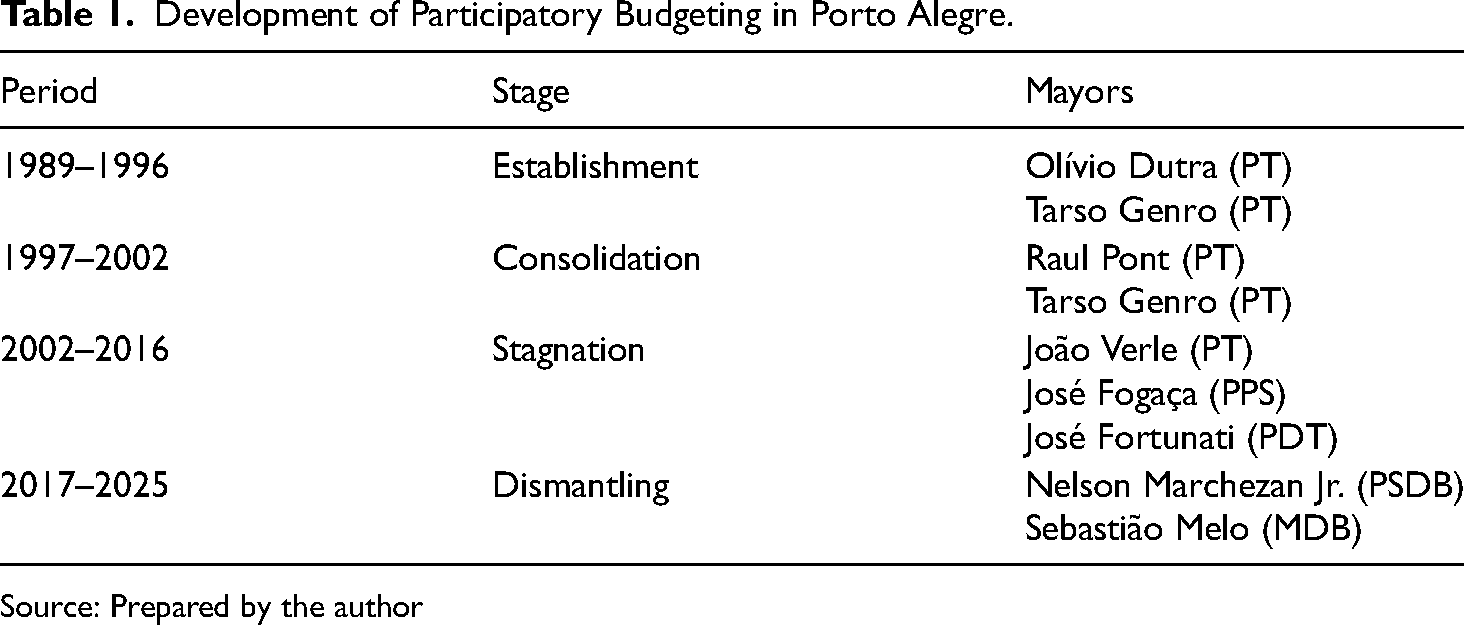
Analysing the proposal from its foundation, we can identify different periods related to the capacity of PB to serve as an effective channel for local democratisation (Table 1).
Development of Participatory Budgeting in Porto Alegre.
Source: Prepared by the author
The period of 1989–1997 marks the establishment of the proposal, highlighted by the definition of the institutional layout for PB and the establishment of public and political confidence in the viability of debating municipal funding with society. In the first few years, PB faced strong opposition from the City Council and other state-level public offices, antagonism that was rivalled only by the support from residents of the poorest regions of Porto Alegre. During this period, the primary results of the proposal became visible in the form of increased essential public services, such as electricity and basic sanitation, for areas that had been neglected by previous governments (Assies, 1993).
Between 1997 and 2000, the city experienced a phase of consolidation, during which even the most vocal opposition was silenced by the positive results that the system delivered. This was the period when the municipal government allocated nearly 100 per cent of the available resources for urban infrastructure investment, reflecting the decisions made through PB (Filomena, 2026; Novy and Leubolt, 2005).
During this phase, the proposal became deeply embedded in the city's governance, and the highest levels of participation were achieved. New governmental structures were established to increase the proposal's efficiency, such as the Porto Alegre Observatory (OBSERVAPOA) and the Transparency Website. PB gained international recognition, earning accolades from organisations such as the World Bank and the United Nations. Its implementation extended to other cities both within Brazil and abroad. The concept of PB became more widespread, with many other cities adopting similar models (Cabannes, 2004). In Rio Grande do Sul, the electoral victory of the PT in the state gubernatorial race further catalysed the initiative, leading to the establishment of PB at the regional level. The World Social Forum (WSF) held in Porto Alegre in 2001, with its bold slogan, “Another world is possible,” marked the culmination of this process but also signalled the first signs of a retraction.
Before 2001, the first cracks in the system began to appear. In response to growing challenges, the government itself altered its own rules, reducing the number of public participation forums and eliminating a portion of the public meeting cycle. Interestingly, it was in the early twenty-first century, when PB had delivered its best results, that the system began to show signs of weakness – likely a consequence of the system's previous efficiency.
The first significant signs of regression coincided with the introduction of Brazil's Fiscal Responsibility Law, which restricted the autonomy of local governments in allocating funds to meet their specific needs. This contributed to a reduction in available resources for PB, resulting in frequent delays in the execution of public works. The fiscal regulations of the early 2000s diminished the effectiveness of PB by limiting local discretion over budget allocation and investment expenditures. The extensive bureaucratic procedures involved in local budget execution further constrained the ability of local governments to implement public works and improvements identified through PB processes. Consequently, the failure to fulfil these commitments undermined the accountability and effectiveness of citizen participation. As a result, budgetary constraints rendered the policy ineffective, and it could no longer produce the anticipated electoral benefits.
Following the unfavourable results in the 2002 state elections, in which the PT lost control of the Regional Government of Rio Grande do Sul, João Verle's government (2002–2005) was marked by internal conflicts within the PT in Porto Alegre. The city also experienced a significant financial crisis, caused in part by the need to allocate a large portion of municipal resources to pay off public debts and salaries for municipal employees. In 2004, the proposal underwent significant changes, marking the year when the PT's sixteen consecutive years of governing the state capital of Rio Grande do Sul came to an end. From 2005 to 2010, Mayor José Fogaça introduced a new direction for the proposal: local solidarity governance (Bussato and Vargas, 2005). This approach was further developed by Mayor José Fortunati (PDT), who governed from 2010 to 2016.
However, with the arrival of a new party controlling the city council, problems with PB intensified. The new administration shifted the direction of the proposal, introducing a participatory solidarity governance project in which businesspeople, private financial representatives, and the economic elite were invited to engage in the investment decisions made in public assemblies. However, this concept failed to materialise, as the more prosperous economic sectors of the city showed little interest in partnering with the government to meet the public's demands, especially those from the poorer regions. Consequently, funding remained scarce, and delays in executing investments from the PB process increased.
Explaining the Dismantling of PB in Porto Alegre
At the outset, it is important to emphasise that the case of Porto Alegre concerns the dismantling of a highly successful policy, before examining the reasons and mechanisms through which this process has unfolded. This point is particularly significant, as discussions surrounding the discontinuation of public policies often cite their ineffectiveness as the primary reason. However, this was not the case with the suspension of the proposal between 2018 and 2022. Even when meetings resumed in 2023, the government's lack of commitment to its implementation remained evident. This participatory public policy had previously demonstrated considerable success in reducing local inequalities.
PB represented a significant institutional innovation, fostering a political-educative process that strengthened local citizenship and promoted goals with positive impacts on the broader population, thereby creating conditions for urban development in several key areas. In the words of Avritzer (2010), the central objective of this proposal was the redistribution of financial resources. It is precisely this redistributive dimension that constituted the foundation of its success.
The Redistributive Foundations of PB
Before analysing the dismantling of PB in Porto Alegre, it is important to establish the core features that defined its earlier success. Among these, its redistributive capacity stands out as a central pillar of both its institutional legitimacy and its broader political relevance. The ability of PB to redirect public investment toward historically marginalised areas was not merely an ancillary outcome, but one of the defining characteristics of the model (Cabannes, 2021).
Redistributive policies constitute a key instrument for addressing inequalities, both by improving the distribution of income and by expanding access to income-generating assets such as infrastructure, education, and public services (Atkinson, 2015; Piketty, 2014). In Porto Alegre, PB became an effective mechanism for operationalising these principles at the local level, particularly by prioritising investments in underserved regions of the city.
Empirical studies have consistently highlighted this redistributive impact. Cabannes (2004), for instance, demonstrates that a significant proportion of PB investments was directed toward infrastructure projects in peripheral areas, contributing to measurable improvements in living conditions. Similarly, Marquetti et al. (2012) show that a larger share of resources was systematically allocated to the poorest regions of the city, reinforcing the egalitarian orientation of the policy.
From a normative perspective, this redistributive dimension also played a crucial role in shaping the democratic significance of PB. As Pateman (2012) argues, the Porto Alegre experience represented a rare case in which public resources were effectively redirected toward disadvantaged populations in a highly unequal society. In doing so, PB not only enhanced citizen participation but also challenged entrenched patterns of unequal resource distribution.
At the same time, the redistributive success of PB was closely tied to its institutional design and political support. The capacity to allocate substantial portions of the municipal budget through participatory processes depended on sustained commitment from governing coalitions, as well as on the existence of robust participatory structures capable of articulating social demands. In this sense, redistribution was not an automatic outcome, but the result of specific political and institutional conditions.
This point is particularly important for understanding the subsequent trajectory of PB in Porto Alegre. While the policy took decades to consolidate as an effective redistributive mechanism, the conditions that sustained this capacity proved to be more fragile than initially assumed. Changes in political priorities, institutional arrangements, and fiscal conditions would later undermine the very foundations that enabled its success.
The erosion of these redistributive capacities constitutes a key indicator of the dismantling process analysed in the following sections. As financial resources decline, institutional structures weaken, and political support diminishes, PB progressively loses its ability to influence distributive outcomes. In this sense, the decline of redistribution is not merely a consequence of dismantling, but one of its most visible manifestations.
Decline in Political Centrality and Executive Retrenchment
A second central dimension of the dismantling of PB in Porto Alegre concerns the decline in its political centrality within the priorities of governing coalitions. As highlighted in the theoretical framework, dismantling does not depend solely on institutional redesign or fiscal retrenchment; it may also occur through the progressive withdrawal of political support, which reduces the relevance of participatory institutions in decision-making processes.
This dynamic became particularly evident following the election of Nelson Marchezan Jr. in 2017. Shortly after taking office, the new administration announced the suspension of PB, framing the decision as a temporary measure aimed at modernising the initiative and adapting it to digital formats. However, rather than representing a process of institutional innovation, this suspension marked a turning point in the trajectory of PB, signalling a broader shift in political priorities.
From the perspective of policy dismantling, this episode can be interpreted as a form of executive retrenchment, in which political authorities actively deprioritise an institution without formally abolishing it. Although the discourse of reform suggested continuity, in practice PB entered a prolonged period of paralysis, during which its capacity to structure public participation was severely diminished.
The brief resumption of PB activities in 2019 further illustrates this pattern. While formally reinstated during its thirtieth anniversary, the initiative operated under highly constrained conditions. Public meetings were poorly publicised, participation levels were minimal, and the resources allocated to projects were limited. In this context, PB persisted only in a symbolic or residual form, reinforcing the interpretation of a gradual dismantling rather than a simple interruption.
The COVID-19 pandemic deepened this trajectory, as temporary suspension measures evolved into a more sustained institutional inactivity. However, the pandemic alone cannot explain the decline of PB. Instead, it functioned as an accelerator of an ongoing process of political disengagement, in which participatory mechanisms were no longer treated as central instruments of governance.
An additional and particularly significant aspect of this process is the relative absence of political and social resistance to the dismantling of PB. Despite its historical importance and redistributive impact, the suspension of PB did not generate strong opposition from political parties, civil society organisations, or local communities. This lack of mobilisation suggests a broader erosion of the social and political networks that previously sustained the initiative.
From an analytical perspective, this phenomenon may be interpreted as both a cause and a consequence of dismantling. On the one hand, declining participation reduces the political costs associated with dismantling. On the other hand, the weakening of institutional structures and the reduction of resources discourage citizen engagement, creating a feedback loop that reinforces institutional decline.
The election of Sebastião Mello in 2020 introduced expectations of institutional recovery, as the new administration pledged to restore PB. While PB was formally reintroduced in 2022, the conditions under which it resumed operations indicate that its political centrality had not been restored. The process lacked broad mobilisation, relied primarily on top-down communication, and failed to reestablish meaningful connections with historically engaged communities.
Moreover, the reduced transparency surrounding the initiative further illustrates its diminished political relevance. Institutions such as OBSERVAPOA, which previously played a key role in monitoring and disseminating information about PB, now operate under precarious conditions. This limits public access to information and undermines mechanisms of accountability, further weakening the institutional ecosystem that supported PB.
Taken together, these developments indicate a clear decline in the political centrality of PB in Porto Alegre. Rather than being actively integrated into the governing agenda, PB has been progressively sidelined, losing its capacity to influence policy decisions and mobilise collective action. This pattern is consistent with a broader process of dismantling, in which institutions are not formally eliminated, but gradually deprived of the political support necessary for their effective operation.
Resource Reduction and Fiscal Retrenchment
One of the most visible dimensions of the dismantling of PB in Porto Alegre is the sharp reduction in financial resources allocated to the initiative. As discussed in the theoretical framework, resource contraction constitutes a central mechanism of policy dismantling, as it directly limits the capacity of institutions to shape policy outcomes and sustain meaningful participation.
In the case of Porto Alegre, the scale of fiscal retrenchment is particularly striking. While the city's total public budget exceeded two billion dollars in 2023, the proportion allocated to PB has become almost negligible. This reveals not merely a budgetary adjustment, but a structural redefinition of the role of PB within the broader system of public governance.
This transformation becomes even more evident when compared to earlier periods. During the administrations of the Workers’ Party (PT), resources allocated to PB never fell below 17 per cent of the total municipal budget. As Filomena (2026) notes, between 1993 and 1996, 100 per cent of the city's public investment resources were deliberated through PB assemblies. In contrast, under the current municipal administration, PB represents less than 1 per cent of total municipal expenditure, amounting to just 0.14 per cent in 2023 and 0.17 per cent in 2024.
This dramatic decline illustrates a clear process of resource-based dismantling. By drastically reducing the financial scope of PB, the government effectively limits its capacity to influence distributive outcomes and undermines its role as a mechanism of democratic decision-making. In this sense, dismantling operates not through formal abolition, but through the progressive erosion of the material conditions necessary for the institution to function effectively (Figure 1).
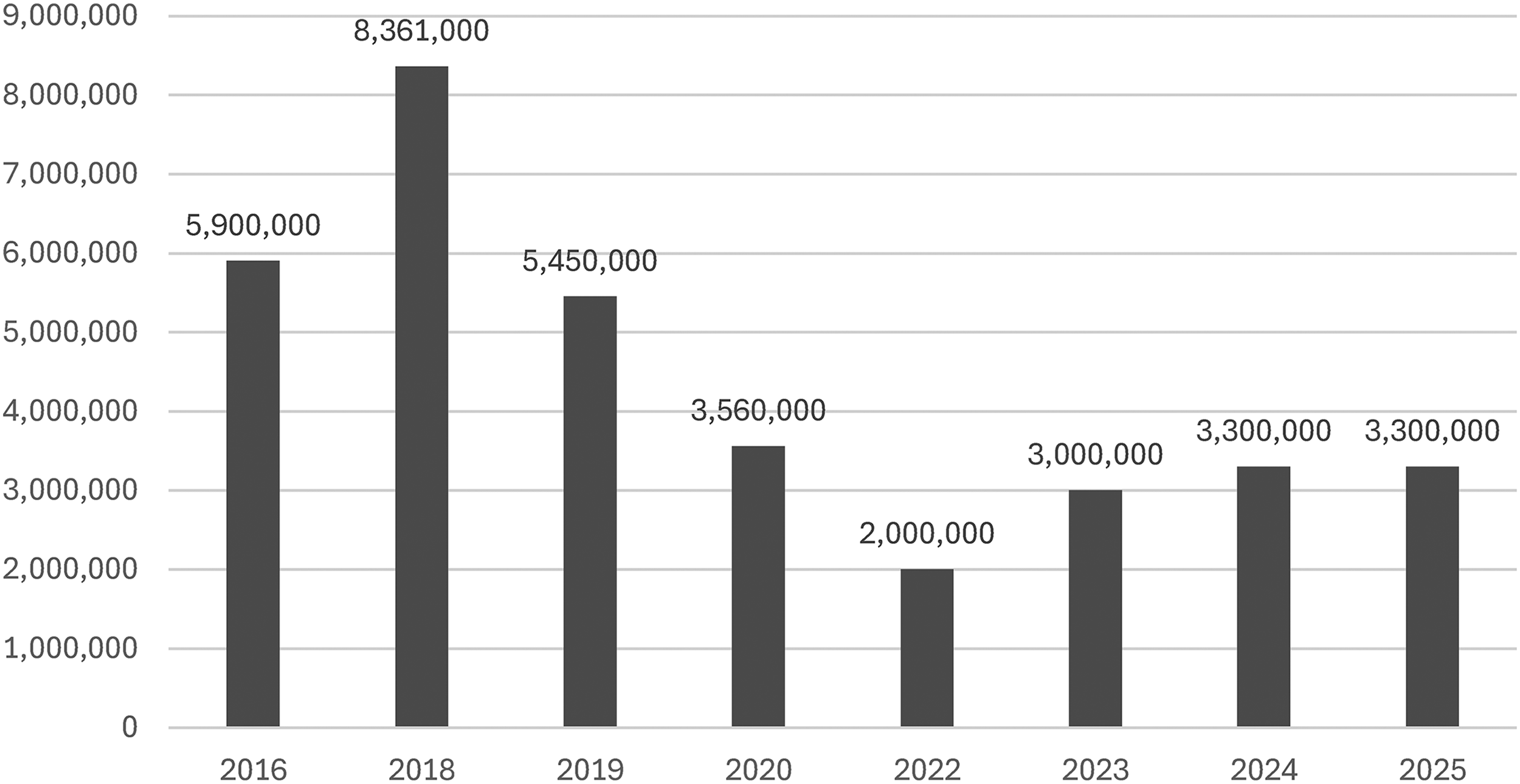
Annual Investments (in USD).
The reduction of financial resources also has important secondary effects. As funding declines, so too does the number and scale of projects that can be implemented through participatory processes. This contributes to a decline in citizen engagement, as participants perceive diminishing returns from their involvement. In this way, fiscal retrenchment reinforces other dimensions of dismantling, particularly the weakening of institutional structures and the decline of political centrality.
These developments are consistent with previous findings in the literature. Scholars such as Melgar (2015) and Rennó and Souza (2012) have pointed to the combined effects of political change and resource constraints in explaining the decline of PB in Porto Alegre. However, the magnitude of the recent fiscal contraction suggests a more advanced stage of dismantling, in which the institution is no longer capable of performing its core redistributive and participatory functions.
Importantly, despite this severe contraction, PB has not been formally abolished. Instead, it persists in a significantly weakened form, which may be described as a “vegetative” institutional state. In such conditions, the formal existence of the institution coexists with a profound loss of substantive capacity. This reinforces the argument that dismantling should be understood as a gradual and multidimensional process, rather than a discrete event.
Institutional Weakening and Organisational Transformation
A third key dimension of the dismantling of PB in Porto Alegre concerns the progressive weakening of its institutional structures. As outlined in the theoretical framework, dismantling may occur not only through resource reduction or declining political support, but also through organisational transformations that undermine the functioning and effectiveness of participatory institutions.
In the case of Porto Alegre, this process is closely linked to the limited institutionalisation of participatory democracy within the broader state apparatus. Despite the prominence of PB as an innovative governance mechanism, it was never fully consolidated as a comprehensive state policy. Rather than being integrated across multiple policy sectors, participatory practices remained largely confined to the domain of budgetary decision-making. This institutional limitation restricted the long-term resilience of PB, making it more vulnerable to political and administrative shifts.
Over time, structural weaknesses that had been present since the early stages of the initiative became more pronounced. Instead of being addressed through institutional reform, these limitations deepened, reducing the capacity of PB to sustain broad-based engagement and to function as a stable mechanism of governance. In this sense, dismantling can be understood as a cumulative process in which unresolved institutional constraints gradually erode the effectiveness of participatory arrangements.
One important example concerns persistent inequalities in representation. As widely discussed in the literature, participatory institutions often reproduce existing social hierarchies, including gender disparities. In Porto Alegre, gender inequality within the Participatory Budget Council (COP) was already evident during the early phases of the initiative and has become more pronounced in recent years, with women's representation remaining below 30 per cent since the 2023 process (Baiocchi, 2005). This pattern reflects a broader weakening of the inclusiveness that once characterised the participatory.
Another relevant factor is the lack of turnover among representatives within participatory structures. Previous research has shown that the concentration of influence among experienced actors can lead to the professionalisation of participation and the exclusion of new entrants. Although mechanisms were initially introduced to encourage rotation, such as limits on consecutive mandates, these provisions were removed in 2004. The resulting entrenchment of leadership positions has contributed to the formation of stable power networks within participatory arenas, thereby reducing their openness and democratic dynamism.
An additional dimension of this process can be observed in the growing gap between deliberation and implementation. Evidence suggests that a significant proportion of projects approved through PB assemblies were not completed, particularly in the period after the mid-2000s. For example, between 2005 and 2016, less than half of the approved projects were fully implemented (Abers et al., 2018). This pattern reflects not only administrative inefficiency, but also a broader process of institutional weakening, in which the state's capacity and willingness to implement collectively defined priorities have been progressively eroded. In this sense, the non-implementation of deliberated projects constitutes a central mechanism of dismantling, as it undermines both the redistributive impact and the credibility of PB as a democratic institution.
These institutional shortcomings had direct consequences for citizen engagement. As the perceived effectiveness of PB declined, so too did the incentives for sustained participation. This dynamic reinforces the broader process of dismantling, as declining engagement further weakens institutional capacity, creating a self-reinforcing cycle of erosion.
A particularly significant moment in this trajectory occurred with the introduction of the “local solidarity governance” model between 2005 and 2010. This reform represented a substantial organisational shift, aimed at incorporating public–private networks into local governance. While presented as an innovation, this transformation effectively displaced core functions of PB.
Under this model, newly created regional administrative centres assumed a central role in mediating between citizens and the municipal government. As a result, traditional participatory assemblies lost prominence, and decision-making processes became increasingly mediated by institutional actors. From the perspective of dismantling, this represents a form of organisational displacement, in which existing participatory structures are not eliminated but are gradually supplanted by alternative governance arrangements.
Taken together, these developments illustrate a clear process of institutional weakening. PB in Porto Alegre continues to exist formally, but its organisational capacity, inclusiveness, and effectiveness have been significantly reduced. This pattern is consistent with a broader understanding of dismantling as a gradual and multidimensional process, in which institutions are progressively hollowed out while remaining formally intact (Figure 2).
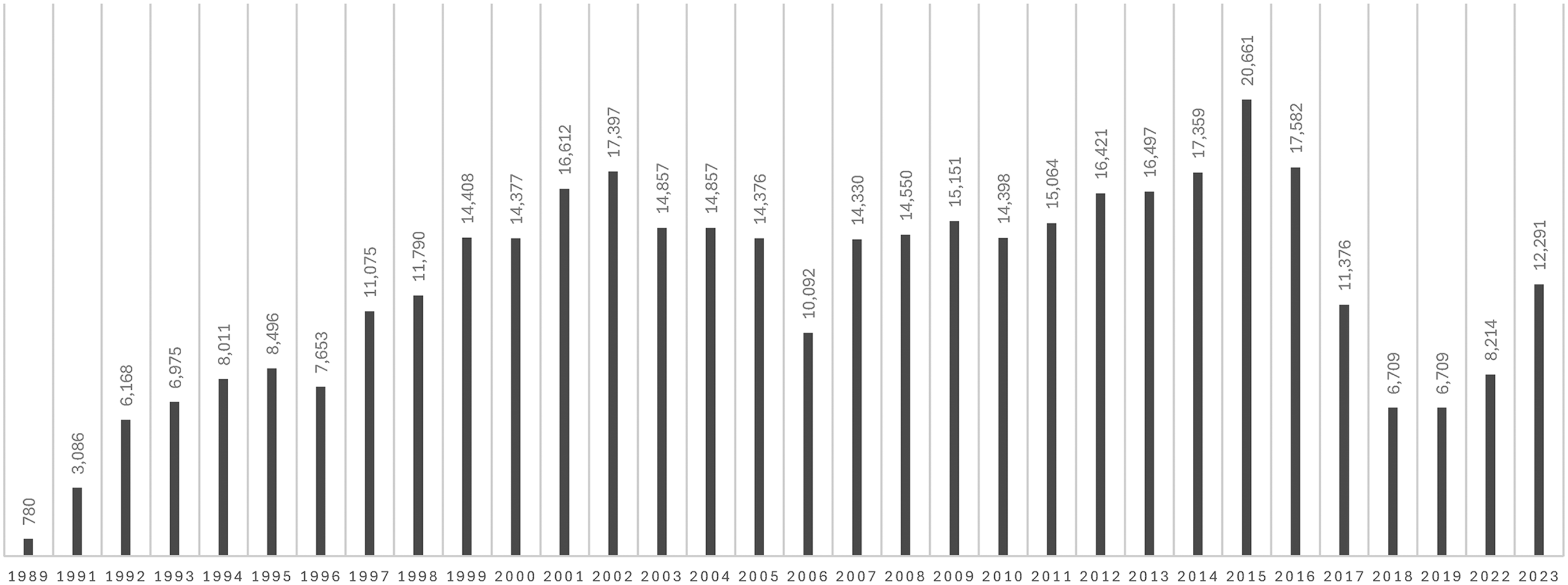
Participatory Budgeting Participants from 1989 to 2024.
The figure indicates that, despite some fluctuations over time, participation in Porto Alegre's PB experienced a significant overall increase during earlier periods. This trend suggests a progressive consolidation of the participatory process and its capacity to mobilise citizens. However, from 2015 onwards, a noticeable decline in participation can be observed, interrupting this trajectory of growth.
Institutional Shortcomings of PB in Porto Alegre
In addition to the factors already identified in the literature, it is worth highlighting several issues that deserve further attention. Besides the previously mentioned factors, the causes of the demise of the proposal in the city where it was created are related to the inability of the various governing bodies to transform participatory democracy into state policy, even on a local level. State policies do not merely reduce to a budget debate; rather, they express the state's capacity for founding, planning, and implementing public policies within the realm of their intervention. That is, the recognition of the public's participation as a fundamental component of public administration in its entirety, rather than solely in the areas of budgeting. This is something that never occurred in Porto Alegre, where there was no democratisation on a large scale, not even in the areas where organised civil society was strongest, such as education, housing, and public health policies.
Over time, the participatory budget was unable to overcome problems that existed since its conception; on the contrary, aspects that reduced the ability of this public policy to settle in society as a whole deepened.
In this regard, it is important to highlight that certain difficulties inherent to representative democracies have not been fully resolved by PB. A particularly concerning example is the persistent gender inequality within political institutions, an issue that has already been extensively discussed in the literature. During the Workers’ Party (PT) administration in Porto Alegre, between 1989 and 2004, gender inequality in representation on the COP, the body responsible for forwarding demands decided in popular assemblies, was already evident (Baiocchi, 2005). At present, this inequality has become more pronounced, as since 2023, women's representation on the COP has remained below 30 per cent.
Another relevant issue concerns the lack of turnover among elected representatives within PB structures. Several scholars have warned that the appropriation of participatory spaces by experienced actors, along with the excessive professionalisation of council members, generates a democratic deficit by reproducing social inequalities and discouraging the engagement of new participants (Peres, 2020). In the early stages of the initiative, mechanisms were introduced to encourage the rotation of representatives, including a rule prohibiting re-election for two consecutive terms. However, this provision was abolished in 2004. The absence of renewal reflects the broader difficulty of sharing power within institutions founded on participatory ideals. It also signals the entrenchment of traditional leadership figures in key decision-making spaces, contributing to the emergence of political castes.
Furthermore, among the main criticisms of Porto Alegre's participatory proposal is the delay in concluding projects or works determined by the community, a phenomenon that began to increase after 2000. For example, of the six thousand public works determined by the public from the beginning of the proposal until 2014, almost two thousand requests became inactive, which is around one-third of what had been determined during this period. Similarly, between 2002 and 2015, there was a significant fluctuation in the values pledged by the Council to implement the proposals determined by the public (Campos, 2015). The diminished allocation of resources contributed to a noticeable decline in the number of demands submitted by citizens through the PB mechanism (Figure 3).
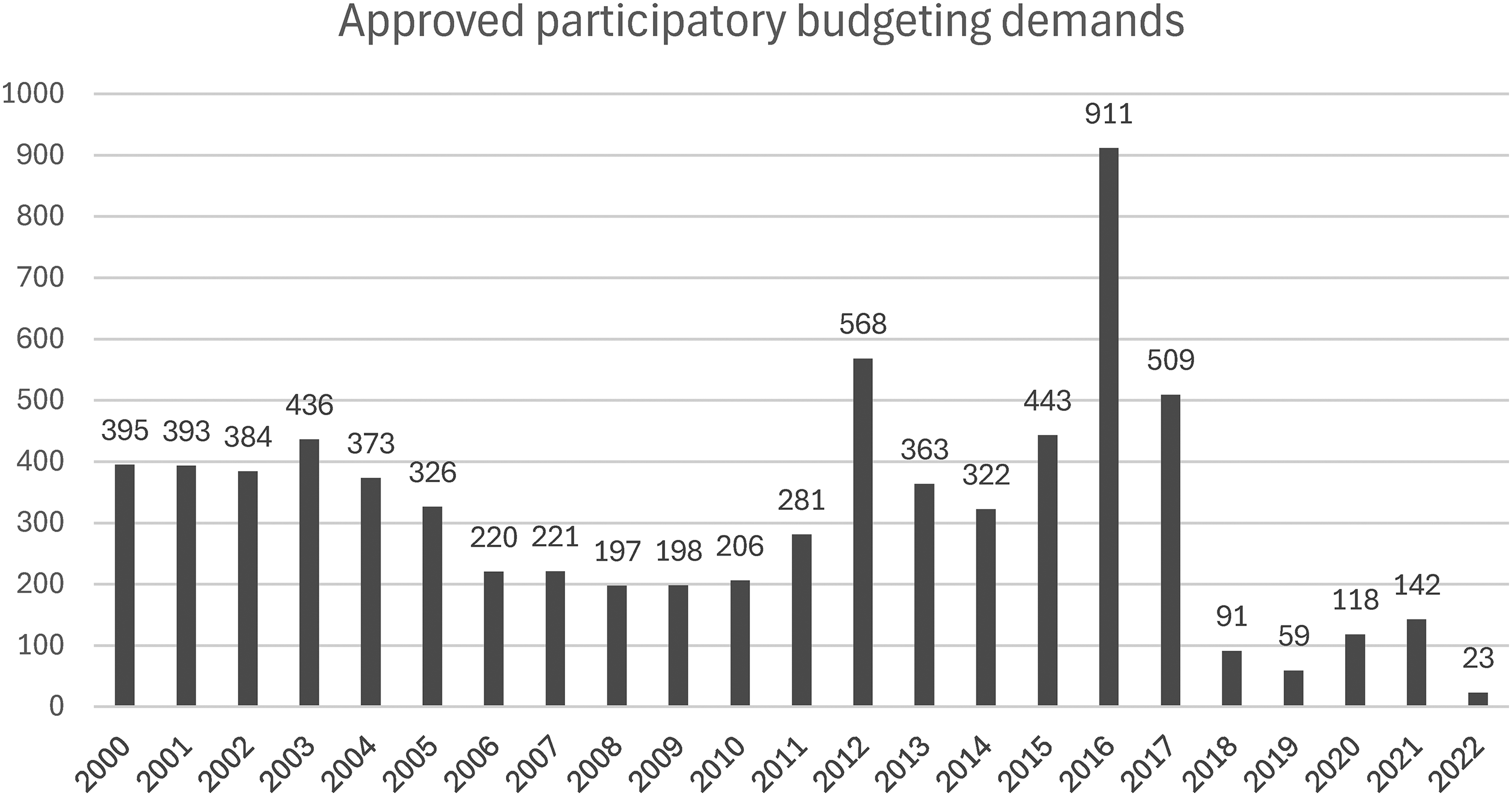
Annual Demands for Participatory Budgeting.
In terms of institutional design, particularly after 2004, significant modifications were implemented that had an impact on citizen participation. The most significant modifications occurred when the city council presented a novel organisational plan for public participation known as “local solidarity governance” (2005–2010). The aim of this proposal was to form public–private networks with a view to involving a mixture of sectors from society in the governance of the city, especially segments linked to private initiative. To achieve this, seventeen regional administrative centres were created, spread across the regions where PB was in place.
The solidarity governance model was the first major regression of the proposal. Citizens’ assemblies lost prominence as regional centres gained influence, eventually taking on the role of sub-municipal offices and becoming the main venue for addressing the population's demands. The regional coordinators of solidarity governance gradually established a system of intermediation between the public and the municipal government, supplanting numerous functions previously performed by PB.
Conservative Realignment and the Crisis of PB
Finally, when analysing the erasure of PB in Porto Alegre, factors related to the political values of the public should also be considered, especially the reintroduction of a conservative agenda that had been practically extinct in the country since the 1964 Brazilian coup d’etat. In terms of the growth of conservatism in the capital of Rio Grande do Sul, it is also important to emphasise that, in the presidential elections of 2018, the candidate Jair Bolsonaro, who was victorious in this election with an ultra-conservative political program, gained 45 per cent of the votes in the first round of elections and almost 58 per cent in the second, thereby obtaining a substantial victory in a city that had the reputation of being the capital of public participation. In the 2022 elections, when Lula da Silva was elected President of Brazil, Bolsonaro obtained more than 56 per cent of the votes in Brazil's southernmost state.
The growth of the conservative vote in Rio Grande do Sul represents a substantial obstacle for governments to win the support of society for the development of public participation proposals based on the organisation of citizens’ assemblies, as would be the case with PB. It is noteworthy that one of the first measures of the Bolsonaro government was to dismantle the national structure of social participation established by previous administrations (Decree-Law 9759, 11/04/2019).
The growth of right-wing political groups in Porto Alegre can be observed from different perspectives, among which electoral contests stand out. The following figure illustrates the electoral rise of right-wing political parties in the competition for seats in the legislative branch. These data indicate a decline in the vote share of left-wing parties, the stagnation of centrist parties, and the steep ascent of right-wing parties (Figure 4).
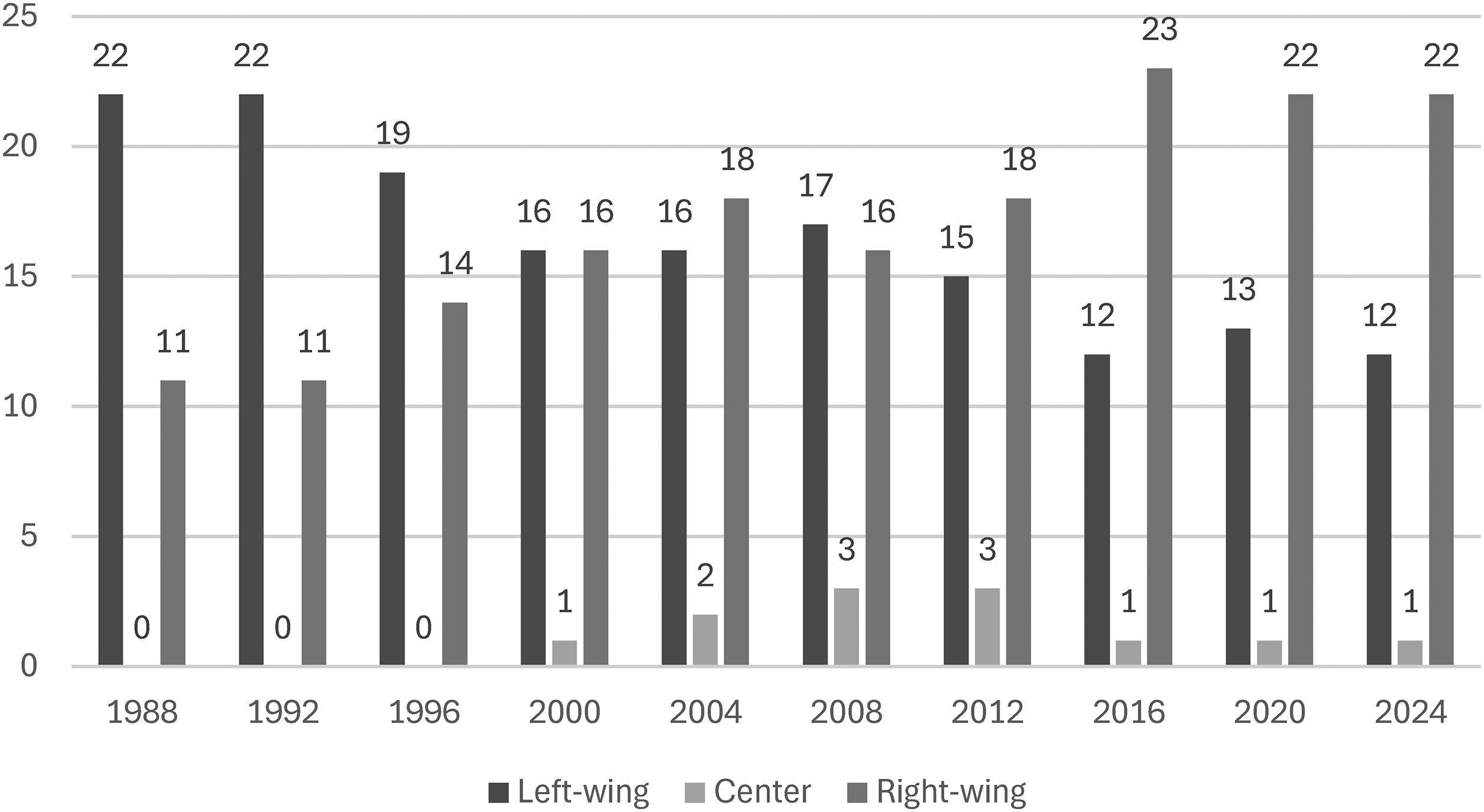
Number of Seats in the Porto Alegre City Council – Left-wing Parties, Centrist Parties and Right-wing Parties (1988–2024).
In the subsequent figure, the same issue is examined from the perspective of the electoral decline of the Workers’ Party (PT) in Porto Alegre. This erosion of the PT's electoral strength is not an isolated occurrence; rather, it reflects a broader national trend observable across most of Brazil, particularly from 2016 onwards, when the removal of President Dilma Rousseff triggered an intense political campaign seeking to associate the PT with corruption scandals and the misappropriation of public funds. This strategy assumed even greater prominence following the imprisonment of former President Lula in April 2018 and the election of President Jair Bolsonaro in October 2018, whose campaign discourse was largely predicated upon denunciations of PT administrations, especially at the federal level. Lula was acquitted in November 2019 of the charges that had led to his imprisonment and was once again elected president of Brazil in October 2022. Nevertheless, the PT's vote share across Brazilian municipalities and states continued to decline (Figure 5).
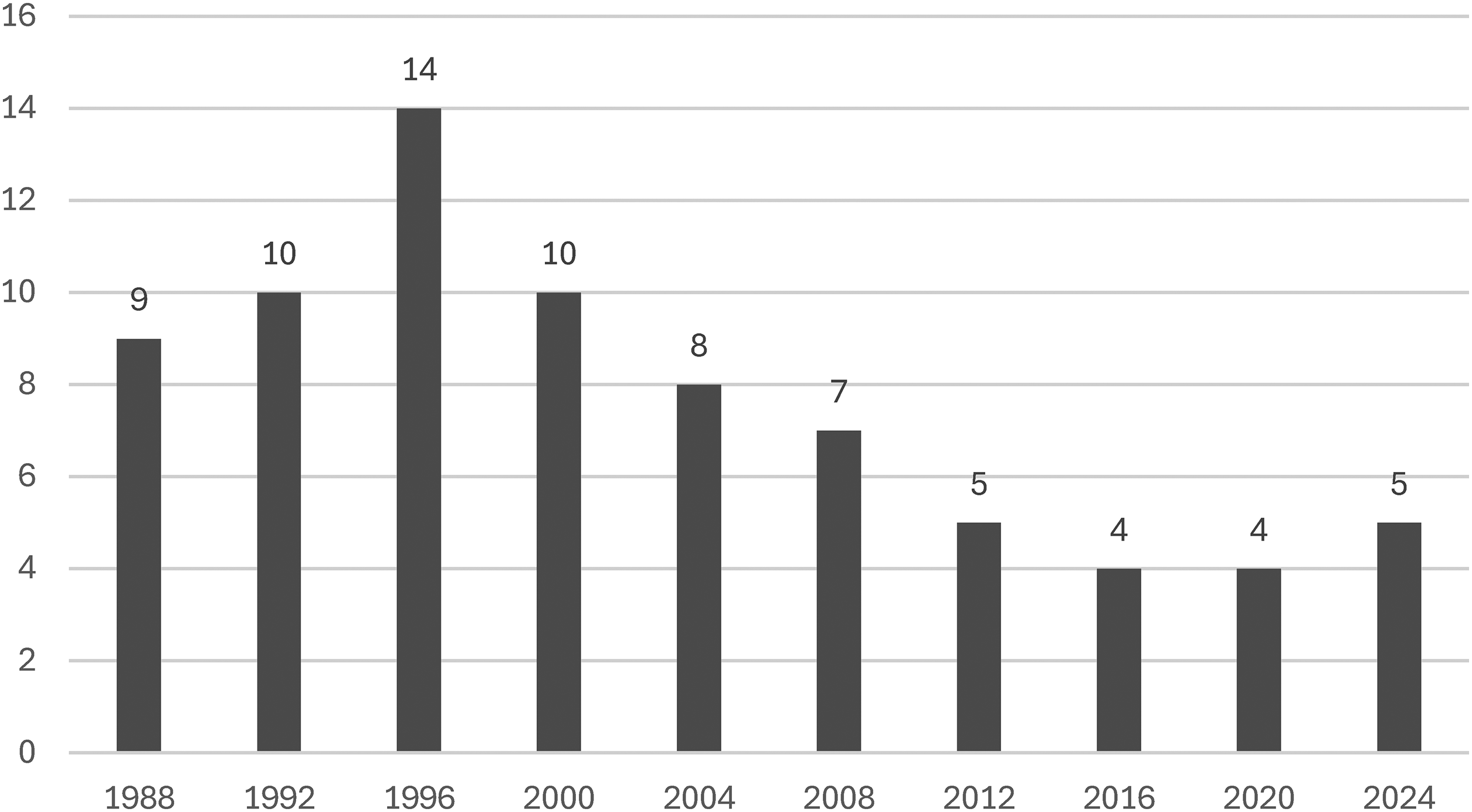
PT Seats in the City Council of Porto Alegre (1988–2024).
The Participatory Budget of Porto Alegre took more than three decades to establish itself as a solid channel of participatory democracy, but it was dismantled in a relatively short period of time. Even though the problems with the initiative had been accumulating, popular assemblies continued to take place, people remained engaged in meetings, and various public policies were formulated based on citizens’ votes.
Following the announcement of its suspension in 2017, the PB process entered a phase of gradual dismantling, which continues to the present day. While it remains uncertain whether the initiative will be formally discontinued, the current outlook is far from promising. Rather than serving as a mechanism for citizen empowerment, the present configuration of PB appears to reinforce traditional interests embedded within the state apparatus. As a result, the process as it stands since 2022 is merely a shadow of what it once was.
An alternative interpretation would be to understand the recent transformations of PB not as dismantling, but as a reconfiguration of participation within emerging regimes of social control. From this standpoint, institutional change would not necessarily imply erosion, but rather processes of adaptation, layering, or functional conversion, whereby existing participatory arrangements are redirected towards new governance purposes.
Drawing on the literature on gradual institutional change, particularly the framework developed by Mahoney and Thelen (2009), such transformations could be interpreted as forms of institutional drift, layering, or conversion, in which formal rules remain in place while their operation and political effects are progressively altered. Under this interpretation, PB would not disappear, but would be reshaped to serve different coalitional or administrative logics. 4
However, the empirical evidence examined in this article, which includes the loss of deliberative authority, the contraction of allocated financial resources, the reduction of redistributive scope, and the organisational hollowing out of participatory arenas, suggests a pattern that exceeds incremental adaptation. Rather than reflecting a stable process of institutional conversion or strategic redeployment, these developments indicate a cumulative weakening of the institution's political embeddedness and decision-making capacity. The trajectory observed in Porto Alegre therefore aligns more closely with a process of structural fragilisation than with a reconfiguration that preserves institutional robustness under altered governance logics.
These data regarding the dismantling of PB in Porto Alegre provide insights not only into local dynamics but also into broader issues affecting participatory public policies globally. Experiences like Porto Alegre's reveal a paradox that cannot be overlooked: despite the promises of greater inclusion and the democratisation of governmental decision-making, these policies often face significant structural challenges. Resistance from political elites, resource scarcity, and a lack of interest from public administrations have led to the gradual disintegration of the model. This pattern is not unique to Porto Alegre; rather, it reflects global trends in contemporary democracies, where participatory processes are often undermined by dominant political forces and the recentralisation of power within traditional public management structures.
Final Considerations
The PB of Porto Alegre has been analysed in this article, presenting various aspects that marked the emergence of the proposal and its development, arriving at the present analysis in which the proposal presents signs of progressive dismantling. This concern guided the present examination of the conditions under which participatory institutions undergo dismantling, focusing on the Porto Alegre case in order to illuminate the broader political and institutional mechanisms that shape such processes.
Although the third Lula administration has signalled initiatives aimed at reactivating participatory institutions at the federal level, this article focuses on the municipal dynamics of Porto Alegre. Developments at other levels of governance, including efforts to revitalise national participatory arenas, do not necessarily translate into similar processes at the local level, where institutional trajectories are shaped by distinct political coalitions, fiscal constraints, and administrative choices. The potential reinvigoration of participatory arrangements in other contexts therefore does not alter the empirical diagnosis advanced here, but rather underscores the importance of analysing participatory institutions within their specific political and institutional settings.
The unravelling of PB in Porto Alegre has been analysed from a multifactorial perspective. In particular, the period after 2016 highlights three key factors: the declining commitment of public managers to the programme, growing constraints on the allocation of investment resources, and the demobilisation of civil society. Over time, these dynamics have undermined the capacity of PB to effectively serve broader public interests, contributing to its gradual dismantling.
This fragility does not appear to be inherent to the PB model itself, but rather to stem from its specific mode of institutionalisation. In the case examined, the institution was characterised by limited legal entrenchment, strong dependence on executive initiative, and weak normative safeguards. As a result, shifts in political leadership and administrative priorities exposed PB to budgetary contraction, procedural change, and progressive marginalisation. This trajectory suggests that the sustainability of participatory innovations depends less on their intrinsic democratic qualities than on the depth and robustness of their institutional anchoring within the broader architecture of local governance.
In light of the theoretical discussion developed earlier, the trajectory analysed here aligns more convincingly with a process of institutional dismantling than with a mere reconfiguration of participatory governance. While institutional change may sometimes involve adaptation, layering, or functional conversion, the cumulative dismantling of deliberative authority, financial capacity, and organisational infrastructure observed in Porto Alegre suggests a pattern of structural weakening rather than strategic redeployment. The case therefore illustrates the limits of interpreting participatory decline exclusively through the lens of gradual institutional transformation.
Brazil was the cradle of PB, a proposal which rapidly spread throughout Latin America, Europe, and the World. Many of these experiences came about as a result of the promise of putting into practice effective participatory processes, ways of including the general population in the development of governmental policies, and, beyond this, creating spaces whereby traditional politics could change.
The PB initiative in Porto Alegre was one of the most prominent experiences that, at least for a time, fulfilled its promise of empowering citizens. Precisely because of this, it had a significant impact. However, over time, it was gradually abandoned by municipal governments in various cities, eventually reaching a point where it was progressively hollowed out, eventually reaching a point where its formal structures remained but its political and deliberative capacity had been substantially eroded. Public meetings were no longer convened, the PB council stopped functioning regularly, and even the investment funding agreed upon in earlier stages of the process was disregarded.
The dismantling of PB in Porto Alegre is not necessarily irreversible. It remains to be seen whether the obstacles outlined here can be overcome in the future and, if so, whether the initiative might return with renewed vigour, a scenario that is not implausible, particularly if driven by pressure from organised sectors of civil society.
However, the persistence of structural challenges, such as political disengagement, financial constraints, and social fragmentation, suggests that any revival would require comprehensive reform rather than a simple reinstatement of past practices. Furthermore, it is essential to underscore the importance of establishing stronger legal frameworks and institutional safeguards to protect participatory mechanisms from political instability. Equally important is the need to strengthen citizens’ deliberative capacities, ensuring inclusion and sustained engagement beyond mere symbolic participation.
In light of these challenges, this article aims to offer a critical reflection on the fragility of contemporary participatory innovations in Brazil, particularly in the case of Porto Alegre, and to contribute to the ongoing debate on the types of innovation necessary to strengthen participatory public policies.
Although Porto Alegre's PB has faced a series of challenges and setbacks, the analysis of this process offers important lessons for participatory public policies globally. Like many other democratic governance initiatives, PB proved vulnerable to political coercion and resource scarcity, which calls into question the long-term sustainability of such policies. The dismantling of PB should be understood as part of broader structural tensions affecting contemporary participatory institutions, reflecting the difficulties participatory democracy encounters when seeking durable integration into established political structures. Therefore, the analysis of Porto Alegre's experience highlights the fragility of democratic innovations and the structural challenge of institutionalising citizen participation in an era of increasing political polarisation and fiscal constraints.
Footnotes
Declaration of Conflicting Interests
The author declared no potential conflicts of interest with respect to the research, authorship, and/or publication of this article.
Funding
The author received no financial support for the research, authorship, and/or publication of this article.
