







Abstract
Fake health information on social media has become a major public health issue, especially in cancer-related communication. Misleading cancer information online can negatively affect the emotions, psychological well-being, and treatment-related decisions of cancer patients’ families. Therefore, the present study aimed to identify the psychological effects of fake cancer information on social media on cancer patients’ families and to explore the challenges associated with controlling cancer misinformation in digital environments. A systematic literature review (SLR) methodology was employed to address the study objectives. Relevant peer-reviewed studies were retrieved from seven major digital databases and Google Scholar through a comprehensive search strategy. The selected studies were systematically analyzed to identify the major psychological consequences and misinformation-related challenges experienced by families of cancer patients. The findings revealed that fake cancer information on social media causes anxiety, uncertainty, emotional distress, distrust in healthcare professionals, financial losses, mental health problems, and poor treatment-related decision-making among patients’ families. The review further identified several barriers to combating cancer misinformation, including low digital health literacy, rapid dissemination of sensational content, financial motives of misinformation creators, and inadequate collaborative efforts among stakeholders. Based on the evidence-based findings, the study developed a conceptual framework to combat fake cancer information on social media platforms. The study contributes significantly to the existing literature by providing theoretical, managerial, and social implications for healthcare professionals, policymakers, digital platform regulators, and relevant stakeholders seeking to reduce the harmful psychological effects of cancer misinformation in digital environments.
Keywords
Introduction
Digital media is widely utilized by health professionals, patients, patients’ families and other relevant stakeholders for seeking and sharing cancer-related information.1,2 Health information on social networks is often subject to authenticity as it is mostly generated by non-health professionals.3–7 Digital misinformation on social media causes emotional effects of individuals diagnosed with cancer and their caregivers. It creates certain health risks and affected individuals and their caregivers feel intense stress due to confusion caused by fake digital information.8,9 Fake health news on social media platforms has potential negative effects on people’s lives and various challenges occur on public mental health.10–12 Recent studies have further highlighted that digital environments significantly shape the psychological experiences of cancer patients and their caregivers. Research on digital health ecosystems demonstrated that online cancer-related communities, social networking platforms, and influencer-generated content may simultaneously provide emotional support and intensify psychological distress when misleading information is circulated.13,14 In particular, emotionally persuasive cancer narratives shared through social media platforms often influence perceptions regarding treatment effectiveness, risk severity, and healthcare decision-making processes among patients’ families.
There are harmful effects of misleading information on cancer patients, and their families and affected households live a confused life. 15 There are different types of fake information about cancer that include cancer symptoms, preventive measures, treatment methods, specialists to cure cancer-related issues and exercises to stop the growing ratio of cancer inside the body. 2 Survivors of cancer also post false digital information on social networks to increase their ratings and digital visibility. 16 Fake digital information on social networks misleads the caregivers of cancer patients as they make misinformed decisions and later feel mental agony. 8 Cancer misinformation is mostly found on YouTube, Facebook, TikTok, and Instagram and these digital platforms cause emotional frustrations among the families of oncology patients. 17 The growing influence of social media personalities and “onco-influencers” has also transformed the communication of cancer-related experiences in digital spaces. While some influencers contribute positively to awareness creation, emotionally charged and commercially driven cancer-related content may unintentionally amplify misinformation, unrealistic treatment expectations, and emotional vulnerability among caregivers and family members of patients. 13 Such digital interactions can intensify fear, uncertainty, and psychological burden, particularly among individuals with limited digital health literacy.
Digital media platforms are excessively used to explore information related to cancer; hence, fake information causes life threats and mental health issues. 18 False information on social networks causes confusion, frustrations, mental disorder, restlessness, and exaggerated anxiety among the care takers of cancer patients. 19 Due to the availability of a vast amount of cancer-related information on digital media, caregivers and relatives of cancer patients don’t usually trust on the healthcare professionals and use alternative methods to cure cancer; causing challenges for cancer clinicians as well. 20 Online misinformation related to cancer has negative impacts on the people’s decision for the treatment of their patients suffering in oncology diseases as they don’t use medically recommended treatments.
Certain challenges are associated to combat fake internet medical information for sustaining public health. Viral content on social media platforms attracts affected individuals and their caregivers to use non-scientific techniques for the treatment of cancer. 21 Methods of cancer treatment mentioned by different experts are not applicable to all types of cancer and patients as situations vary from type to type and case to case however people blindly follow the methods as displayed through different social media posts and eventually suffer mentally. 22 The misinterpretation of scientific evidence or fallacious presentation through social media could play as a great drawback to the success in the management of many diseases. 23 Lack of digital health literacy is a major source leading towards the acceptance of digital fake information in regards to cancer. 24
Previous research in chronic illness and digital healthcare contexts has emphasized that digital health literacy plays a fundamental role in enabling patients and caregivers to critically evaluate online medical information and avoid psychologically harmful misinformation. Studies examining digital interventions in oncology have shown that the quality and credibility of online health information directly affect emotional well-being, coping strategies, and quality of life among cancer patients and caregivers.25,26 Similarly, emotionally framed cancer communication and online health advertising may shape public perceptions and emotional responses toward cancer-related decision-making. 27 These findings indicate that misinformation in digital health environments should not only be viewed as an informational problem, but also as a major psychosocial and public health concern.
Problem statement
In the contemporary digital environment, social media platforms have become major sources for seeking and sharing cancer-related information. However, the rapid dissemination of fake health information in online environments has created serious psychological and healthcare-related concerns for cancer patients and their families. Exposure to misleading cancer-related information on social media may increase emotional distress, anxiety, uncertainty, confusion, distrust in healthcare professionals, and poor treatment-related decision-making among caregivers and family members.2,20,28 The growing accessibility and viral spread of cancer misinformation have further intensified challenges associated with public mental health and evidence-based healthcare communication.
Although previous studies have examined different dimensions of digital health misinformation, cancer communication, and online health behaviors, the existing literature remains fragmented across multiple disciplinary contexts, including health communication, digital media studies, psycho-oncology, and public health. Moreover, recent developments in social media ecosystems, influencer-based communication, and digital health environments have significantly transformed the ways cancer-related information is produced, shared, and consumed online,13,14 there is a growing need to systematically synthesize the available evidence regarding the psychological effects of fake cancer information on caregivers and relatives of cancer patients and the challenges associated with controlling misinformation in digital environments.
Therefore, the current study applied a systematic literature review (SLR) methodology to critically examine the psychological impacts of fake cancer information on social media on caregivers and family members of cancer patients. The study also identified key challenges linked to combating misinformation in online health communication environments and developed an evidence-based framework to mitigate the harmful effects of cancer misinformation. A total of 17 peer-reviewed studies retrieved from major digital databases were systematically analyzed to provide comprehensive theoretical, managerial, and social implications for healthcare professionals, policymakers, digital platform regulators, and related stakeholders.
Research objectives
The research objectives of the study are as follows: • To identify the psychological effects of fake digital information on cancer patients’ families through a systematic literature review of existing peer-reviewed studies • To reveal challenges associated to combat fake digital information of cancer based on evidence synthesized from published literature
Research questions
The study’s research questions are as below: • What are the psychological effects of fake digital information on cancer patients’ families as reported in existing literature? • Which are the challenges to control fake digital information of cancer as identified in prior studies? • What is an effective framework to combat fake digital information related to cancer based on synthesized findings from the literature?
Materials and methods
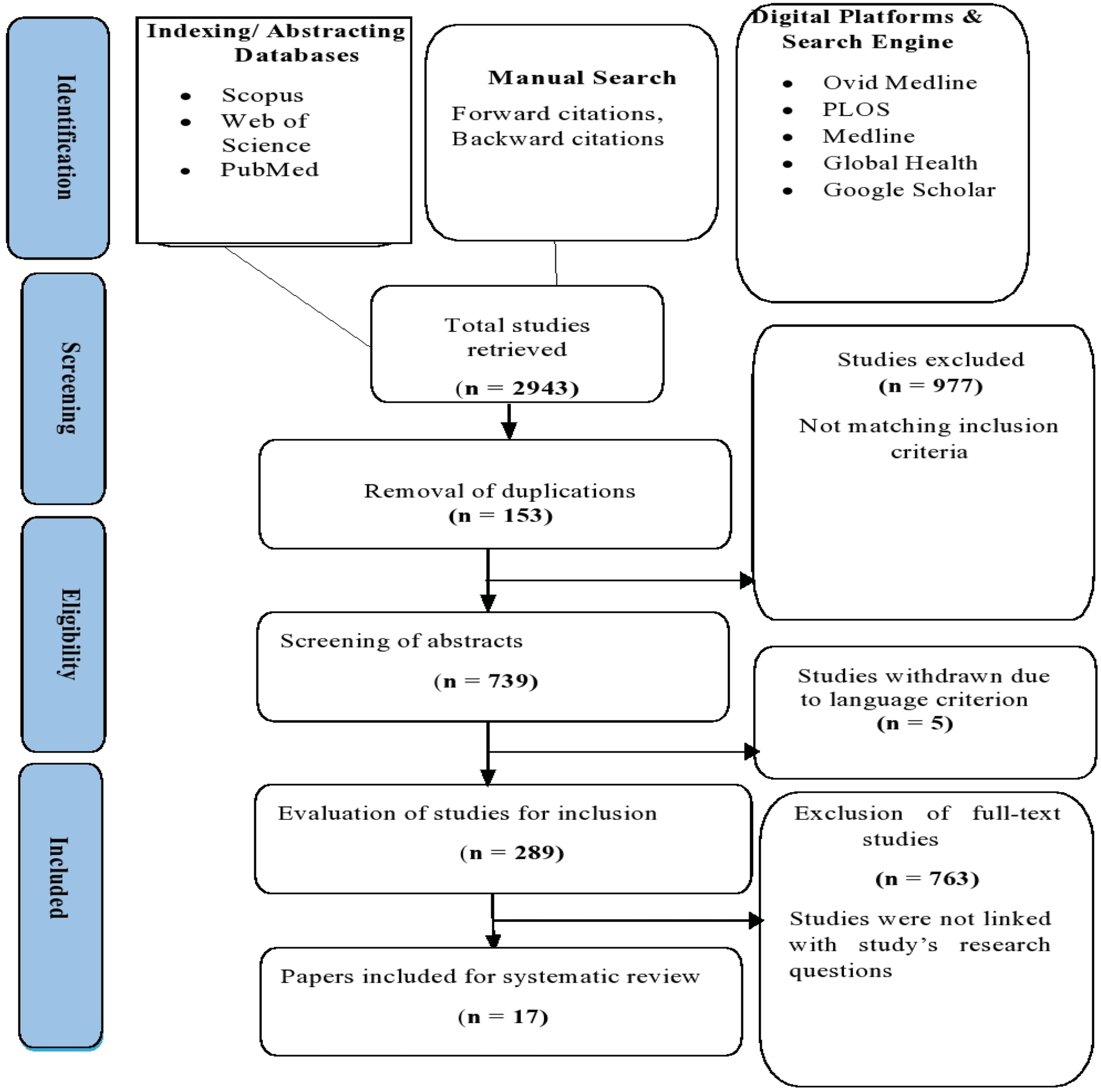
The research team applied “Preferred Reporting Items for the Systematic Review and Meta-Analysis” (PRISMA) as a research methodology to carry out the study. “PRISMA is used for reporting of review, evaluating randomized trails, but it can also be used as a basis for reporting systematic review.” 29 There are four steps in PRISMA: “identification, screening, eligibility, and inclusion.” A four-phase flow diagram is shown to conduct the study based on the systematic literature review (SLR) methodology. The flow diagram displays the entire review process to ensure transparency and reproducibility. It assists researchers in tracking studies’ flow from identification to inclusion through holistic approach. 30
Moreover, the systematic literature review process followed in this study is also aligned with the methodological guidelines proposed by experts, 31 which emphasize structured planning, systematic search strategy, explicit inclusion and exclusion criteria, quality assessment, and transparent data extraction procedures. These guidelines were particularly useful in ensuring rigor, replicability, and methodological consistency in evidence synthesis.
In systematic literature review-based studies, focused research questions are applied. Required studies published in worldwide literature are searched through various techniques and methods. The most relevant studies having an alignment with the study’s research questions are explored through a robust eligibility criterion. For avoiding any possible bias during the investigation, validity process is applied via standardized methods. A thematic analysis is incorporated to ensure the quality of the studies based on the systematic literature review technique. 32 Following Kitchenham and Charters, 31 the review process in this study also ensured that research questions were explicitly derived from the review objectives, search strategies were systematically documented, and study selection was conducted in a transparent and reproducible manner to minimize selection bias and enhance methodological rigor.
Various disciplines including clinical sciences, information management, psychology, computer science, management sciences, cybersecurity, artificial intelligence, education, information studies, applied sciences, social sciences, languages, cloud computing, geography, and history incorporate the SLR methodology to conduct literature-based studies. SLR methodology provides potential methods to the researchers and ensures authenticity of the results. Several researchers in the domain of health sciences incorporated the methodology of SLR in their conducted studies. Investigations based on the SLR offer impactful insights and provide pertinent theoretical, managerial, and social implications to offer productive solutions to existing problems. SLR-based studies offer fruitful outcomes and provide a liberal outlook. 33
SLR-based investigations provide various potential benefits to all relevant stakeholders. The methodology of SLR provides a systematic approach to synthesize the existing literature to enable investigators to further identify significant gaps in the existing body of knowledge. This methodology ensures the validity and reliability of the study’s findings. It provides informed decisions to develop certain policies, procedures, and standards. It shows authentic datasets to take impactful measures for incorporating certain technological tools in different domains to bring creativity, and sustainability. In light of SLR-based studies’ findings, models and frameworks are developed to guide future researchers and decision makers to effectively implement cutting edge tools for societal contributions. 34
The current study applied SLR methodology keeping in view its various advantages. Four stages known as “planning, selection, extraction, and execution” are used in SLR. Each stage includes multiple sub-stages. These stages are interpreted as follows systematically:
Stage 1: Planning
Research questions
Research questions cover pre-specified criteria that include the effects of fake digital information of cancer patients’ families and challenges of combating with fake information on social networks related to cancer.
Search strategy
Various search strategies were opted to explore required content from worldwide existing literature. These strategies are mentioned below.
Search terms
Search strategies to search relevant literature.
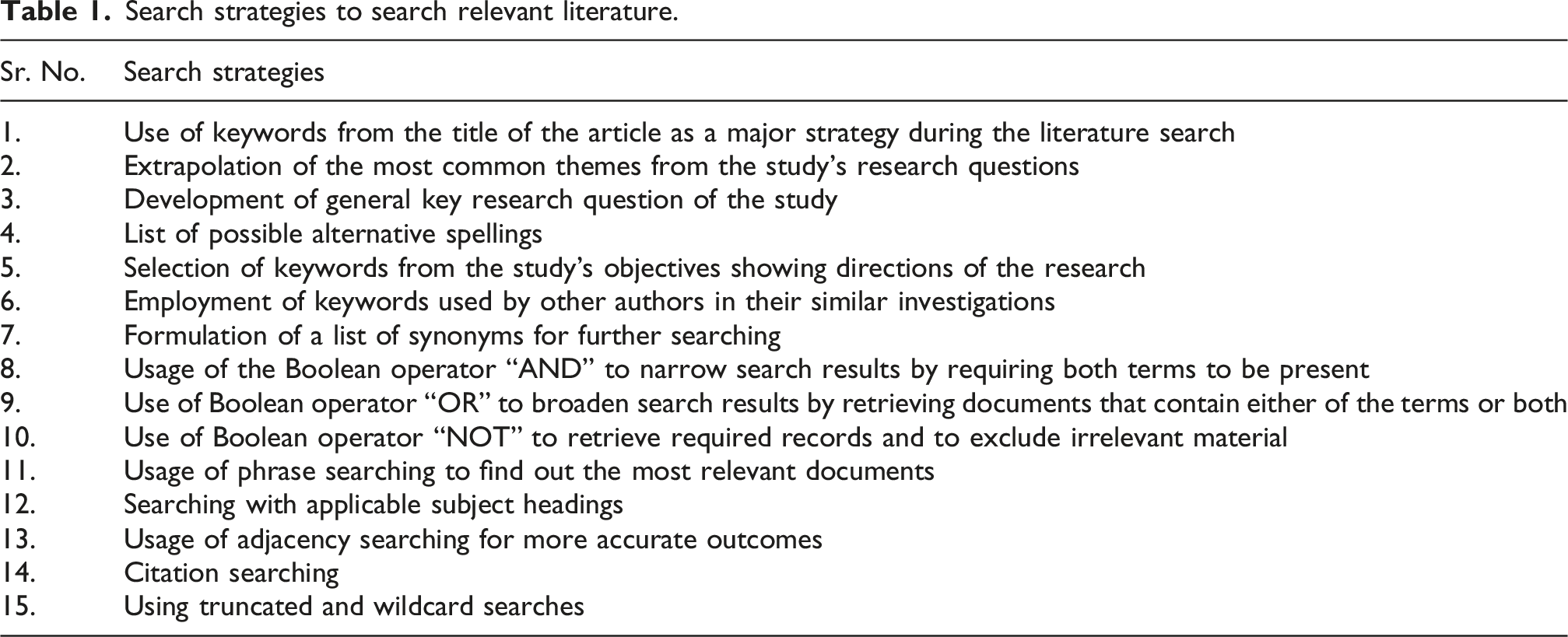
The below-mentioned phrases and keywords were applied to search the most accurate and relevant studies on the topic under investigation: • Medical fake news in social media • Cancer fake information • Social impact of fake cancer news • Cancer-related misinformation on digital media • Psychological effects of fake cancer news • Media literacy and fake cancer information • Cancer fake information on social networks • Cancer misinformation among patients’ families • Risks of cancer misinformation • Cancer fake information and misinformed decisions • Cancer treatment misinformation • Fake news and cancer cure • Challenges to tackle cancer misinformation • Fake news in oncology • Online medical misinformation in cancer • Cancer fakes on social media and effects • Fighting cancer misinformation on social media • Patients and families in the era of fake e-medicine • Cancer shared stories on digital media • Cancer prevention and treatment misinformation on social media
Literature resources and existing research
Seven different digital platforms and Google Scholar engine were applied to explore literature on the psychological effects of fake cancer information on cancer patients’ families. These databases included Scopus, Web of Science, PubMed, Ovid Medline, Medline, PLOS, Global Health, and Google Scholar. Articles published in peer-reviewed journals were searched. Index terms were employed to search maximum required documents. Multiple filters were used to narrow the results. The documents were explored from different working universities to avoid any bias. The articles were searched by fixing the years range from 2010 to 2024. The seminal studies covering the topic under study were located. Different keywords were applied to locate the maximum number of documents that integrated the study’s objectives.
Stage 2: Selection
Search process
The studies based on systematic literature review explore the relevant studies through worldwide published literature. Figure 1 displays the PRISMA diagram; manifesting the whole search process. PRISMA diagram of the search process.
Scrutiny and filtering
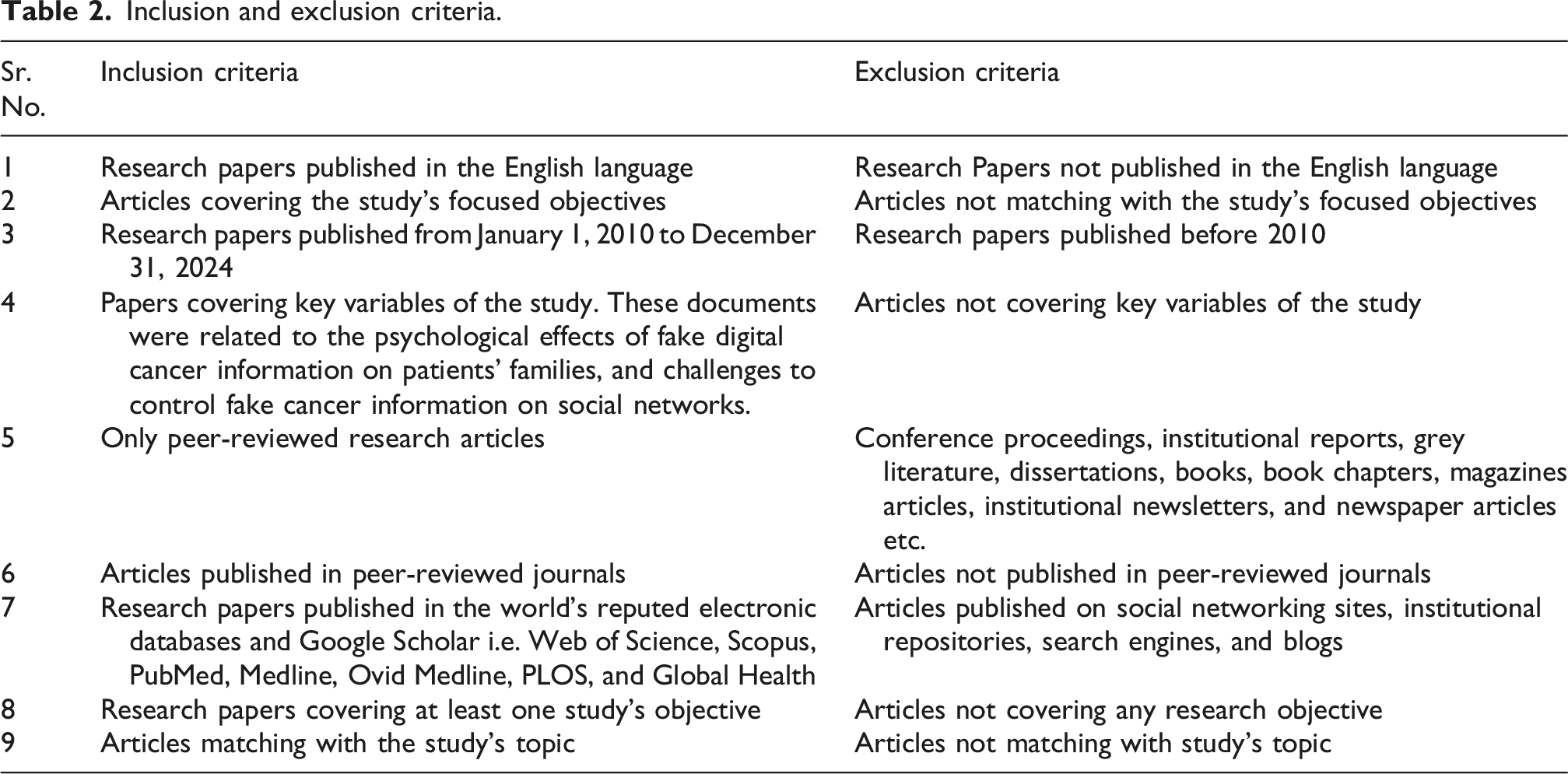
Inclusion and exclusion criteria.
Stage 3: Data extraction and quality appraisal
A structured scorekeeping method was applied for the included studies using a predefined set of quality assessment criteria. A comprehensive checklist was formulated for evaluating the methodological quality, relevance, and reporting rigor of each retrieved study. Each study was assessed against the predefined criteria. Responses were recorded using a five-point categorical scale: “Yes,” “Satisfactorily,” “Partially,” “Barely,” and “No.” To enable systematic comparison and synthesis, the qualitative responses were converted into numerical scores corresponding to each category. This scoring approach facilitated the quantification of study quality across multiple dimensions. It ensured a transparent and standardized evaluation process. Only studies meeting the predefined quality threshold were considered eligible for inclusion in the final synthesis.
All included studies were independently evaluated by at least two reviewers from the author team for ensuring rigor and consistency in the study selection and quality appraisal process. Any discrepancies in scoring were initially recorded and subsequently resolved through mutual discussion and consensus. If disagreement continued, a third reviewer was engaged for taking a fair decision and to reduce bias.
Inter-rater agreement was assessed using Cohen’s Kappa coefficient to strengthen methodological transparency. The analysis indicated substantial agreement among reviewers (κ > 0.75). It demonstrated a high level of consistency in applying the predefined quality assessment criteria. This procedure enhanced the reliability, reproducibility, and methodological robustness of the systematic review process.
Checklist for mapping quality of the studies.
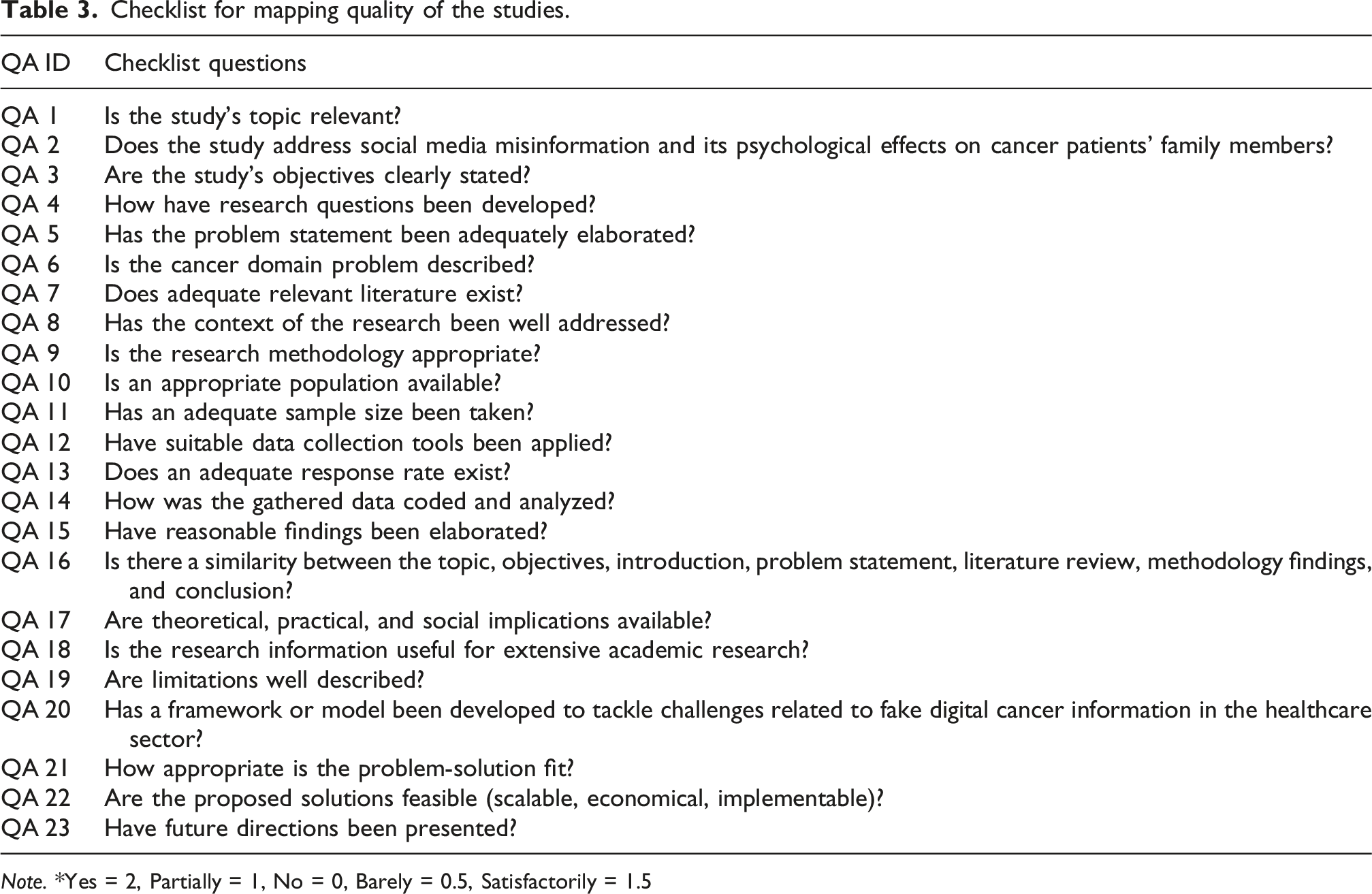
Note. *Yes = 2, Partially = 1, No = 0, Barely = 0.5, Satisfactorily = 1.5
Stage 4: Execution
Final phase was to confirm the validity of the selected articles. The list of the articles was matched against the pre-determined criteria of eligibility. Only the most relevant core articles covering the study’s objectives were considered for inclusions. At last, 17 research articles satisfying all requirements were selected to conduct the systematic literature review on the psychological effects of fake digital cancer information on the patients’ families.
Figure 1 shows the PRISMA process. It displays that 2943 documents were initially retrieved from seven different digital platforms and Google Scholar. 977 documents were eliminated for not addressing the criteria of eligibility. 153 documents were skipped on account of duplications. 739 studies were removed during the screening process of the studies’ titles and abstracts. Five articles were eliminated as those were not published in English language. 289 studies were skipped during the evaluation process. Furthermore, 763 research articles were excluded for being irrelevant. Finally, the 17 most relevant seminal articles published in key digital platforms were selected for conducting an SLR-based study.
Results
An overview of the selected studies
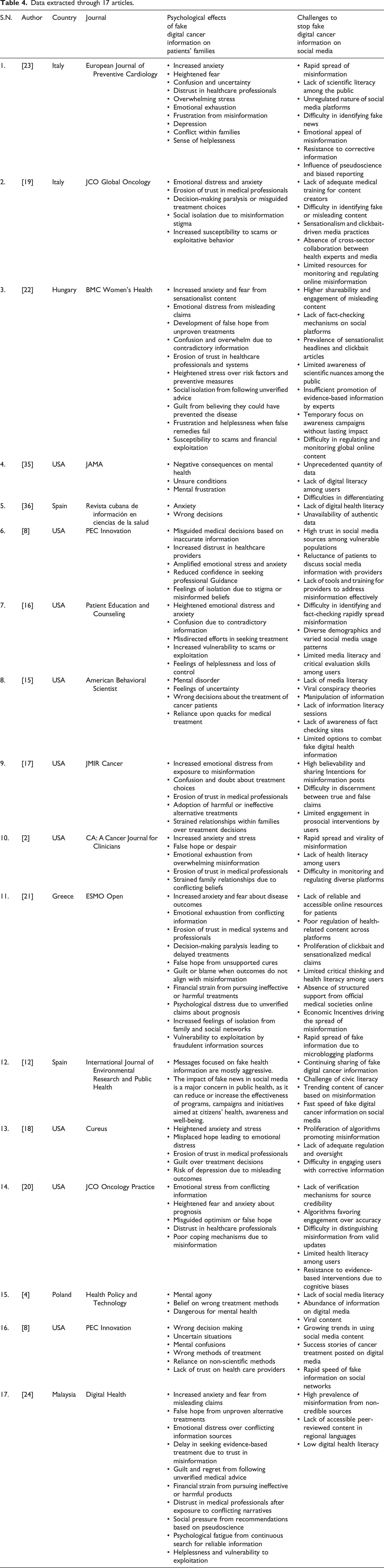
Data extracted through 17 articles.
Geographical distribution of the selected studies
Figure 2 displays that most the selected studies were published from USA (n = 9), followed by Italy (n = 2) while other countries produced one publication each. The results show that USA was producing worthwhile research-based contributions in the area of cancer’s effects on mental health. Geographical distribution of the studies.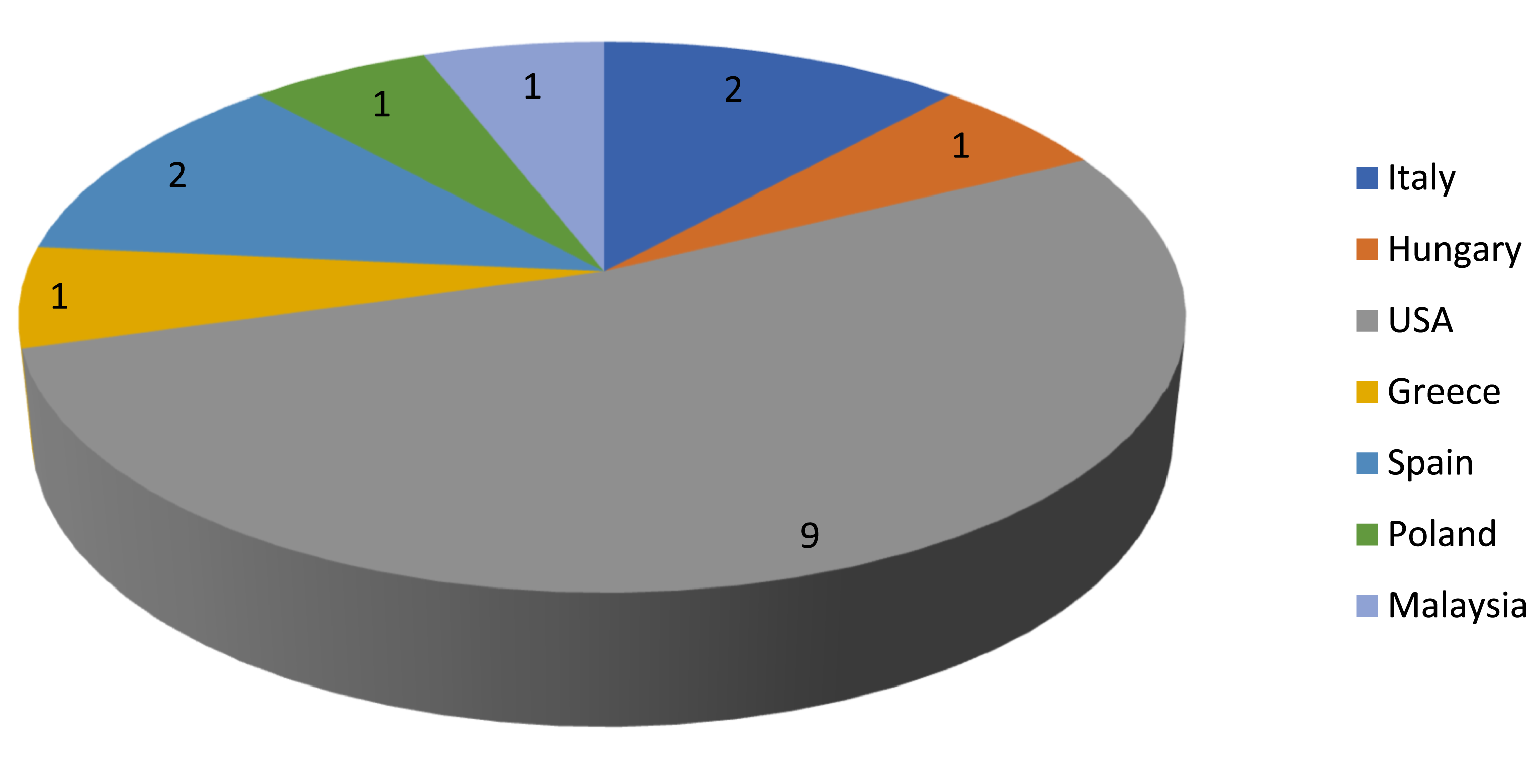
History and timeline
Figure 3 shows that only two publications appeared from 2010 to 2018 while six studies were published from 2019 to 2021. The most productive time duration was from 2022 to 2024 as seven studies on the topic were produced. This progress indicates an enhanced attention towards the area of mental effects of cancer over time. History and timeline of the selected studies.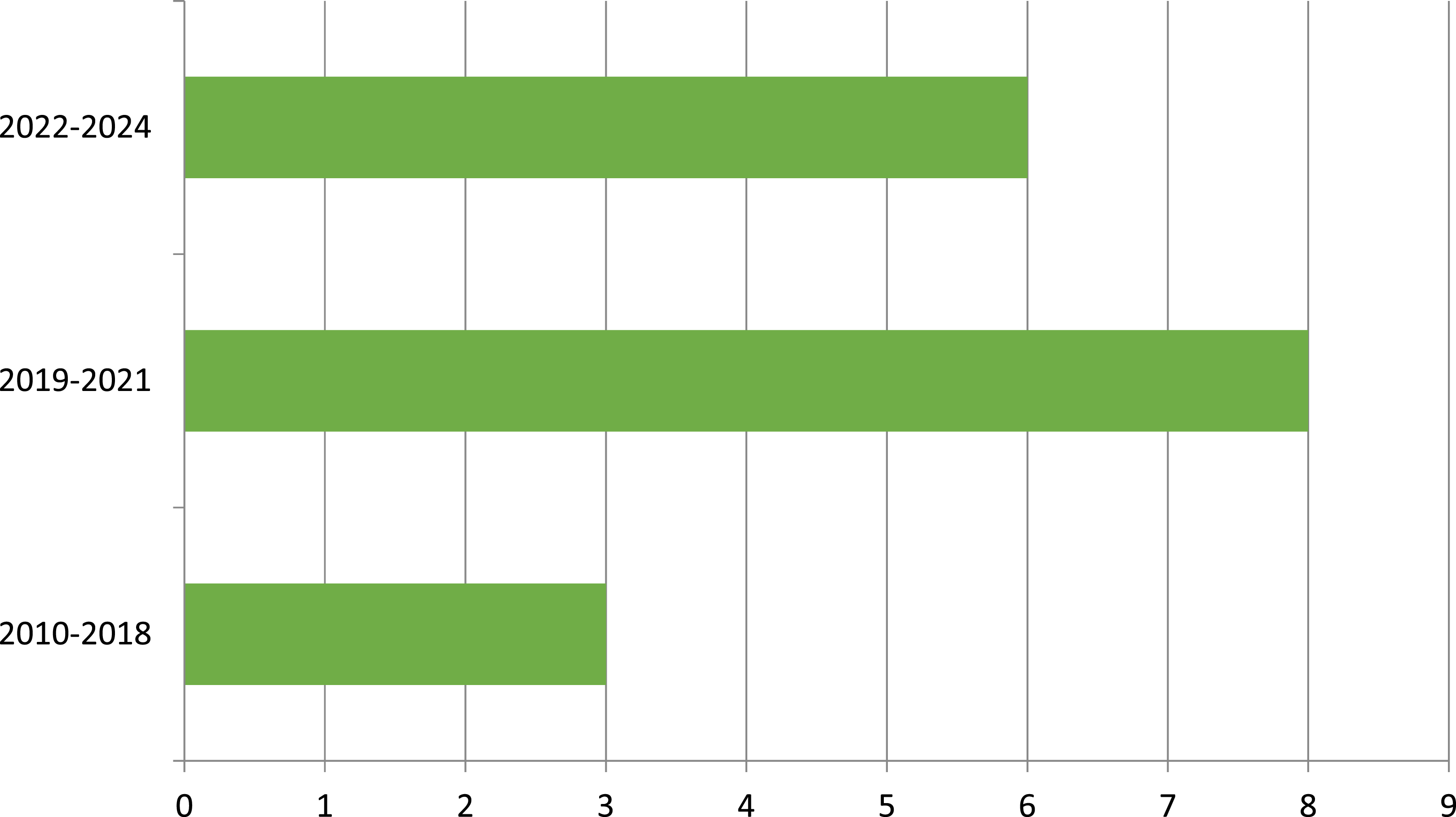
Journals of the published articles
Figure 4 shows the journals in which the selected articles were published. The selected studies (n = 17) had been published from 16 different journals. The most mentioned journals was “CA: A Cancer Journal for Clinicians” with two mentions. Journals of the selected studies.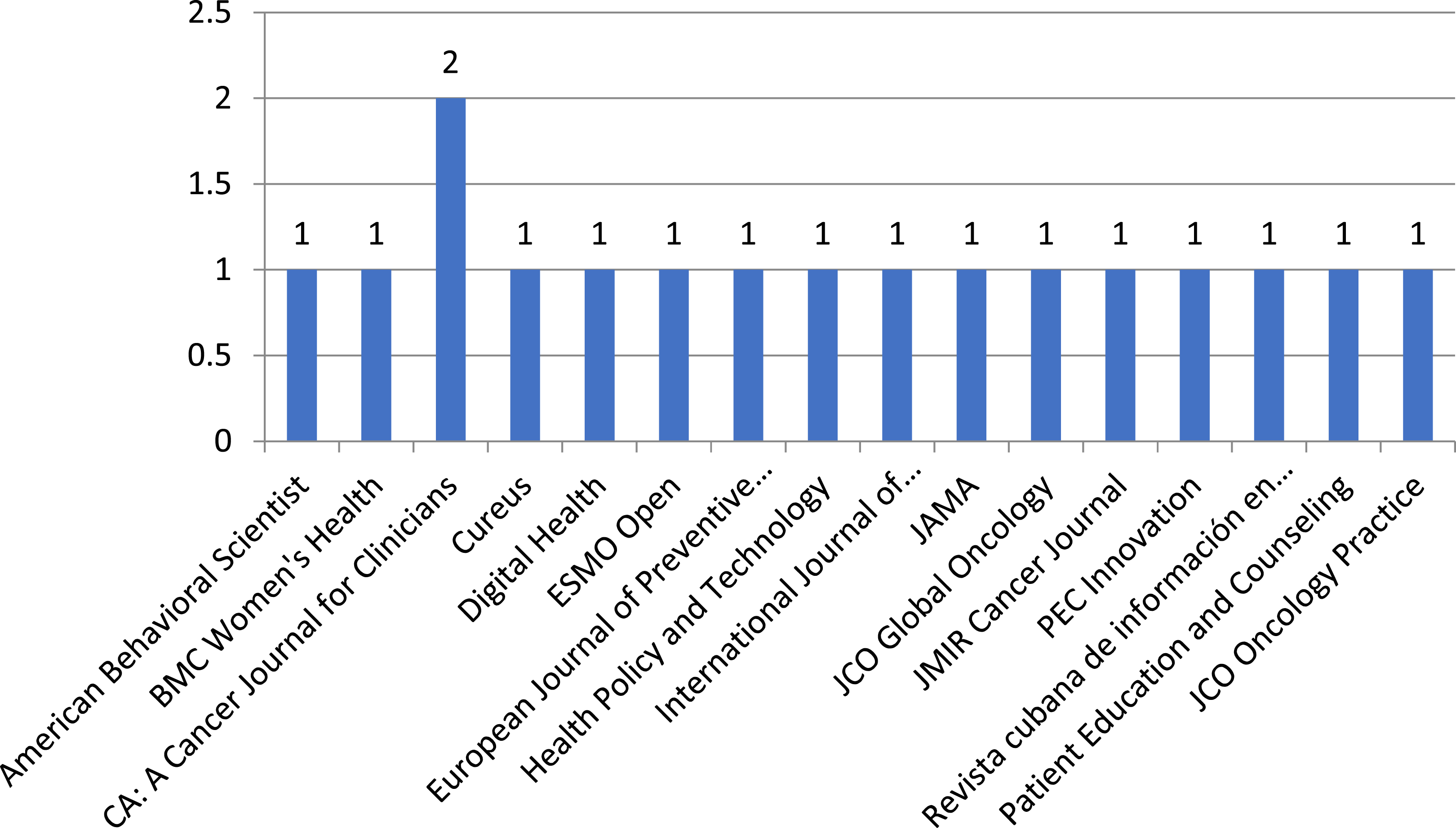
Studies retrieved from digital platforms
A total of 2943 studies were retrieved from eight different digital platforms. 303 research articles were accessed through Scopus, 224 from Web of Science, 196 via PubMed, 204 through Ovid Medline, 101 from Medline, 74 via PLOS, 88 from Global Health, and 1753 through Google Scholar. Figure 5 illustrates the number of studies retrieved through each digital platform. Studies retrieved through digital platforms.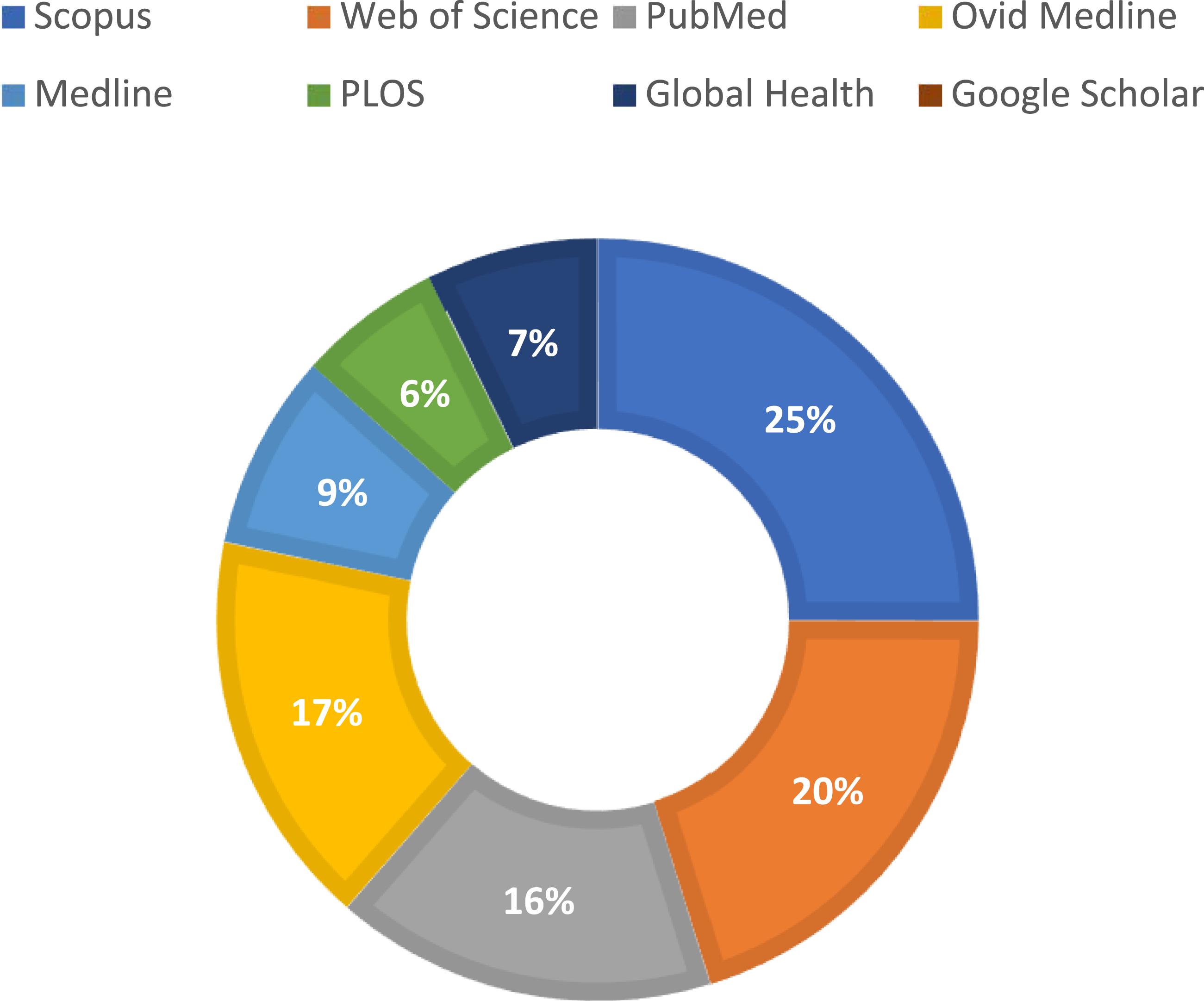
Keywords used
Figure 6 illustrates the keywords employed by researchers to identify the psychological effects of fake digital cancer information. It shows insights regarding the keywords being used in the area of mental effects of fake cancer information. Keywords patterns.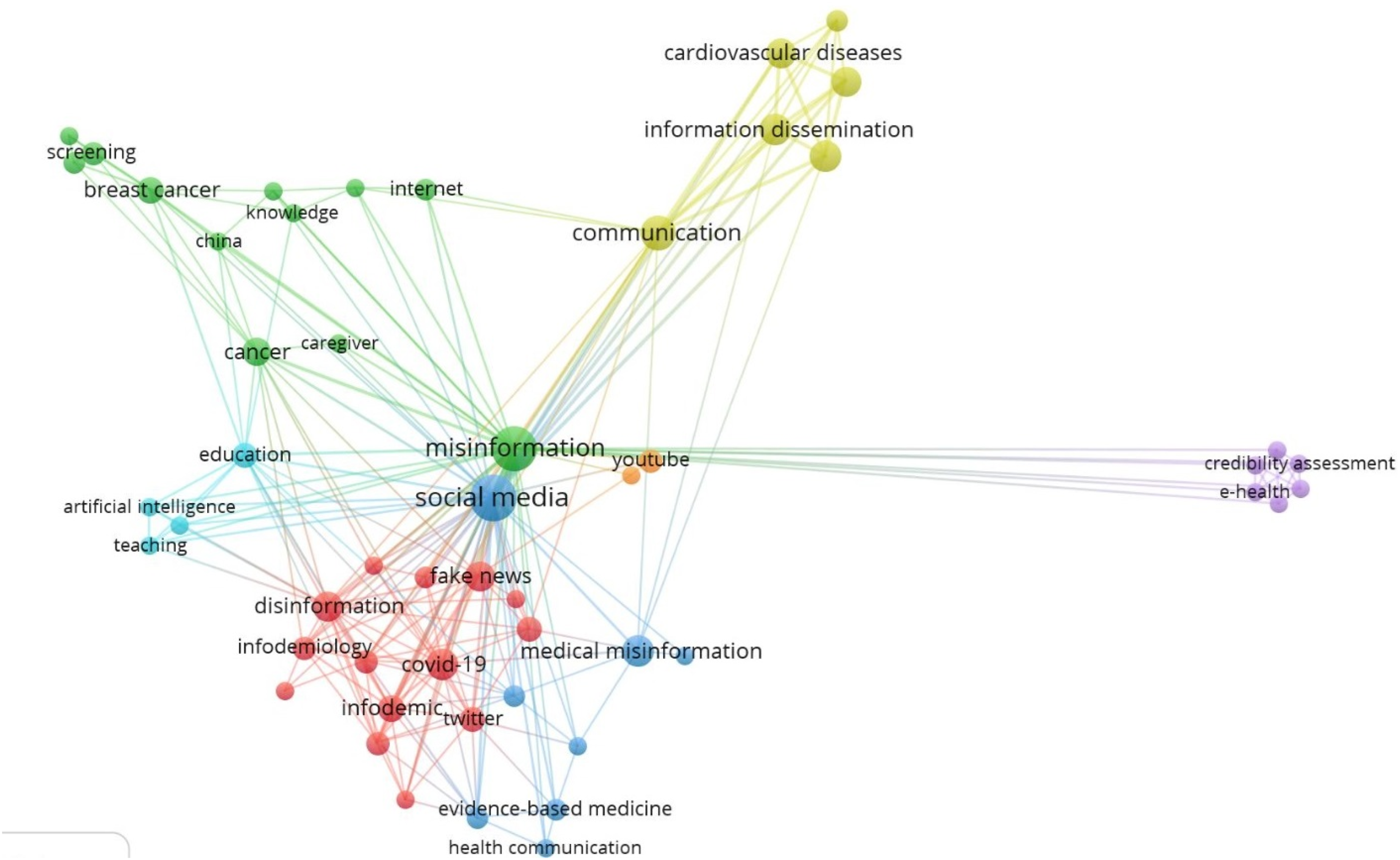
Research methodologies used in the selected articles
Figure 7 shows the research methodologies used in the selected articles. Findings show that quantitative methodology was the most frequently used research methodology (n = 6), followed by content analysis method (n = 4). Eight different research methodologies were applied in the selected studies. Research methodologies used in the selected studies.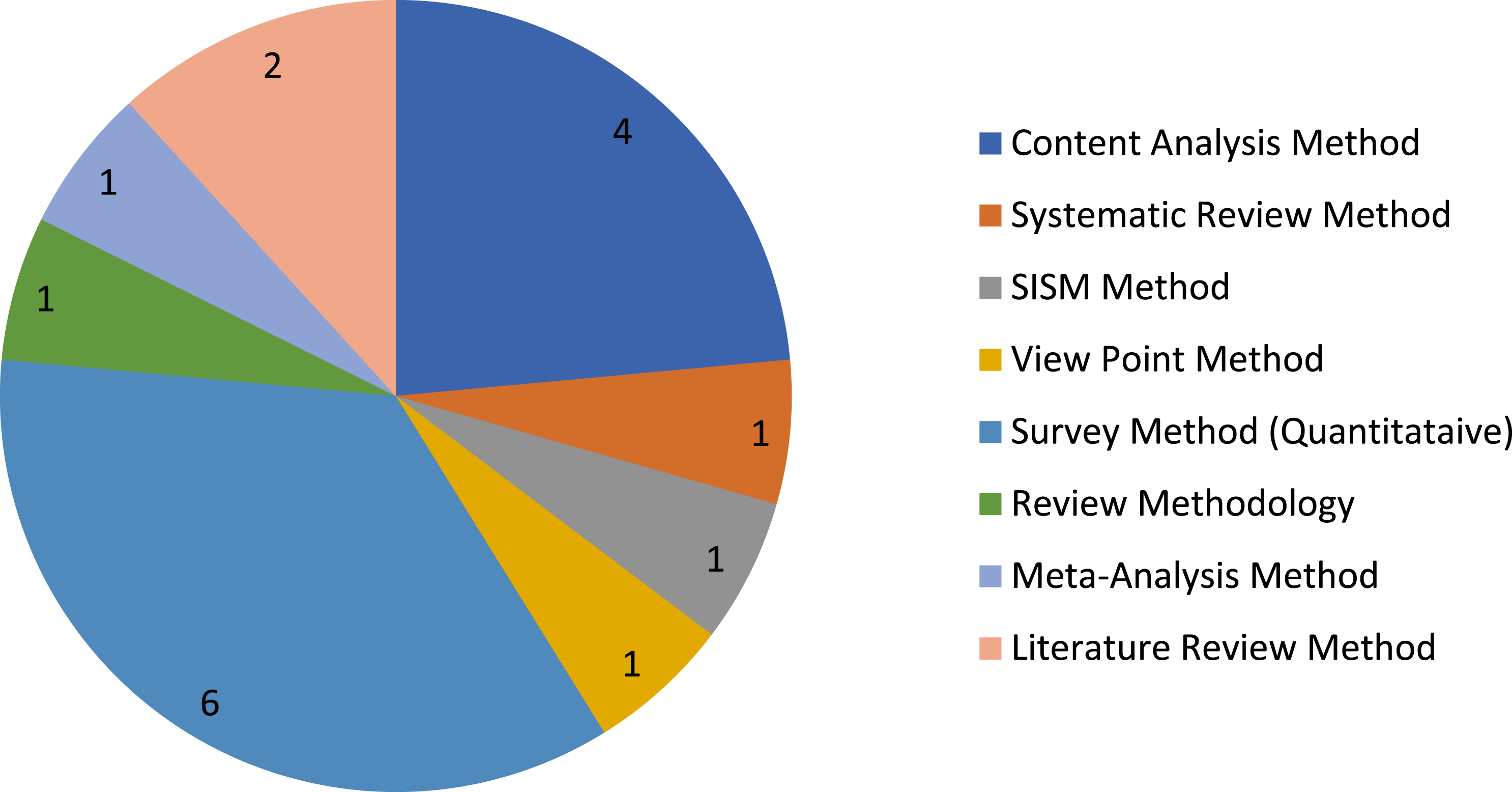
Psychological effects fake digital cancer information
Fake digital cancer information on social networks causes dangerous psychological effects on cancer patients’ families. Emotional well-being of the family members is badly affected and their social relations are also negatively disturbed. Families feel anxious when they face misleading information about cancer on social media platforms. Viral unproven cancer treatments and risks of cancer mentally upset the patients’ families. People believe in false claims and their trust upon scientifically tested treatments is shattered.22–24 They feel uncertain due to conflicting overloaded information being circulated on social media. Different sources on the social networks claim different things about the cancer treatment methods. This type of mixed content causes mental issues among the families of cancer patients. They don’t get timely treatment of their loved ones from reliable medical methods and prefer ineffective therapies that further prove dangerous for the health of cancer patients.15–17,19,21,35
Several families of cancer patients feel stressed due to fake information about cancer on social networks. Many caregivers and relatives of individuals with cancer feel helpless due to uncontrollable powers of social media platforms. They; in many cases, being convinced, of cure methods of cancer through social media prefer non-scientific methods and ultimately become more emotionally disturbed when desired outcomes don’t appear. They feel regret due to unwise decisions made on the basis of social media posts.2,8,18,20–22 Constant stress may cause long lasting mental health diseases. Some people may develop intense feelings of depression, sadness, and agony. They may prefer isolation from social settings due to feelings of sadness, embarrassment, and repentance vis-à-vis false information related to cancer on social media networks.23,24
Another key psychological effect of fake digital cancer information is distrust upon healthcare systems and cancer specialists. Sometimes, families follow traditional advice received through social media networks. Consequently, they develop feelings of doubt for oncologists and medical systems. Such acts may prove harmful not only for the cancer patients but also for the mental stability of their families.4,8,15,17,24 Due to misinformation about cancer on social media, disagreements can appear among the family members of cancer patients and caregiving circles as some members may prefer scientific methods of cure while others may prefer non-scientific methods of treatment. Such conflicts may negatively impact mutual relationships among families during the already difficult times due to cancer pains.2,17 Fake information about cancer on social media can also cause financial burdens on families as multiple methods of cure are posted. Scammers exploit the families through a pre-determined target. The affected families and support networks lose their valuable savings and in return they don’t receive any reasonable treatment for their patients. Financial losses further affect mental condition of the families.12,18,19,22,24
Figure 8 illustrates a mind map of the psychological effects of fake information about cancer on social media on cancer patients’ families. Mind map of the effects of fake digital cancer information.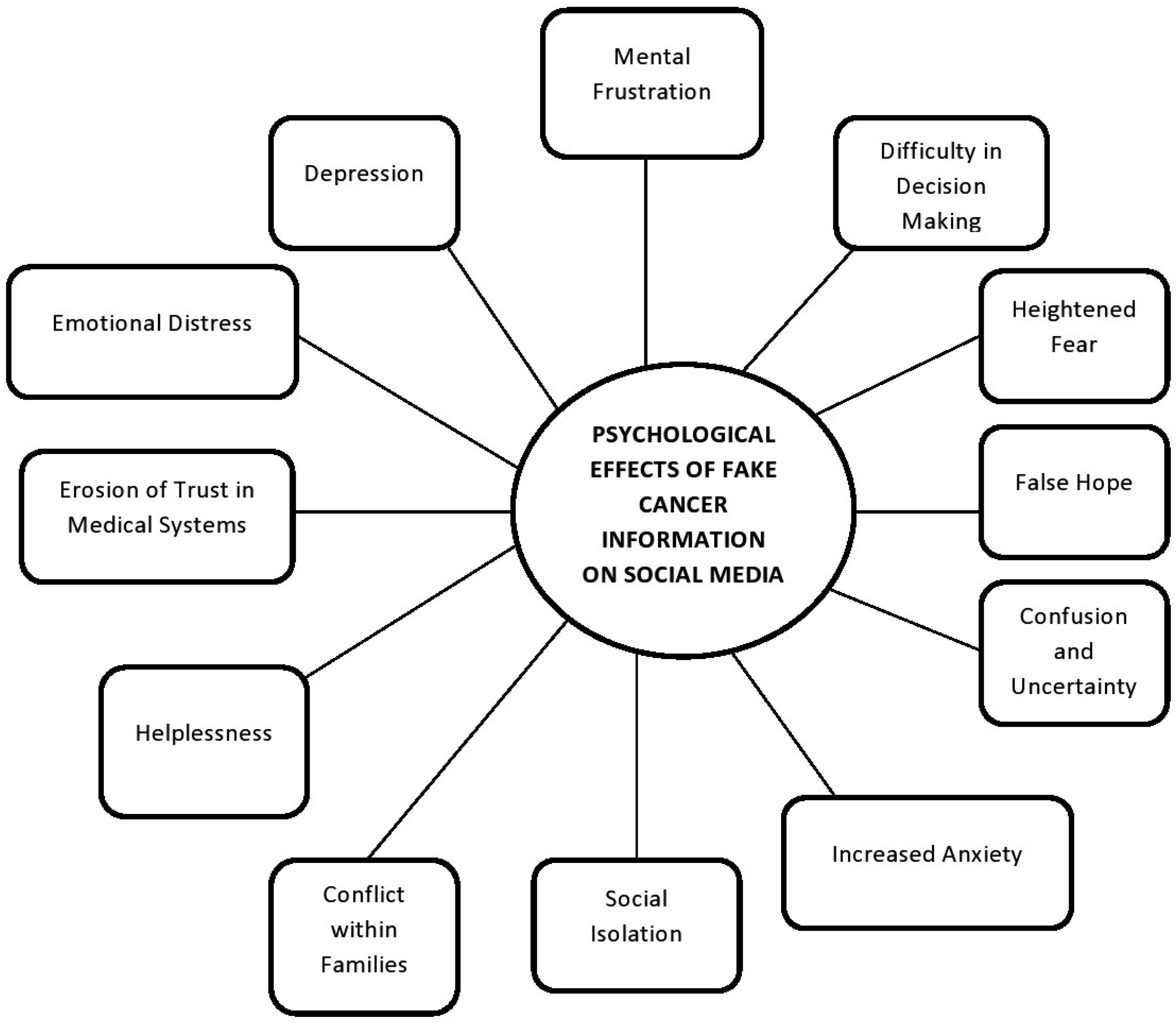
Challenges to stop fake digital cancer information
Several challenges are associated to stop fake information about cancer on social media. Rapid growth of misinformation on social media platforms is a key challenge that may not be easily stopped. Digital media algorithms prioritize sensational content that makes fake information grow viral. Lack of efficient fact-checking measures worsen the situation and fake information grows rapidly.12,18,21,23 Low level of digital health literacy is also a pertinent challenge to stop fake digital cancer information on social media. Many users find it difficult to find authentic content about cancer treatment on social networks particularly when success stories are posted by cancer patients.8,17,35 Users don’t engage themselves in fact-checking sources and they blindly trust upon unverified sources of information related to cancer.4,15,16,24
Financial greed is another key challenge that is linked to fake information about cancer on social media platforms. Many individuals and even organizations want to develop more and more money through the sharing of fake content about cancer treatments. They post inaccurate information to attract more and more likes, clicks, mentions, and shares etc. Such steps viral the fake posted content about cancer and causes misleading and conflicting ideas among cancer patients and their family members and caregiving communities.18–21 Emotions attached to fake information about diseases and their treatment methods also play a negative role in the virality of fake content about cancer. Posts with strong false claims about cancer cures are shared and forwarded excessively. Patients and their families suffering from cancer effects are attracted to such content and believe in the posted information without any verification. People affected by cancer and their caregivers are attracted to such content and believe in the posted information without any verification.17,22,23 Resistance to verify the viral information about cancer further complicates efforts for combating misinformation on social networks. Confirmation biases and cognitive biases lead individuals to reject evidence-based corrections, especially when these corrections conflict with their beliefs or prior exposure to pseudoscience.8,20
Lack of collaborative efforts among different stakeholders including social media platforms, health experts, and policy makers cause barriers for stopping cancer misinformation and associated psychological effects. Shortage of cross-sector collaboration and lack of assistance from medical societies promote misleading claims about cancer.19,21 Limited resources and checks to monitor and regulate vast amounts of fake online content create challenges to control the flood of cancer fake online information.22,24 Vast volumes of data on social networks produce its own challenges. Regulatory issues happen on social media platforms due to unprecedented amounts of content being posted every minute. Due to the existence of abundant fake information on social media about cancer, valid updates are lost and false claims receive attention among user community.2,4,35 Without the availability of powerful verification mechanisms, it is difficult to check the credibility of sources.18,20,23,24
Figure 9 displays the challenges with mentions being faced to stop fake information about cancer on social media platforms. Challenges to stop misinformation about cancer on social media.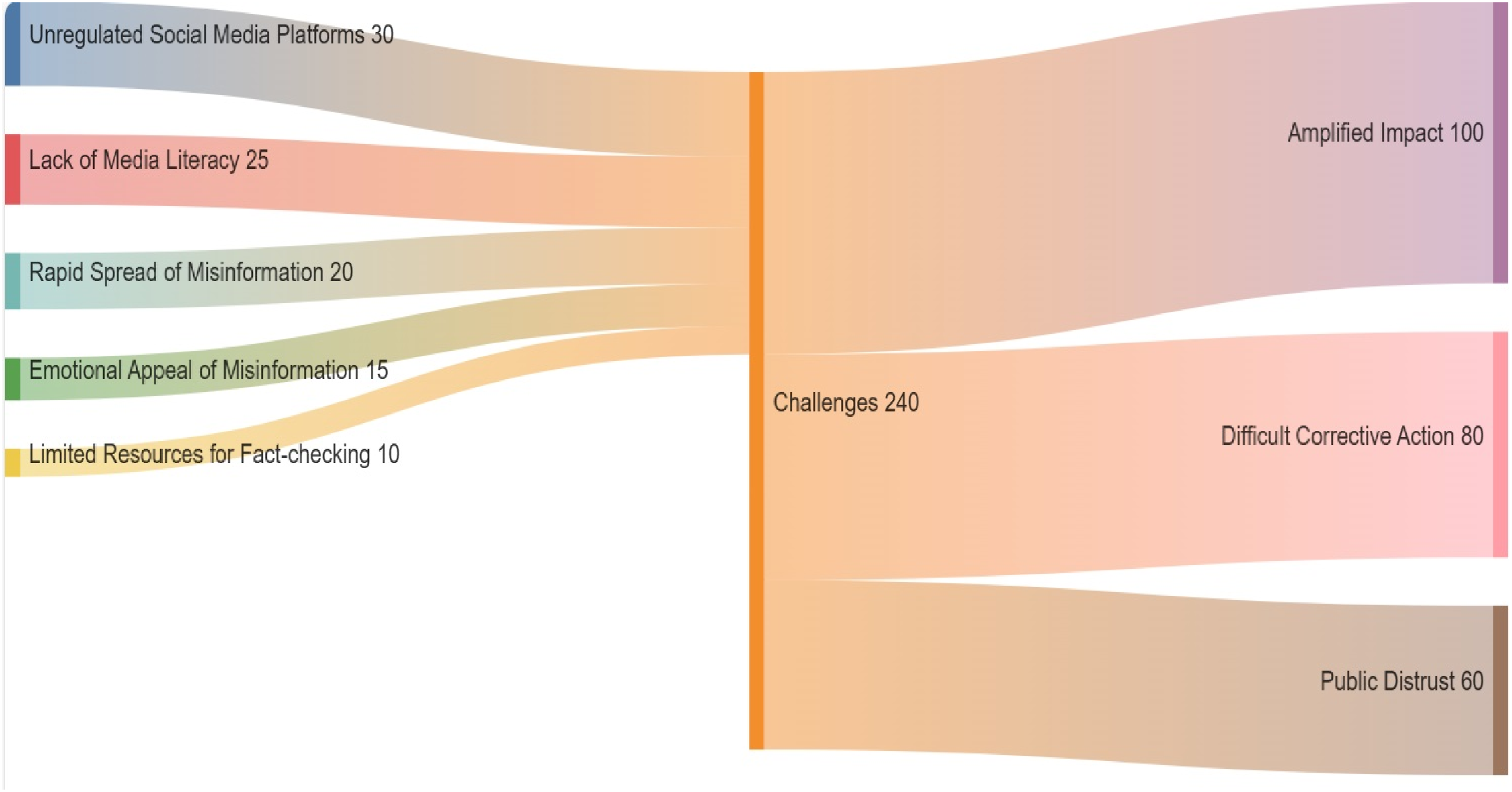
Discussion
The study aimed to identify the psychological effects of fake information about cancer on social media on the families of cancer patients. Peer-reviewed articles published in world’s key digital platforms were selected to conduct the systematic literature review on the topic.
The families of the cancer patients feel anxiety and stress due to fake information about cancer on social networks. Misinformation causes multiple problems for patients and their families. Emotional problems are an outcome of the fake information about cancer posted on digital media platforms. Families who spend a huge amount of money on cancer treatment due to fake news on social media feel repentance and face mental health challenges. Interpersonal relationships among family members are also negatively affected on account of fake online cancer information. This finding relates to the results of the study conducted by Fridman et al. 8 Misinformation plays a negative role in damaging trust in scientific cures and healthcare professionals face problems in tackling such situations. People don’t use evidence-based medicine due to fake digital information on cancer, and they prefer alternative treatment methods. They don’t follow the prescriptions of healthcare providers and follow unwisely fake methods of treatment. They spend huge financial resources for unproven treatments and suffer consequently. They suffer emotionally and financially due to fake digital cancer information. Similar findings were reported by Pulido et al., Teplinsky et al., Jones-Jang et al., and Chou et al.12,20,37,38 in their studies.12,20,37,38 The present findings also align with recent studies conducted in broader digital health and oncology communication contexts. For example, Elkefi et al. 14 reported that digital health environments substantially influence the psychological well-being and emotional stability of cancer patients and caregivers. Similarly, Ancona et al. 25 highlighted that digital technologies may improve quality of life when accurate information is disseminated; however, exposure to unreliable and misleading content can produce confusion, emotional distress, and poor healthcare decisions among caregivers. These findings reinforce the argument that the psychological consequences of fake digital information extend beyond informational inaccuracies and directly affect emotional resilience, trust in healthcare systems, and family well-being.
Findings of the study identified that lack of digital health literacy is the major challenge to stop the flood of misinformation related to cancer on social media platforms. In educational institutes, the course of digital health literacy is rarely taught and civic literacy initiatives are not taken by concerned policy makers so internet users may not differentiate between authentic and fake information related to cancer. Collaborative efforts are not done to combat fake cancer information on social networks. Individual efforts don’t prove fruitful as majority of the patients’ families consult online information resources related to cancer and apply same posted unproven treatment methods. There are no checks on the usage of social media so people for self-gains frequently post false content related to diseases and families of the cancer patients are suffered from different mental health issues. There are limited checks on the usage of social media, allowing individuals to post misleading disease-related content for personal gains, which negatively affects the mental well-being of caregivers and relatives of cancer patients. A multi-pronged approach is required for combat health misinformation in the best interests of community and for the public sound mental health. The findings further suggest that social media ecosystems and emotionally persuasive digital communication significantly influence caregivers’ perceptions and emotional responses toward cancer-related issues. Studies on online cancer communication have shown that emotionally framed narratives and influencer-based communication may intensify psychological vulnerability among audiences, particularly when information lacks scientific validation.13,27 Therefore, healthcare institutions, policymakers, educational institutions, and digital platform regulators should collaboratively develop digital health literacy programs, fact-checking mechanisms, and evidence-based online awareness campaigns to minimize the harmful psychological effects of cancer misinformation on patients’ families.
Moreover, the inclusion of non-English scholarly literature provides a more diverse and globally representative understanding of the phenomenon. For instance, Espinoza-Portilla and Mazuelos-Cardoza 36 highlight that health-related misinformation on social media is not limited to English-speaking contexts but is a widespread issue in Spanish-language digital environments as well, where misleading cancer-related content significantly contributes to public confusion and distorted health beliefs. Similarly, Romero et al. 39 emphasize that cancer patients’ mental health is deeply influenced by the quality and reliability of health information systems, reinforcing the importance of accurate digital communication in shaping psychological well-being. Furthermore, Bajuk and Reich 40 demonstrate that quality of life among cancer patients particularly women with breast cancer in Latin American contexts is strongly associated with psychological and informational support, underscoring the global relevance of accurate health communication in reducing emotional distress. These studies collectively broaden the geographical and linguistic scope of evidence, confirming that the psychological impact of cancer misinformation is a universal issue transcending linguistic and cultural boundaries.
In systematic literature review studies, maintaining coherence between research questions, extracted themes, and synthesized findings is essential to ensure interpretive clarity. In this regard, recent studies such as Daqal et al. 41 highlight the importance of aligning analytical categories with predefined research questions to enhance logical consistency and readability of results. Similarly, the present SLR ensures that psychological effects, challenges, and proposed framework components are directly derived from and mapped to the respective research questions to maintain methodological and interpretive coherence throughout the review process.
Based on the study’s findings, a framework has been developed to combat with misinformation about cancer on social media. The framework consists of the components of awareness & education, platform level interventions, collaborations & partnerships, empowerment of healthcare professionals, emotional management courses in academia, inclusivity, emotional strategies, monitoring & research, sustainable awareness campaigns, and accountability.
These components are described as follows alternately:
Awareness & education
Educational campaigns need to be designed tailored to diverse demographics focusing on digital and health literacy. Online and offline workshops should be offered to teach users how to identify credible sources and verify health-related information. Collaborations need to be ensured with schools, universities, and community organizations to integrate basic scientific principles into public education. Partnerships should be developed with platforms to promote the usage of fact-checking websites and browser extensions. Accessible tools should be developed to assist users to verify cancer-related information.
Platform level interventions
Social media platforms need to prioritize accuracy over engagement in their algorithms. Social media networks should label suspicious content and promote only verified information. Verification should be ensured for health professionals and organizations. Collaborations should be done with peer-reviewed medical societies to create trusted sources of cancer-related content. Social media platforms should encourage to employ AI and human moderators trained in identifying and removing misinformation.
Collaborations & partnerships
Partnerships should be developed among public health organizations, healthcare providers, social media companies, and educators. Coalitions need to be developed to address the unregulated spread of health misinformation globally. Survivors of cancer should be engaged to share evidence-based stories that negate false claims by others.
Empowerment of healthcare professionals
Healthcare providers should be equipped with tools to discuss misinformation about cancer on social media during consultations. Training modules should be included in digital misinformation in medical education. Healthcare providers should be supported in creating and sharing accurate content on social media.
Inclusivity
Credible and authentic resources should be developed in regional languages. Diverse cultural beliefs and practices need to be addressed in content creation related to cancer. Content covering cancer should be available in various formats to cater to different literacy levels.
Emotional management courses in academia
Academic institutions should collaborate with psychologists, healthcare professionals, and media experts to design specialized emotional management courses addressing the psychological impacts of misinformation. These courses should teach emotional intelligence, media evaluation skills, and evidence-based health information verification techniques.
Emotional strategies
Storytelling culture needs to be promoted for sharing accurate information that appeals to people’s emotions and sentiments. Risks should be highlighted to counter sensational claims about cancer treatment methods. Users should be encouraged to verify cancer-related content before sharing and applying any treatment methods.
Monitoring & research
AI and analytics should be used to track misinformation trends related to cancer to save patients and their families from possible risks. The effectiveness of interventions should be monitored and adapt strategies efficiently and thoughtfully. Periodic reviews of cancer-related material on social media platforms should be conducted to ensure compliance with quality standards. International committees should be established for addressing cross-border challenges in combating misinformation.
Sustainable awareness campaigns
Sustainability needs to be ensured with continuous campaigns highlighting the dangers of fake information. Social media should be used positively for the dissemination of credible information effectively to minimize the risks linked to fake digital cancer information.
Accountability
Regulations should be advocated mandating accountability for health-related misinformation on social media networks. Penalties need to be imposed on individuals and organizations involved in spreading fake cancer-related information.
Figure 10 displays the framework to combat fake information about cancer on social media. Framework to combat fake cancer information on social media.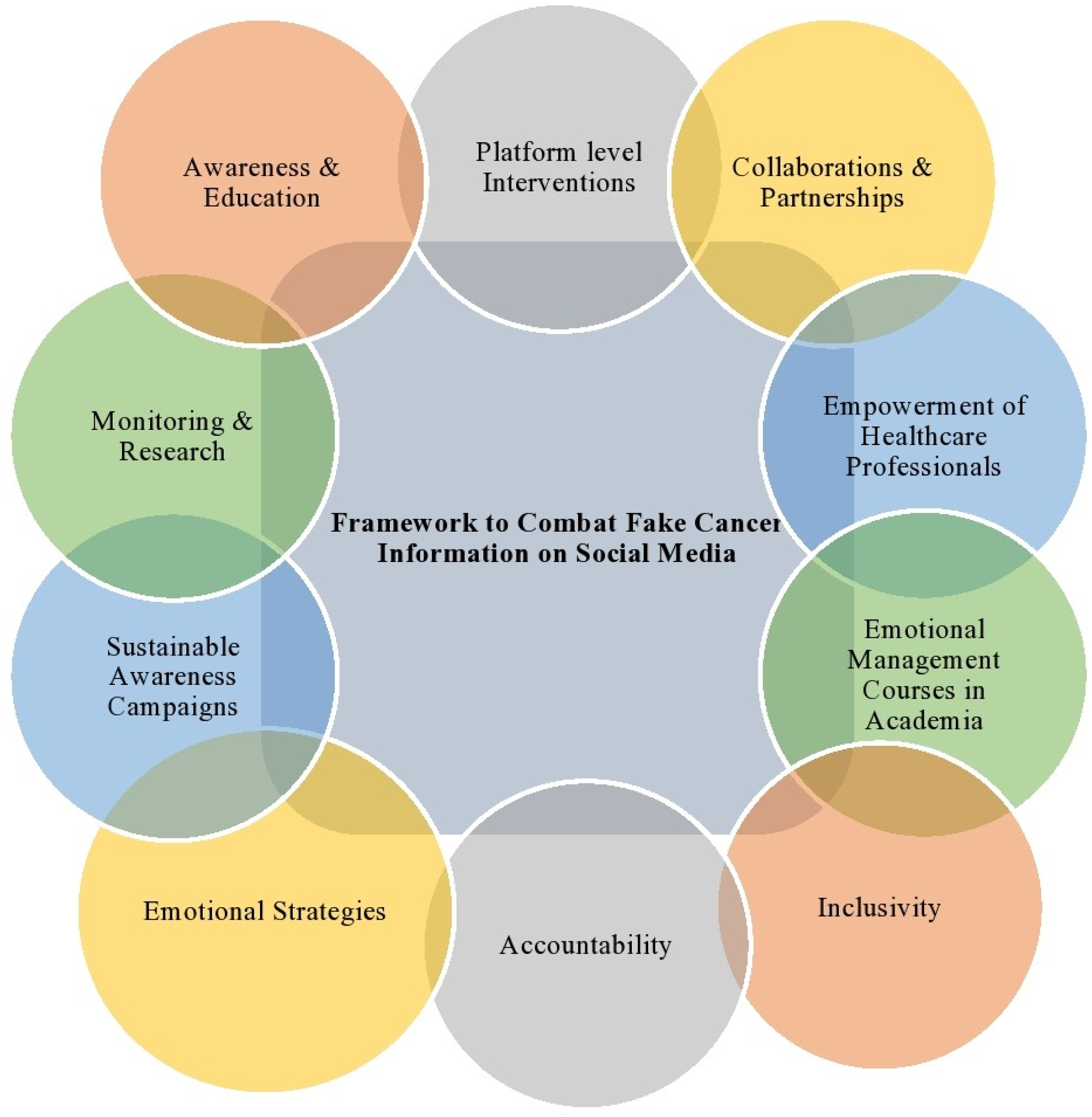
Limitations and future research
(1) The authors retrieved required literature through digital platforms (key digital databases) to conduct a systematic literature review on psychological effects of fake digital cancer information on cancer patients’ families. Required studies were not searched through institutional repositories, educational websites, search engines, Lib guides, and blog posts etc. Future authors may consider the inclusion of these valuable sources of knowledge to conduct a similar systematic literature review-based study. (2) The research team selected 17 research papers published in peer-reviewed journals. Other information resources, that is, conference proceedings, books, newspapers, magazines, book chapters, and dissertations, etc., were not included. Future researchers may include these knowledge resources to conduct similar studies. (3) The study has identified the psychological effects of fake cancer information on social media on the cancer patients’ families through a systematic literature review (SLR) methodology. Future investigators may employ quantitative, qualitative, and mixed methodologies for conducting similar investigations. (4) The researchers only focused effects of fake cancer information and challenges to stop fake digital cancer content on social media. Future studies may cover different dimensions of fake cancer information. (5) The current study conducted an SLR on the topic while future studies may conduct a meta-analysis and scoping review on the similar topic for offering a broader outlook and more robust findings.
Conclusion
The study centered to identify the psychological effects of fake cancer information on social media on cancer patients’ families and associated challenges to combat fake digital cancer information through a systematic literature review methodology. The vast dissemination of fake digital cancer information on social media networks has profound psychological effects on the cancer patients’ families. Cancer-related fake information on social media causes anxiety, distrust, uncertainty, financial losses, wrong decision-making, and mental health challenges. Different challenges including low digital health literacy, the rapid spread of sensational content, financial purposes of misinformation creators, and the lack of collaborative efforts put barriers to control fake information on social media about cancer. The study has developed a framework on the basis of evidence-based findings to combat with fake cancer information on social media. It has provided significant theoretical, managerial and social implications through the additional of valuable literature in existing body of knowledge and through the development of evidence-based framework to control the flood of cancer misinformation on social media platforms.
Footnotes

Author contributions
This contribution is dedicated to the principal author’s wife who suffered from lungs cancer for 3 years and breathed her last on 16th August, 2024 having fought a long mental/psychological war along members of the family.
Funding
The authors received no financial support for the research, authorship, and/or publication of this article; however, the research team acknowledges and appreciates the provision of all possible assistance of Prince Sultan University, Riyadh, Saudi Arabia, to conduct the study.
Declaration of conflicting interests
The authors declared no potential conflicts of interest with respect to the research, authorship, and/or publication of this article.