






Abstract
This study examines the phenomenon of hallucination in generative artificial intelligence (AI) and analyzes its implications for data integrity, ethical responsibility, and knowledge management systems. A qualitative research design was adopted using a systematic review of literature published between 2017 and 2025. Relevant studies were retrieved from academic databases including DOAJ and Google Scholar using targeted keywords related to AI hallucination, data reliability, ethics, and knowledge management. A total of 34 eligible studies were analyzed using thematic analysis to identify recurring patterns, divergences and emergent themes across the literature. The findings reveal that generative AI hallucinations significantly undermine data reliability by producing plausible but inaccurate information, thereby increasing the risk of misinformation and flawed decision-making. Ethical challenges including bias, transparency deficits, accountability gaps, and intellectual property concerns are consistently reported in the literature. While generative AI enhances efficiency, creativity, and information retrieval within knowledge management systems, the persistence of hallucinations reflects deeper structural limitations in large language models which weaken user trust and compromise knowledge accuracy and institutional credibility. This study is among the first to provide a comprehensive and integrated examination of generative AI hallucination in relation to data integrity, ethical concerns, and knowledge management systems.
Introduction
Generative Artificial Intelligence (AI) is one of the emerging technologies that is redefining the landscape of knowledge creation, dissemination, and management. At its core, Generative AI refers to a class of machine learning models capable of producing human-like text, images, music, and other forms of content. 1 According to recent studies, tools like ChatGPT, Bard, and DALL·E are prominent examples, harnessing vast datasets and sophisticated algorithms to generate outputs that closely mimic human creativity and reasoning. 2 These innovations have found widespread application in academia, industries, and daily life, where they contribute to automated content generation, personalized learning, research assistance, and decision-making. In the field of knowledge management, Generative AI is increasingly being adopted to streamline data organization, support retrieval processes, and foster collaborative knowledge systems. 3 Burtch et al. 4 state that Generative AI facilitates and revolutionizes how knowledge is curated and utilized. Despite these transformative affordances, the epistemic reliability of Generative AI remains contested, particularly because the same probabilistic mechanisms that enable creativity and scalability can also generate inaccuracies, fabrications, and unverifiable outputs. This tension between innovation and reliability situates AI hallucination as a critical knowledge management concern rather than merely a technical anomaly. However, the reliance on Generative AI is tempered by a growing concern over its reliability, especially the phenomenon of AI hallucination, which poses significant challenges to data integrity, ethical responsibility, and effective knowledge management.
AI hallucination refers to instances where AI models generate information that appears plausible but is factually incorrect, fabricated, or misleading. 5 This phenomenon arises primarily due to the inherent limitations in how these models are trained. Generative AI systems such as ChatGPT operate by predicting the most likely sequence of words based on patterns in the data they were trained on, without an inherent understanding of truth or context. 6 Beyond probabilistic prediction, hallucination persists due to deeper structural and epistemic limitations in large language models, including imperfect or biased training data, gaps in domain-specific knowledge, overgeneralization from statistical patterns, limited grounding in verifiable external sources, and optimization of fluency over factual accuracy. Reinforcement processes designed to enhance helpfulness and coherence may also unintentionally reward confident but erroneous outputs. As a result, these systems occasionally produce outputs that are inconsistent with reality, leading to inaccuracies in critical areas such as academic writing, healthcare, and legal analysis. For example, models may fabricate citations or generate fictional scientific claims, illustrating how fluent outputs may conceal epistemic unreliability.7,8 These hallucinations, while unintentional, undermine the reliability of AI-generated content and raise questions about their suitability for managing and disseminating knowledge in environments where accuracy is paramount.
The importance of studying hallucination in Generative AI cannot be overstated. First, addressing hallucinations is vital for maintaining data integrity, which forms the foundation of any knowledge management system. Inaccurate or fabricated information propagated by AI can erode trust in institutional databases, academic repositories, and decision-support systems, ultimately leading to flawed outcomes in research and policy formulation. 9 Second, the ethical considerations surrounding hallucinations are profound. The deployment of Generative AI without adequate safeguards risks perpetuating misinformation, exacerbating biases, and obscuring accountability. Third, hallucinations pose a direct challenge to effective knowledge management. Knowledge management systems are designed to ensure the seamless flow of reliable, contextual, and actionable information. AI hallucinations disrupt this process, introducing errors that compromise the quality and usability of knowledge assets. 10 Moreover, the adoption of Generative AI in knowledge management systems necessitates rigorous validation mechanisms to prevent the dissemination of misleading content. Emerging approaches such as retrieval-grounded architectures and human oversight mechanisms have therefore become increasingly relevant in discussions of hallucination mitigation. These concerns raise not only questions about the nature of hallucination, but also about what technical, institutional, and policy mechanisms are required to govern it effectively.
Although emerging scholarship has examined AI hallucination as a technical and ethical problem, limited studies have systematically synthesized its implications for data integrity, ethical accountability, and knowledge management, particularly with attention to mitigation pathways and governance responses. This gap necessitates a structured inquiry guided by clearly articulated research questions capable of linking diagnosis of the problem with practical and policy-oriented solutions. This study aims to explore the implications of hallucination in Generative AI, focusing on its impact on data integrity, ethical responsibilities, and knowledge management practices. This research contributes to the broader discourse on responsible AI adoption. As Generative AI continues to influence how knowledge is created and shared, understanding and addressing the phenomenon of hallucination is essential for building trust, enhancing system reliability, and ensuring ethical alignment in the age of artificial intelligence. Beyond examining implications, the study also considers emerging mitigation and governance responses needed for trustworthy adoption of Generative AI in knowledge management.
Research questions
The study is guided by the following research questions: 1. How do generative AI hallucinations affect data reliability and integrity within knowledge management environments? 2. What ethical and governance challenges are associated with generative AI hallucinations, particularly regarding misinformation, bias, transparency, and accountability? 3. What are the implications of generative AI hallucinations for knowledge management systems?
Research objectives
1. To examine the effects of generative AI hallucinations on data reliability and integrity within knowledge management environments. 2. To analyze the ethical and governance challenges associated with generative AI hallucinations, particularly in relation to misinformation, bias, transparency, and accountability. 3. To evaluate the implications of generative AI hallucinations for knowledge management systems.
Literature review
How Generative AI hallucinations affect data reliability
Generative AI, particularly Large Language Models (LLMs), holds immense potential for revolutionizing data-driven fields. However, its susceptibility to hallucinations, producing fabricated, inaccurate, or misleading outputs, raises significant concerns regarding data reliability. The dual-edged nature of LLMs, where their efficiency is counterbalanced by inaccuracies stemming from input uncertainty and lack of comprehensive problem-solving intelligence, is highlighted by Thorne 11 This study indicates the necessity of verification and validation mechanisms to ensure AI-generated outputs uphold reliability and accuracy, emphasizing the interplay between human trust and system reliability. More so, Jesson et al. 12 present a quantitative approach to estimating hallucination rates in Generative AI. Their findings emphasize the unpredictability of AI responses under certain conditions, offering a structured framework to measure and mitigate these issues. This method has implications for assessing the reliability of AI systems in both controlled and real-world environments.
The causes of hallucinations, pointing to factors such as incomplete training data and inherent biases, are explored by Patel 13 The study explores the broader implications of hallucinations, both as obstacles to trustworthy outputs and as potential catalysts for creativity. 13 Further emphasizes the importance of high-quality training data, transparency, and human oversight in minimizing the negative impacts of hallucinations, further advocating for diversified data sources to improve output reliability. Further, Kamel 14 examines the challenges faced by university communities due to AI hallucinations, noting that reliance on statistically probable outputs, rather than factual accuracy, can lead to misinformation. The mixed-methods approach employed in this study reveals the pitfalls researchers encounter when depending on AI-generated content. The findings of Kamel 14 highlight the need for integrating AI tool assessments into information literacy curricula to equip users with critical evaluation skills, thereby enhancing the reliability of academic work.
Sun et al. 15 offer a comprehensive classification of distorted information generated by AI. Through empirical content analysis, the study categorizes errors into eight primary types, such as logical errors and unfounded fabrications, further subdivided into 31 specific subtypes. This classification provides a foundation for identifying and addressing risks associated with distorted AI outputs, presenting actionable insights for developers and users to enhance the reliability of Generative AI systems.
Park and Lee 16 investigate trends in hallucination research across various fields, emphasizing advancements in detection and mitigation techniques. Their analysis highlights strategies like supervised fine-tuning and reinforcement learning with human feedback, which improve output reliability. By synthesizing insights from a wide range of studies, Park and Lee 16 contribute a technology-focused perspective that underscores the importance of interdisciplinary approaches to addressing AI hallucinations. Christensen, Hansen, and Wilson 17 explore the implications of hallucinations within consumer decision-making processes, particularly in the tourism industry. They identify the trust consumers place in AI systems despite erroneous outputs, which can lead to poor decisions. The study demonstrates the tangible risks of unreliable AI outputs in practical applications, reinforcing the necessity of improving data accuracy and consumer awareness to mitigate such effects.
Kim et al. 1 further examine the impact of hallucinations in decision-making, showing how inaccurate AI-generated recommendations decrease user trust and satisfaction. Their studies emphasize the prominence and type of incorrect information as critical factors influencing user acceptance. Also, Nehra and Bansode 18 explore the integration of Generative AI in academic libraries, identifying potential benefits such as personalized information retrieval. However, they also highlight challenges like biases and ethical implications, which compromise data reliability. The study advocates for continuous monitoring of AI outputs and emphasizes the importance of managing data quality to harness AI’s full potential in academic environments.
Ethical dilemmas posed by Generative AI hallucinations
Generative AI, particularly large language models (LLMs), presents profound ethical dilemmas due to their ability to produce seemingly realistic but often fabricated or biased outputs. Hill 19 emphasizes the safety and efficacy challenges posed by these hallucinations, particularly when such models fabricate information, leading to significant ethical concerns. His research highlights the importance of using vector databases to reduce biases and align AI systems with human values. Further, Tortora 20 explores the ethical challenges of Generative AI in forensic psychiatry and criminal justice, where decisions carry life-altering consequences. The author identifies risks such as data manipulation and biased outcomes, raising concerns about the potential misuse of AI in sensitive fields. Tortora 20 calls for interdisciplinary collaboration and stringent evaluations of generative AI systems to prevent ethical breaches in high-stakes domains, underlining the need for informed and cautious adoption.
Harding et al. 21 propose a conceptual synthesis of ethical principles for Generative AI, identifying six core principles, including respect for intellectual property, truthfulness, and sociocultural responsibility. They introduce meta-principles to address conflicts among these ethics guidelines and emphasize continuous monitoring of evolving ethical concerns. Their study underscores the complexity of balancing multiple ethical principles while advocating for a structured and dynamic approach to ethical AI development. Laakso 22 critique the use of LLMs in moral psychology and behavioral research, highlighting their ethical implications. While LLMs can imitate human behavior, their limitations in context comprehension and reasoning raise concerns about their reliability in sensitive research areas. The authors caution against overreliance on AI in areas requiring nuanced human judgment, reinforcing the importance of ethical scrutiny in its applications. Kulkarni 23 conducts a systematic literature review of ethical issues associated with LLMs, identifying recurring challenges such as biases, transparency, and accountability. His analysis aligns these issues with the European Commission’s guidelines for trustworthy AI, highlighting significant gaps in addressing these ethical dilemmas. Kulkarni 23 concludes that while existing mitigation strategies exist, they are insufficient, particularly in tackling inherent biases and maintaining accountability in AI outputs.
Zhang et al. 24 examines the ethical implications of AI-generated content, focusing on the risks of blurring lines between human and machine-generated outputs. This study highlights the potential for misinformation and intellectual property concerns while advocating for responsible AI deployment. Zhang et al. 24 stresses the importance of addressing these ethical risks to prevent long-term harm to content authenticity and societal trust in AI systems. Ungless et al. 25 discuss the challenges in assigning responsibility for Generative AI outputs, particularly in cases involving fabricated information or bias. They argue for proactive ethical frameworks and policy measures to guide the responsible development and deployment of LLMs. Their emphasis on anticipatory regulation highlights the importance of addressing ethical dilemmas before widespread adoption.
Lin 9 introduces the “Triple-Too” problem in ethical AI applications: abstract principles that lack contextual relevance and overemphasis on risks rather than benefits. He advocates for actionable strategies, including bias mitigation, transparency, and reproducibility, to bridge the gap between ethical guidelines and real-world applications. Also, Earley 26 propose a practical guide for ethical research with LLMs, translating complex ethical considerations into actionable recommendations. Their “LLM Ethics Whitepaper” offers concrete guidelines for integrating ethics at every stage of AI development, emphasizing the importance of transparency and harm mitigation. Their work serves as a valuable resource for ensuring ethical integrity in LLM research and applications.
Implications of Generative AI hallucination for knowledge management systems
Generative AI, while a transformative tool for knowledge management (KM), presents significant challenges due to hallucinations—fabricated or inaccurate outputs that undermine the reliability of knowledge systems. Yang 27 highlights these challenges, particularly the risk of exposing corporate intellectual property and the lack of traceability in AI outputs. This approach secures intellectual property, provides audit trails, and enhances the accuracy of KM systems, with experimental results demonstrating improved response precision. Further, Renukappa, Suresh, and Jallow 28 emphasizes the role of AI in enhancing KM by streamlining processes and fostering organizational agility. However, successful adoption requires addressing cultural and human resource factors critical to aligning AI capabilities with organizational goals. Yang’s findings suggest that while AI redefines KM strategies and boosts efficiency, it also necessitates ongoing refinement to mitigate challenges such as hallucinations and overreliance on technology. Taherdoost and Madanchian 29 discuss AI’s potential to improve KM processes in the construction industry, particularly by enabling more efficient document retrieval and knowledge sharing. Their research underscores the importance of integrating AI into KM systems to prevent recurring errors and enhance project outcomes. However, they caution against ignoring challenges like maintaining data integrity and addressing hallucinations, which could compromise KM processes. Riemer and Peter 30 analyze how AI transforms KM, addressing the shortcomings of traditional systems, particularly in remote and hybrid working environments. They highlight AI’s role in managing organizational knowledge more effectively but caution against risks like inaccurate data propagation due to hallucinations. Their review emphasizes the need for continuous evaluation and adaptation of AI-driven KM systems to ensure reliability and efficacy. Alavi, Leidner, and Mousavi 31 conceptualize Generative AI as “style engines,” focusing on its novel ability to encode and reproduce patterns from training data. They argue that while these capabilities enhance creativity in KM, the probabilistic nature of AI introduces risks, particularly in reliability and accuracy. Their framework for integrating Generative AI into traditional KM systems calls for reconciling its limitations with its unique strengths to maximize its potential. Kudryavtsev, Khan, and Kauttonen 32 explore how Generative AI impacts the processes of knowledge creation, storage, transfer, and application. While AI enhances KM by fostering innovation and improving access to vast knowledge repositories, it also raises concerns about overreliance, ethical considerations, and the misapplication of AI-generated knowledge. They advocate for balancing AI capabilities with human insights to ensure effective and responsible KM practices.
Koponen 5 investigates the acceptance of Generative AI among knowledge workers, finding that trust and perceived usefulness significantly influence its adoption. However, hallucinations negatively impact trust, highlighting the importance of addressing these inaccuracies to maintain user confidence in AI-driven KM systems. The findings of Koponen 5 suggest that fostering positive attitudes toward AI requires transparency and effective mitigation strategies. Burtch, Lee, and Chen 4 examine the implications of Generative AI on online knowledge communities, noting declines in user participation on platforms like Stack Overflow due to the prevalence of hallucinations. These findings highlight the risks of decreased engagement and trust in KM systems reliant on AI, underscoring the need for rigorous validation and quality control mechanisms. Shah 3 discusses the transformative potential of Generative AI in information access while cautioning against challenges like hallucinations and information provenance. The author advocates for a multifaceted approach that combines technical advancements with policy changes to ensure fairness, transparency, and accountability in AI-driven KM systems.
Allan et al. 2 examine the transformative influence of Generative AI on information retrieval (IR) systems, with particular focus on its integration into knowledge management frameworks. Their study synthesizes insights from a workshop that convened experts across academia, industry, and government to discuss the future trajectory of IR-GenAI systems. The report underscores key challenges, including issues of hallucination and data reliability, while highlighting opportunities for enhancing information accessibility. 2 Equally provide actionable recommendations for stakeholders, emphasizing the need for collaborative efforts to harness Generative AI’s potential while mitigating its risks. Romero-Mariona et al. 33 explore the use cases and challenges of integrating Generative AI into knowledge management processes. Their study identifies significant opportunities for AI to revolutionize the creation, capture, and access of organizational knowledge. However, they note that hallucinations pose a substantial risk, particularly in propagating inaccurate or fabricated information. To address these challenges, the authors propose developing reusable toolkits tailored for AI-enhanced knowledge management, fostering both innovation and reliability in organizational practices.
Alkaissi and McFarlane 34 investigate the implications of Generative AI in knowledge transfer and trust-building within educational and organizational contexts. They highlight the utility of retrieval-augmented generation (RAG) models in mitigating hallucinations and enhancing decision-making transparency. Their research underscores the importance of incorporating robust information retrieval mechanisms to improve trust and efficacy in AI-driven systems. The role of Generative AI, particularly ChatGPT, in scientific writing and research contexts is examined by Alkaissi and McFarlane 34 Their study documents the tool’s ability to generate insightful content while also exposing its limitations in producing hallucinated or misleading information. The authors argue that such inaccuracies can jeopardize the credibility of knowledge systems, particularly in critical fields like biomedical research. Perceptions of Generative AI’s impact on knowledge industries through participatory workshops across multiple sectors are explored by Woodruff et al. 35 While participants recognized AI’s potential for automating routine tasks, they also identified risks such as deskilling, disconnection, and disinformation. The study highlights that while Generative AI can enhance productivity and streamline KM processes, the prevalence of hallucinations necessitates careful integration strategies to prevent the erosion of trust and skill development within industries.
Methodology
The review was guided by systematic review principles, drawing on PRISMA-informed procedures for identification, screening, eligibility, and inclusion of studies to enhance rigor, transparency, and reproducibility. Given the exploratory and interpretive focus of synthesizing emerging scholarship on Generative AI hallucination, the review also incorporates elements consistent with a scoping-oriented systematic review. The systematic review process was guided by established protocols to ensure rigor and transparency.
Data sources and inclusion criteria
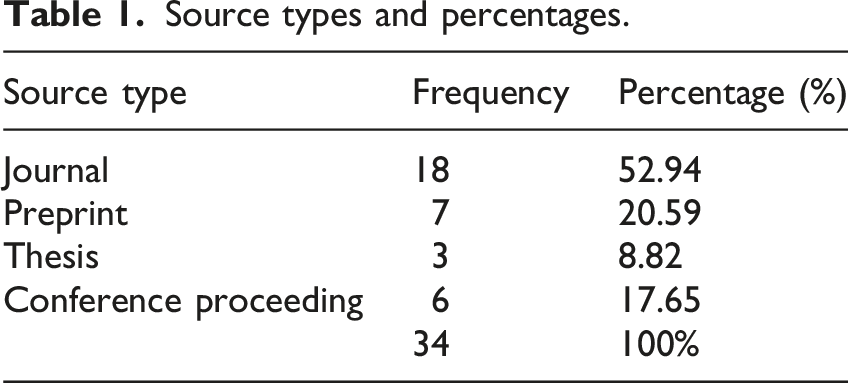
Source types and percentages.
Inclusion criteria
• Studies addressing AI hallucination in generative AI/LLMs • Studies examining data reliability, ethics, or knowledge management implications • Peer-reviewed and relevant grey literature in English • Studies published 2017; 2020-2025
Exclusion criteria
• Studies focused solely on non-generative AI • Duplicate records • Opinion pieces lacking substantive analysis • Articles not addressing hallucination-related risks
In all, 34 articles were arrived at. All included studies were published and publicly available to ensure credibility and accessibility. The article selection process is illustrated in a PRISMA flow diagram (Figure 1), showing records identified, screened, excluded, and retained for synthesis. Figure 1 presents the structured PRISMA-guided screening and selection procedure used in this review. It shows that 512 records were initially identified from DOAJ and Google Scholar, after which 93 duplicate records were removed. The remaining studies underwent title and abstract screening, leading to substantial exclusions based on relevance. Following retrieval and full-text assessment, only 34 studies satisfied the inclusion criteria. This demonstrates the rigorous filtering process applied to ensure that only credible and directly relevant literature addressing generative AI hallucination, data integrity, ethical concerns, and knowledge management implications formed the final evidence base for the study. Prisma flow diagram (adapted from Haddaway et al.
36
) illustrating the procedure for Inclusion and Exclusion.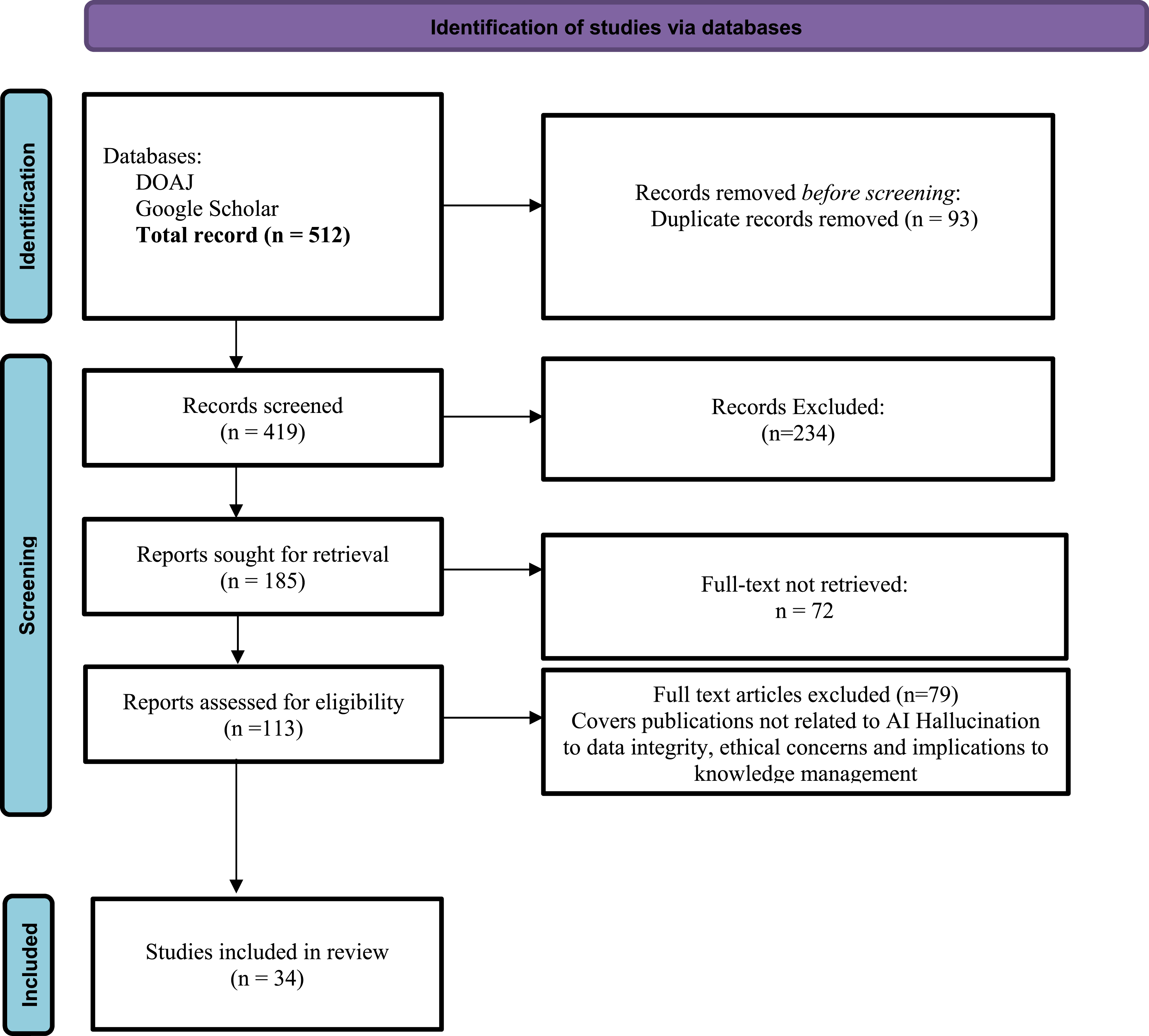
Table 1 shows the distribution of source types included in the review. The data indicate that journal articles constitute the largest share (52.94%), suggesting a strong reliance on peer-reviewed, formally published scholarship. Preprints account for 20.59%, reflecting the rapidly evolving nature of generative AI research, where emerging findings are often disseminated prior to formal publication. Conference proceedings (17.65%) also constitute a notable share, highlighting the contribution of scholarly meetings to advancing current discourse. In contrast, theses represent a smaller share (8.82%), indicating comparatively limited use of extended academic research outputs.
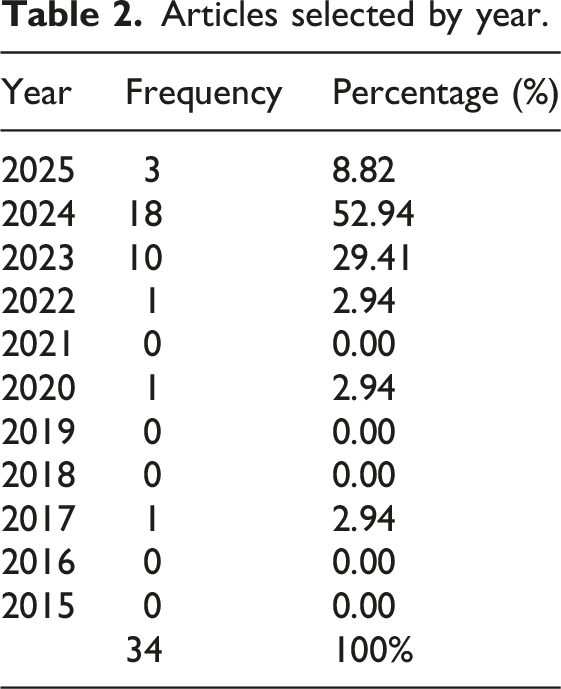
Articles selected by year.
Data analysis and synthesis
Thematic analysis was employed to identify key themes and patterns. The final corpus was coded into three principal themes: data reliability (n = 10 studies), ethical dilemmas (n = 12 studies), and knowledge management implications (n = 12 studies), with some studies contributing to multiple themes. The process involved iterative coding to extract and categorize findings related to challenges to data integrity, ethical concerns, and implications for knowledge management. A hybrid deductive-inductive coding approach was employed: initial codes were informed by the study’s research questions (deductive), while emergent subthemes were generated from the reviewed literature (inductive). Coding and thematic synthesis were conducted manually with repeated comparison across studies to ensure consistency and analytical rigor. The themes were then synthesized to draw meaningful insights and build the conceptual model for the study. The conceptual model was developed through cross-theme synthesis linking recurrent drivers, risks, and mitigation responses identified across the reviewed studies. A methodological limitation is the relatively small corpus (34 studies), reflecting the emerging nature of scholarship specifically addressing AI hallucination through a knowledge management lens.
Ethical considerations
The study adhered to all ethical guidelines for academic research. All sources were properly cited, and the authors of the reviewed studies were acknowledged in the reference list. No data manipulation or unauthorized use of information occurred during the research process.
Findings and discussion
As mentioned earlier, the process of synthesizing findings from the included studies followed a systematic thematic analysis approach, involving identifying key themes, categorizing common findings, and analyzing discrepancies across different studies. The studies were grouped based on their thematic focus, data reliability, ethical dilemmas, and knowledge management. Each study was analyzed for recurring patterns, unique contributions, and variations in perspectives. Theme derivation process: 1. Data Extraction: Key insights from each study were extracted based on their objectives, methods, and findings. 2. Pattern Recognition: Commonalities and recurring issues were identified, leading to the formation of primary themes (e.g., data reliability, ethics, and KM). 3. Contradiction Analysis: Conflicting perspectives were analyzed to provide a nuanced understanding of the themes. 4. Thematic Categorization: Studies were grouped based on their relevance to each theme.
Theme 1: How hallucinations affect data reliability
How Hallucinations affect Data Reliability.
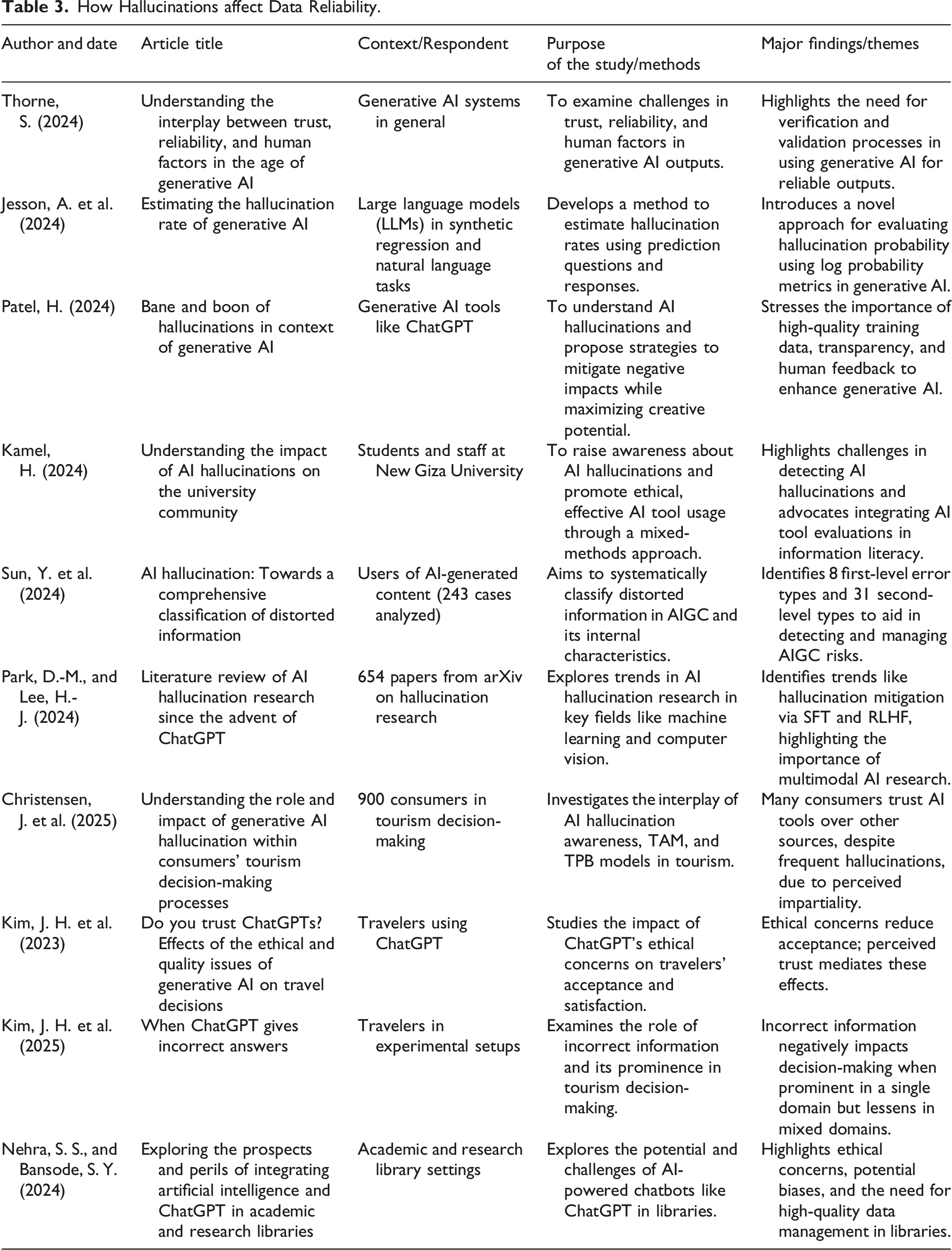
Consumer trust and perception of AI tools are also explored, with Christensen et al. 17 and Kim et al. 18 analyzing the tourism sector. Their findings reveal that while many travelers trust AI-generated content due to its perceived impartiality, hallucinations can negatively impact decision-making when the incorrect information is highly prominent. Meanwhile, Nehra and Bansode 19 explore the potential benefits and ethical challenges of AI-powered chatbots in academic libraries, emphasizing the need for rigorous oversight to ensure data reliability.
A notable gap across this body of literature is limited empirical evidence on comparative effectiveness of mitigation strategies across contexts, particularly in knowledge-intensive domains such as academia and decision-support systems. In summary, the evidence in the studies in Table 3 suggests a persistent tension between generative efficiency and epistemic reliability, positioning hallucination not merely as an error condition but as a structural challenge to trustworthy AI-enabled knowledge production.
Theme 2: Ethical dilemmas posed by hallucinations
Ethical Dilemmas posed by Hallucinations.
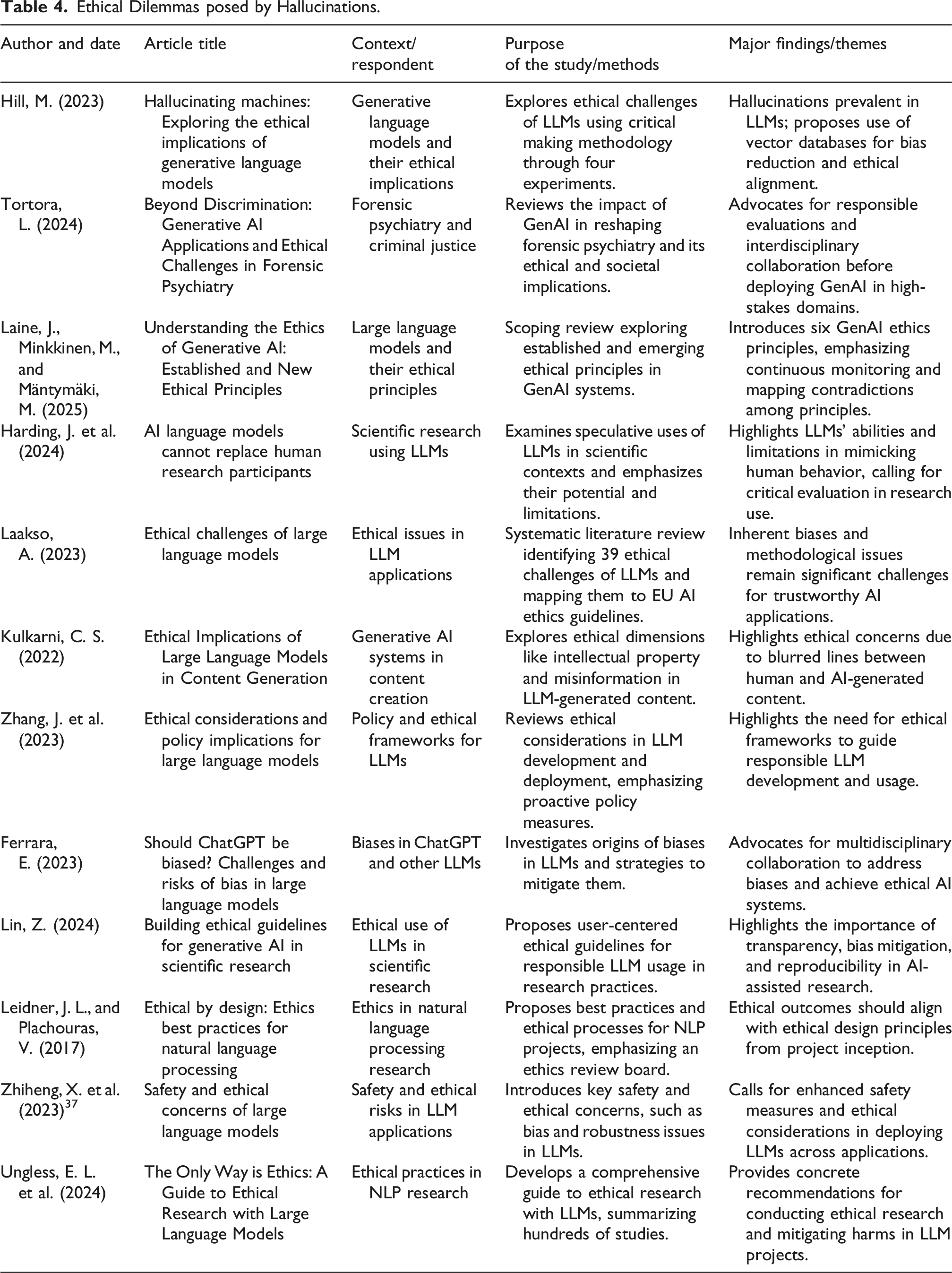
Several studies underscore the complexity of ethical oversight, with Zhang et al. 24 identifying 39 ethical challenges mapped to EU AI ethics guidelines. Ungless et al. 25 explores intellectual property rights and the ethical issues arising from AI’s ability to generate human-like content, warning of the potential for misinformation and authenticity challenges. Earley 26 further stress the importance of proactive policy measures to guide ethical AI development, suggesting that companies and regulatory bodies must collaborate to establish effective guidelines. A contrasting perspective is provided by Laakso 22 who argue that while AI can simulate human responses in research contexts, it should not replace human participants entirely. Their study calls for a cautious approach to incorporating AI in sensitive research areas. Leidner and Plachouras 38 propose ethical design principles for AI applications, advocating for ethics review boards to oversee AI implementation from inception to deployment. A recurring gap is that much of the literature proposes ethical principles normatively, but fewer studies empirically examine how such principles are operationalized in real-world AI deployments. Collectively, the evidence positions hallucination as both an ethical risk and a governance challenge, extending beyond bias or misinformation into questions of responsibility, legitimacy, and trust. Although there is consensus on the need for ethical frameworks, variations exist in the proposed approaches, ranging from regulatory oversight to self-imposed ethical guidelines by developers.
Theme 3: Implications for knowledge management
Implications for knowledge management.
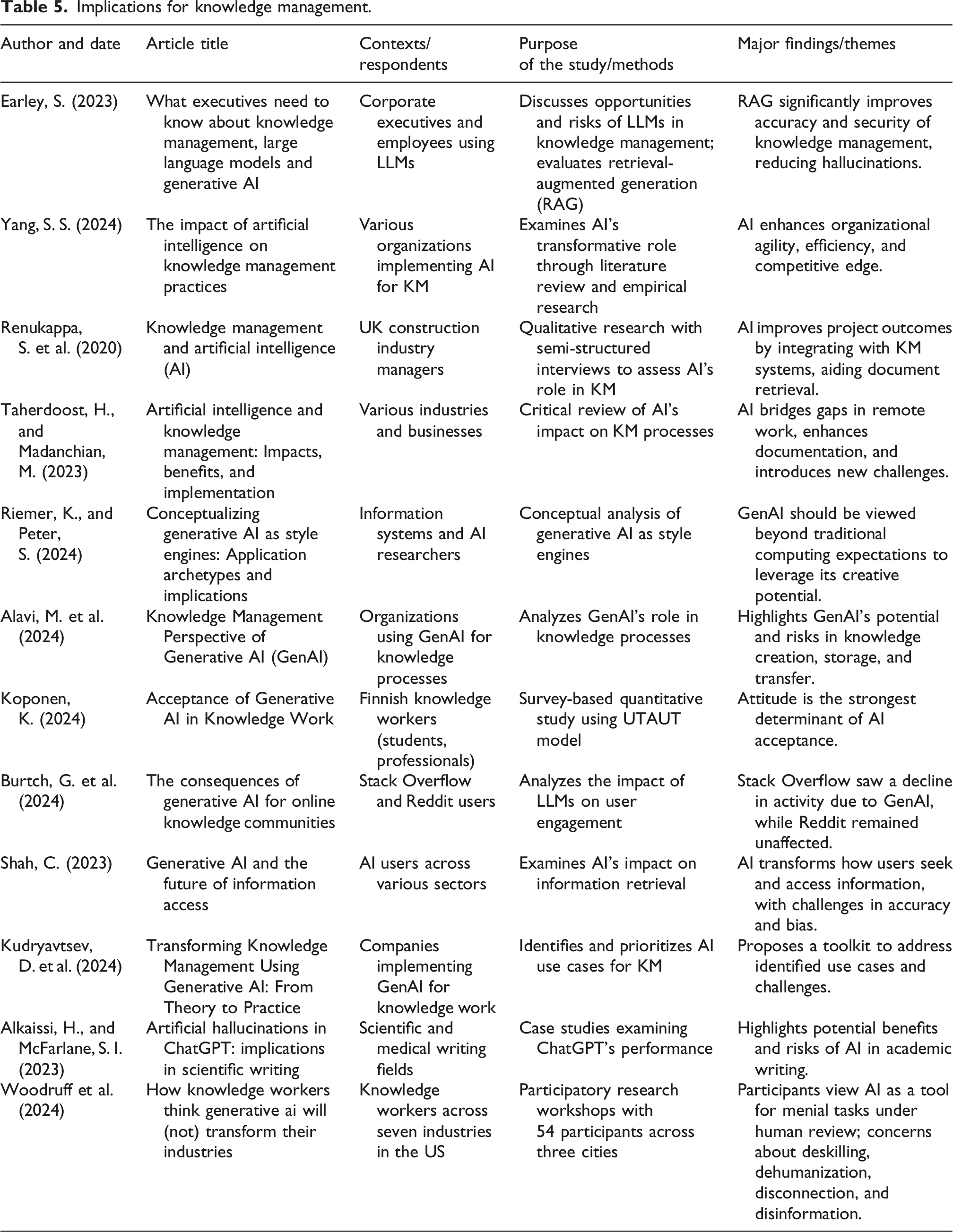
Across the three themes, a central pattern emerges: hallucination challenges cannot be treated separately as reliability, ethics, or knowledge management issues, but as interconnected dimensions of trustworthy AI governance.
Implications of the findings
Drawing from the synthesized findings across reliability, ethics, and knowledge management, the following implications emerge:
Implications for policy
The study’s findings highlight the urgent need for policymakers to establish comprehensive regulatory frameworks that address the challenges associated with generative AI hallucinations. Policies should focus on ensuring transparency, accountability, and ethical use of AI by mandating regular audits, quality assurance processes, and clear reporting mechanisms for AI-generated content. Regulatory bodies should also develop standardized guidelines for AI developers and organizations to follow, ensuring compliance with ethical principles and minimizing the risks associated with misinformation and bias. Additionally, anticipatory regulatory measures should be implemented to proactively address potential future risks associated with the rapid evolution of AI technologies. These findings suggest policy responses should move beyond compliance-oriented regulation toward adaptive AI governance models capable of addressing evolving hallucination risks through continuous oversight, dynamic standards, and multi-stakeholder accountability. Policies should also clarify roles and responsibilities among AI developers, service providers, and end-users to foster accountability and ethical compliance across all sectors.
Implications for practice
From a practical perspective, organizations leveraging generative AI technologies must implement robust mechanisms to ensure the reliability and accuracy of AI-generated content. This includes adopting advanced verification tools, such as RAG models, that integrate AI outputs with trusted data sources to reduce hallucinations. Importantly, the findings indicate mitigation should not rely solely on technical fixes such as RAG, but should integrate organizational governance, human review, and AI literacy interventions, reflecting the socio-technical nature of hallucination risks. Regular auditing and monitoring of AI performance should be prioritized to detect inaccuracies and ensure compliance with established standards. Training and upskilling employees in AI literacy is also essential to enable them to critically assess AI-generated information and make informed decisions. Additionally, organizations should implement clear guidelines on the ethical use of AI, incorporating principles of fairness, transparency, and bias mitigation into their operational frameworks. Effective collaboration between AI developers, information managers, and policymakers is crucial in developing AI systems that align with organizational goals while ensuring ethical and responsible AI adoption. In the field of knowledge management, practitioners should adopt a hybrid approach that combines AI capabilities with human oversight to ensure the quality and relevance of information. This reinforces that trustworthy mitigation depends on layered governance rather than technical controls alone. AI tools should be integrated in a way that complements existing knowledge processes rather than replacing human expertise. Organizations should also invest in AI-assisted decision support systems that provide users with verified and contextually relevant information, reducing the risk of misinformation. Furthermore, fostering a culture of continuous learning and adaptation is vital to keep up with the evolving capabilities of AI, ensuring that knowledge management systems remain resilient and effective in the face of AI-driven changes.
Conclusion
The review generally reveals that AI hallucination is simultaneously a technical reliability problem, an ethical governance challenge, and a knowledge management risk requiring integrated responses. The findings of this study indicate the significant challenges posed by generative AI hallucinations to data reliability, ethical considerations, and knowledge management systems. The study further reveals that AI hallucinations undermine data reliability by producing fabricated and misleading outputs, which can erode trust in AI systems and lead to flawed decision-making. Various studies emphasize the need for robust verification and validation mechanisms to ensure the accuracy of AI-generated content. The research also highlights the importance of high-quality training data, transparency in AI processes, and the implementation of retrieval-augmented generation (RAG) models to mitigate the risks associated with hallucinations. Despite the potential of AI to enhance efficiency and creativity in knowledge management, its tendency to generate erroneous outputs poses a major obstacle to its widespread adoption and effectiveness.
The study also observes that ethical concerns surrounding generative AI hallucinations remain a critical challenge, as evidenced by the literature reviewed. Issues of accountability, transparency, and bias are central to the discourse, with studies advocating for ethical frameworks that can guide the responsible development and deployment of AI systems. The findings suggest that ethical dilemmas such as misinformation, bias reinforcement, and loss of human oversight require interdisciplinary collaboration between developers, policymakers, and end-users. Ensuring fairness, transparency, and human oversight in AI decision-making processes is essential to foster trust and mitigate risks associated with hallucinations. Some studies point to the need for ethical AI design principles and regulatory interventions to ensure compliance with societal values and legal standards.
The implications of generative AI hallucinations for knowledge management are far-reaching. AI has the potential to revolutionize how information is stored, retrieved, and utilized within organizations, yet its susceptibility to hallucinations raises concerns about misinformation and reduced trust in AI-assisted processes. Studies suggest that AI can be successfully integrated into knowledge management systems when supplemented with human oversight and advanced validation techniques. However, challenges such as resistance to adoption, deskilling, and overreliance on AI-generated outputs must be addressed. The literature highlights the importance of balancing AI’s capabilities with human judgment to ensure that knowledge remains accurate, relevant, and actionable. Rather than treating hallucination solely as a defect to be eliminated, the findings suggest it should be understood as a structural condition requiring layered technical, ethical, and institutional responses.
This study has limitations. First, the review was based on a relatively modest corpus of 34 studies, reflecting the emergent nature of scholarship in this area. Second, the literature was concentrated largely in recent years and predominantly conceptual or exploratory, limiting broad empirical generalization. Third, database coverage and timeframe selection may have excluded relevant studies, particularly from technical repositories. These limitations suggest caution in interpretation while also indicating opportunities for future systematic and empirical research.
Footnotes
Acknowledgments
The authors sincerely express their profound gratitude to the Editor, Dr Brandy Lund, for his exceptional coordination of the review process, scholarly guidance, and unwavering commitment to maintaining the quality of this publication. The authors also deeply appreciate the reviewers for their painstaking, constructive, and insightful evaluations of the manuscript. Their thoughtful comments, critical observations, and valuable recommendations significantly strengthened the clarity, rigor, structure, and overall scholarly quality of this study. The manuscript has been substantially improved as a result of their dedicated efforts, for which the authors remain immensely grateful.

Funding
The authors received no financial support for the research, authorship, and/or publication of this article.
Declaration of conflicting interests
The authors declared no potential conflicts of interest with respect to the research, authorship, and/or publication of this article.