







Abstract
Introduction:
Intimate partner violence (IPV) is a common issue in any society and the reported cases are just the tip of an iceberg as most of the victims are reluctant to come to the criminal justice system. Forensic experts are often encountering the victims who chose to seek justice. Evaluation of the nature, consequences, and underlying factors are needed in planning preventive measures.
Objectives:
To describe the patterns and associated factors of IPV among victims who reported to Office of the Judicial Medical Officer of Colombo North Teaching Hospital and to specifically describe the patterns prior and during the COVID-19 pandemic.
Methods:
A retrospective descriptive study based on 471 medicolegal records of the victims who had undergone medicolegal examination following IPV during last two years (March 2019 to February 2021).
Results:
Out of 471, 206 cases were reported prepandemic and 265 reported postpandemic periods. Even though majority were females there were 21 males. Types of abuse were complex and often interrelated. There were 463 who had experienced physical injuries while there were 20 who had been subjected to sexual violence. Face was the commonest target of assault (63%). Substance abuse was identified as the commonest predisposing factor (56%). Even though repeated abuse was common, 42.5% of the victims had never made any complaints to the police. Despite multiple complains, 39.7% had experienced repeated violence.
Conclusion:
Victims of IPV are silently suffering for many long years. Failure in the response from authorities was identified. COVID-19 pandemic has become an additional risk factor for IPV. Strengthening of legal and social responses is the need of the hour.
Keywords
Introduction
Intimate partner violence (IPV) a common form of offence inflicted on females in most of the countries. We as medicolegal specialist usually encounter victims of IPV in our day to day duty. United Nations Convention on the Elimination of All Forms of Discrimination against Women (CEDAW) has introduced a set of guiding principles to prevent violence against women including IPV, and Sri Lanka was one of the first countries in South Asia to ratify the CEDAW in 1981 (1). Intimate partner violence is defined as physical, sexual, and emotional abuse by previous or current, marital or nonmarital partner in the context of coercive control (2).
Intimate partner violence is not limited to specific gender. According to the Center for Disease Control, about one in four women and nearly one in ten men have experienced IPV in forms of sexual or physical violence. On the other hand, over 43 million women and 38 million men have been subjected to psychological aggression by an intimate partner (3).
A multicountry study was carried out by World Health Organization (WHO) on women’s health and domestic violence against women revealed that 75% women who had been in a relationship with an intimate partner were abused in one or more forms by their partners (4). An extensive review of literature published in Sri Lanka in 2015 revealed IPV prevalence ranging from 20% to 72%, with recent rates ranging from 25% to 35% (5). The prevalence of IPV is depended on many factors such as socioeconomic level and the literacy level of both victim and the perpetrator. Even though the country’s maternal and child health indices are significantly improved enough to compete with other developed countries, rising trend of alcohol and other substance abuse and poor socioeconomic level with unemployment play a significant role in increasing prevalence of IPV (6). It is believed that the IPV is taking place to establish the controlling power on a partner by other.
Outcome of the IPV can vary from injuries which cannot be seen with naked eye to fatal injuries which can lead to death, which is dependent on several factors such as type of weapon, inflicted force, site of infliction, and availability of medical care (7, 8). Even though the immediate impact/outcome is minimal, it can also cause a significant psychological impact on the victims and to the children who live in that environment, thus the complete assessment and psychosocial support are mandatory to prevent its future impacts (7, 8). A concept called “Mithuru Piyasa” was formed by Family Health Bureau of Sri Lanka in almost all major hospitals to help the victims of IPV and arrange shelter and counselling services through nongovernmental organizations (NGOs) and other donors (9). Despite having psychosocial support, the victims are reluctant to report to the police as most of the victims think that the IPV is a norm in a married life or they refrain from reporting due to social stigmata.
Sri Lanka being a developing nation with a population of 21 million out of which 52% are women with around 90% literacy rate is trying to provide adequate protection for violence against women, than other nations in the continent (10). Even though the statistical data show a better picture/side of the women empowerment of Sri Lanka, the actual protection for women is still questionable. Even though Prevention of Domestic Violence Act No. 34 of 2005 is providing some sort of protection for the victims of IPV, only a fraction of incidents are reported to the police according to the Police Statistical data. Despite underreporting of IPV, the reported cases are on rise according to the Police Statistical data (11).
Several workshops and awareness programs were arranged by the stake holders and NGOs to enlighten the society to wake up against the violence against women including IPV. Despite all these efforts, still the prevalence of IPV is on the rise.
During March 2020, Sri Lanka reported having locals infected with COVID-19 virus and government and health sector took stringent measures to prevent the disease including lockdowns and quarantine curfews. These measures led to many problems to families including loss of live hood, issues related to children’s educations, and so on. Family economy is a causal factor in IPV lockdown leading to partners to stay inside the house restricting their movements as well as added burden on children’s education aggravated the problem. Further limitations of access to health and protection further complicated the issue (12).
Justification
Even though previous studies related to IPV are available, understanding the recent trends especially those of post COVID-19 pandemic would be helpful to identify the effectiveness of preventive measures, as well as it will help to establish a framework which is suitable to manage these issues in the current scenario of “new normal of COVID-19 lifestyles.”
Literature Survey
A community-based cross-sectional study which was carried out in Central Province and in the Western Province of Sri Lanka revealed that 36% and 34.4% of participants had experienced at least one episode of IPV during their lifetime, respectively (11, 13). Retrospective study among reported cases of IPV to a tertiary care center in Central Province revealed that most of the victims (84%) sustained non-grievous injuries (14), out of which most of them (72%) are contusions, which is also compatible with a study carried out among IPV victims in Hong Kong (10).
Objectives
General Objectives
The goal of this study is to describe severity, types, injury patterns, and associated factors of IPV among victims who reported to Office of the Judicial Medical Officer (JMO) of Colombo North Teaching Hospital prior and during the COVID-19 pandemic.
Specific Objectives
To identify the psychosocial state/impact of victims of IPV who reported to the JMO’s office of Colombo North Teaching Hospital in pre COVID-19 pandemic times and during COVID-pandemic times.
To analyze the severity, types, patterns, and outcome of injuries in victims of IPV who reported to JMO’s office of Colombo North Teaching Hospital in pre COVID-19 pandemic times and during COVID pandemic times.
To study about the rousing factors leading to IPV among the victims presented to JMO’s office of Colombo North Teaching Hospital in pre COVID-19 pandemic times and during COVID pandemic time.
To evaluate the association of rousing factors with the severity and effects of IPV among the victims presented to JMO’s office of Colombo North Teaching Hospital in pre COVID-19 pandemic times and during COVID pandemic times.
Expected Outcomes
To identify the differences related to IPV among the victims presented to JMO’s office of Colombo North Teaching Hospital pre COVID-19 pandemic times and during the COVID-19 pandemic.
To provide an insight regarding current scenario (COVID-19 pandemic) of IPV managed at JMO’s office of Colombo North Teaching Hospital.
To make recommendations to the relevant stakeholders regarding necessity of modern management strategy especially considering the “new normal” of COVID-19 pandemic.
Methods
Study Design
A retrospective descriptive study based on medicolegal records of the victims of IPV during last two years.
Study Population
Victims who had reported to JMO’s office of Colombo North Teaching Hospital for medicolegal examinations with the complaint of IPV.
Study Materials
Medicolegal examination forms (MLEFs) of the victims of IPV who reported to JMO’s office of Colombo North Teaching Hospital from 2019 to 2020. Doctor’s copy will be perused to obtain history, examination findings, investigations, and details of referrals to other medical specialties.
Study Setting
JMO’s office of Colombo North Teaching Hospital.
Sample Size
All MLEFs registered from 1st of January, 2019, to 31st of December, 2020, will be assessed in this study. All IPV cases estimated 400 will be studied.
Inclusion Criteria
Records of all victims presented with a history IPV to the Office of the JMO, North Colombo Teaching Hospital, Ragama.
Exclusions Criteria
Victims who does not proceed with the legal procedures.
Data Collection Tools
A questionnaire is formulated for data collection by authors.
Data Collection
Data collection will be done by the authors using a questionnaire to retrieve data from case records.
Permission to Obtain Data
Permission to obtain relevant data from the case records will be obtained from the Director of Colombo North Teaching Hospital and the Consultant JMO of Colombo North Teaching Hospital-Ragama and from the respective medical officers after obtaining ethical clearance form Ethical Review Committee (ERC) of Medical Faculty Ragama.
Confidentiality of Data Collected
Questionnaires that contain data will be stored by the investigators in secure computerized storage facility and only used for the research purpose. Computerized data will be coded and will not include names of the examinees. The data will be destroyed on completion of the study and the presentation of the findings.
Ethical Considerations
Since the data are obtained from documents without identifiable details, there are no serious ethical concerns. Ethical clearance to conduct the study was obtained from the Ethic Review Committee of the Faculty of Medicine, University of Kelaniya.
Data Analysis
Data will be entered in Microsoft excel worksheets and analyzed using Statistical Package for Social Sciences. Graphs and tables will be used as appropriate to present the data.
Dissemination of Study Findings
The study findings will be published in peer-reviewed scientific journals and presented in scientific conferences. They will be thus made available to the public and the participants.
Outputs
Oral presentations
Publication in scientific journals
Benefits of the Study
Gives an insight into the severity, injury patterns and associated factors related to IPV especially the similarities and differences in pre COVID-19 pandemic and during COVID-19 pandemic.
It can also be used to identify the gaps in our knowledge and make effective plans to prevent IPV especially considering the COVID-19 pandemic.
Results
During March 2019 to February 2021, 6636 medicolegal examinations were conducted at the JMO’s office Colombo North Teaching Hospital Ragama. Out of that a total of 520 MLEFs with the history of IPV were initially considered for the study. However, 49 were excluded due to absence/lack of data to fill the questionnaire. Of all, 471 MLEFs were selected for the analysis out of which 206 (43.7%) were reported before March 2020 and 265 (56.2%) were reported after March 2020. Out of 471 victims, 450 (95.5%) were women, whereas 21 (4.5%) were men.
Victims were from different age groups, majority, 178 (37.8%) were of the age-group of 30 to 39 years, followed by 141 (29.9%) were between 20 and 29 years. The age distribution of the study population is summarized in the following. Similarly, majority (171) of the alleged perpetrators were also of the age-group of 30 to 39 followed by 20 to 29 (143; Figure 1 ).
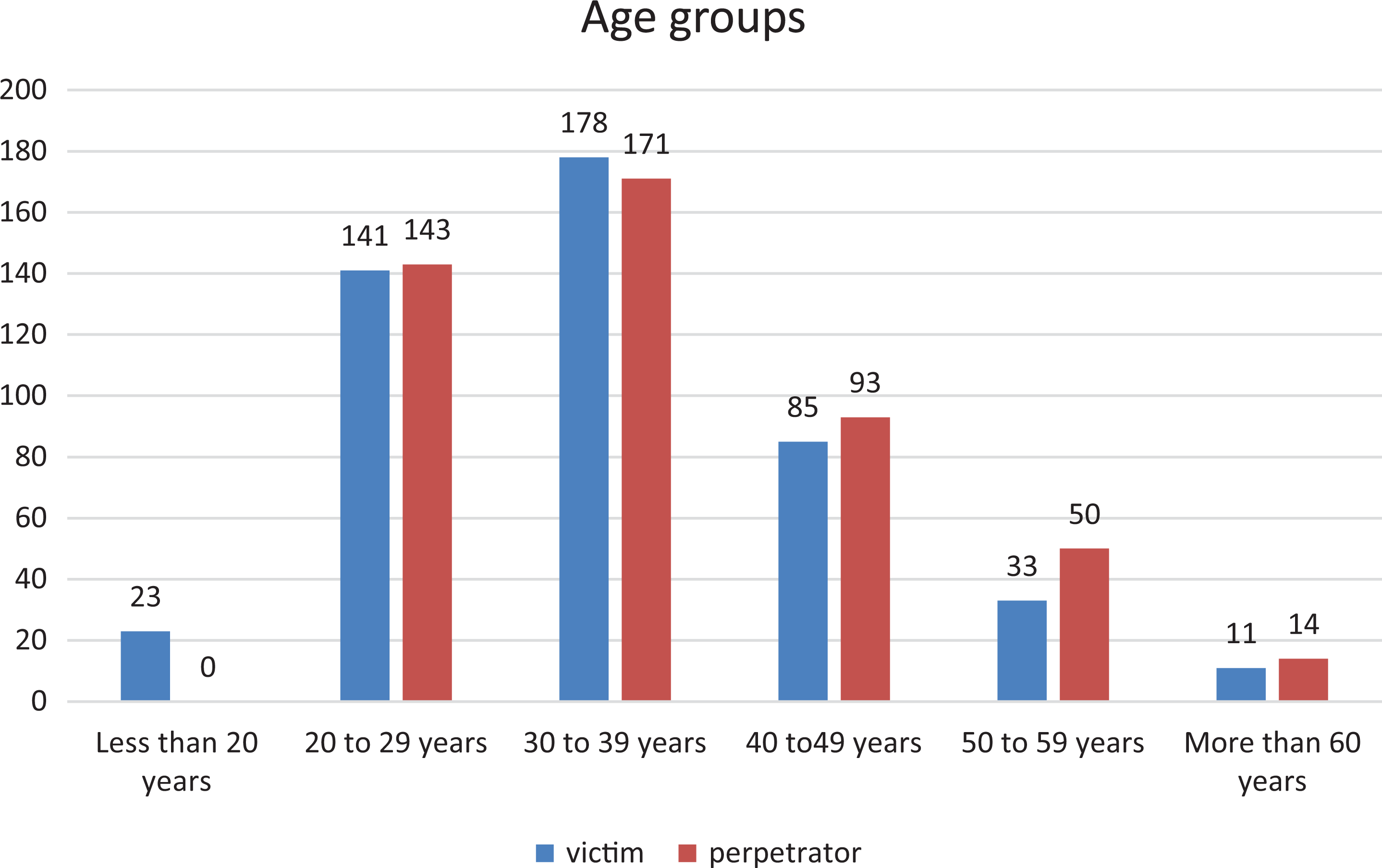
The age distribution of victims and perpetrators of the intimate partner violence.
Spousal relationships of the victims were also been analyzed with the available data. Majority, 334 (70. 9%) were married and living with the spouse; 32 (6.8%), 49 (10.4%) and 40 (8.5%) were living in relationship, living separately from the intimate partner, and divorced, respectively; whereas 16 (3.4%) were said to have undergone IPV prior to their legal marriage.
Duration of relationship with the intimate partner was also analyzed, based on the available data, out of 471 victims, 16 (3.4%) were in the relationship for less than a year, 60 (12.7%), 118 (25.1%), 97 (20.6%) and 175 (37.2%) were in the relationship for 1 to 3 years, 4 to 6 years, 7 to 10 years, and more than 10 years, respectively. Five (1.1%) MLEFs/victims did not mention about the duration of the relationship. Education level of both victim and the abuser were of similar quality, where most of them had completed secondary education ( Table 1 ).
Composite Table Regarding Level of Education and Occupation.
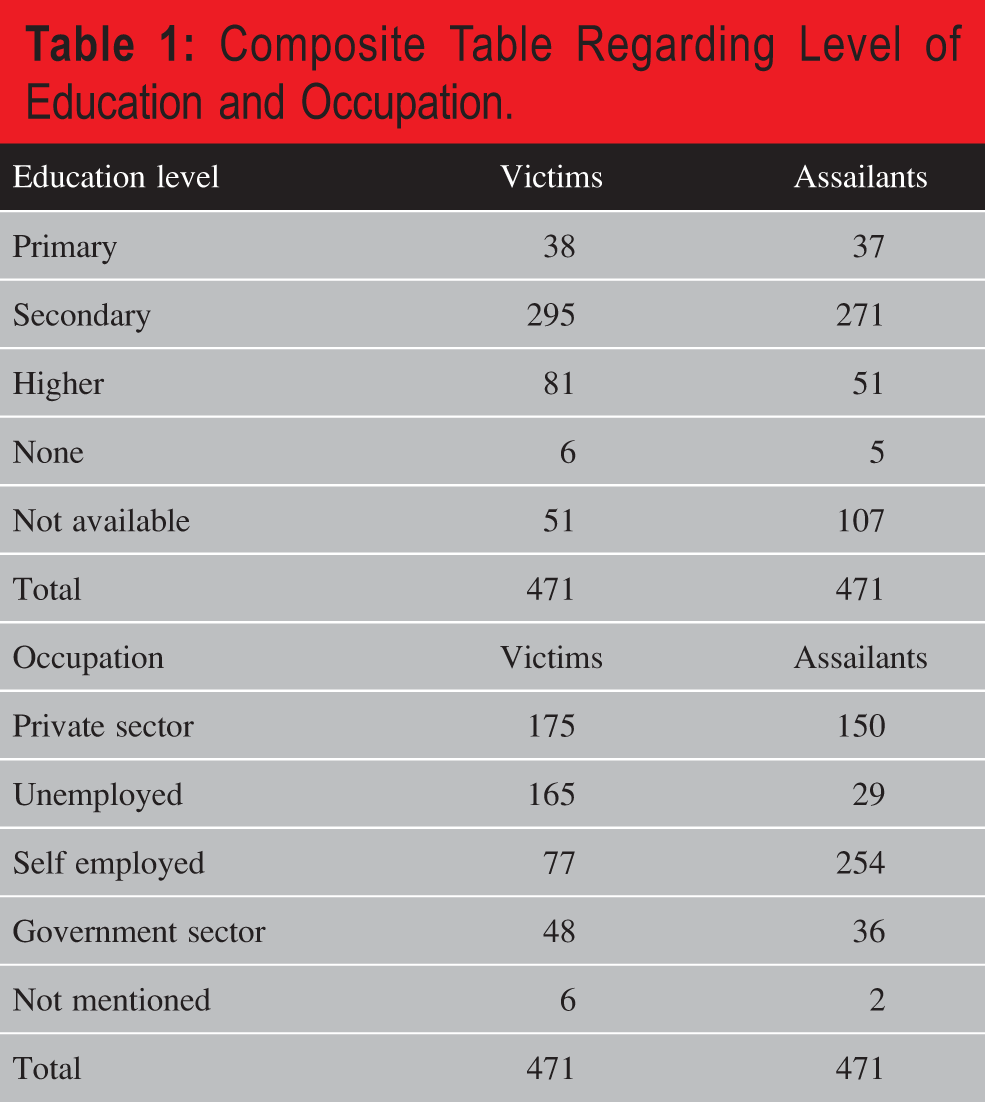
When it comes to the occupation of the victim as well as alleged perpetrator, there were 165 (35%) victims who were unemployed while the majority (175) were workers in private sector. Majority of the perpetrators were self-employed 254 (53.9%; Table 1 ).
Personal and family income of the victims also analyzed with the available data from the MLEFs, but 268 (56.9%) of MLEFs did not contain the details of the family income. Comprehensive analysis of family and personal incomes are summarized in the below ( Figure 2 ).
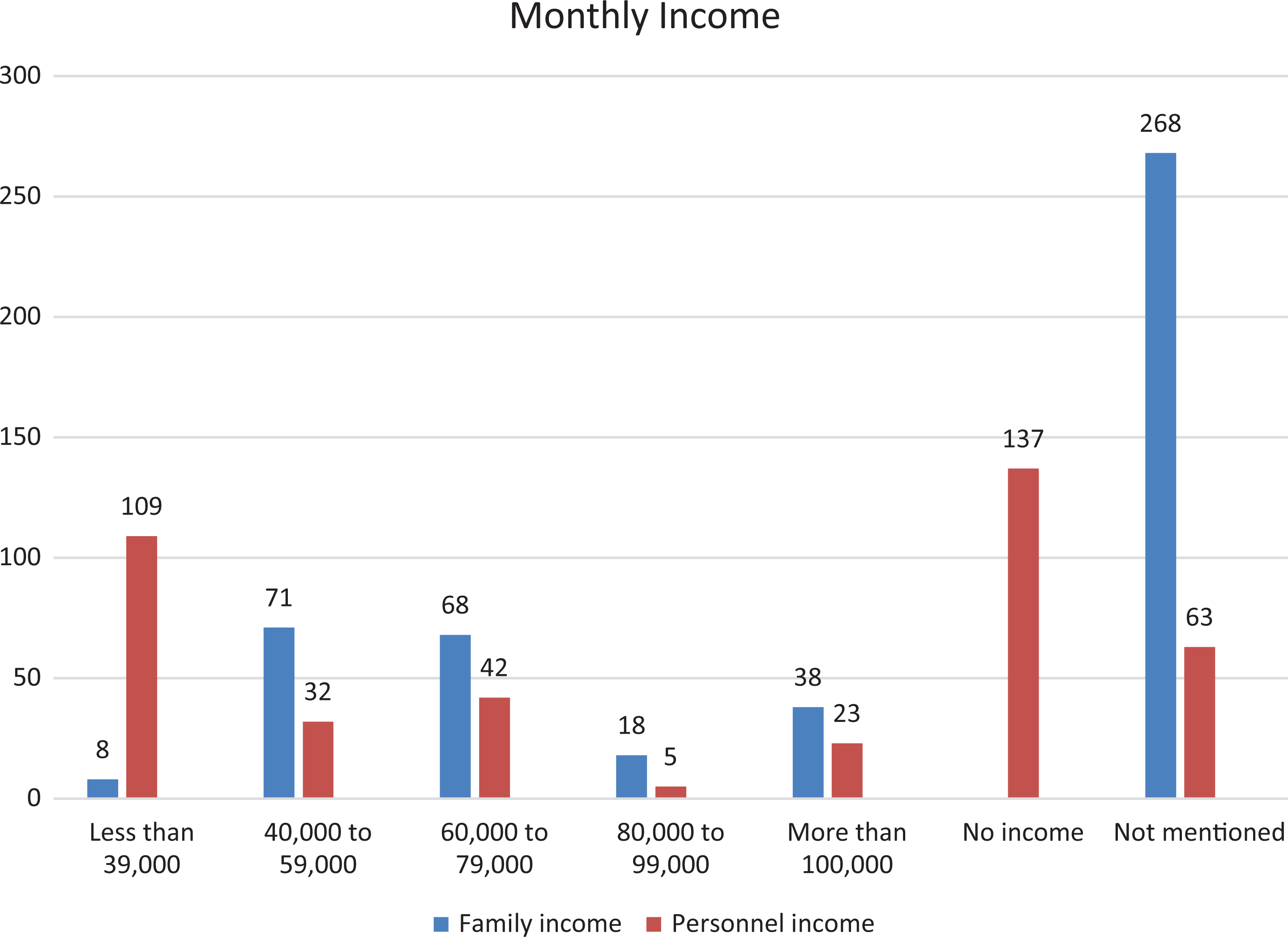
Personal and family monthly income.
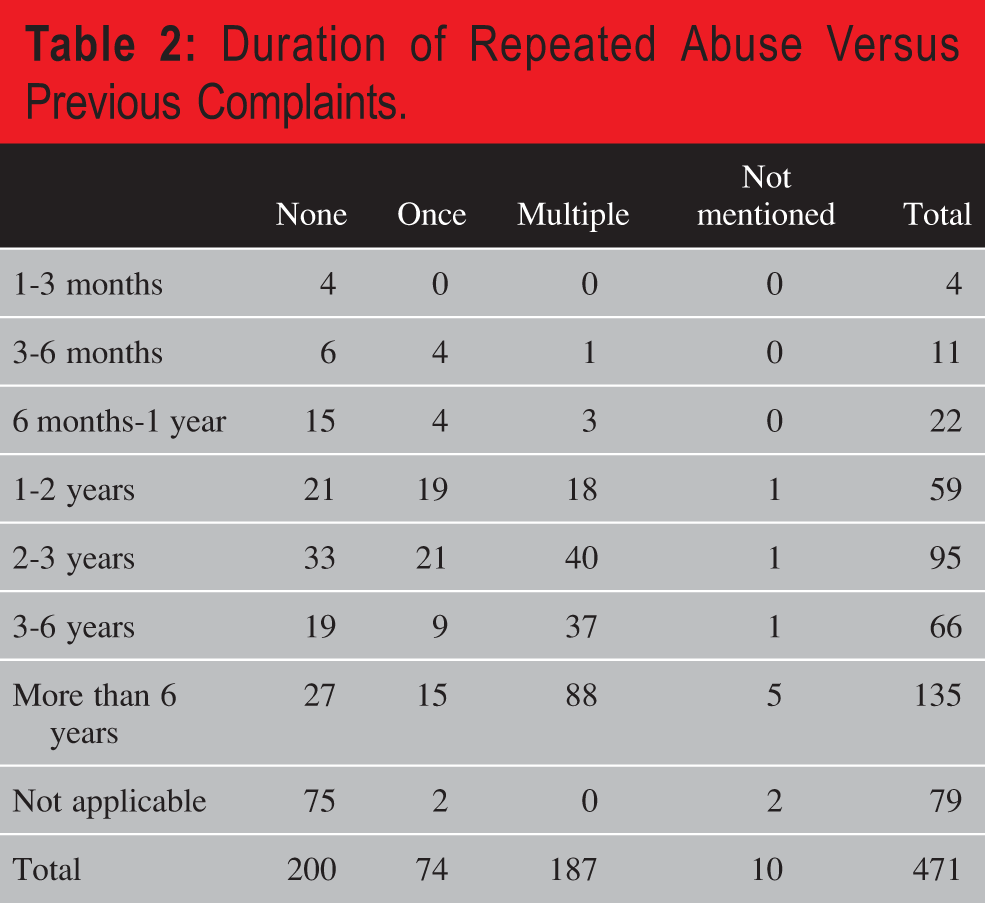
Out of 471 victims, 388 (82.4%) had been abused repeatedly, out of which, 135 (28.7%) victims had history of repeated abuse for more than 6 years and 7 (1.5%) of MLEFs did not mention about the history of repeated abuse. Even though repeated abuse was common, 200 (42.5%) victims had never made any complaints to the police previously, 187 (39.7%) have made multiple complaints, 74 (15.7%) have made a police complaint once. Out of 471 MLEFs, 10 (2.1%) did not have any details about previous police complaints. Number of victims making multiple complaints to the police have increased with the duration of repeated abuse ( Table 2 ).
Duration of Repeated Abuse Versus Previous Complaints.
Presenting complaints were mostly a mixture of physical, emotional, economic, and sexual abuse. Out of 471 victims, 463 (98.3%) had been subjected to physical abuse followed by 130 who had also been subjected to emotional abuse with or without other types of abuse. Out of 471 victims, 242 had only complained of physical abuse with no other associated complaints. There were one each who had come mainly because of sexual abuse, and emotional abuse. A majority (277) had experienced multiple types of abuse ( Figure 3 ).
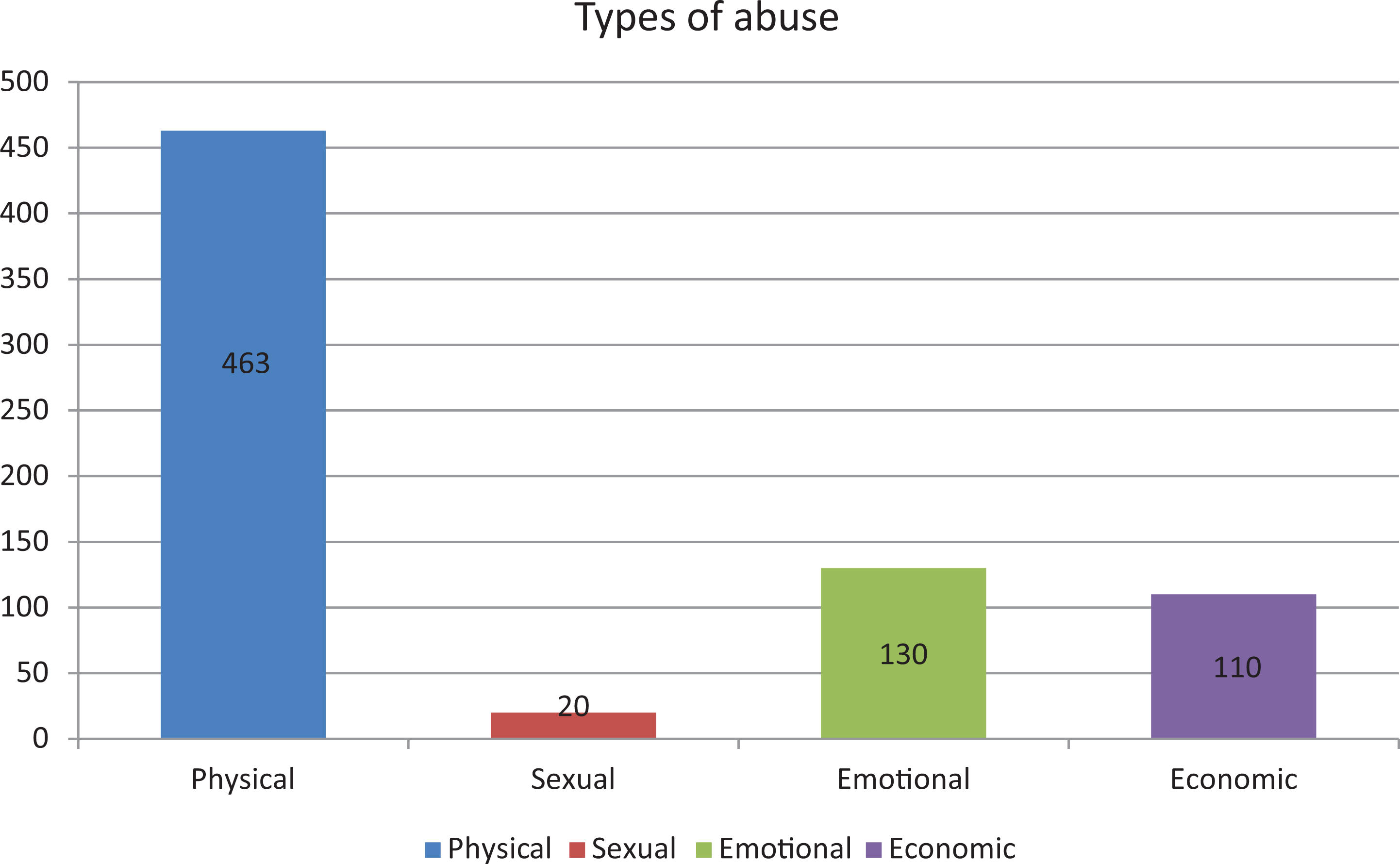
Types of abuse.
Out of 471 victims, 304 (64.5%) were admitted with the minor injury, 145 (30.7%) were admitted with grievous injuries (14), 12 (2.5%) were admitted with life-threatening injuries, and 9 (1.9%) of victims had psychological issues only at the time of admission. Contusions were the commonest type of injury, which was found in 295 victims either alone or in combinations with other types of injuries. Isolated contusions were found in 13 victims only. Similarly, abrasions were found among 258 victims and 20 victims only had abrasions in isolation. There were 109 victims with fractures all in combination with other injuries while sharp force injuries were found among 25 victims (only 10 with isolated sharp force injuries). There were 17 burns (only 4 isolated burns), 19 bites (3 had isolated bite injuries), 12 self-poisoning where 7 of them having no other physical injuries but self-poisoning and 8 other types of injuries. Further, there were 239 victims having some kind of soft tissue injuries all in association with other injuries.
Though a majority had got injuries caused using hands (379), out of 471 victims, 450 (95.5%) have stated that weapons were used during the assault. Among the stated weapons, 125 complained of using wooden poles, 61 iron bars, 31 knives, 22 canes, 17 heated objects, and 35 other weapons.
Out of the 20 victims who were subjected to sexual abuse (alone or in combination), 12 were of the age-group of 20 to 29. Majority (175) out of the 463 sexual assault victims were of the age-group of 30 to 39 followed by 20 to 29 which recorded as 136 ( Figure 4 ).
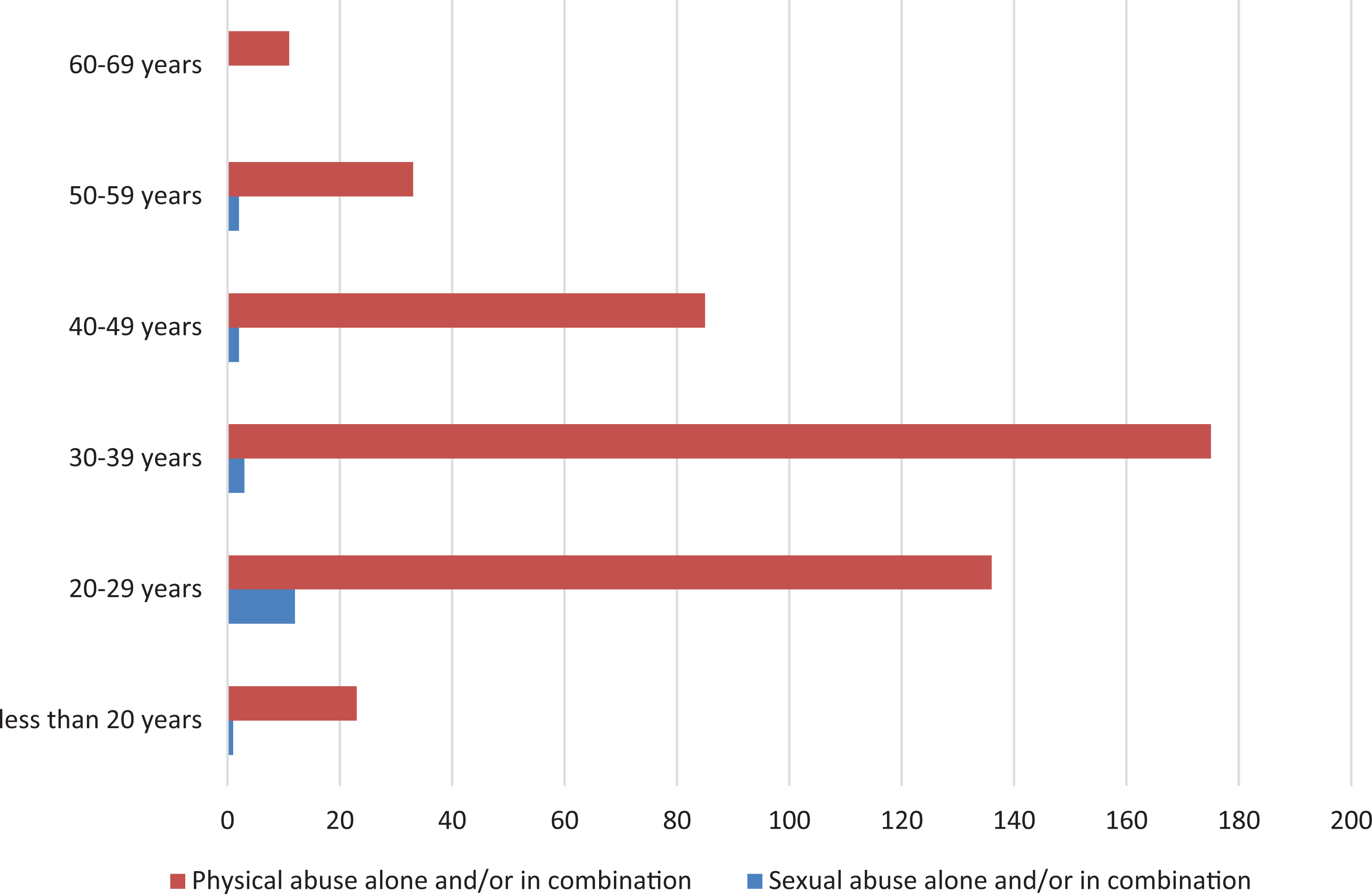
Age versus types of abuse (physical/sexual).
Out of 471 victims, 42 (8.9%) have been abused sexually, out of which 22 (52.4%) were forced to have nonconsensual vaginal intercourse, 9 (21.4%) and 2 (4.7%) were forced to have anal and oral intercourse, respectively. Another 2 (4.7%) were forced to engage in prostitution.
Consequences of abuse were also found either as isolated or in combinations. Out of 471 alleged incidents, 463 (98.3%) have suffered physical injuries out of which only 188 had had purely physical injuries only; 45 (9.6%) were affected psychologically out of which 36 (80%) were having suicidal thoughts, in 50 (10.6%) cases children have got injured, 181 (38.4%) have stated that they are deprived of freedom, and 183 (38.8%) were experiencing social stigmata. Predisposing factors for IPV/the underlying reasons mentioned by the victims were also found either in isolation or in combinations.
Substance abuse of the perpetrator was an identified underlying reason alone or in combination with other reasons in 264. Financial problems were the next common underlying reason either alone or in combination, with 213 reported cases. Further, substance abuse was found as the sole reason among 76 followed by 41 due to financial problems alone; 258 had combinations of these factors. Morbid jealousy was present among 99 assailants, while 95 were having influences from in-laws. Extramarital relationships, incompatible family status, refusal of sex and dowry issues were identified as underlying reasons either alone or existing in compilations by 55, 49, 35, and 30 victims, respectively. However, there is no significant association of any individual factor or a combination with high risk of repeated abuse than other factors (p = 0.755; Figure 5 ).
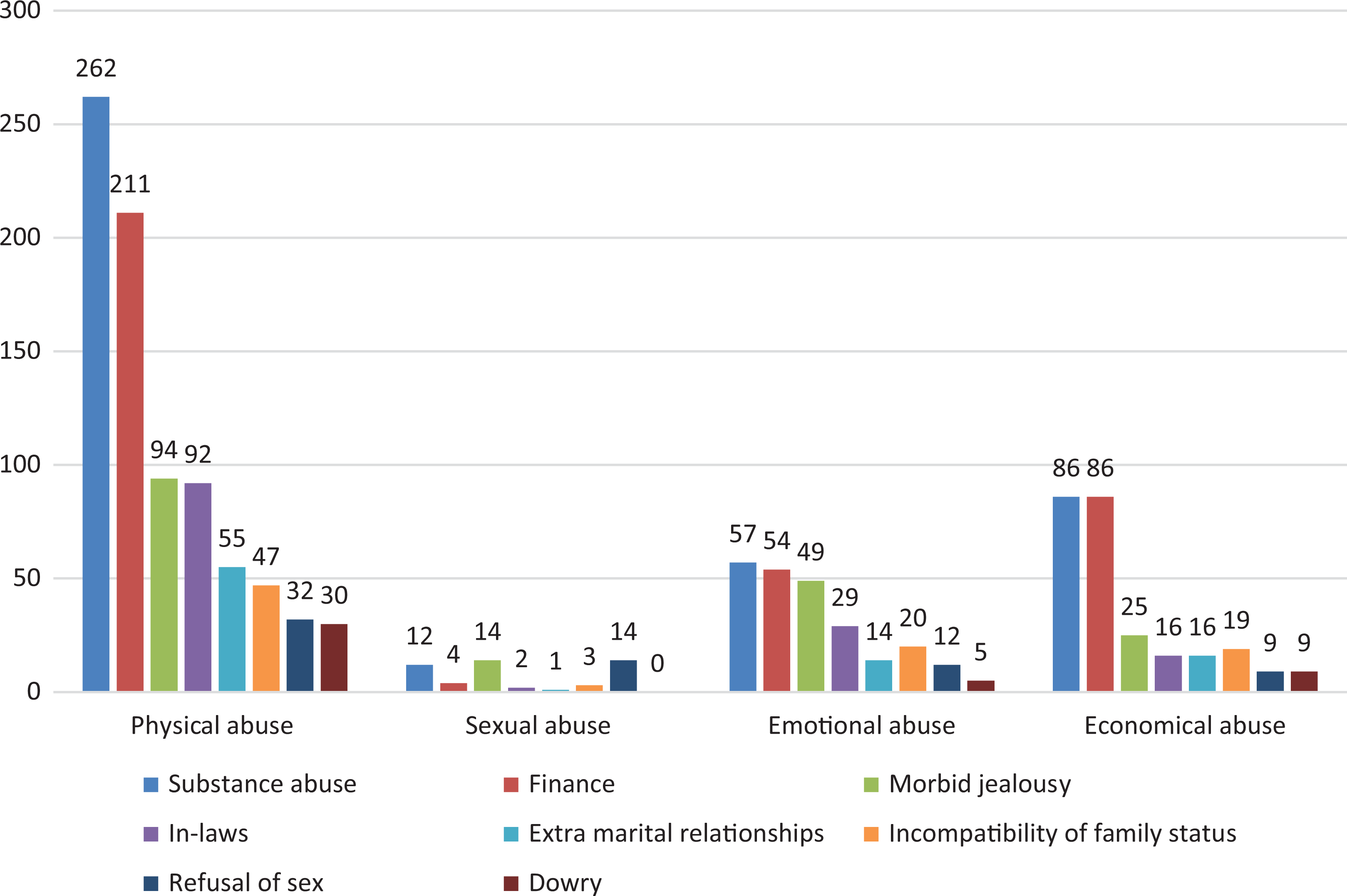
Types of abuse versus underlying reasons for abuse.
When the victims subjected to physical abuse are considered, underlying reason in the majority is substance abuse followed by financial issues. However, for both emotional and economical abuse, substance abuse and financial problems are equally influential. Morbid jealousy has the worst influence on sexual abuse and causes a significant influence on emotional abuse. However, similar to the types of abuse, the underlying reasons are also complex and show interrelated.
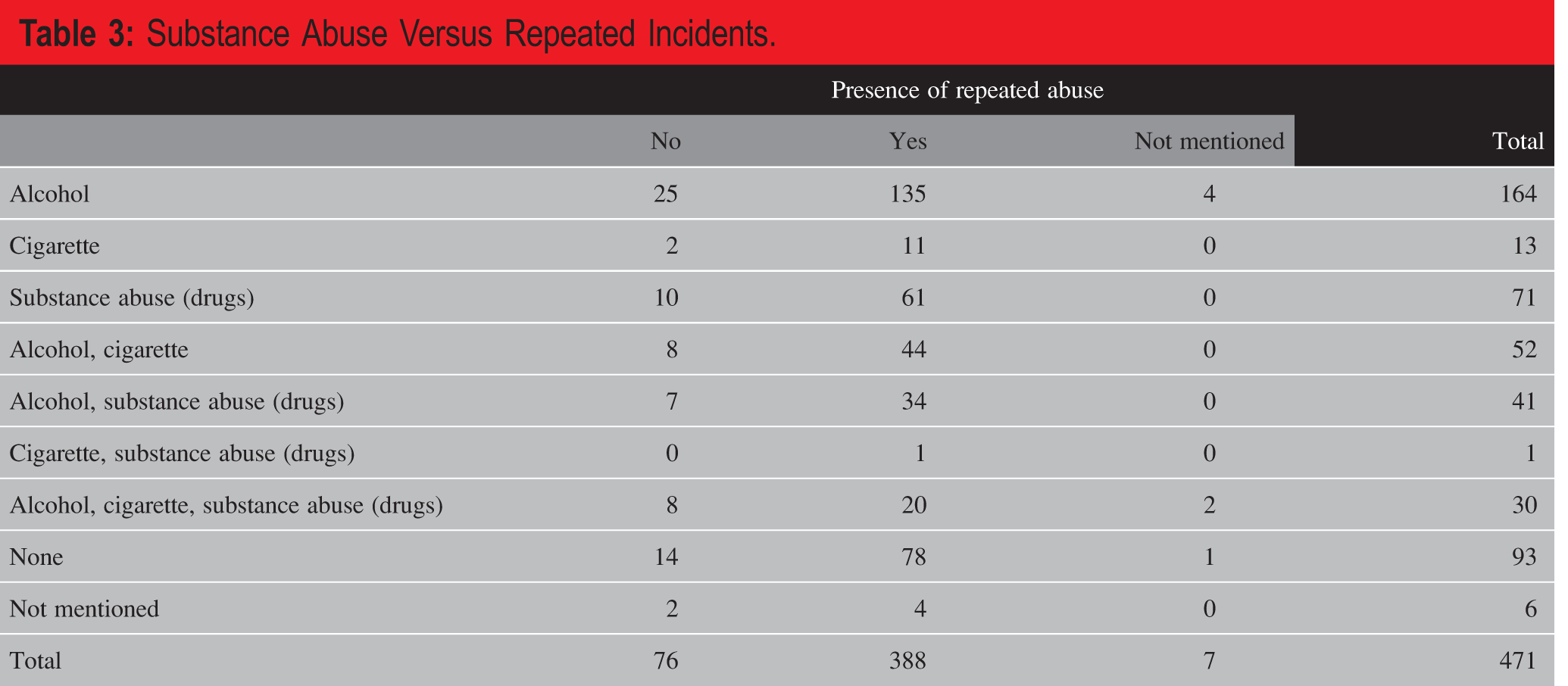
History of substance abuse among the alleged perpetrators was also analyzed with the derived data from the 471 MLEFs. They used to abuse these substances either alone or in combinations. Out 471 perpetrators, 285 (60.5%) were consuming alcohol out of which 164 were abusing alcohol only, 141 (29.9%) use addictive drugs out of which 71 were abusing only drugs without having any combinations, 93 (19.7%) smoke cigarette and other tobacco products. Many of them (123 [26%]) were having a history of abuse of more than one substance while 30 of them were abusing more than two substances; 93 (19.7%) of victims denied any substance abuse among the alleged perpetrators and 6 (1.3%) of MLEFs did not have any data about substance abuse.
Among the 463 victims who complained of physical abuse, alone or in combination with other types of abuse, 34.77% ([161/463] × 100) of assailants were abusing alcohol, 2.80% were abusing cigarettes, 14.90% were abusing drugs, 20.30% were using a combination of two types of substances, 6.26% combination of all three, 19.69% were taking none, and 1.29% have not mentioned if the abuser was taking any substances. While among the 20 victims who complained of sexual abuse alone or in combination with other types of abuse, the assailants were abusing alcohol, drugs, combination of two substances, and combination of all three at 35%, 15%, 20%, and 10%, respectively; 20% were not abusing substance at the time.
Abuse of various substances was observed among a majority of the perpetrators who were repeatedly abusing their spouses, there was no significant association of abuse of substances with increased risk of repeated abuse (p = 0.815). Further, there was no significant difference of the type of abused substance with repeated violence (p = 0.707; Table 3 ).
Substance Abuse Versus Repeated Incidents.
Location of injuries was also mostly found in combinations (70% or 331 victims). The face was targeted in 297 victims followed by upper limbs in 203. However, isolated facial injuries were found only among 42; 172 victims had neck injuries (21 of them having isolated neck injuries), while 88 were having injuries to the torso followed by 53 with lower limb injuries either in combination or in isolation.
Facial injuries were the commonest injury found among all the victims and despite the underlying reason for abuse (N = 297), they were found in highest frequency. Upper limbs recorded the next highest anatomical location over all (N = 203). Even though upper limb injuries were common among IPV due to substance abuse, extramarital relationships, and morbid jealousy, neck was found as the second highest location among the victims with financial and dowry issues as well as among the victims who refuses sex ( Figure 6 ).
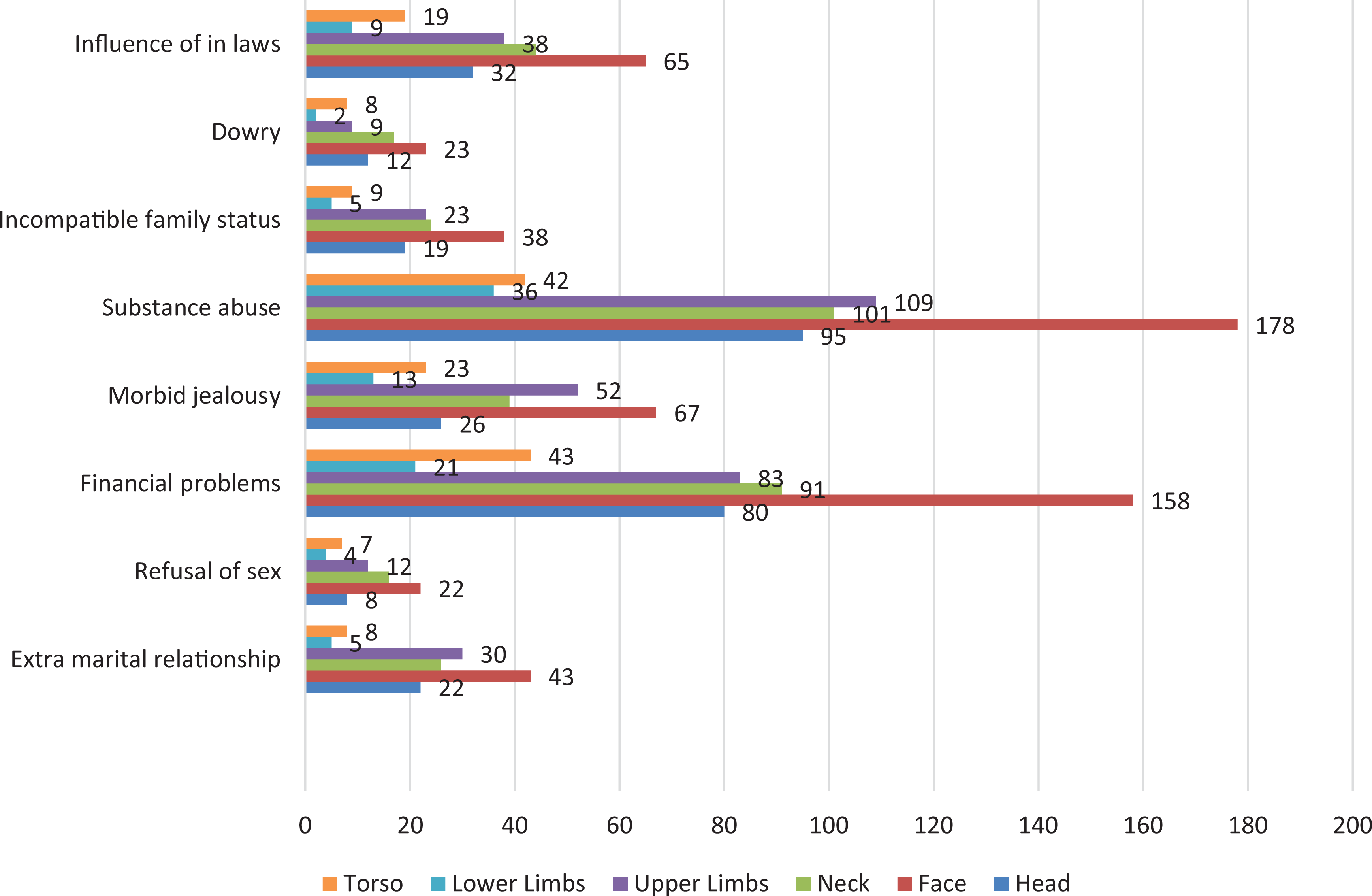
Reason for abuse versus anatomical location of injuries.
Out of 471 victims, 293 (62.2%) had been abused in the presence of their children and 132 (28%) were abused without the presence of their children, 46 (9.8%) did not have the details of the presence or absence of children during the abuse. Social effects of abuse were also a complex issue where 229 (48.6) victims had multiple social consequences. Out of 471 victims, 246 (52.2%) stated that their children’s lives were affected due to the IPV, and specially 79 (16.8%) stated that their children’s education was affected due to IPV; 116 (24.6%), 163 (34.6%), and 198 (42%) stated that their family finance, job, and their extended family are affected due to the IPV. In all, 88 (18.7%) of MLEFs did not have any details about the social effects of the IPV.
Majority of them had stated that many associates were aware of these IPV incidents. Out of 471 analyzed data, 399 (84.7%) stated that others were also aware about the incident. The parties aware of their situations were also multiple where 234 (58.6%) stated that their children were aware of it, 272 (68.2%) stated that their in-laws were aware of the incident; 137 (34.3%), 127 (31.8%), and 183 (45.8%) stated that their neighbors, friends, and parents were aware about the incident. Out of 471 victims, only 31 (6.6%) stated that nobody was aware about the IPV and 41 (8.7%) of MLEFs did not have the details about it.
Among the 265 patients brought for examination after March 2020 (in COVID-19 pandemic), 262 (99%) had experienced physical abuse, while out of 206 who got admitted before COVID-19, 201 (98%) had experienced physical abuse. Similarly, 4.9% of total admissions after pandemic and 3.3% of total admissions before pandemic had experienced sexual violence. However, there is no statistically significant difference in the pattern (p = 0.531; Table 4 ).
Situation During Pre and During Pandemic Periods.
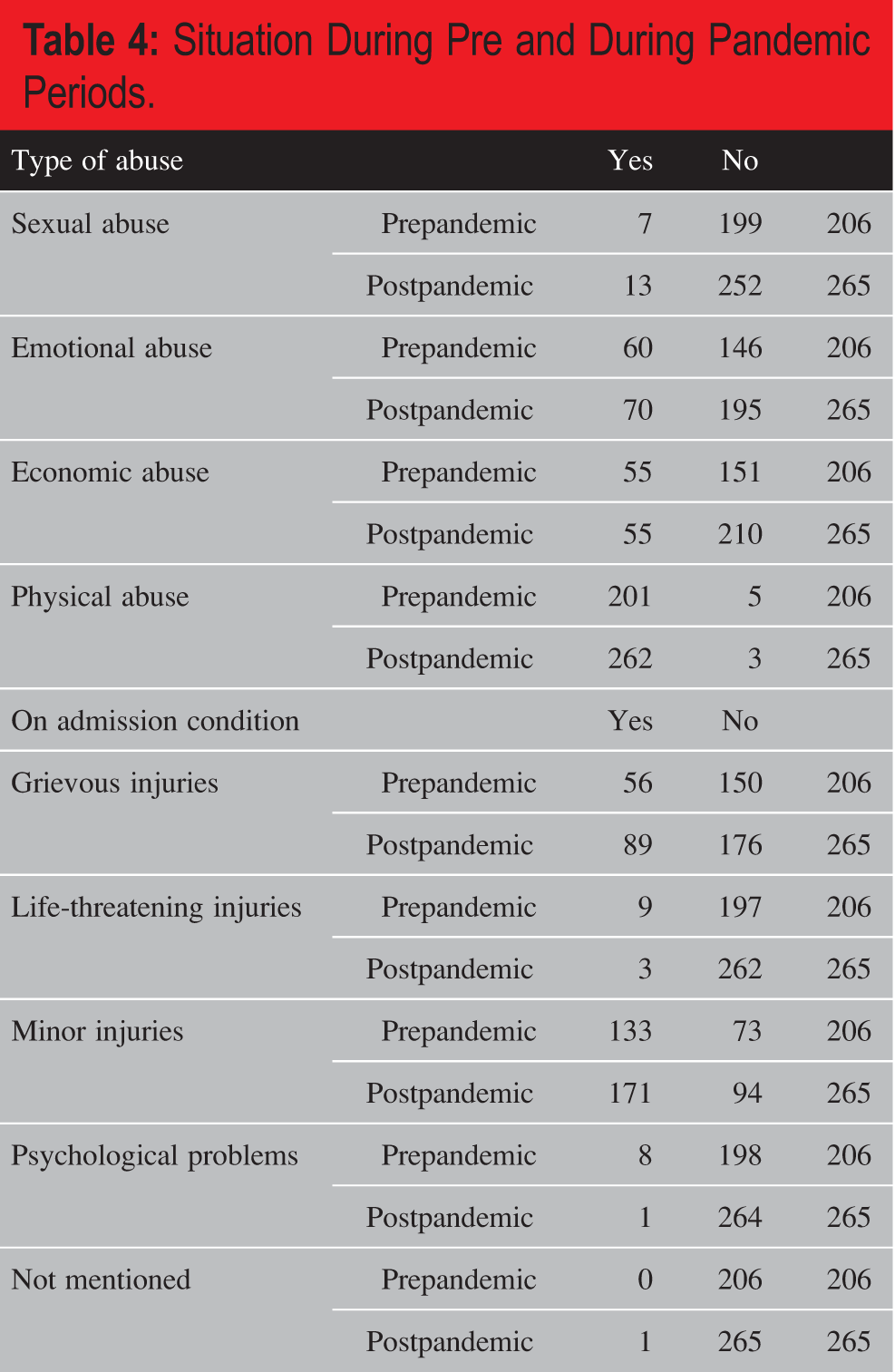
On admission condition of the victims before and after March 2020 was evaluated. Out of 206 victims of prepandemic period, 64.5% had minor injuries, and among the 265 during pandemic victims exactly the same percentage (64.5%) of minor injuries were found. However, 43% were having life-threatening injuries during prepandemic year, while only 11% had life-threatening injuries during pandemic. There were 27% victims with grievous injuries before March 2020, while it was 33.5% during pandemic. There was a statistically significant difference in the pattern, especially regarding severe injuries (p = 0.474).
Total number of perpetrators using various substances of abuse had slightly increased after March 2020 with COVID-19 pandemic. Out of the 206 incidents before March 2020, there were 157 (76%) using one or more of the substances of abuse. After March 2020, there were total of 265 complaints and out of them 215 associated with some sort of substance abuse. The types of substances they used to abuse are shown in Figure 6 . However, pattern of substance abuse did not show much of a difference during pre-COVID and post COVID periods ( Figure 7 ; p = 0.384).
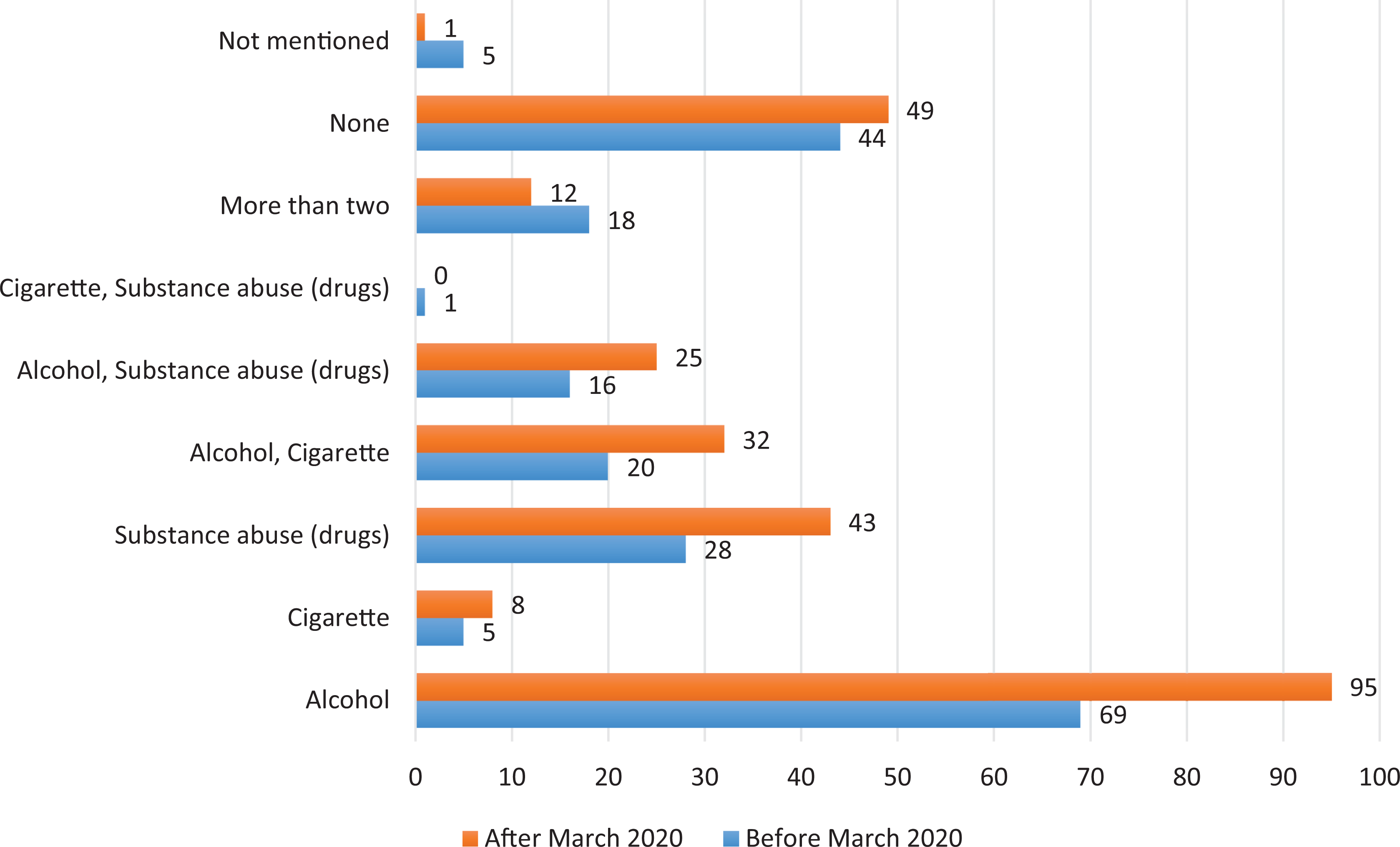
Types of abused substances pre and during pandemic situation.
Of 471 victims, 201 (42.6%) were requested/referred to other specialties and follow-up had been arranged, out of which 75 (37.3%) had come for regular follow-up, 17 (8.5%) were not regular for follow-up, and 106 (52.7%) did not attend to any follow-up. Out of 471 MLEFs, 100 (21.2%) were not containing any details of follow-up.
Discussion
Intimate partner violence is becoming a universal health and social problem among most of the developed and developing nations. Reported cases of IPV are on the rise as there are several on-going awareness programs and NGOs are willing to support affected families (15). Recent studies show that every one in five women have experienced physical or sexual abuse by her intimate partner during her life time in Sri Lanka (6, 16).
We have only seen the tip of the iceberg of the issue in IPV as almost all the studies had been done among the reported cases to health care institutions (17) and majority of the Sri Lankan women do not disclose the truth and tend to live in the abusive relationship forever due to social and cultural issues or sought help from the community rather than reporting to the formal legal system. Even though some of the victims come to hospital with injuries following IPV, they do not disclose the history to the caregiver (5). Even though there are male victims also had been abused by their female partners, majority of the victims (95%) were females. Other studies on the IPVs also revealed the same (18). Studies which had been done in Sri Lanka revealed that both men and women believe that the submission of the female gender is the norm and men have the right to dominate their wives (5, 11).
Most of the victims as well as the assailants were aged between 20 and 39 years, which is also consistent with previous studies done by Vadysinghe et al and Vidanapathirana (8, 19). Majority (83%) of the victims were married and a majority 37% were having a longer/more than 10 years duration of relationship. Majority of the victims (62.5%) as well as the assailants (57.5%) received an education up to secondary level. Even though the role of education in prevention of IPV is identified (20), it appears that the educational program in Sri Lanka is not well planned to fulfil this target. Further, 35% of them were housewives and financially dependent on their abusive partner. Financial instability is identified as a reason that will limit a woman from seeking the choice to live independently, but to come back to the abusive partner (21, 22). It is consistent with the Alzahrani’s study about IPV in Western Saudi Arabia (23).
Out 471 victims, 82.4% had been abused repeatedly, and out of them, 35% had experienced the abuse for more than 6 years, but 42.5% of them have not made any complaint to the police previously. This data too are consistent with previous studies done by Vadysinghe et al and Vidanapathirana (8, 19).
There is definite influence of the cultural norms on this. It is the Asian culture, which forces the victims to live tolerating abusive relationship. As a result, underreporting is a well-known factor (24). Further the study revealed that despite multiple complaints to the police, abuse has continued for many years. There were 88 (19%) victims of whom we found the continuation of abuse for more than 6 years, irrespective of multiple complaints made to the police. This highlights the failure of the response by the law enforcement authorities. The fact that the gender-based violence “is not taken seriously” by Sri Lankan authorities is reported by Amnesty International (25). Further, it is also reported previously complaints regarding sexual or domestic violence are discounted by our law enforcement authorities. During 2009, there had been total of 12 000 domestic violence cases reported, but from 2005 to 2011, 305 total cases had been filed (26). Even the complaints that are surfaced are discouraged by subjecting the victims for further harassment (27). As a result, these victims suffer silently and had lost trust on legal actions. The apathy of the criminal justice system has surfaced in the unnatural female death study of Anuruddhi et al in 2018, where 16% of victims of suicides and homicides reported IPV to the police at least once, while 3% have reported more than once (7). Thus, effective criminal justice system will prevent escalating IPV leading to homicide and suicide.
Similar to Saravanapavanthan’s study (28) in 1982 on wife battering, most of the (98.8%) victims in this study were presented with causing physical injuries either alone or in combinations with other forms of abuse. Even though a majority were containing minor or nongrievous injuries (14), there was a significant proportion, 143 (30.7%) who got admitted with grievous injuries and 12 (2.5%) victims having life-threatening injuries. Among the serious injuries there were 109 with fractures. However, the reported severe injuries in other studies are much less (29). Since the current study is carried out on patients who got admitted with some consequences of abuse, and not on the general public who had experienced IPV, higher percentage of serious injuries is expected. Among the nongrievous injuries, contusions were the commonest type of injury followed by abrasions. In a population based study done in New Zealand, abrasions were commoner than contusions (30). Here again the difference may be due to the difference in study population. In a community-based study, even very small injuries that did not need hospitalization will be includes. Out of 463 victims who were presented with physical injuries, 379 (81.8%) were assaulted with hand. It is similar to previous studies carried out by Vidanapathirana and Saravanapavananthan. Hands, fists, as well as feet are the commonest weapons used in domestic violence according to published literature in other countries as well (31). Majority among the whole group as well as among the group subjected to physical abuse were between the age-group of 30 and 39, while sexual abuse was experiences by much younger people (age 20-29). Young people are much more susceptible to sexual violence in general irrespective of the intimate partner relationship. The same pattern is observed here as well (32).
There were 42 victims who had been subjected to sexual abuse in intimate partner relationship with 52% out of them complaining of forceful vaginal intercourse. Only one victim was complaining of isolated sexual violence while all others had it with combination of other forms of violence. It is in agreement with published literature, where it is found, in a relationship with intimate partner sexual violence is rarely an isolated incident. Often, other forms of abusive behavior including physical and emotional abuse accompanies it (33). Among 471 victims, almost 10% had serious psychological consequences with 36 having suicidal thoughts. Current hospital admission was due to self-poisoning among 12 of them. Intimate partner problems were identified in 26% of all suicide cases in a study done based on data reported to Kentucky Department for Public Health (34). A Sri Lankan study published in 2020 reported a strong association of domestic violence within past 12 months with self-poisoning (35). A multicenter study conducted by WHO revealed that emotional distress, suicidal thoughts, and even attempted suicide were significantly higher among these victims (36).
Commonest predisposing factor for IPV identified in the current study was substance abuse found alone or in combination with other factors followed by financial problems. Morbid jealousy also has contributed significantly as an underlying factor. Further, even though abuse of some form of substance was observed among a majority of the cases with repeated incidents of domestic violence, there was no significant difference with regard to repeated abuse based on involvement of substance abuse. A systematic review of risk factors associated with IPV identifies contextual characteristics of partners, developmental characteristics and behaviors of the partners, and relationship influences and interactional patterns as main risk factors. Here, it was revealed that in contrast to the conventional belief that alcohol abuse has a strong correlation, it was of low level and not found consistently, especially when controlling for other factors. A stronger association of abusable drugs and IPV was identified (37). Involvement of multiple factors was identified in our study and often these factors are interrelated. Especially there is a strong association of substance abuse and financial problems. Further, morbid jealousy is a well-known consequence of abuse of alcohol. Among the substances abused, alcohol was the most frequent (60%), while drugs of abuse were used by 30%. Substance abuse was the number one reason for physical abuse followed by financial problems, while morbid jealousy topped as the underlying reason for sexual abuse.
Face was the commonest target of injuries irrespective of underlying reason for abuse followed by upper limbs. However, isolated facial injuries were much less. Kohombange reported limb injuries much more commonly than facial injuries in his study on IPV (38).
However, the second highest targeted anatomical location was different among the victims based on the underlying reason. Wu et al propose to consider IPV among victims who presented following unwitnessed head, neck, or facial injuries are after a systematic review and meta-analysis (39).
Social consequences of abuse were also multiple and complex. One of the major concerns of the victims was the well-being of their children, especially education; 62% of them had stated that they were abused in front of their children which will lead to a chain of events. An array of age-dependent negative effects is to be expected from our future generations with this exposure. These children may also develop in to similar abusive personalities (40, 41).
Among the victims, 85% had accepted the awareness of the ongoing abuse by others. A study on attitude toward domestic violence by Yamawaki et al found that the blame is mainly on the victim than on the assailant (42). The Women Well-Being Study of Sri Lanka published in 2020 also shows the attitude of females toward accepting violence by the intimate partner is the toleration (46.5% of females agreed the statement a good wife obeys her husband even if she disagrees). Therefore, prevention efforts will be a difficult task. Further, the social stigma silences these unfortunate victims forcing them to suffer and remain in the same abusive relationship.
Daily lives of people in the country have changed due to COVID-19. Majority are suffering from financial problems. Official stay-at-home or lockdown policies have made people to stay indoors and have more time to spend with family members. An increased risk of IPV as a consequence is expected and this is reported worldwide (43). A recent publication from UN population fund (UNFPA) estimates that an additional 31 million cases of IPV could have occurred during the first 6 months of the on-going pandemic (44). In similar crisis situations with previous pandemics, exacerbation of prevalence and severity of sexual and domestic violence is reported (45).
Even though Sri Lanka does not have any official data, hypothetically almost all private sector employees had wage reductions and informal employment sector and self-employees had almost zero income due to the lockdowns during the pandemic situation which could have escalated the prevalence of IPV. Study identifies financial problems as an underlying reason for abuse being second only to substance abuse. Further, majority of the victims were of low income families which further confirm relationship of financial problems with IPV.
Studies show that as COVID-19 cases surge during the early 2020 which has forced us to restrict our movements, the incidents of reported and unreported cases of IPVs also surged as most of the victims were forced to live with the abuser (12). This study also shows that there is a 12% rise of reported cases of IPVs to the JMO’s office of the Colombo North Teaching Hospital compared to the prepandemic period. There is no significant difference regarding the types of abuse between the two periods. Even though the percentage of minor injuries are exactly same during two periods, there is a significant difference of distribution of grievous and life-threatening injuries. However, the number of cases presented with such injuries is less to come to a conclusion. Anecdotal evidence and quantitative data relating to previous pandemics and natural disasters indicate that the prevalence and severity of gender-based violence, particularly sexual and domestic violence, are exacerbated in times of crisis (46).
Conclusion
Intimate partner violence is a public health crisis and the victims are silently suffering for many long years. Nature, consequences, and predisposing factors for IPV are complex and interrelated. The injury pattern of IPV in pre-COVID-19 time and post COVID-19 times though similar there is an increased reporting as well as statistically significant increase number of grievous injuries. Presence of repeated abuse despite multiple complaints made to the law enforcement authorities highlights the failure in the response from authorities. COVID-19 pandemic has become an additional risk factor resulting in significant impact on the increased prevalence of cases. Need for public awareness programs, empowerment of victims, and strengthening the legal and social response are emphasized.
Limitations of the Study
Since this is a retrospective study based on documents, the required data obtained from the history may not be available and the details may not be complete and not reliable.
Footnotes
Availability of Data and Material
No objections in sharing data.
Ethical Approval
Ethical approval was obtained from Ethics Review Committee, Faculty of Medicine, University of Kelaniya, Sri Lanka.
Statement of Human and Animal Rights
No human or animal rights have been violated. No tissues or organs have been retained.
Statement of Informed Consent
Since it was a retrospective analysis of medicolegal forms, consent from the patients were not required. But informed consent was obtained from the medical officers under whose possession the medicolegal forms were. The questionnaire did not include any personal details or details which denotes the identity of the patients. Collected questionnaires were secured as it were stored by the investigators and used only for the research purpose.
Declaration of Conflicting Interests
The authors, reviewers, editors, and publication staff do not report any relevant conflicts of interest.
Financial Disclosure
The authors have indicated that they do not have financial relationships to disclose that are relevant to this manuscript.
