







Abstract
Background:
The growing adoption of diabetes devices has highlighted the need for integrated platforms to consolidate data from various vendors and device types, enhancing the patient experience and treatment. This shift could pave the way for a transition from conventional outpatient diabetes clinics to advanced home monitoring and virtual care methods. Overall, we wished to empower individuals with diabetes and healthcare providers to interpret and utilize information from diabetes devices more effectively.
Methods:
Stenopool integrates most diabetes devices for glucose monitoring and insulin administration in our clinic. The platform was initially developed with inspiration from open-source software, and the current version is a unique digital platform for managing and analyzing diabetes device data. The development process, outcomes, and status are described.
Results:
Since November 2021, Stenopool has been used in our outpatient clinic to integrate over 30 different diabetes devices from around 7000 individuals. Data are primarily uploaded via wired connections, but also using semi-automated and automated cloud-to-cloud data transfers. The platform offers a streamlined workflow for healthcare providers and displays data from various glucose meter, insulin pump, and continuous glucose monitor (CGM) vendors on a single screen in a manner that healthcare providers can modify. A data warehouse with data from Stenopool and electronical health records is nearing completion, preparing the development of tools for population health management, quality assessment, and risk stratification of patients.
Conclusion:
Using Stenopool, we aimed to enhance diabetes device data management, facilitate the future for virtual patient care pathways, and improve outcomes. This article outlines the platform’s development process and challenges.
Introduction
In recent years, diabetes technology has seen significant advancements with rapid growth in the use of continuous glucose monitors (CGMs) and insulin pumps, including automated insulin delivery (AID) systems. These devices have provided numerous benefits to people living with diabetes, healthcare providers, researchers, and tech and pharmaceutical companies. 1
Nevertheless, the management of data from these devices across various technologies and brands often requires multiple platforms for data extraction. Unfortunately, this has hindered the achievement of optimal patient consultations and the development and implementation of brand-agnostic and universally applicable tools for population health management in clinics. From a patient’s perspective, the problem arises from the need to switch between platforms in case of change to a new device brand and subsequently having to learn to navigate through multiple visual interfaces, and sometimes even having to use two platforms simultaneously to access data. 2
From the perspective of healthcare providers, the presence of various platforms demands cumbersome switching between interfaces to access the relevant patient information. This process can be time-consuming and mentally taxing, diverting focus away from the patient during consultations. Moreover, the need to recall various passwords on different platforms adds to the cognitive load experienced by healthcare providers.
At the population level, direct access to relevant and standardized data for the entire patient population within a clinic is crucial for quality assessments and initiatives and for the development and implementation of tools for population health management. The most straightforward solution is to consolidate all relevant data on a single platform.
The Challenge
Our ambition was to have a single system for handling all diabetes device data for optimized patient treatment, patient population management, and research. To ramp up the process, we used an established open-source platform and developed it to comply with local needs and legal requirements. We took an agile approach to the development with frequent iterative development sprints, ensuring that both the clinical and technical staff were closely involved.
During this process, we learned that developing data visualizations for patients and clinicians is just one aspect of establishing a unified platform. Enhancing the upload flow and creating tools for population health management are equally important for successful implementation. In addition, matters concerning tenders and data-processing agreements needs to be addressed, to effectively ensure the transfer of relevant data from all vendor platforms. In this article, we describe the considerations, developments, status, and future perspectives of Stenopool. The overall goal was to enable individuals with diabetes and their healthcare providers to better understand and use the data from diabetes management devices.
The Solution
The Initial Adaption of Tidepool
When we began our project, a single platform that could interface with all the devices used at Steno Diabetes Center Copenhagen did not exist. Glooko and Tidepool have taken on the challenge of creating a unified platform. However, the Glooko platform faces limitations due to the lack of integration with devices from Medtronic and Abbott, which hold a significant share of the international market, with market share in the diabetes devices market being around 30% and an expected sales of up to more than half of CGM prescriptions in 2024, respectively.3,4 In contrast, Tidepool is a non-profit, open-source project primarily focused on delivering a platform designed for clinics that complies with US legislation and does not integrate certain devices that are only used in Europe. As a US-based non-profit organization, they operate under the Internal Revenue Code Section 501(c)(3) and adhere to the Health Insurance Portability and Accountability Act (HIPAA), and they have also received U.S. Food and Drug Administration (FDA) approval.
To tackle this challenge in a European setting, Steno Diabetes Center Copenhagen partnered with Line Systems ApS to develop a new unified platform called Stenopool, based on Tidepool’s open-source platform. To comply with local regulations, the initial task was to install the Tidepool open-source code on cloud-server places in the European Union (EU), to add transaction logs and a single-sign on system.
Streamlining the Upload Flow
Collecting relevant diabetes data is not trivial and is a fundamental prerequisite for its clinical use and telemedical consultations.5,6 Before implementing Stenopool at Steno Diabetes Center Copenhagen, collecting diabetes data faced many challenges: patient upload difficulties, forgotten passwords, cumbersome interfaces, and slow IT systems. This inefficiency burdened our staff and limited telemedical consultations due to poor home-upload options.
Collaborating with Line Systems ApS, we redesigned the Tidepool uploader to improve usability and efficiency. The new system securely and swiftly uploads data using the patient’s device ID, bypassing the need for manual logins. Initially, a patient’s Danish social security number is linked to their device IDs, enabling easy uploads in subsequent visits without staff assistance. We also introduced a home uploader for pre-visit data sharing, utilizing the Danish National System for Authentication (MitID) for authentication. These changes significantly cut technical staff workload and enhanced patient upload processes. The general architecture of the Stenopool system is illustrated in Figure 1.
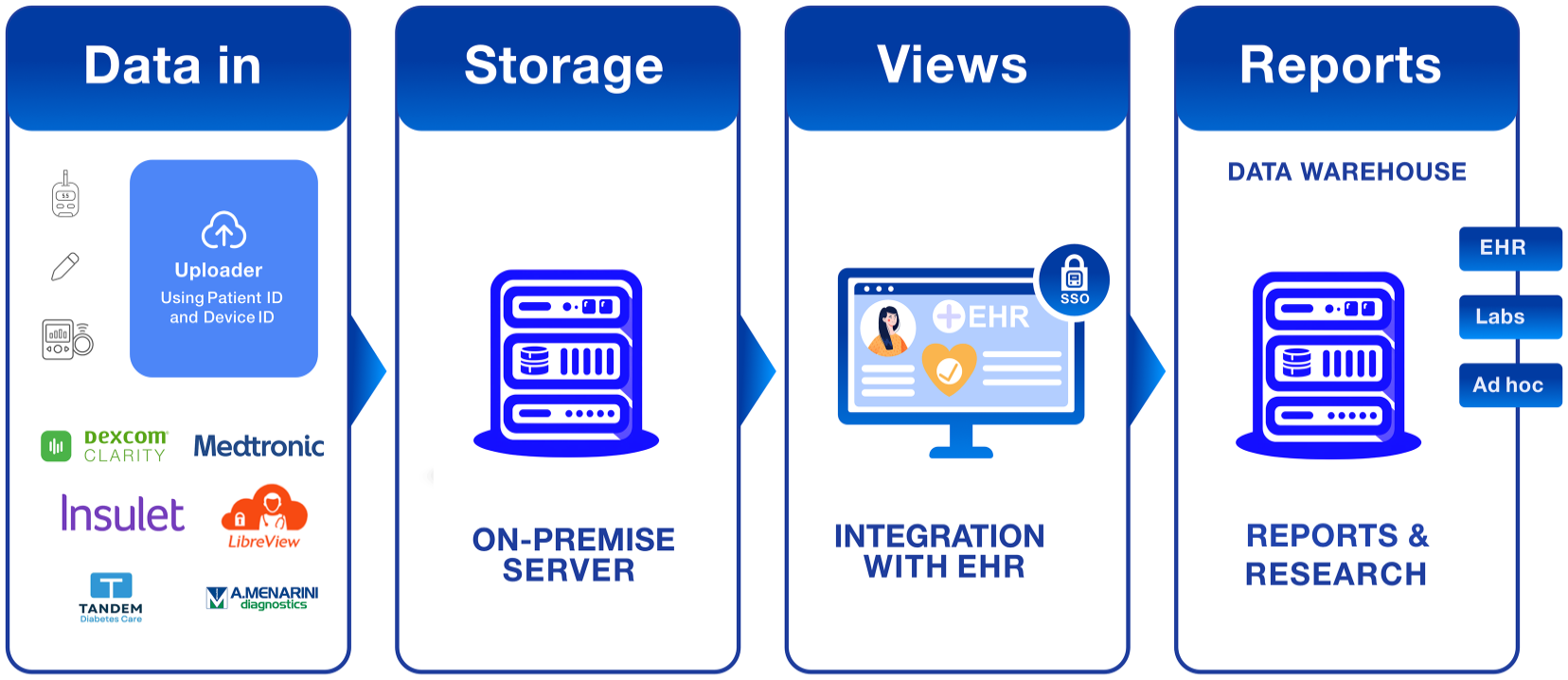
Stenopool architecture. Data from devices like CGMs and insulin pumps are transferred from vendor cloud solutions or by cabled upload from readers, which is then stored on secure servers. The data are visualized on a web portal for use by clinicians and patients. The portal can be integrated with EHR systems. The data warehouse support clinical reports and research, completing the data management cycle from collection to application. The trademarks Dexcom, Medtronic, Insulet, Abbott LibreView, Tandem Diabetes Care, and A. Menarini Diagnostics are the registered trademarks of their respective companies in the United States and other countries.
Access to Data
Utilizing a unified platform for the integration of all diabetes device data presents several benefits. First, we ensured consistent presentation and visualization of the data irrespective of the specific device, consolidating both the glucose and insulin data within a singular view. Clinicians face a significant challenge in the time and effort required to familiarize themselves with distinct platforms, especially when managing patients using devices from various manufacturers, each with its own data-uploading system.
Second, a single sign-on solution greatly improves user satisfaction and workflow by making the login process easy for the healthcare professional, while ensuring security and access control. Third, the process of performing population-level data analysis was greatly simplified by frictionless access to data, greatly facilitating quality assessments and research. These issues are widely recognized, and there are important efforts toward standardization such as the Integration of Continuous Glucose Monitoring Data into the Electronic Health Record (iCoDE) project. 5 An implication of having a single platform is that continuous glucose data will improve the national diabetes registries and help identify gaps in using evidence-based guidelines, monitor treatment patterns and costs, and characterize the users of diabetes devices. 7
Perspectives and a Roadmap for Virtual Care Pathways
At Steno Diabetes Center Copenhagen, strategic data utilization is central to enhancing patient care pathways, emphasizing precision medicine through data-driven identification of optimal devices and treatments. 8 Our aim is to become a data-driven clinic, offering personalized care schedules based on individual needs, moving away from fixed appointment intervals. 9 This transformation relies on integrating comprehensive glucose and insulin data into a unified database alongside our electronic health record (EHR) and other clinical databases, using Stenopool data integrated with Epic’s clinical database in our Data Analysis Platform (DAP). Currently, the Stenopool database holds data from around 7000 unique individuals. During the last 18 months, 4404 individuals have uploaded data, of whom 2065 (46.9%) are women. Of the total, 12.7% are in the pediatric outpatient clinic. The mean age for this population is 42.6 years (SD: ±20.4), and the mean time in range (3.9 mmol/L-10 mmol/L) for the period is 56.8% (SD: ±20.1).
Our approach, moving forward, will include algorithm-based patient prioritization, utilizing data to streamline care plans based on unique diabetes profiles.10,11 This promises more efficient use of resources and improved patient management, and we aim to address key challenges: identifying patients at risk of severe hypoglycemia, assessing the impact of glycemic variability on patient-reported outcomes, tackling consistent hyperglycemia to signal uncontrolled diabetes, investigating nocturnal glucose abnormalities, and managing postprandial glucose spikes. 12 Each of these areas offers opportunities for targeted interventions to enhance care. Comprehensive patient triage, considering glucose metrics and other critical health indicators like blood pressure, lipid profiles, and renal function, alongside psychosocial status, will allow clinicians to prioritize effectively.
Integration With Cloud Solutions
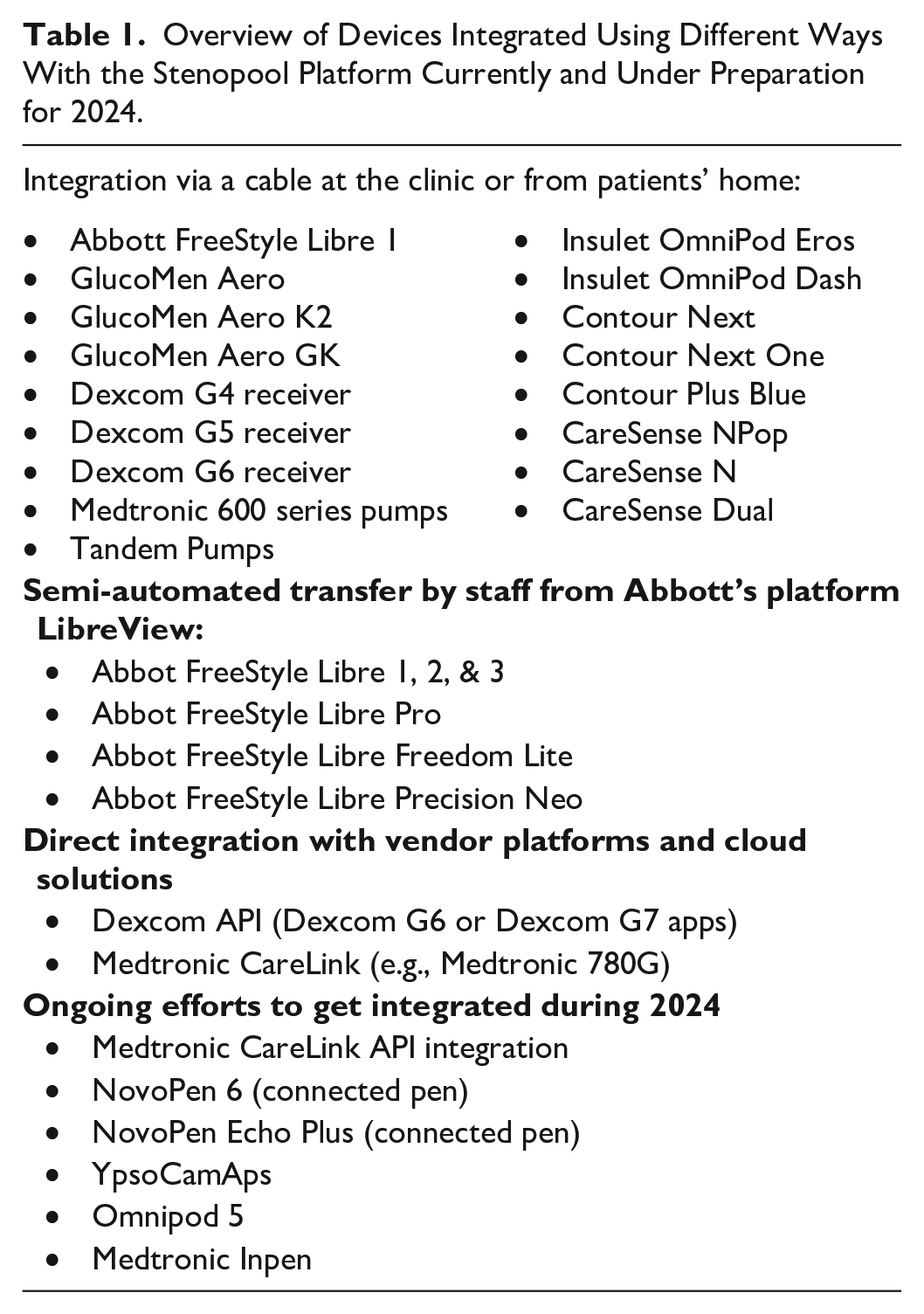
At present, Stenopool interfaces with devices that use cables to upload data, as well as some direct integrations with manufacturers’ cloud platforms (Table 1). There is a growing trend where more devices (CGM and AID) send data to the manufacturers’ cloud platforms through the patient’s smartphone, connecting using, for example, Bluetooth. Making sure patient data are continuously gathered on one platform therefore relies on cloud-to-cloud integrations with manufacturers’ platforms.
Overview of Devices Integrated Using Different Ways With the Stenopool Platform Currently and Under Preparation for 2024.
At first, some suppliers were hesitant to share patient data on their platforms. Some even made it difficult to access data, blocking automated transfers. The reasons for these actions are uncertain, but it seems they want to keep clinicians using their specific platforms.
Denmark has a public healthcare system with free access to diabetes devices if certain conditions are fulfilled—to guarantee Danish healthcare organization’s access to data on these platforms, it is thus essential to establish specific requirements in the forthcoming Danish national tender for insulin pumps and CGMs. In addition, comprehensive data-processing agreements should be incorporated as integral components of these contracts.
These requirements align with the objectives outlined in the new European Union Data Act, which promotes the smooth exchange of data from medical wearables and devices. Notably, the act emphasizes that medical devices should be designed to facilitate easy and direct accessibility of the data they generate to the relevant healthcare organizations. 13
Legal
To comply with the principles of the EU’s General Data Protection Regulation (GDPR) and ensure that healthcare organizations receive the necessary data, several key issues need to be addressed.
First, clear standards must be established to ensure proper data-processing agreements between healthcare organizations and manufacturers. These agreements should not only set standards for the use and secure storage of patient data but also clearly define the role of healthcare organizations as data controllers and manufacturers as data processors. Under GDPR, the data processor must handle the data in accordance with the instructions of the healthcare organization. Second, manufacturers should be required to provide a secure Application Programming Interface (API) for data sharing with the healthcare organization’s EHR to facilitate seamless data sharing. 5
To ensure compliance with the GDPR, the initial task in the development of the Stenopool platform was to address all relevant regulatory issues. 14 To meet these requirements, the Stenopool platform was installed on servers located within the EU at Amazon Web Services (AWS) in Ireland. In addition, a log of all transactions within the system was implemented, and user management was improved by integrating Microsoft Active Directory Federation Services (ADFS) and adding Single Sign-On. Neither feature was part of the original Tidepool system. Data integrity is assured through robust data handling and security measures to prevent unauthorized access and alterations. The hosting of the platform is handled by our IT department that also hosts our EHR from Epic Systems, Verona, WI.
In our hospital setting, the data managed and processed on our servers are under the stewardship of the healthcare institution, akin to data in the hospital’s EHR. Patients have ownership of their personal data managed by third-party vendors as required by the GDPR regulations. At Steno Diabetes Center Copenhagen, patients are asked for their consent when they first register with the clinic for us to collect and handle data from third-party vendors and their platforms.
Integration with the MitID was recently completed and allows patients to access their data securely from home. To foresee future requirements from Danish authorities, the Stenopool platform has recently migrated to Danish on-premises servers to further secure the patient data. This also take care of potential issues with so-called jump servers, essential for securely accessing and managing remote servers that could expose data to external servers outside the EU. This option may be relevant for healthcare organizations in EU member states with a more stringent interpretation of GDPR, which may prohibit the storage of patient data on cloud servers. Data are hosted on-premises at Steno Diabetes Center’s IT department. Hence, no patient data are owned or controlled by the developers of the platform. This is in contrast to the cloud solutions provided by some major vendors.
The Stenopool platform prioritizes cybersecurity by utilizing multiple security layers, encrypting all data, hosting on secure on-premises servers, complying with healthcare regulations, using secure authentication of users and patients, and providing regular cybersecurity training for staff to prevent unauthorized access and protect sensitive patient information.
Finally, to prepare the Stenopool platform for future developments, the company Line Systems ApS achieved CE-marking (“Conformité Européenne”). CE-marking is a crucial certification that demonstrates a product’s compliance with European health, safety, and environmental requirements. For medical software used to analyze diabetes device data, obtaining this mark ensures that the software adheres to stringent standards, ensuring both functionality and safety for users. The Medical Device Regulation (MDR) further elevates the importance of these standards by providing a robust regulatory framework for medical devices in the EU. With advancements in technology and the digitization of health data, software associated with medical devices like those for diabetes now fall under the purview of MDR. This means they undergo rigorous assessment for aspects like data security, user safety, and clinical efficacy. In summary, CE-Marking and adherence to MDR not only validate the reliability and safety of the medical software for diabetes device data but also instill confidence among healthcare professionals and patients in its usage. 15 The platform that Stenopool is based on, Line Portal, is classified as a class 1 medical device under MDR.
Visual Presentation
Diabetes management is evolving, and user interface design is important when assessing and reviewing diabetes data (Figure 2). Therefore, a new visual representation of data is an important cornerstone of our innovation. Early in the development process, we involved a diverse group of healthcare providers, including adult and pediatric endocrinologists, diabetes educators, and diabetes technicians, to meet daily clinical and practical needs. They were continuously presented with design suggestions, mock-ups, and early prototypes for the platform.
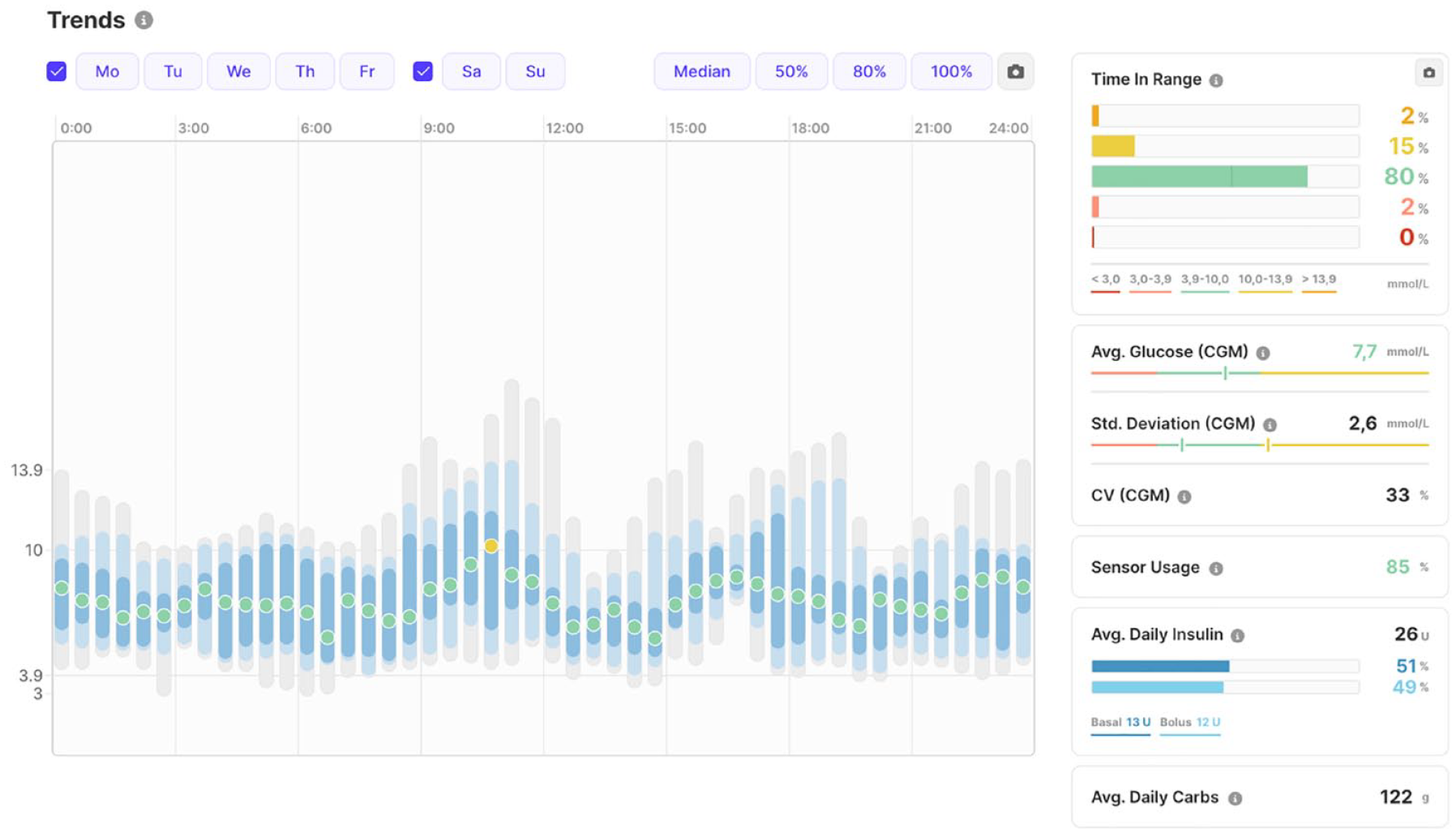
Glucose trends. Screenshot illustrating the glucose trends and time in range (TIR) over the last two weeks, with data from Abbott Freestyle Libre and Insulet OmniPod Dash devices. Interactive elements allow for detailed examination of time in tight range (TITR) metrics upon hovering over specific time points within the range. The view displays all relevant metrics, including glucose levels, average daily insulin doses, carbs, and other pertinent parameters.
To achieve familiarity and ease of navigation, we implemented a standardized look and color scheme across devices. 16 This harmonized design allows clinicians to quickly identify different data elements and make navigating the platform more intuitive. We redesigned the original Tidepool glucose overview feature by including miniature glucose summaries for days in the selected period (Figure 3). This detailed view provides clinicians with comprehensive insights into blood glucose and insulin patterns, thereby enabling more proactive diabetes management. Similarly, we developed a “stacked day” view. This allows clinicians to juxtapose glucose history over multiple days, offering a more coherent perspective on blood glucose trends over time and during different activities (Figure 4). Our enhancement effort also extended adopt presentation the latest device features (such as AIDs), as well as an update to the classic blood glucose log, which was redesigned with a simpler interface. This improved look and feel makes it easier to review glucose readings, thereby encouraging consistent use. We consciously opted for straightforward visual presentations to foster user familiarity. In addition, the platform presents a summary of system integrations and the current configurations of medical devices, such as insulin pump profiles and settings (Figure 5).
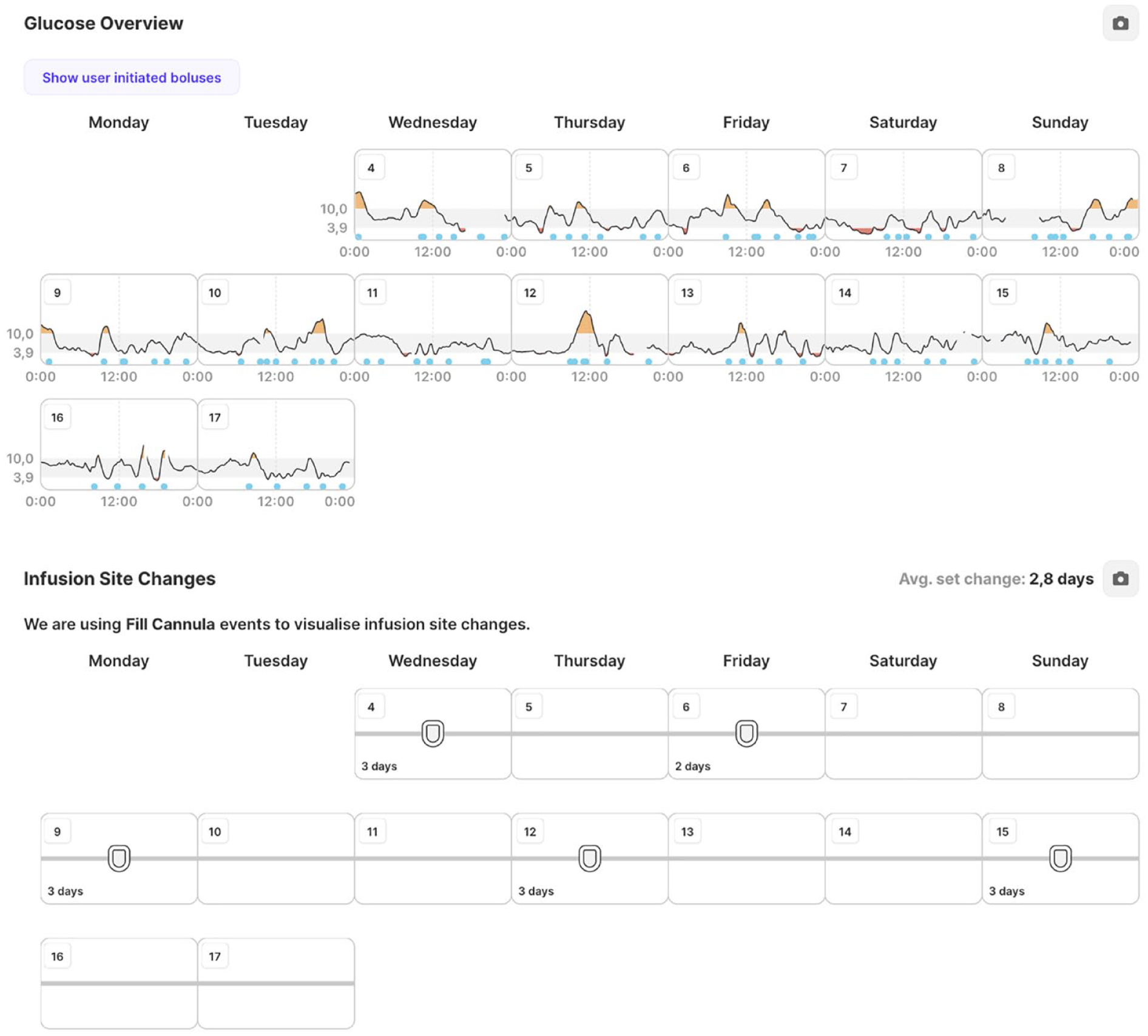
Overview of continuous glucose monitoring (CGM) data across weekdays. This gives a comprehensive view of CGM data for each weekday, highlighting the relationship between insulin boluses and glucose fluctuations. Each day is depicted with clear indications of bolus timing in context with glucose levels. Interactive functionality allows viewers to click on a specific day to access detailed data, as presented in Figure 4. In addition, this figure includes a summary metric showing the mean number of days between changes of the insulin delivery device, offering insights into device usage patterns over the week.
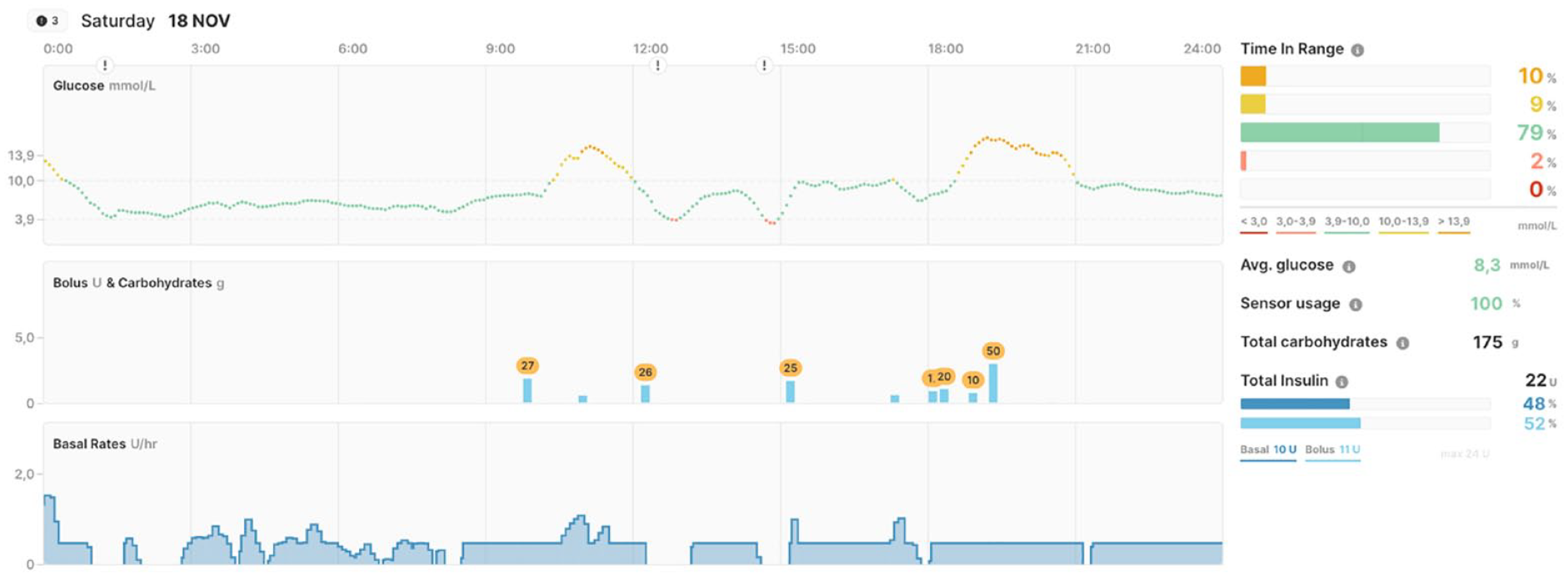
Single-day overview of diabetes management data. This provides a detailed overview of diabetes management for a single day, organized into three distinct sections. The upper part of the figure displays the continuous glucose monitoring (CGM) curve, with markers below indicating the timing and amount of insulin boluses and carbohydrate intake. In the bottom section, basal insulin rates are shown, illustrating the continuous insulin delivery throughout the day. This graphical representation allows for a clear visualization of the interplay between glucose levels, insulin administration, and dietary factors. On the right, a summary panel provides key metrics and data points from the day’s management, including total insulin dosed, carbohydrate consumption, and significant glucose trends or events. This comprehensive layout offers a holistic view of the day’s diabetes management in a concise and easily interpretable format.
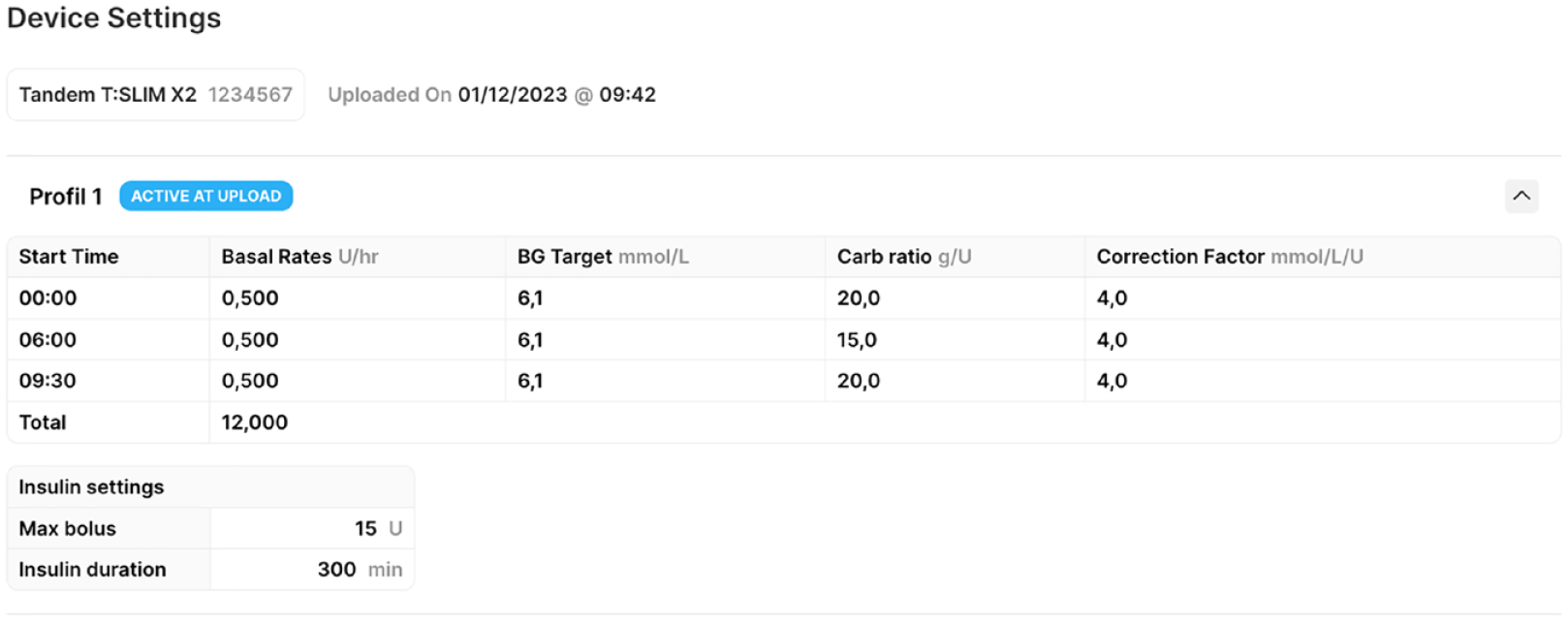
Insulin pump device settings overview. This view provides information on insulin pump device settings. It clearly displays the programmed basal rates for different times of the day, the target blood glucose levels, as well as the carbohydrate ratios and correction factors, which are integral to the insulin delivery process. The figure also indicates the maximum bolus dose and the duration of insulin action. This depiction offers a clear and concise reference to the current settings that govern the pump’s operation, serving as a snapshot for clinicians or patients reviewing the device’s configuration.
To enhance data transparency, we devised tools to facilitate the examination of data origins and uploads. This allows both healthcare providers and patients to scrutinize data, pinpoint discrepancies, and eliminate erroneously uploaded datasets. Finally, the latest version of the platform offers a special view designed for clinical administration. This provides an overview of integrations and upload activities, allowing healthcare professionals to monitor and manage multiple patient data integrations efficiently.
Discussion
The Stenopool platform has set the path for improving care pathways by centralizing diabetes device data, streamlining the workflows, conserving resources, bolstering research, and providing quality assessment capabilities. Built upon Tidepool’s open-source foundation, it has undergone significant enhancements, including a revamped upload module, GDPR-compliant security upgrades, seamless manufacturer platform integration, and on-premise hosting options. Since the launch of Stenopool at the Steno Diabetes Center Copenhagen in 2021, in partnership with Line Systems ApS, we have introduced a plethora of user interface updates, comprehensive device integration, and innovative outpatient reception and home-uploading functionalities. Diabetes data from Clarity and CareLink application were integrated via an API, whereas LibreView data were transferred using a semi-automated procedure. Previously, patients and healthcare providers at the Steno Diabetes Center Copenhagen used multiple platforms to upload data from various devices, including insulin pumps, CGMs, and blood glucose meters. This involved logging into several different manufacturers’ platforms, as well as third-party cross-platform, but with Stenopool, we overcame these obstacles. An overview of the Stenopool development is presented in Table 2.
Overview of the Stenopool Development: Strategic Insights and Solutions for Diabetes Device Data Management Across Key Areas.
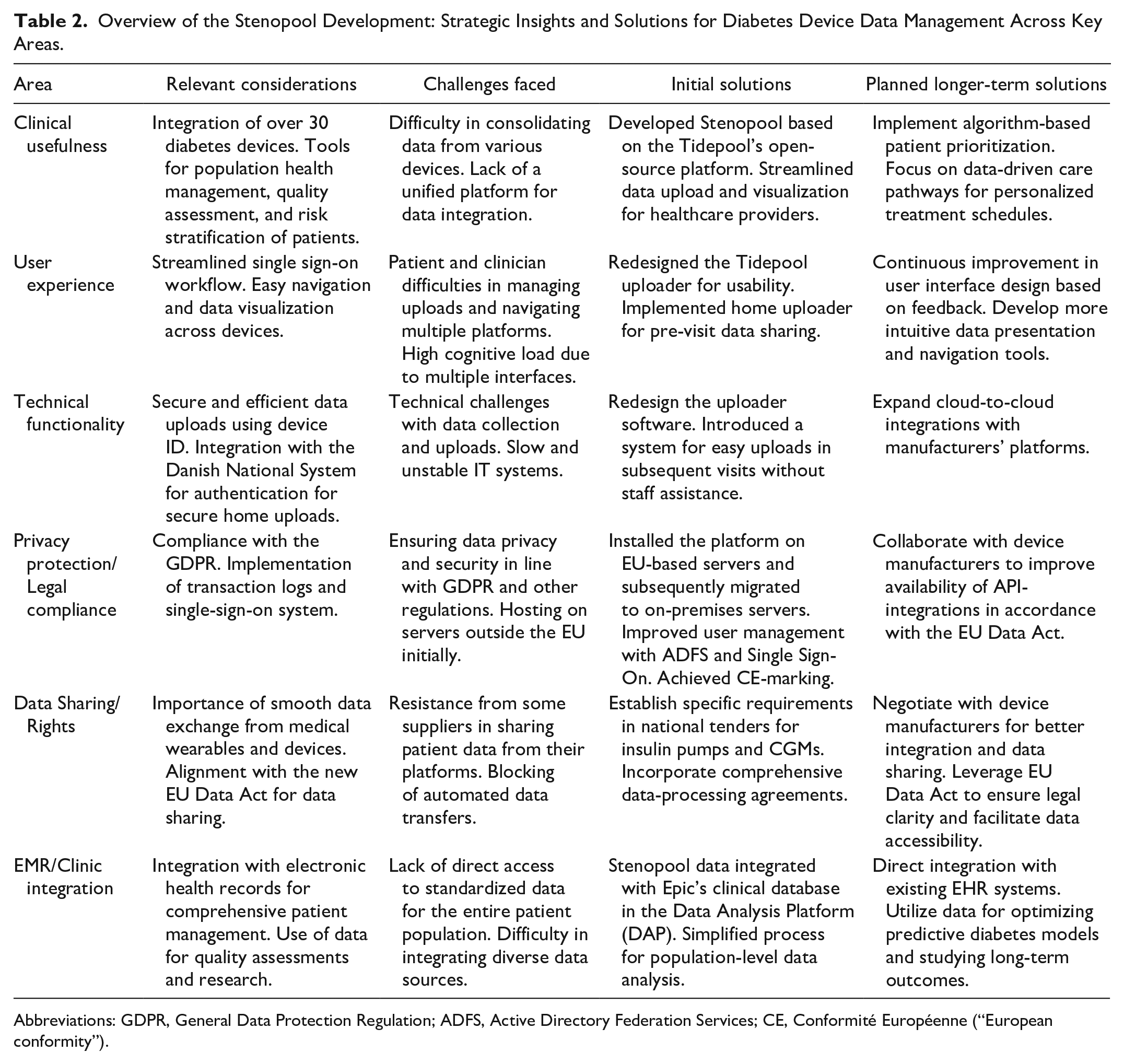
Abbreviations: GDPR, General Data Protection Regulation; ADFS, Active Directory Federation Services; CE, Conformité Européenne (“European conformity”).
Implementation Insights
From Stenopool’s inception, integrating feedback from both technical and clinical staff was deemed essential, fostering a sense of ownership, and ensuring agile development. Quick issue resolution and openness to feedback have been our guiding principles, and innovations such as linking device IDs to user IDs during the first upload, customizing visualizations, and Time-in-tight range have been direct outcomes of this approach. 17
Educating patients and facilitating their engagement is fundamental for improving the patient journey. Patients should not only recognize the platform’s benefits but also be adept at sharing and accessing their data. Addressing any reservations or misconceptions regarding data privacy or device usage is essential.
Research and Future Prospects
Plans for future direct integration with our existing EHR system are paramount, enabling clinicians to seamlessly access historical diabetes data. Combining the data from our EHR system with Stenopool’s data repository offers immense research potential, from optimizing predictive diabetes models using CGM data to studying long-term diabetes-related outcomes. Long-term observational data from CGM in conjunction with EHR data may, in the future, provide comprehensive documentation of the impact of time in ranges and other glucometrics on the development of late diabetes complications. Although the data will be real-world and observational in contrast to the renowned randomized data from the Diabetes Control and Complications Trial (DCCT), we think the Stenopool data can enhance DCCT data which was based on HbA1c measurements alone. 18 Likewise, using Stenopool data and AI has potential in personalized diabetes management, potentially offering predictive insights and decision support through algorithms, enhancing patient engagement and self-management, despite challenges like algorithm bias and the need for a balance between technology and human touch. This approach could revolutionize care by tailoring treatments and providing virtual assistance, while navigating inherent risks and ensuring the personalization of care.2,19
Data-Driven Clinical Evolution
Stenopool represents a significant shift toward data-centric outpatient care, and by consolidating information from various sources, it offers a comprehensive view of patient health and potential to improve the patient care journey. Its seamless integration with existing clinical systems enhances workflow in the daily clinical setting and potentially reduces the frequency of in-person visits.
Prioritizing patient interactions based on data ensures an optimal resource allocation. As the platform’s data repository expands, we anticipate a continuous improvement feedback loop by setting new benchmarks for the patient care pathways. This data-driven approach not only augments the precision of patient care but also transitions from traditional clinical judgment to a more quantifiable, data-informed decision-making process.
Looking ahead, Stenopool is poised to identify patients requiring early intervention, thereby reducing the need for regular physical consultations. The platform can also empower patients by making health metrics accessible and understandable, fostering a proactive approach to their care journey. This collaborative dynamic between the clinician and the patient aims to enhance compliance and strengthen the therapeutic relationship.
Future enhancements such as automated alerts will further guide clinicians and patients toward timely actions. In a broader scope, Stenopool’s approach optimizes resources by focusing on high-risk patients or those needing immediate attention. As more data are accumulated and analyzed, the platform is set to drive evidence-based practices, pushing diabetes clinics to adopt new care paradigms.
Conclusion
The Stenopool platform is a solution that aims to enhance the diabetes care journey using data-driven healthcare. This platform addresses several key challenges in diabetes management, including offering a user-friendly interface for easy viewing and analysis of all diabetes device data by both healthcare providers and patients. The platform’s accessibility enables long-term trend tracking, allowing users to identify significant patterns that can inform treatment adjustments. Integration with EHR systems further amplifies its utility by facilitating data sharing across healthcare networks and streamlining the analytical process. Designed with strong emphasis on data security, the Stenopool platform ensures patient confidentiality and privacy. This platform is a comprehensive and secure solution that can significantly improve the diabetes care pathway by centralizing and intelligently utilizing diabetes device data to set the stage for a more integrated, data-driven approach to patient care.
Footnotes
Acknowledgements
The authors acknowledge Kirsten Piepgras Neergaard for her contribution throughout development of Stenopool and all clinicians for giving continuously feedback on every new iteration of the Stenopool visual reports. A special thanks to Jannet Svensson, Karen Rytter, Merete Bechmann Christensen, and Henrik Ullits Andersen for their engagement in developing the uniformed reporting in Stenopool.
Abbreviations
ADFS, Active Directory Federation Services; AID, automated insulin delivery; API, Application Programming Interface; AWS, Amazon Web Services; CE, Conformité Européenne (“European conformity”); CGM, continuous glucose monitoring; DAP, Data Analysis Platform; DCCT, Diabetes Control and Complications Trial; EHR, electronic health record; EU, European Union; FDA, Food and Drug Administration; GDPR, General Data Protection Regulation; HIPAA, Health Insurance Portability and Accountability Act; iCoDE, Integration of Continuous Glucose Monitoring Data into the Electronic Health Record; MDR, Medical Device Regulation; MitID, Danish National System for Authentication; SSO, single sign-on; TIR, time in range; TITR, time in tight range.
Authors’ Note
The Stenopool platform, in an earlier development stage, was presented at the 2022 International Conference on Advanced Technologies & Treatments for Diabetes (ATTD).
Author Contributions
C.S., A.G., K.N., S.M., and M.T.J. have been involved in developing Stenopool from the very beginning, and for this paper, K.N. conceived the idea of the publication. C.S. wrote the first draft, and all authors edited, reviewed, and approved the final version of the paper.
Declaration of Conflicting Interests
The author(s) declared the following potential conflicts of interest with respect to the research, authorship, and/or publication of this article: S.M. and M.J. are Owners of the startup Line Systems ApS. K.N. owns shares in Novo Nordisk and has been a paid consultant for Novo Nordisk and Medtronic; has received speaker and advisory board honorarium to her institution from Abbott, Medtronic, Novo Nordisk, Insulet, and Convatec, and her institution has received research funding from Zealand Pharma, Novo Nordisk, Medtronic, and Dexcom. All other authors declare no conflicts to disclose.
Funding
The author(s) received no financial support for the research, authorship, and/or publication of this article.
