







Abstract
Zanthoxylum bungeanum Maxim (ZBM) belongs to Rutaceae family and has been used as traditional spice and herb for hundreds of years in China. Accumulating evidence suggests a series of pharmacological effects associated with ZBM. This review aims to provide a systematic analysis of the composition, structural properties, pharmacology, and pharmacokinetics of ZBM. Chemical composition analysis of ZBM showed that the main compositions were volatile oil, amide compounds, flavonoids, alkaloids, coumarins, lignans, and phenylpropanoids. Interestingly, ZBM exhibits a wide range of significant biological activities including anti-inflammatory and analgesic effect, anesthetic effect, neuroprotective effect, antiobesity activity, antineoplastic activity, antibacterial, and other activities. However, there is currently no comprehensive review available on ZBM. Therefore, an up-to-date research was accomplished through systematic searching of multiple electronic databases. In a word, this review summarizes the recent researches investigating the chemical composition and biological properties which will provide a better understanding about the health benefits and preclinical assessment of novel application of ZBM.
Introduction
Zanthoxylum bungeanum Maxim (ZBM) is generally referred to as Huajiao in China, widely distributed around the world.1,2 As a type of deciduous shrubs or small arbor that belongs to the Rutaceae family, its roots, leaves, fruit, and peel including both fresh and dried parts can be used as medicine, 3 treating toothache, cancer, dyspepsia, eczema, and so on.4-6 In the food industry, it is used as a seasoning and characteristic spice with unique tingling taste. 7 The chemical composition of ZBM includes alkaloids, amides, volatile oil, coumarins, lignans, and flavonoids.8-10 Up to now, many scholars have investigated on the extraction, separation, and the physiological activity of ZBM, providing application foundation into the comprehensive utilization of ZBM. However, the material foundation of its therapeutic effect and mechanisms still unclear.
With the Chinese and English words of “Zanthoxylum bungeanum Maxim,” “pharmacological effects effects,” “sanshool,” “ingredients,” “essential oil,” “extraction,” “separation,” “purification.” and “pharmacokinetic” as keywords, we combined and searched the relevant literatures published in PubMed, Web of Science, Google Scholar, Science Direct, Elsevier, and China National Knowledge Internet from 1999 to 2023. Based on a large number of literatures, the objective of this review is to provide a systematic review of the bioactive compounds, biological activities, and pharmacokinetics of ZBM, looking for possible perspectives of its natural bioactive molecules as a function food.
Chemical Constituents
In recent years, the chemical composition of ZBM has been extensively studied by many scholars. So far, about 198 compounds have been isolated and identified from ZBM, including volatile oil, amide compounds, flavonoids, alkaloids, coumarins, lignans, and phenylpropanoids. In this section, all the collated compounds were comprehensively listed in the following figures (Figures 1–13) for detailed type statistics.
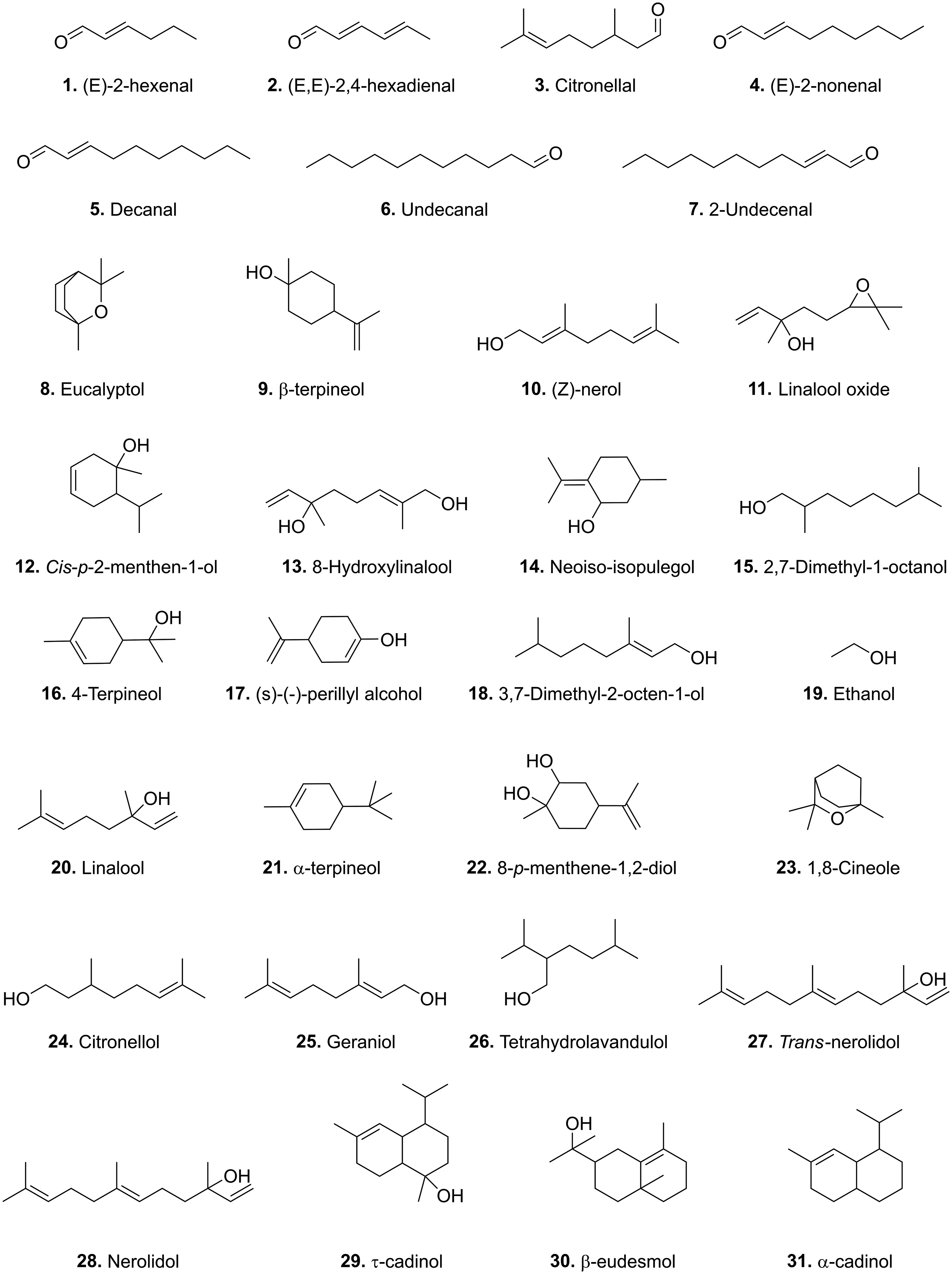
Structures of volatile organic compounds

Structures of volatile organic compounds

Structures of volatile organic compounds
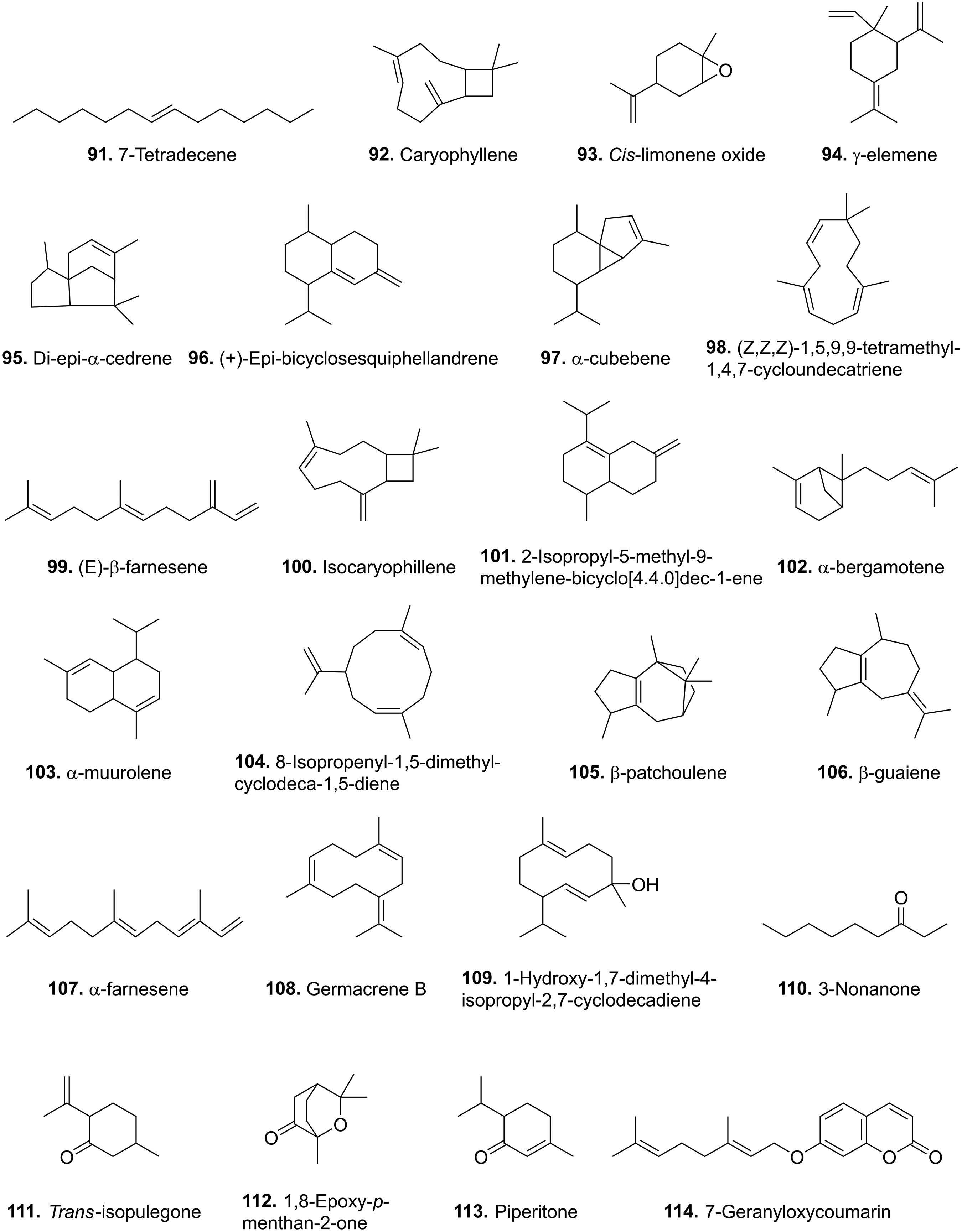
Structures of volatile organic compounds
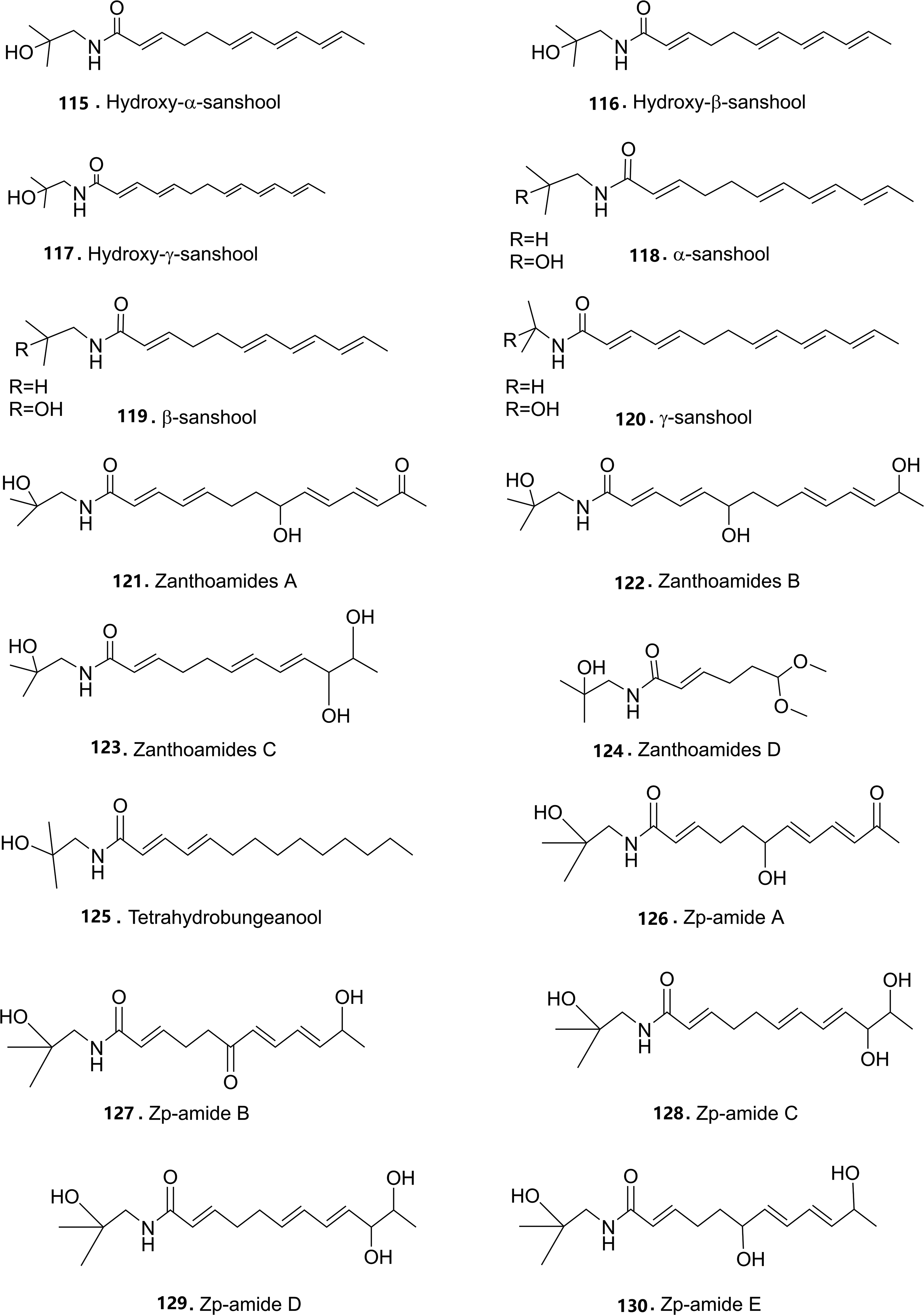
Structures of amide compounds

Structures of amide compounds

Structures of amide compounds

Structures of flavonoids
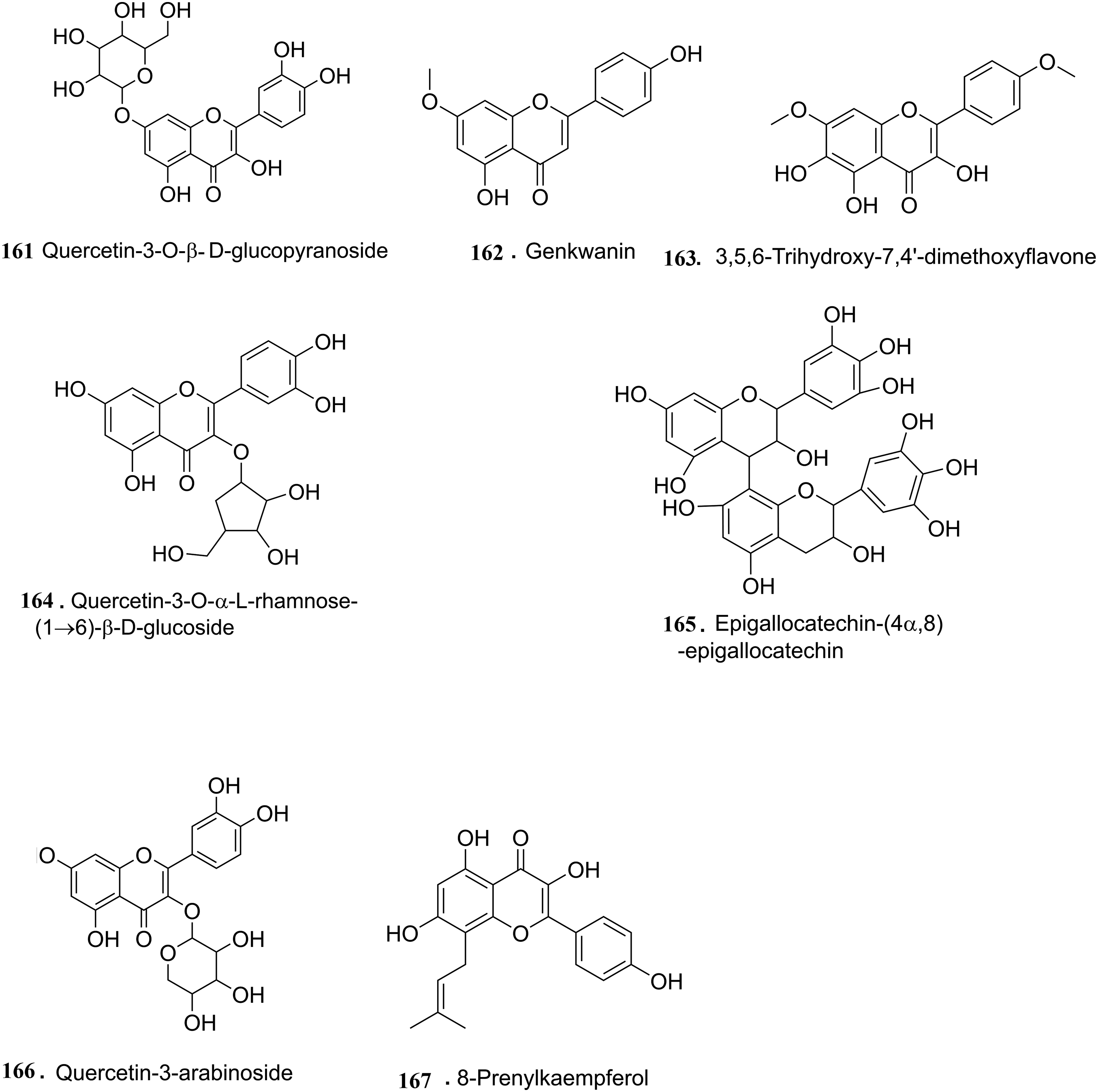
Structures of flavonoids

Structures of alkaloids

Structures of coumarins
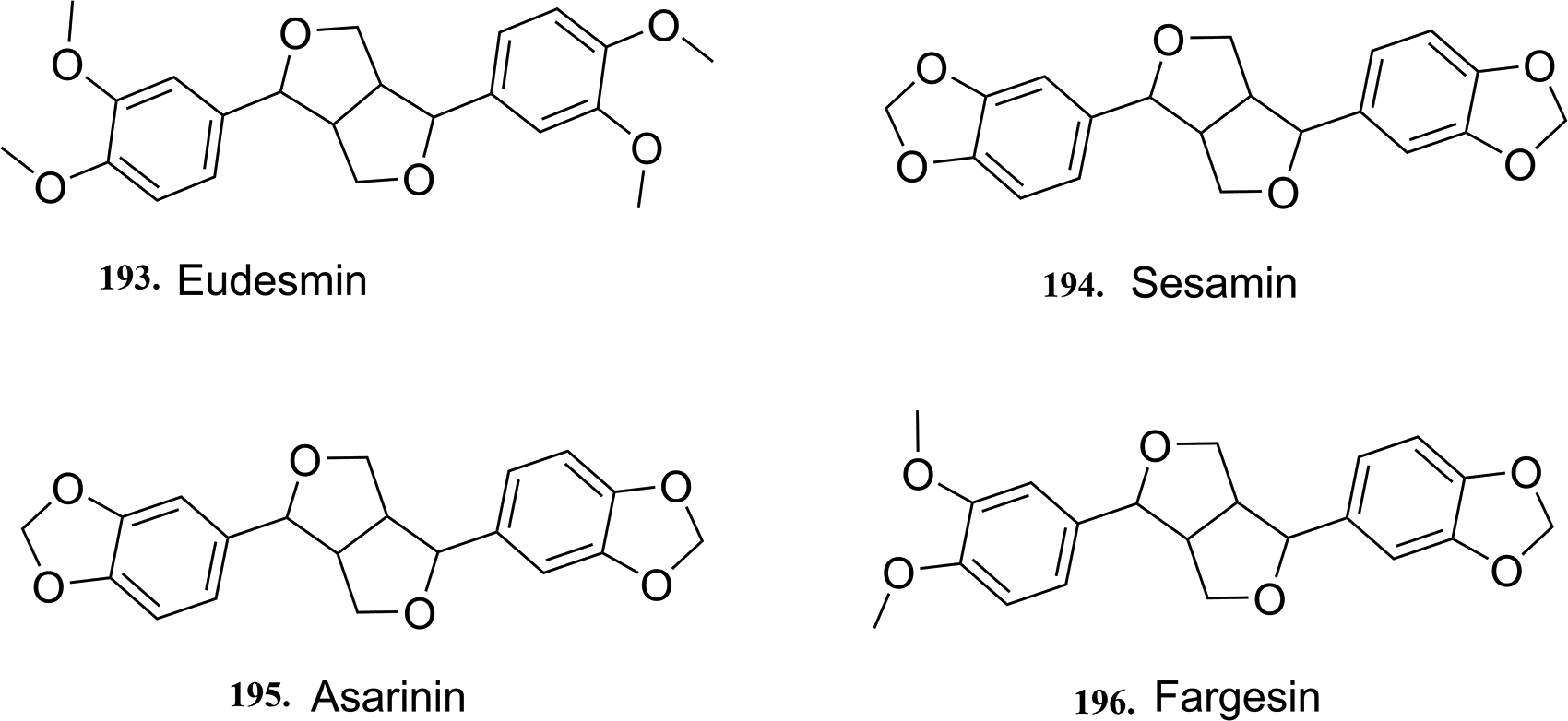
Structures of lignans
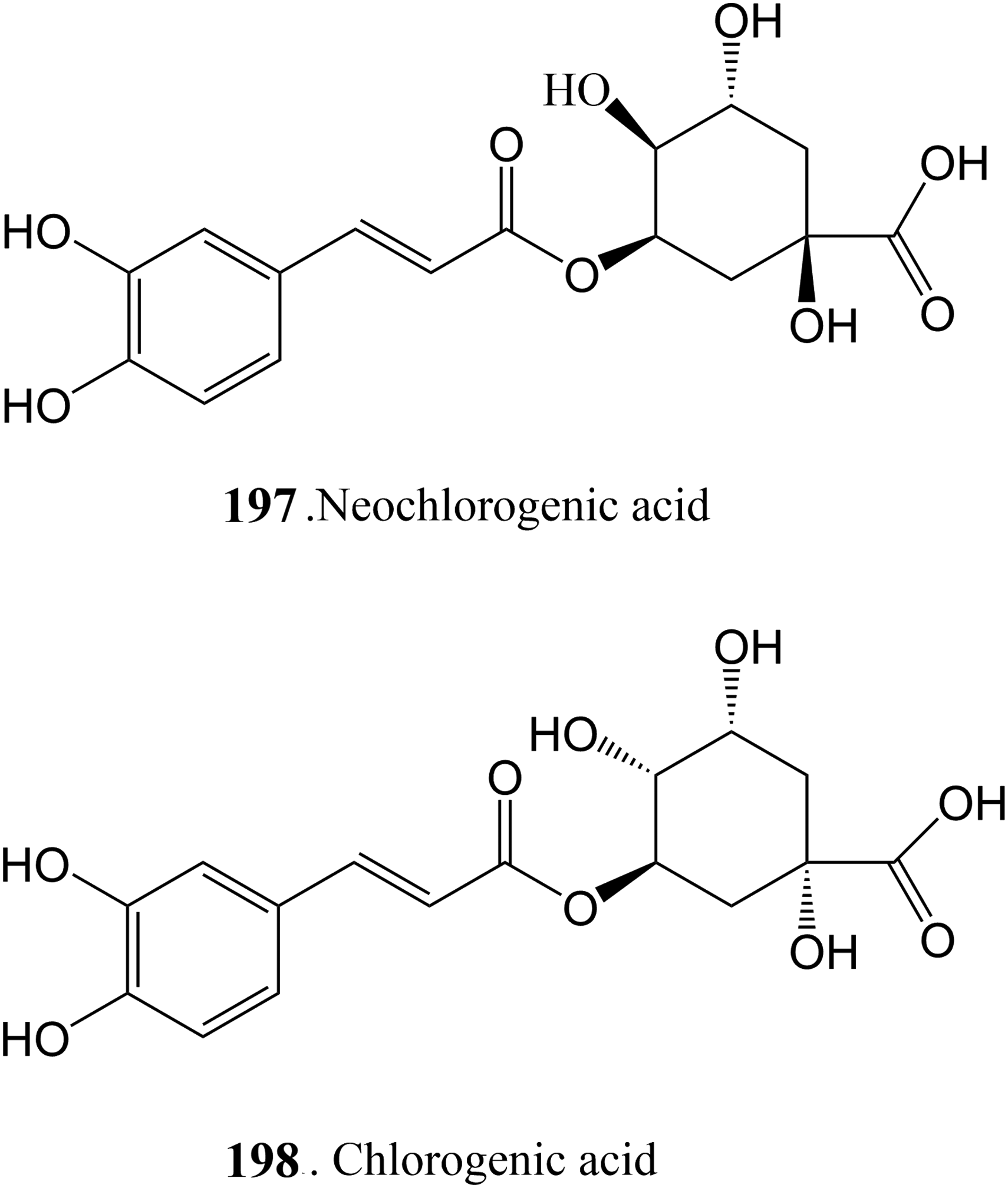
Structures of phenylpropanoids
Volatile Oil
Volatiles are considered to be important factors in determining fruit quality and sensory cues for the nutritional composition of plant products. Due to its unique properties, ZBM peel can facilitate the percutaneous absorption of active components in a prescription, and its function is mainly derived from its essential oil (EO). According to the literature reports, EO extracted from ZBM by hydrodistillation or supercritical fluid CO2 extraction has antimicrobial, antioxidant, and insect repellent and feeding deterrent properties.11,12
Up to now, more than 114 constituents of volatile oil have been identified by gas chromatography-mass spectrometry method, which mainly consisted of high contents of alcohols and olefins (
Amide Compounds
Alkylamides, as the characteristic compounds in ZBM, are a series of long-chain unsaturated fatty acid amides with a strong numbing sensation and unique taste in the mouth. The content of alkylamides is an important index to evaluate the quality of ZBM. Previous studies showed that 34 kinds of alkylamides were found, as shown in Figures 5 to 7, mainly including hydroxy-α-sanshool (HAS) (
Among the alkylamides, HAS, extensively existed in the peel of ZBM fruit, is the ingredient related to the unique tingling, buzzing sensations, and anesthetic properties.15,16 When the human tongue touches HAS (
Flavonoids
As we all know that flavonoids, generally found in many foods and herbs, have many specific effects used as nutraceuticals. 18 Flavonoids are secondary metabolites with strong biological activities produced by plants in the process of long-term ecological adaptation.19,20 The modification of flavonoids, such as glycosylation and methylation, greatly enriched the derivatives varieties and also improved the stability of these substances in plants.21,22 Based on their structural differences, flavonoids are generally divided into 9 main types, including chalcones, flavonoids, flavonols, dihydro-flavonoids, flavanols, flavonoid glycosides, isoflavones, proanthocyanin and anthocyanins.23-25
Zanthoxylum bungeanum Maxim is a flavonoid-rich wild plant. It has been reported that more than 40 different flavonoids have been isolated and identified from ZBM. Figures 8 and 9 present the structures of some common flavonoids in ZBM. Moreover, rutin (
Alkaloids
Alkaloids exist widely in plants, exhibiting various physiological activities such as antirheumatism, anti-inflammatory, analgesic, adiabatic, and antidepressant.27,28 Zanthoxylum species generally contain alkaloids, divided into 4 classes according to their parent nucleus: Quinoline derivatives(I), Isoquinoline derivatives(II), Benzophyridine derivatives(III), and Quinolone derivatives(IV). These alkaloids may exist either in the free-floating state or in the form of quaternary salts.
29
Schinifoline
Coumarins
Coumarins are the lactones of o-hydroxycinnamic acid and have an aromatic smell. The parent nucleus of coumarins include simple coumarins, furan coumarins, and pyran coumarins.
31
Coumarins in ZBM contain bergapten
Lignans
Lignans are mainly clustered by bimolecular phenylpropanoid derivatives. 35 The molecules of lignans contain multiple asymmetric carbon atoms, which are prone to isomerization in the case of acid and alkali. The bioactivity of lignans varies with different structures. 36 Zanthoxylum lignans usually exist in the free state, and very few exist in the form of glycosides. The lignans in ZBM are mostly asarinin (195), eudesmin (193), sesamin (194), fargesin (196), and so on. 37 The lignans in ZBM have anticancer, insecticidal, cathartic, and muscle relaxation effects. 35 The identified compounds are listed, and the corresponding structures are also comprehensively presented (Figure 12).
Phenylpropanoids
Natural ingredients have a class of benzene ring and 3 linear carbon linked together as a unit of compounds, collectively known as phenylpropanoids. So far, neochlorogenic acid
Biological Activities of ZBM
Zanthoxylum bungeanum Maxim, as an important Chinese herb, has a wide range of clinical applications. It has been recognized to possess anti-inflammatory and analgesic effect, anesthetic effect, neuroprotective effect, antiobesity and antidiabetic effect, antineoplastic activity, and antibacterial and antioxidant activities. For the past few years, its pharmacological effects mainly focus on anti-inflammatory, analgesic, and anesthetic effect.
Anti-Inflammatory and Analgesic Effect
It is commonly acknowledged that the anti-inflammatory properties of ZBM, particularly EO, have been extensively reported. Further mechanism analysis showed that the EO of ZBM inhibited inflammation through regulating nuclear factor kappa-B (NF-κB) and peroxisome proliferator-activated receptor (PPAR) γ pathways. 38 In studies, 39 EO extract and dichloromethane extract of ZBM could decrease ear swelling caused by xylene, paw swelling caused by carrageenan, the number of writhing responses induced by acetic acid, and the licking foot time of phase Ⅱ induced by formalin in mice. Western blot results indicated that high doses of EO extract and dichloromethane extract from ZBM could inhibit the expressions of phosphatidylinositol 3-kinase catalytic subunit gamma isoform (PIK3CG), phosphonated NF-κB (p-NF-κB), and phosphonated p38 (p-p38 MAPK) protein. 39 Meanwhile, Ha et al also identified that all 3 doses of volatile oil groups (16, 48, 144 mg/kg) significantly inhibited the writhing and ear swelling in mice (P < .05). 40 Bian et al found that the EO parts of ZBM can resist the increase of writhing body times induced by glacial acetic acid, indicating a significant anti-inflammatory and analgesic activity. 41 Moreover, Zanthoxyli Pericarpium extract may regulate the immune system through PPAR and Th17 cell differentiation signaling pathways to exert its middle-warming and pain-alleviating effect, with hydroxy-sanshool components used as Q-Marker for the effect of ZBM. 42 Signaling pathways involved in anti-inflammatory mechanisms of ZBM are shown in Figure 14.
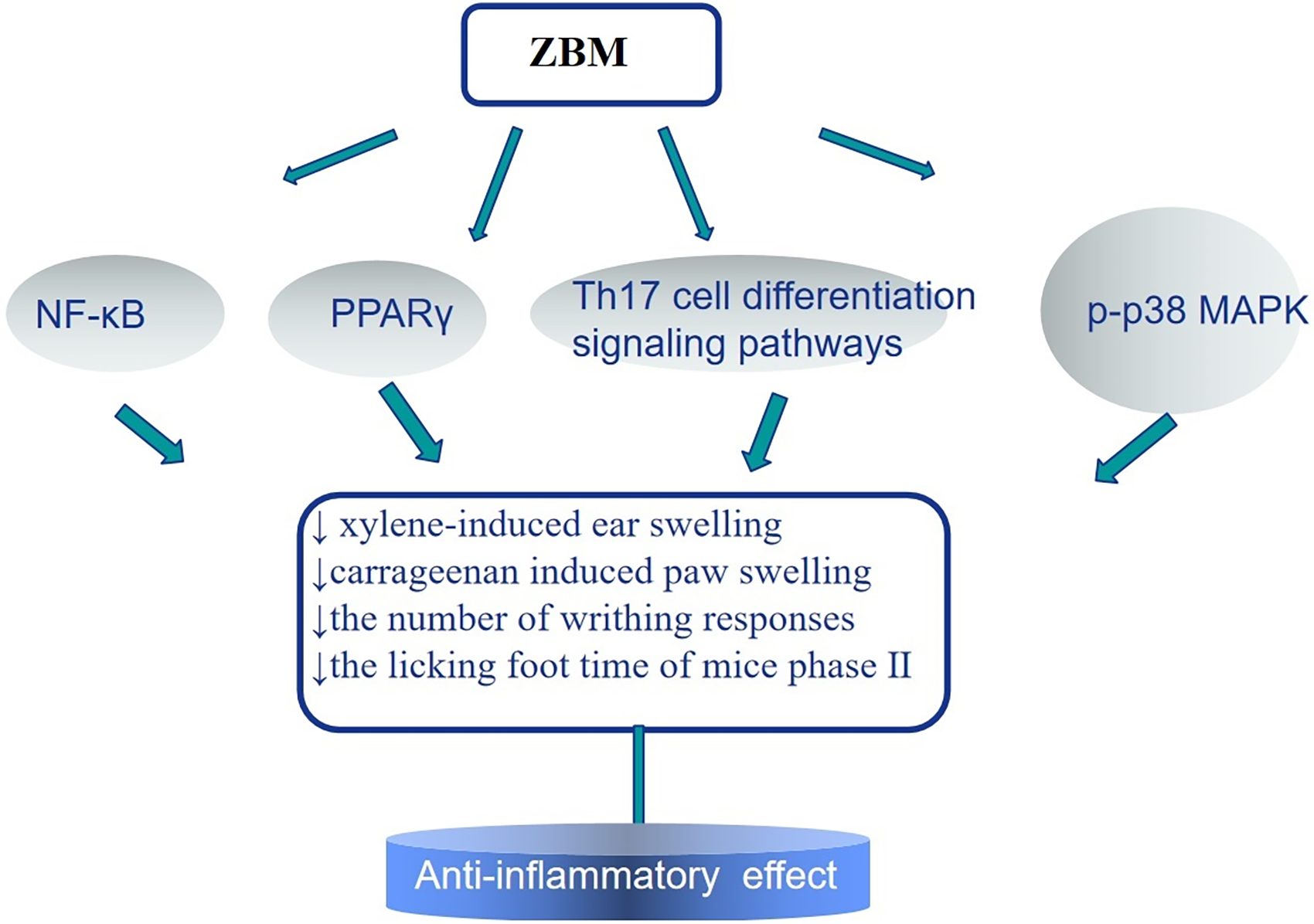
Signaling pathways involved in anti-inflammatory mechanisms of Zanthoxylum bungeanum Maxim (ZBM).
Through the study on the mechanism of ZBM for treating pain, its pain relief function in the practice of traditional medicine was verified with network pharmacology and molecular docking. Amide alkaloids are important substance bases, and ZBM is more suitable for treating inflammatory pain, such as bone fracture, muscle injury, and urgent intestinal contracture. 43 Li et al suggested that ZBM is a “multi-component, multi-target and multi-pathway” synergistic treatment of allergic conjunctivitis, which plays the role of inhibiting inflammatory response and regulating immunity. 44 Zanthoxylum bungeanum Maxim may act on interleukin 6 (IL-6), tumor necrosis factor-alpha, vascular endothelial growth factor, protein kinase B (AKT) 1, and other key targets and regulate inflammatory immune processes through the AGE-RAGE, IL-17, and NF-κB signaling pathway. In addition, Ma et al also showed that ZBM regulates the expression of factors related to IκB-α/IKK-β/NF-κB signaling pathway in stable mast cell degranulation, so as to play a part in the treatment of allergic conjunctivitis. 45
Anesthetic Effect
Zanthoxylum bungeanum Maxim pericarp is rich in numbness flavor produced by long-chain unsaturated alkylamides (115-148), with sanshool(including α-, β-, γ-, and δ-sanshool, and their derivatives) as main active constituents, which cause numbness and analgesia during treatment of toothache.46-48 Li et al 49 found that the extraction site of water reflux has a strong anesthetic effect on the isolated sciatic nerve of mice by altering the amplitude of action potentials. Meanwhile, Bian et al 50 also demonstrated that the ethyl ether extract of different prepared products of ZBM had infiltration anesthetic effect, and the vinegar product has a significantly anesthetic effect, comparable to the positive control lidocaine hydrochloride. Behavioral assays and nerve fiber recordings were used to assess the numbing analgesia effect of HAS (115) by Makoto et al. 51 They investigated that sanshool inhibits Aδ mechanosensory nociceptors and the activity of multiple voltage-gated sodium channel subtypes playing an important role in anesthetic effect.
Shen et al 52 investigated the analgesic activity of Zanthoxylum-made oil for acute injury on the early model of tibiofibular middle segment closed fracture in Sprague-Dawley (SD) rats, with mechanical pain threshold, thermal pain threshold, 5-hydroxytryptamine (5-HT), transient receptor potential vanilloid 1 (TRPV1), and protein kinase D1 (PKD1) as target system. The analgesic mechanism for external application of Zanthoxylum-made oil for acute injury in the treatment of early closed fracture in rats may be through the 5-HT-phospholipase Cβ–protein kinase Cε pathway, which reduces the secretion of 5-HT by platelets and inhibits the gene expression of TRPV1 and PKD1 mRNA in dorsal root nerve nodules.
In addition, psychophysical experiments with regard to tactile frequency perception were used to assess how chemoreceptor events could connect with the tingling somatosensory experience. Hagura et al investigated the tingling sensation in humans to recognize the characteristic temporal frequency and made a contrast with the established selectivity of tactile afferents. 53 It is concluded that the specific reason for its anesthesia is that it plays the role of activating nerve fibers, which are mainly used for tactile afferents.
Effect on the Nervous System
Liu et al
54
conducted experiments of Morris water maze test (MWM) to comprehensively evaluate the effect of HAS
It is reported that Zanthoxylum eliminates depression-like behaviors induced by lipopolysaccharide (LPS) in mice by regulating neuroinflammation in the hippocampus. 57 Tail suspension test, forced swimming test, and sucrose preference test were indicated that Zanthoxylum extract relieved the depressive symptoms induced by LPS in mice. Moreover, treatments of these extract reversed the LPS-induced changes of 5-HT in mice, inhibiting the expression of pro-inflammatory cytokines. A series of researches demonstrated that ZBM hold obvious antidepressant effects.58,59 Modern network pharmacology provided a new design idea and approach for further study about the mechanism of ZBM for treating depression, by analyzing the characteristics of multicomponent, multitarget, and multipathway. 60 These results suggested that the extract of ZBM has the potential to be developed as antidepression drug for the prevention and the therapy of Alzheimer's disease (AD).
Antiobesity and Antidiabetic Effect
A series of pharmacological researches demonstrated that ZBM has antiobesity properties.
61
Some constituents occurring in ZBM, for example, quercetin (
Antiobesity Activity of ZBM and its Main Compounds.

In 2018, Fiaz et al found that the extracts of fruit, bark, and leaf from ZBM indicated significant antidiabetic activity in vitro and in vivo. α-glucosidase (α-Glu) enzyme plays an important role in the degradation of carbohydrates. In an in-vitro research, the extracts from ZBM showed significant suppression of α-Glu enzyme, with percentage inhibition of 83.76 ± 3.01%.
67
deriment, Zanthoxylum extract significantly reduced blood glucose levels in both normal mice and diabetic mice (P < .05) with a dose of 500 mg/kg. In 2021, Zhang also reported that 4 phenols and HAS (
Antiobesity Activity of ZBM and its Main Compounds.

Zhang et al used network pharmacology in conjunction with experimental validation to investigate the potential mechanisms of freeze-dried ZBM powder's beneficial effects in the management of type 2 diabetes mellitus (T2DM). 71 The drug component-target network indicated that 39 differentially expressed overlapping genes were screened as the possible targets of ZBM in T2DM. In vitro experiments further confirmed that ZBM significantly inhibited palmitic acid-induced lipid formation in HepG2 cells, through promoting the phosphatidylinositol-3-kinase (PI3 K)/Akt and the adenosine monophosphate-activated protein kinase expressions in HepG2 cells.
Antineoplastic Activity
In vivo and in vitro experiments indicated that ZBM has an anticancer activity. In a study, the results showed that Zanthoxylum bungeanum seed oil (ZBSO) can significantly inhibit the activities of Hep-2 cells with dose- and time dependency, which facilitated cell apoptosis and suppressed cell proliferation. 72 Further studies showed that the significant reduction of phosphorylation with PI3 K/AKT/mTOR pathway was related to ZBSO-induced autophagy and apoptosis. Moreover, ZBSO demonstrated the selective toxicity on the invasion and proliferation of cancer A375 cells, in comparison with normal human epiderma keratinocyte cells by G1 phase arrest and induction of apoptosis. 7 In a study by Fu et al, 73 the results indicated that all obtained alkaloids from the roots of Zanthoxylum expressed significant antiproliferative activities against diverse human cancer cell lines with IC50 values from 0.85 ± 0.06 to 29.56 ± 0.17 µM, which is equivalent to the positive control (cisplatin) showing IC50 values ranging from 1.58 ± 0.09 to 28.69 ± 0.21 µM. Another experiment investigated that treatment with Zanthoxylum armatum bark (MeZb) restored the altered mRNA and protein expression of Nrf2 and Keap1 in mammary carcinoma-bearing SD rats, certifying the anticancer activity of MeZb and postulating it as a functional food to treat mammary carcinoma. 74 Besides, a report provides evidence that sanshools induced human colorectal cancer cell apoptosis by upregulating P53 and Caspase 8. Cells were exposed to different concentrations (0, 50, 90, or 130 µM) of sanshools to evaluate apoptosis and cell cycle arrest. 75 Sanshools profoundly suppressed growth of HCT-116 cells in dose- and time-dependent manners. The anticancer activity and possible mechanisms of ZBM are shown in Figure 15.
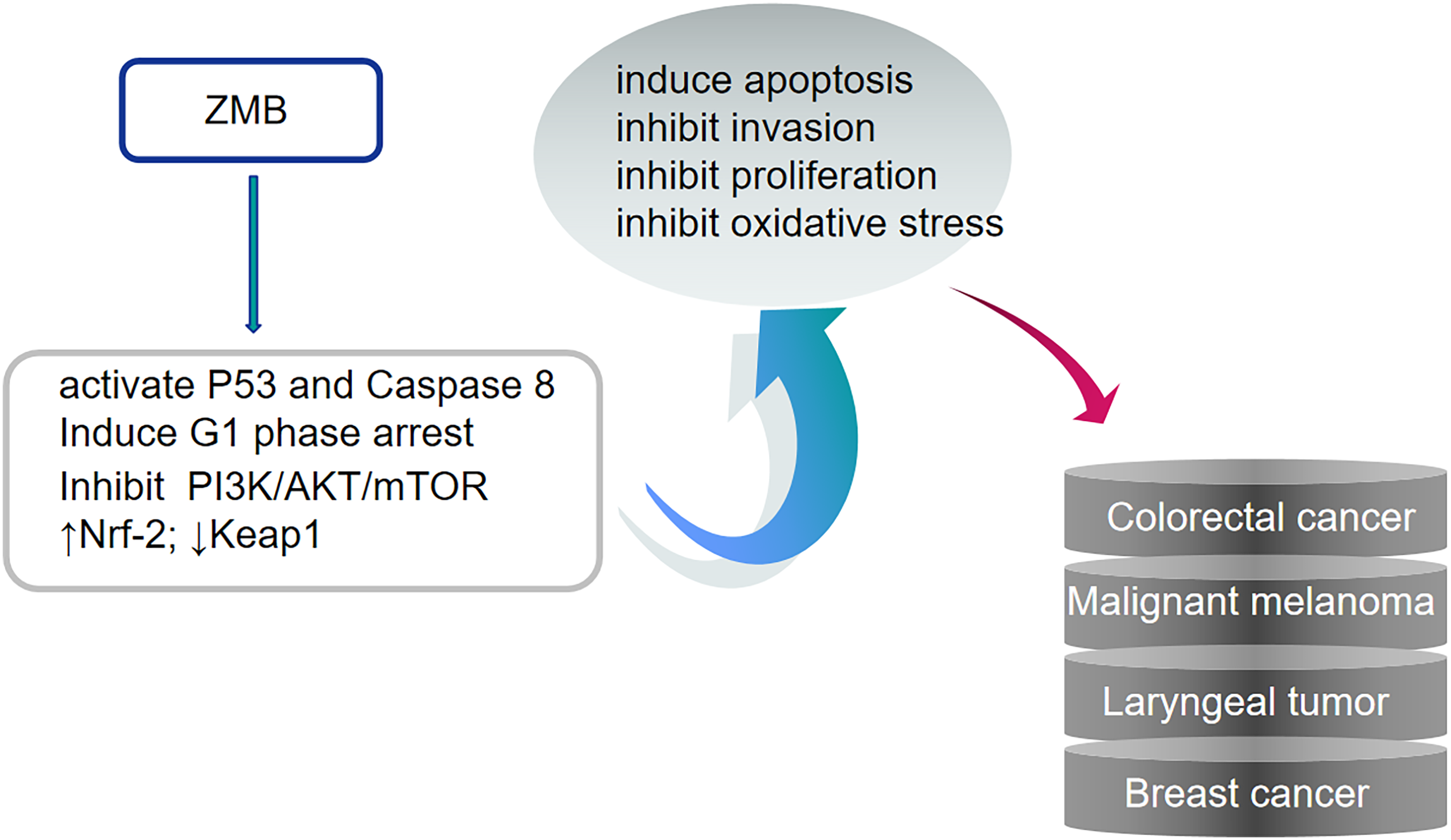
The anticancer activity and possible mechanisms of Zanthoxylum bungeanum Maxim (ZBM).
Antibacterial and Antioxidant
Drug-resistant bacteria have emerged because of the abuse of antibiotics. Natural medicinal plants have a wide range of bacteriostatic effects, with rarely suffering from resistance issues. In 2020, Li et al reported that Z bungeanum peels had significant effective activity against Gram-positive bacteria, including Escherichia coli, Pseudomonas aeruginosa, and Salmonella enteritidis, with minimum inhibitory concentration (MIC) values of 2.5 mg/mL and 5 mg/mL, respectively. 6 Later, a study revealed that ZBSO showed strong antibacterial activity against Aspergillus flavus, with an MIC value of 0.8 µL/mL. 76 Zanthoxylum bungeanum seed oil has attracted significant interest as a potential antibacterial agent and is generally considered safety. Therefore, they have been applied as biopreservatives and widely used as food flavors. 77
The antioxidant activity of ZBM is one of the major reasons for its use. Ma et al reported that most flavanones contents show the highest antioxidant power based on DPPH and β-carotene bleaching assays.
78
Free radicals are one of the most important contributors for many diseases, such as tissue-specific inflammations, thrombosis, and carcinogenesis. Deng et al reported that about 20 compounds such as rutin (
Others
In addition to the abovementioned activities, ZBM also has antiosteoporosis activity, antidiarrheal activity, immunomodulatory activity, therapeutic effects on diseases induced by oxidative stress (DOS), and other activities. Zanthoxylum bungeanum seed oil, as a promising agent for antibone loss, exhibited an inhibitory effect on osteoclastogenesis via suppressing the ERK/c-JUN/NFATc1 pathway and regulating cell cycle arrest through receptor-activator of NF-κB ligand. 82
In a study, experimental result demonstrated that the extracts (fruit, bark, and leaf) of Zanthoxylum have antidiarrheal activity in vivo and spasmolytic effect with feasible mechanism through the blockage of Ca2+ channels. 83 Another experiment investigated that Zanthoxylum therapy improved the viability and inflammatory cytokine production of spleen cells. 84 A series of researchers have found that ZBM possess therapeutic effects on diseases induced by DOS, such as atherosclerosis and diabetes complication. Zhao et al studied the action principle of ZBM in the therapy of DOS by network pharmacology and molecular docking methods. 85
Pharmacokinetics Studies
Pharmacokinetic studies of the active components will clarify their mechanisms of action and improve development of the quality in Chinese medicine. The major ingredients of ZBM are HAS
The plasma concentration of HAS
Conclusions and Future Perspectives
Medicinal plants are widely used in traditional and modern medicine and their associated pharmaceutical systems. Zanthoxylum bungeanum Maxim, especially as a flavoring agent, has been widely used as an ingredient in the food industry. Also, due to its wide range of therapeutic characteristics, ZBM has been utilized as a traditional herbal medicine. This review has provided an overall view about the chemical constituents, pharmacological properties, and pharmacokinetics of ZBM. In recent years, ZBM has been proven to have a variety of pharmacological activities, for instance, anti-inflammatory activity, antiobesity activity, antidiabetic activity, antibacterial activity, analgesic effect, immunomodulatory effects, anesthetic effect, neuroprotective effects, and so on. At present, more than 198 compounds have been isolated. Among them, amide compounds and volatile oil are primary bioactive constituents. However, only compounds absorbed by the body can exert an effect. Consequently, it is important to comprehensively investigate bioactive compounds, serum pharmacology, and serum pharmaco-chemistry characteristics of ZBM in the near future.
Footnotes
Authors’ Contribution
Design of the work: Han Yan, Ting Wang; drawing chemical structure: Fen Zhou; literature review for pharmacological aspects: Han Yan, Ying Liu; literature review for pharmacological aspects: Han Yan; data collection: Han Yan, Jing Wang; analysis and interpretation of the data: Han Yan, Huan Xu; drafting the manuscript: Han Yan, Jingmin Zhang; critical revision of the manuscript: Han Yan, Shujuan Jiang, Daogang Qin.
Declaration of Conflicting Interests
The author(s) declared no potential conflicts of interest with respect to the research, authorship, and/or publication of this article.
Funding
The author(s) disclosed receipt of the following financial support for the research, authorship, and/or publication of this article: This work was supported by Traditional Chinese Medicine Science and Technology Project of Shandong Province (202006010083, 2021Q009). Traditional Chinese Medicine Science and Technology Project of Shandong Province, (grant number 2021Q009).
