







Abstract
Vanilla is a remarkable spice in the agri-food industry. Its production, which is complex, faces various challenges such as manual preparation steps, diseases, and climate fluctuations. Innovative solutions, particularly in biotechnology and micropropagation, are being explored to improve its cultivation and quality. This publication offers a bibliometric analysis of scientific research devoted to vanilla between 1976 and 2024, based on 506 articles indexed in the Web of Science database. This study reveals a notable increase in publications since the 2000s and also a strong specialization of authors and international collaborations dominated by Mexico, France, and the USA which are the most active in this field. Studies mainly focus on five key themes: The first one concerns biotechnological innovations to improve vanilla production. The second focuses on study of plant growth and its potential effects on vanilla quality. The third one deals with main aspects of vanilla cultivation, the analysis of its compounds, as well as the analytical methods used to ensure the quality and naturalness of vanilla extracts. The fourth and fifth are about the development of techniques for better management of vanilla production in the face of diseases that can affect the plants. The fifth theme focuses on the main fungal disease of vanilla, Fusarium. On the other hand, themes such as climate change, socio-ecological approaches or even authentication based on geographical origin remain underrepresented. The study thus highlights the need for more interdisciplinary approaches to ensure the sustainability of the vanilla sector.
1. Introduction
Vanilla is a key product in the food industry, but also in other fields such as cosmetics (perfume, soap…), detergents, chocolate makers, tobacco, industrial ice cream makers, and beverage manufacturers (soft drinks). With its distinctive aromas and important role in many consumer products, it represents a resource of great economic and cultural value for producing countries. The genus Vanilla, which belongs to the large family Orchidaceae, is distinguished by its unique morphology. From a taxonomic point of view, the genus Vanilla is classified within the subfamily Vanilloideae.
1
However, the taxonomy of the genus Vanilla remains complex and often debated, with frequent revisions. There is a tendency to overestimate the number of species, leading to taxonomic inflation. Nonetheless, recent studies based on molecular biology have helped clarify the situation by reducing the number of valid species, notably through the identification of synonymies and the detection of cases of introgression or interspecific hybridization.2,3 But on all these species, only three are used in the food industry: Vanilla planifolia A., Vanilla tahitensis J.W.M. and Vanilla pompona S.
4
(Figure 1). V. planifolia is originated from Mexico but is mainly grown in Indian Ocean countries (such as Madagascar, Comoros or Reunion Island), where it was introduced in the 19th century. V. tahitensis is mainly grown on the Society Islands in French Polynesia, while V. pompona is cultivated in the West Indies
5
but it is mostly found in his wild forms, primarily distributed throughout Central America.6,7 A limited number of countries concentrate the bulk of vanilla production. Madagascar represents with an annual volume of around 3000 tons, 70% of the world’s vanilla production followed by countries such as Indonesia, Papua New Guinea, Mexico or Uganda.2,8 In these different countries, vanilla cultivation varies from traditional agroforestry systems in Mexico to small-scale production systems in the Indian Ocean. The production methods have a significant impact on vanilla quality, production stability, and economic vulnerability. Consequently, vanilla cultivation cannot be viewed solely as an agricultural or industrial activity, but rather as a complex socio-ecological system in which environmental constraints, local expertise, market dynamics, and social organization are closely interconnected. The world’s vanilla production relies on different processing process, from hand pollination of the flowers to the careful preparation of the beans to develop their characteristic aroma profile.9,10 A specific aspect of vanilla research relies on the quality of the aroma of the cured beans. The sensory quality of vanilla beans depends mainly, among other factors, on the origin and the curing process during which chemical changes occur. The vanilla flavor is a complex mixture including acids, ethers, alcohols, acetals, heterocyclics, phenolics, hydrocarbons, esters and carbonyls. Vanillin, p-hydroxybenzaldehyde, p-hydroxybenzoic acid, vanillic acid, guaiacol, and anise alcohol are the most important for the aroma.4,9,11,12 However, vanilla production is increasingly affected by environmental constraints. In fact, climate variability, with rising temperatures and changes in precipitation patterns, have been identified as major factors influencing flowering, yield stability, and overall production sustainability.13,14 Furthermore, vanilla pods are particularly vulnerable to disease caused by species of the genus Fusarium.
15
These problems increase existing vulnerabilities in vanilla-producing regions, particularly in smallholder-based systems. These constraints, combined with a growing demand for natural products, have prompted the scientific community to explore innovative approaches to improve vanilla production and quality.
16
Among current research fields, biotechnology plays a central role in exploring these approaches. In vitro micropropagation and the use of temporary immersion systems have optimized plant multiplication, offering alternatives to traditional propagation. Traditional cultivation, on the other hand, is carried out by cuttings, the quality of the plant material, both phytosanitary and varietal, being decisive for the sustainability of the plantation.
16
Significant progress has also been made in understanding the biosynthetic mechanisms of vanillin,
17
vanilla’s main aromatic component, thanks in particular to metabolomic and proteomic approaches.
18
Currently, in food industry, the issue of authentication is becoming increasingly prominent. Authentication involves not only detecting adulteration but also determining the varietal or geographical origin of food components, as these factors are becoming important commercial arguments. Therefore, it is essential to ensure consistency between the product and the information claimed.
19
This authenticity makes food products more expensive and consumers are generally willing to pay a higher price for them.
20
Vanilla is a flagship product whose market value strongly depends on its origin, naturalness and traceability. Despite the growing importance of sustainability, climate change adaptation and socio-economic resilience concepts in agricultural systems, these dimensions have rarely been addressed in an integrated manner in academic vanilla research. Considering the broad themes that relate to vanilla, a bibliometric study was undertaken in order to provide a framework for understanding how research topics evolved over the years20-22 rather than offering a thematic review focused on a specific research field, for example in the case of vanilla, on biotechnological innovations,
23
viral diseases,
24
or vanilla flavor production methods,
25
to name just a few. In fact, a bibliometric analysis highlighting publication and citation trends appears important for understanding the evolution of the domain, identifying influential researchers or countries, and guiding research policies. This is valuable for researchers aiming to situate their work within the scientific landscape, or industry players looking to justify investments in R&D or define strategic priorities. Different analyses were conducted to provide a deeper understanding of the knowledge structure in vanilla research. These include: (i) thematic evolution over time, showing how research topics emerge, gain prominence, or decline, thus offering insight into shifts in scientific orientations and priorities; (ii) keyword mapping through cluster analysis, representing the network of relationships among the main themes of academic research; and (iii) collaboration networks, mapping links between authors and countries in order to highlight key research actors and international partnerships. This study makes it possible to understand how different disciplines interact. The approach helps identify underexplored areas and emerging priorities by detecting themes that are either declining or, conversely, expanding, thereby serving as a guide for future academic research. Linking these clusters to issues such as sustainability, crop resilience, and product authentication provides a conceptual framework for viewing vanilla research as an evolving socio-ecological and technological system. Vanilla planifolia (A) and Vanilla pompona (B) in bloom and Vanilla tahitensis with its pods (C)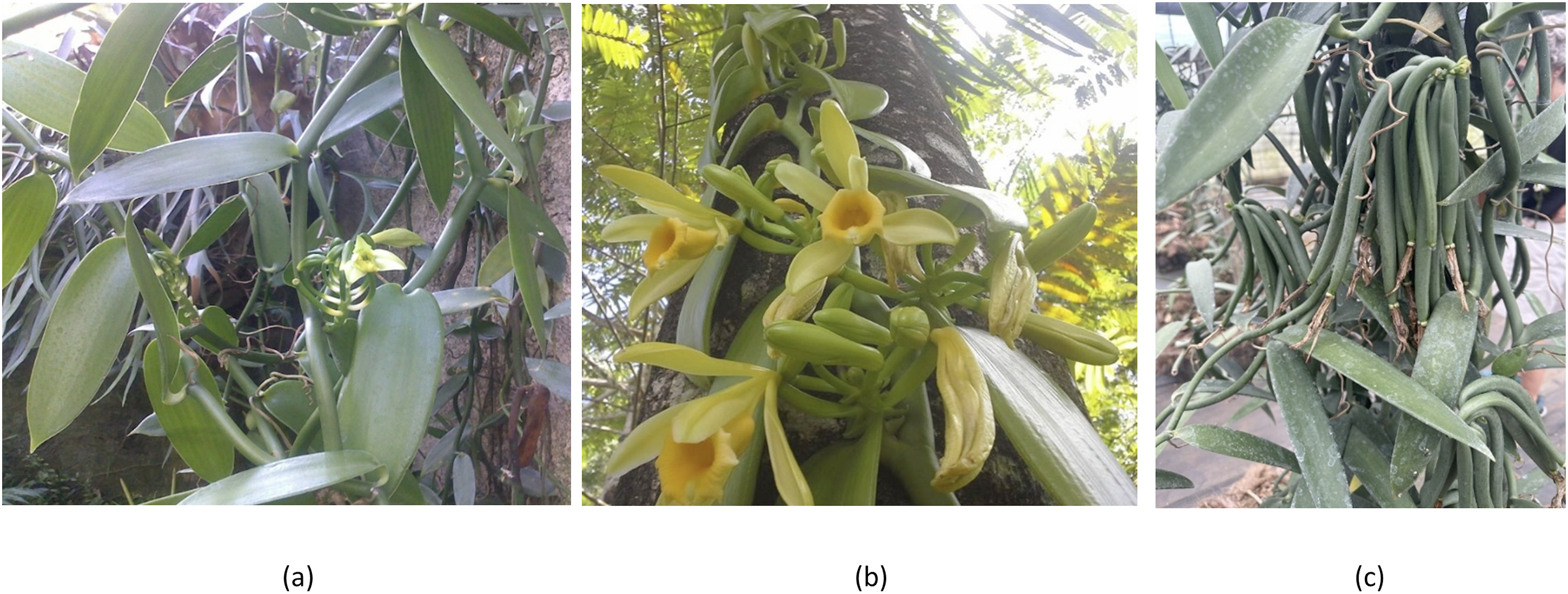
2. Materials and Methods
The dataset was extracted from the Web of Science (WoS) database on November 12, 2024, using a structured Boolean search to capture publications related to Vanilla planifolia, Vanilla tahitensis, and Vanilla pompona. The query combined the following terms in the “Topic” field, which includes the title, abstract, and keywords: (ALL = (Vanilla planifolia)) OR (ALL = (Vanilla tahitensis)) OR (ALL = (Vanilla pompona)) AND ALL = (Vanilla bean* OR Vanilla pod*) in order to consider studies relating to different species of vanilla as well as topics related to the pods. In order to evaluate the dataset, alternative searches were tested using broader or slightly different keywords. These revealed comparable trends, suggesting that the dataset used adequately represents the landscape of vanilla research. Nevertheless, some relevant publications may not be captured due to differences in indexing, spelling variations, or inclusion in non-WoS journals, which is an inherent limitation of the bibliometric approach. Results must therefore be interpreted with this context in mind.
The search was limited to studies published between 1976, because articles began to be digitized in the WoS from this date, and 2024, resulting in 506 publications. To analyze the results presented in this article, indicators that are widely accepted by the scientific community were used, as well as journal citation reports from Clarivate Analytics. The two indicators used to assess the reputation of journals are the Impact Factor (IF) and Quartiles (Q). The Impact Factor of a journal represents the average number of citations received by its articles relatively to the number of articles published, typically calculated over a two-year period; the higher the IF, the more prestigious the journal is considered. Quartiles (Q) classify scientific journals into four groups (Q1 to Q4) and help assess the quality or prestige of a journal within its thematic field. For example, a Q1 rating indicates high prestige, whereas Q3 is considered less notable. These indicators were retrieved from the InCites Journal Citation Reports (Clarivate Analytics). Full citation records were exported for analysis using the Matheo Analyzer® software 26 which is used to analyze, visualize and interpret scientific data from academic publications. Bibliometric indicators were then calculated, including the number of publications per year, the most prolific authors, country contributions, and leading journals. These metrics allow visualization of research trends and identification of key actors in the vanilla research field. While informative, they provide indirect measures of scientific influence and do not fully capture the practical relevance or quality of individual studies. In order to identify thematic structures, a co-occurrence analysis of keywords was performed using the K-means classification algorithm, with 15 iterations until the cluster centroids stabilized. The indicators used included form frequency (FF), representing the number of publications in which a keyword appears; pair frequency (PF), corresponding to the number of co-occurrences between a keyword and a cluster; and connectivity (Co), representing the number of other keywords related to a given keyword. This approach made it possible to identify the main thematic clusters and their relationships. The advantages of the clustering approach include the detection of emerging themes, the visualization of connections between research concepts, and the mapping of domain structure. Its limitations include the arbitrary choice of the number of clusters, the exclusion of highly frequent terms (including those used in the search query), and the emphasis on quantitative co-occurrence patterns rather than a qualitative assessment of scientific content. Additional analyses were conducted to identify the most cited publications, the most prolific authors, and the leading journals, providing further insight into the impact and visibility of research. It should be noted that citation metrics are indirect measures of scientific influence and may be affected by language, publication accessibility, or self-citation practices. This bibliometric study can provide initial strategic guidance for future research, although the results should be interpreted with caution due to the limitations of the database used to extract the articles analyzed. Results from other databases could not be merged due to differences in citation collection methods, incompatible with processing by Matheo Analyzer® software.
3. Results and Discussion
3.1. Years and Topics of Publication
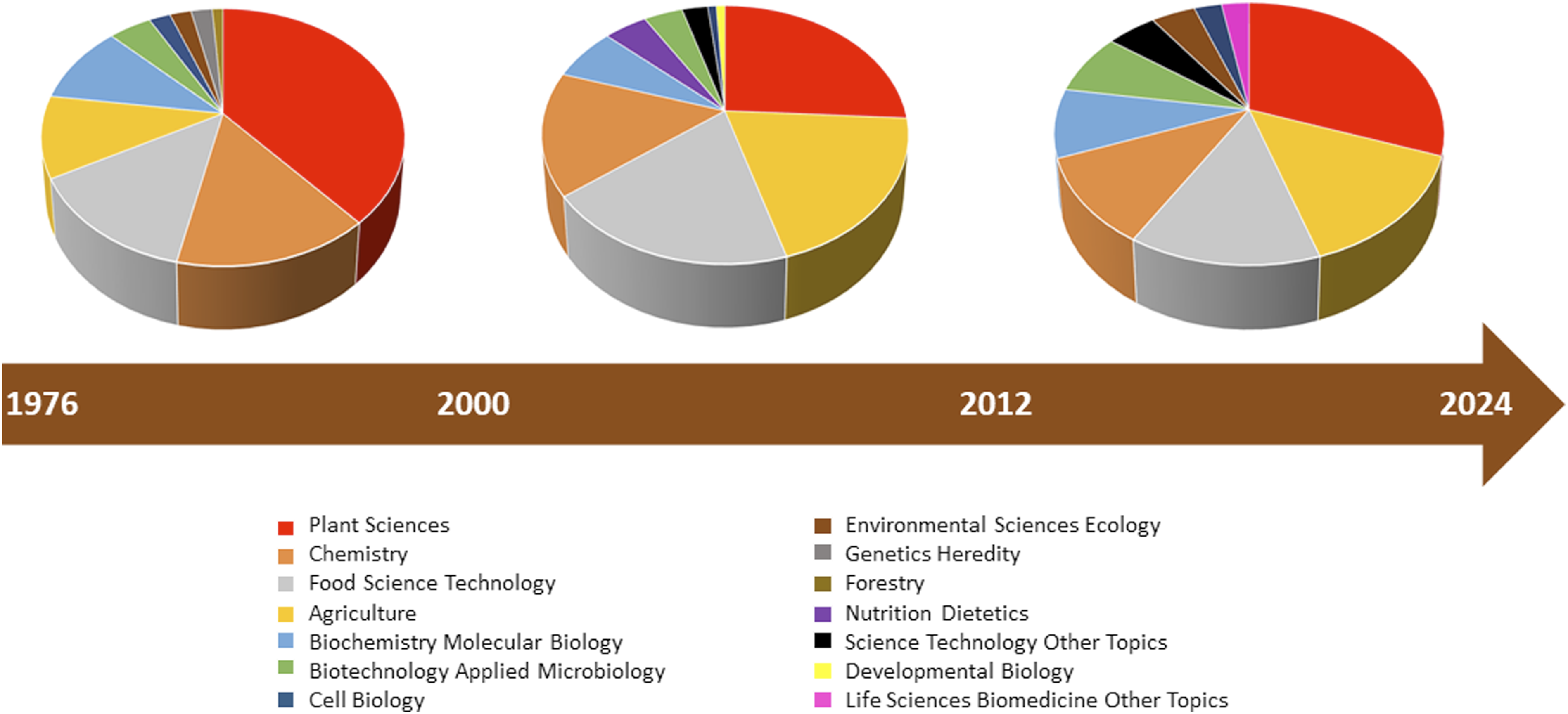
The distribution of the 506 articles on vanilla studies by year, from 1976 to 2024, is illustrated in Figure 2. Few articles were published before the 1990s, which could be explained by the fact that vanilla was not a widely studied topic at the time, or that some articles may not have been digitized. Starting in 1990, a low average of five publications per year indicates limited interest in the subject from the scientific community. A sharp increase in published articles is observed between 2006 and 2011, followed by a period of stagnation until 2016, then another rise beginning in 2017. This increase since 2006 can be attributed to a political and economic crisis affecting the global vanilla industry in Madagascar. This crisis led to a significant drop in the price of Madagascar vanilla, as well as that of other competing vanilla-producing countries.27,28 As a result, companies and the scientific community have become more interested in studying vanilla production and quality, as well as the various processes involved in developing the beans. For the period 1976-2024, the main areas of research have not changed significantly. Figure 3 describes the main areas using three pie charts corresponding to different time phases: the first phase before the 2000s (59 publications), the second phase from the 2000s and during the economic crisis (152 publications), and finally the last phase after the economic crisis (295 publications). The 5 main themes do not change over time and a gradual increase in the number of publications over time is observed. The field most represented through the three periods is «Plant Sciences» (217 publications), highlighting the importance given to aspects related to the biology and cultivation of vanilla. The following areas are «Agriculture» (112 publications) and «Food Science and Technology» (109 publications), which reflects the growing interest in agronomic issues and industrial applications of vanilla in the agri-food sector. The themes “Chemistry” (93 publications) and “Biochemistry and molecular biology” (57 publications) also occupy an important place, related to the analysis of aromatic compounds, biosynthetic mechanisms and transformation processes. Other domains such as “Biotechnology and Applied Microbiology” (42 publications) and “Cell Biology” (14 publications) complete the list of the main research areas represented across the three periods. Two research themes appear in only two periods: “Science and Technology – Other Topics” (24 publications) and “Environmental Sciences and Ecology” (21 publications), the latter showing increasing interest during the third period since the end of the economic crisis. In contrast, fields such as “Nutrition and Dietetics” (10 publications), “Genetics and Heredity” (2 publications), “Forestry” (1 publication), “Developmental Biology” (2 publications), and “Life Sciences and Biomedicine – Other Topics” (10 publications) remain underrepresented and appear in only one time phase, even though they constitute important complementary areas of research. Overall, this distribution highlights the diversity of academic approaches to the study of vanilla and suggests that certain areas that have yet to be fully explored could offer promising prospects for future research. Number of publications per year from 1976 to 2024 Number of publications by research topic according to three time periods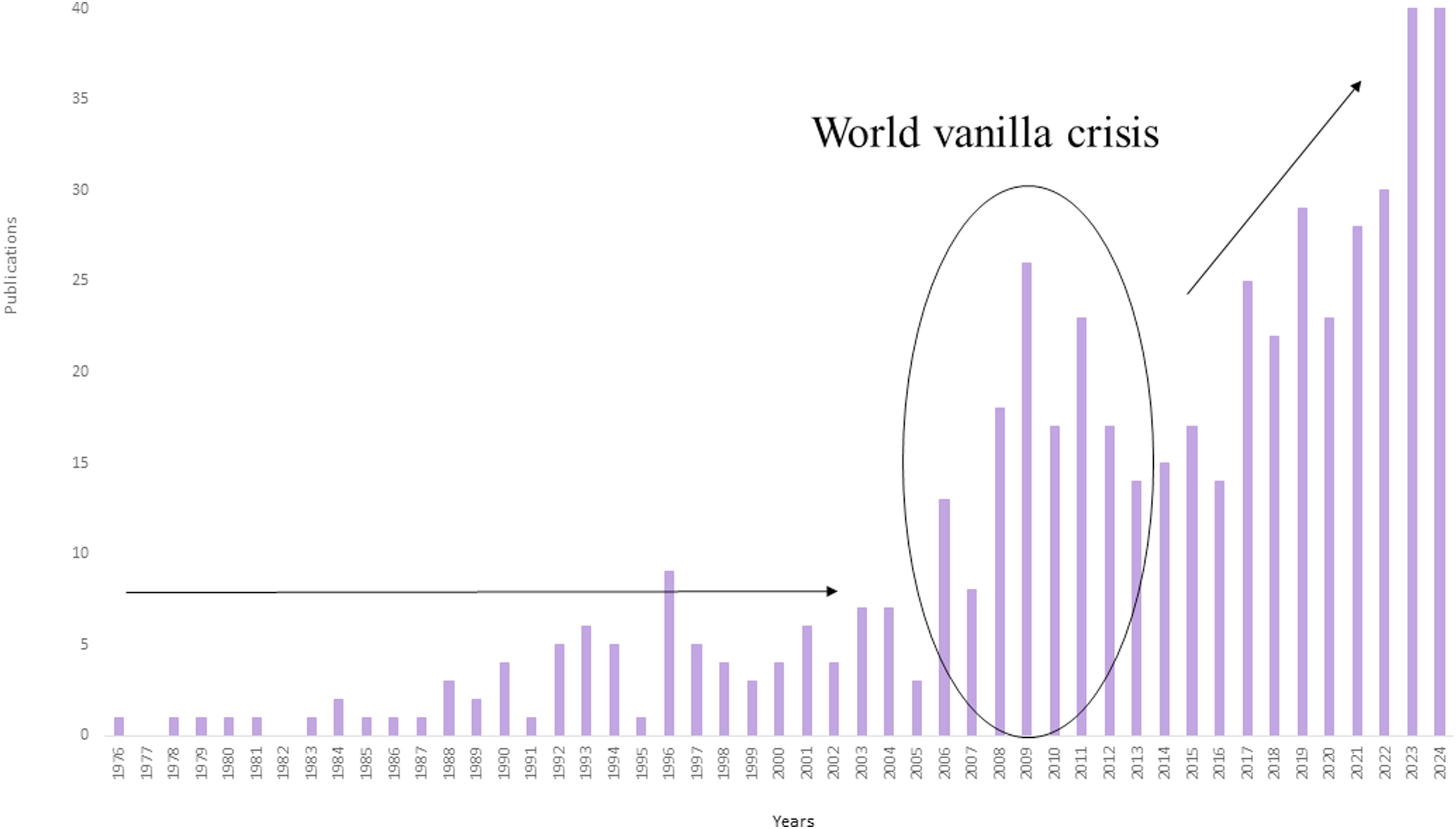
3.2. Main Journals
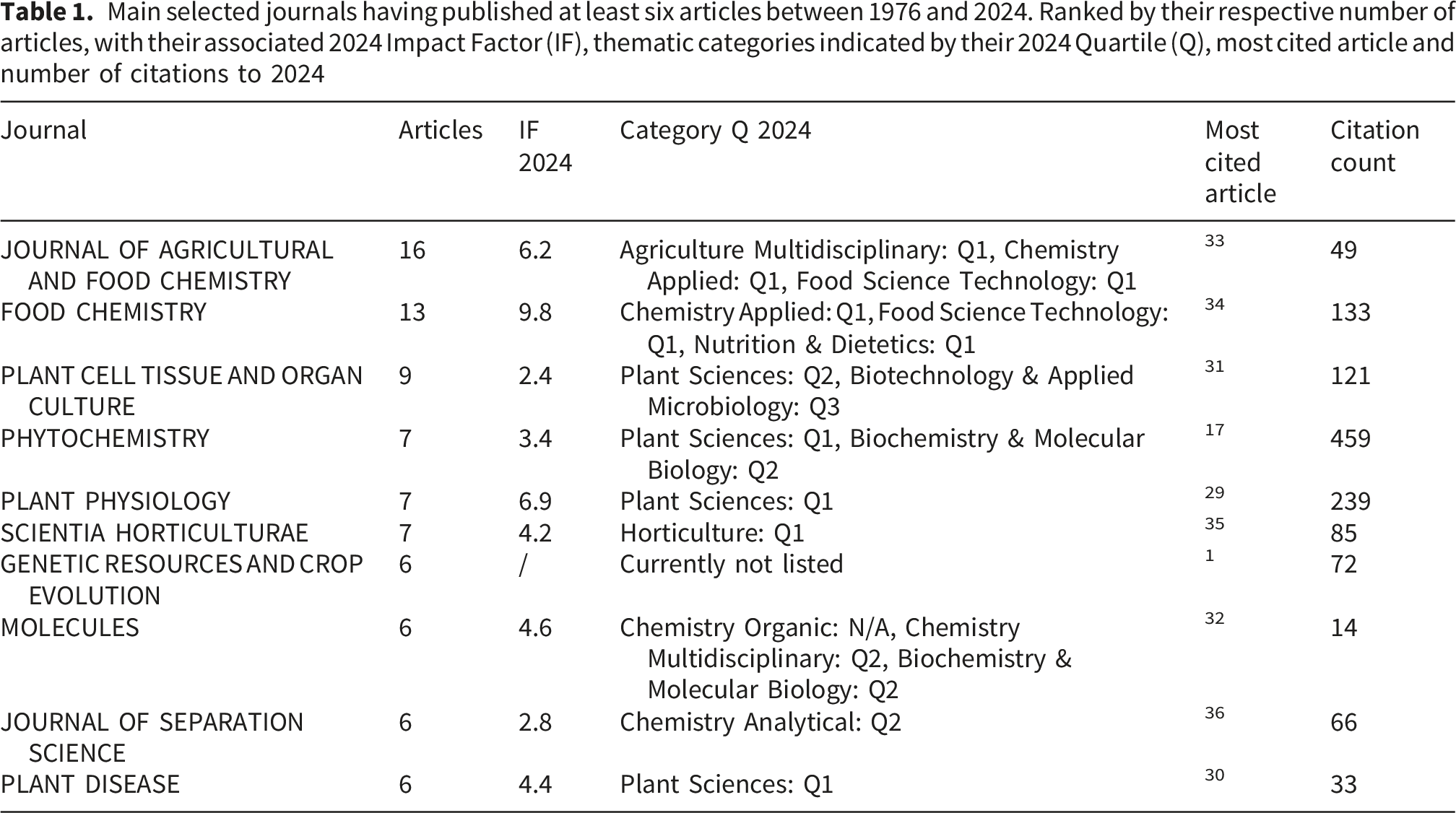
Main selected journals having published at least six articles between 1976 and 2024. Ranked by their respective number of articles, with their associated 2024 Impact Factor (IF), thematic categories indicated by their 2024 Quartile (Q), most cited article and number of citations to 2024
3.3. Data Clustering
The Figure 4 shows the resulting keyword network and its distribution across five thematic clusters. Some keywords appear in multiple clusters and will not be discussed in detail in the cluster analysis. For example, “GC (Gas Chromatography)” appeared in three groups. Similarly, the terms “Vanilla flavor” and “LC (Liquid Chromatography)” were spread across groups 2 and 3, “Metabolomics” was found in groups 1 and 3, while “Vanilla disease” was shared between groups 4 and 5. Nevertheless, most keywords could be assigned to a specific group, allowing each cluster to emerge with a distinct theme. Network of main keywords associated at least five times with one or more of the thematic groups (○ number of articles associated with this keyword in the specified group)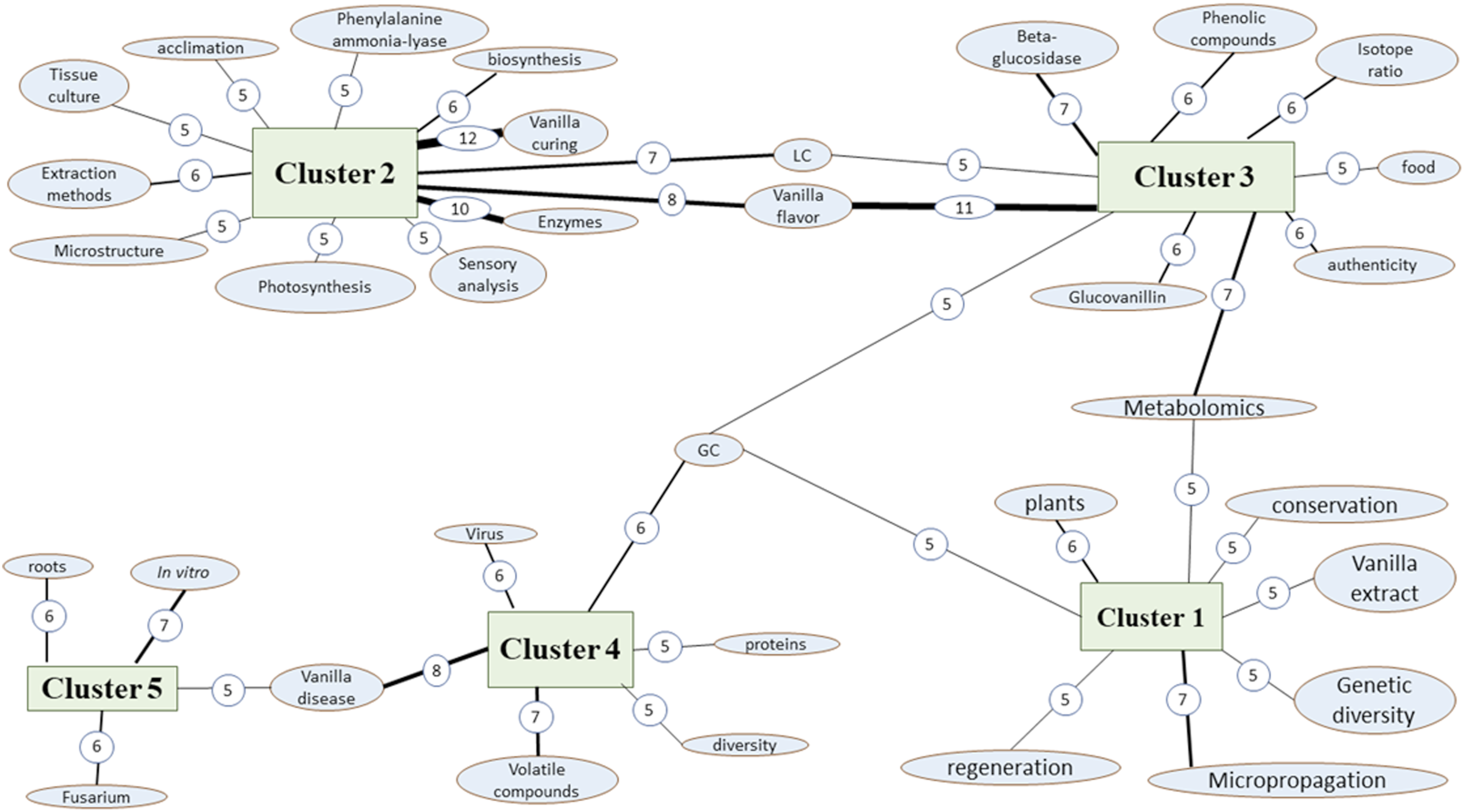
3.3.1. Group 1: Biotechnology and Sustainable Management
This group includes 94 publications, it focuses on biotechnology, in particular micropropagation and regeneration, techniques that preserve and multiply plants while carefully respecting their genetic heritage.37-41 Ensuring genetic stability is essential for maintaining the chemical properties of different vanilla varieties, particularly the quantity and composition of metabolites such as vanillin. Several studies within this cluster report that micropropagated plants maintain genetic fidelity and exhibit stable profiles of key aroma compounds, including vanillin and p-hydroxybenzaldehyde, supporting their use for large-scale propagation of high-quality planting material. Taxonomy is also a major research topic addressed within this cluster, as it is closely linked to biotechnology and genetic resource management. The genus Vanilla, belonging to the Orchidaceae family, presents a complex and evolving taxonomy, marked by frequent revisions related to synonymies, interspecific hybridization, and historical taxonomic inflation. 42 Almost all the vanilla marketed worldwide derives from a single species, Vanilla planifolia, which explains the particularly low genetic diversity observed in cultivated populations and their heightened vulnerability to environmental and phytosanitary stresses. The recent sequencing and chromosomal assembly of the V. planifolia genome has opened new perspectives for varietal improvement and sustainable crop management.43,44 More than 59,000 genes have been identified, allowing detailed investigation of biosynthetic pathways involved in aroma formation, as well as complex processes such as partial endoreduplication. These advances have enabled the development of omics-based breeding strategies supported by centralized resources such as the Vanilla Genome Hub. 44 In parallel, metabolomic approaches based on gas chromatography–mass spectrometry (GC-MS) and nuclear magnetic resonance (NMR) spectroscopy play a central role in characterizing the diversity of vanilla aromatic compounds.45,46 These studies have highlighted the influence of genetic origin, environmental conditions, and processing methods on metabolite profiles, and have enabled the identification of cultivar-specific markers such as glucovanillin.45,46These metabolomic tools have been used to validate elite hybrids developed through historical breeding programs, particularly in Madagascar, including pathogen-resistant and high-vanillin genotypes such as ‘Tsy taitra’ and ‘Manitra ampotony’.41,43 Publications within this group reflect a complex research framework combining biotechnology, genomics, metabolomics and sustainable management practices. By combining cutting-edge molecular tools with agroecological approaches (sustainable agroforestry systems), the main challenges faced by the vanilla sector are described (biodiversity erosion, climate change and devastating diseases, including Fusarium).47-49 These advances illustrate how basic scientific research can be translated into practical solutions that support the resilience and long-term sustainability of vanilla farming systems.
3.3.2. Group 2: Biosynthesis
This group includes 90 publications focusing on plant growth to study its potential effects on vanilla quality, including acclimatization, development, 50 photosynthesis, 51 and maturation to analyze enzymatic activity, 52 the latter also connected to Group 3. Recent studies have shown that enzymatic activity, including PAL and β-glucosidase, varies not only with pod development but also with cultivation practices such as shading, irrigation, and fertilization, which in turn influence vanillin accumulation and aroma complexity. The connection between these concepts in vanilla is complex and multidimensional, combining biological, chemical, and technical processes that influence vanilla production, its organoleptic properties, and its preservation. The optimization of production and quality of crops such as vanilla relies on a synergy between genetics, metabolism, and technological innovation. Vanilla plants with identical genetic profiles are produced in laboratories and must then be acclimatized to outdoor conditions to optimize growth and development. Enzymes such as phenylalanine ammonia-lyase (PAL) are essential biological catalysts in the production of secondary metabolites and play a key role in the biosynthesis of aromatic compounds in vanilla, particularly vanillin, responsible for its distinctive aroma.53,54 Studies on the development of Vanilla planifolia pods have shown that vanillin accumulation is positively correlated with the regulated expression of the VpPAL1 gene. 53 Integration of metabolomic analyses during pod development has allowed mapping of vanillin precursors, showing that peak accumulation occurs several months after pollination and is influenced by both genetic origin and environmental conditions. This aromatic complexity becomes more defined during curing, where the transformation of metabolites depends on the thermal stability of key enzymes such as β-glucosidase and peroxidase, whose activities and persistence vary depending on post-harvest processing methods.52-54 After harvesting, vanilla beans are dried to concentrate their aroma and reduce water content, a crucial stage that affects vanilla quality by releasing flavors and stabilizing aromatic compounds. 55 Finally, the integration of modern technologies, such as indirect solar dryers validated by numerical simulation (CFD), allows reducing the vanilla drying time from three months to just one, while preserving the integrity of aromatic components.53,55 To support this production, the use of temporary immersion systems (TIS), such as the RITA® device, allows much more efficient micropropagation of plants compared to conventional solid-medium methods.50,53 Recent study examine diurnal photosynthesis in the CAM plant Vanilla planifolia and shows rapid speed of photosynthetic induction in the morning and photosynthetic light use efficiency is largely restricted in the afternoon. 51 Overall, every stage, from cultivation to extraction, interacts with biological and chemical factors to define the richness and complexity of the vanilla aroma. These studies illustrate how an integrated approach combining genetics, metabolism, and technological innovation enhances vanilla quality, production efficiency, and the stability of aroma compounds.
3.3.3. Group 3: Quality and Authenticity
This group, comprising 85 publications, highlights the main aspects of vanilla cultivation, the analysis of its chemical compounds, and the analytical methods used to guarantee its quality and authenticity. It covers, for example, terms related to the biochemistry of aromatic compounds, such as glucovanillin and beta-glucosidase. This cluster highlights studies into the enzymatic mechanisms behind the formation of vanillin, vanilla’s main aromatic compound. This work also focuses on the hydrolysis of glucovanillin by beta-glucosidase, a key step in the development of natural flavor.56-58 Although vanillin is the compound primarily responsible for vanilla’s aroma, other phenolic compounds also contribute to its flavor and quality, underscoring its potential as a prized ingredient in the food industry. 59 Vanilla aroma production and quality rely on the hydrolysis of glucovanillin by native β-glucosidase enzymes, a process that can be optimized using commercial enzyme mixtures (pectinases and cellulases), achieving yields three times higher than traditional methods. 56 This aromatic transformation does not depend solely on the amount of enzyme present but also on cellular decompartmentalization caused by senescence, freezing, or thermal treatments, which release the substrate from the vacuole to come into contact with cytoplasmic enzymes.57,58 Recent studies combining transcriptomics and metabolomics have provided detailed insights into vanillin biosynthesis during pod development, revealing key genes and pathways responsible for vanillin accumulation in Vanilla planifolia. 60 Studies on Mexican and Australian vanilla indicate that specific microstructural changes and moderate scalding at 67 °C followed by curing at 35–45 °C are essential to balance the breakdown of cell barriers, preserve enzymatic activity, and maintain final sensory quality (intense aroma and glossy dark-brown appearance).59,61 Hydroponic systems have also recently been explored as a solution for optimizing plant growth and metabolomic profiles. The use of different hydroponic subsystems allows for precise control of environmental conditions, reduces the influence of external factors, and improves biomass production. 62 Sensory-guided techniques such as gas chromatography-olfactometry (GC-O) have also been applied to identify aroma-active compounds, highlighting minor compounds that significantly contribute to the overall vanilla aroma. 63 Lastly, this cluster is also interested in methods of traceability and verification of the naturalness of vanilla. Precise isolation methods, such as accelerated solvent extraction (ASE) coupled with MPLC, ensure the absence of isotopic fractionation before quantitative 13C NMR analyses, which is essential for authentication against sophisticated counterfeits. 64 Stable isotope ratios of carbon (δ13C) and hydrogen (δ2H) by GC-IRMS allow unambiguous distinction between natural vanilla and synthetic or biotechnological vanillins, while also differentiating botanical species (V. planifolia and V. tahitensis) and geographic origins.65,66 Rapid screening approaches such as headspace solid-phase microextraction (HS-SPME) or vibrational spectroscopy (MIR and Raman) combined with chemometric analysis provide effective tools to detect adulteration (tonka bean, caramel) and confirm traceability, with Raman spectroscopy particularly useful for identifying Madagascar origin.66,67 These studies illustrate that every stage, from enzymatic hydrolysis to curing and drying, interacts with biological, chemical, and technological factors to define the richness, complexity, and authenticity of vanilla aroma, integrating both traditional practices and modern analytical approaches.
3.3.4. Group 4: Diseases
This group, comprising 81 publications, is mainly concerned with the diseases that can attack vanilla plants. In intensive vanilla-growing systems, vines are threatened by numerous viral pathogens that affect plant growth, genetic diversity, and the production of volatile compounds responsible for flavor.68-73 Global vanilla cultivation is threatened by a wide diversity of pathogenic viruses, including at least seven potyvirus species (such as BCMV and WMV), cucumber mosaic virus (CMV), Cymbidium mosaic virus (CymMV), as well as latent viruses VLV and VVX recently identified through next-generation sequencing.68,69,71,72 These viral agents cause mosaic symptoms, leaf deformation, and significant growth reduction, ultimately impacting yield and bean quality. They spread either through aphid vectors originating from reservoir plants such as Commelina diffusa, or mechanically via contaminated tools and infected cuttings.68,69,71,73 Recent research has identified key viral pathogens, including Vanilla mosaic virus and cucumber mosaic virus, which can significantly reduce vanillin content and overall aroma quality in infected pods. Chromatographic techniques enable the analysis of chemical changes caused by diseases in vanilla pods and contribute to the diagnosis of pathologies while preserving the integrity of plant-based products. Molecular analyses have revealed that CymMV and CMV populations are structured into distinct subgroups (A/B and IA/IB, respectively), with genetic diversity often shaped by geographic origin or historical exchanges of plant material.70,72 Detection using PCR-based molecular tools and serological assays has proven essential for minimizing economic losses in vanilla-producing regions. These studies highlight the strong link between plant health and the final aromatic profile, emphasizing that disease management is not only critical for yield but also for maintaining sensory quality. To counter viral threats, rigorous prophylactic measures—such as the use of certified virus-free cuttings and the installation of insect-proof nets in shaded cultivation systems—have proven extremely effective in reducing viral incidence under intensive production conditions. 71 In addition, plant metabolism studies have identified partial natural resistance in the CR18 accession of Vanilla pompona, which is able to limit viral replication and maintain growth despite infection. 73 This finding opens promising perspectives for the conservation of genetic resources and the development of more resilient vanilla production systems through the use of resistant or tolerant germplasm.
3.3.5. Group 5: Fungal Infections
This group of 55 publications focuses on the main fungal disease of vanilla caused by Fusarium oxysporum, a pathogen that primarily affects the plant’s roots.74,75 It causes stem and root rot (SRD), disrupting nutrient uptake, weakening the plant, and impairing growth and pod quality. Control of SRD in vanilla (Vanilla planifolia), mainly caused by Fusarium oxysporum f. sp. vanillae, relies on an integrated understanding of plant pathology, the microbiome, and genetic resistance.74-76 Recent studies have shown that the mere presence of the pathogen is not sufficient to trigger disease development. Research demonstrates that disease expression strongly depends on the internal microbiological context (endophytic communities), particularly Proteobacteria and Actinobacteria, as well as overall soil health 92. In this respect, suppressive soils are characterized by a strong dominance of the fungal genus Mortierella, which acts as an indicator of natural resistance, while microbial diversity is significantly higher in roots than in stems.74,75 To limit the spread of the disease, in vitro techniques are widely used to grow vanilla plants under controlled conditions, allowing precise study of Fusarium oxysporum’s root interactions and the development of preventive strategies.76,77 Given the low genetic variability of cultivated vanilla, innovative approaches have been developed, including in vitro selection of resistant plants through somaclonal variation over approximately 420 days, as well as exploration of the secondary genetic pool (wild hybrids), which exhibits increased tolerance to highly aggressive isolates.76,77 Recent studies have also demonstrated that infection severity correlates with reductions in vanillin precursors and overall pod aroma quality, highlighting the close relationship between plant health and sensory attributes. Biocontrol strategies, such as the use of Bacillus spp. or Trichoderma spp., combined with improved cultivation practices, have shown promising results in reducing Fusarium incidence and mitigating its impact on bean quality. While F. oxysporum is the primary pathogen capable of inducing plant death, other species such as F. solani act as secondary agents, reinforcing the need for integrated control strategies that include biofertilization to sustainably reshape the soil and root microbiome.75,77 Overall, these findings underline the importance of integrating plant pathology, microbiome studies, and metabolomic and chemical analyses to ensure both plant health and the preservation of the sensory quality of vanilla pods.
3.3.6. Research Gap
Interestingly, despite the growing importance of climate change and sustainability issues since 2015, these topics remain weakly represented in the Web of Science database for vanilla research. Keywords explicitly related to climate change, resilience, sustainability, socio-economic vulnerability, or ecosystem services did not emerge as central nodes in the clustering analysis, suggesting that vanilla research has been largely dominated by biological, biochemical, and technological approaches, while broader environmental and socio-ecological dimensions remain underexplored. A closer look shows that certain articles discuss the impact of climate variations on vanilla production.38,78-80 These articles do not form an independent cluster because “climate change” is rarely used as a keyword, but the topic is often mentioned in discussions or results sections. This highlights questions regarding production conditions and the selection of the most suitable vanilla varieties for different producing regions. Although relatively few bibliometric studies have focused specifically on the relationships between vanilla and climate change, recent ecological research shows that climate change threatens the survival and reproductive dynamics of wild Vanilla species and their pollinators, potentially leading to detrimental impacts on genetic resources and long-term crop resilience. 81 Additionally, studies of vanilla cultivation regions such as Madagascar report that erratic weather patterns, including changing rainfall and temperature extremes, are already affecting vanilla farmers’ livelihoods and adaptive capacities. Nevertheless, several clusters indirectly address issues related to sustainability. For example, research on biotechnology and micropropagation (cluster 1) contributes to crop resilience and disease management, while studies on plant diseases and fungal infections (clusters 4 and 5) reflect growing concerns about the stability of production in case of environmental stress. However, these studies are rarely conducted from a climate change or sustainability perspective. Addressing the complexity of vanilla farming systems requires a more transdisciplinary approach that integrates agronomy, ecology, and socio-economics. Conceptualizing vanilla as a socio-ecological system would allow for a better understanding of how climate change, market dynamics and agricultural practices interact to shape production sustainability. Such integrated approaches are currently underrepresented in bibliometric databases, but they are essential to address the long-term challenges facing the global vanilla sector, particularly in major producing countries like Madagascar, Indonesia and Mexico. 13
3.4. Collaboration Networks
In total, 1,603 authors contributed to at least one of the 506 articles analyzed. However, the vast majority (>75%) showed limited interest in the topic of vanilla, having authored only one article between 1976 and 2024. Only 14 authors published 10 or more articles during this period. Table 2 highlights the publication trends of these authors from 1976 to 2024. A table provided in the Supplementary Materials lists the authors who published between 5 and 9 articles during this period. Interest in vanilla research began to grow significantly in the early 2000s. Nevertheless, only two of the most prolific authors published on this topic before the 21st century, namely Havkin-Frenkel
82
and Pearson.
83
Two authors have recently stood out for their commitment, with a total of seven articles published between 2020 and 2024: Grisoni43,44,84-88 and Chambers.2,3,89-93 More than half of these authors remain active, with at least three publications since 2020. In contrast, the other authors have not contributed to the topic since 2019 (or even earlier, such as Bory, who last published in 2014
53
). The most cited articles from each author reveal that several of them collaborate with one another. For example: • Besse and Bory,
1
with Grisoni, have studied vanilla biodiversity and conservation. • Iglesias-Andreu and Ramírez-Mosqueda
16
have explored the micropropagation of Vanilla planifolia using various temporary immersion systems. • Luna-Rodríguez,
15
in collaboration with Iglesias-Andreu, has studied the molecular identification and pathogenic variations of Fusarium species isolated from Vanilla planifolia in Mexico. • And also, Grisoni and Pearson
94
have focused on identifying the viruses that infect Vanilla tahitensis. Main Authors’ Publication Trends and Most Cited Article for Each Author, With Citation Distribution From 1976 to 2024 and Total Number of Citations
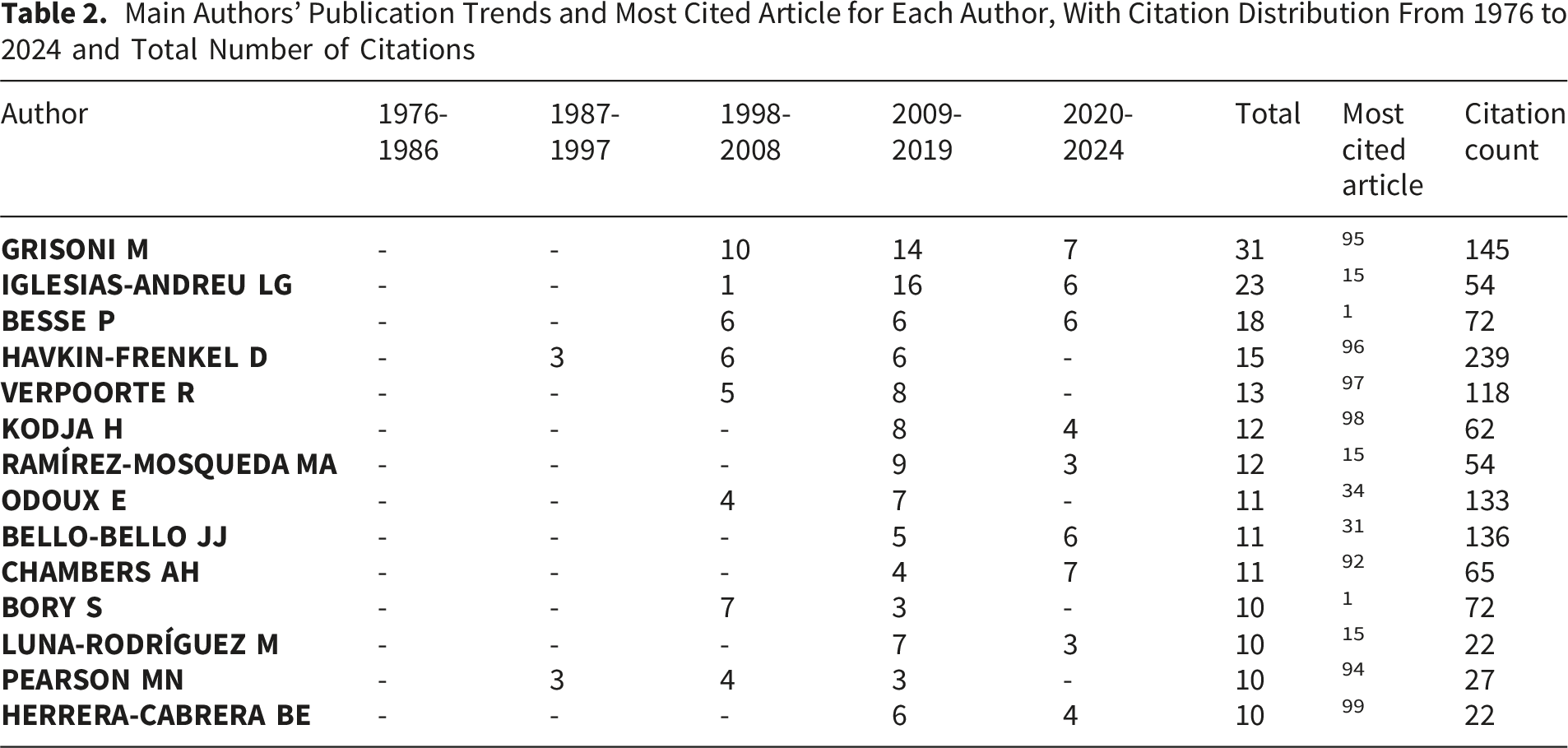
Figure 5 shows the number of articles published by the 15 most productive countries on the subject, with more than 10 articles between 1976 and 2024. This publication trend can be compared with the annual volumes of vanilla production and consumption for each of these countries, obtained online from the FAO of the United Nations
8
(2022 data). Mexico is by far the most productive country in terms of published articles, which can be explained by the fact that it is the birthplace of vanilla. China’s and Madagascar’s scientific interest in vanilla research may also be linked to their annual production volumes. Madagascar holds the status of the world’s largest producer, although it has the fewest publications among the listed countries. China, meanwhile, ranks fifth among producers. The number of articles published by France, the United States, Germany, the Netherlands, and Australia can be attributed to their relatively high annual vanilla consumption. In the case of France, this can also be explained by vanilla production in its overseas territories, such as Réunion Island and French Polynesia, despite low overall production levels. Furthermore, countries such as Brazil, the United Kingdom, Costa Rica, Malaysia, Taiwan, Colombia, and—most notably—India have a high number of publications relative to their vanilla production or consumption volumes. This may be explained, in most cases, by the presence of small-scale vanilla production within these countries compared to global levels. Other countries that are major consumers (such as Canada, Belgium, and Spain) or major producers of vanilla (such as Indonesia, Papua New Guinea, the Comoros, and Uganda) are absent from the list of countries with the highest number of published articles. This is likely due to a lack of scientific interest in the subject or significant academic underdevelopment, which hinders research and publishing activities. Countries publishing more than 10 articles (blue bars) between 1976 and 2024, with their annual vanilla consumption (green bars) and production (orange bars) volumes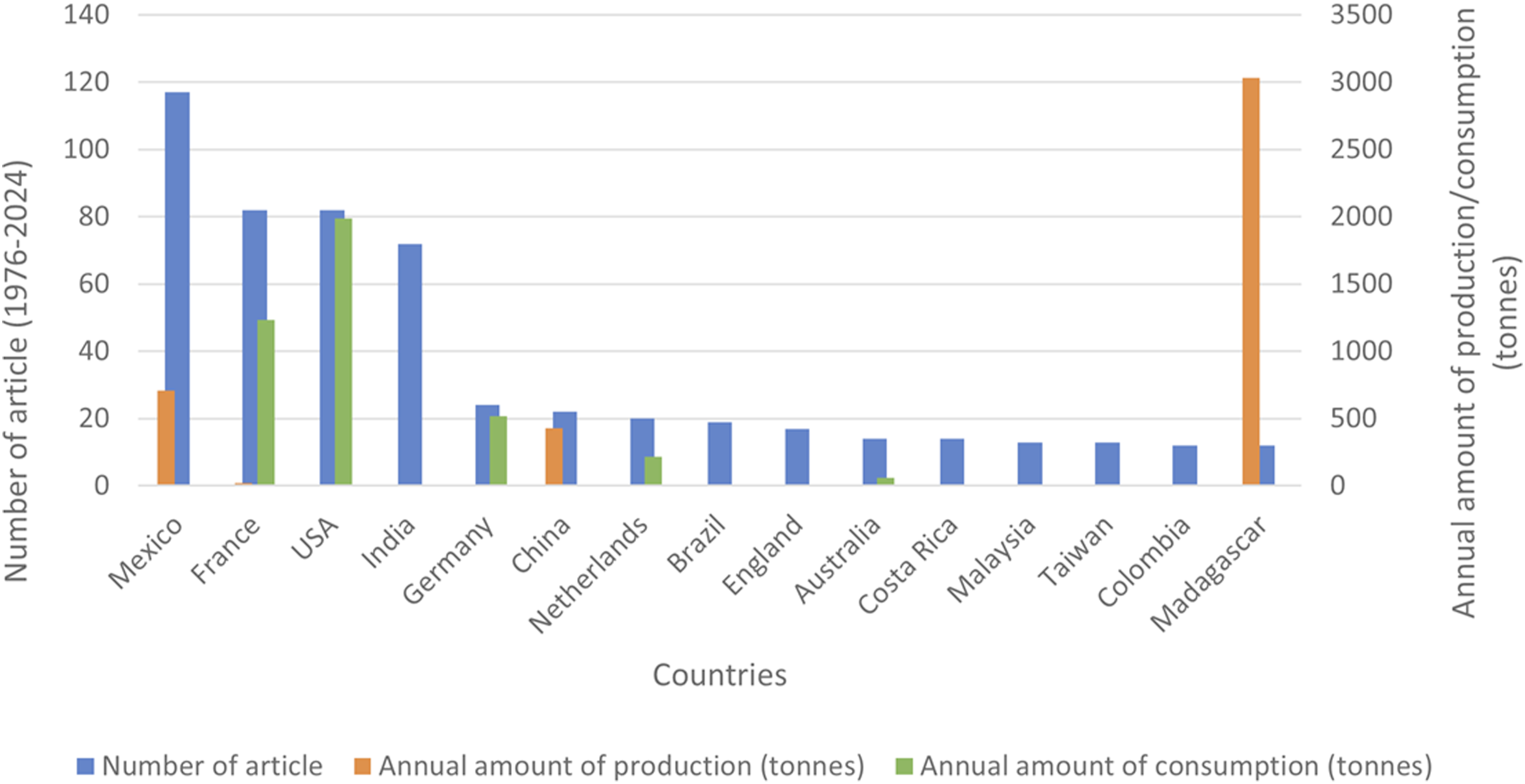
To analyze the evolution of researchers and countries involved in the different thematic clusters, two complementary networks were constructed. The first one, presented in Figure 6A, illustrates the network of main authors, selected based on a minimum of four publications and an association at least three times with one or more clusters. The size of the nodes (○) represents the number of articles associated with each author within the specified cluster. The second network, shown in Figure 6B, highlights author–country collaborations for authors who have published at least four articles and are associated at least four times with one or more countries. Again, the size of the nodes (○) corresponds to the number of articles associated with an author in the specified country. Network of main authors, selected based on a minimum of four publications and an association at least three times with one or more clusters (○ number of articles associated with each author within the specified cluster) (A) Network author–country collaborations for authors who have published at least four articles and are associated at least four times with one or more countries (○ number of articles associated with an author in the specified country) (B)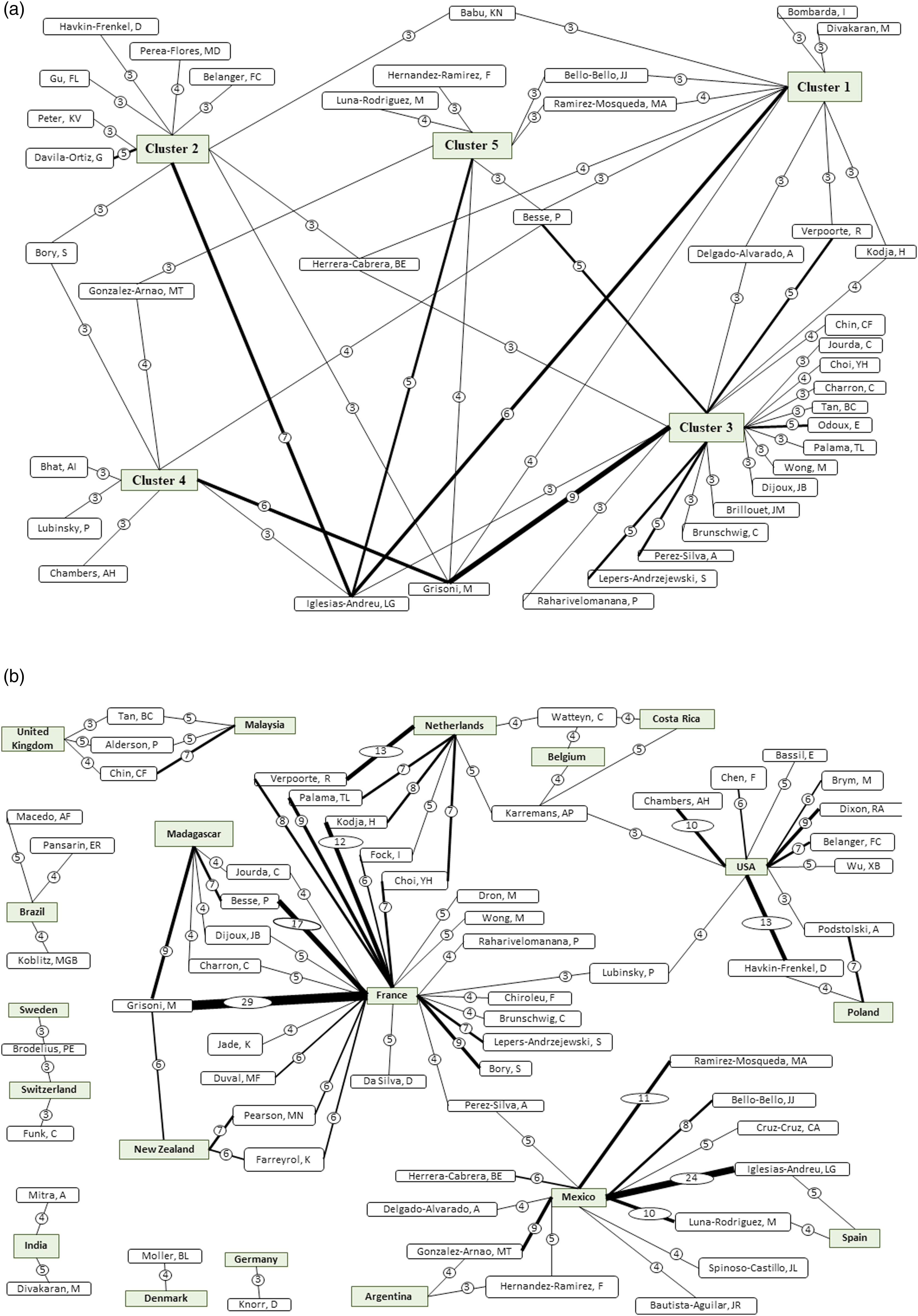
Figure 6A allows visualization of the thematic orientation of the authors’ research with respect to the previously defined clusters. Most authors are associated with a single cluster, reflecting a strong specialization. However, some researchers establish links between two clusters, notably Verpoorte, Kodja, Ramirez-Mosqueda, Bello-Bello, and Bory, among the most productive authors. Others stand out through broader involvement, being associated with three clusters (such as Herrera-Cabrera) or four thematic clusters (such as Besse). Finally, as expected, the two most productive authors in the field of vanilla research, Grisoni and Iglesias-Andreu, are present across all five thematic clusters, highlighting their central role in this research area. Figure 6B highlights international collaborations between authors. The network seems relatively fragmented, some countries such as India, Denmark, Germany and Brazil are identified as working without international collaboration. Two sub-networks were identified: one linking Switzerland and Sweden, with three joint publications, and the other linking the UK and Malaysia, which also collaborated through several publications. The main network comprises eleven countries, including the three most productive in terms of scientific production, namely Mexico, France and the United States. The network reveals a high level of international collaboration between the main actors in vanilla research, involving both consumer countries (France, USA, Netherlands) and producer countries (Madagascar, Mexico). The combined analysis of Figure 6A and B further reveals distinct search strategies. Cluster 5, which focuses on the disease caused by Fusarium oxysporum, is mainly studied by authors and collaborations from Spanish-speaking countries. Cluster 3, which encompasses studies on the main aspects of vanilla cultivation, the analysis of its chemical compounds and the analytical methods used to ensure its quality and authenticity, involves researchers and collaborations from two consuming countries (France, Netherlands) and two producer countries (Madagascar, Mexico), which is consistent with the themes addressed in this cluster. Finally, clusters 1, 2 and 4 bring together researchers from various nations, which reflects a strong international interest in these areas of research. This observation is further supported by the fact that clusters 1 and 2 correspond to the groups with the highest number of publications.
4. Conclusion
This bibliometric analysis provides a comprehensive overview of the main research trends, key contributors and thematic groups that shaped academic vanilla research from 1976 to 2024. Mexico plays a central role in the research and production of vanilla, other major producing countries, such as Madagascar, are underrepresented in the scientific literature, despite their dominant position on the global market. To synthesize these results, Figure 7 provides a conceptual framework summarizing the main contributions of bibliometric analysis by mapping the scientific landscape of vanilla research. It identifies the dominant thematic clusters—biotechnology, biosynthesis, assessment of pod aroma and quality, plant diseases and fungal infections — while simultaneously highlighting underrepresented or missing research areas, including climate change, sustainability, geographical authentication and socio-ecological approaches. Vanilla research remains a dynamic and evolving field. Future studies would benefit from more transdisciplinary approaches that integrate agronomy, ecology, particularly in the context of climate change and sustainability. Addressing these challenges is key to ensuring the resilience, authenticity and long-term viability of the global vanilla sector. Beyond descriptive mapping, this framework provides an interpretative perspective that links bibliometric models to broader scientific, economic and environmental challenges. It aims to direct future research efforts towards existing gaps and emerging needs, emphasizing the importance of interdisciplinary approaches to ensure long-term sustainability, authenticity and resilience of vanilla production systems. Bibliometric overview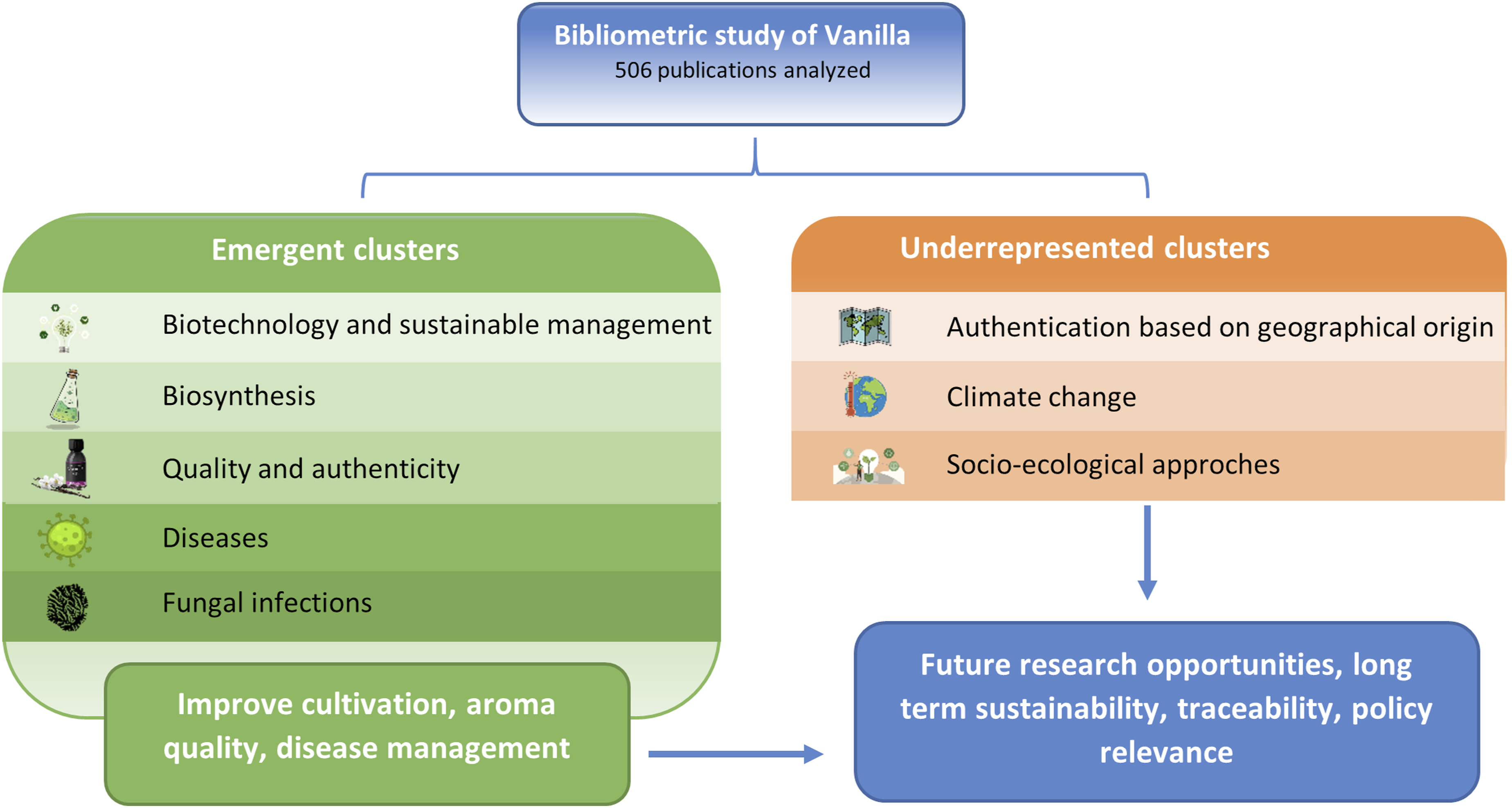
Supplemental Material
Supplemental Material - Mapping the Scientific Research on Vanilla From 1976 to 2024
Supplemental Material for Mapping the Scientific Research on Vanilla From 1976 to 2024 by Anthony Barreau, Elodie Mezzatesta, Sophie Charvet, Philippe Faury, Isabelle Bombarda, Nathalie Dupuy in Natural Product Communications
Footnotes
Acknowledgments
The authors thank Cédric Coutellier, Aix-Marseille University (AMU), Institut de Recherche pour le Développement (IRD) and Centre National pour la Recherche Scientifique (CNRS).
CRediT Authorship Contribution Statement
Funding
The authors disclosed receipt of the following financial support for the research, authorship, and/or publication of this article: This work was supported by the Association nationale de la recherche et de la technologie (ANRT), Grant number: 2024/0012.
Declaration of Conflicting Interests
The authors declared no potential conflicts of interest with respect to the research, authorship, and/or publication of this article.
Data Availability Statement
Data are available on the Web of Science (WoS) site.
Statements and Declarations
Figure 2 to 7 presented in this article were created by the authors. For  , two pictures were taken by one of the authors, and the third was taken by Mr. Cédric Coutellier, who granted us permission to use his photo for this study.
Declaration of Generative AI in Scientific Writing
During the preparation of this study the authors used generative AI for the purposes of the readability and language of the manuscript. After using this tool/service, the authors have reviewed and edited the output and takes full responsibility for the content of this publication.
Supplemental Material
Supplemental material for this article is available online.
References
Supplementary Material
Please find the following supplemental material available below.
For Open Access articles published under a Creative Commons License, all supplemental material carries the same license as the article it is associated with.
For non-Open Access articles published, all supplemental material carries a non-exclusive license, and permission requests for re-use of supplemental material or any part of supplemental material shall be sent directly to the copyright owner as specified in the copyright notice associated with the article.
