







Abstract
This study integrates the chemical components and pharmacological effects of the three medicinal herbs in Shuanghuanglian preparations—Flos Lonicerae, Radix Scutellariae, and Fructus Forsythiae. Network pharmacology was used to predict action targets associated with antibacterial, anti-inflammatory, and antiviral activities. The results show that Flos Lonicerae mainly contains flavonoids and organic acids. Radix Scutellariae is primarily composed of flavonoids and phenylpropanoids. Fructus Forsythiae includes phenolic acids, lignans, and other compounds. In terms of pharmacological effects, chlorogenic acid and baicalin are the core antibacterial components. Baicalein and forsythoside A are key anti-inflammatory active substances. Chlorogenic acid and forsythoside A exhibit antiviral activity. This study clarifies the main chemical material basis of Shuanghuanglian preparations and their underlying antibacterial, anti-inflammatory, and antiviral mechanisms, thus providing theoretical support for further research and clinical application. However, the molecular mechanisms of some compounds remain unclear. Future studies should focus on further mechanistic and clinical research to promote the optimization and application of Shuanghuanglian preparations.
1. Introduction
Shuanghuanglian preparations consist of three medicinal herbs: Flos Lonicerae(Lonicera japonica Thunb.), Radix Scutellariae (Scutellaria baicalensis Georgi), and Fructus Forsythiae(Forsythia suspensa(Thunb.)Vahl). 1 This formula is widely used in traditional Chinese medicine for its effects in relieving wind-heat exterior syndrome and clearing heat and toxins. It is clinically indicated for fever, cough, and sore throat caused by exogenous wind-heat, as well as for early-stage warm pathogen diseases and various heat-toxin conditions.2,3 The combination of Flos Lonicerae and Fructus Forsythiae disperses exterior pathogens, 4 while Radix Scutellariae clears internal heat, 5 exerting synergistic effects which embodies the classic “monarch-minister-assistant-guide” compatibility principle of Chinese herbal formulas.
Modern pharmacological studies have demonstrated that Shuanghuanglian preparations possess significant antibacterial, anti-inflammatory, antiviral, and immunomodulatory activities.6-9 Various dosage forms, including injections, oral liquids, granules, and capsules, have been developed and widely used in clinical settings. 10 However, most existing studies have focused on the chemical constituents and bioactivities of individual herbs, lacking a systematic understanding of the synergistic mechanisms among the three components. In particular, the pharmacodynamic material basis and molecular mechanisms of many compounds, such as iridoid glycosides and volatile oils in Flos Lonicerae,11,12 phenylpropanoids, terpenoids, and steroids in Radix Scutellariae,13,14 and lignans and phenylethanoid glycosides in Fructus Forsythiae 15 —remain poorly understood, which hinders its further development and precise clinical application.
Network pharmacology has emerged as a powerful tool for constructing “drug–target–disease” networks, offering a new paradigm for elucidating the multi-component, multi-target, and multi-pathway mechanisms of Chinese herbal formulas.16,17 Nevertheless, a comprehensive integration of the chemical components, pharmacological effects, and network pharmacology analysis of the three herbs in Shuanghuanglian preparations is still lacking. Existing studies are largely fragmented, limiting a holistic understanding of the “component–target–efficacy” relationship.
To address this gap, this study systematically reviews the chemical constituents of the three herbs and their antibacterial, anti-inflammatory, and antiviral pharmacological effects. Network pharmacology was used to construct a “herb–active ingredient–target” network. The aim is to elucidate the pharmacodynamic material basis and potential mechanisms of Shuanghuanglian preparations, thereby providing theoretical support for quality control, formulation optimization, and rational clinical use, as well as offering insights for the modernization of Chinese herbal medicine research.
2. The Primary Chemical Constituents of Flos Lonicerae
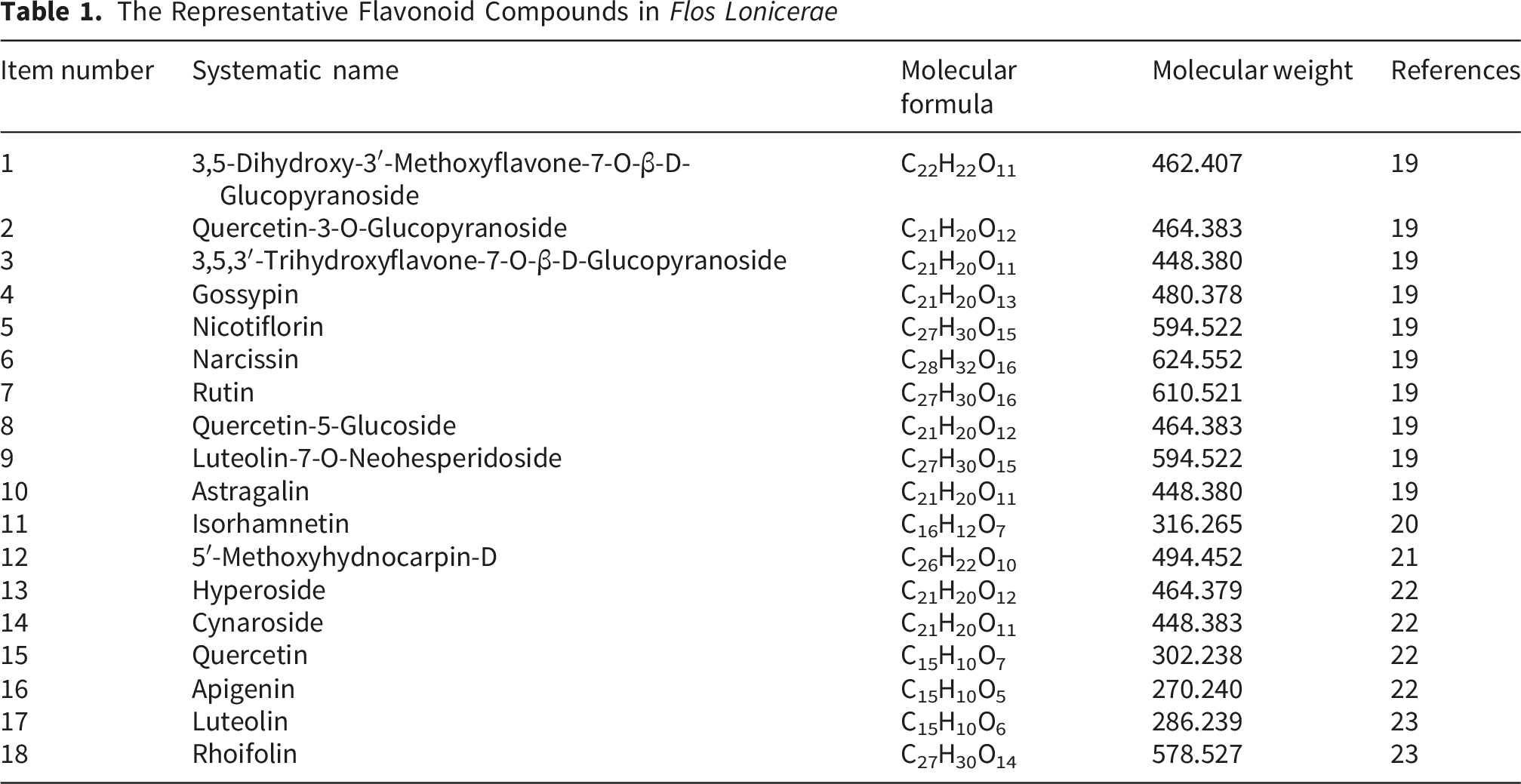
The Representative Flavonoid Compounds in Flos Lonicerae
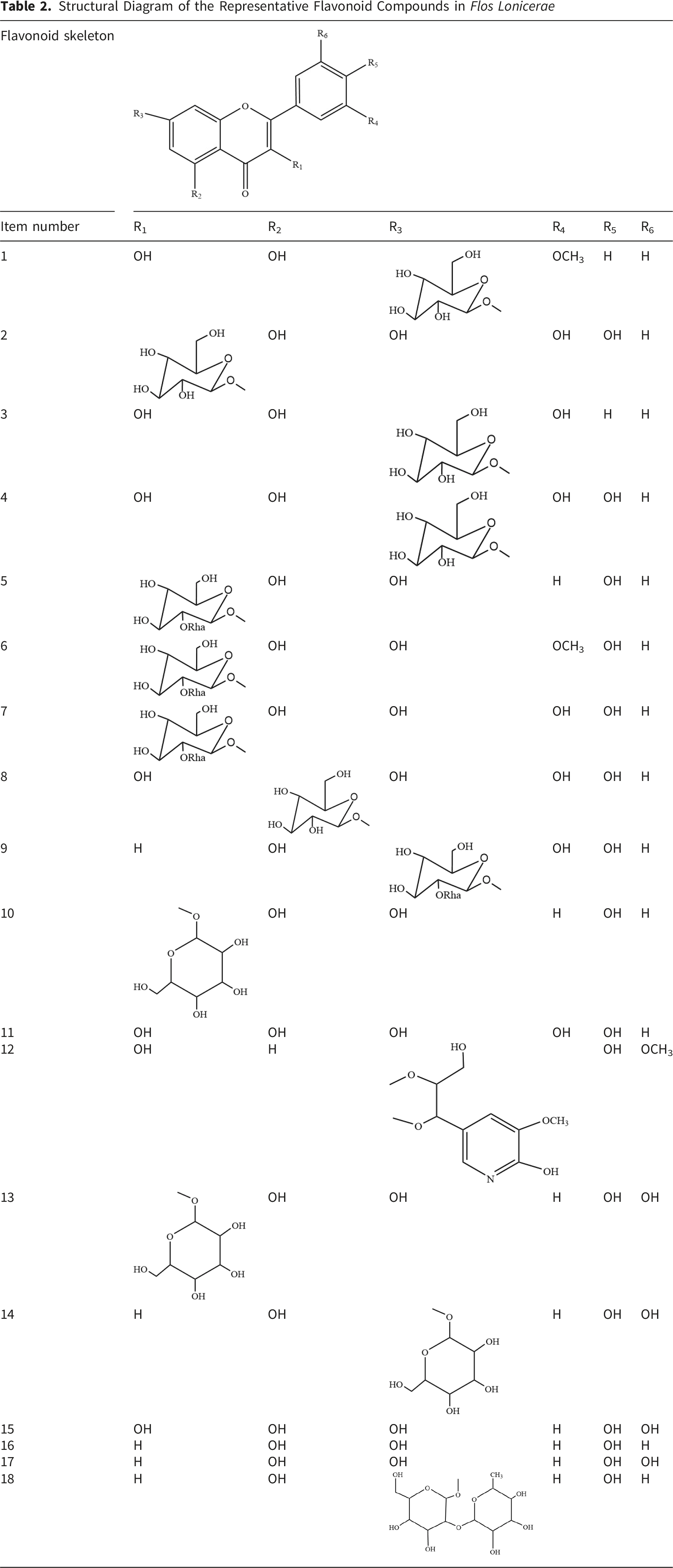
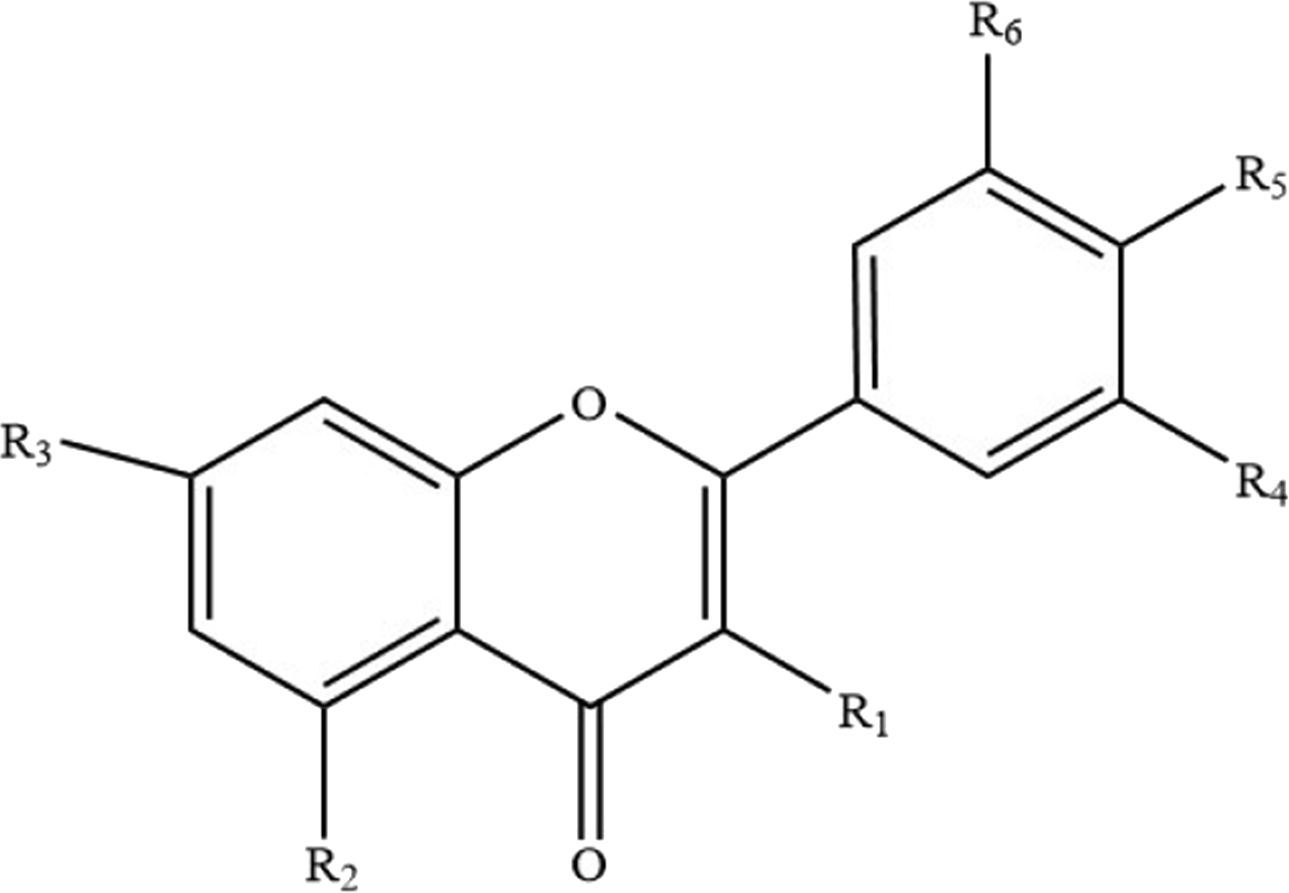
Structural Diagram of the Representative Flavonoid Compounds in Flos Lonicerae
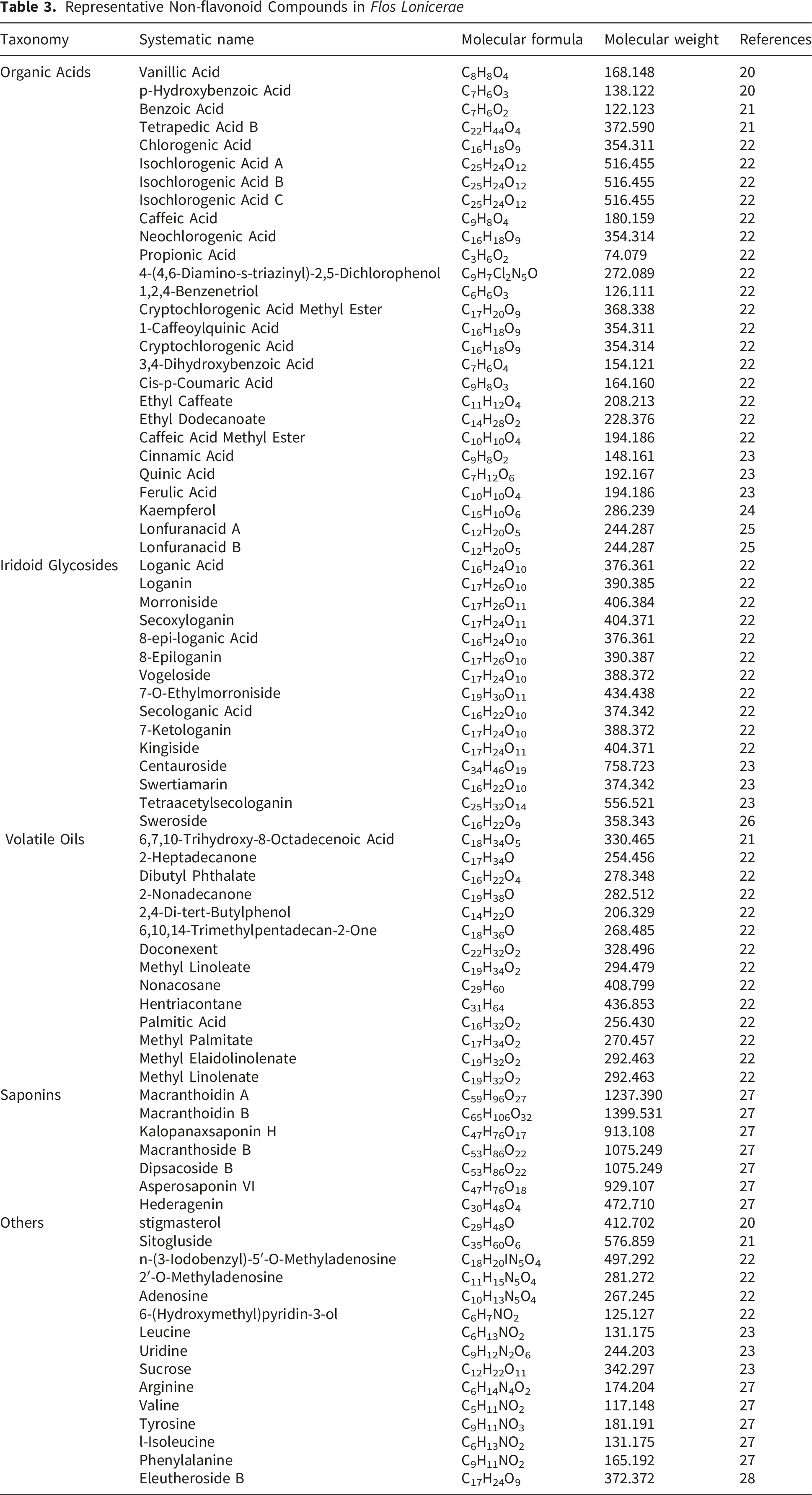
Representative Non-flavonoid Compounds in Flos Lonicerae
3. The Primary Chemical Constituents of Radix Scutellariae
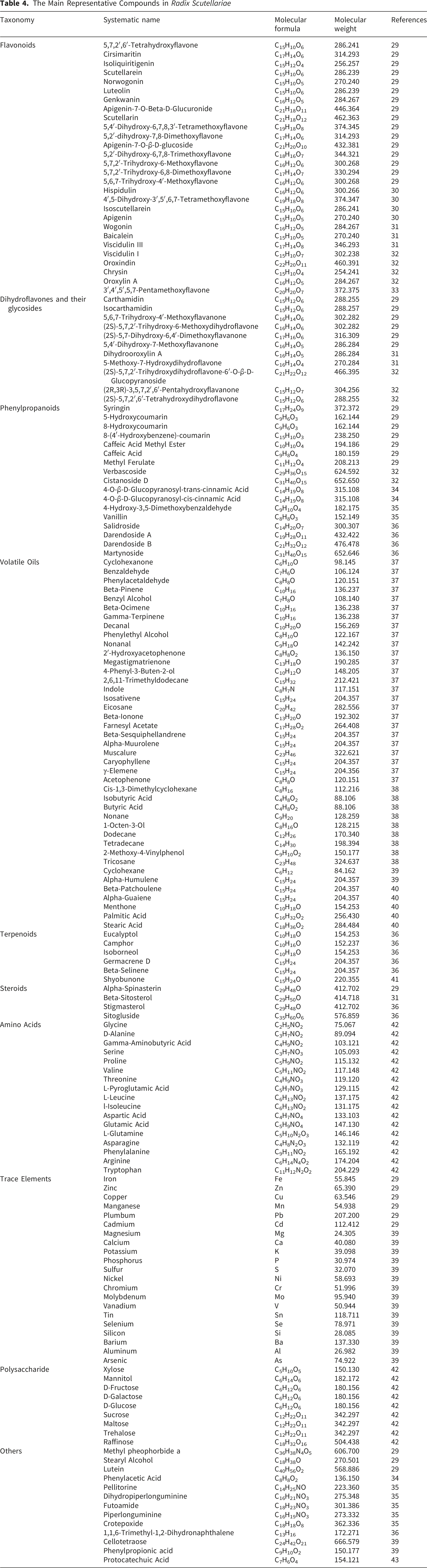
The Main Representative Compounds in Radix Scutellariae
4. The Primary Chemical Constituents of Fructus Forsythiae
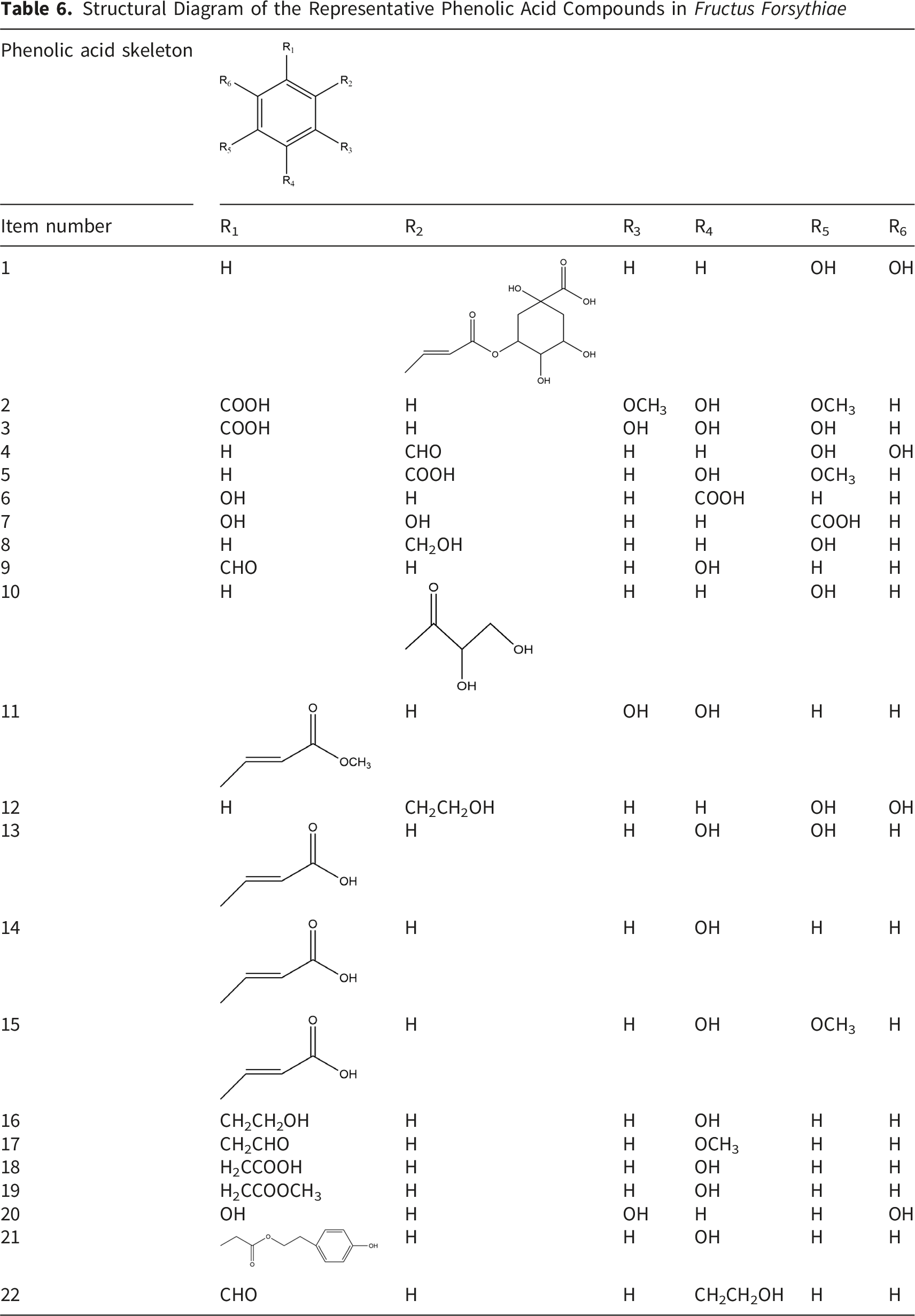
Representative Phenolic Acid Compounds in Fructus Forsythiae
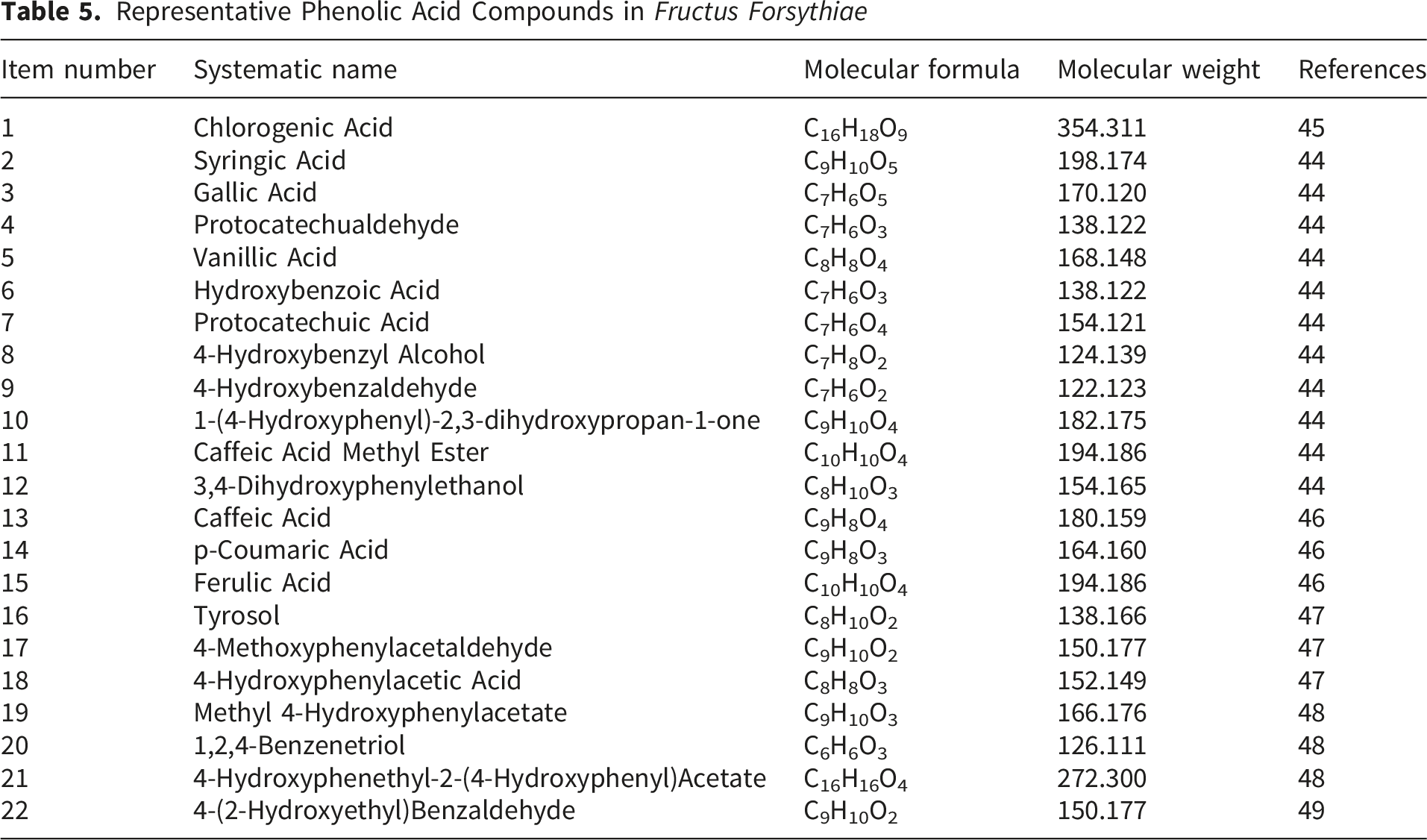
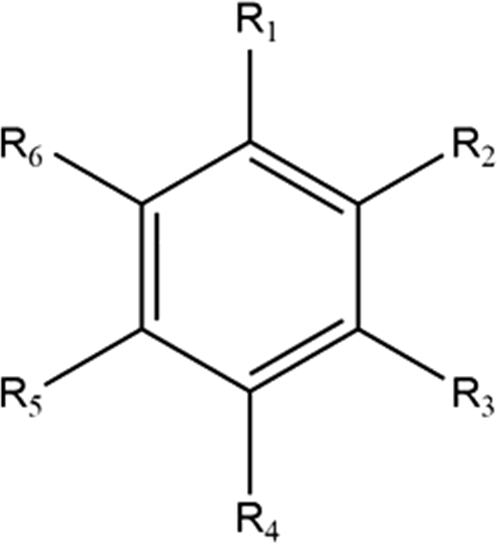
Structural Diagram of the Representative Phenolic Acid Compounds in Fructus Forsythiae
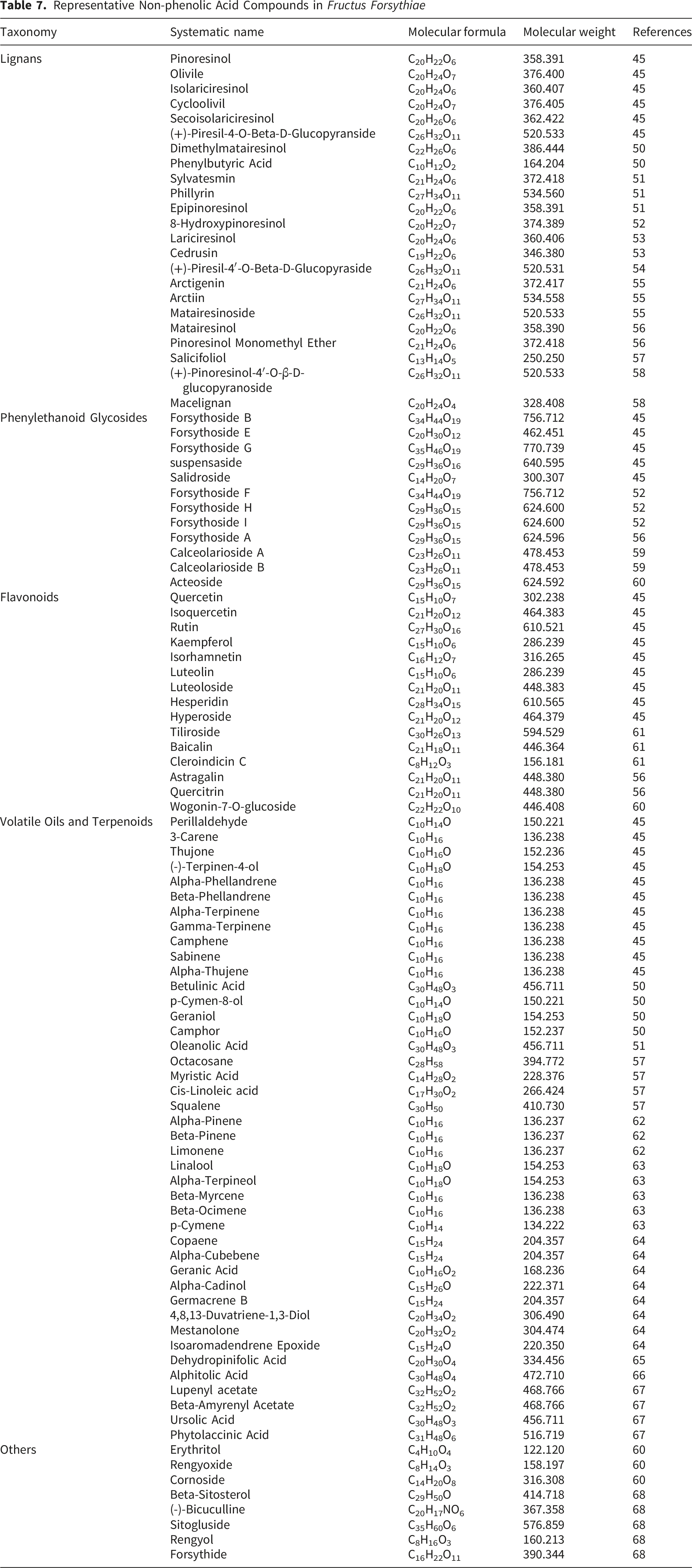
Representative Non-phenolic Acid Compounds in Fructus Forsythiae
5. Pharmacological Actions of Shuanghuanglian Preparations
Shuanghuanglian preparations exert therapeutic effects characterized by “dispelling wind and releasing the exterior” and “clearing heat and resolving toxins”. Clinically, they are indicated for fever, cough, and sore throat caused by external contraction of wind-heat.
1
These preparations are refined from extracts of three herbs: Flos Lonicerae, Radix Scutellariae, and Fructus Forsythiae. In the classification of Chinese Materia Medica, all three belong to the heat-clearing herbs category. Crucially, Flos Lonicerae and Fructus Forsythiae are classified as essential herbs for heat-clearing and toxin-resolving, while Radix Scutellariae holds primacy among heat-clearing and dampness-drying herbs.
69
Through synergistic interaction, these herbs achieve dual resolution of exterior and interior syndromes and simultaneous clearance of the clearing qi-blood (the body’s vital energy and blood, which together support physiological functions and defend against pathogens), demonstrating potent heat-clearing and toxin-resolving effects in wind-heat exterior syndromes, early-stage warm pathogen diseases, and various damp-heat patterns presenting with excess-heat manifestations.
70
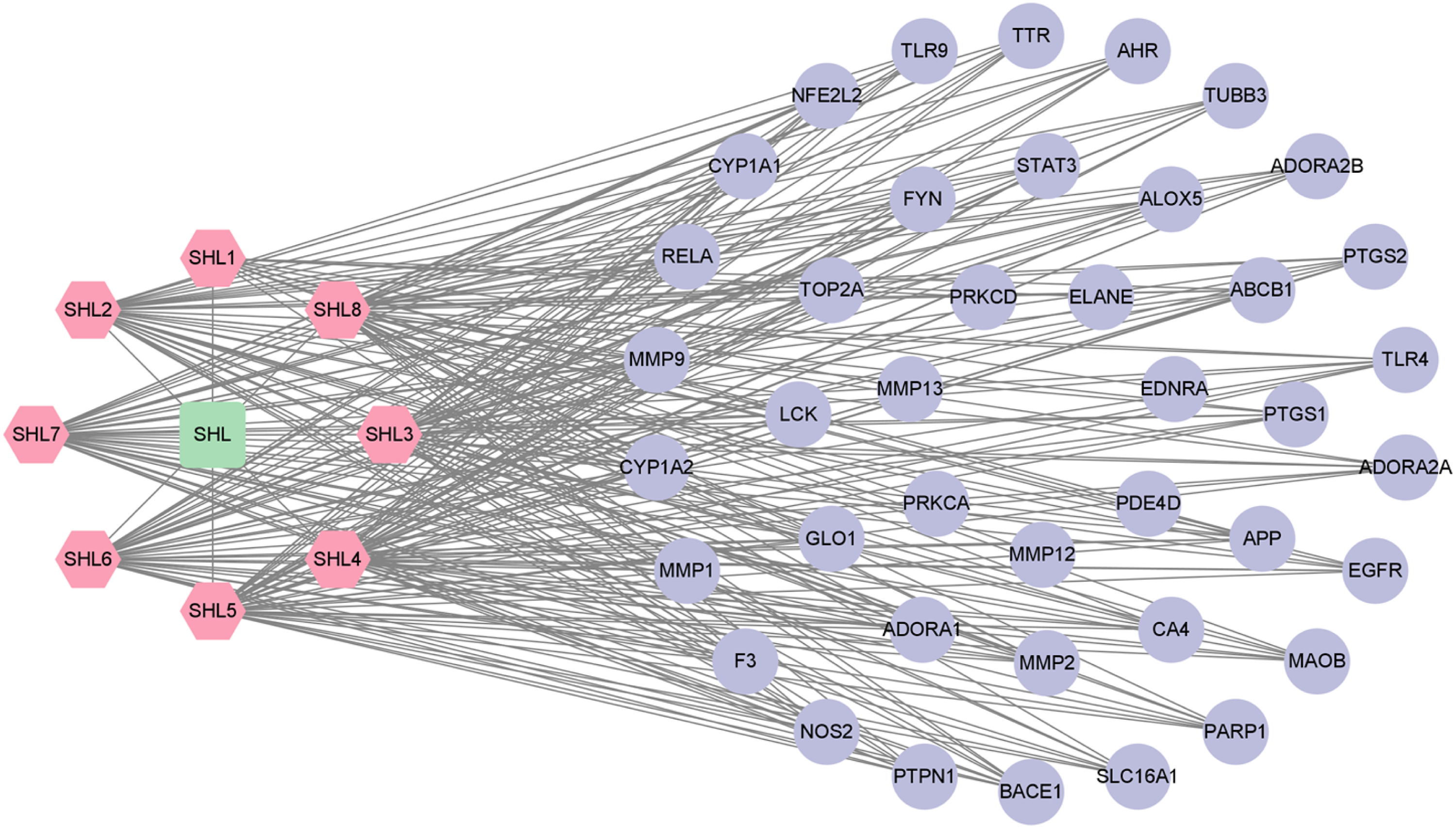
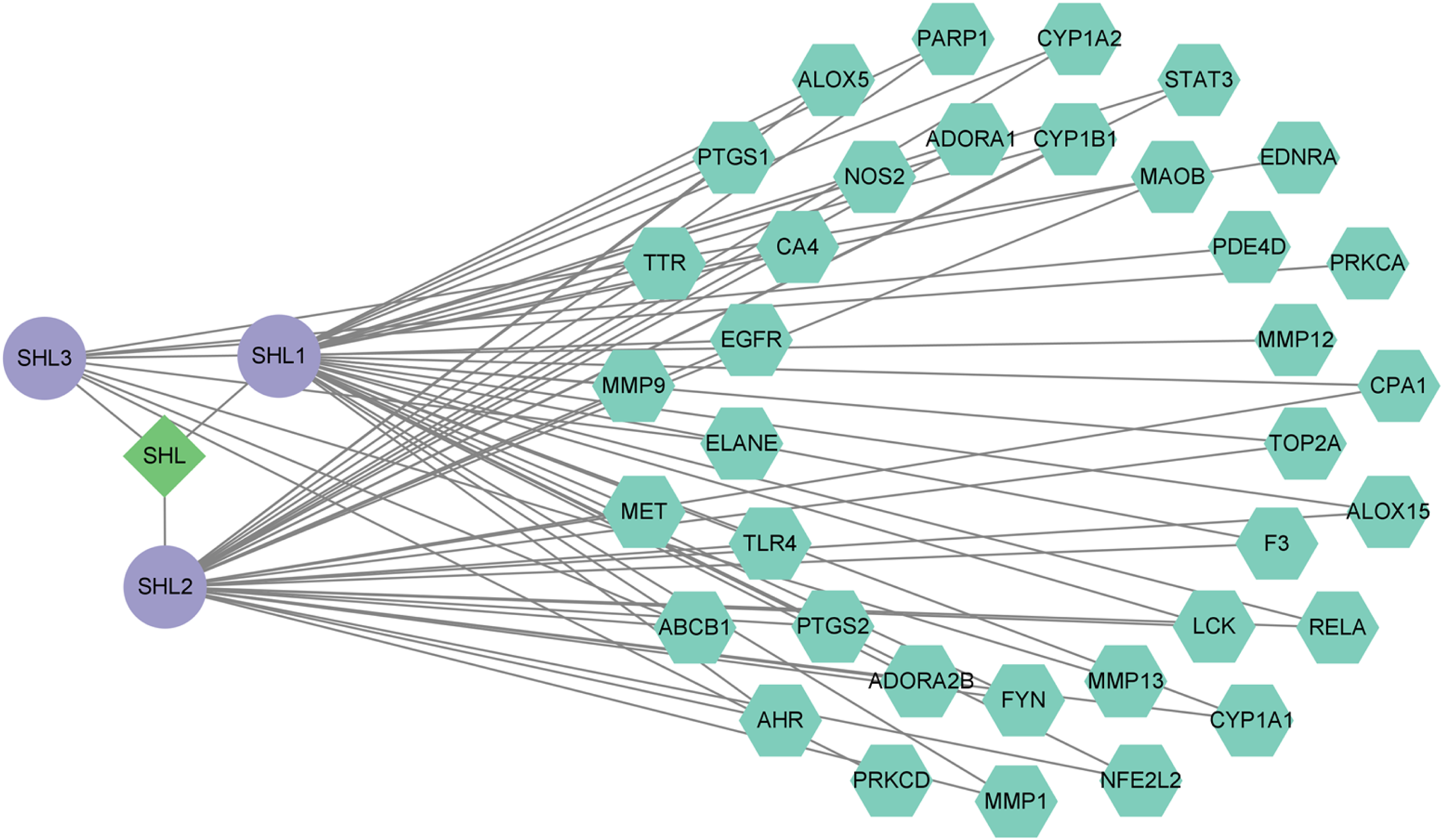
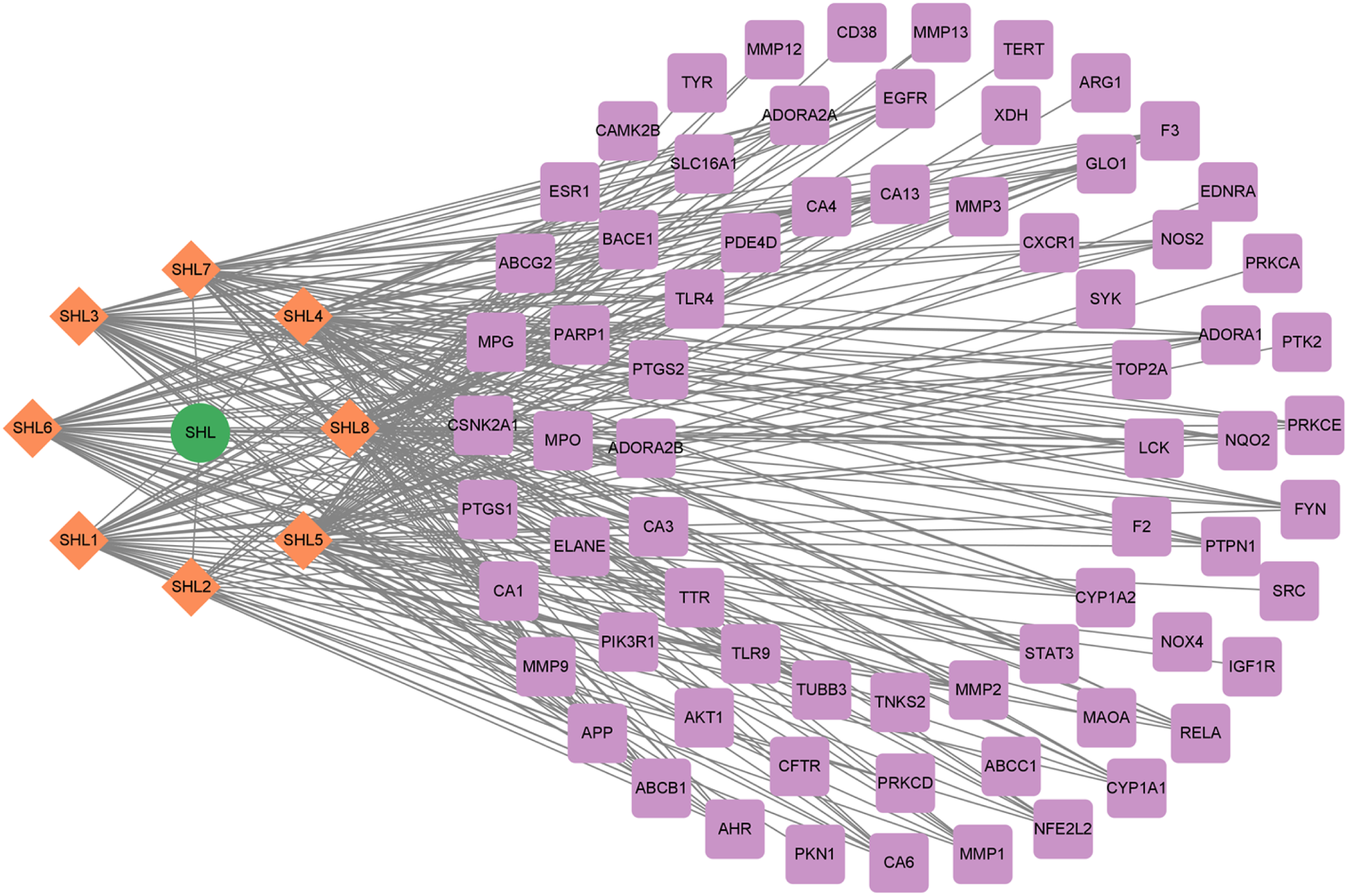
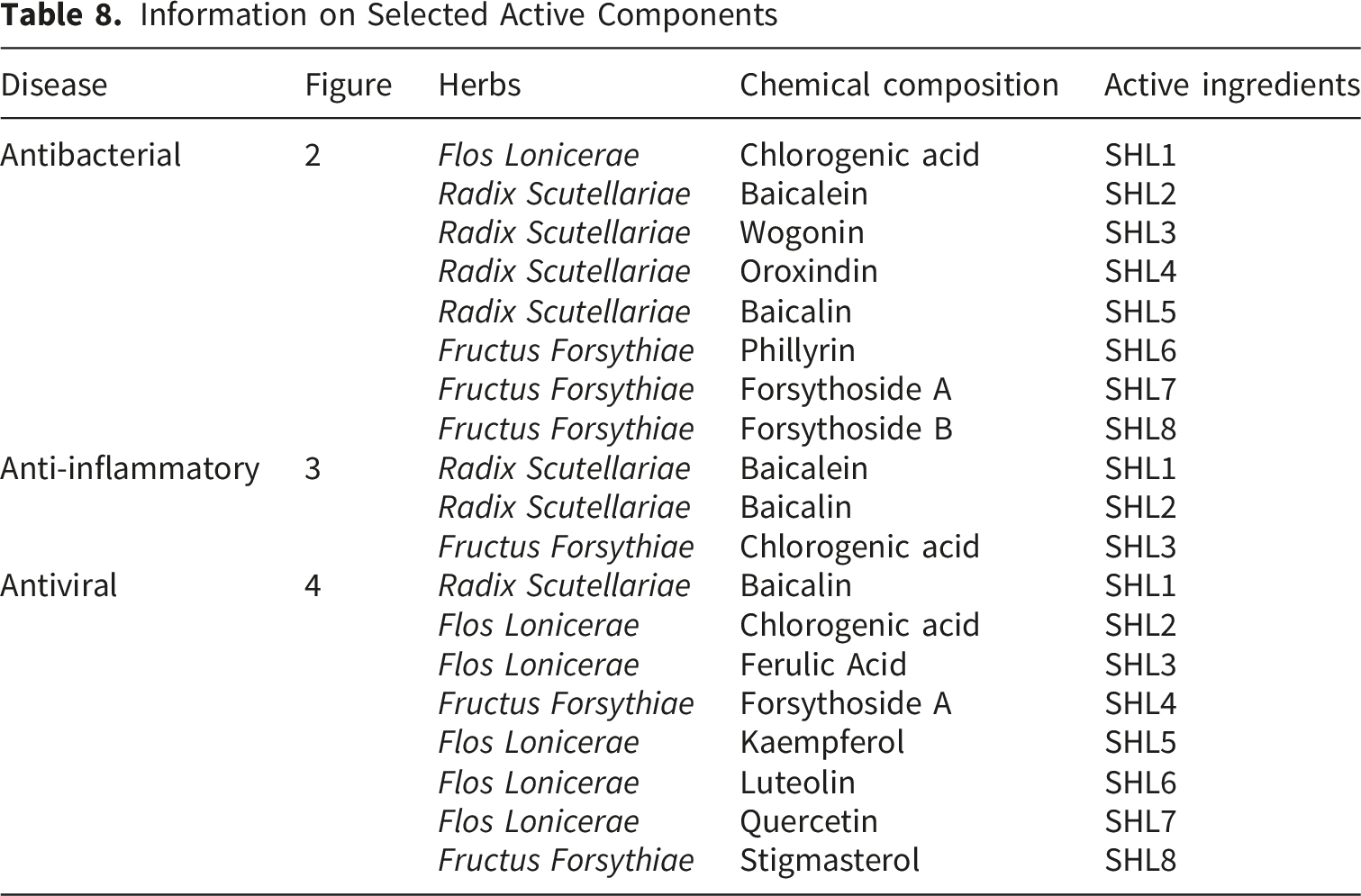
Modern pharmacological studies confirm that all three herbs exhibit antibacterial, anti-inflammatory, and antiviral activities.6-8 These pharmacological actions are associated with their chemical constituents. A systematic review of the chemical composition and pharmacological effects of these preparations are summarized (Figure 1). The Molecule Names of the screened compounds were retrieved using the TCMSP database (https://tcmspw.com/tcmsp.php). Based on the Molecule Name of each component, its Isomeric SMILES structure was obtained from the PubChem database (https://pubchem.ncbi.nlm.nih.gov/). Subsequently, the SwissTargetPrediction database (https://www.swisstargetprediction.ch/) was employed to predict the corresponding gene targets. Finally, potential therapeutic targets were identified as the overlapping genes between compound-related targets and disease-related genes using Venny online software, and a “herb–active ingredient–target” network was constructed using Cytoscape (3.10.0). Figures 2-4 illustrate the networks specifically associated with antibacterial, anti-inflammatory, and antiviral activities, respectively. Partial information on the active components featured in these diagrams is presented in Table 8. IC50 data of partial active components are listed in Table 9. The correlation diagram of chemical components and pharmacological effects in Shuanghuanglian preparations Herb–active ingredient–target network of Shuanghuanglian preparations associated with antibacterial activity (The green represents the herbs, the red represents the compounds in herbs and the purple represents the target) Herb–active ingredient–target network of Shuanghuanglian preparations associated with anti-inflammatory activity (The green represents the herbs, the purple represents the compounds in herbs and the blue-green represents the target) Herb–active ingredient–target network of Shuanghuanglian preparations associated with antiviral activity (The green represents the herbs, the orange represents the compounds in herbs and the purple represents the target) Information on Selected Active Components Summary of IC50 Values of Selected Active Compounds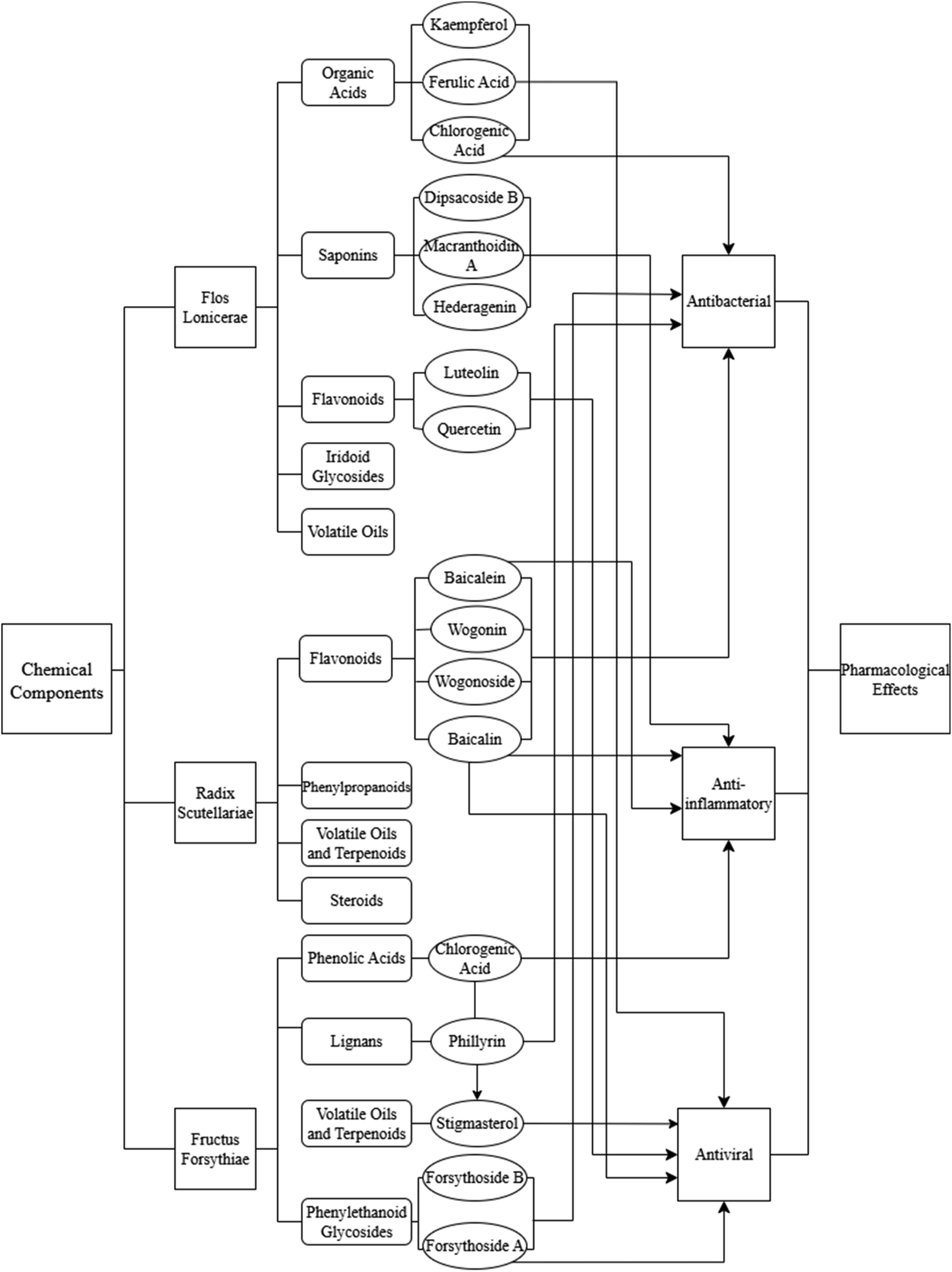

5.1. Antibacterial Action
The three principal herbal components constituting Shuanghuanglian preparations are Flos Lonicerae, Radix Scutellariae, and Fructus Forsythiae. According to Zhou et al, 78 the primary antibacterial constituent in Flos Lonicerae is chlorogenic acid, which exerts its effect by directly disrupting bacterial cell structures. He et al 79 demonstrated that Flos Lonicerae extract exhibits antibacterial activity by interfering with the formation of bacterial biofilms (BBF). Research by Chen et al 80 revealed that the flavonoid aglycones in Radix Scutellariae, specifically baicalin, baicalein, wogonin, and wogonoside, serve as core antibacterial components. Notably, higher concentrations of baicalin correlate with increased endotoxin neutralization rates, while baicalin and baicalein exhibit synergistic antibacterial effects. Zhong et al 81 identified phillyrin, forsythoside A, and forsythoside B as key antibacterial constituents in Forsythiae Fructus, with forsythoside B acting as an effective monomer for inhibiting bacterial efflux pumps. Wang et al 82 further confirmed that phillyrin also disrupts BBF formation. Collectively, the antibacterial mechanisms of Shuanghuanglian preparations encompass: direct destruction of bacterial cell structures, endotoxin reduction to enhance immune defense, interference with BBF formation, inhibition of microbial enzyme activity, and suppression of bacterial efflux pump function. 83
5.2. Anti-inflammatory Action
According to reported studies, 84 the anti-inflammatory effects of Flos Lonicerae are attributed to bioactive constituents including macranthoidin A, dipsacoside B, and hederagenin. Wu et al 85 demonstrated that Flos Lonicerae extract exerts anti-inflammatory activity by suppressing the production of inflammatory mediators. Zhang et al 86 established that baicalein from Radix Scutellariae inhibits pro-inflammatory cytokines and mediators, thereby contributing to its anti-inflammatory efficacy. Relevant studies indicate Fructus Forsythiae exerts anti-inflammatory effects through chlorogenic acid and forsythoside A,45,57 which modulate specific inflammatory pathways including NF-κB and MAPK cascades. The anti-inflammatory mechanisms of Shuanghuanglian preparations primarily derive from inhibition of vascular permeability, restriction of inflammatory cell proliferation, and suppression of inflammatory factor secretion, achieving coordinated regulation of inflammatory responses through synergistic actions of these tri-herb components. 70
5.3. Antiviral Action
According to relevant research, 87 chlorogenic acid and ferulic acid in Flos Lonicerae demonstrate significant antiviral activity. Chen et al 88 employed network pharmacology analysis to identify stigmasterol, luteolin, quercetin, and kaempferol as shared antiviral constituents in both Flos Lonicerae and Fructus Forsythiae. Zhang et al 89 revealed that forsythoside A from Forsythiae Fructus exerts antiviral effects by inhibiting viral replication. Wang et al 90 experimentally established that baicalin restricts viral entry into host cells and mitigates virus-induced inflammatory responses to confer antiviral efficacy. Shuanghuanglian preparations collectively inhibit viral activity through triple mechanisms: blockade of viral cellular invasion, suppression of viral genome replication, and interference with viral particle maturation and release processes, thereby achieving broad-spectrum antiviral coverage against enveloped viruses including influenza and coronaviruses. 91
6. Conclusion
This study systematically reviews the chemical components and pharmacological mechanisms of Shuanghuanglian preparations, a classic traditional Chinese medicine formula composed of Flos Lonicerae, Radix Scutellariae, and Fructus Forsythiae. The chemical constituents of this formula are diverse, including flavonoids, organic acids, lignans, phenylethanoid glycosides, iridoid glycosides, and volatile oils. Among these, chlorogenic acid, baicalin, baicalein, and forsythoside A have been confirmed as key components responsible for its antibacterial, anti-inflammatory, and antiviral activities. Network pharmacology-based “herb–active ingredient–target” analyses have further validated the “multi-component, multi-target, multi-pathway” therapeutic characteristics of this formula, providing a theoretical foundation for its quality control, mechanistic studies, and rational clinical application.
Although significant progress has been made in the phytochemical and pharmacological research of Shuanghuanglian preparations, several limitations remain. First, most studies have followed a linear “isolation–identification–activity screening” paradigm, which insufficiently captures the synergistic mechanisms of multi-component and multi-target interactions in herbal formulas. Although network pharmacology has been introduced, the constructed networks are largely dependent on database predictions and lack rigorous experimental validation and dose–response analysis. Second, the synergistic mechanisms underlying the compatibility of the three herbs remain unclear. The traditional compatibility principle—where by Flos Lonicerae and Fructus Forsythiae disperse the exterior and clear heat, while Radix Scutellariae clears interior heat—has not been systematically elucidated at the chemical and pharmacological levels. Third, certain classes of compounds remain poorly characterized and their mechanisms of action are largely unknown, including iridoid glycosides and volatile oils in Flos Lonicerae, as well as phenylpropanoids and terpenoids in Radix Scutellariae. Fourth, high-quality evidence from individualized clinical applications is still lacking.
From the perspective of natural product research, Shuanghuanglian preparations represents an ideal model for exploring multi-component interactions in complex herbal formulas. Future studies should prioritize the systematic analysis and activity-guided characterization of understudied components, combined with in vivo metabolomics and gut microbiota analysis, to establish an integrated “component–metabolism–target–effect” chain and elucidate in vivo biotransformation pathways. Addressing these research gaps will not only promote the optimization and upgrading of Shuanghuanglian preparations but also provide methodological references for the modernization of other traditional Chinese medicine formulas.
Footnotes

Author Contributions
Conceptualization, N.H. and X.T.; methodology, N.H. and X.T.; software,Y.S.; validation, N.H. and X.T.; formal analysis, Y.S.; writing – original draft preparation, N.H.,X.T. and Y.S.; writing – review and editing, X.B.; project administration, X.B.; funding acquisition, N.H. and X.B. All authors have read and agreed to the published version of the manuscript.
Funding
The authors disclosed receipt of the following financial support for the research, authorship, and/or publication of this article: This research was financially supported by the Postdoctoral Funding Project of Heilongjiang Province (No.LBH-Z23267) and Heilongjiang Provincial University Students’ Innovation and Entrepreneurship Training Program (National Key Supported Project, No.202510228056).
Declaration of Conflicting Interests
The authors declared no potential conflicts of interest with respect to the research, authorship, and/or publication of this article.
Statement of Human and Animal Right
This article does not contain any studies with human or animal subjects.