







Abstract
This study investigates the ecological role of urban dams as a shared resource, assessing avian richness and abundance alongside human disturbances to understand the pressures facing avian species. The study was conducted at Bankani dam in the northern region of Ghana. A total count of birds was conducted in mornings and late afternoons covering both wet and dry seasons. Counts were conducted along three main observation points: the embankment, left shore, and right shore. Surveys were conducted three days a month for 6 months results in 18 sampling days. Human activities that potentially affect the wetland was also documented concurrently with the bird count. A total of 50 bird species were recorded, belonging to 15 orders and 28 families. 21 out of the 50 species identified were migrants. The study recorded a high avian richness of 43 species in the dry season and 29 species in the wet season. The generalized linear model (GLM) result shows that abundance of birds varied significantly between the seasons (p < 0.001), with higher numbers observed during the dry season. Major threats to birds identified include hunting, sand mining, water abstraction, and improper disposal of used agrochemical containers. This study highlights the dual anthropogenic disturbances and ecological significance of the Bankani Dam. It emphasizes the role the dam plays in sustaining both resident and migratory avian species using the dam during wintering periods. The findings reveal seasonal variations in avian richness and abundance, alongside increasing human pressures that threaten the integrity of this wetland habitat. As a wintering haven under pressure, the Bankani Dam illustrates conservation challenges facing multi-use wetlands in an urbanizing arid landscape. Safeguarding such habitats requires an integrated conservation approach that balances ecological integrity with the needs of the people.
Introduction
Avian diversity studies in dam environments are essential for understanding how dam construction and operation affect surrounding ecosystems (Sikarwar et al., 2024; Verma et al., 2024). Dams alter natural river processes – including flow regimes, sediment transport, and water temperature – which in turn modify habitats and food availability for birds. As a result, bird species that depend on riparian and wetland habitats often experience changes in distribution, abundance, and diversity (Nasruddin-Roshidi et al., 2021; Pithon et al., 2021). Historically, dam planning prioritised human needs over ecological consequences (Sennesael & Verhoeven, 2024). However, growing awareness of biodiversity loss and ecosystem services has shifted attention toward mitigating the adverse ecological impacts of dams (Kattel, 2022)
Although the creation of dam reservoirs can create new habitats that are attractive to certain bird species, especially those adapted to open-water or wetland conditions, it can also contribute to habitat fragmentation and loss, often displacing terrestrial and riparian species and reducing overall biodiversity (Nasruddin-Roshidi et al., 2021). Flooding of terrestrial habitats during dam construction directly destroys foraging and breeding grounds, while the change in water flow regimes downstream can further affect habitat suitability for fishes and other aquatic life (Chen et al., 2023). Additionally, dams can indirectly influence bird communities through changes in water quality. For example, increased sedimentation, nutrient pollution, introduction of invasive species, and increased human activity around the reservoir (Mukherjee et al., 2023) all can impact water quality, with adverse consequences for bird populations. Changing water levels in dams can disrupt birds' nesting cycles and reduce the availability of food, eventually affecting their breeding success and population stability (Bárcenas-García et al., 2022). Open water, riparian zones, wetlands, and grasslands are among the terrestrial and aquatic habitats that make up a dam (Atesoglu et al., 2025). These numerous habitats offer spaces for a range of resident and migratory birds to nest, feed, and breed (Soh & Yong, 2024).
Despite its negative impacts on avifauna, dam ecosystems play an important role in maintaining ecological balance and contribute significantly to the earth’s biodiversity, making it important to assess how human livelihoods and land-use practices interact with biodiversity conservation (Zhang & Ma, 2024). Avian diversity and population studies offer important insights into the ecological health of a region and the impact of changing environmental conditions (Bhagarathi et al., 2024). This makes birds one of the best environmental health indicator species due to their sensitivity to climate change, pollution, and habitat changes (Maznikova et al., 2024). Early warning signs of ecological disturbances can be obtained by monitoring bird diversity and abundance, which can reveal trends (Hazen et al., 2024). Such knowledge is critical to efforts to ensure ecological balance and conservation (Carroll & Ray, 2021).
Multi-use tropical dams, like those supporting agriculture and other livelihoods, also serve as seasonal havens for migratory birds, offering diverse habitats including open water, riparian zones, wetlands, and grasslands (Atesoglu et al., 2025; Soh & Yong, 2024). Birds play essential roles in ecosystem functioning, including pollination, seed dispersal, nutrient cycling, and pest regulation (Dinesh et al., 2022), and are also widely recognized as bioindicators, with their diversity and abundance providing insights into ecosystem health and early warning signals of disturbance (Hazen et al., 2024; Maznikova et al., 2024). Migratory birds, in particular, link continents and biomes, contributing to ecological connectivity and nutrient transfer (Schmaljohann et al., 2022; Webb et al., 2010). Their seasonal movements are shaped by rainfall patterns, food availability, and breeding opportunities (Newton, 2023). Shifts in these conditions can affect reproductive success, diets, and social structures such as flocking behaviour (Bransford et al., 2024; Kirillova & Kirillov, 2023; Kumar et al., 2024). Moreover, migratory birds also face direct threats such as hunting. For example, in Egypt, specifically in North Sinai, large-scale trammel-net hunting occurs in autumn migration, killing approximately millions of birds yearly, including quails and other untargeted species (Eason et al., 2016). Such practices highlight the importance of understanding avian diversity and abundance in dam environments, that can act both as havens and traps for wildlife in human-dominated landscapes. During winter in Europe, many Afro-Palearctic migratory birds leave their breeding grounds and winter in sub-Saharan Africa (BirdLife International, 2023). Studies in Ghana have documented the arrival of many palearctic migrants especially at the beginning of the dry season (November) to the end of the dry season (April) in northern part of the country (Aikins et al., 2017, 2018a, 2018b; Thorup et al., 2019). Wetlands in northern Ghana could serve as wintering grounds for these migrants. The Bankani Dam in Nyankpala is an important wetland resource for surrounding communities and agriculture, while serving as a critical dry-season refuge for these wintering birds. Aikins et al. (2017) reported the first record of Whinchat Saxicola rubetra ringed in France and recovered in Africa at this study area. The Bankani Dam, although mainly fed by rainwater runoff, retains water year-round, making it an ecological hub in sustaining both resident and migratory bird populations during periods of water scarcity. Despite its ecological significance, there is no documented information on avian diversity, habitat use, and potential threats within the area. Such knowledge is essential for the effective conservation of both bird populations and other wildlife that rely on the dam. This study explores the dual role of Bankani Dam as a wintering haven for birds and a livelihood resource for local communities. We assessed species richness, abundance, and seasonal variation of birds at the Bankani Dam. We also assessed potential threats to avian populations and habitat integrity in the context of human use.
Materials and Methods
Study Area
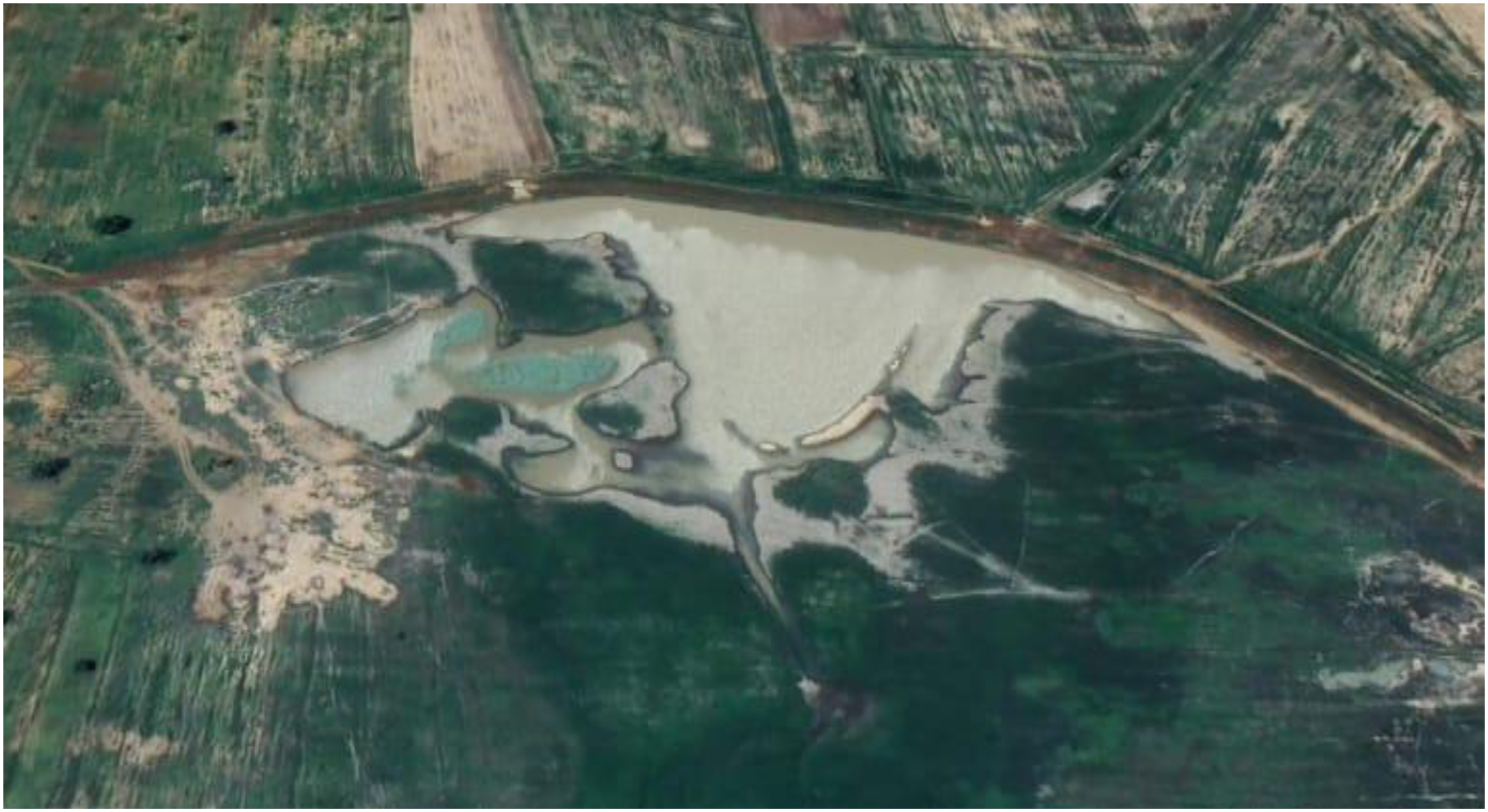
The study was conducted at the Bankani Dam, located near Kukpehi community in Nyankpala in the Tolon District of the Northern Region of Ghana, Africa. It covers an area of 8.66 hectares with a large catchment area with an average depth of 1.53 meters. It has a riparian area which covers a width of about 270 meters from the bank of dam. The dam was constructed in 1965 but did not function for long. It was later reconstructed in 1991 by the Savanah Agriculture Research Institute (SARI) for small-scale irrigation and more recently rehabilitated under the government’s “One Village One Dam” initiative. It is managed locally by the Kukpehi community through a seven-member water management committee. Although its original purpose was irrigation, it is now primarily used for domestic water supply and livestock watering, especially during periods of water scarcity. Subsistence farming activities also occur at the banks of the dam under rainfed system. The dam is mainly rainfed in the rainy season. It receives a lot of runoff water from surround landscape as it is in a lowland with an elevation of about 183 meters above sea level. It retains water year-round although the total area covered by water reduces drastically during the peak of the dry season (March-April). The dam lies approximately between 9°25′9″N, 0°57′24″W, about 1.5 miles from the University for Development Studies (Nyankpala campus) and about 10 miles south-west of Tamale, the capital of Northern Region. The Northern Region of Ghana is characterized by semi-arid tropical climatic conditions with a single rainy season. Annual rainfall averages 1000 to 1300 mm, with rain starting from May and spanning to October. The dry season (usually from November to April) is characterized by Harmattan winds during the day with high temperatures and low humidity (Abdulai et al., 2020; Ziblim et al., 2019). Rainfall variability strongly influences reservoir levels and habitat availability around the Dam. The area lies in the Guinea Savanna, predominantly composed of grasslands with scattered fire-resistant trees like Vitellaria paradoxa, Adansonia digitata, and Tamarindus indica (Ziblim et al., 2019). Within the Dam environment, habitat mosaics include open water, riparian vegetation, seasonal wetlands, farms, and nearby grassland/woodland areas (Figures 1 and 2). Such diverse habitats provide several ecological niches for both resident and migratory bird species (Abdulai et al., 2020). Dams in this region are usually filled in the rainy season, with water levels reducing substantially or drying out several months after. Water abstraction for irrigation and rainfall variability contributes to inter-annual changes in water availability, directly affecting aquatic and riparian bird habitats. Additionally, the dam area is also a hub of human activity, such as fishing, water abstraction for domestic use, grazing of livestock, hunting, and harvesting of reed. Such activities, coupled with seasonal water fluctuations and occasional disturbance, represent potential pressures on avian communities at Bankani Dam especially in the midst of current impact of climate change with fluctuating rainfall patterns. Satellite Image of Bankani dam with the location of the dam in the District, Region, National and Africa Map Aerial view of the Bankani Dam (Source: Google Earth, 2025)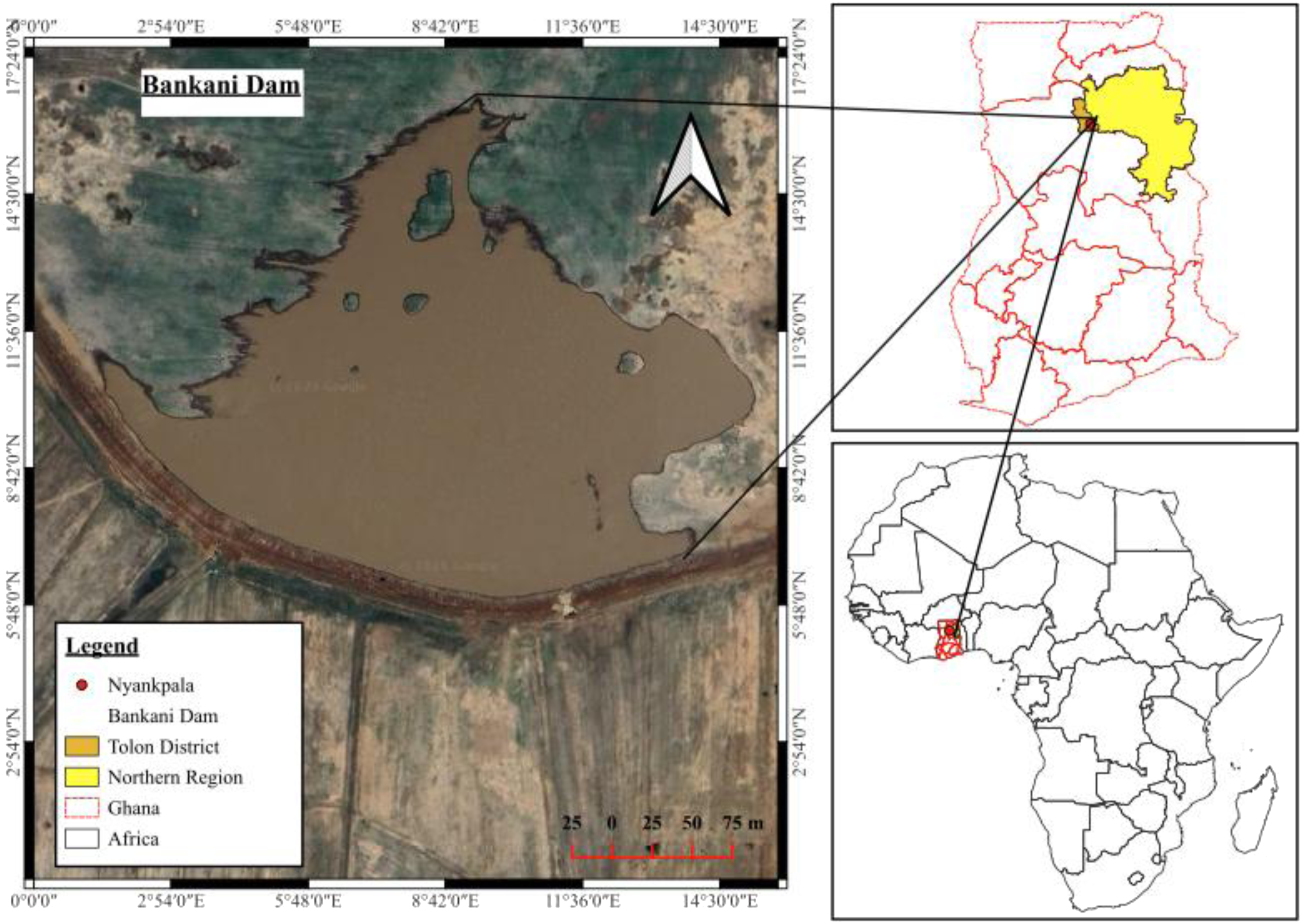
Sampling and Data Collection Technique
We surveyed birds at the dam using the total count method, where every individual of each species seen or calls heard within the survey area was recorded. This method was selected because the dam and its open surroundings provided clear visibility, reducing the chances of undercounting. However, there could be potential limitations like detection bias in areas where crops cultivated at the banks had grown tall. Counts were conducted over eighteen survey days along three main observation points: the embankment (700 m), the left shore (326 m), and the right shore (350 m). Surveys were conducted for three days in each month from July 2024 to February 2025, covering both the wet and dry seasons. Data was collected in July, August and September for the wet season and December, January and February for the dry season. These months represent the peaks of the wet and dry seasons respectively and covers 50% of the wet and dry months in the year. Therefore, sampling within these months was sufficient to capture season variations in bird communities. The counts were conducted in the morning from 6:00 am to 8:00 am and late afternoon from 4:00 pm to 6:00 pm when the temperature was relatively cool and bird activity was high.
Birds that flew across to the other sides were not counted to avoid multiple counting. Birds that were already counted at one observation point and later seen landing at another point were not counted. Counts were conducted by two observers, who moved together to each observation point throughout the data collection period to ensure consistency. On mornings when rainfall occurred, counts were postponed to the following day to avoid reduced detectability of birds. Birds were observed using 8 x 40 Nikon binocular and a digital camera (Canon SX50 with 50x optical zoom and 200x digital zoom). Pictures of unidentified birds were taken with the digital camera and compared with a field guide to identify. Birds were identified with the help of a Birds of Ghana Field Guide (Borrow & Demey, 2010). All photos were stored with the authors. Species identification and classification followed the International Ornithological Congress (IOC) World Bird List version 15.1 (2025) to ensure consistency in taxonomy and systematic order.
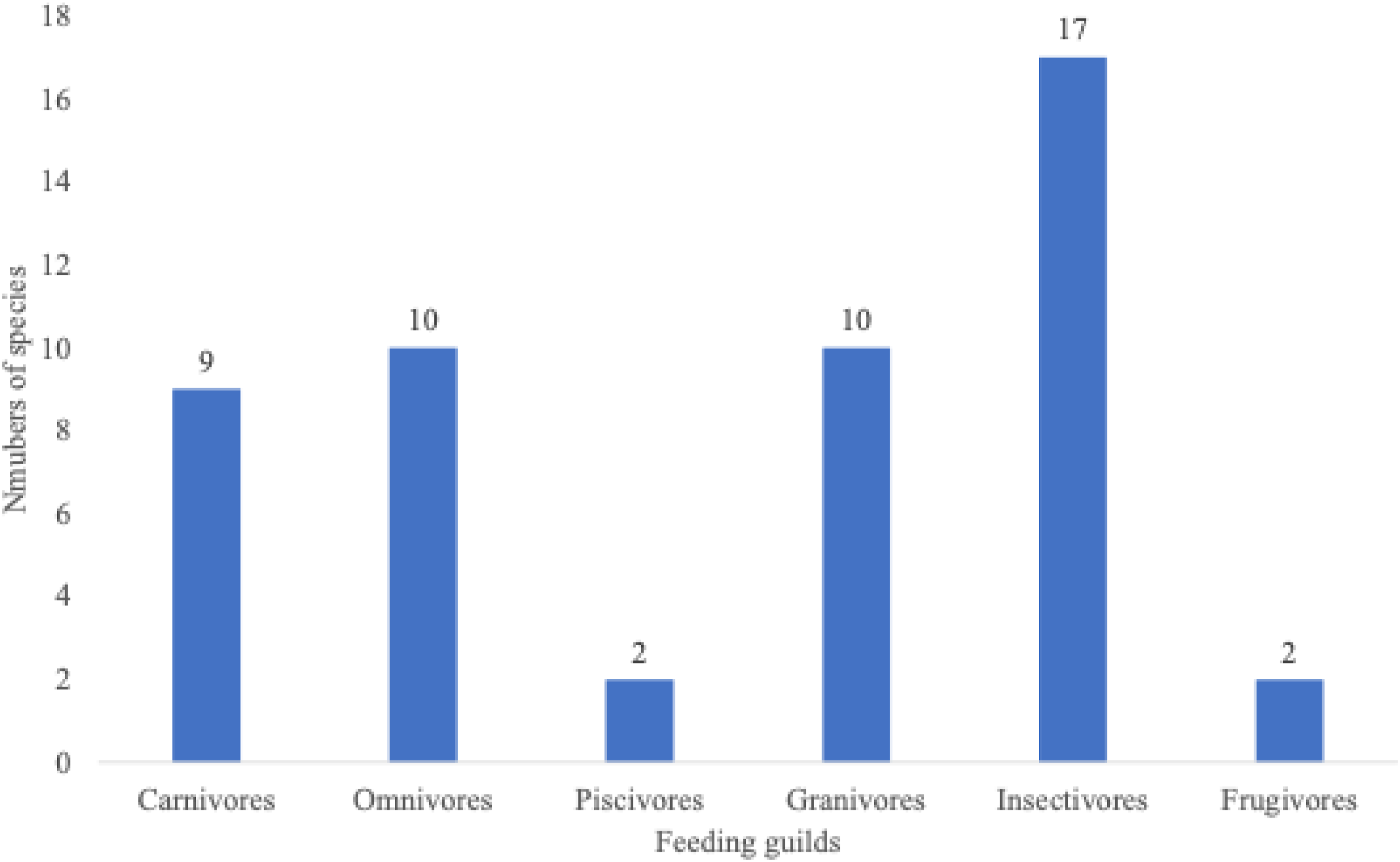
Bird species were assigned to feeding guilds (insectivores, frugivores, granivores, omnivores, and piscivores) through direct field observations and available published classifications (including Mulwa et al., 2013; Kavana et al., 2024). The feeding guilds were determined according to the primary and predominant food type. This reference provides standardized criteria for diet categories, ensuring consistency in guild assignment across species.
Using identified factors that threaten the quality of wetlands in northern Ghana as a guide (Nsor & Obodai, 2014), we assessed the threats to bird species around the dam. We observed and documented all activities that might influence the behaviour and presence of birds including bushfire, crop farming activities, grazing, and erosion. We observed these activities alongside the bird counts sessions. For pesticides bottles, we counted the number seen during each survey period. The bottles were collected after counting each day for proper disposal. The number of water abstraction machines present at each survey day were counted. Different crops cultivated at the bank of the dam were counted for the first day and new additions were recorded along the months. Similarly, number of birds and species killed were counted on each day likewise is the number of sand mining trucks and livestock. Observations were conducted over eighteen survey days. Surveys were conducted for three days in each month from July 2024 to February 2025, covering both the wet and dry seasons. Data was collected in July, August and September for the wet season and December, January and February for the dry season. The observations were made in the morning from 6:00 am to 8:00 am and late afternoon from 4:00 pm to 6:00 pm.
Data Analysis
The number of species in each guild was represented in the form of bar graph. The list of birds at the dam was generated by pulling together all the species recorded for each count. The averages of the morning and evening counts was calculated for each day as the abundance for each day’s count. Species accumulation curve was modelled using a logarithmic regression equation with sampling days as the effort and the number of species as the output. A species list was generated by recording all birds sighted or heard calling at the Bankani dam area throughout the dry and wet season periods of the study. Generalized linear model (GLM) was fitted using the glm() function in the stats package in R, specifying a Poisson distribution. Abundance was treated as the response variable, with season (dry vs. wet) as the explanatory factor. The Poisson distribution assumes that the response variable represents count data, that counts are independent, and that the mean and variance are equal. To assess these assumptions, diagnostic checks were performed: residual plots were inspected for patterns, dispersion was tested to detect overdispersion, and goodness-of-fit statistics were examined. Abundance data was number of birds counted per day for 3 days in a month for 3 months in each season. This resulted in 9 sampling days per season. The result was presented using boxplot from the geom boxplot() function and ggplot2 package on the raw data.
Diversity indices were calculated using the diversity() function in the vegan package (Oksanen et al., 2019). Simpson’s and Shannon’s indices were obtained directly from this function. Species richness was further assessed using Margalef’s and Menhinick’s indices. These were computed manually from species abundance data, following their standard formulas: Margalef’s richness
Results
Avian Species Abundance and Richness at the Dam Area
Taxonomic Composition, Ecological Traits, and Seasonal Abundance of Bird Species Recorded in the Study Area. The Table Presents Each Species by Order, Family, Migratory Status, Feeding Guild, Common and Scientific Names, and IUCN Red List Status (2025). Seasonal Counts (Wet and dry) and Overall Totals Are Included to Highlight Variation in Species Richness and Abundance Across Seasons


Species accumulation curve
Feeding guilds of birds at the Bankani dam catchment area
Seasonal Variation in Species Richness and Abundance at Bankani Dam
Seasonal Variation in Bird Diversity Indices. The Table Summarizes Values of Simpson’s and Shannon’s Diversity Indices, Along With Margalef’s and Menhinick’s Species Richness Indices, Calculated Separately for Wet and dry Seasons

During the dry season, a total of 5,462 individual birds were recorded. Cattle Egrets Bubulcus ibis were the most abundant, with 979 individuals. The Black-winged Kite Elanus caeruleus, Kemp’s Long-billed Macrosphenus kempi, Black Coucal Centropus grillii, and Pallid Harrier Circus macrourus were the least recorded, with one individual each. Of the 43 species observed in the dry season, 23 were resident species and 20 were migratory, including intra-African migrants, intra-African/resident migrants, Palearctic migrants, and vagrant species (Table 1) Overall, bird abundance was significantly higher (p < 0.001; F = 85.19) in the dry season (5,462 individuals) compared to the wet season (1,274 individuals) (Figure 5). Seasonal abundance of bird species at Bankani dam. The boxes and horizontal lines represent the first and third quartiles and the medians, respectively. The whiskers represent 1.5 × the interquartile range. Circles represent the mean
Potential Threat to Bird Populations and Habitats Within the Dam Area
Potential Threats to Bird Species

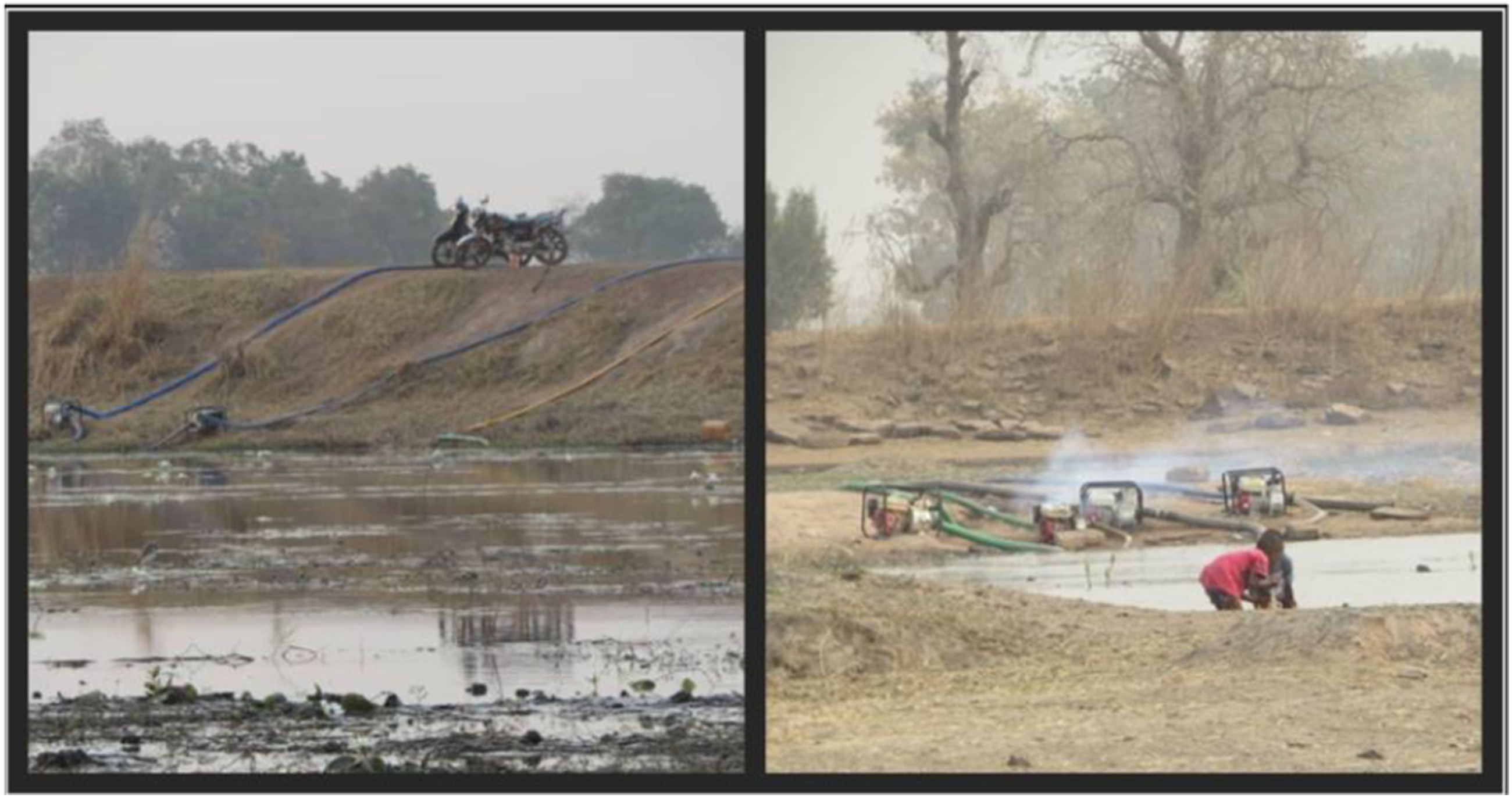
Water abstraction from the dam, a source of noise, air, and water pollution
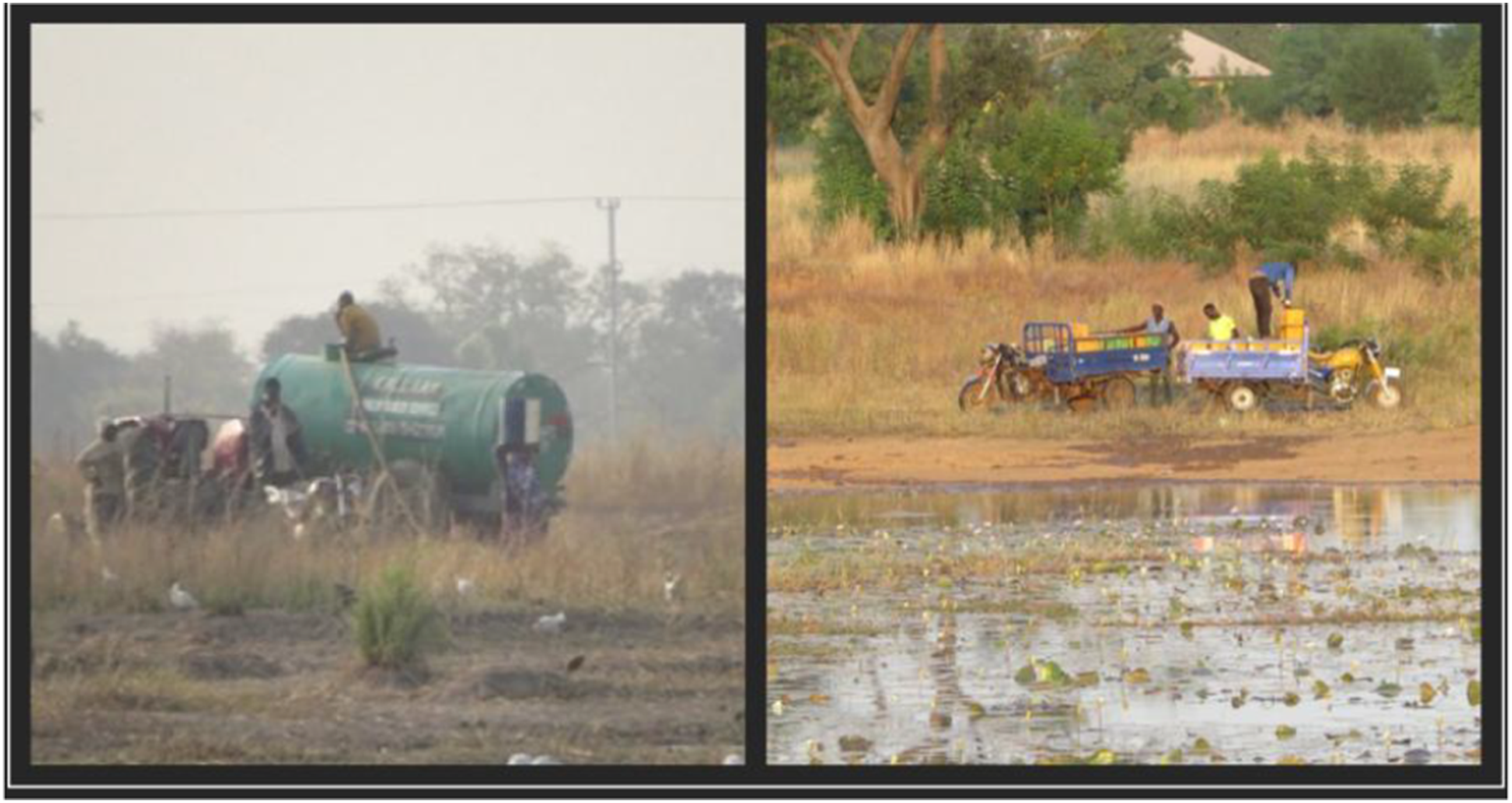
Presence of large groups of commercial water distributors at the dam
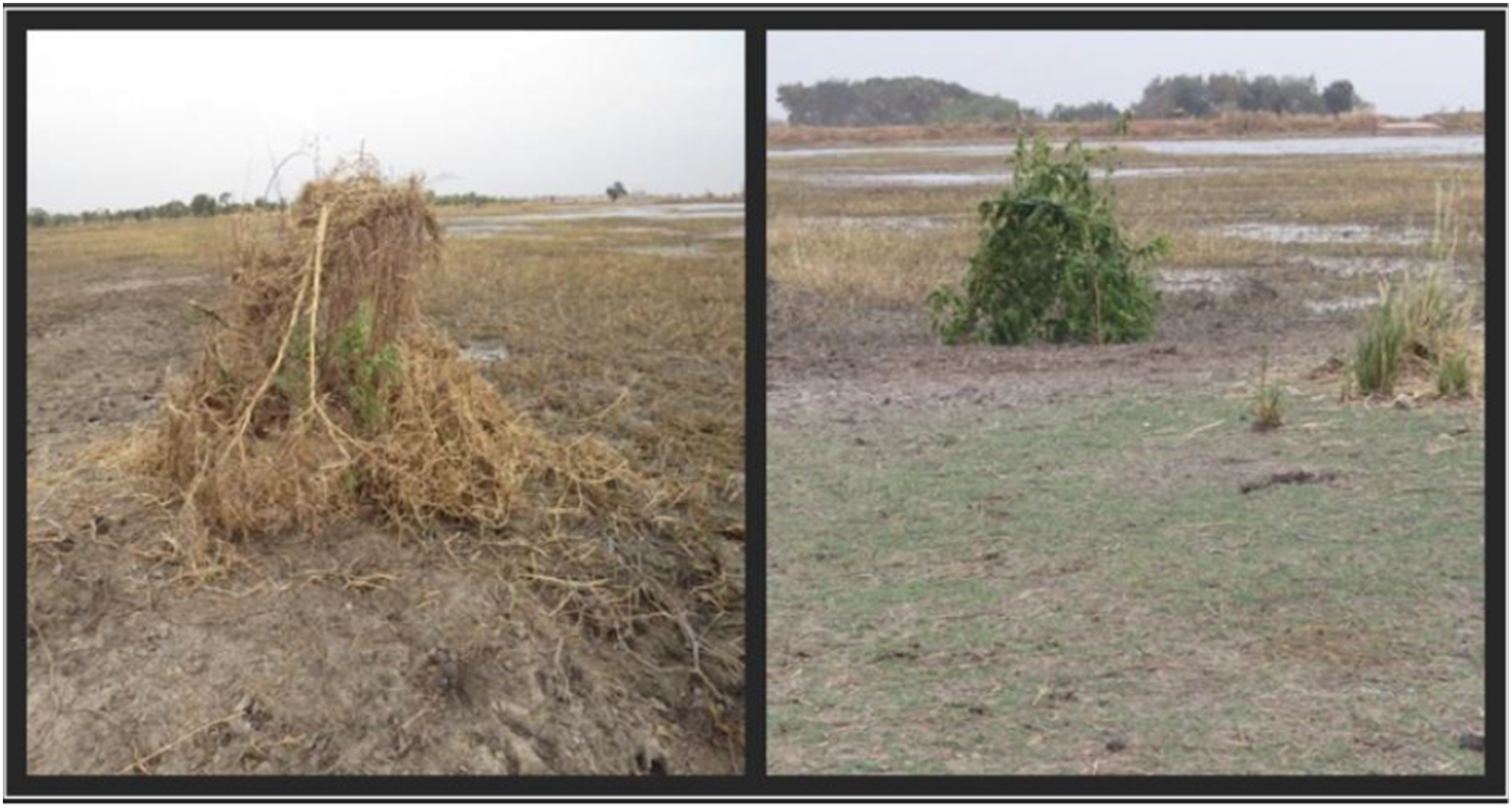
Hideouts constructed by hunters to shoot birds

Speckled Pigeon and White-Faced Whistling Duck killed at the Dam
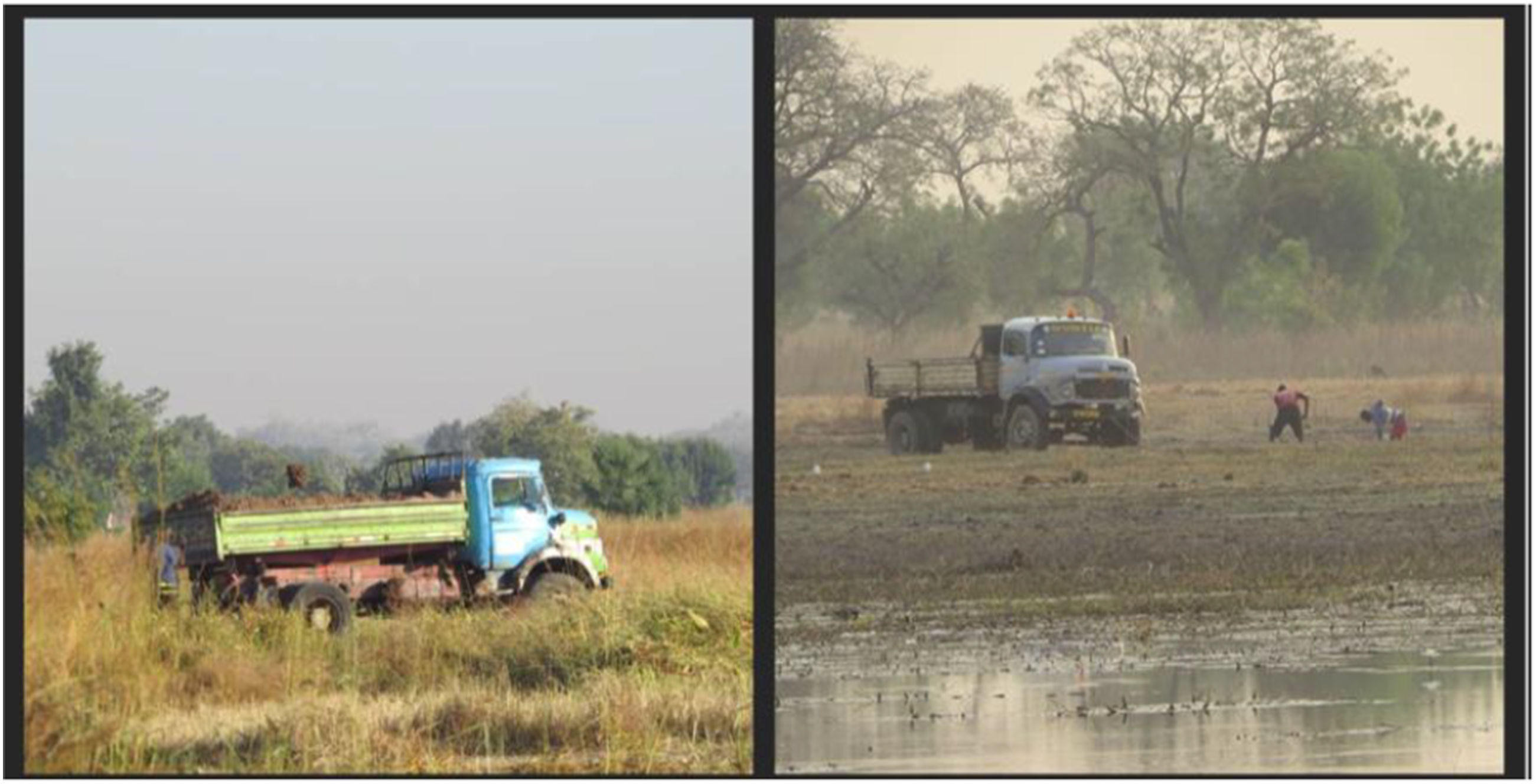
Destruction of the wetland habitat through sand mining
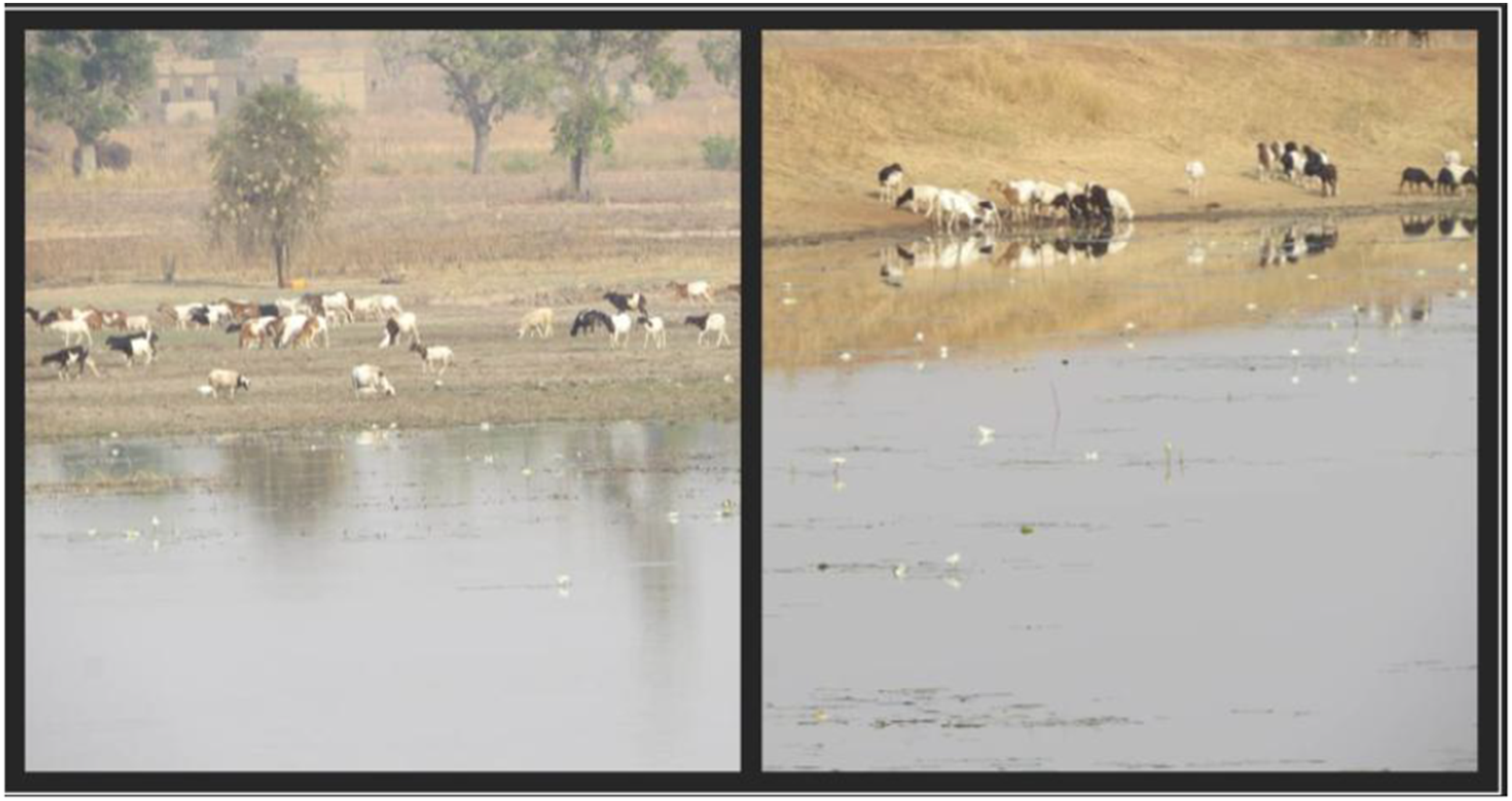
Uncontrolled livestock grazing around the dam
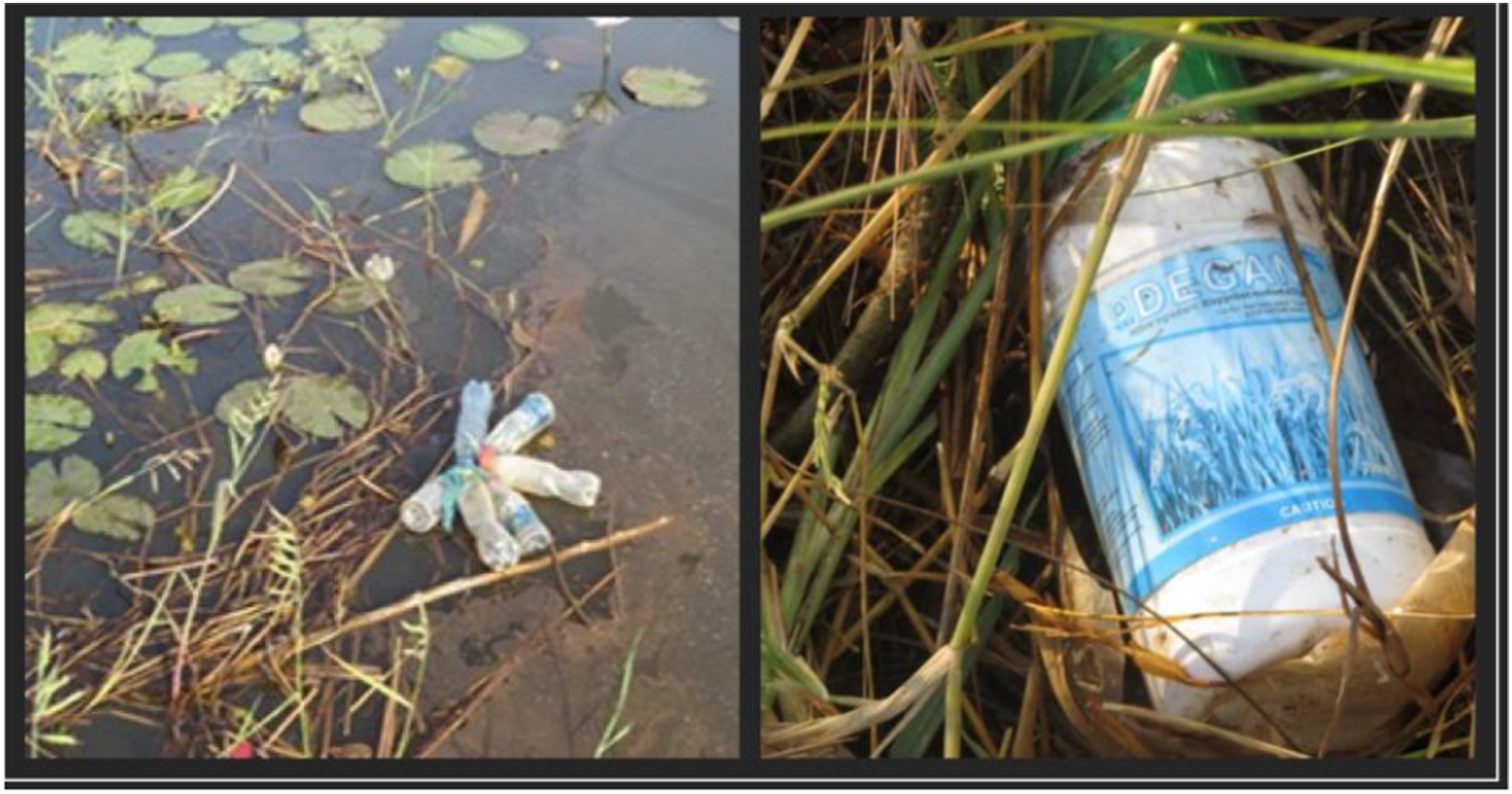
Haphazard disposal of plastic bottles and used agrochemical containers
Discussions
We assessed seasonal variations in avian species richness and abundance at a multi-use dam site in northern Ghana and documented the potential threats to avian diversity and their habitat in the dam area. We counted a total of 6,729 birds belonging to 50 species, 15 orders, and 28 families at the dam area. This study is the first to document bird species diversity at this important wetland and therefore our findings form an important baseline data for the study areas. Aikins et al. (2018a), Aikins et al. (2018b) documented 29 species of waterbirds across four dams in Mole National Park during the same assessment period. In contrast, our study recorded only 15 species of waterbirds, as it focused on a single dam located outside the Protected Area. The species accumulation curve shows R2 = 0.737, suggesting that additional sampling might reveal more species. This should be discussed as a limitation. The species documented were mainly of least concern, with one near-threatened species according to the IUCN Red List. Several threats to avian populations were identified at the dam area, with most of the threats prevalent in the dry season. Our study found that while the dam provides critical habitat for birds during the dry season when water is scarce, this same period sees peak human activity around the dam, posing the greatest threat to birds and wetland integrity.
The higher species richness and abundance recorded at the Bankani Dam imply that the dam provides the resources the avian population needs to survive. In a similar multi-use tropical dams in West Africa, Adeniji et al. (2025) recorded 173 species across 3 dams. Like our findings, Adeniji et al. (2025) found insectivores birds to be the most abundant. These findings suggest that the dam environment plays an important role in sustaining avian diversity, especially waterbirds, while highlighting the need to improve functional diversity in such environments. The diverse feeding guilds identified in the study area imply there is diversity of habitats to support diverse species (Bala et al., 2023; Thaker & Radadia, 2024). It also indicates that the ecological health of the dam area is in good state to support biodiversity (Purohit et al., 2025). The dominance of Passeriformes (15 species) is typical for Afrotropical savannas as their evolutionary diversity and ecological adaptability allow them to exploit a wide range of resources and withstand environmental stress (Almeida et al., 2018).
We recorded a higher number of species in the dry season (43 species) than in the wet season (29 species). The higher number of species recorded in the dry season could be attributed to the arrival of migratory species at the study area. We documented 11 migratory species in the wet season and 20 migratory species in the dry season. The higher number of migratory species in the dry season could be attributed to the time when Palearctic migrants arrive and stay in the study area (Late October to March). The findings show that the study area serves as an important area for Intra-African and Afro-Palearctic migrants to use during their winter migration to West Africa. Similar important migratory bird observations have been made in this study area. For instance, the first record of Whinchat Saxicola rubetra ringed in France and recovered in Africa was observed in this study area (Aikins et al., 2017), approximately 600 meters from the dam. The Bankani Dam retains water year-round, making it an ecological hub in sustaining both resident and migratory bird populations during periods of water scarcity. The seasonal differences in species composition highlight how bird communities respond to changing ecological and habitat conditions, especially regarding cover, food, and water that support bird species in nesting and raising their young.
The higher diversity indices obtained in the dry season compared to the wet season implies that species are more evenly distributed and dominance is lower in the dry season compared to the wet season. Also, the higher Margalef’s species richness in the dry implies that more species were recorded relative to the number of individuals. However, the lower Menhinick’s species richness obtained in the dry season compared to the wet season implies that although the dry season had more species overall, the wet season had fewer individuals per species, giving a higher richness relative to sample size.
Avian abundance in the dry season was significantly greater than in the wet season (p <0.001). This could be explained by the fact that during the wet season, all temporary dams hold water, and therefore, birds are distributed across all the sources. Similar patterns have been observed in Dams at Mole National Park (Aikins et al., 2018a), lso in northern Ghana. Aikins et al. (2018a) attributed the higher abundance of waterbirds at the dams at Mole National Park to the scarcity of water in the dry season, resulting in more birds visiting permanent water sources. This is consistent with our findings at Bankani Dam, which holds water throughout the year, supporting both migratory and resident species, until alternative water sources become available in the wet season. The greater abundance of birds observed during the dry season may be attributed to the contraction of aquatic habitats and the expansion of marshy or dry environments, which provide enhanced foraging opportunities (Li et al., 2019; Thomas et al., 2020).
Despite serving as a vital refuge for birds across seasons, wetlands and dam habitats like Bankani are increasingly under pressure from human activities and environmental variability. Our findings identified several activities that serve as threats to the dam habitat and avian diversity. These include improper waste disposal of used pesticide containers, plastic waste, water abstraction, illegal hunting of birds, sand mining, uncontrolled grazing by livestock, and proximity of farms to the dam. Similar trends have been reported by Nsor and Obodai (2014), who identified farming, bushfires, and water abstraction as major threats reducing wetland bird diversity in northern Ghana. Their findings suggest such disturbances fragment habitats, especially during the dry season, reducing water resources available for birds. Additionally, reports from Eason et al. (2016) suggest that in North Sinai, Egypt, hunting has caused a significant mortality of migratory species, especially quail and associated bycatch.
In Ghana, the Wildlife Resources Management ACT, 2023 (ACT 1115), prohibits the hunting or capture of partially protected species (this includes Speckled Pigeon and White-faced Whistling Duck) during the closed season (1st August to 1st December). The hunting of these species outside the closed season must be done under a permit or licence issued by the Commission under section 23 of the ACT. We documented that hunters around the Bankani dam hunt birds, including the White-Faced Whistling Duck, Speckled Pigeon, among others. Our interaction with one of the hunted revealed that they have no idea they are to obtain a permit to hunt and they are not aware of the closed season for hunting. Although our study did not record migratory birds as part of the birds killed, it is possible that the use of guns on targeted species could disturb migrants that use the dam as wintering grounds. In a similar study, Chaula (2023), in Tanzania, specifically in the Usangu Wetland, reported the illegal killing of waterbirds in rice fields during the dry season as birds gathered in a few water bodies. These findings suggest the urgent need to protect multi-use wetlands and habitats like Bankani Dam to prevent long-term declines in both resident and migratory species. Furthermore, recent evidence from “The Killing 3.0” report from Birdlife shows that, despite progress, many African countries are still behind on the target to reduce illegal bird killings by 2030, with hunting still occurring in many hotspots along major migratory flyways (BirdLife International & EuroNatur, 2025). These align with observations at the Bankani Dam, where birds that frequent the dam for water face illegal hunting pressures, especially in the dry season when water availability is limited. These findings highlight the urgent need to curb illegal hunting and raise awareness of the sustainable use of wetland resources. Without regulatory conservation of such activities, continued hunting pressure could accelerate population declines and further cause a decline in avian diversity and abundance in the region.
The use of agrochemical with active ingredients like Bispyribac-sodium, Lambda cyhalothrin, and Paraquat chloride could have detrimental effect on aquatic biodiversity including birds that rely on this habitat for feeding (Basana et al., 2021; Oyetunji et al., 2024). Furthermore, with recent evidence of the impacts of climate change, water availability is expected to decrease, potentially increasing the exposure of wetlands and waterbirds to human activities.
Conservation Implication
Our findings reveal that the Bankani Dam catchment is an important water resource that supports diverse avian diversity, including resident and migratory birds, domestic animals, and crop farming activities. The study further highlights the seasonal variation in the use of the water resources, retaining water year-round in an arid environment. However, some human activities, such as unlicensed hunting, sand mining, water abstraction, and improper disposal of agrochemical containers, threaten both biodiversity and long-term utilization of the dam. As a wintering haven under pressure, the Bankani Dam illustrates the conservation challenges facing multi-use wetlands in an urbanizing arid landscape. Protecting this important habitat, regulating harmful environmental practices, and raising awareness will be essential to mitigate illicit activities and sustain the dam’s ecological integrity. Safeguarding such habitats requires an integrated conservation approach that balances ecological integrity with the needs of the people. Conservation awareness and sustainable management strategies are therefore essential to protect both biodiversity and human livelihoods, ensuring that the dam continues to function as a haven for birds and a resource for people.
Footnotes
Acknowledgment
Special thanks to farmers and users of the Dam who cooperated with us during the study. We appreciate the support of Mr. Francis Mensah in developing the study area map.

Funding
The study was funded by the Government of Ghana through the book and research allowance offered to the first and third authors.
Declaration of Conflicting Interests
The authors declare that there are no potential conflicts of interest with respect to this research, authorship, and/or publication of this article.